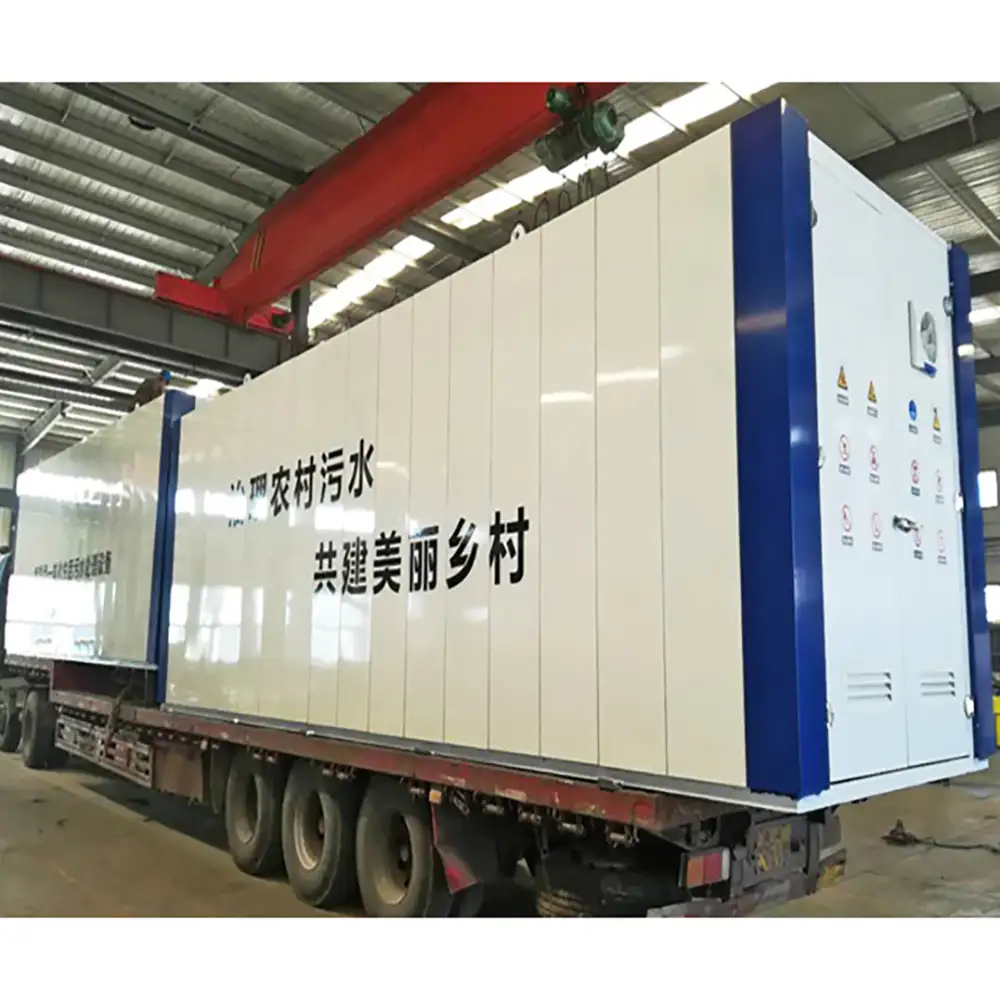
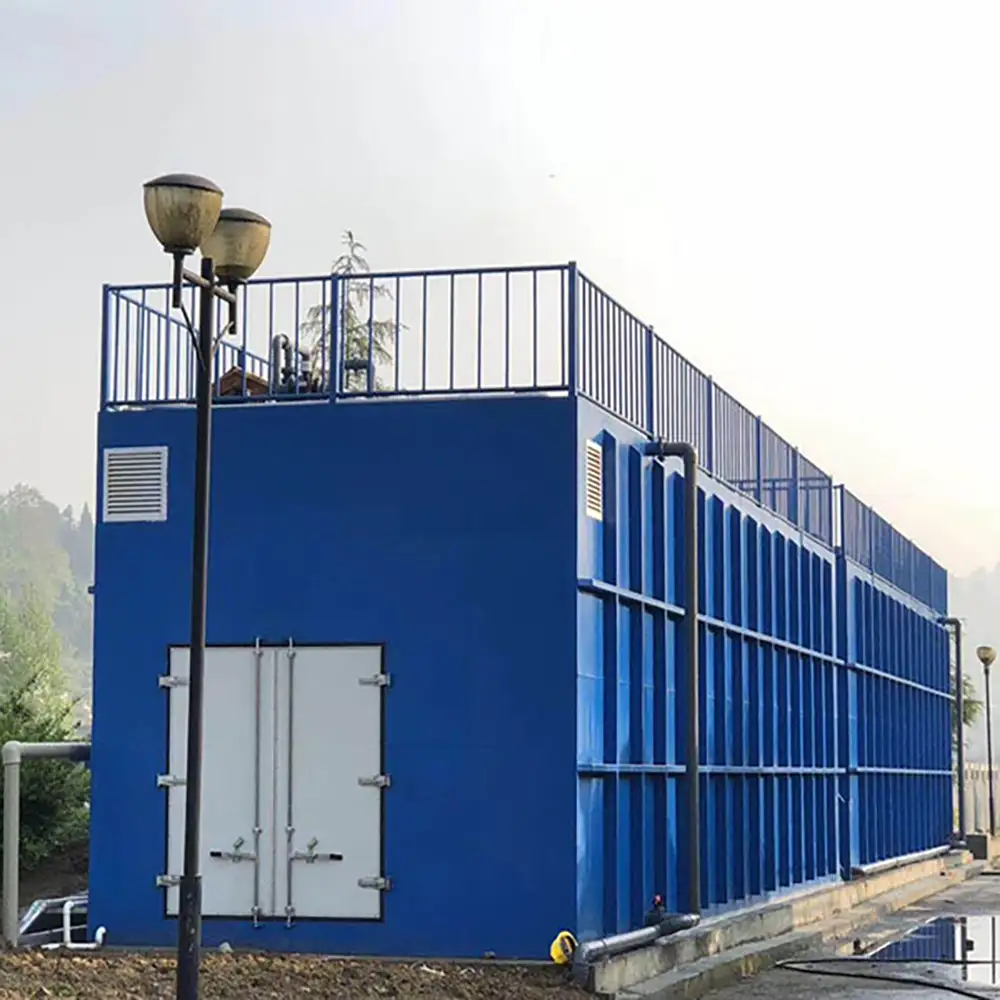
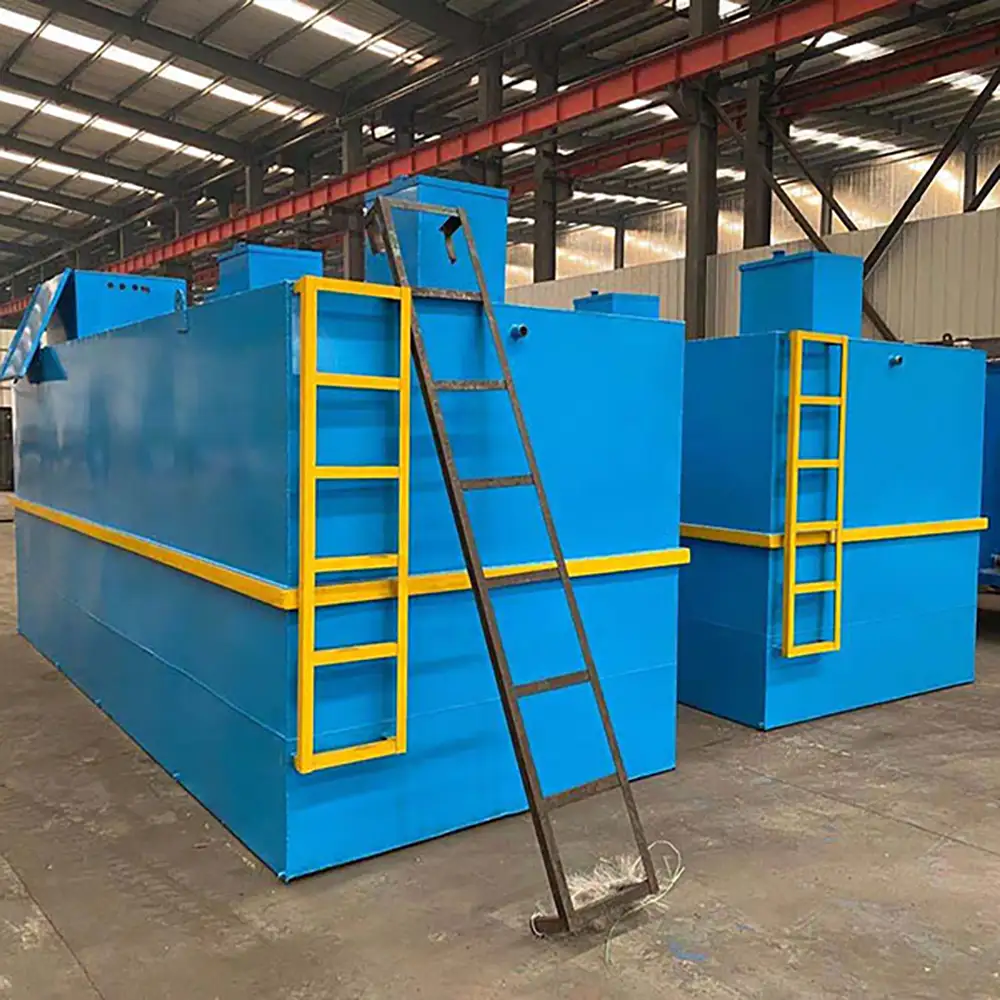
Integrated sewage treatment equipment
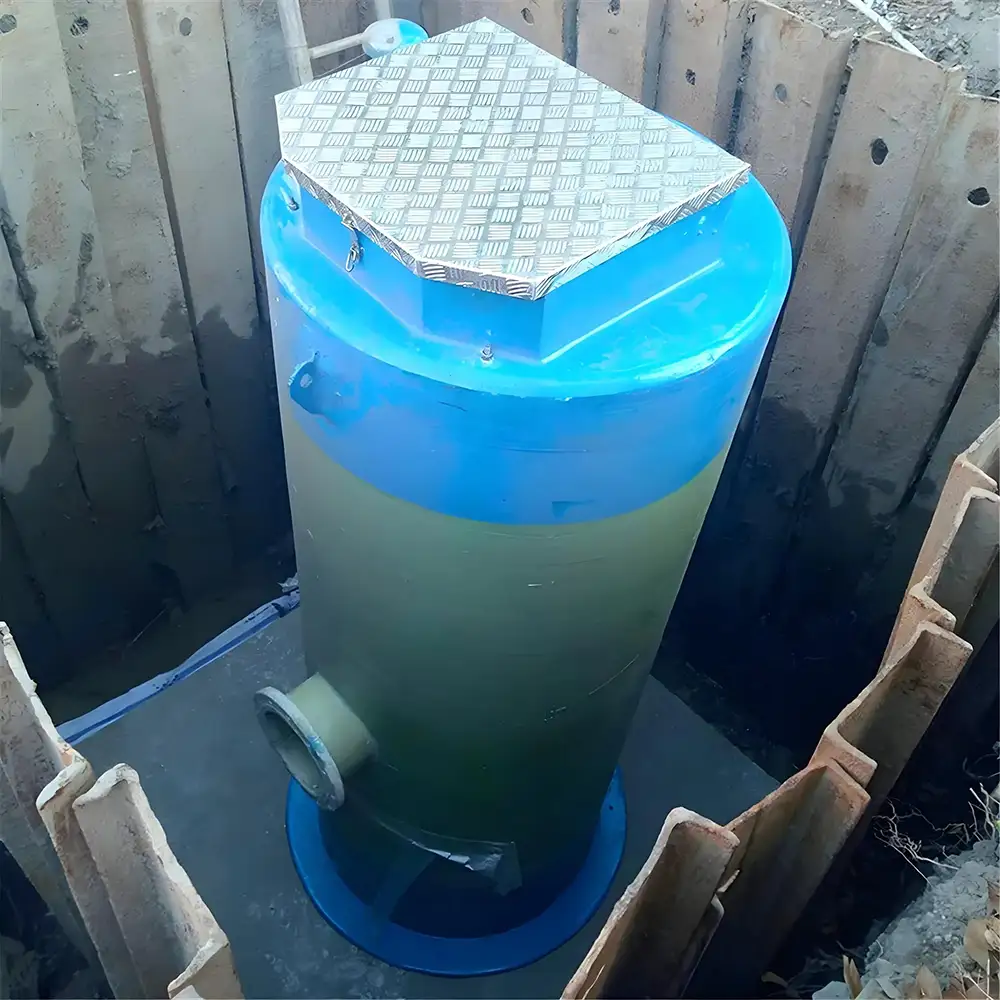
The biological treatment process adopted by this equipment integrates the removal of BOD, COD, and NH-N, making it the current sewage treatment equipment. It is widely used in the treatment of domestic sewage and similar industrial organic sewage in rural areas, villas and residential quarters, replacing the Septic tank with low removal rate and treated effluent that cannot meet the comprehensive discharge standard.
After practical application, it has been shown that the integrated buried sewage treatment equipment is a very ideal and easy to manage domestic sewage treatment equipment. The long-term application results in the living community also indicate that this equipment is a good governance measure for our domestic sewage treatment.
Sewage is the wastewater discharged from residents' daily lives, mainly from residential buildings and public buildings, such as residential buildings, government agencies, schools, hospitals, shops, public places, and industrial enterprise bathrooms. The pollutants contained in domestic sewage are mainly organic matter (such as proteins, carbohydrates, fats, urea, ammonia nitrogen, etc.) and a large number of pathogenic microorganisms (such as parasitic eggs and intestinal infectious viruses, etc.). The organic matter present in domestic sewage is extremely unstable and prone to decay, resulting in a foul odor. Bacteria and pathogens multiply in large quantities using organic matter in domestic sewage as nutrients, which can lead to the spread of infectious diseases.
The comprehensive domestic sewage has high CODcr and BOD5, and the value of BOD5/CODcr is greater than 0.4, indicating good biochemical performance. It is advisable to adopt a biochemical based process for treatment. Due to the large amount of wastewater, integrated sewage treatment equipment should be used for biochemical treatment. Before entering the biochemical device, try to remove floating and large particle suspended impurities from the domestic sewage during the pre-treatment stage as much as possible, and then enter the sewage regulating tank to prevent adverse effects on the sewage lifting pump.
Ground Integrated Wastewater Treatment Equipment
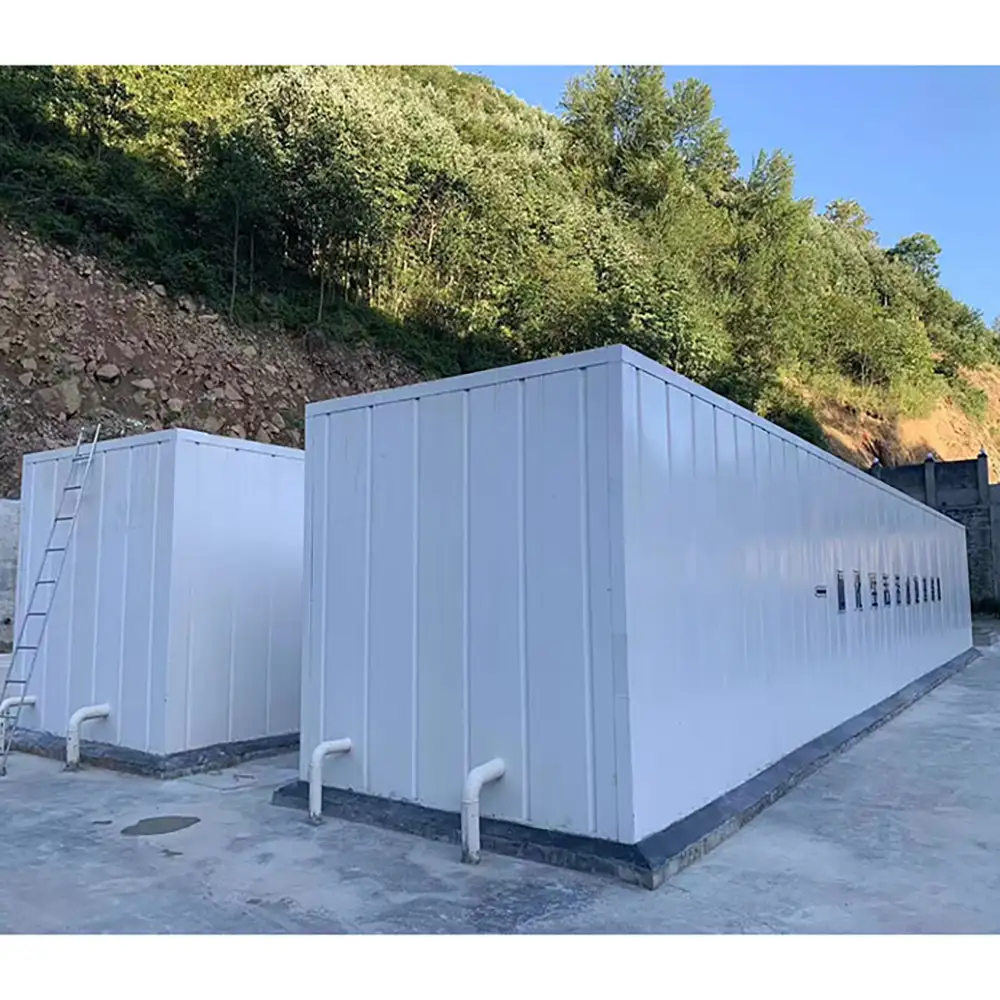
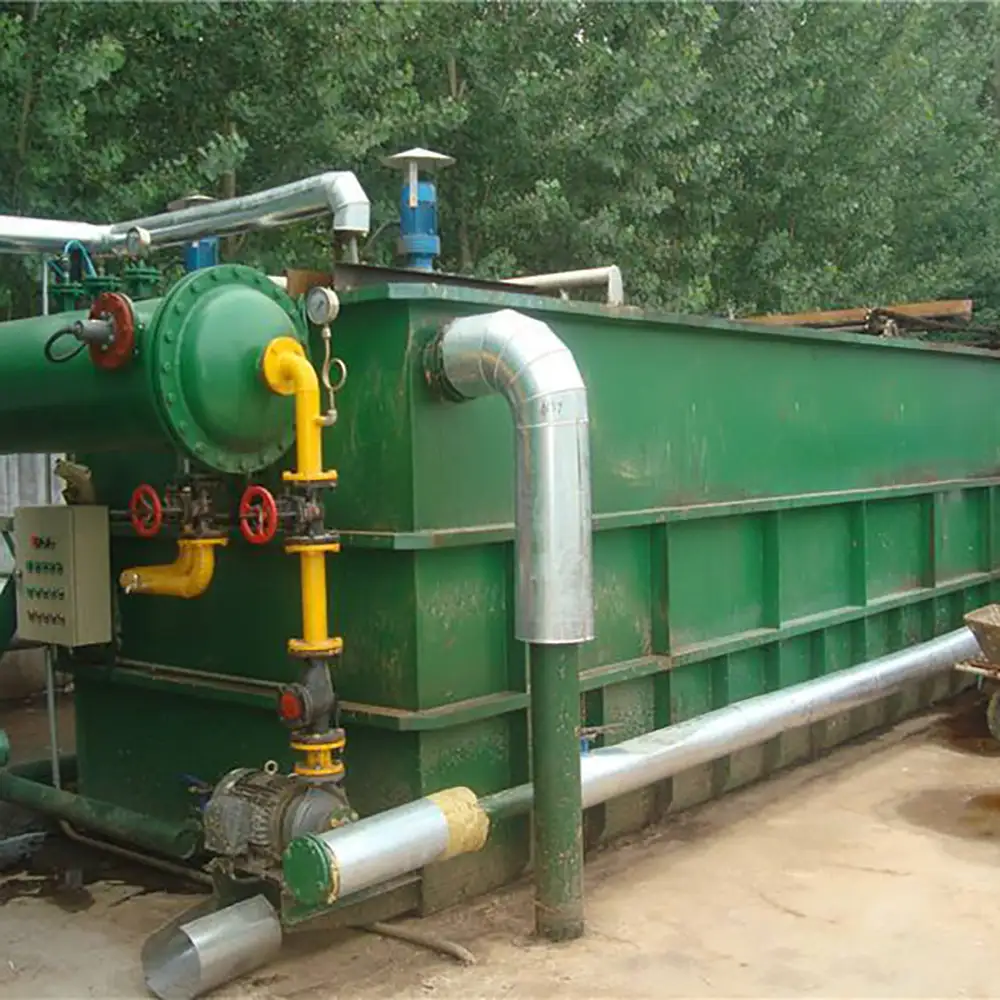
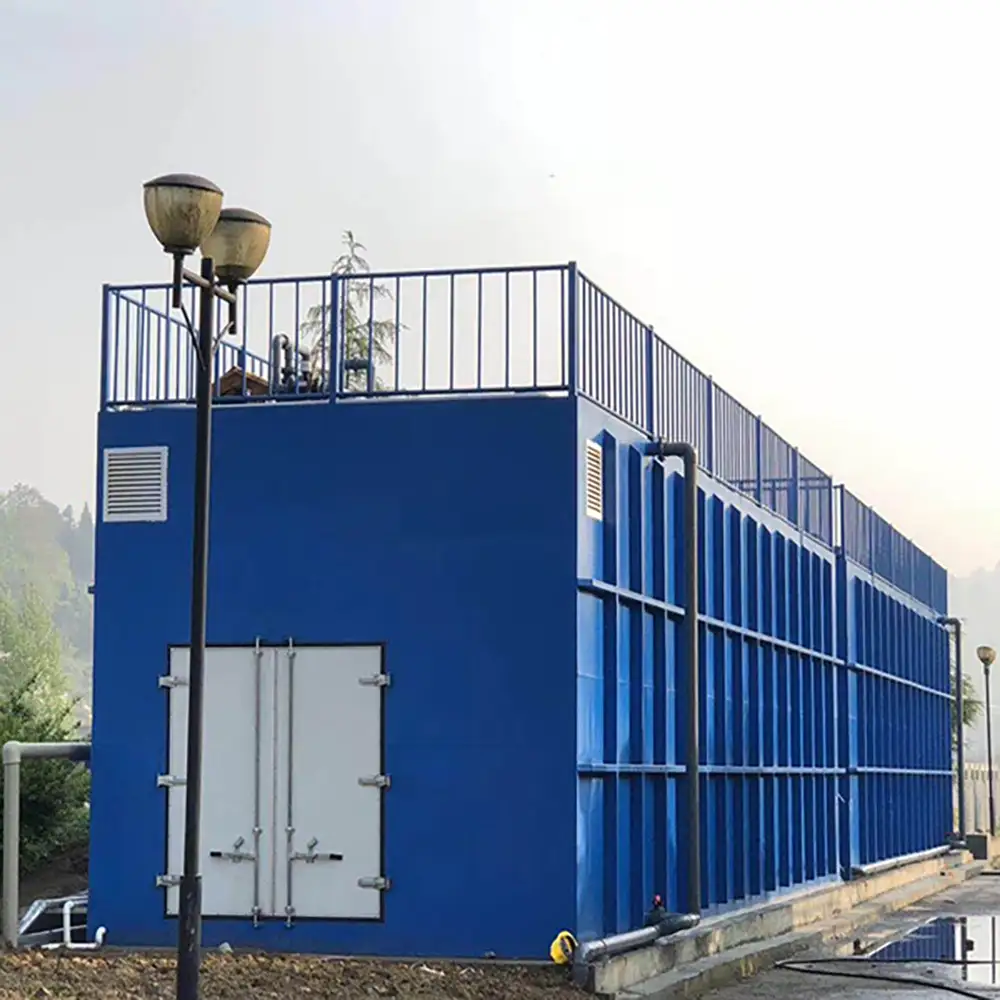
Ground Integrated Equipment is an above-ground integrated wastewater treatment solution designed to combine multiple treatment processes into a compact and coordinated system. Unlike buried wastewater treatment equipment, the ground-mounted configuration is installed above the finished ground level, making equipment access, inspection, maintenance and process adjustment more convenient.
Ground integrated wastewater treatment systems can be designed for domestic sewage, residential communities, rural areas, schools, hotels, hospitals, service facilities, construction camps and selected industrial wastewater applications. Depending on wastewater characteristics and discharge requirements, the treatment process can integrate screening, equalization, biological treatment, sedimentation, filtration and disinfection within one complete system. Integrated treatment equipment is commonly designed around compact biological and physical treatment processes.
What Is Ground Integrated Equipment?
Ground Integrated Equipment refers to a complete wastewater treatment unit installed above ground rather than underground. The equipment combines several treatment stages into a single system, reducing the need to construct separate conventional treatment structures.
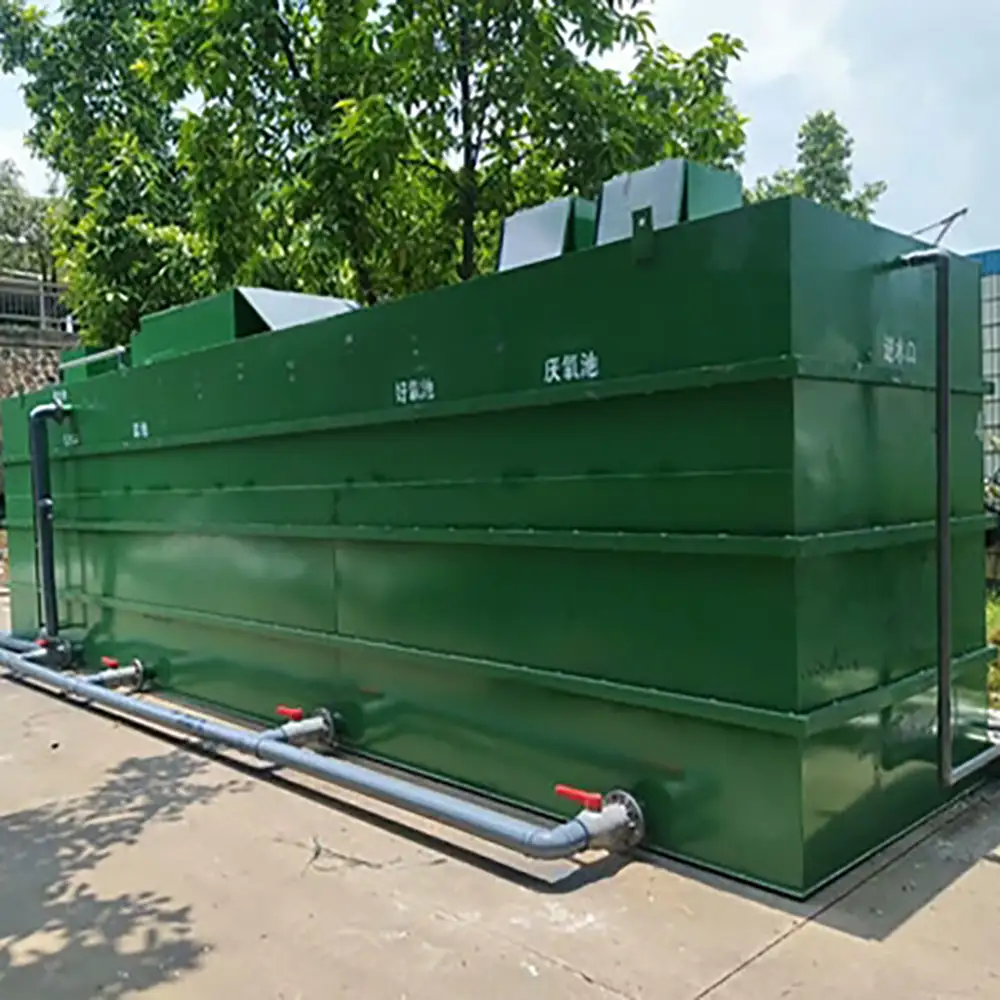
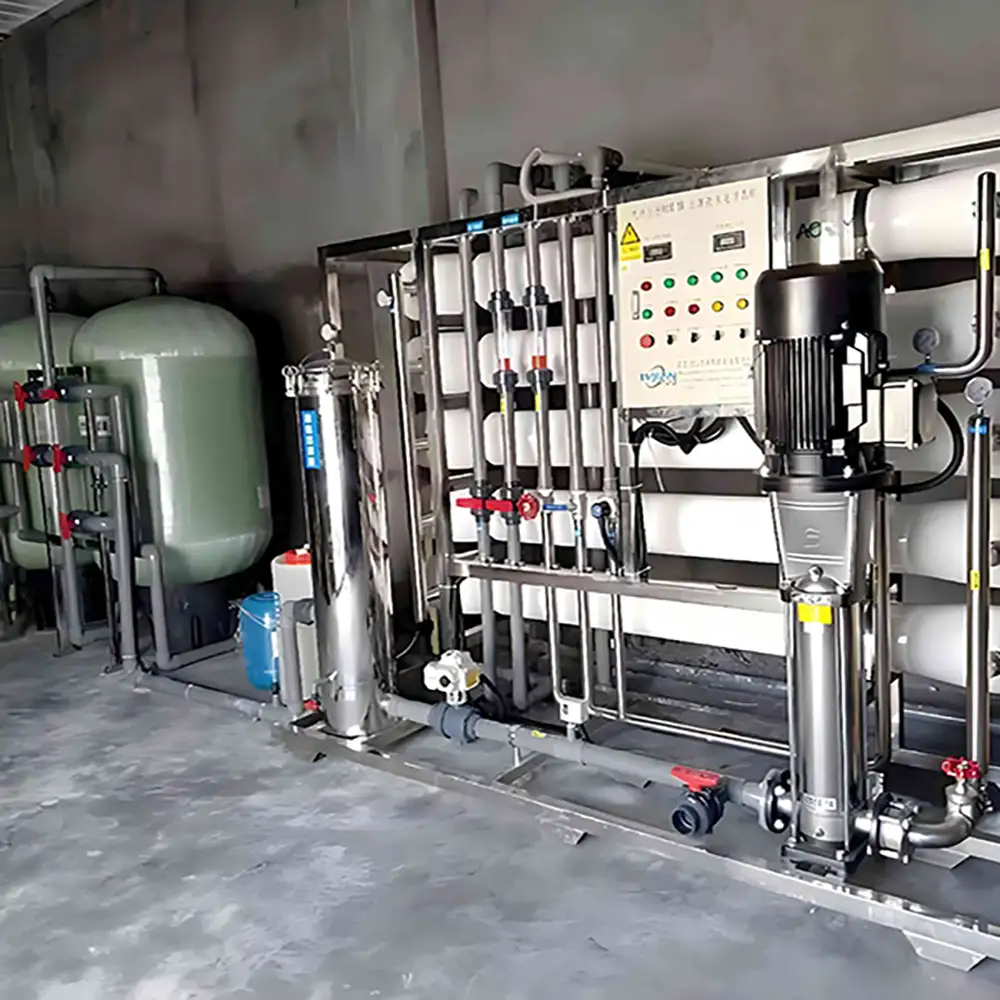
A typical system may include a pretreatment section, biological reaction chamber, aeration system, sedimentation section, sludge return or discharge system and disinfection unit. Additional filtration, membrane or water reuse modules can be incorporated when required by the project.
The exact configuration depends on influent water quality, wastewater flow, treatment objectives, local discharge requirements and the intended use of the treated water. Therefore, equipment selection should be based on actual project conditions rather than using one standard configuration for every application.
Above-Ground Integrated Wastewater Treatment Design
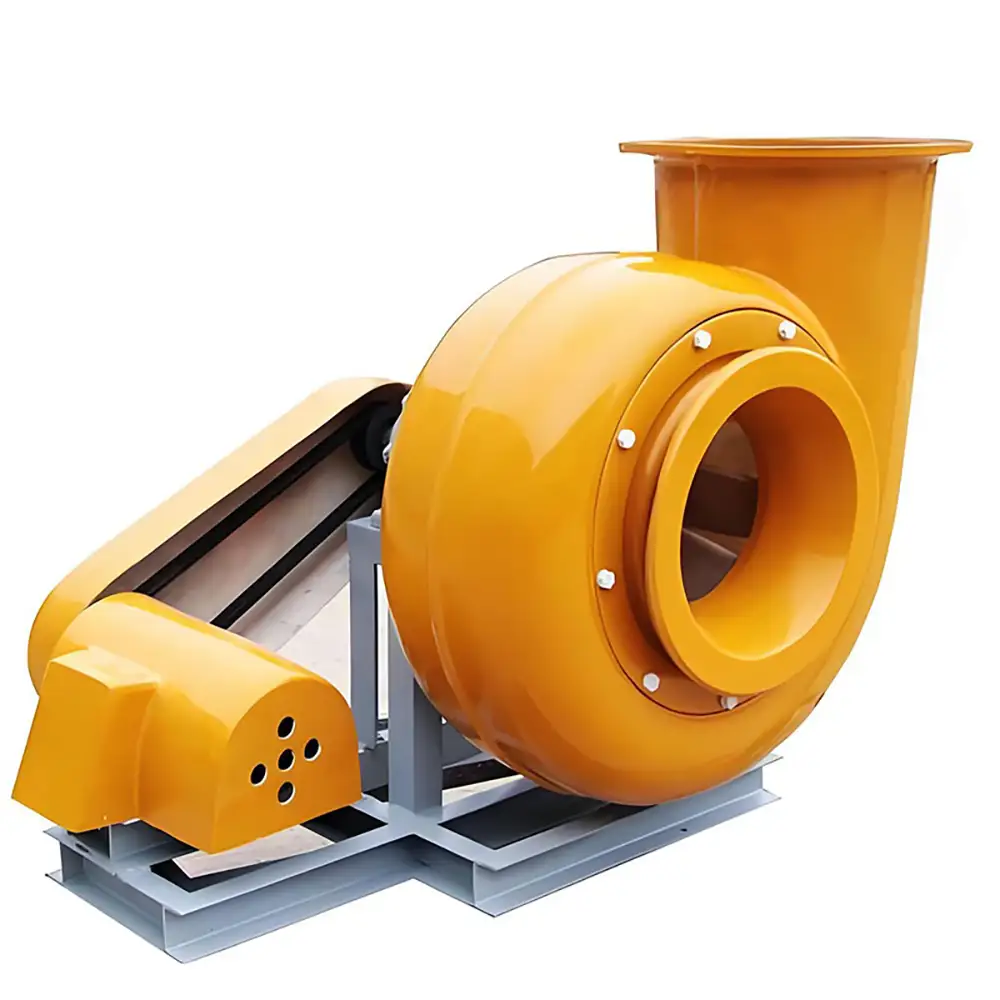
One of the main advantages of ground integrated wastewater treatment equipment is accessibility. Because the treatment unit is installed above ground, operators can more easily inspect tanks, pumps, blowers, valves, aeration components, electrical controls and other equipment.
Ground-mounted systems are also convenient for projects where excavation depth, groundwater conditions or underground construction are concerns. Research on integrated sewage treatment systems identifies ground, buried and semi-buried configurations, with the appropriate installation method depending on climate, site conditions, maintenance requirements and land-use objectives.
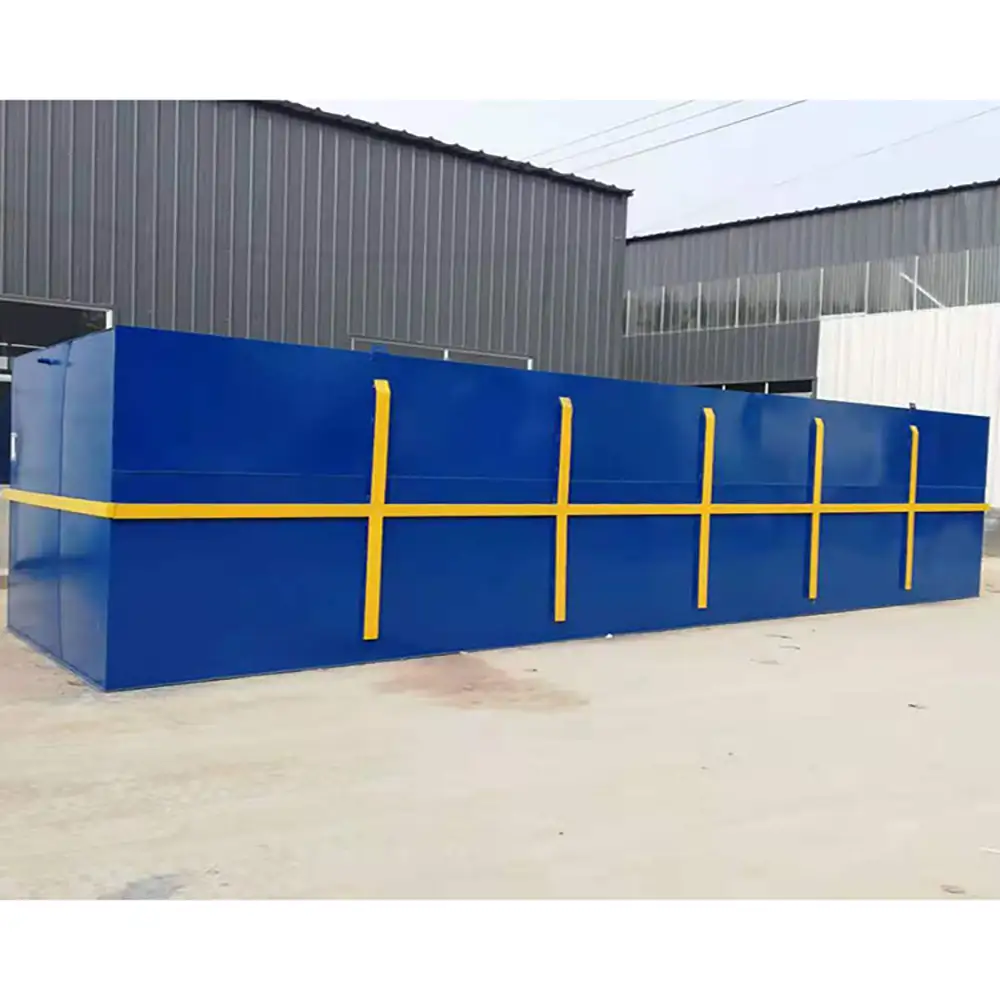
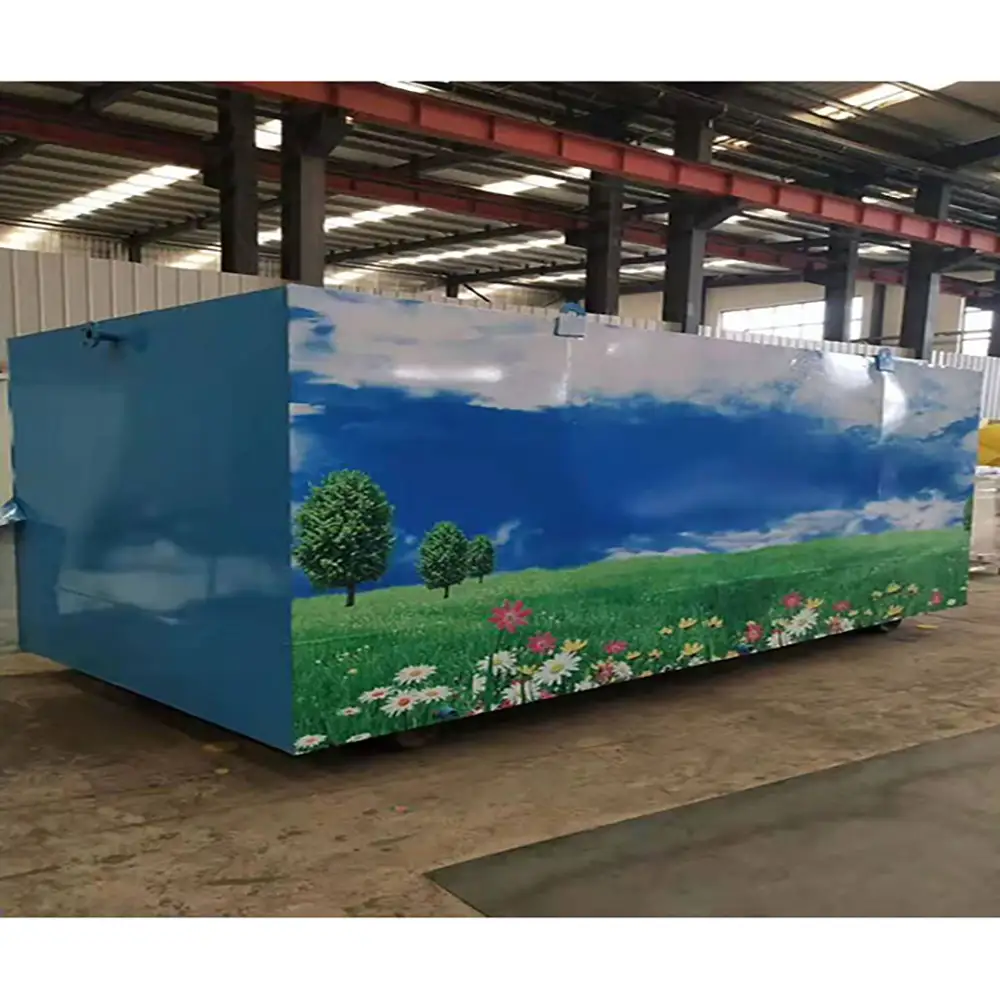
The equipment can use rectangular tanks, cylindrical structures or other compact configurations depending on capacity and process design. Internal chambers can be arranged to reduce unnecessary piping and improve the overall use of equipment space.
Biological Wastewater Treatment
Biological treatment is an important part of many integrated sewage treatment systems. Aerobic microorganisms can break down biodegradable organic matter under controlled operating conditions.
Depending on the wastewater characteristics, the system may use processes such as A/O, A²/O, MBBR, biological contact oxidation or other biological treatment technologies. The appropriate process should be selected according to organic loading, nitrogen requirements, hydraulic conditions and effluent targets.
MBBR-based systems, for example, use biological carriers to provide surface area for microorganisms. Other configurations may use activated sludge or fixed-film biological treatment. Integrated equipment can therefore be configured for different project requirements instead of being limited to one treatment technology.
Pretreatment and Solid Removal
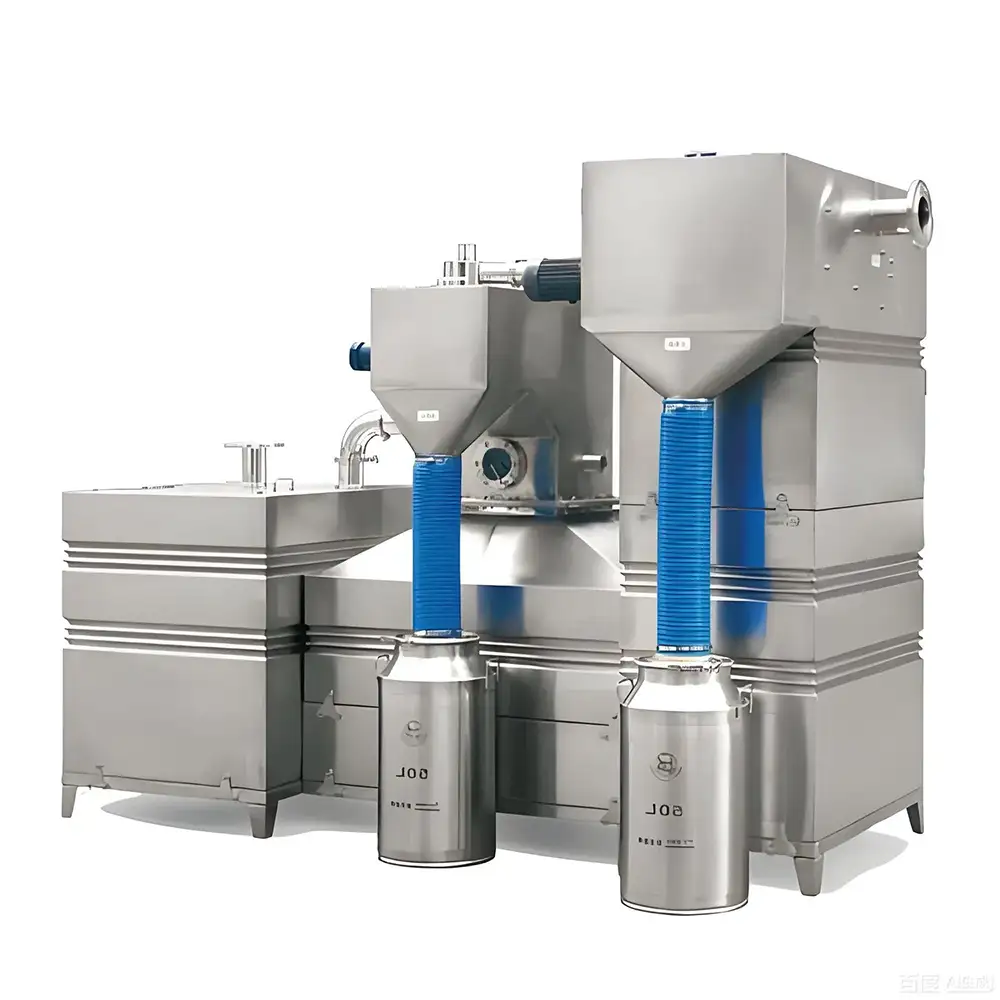
Pretreatment protects downstream treatment units from large solids and unwanted materials. A screening or solid-liquid separation stage may be included before biological treatment.
Depending on the application, pretreatment can remove floating materials, larger suspended solids and other debris. Equalization may also be incorporated when wastewater flow or pollutant concentration varies significantly during the day.
Proper pretreatment helps stabilize the biological process and reduces the possibility of blockages or excessive loading in downstream equipment.
Sedimentation and Solid-Liquid Separation
After biological treatment, suspended biological solids may need to be separated from the treated water. A sedimentation chamber can provide a controlled environment for solids to settle.
The separated sludge can be returned to the biological process when the selected process requires sludge recirculation, while excess sludge can be periodically removed for further treatment or disposal.
An integrated sedimentation section helps reduce the need for separate tanks and can contribute to a compact overall system layout.
Filtration and Disinfection
For projects requiring additional polishing, filtration can be added after biological treatment and sedimentation. Filtration may help reduce remaining suspended particles and improve treated-water clarity.
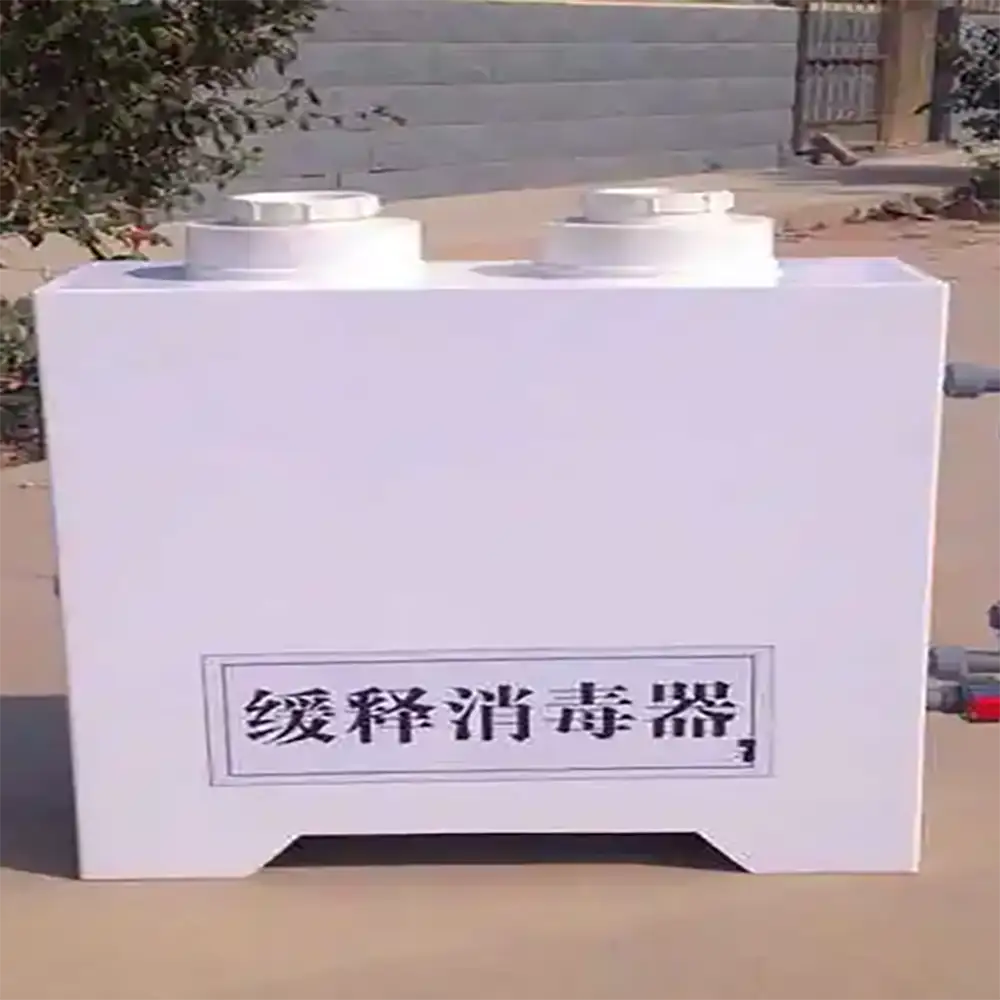
Disinfection is another important treatment stage when the treated water is intended for discharge or certain reuse applications. Depending on the project, chlorine-based disinfection, chlorine dioxide, ultraviolet disinfection or another suitable method may be considered.
The actual disinfection method should be selected according to water quality, contact requirements, regulations and the intended final use of the treated water.
Applications of Ground Integrated Equipment
Ground integrated wastewater treatment equipment can be applied in many decentralized and onsite wastewater treatment scenarios.
Typical applications include:
Residential communities
Rural domestic sewage treatment
Hotels and resorts
Schools and educational facilities
Hospitals and clinics
Highway service areas
Tourist and scenic areas
Construction camps
Small commercial facilities
Farms and agricultural facilities
Industrial parks
Factories with domestic-type wastewater
Remote facilities without centralized sewer infrastructure
Integrated systems are particularly useful where a complete treatment plant is required but conventional large-scale civil construction is impractical. Integrated wastewater treatment systems are also used in decentralized applications where wastewater is treated near its source.
Ground vs. Buried Integrated Equipment
Ground and buried integrated wastewater treatment systems can perform similar treatment functions, but their installation characteristics are different.
Ground systems provide easier visual inspection and equipment access. Maintenance personnel can generally reach pumps, blowers, valves, control cabinets and treatment chambers without extensive excavation.
Buried systems can reduce visible equipment and save surface space, which may be advantageous for certain sites. However, underground installation can make inspection and maintenance more complicated.
For projects where convenient operation, maintenance and equipment accessibility are priorities, a ground integrated configuration can be an attractive choice. The final installation method should consider land availability, climate, groundwater, aesthetics, maintenance requirements and project budget.
Compact and Modular Configuration
Ground integrated equipment can be manufactured as a modular treatment system. This allows different treatment sections to be combined according to the required process.
A basic system may include screening, biological treatment and sedimentation, while more advanced configurations can incorporate filtration, membrane treatment, disinfection or water reuse modules.
Modular design can also simplify transportation and site installation compared with building every treatment structure independently. The equipment configuration, dimensions and treatment capacity should be determined from the actual hydraulic and pollutant loading requirements.
Operation and Maintenance
Routine maintenance is important for stable wastewater treatment performance. Operators should regularly inspect pumps, blowers, aeration equipment, valves, electrical controls, sludge accumulation and other mechanical components.
Aeration systems should be checked for proper operation, while sludge should be removed according to the actual accumulation rate. Screens and pretreatment components should also be cleaned regularly.
For automated systems, PLC controls, alarms, level sensors and other monitoring components can help operators manage equipment operation. However, automation does not eliminate the need for periodic inspection and preventive maintenance.
Why Choose Us
Ground Integrated Equipment provides a practical solution for projects requiring compact, above-ground wastewater treatment.
Integrated Process Design: Multiple treatment stages can be combined into one coordinated system.
Above-Ground Accessibility: Equipment components are easier to inspect, service and maintain compared with many buried configurations.
Flexible Treatment Processes: A/O, A²/O, MBBR, biological contact oxidation, filtration and disinfection options can be considered according to project requirements.
Compact Footprint: Integrated process chambers reduce the need for numerous separate treatment structures.
Wide Application Range: Suitable configurations can be developed for domestic sewage, decentralized wastewater and selected industrial wastewater applications.
Modular Configuration: Treatment units and additional process modules can be arranged according to capacity and effluent requirements.
Project-Based Design: Equipment specifications can be selected according to wastewater flow, water quality, site conditions and treatment objectives.
FAQs
1. What Is Ground Integrated Equipment?
Ground Integrated Equipment is an above-ground wastewater treatment system that combines multiple treatment processes into one integrated unit.
2. Is Ground Integrated Equipment the Same as Underground Sewage Treatment Equipment?
No. Both can integrate several treatment processes, but ground equipment is installed above ground, while underground systems are installed below the surface.
3. What Wastewater Can It Treat?
It is commonly designed for domestic sewage and wastewater with characteristics similar to domestic sewage. Certain industrial wastewater streams may also be suitable after process evaluation.
4. What Treatment Processes Can Be Included?
Depending on the project, the system can include screening, equalization, biological treatment, sedimentation, filtration and disinfection.
5. Can MBBR Be Used in Ground Integrated Equipment?
Yes. MBBR can be incorporated into an integrated wastewater treatment system when the wastewater characteristics and treatment objectives are suitable.
6. Is the Equipment Suitable for Rural Sewage Treatment?
Yes. Ground integrated systems can be used for rural communities, villages and decentralized wastewater treatment projects where centralized sewer infrastructure is limited.
7. Can It Be Used for Hotels and Schools?
Yes. Hotels, schools, camps and similar facilities can use integrated systems when the treatment capacity and process design match their wastewater generation.
8. Is Ground Installation Easier to Maintain?
Above-ground installation generally provides convenient access to major components such as pumps, blowers, valves and control systems. Actual maintenance requirements depend on the equipment configuration.
9. Can Disinfection Be Added?
Yes. A suitable disinfection stage can be incorporated according to treated-water quality requirements and the intended discharge or reuse application.
10. Can the Equipment Be Customized for Different Capacities?
Yes. Equipment dimensions, treatment processes, auxiliary equipment and capacity can be designed according to wastewater flow, influent characteristics and project requirements.
11. Does the System Require Regular Maintenance?
Yes. Routine inspection, cleaning, sludge management, aeration-system checks and mechanical/electrical maintenance are necessary for reliable operation.
12. How Should I Select the Right Ground Integrated Equipment?
The selection should consider daily wastewater flow, peak flow, BOD, COD, suspended solids, ammonia nitrogen, pH, temperature, discharge requirements, available space and the intended treated-water use. A wastewater analysis is recommended before final equipment selection.
Prev:
Integrated Sewage Treatment Equipment
Next:
Underground Integrated Equipment
TAG:
Integrated Wastewater Treatment System,
Biological Wastewater Treatment Equipment,
Decentralized Wastewater Treatment,
Onsite Wastewater Treatment,
Compact Wastewater Treatment Plant,
MBBR Wastewater Treatment,
Biological Wastewater Treatment,
Package Sewage Treatment Plant,
Decentralized Sewage Treatment System,
Onsite Wastewater Treatment System,
Integrated Wastewater Treatment Equipment,
Integrated Sewage Treatment System,
Integrated Sewage Treatment Equipment,
MBBR Sewage Treatment,
Decentralized Wastewater Treatment System,
Decentralized Sewage Treatment,
Onsite Sewage Treatment System,
Rural Sewage Treatment,
Rural Wastewater Treatment,
Onsite Sewage Treatment,
Rural Sewage Treatment System,
Domestic Sewage Treatment Plant,
Domestic Wastewater Treatment Plant,
Domestic Wastewater Treatment System,
Residential Wastewater Treatment,
Residential Sewage Treatment,
Domestic Sewage Treatment System,
Domestic Wastewater Treatment Equipment,
Domestic Sewage Treatment Equipment,
Biological Sewage Treatment,
Related Category:
Ground Integrated Equipment,Ground Integrated Wastewater Treatment Equipment,Above-Ground Integrated Sewage Treatment Eq China, suppliers, manufacturers, factory, customized, wholesale, quotation, made in China