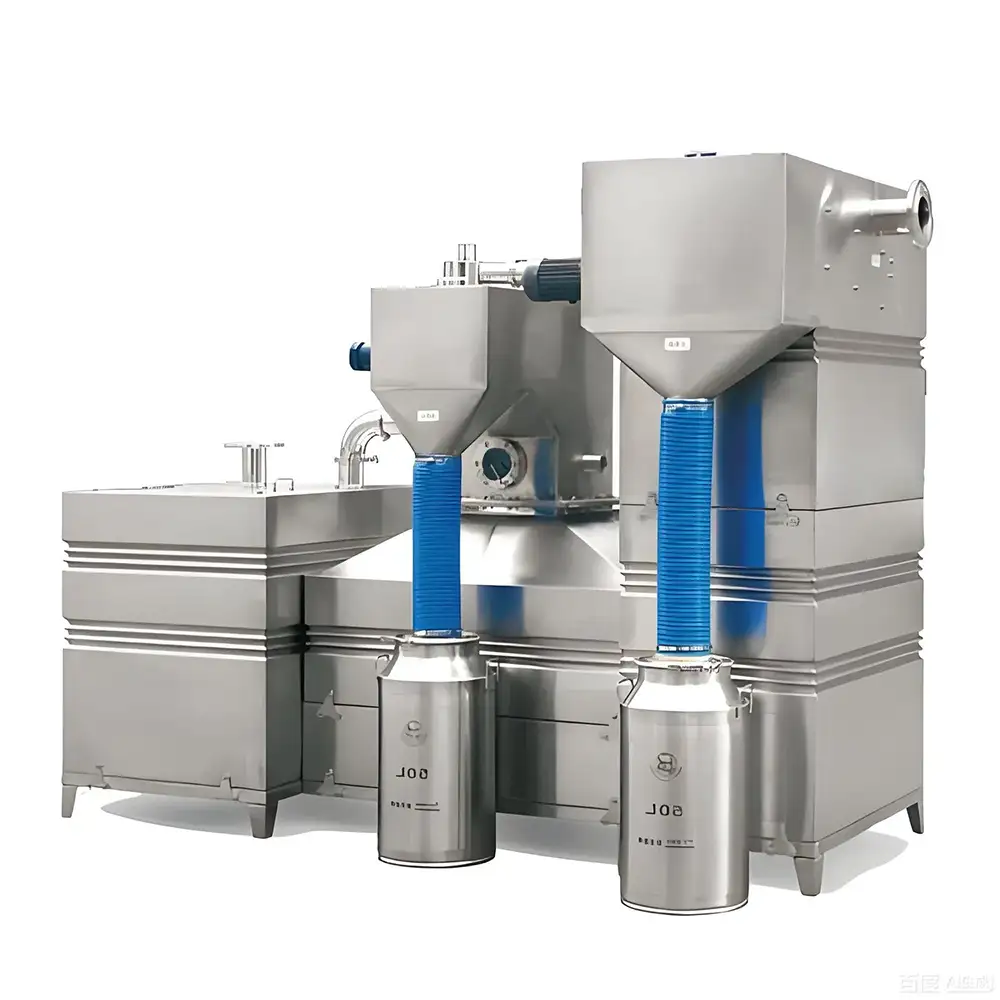
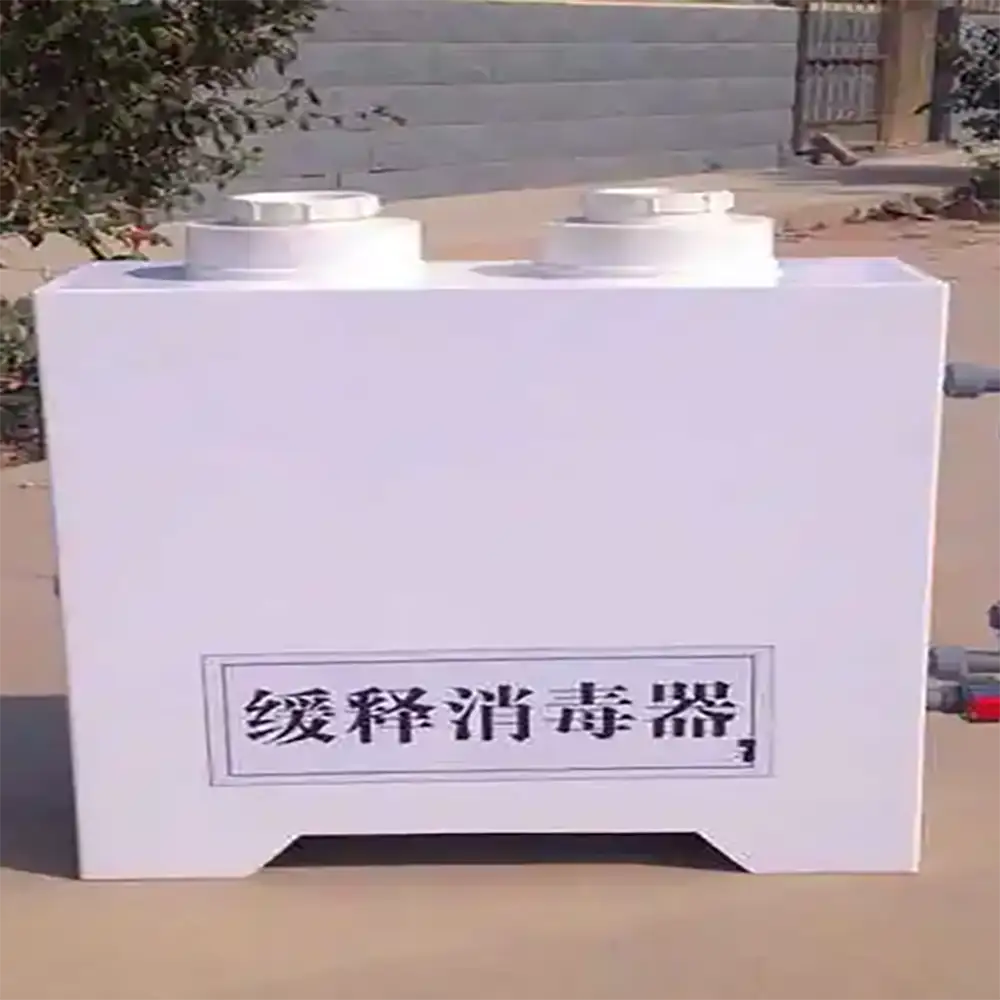
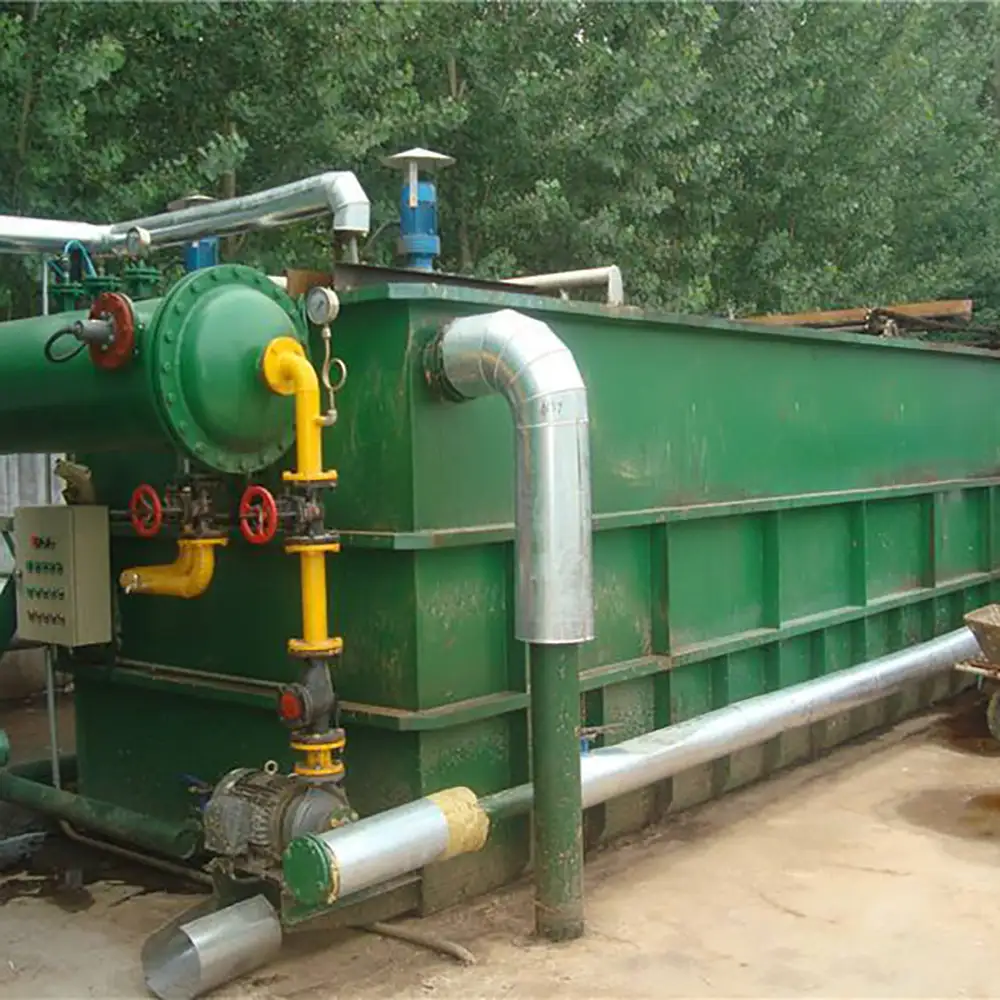
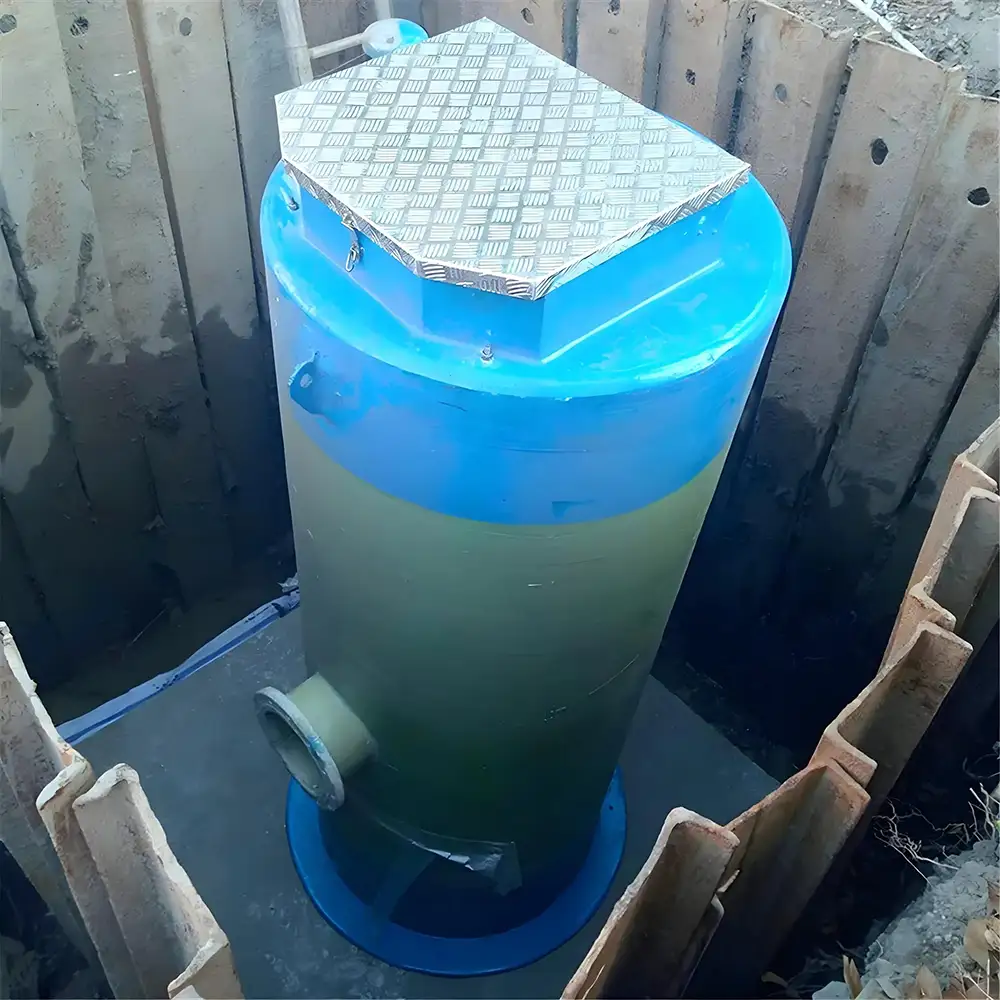
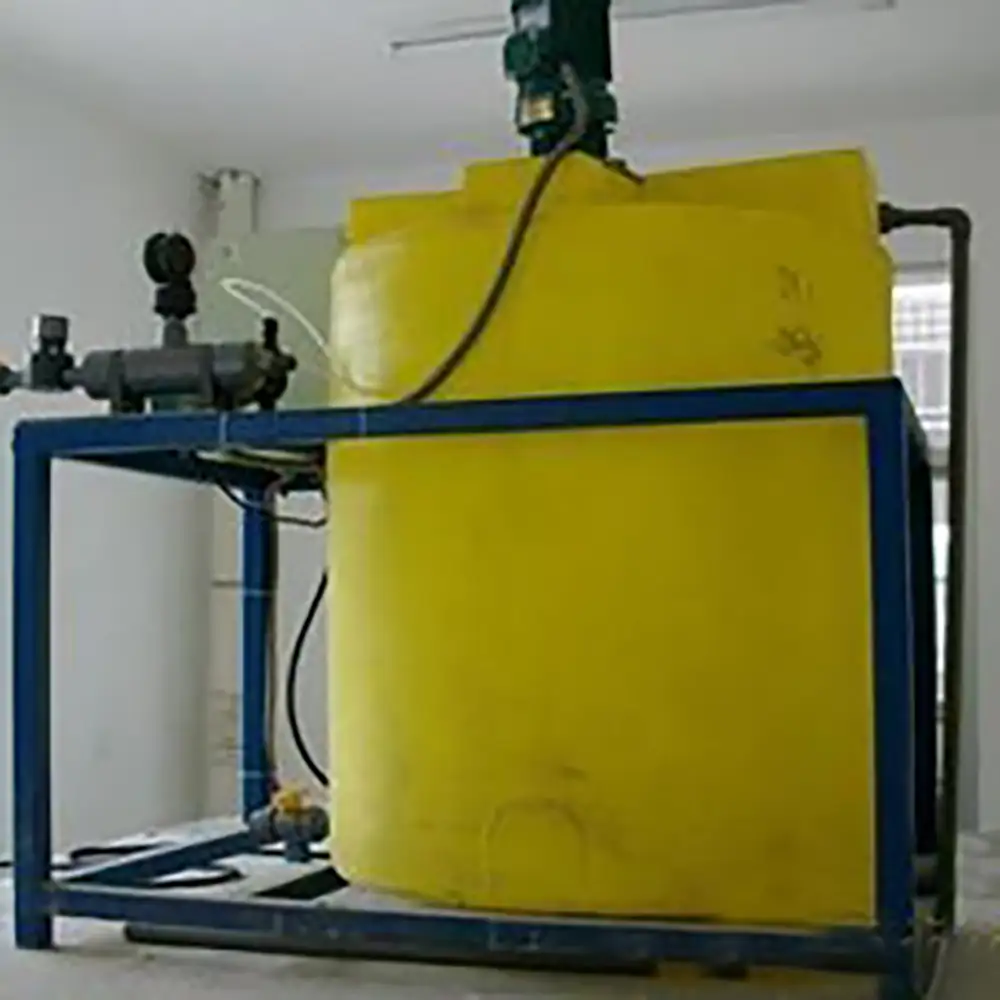
RO Reverse Osmosis Water Treatment System
RO Reverse Osmosis is a pressure-driven membrane water treatment technology used to reduce dissolved salts, total dissolved solids (TDS), many inorganic contaminants, and selected organic substances from water. A reverse osmosis system forces feed water under pressure through a semipermeable membrane. Water that passes through the membrane becomes permeate or product water, while rejected contaminants remain in a concentrated stream called concentrate or reject water. EPA identifies reverse osmosis as a membrane separation process capable of removing a broad range of contaminants, including dissolved solids and salts.
RO technology is widely used in industrial water purification, commercial water treatment, drinking-water treatment, seawater desalination, brackish-water treatment, process-water production, and wastewater reuse. The appropriate RO configuration depends on feed-water quality, required flow rate, target water quality, recovery requirements, membrane selection, and the intended end use.
|
Model NO. |
wzss |
Handling method |
Physical Treatment |
|
Usage |
Industrial, Home, Agriculture, Hospital, Urban |
Trademark |
|
|
Types |
Package, Compact, Small, Mini |
Applications |
Industrial, Municipal, Domestic, Medical, Ship |
|
Transport Package |
Container Standard Packing |
Features |
Remove Cod BOD |
|
Material |
Remove Cod BOD |
Function |
Removing Escherichia coli, harmful bacteria |
|
Voltage |
220V/ 380V/ Customerized |
Installation Type |
Underground / Onground |
|
Colour |
white |
Use for |
Mineral, Printing, Chemical, Dyeing, Starch,Farm, washing plant |
|
Production Capacity |
2000 Sets/Year |
Origin |
China |
Product Description
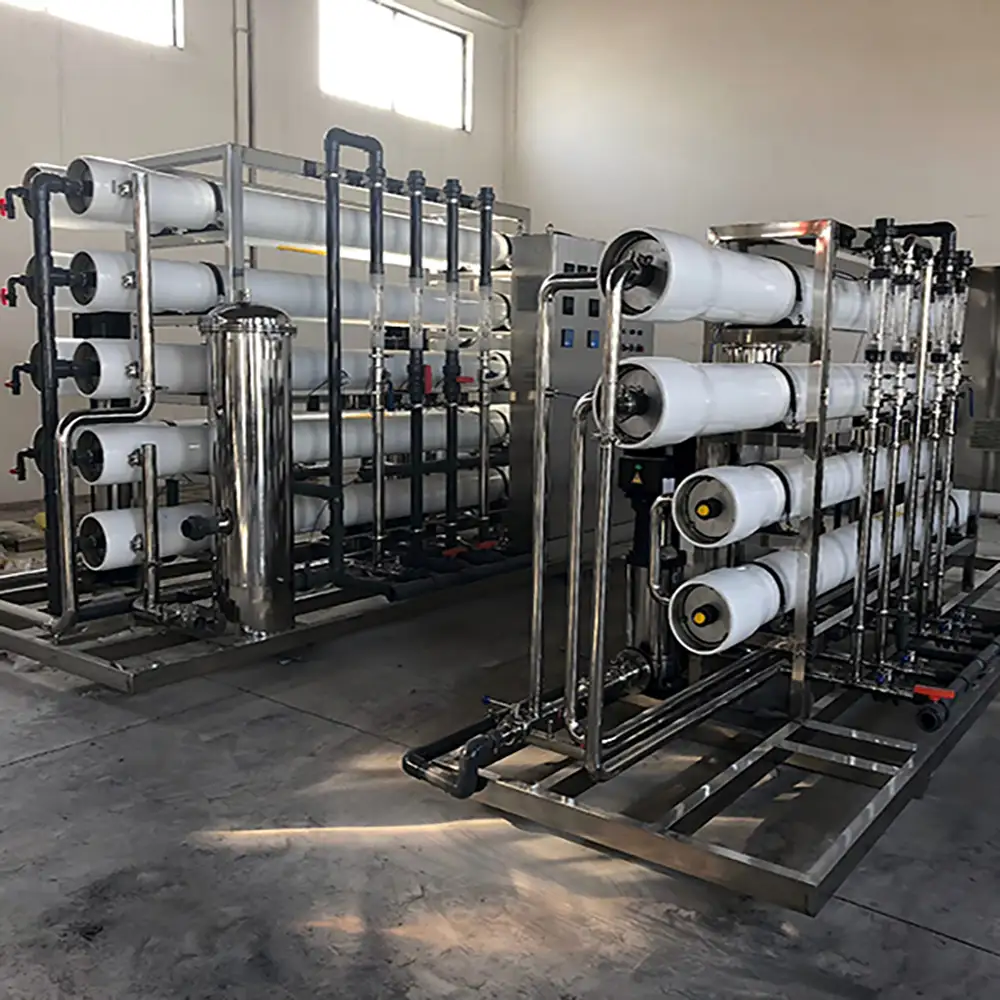
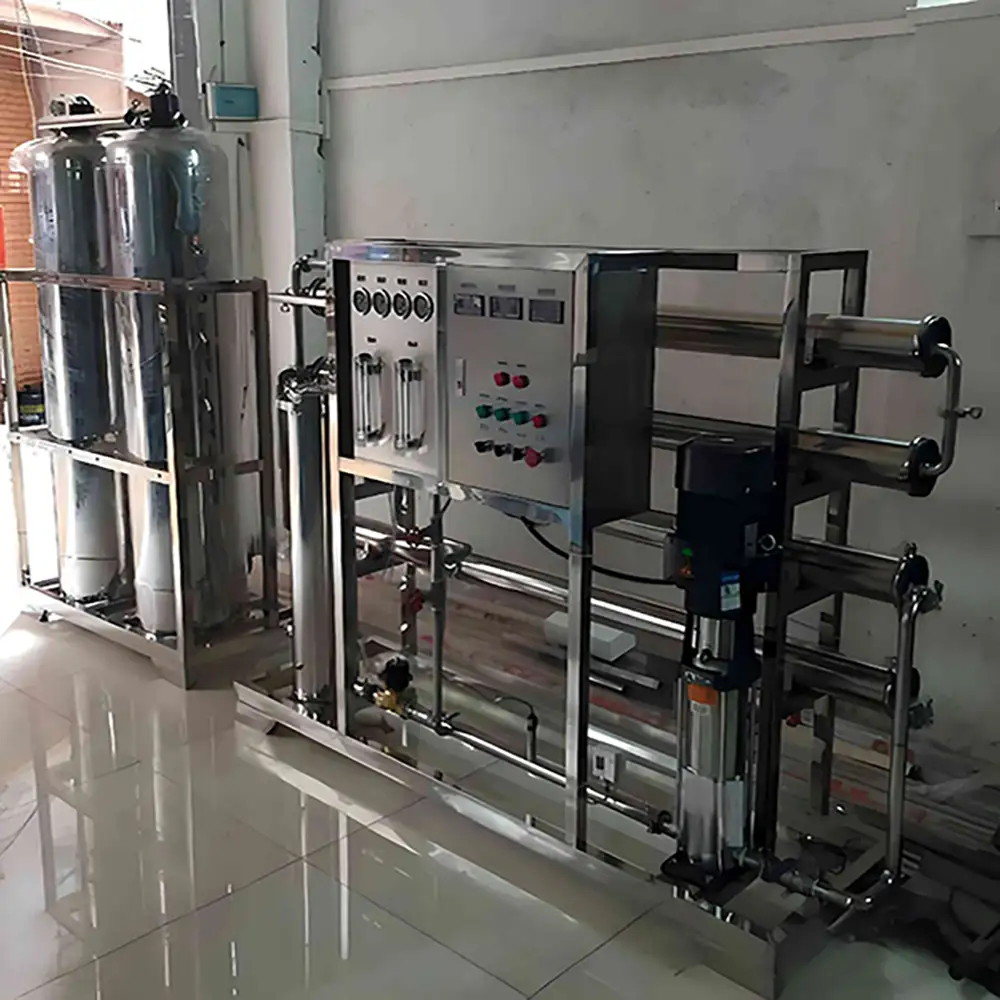
The reverse osmosis equipment passes the raw water through fine filters, granular activated carbon filters, compressed activated carbon filters, etc., and then pressurizes it through a pump, utilizing a pore size of 1/10000 μ The reverse osmosis membrane (RO membrane) of m (equivalent to 1/6000 of the size of Escherichia coli and 1/300 of the size of the virus) separates high concentration water into extremely low concentration water (i.e. pure water) and higher concentration water. Low concentration water is used, and high concentration water is discharged or reused as resources
How Does Reverse Osmosis Work?
Reverse osmosis reverses the natural direction of osmosis by applying external pressure to the feed-water side of a semipermeable membrane.
In a conventional RO system, pretreatment first removes suspended solids and other substances that could cause membrane fouling. The conditioned feed water is then pressurized by a high-pressure pump and delivered to the RO membrane vessels.
The membrane allows water to pass through while retaining a significant portion of dissolved salts and other contaminants. The treated stream is collected as permeate, while the concentrated stream leaves as reject or concentrate.
A simplified process is:
Raw Water → Pretreatment → Cartridge Filtration → High-Pressure Pump → RO Membrane → Permeate + Concentrate
EPA describes these three primary RO streams as feed, permeate/product, and concentrate/reject.
RO Membrane Technology
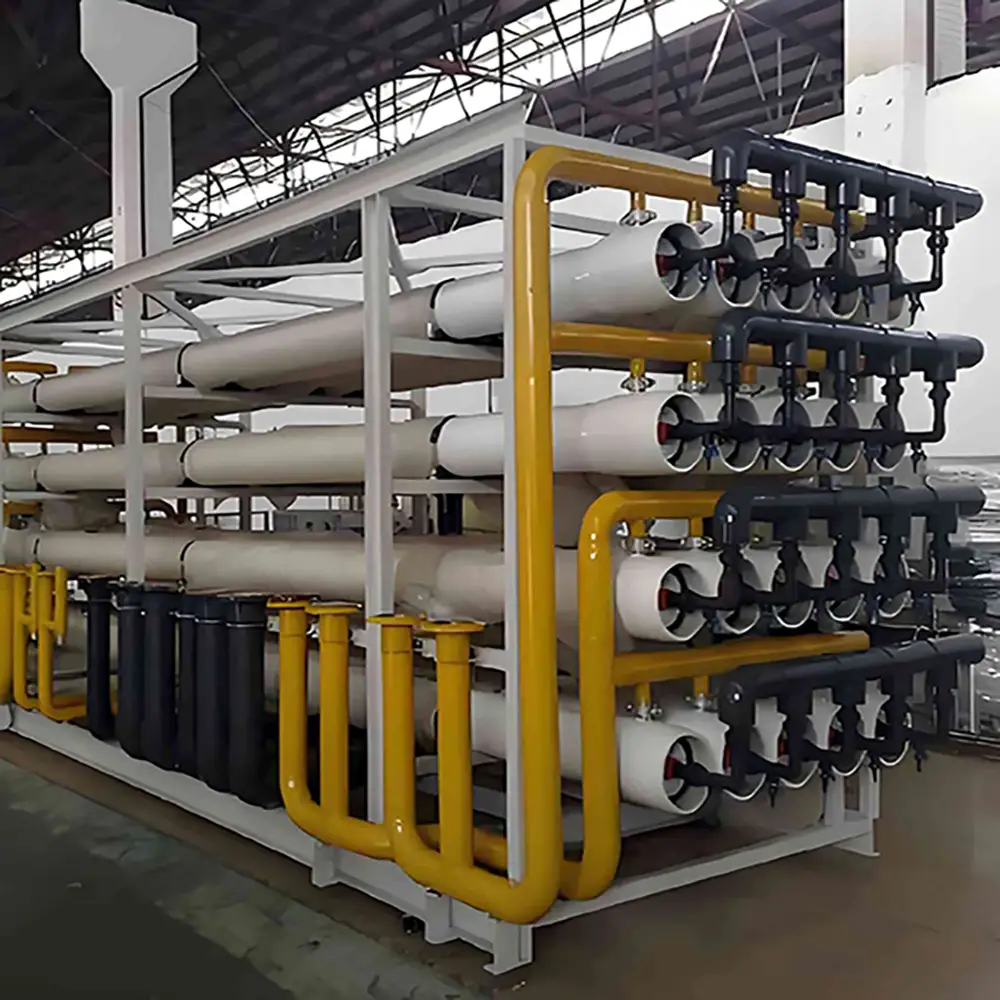
The RO membrane is the core separation component of the system. Modern industrial RO systems commonly use spiral-wound membrane elements housed inside pressure vessels.
Membrane performance depends on membrane material, feed-water chemistry, operating pressure, temperature, recovery, concentration polarization, fouling, and scaling conditions.
RO membranes are designed to provide a strong barrier against many dissolved constituents. EPA notes that RO can remove many inorganic contaminants, dissolved solids, radionuclides, and synthetic organic chemicals, while also being applicable to brackish and seawater desalination.
Because membrane characteristics and water chemistry vary, actual removal performance should be established for the specific feed water and treatment objective rather than assuming one fixed removal rate for every installation.
Why Is RO Pretreatment Important?
Pretreatment is essential for protecting RO membranes.
Raw water may contain suspended solids, hardness, iron, manganese, chlorine, organic matter, microorganisms, colloids, and other substances that can contribute to membrane fouling, scaling, oxidation, or plugging.
A typical industrial pretreatment line may include:
Raw Water Tank → Multimedia Filter → Activated Carbon Filter → Water Softener or Antiscalant → Cartridge Filter → RO
For more challenging water, ultrafiltration, microfiltration, coagulation, clarification, or other pretreatment technologies may be added.
EPA technical guidance states that RO systems typically require pretreatment to prevent membrane fouling or plugging, with the exact pretreatment depending on feed-water characteristics and membrane type.
TDS and Dissolved Salt Reduction
One of the most common reasons for installing an RO system is to reduce TDS.
TDS represents dissolved substances in water, including various salts and minerals. RO can provide broad reduction of dissolved constituents because separation occurs across the semipermeable membrane rather than through conventional particle filtration.
This makes RO suitable for applications where standard multimedia filtration or cartridge filtration cannot achieve the required dissolved-solids reduction.
Applications may include:
Low-TDS Process Water
Boiler Feedwater Pretreatment
Cooling Water
Drinking Water Purification
Food and Beverage Processing
Pharmaceutical Water Treatment
Laboratory Water Treatment
Electronics Manufacturing
Industrial Process Water
Brackish Water Desalination
Seawater Desalination
Wastewater Reuse
Industrial RO Water Treatment
Industrial RO systems are designed for continuous or scheduled operation in factories, processing facilities, utilities, and commercial installations.
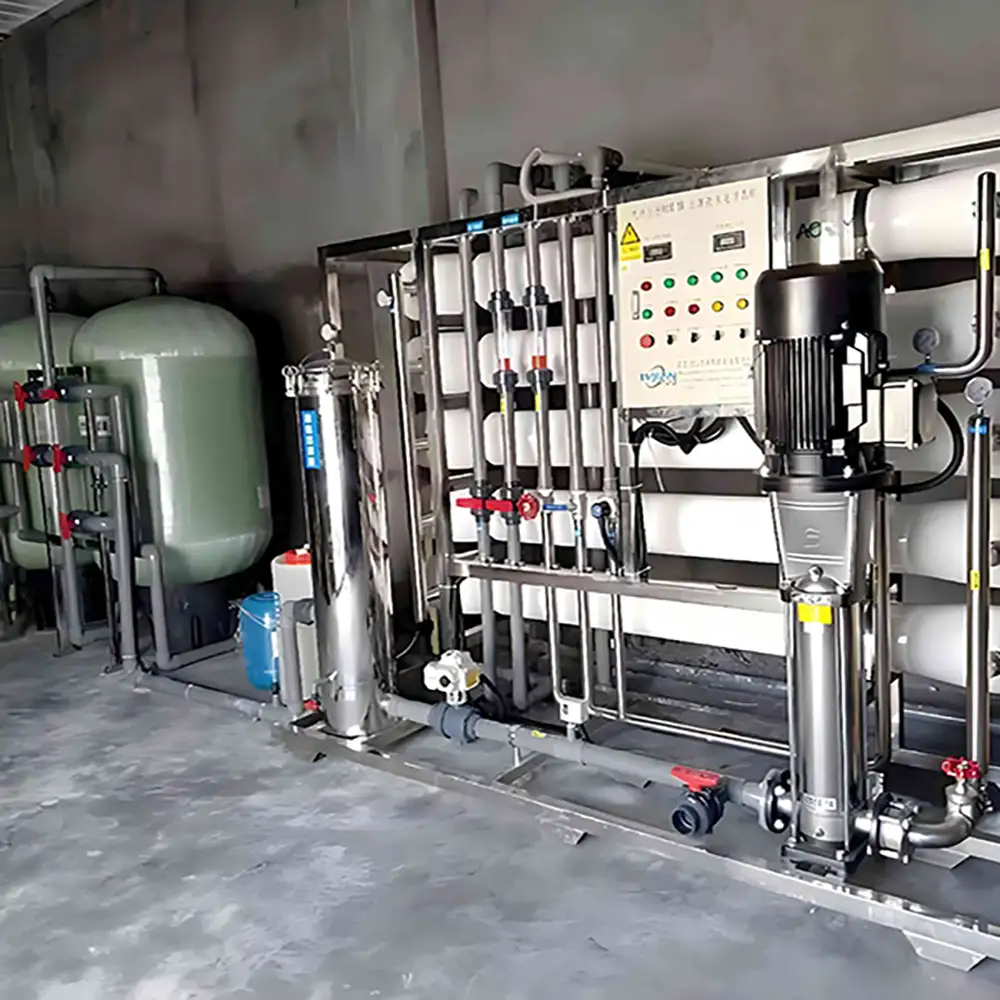
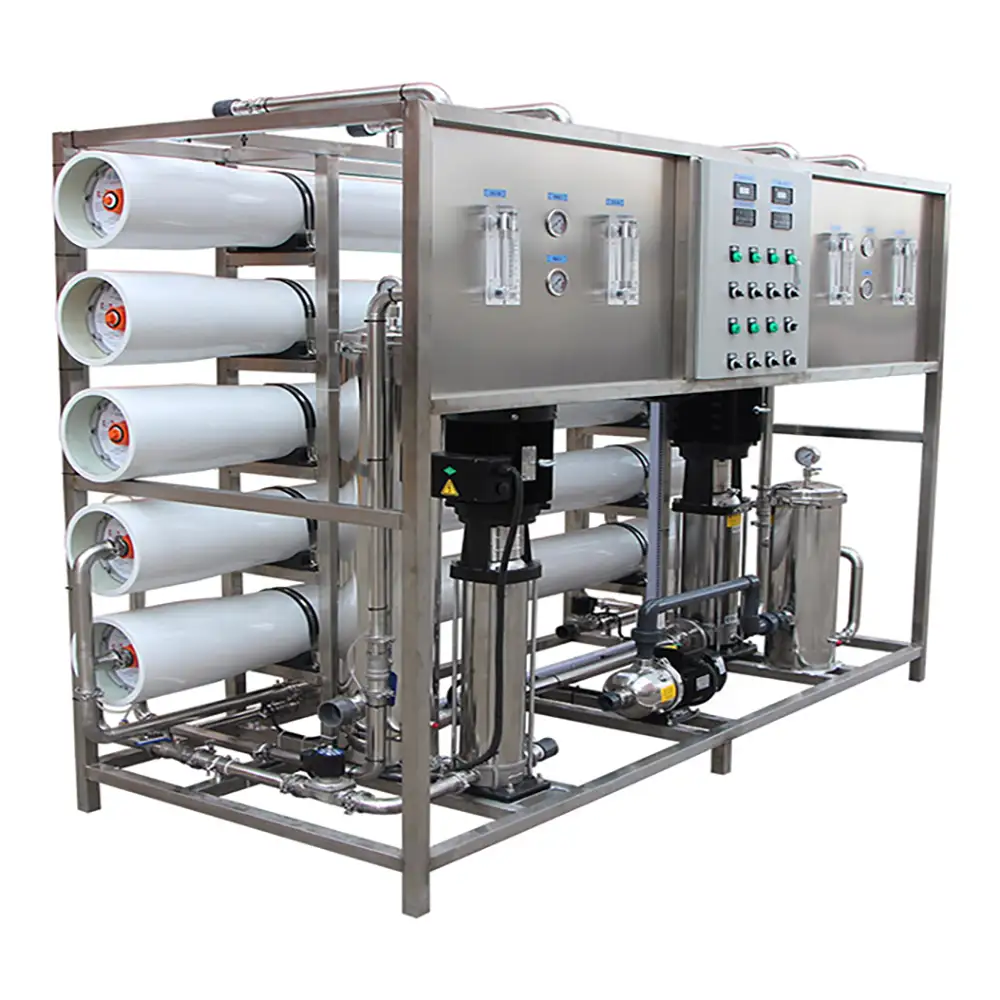
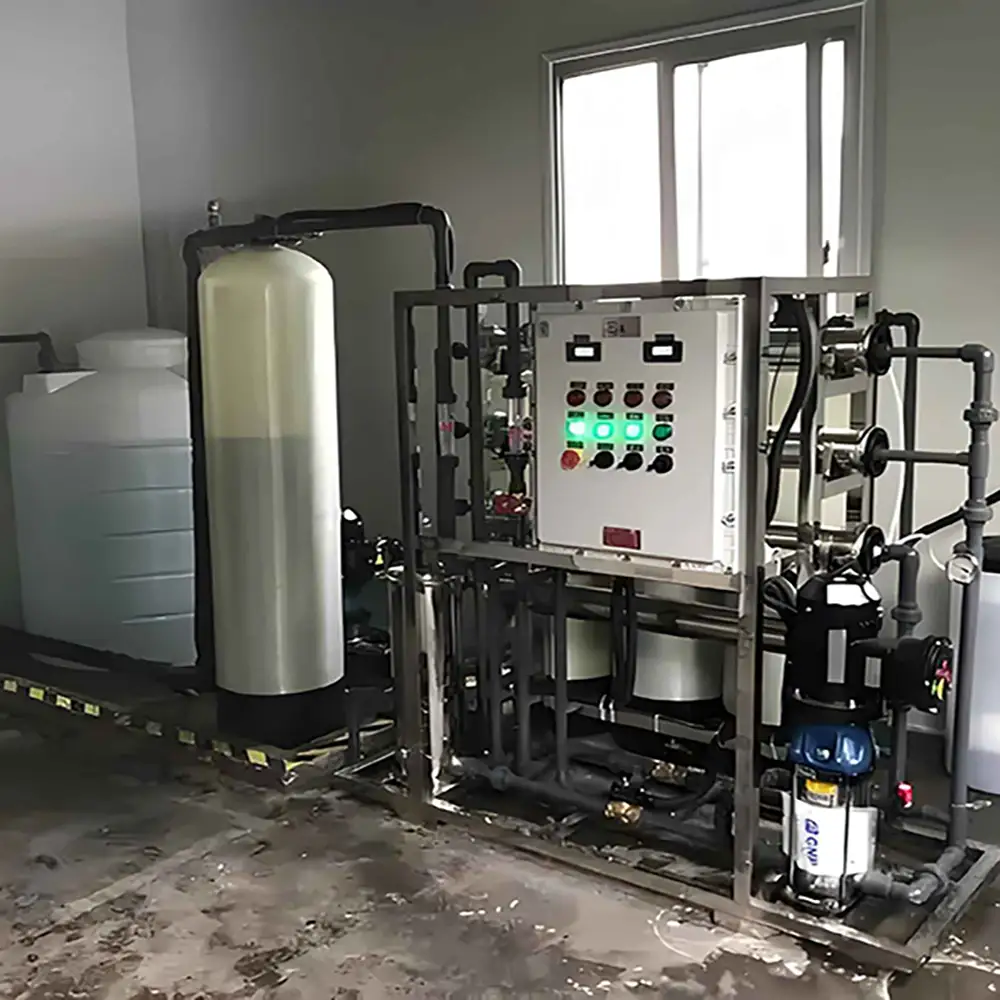
A typical industrial RO package may include:
Raw Water Feed Pump
Multimedia Filter
Activated Carbon Filter
Water Softener
Chemical Dosing System
Cartridge Filter
High-Pressure Pump
RO Membrane Housing
RO Membrane Elements
Flow Meters
Pressure Gauges
Conductivity Meter
Control Cabinet
Permeate Storage Tank
Concentrate Discharge System
The exact configuration depends on water chemistry, treatment capacity, operating pressure, recovery target, and product-water quality.
For large facilities, multiple RO trains can be installed in parallel to provide greater production capacity and operational flexibility.
Commercial Reverse Osmosis Systems
Commercial RO systems can be used in hotels, restaurants, office buildings, laboratories, food-service facilities, laundries, commercial kitchens, and other facilities requiring treated water.
Commercial systems may be designed as compact skid-mounted packages or integrated into a larger building water-treatment plant.
For drinking-water applications, additional treatment or post-treatment may be required depending on the source water and applicable water-quality requirements.
Point-of-use RO systems are another application category. EPA notes that point-of-use RO systems treat water at a specific fixture and produce both treated permeate and reject water.
Seawater and Brackish Water RO
RO is widely used for desalination.
Brackish Water RO treats water containing elevated dissolved salts but generally lower salinity than seawater.
Seawater Reverse Osmosis (SWRO) uses specialized membranes and higher operating pressures to reduce seawater salinity and produce freshwater.
EPA identifies RO as a technology used for removing salts from both brackish water and seawater.
Seawater RO systems normally require carefully designed pretreatment and may incorporate energy-recovery equipment to improve overall system efficiency.
RO for Water Reuse
Reverse osmosis can also be incorporated into water-reuse systems.
Depending on the wastewater characteristics, pretreatment may include biological treatment, clarification, filtration, ultrafiltration, activated carbon, or other processes before RO.
A possible reuse process is:
Wastewater Treatment → Clarification → Filtration → UF → RO → Disinfection → Reuse Water
RO can reduce dissolved substances that remain after conventional biological and physical treatment. However, it should be selected based on the specific contaminants and reuse requirements.
The concentrate stream also needs appropriate management because it contains a higher concentration of rejected constituents.
RO Recovery and Concentrate Management
An RO system does not convert all feed water into product water.
The system produces a permeate stream and a concentrate stream. The percentage of feed converted into permeate is commonly described as recovery.
Higher recovery can reduce the volume of concentrate but may increase scaling and concentration-related challenges if the water chemistry is not properly managed.
EPA identifies concentrate management as an important consideration for RO because the reject stream contains concentrated salts and contaminants.
For industrial projects, concentrate may require discharge, further treatment, reuse, evaporation, or another management strategy depending on site conditions and applicable regulations.
RO Post-Treatment
RO permeate may require additional treatment depending on its intended use.
Possible post-treatment technologies include:
UV Disinfection
Ozone Treatment
Remineralization
pH Adjustment
Alkalinity Adjustment
Activated Carbon Polishing
Deionization
Electrodeionization
Final Cartridge Filtration
For high-purity water applications, RO may serve as a pretreatment or primary purification stage before polishing technologies.
For potable water, post-treatment can be used to improve chemical stability and provide appropriate disinfection according to the applicable water-quality requirements.
RO System Operation and Maintenance
Proper operation and maintenance help maintain stable RO performance.
Operators should monitor:
Feed Pressure
Permeate Pressure
Concentrate Pressure
Permeate Flow
Concentrate Flow
Feed Conductivity
Permeate Conductivity
Recovery
Temperature
Differential Pressure
A significant change in normalized permeate flow, salt passage, or pressure differential may indicate fouling, scaling, membrane damage, or pretreatment problems.
RO membranes also require periodic cleaning when operating conditions indicate fouling or scaling. Pretreatment filters should be maintained to prevent excessive loading on the membrane system.
EPA technical references note that pretreatment and routine maintenance are important for controlling membrane fouling and maintaining RO performance.
Energy and Water Efficiency
RO requires pressure to drive water through the membrane, so energy consumption is an important design consideration.
System efficiency depends on feed-water salinity, operating pressure, recovery, membrane characteristics, temperature, pretreatment, and equipment configuration.
For larger systems, energy-recovery technology may be appropriate, particularly for seawater RO.
Water efficiency should also be evaluated by considering recovery and concentrate management. Point-of-use RO systems can generate substantial reject water, and EPA's WaterSense program specifically addresses water-efficiency considerations for RO systems.
Why Choose Us?
Complete RO Water Treatment Solutions: Systems can integrate pretreatment, RO membranes, post-treatment, storage, and controls.
Industrial and Commercial Applications: Suitable for process water, drinking water, desalination, and water-reuse projects.
Flexible Pretreatment: Multimedia filtration, activated carbon, softening, UF, cartridge filtration, and chemical dosing can be incorporated according to water quality.
Stable Membrane Operation: Pretreatment and monitoring are designed to help reduce fouling and scaling risks.
Modular Configuration: Skid-mounted and multi-stage RO systems can be arranged for different capacities.
Broad Water Sources: Systems can be configured for municipal water, groundwater, brackish water, surface water, and seawater applications.
Integrated Monitoring: Flow, pressure, conductivity, and other operating parameters can be monitored according to system configuration.
Water Reuse Capability: RO can be incorporated into advanced wastewater-reuse treatment trains.
Application-Based Design: Equipment selection is based on source-water analysis, required capacity, target water quality, and operating conditions.
Complete Process Integration: RO can be combined with softening, filtration, UV, EDI, remineralization, and other water-treatment technologies.
FAQs
1. What Is RO Reverse Osmosis?
RO, or reverse osmosis, is a pressure-driven membrane treatment process that forces water through a semipermeable membrane to reduce dissolved salts and other contaminants.
2. What Does an RO System Remove?
RO can reduce many dissolved solids, salts, inorganic contaminants, and selected organic substances. Actual removal depends on the membrane, feed-water chemistry, and operating conditions.
3. What Is the Difference Between RO and Normal Filtration?
Conventional filtration mainly targets suspended particles, while RO uses a semipermeable membrane to separate many dissolved constituents.
4. Does RO Remove TDS?
Yes. TDS reduction is one of the major applications of reverse osmosis.
5. Can RO Treat Hard Water?
Yes. RO can reduce dissolved hardness ions, but a water softener or antiscalant system may be used as pretreatment when hardness creates a scaling concern.
6. Does an RO System Need Pretreatment?
Most industrial RO systems require appropriate pretreatment to control suspended solids, fouling, scaling, and other membrane-related problems.
7. Can RO Be Used for Seawater Desalination?
Yes. Specialized seawater reverse osmosis systems are widely used to reduce seawater salinity and produce freshwater.
8. What Is RO Permeate?
RO permeate is the portion of feed water that passes through the semipermeable membrane and becomes the treated product-water stream.
9. What Is RO Reject Water?
RO reject, also called concentrate or brine, is the stream containing a higher concentration of substances rejected by the membrane.
10. Can RO Be Used for Wastewater Reuse?
Yes. RO can be incorporated into advanced wastewater-reuse systems after suitable pretreatment.
11. How Long Do RO Membranes Last?
Membrane service life varies significantly according to feed-water quality, pretreatment, operating conditions, cleaning practices, and membrane type. Routine monitoring and proper pretreatment are important.
12. How Do I Select the Right RO System?
Start with a complete raw-water analysis, required production capacity, desired product-water quality, operating schedule, recovery target, installation conditions, and concentrate-management requirements. These factors determine the appropriate membrane configuration and pretreatment system.
Prev:
Seawater Desalination
Next:
Slow-Release Sterilizer
TAG:
Industrial Water Treatment System,
Water Purification Equipment,
Reverse Osmosis Water Treatment,
RO Water Purification System,
Pure Water Treatment System,
Industrial Water Treatment Equipment,
Industrial Water Treatment,
Industrial Water Purification,
Water Purification System,
Industrial RO Water Treatment,
Brackish Water Treatment,
Brackish Water Desalination,
Industrial RO System,
Seawater Reverse Osmosis,
RO Desalination System,
RO Concentrate Treatment,
RO Brine Treatment,
Industrial Water Purification Plant,
RO Water Treatment System,
Commercial RO System,
Commercial Water Purification,
Industrial RO Water Purification,
Pure Water Equipment,
RO Membrane System,
RO Membrane Filtration,
RO Filtration System,
Reverse Osmosis Water Purification,
Reverse Osmosis Filtration,
RO Water Purification,
RO Water Treatment,
Related Category:
RO Reverse Osmosis,Reverse Osmosis System,RO Water Treatment System,Reverse Osmosis Water Treatment China, suppliers, manufacturers, factory, customized, wholesale, quotation, made in China