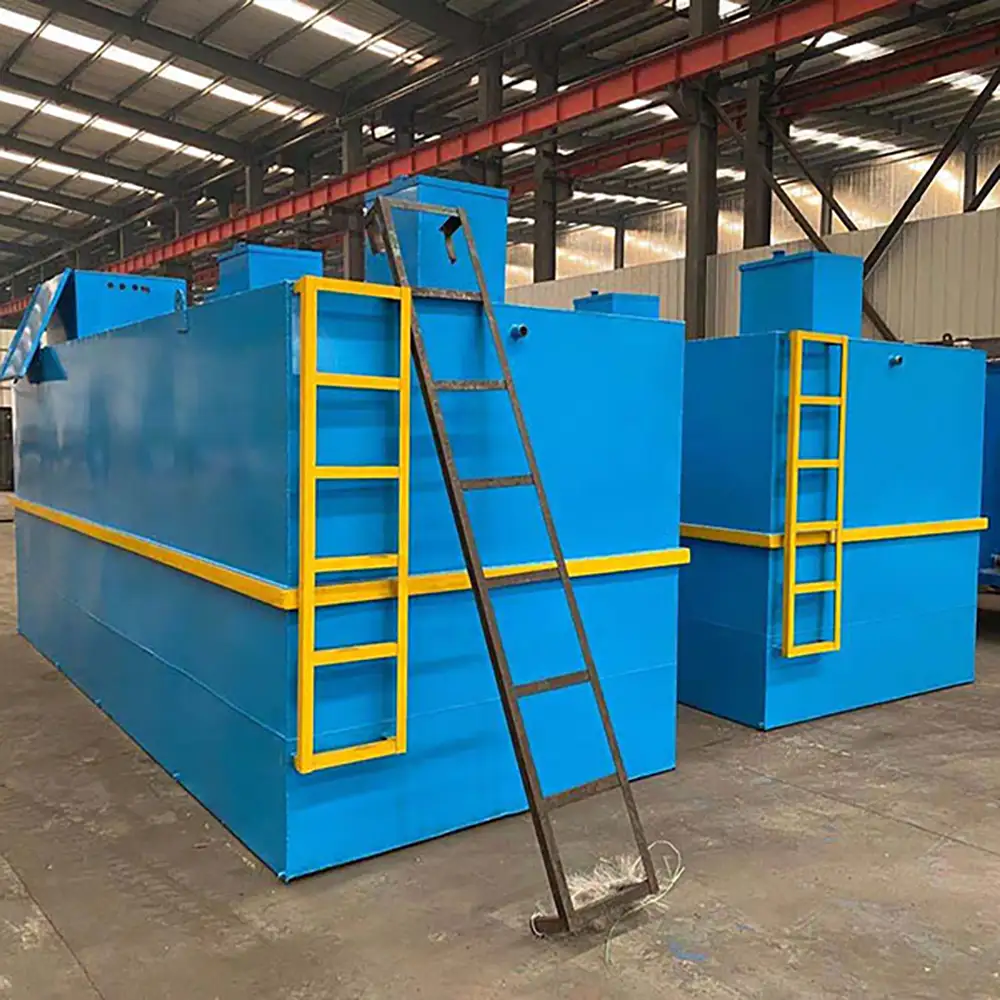
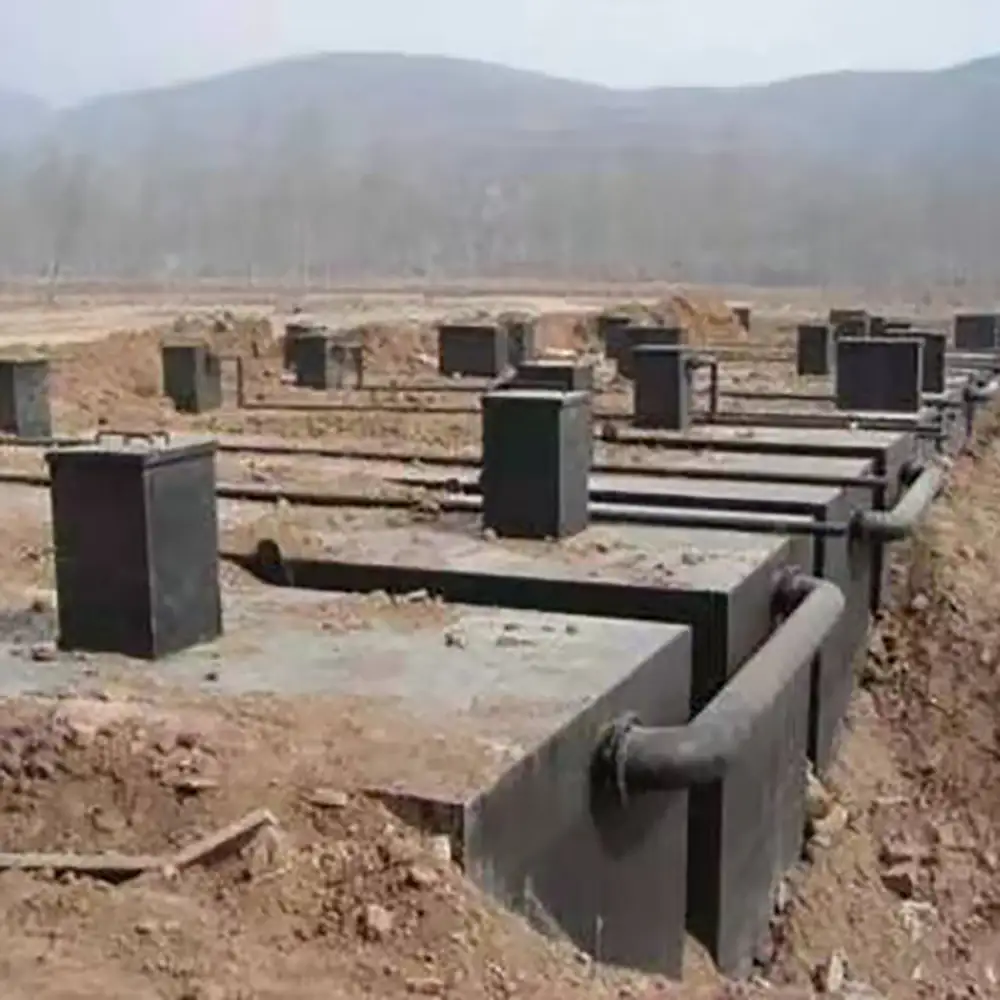
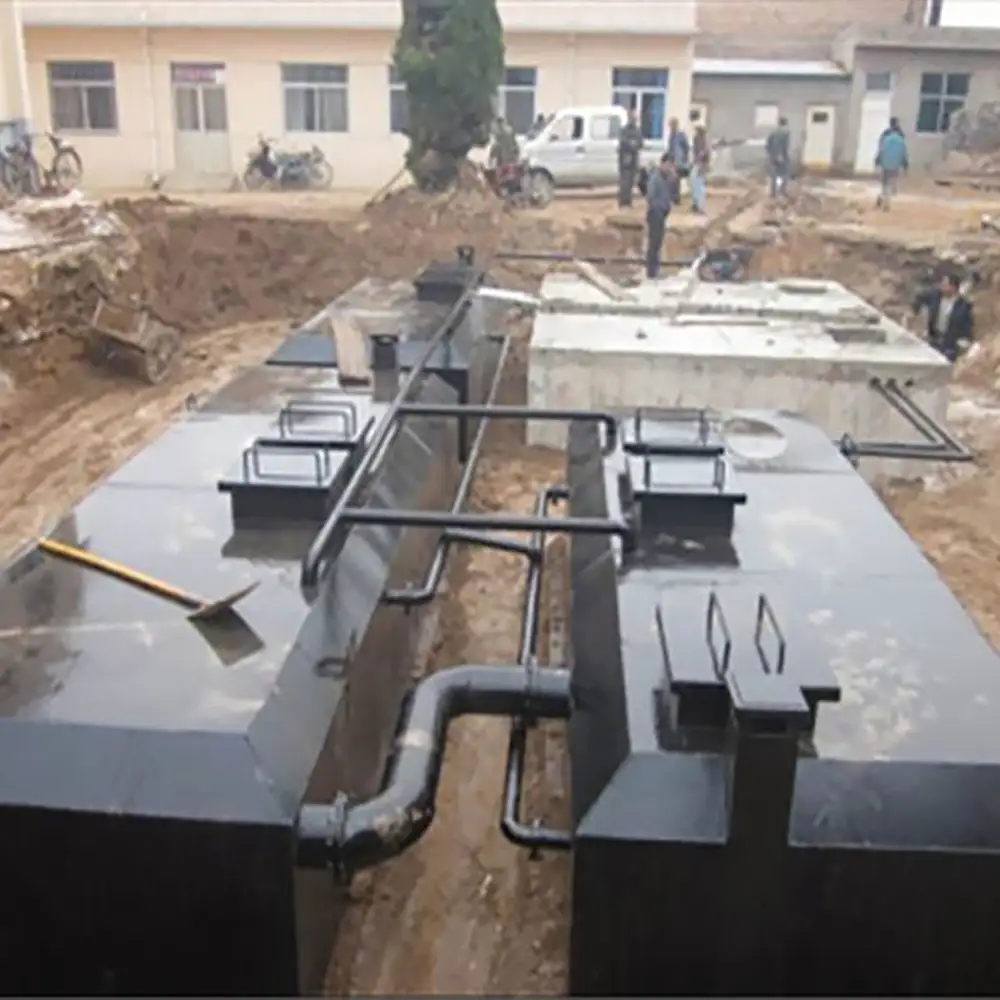
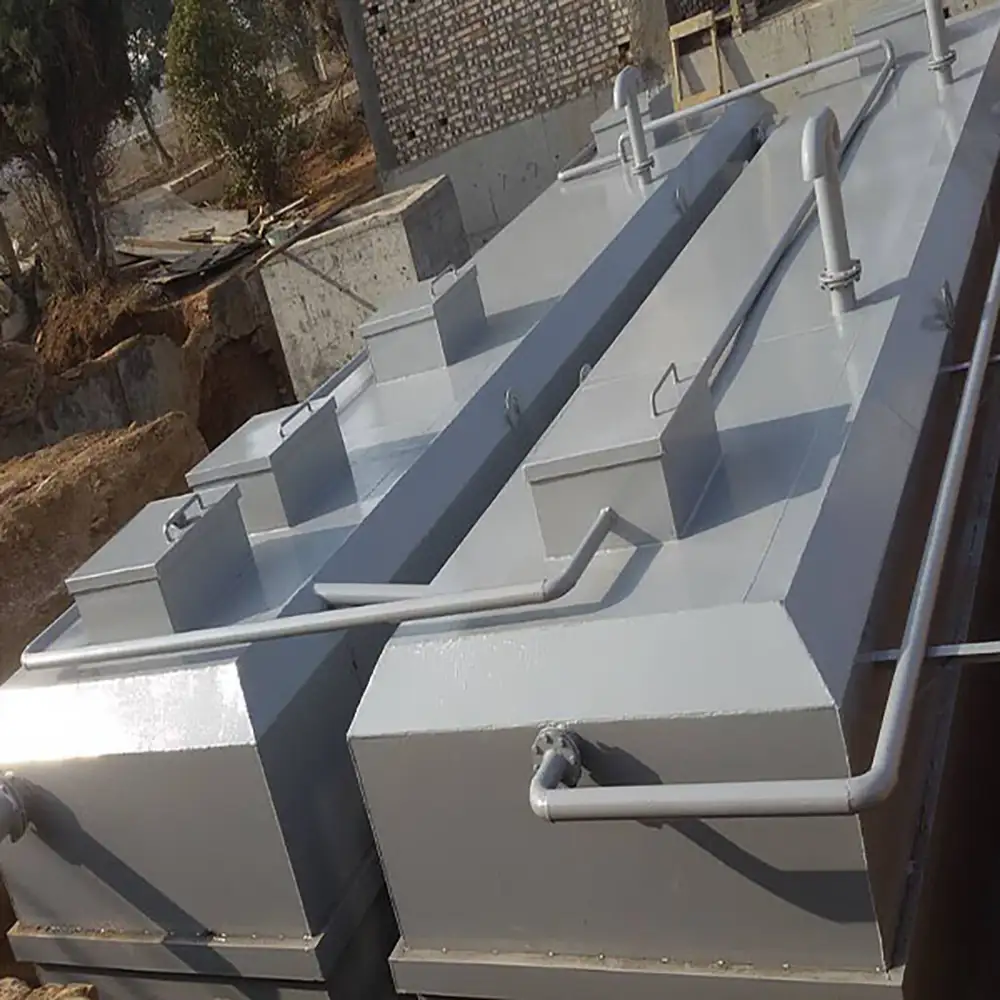
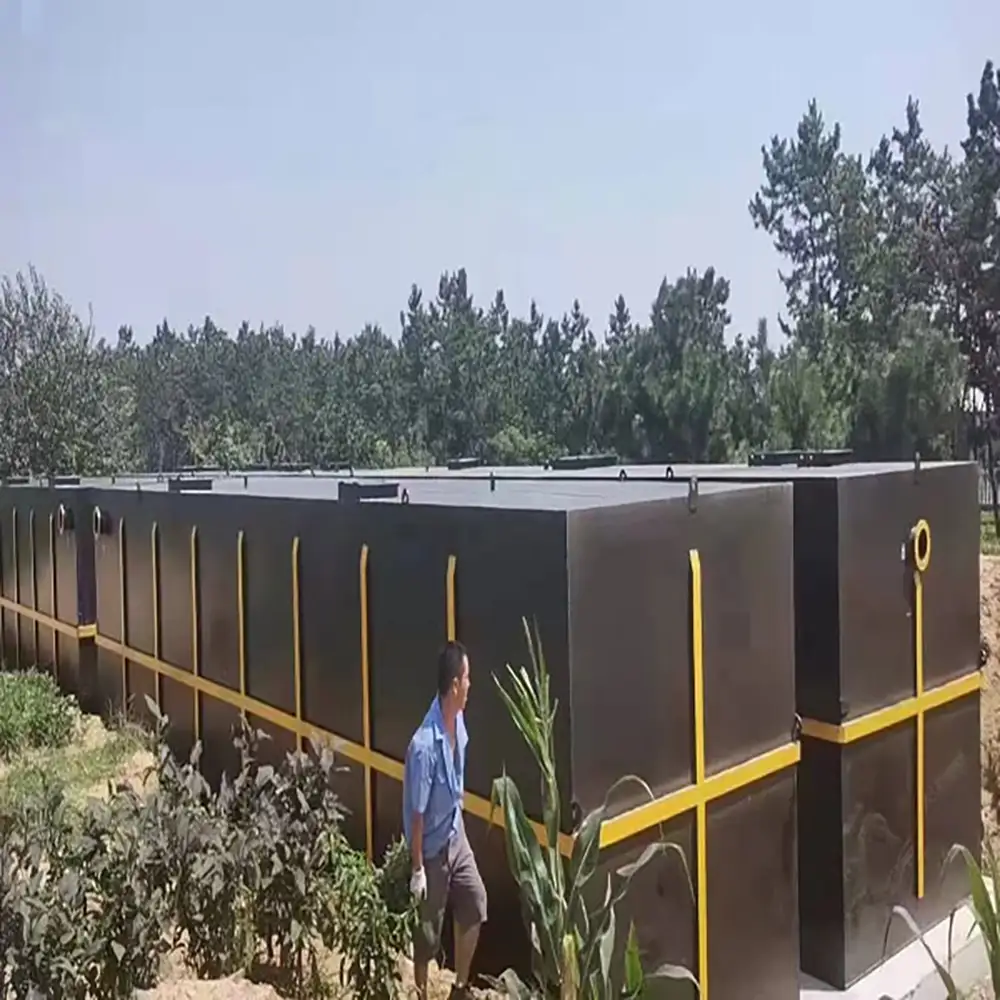
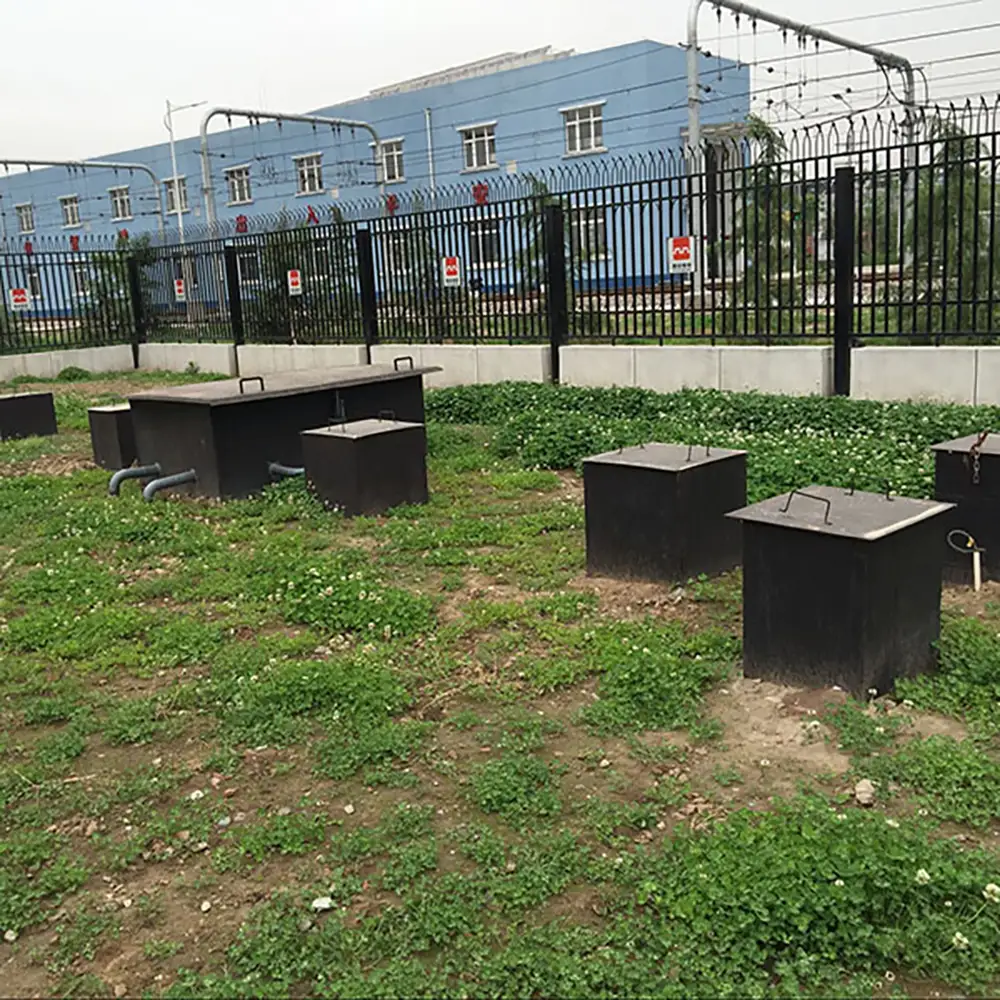
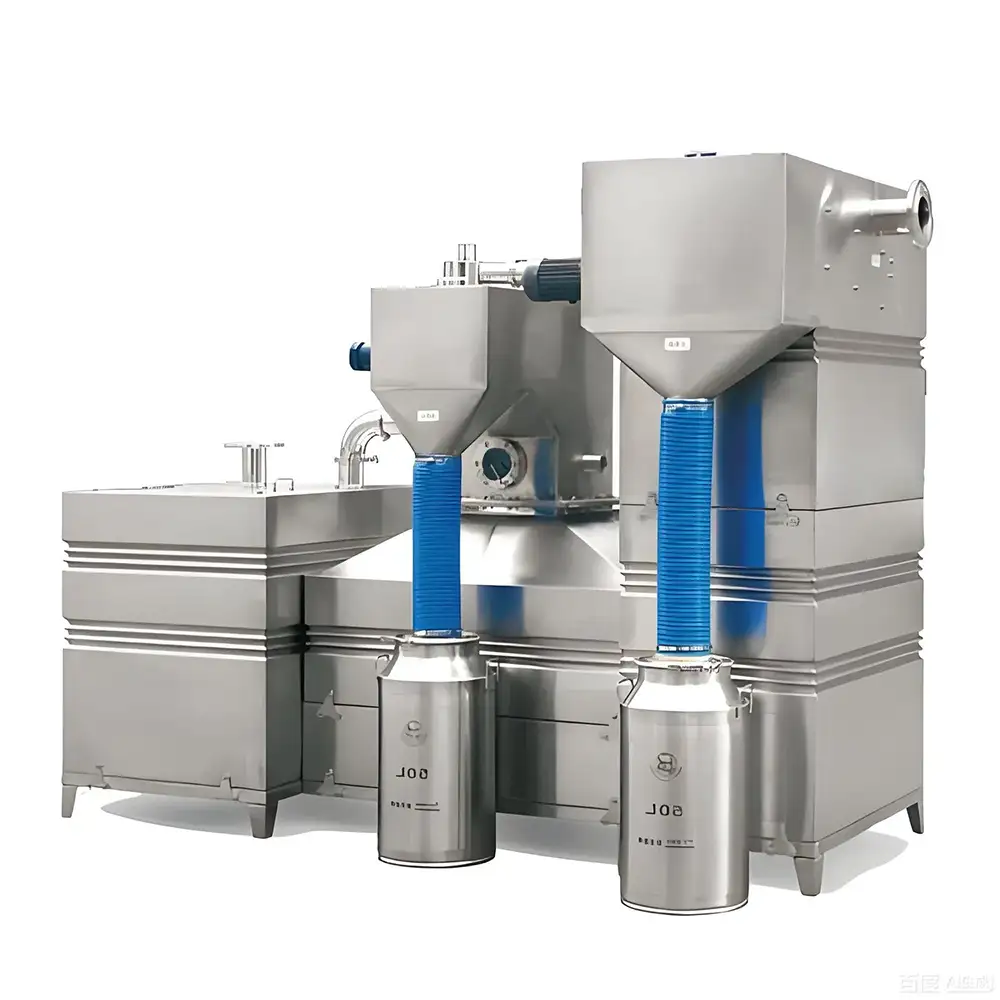
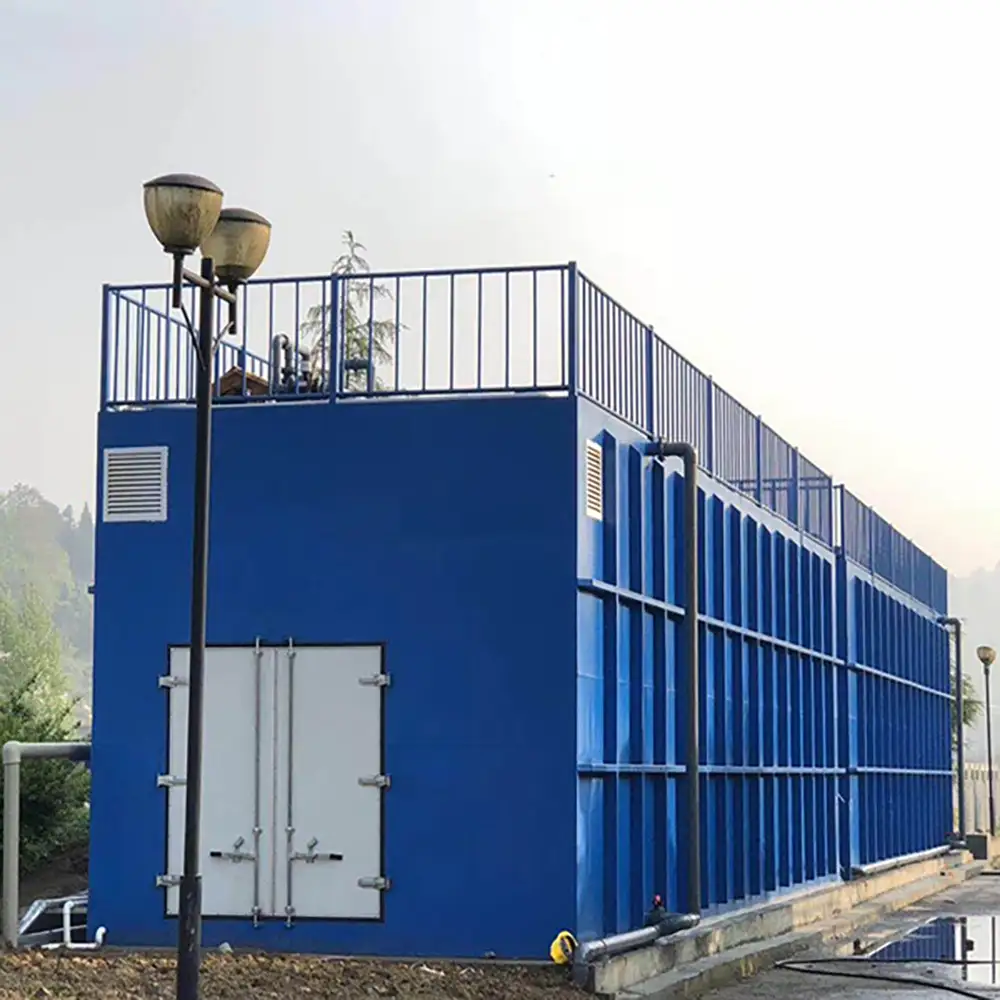
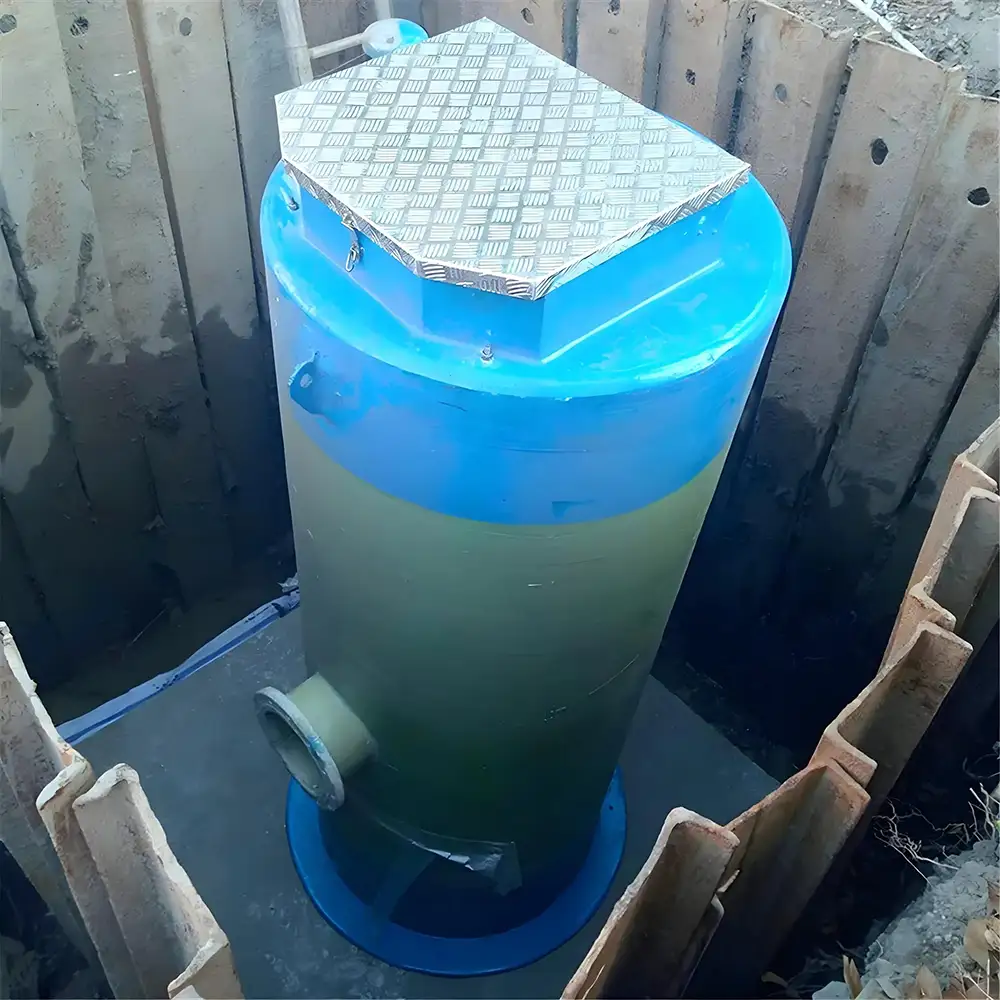
Integrated sewage treatment equipment
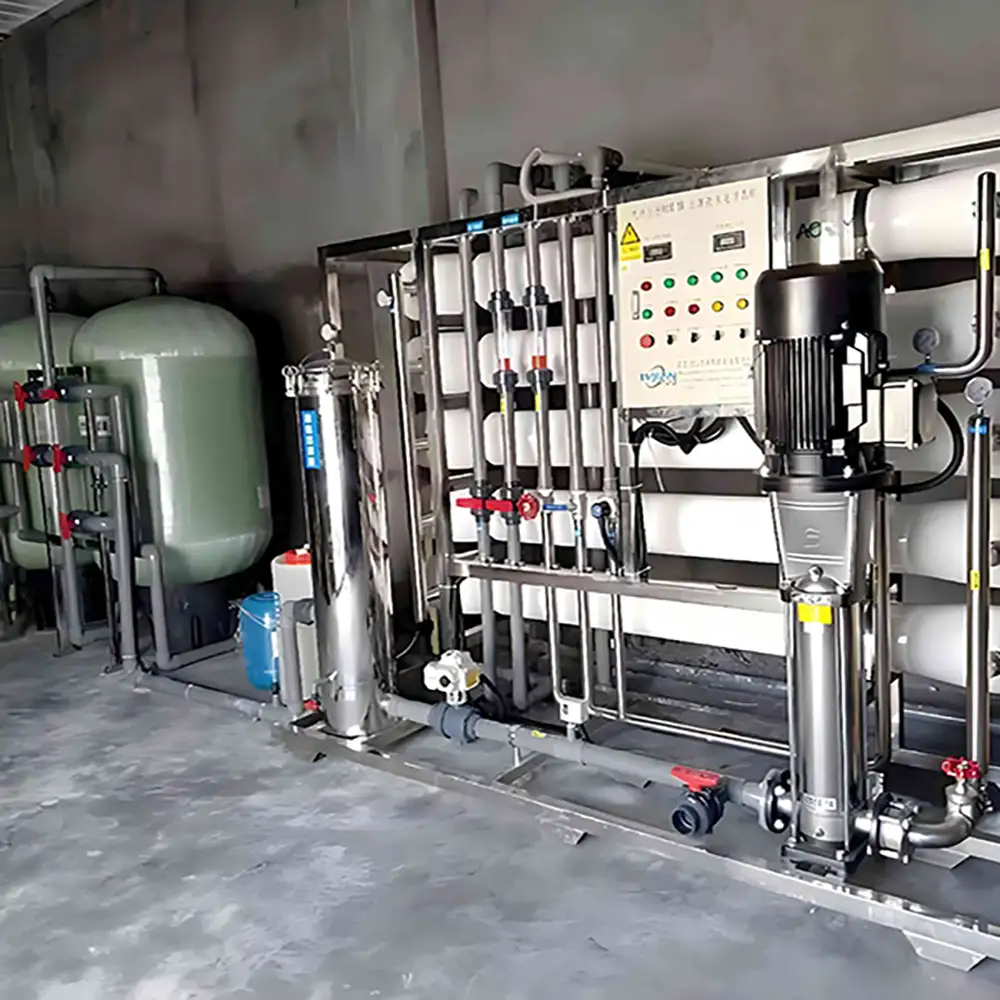
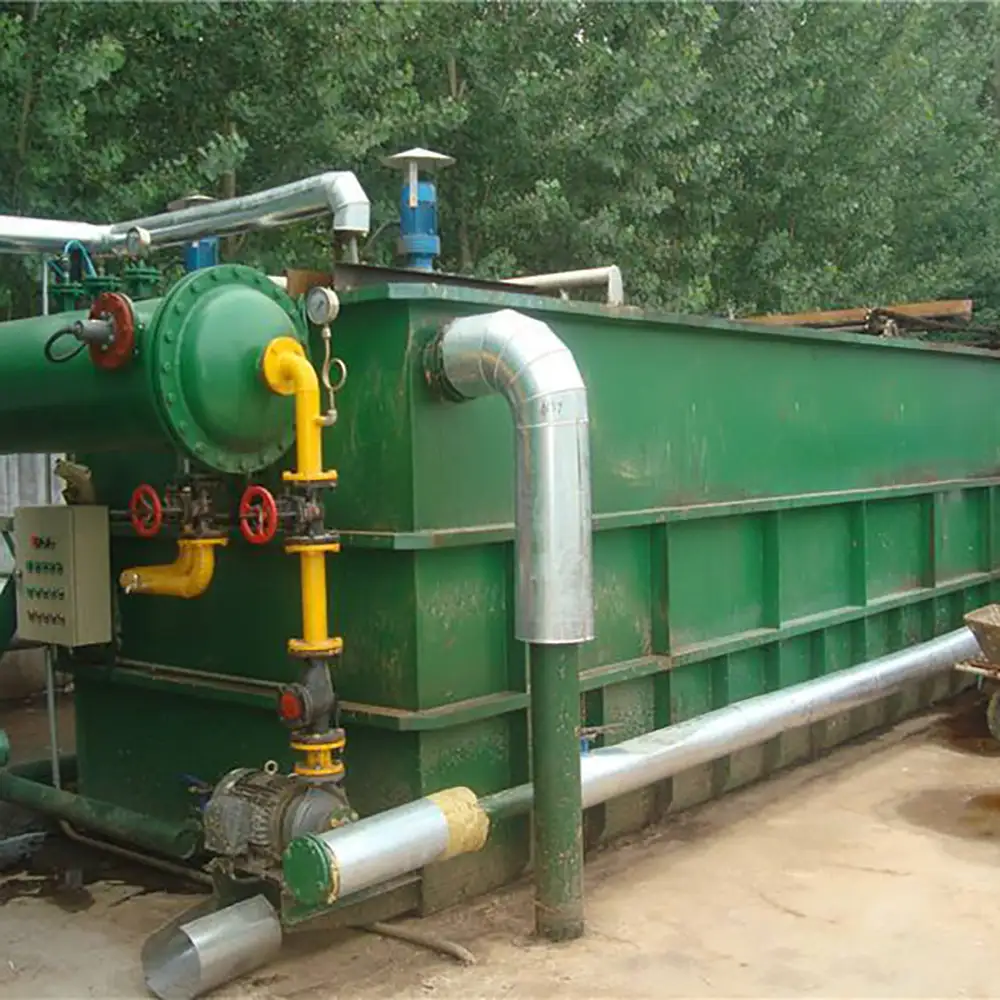
The biological treatment process adopted by this equipment integrates the removal of BOD, COD, and NH-N, making it the current sewage treatment equipment. It is widely used in the treatment of domestic sewage and similar industrial organic sewage in rural areas, villas and residential quarters, replacing the Septic tank with low removal rate and treated effluent that cannot meet the comprehensive discharge standard.
After practical application, it has been shown that the integrated buried sewage treatment equipment is a very ideal and easy to manage domestic sewage treatment equipment. The long-term application results in the living community also indicate that this equipment is a good governance measure for our domestic sewage treatment.
Sewage is the wastewater discharged from residents' daily lives, mainly from residential buildings and public buildings, such as residential buildings, government agencies, schools, hospitals, shops, public places, and industrial enterprise bathrooms. The pollutants contained in domestic sewage are mainly organic matter (such as proteins, carbohydrates, fats, urea, ammonia nitrogen, etc.) and a large number of pathogenic microorganisms (such as parasitic eggs and intestinal infectious viruses, etc.). The organic matter present in domestic sewage is extremely unstable and prone to decay, resulting in a foul odor. Bacteria and pathogens multiply in large quantities using organic matter in domestic sewage as nutrients, which can lead to the spread of infectious diseases.
The comprehensive domestic sewage has high CODcr and BOD5, and the value of BOD5/CODcr is greater than 0.4, indicating good biochemical performance. It is advisable to adopt a biochemical based process for treatment. Due to the large amount of wastewater, integrated sewage treatment equipment should be used for biochemical treatment. Before entering the biochemical device, try to remove floating and large particle suspended impurities from the domestic sewage during the pre-treatment stage as much as possible, and then enter the sewage regulating tank to prevent adverse effects on the sewage lifting pump.
Underground Integrated Wastewater Treatment Equipment
Underground Integrated Equipment is a compact wastewater treatment solution designed to be installed below ground level while combining multiple treatment processes into one integrated system. It is commonly used where surface space is limited, visual impact needs to be minimized, or wastewater treatment must be incorporated into an onsite or decentralized infrastructure.
Underground integrated wastewater treatment equipment can be designed for domestic sewage from residential communities, rural areas, hotels, schools, scenic areas, service facilities, camps and other small or medium-sized facilities. Depending on wastewater characteristics and effluent requirements, the system can incorporate pretreatment, biological treatment, sedimentation, filtration and disinfection.
Underground and onsite wastewater systems are widely recognized as decentralized treatment options for properties and communities that are not connected to centralized sewer networks. The U.S. EPA describes decentralized systems as systems that collect, treat and disperse or reclaim wastewater close to its source.
What Is Underground Integrated Equipment?
Underground Integrated Equipment refers to an integrated wastewater treatment unit installed below the ground surface. Instead of constructing multiple independent treatment structures, several treatment chambers can be incorporated into a single compact tank or modular underground system.
A typical process may include wastewater collection, screening or pretreatment, biological treatment, clarification, disinfection and final discharge or reuse. The exact process depends on wastewater quality, flow rate, treatment objectives and local regulations.
Unlike conventional above-ground treatment plants, the main treatment body is concealed below ground. Only necessary access covers, ventilation components, inspection ports, control equipment and related service facilities may remain visible above the surface.
Underground Integrated Wastewater Treatment Process
The treatment process begins with wastewater entering the pretreatment section. Large solids and floating materials can be separated before the wastewater moves into subsequent treatment chambers.
An equalization section may be included when wastewater flow or pollutant concentration changes significantly. Equalization helps provide more stable hydraulic and organic loading to downstream biological processes.
Biological treatment is then used to reduce biodegradable organic matter. Depending on project requirements, the system may use biological contact oxidation, MBBR, A/O, A²/O, SBR or another appropriate process.
After biological treatment, suspended solids can be separated through clarification or sedimentation. Additional filtration and disinfection can be incorporated when higher effluent quality is required.
This integrated arrangement allows several treatment stages to operate as one coordinated wastewater treatment system.
Biological Treatment
Biological treatment is an important component of many underground integrated sewage treatment systems. Microorganisms convert biodegradable organic pollutants into more stable substances under controlled environmental conditions.
For domestic sewage, aerobic biological treatment can provide effective reduction of biodegradable organic matter when properly designed and operated.
MBBR is one option for integrated wastewater treatment because suspended biological carriers provide protected surface area for microorganisms. Biological contact oxidation is another commonly considered configuration for compact sewage treatment systems.
The appropriate process should be selected based on actual influent conditions, hydraulic loading, organic loading, temperature, nitrogen requirements and final discharge standards.
Underground Installation Benefits
One of the biggest advantages of underground integrated equipment is efficient use of surface space.
After installation and proper backfilling, much of the treatment structure can remain below ground. This can help preserve the appearance and functional use of the surrounding property.
Underground installation can be especially attractive for:
Residential communities
Rural wastewater projects
Hotels and resorts
Scenic and tourist areas
Schools
Hospitals and clinics
Highway service facilities
Construction camps
Remote facilities
Small commercial developments
EPA identifies onsite and clustered decentralized wastewater systems as options for homes, businesses and small communities where centralized sewer service may not be available.
Space-Saving Wastewater Treatment
For projects with limited available land, an underground configuration can provide an alternative to large above-ground treatment structures.
The treatment tank can be divided internally into several functional chambers, allowing pretreatment, biological treatment and clarification to be incorporated into one integrated body.
However, underground installation does not eliminate the need for adequate engineering space. Access openings, ventilation, electrical equipment, pipelines, pumps and maintenance areas still need to be properly planned.
The final design should therefore consider both the underground tank dimensions and the space required for operation and maintenance.
Disinfection and Advanced Treatment
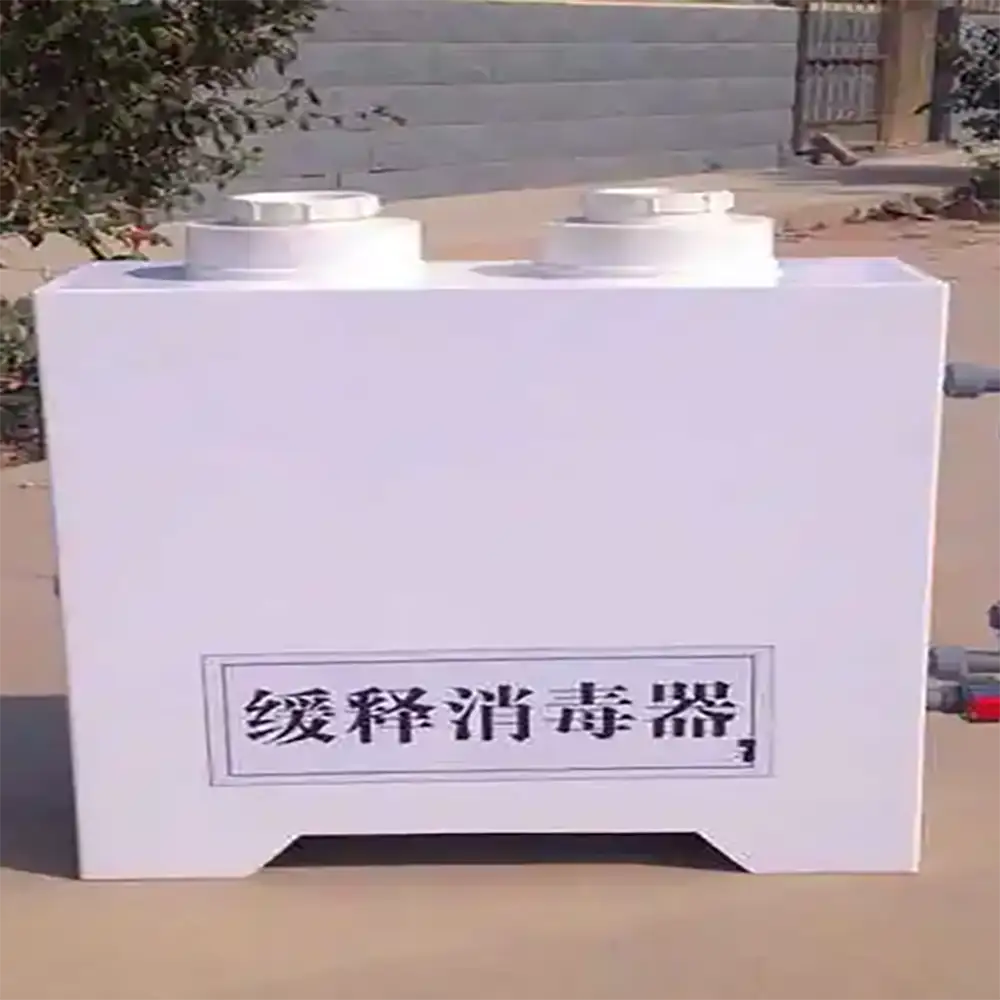
Disinfection can be incorporated into an underground integrated wastewater treatment system when treated wastewater requires additional pathogen reduction before discharge or reuse.
Depending on project requirements, chlorine-based disinfection, chlorine dioxide, ultraviolet disinfection or another appropriate technology may be selected.
For projects requiring higher-quality effluent, additional filtration or membrane treatment can also be considered. The selection of advanced treatment should be based on the required water quality rather than applying unnecessary treatment stages.
Domestic and Decentralized Applications
Underground integrated sewage treatment equipment is particularly suitable for decentralized domestic wastewater applications.
A system can serve a single facility, residential development or small community depending on the designed capacity.
Typical applications include rural sewage treatment, residential wastewater treatment, hotel wastewater treatment, school sewage treatment, resort wastewater treatment and wastewater treatment for remote facilities.
The EPA notes that decentralized systems can include individual onsite systems, cluster systems and package plants serving dwellings, businesses and small communities.
Underground vs. Above-Ground Integrated Equipment
Underground and above-ground integrated systems can use similar biological and physical treatment technologies, but their installation arrangements are different.
Above-ground systems generally provide easier visual access to tanks and equipment. Underground systems, in contrast, can reduce the visible footprint of the treatment facility and preserve more surface area.
Underground systems may therefore be attractive where aesthetics, land utilization and site integration are important.
At the same time, underground installation requires careful consideration of groundwater, soil conditions, structural loading, tank protection, ventilation and access for maintenance. Proper site evaluation and engineering design are important parts of a reliable decentralized wastewater project. EPA guidance emphasizes planning, site evaluation, design, construction, operation and maintenance as key elements of decentralized system management.
Sludge Management and Maintenance
Although the main treatment body is underground, regular maintenance remains necessary.
Operators should inspect pumps, blowers, aeration components, valves, electrical controls and disinfection equipment where applicable. Access openings should remain accessible for inspection and servicing.
Sludge accumulation should also be monitored. Excess sludge needs to be removed according to actual operating conditions and the selected treatment process.
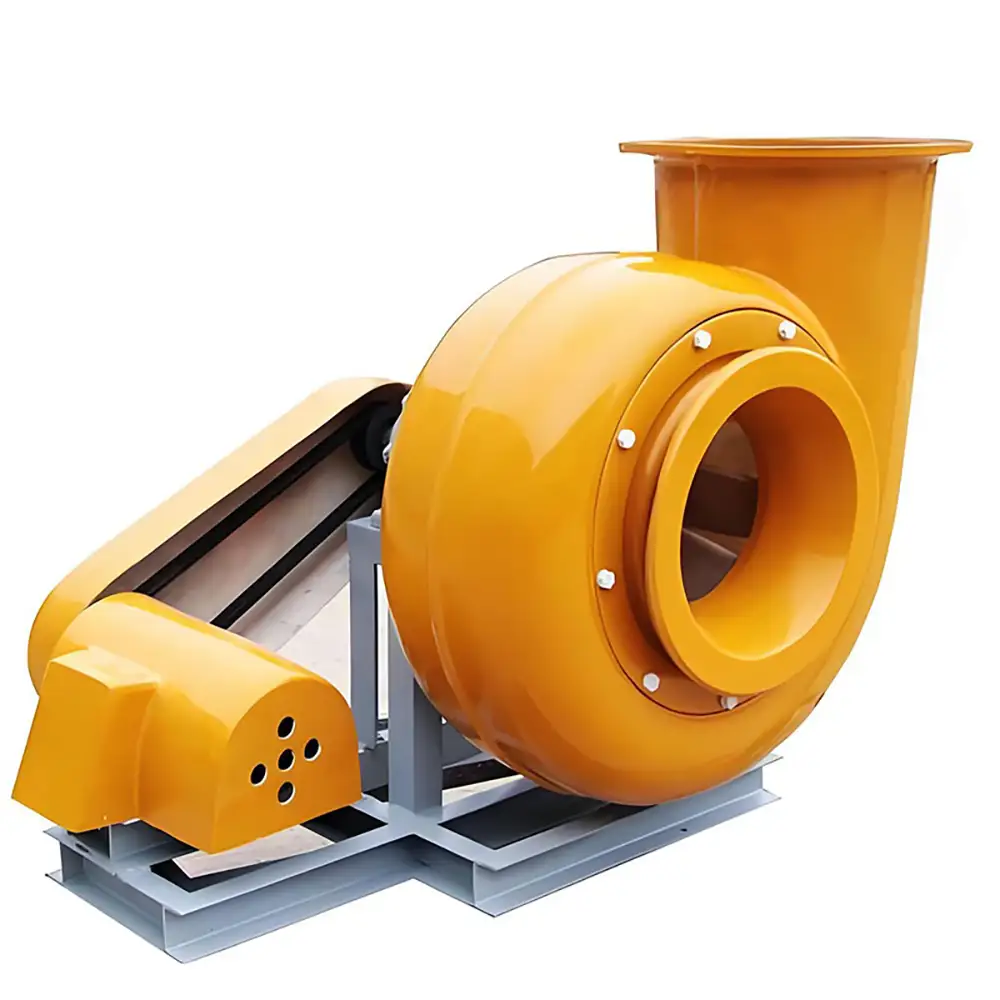
Ventilation should be properly designed because underground wastewater treatment structures can accumulate gases. Safety procedures should be followed whenever personnel need to inspect underground tanks or confined spaces.
Proper management is essential because wastewater treatment performance depends not only on equipment design but also on correct operation and maintenance.
Customized Underground Treatment Configuration
Underground Integrated Equipment can be configured according to project conditions.
The system capacity, tank dimensions, number of treatment chambers, aeration equipment, pumps, control system, disinfection method and optional filtration stages can be selected according to wastewater flow and treatment requirements.
Before selecting equipment, important information should include daily wastewater volume, peak flow, BOD, COD, suspended solids, ammonia nitrogen, pH, temperature and required effluent quality.
For industrial wastewater, additional wastewater characterization and treatability evaluation may be necessary because industrial pollutants can vary considerably from domestic sewage.
Why Choose Us
Integrated Treatment Design: Multiple wastewater treatment stages can be incorporated into one compact underground system.
Space-Efficient Installation: The buried configuration helps reduce visible equipment and preserve surface space.
Flexible Biological Processes: MBBR, biological contact oxidation, A/O, A²/O, SBR and other suitable processes can be considered according to project conditions.
Decentralized Application: Suitable for onsite wastewater treatment projects where centralized sewer connections are unavailable or impractical.
Compact Configuration: Internal treatment chambers reduce the need for multiple independent treatment structures.
Project-Based Design: Capacity and process configuration can be selected according to wastewater flow, influent characteristics and discharge requirements.
Accessible Service Planning: Inspection openings, pumps, blowers and controls can be arranged to support routine operation and maintenance.
Complete Treatment Options: Pretreatment, biological treatment, clarification, filtration and disinfection can be integrated when required.
FAQs
1. What Is Underground Integrated Equipment?
Underground Integrated Equipment is an integrated wastewater treatment system installed below ground and designed to combine multiple treatment processes within a compact treatment structure.
2. Is It the Same as a Septic Tank?
Not necessarily. A septic tank primarily provides settling and partial treatment, while an underground integrated wastewater treatment system can include biological treatment, clarification, disinfection and other treatment stages.
3. What Wastewater Can It Treat?
It is mainly suitable for domestic sewage and wastewater with similar characteristics. Some industrial wastewater applications may also be suitable after wastewater analysis and process evaluation.
4. Can It Be Used for Rural Sewage Treatment?
Yes. Underground integrated systems can be used for rural communities, villages and decentralized wastewater treatment projects.
5. Can the System Be Used for Residential Communities?
Yes. The capacity can be designed according to the population, wastewater generation rate, peak flow and required treatment level.
6. Can MBBR Be Used Underground?
Yes. MBBR can be incorporated into an underground integrated wastewater treatment system when the process is suitable for the wastewater characteristics.
7. Does Underground Installation Save Surface Space?
It can reduce the visible footprint of the treatment facility because the main treatment structure is installed below ground.
8. Can Disinfection Be Added?
Yes. Disinfection can be incorporated when required by the final discharge or treated-water reuse requirements.
9. Does Underground Equipment Require Maintenance?
Yes. Pumps, blowers, aeration systems, valves, controls, sludge levels and other components require periodic inspection and maintenance.
10. What Site Conditions Should Be Considered?
Soil conditions, groundwater level, excavation depth, structural loading, access, ventilation, drainage and maintenance requirements should all be considered during site planning.
11. Can the Equipment Be Customized?
Yes. Treatment capacity, process configuration, tank dimensions, aeration equipment, pumps, controls and optional treatment stages can be selected according to project requirements.
12. How Do I Select the Right Underground Integrated System?
The selection should be based on wastewater flow, peak flow, influent quality, treatment objectives, local discharge standards, available site conditions and future operating requirements. A wastewater analysis is recommended before final process and equipment selection.
Prev:
Ground Integrated Equipment
Next:
Fiberglass Integrated Sewage Treatment Equipment
TAG:
Integrated Wastewater Treatment System,
Biological Wastewater Treatment System,
Biological Wastewater Treatment Equipment,
Decentralized Wastewater Treatment,
Onsite Wastewater Treatment,
Compact Wastewater Treatment Plant,
MBBR Wastewater Treatment,
Biological Wastewater Treatment,
Package Sewage Treatment Plant,
Decentralized Sewage Treatment System,
Onsite Wastewater Treatment System,
Integrated Wastewater Treatment Equipment,
Integrated Sewage Treatment System,
Integrated Sewage Treatment Equipment,
MBBR Sewage Treatment,
MBBR Wastewater Treatment System,
MBBR Sewage Treatment System,
Decentralized Wastewater Treatment System,
Decentralized Sewage Treatment,
Onsite Sewage Treatment System,
Rural Sewage Treatment,
Rural Wastewater Treatment,
Onsite Sewage Treatment,
Rural Sewage Treatment System,
Rural Wastewater Treatment System,
Residential Wastewater Treatment Equipment,
Domestic Sewage Treatment Plant,
Domestic Wastewater Treatment Plant,
Domestic Wastewater Treatment System,
Residential Wastewater Treatment,
Related Category:
Underground Integrated Equipment,Underground Integrated Wastewater Treatment Equipment,Underground Integrated Sewage Tre China, suppliers, manufacturers, factory, customized, wholesale, quotation, made in China