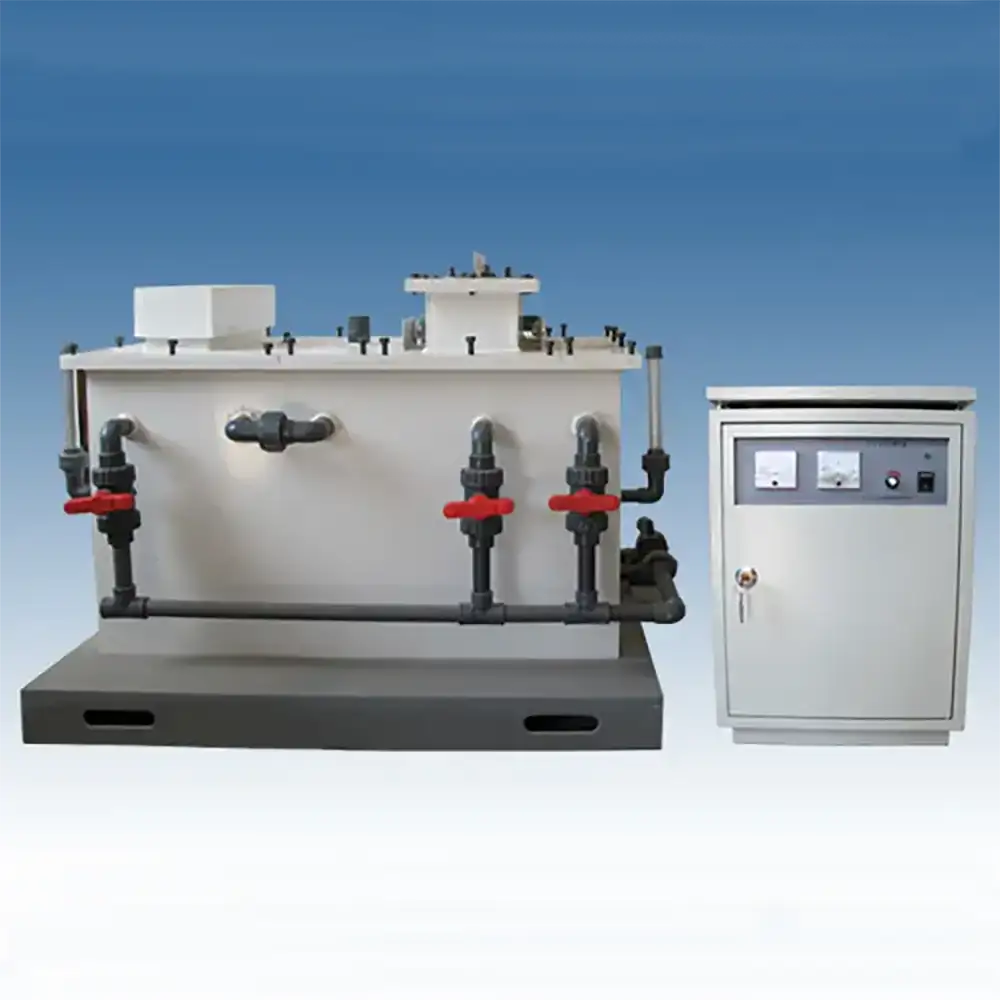
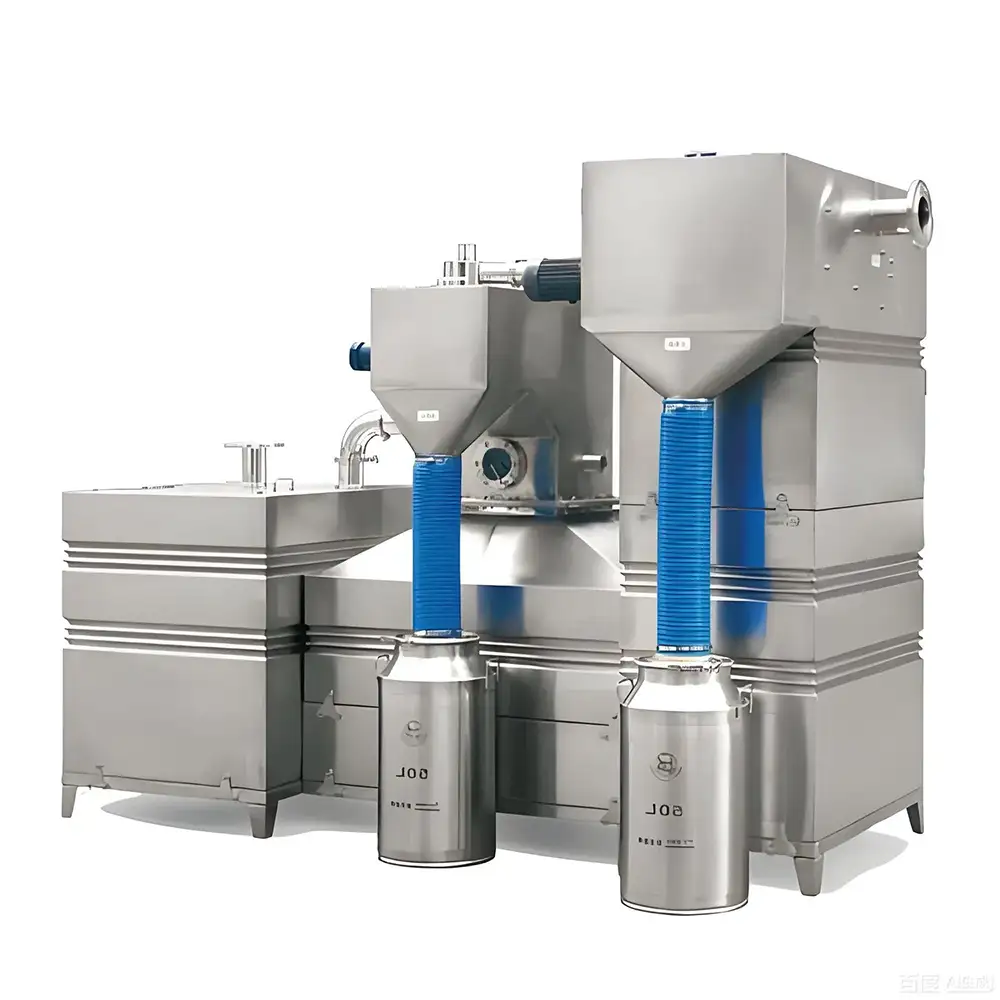
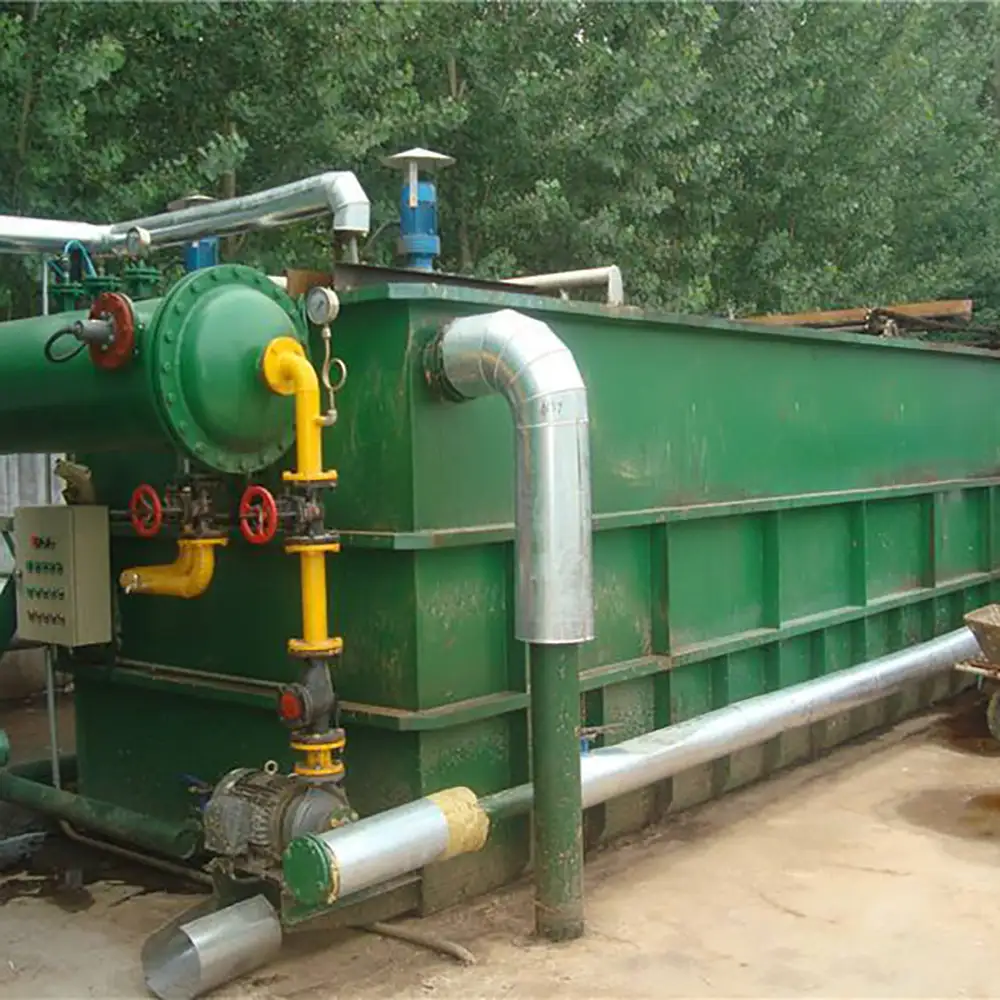
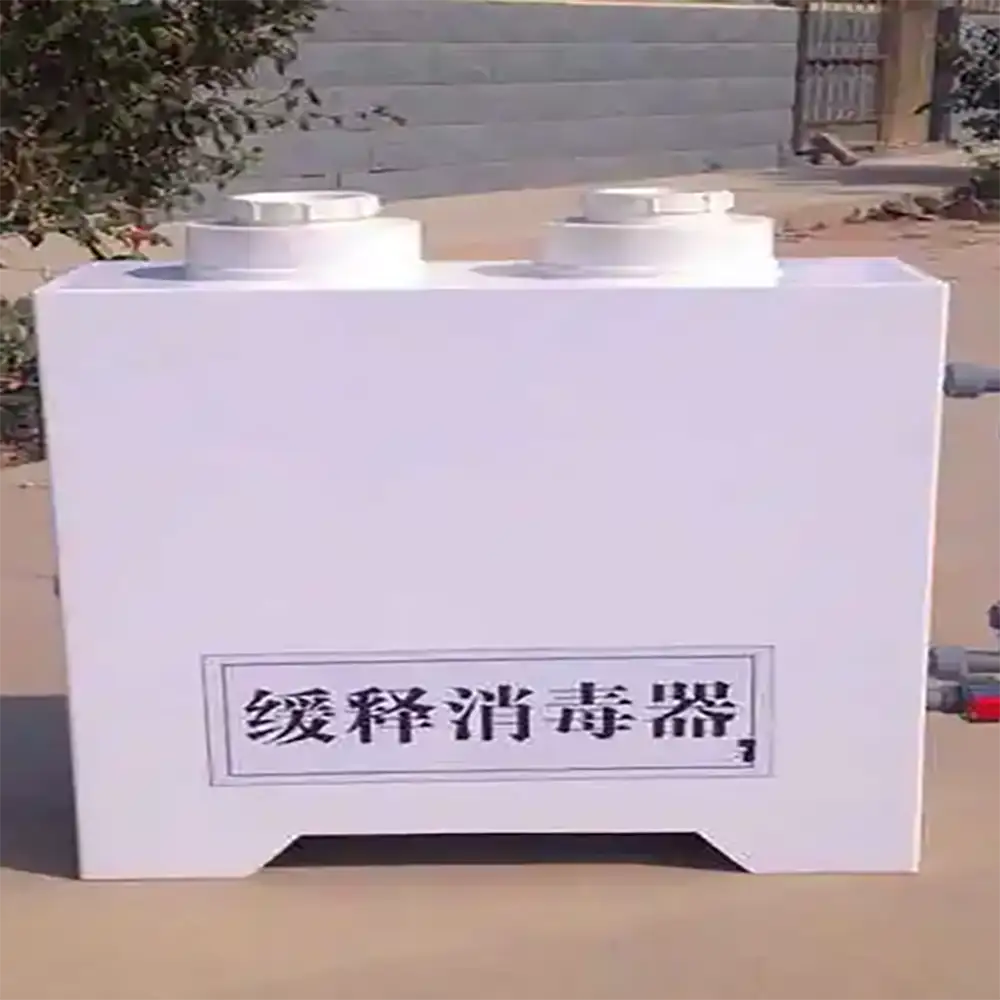
Electrolytic Chlorine Dioxide Generator for Water and Wastewater Treatment
An Electrolytic Chlorine Dioxide Generator is an on-site chlorine dioxide generation system that uses electrochemical technology to produce chlorine dioxide (ClO₂) for water disinfection, wastewater treatment, process-water sanitation and selected oxidation applications.
Unlike conventional chemical chlorine dioxide generators that rely on reactions between multiple precursor chemicals, an electrolytic system uses an electrochemical cell to convert a suitable chlorite feed into chlorine dioxide under controlled electrical conditions. EPA technical literature identifies electrochemical generation as one of the available chlorine dioxide generation technologies.
Electrochemical chlorine dioxide generation can provide a compact and automated alternative for facilities looking to produce ClO₂ close to the point of application. Commercial systems may be designed to generate either chlorine dioxide solution or chlorine dioxide gas, depending on the application and generator configuration.
What Is an Electrolytic Chlorine Dioxide Generator?
An Electrolytic Chlorine Dioxide Generator uses an electrochemical cell to produce chlorine dioxide from a suitable precursor under controlled electrical conditions.
A typical system can include:
Electrochemical Generation Cell
Precursor Chemical Tank
Feed Pump
Water Supply System
Product Solution Tank
Dosing Pump
Flow Meter
Chlorine Dioxide Analyzer
PLC Control Cabinet
Touchscreen HMI
Automatic Valves
Safety Interlocks
Alarm System
The actual equipment configuration depends on the chlorine dioxide production capacity, precursor chemistry, treatment flow, dosing method and application requirements.
Some commercial electrochemical systems use sodium chlorite as the precursor and produce chlorine dioxide through oxidation at the electrochemical cell.
How Electrolytic Chlorine Dioxide Generation Works
The basic process can be summarized as:
Precursor Feeding → Electrochemical Cell → ClO₂ Generation → Product Separation → Dilution Or Storage → Dosing → Mixing → Disinfection
The precursor solution enters the electrochemical cell, where controlled electrical current drives the conversion process. The resulting chlorine dioxide can then be separated, diluted or transferred to a dosing system.
In one commercial electrochemical approach, chlorite ions are oxidized at the anode to form chlorine dioxide, while water is reduced at the cathode. The exact cell construction and operating parameters depend on the generator design.
The generated ClO₂ can then be introduced into the water through a metering pump, ejector, diffuser or other suitable injection system.
Electrochemical vs. Chemical Chlorine Dioxide Generation
Electrolytic generation differs from traditional two-chemical or three-chemical chlorine dioxide generation.
Traditional systems may use combinations of sodium chlorite, acid, chlorine or hypochlorite. Electrochemical systems can be designed around a single precursor feed and electrical energy.
Potential advantages of electrochemical generation include:
Reduced Number Of Chemical Feed Streams
Automated Generation
On-Site Production
Compact Process Integration
Controlled Electrochemical Reaction
Reduced Handling Of Multiple Reactants
Automatic Dosing Integration
Suitable For Remote Or Automated Installations
However, electrolytic systems can have different capital costs, energy requirements, conversion efficiencies and maintenance requirements compared with chemical generators. System selection should therefore be based on total project cost, chemical availability, operating conditions and required output.
EPA guidance recognizes electrochemical generation as a distinct chlorine dioxide generation technology, while commercial systems demonstrate different designs for solution and gas production.
On-Site Chlorine Dioxide Generation
Chlorine dioxide is relatively unstable and is generally generated near the point of use rather than transported and stored as concentrated material. Research literature also notes that chlorine dioxide has to be prepared in situ because of its instability.
An Electrolytic Chlorine Dioxide Generator therefore allows the treatment facility to produce ClO₂ according to actual demand.
This approach can be particularly useful for:
Municipal Water Plants
Industrial Wastewater Plants
Process Water Systems
Cooling Water Systems
Food And Beverage Plants
Healthcare Water Systems
Reclaimed Water Systems
Remote Treatment Facilities
The generator can be integrated with flow-paced dosing, residual control or scheduled operation.
Water Disinfection Applications
Electrolytic chlorine dioxide generators can be used for various water disinfection applications.
Potential applications include:
Drinking Water Disinfection
Municipal Water Treatment
Industrial Process Water
Cooling Water Disinfection
Reclaimed Water Treatment
Food Processing Water
Beverage Process Water
Irrigation Water Treatment
Healthcare Water Systems
Chlorine dioxide is used as a disinfectant and oxidant in water treatment. Electrochemical generation has also been studied specifically for drinking-water disinfection.
The required dosage depends on flow rate, water chemistry, microbial load, temperature, contact time and treatment objectives.
Wastewater Disinfection
The Electrolytic Chlorine Dioxide Generator can be installed as the final disinfection stage of a wastewater treatment plant.
A typical process can be:
Screening → Biological Treatment → Clarification → Filtration → Electrolytic ClO₂ Generation → Dosing → Contact Tank → Final Discharge Or Reuse
The generator supplies chlorine dioxide to the treated effluent through a controlled dosing system.
For industrial wastewater, chlorine dioxide may also be used for selected oxidation applications. EPA materials identify chlorine dioxide applications including sewage and plant-waste disinfection and oxidation of substances such as sulfides and phenolic compounds.
Industrial Water Treatment
Electrolytic chlorine dioxide generation can be considered for industrial water circuits where microbial growth, biofilm, slime or other biological control issues require chemical treatment.
Potential industries include:
Food Processing
Beverage Manufacturing
Pulp And Paper
Textile Processing
Petrochemical Production
Chemical Processing
Cooling Water Systems
Industrial Reuse Water
Process Water Treatment
Chlorine dioxide can also be used in selected applications involving cooling-water microbial control and process-water disinfection.
Automatic Dosing and Residual Control
A modern Electrolytic Chlorine Dioxide Generator can be equipped with PLC and HMI controls.
The control system may monitor:
Water Flow
ClO₂ Residual
Precursor Level
Generator Output
Cell Operating Status
Product Solution Level
Pump Status
Pressure
Alarm Conditions
Flow-paced dosing adjusts chlorine dioxide delivery according to water flow. Residual-based control can use a chlorine dioxide analyzer to maintain a programmed residual target.
Some commercial electrochemical systems support flow-paced, residual-based and combined control strategies.
This can help maintain stable disinfection while reducing unnecessary chemical consumption.
Chlorine Dioxide Solution Generation
Solution-type electrolytic generators produce chlorine dioxide solution that can be stored temporarily in a controlled tank and then delivered to one or more dosing points.
This configuration can be useful when a plant has several disinfection points.
A solution-generation system may include:
Electrochemical Cell → Gas Separation → Dilution Water → ClO₂ Solution Tank → Metering Pumps → Multiple Dosing Points
Some commercial systems are specifically designed for multiple dosing points with separate pumps and analyzers.
Chlorine Dioxide Gas Generation
Some electrolytic generator designs produce chlorine dioxide gas instead of a ready-to-dose solution.
Gas-type systems can be suitable for selected applications where direct gas injection is preferred.
However, chlorine dioxide gas requires careful handling because concentrated chlorine dioxide presents significant safety hazards. The generator, injection system, ventilation, monitoring and emergency controls should therefore be engineered as one integrated system.
Maintenance and Operating Requirements
Routine maintenance may include inspection of the electrochemical cell, precursor feed system, pumps, valves, sensors and electrical controls.
Important operating parameters can include:
Precursor Concentration
Water Flow
Electrical Current
Cell Condition
ClO₂ Production Rate
Product Concentration
Dosing Rate
ClO₂ Residual
Temperature
The electrochemical cell and associated components should be maintained according to the equipment manufacturer's instructions.
Water quality and precursor purity can also affect generator performance and cell life.
Safety Considerations
An electrolytic generator can reduce the number of chemical feed streams compared with some multi-chemical systems, but chlorine dioxide itself still requires careful control.
Safety provisions may include:
Chemical Containment
Ventilation
ClO₂ Gas Monitoring
Low-Level Protection
Automatic Shutdown
Pressure Monitoring
Flow Interlocks
Emergency Stop
Alarm System
Safe Chemical Storage
The generator should be installed in an appropriately ventilated area and operated by trained personnel.
Why Choose Us
Our Electrolytic Chlorine Dioxide Generator solutions are designed for modern water and wastewater disinfection projects.
Electrochemical Generation: Produces ClO₂ through a controlled electrochemical process.
On-Site Production: Generates chlorine dioxide close to the treatment point.
Reduced Chemical Complexity: Certain configurations can operate with a single primary precursor.
Automatic Control: PLC and HMI systems support automated generation and dosing.
Accurate Dosing: Flow and residual control can be incorporated.
Multiple Applications: Suitable for water, wastewater and industrial process-water treatment.
Flexible Output: Generator capacity can be selected according to treatment requirements.
Integrated Dosing: Generation and chemical injection can be combined in one system.
Remote Monitoring: Suitable control systems can support remote monitoring where required.
Project-Based Engineering: System configuration can be evaluated according to flow, water quality, required ClO₂ output and site conditions.
FAQs
1. What Is an Electrolytic Chlorine Dioxide Generator?
It is a chlorine dioxide generation system that uses an electrochemical cell and electrical energy to produce ClO₂ from a suitable precursor.
2. How Is It Different From a Chemical Chlorine Dioxide Generator?
A chemical generator produces ClO₂ through a chemical reaction between precursor chemicals, while an electrolytic generator uses an electrochemical cell to drive the generation process.
3. What Precursor Is Used?
Many electrolytic systems use sodium chlorite or another suitable chlorite-based feed. The exact precursor depends on the generator technology.
4. Can It Generate Chlorine Dioxide On Site?
Yes. On-site generation is a major feature of chlorine dioxide treatment because ClO₂ is unstable and is normally generated close to its point of use.
5. Can It Treat Wastewater?
Yes. Electrolytic chlorine dioxide can be integrated into wastewater treatment systems for final disinfection and selected oxidation applications.
6. Can It Be Used for Drinking Water?
Yes. Chlorine dioxide is used for drinking-water disinfection, and electrochemical generation has been studied for this application. Applicable drinking-water regulations must be followed.
7. Can the Generator Work Automatically?
Yes. PLC controls, HMI interfaces, flow meters, ClO₂ analyzers and automatic dosing pumps can be integrated for automated operation.
8. Can One Generator Supply Multiple Dosing Points?
Yes. Solution-type systems can be configured with multiple dosing pumps and monitoring points.
9. Does Electrolytic Generation Require Acid?
Some electrolytic designs are specifically developed to reduce or eliminate the need for acid as a reaction feed. The exact chemical requirements depend on the generator technology.
10. What Applications Are Suitable for Electrolytic ClO₂ Generation?
Applications can include potable water, wastewater, industrial process water, cooling water, food and beverage water, reclaimed water and selected healthcare water systems.
11. What Factors Affect Generator Capacity?
Water flow, required ClO₂ dose, target residual, contact time, water quality and operating schedule all affect the required generator capacity.
12. How Do I Choose an Electrolytic Chlorine Dioxide Generator?
Select the generator according to required ClO₂ production rate, water flow, precursor chemistry, dosing method, automation requirements, installation conditions and applicable regulations. Site-specific testing may be appropriate for complex wastewater applications.
Prev:
Chlorine Dioxide Generator
Next:
Sodium Hypochlorite Generator
TAG:
Water Disinfection System,
Industrial Water Disinfection Equipment,
Water Disinfection Equipment,
Chlorine Dioxide Generator System,
Chlorine Dioxide Dosing System,
Wastewater Disinfection System,
Chlorine Dioxide Disinfection Equipment,
Chlorine Dioxide Water Treatment Equipment,
Industrial Wastewater Disinfection,
Industrial Water Disinfection System,
Chlorine Dioxide Disinfection System,
Chlorine Dioxide Water Treatment System,
Chlorine Dioxide Wastewater Treatment,
Chlorine Dioxide Water Disinfection,
Automatic Chlorine Dioxide Generator,
Industrial Chlorine Dioxide Generator,
Chlorine Dioxide Generator,
Chlorine Dioxide Dosing Equipment,
On-Site Chlorine Dioxide Generation,
Industrial Water Disinfection,
ClO2 Generator,
Chlorine Dioxide Water Treatment,
Food Processing Water Disinfection,
Industrial Process Water Disinfection,
Industrial Sewage Disinfection,
Industrial Sewage Disinfection Equipment,
Industrial Wastewater Disinfection System,
Industrial Sewage Disinfection System,
Industrial Wastewater Disinfection Equipment,
Sewage Disinfection Plant,
Related Category:
Electrolytic Chlorine Dioxide Generator,Electrochemical Chlorine Dioxide Generator,Electrolytic ClO2 Generator China, suppliers, manufacturers, factory, customized, wholesale, quotation, made in China