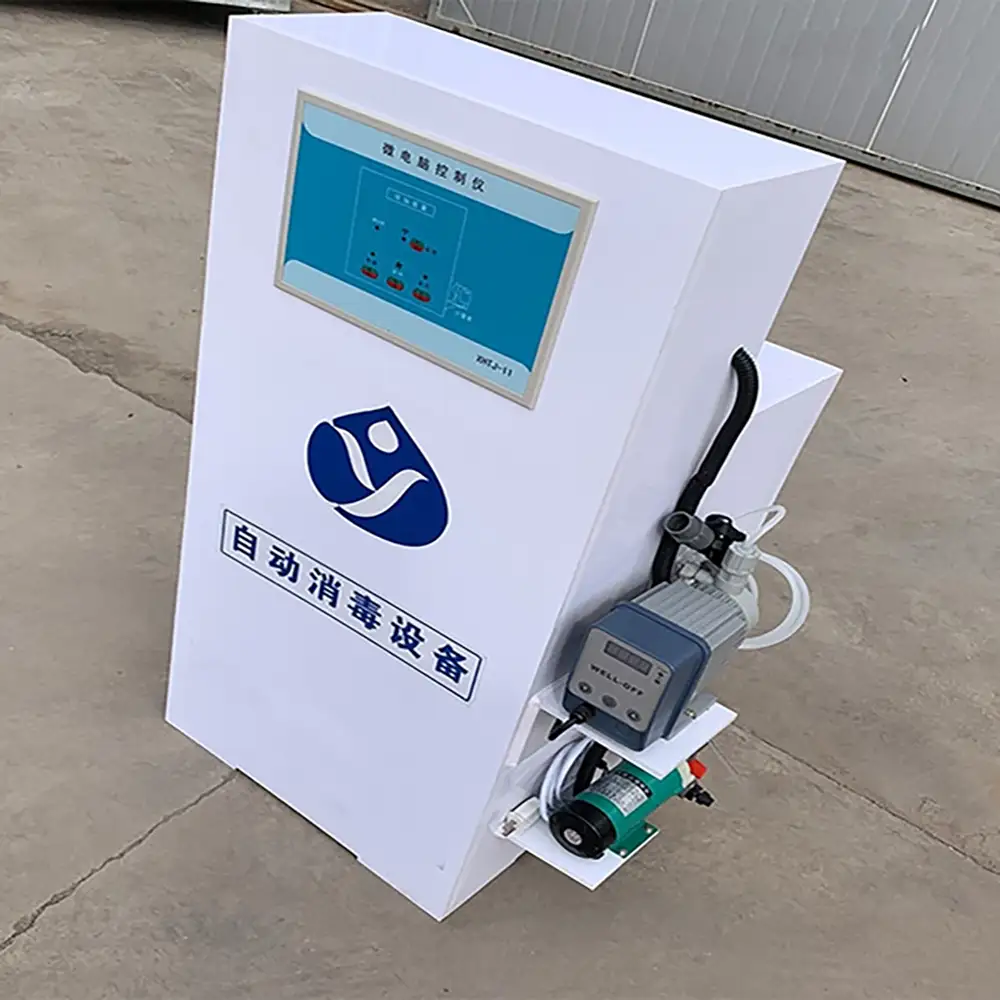
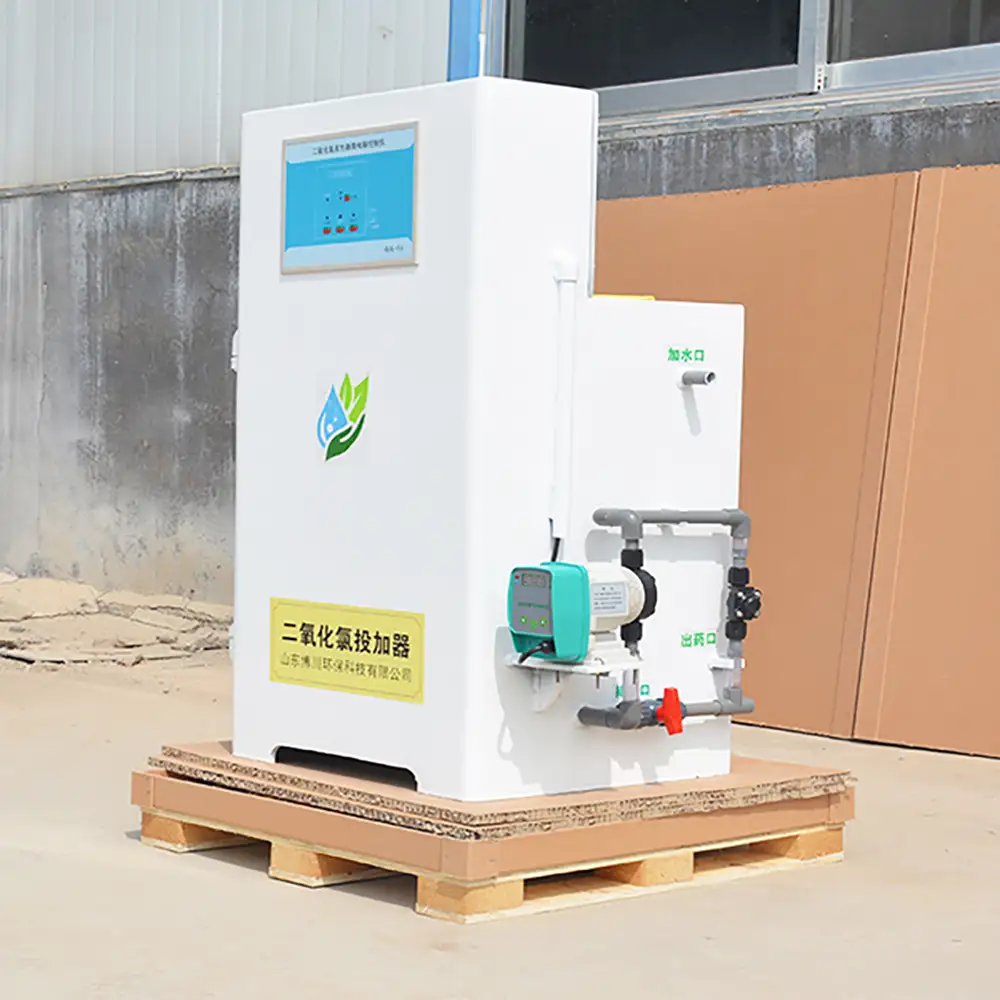
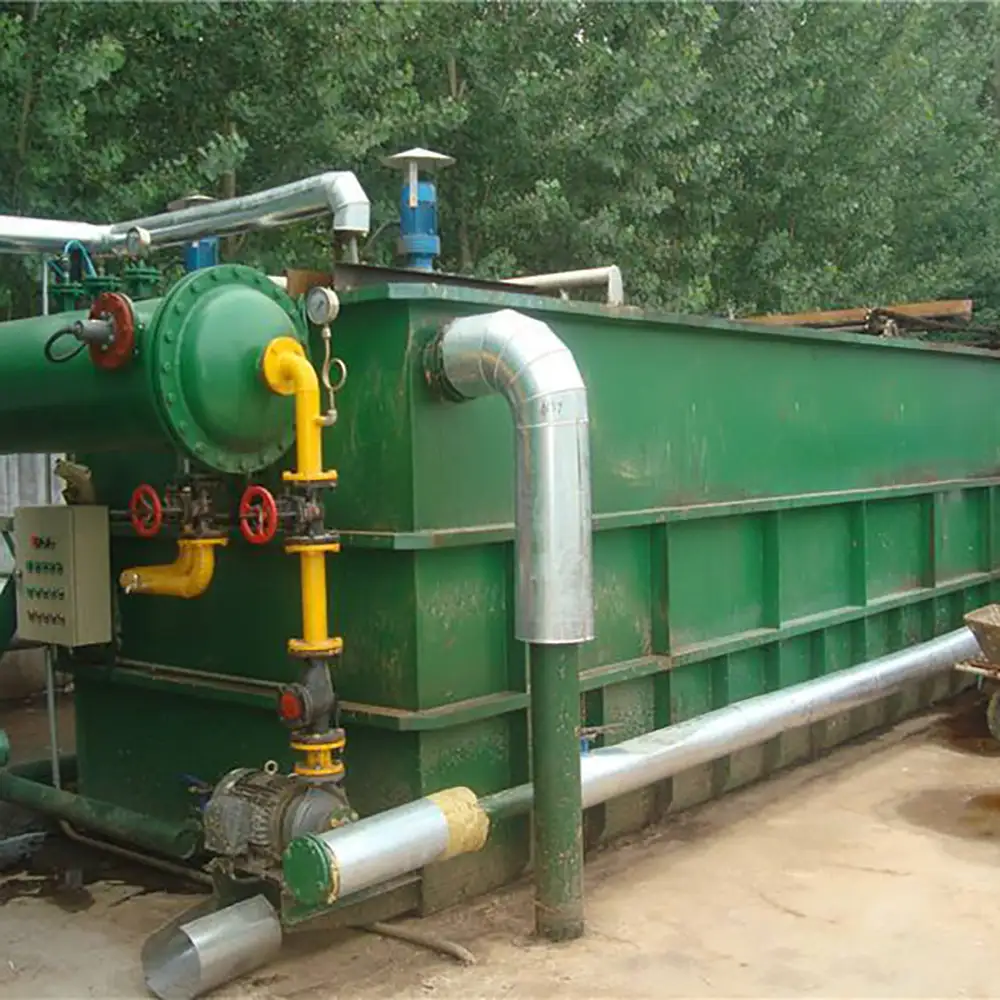
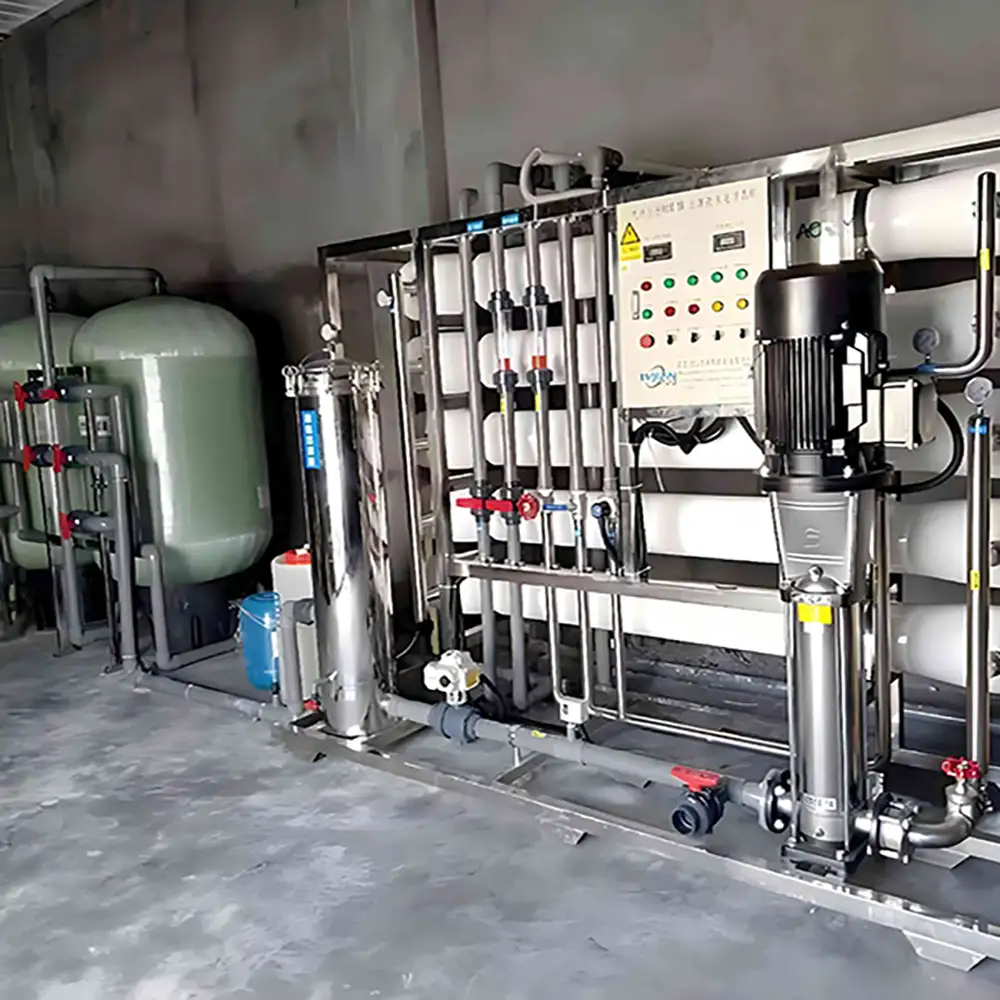
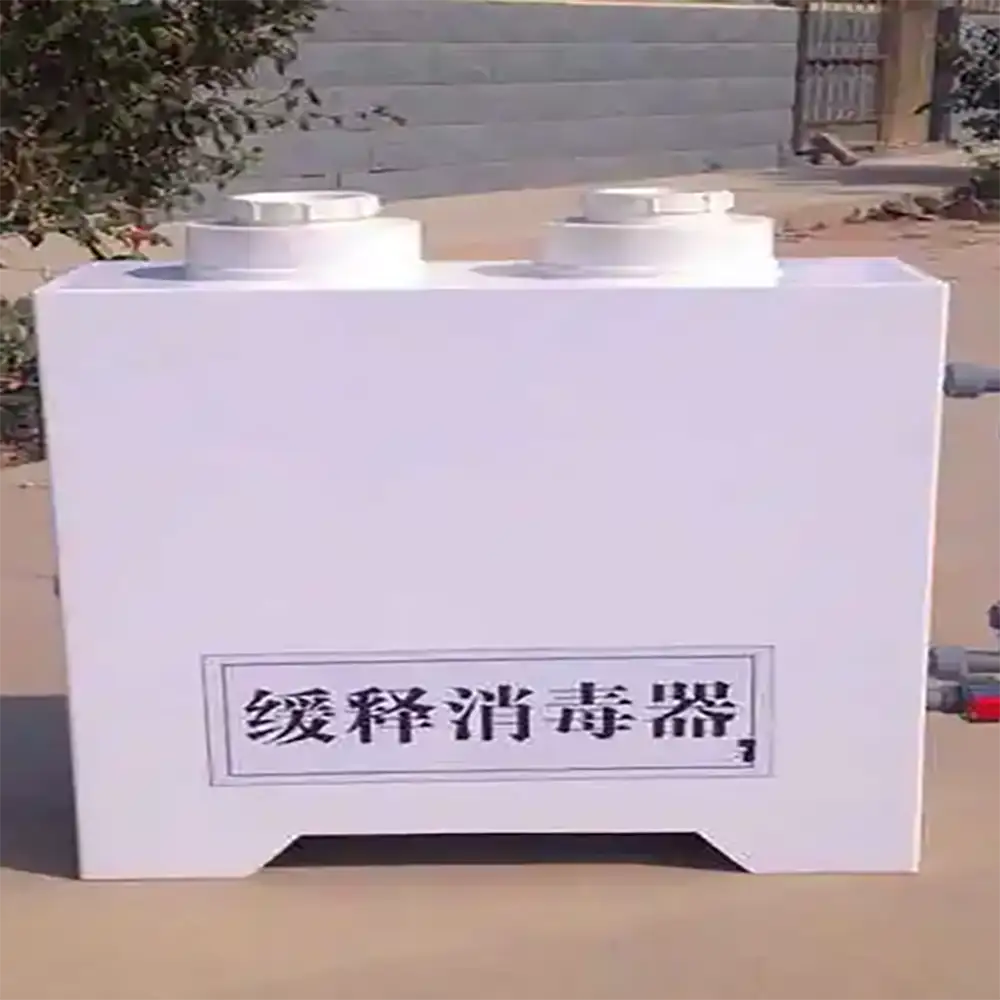
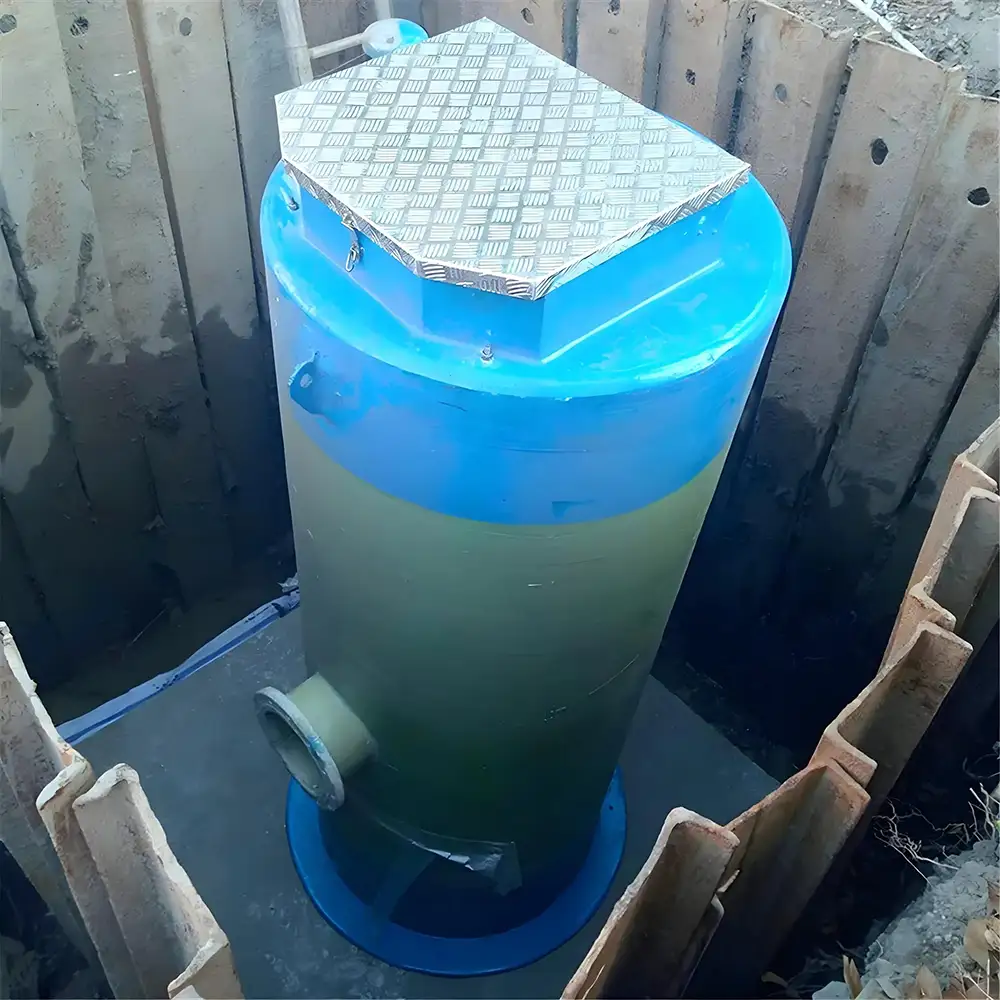
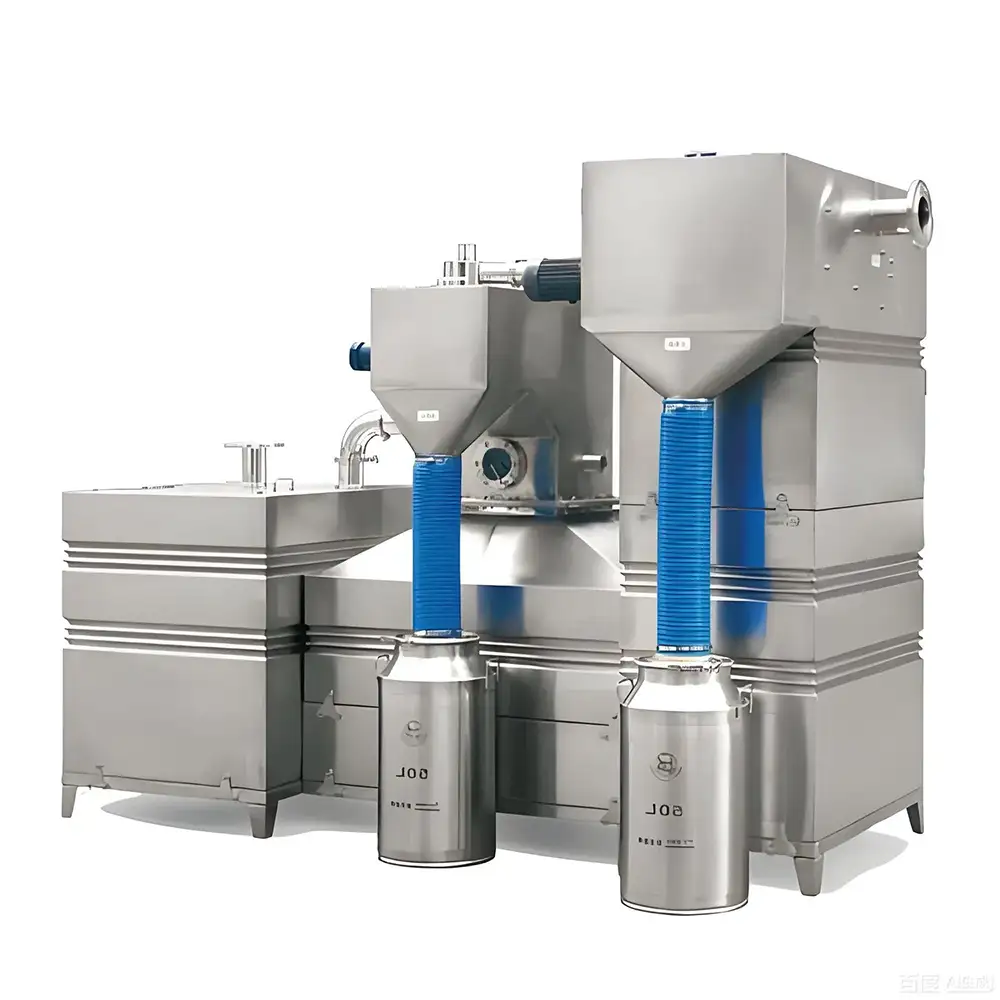
Chlorine Dioxide Dosing Device for Water and Wastewater Treatment
A Chlorine Dioxide Dosing Device is a chemical dosing system designed to accurately introduce chlorine dioxide (ClO₂) into water or wastewater treatment processes. It can be used for disinfection, oxidation, microbial control, odor-related treatment and selected industrial water treatment applications.
Chlorine dioxide is a strong oxidizing agent that can function as both a disinfectant and oxidant. EPA materials identify chlorine dioxide applications in potable water treatment, wastewater treatment, odor control and industrial process water. The actual dosage depends on water conditions, contamination levels and the specific treatment objective.
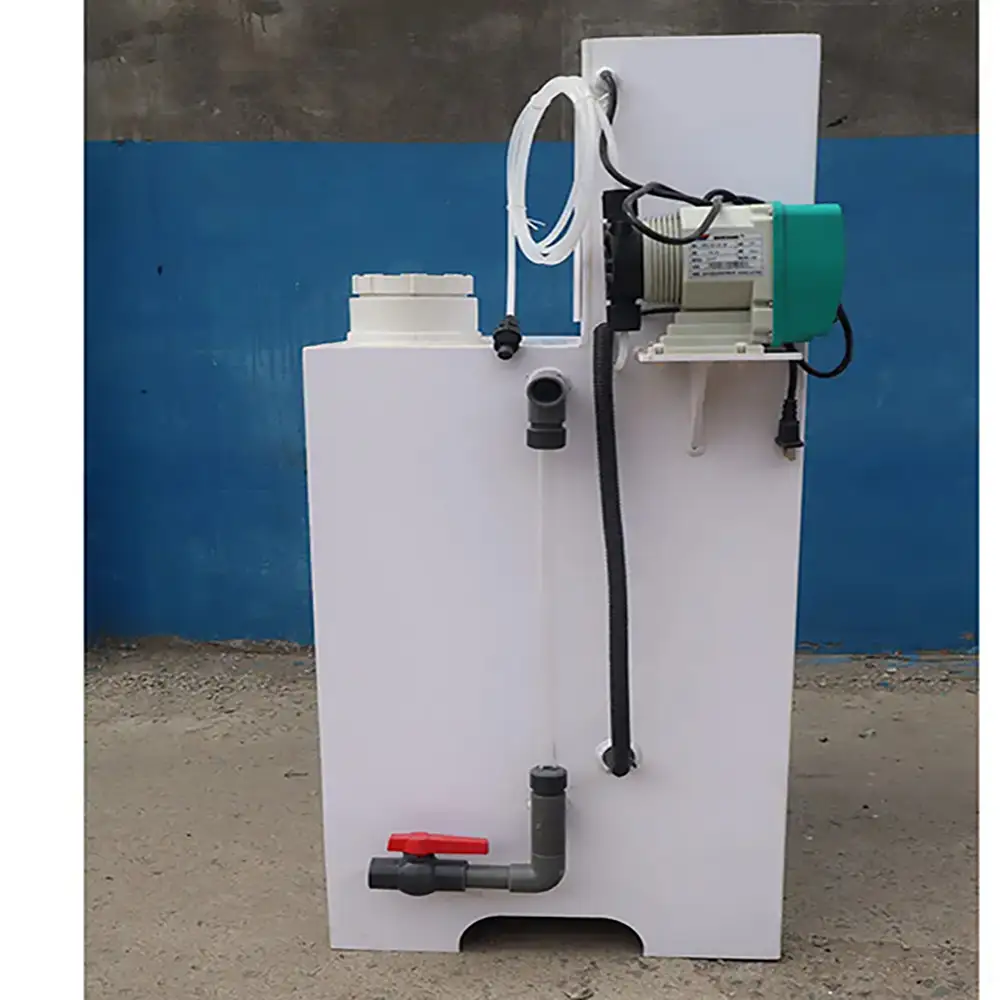
A complete chlorine dioxide dosing device may include a dosing pump, chemical tank, flow meter, injection assembly, valves, piping, control panel, sensors and related safety components. The equipment can be configured as an independent dosing unit or integrated with an on-site chlorine dioxide generator.
|
Model NO. |
wzss |
Handling method |
physicochemical treatment |
|
Usage |
Industrial, Home, Agriculture, Hospital, Urban |
Trademark |
|
|
Types |
Package, Compact, Small, Mini |
Features |
Disinfection and purification of water |
|
Craft |
Mechanical removal |
Operation |
Automatic |
|
Service Life |
10 Years |
Function |
Disinfection and purification of water |
|
Steel Plate Thickness |
>4mm |
Installation Type |
aboveground |
|
Voltage |
220V/ 380V/ Customerized |
Use for |
Food factory, slaughterhouse, chemical factory, household waste |
|
Colour |
White customization |
Certificate |
SGS, ISO |
|
Material |
PP PVC |
Specification |
customized |
|
Transport Package |
Container Standard Packing |
Origin |
China |
What Is a Chlorine Dioxide Dosing Device?
The main purpose of a Chlorine Dioxide Dosing Device is to deliver a controlled quantity of chlorine dioxide solution into a treatment pipeline, reaction tank, contact chamber or other designated treatment point.
Unlike simple manual chemical addition, an automatic dosing system can coordinate chemical injection with water flow and operating conditions. This provides a more consistent dosing process and reduces unnecessary chemical consumption.
Depending on the application, the system can operate continuously or intermittently. Flow-paced dosing, timer-based dosing or feedback-controlled dosing can be selected according to the treatment process.
How Chlorine Dioxide Dosing Works
The dosing process generally follows several steps:
Chemical Preparation → Storage → Metering → Injection → Mixing → Contact → Disinfection or Oxidation
When chlorine dioxide is generated on site, the generated solution is transferred to a suitable dosing point. A metering pump then delivers the required amount into the water stream.
The injection point should provide sufficient mixing and contact time. Proper hydraulic design is important because chlorine dioxide needs adequate contact with the water to achieve the intended treatment effect.
EPA documentation describes chlorine dioxide systems using chemical feed, generation, monitoring and controlled injection components. Historical EPA technical studies also describe metering pumps and flow monitoring as important parts of chlorine dioxide generation and dosing systems.
Accurate Chemical Metering
Accurate metering is one of the most important functions of a chlorine dioxide dosing device.
A suitable metering pump can provide controlled flow over a defined operating range. Depending on system requirements, diaphragm pumps or other chemical dosing pumps may be selected.
The dosing system can include:
Chemical Dosing Pump
Chlorine Dioxide Storage Tank
Chemical Level Sensor
Flow Meter
Pressure Gauge
Injection Valve
Injection Quill
Back-Pressure Valve
Calibration Column
Piping And Fittings
PLC Control Cabinet
Alarm And Interlock System
The final configuration should be selected according to chemical concentration, required dosing rate, system pressure, water flow and chemical compatibility.
Automatic Chlorine Dioxide Dosing
An automatic Chlorine Dioxide Dosing Device can be connected to a PLC control system to coordinate dosing with the treatment process.
For example, the dosing pump can be paced according to the incoming or outgoing water flow. EPA wastewater treatment guidance notes that chemical metering pumps can be controlled in proportion to flow, while additional residual-based control may be considered where treatment requirements or discharge permits require it.
Automatic operation can provide several practical advantages:
More Consistent Chemical Feeding
Reduced Manual Adjustment
Better Process Stability
Easier Flow-Based Control
Chemical Consumption Monitoring
Automatic Start And Stop
High And Low Level Alarms
Pump Failure Protection
Interlocked Operation
For larger plants, the dosing device can be connected to the central wastewater treatment PLC or SCADA system.
Water Disinfection Applications
Chlorine dioxide dosing equipment can be used for a variety of water treatment applications.
Potential applications include:
Municipal Water Disinfection
Drinking Water Treatment
Industrial Process Water
Cooling Water Treatment
Reclaimed Water Disinfection
Utility Water Treatment
Food Processing Water
Beverage Processing Water
Commercial Water Treatment
Chlorine dioxide dosing requirements vary according to source-water quality and the degree of contamination. EPA documentation provides examples of chlorine dioxide use in potable water treatment while emphasizing that dosage depends on water conditions.
Wastewater Disinfection
The Chlorine Dioxide Dosing Device can also be installed in wastewater treatment plants as a final disinfection stage.
A typical wastewater process may include:
Screening → Biological Treatment → Clarification → Filtration → Chlorine Dioxide Dosing → Contact Tank → Discharge Or Reuse
The dosing point can be located after clarification or filtration when the treatment process requires final microbial control.
EPA-registered product directions describe chlorine dioxide use in wastewater treatment as an oxidant and disinfectant, including odor control applications. They also emphasize that dosage varies according to wastewater conditions and contamination levels.
Industrial Wastewater Treatment
Industrial wastewater may contain organic matter, suspended solids, sulfides and other substances that create chlorine dioxide demand.
The dosing device can therefore be used in industrial applications such as:
Food Processing Wastewater
Beverage Industry Wastewater
Pulp And Paper Wastewater
Textile Wastewater
Petrochemical Wastewater
Chemical Industry Wastewater
Industrial Process Water
Reclaimed Industrial Water
For odor-control applications, the required oxidant dose depends on process loading and wastewater characteristics. Site-specific testing can help establish appropriate dosing conditions.
Chlorine Dioxide Dosing for Odor Control
In wastewater systems, chlorine dioxide can also be used for oxidation of selected odor-causing compounds.
The dosing device allows the oxidant to be introduced at a controlled point, such as an equalization tank, wastewater pipeline, sludge process or other treatment location.
The appropriate dosing location depends on the source of the odor, wastewater chemistry, hydraulic conditions and desired treatment result.
Integration with Chlorine Dioxide Generators
A Chlorine Dioxide Dosing Device is frequently used together with a Chlorine Dioxide Generator.
In an integrated system:
Chemical Storage → Chlorine Dioxide Generator → Product Solution → Dosing Pump → Injection Point → Mixing And Contact
This arrangement allows chlorine dioxide to be generated close to the point of use and then delivered to the treatment process through a controlled dosing system.
EPA technical information describes chlorine dioxide generation systems with chemical feed, reaction, flow monitoring, control systems and direct injection into the process water.
Chemical Compatibility and Equipment Materials
Because chlorine dioxide and its precursor chemicals can be chemically aggressive, wetted components should be selected for appropriate chemical compatibility.
Depending on the chemical concentration and process conditions, suitable materials may include specific grades of PVC, CPVC, PTFE, PVDF, polyethylene, fiberglass or other chemically resistant materials.
Pump seals, diaphragms, valves, tubing and injection components should also be selected according to the actual chemical solution and operating pressure.
Safety and Process Control
Safety should be considered when designing a chlorine dioxide dosing system. The system may include chemical containment, leak detection, low-level protection, automatic shutdown, pressure protection and ventilation provisions.
Where chlorine dioxide is generated on site, the dosing system should be properly coordinated with the generator so that abnormal flow, chemical feed or process conditions can trigger appropriate alarms or shutdown functions.
Operators should follow chemical supplier instructions, equipment operating procedures and applicable local regulations.
Why Choose Us
Our Chlorine Dioxide Dosing Device solutions are designed for practical water and wastewater treatment applications.
Accurate Chemical Dosing: Metering pumps provide controlled chlorine dioxide injection.
Automatic Operation: PLC controls can coordinate dosing with water flow and treatment conditions.
Flexible Configuration: Equipment can be selected according to flow, pressure and dosing requirements.
Wide Application Range: Suitable for water, wastewater, process water and industrial disinfection.
Generator Integration: Can be connected directly to an on-site chlorine dioxide generation system.
Chemical-Resistant Components: Wetted materials can be selected according to chemical compatibility.
Flow-Paced Dosing: Dosing can be synchronized with process flow for more stable operation.
Safety Interlocks: Level, flow, pressure and pump-failure protection can be incorporated.
Easy Maintenance: Modular components simplify inspection, calibration and replacement.
Project-Based Engineering: Dosing capacity and configuration can be evaluated according to actual water quality and treatment requirements.
FAQs
1. What Is a Chlorine Dioxide Dosing Device?
It is a chemical dosing system designed to inject a controlled amount of chlorine dioxide solution into water or wastewater.
2. What Is Chlorine Dioxide Used For?
Chlorine dioxide can be used for water disinfection, wastewater disinfection, oxidation, microbial control and selected odor-control applications.
3. Can It Be Used With a Chlorine Dioxide Generator?
Yes. The dosing device can receive chlorine dioxide solution from an on-site generator and inject it into the treatment process.
4. Can the Dosing System Operate Automatically?
Yes. PLC control, flow meters, level sensors and dosing pumps can be integrated for automatic operation.
5. How Is the Dosing Rate Controlled?
The dosing rate can be controlled through pump speed, pump stroke, flow pacing, timer control or feedback from process monitoring equipment.
6. Can Chlorine Dioxide Be Dosed Into Wastewater?
Yes. Chlorine dioxide can be used as an oxidant and disinfectant in wastewater treatment. The appropriate dose depends on wastewater conditions and treatment objectives.
7. Can the Device Be Used for Drinking Water?
Yes, chlorine dioxide dosing systems can be used in drinking-water treatment applications when designed and operated according to applicable requirements.
8. What Pump Is Used for Chlorine Dioxide Dosing?
Chemical metering pumps such as diaphragm dosing pumps are commonly suitable, but pump selection should consider chemical concentration, flow rate, pressure and material compatibility.
9. Does the System Need a Contact Tank?
A contact tank may be used when the treatment process requires a defined hydraulic contact time. The required configuration depends on the application.
10. Can It Be Used for Industrial Wastewater?
Yes. It can be applied to selected industrial wastewater, process-water and reclaimed-water treatment systems.
11. What Materials Are Suitable for the Dosing System?
Materials should be selected according to the chlorine dioxide concentration, precursor chemicals, temperature and operating conditions. Chemically resistant materials are generally preferred for wetted components.
12. How Do I Select the Right Chlorine Dioxide Dosing Device?
Selection should consider water flow, chlorine dioxide concentration, required dosing rate, pipeline pressure, injection point, contact time, wastewater characteristics and automation requirements. Pilot or site-specific testing may be appropriate for complex wastewater.
Prev:
Chlorine Dioxide Sterilizer
Next:
Chlorine Dioxide Generator
TAG:
Industrial Water Disinfection Equipment,
Chlorine Dioxide Dosing System,
Automatic Chlorine Dioxide Dosing System,
Chlorine Dioxide Water Treatment Equipment,
Chlorine Dioxide Water Treatment System,
Chlorine Dioxide Wastewater Treatment,
Chlorine Dioxide Water Disinfection,
Chlorine Dioxide Dosing Equipment,
Chlorine Dioxide Water Treatment,
Chemical Metering System,
Chemical Metering Pump System,
Water Treatment Chemical Injection,
Chemical Metering Equipment,
Chemical Injection System,
Chemical Injection Equipment,
Chemical Feed System,
Chemical Feed Equipment,
Wastewater Chemical Dosing System,
Industrial Chemical Dosing System,
Automatic Chemical Dosing System,
Automatic Chemical Dosing Equipment,
Chemical Dosing Machine,
Chemical Dosing System,
Chemical Dosing Equipment,
Chemical Dosing Unit,
Industrial Process Water Disinfection,
Water Disinfection Dosing System,
Wastewater Disinfection Dosing System,
Industrial Sewage Disinfection Equipment,
Industrial Wastewater Disinfection Equipment,
Related Category:
Chlorine Dioxide Dosing Device,Chlorine Dioxide Dosing System,ClO2 Dosing Device,ClO2 Dosing System China, suppliers, manufacturers, factory, customized, wholesale, quotation, made in China