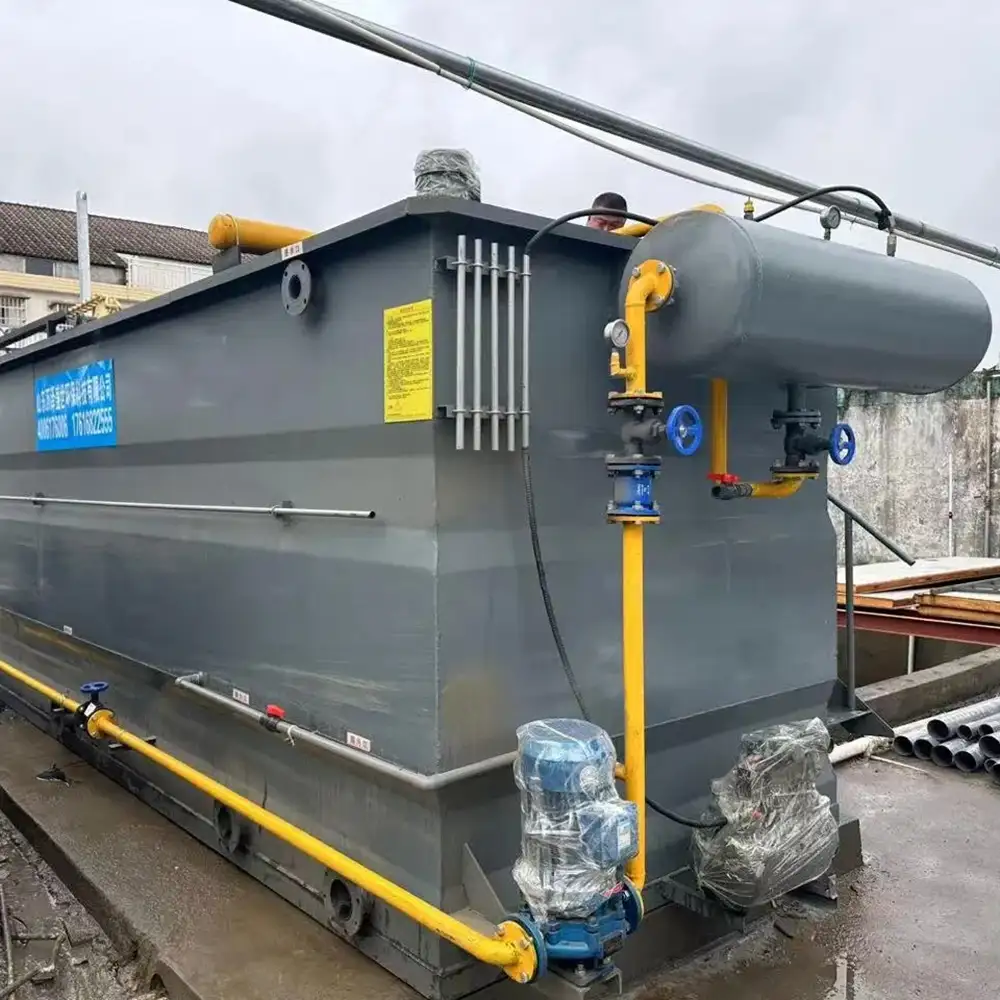
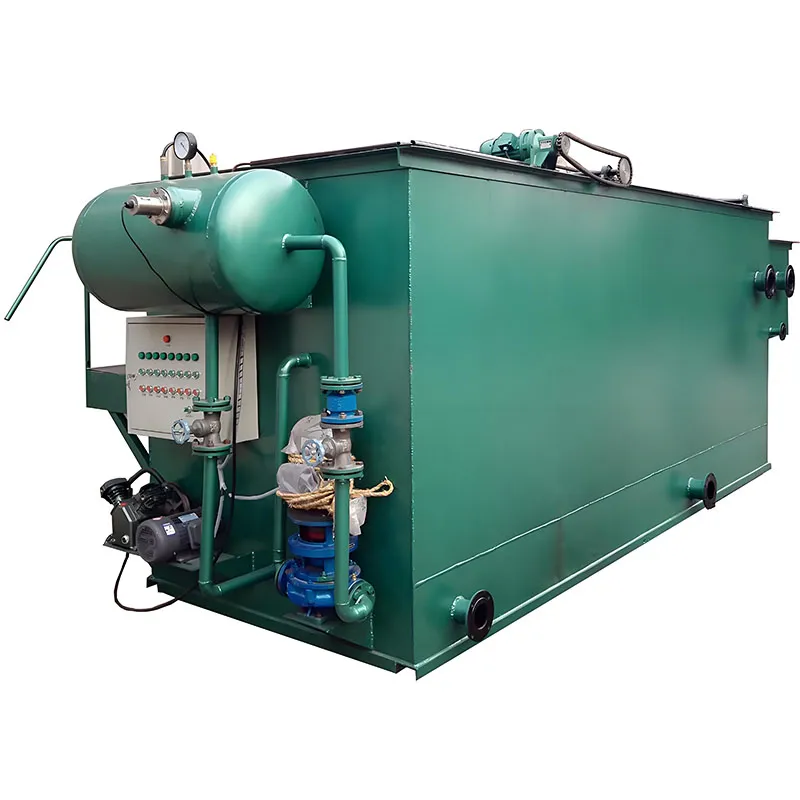
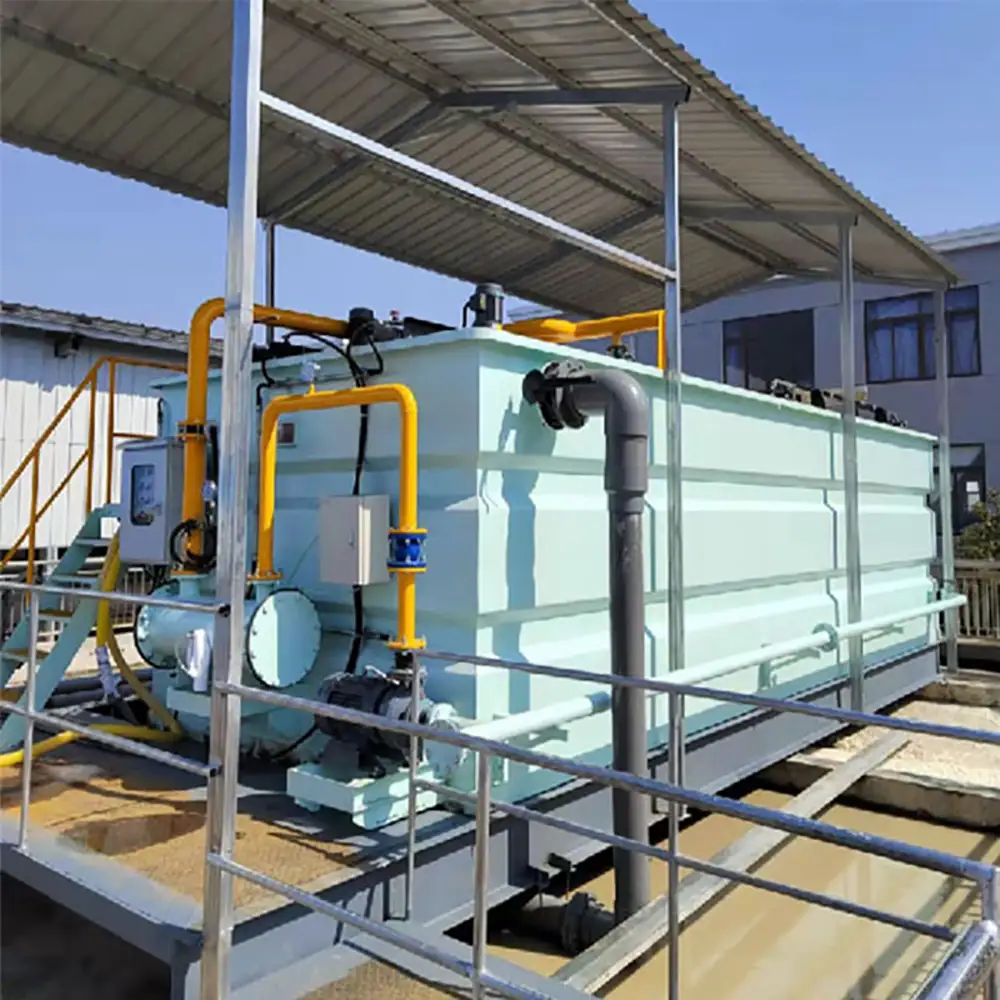
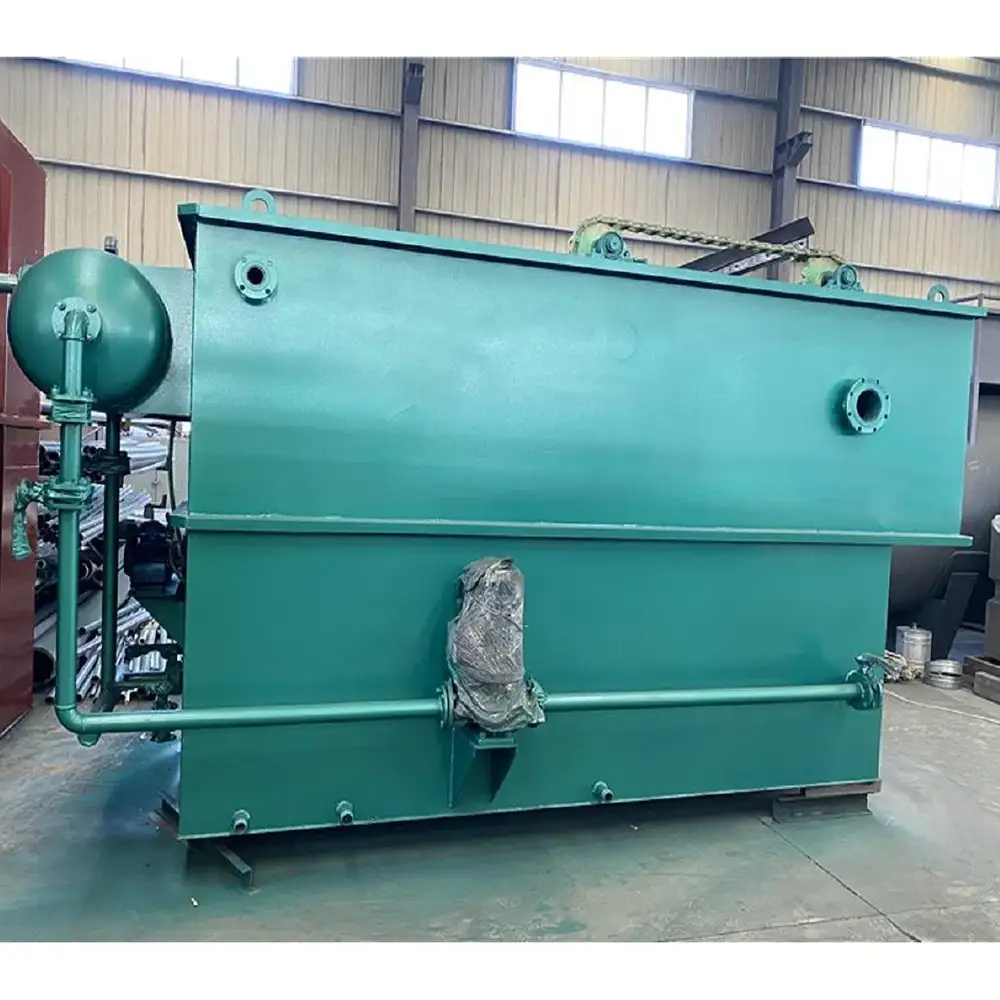
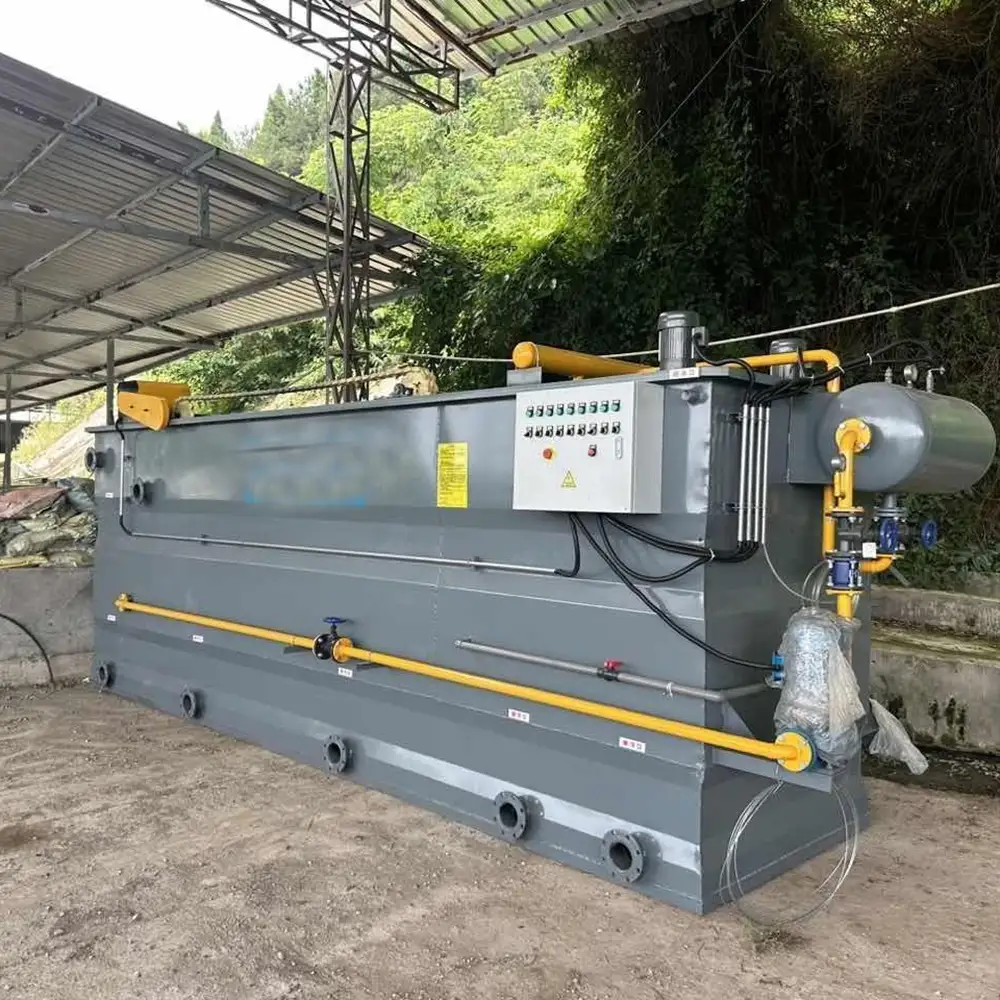
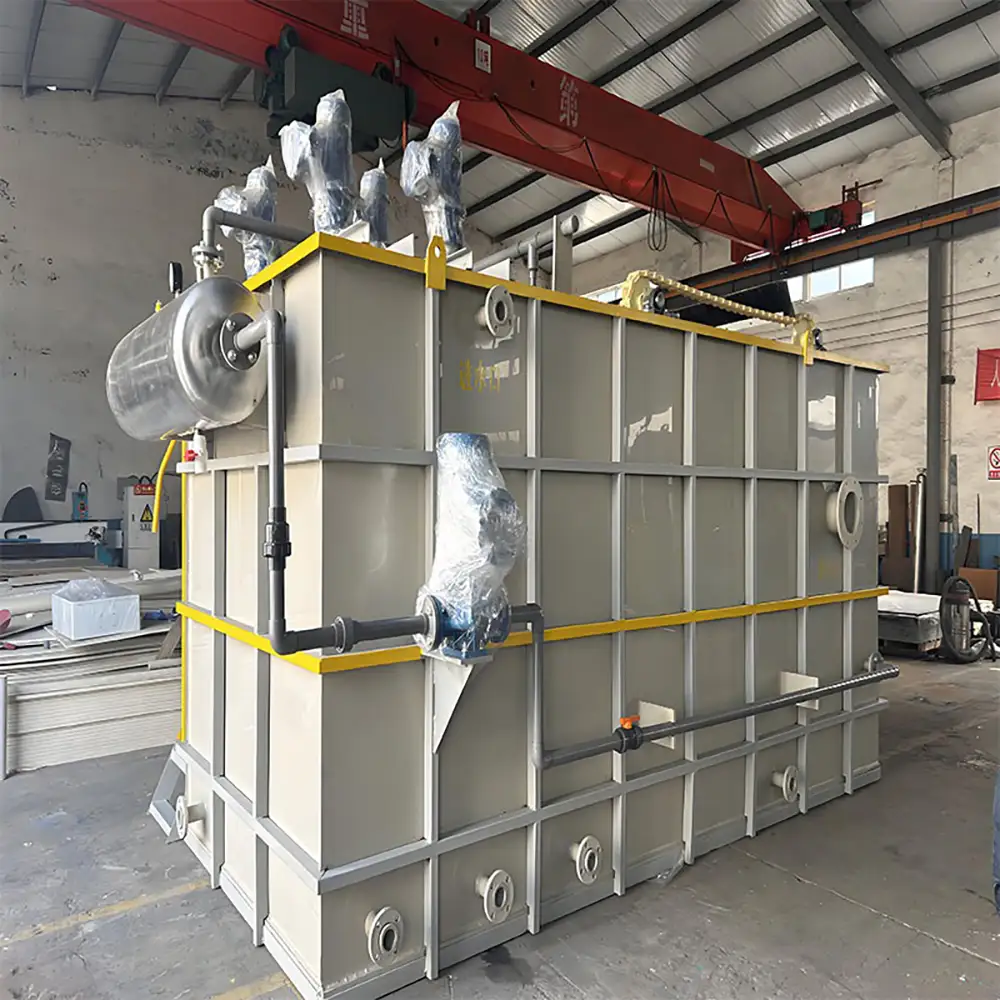
STP High Efficiency Flotation Equipment With Micro-Nano Bubbles
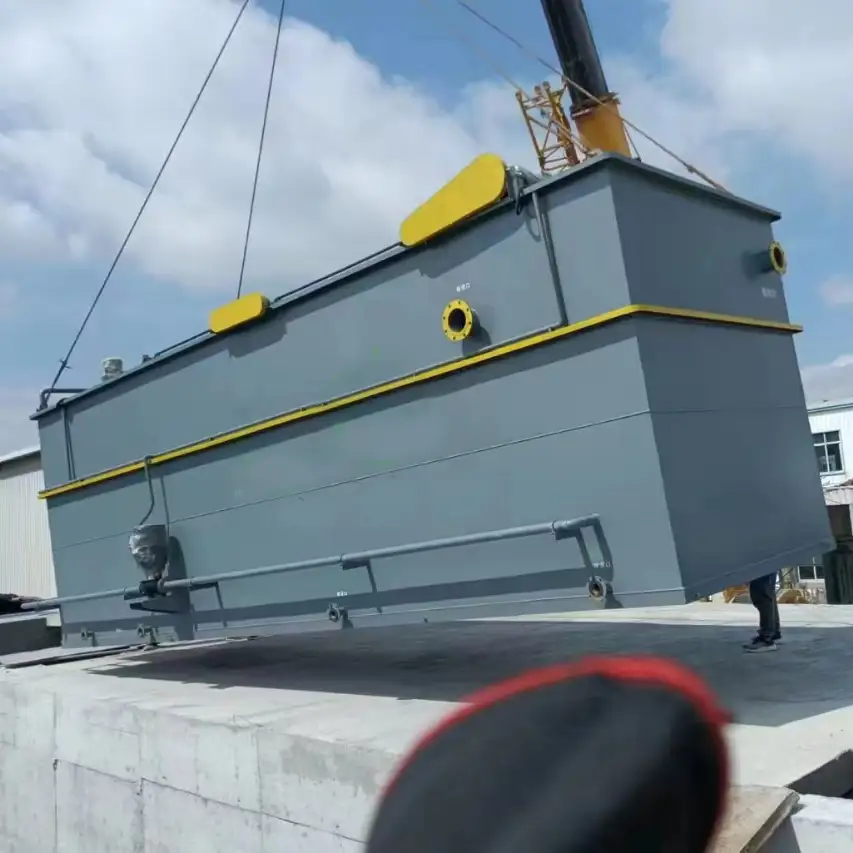
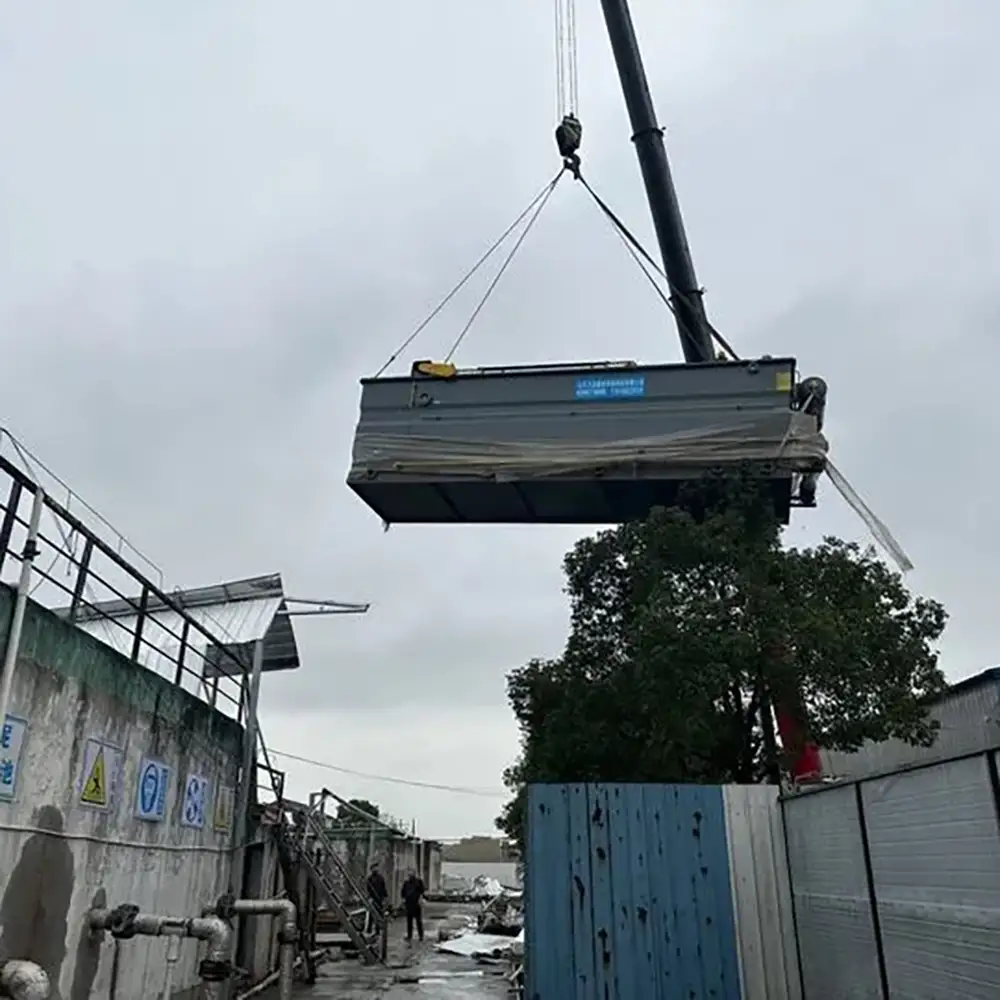
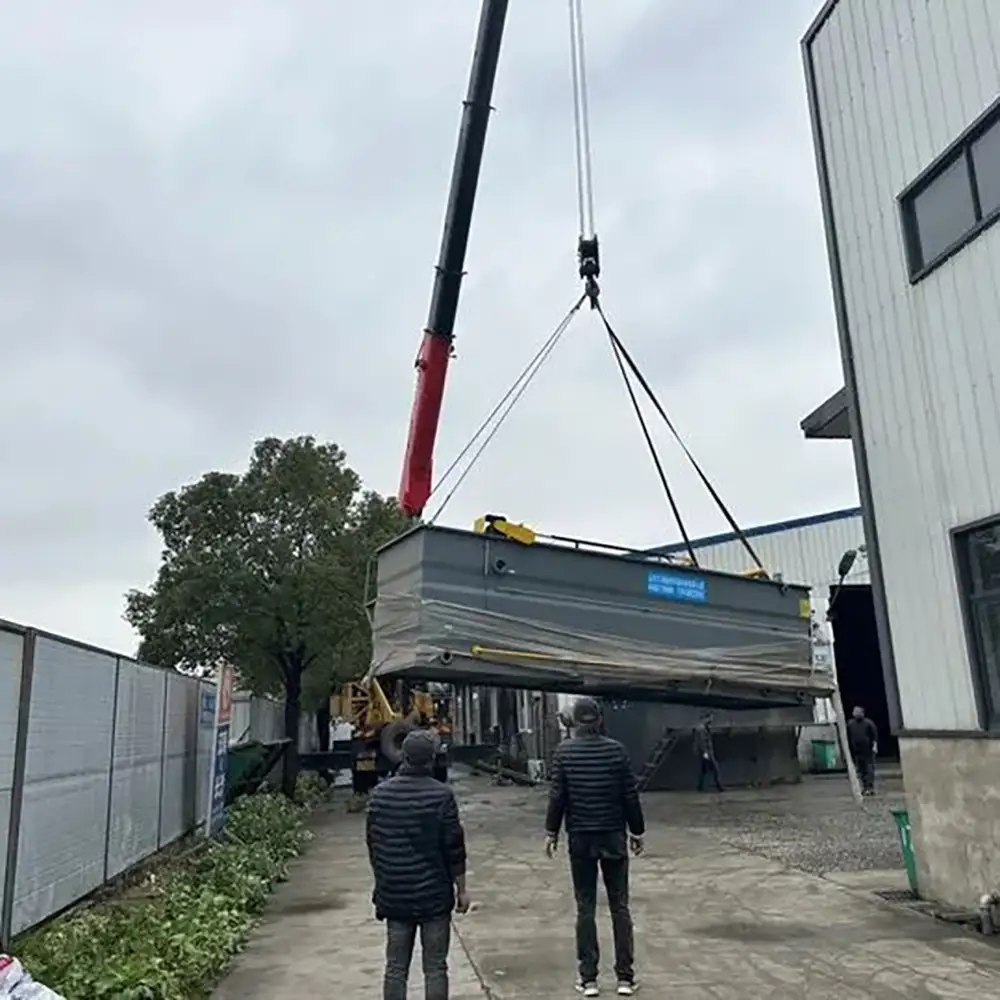
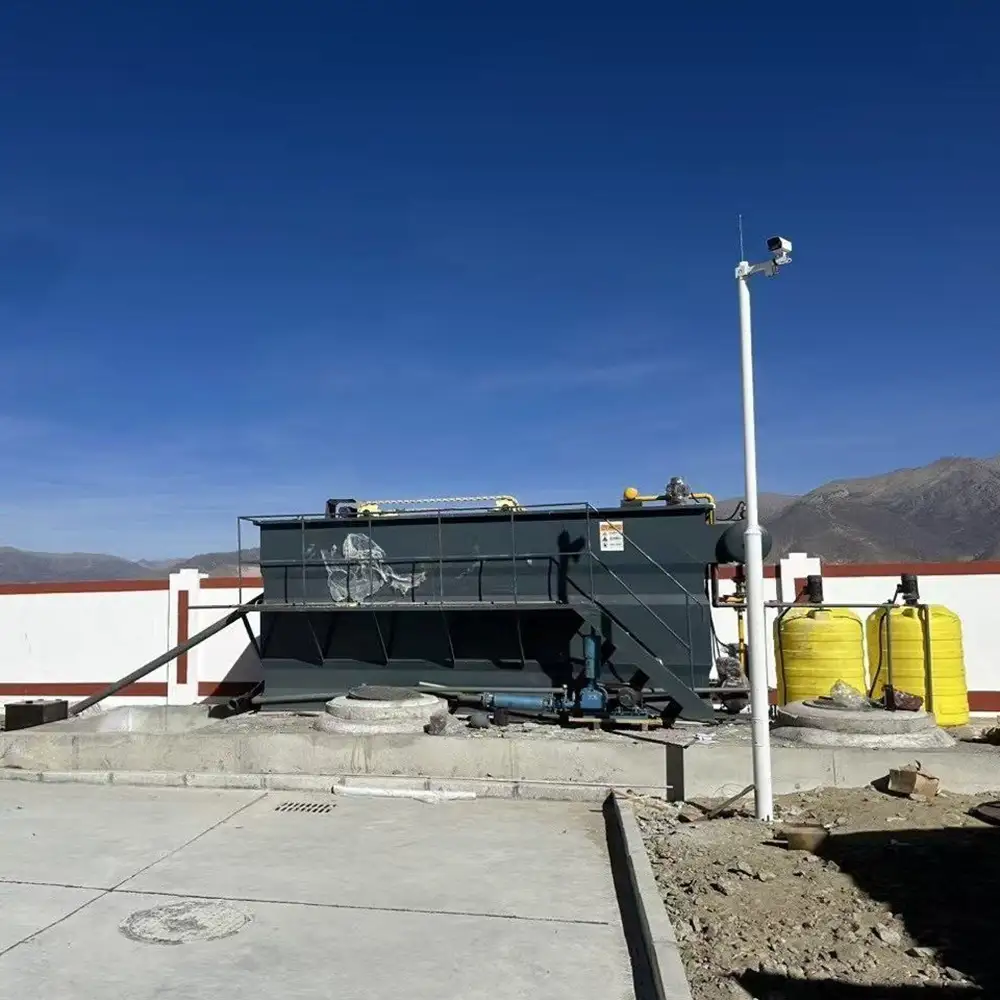
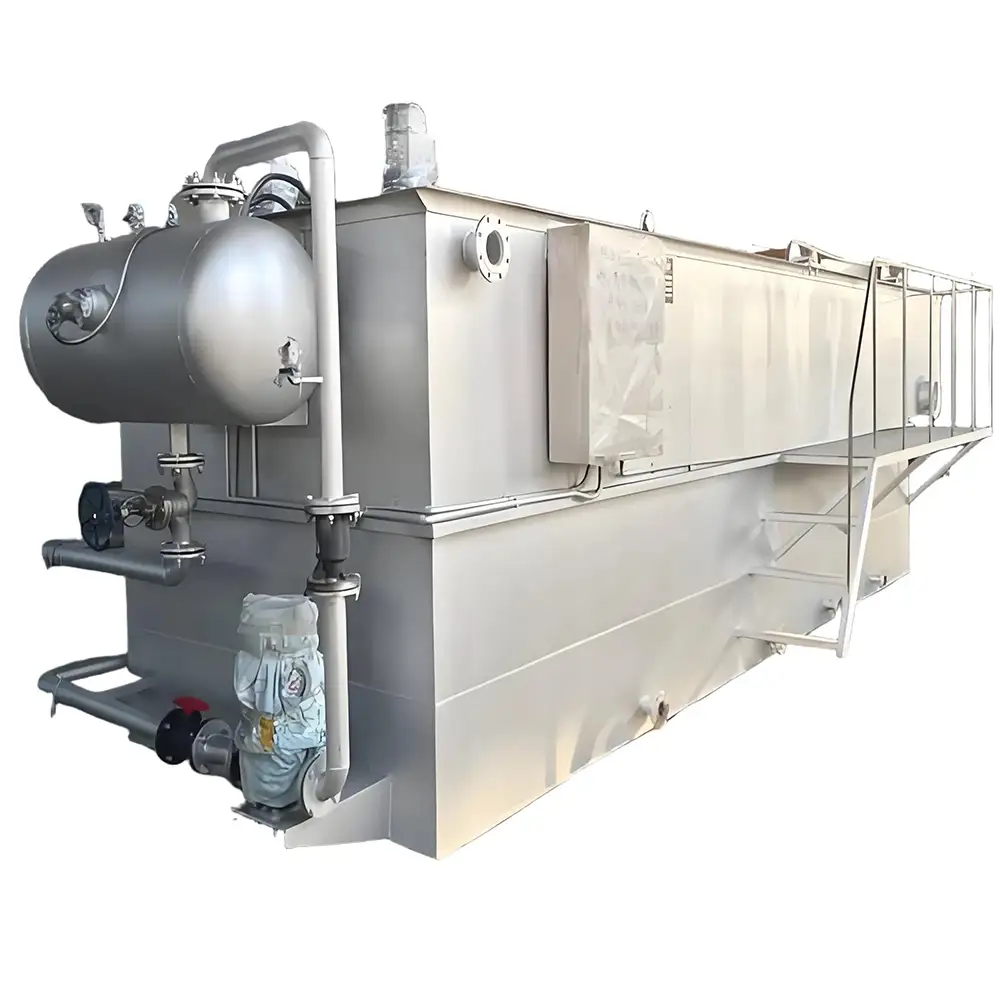
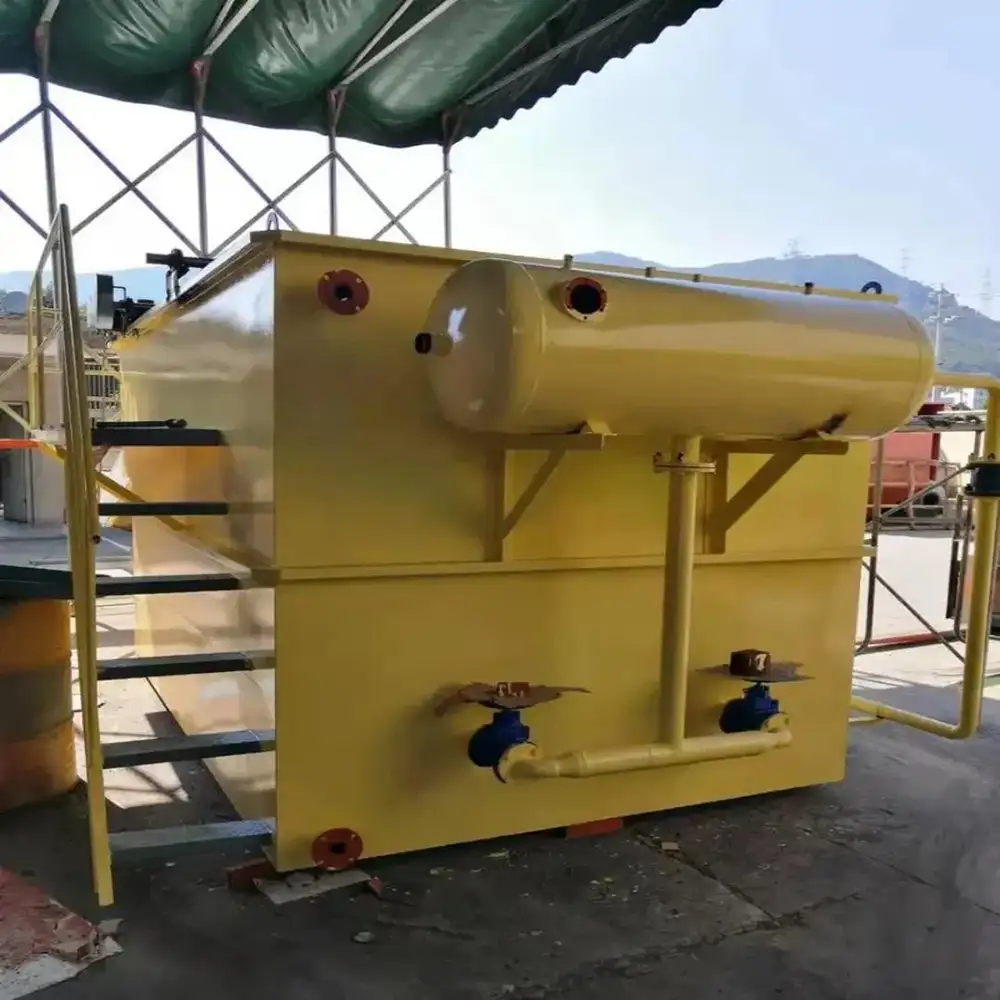
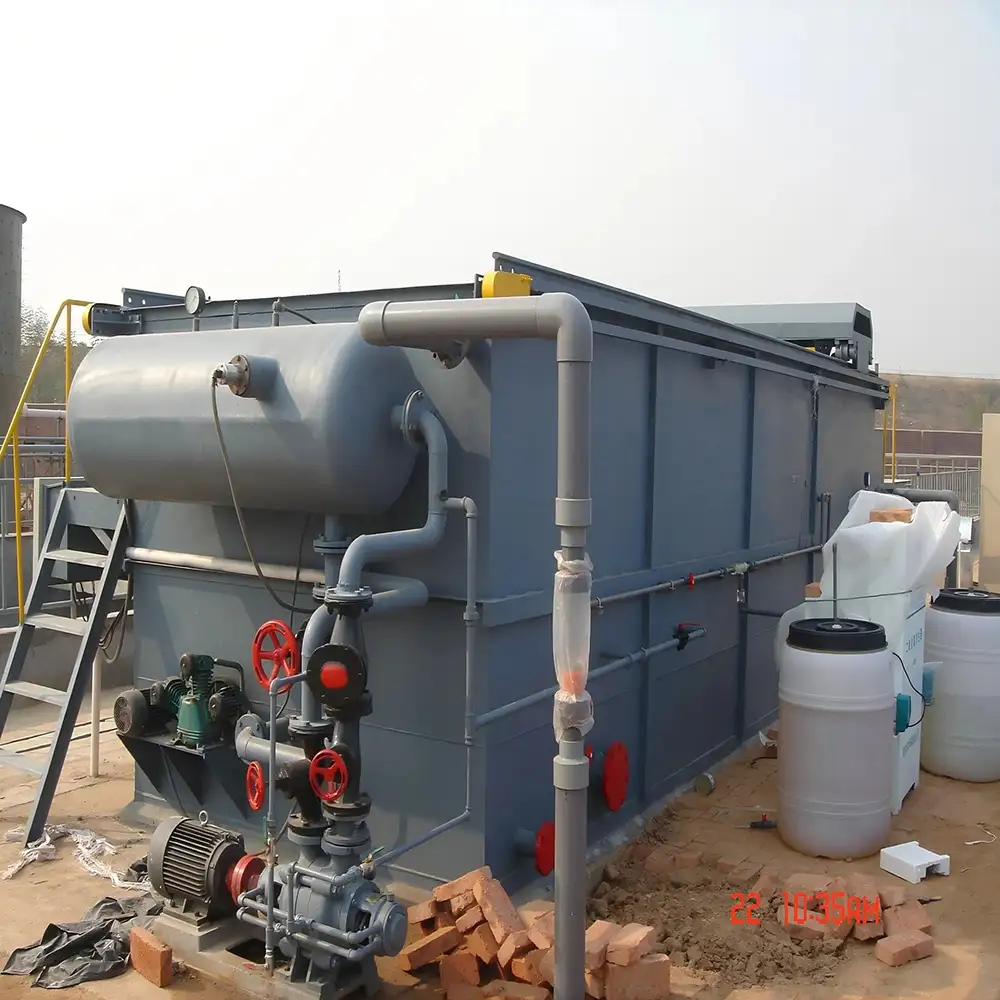
STP High Efficiency Flotation Equipment with Micro-Nano Bubbles is an advanced wastewater treatment solution designed for efficient solid-liquid separation in sewage treatment plants, industrial wastewater facilities, and water purification systems. By generating large quantities of fine air bubbles, the flotation process promotes rapid contact between bubbles and suspended contaminants, lifting them to the water surface for mechanical removal.
Microbubble flotation is especially useful for wastewater containing suspended solids, fats, oils, grease, colloidal particles, fine fibers, and other low-density contaminants that may be difficult to remove through conventional gravity sedimentation. Dissolved air flotation technology works by dissolving air into a pressurized water stream and releasing it into the flotation chamber, where pressure reduction produces microscopic bubbles that attach to contaminants and carry them upward.
|
Model NO. |
GSRF |
Handling method |
physicochemical treatment |
|
Usage |
Industrial, agricultural, food factories, slaughterhouses |
Trademark |
|
|
Types |
Package, Compact, Small, Mini |
Applications |
Industrial, Municipal, Domestic, Medical, Ship |
|
Craft |
Flocculation sedimentation method |
Features |
Water Clarification, Filtration, Purification |
|
Service Life |
20 Years |
Operation |
Automatic |
|
Steel Plate Thickness |
>8mm |
Function |
Remove Suspended solids |
|
Voltage |
220V/ 380V/ Customerized |
Installation Type |
Onground |
|
Colour |
Grey/Silver/Blue/Balck/Customerized |
Use for |
Mineral, Printing, Chemical, Dyeing, Starch |
|
Material |
Carbon Steel, Stain Steel, FRP, PE, PP |
Certificate |
SGS, ISO |
|
Transport Package |
Container Standard Packing |
Specification |
Carbon steel anti-corrosion |
|
Production Capacity |
1000 Sets/Year |
Origin |
China |
High-Efficiency Micro-Nano Bubble Flotation Principle
The wastewater first enters the pretreatment section, where screening, equalization, coagulation, or other conditioning processes can be applied according to the wastewater characteristics. When chemical treatment is required, coagulants and polymers help destabilize colloidal particles and form larger flocs that are easier for air bubbles to capture.
A portion of clarified or treated water can then be recycled through the air dissolution system. Under pressure, air is dissolved into the recycle stream. When the pressurized water enters the flotation tank and the pressure is reduced, fine bubbles are released.
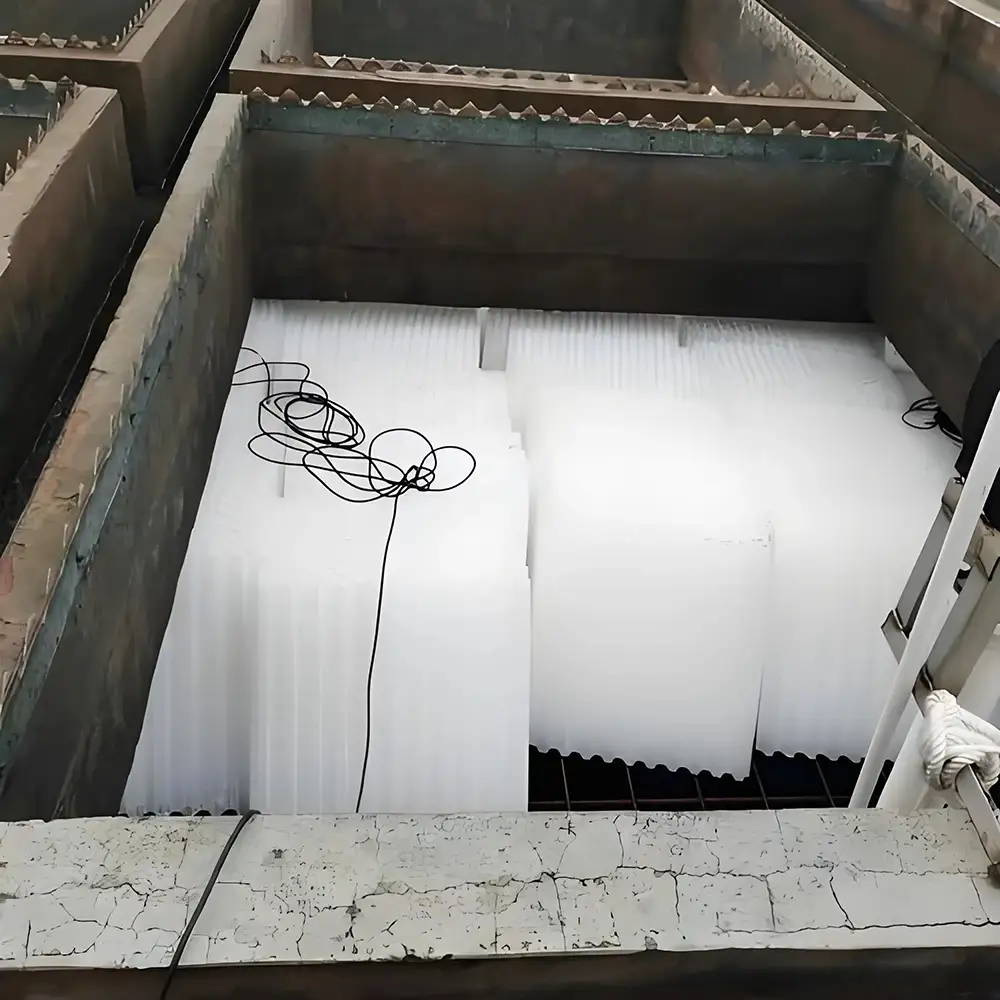
The bubbles attach to suspended particles, oil droplets, grease, and flocs. The resulting bubble-particle aggregates become buoyant and rise toward the water surface. A surface scraper removes the concentrated floating sludge while clarified water is collected from the lower or downstream section of the flotation chamber.
This basic mechanism makes flotation particularly effective for light or slowly settling materials. EPA documentation identifies DAF as a process commonly used for lighter suspended materials and oil and grease separation.
Dissolved air flotation sewage treatment plants are usually used for primary sewage treatment, and the front can be used together with grilles(bar screen). The compact sewage treatment plant is the second treatment, and the disinfection system (sodium hypochlorite, chlorine dioxide) is tertiary.
Dissolved air flotation can remove suspended solids very well, and can be used for breeding, food consumption, slaughtering, food processing, plastic washing, dyeing, and car washing sewage treatment.
It has the characteristics of low price, small footprint, low operating cost and long service life.
Our company has been focusing on the production of air flotation equipment for more than 20 years, with domestic and foreign markets and a good reputation.
Micro-Nano Bubble Technology
The performance of a flotation system is strongly influenced by bubble generation. Smaller bubbles provide a large total gas-liquid interfacial area and can improve contact with fine particles when the process is properly designed.
Micro-nano bubble configurations can be engineered to generate fine bubbles for enhanced particle attachment and flotation. However, “nano-bubble” terminology can vary between technologies and manufacturers, so actual bubble size distribution, gas transfer characteristics, and flotation performance should be evaluated from the specific equipment design and operating conditions.
The objective is not simply to produce the smallest possible bubbles. A practical flotation system must balance bubble size, gas flow, recycle rate, hydraulic loading, pressure, contaminant characteristics, and chemical conditioning to achieve stable separation.
Main Features
1. High-Efficiency Flotation
The system is designed for rapid separation of suspended solids, oil, grease, and floatable contaminants. Compared with conventional settling, flotation is particularly useful for particles that remain suspended or have a density close to water.
2. Microbubble Generation
Fine bubbles provide effective contact with suspended particles and flocs. Proper bubble generation can improve flotation stability and help produce a concentrated surface sludge layer.
3. Suspended Solids Removal
The equipment can remove a wide range of suspended and colloidal solids when appropriate pretreatment and chemical conditioning are applied. EPA data indicate that DAF performance for suspended solids can improve substantially when chemical treatment is used.
4. Oil and Grease Separation
DAF and microbubble flotation are well suited to wastewater containing FOG, oil droplets, fats, and other low-density contaminants. This makes the system useful in food processing, dairy, slaughterhouse, petrochemical, and oily wastewater applications.
5. Compact Treatment Configuration
Flotation can provide fast solid-liquid separation and can be used where a compact treatment footprint is preferred. Some high-rate flotation systems are specifically designed to achieve high hydraulic loading in relatively shallow tanks.
6. Automatic Sludge Removal
A mechanical surface scraper can continuously or intermittently collect floated sludge and transfer it to a sludge collection or dewatering process.
7. Flexible Automation
PLC control, HMI operation, pump control, liquid-level monitoring, pressure monitoring, chemical dosing, alarms, and other instrumentation can be integrated according to project requirements.
Typical Wastewater Treatment Applications
STP High Efficiency Flotation Equipment can be used in a wide variety of municipal and industrial treatment projects, including:
Municipal Sewage Treatment Plants
Industrial Wastewater Treatment Plants
Food Processing Wastewater
Dairy Wastewater
Meat And Poultry Processing Wastewater
Slaughterhouse Wastewater
Beverage Manufacturing Wastewater
Oil And Grease Wastewater
Petrochemical Wastewater
Refinery Wastewater
Pulp And Paper Wastewater
Textile And Dyeing Wastewater
Chemical Industry Wastewater
Pharmaceutical Wastewater
Metal Processing Wastewater
Electroplating Wastewater
Mining And Mineral Processing Wastewater
Microbubble flotation is particularly valuable as pretreatment before biological or membrane processes because reducing suspended solids and oil loading can help protect downstream treatment equipment. Industrial DAF systems are commonly positioned before biological treatment, MBR, filtration, or other advanced treatment processes.
DAF System Components
A complete high-efficiency flotation system may include:
Flotation Tank
Microbubble Generator
Dissolved Air System
Recycle Water Pump
Air Dissolution Device
Pressure Control Components
Bubble Release Nozzles
Coagulation Tank
Flocculation Tank
Chemical Dosing System
Surface Sludge Scraper
Sludge Collection Tank
Clarified Water Outlet
Flow Control System
PLC Control Cabinet
HMI Touchscreen
Pressure And Level Sensors
Equipment construction can be selected according to wastewater chemistry and installation requirements. Stainless steel, coated carbon steel, and other corrosion-resistant materials can be considered for different applications.
Chemical Coagulation and Flocculation
Micro-nano bubble flotation does not always require chemical treatment, but coagulation and flocculation are often beneficial when wastewater contains fine colloids, emulsified oil, or particles that are difficult to capture directly.
A coagulant can destabilize colloidal particles, while a polymer or other flocculant can promote the formation of larger flocs. The larger flocs can provide better attachment sites for flotation bubbles.
Because wastewater composition varies considerably, chemical selection and dosage should be determined through jar testing, laboratory analysis, or pilot testing whenever necessary. Published DAF references show that chemical conditioning can materially improve suspended-solids and oil-and-grease removal.
Integration With Complete STP Systems
The flotation unit can operate as an independent treatment stage or be integrated into a complete sewage treatment plant.
A typical process may be:
Screening → Grit Removal → Equalization → Coagulation → Flocculation → Micro-Nano Bubble Flotation → Biological Treatment → Filtration → Disinfection
For advanced water reuse, additional processes such as MBR, UF, activated carbon, RO, or other polishing technologies can be installed after flotation.
The flotation stage should primarily be considered a solid-liquid separation and pretreatment process. It should not be presented as a universal solution for dissolved salts, nitrate, ammonia, or every dissolved organic contaminant.
Efficient Operation and Maintenance
Stable operation depends on maintaining suitable hydraulic loading, bubble generation, recycle flow, pressure, chemical dosing, and sludge removal.
Operators should regularly inspect pumps, bubble-release components, pressure-control equipment, scraper mechanisms, valves, dosing pumps, sensors, and control systems. Excessive sludge accumulation on the flotation surface should be avoided because it can interfere with stable operation.
Monitoring influent and effluent TSS, oil and grease, pH, flow, sludge characteristics, and other project-specific parameters can help operators optimize the flotation process.
The system can also be configured with variable-frequency drives and automatic controls to adjust pump operation according to actual process demand. This can help avoid unnecessary equipment operation and improve overall energy management.
Why Choose Us?
Selecting high-efficiency flotation equipment should be based on actual wastewater characteristics rather than equipment capacity alone. Flow rate, peak flow, TSS, oil and grease, particle size, pH, temperature, wastewater chemistry, chemical requirements, and downstream treatment targets all influence the final system design.
Our flotation solutions focus on practical process engineering, efficient microbubble generation, reliable solid-liquid separation, and flexible system integration.
Key advantages include:
High-Efficiency Microbubble Flotation
Effective Suspended Solids Separation
Oil And Grease Removal Capability
Compact Equipment Configuration
Automatic Surface Sludge Skimming
Flexible Coagulation And Flocculation Integration
PLC And HMI Automation Options
Multiple Material Options
Flexible Treatment Capacity
Easy Integration With Complete STP Systems
Suitable For Industrial And Municipal Applications
For demanding wastewater projects, the system can be designed around laboratory or pilot test results to achieve an appropriate balance between treatment performance, equipment investment, chemical consumption, energy use, and operating requirements.
FAQs
1. What Is Micro-Nano Bubble Flotation Equipment?
It is wastewater treatment equipment that uses fine air bubbles to attach to suspended particles, oil, grease, and flocs, causing them to float to the water surface for removal.
2. What Does STP Mean?
STP commonly means Sewage Treatment Plant. The flotation unit can be integrated into an STP as pretreatment, primary treatment, or a specialized solid-liquid separation stage.
3. What Contaminants Can Flotation Remove?
It is commonly used for suspended solids, oil, grease, fats, floatable solids, colloidal particles, and other contaminants that can be captured by flotation.
4. Can It Remove Oil and Grease?
Yes. Microbubble flotation is particularly suitable for oil, grease, FOG, and other low-density contaminants. Actual removal depends on wastewater characteristics and process design.
5. Does Flotation Remove COD?
It can reduce the particulate and oil-associated portion of COD. Dissolved COD generally requires additional biological, chemical, adsorption, or membrane treatment.
6. Does the System Need Chemicals?
Not necessarily. However, coagulation and flocculation can substantially improve flotation performance for fine suspended solids, colloids, and emulsified contaminants.
7. What Is the Difference Between DAF and Sedimentation?
Sedimentation relies on gravity to make particles settle, while flotation uses bubbles to lift suitable contaminants to the surface. Flotation is particularly useful for light or slowly settling materials.
8. Can It Be Used Before MBR?
Yes. Flotation can be used as pretreatment before MBR to reduce suspended solids, oil, grease, and other contaminants that may increase the loading on downstream membrane systems.
9. Is Micro-Nano Bubble Flotation Suitable for Food Wastewater?
Yes. Food, dairy, meat, poultry, and slaughterhouse wastewater commonly contain FOG and suspended solids that can be suitable targets for flotation treatment.
10. Can the Equipment Be Automated?
Yes. PLC, HMI, automatic dosing, pump control, level monitoring, pressure monitoring, alarms, and optional online sensors can be integrated.
11. How Is the Correct Equipment Size Selected?
The main factors include average and peak flow, TSS, oil and grease concentration, wastewater temperature, pH, particle characteristics, chemical requirements, required effluent quality, and downstream treatment.
12. Can the Flotation System Be Customized?
Yes. Tank dimensions, material, treatment capacity, bubble-generation system, chemical dosing, sludge scraper, automation, and system configuration can be designed according to project requirements.
Prev:
Energy Efficient Low Consumption Air Flotation Purification Equipment
Next:
Dissolved Air Flotation Daf Oil Removal Machine
TAG:
Suspended Solids Removal,
Dairy Wastewater Treatment,
Meat Processing Wastewater Treatment,
Industrial Wastewater Treatment,
Food Wastewater Treatment,
Wastewater Treatment Equipment,
Chemical Wastewater Treatment,
Industrial Water Treatment,
Wastewater Pretreatment Equipment,
Industrial Effluent Treatment,
Sewage Treatment Equipment,
Slaughterhouse Wastewater Treatment,
Oil Wastewater Treatment,
Pulp And Paper Wastewater Treatment,
Flotation Separation Equipment,
Petrochemical Wastewater Treatment,
Primary Wastewater Treatment,
DAF Coagulation System,
DAF Flocculation System,
Microbubble Flotation Equipment,
Microbubble Wastewater Treatment,
Microbubble Air Flotation,
Oil And Grease Removal,
Industrial DAF System,
DAF Equipment,
DAF System,
DAF Wastewater Treatment,
Dissolved Air Flotation,
Air Flotation Equipment,
Air Flotation System,
Related Category:
STP High Efficiency Flotation Equipment,Micro-Nano Bubble Wastewater Treatment Equipment,High Efficiency Flotation Equip China, suppliers, manufacturers, factory, customized, wholesale, quotation, made in China