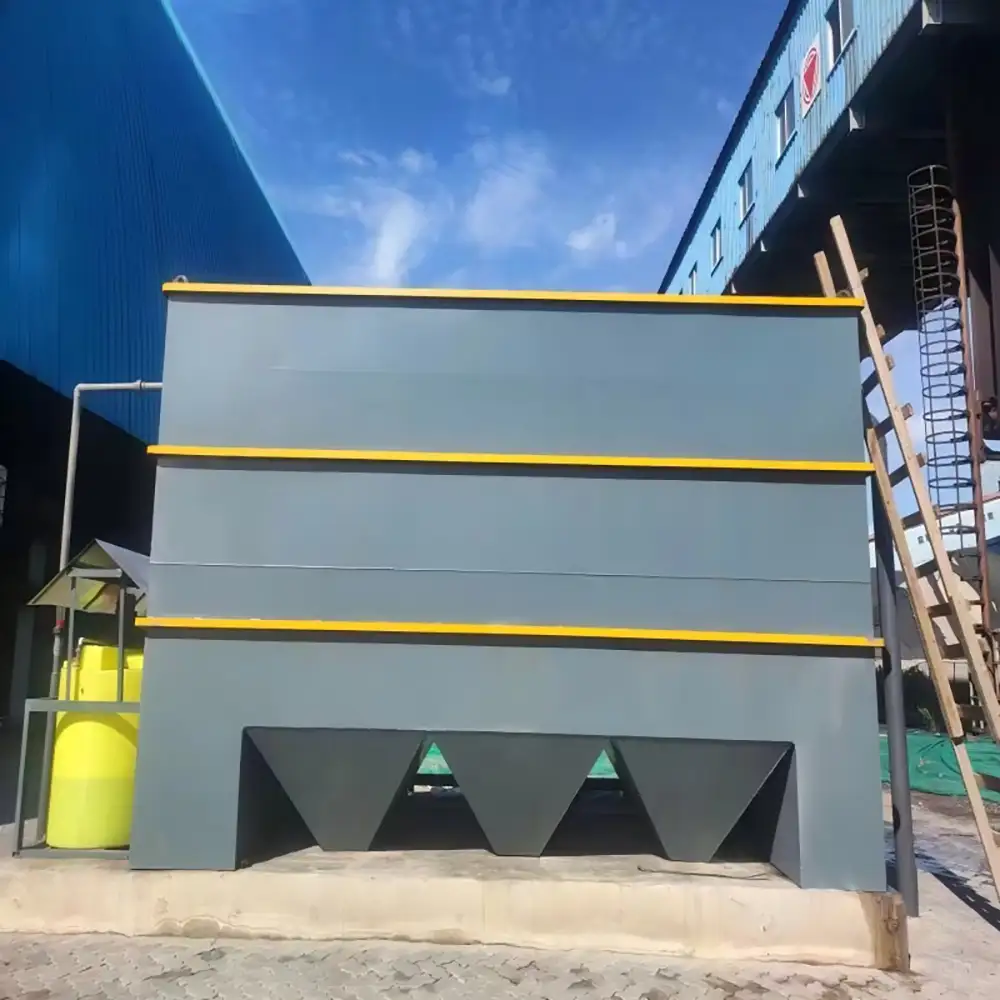
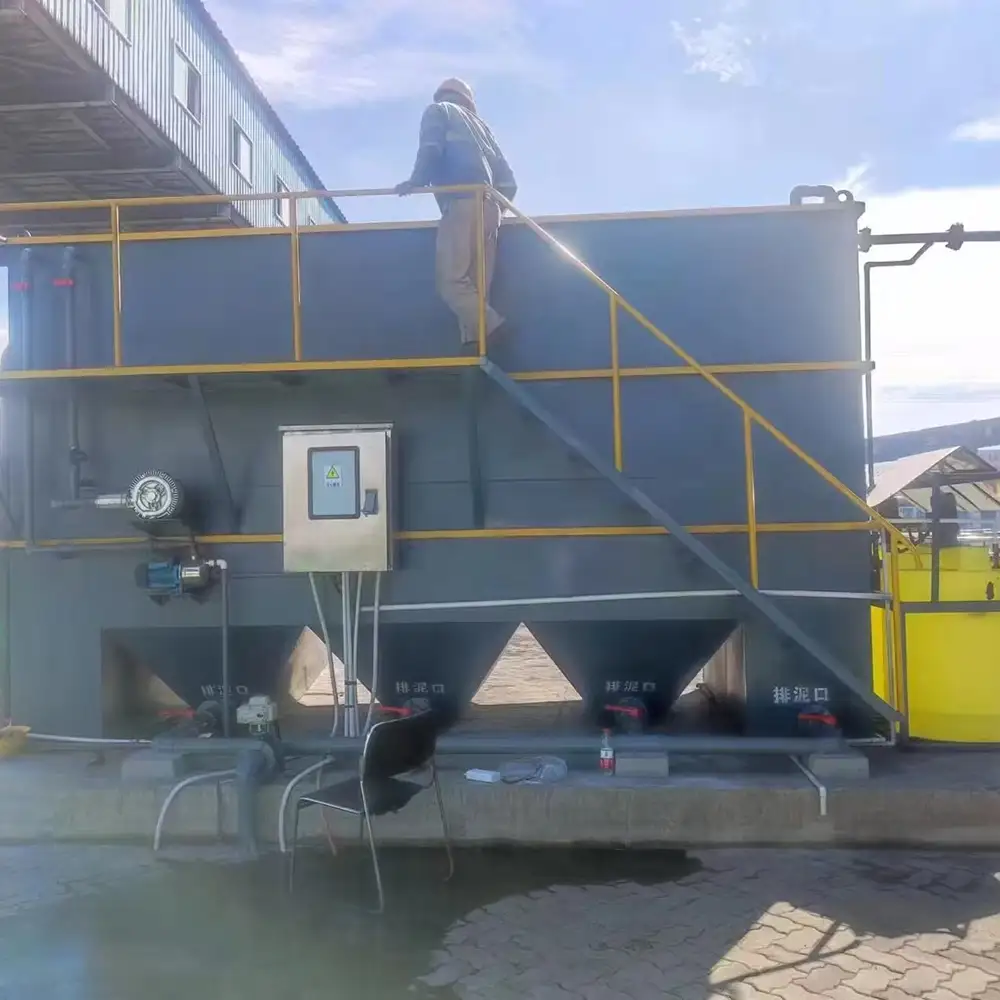
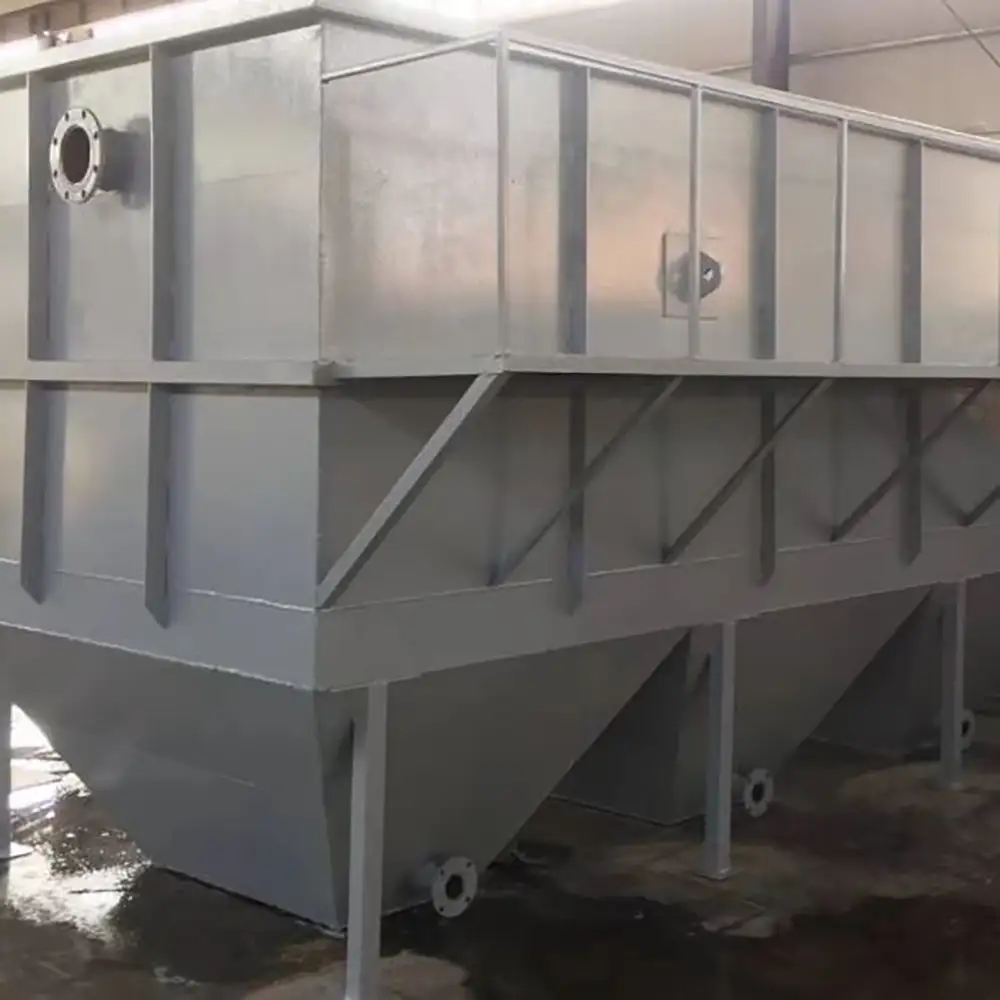
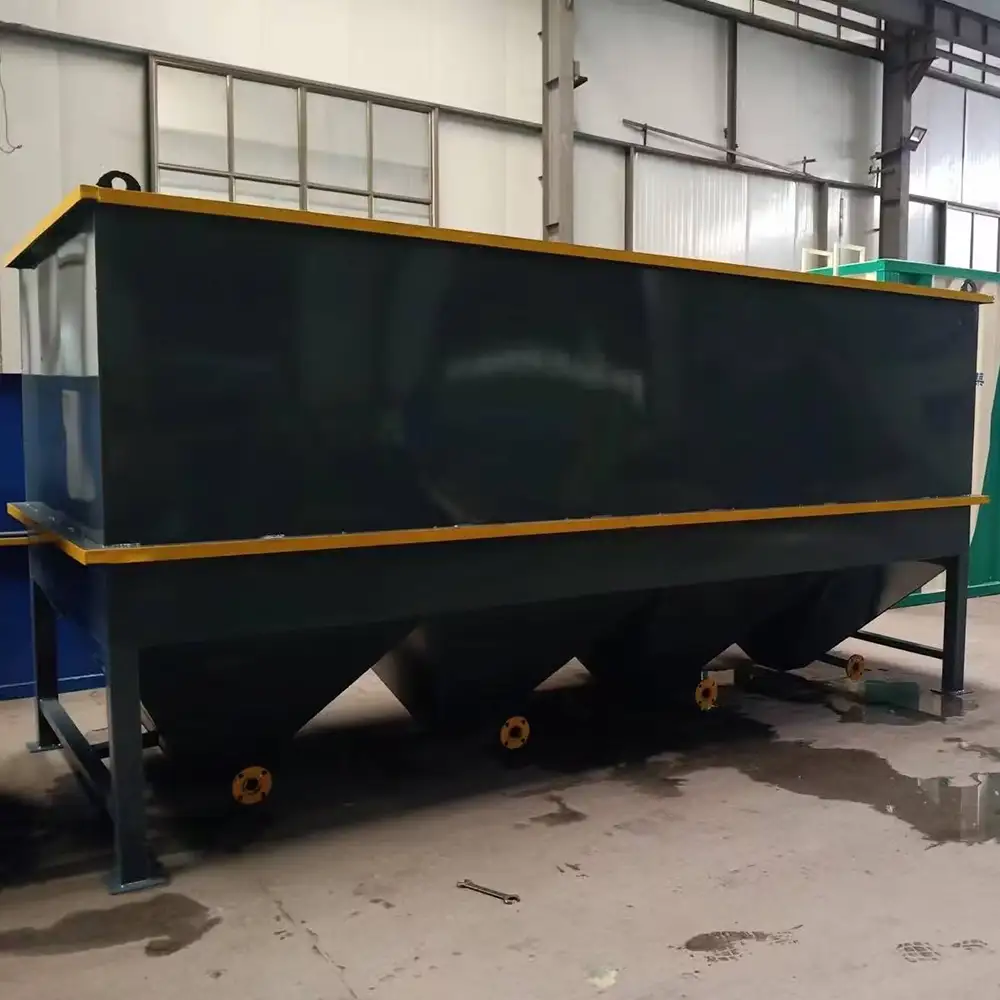
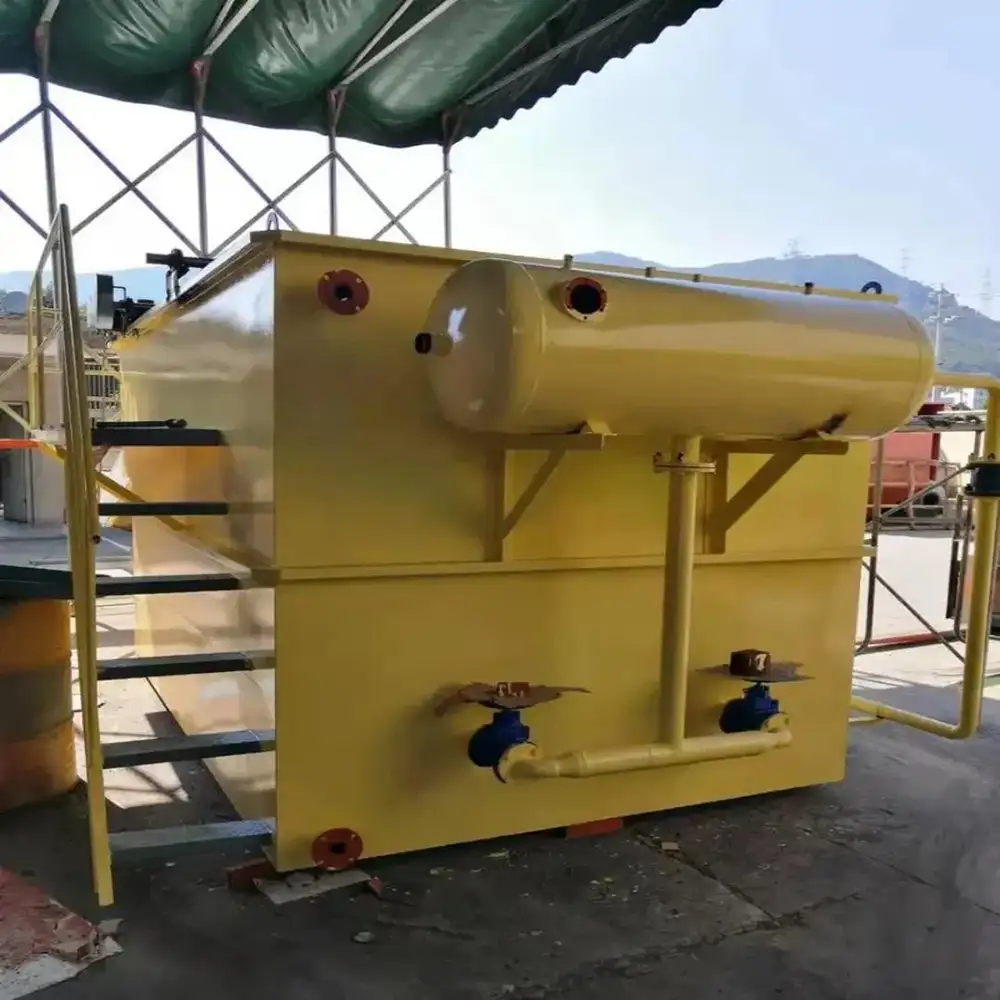
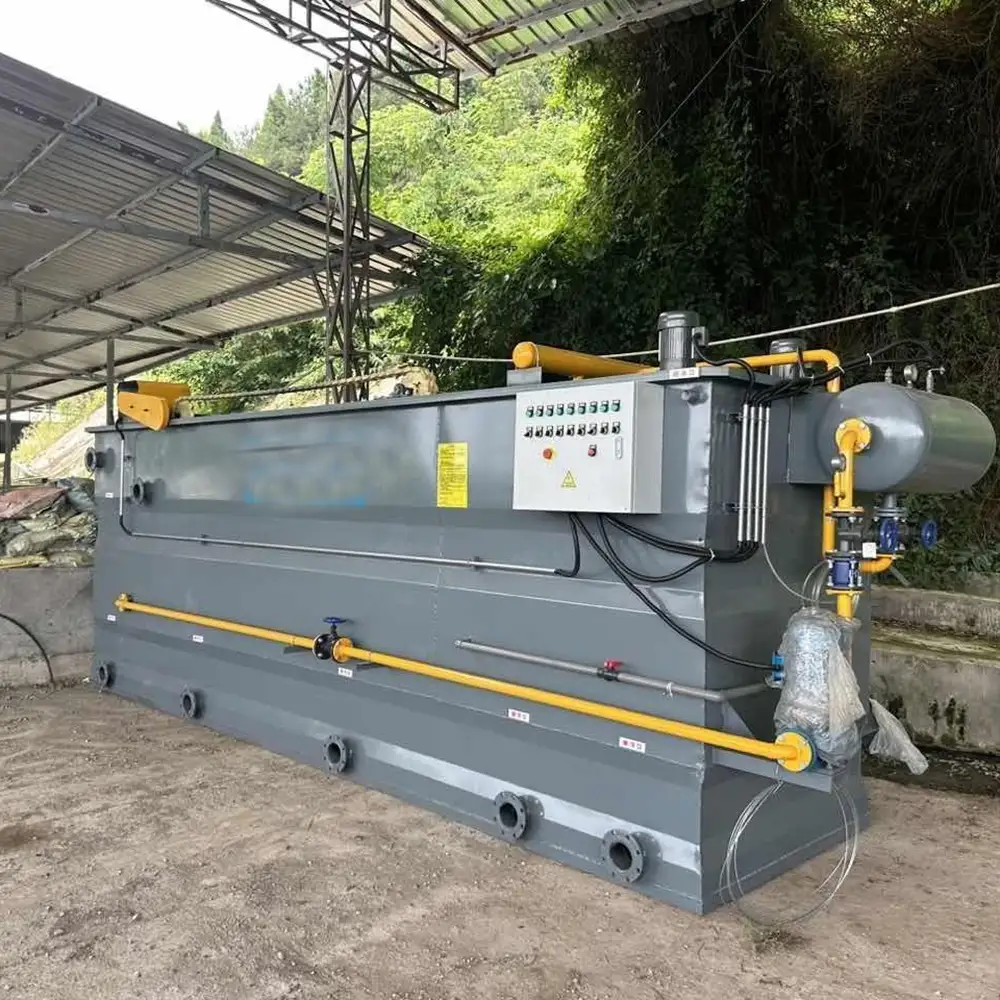
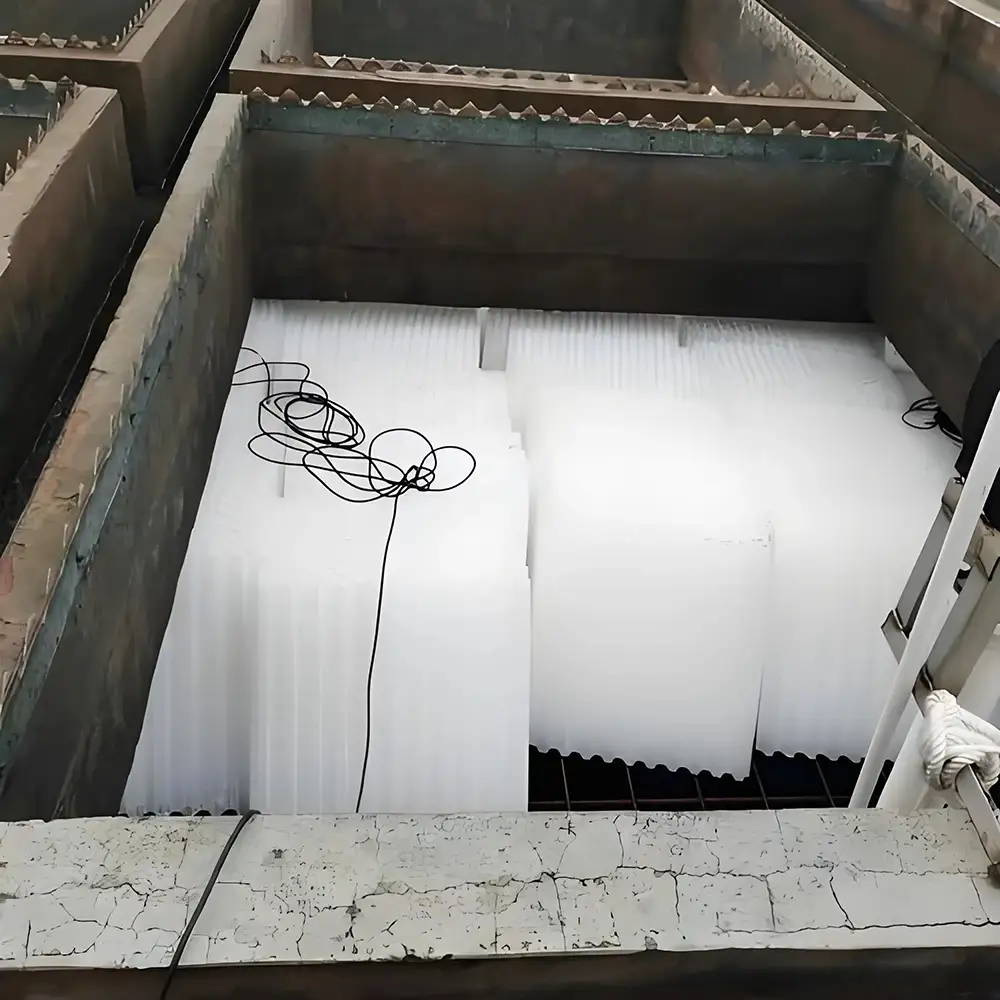
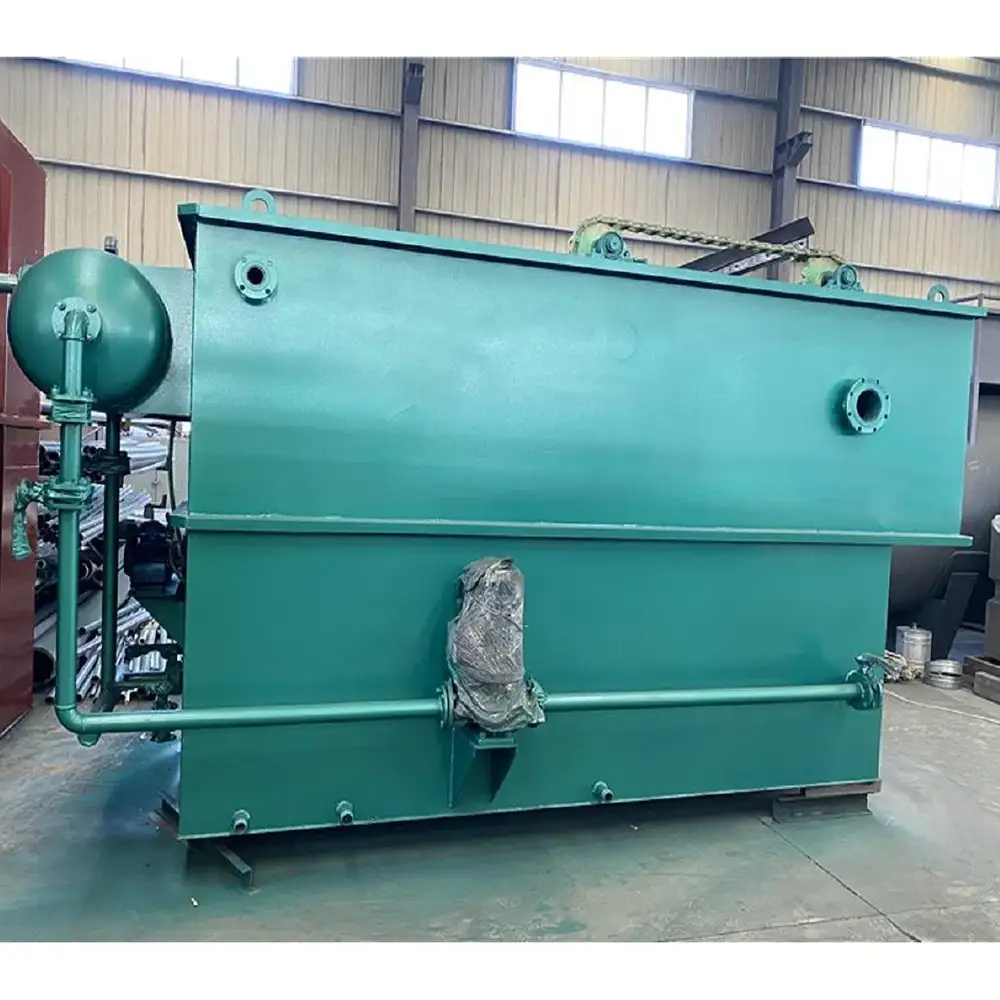
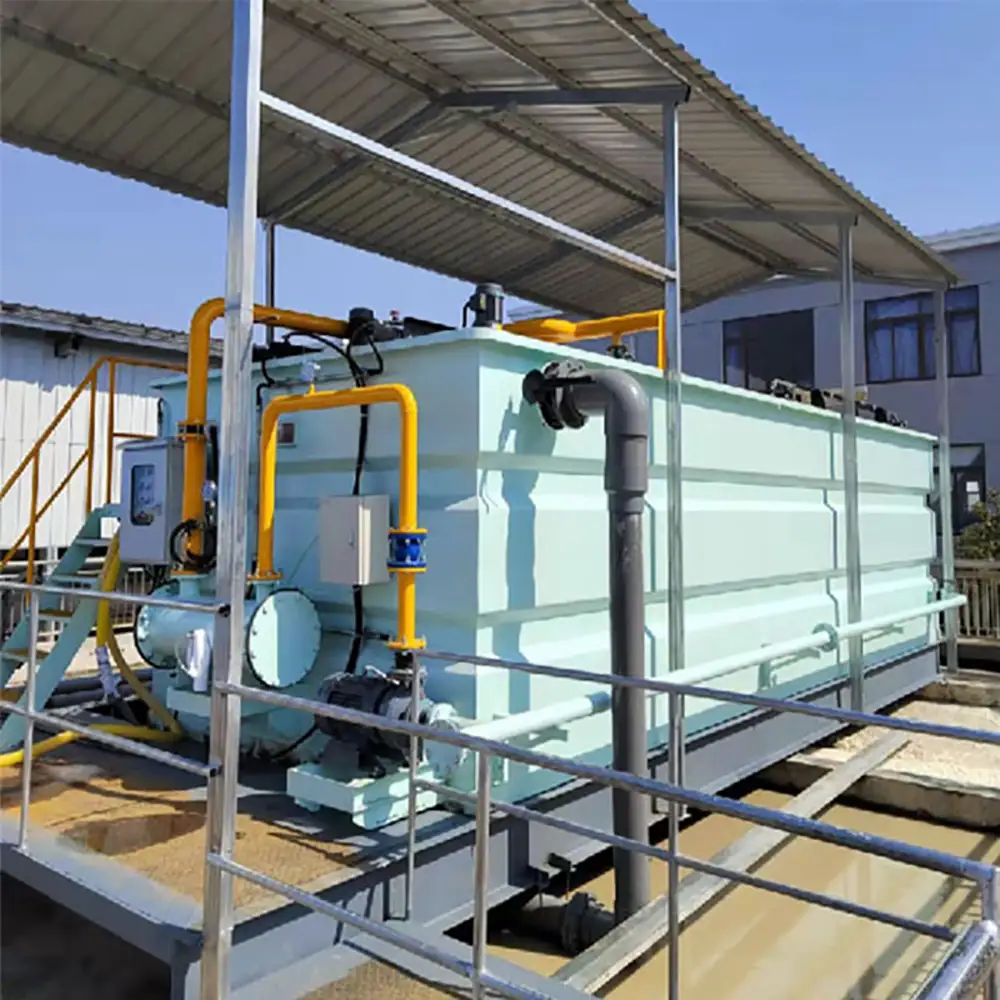
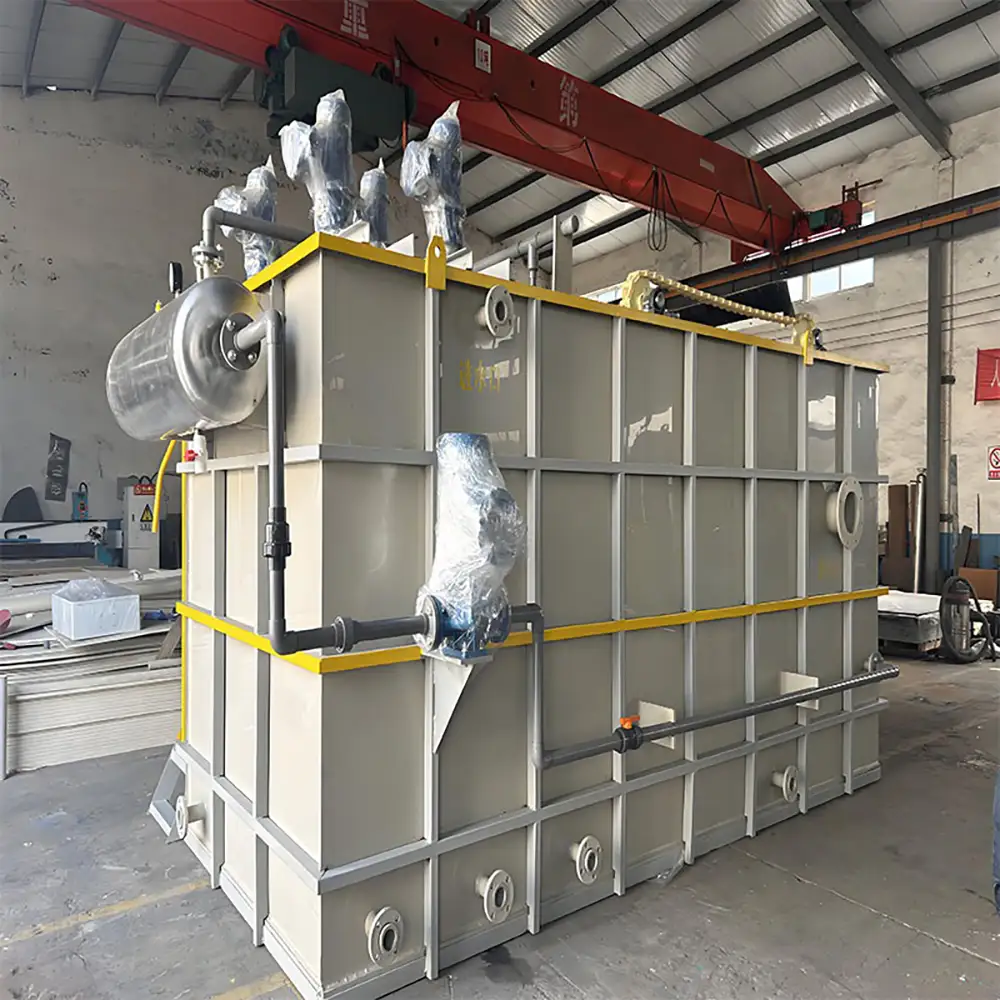
Stone Processing Sand Washing and Coal Mine Sewage Treatment Equipment
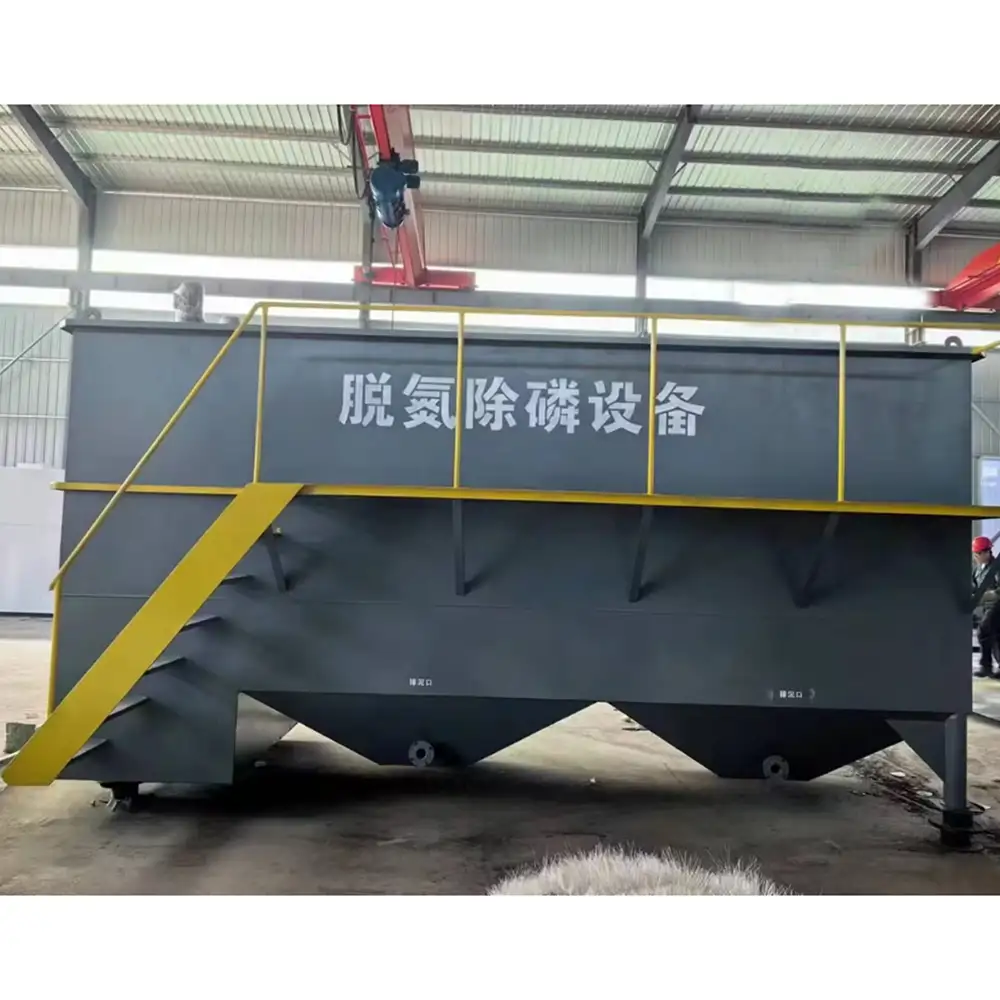
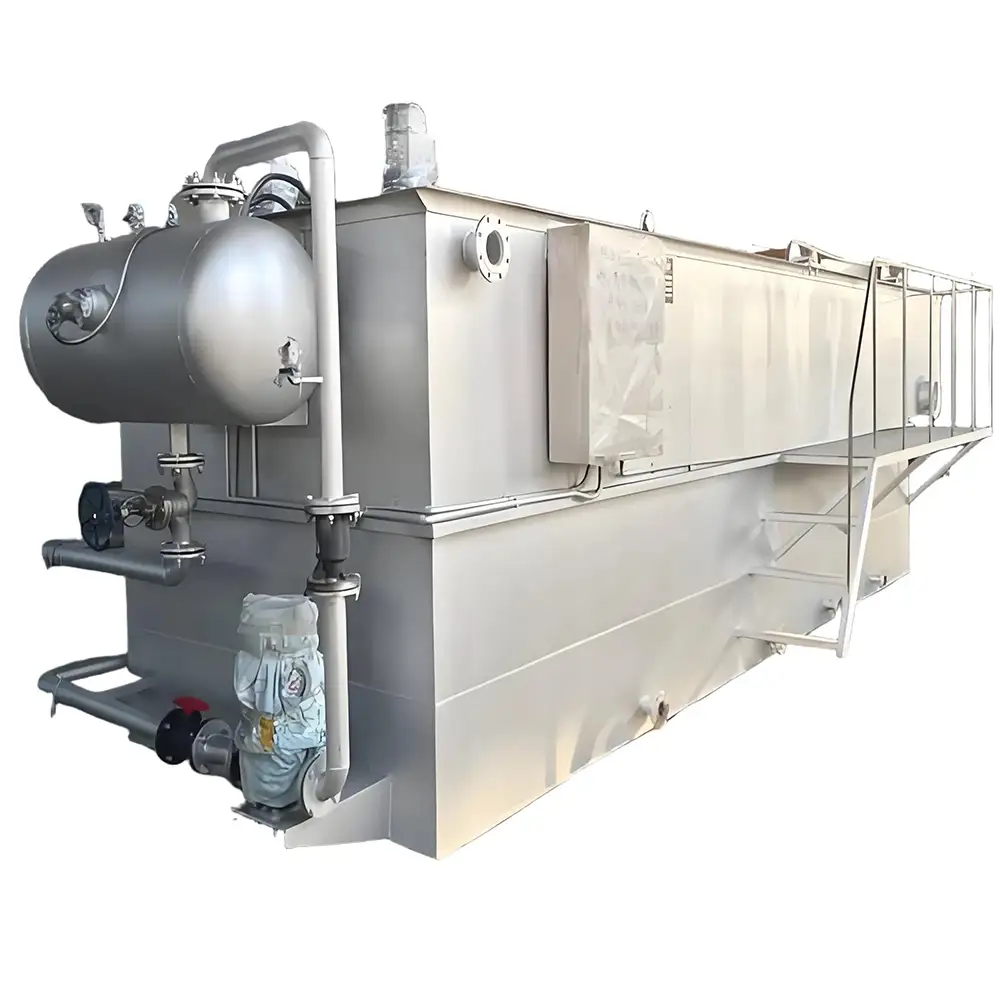
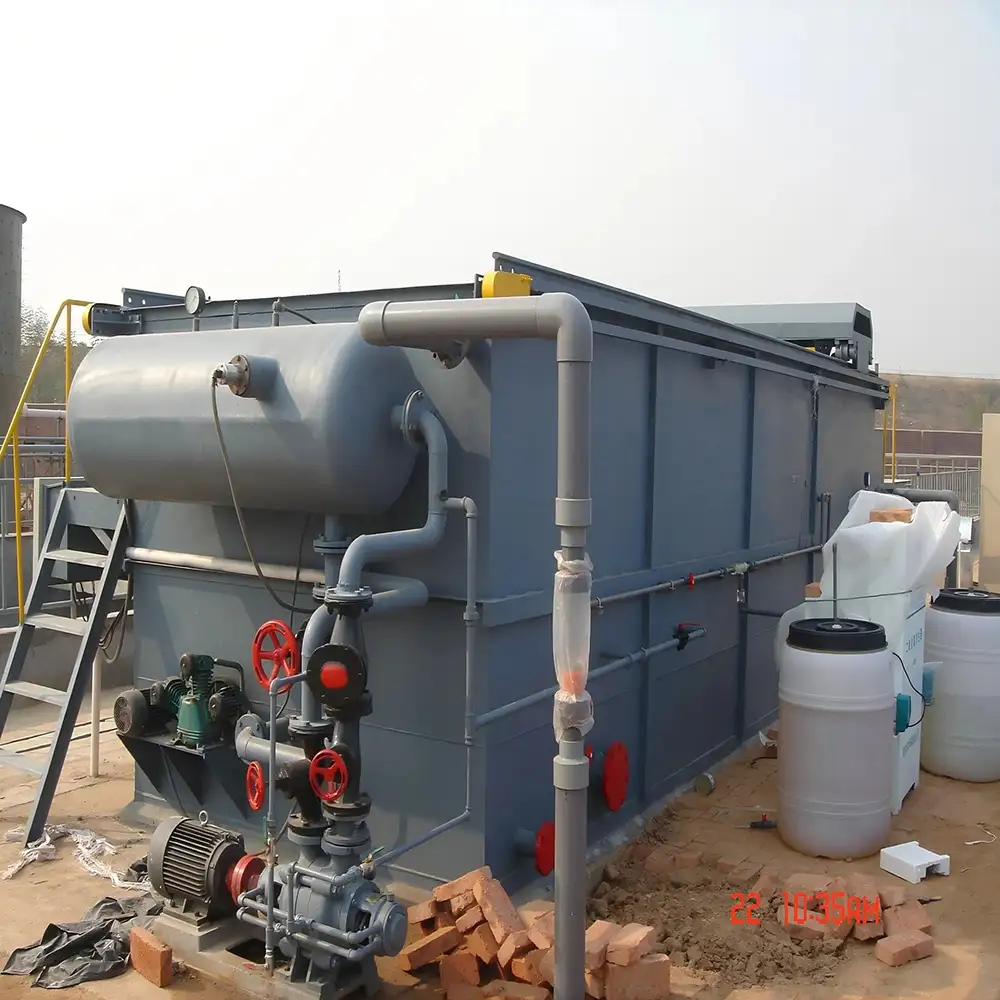
Stone Processing Sand Washing and Coal Mine Sewage Treatment Equipment is an integrated solution for treating high-solid wastewater generated by stone cutting, aggregate processing, sand washing, coal washing, and mining operations. These applications can produce wastewater containing suspended solids, fine sand, silt, clay, mineral particles, stone powder, and coal slurry. Without effective solid-liquid separation, these materials can accumulate in settling ponds, increase water consumption, and complicate wastewater management.
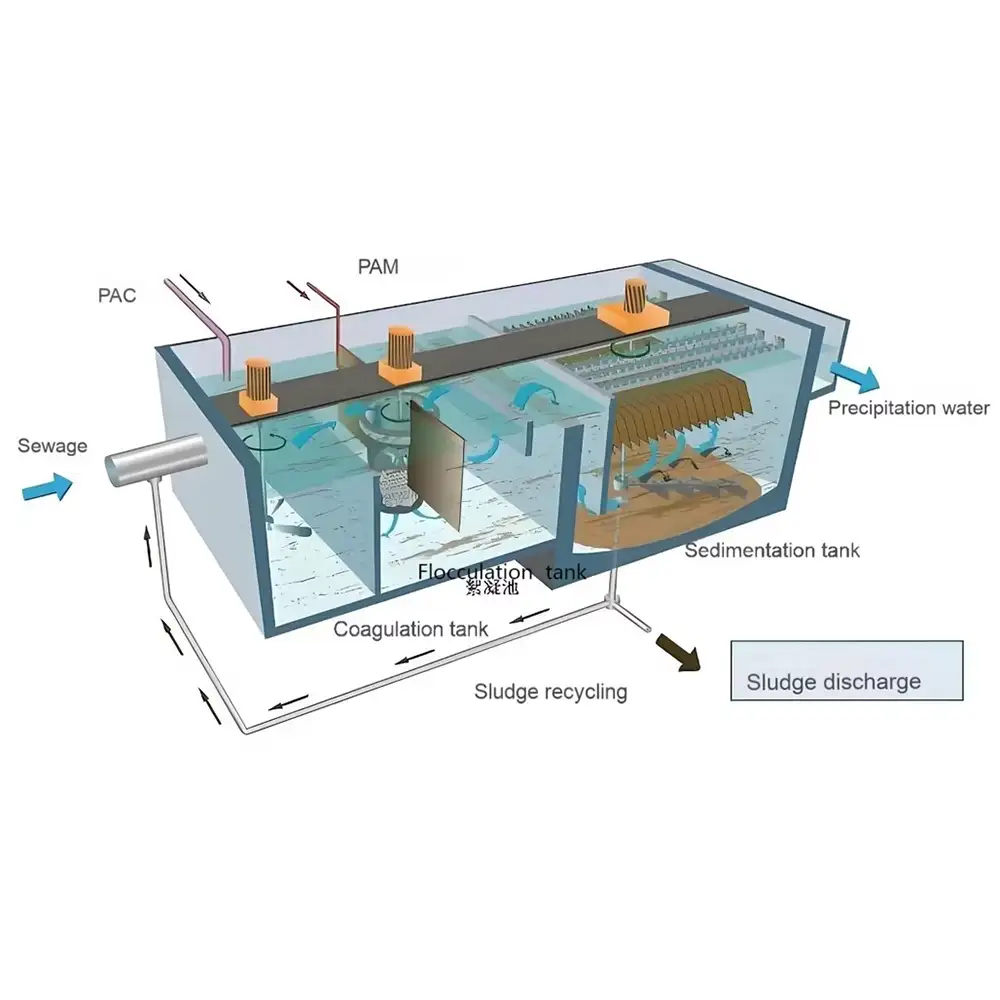
A properly designed treatment system can combine wastewater collection, screening, sand recovery, hydrocyclone separation, sedimentation, coagulation and flocculation, sludge thickening, filter pressing, and clean-water recycling. Actual process selection should be based on feed-water characteristics, required water quality, flow rate, and the intended reuse or discharge route. Mineral-processing references describe staged wash-water treatment using equipment such as hydrocyclones, dewatering screens, clarifiers, sedimentation, and pressure or belt filtration.
|
Model NO. |
GSRF |
Handling method |
physicochemical treatment |
|
Usage |
Stone processing, coal mining, sand washing, heavy metal wastewater |
Trademark |
|
|
Types |
Package, Compact, Small, Mini |
Applications |
Industrial, Municipal, Domestic, Medical, Ship |
|
Craft |
Flocculation sedimentation method |
Features |
Water Clarification, Filtration, Purification |
|
Service Life |
20 Years |
Operation |
Automatic |
|
Steel Plate Thickness |
>8mm |
Function |
Remove Suspended solids |
|
Voltage |
220V/ 380V/ Customerized |
Installation Type |
Onground |
|
Colour |
Grey/Silver/Blue/Balck/Customerized |
Use for |
Minerals, printing, chemicals, heavy metals, coal mining, stone processing |
|
Material |
Carbon Steel, Stain Steel, FRP, PE, PP |
Certificate |
SGS, ISO |
|
Transport Package |
Container Standard Packing |
Specification |
Carbon steel anti-corrosion |
|
Production Capacity |
1000 Sets/Year |
Origin |
China |
Integrated Wastewater Treatment for Stone and Sand Processing
Stone processing plants commonly generate wastewater during cutting, polishing, grinding, and washing. The wastewater may contain fine stone powder and abrasive mineral particles. Sand washing systems also generate slurry containing fine sand, silt, and other suspended solids.
The treatment system first collects wastewater in a slurry or equalization tank. Larger particles can be removed through screening or preliminary separation. Depending on the particle-size distribution, a hydrocyclone or sand recovery unit can then separate recoverable coarse or fine mineral particles from the water.
Hydrocyclones use centrifugal separation to classify slurry according to particle size and density. They have no moving parts inside the cyclone body and are commonly used for classification, desliming, dewatering, and solid-liquid separation in mineral-processing applications.
Coal Mine and Coal Washing Wastewater Treatment
Coal washing and mining operations can produce wastewater containing coal fines, mineral particles, suspended solids, and sludge. A treatment system can be configured to recover useful solids while producing clarified water for reuse.
A typical process may include a collection tank, hydrocyclone, sedimentation or thickening unit, sludge dewatering equipment, and clean-water tank. Depending on the water chemistry and required final quality, coagulation and flocculation can be added to improve fine-particle settling.
For coal washing applications, hydrocyclones can be incorporated into the solid-liquid separation process, while filter presses or belt filter presses can be used for sludge dewatering. The exact process should be selected according to the characteristics of the coal slurry and the desired water-recovery strategy.
How the Treatment System Works
The process begins with wastewater collection. Wastewater from stone processing, sand washing, or coal washing is directed to an equalization or slurry tank where flow and solids concentration can be stabilized.
The next stage is preliminary solid separation. Screens, grit removal equipment, sand classifiers, or hydrocyclones can recover larger particles and useful sand fractions.
Fine suspended particles are then treated through sedimentation, clarification, or coagulation and flocculation. Chemicals may be used when naturally settling particles are too fine or have poor settling characteristics.
The concentrated sludge is transferred to a dewatering machine. A plate-and-frame filter press, chamber filter press, belt filter press, or other suitable dewatering technology can produce a filter cake that is easier to transport, store, reuse, or dispose of.
The clarified water can be collected in a clean-water tank and returned to the stone processing, sand washing, or mineral processing circuit when the water quality is suitable. Integrated sand-washing treatment systems commonly use thickening and filter pressing to separate sludge while returning clarified water to the washing process.
Key Features
High Suspended-Solids Handling: Designed for wastewater containing high concentrations of sand, silt, stone powder, coal fines, and mineral solids.
Multi-Stage Separation: Screening, hydrocyclone separation, sedimentation, clarification, thickening, and filtration can be combined according to process requirements.
Fine Sand Recovery: Suitable systems can recover valuable fine sand that would otherwise be lost with wastewater.
Sludge Dewatering: Filter presses and other dewatering equipment reduce the water content of concentrated sludge and produce a more manageable filter cake.
Water Recycling: Treated water can potentially be returned to the production process, reducing freshwater demand.
Compact Process Layout: Integrated treatment equipment can reduce the footprint compared with large conventional settling ponds.
Automatic Control: PLC control, pumps, valves, level sensors, pressure sensors, dosing systems, and other instruments can be integrated for automated operation.
Wear-Resistant Construction: Abrasion-resistant materials or liners can be selected for pipelines, pumps, hydrocyclones, and other components handling abrasive slurry.
Main Applications
Stone Processing Sand Washing and Coal Mine Sewage Treatment Equipment can be applied to:
Stone cutting wastewater
Marble and granite processing wastewater
Aggregate washing
Manufactured sand washing
Silica sand washing
Quarry wastewater
Gravel washing
Mineral processing wastewater
Coal washing wastewater
Coal mine slurry
Mining wastewater
Tailings water treatment
Construction aggregate processing
Concrete aggregate washing
Ceramic and mineral processing
For difficult or highly variable wastewater, additional treatment stages may be incorporated according to actual water analysis.
Water Recycling and Resource Recovery
Water recovery is an important objective in modern sand washing and mineral processing plants. Washing operations can consume substantial quantities of water and generate both coarse and fine effluent. Closed-loop treatment can recover process water while concentrating fine solids into a more manageable form.
Fine sand recovery can also improve material utilization. Integrated hydrocyclone and dewatering systems are used in some sand-washing applications to recover fines from wastewater before the remaining sludge enters clarification and dewatering stages.
The recovered water should be evaluated for its intended reuse. If dissolved salts, metals, organics, or other contaminants are present, additional treatment such as filtration, chemical treatment, activated carbon, membrane filtration, or other technologies may be required.
Sludge Thickening and Dewatering
After clarification, the concentrated solids form sludge that must be managed efficiently. A thickener can increase solids concentration before the sludge enters a filter press or other dewatering machine.
A filter press separates liquid from solids through filter cloth under pressure, producing a relatively dry filter cake and filtrate. The filtrate can potentially return to the treatment process or clean-water tank, subject to water-quality requirements.
Proper sludge conditioning can significantly affect dewatering performance. Polymer selection, dosage, feed concentration, pressure, cycle time, and filter-cloth condition should therefore be evaluated during system commissioning.
System Selection
When selecting equipment, buyers should provide:
Wastewater flow rate
Suspended-solids concentration
Particle-size distribution
Sand or coal slurry characteristics
pH and water chemistry
Required treated-water quality
Desired water-recycling rate
Sludge production volume
Available installation area
Electrical and utility conditions
Required automation level
Sludge disposal or reuse requirements
Pilot testing or representative wastewater testing can be useful for determining the most suitable combination of hydrocyclones, clarifiers, dosing equipment, thickeners, and dewatering equipment.
Maintenance
Regular maintenance helps maintain stable treatment performance. Operators should inspect slurry pumps, pipelines, hydrocyclones, valves, screens, scraper mechanisms, dosing systems, filter cloths, and sludge discharge equipment.
Because sand, stone powder, and mineral particles can be abrasive, wear components should be checked periodically. Hydrocyclone liners, pump impellers, pipe bends, valves, and other slurry-contact components may require special wear protection.
Sedimentation and sludge-handling equipment should also be cleaned and inspected to prevent excessive accumulation. Automated monitoring can help operators identify abnormal flow, pressure, level, or equipment conditions at an early stage.
Why Choose Us?
We provide integrated wastewater treatment solutions for stone processing, sand washing, aggregate production, coal washing, and mining applications. Instead of relying on a single treatment machine, the complete system can combine solid separation, fine-sand recovery, sedimentation, clarification, sludge concentration, filter pressing, and water recycling.
Equipment configuration can be developed according to wastewater flow, solids loading, particle characteristics, water-reuse objectives, installation conditions, and local operating requirements.
Our approach focuses on practical process integration, reliable solid-liquid separation, convenient maintenance, abrasion resistance, and efficient water recovery. From individual equipment to complete treatment lines, the system can be configured for different production scales and wastewater conditions.
Frequently Asked Questions
1. What wastewater can this equipment treat?
It can be configured for stone processing wastewater, sand washing wastewater, quarry wastewater, aggregate washing wastewater, coal washing wastewater, and other mineral-processing slurry streams.
2. What contaminants are commonly removed?
The primary targets are suspended solids, sand, silt, stone powder, coal fines, mineral particles, and concentrated sludge. Other dissolved contaminants may require additional treatment.
3. Can the system recycle washing water?
Yes. When the treated-water quality is suitable, clarified water can be collected and returned to the washing or processing circuit.
4. Is a hydrocyclone necessary?
Not always. Hydrocyclone selection depends on particle size, slurry concentration, desired separation, and overall process design.
5. Can fine sand be recovered?
Yes. Hydrocyclones, fine-sand recovery units, dewatering screens, and classifiers can be combined to recover suitable fine particles from wash-water streams.
6. How is sludge handled?
Sludge can be concentrated in a thickener and then dewatered with a filter press, belt filter press, or another suitable dewatering system.
7. Can the equipment treat coal washing wastewater?
Yes. The system can be configured for coal slurry and coal washing wastewater containing suspended coal fines and mineral solids.
8. Can chemicals be added?
Yes. Coagulant and polymer dosing systems can be integrated when fine particles require chemical conditioning for improved clarification or dewatering.
9. Is the system fully automatic?
It can be equipped with PLC controls, automatic valves, level sensors, pressure sensors, dosing controls, alarms, and other instrumentation.
10. What determines the equipment capacity?
Capacity depends on wastewater flow, solids concentration, particle characteristics, required water quality, sludge loading, and selected treatment process.
11. Can the equipment work with high-abrasion slurry?
Yes. Wear-resistant liners, slurry pumps, pipes, valves, and hydrocyclone components can be selected for abrasive applications.
12. Can this system replace a settling pond?
In some applications, a properly designed treatment system can significantly reduce dependence on large settling ponds, but the appropriate configuration depends on site conditions and regulatory requirements.
Prev:
Reverse Osmosis Combined Purification Equipment
Next:
Pig, Cattle and Sheep Breeding Sewage Treatment Equipment Efficient Air Float Machine
TAG:
Industrial Wastewater Treatment,
Industrial Sewage Treatment,
Sludge Dewatering System,
Sludge Dewatering Equipment,
Sludge Separation Equipment,
Mining Sludge Dewatering,
Industrial Solid Liquid Separation,
Solid Liquid Separator,
Solid Liquid Separation Equipment,
Sludge Filter Press,
Plate And Frame Filter Press,
Belt Filter Press,
Industrial Water Recycling,
Sludge Thickener,
Wastewater Recycling System,
Water Recovery System,
Filter Press Wastewater Treatment,
Sludge Concentration Equipment,
Mining Wastewater Treatment,
Solid Liquid Separation,
Sedimentation Tank,
Settling Tank,
High Efficiency Clarifier,
Coal Slurry Water Treatment,
Coal Washing Wastewater Treatment,
Coal Mine Water Treatment,
Mining Water Treatment,
Stone Processing Wastewater Treatment,
Sand Washing Wastewater Treatment,
Mining Slurry Dewatering,
Related Category:
Stone Processing Sand Washing and Coal Mine Sewage Treatment Equipment,Stone Processing Wastewater Treatment Equipment China, suppliers, manufacturers, factory, customized, wholesale, quotation, made in China