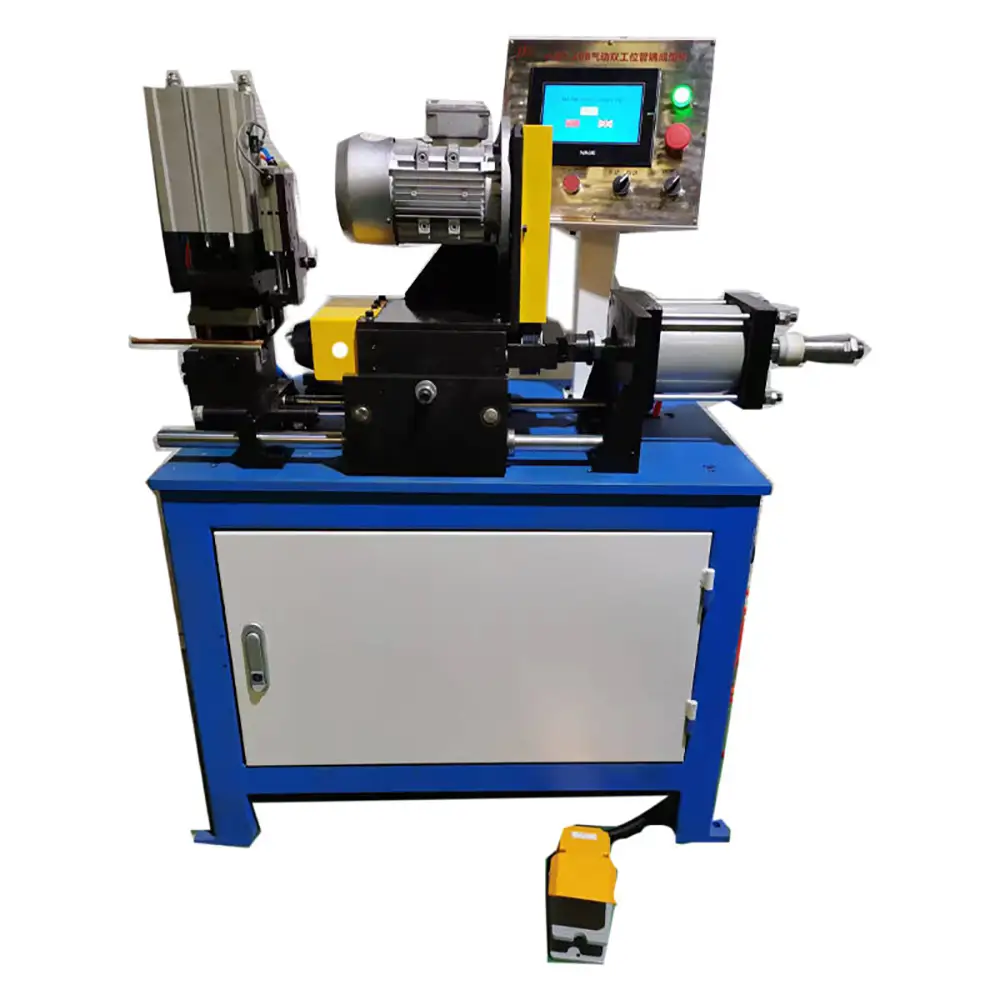
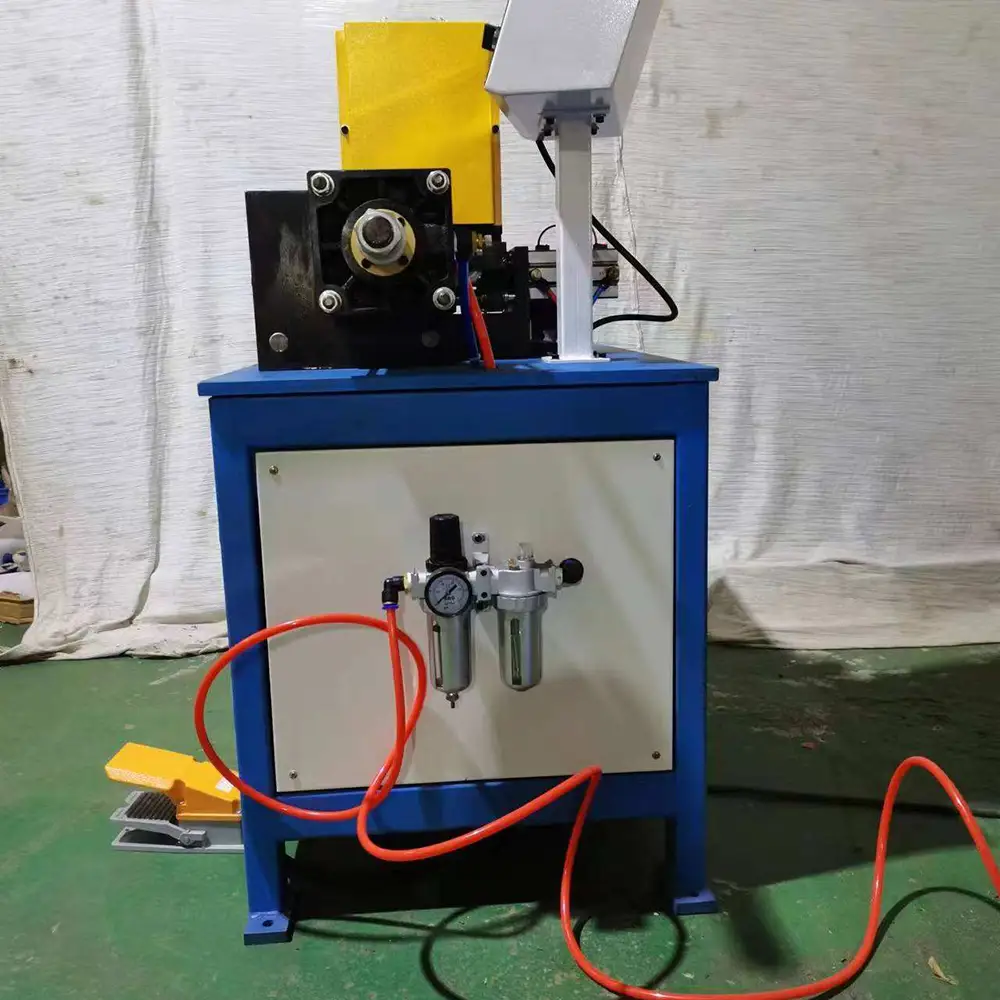
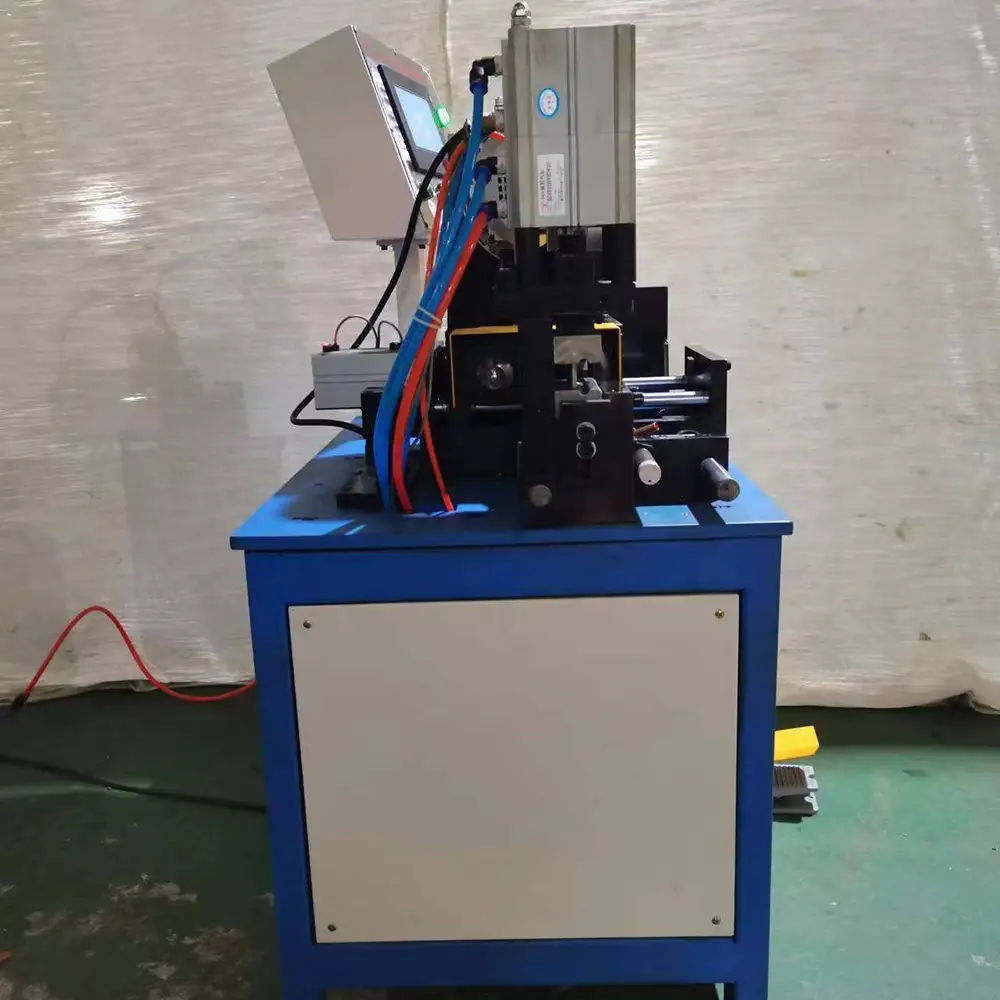
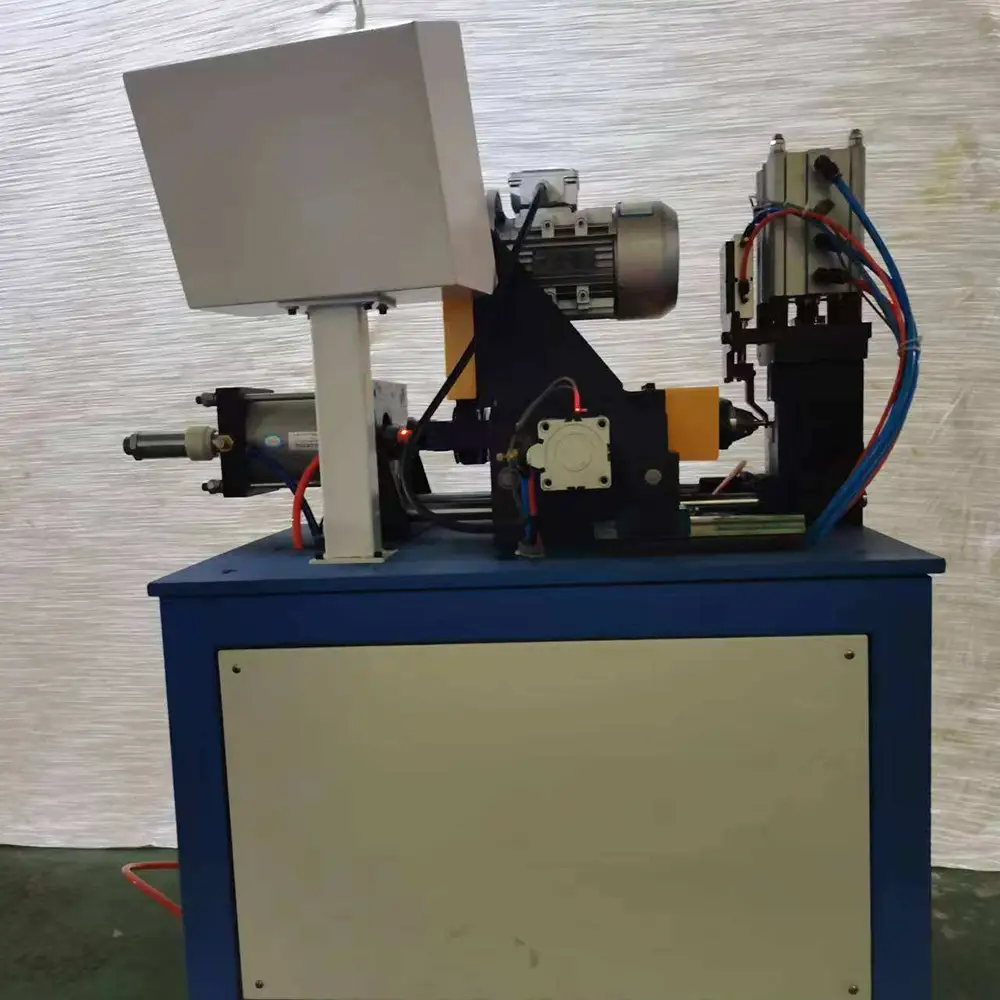
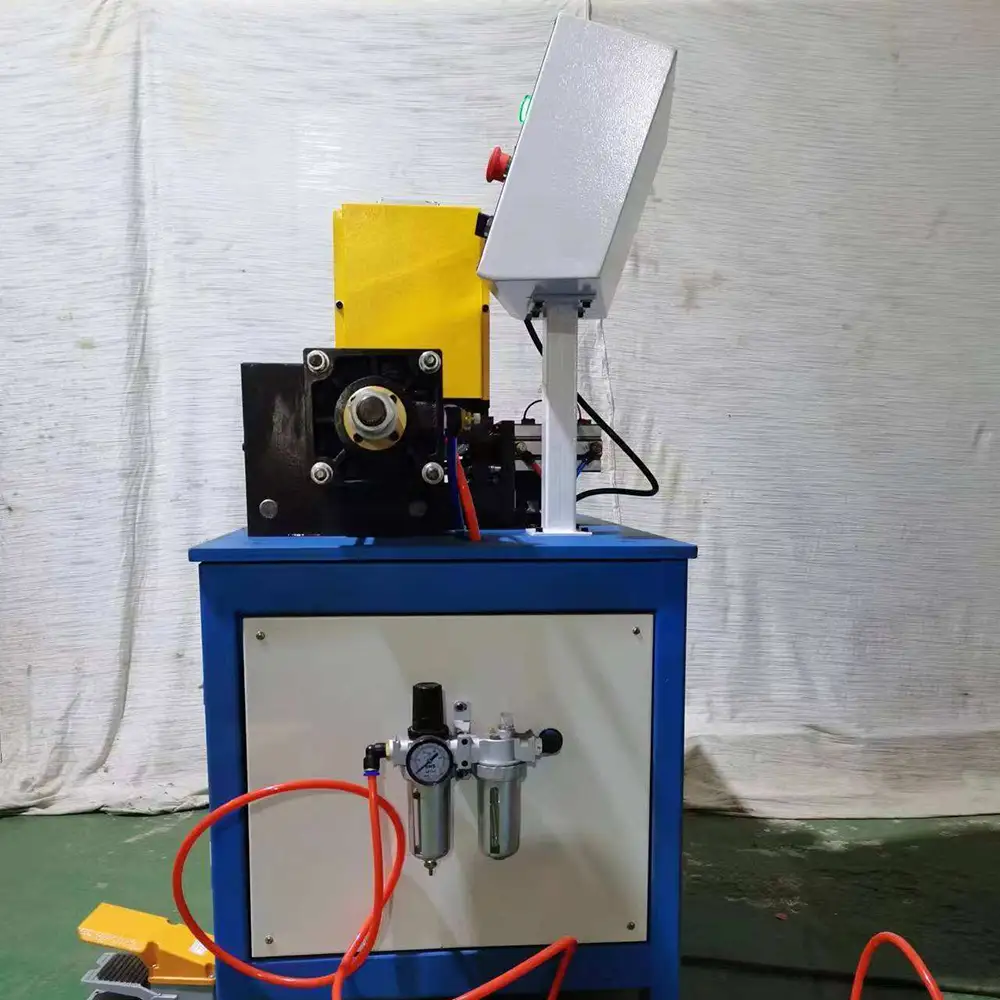
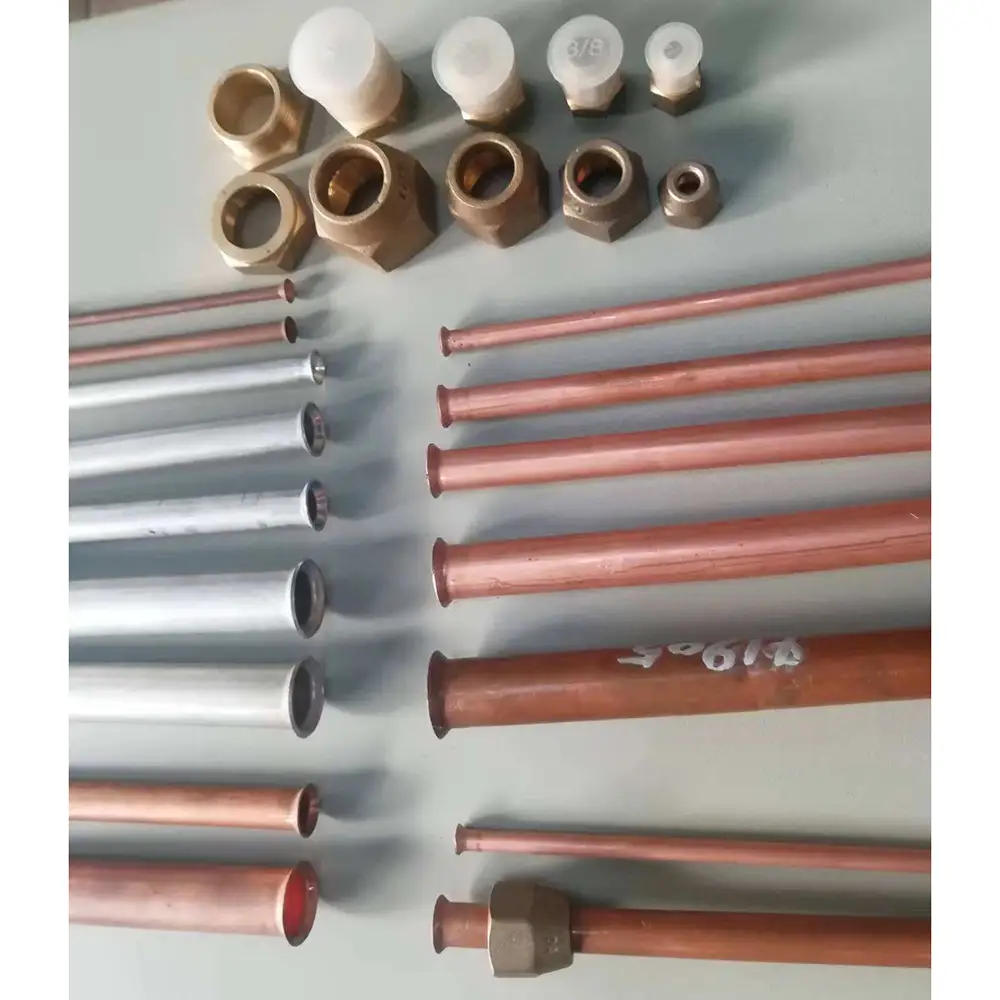
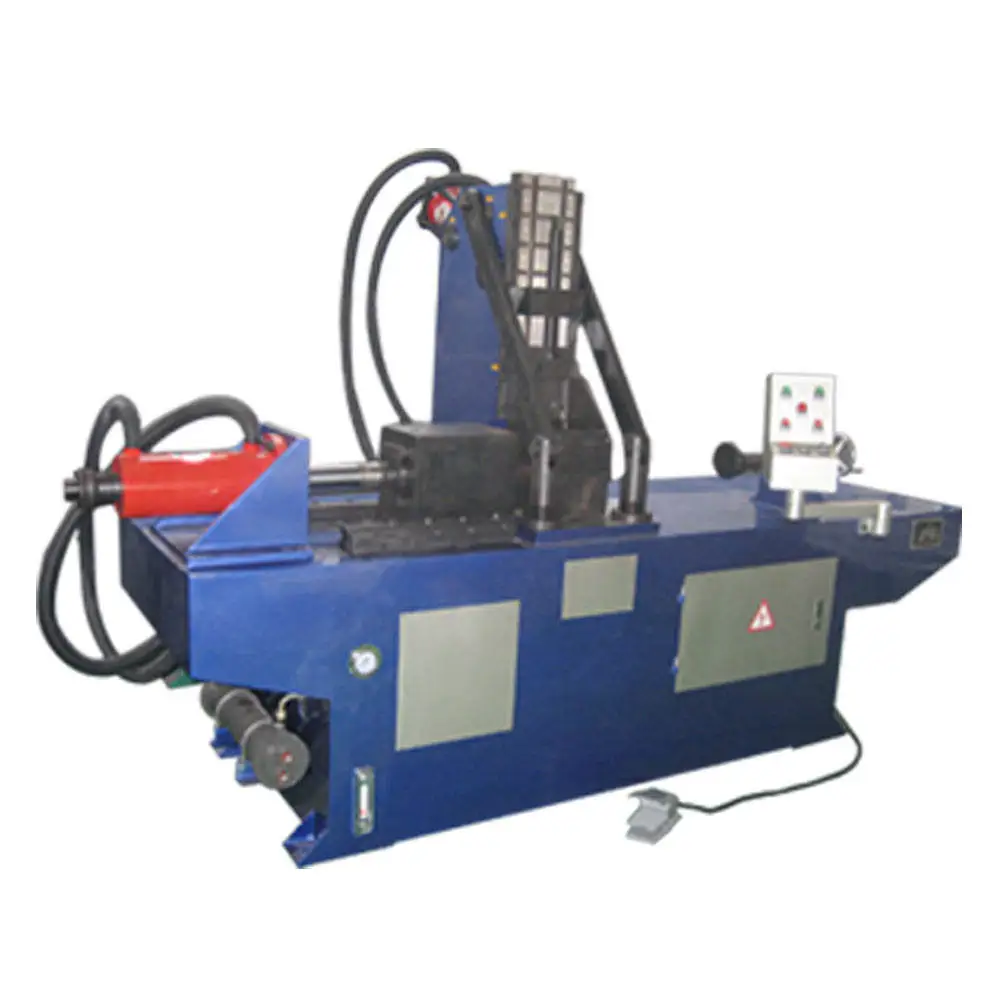
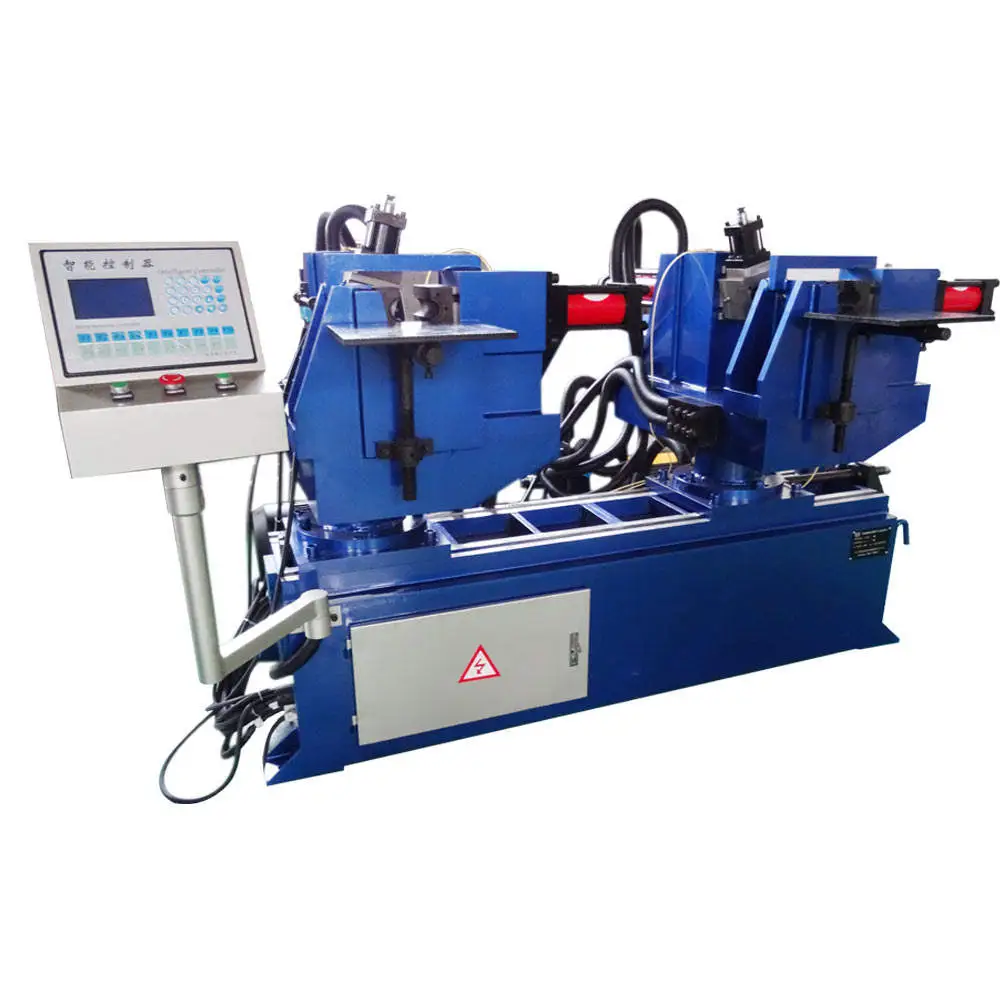
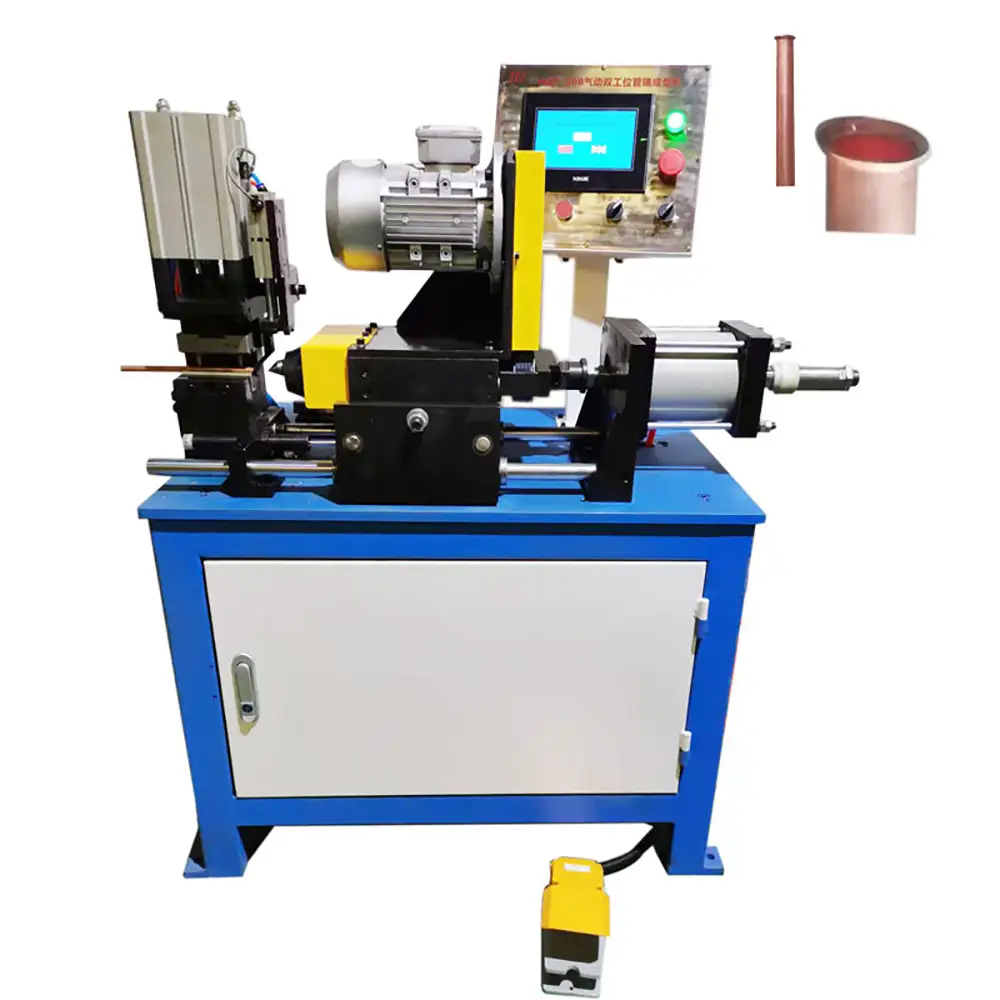
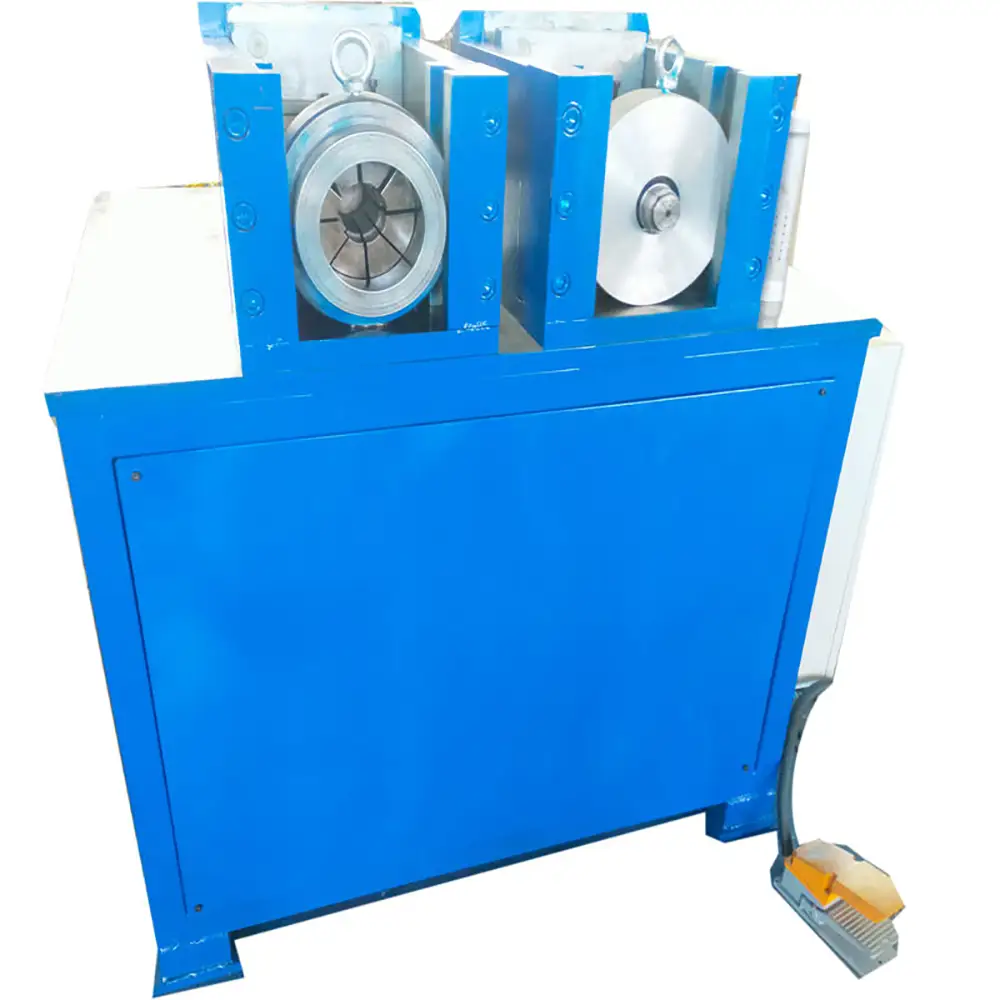
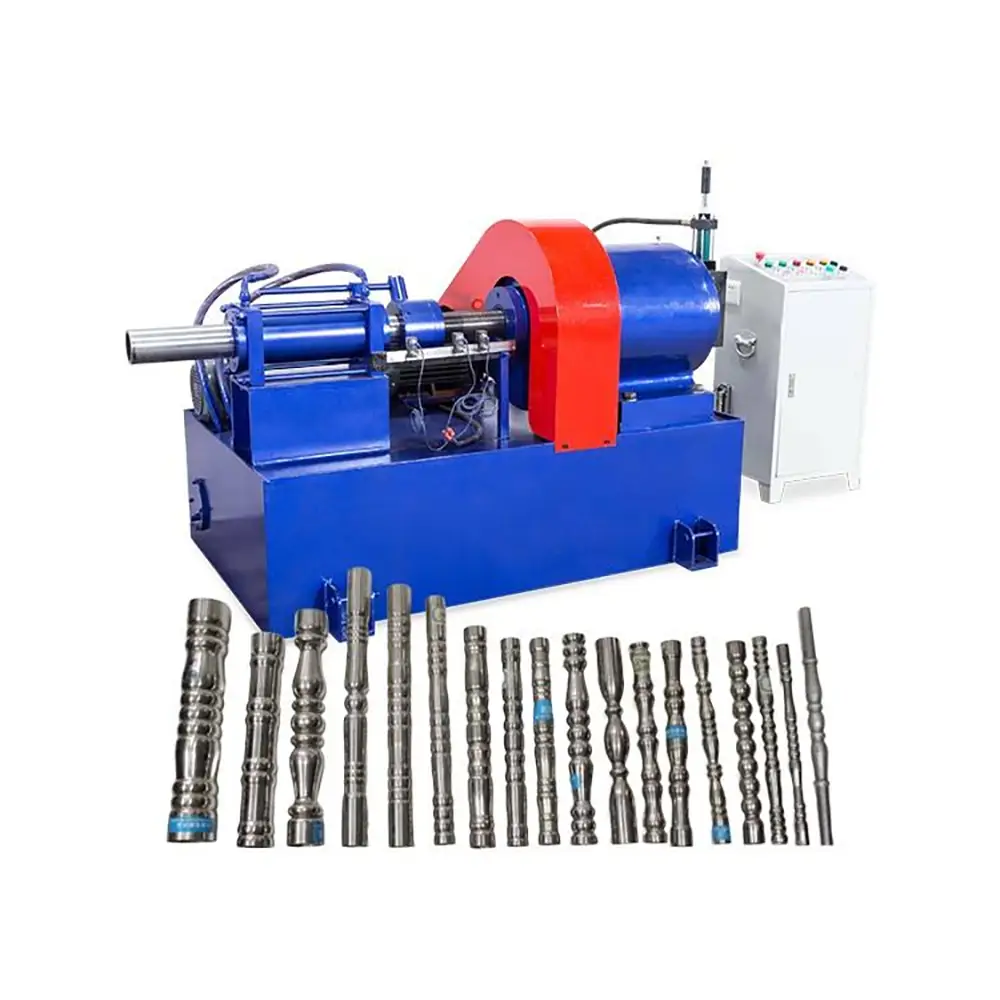
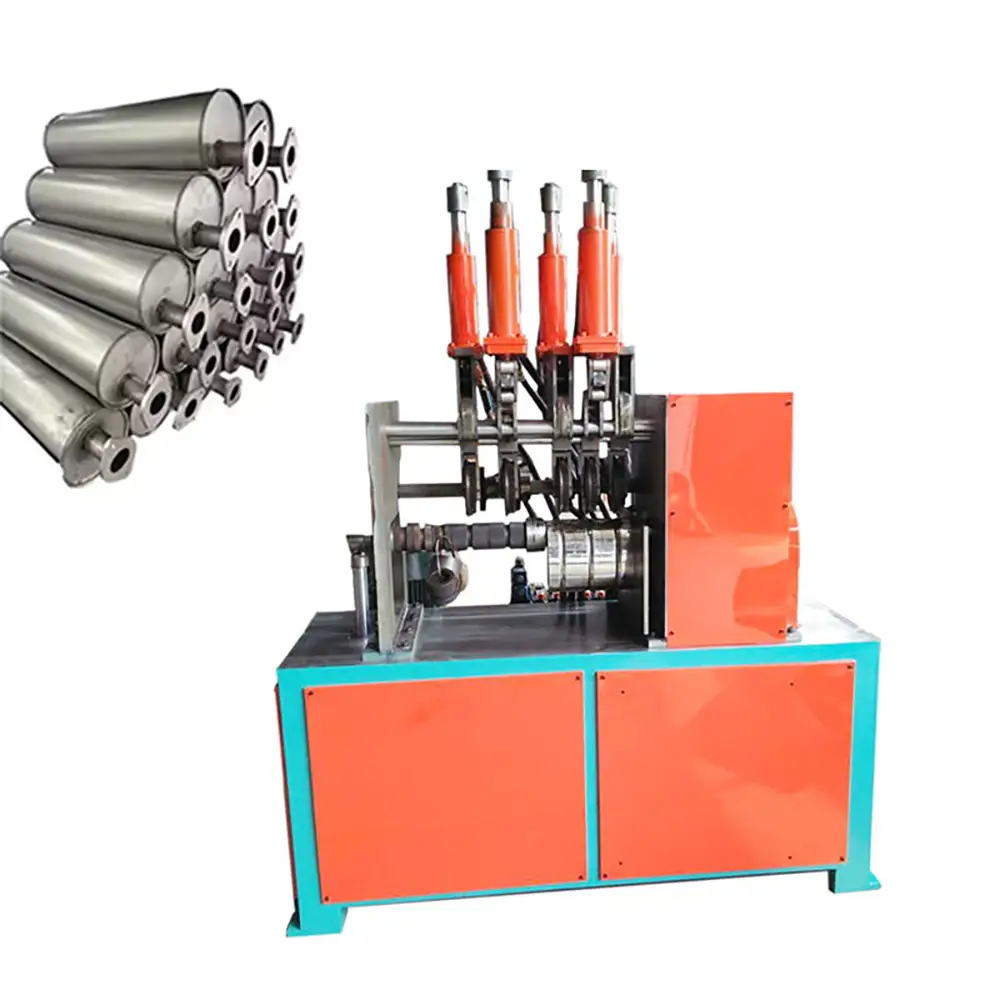
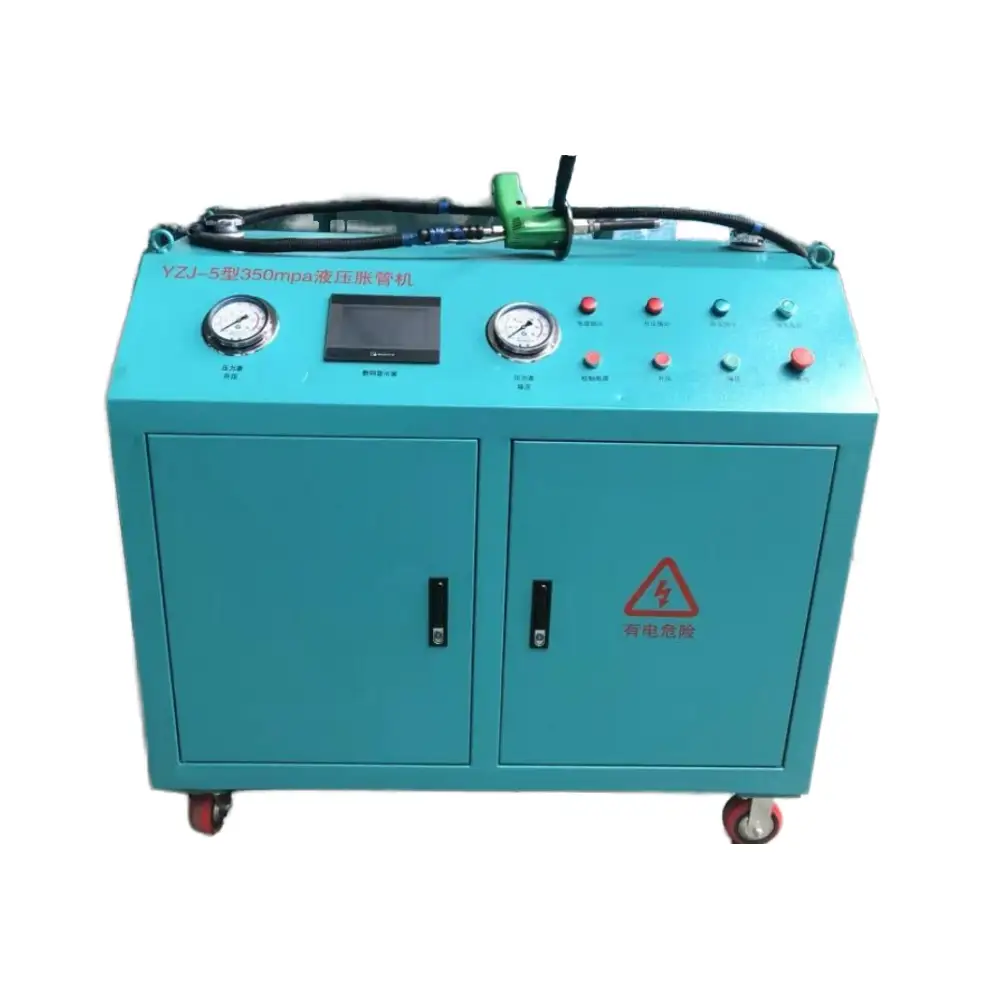
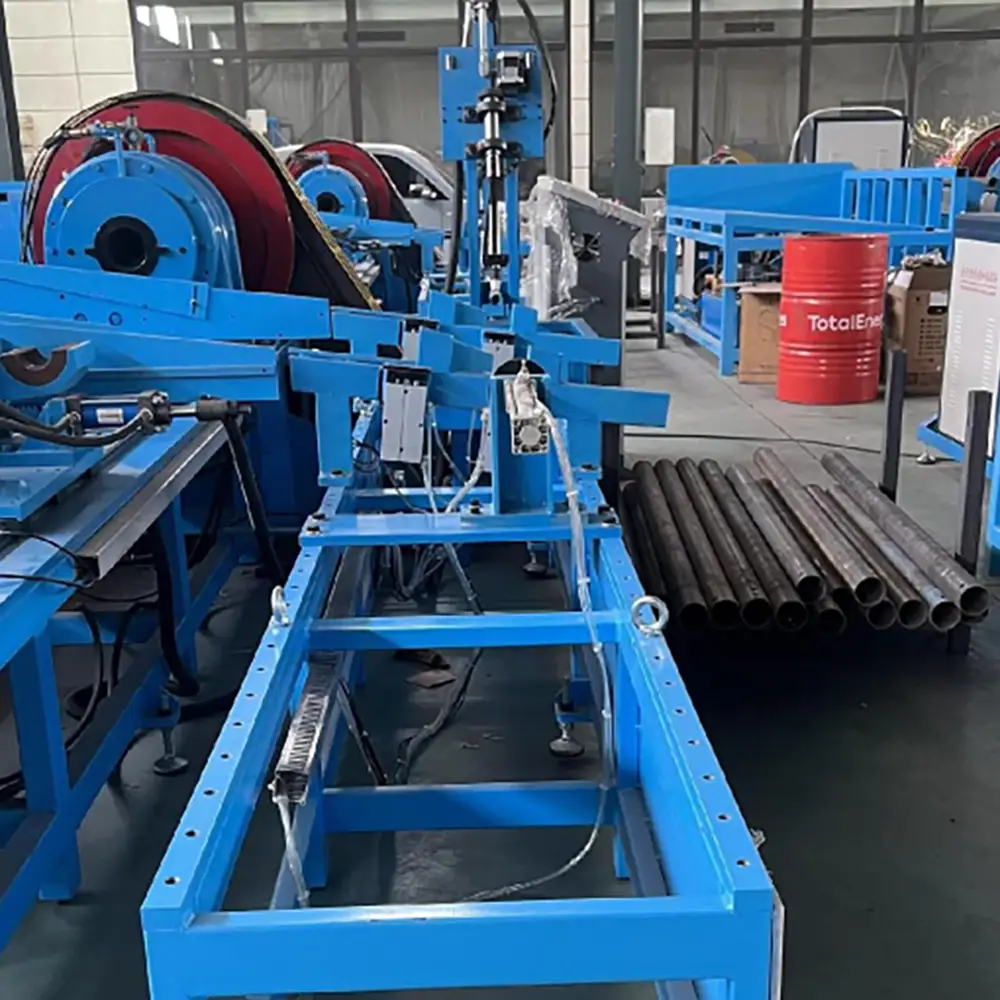
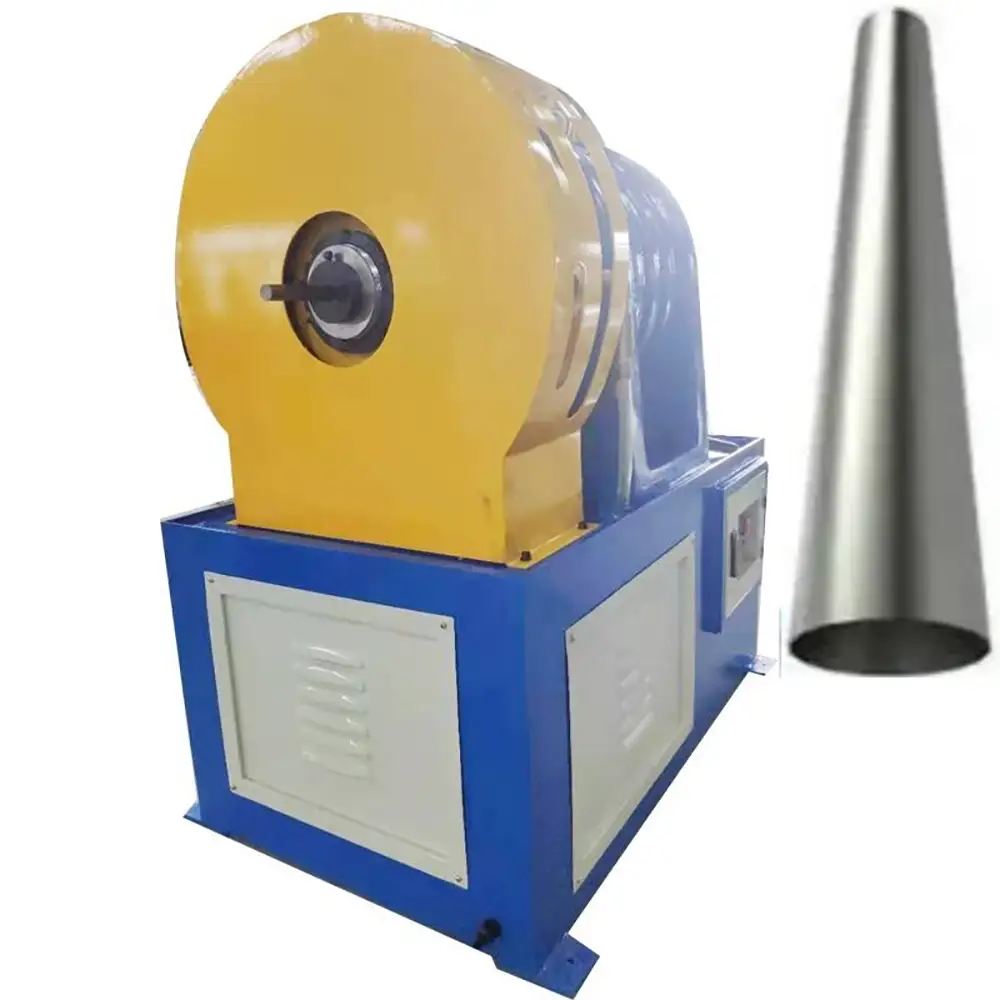
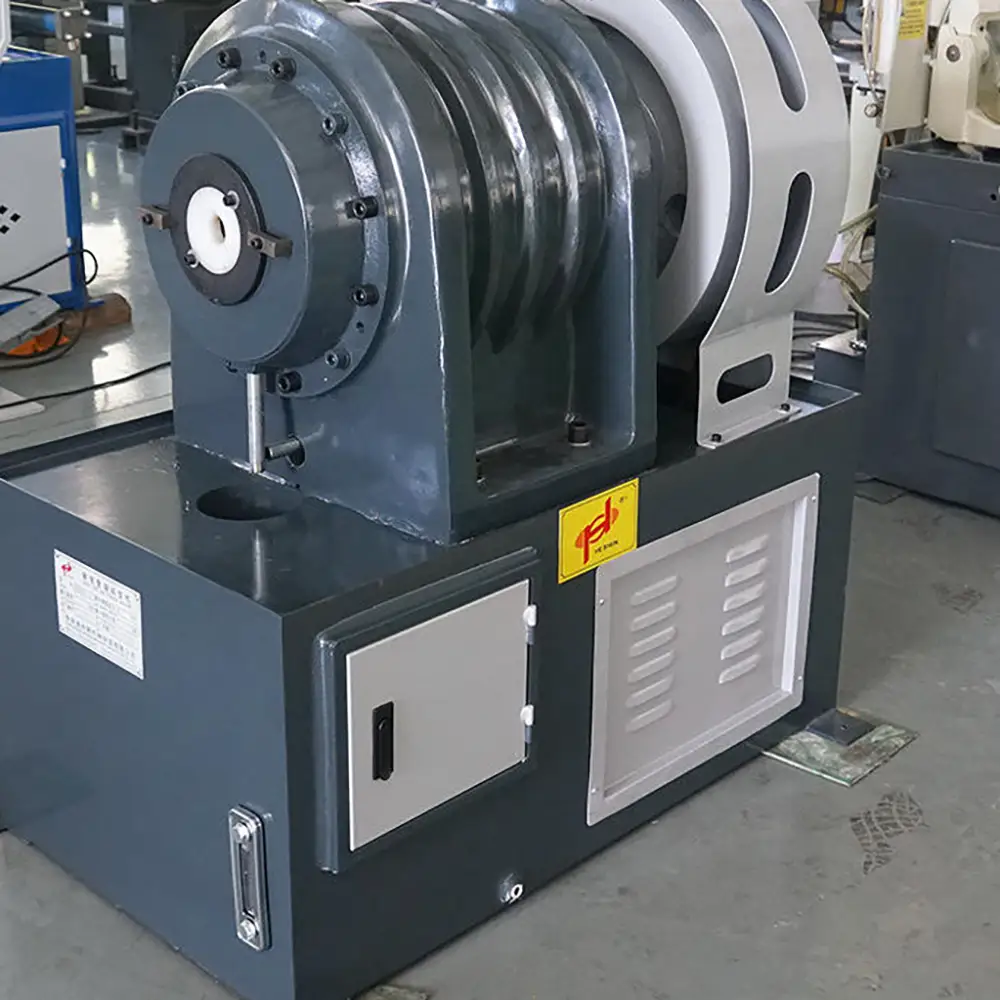
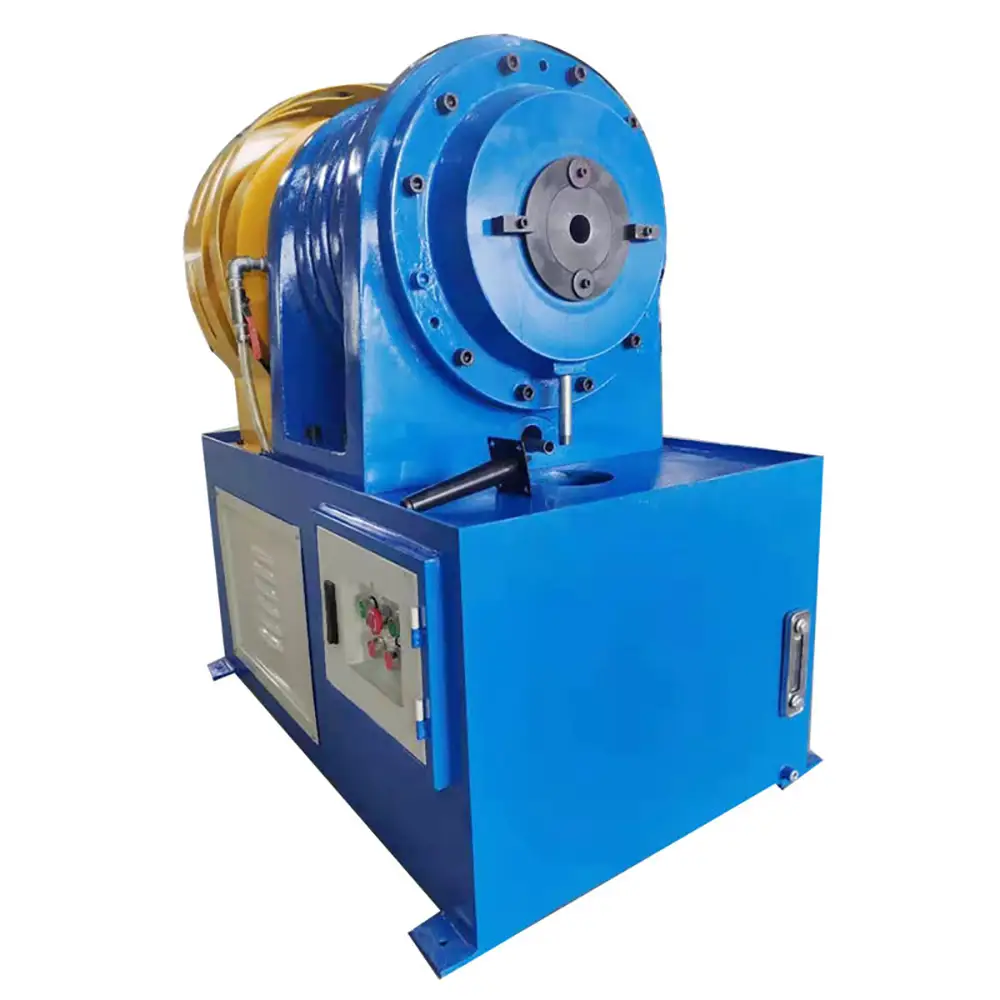
It is mainly composed of steel body, pneumatic tube clamping mechanism, linear guide mechanism rotary whole mouth + rotary flaring, positioning mechanism, pneumatic shifting mechanism, pneumatic flaring mechanism, mould, pneumatic components, electric cabinet and operation panel, etc.
Firstly, carry out manual debugging and confirm the workpiece is qualified. Manually put on the tube, put the tube into the clamping die and push it to the positioning block, the foot switch will automatically complete the automatic action and take the tube manually.
|
model |
HQT-20b |
|
Working air pressure |
0.4-0.8mPa |
|
Using power |
380V/50Hz |
|
Processing Tubes |
copper tube |
|
Processing pipe diameter |
belowΦ19.05 |
|
Flare shape |
Horn shape |
|
Moulds |
Customizable |
|
Dimension |
1000mm*580mm*1250mm |
|
Package Size |
1100mm*650mm*1350mm |
|
Machine weight |
250kg |
Stainless Steel Pipe End Forming Machine for Construction Industries
The Stainless Steel Pipe End Forming Machine is designed for manufacturers and fabricators that require controlled processing of stainless steel pipes,metal tubes,and other cylindrical workpieces. With a semi-automatic operating concept and gear-driven core components,the machine provides a practical solution for repeatable pipe end forming in construction and general metalworking applications.
Pipe end forming is used to modify the geometry of a tube or pipe end so that it can be prepared for assembly,connection,welding,joining,or installation. Depending on the tooling and machine configuration,the process may include expanding,reducing,beading,flaring,swaging,necking,or other specialized end-forming operations.
The actual forming capability depends on pipe diameter,wall thickness,material properties,tooling design,forming force,and machine configuration.
Stainless Steel Pipe End Forming
Stainless steel pipes are widely used in construction,architectural structures,industrial equipment,railings,frames,and other applications where corrosion resistance and surface appearance are important.
However,stainless steel can have different forming characteristics from mild steel. Material strength,grade,wall thickness,and work-hardening behavior should be considered when selecting tooling and forming parameters.
The machine can be configured with suitable forming dies for the required stainless steel pipe dimensions and end geometry.
For new applications,testing representative pipe samples can help verify the forming process and finished-part quality.
Semi-Automatic Pipe Forming Operation
The semi-automatic configuration provides a balance between operator control and machine-assisted forming.
A typical operating cycle may include:
Loading the Pipe
Positioning the Workpiece
Clamping the Pipe
Activating the Forming Cycle
Removing the Finished Workpiece
The operator remains involved in loading,unloading,setup,and product changes,while the machine performs the programmed or controlled forming movement.
This type of workflow can be useful for manufacturers that require repeatable processing but also need flexibility for different pipe sizes and production batches.
Gear Core Components
Gear-driven components are important mechanical elements in equipment that requires controlled transmission of movement and forming force.
A properly designed gear transmission can provide coordinated mechanical movement between machine components. The actual transmission structure depends on the machine design,gear arrangement,drive system,and forming mechanism.
Gear components should be manufactured and maintained according to the machine's technical requirements. Proper lubrication,alignment,and inspection can help support stable machine operation.
The presence of gear components should not be interpreted as a specific forming capacity. Actual performance depends on the complete mechanical and forming system.
Pipe End Forming Processes
Depending on the tooling configuration,the machine may be used for different pipe end-forming operations.
Possible processes include:
Pipe End Expanding
Pipe End Reducing
Tube End Shrinking
Tube Flaring
Pipe Beading
Tube Swaging
End Necking
Custom End Forming
Different forming dies are required for different end profiles.
For construction applications,the required end geometry may depend on how the pipe will be connected to another component.
Construction Industry Applications
Construction is one of the potential application areas for stainless steel and metal pipe end-forming equipment.
Possible products include:
Stainless Steel Railings
Metal Handrails
Architectural Tubes
Construction Frames
Guardrail Components
Structural Tube Components
Decorative Metal Structures
Stainless Steel Furniture Frames
Building Equipment Components
Custom Construction Parts
The machine can help prepare pipe ends for welding,mechanical connection,or assembly.
Actual suitability depends on the pipe specifications and required forming geometry.
Metal Tube Processing
In addition to stainless steel,the machine may be configured for other compatible metal tubes.
Potential materials include:
Stainless Steel
Carbon Steel
Mild Steel
Aluminum
Alloy Steel
Other Compatible Metal Tubes
Different materials require different forming parameters. Aluminum may require different tooling and forming control from stainless steel,while high-strength steel may require greater forming force.
Customers should provide the material grade and tube dimensions when selecting the appropriate machine.
Precision Pipe End Geometry
The purpose of end forming is often to achieve a controlled and repeatable geometry.
Important dimensional characteristics may include:
End Diameter
Reduced Diameter
Expanded Diameter
Forming Length
Flange Dimensions
Bead Position
Taper Angle
End Roundness
The final accuracy depends on machine rigidity,tooling precision,workpiece positioning,material consistency,and process parameters.
For critical applications,customers should specify the required dimensional tolerances so that the machine and tooling can be evaluated accordingly.
Tooling and Forming Dies
Tooling is a key part of the pipe end-forming process. The die determines the shape into which the pipe end is formed.
Custom dies can be developed according to pipe diameter,wall thickness,end profile,and final dimensions.
For manufacturers processing multiple pipe sizes,interchangeable tooling can be considered where supported by the machine configuration.
Customers can provide 2D drawings,3D CAD files,samples,or finished-part dimensions to support tooling development.
Production Efficiency
A semi-automatic pipe end-forming machine can help standardize repetitive forming operations while maintaining operator flexibility.
For small and medium production batches,the operator can change workpieces and tooling according to different product requirements.
For larger production volumes,the machine can potentially be integrated with material feeding,workpiece handling,and other processing equipment depending on the overall production line.
Actual productivity depends on loading time,forming cycle,tool changes,pipe dimensions,material,and operator workflow.
Quality Control
Quality inspection is important when formed pipe ends must connect accurately with other components.
Inspection may include:
Outside Diameter
Inside Diameter
End Length
Forming Profile
Roundness
Surface Condition
Wall Deformation
Assembly Fit
First-piece inspection should be performed when introducing new tooling or product specifications.
Periodic checks can help identify tooling wear or process changes during production.
For construction components requiring high dimensional consistency,additional measurement and inspection procedures may be incorporated into the production workflow.
Maintenance and Safety
Regular maintenance should include inspection of gears,drive components,forming dies,fixtures,bearings,fasteners,and electrical systems according to the manufacturer's recommendations.
Gear-driven components should be properly lubricated where required. Abnormal noise,vibration,or unusual movement should be investigated before continued operation.
The forming area should be kept clear during operation. Operators should receive appropriate training for loading,clamping,tool changes,and machine operation.
Emergency stops,guards,and electrical protection depend on the actual machine configuration and should be checked according to applicable requirements.
Custom & OEM Solutions
Construction and metal fabrication companies may require different pipe diameters,wall thicknesses,and end profiles.
The machine can therefore be customized with suitable forming dies,fixtures,clamping systems,gear transmission configurations,and control functions.
For OEM and ODM projects,customers can provide pipe material,diameter,wall thickness,end profile,production volume,and drawings or samples.
This information helps determine the appropriate machine configuration and tooling requirements.
Why Choose Us
Stainless Steel Pipe Processing — Designed for suitable stainless steel tubes and pipes used in construction and metal fabrication.
Semi-Automatic Operation — Combines operator flexibility with controlled machine-assisted forming.
Gear-Driven Core Components — Mechanical transmission supports coordinated machine movement according to the equipment design.
Multiple End-Forming Options — Suitable tooling can support expanding,reducing,flaring,beading,swaging,and other forming processes.
Construction Industry Applications — Suitable for railings,frames,architectural tubes,guardrails,and other metal components.
Custom Tooling — Forming dies can be developed for different pipe sizes,wall thicknesses,and end profiles.
Repeatable Production — Controlled forming can help maintain consistent dimensions across suitable production batches.
OEM & ODM Support — Machine configurations,tooling,and fixtures can be customized according to customer drawings and manufacturing requirements.
FAQs
1. What is a stainless steel pipe end forming machine?
It is a machine designed to modify the end geometry of stainless steel pipes or other compatible tubes through controlled forming and dedicated tooling.
2. What end-forming operations can it perform?
Depending on the configuration,it may support expanding,reducing,shrinking,flaring,beading,swaging,necking,and other specialized end-forming processes.
3. Why is the machine semi-automatic?
The operator typically handles loading,unloading,setup,and product changes while the machine performs the forming operation.
4. What are the gear components used for?
Gear components can transmit and coordinate mechanical movement within the machine's forming or drive system according to the specific design.
5. Can it process stainless steel?
Yes. The machine can be configured for suitable stainless steel pipes according to their grade,diameter,wall thickness,and forming requirements.
6. Can it process carbon steel pipes?
Depending on the configuration,suitable carbon steel and mild steel pipes can also be processed with appropriate tooling.
7. Is it suitable for construction applications?
Yes. Potential applications include stainless steel railings,architectural tubes,frames,guardrails,and other construction-related metal components.
8. Can different pipe sizes be processed?
Different sizes may be processed with suitable forming dies and fixtures,provided they fall within the machine's operating range.
9. Can custom forming dies be supplied?
Yes. Custom dies can be designed according to pipe diameter,wall thickness,end profile,and required finished dimensions.
10. What affects forming accuracy?
Machine rigidity,tooling precision,pipe positioning,material properties,wall thickness,and forming parameters all affect the final result.
11. Is the machine suitable for high-volume production?
It can be used for repetitive production,but actual output depends on the forming cycle,loading method,tool changes,workpiece dimensions,and overall workflow.
12. What information is needed for a quotation?
Provide pipe material,diameter,wall thickness,end profile,required dimensions,production volume,and drawings or samples if available.
Prev:
Hardware & Building Materials Pipe End Forming Machine - Flaring/Shrinking/Beading/Tapping/Horn Flare Equipment
Next:
Premium Tube Expanding & Shrinking Machine - Precision Tube End Forming Equipment
TAG:
Pipe End Processing Machine,
Automatic Tube End Forming Machine,
Tube End Processing Machine,
Semi Automatic Tube End Forming Machine,
Metal Pipe Forming Machine,
Stainless Steel Tube Forming Machine,
Metal Tube Forming Machine,
Stainless Steel Pipe End Forming Machine,
Tube End Forming Equipment,
Pipe Flaring Machine,
Pipe End Forming Equipment,
Pipe Beading Machine,
Tube Beading Machine,
Pipe End Reducing Machine,
Tube Flaring Machine,
Tube Swaging Machine,
Pipe Swaging Machine,
Pipe Necking Machine,
Tube Necking Machine,
Tube End Reducing Machine,
Pipe End Expanding Machine,
Tube End Shrinking Machine,
Pipe End Shrinking Machine,
Tube End Forming Machine,
Pipe End Forming Machine,
Tube End Expanding Machine,
Hydraulic Tube End Forming Machine,
Hydraulic Pipe End Forming Machine,
Industrial Tube Forming Machine,
Industrial Pipe Forming Machine,
Related Category:
Stainless Steel Pipe End Forming Machine,Pipe End Forming Machine,Stainless Steel Tube End Forming Machine,Semi-Automati China, suppliers, manufacturers, factory, customized, wholesale, quotation, made in China