|
material / metal processed |
Brass / Copper, Stainless Steel, Aluminum, Aluminum Alloy, Carbon Steel |
|
max.shrinking capacity (diameter)(mm) |
40 |
|
max. tube contracting length (mm) |
1500 |
|
place of origin |
SHANDONG,CHINA |
|
automation |
Semi-Automatic |
|
power (kw) |
4 |
|
warranty |
1 Year |
|
weight (kg) |
750 |
|
max.shrinking capacity (thickness)(mm) |
3 |
|
brand name |
|
|
extra services |
End Forming |
|
key selling points |
Multifunctional |
|
Maximum applicable pipe fittings |
40mm*2 |
|
Maximum working stroke |
100mm |
|
Oil pressure |
Oil pressure |
|
Dimensions |
2250mm*800mm*1400mm |
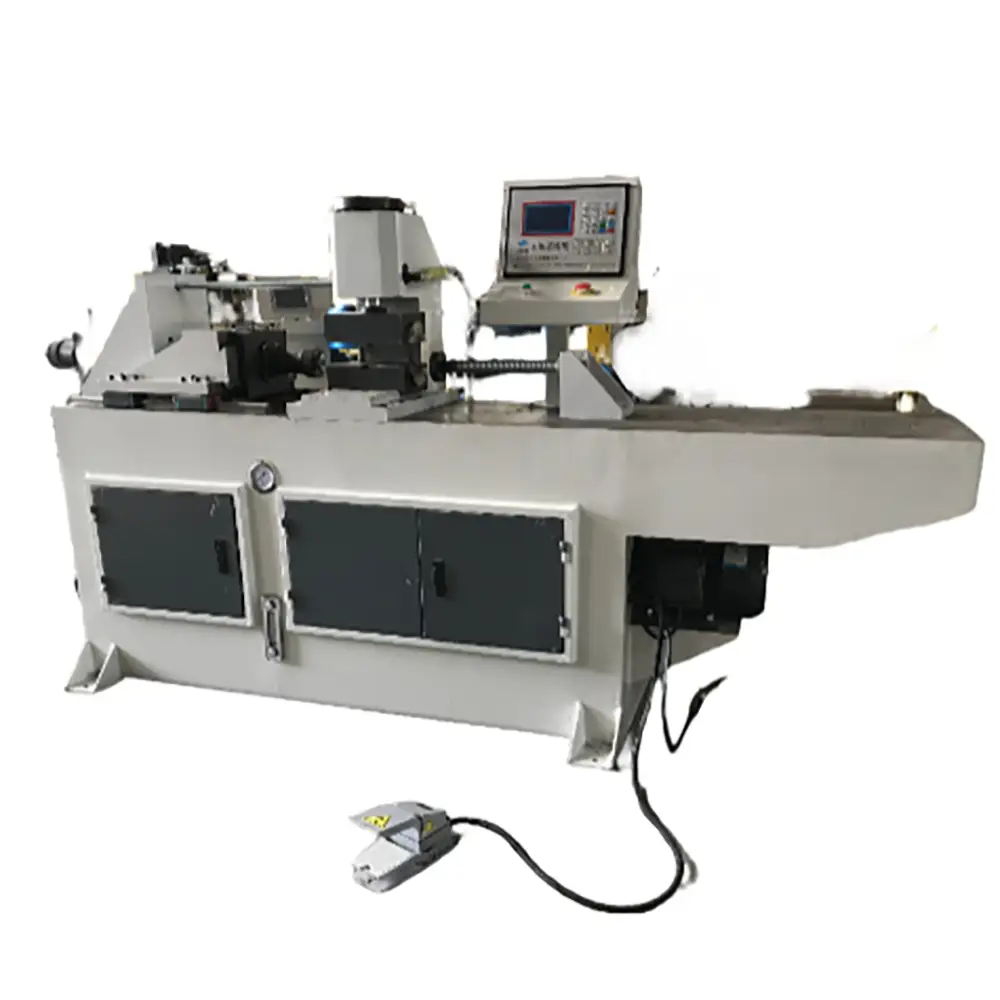
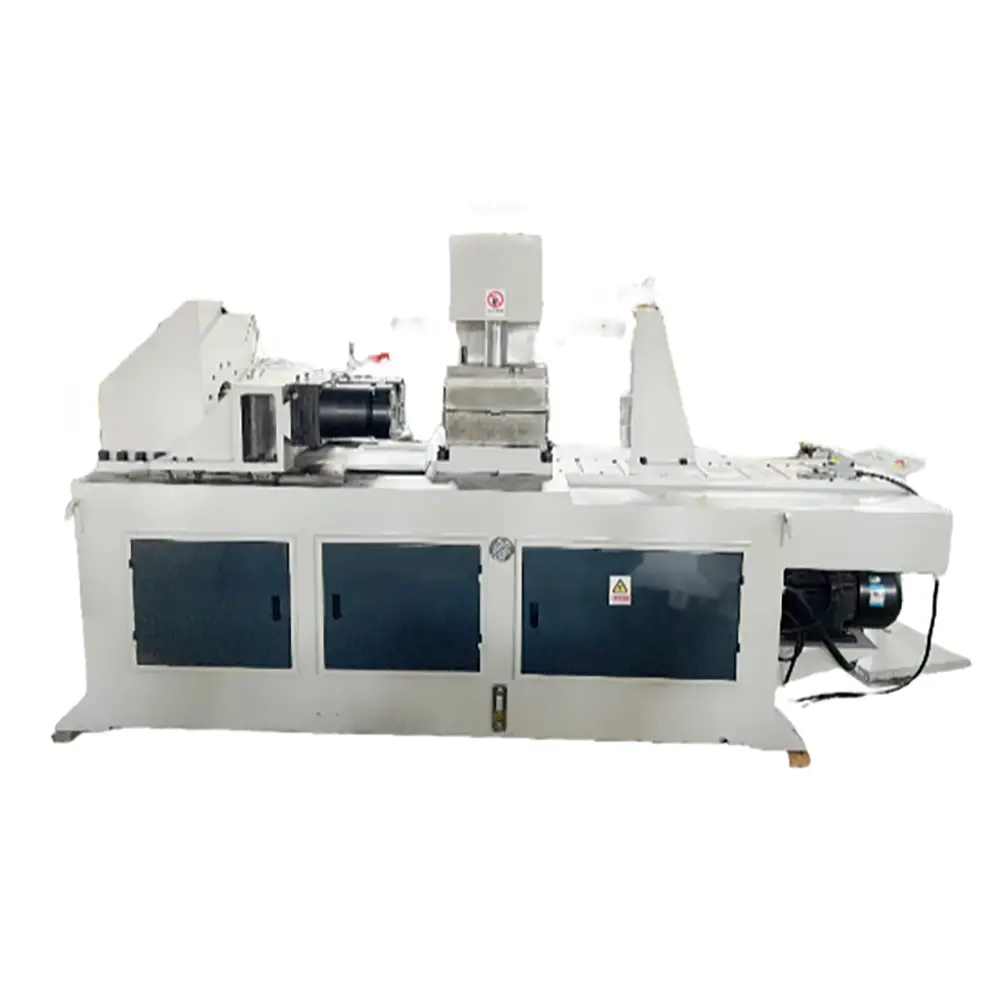
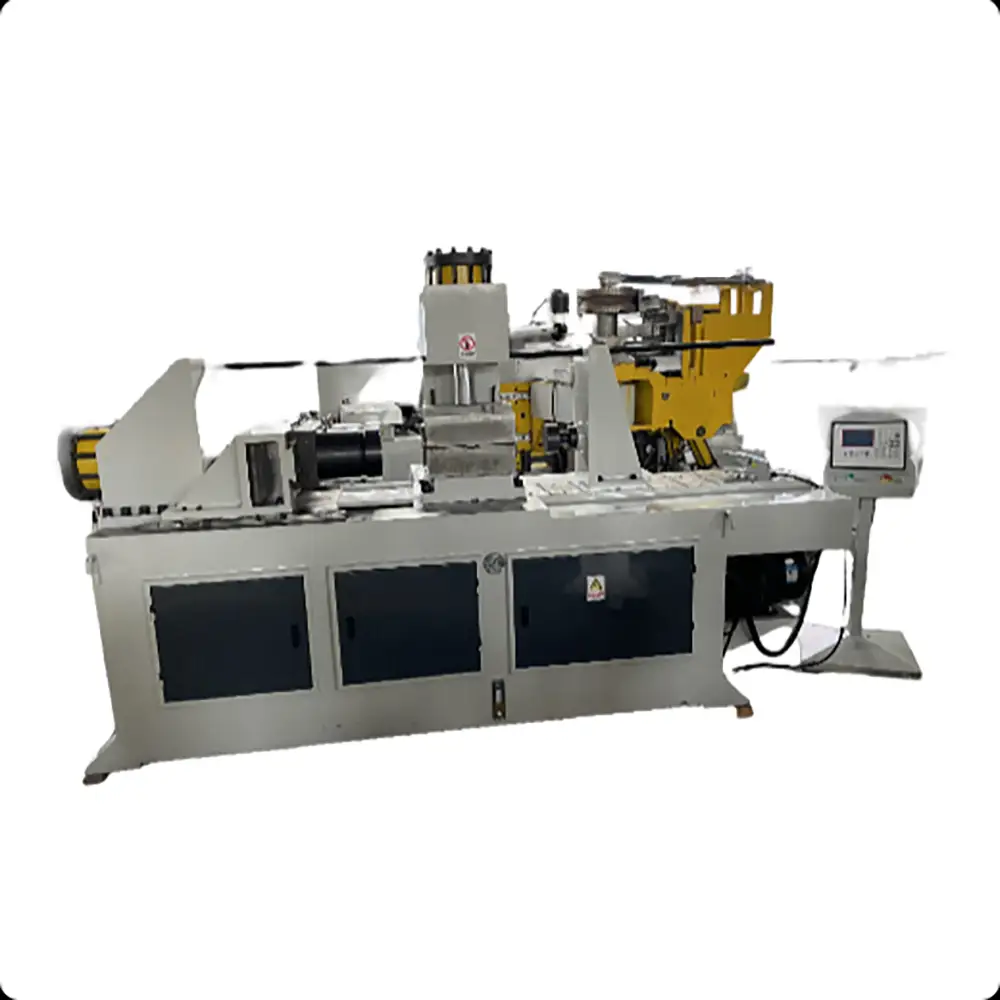
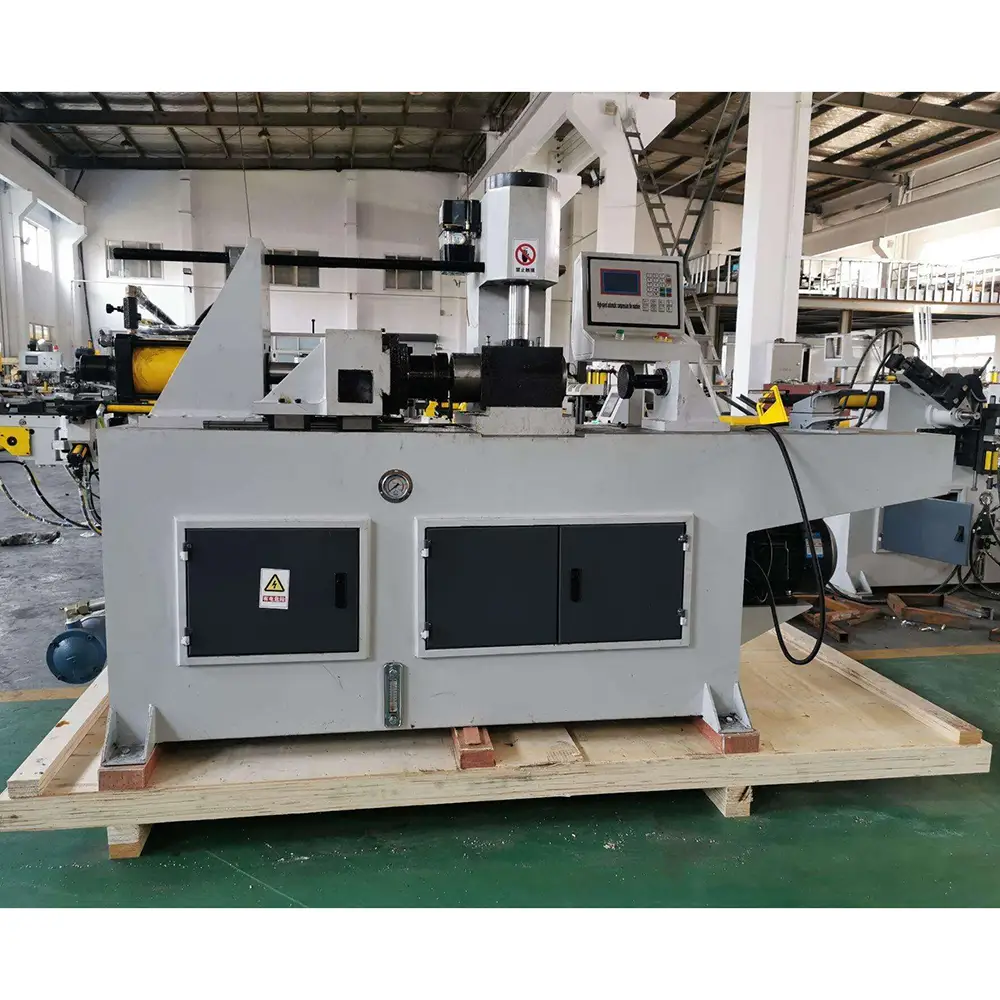
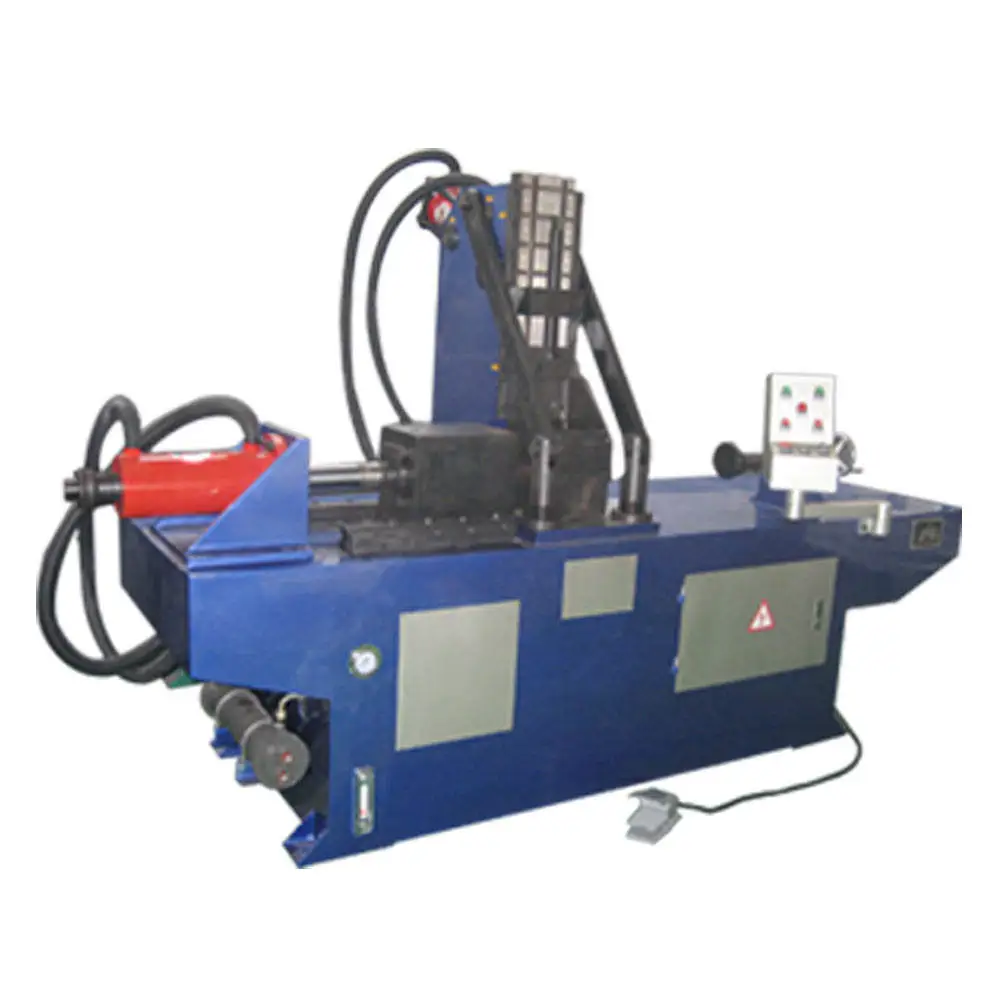
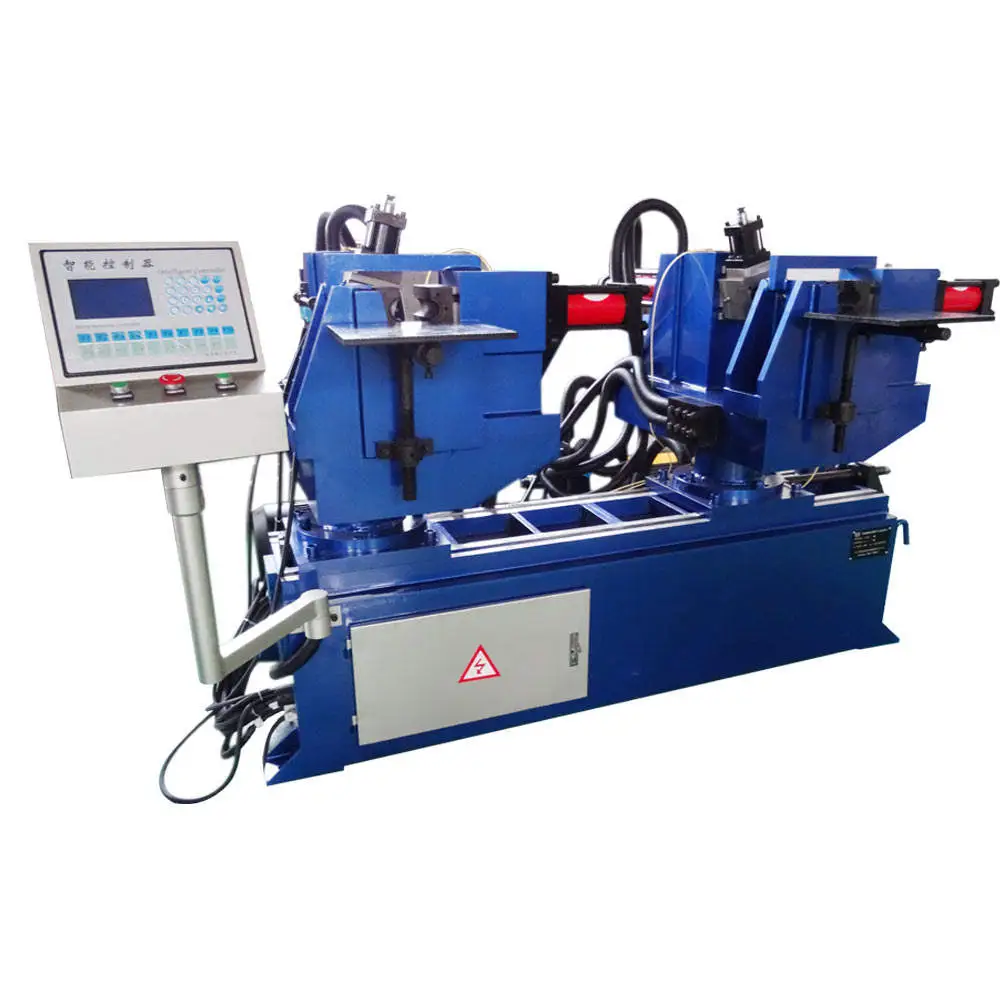
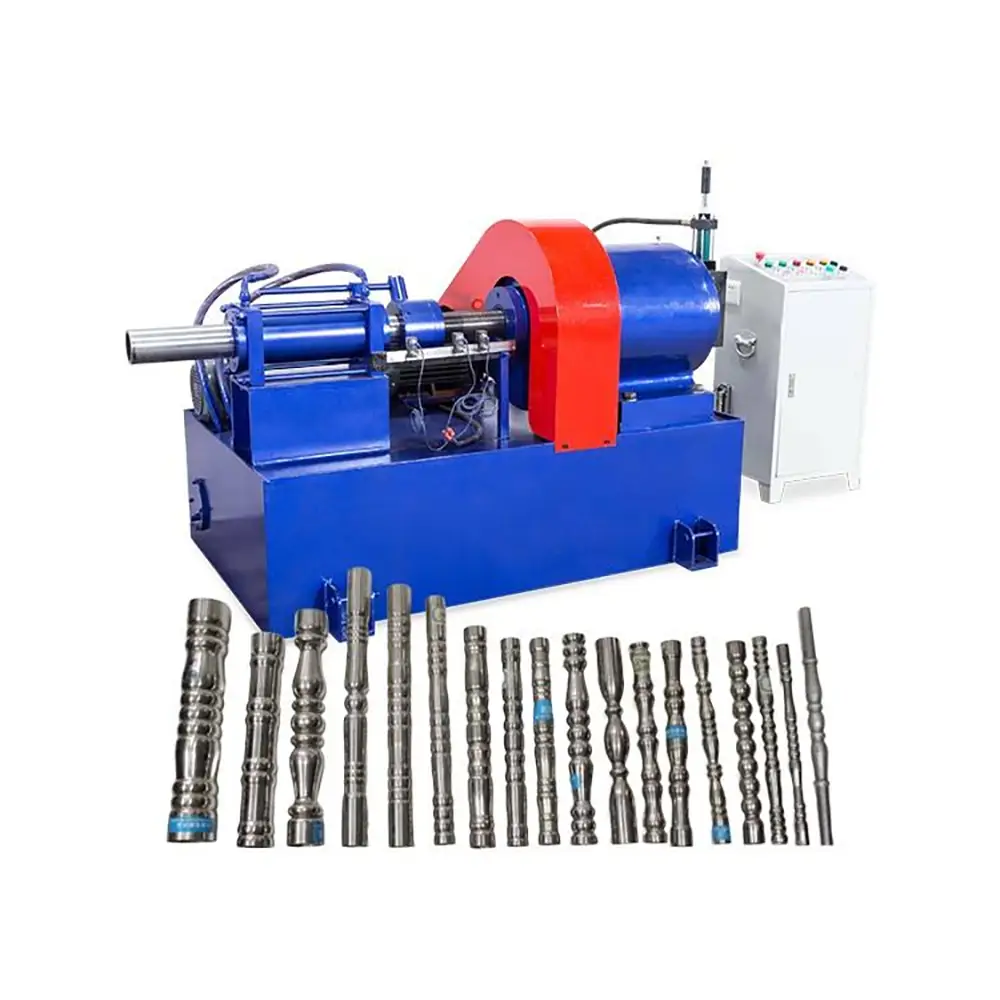
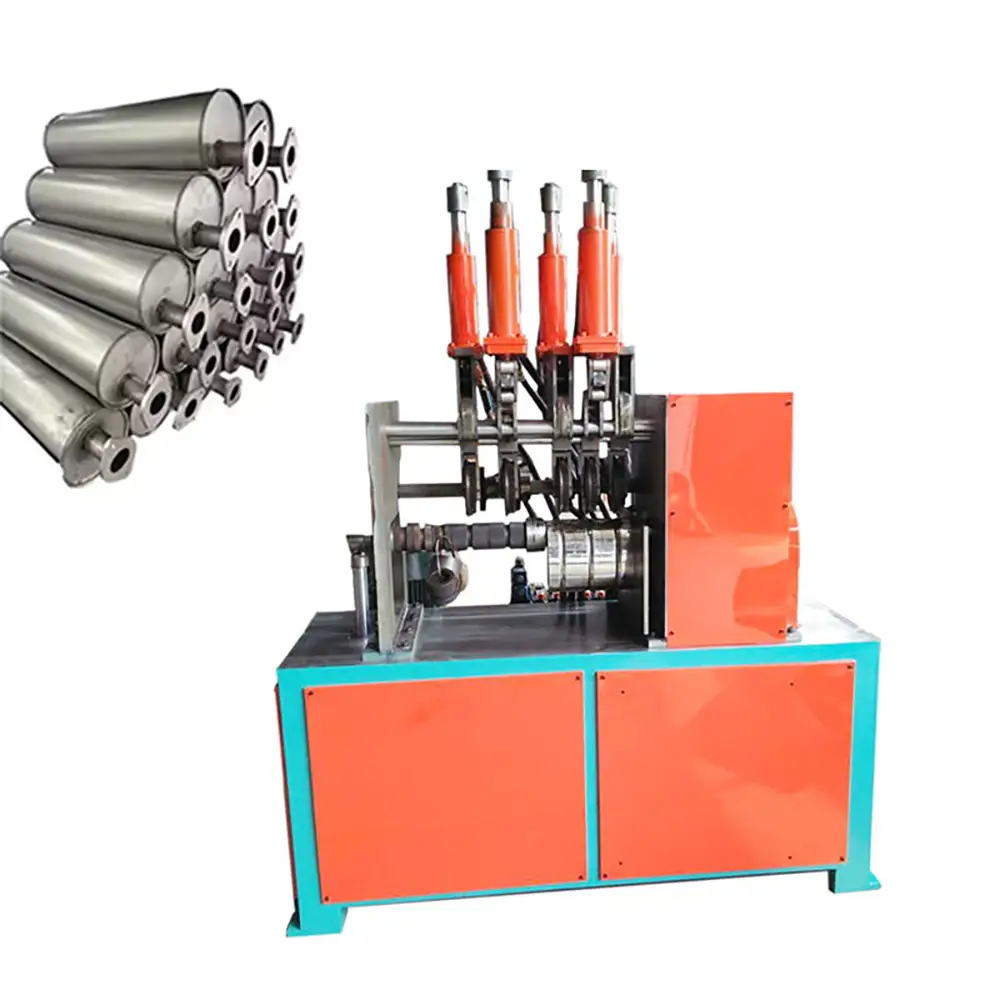
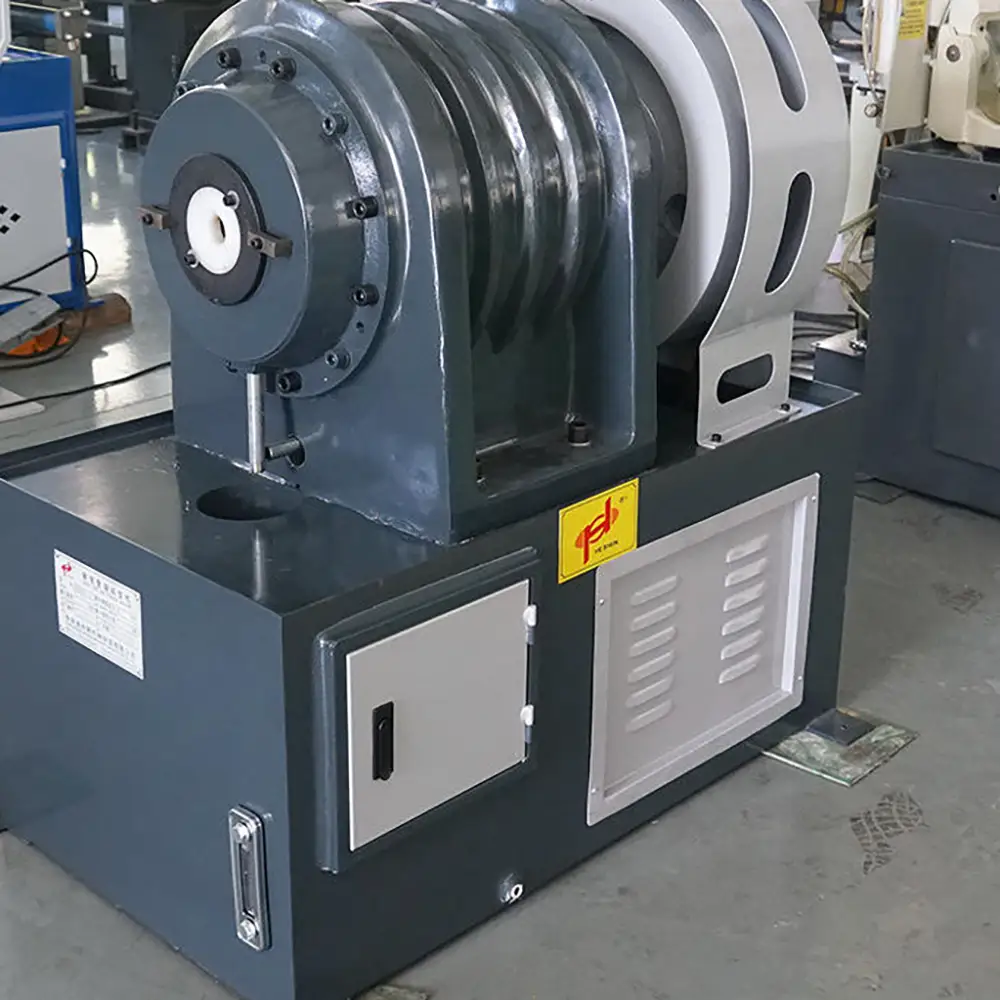
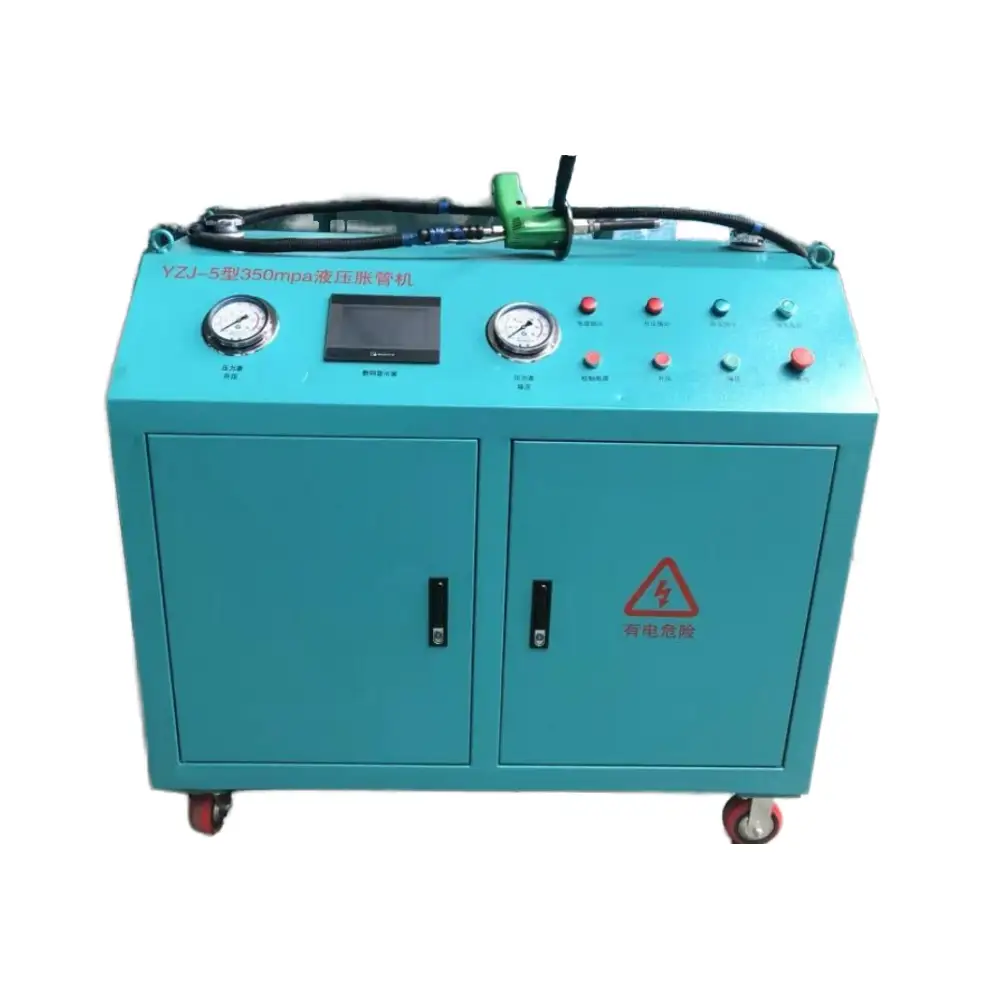
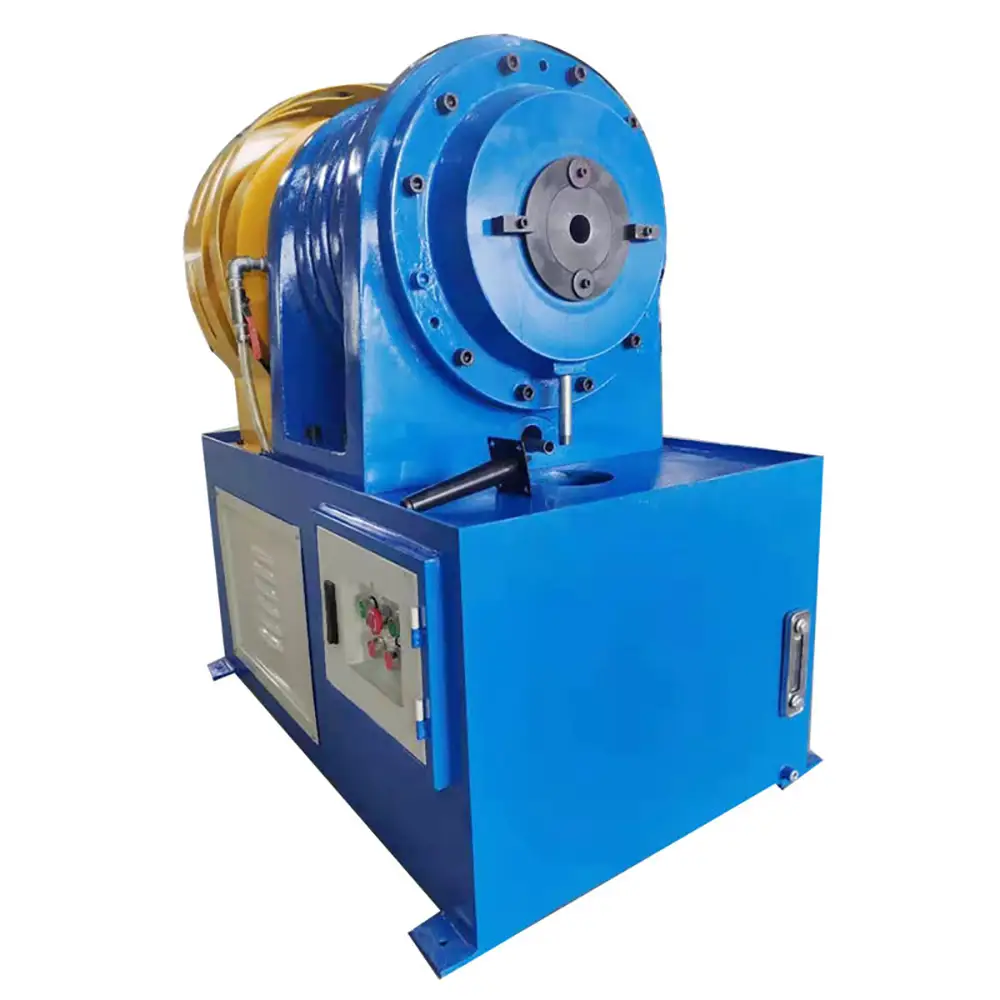
Hardware & Building Materials Pipe End Forming Machine
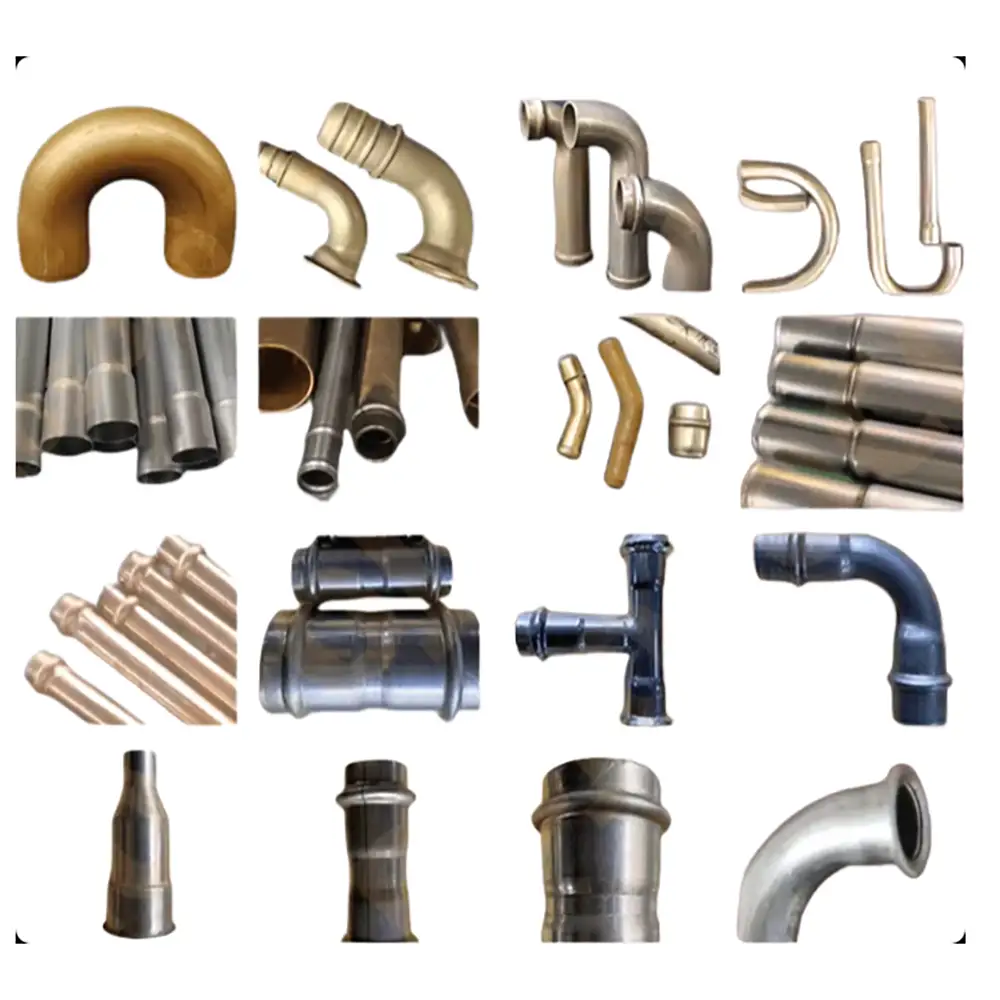
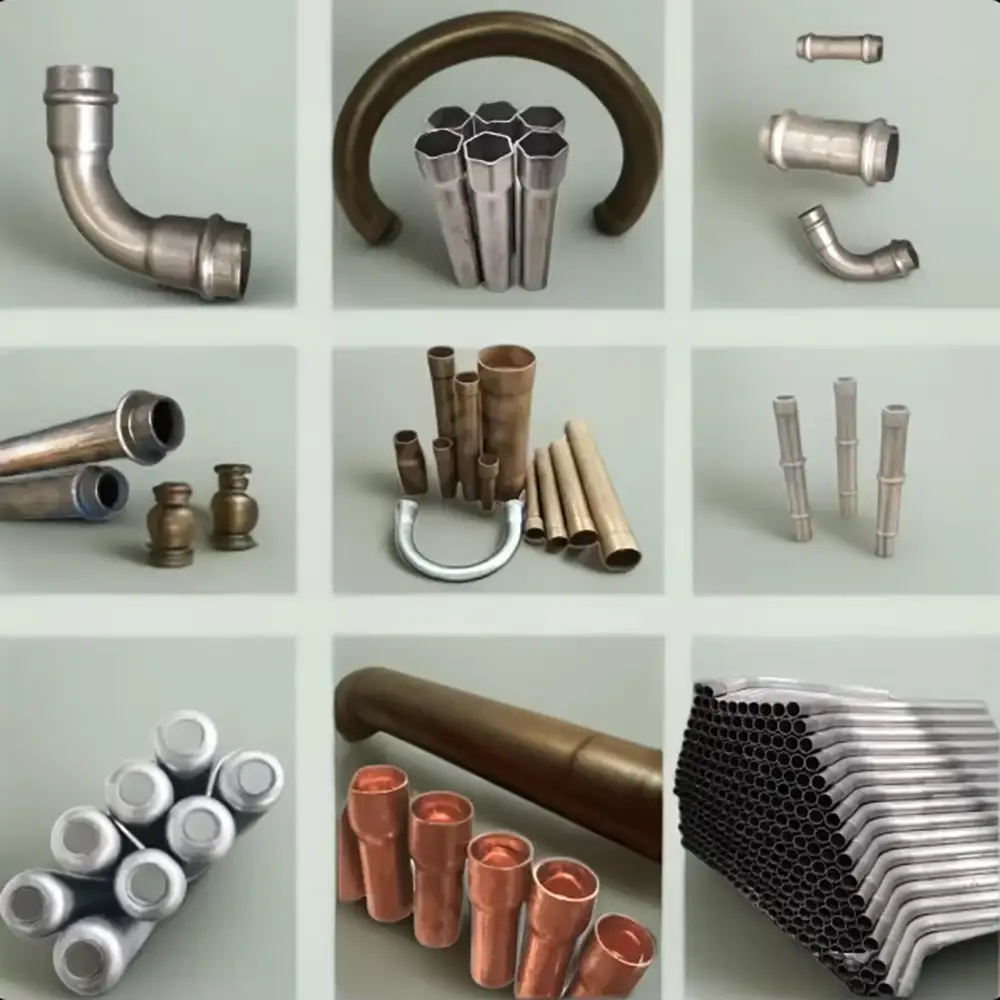
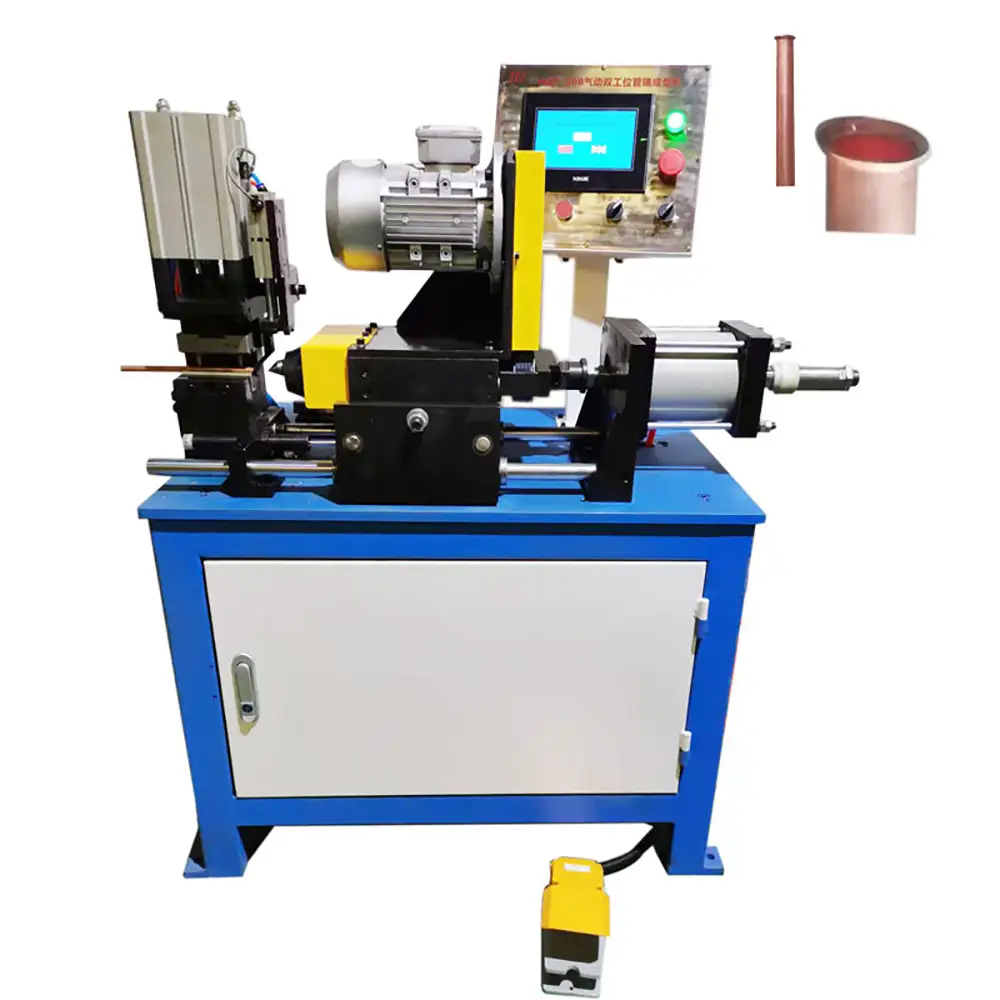
The Hardware & Building Materials Pipe End Forming Machine is a multifunctional metal tube processing solution designed for manufacturers working with hardware products,building materials,metal components,and general pipe fabrication. The machine can be configured for several end-processing operations,including flaring,shrinking,beading,tapping,and horn flare forming,depending on the tooling and machine configuration.
Pipe end forming is widely used when a tube must be modified before assembly,connection,joining,or installation. Different products may require different end profiles,so a multifunction machine can provide greater flexibility than equipment designed for only one forming operation.
The actual processing capacity depends on pipe diameter,wall thickness,material,tooling,forming method,and machine configuration. Customers should provide detailed workpiece information when selecting the appropriate equipment.
Multi-Function Pipe End Forming
The main advantage of this type of equipment is its ability to support several pipe end-processing operations through suitable tooling.
Depending on the configuration,the machine may perform:
Pipe Flaring
Tube Shrinking
Pipe Beading
Tube Tapping
Horn Flare Forming
Pipe End Expanding
Tube End Reducing
Custom End Forming
Each operation requires a suitable forming tool or processing system.
For manufacturers producing different hardware or building material components,the ability to change tooling can help reduce the need for multiple dedicated machines.
Pipe Flaring
Pipe flaring expands and shapes the end of a tube to create a controlled connection profile.
Flared ends are commonly used in tubing systems where the formed end must connect with another component or provide a defined sealing or assembly surface.
The final flare angle,diameter,and length depend on the product design and forming tooling.
Flaring is commonly found in applications involving metal tubing,fluid connections,hardware components,and certain building equipment.
Proper tube positioning and tooling alignment are important for producing a consistent flare.
Pipe Shrinking and Reducing
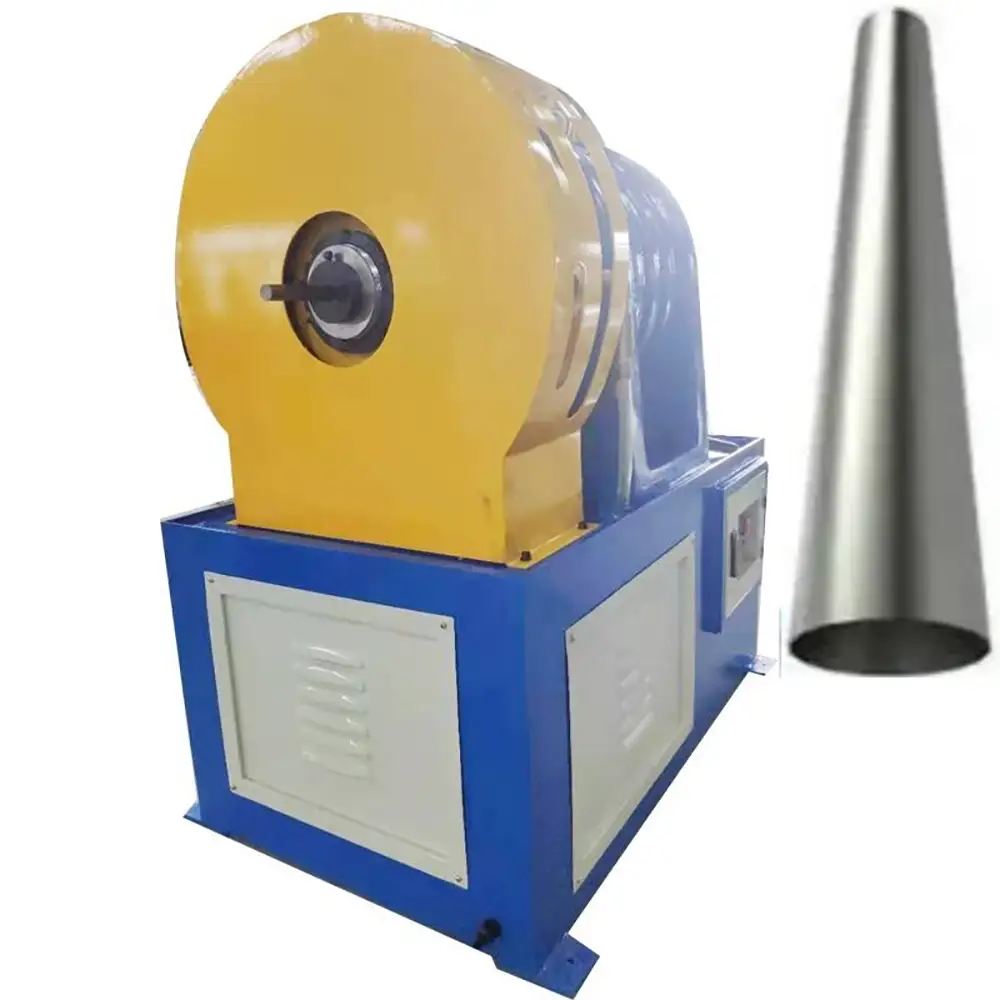
Shrinking reduces the diameter of a selected section of a pipe or tube.
This process can be useful for creating reduced ends,transition sections,and connection profiles.
Typical applications may include:
Hardware Components
Metal Frames
Building Components
Tube Connections
Furniture Components
Pipe Assemblies
Custom Metal Products
The amount of reduction depends on material properties,wall thickness,pipe diameter,and tooling geometry.
Excessive deformation should be avoided because it may result in wrinkling,cracking,or unwanted distortion.
Pipe Beading
Beading creates a raised ring or bead around a tube. A formed bead can provide reinforcement,positioning,or a connection feature depending on the product design.
Beaded tube ends are used in various metalworking and industrial applications.
The bead profile and position are determined by the forming tooling.
For products requiring repeatable bead dimensions,controlled positioning and dedicated tooling can help improve consistency between workpieces.
Pipe Tapping
Tapping creates internal threads in a prepared hole or tube end.
When the machine is configured with an appropriate tapping system,it can combine end forming with thread-processing operations for suitable workpieces.
This can be useful when a tube component needs both a formed end and an internal threaded connection.
The tapping process depends on tube material,thread size,wall thickness,tool selection,and machine configuration.
Customers should provide the required thread specification when requesting a tapping configuration.
Horn Flare Forming
Horn flare forming creates a flared or trumpet-shaped tube end.
This type of geometry can be useful for specialized hardware,metal components,and applications requiring an enlarged or shaped tube opening.
The final horn flare shape depends on the forming die and product design.
For custom applications,the manufacturer can develop forming tooling according to drawings or samples.
Hardware Manufacturing Applications
Hardware manufacturers often process metal tubes into components with specific end shapes.
Potential applications include:
Metal Hardware Components
Tubular Fittings
Furniture Hardware
Door And Window Components
Metal Brackets
Tube Connectors
Fastening Components
Decorative Hardware
Industrial Hardware
Custom Metal Parts
The machine can help standardize tube end processing for repeated production.
Building Materials Applications
The machine can also be used for suitable metal tube components used in building and construction products.
Potential applications include:
Metal Railings
Handrail Components
Guardrail Tubes
Construction Frames
Architectural Tubes
Metal Fencing Components
Building Hardware
Pipe Fittings
Structural Tube Components
Decorative Metal Structures
Actual suitability depends on the pipe dimensions,material,and required end geometry.
Suitable Metal Materials
Depending on the machine configuration,the equipment can process compatible metal tubes such as:
Stainless Steel
Carbon Steel
Mild Steel
Aluminum
Copper
Galvanized Steel
Alloy Steel
Different materials have different forming characteristics.
Stainless steel and high-strength steel may require different forming parameters from mild steel. Aluminum and copper are generally more ductile but may require tooling designed specifically for their material characteristics.
Material grade,wall thickness,and tube diameter should be provided before selecting tooling.
Tooling and Dies
Tooling determines the final shape and dimensions of the formed pipe end.
Custom tooling can be designed according to:
Pipe Diameter
Tube Wall Thickness
Flare Diameter
Flare Angle
Bead Profile
Shrinking Diameter
Thread Size
Forming Length
Horn Flare Geometry
For manufacturers with multiple products,interchangeable tooling can provide flexibility when changing between workpieces.
Customers can provide drawings,samples,or finished-part dimensions for tooling evaluation.
Production Efficiency
A multifunction pipe end-forming machine can help consolidate several processing operations within one production system.
Instead of transferring the tube between multiple machines for every forming operation,a suitable configuration may allow several processes to be completed using the same basic machine platform.
Actual production efficiency depends on loading,tool changes,forming cycle,tapping time,workpiece dimensions,and operator workflow.
For larger production volumes,the machine may be integrated with feeding systems,automatic clamping,and material-handling equipment where supported.
Precision and Quality Control
Quality control is important for pipe end-forming operations because formed components may need to connect with other parts.
Inspection may include:
End Diameter
Flare Diameter
Flare Angle
Bead Position
Bead Diameter
Reduced Diameter
Thread Size
Forming Length
Surface Condition
Assembly Fit
First-piece inspection should be performed when introducing new tooling or changing product specifications.
Periodic inspection can help identify tooling wear and maintain consistent production quality.
Maintenance and Safety
Routine maintenance should include inspection of forming dies,tapping tools,fixtures,drive components,hydraulic or mechanical systems,and electrical components according to the manufacturer's recommendations.
Tooling should be cleaned and inspected for wear. Tapping tools should be replaced when their cutting performance deteriorates.
Operators should be trained in correct workpiece loading,clamping,tool changes,and machine operation.
The working area should remain clear. Guards,emergency stops,and other protective systems depend on the machine configuration and should be checked before operation.
Custom & OEM Pipe End Forming Solutions
Different hardware and building material products require different end geometries and processing sequences.
The machine can therefore be configured with custom flaring dies,shrinking dies,beading tools,tapping systems,horn flare tooling,fixtures,and control functions.
For OEM and ODM projects,customers should provide pipe material,diameter,wall thickness,required end profile,thread specifications,production volume,and drawings or samples.
This information helps determine the appropriate machine configuration and tooling requirements.
Why Choose Us
Multi-Function End Forming — Supports flaring,shrinking,beading,tapping,horn flare,and other suitable tube end operations.
Hardware Industry Applications — Suitable for hardware components,tubular fittings,metal connectors,and customized products.
Building Material Processing — Designed for suitable railings,frames,guardrails,architectural tubes,and construction components.
Flexible Tooling — Custom forming dies and processing tools can be developed for different end geometries.
Multiple Material Options — Suitable configurations can process stainless steel,carbon steel,aluminum,copper,galvanized steel,and other compatible metals.
Production Flexibility — One machine platform can support multiple processing operations according to the configuration.
Repeatable Processing — Controlled forming and positioning can help maintain consistent tube end dimensions.
OEM & ODM Support — Machine configurations,tooling,and fixtures can be customized according to customer drawings,samples,and production requirements.
FAQs
1. What is a multifunction pipe end forming machine?
It is a metal tube processing machine designed to perform different end-forming operations using interchangeable tooling and processing systems.
2. What operations can this machine perform?
Depending on the configuration,it may perform flaring,shrinking,beading,tapping,horn flare forming,expanding,reducing,and other custom end-forming operations.
3. What is pipe flaring used for?
Flaring enlarges and shapes the tube end to create a specified connection or sealing profile.
4. What is pipe shrinking?
Pipe shrinking reduces the diameter of a selected section of a tube to create a smaller end or transition profile.
5. What is pipe beading?
Beading creates a raised ring around the tube and can provide reinforcement,positioning,or a connection feature.
6. Can the machine perform tapping?
Yes,when equipped with a suitable tapping system,it can process internal threads on compatible tube ends.
7. What is horn flare forming?
Horn flare forming creates an enlarged,trumpet-shaped tube end using dedicated forming tooling.
8. What materials can be processed?
Depending on the configuration,the machine can process stainless steel,carbon steel,mild steel,aluminum,copper,galvanized steel,and other compatible metal tubes.
9. Can different pipe sizes be processed?
Yes. Different sizes can be processed using suitable dies and tooling,provided they fall within the machine's operating range.
10. Can custom tooling be supplied?
Yes. Custom flaring,shrinking,beading,tapping,and horn flare tooling can be developed according to product requirements.
11. Is the machine fully automatic?
Not necessarily. The operating method depends on the selected configuration. Manual,semi-automatic,and automated options may be available.
Prev:
Industrial-Grade Multi-Functional Pipe End Forming Machine
Next:
Stainless Steel Pipe End Forming Machine with Gear Core Components Semi-Automatic for Construction Industries
TAG:
Pipe End Processing Machine,
Tube End Processing Machine,
Metal Pipe Forming Machine,
Metal Tube Forming Machine,
Stainless Steel Pipe End Forming Machine,
Tube End Forming Equipment,
Pipe Flaring Machine,
Pipe End Forming Equipment,
Pipe Beading Machine,
Tube Beading Machine,
Pipe End Reducing Machine,
Tube Flaring Machine,
Tube End Reducing Machine,
Pipe Reducing Machine,
Pipe Shrinking Machine,
Tube Shrinking Machine,
Tube Reducing Machine,
Tube End Shrinking Machine,
Pipe End Shrinking Machine,
Tube End Forming Machine,
Pipe End Forming Machine,
Hydraulic Tube End Forming Machine,
Hydraulic Pipe End Forming Machine,
Industrial Tube Forming Machine,
Industrial Pipe Forming Machine,
Metal Pipe End Forming Machine,
Precision Tube End Forming Machine,
Automatic Pipe End Forming Machine,
Semi Automatic Pipe End Forming Machine,
Pipe Processing Equipment,
Related Category:
Hardware Pipe End Forming Machine,Building Materials Pipe End Forming Machine,Pipe End Forming Machine China, suppliers, manufacturers, factory, customized, wholesale, quotation, made in China