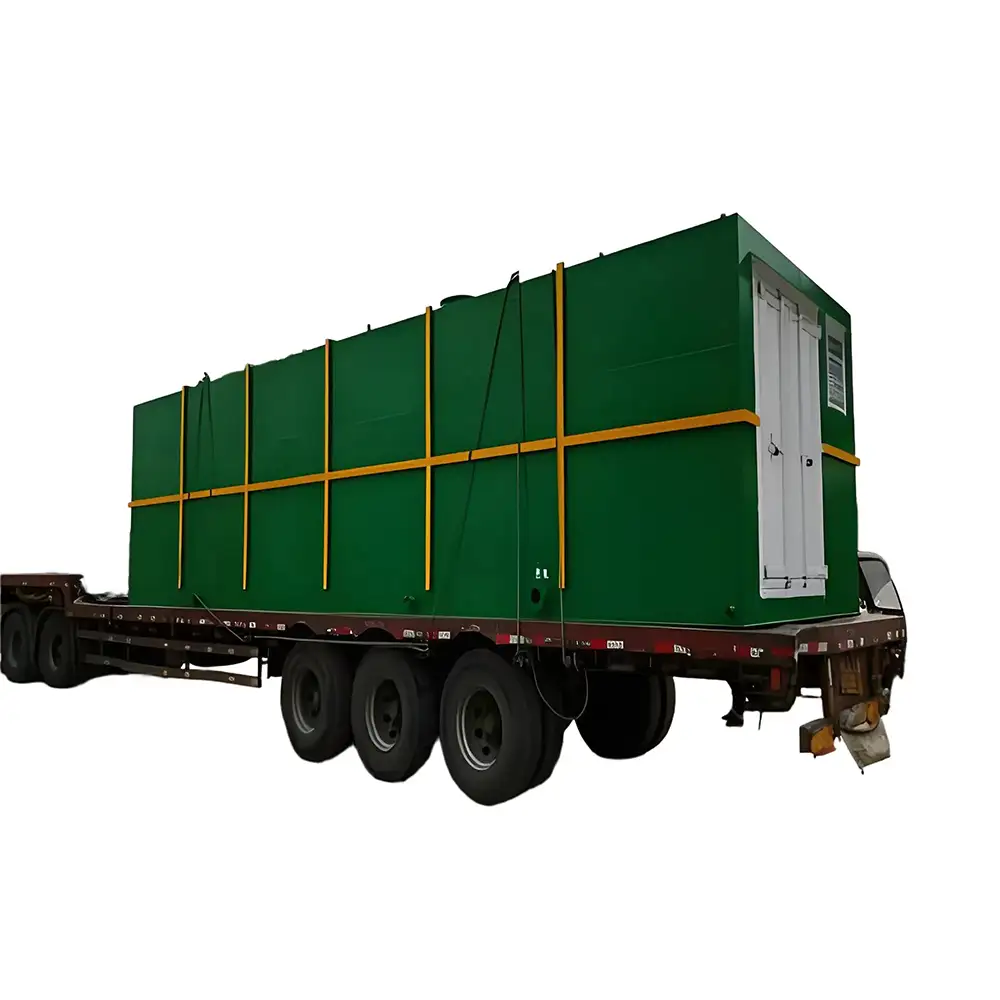
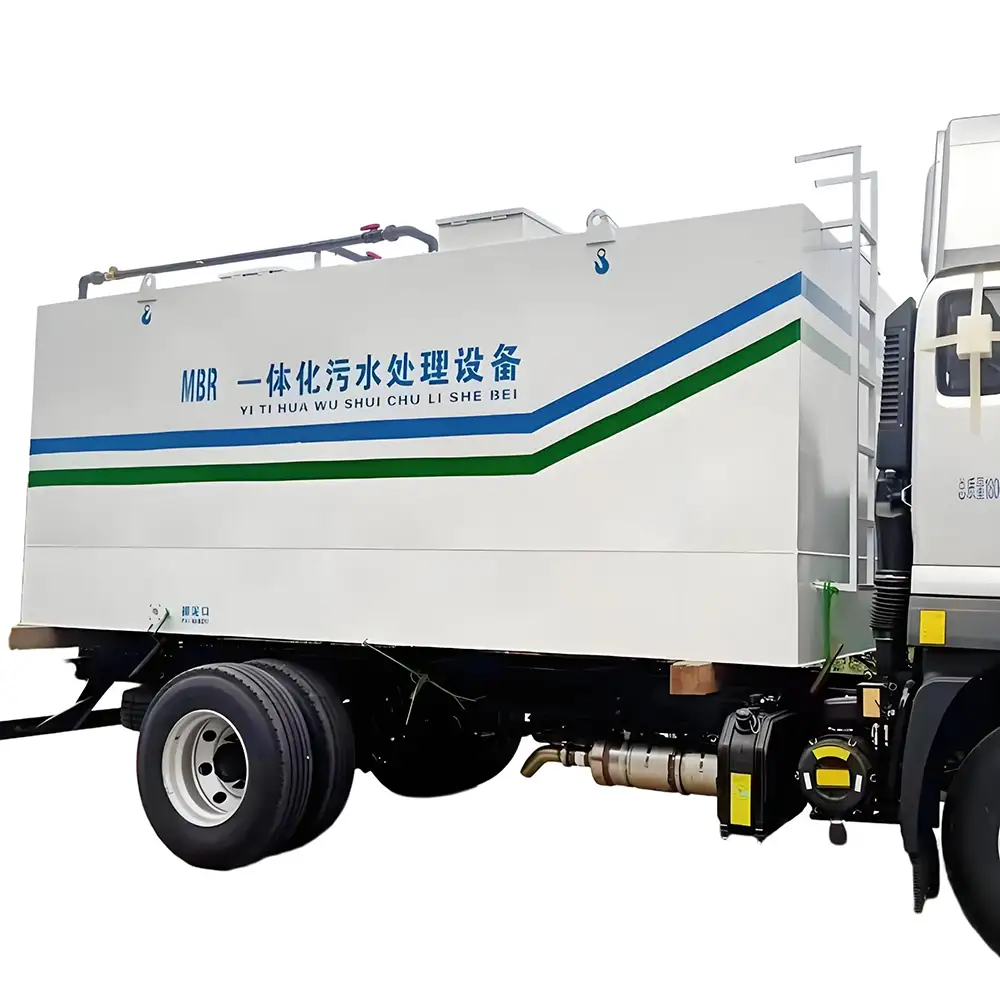
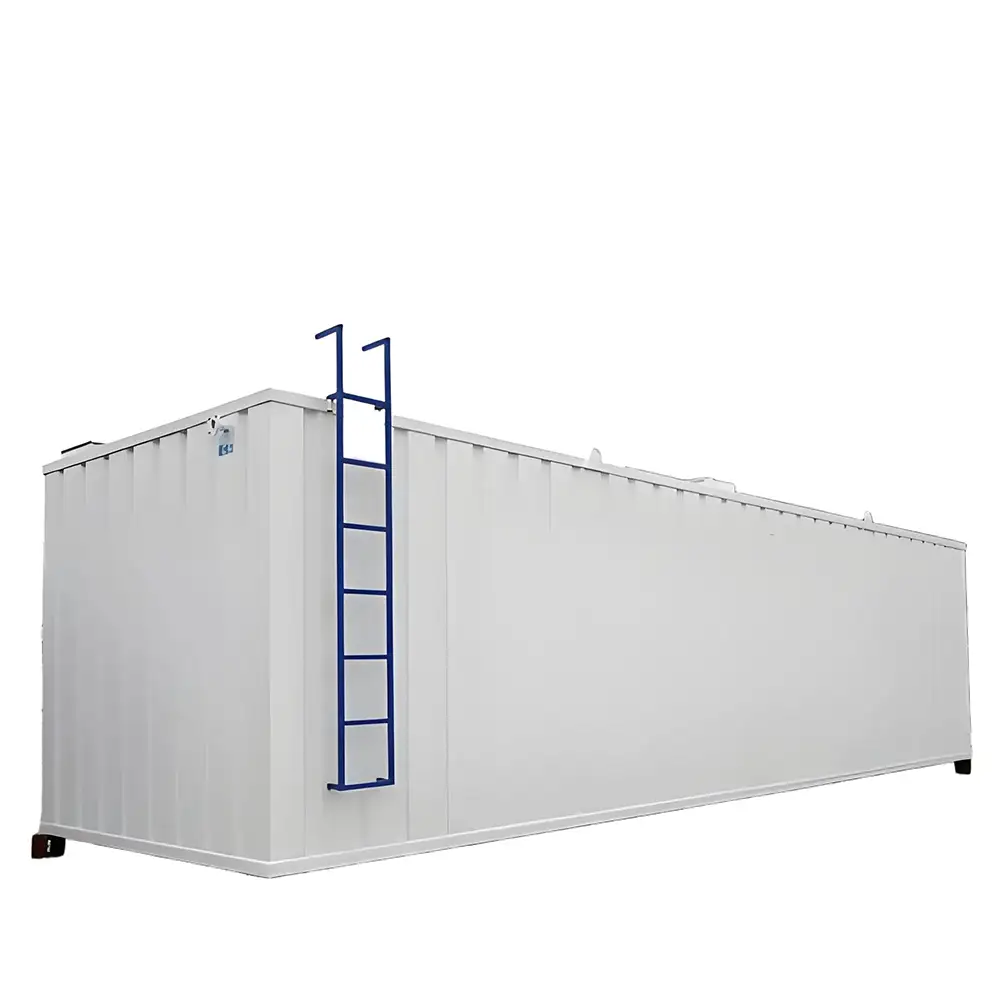
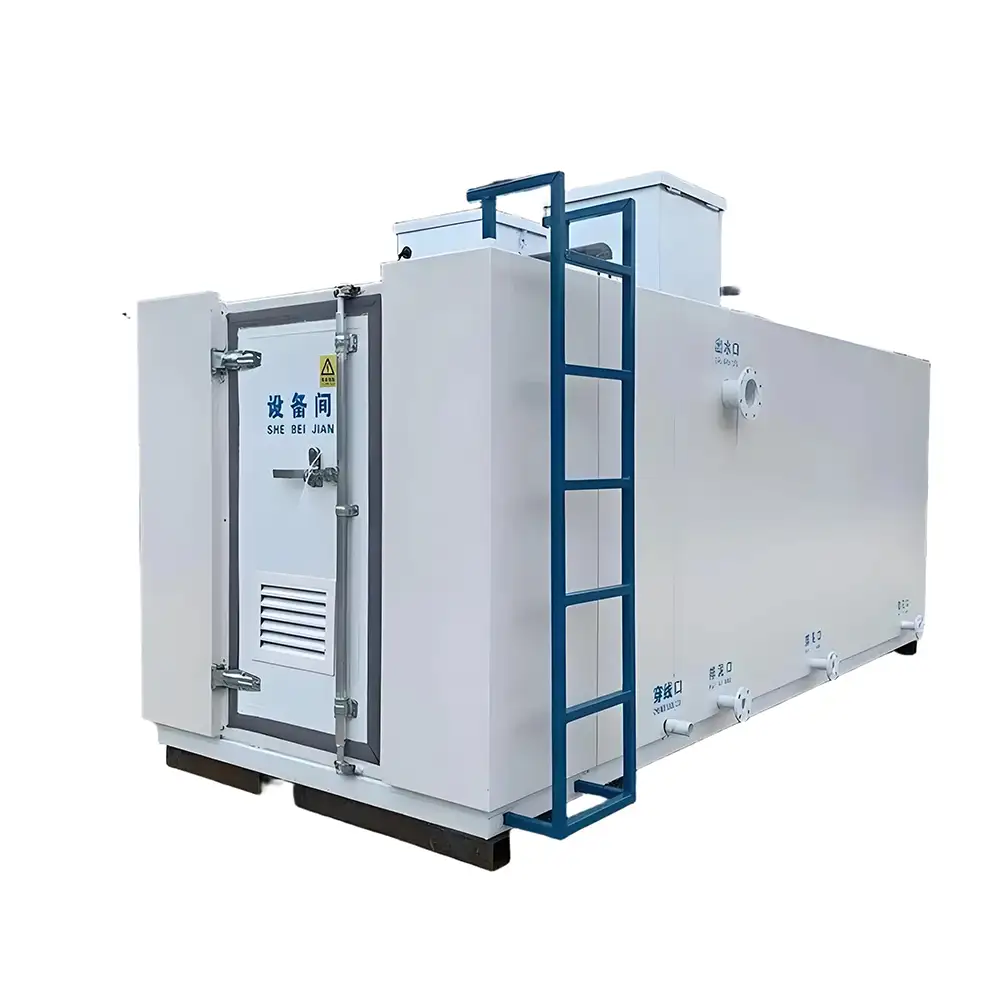
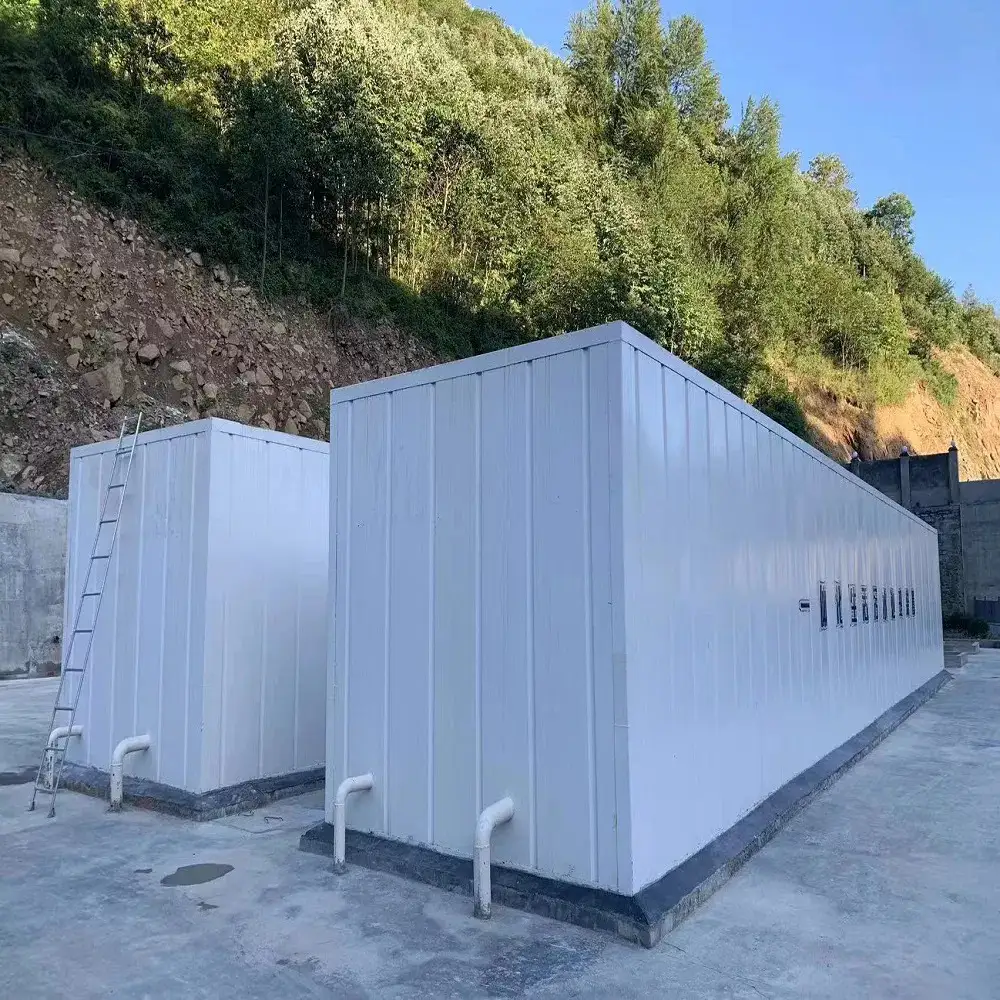
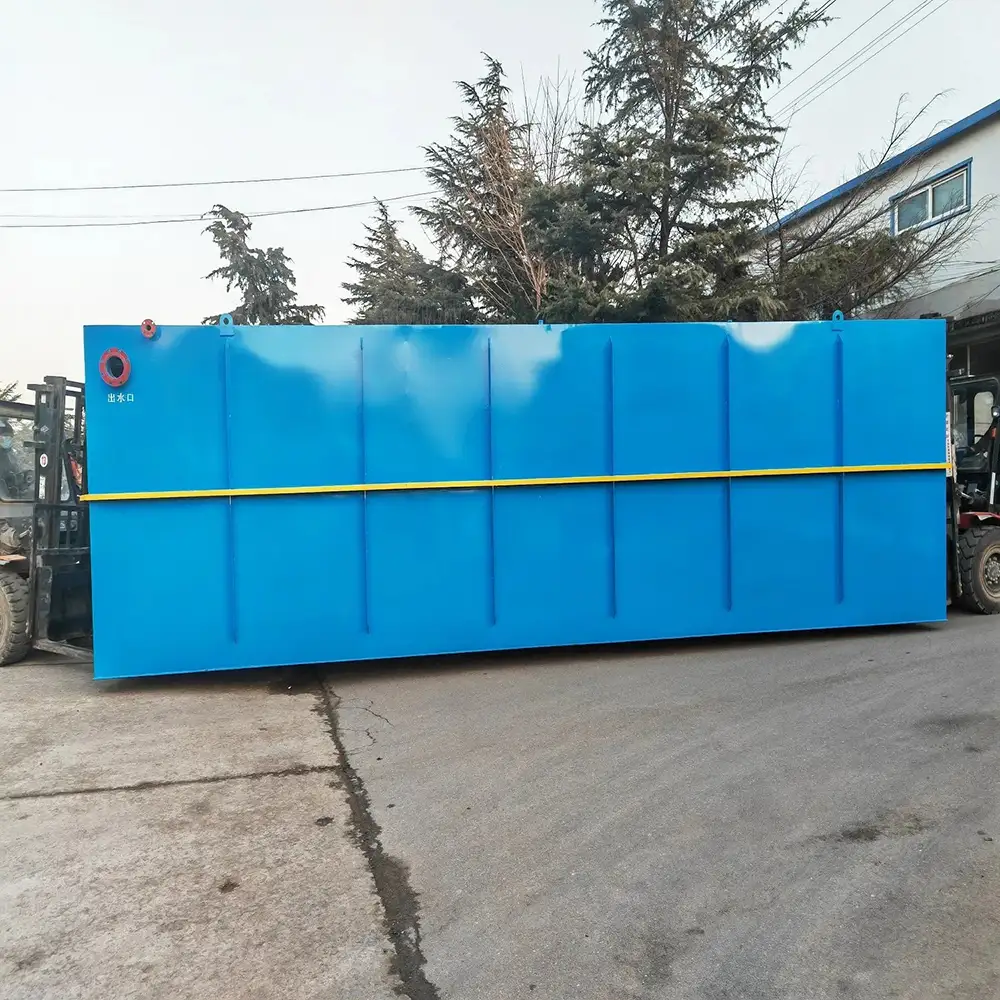
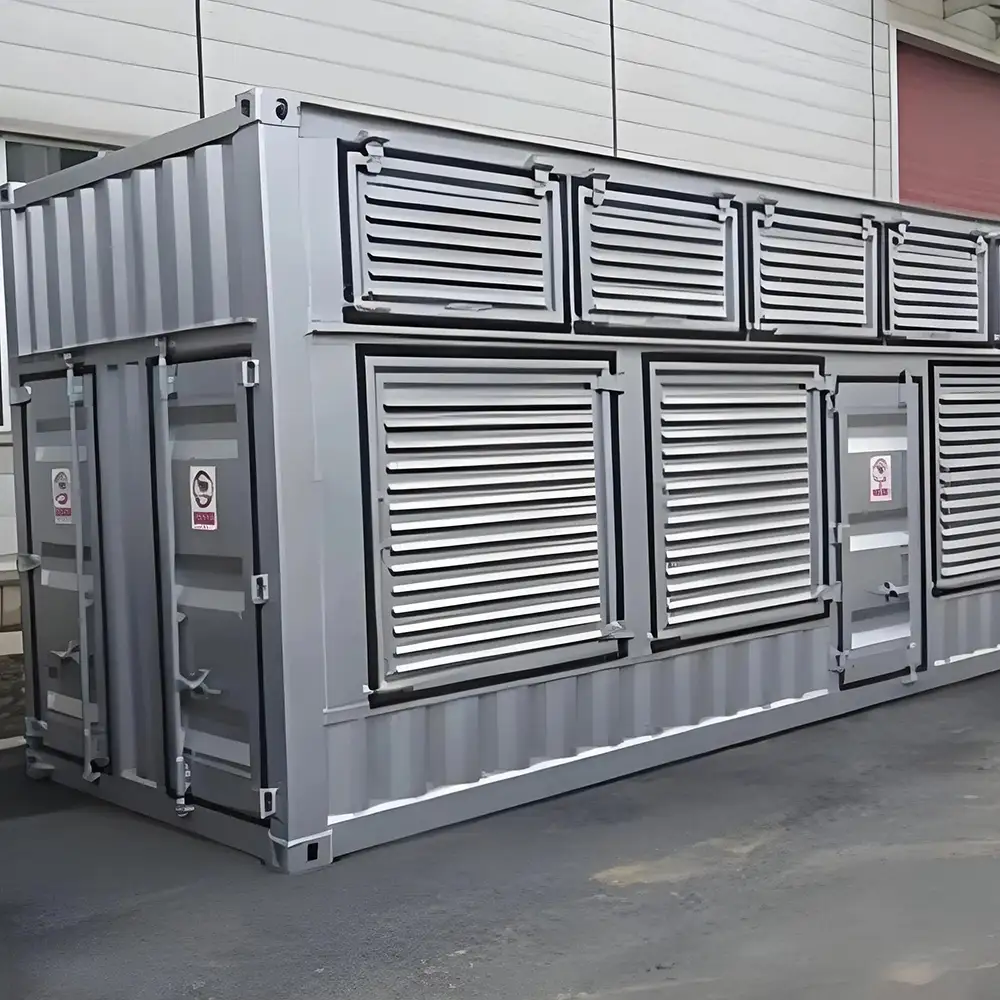
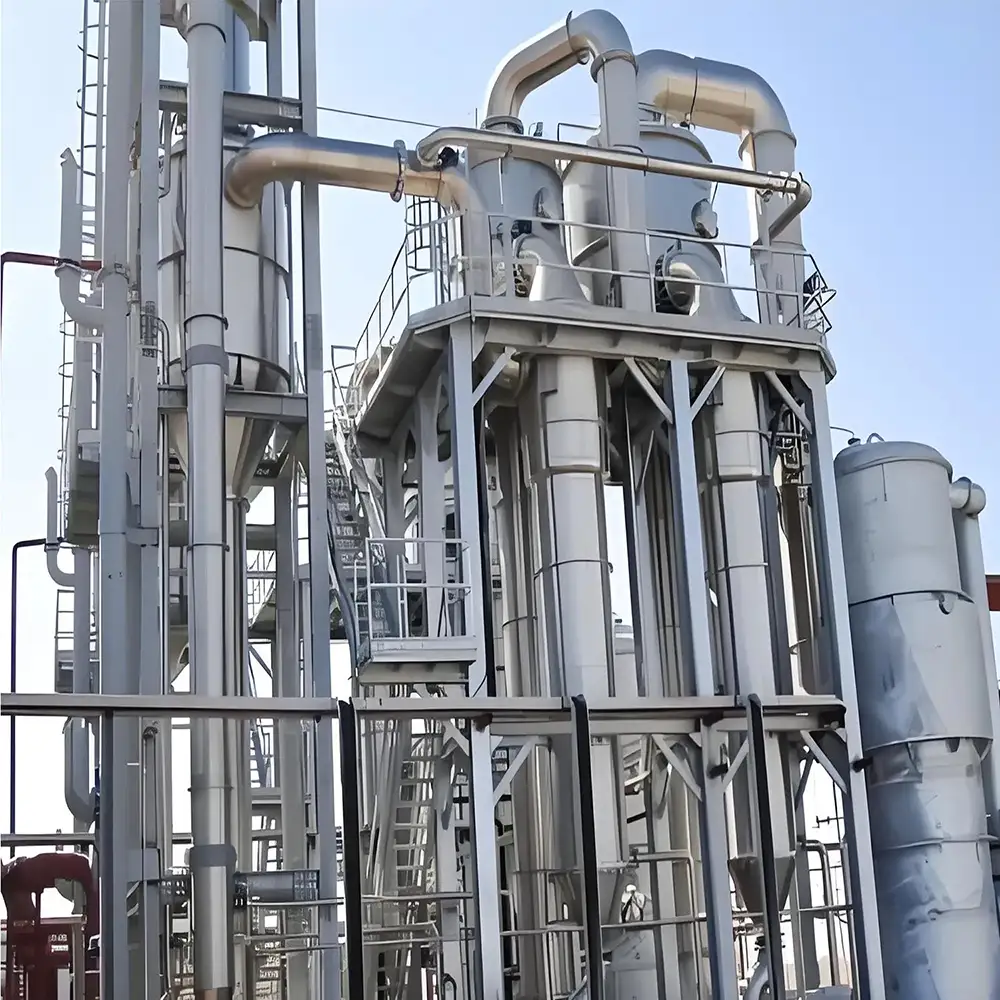
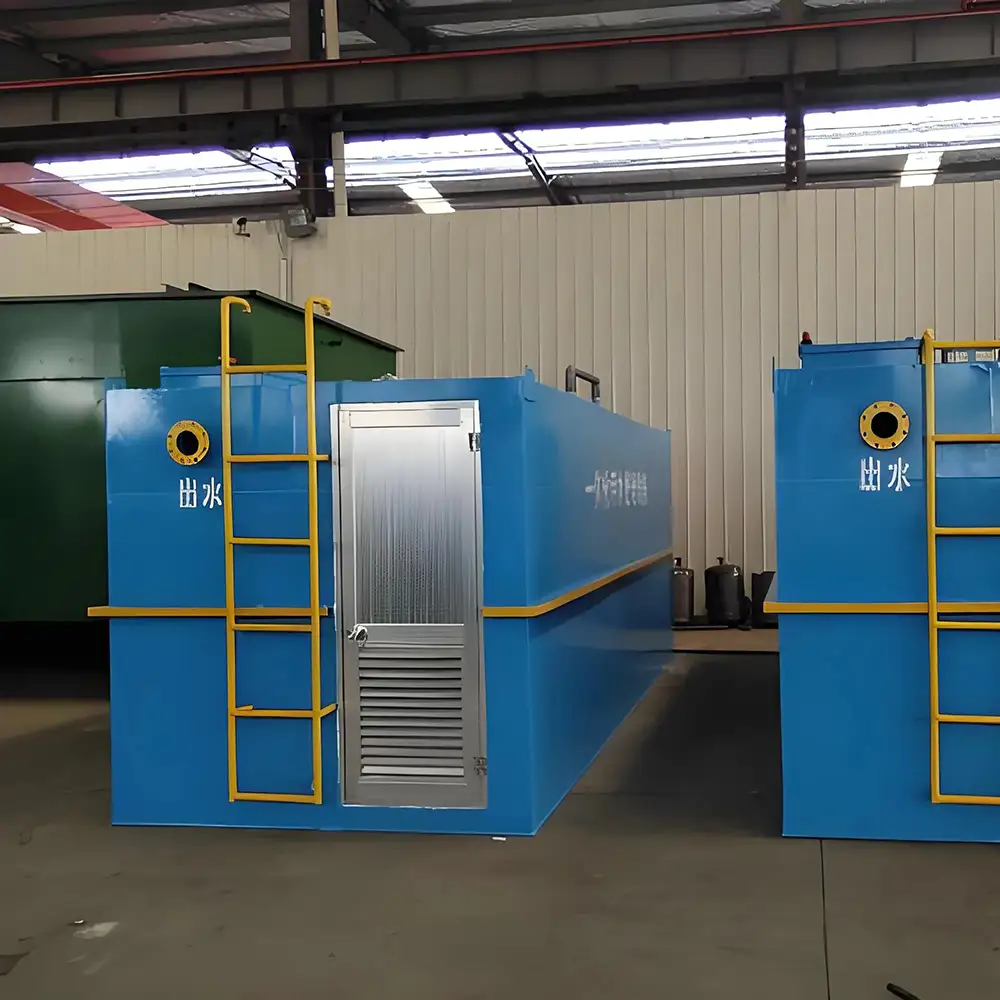
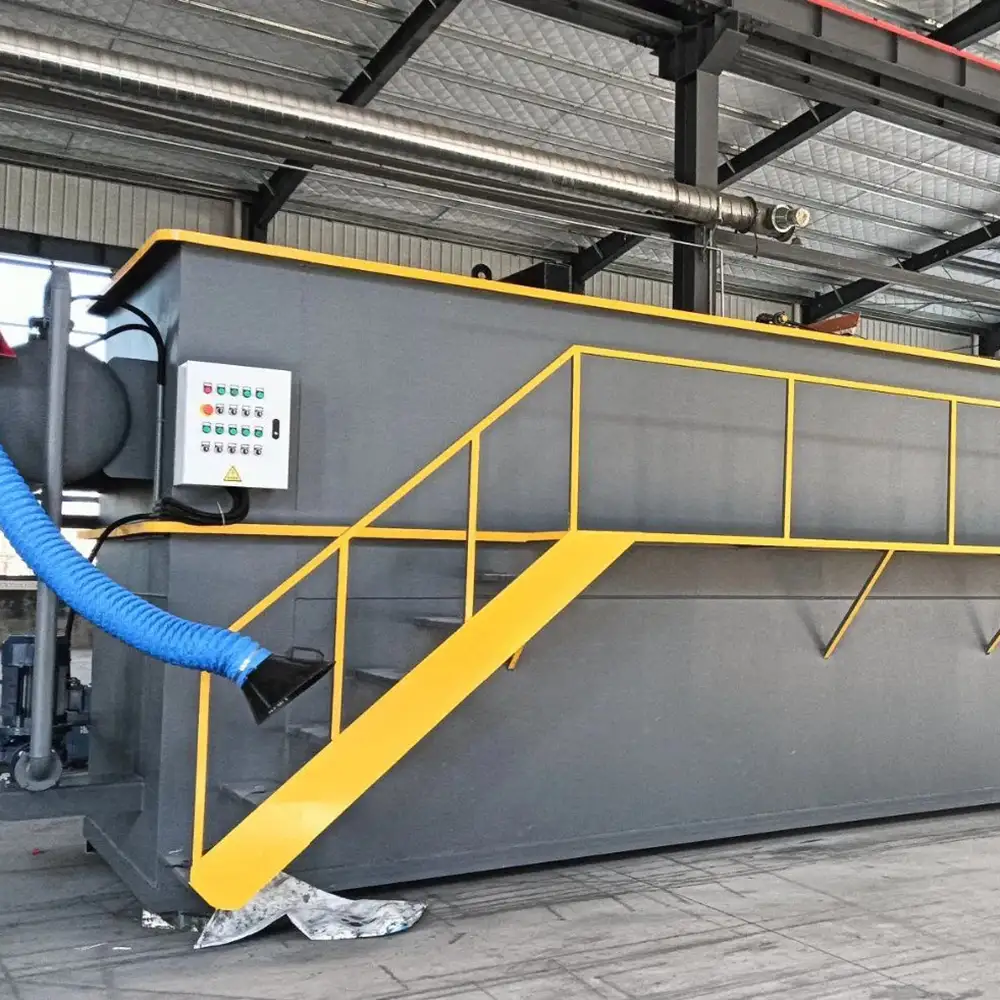
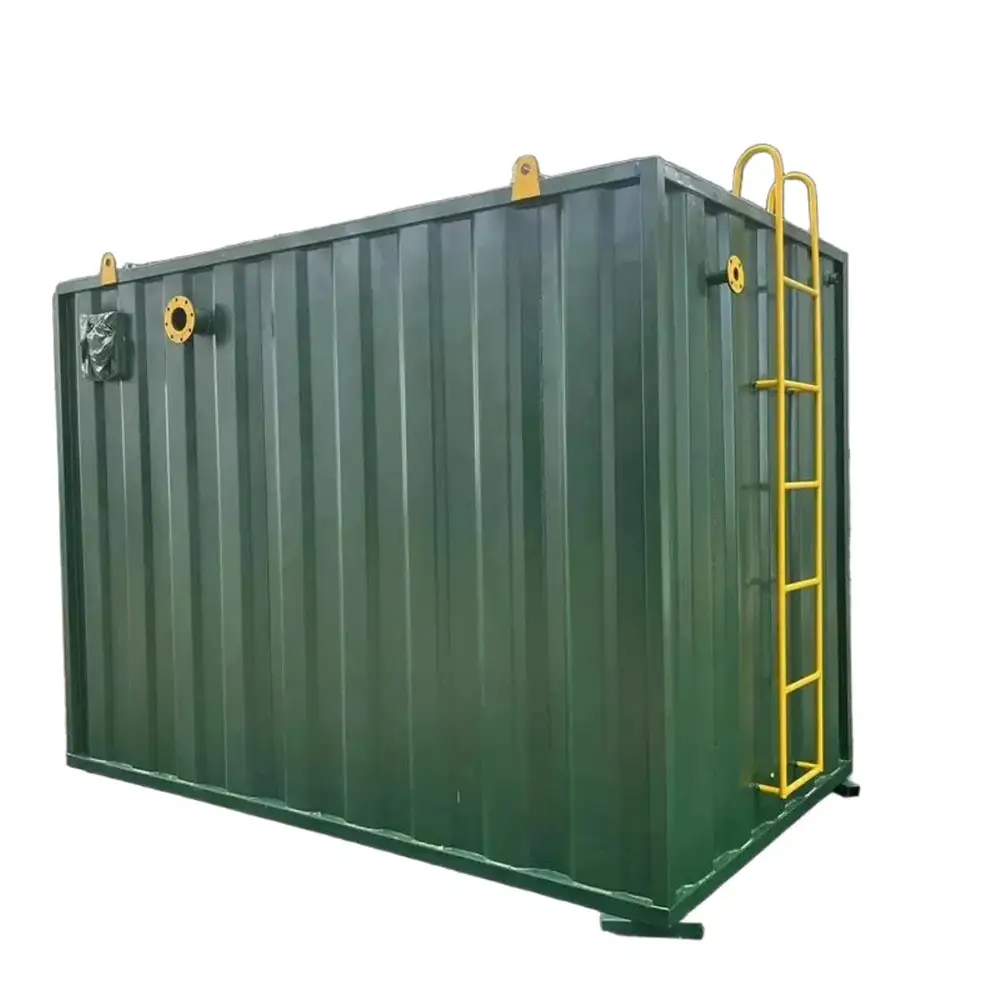
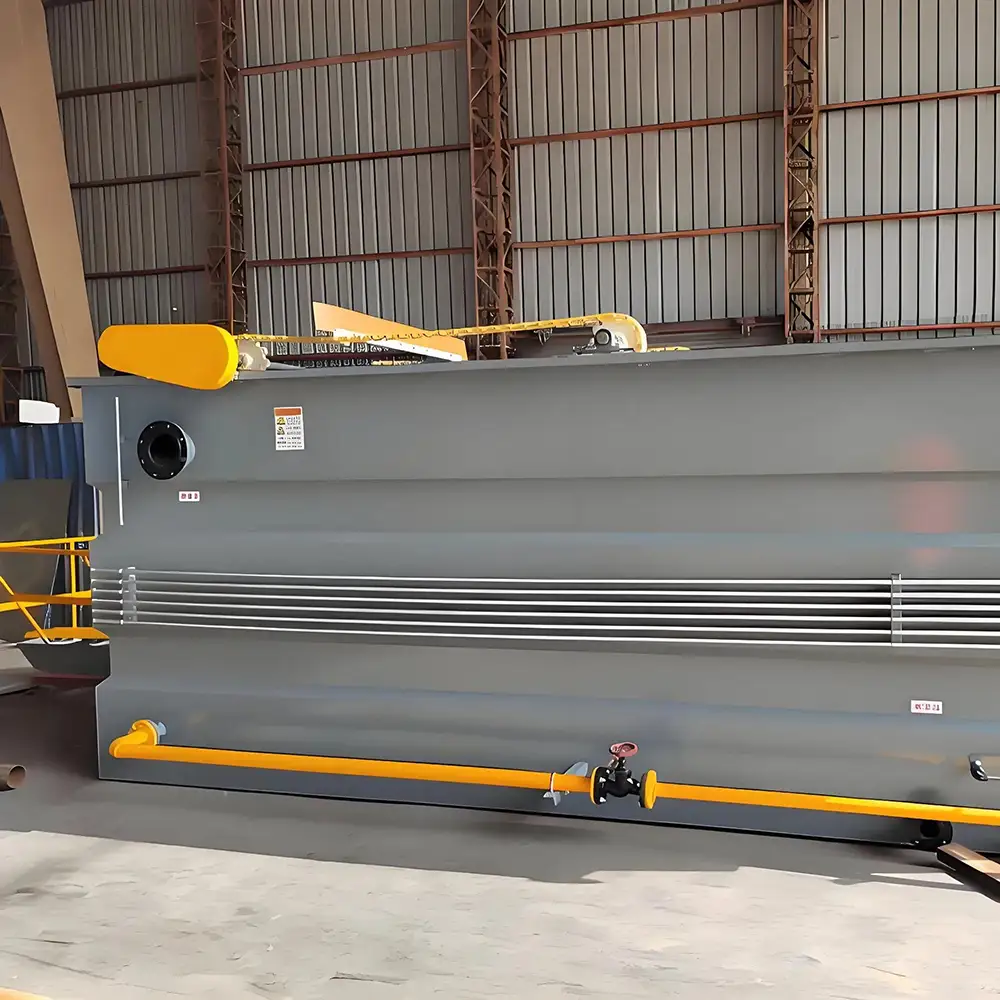
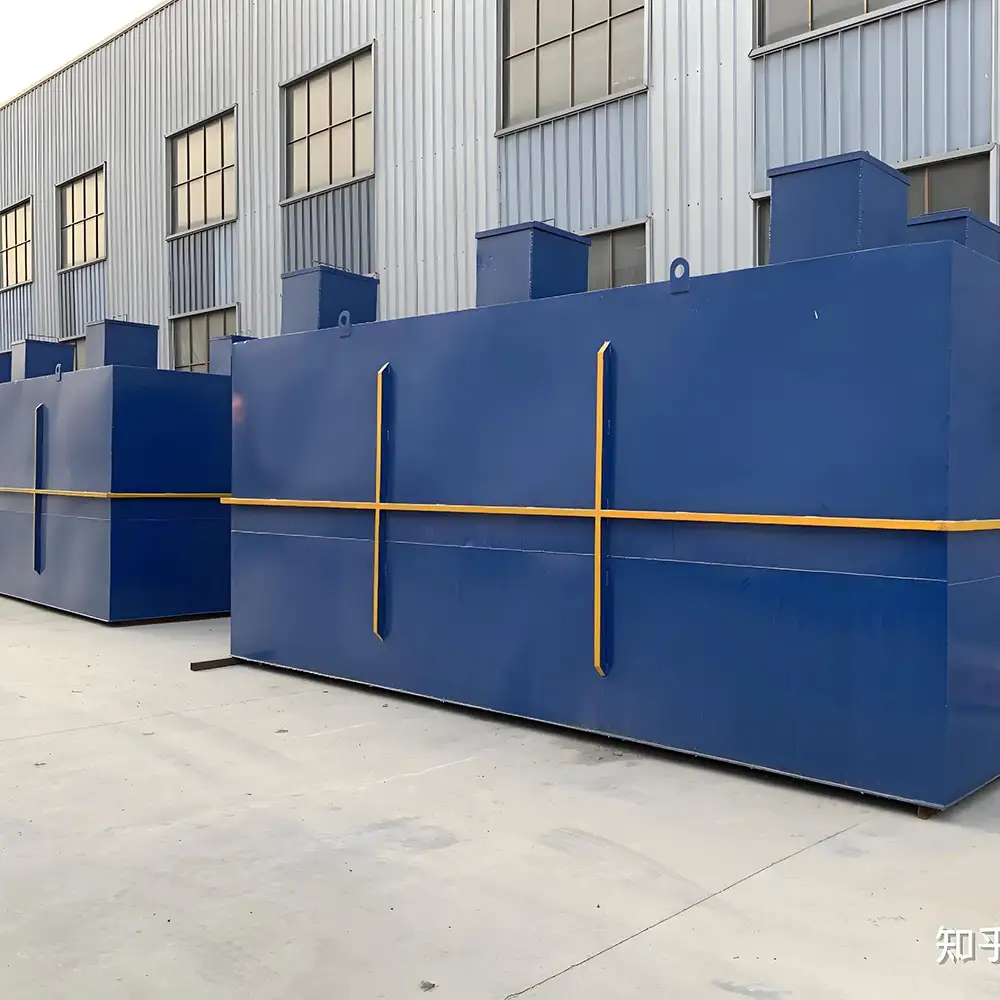
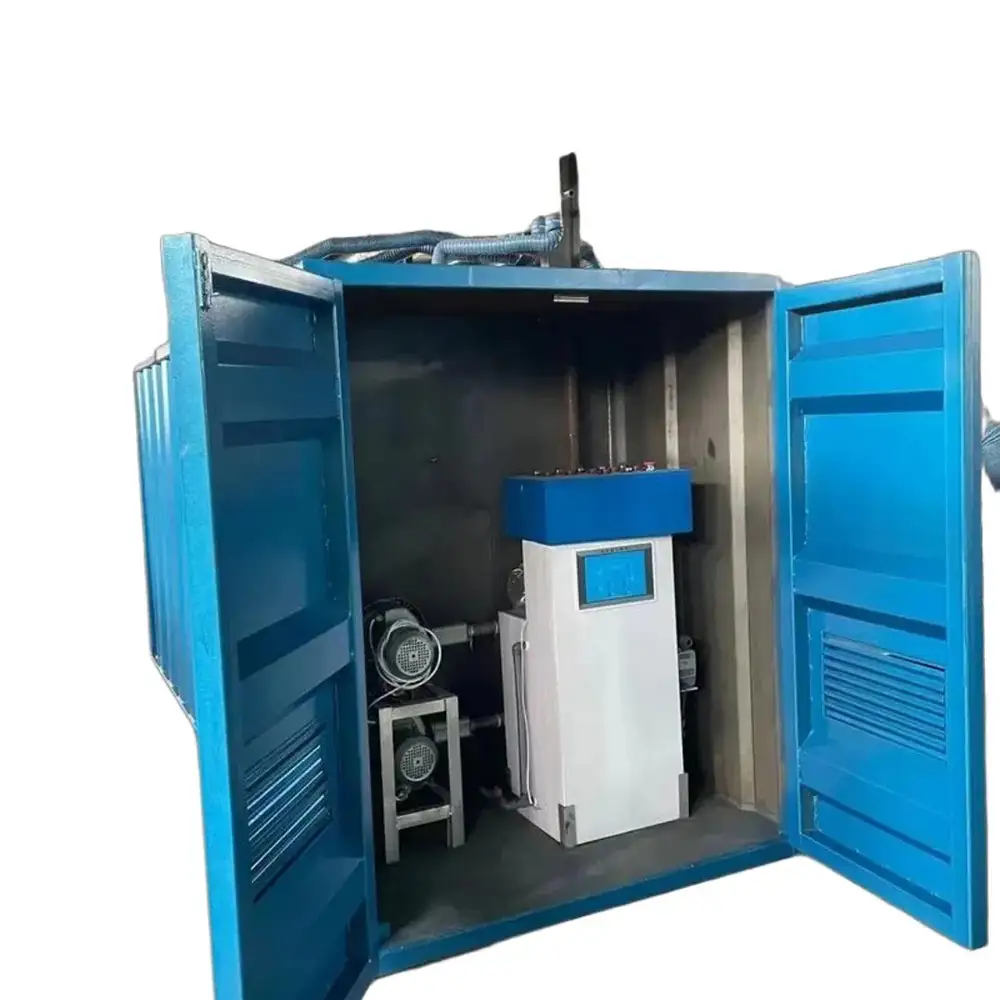
Slaughter/Poultry/Breeding Wastewater/Agricultural Food Processing Plant Wastewater Treatment Equipment/Industrial Equipment/Integrated Equipment
Slaughter, Poultry, Breeding, and Agricultural Food Processing Wastewater Treatment Equipment
Slaughterhouses, poultry processing facilities, livestock breeding farms, and agricultural food processing plants generate wastewater with complex and highly variable characteristics. Depending on the production process, wastewater may contain suspended solids, blood, fats, oils, grease, proteins, manure, food particles, organic matter, nutrients, and other biodegradable pollutants. Effective treatment therefore requires a process designed around the actual wastewater composition, flow rate, discharge requirements, and opportunities for water reuse.
Our Slaughter/Poultry/Breeding Wastewater/Agricultural Food Processing Plant Wastewater Treatment Equipment is designed for industrial and agricultural wastewater applications where reliable solids separation and biological treatment are essential. The system can integrate screening, grit removal, equalization, dissolved air flotation (DAF), coagulation and flocculation, biological treatment, clarification, filtration, disinfection, sludge handling, and other treatment technologies according to project requirements.
EPA technical documents identify screening, catch basins, dissolved air flotation, and flow equalization as common primary treatment processes for meat and poultry processing wastewater. DAF can help remove oil, grease, floating materials, and suspended solids before downstream biological treatment.
The application of comprehensive domestic sewage treatment equipment in living quarters has also attracted much attention. It directly affects our quality of life, and sewage treatment also better improves our living environment. The biological treatment process used by this equipment integrates the removal of BOD, COD and NH-N, and is the current sewage treatment equipment.
Slaughter/Poultry/Breeding Wastewater/Agricultural Food Processing Plant Wastewater Treatment Equipment/Industrial Equipment/Integrated Equipment
After practical application, it has been shown that the integrated buried sewage treatment equipment is a very ideal and easy to manage domestic sewage treatment equipment. The long-term application results in the living community also indicate that this equipment is a good governance measure for our domestic sewage treatment.
Domestic sewage is the wastewater discharged from residents' daily lives, mainly from residential buildings and public buildings, such as residential buildings, government agencies, schools, hospitals, shops, public places, and industrial enterprise bathrooms. The pollutants contained in domestic sewage are mainly organic matter (such as proteins, carbohydrates, fats, urea, ammonia nitrogen, etc.) and a large number of pathogenic microorganisms (such as parasitic eggs and intestinal infectious viruses, etc.). The organic matter present in domestic sewage is extremely unstable and prone to decay, resulting in a foul odor. Bacteria and pathogens multiply in large quantities using organic matter in domestic sewage as nutrients, which can lead to the spread of infectious diseases.
Slaughter/Poultry/Breeding Wastewater/Agricultural Food Processing Plant Wastewater Treatment Equipment/Industrial Equipment/Integrated Equipment
Slaughter/Poultry/Breeding Wastewater/Agricultural Food Processing Plant Wastewater Treatment Equipment/Industrial Equipment/Integrated Equipment
The comprehensive domestic sewage has high CODcr and BOD5, and the value of BOD5/CODcr is greater than 0.4, indicating good biochemical performance. It is advisable to adopt a biochemical based process for treatment. Due to the large amount of wastewater, integrated sewage treatment equipment should be used for biochemical treatment. Before entering the biochemical device, try to remove floating and large particle suspended impurities from the domestic sewage during the pre-treatment stage as much as possible, and then enter the sewage regulating tank to prevent adverse effects on the sewage lifting pump.
Wastewater Treatment for Slaughterhouses
Slaughterhouse wastewater can be generated from animal holding areas, slaughtering, carcass washing, equipment cleaning, processing, and by-product handling. It can contain high concentrations of biodegradable organic matter, suspended solids, fats, oils, grease, and other animal-derived materials.
A properly designed treatment line normally begins with mechanical screening to capture large solids and prevent clogging of pumps and downstream equipment. Equalization can then help balance variations in wastewater flow and pollutant concentration.
DAF is particularly useful as a primary treatment step when wastewater contains significant amounts of grease and suspended solids. Fine air bubbles attach to particles and float them to the surface, where a mechanical skimmer removes the accumulated float material.
Poultry Processing Wastewater Treatment
Poultry processing wastewater can originate from slaughtering, scalding, defeathering, evisceration, chilling, processing, and equipment or floor washing. Depending on the operation, the wastewater may contain feathers, tissue particles, blood, fat, grease, suspended solids, and high organic loads.
A typical poultry wastewater treatment system may include rotary or mechanical screening, equalization, DAF, biological treatment, secondary clarification, filtration, and disinfection. The exact process is selected according to influent water quality and the required effluent standard.
Biological treatment can be particularly important for biodegradable organic pollutants. Aerobic processes such as activated sludge, MBBR, or other biological reactors can be incorporated after effective pretreatment. EPA documentation has described biological oxidation and activated-sludge-type treatment for poultry wastewater applications.
Livestock Breeding and Agricultural Wastewater
Breeding wastewater from pig farms, cattle farms, poultry farms, and other livestock operations can contain manure, urine, feed residues, suspended solids, ammonia, nitrogen, phosphorus, and high concentrations of organic matter.
Treatment normally requires strong pretreatment before biological polishing. Mechanical screening can remove coarse manure and fibers, while solid-liquid separation can reduce the solids loading on subsequent treatment units. Equalization provides a more stable feed to biological processes.
For projects requiring nutrient reduction, the treatment system can incorporate aerobic, anoxic, or anaerobic biological stages. MBBR technology can also be used where a compact biological reactor and high biomass concentration are desirable.
Agricultural Food Processing Wastewater Treatment
Agricultural food processing plants can include meat processing, vegetable processing, fruit processing, grain processing, dairy-related operations, and other food production facilities. Wastewater characteristics vary considerably between industries.
Food processing wastewater may contain suspended food particles, starches, proteins, oils, fats, grease, detergents, and biodegradable organic matter. The treatment process can therefore be customized according to the specific production process and wastewater analysis.
For facilities with substantial FOG or suspended solids, DAF can serve as an effective pretreatment step. For biodegradable dissolved pollutants, biological treatment can provide the next stage of pollutant reduction. Additional filtration, membrane treatment, activated carbon, or disinfection can be added when higher-quality effluent or water reuse is required.
Typical Treatment Process
A representative process may include:
Coarse Screening → Fine Screening → Equalization → pH Adjustment → Coagulation/Flocculation → DAF → Biological Treatment → Secondary Clarification → Filtration → Disinfection → Treated Water
The process is not fixed for every project. Some applications may require anaerobic treatment, MBBR, MBR, SBR, tertiary filtration, nutrient removal, or sludge dewatering.
For meat and poultry wastewater, EPA evaluations have included combinations of screening, DAF for oil and grease, biological treatment, nutrient removal, filtration, disinfection, and solids handling.
Main Equipment Components
Depending on the application, the complete wastewater treatment plant may include:
Mechanical Bar Screen
Rotary Drum Screen
Grit Removal Equipment
Equalization Tank
Lift Pump
pH Adjustment System
Chemical Dosing System
Coagulation and Flocculation Tank
Dissolved Air Flotation Unit
MBBR Biological Reactor
Activated Sludge System
Secondary Clarifier
MBR Membrane System
Sand or Multimedia Filter
Activated Carbon Filter
UV or Chlorine Disinfection System
Sludge Thickening Equipment
Sludge Dewatering Equipment
PLC Automatic Control Cabinet
The final configuration depends on wastewater characteristics, hydraulic loading, required treatment performance, available space, local discharge requirements, and whether treated water will be discharged or reused.
Advantages
This wastewater treatment equipment provides several advantages for slaughterhouses, poultry processors, livestock farms, and agricultural food processing plants:
Efficient Solid Separation: Screening and flotation can reduce coarse and suspended solids before biological treatment.
Oil and Grease Removal: DAF can separate floating and suspended fats, oils, grease, and other floatable materials.
Biological Pollutant Reduction: Aerobic or anaerobic biological processes can reduce biodegradable organic matter.
Flexible Process Configuration: Treatment stages can be combined according to wastewater characteristics.
Compact Equipment Options: MBBR, MBR, and integrated treatment systems can help reduce the footprint for suitable applications.
Automation: PLC-based control can monitor pumps, blowers, dosing systems, sensors, valves, and other critical equipment.
Water Reuse Potential: Additional filtration and disinfection stages can be incorporated when treated water is intended for suitable reuse applications.
Operation and Maintenance
Reliable operation begins with proper pretreatment. Screens should be inspected and cleaned regularly to prevent excessive head loss and clogging. DAF skimmers, recycle pumps, air saturation systems, and sludge discharge mechanisms should be checked according to operating conditions.
Biological systems require stable dissolved oxygen, appropriate hydraulic loading, sufficient nutrient balance, and suitable sludge or biofilm management. Membrane systems require appropriate cleaning and operating procedures to control fouling.
Sludge production should also be considered during plant design. Depending on the treatment process, sludge may require thickening, dewatering, storage, hauling, rendering, or other approved disposal or recovery methods.
Why Choose Us?
We provide integrated wastewater treatment solutions for slaughterhouses, poultry processing plants, livestock breeding farms, meat processing facilities, and agricultural food processing plants.
Our approach starts with wastewater characteristics rather than simply selecting a standard machine. Flow rate, COD, BOD, suspended solids, oil and grease, ammonia, nitrogen, phosphorus, pH, temperature, production schedule, discharge requirements, and available installation space can all influence equipment selection.
We can combine mechanical separation, DAF, biological treatment, MBBR, MBR, filtration, disinfection, sludge treatment, and automatic controls into a complete wastewater treatment solution. Equipment can be supplied as individual units or as an integrated treatment plant according to project requirements.
FAQs
1. What wastewater can this equipment treat?
It can be configured for slaughterhouse, poultry processing, livestock breeding, meat processing, and various agricultural food processing wastewater applications.
2. Can it treat poultry slaughterhouse wastewater?
Yes. The system can be designed for wastewater containing feathers, blood, suspended solids, fats, oils, grease, and biodegradable organic matter.
3. Is DAF required for slaughterhouse wastewater?
Not every project requires DAF, but it is often useful when wastewater contains significant suspended solids, fats, oils, and grease.
4. Can the system treat livestock breeding wastewater?
Yes. Screening, solid-liquid separation, biological treatment, and nutrient-removal processes can be combined for livestock wastewater.
5. Can MBBR be added to the system?
Yes. MBBR can be integrated as a biological treatment stage when appropriate for the wastewater characteristics and treatment objectives.
6. Can an MBR system be used?
Yes. MBR can be considered where high-quality treated water, compact installation, or water reuse is required.
7. Does the system remove COD and BOD?
The treatment configuration can be designed to reduce biodegradable organic pollutants such as BOD and COD. Actual performance depends on influent conditions and process design.
8. Can the equipment remove oil and grease?
Yes. Screening, gravity separation, coagulation/flocculation, and DAF can be incorporated to target fats, oils, and grease.
9. Can the system include automatic control?
Yes. PLC control, automatic pumps, sensors, dosing systems, alarms, and monitoring functions can be incorporated according to the project.
10. How is sludge handled?
Sludge can be collected, thickened, dewatered, and transferred for appropriate disposal, recovery, rendering, or further treatment.
11. Can the equipment be customized for different capacities?
Yes. Hydraulic capacity, tank configuration, treatment stages, equipment selection, automation, and installation layout can be designed according to project requirements.
12. What information is needed for equipment selection?
Important information includes wastewater flow rate, production capacity, influent analysis, discharge requirements, operating hours, available space, and the intended use of treated water.
Prev:
MBR/MBB Integrated Sewage Treatment Equipment for Printing and Dyeing Factories/Paper Mills/Slaughterhouses
Next:
Mvr Mechanical Vapor Recompression Evaporator Water Treatment Plant
TAG:
Industrial Wastewater Treatment Equipment,
Integrated Wastewater Treatment System,
Food Industry Wastewater Treatment,
Meat Processing Wastewater Treatment,
Livestock Wastewater Treatment,
Food Processing Wastewater Treatment,
Agricultural Wastewater Treatment,
Agricultural Wastewater Treatment System,
Industrial Wastewater Treatment System,
Biological Wastewater Treatment System,
Dissolved Air Flotation Wastewater Treatment,
Industrial Wastewater Treatment,
Food Wastewater Treatment,
Organic Wastewater Treatment,
Anaerobic Wastewater Treatment,
Livestock Wastewater Treatment System,
Pig Farm Wastewater Treatment,
Cattle Farm Wastewater Treatment,
Manure Wastewater Treatment,
Sewage Treatment Plant,
Industrial Wastewater Treatment Plant,
Wastewater Treatment Equipment,
Wastewater Treatment Plant,
Solid Liquid Separation Equipment,
Wastewater Treatment System,
Industrial Water Treatment Equipment,
Suspended Solids Removal Equipment,
Wastewater Pretreatment Equipment,
Sewage Treatment Equipment,
Sewage Treatment System,
Related Category:
Slaughter Wastewater Treatment Equipment,Poultry Wastewater Treatment Equipment,Breeding Wastewater Treatment Equipment China, suppliers, manufacturers, factory, customized, wholesale, quotation, made in China