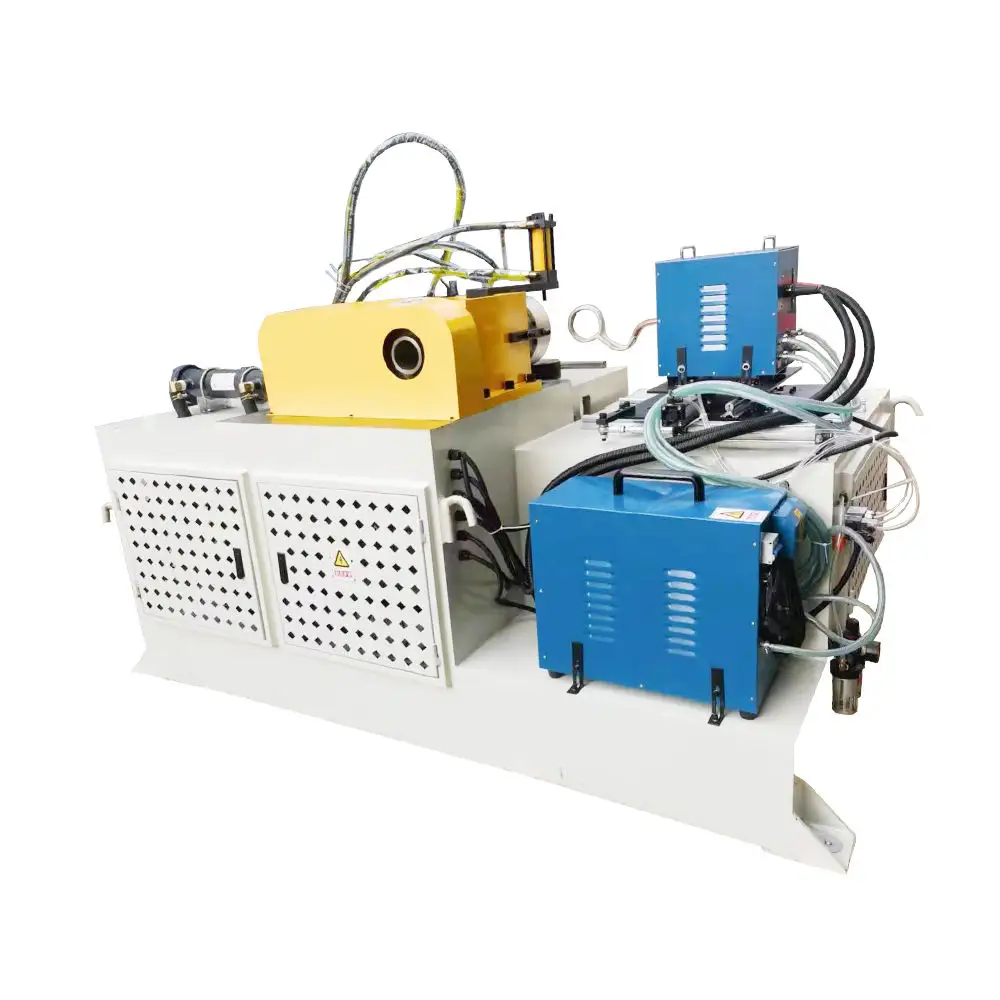
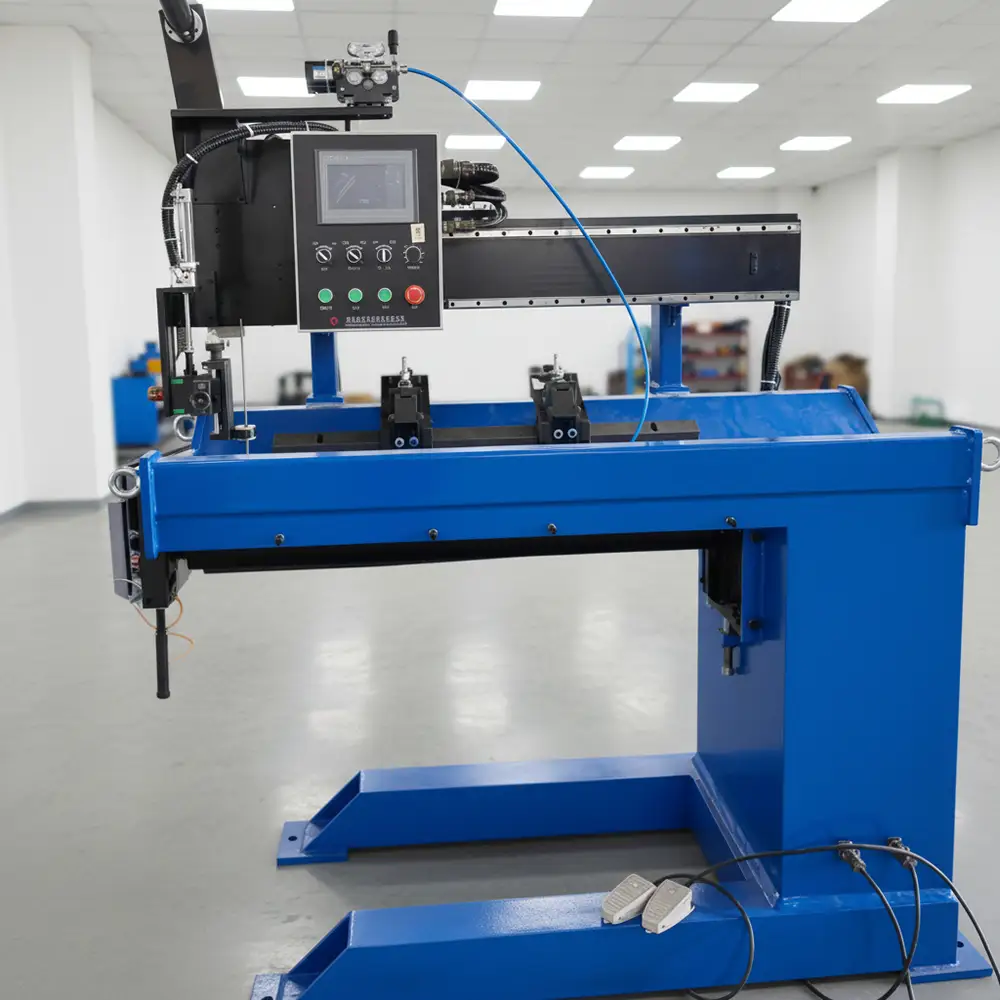
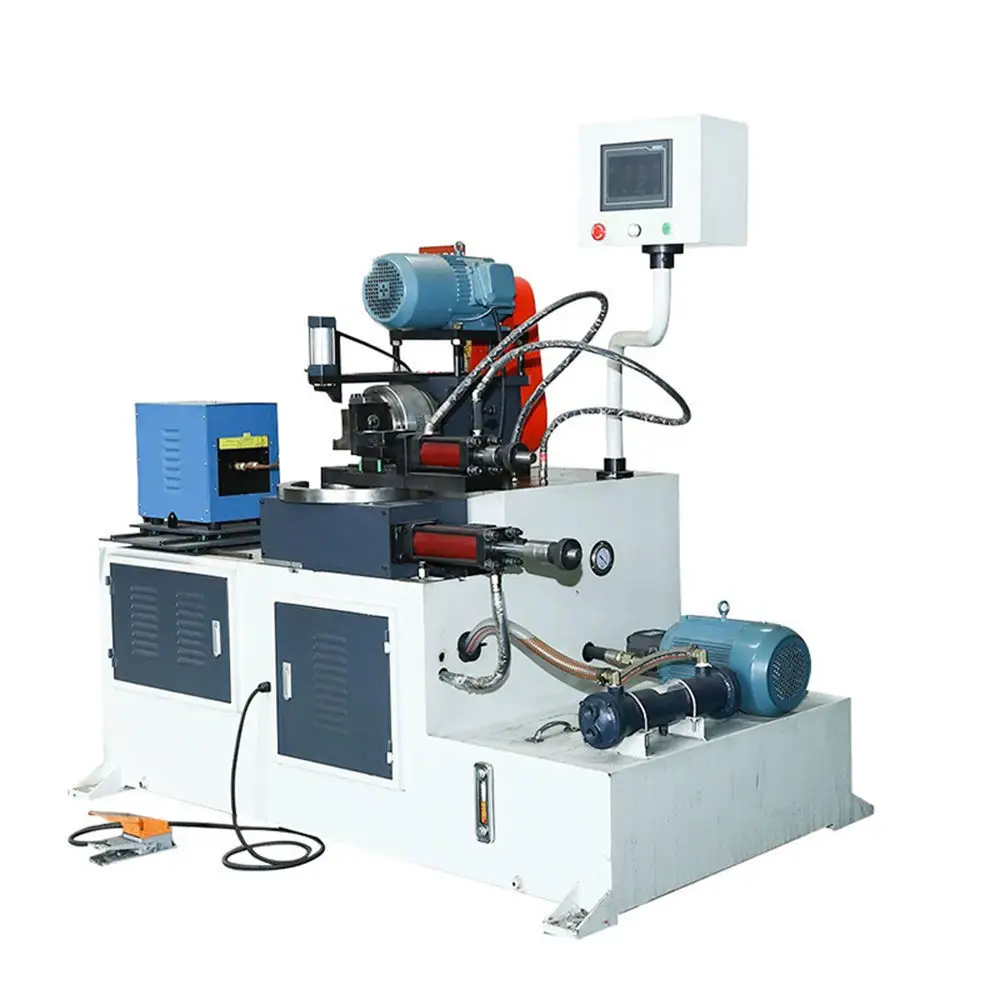
Pipe End Sealing Machine for High-Quality and Long-Lasting Pipe End Sealing
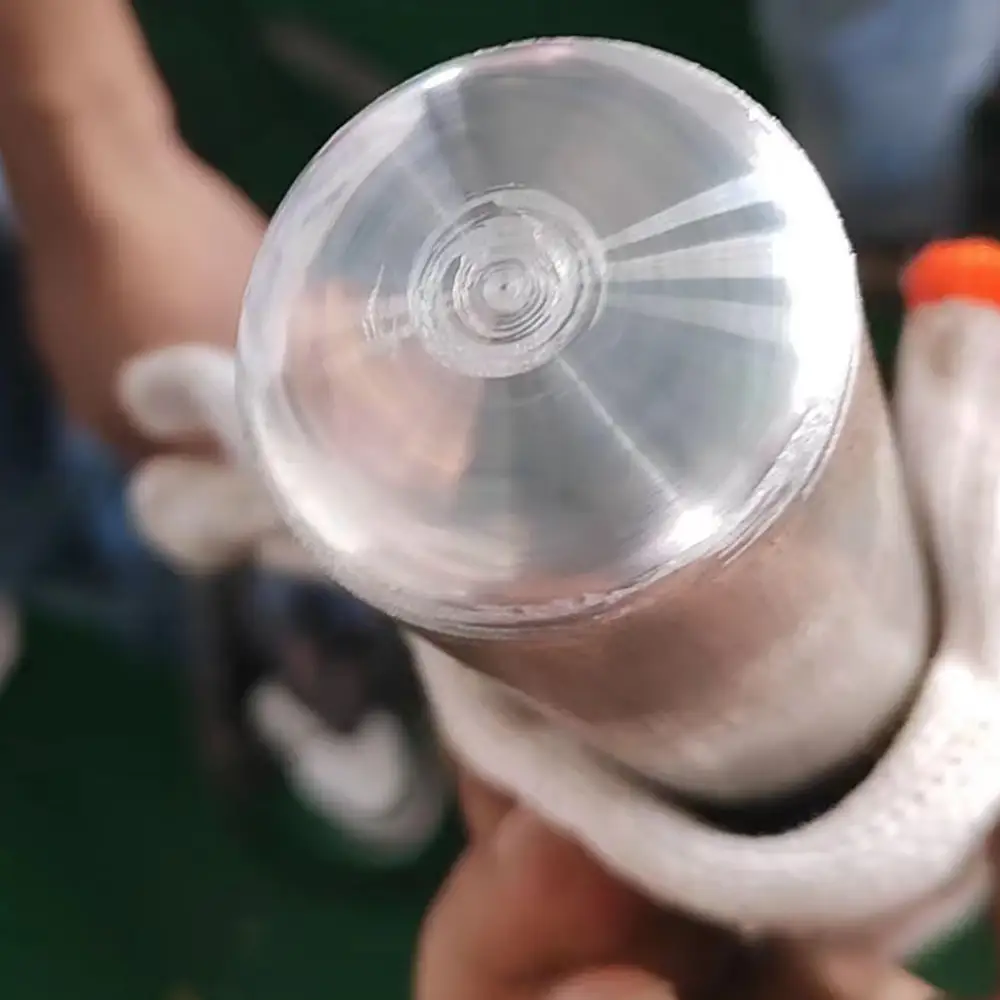
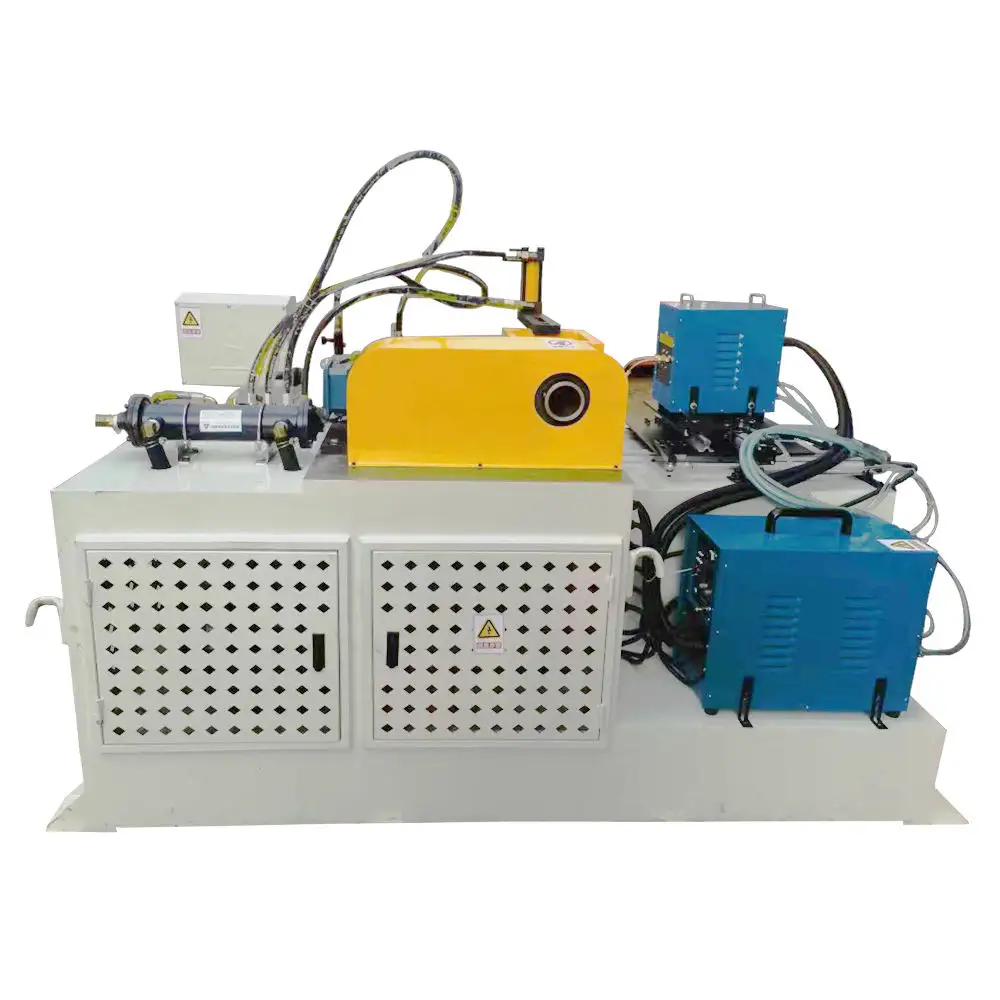
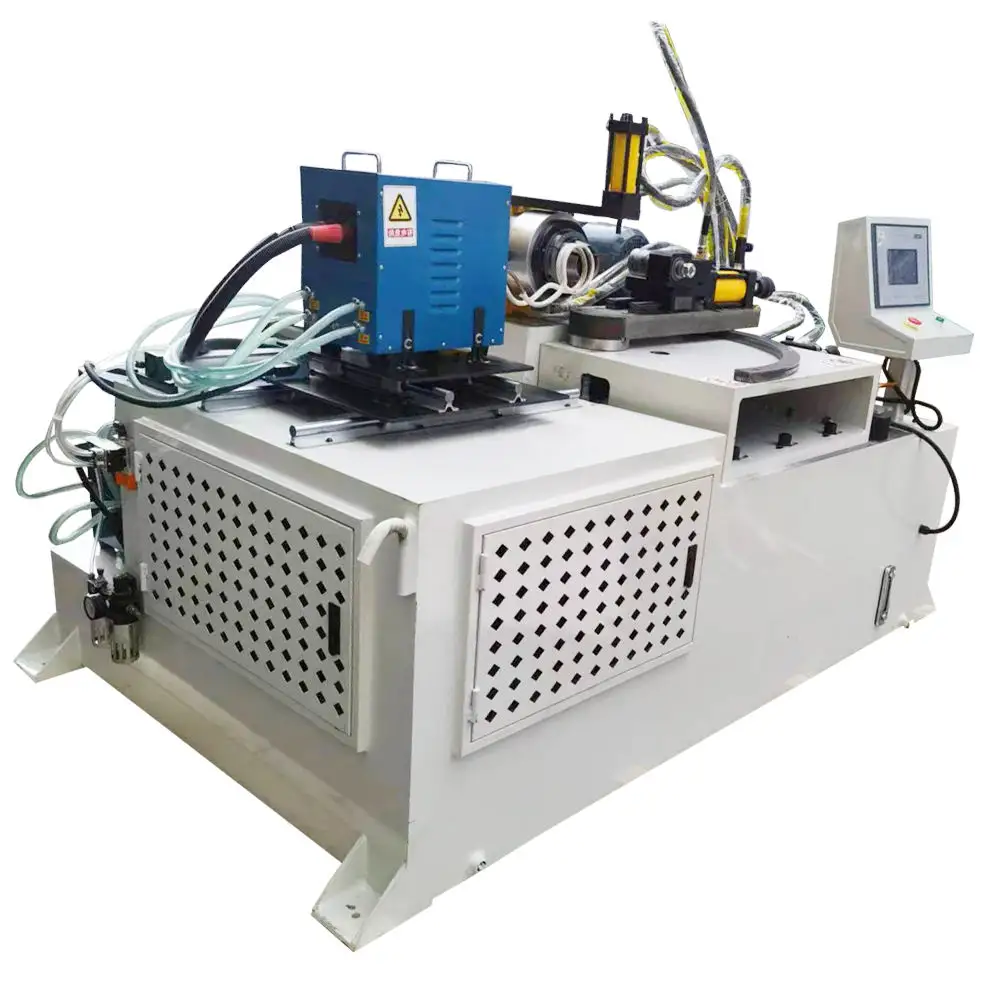
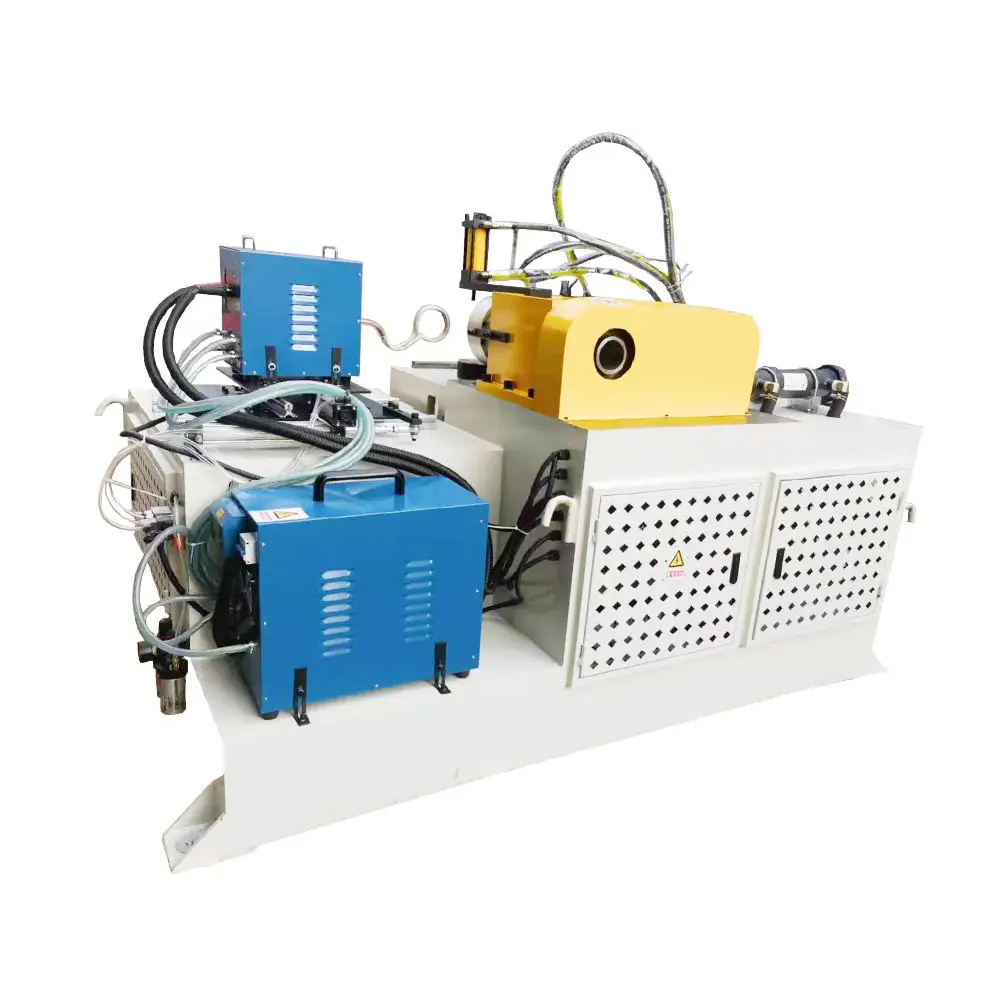
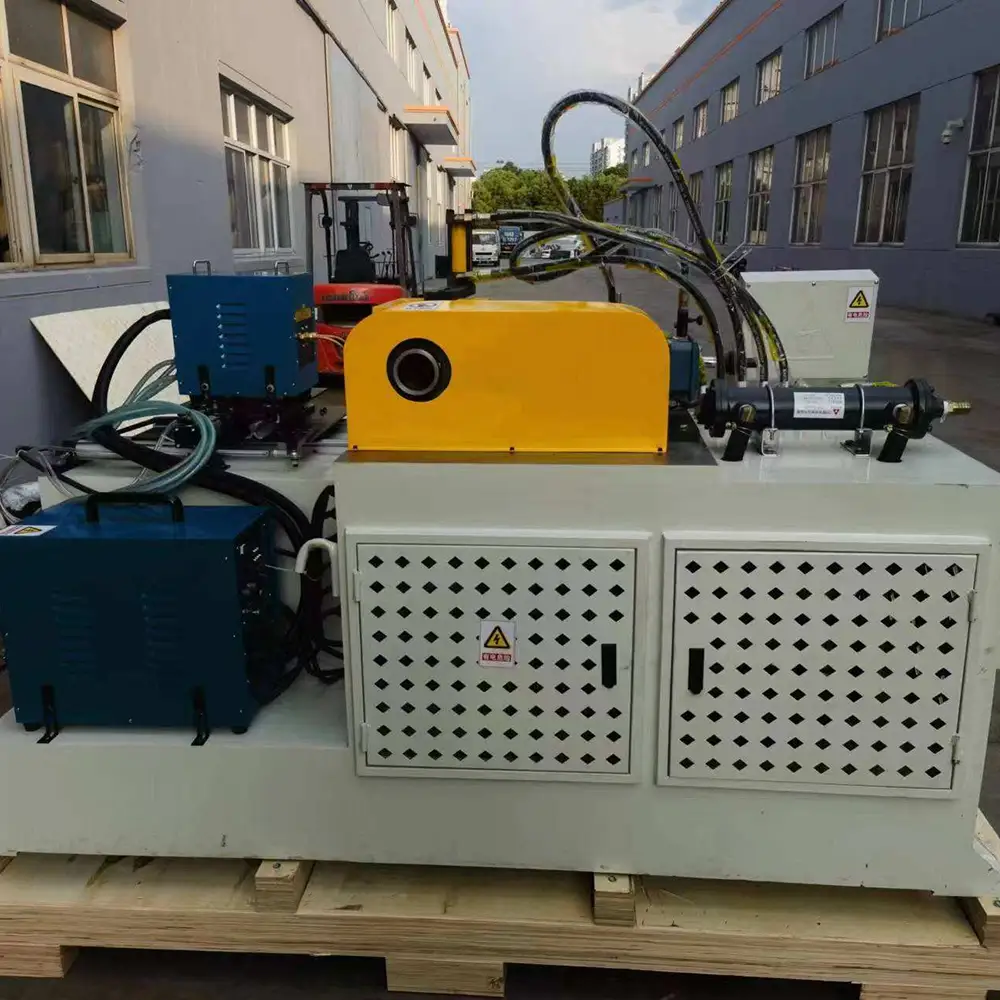
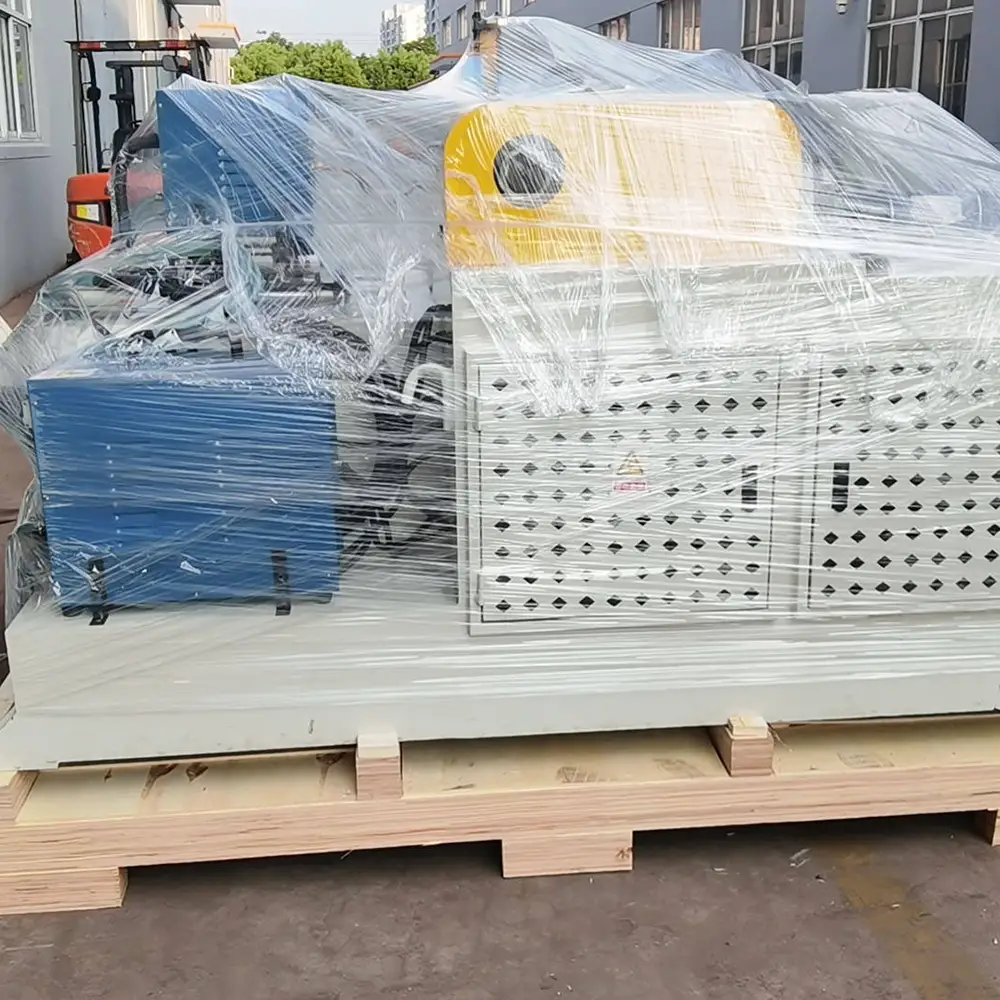
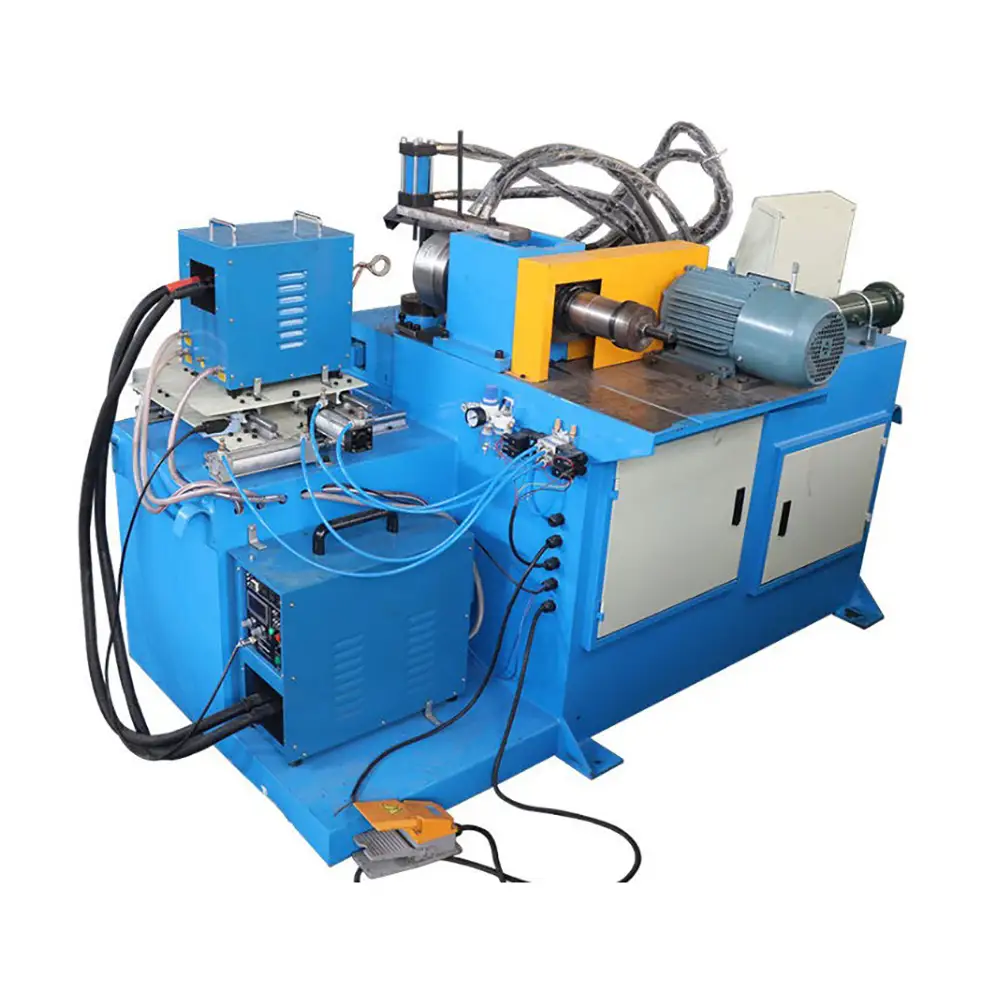
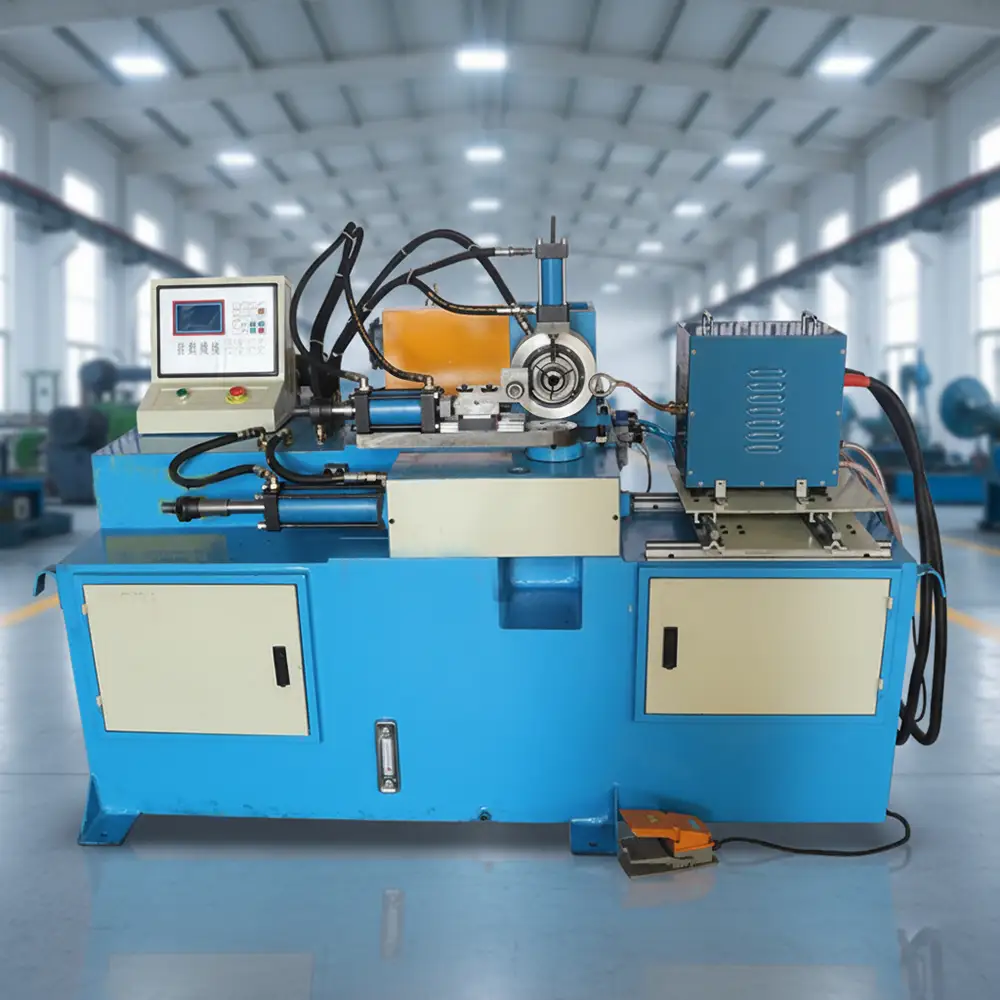
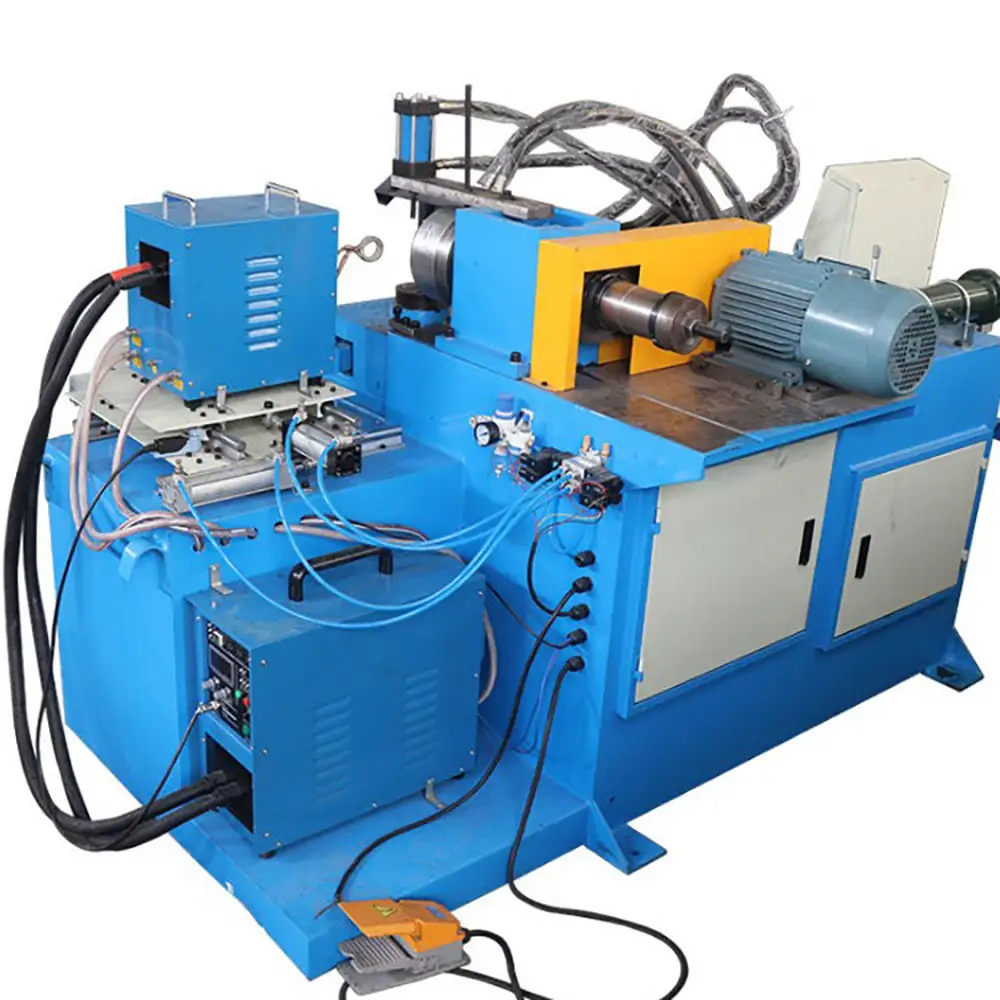
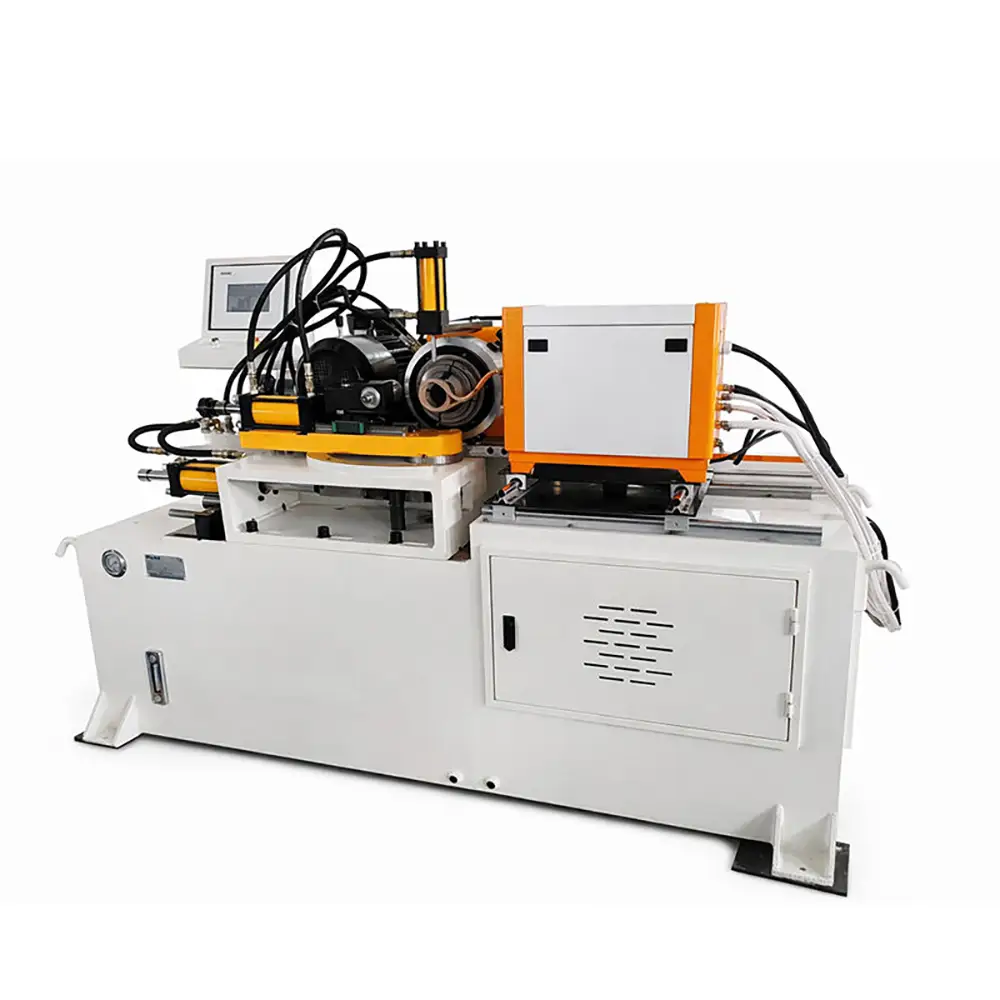
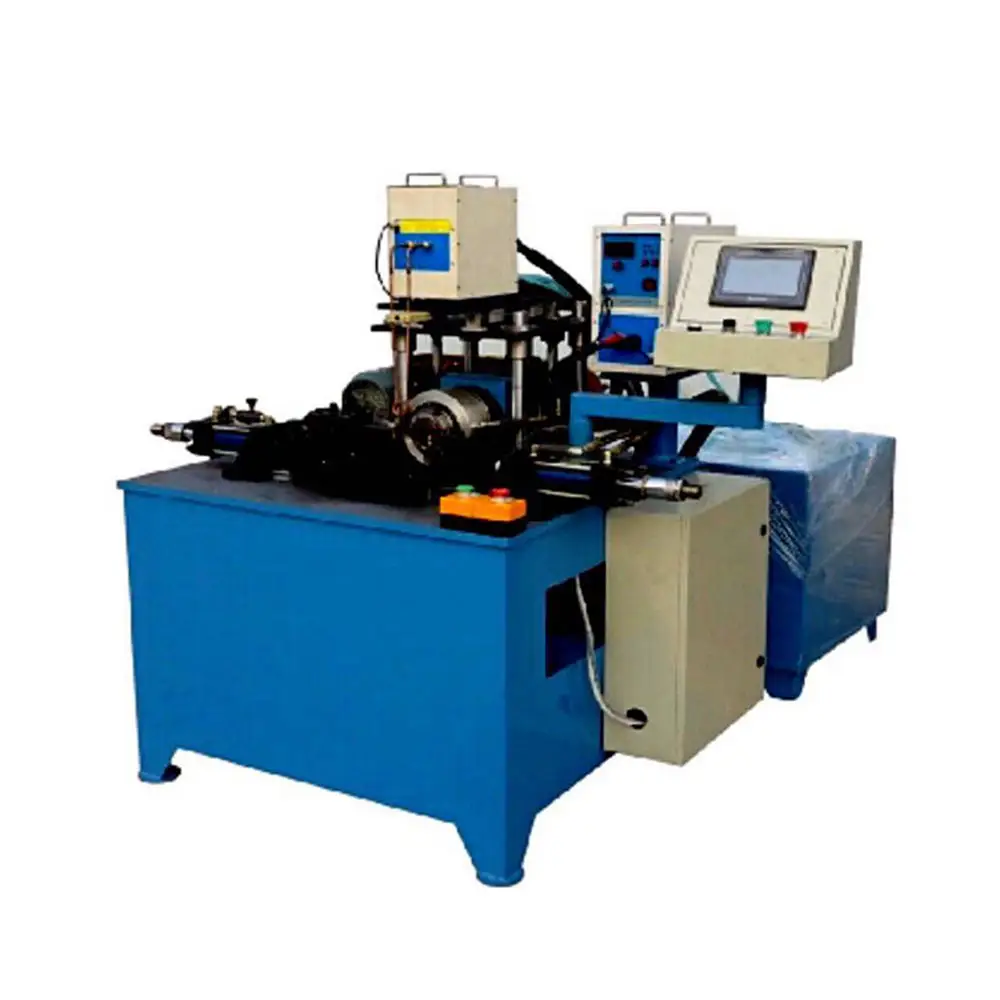
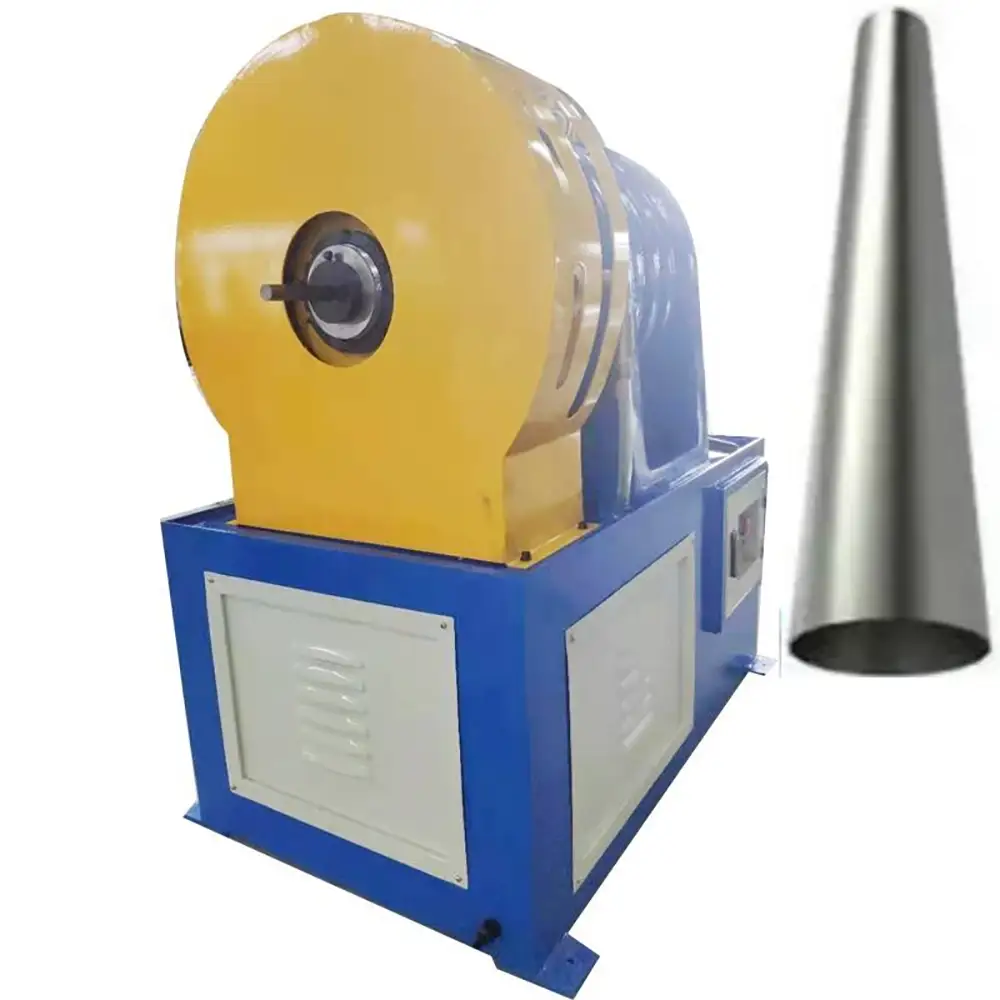
The Pipe End Sealing Machine is developed for high-quality and long-lasting sealing of various pipe ends,providing a practical solution for manufacturers that require consistent tube-end processing in industrial production. The machine is designed to process suitable metal pipes and tubes through controlled end closing,sealing,forming,or other customized end-processing operations.
Pipe end sealing is an important manufacturing process for products where the open end of a tube needs to be closed,formed,protected,or prepared for a subsequent assembly or sealing operation. Depending on the machine configuration and tooling,the equipment can be adapted for different pipe materials,diameters,wall thicknesses,and finished end shapes.
This type of equipment can be used in automotive components,industrial equipment,heat exchangers,refrigeration systems,furniture,metal fabrication,fluid-handling components,and other applications involving tubular products.
|
item |
value |
|
Max.shrinking capacity (diameter)(mm) |
40 |
|
Core components |
Gearbox, motor |
|
Max. tube contracting length (mm) |
100 |
|
Automation |
Semi-automatic |
|
Power (kw) |
4 |
|
Warranty |
1 Year |
|
Weight (kg) |
900 |
|
Max.shrinking capacity (thickness)(mm) |
3 |
|
Place of origin |
SHANDONG,CHINA |
|
Extra services |
End Forming |
|
Ultrasonic high frequency machine |
15kw |
|
Maximum pipe length |
1.5 m |
|
Hydraulic pressure |
12MPa |
|
Size |
2100*1300*1350 mm |
High-Quality Pipe End Sealing
Consistent pipe-end quality depends on accurate positioning,stable clamping,appropriate tooling,and controlled forming force. The pipe end sealing machine is designed to provide a repeatable mechanical process that can help reduce variations associated with completely manual tube-end processing.
Proper tooling supports the pipe during the sealing or forming operation and helps control the final geometry of the tube end. The exact sealing method depends on the product design and may include mechanical closing,compression,forming,reduction,or other suitable processes.
For applications requiring specific dimensions or sealing characteristics,customers should provide technical drawings,samples,and material specifications so the appropriate machine and tooling configuration can be evaluated.
Long-Lasting Pipe End Sealing
A properly processed pipe end can contribute to the durability and reliability of the finished tubular component. However,the service life of a sealed pipe depends on the application,material,wall thickness,end geometry,downstream joining method,and operating environment.
The machine itself is designed for repeatable production rather than relying solely on manual forming. Consistent processing can help manufacturers maintain more uniform tube-end dimensions across production batches.
For products exposed to pressure,temperature,corrosive environments,or mechanical loads,the final sealing performance should be verified using application-specific testing and quality-control procedures.
Various Pipe End Applications
The machine can be used for suitable pipe-end processing across different industries. Typical applications may include:
Automotive Exhaust Components
Refrigeration Tubes
Air-Conditioning Components
Heat Exchanger Tubes
Hydraulic Tube Components
Furniture Tubes
Metal Frames
Industrial Equipment
Appliance Components
Machinery Parts
Steel Fabrication
General Tube Manufacturing
The appropriate machine configuration depends on the pipe material,diameter,wall thickness,and required end geometry.
Pipe End Closing and Forming
Pipe end sealing is closely related to tube end closing and tube end forming. Depending on the tooling,the machine may perform one or more of these operations.
End Closing reduces or closes the open end of a tube.
End Forming changes the geometry of the tube end to create a specified profile.
End Reduction decreases the outside diameter or opening size of a tube end.
End Compression uses controlled mechanical force to reshape the tube end.
End Sealing creates a closed or substantially closed end according to the product design.
These terms can describe different processes,so customers should provide the required finished shape rather than relying only on the process name when requesting a machine.
Suitable Metal Pipe Materials
Depending on the machine design and tooling,the equipment can be evaluated for different metal materials.
Common applications may include:
Carbon Steel
Stainless Steel
Mild Steel
Copper
Aluminum
Alloy Steel
Different metals have different forming characteristics. Stainless steel may require greater forming force than softer materials,while aluminum and copper require careful control to prevent excessive deformation or surface damage.
Material grade,temper,wall thickness,and tube diameter should therefore be considered when selecting the appropriate tooling and processing parameters.
Stable Pipe Clamping
Workpiece stability is essential for consistent pipe-end sealing.
The machine uses a suitable clamping system to position and hold the pipe during the forming operation. Proper alignment helps ensure that the forming tool contacts the tube end consistently.
Clamping requirements vary according to pipe diameter,wall thickness,material,and length. Thin-wall tubes may require specially designed fixtures to prevent unwanted deformation.
For high-volume production,repeatable positioning and stable workholding can help improve manufacturing consistency and reduce operator adjustment.
Flexible Tooling
Tooling is one of the key components of a pipe end sealing machine.
Different pipe diameters and finished end shapes may require different dies,mandrels,forming tools,or fixtures. A machine can therefore be configured according to the customer's actual production requirements.
For manufacturers processing multiple tube sizes,interchangeable tooling can provide greater flexibility where supported by the machine design.
Custom tooling can also be developed for special tube-end profiles. Customers can provide drawings,samples,3D models,or dimensional specifications for tooling evaluation.
Production Efficiency
Mechanized pipe end sealing can reduce repetitive manual tube-end operations and support a more standardized production process.
For batch manufacturing,the machine can provide controlled positioning and repeatable forming operations. This can be useful when the same pipe-end design must be produced across hundreds or thousands of workpieces.
Actual production capacity depends on pipe dimensions,material,required end shape,forming method,tool change requirements,loading and unloading,and operator workflow.
For larger production lines,the machine can potentially be integrated with tube cutting,feeding,welding,inspection,and other tube-processing equipment.
Quality Control
Quality inspection should be part of the pipe-end manufacturing process.
Important factors may include:
Tube-End Diameter
Finished End Geometry
Wall Deformation
Surface Condition
Alignment
Cracks or Material Damage
Sealing Performance
Dimensional Repeatability
For applications with strict tolerances,the first processed workpieces should be measured and the machine adjusted as necessary before full production.
Where the finished pipe end is used in a pressure or fluid-handling application,additional leak testing or application-specific testing may be required.
Maintenance and Safety
Pipe end sealing machines use mechanical force and moving components,so appropriate operating and maintenance procedures are important.
Depending on the configuration,the machine may include guards,emergency-stop functions,electrical protection,and controlled operating systems. Actual safety features depend on the machine model and applicable local requirements.
Routine maintenance may include cleaning metal debris,checking dies and fixtures,inspecting moving components,lubricating designated parts,and checking hydraulic,pneumatic,or electrical systems where applicable.
Tooling should be inspected regularly because worn or damaged dies can affect the finished tube-end quality.
OEM and Custom Pipe End Sealing Solutions
Different industries require different pipe-end geometries and processing conditions. For this reason,the machine can be evaluated for customized production requirements.
OEM and ODM solutions may include customized tooling,clamping fixtures,feeding systems,control systems,hydraulic or pneumatic configurations,and automated loading or unloading depending on the project.
For an accurate quotation,customers should provide pipe material,outer diameter,wall thickness,pipe length,required end shape,production volume,and desired automation level.
Technical drawings and physical samples are especially useful when the pipe end requires a customized sealing or forming profile.
Why Choose Us
High-Quality Pipe End Processing
Designed for controlled and repeatable pipe-end sealing,closing,and forming operations.
Long-Lasting Production Solution
Built for continuous industrial use with appropriate machine configuration,tooling,and maintenance.
Various Pipe Applications
Suitable configurations can be evaluated for different pipe materials,sizes,and end-processing requirements.
Flexible End Forming
Tooling can be selected or customized for different pipe-end shapes and production applications.
Stable Workpiece Clamping
Proper positioning and clamping help improve consistency during the sealing process.
Wide Industrial Applications
Suitable for automotive,refrigeration,heat exchangers,furniture,industrial equipment,and general tube manufacturing.
Production Efficiency
Mechanized processing can reduce repetitive manual work and support consistent batch production.
OEM & ODM Support
Customized tooling,machine configuration,and automation solutions can be evaluated according to customer requirements.
FAQs
1. What is a pipe end sealing machine?
A pipe end sealing machine is industrial equipment used to close,seal,reduce,or form the open end of a suitable metal pipe or tube.
2. What is the difference between pipe end sealing and end forming?
Pipe end sealing generally focuses on closing or sealing the tube opening,while end forming is a broader term covering different processes that change the geometry of the tube end.
3. What materials can the machine process?
Depending on the machine configuration,it may process carbon steel,stainless steel,mild steel,copper,aluminum,and other suitable metal tubes.
4. Can it process different pipe sizes?
Yes. Different pipe sizes can be processed when suitable tooling and clamping systems are available. The actual diameter range depends on the selected machine.
5. Can the machine produce customized pipe-end shapes?
Yes. Custom tooling can be considered for special end profiles. Drawings or samples should be provided for evaluation.
6. Is the machine suitable for stainless steel pipes?
Yes,when the machine and tooling are configured for the specific stainless steel grade,diameter,and wall thickness.
7. Can it seal thin-wall tubing?
Potentially. Thin-wall tubing requires appropriate tooling,clamping,and forming parameters to prevent excessive deformation.
8. Can copper and aluminum tubes be processed?
Yes. Suitable copper and aluminum tubes can be evaluated,with tooling and forming parameters selected according to the material characteristics.
9. Is the machine automatic?
The operating method depends on the specific configuration. Machines may be manual,semi-automatic,or equipped with automated feeding and control functions.
10. What affects pipe-end sealing quality?
Material,wall thickness,pipe diameter,tooling,clamping,forming force,alignment,and machine settings can all affect the finished result.
11. Can the machine be integrated into a production line?
Depending on the configuration,it can potentially be integrated with tube cutting,feeding,welding,inspection,and other production equipment.
12. What information is needed for a quotation?
Provide the pipe material,outer diameter,wall thickness,pipe length,required end shape,production volume,and desired automation level. Drawings or samples are recommended for customized applications.
Prev:
Metal Tube End Sealing Machine with Pneumatic Feeding and Hydraulic Oil Circuit for Steel Aluminum Pipe End Forming
Next:
Carbon Steel Stainless Steel Copper Aluminum Pipe End Sealing Machine for 8mm to 40mm Round Pipe
TAG:
Pipe End Processing Machine,
Automatic Tube End Forming Machine,
Tube End Processing Machine,
Industrial Tube End Forming Machine,
Automotive Tube End Forming Machine,
Tube End Forming Equipment,
Pipe End Forming Equipment,
Tube End Forming Machine,
Pipe End Forming Machine,
Hydraulic Tube End Forming Machine,
Hydraulic Pipe End Forming Machine,
Metal Tube Processing Machine,
Pipe Fabrication Machine,
Tube Fabrication Machine,
Metal Pipe End Forming Machine,
Precision Tube End Forming Machine,
Automatic Pipe End Forming Machine,
Metal Pipe Processing Machine,
Pipe End Shaping Machine,
Tube End Shaping Machine,
Metal Tube End Processing Machine,
Tube Manufacturing Machine,
Pipe End Sealing Equipment,
Tube End Sealing Equipment,
Tube End Closing Machine,
Metal Tube End Forming Machine,
Pipe End Sealing Machine,
Tube End Sealing Machine,
Pipe End Closing Machine,
Automotive Pipe End Forming Machine,
Related Category:
Pipe End Sealing Machine,Pipe End Sealing Equipment,Pipe End Sealing System,High-Quality Pipe Sealing Machine China, suppliers, manufacturers, factory, customized, wholesale, quotation, made in China