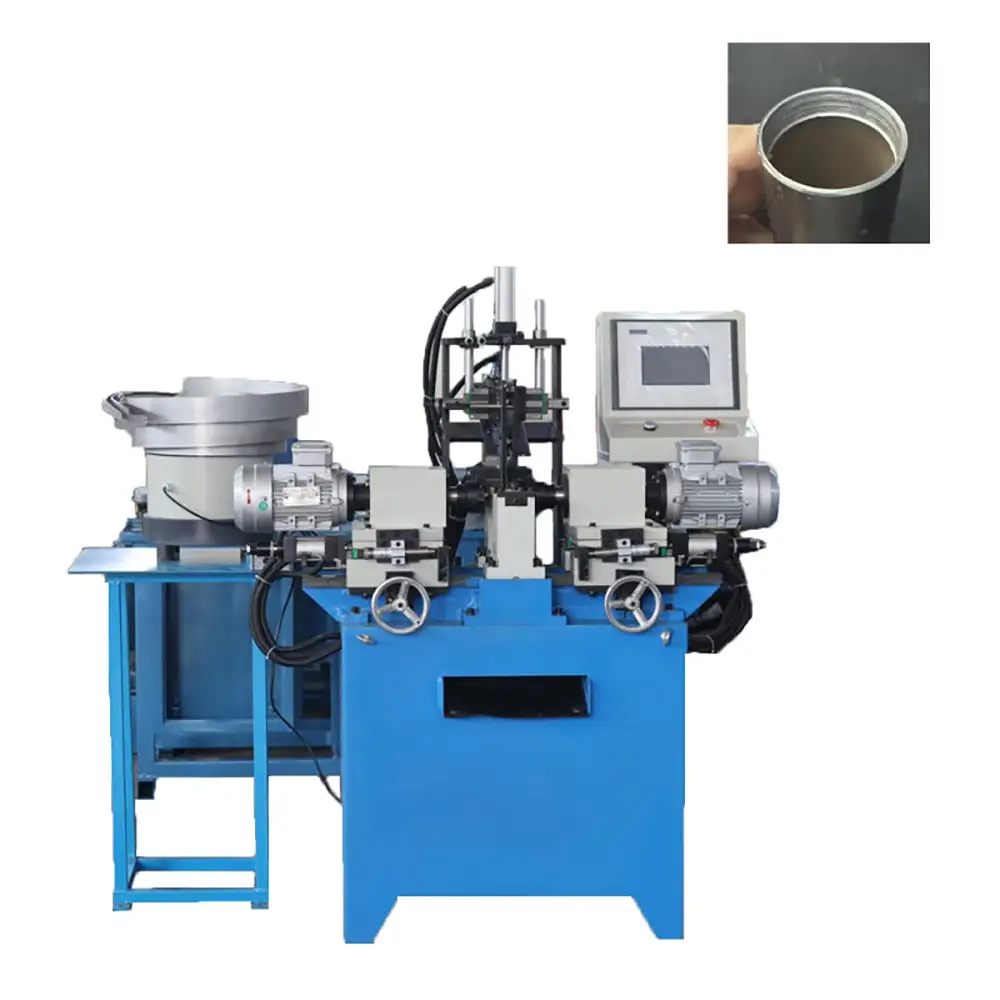
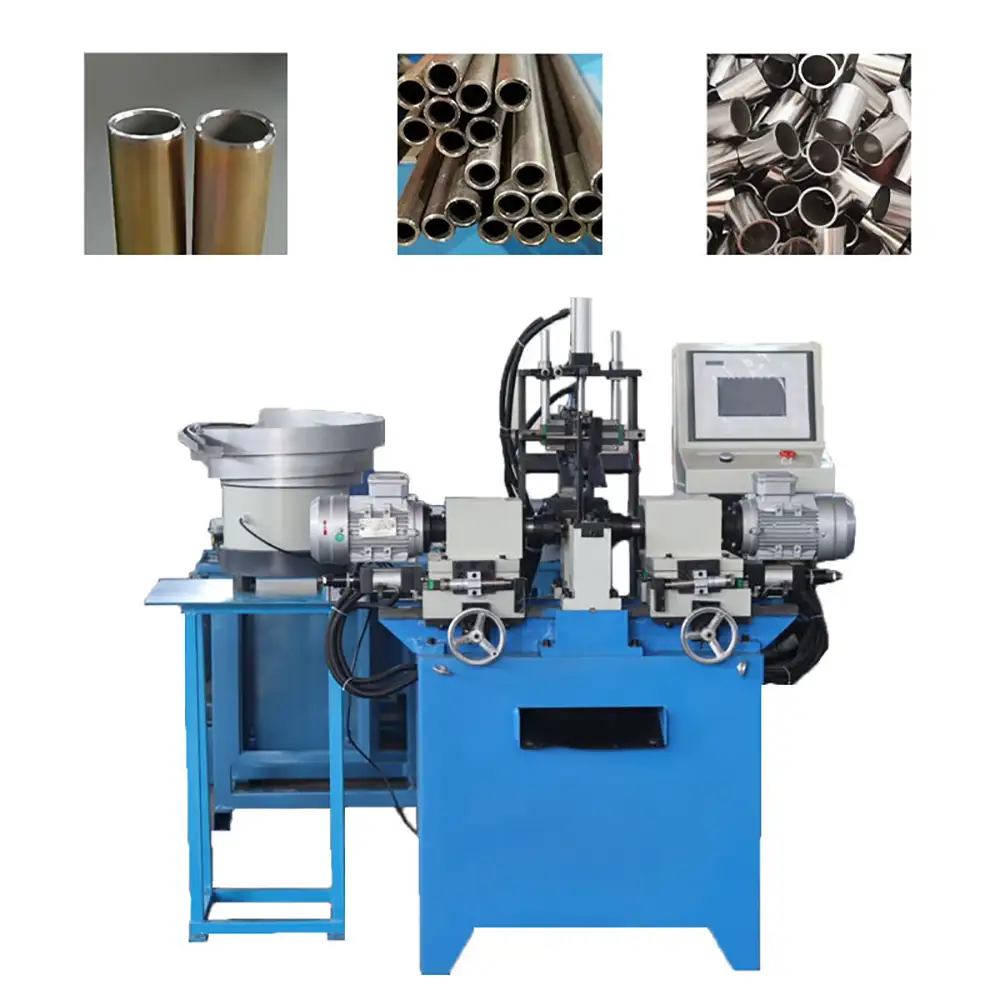
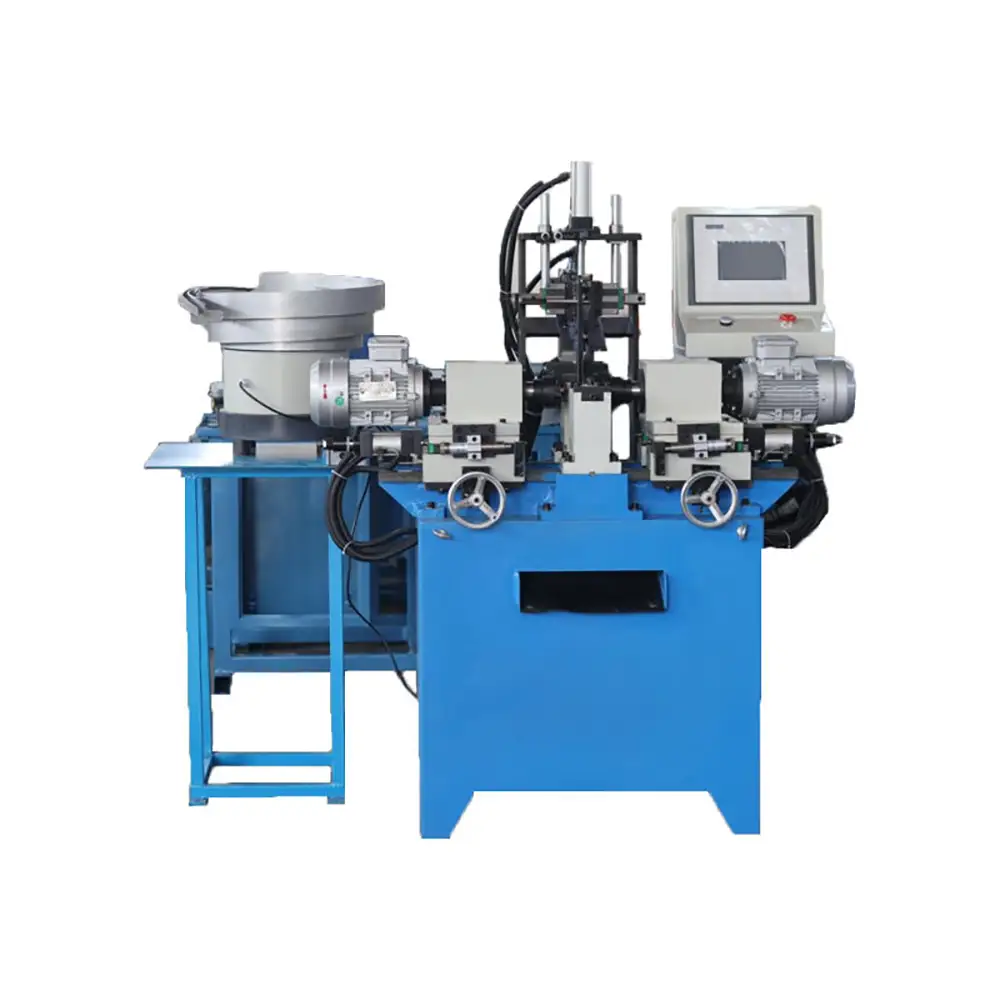
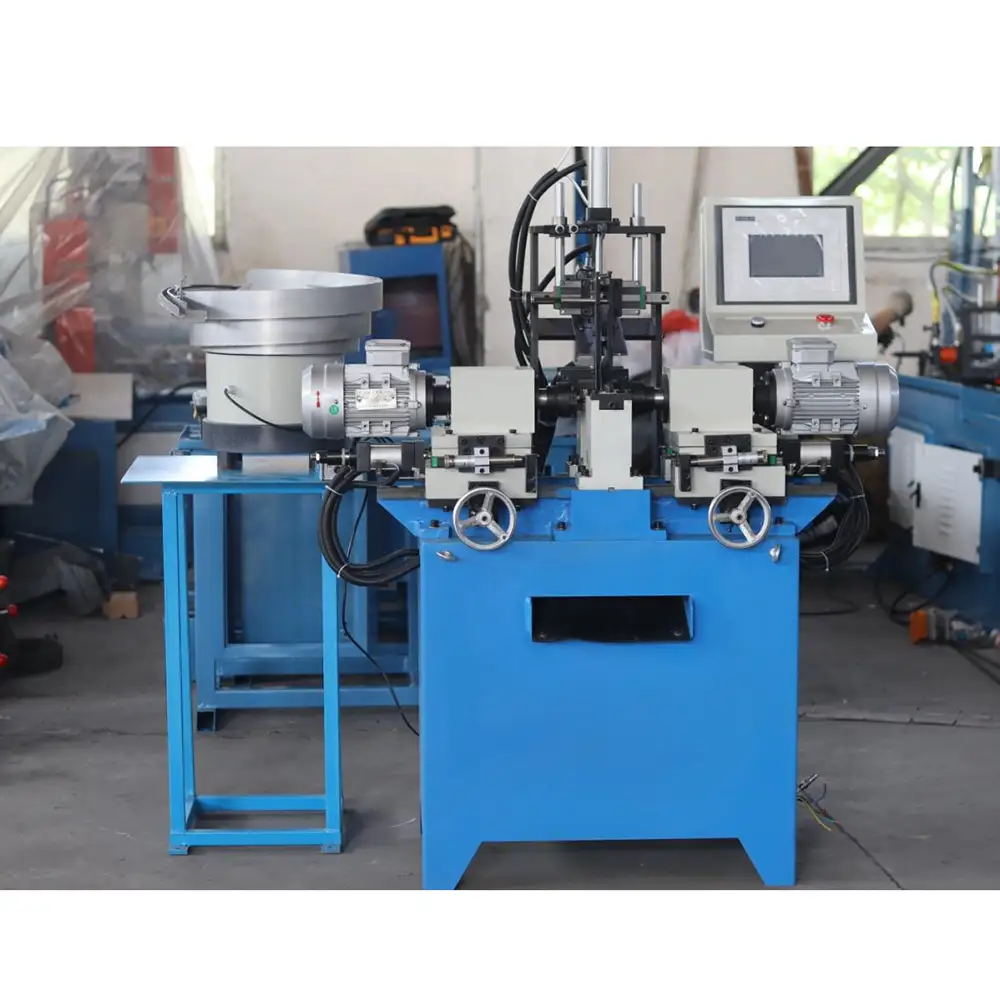
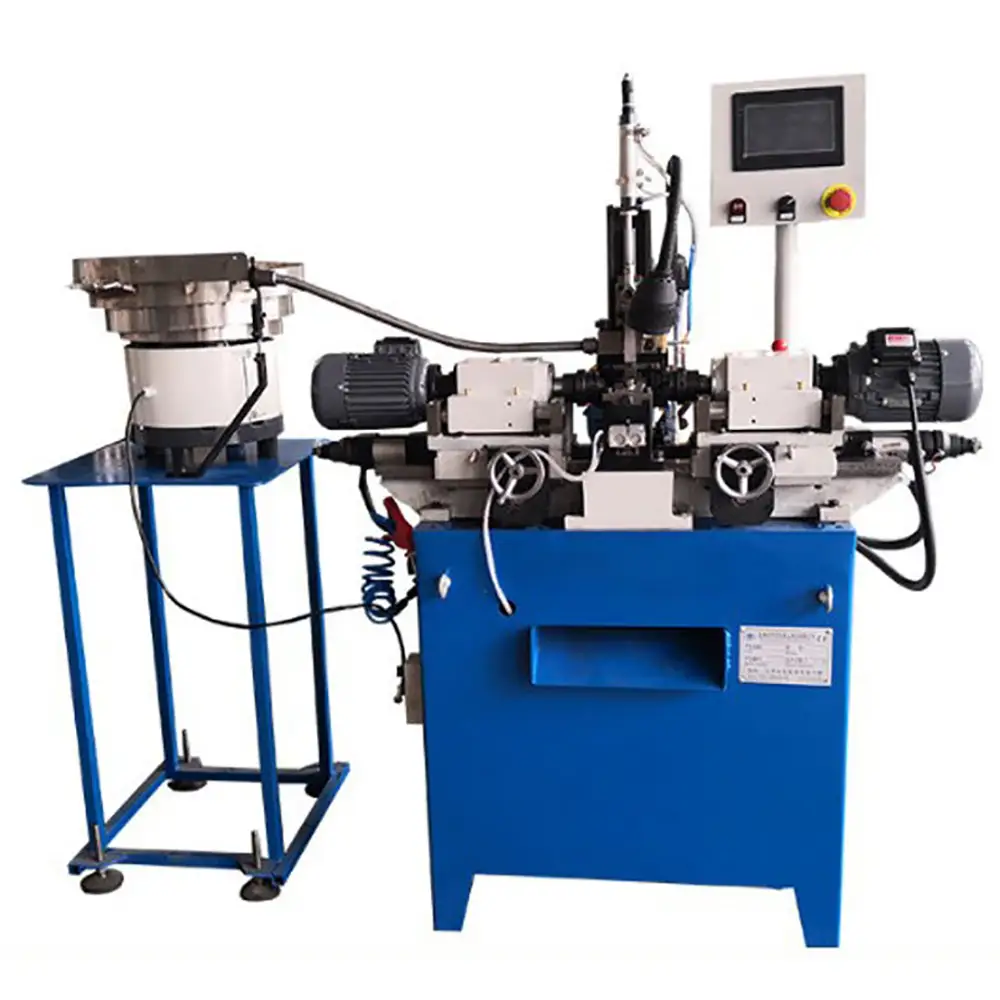
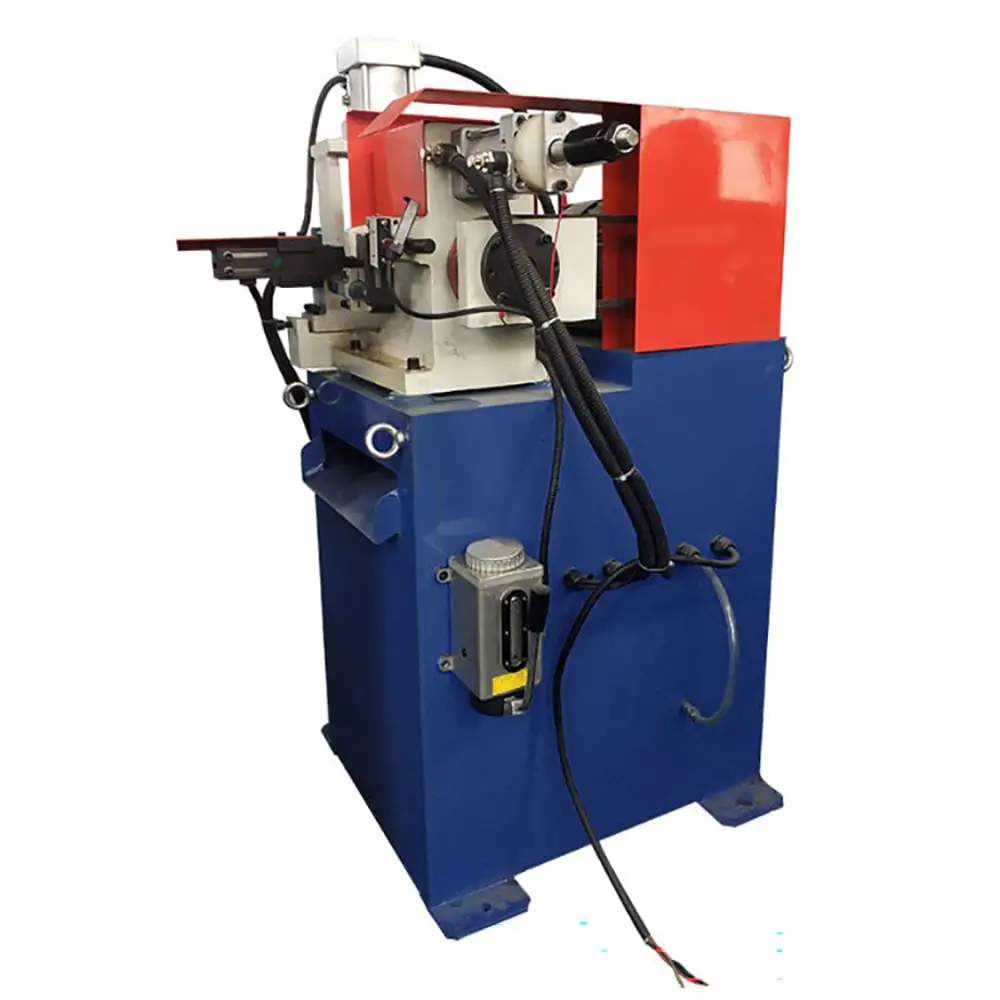
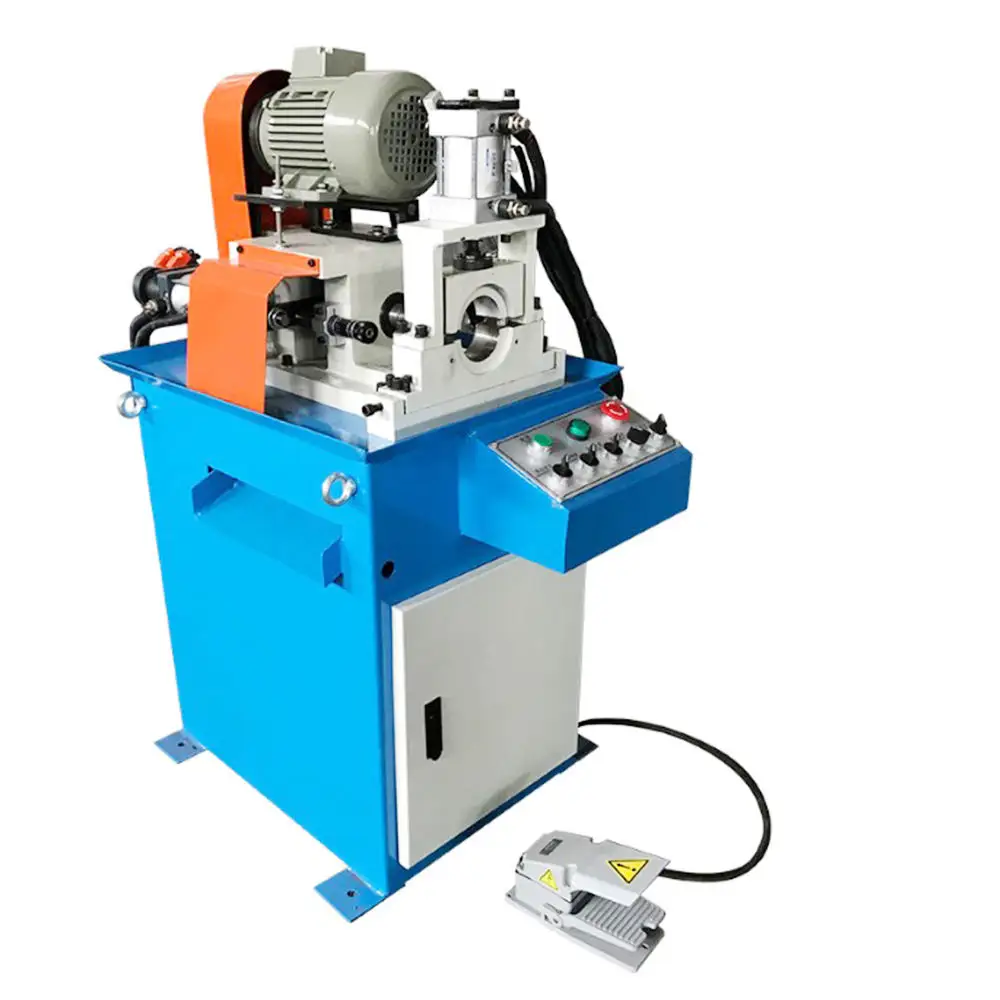
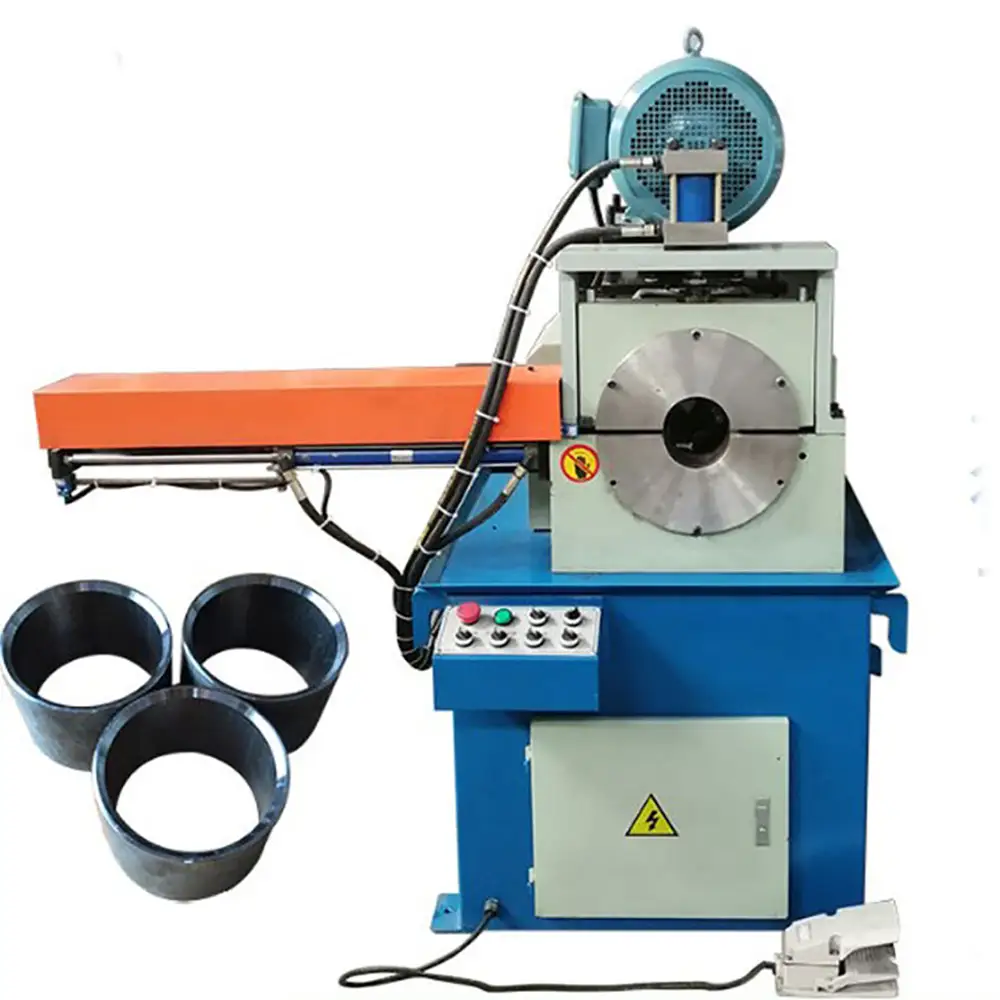
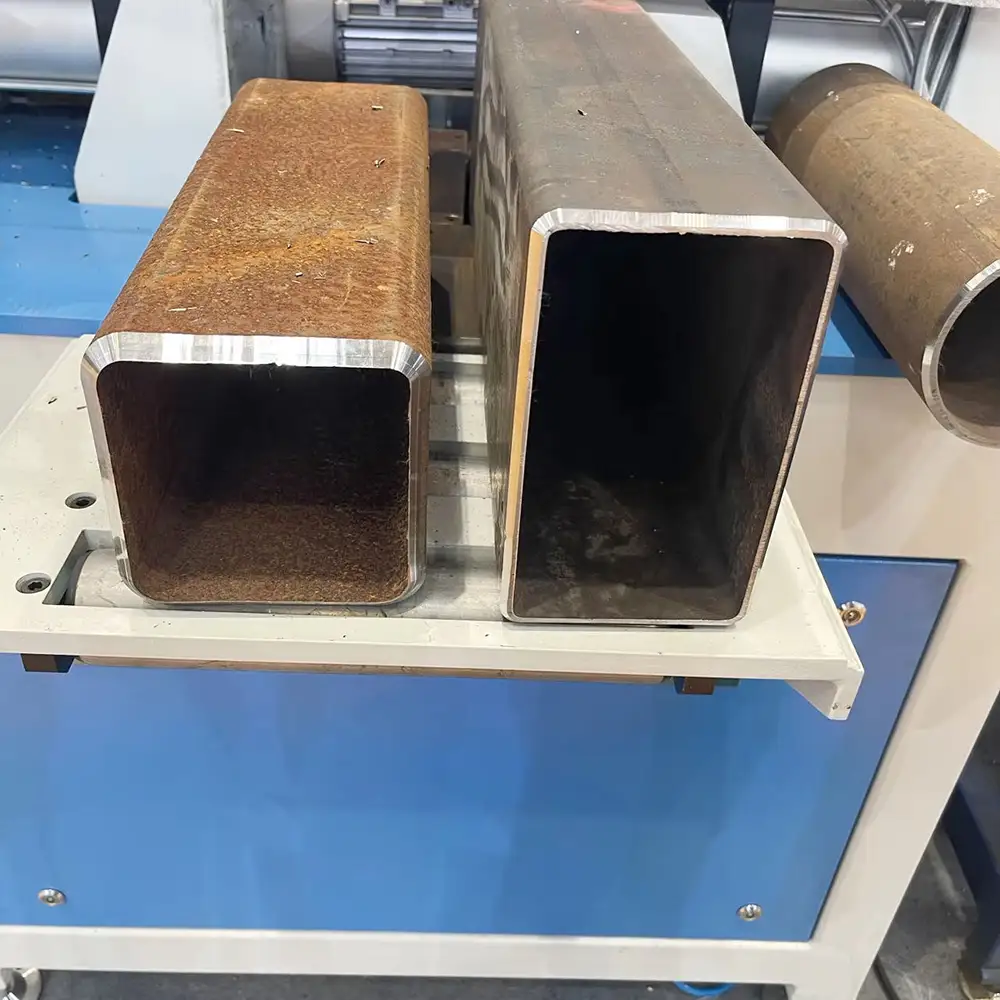
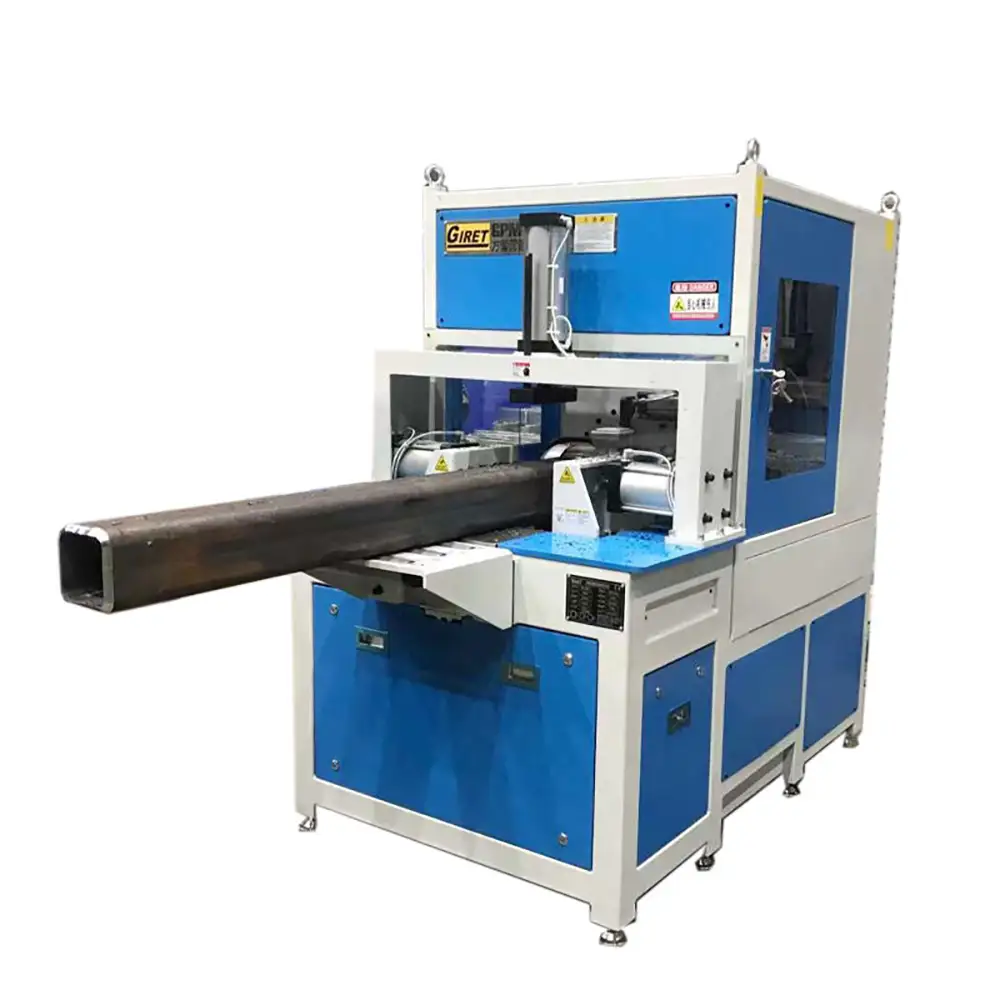
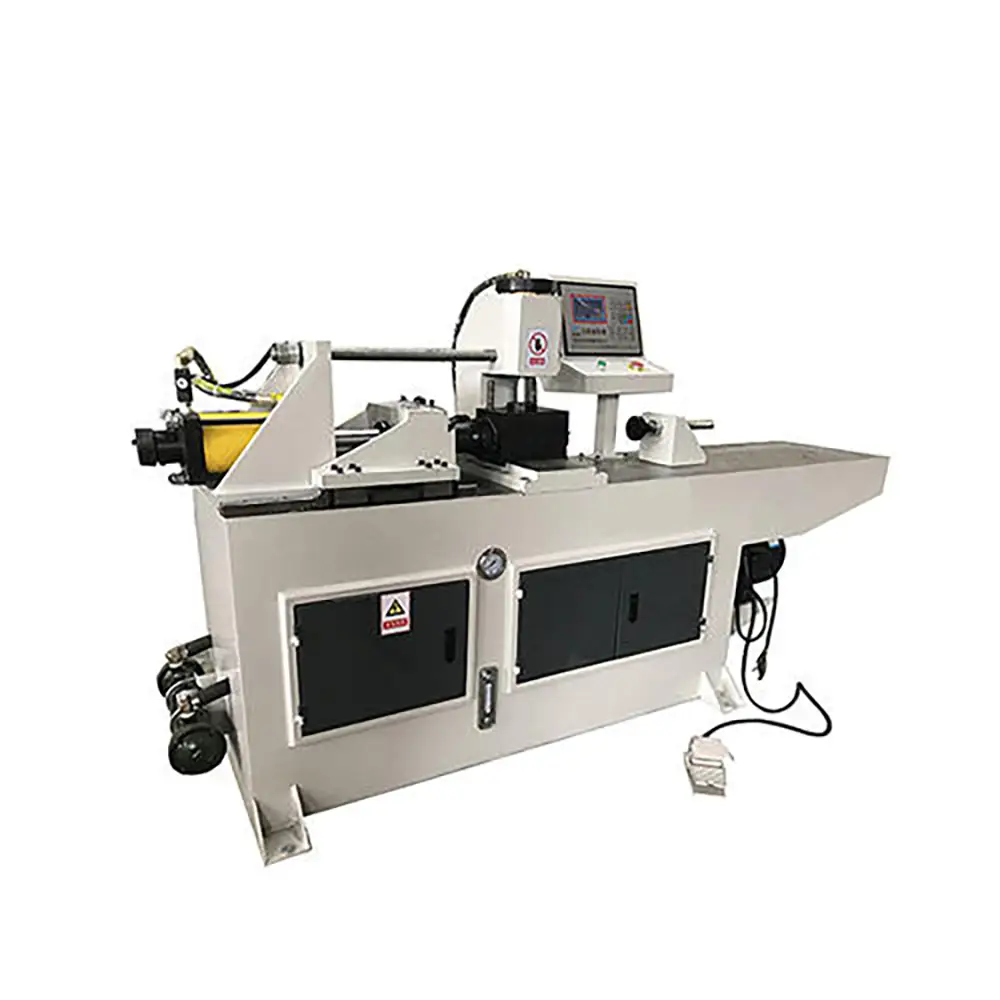
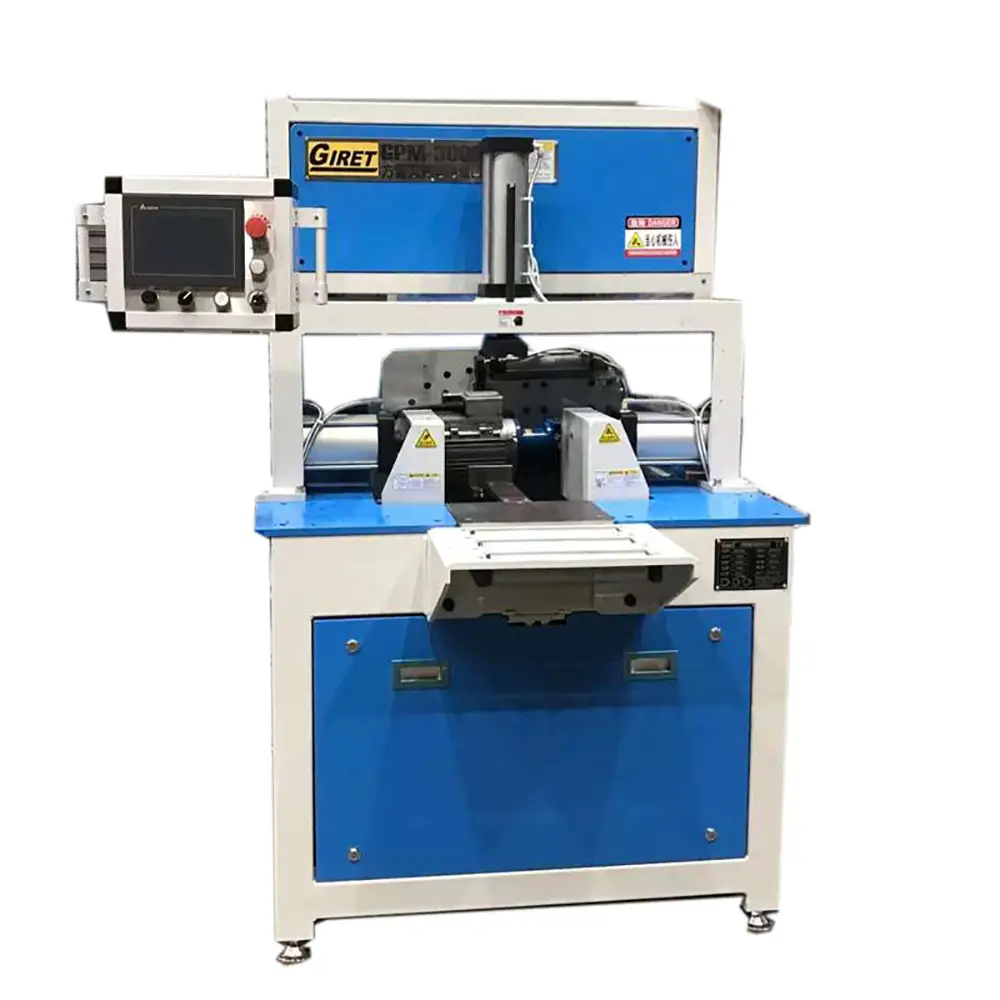
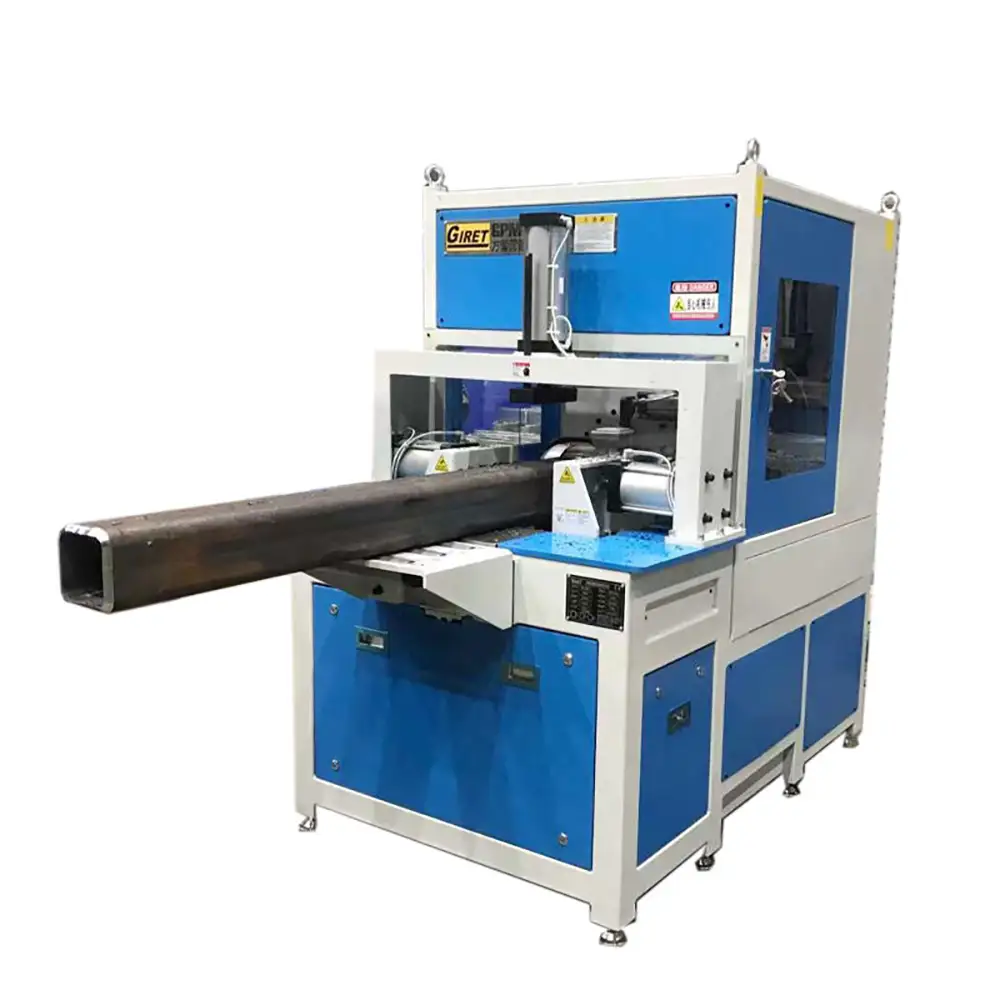
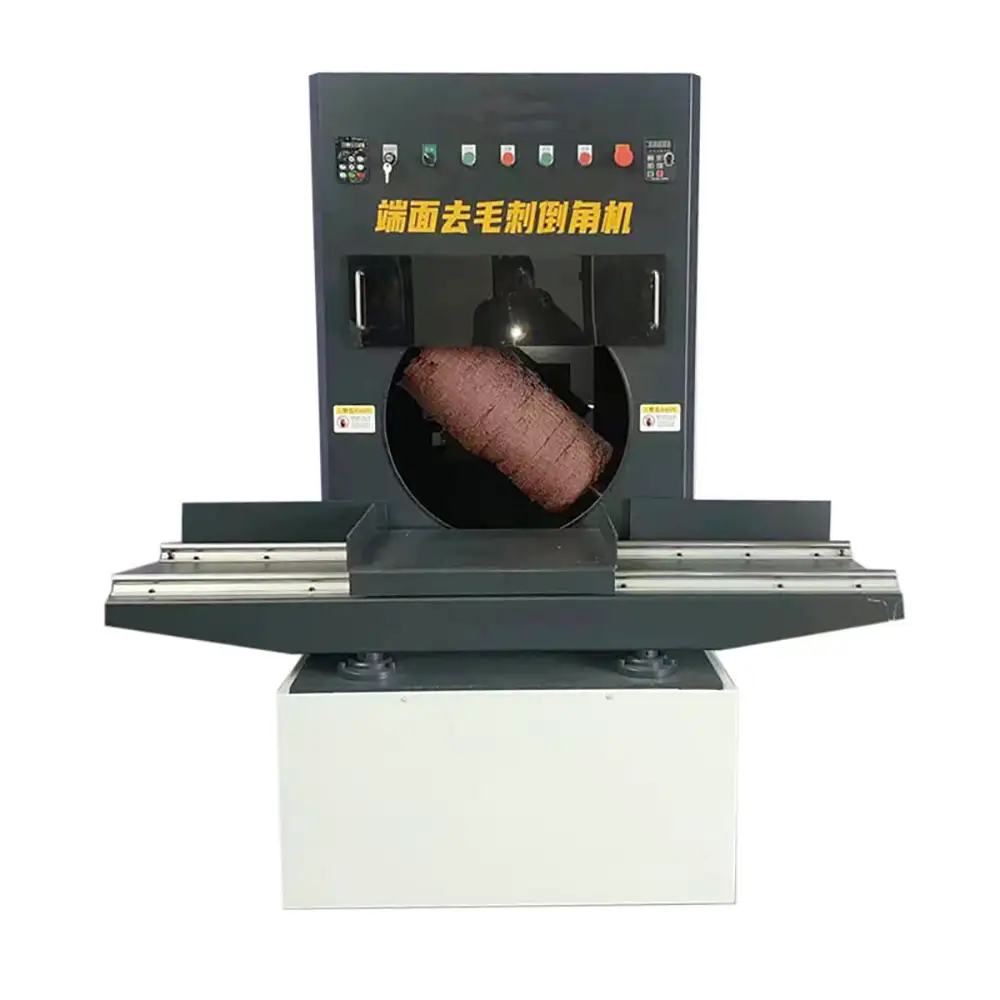
chamfering machine is a mechanical device used to chamfer the edge of a workpiece. It can change the sharp angle of the edge of the workpiece into a chamfered shape by cutting, grinding or polishing, making the workpiece safer and more beautiful, and reducing the potential danger caused by the sharp angle. Chamfering machines are widely used in metal processing, woodworking, plastic processing and other industries The main uses of chamfering machines include: 1. Product processing: The chamfering machine can chamfer all kinds of metal products, plastic products, wood products, etc., to improve the quality and aesthetics of the products. 2. Manufacturing industry: Chamfering machines are widely used in the manufacturing industry. They are mainly used to remove the sharp corners of product edges, and play an important role in the fields of auto parts, aerospace parts, mechanical equipment and so on. 3. Home improvement building materials: The chamfering machine can also be used in the home improvement building materials industry, such as chamfering the floor, door and window frames, etc., to improve the safety and aesthetics of the product. 4. DIY enthusiasts: Chamfering machines are also favored by some DIY enthusiasts, which can meet their needs for material processing, such as making furniture, handicrafts, etc.
|
Mode |
Automatic feeding double head chamfering machine |
|
Length accuracy |
±0.5mm |
|
Motor power |
0.75-1.5KW*2 |
|
Working pressure |
MPA0.4-0.7 |
|
Processing speed |
1400/280/Piece |
|
voltage |
380v |
|
Measure |
1100x850x1600mm |
|
Weight |
600kg |
High Efficiency Automatic Double Head Pipe Chamfering Machine
The High Efficiency Stainless Steel Copper Iron Pipe Automatic Feeding Double Head Chamfering Machine is designed for efficient end chamfering and finishing of metal pipes,tubes,and bar-shaped workpieces. Combining automatic feeding with a double-head processing structure,the machine provides a practical solution for manufacturers that need repeatable pipe end preparation and higher production efficiency.
Chamfering is an important preparation process for many metal tubes and pipes. A properly formed chamfer can remove sharp edges,improve workpiece handling,and prepare the tube end for subsequent welding,assembly,threading,or other manufacturing processes.
The machine can be configured for suitable stainless steel pipes,copper tubes,iron pipes,carbon steel tubes,and other compatible metal workpieces. Actual material range,pipe dimensions,cutting depth,and chamfering geometry depend on the machine configuration,tooling,and workpiece specifications.
The double-head design allows two pipe ends or two processing positions to be handled within the same production cycle,depending on the specific machine structure. This can reduce repeated manual handling and help streamline tube end processing for batch production.
Automatic Feeding System
The automatic feeding function is designed to reduce repetitive manual loading and improve material handling efficiency. Suitable pipes or tubes can be supplied to the processing station according to the machine's feeding configuration.
Automatic feeding is particularly useful when manufacturers process large quantities of similar workpieces. Instead of manually positioning every tube for each operation,the feeding mechanism can support a more consistent production workflow.
The actual feeding method may vary according to the machine design. It can involve material racks,feeding rails,clamping systems,pushers,or other automated handling components.
For customers processing different pipe lengths or diameters,the feeding system should be selected according to the actual workpiece range.
Double Head Chamfering Technology
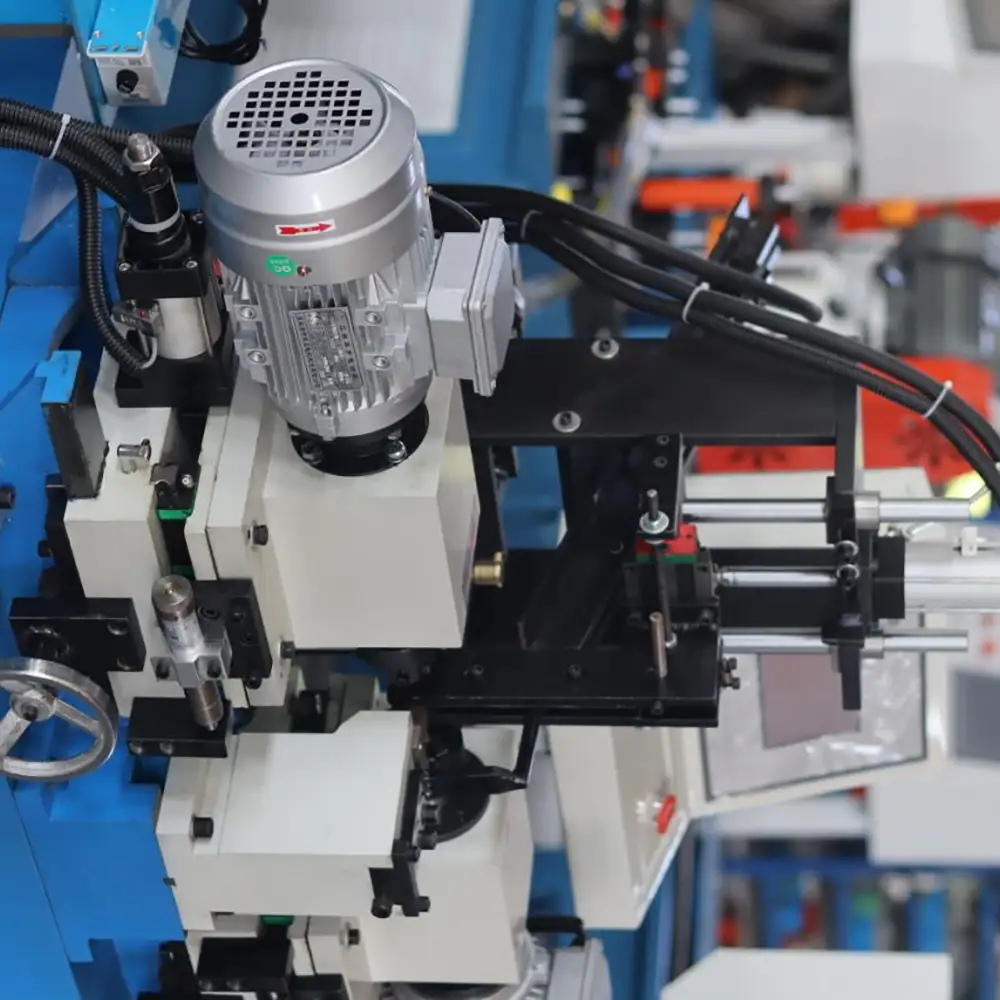
The double head chamfering machine is designed to improve processing efficiency by incorporating two processing heads or two coordinated chamfering positions.
Depending on the machine configuration,the two heads can be used for processing opposite ends of a tube or for performing coordinated operations within the same production sequence.
This structure can reduce the number of times a workpiece needs to be manually repositioned. For applications requiring both ends of a tube to be chamfered,the double-head configuration can help create a more streamlined production process.
The exact operating sequence should be confirmed according to the selected machine model.
Stainless Steel Pipe Chamfering
Stainless steel pipe and tube processing requires suitable cutting tools and processing parameters because stainless steel can generate more heat and cutting resistance than softer metals.
The machine can be configured with appropriate tooling for stainless steel tubes according to material grade,wall thickness,diameter,and required chamfer geometry.
Typical applications may include stainless steel furniture tubes,automotive components,industrial tubing,kitchen equipment,medical equipment components,and general fabricated metal parts.
Proper tool selection,cutting speed,feed rate,and clamping are important for obtaining a clean and consistent stainless steel tube end.
Copper Pipe Chamfering
Copper is widely used in plumbing,HVAC,refrigeration,electrical,and heat-transfer applications. Copper tubes are relatively soft compared with many steel materials,so tooling and processing parameters should be selected to prevent excessive deformation or poor edge quality.
The automatic chamfering machine can be configured for suitable copper pipes and tubes according to their dimensions and production requirements.
Chamfering copper tube ends can help remove sharp edges and prepare the tube for subsequent assembly,connection,flaring,expansion,or other downstream operations.
Actual processing performance depends on copper grade,tube diameter,wall thickness,tool condition,and machine configuration.
Iron and Steel Pipe Chamfering
Iron and steel tubes are common workpieces for industrial fabrication. The machine can be used for suitable iron pipes,carbon steel tubes,mild steel pipes,and related metal components when the machine capacity and tooling are properly matched.
Chamfering steel tube ends can provide a defined edge profile for welding,assembly,threading,or other manufacturing processes.
For thicker or harder materials,the required cutting force and tool selection may differ from those used for thin-wall tubes or softer copper materials.
Customers should provide the material grade,diameter,wall thickness,and required chamfer dimensions when selecting the machine.
Pipe End Chamfering and Deburring
Chamfering and deburring are closely related tube end finishing processes. Deburring removes unwanted sharp edges and burrs,while chamfering creates a defined angled edge.
A controlled chamfer can improve the consistency of tube ends and make subsequent assembly processes easier.
For applications where both burr removal and a specific chamfer angle are required,the machine can be equipped with suitable cutting tools and fixtures.
The final surface condition depends on tool geometry,material characteristics,cutting parameters,and tool wear.
High Efficiency Production
The automatic feeding and double-head design are particularly useful for repetitive production. When many similar pipes must be processed,the machine can reduce manual loading,positioning,and workpiece rotation.
Production efficiency depends on tube diameter,length,material,wall thickness,chamfer dimensions,feeding speed,tooling,and machine cycle time.
For high-volume applications,the machine can be integrated into a broader production line or used alongside cutting,cleaning,washing,threading,welding,and other tube-processing equipment.
Manufacturers should evaluate the complete production workflow rather than relying only on the machine's nominal processing speed.
Workpiece Clamping and Stability
Stable clamping is important for accurate chamfering. During machining,the tube should remain securely positioned to prevent movement,vibration,or rotation.
Different workpiece dimensions may require different clamping arrangements. Thin-wall tubes can require controlled clamping pressure to avoid deformation,while heavier steel pipes may require stronger workholding.
The machine can be configured with suitable fixtures or clamping systems according to the workpiece range.
Proper alignment between the tube,clamp,and cutting tool also helps maintain consistent chamfer dimensions.
Tooling and Chamfer Quality
The cutting tool is one of the most important factors affecting chamfer quality. Tool geometry,material,sharpness,and installation influence the final tube end.
Different materials may require different tooling strategies. Stainless steel,copper,and carbon steel have different cutting characteristics and should not automatically use identical processing parameters.
Regular tool inspection is recommended during production. A worn tool can increase cutting force,create rough edges,and reduce dimensional consistency.
For precision applications,customers should provide drawings or samples so the appropriate chamfer geometry and tooling can be evaluated.
Applications
The automatic double-head pipe chamfering machine can be used in a variety of manufacturing industries,including:
Stainless steel tube processing
Copper tube manufacturing
Steel pipe fabrication
HVAC and refrigeration
Automotive components
Motorcycle components
Furniture tube processing
Bicycle manufacturing
Fitness equipment
Plumbing components
Heat exchanger production
Machinery manufacturing
Metal fabrication
Construction components
General industrial tube processing
The actual application range depends on machine capacity,tooling,and workpiece specifications.
Maintenance and Safety
Regular maintenance helps maintain stable processing performance. Operators should inspect cutting tools,clamping systems,feeding components,motors,electrical connections,and other moving parts according to the manufacturer's recommendations.
Metal chips and debris should be removed from the working area regularly. Cutting tools should be replaced or sharpened when excessive wear affects processing quality.
Operators should also follow appropriate machine safety procedures. Guards,emergency-stop systems,electrical protection,and other safety features depend on the machine configuration and applicable local requirements.
Training should be provided before operation,and hands should be kept away from moving tools and automatic feeding mechanisms.
Custom & OEM Solutions
Different manufacturers may process different tube materials,diameters,lengths,and chamfer specifications. Therefore,the machine can be configured around the actual production requirements.
Customization may include automatic feeding systems,clamping fixtures,double-head arrangements,cutting tools,control systems,material racks,and other workpiece handling components.
For OEM and ODM projects,customers can provide tube drawings,material grades,diameters,wall thicknesses,lengths,chamfer angles,production quantities,and required cycle times.
These details help determine the appropriate machine configuration and tooling solution.
Why Choose Us
High Efficiency Automatic Feeding – Helps reduce repetitive manual loading and improve the workflow for batch tube processing.
Double Head Processing Design – Supports efficient processing of tube ends or multiple positions according to the machine configuration.
Multiple Metal Materials – Suitable for compatible stainless steel,copper,iron,carbon steel,and other metal tubes.
Consistent Tube End Chamfering – Controlled tooling and clamping can help produce repeatable chamfered tube ends.
Integrated Deburring Capability – Suitable tooling can combine edge removal and chamfering requirements for selected applications.
Flexible Industrial Applications – Suitable for automotive,furniture,HVAC,refrigeration,plumbing,machinery,and general metal fabrication.
Custom Tooling & Feeding – Machine fixtures,feeding systems,clamps,and cutting tools can be developed according to customer requirements.
OEM & ODM B2B Support – Suitable for manufacturers,distributors,wholesalers,and industrial buyers requiring customized tube-processing equipment.
FAQs
1. What is an automatic double head chamfering machine?
It is a metal tube processing machine that combines automatic feeding with two chamfering heads or processing positions for efficient tube end finishing.
2. What materials can this machine process?
Depending on the machine configuration,it can process suitable stainless steel,copper,iron,carbon steel,mild steel,and other compatible metal tubes.
3. Can it chamfer stainless steel pipes?
Yes. With suitable tooling and processing parameters,the machine can process compatible stainless steel pipes and tubes.
4. Can it process copper tubes?
Yes. Copper tubes can be processed when the machine,clamping system,and cutting tools are properly configured for the material.
5. Can it chamfer iron pipes?
Yes. Suitable iron and steel pipes can be processed within the machine's rated workpiece range.
6. What is the advantage of double-head chamfering?
A double-head structure can reduce manual repositioning and support efficient processing of two tube ends or two processing positions,depending on the machine configuration.
7. What does automatic feeding do?
The automatic feeding system transfers suitable workpieces into the processing area according to the machine's feeding mechanism,helping reduce repetitive manual loading.
8. Can the machine remove burrs?
With appropriate tooling,the machine can perform tube end deburring together with chamfering for suitable applications.
9. What affects chamfering quality?
Material type,pipe diameter,wall thickness,tool geometry,tool condition,cutting speed,feed rate,clamping,and machine alignment can all affect chamfering quality.
10. Can thin-wall tubes be processed?
Potentially yes,provided that the machine and clamping system are suitable for the tube dimensions. Controlled clamping pressure is important to prevent deformation.
11. Can the machine be customized?
Yes. Feeding systems,fixtures,clamps,tooling,processing heads,and control configurations can be customized according to the application.
12. What information is needed for a quotation?
Provide the tube material,outer diameter,wall thickness,length,chamfer angle,required end geometry,production volume,and preferred automation level. Drawings or samples are also helpful.
Prev:
Automatic Feeding Double Head Small Aluminium Copper Tube Pipe End Chamfering Machine
Next:
Automatic Small Bar Metal Copper Pipe Tube Deburring Chamfering Machine Tools
TAG:
Pipe End Processing Machine,
Tube End Processing Machine,
Metal Tube Processing Machine,
Pipe Processing Machine,
Tube Processing Machine,
Stainless Steel Tube Processing Machine,
Automatic Tube Processing Machine,
Automatic Pipe Processing Machine,
Copper Tube Processing Machine,
Steel Tube Processing Machine,
Metal Pipe Processing Equipment,
Pipe Edge Chamfering Machine,
Tube Edge Chamfering Machine,
Tube Chamfering And Deburring Machine,
Pipe Chamfering And Deburring Machine,
Pipe End Finishing Machine,
Tube End Finishing Machine,
Automatic Pipe End Finishing Machine,
Metal Tube End Finishing Machine,
Double Head Pipe Deburring Machine,
Metal Pipe Deburring Machine,
Automatic Pipe Deburring Machine,
Steel Pipe Deburring Machine,
Pipe End Chamfering Machine,
Tube End Chamfering Machine,
Steel Tube Chamfering Machine,
Stainless Steel Tube Chamfering Machine,
CNC Pipe Chamfering Machine,
Precision Pipe Chamfering Machine,
Industrial Pipe Chamfering Machine,
Related Category:
Automatic Double Head Chamfering Machine,Pipe Chamfering Machine,Stainless Steel Pipe Chamfering Machine,Copper Pipe Cha China, suppliers, manufacturers, factory, customized, wholesale, quotation, made in China