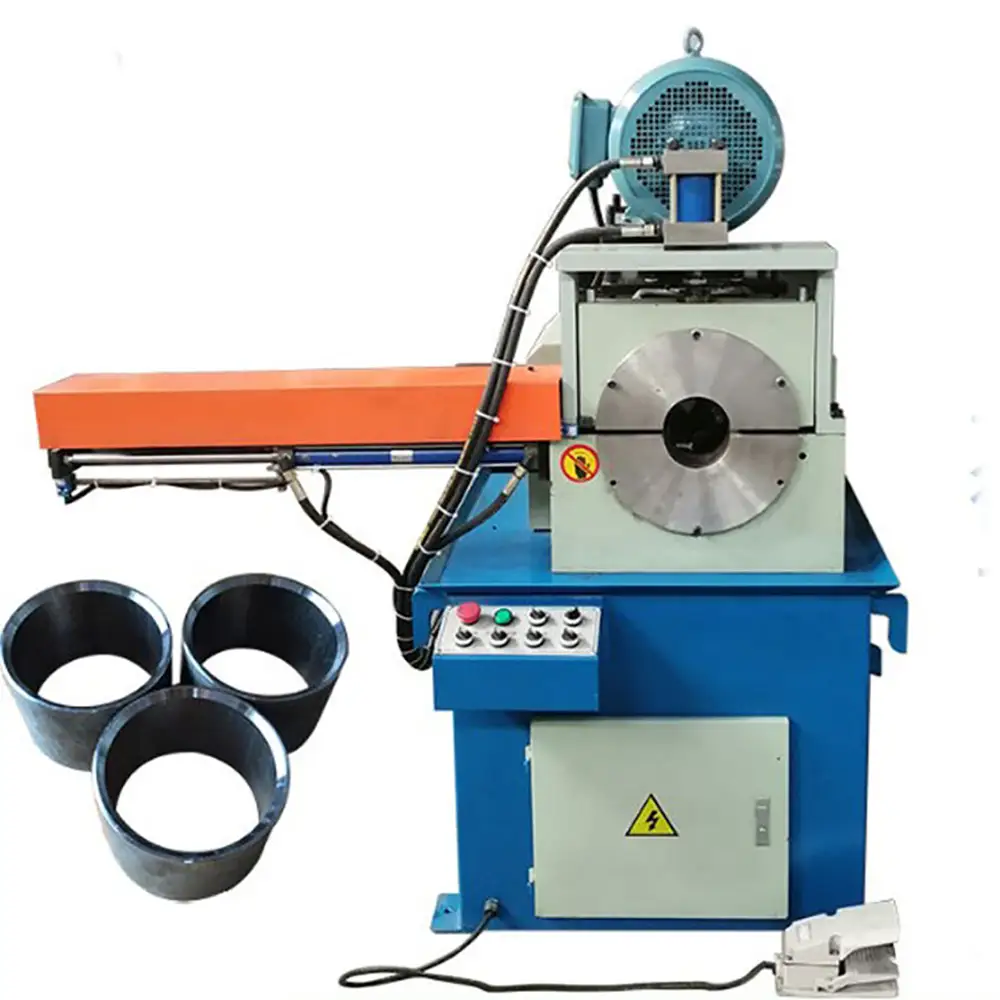
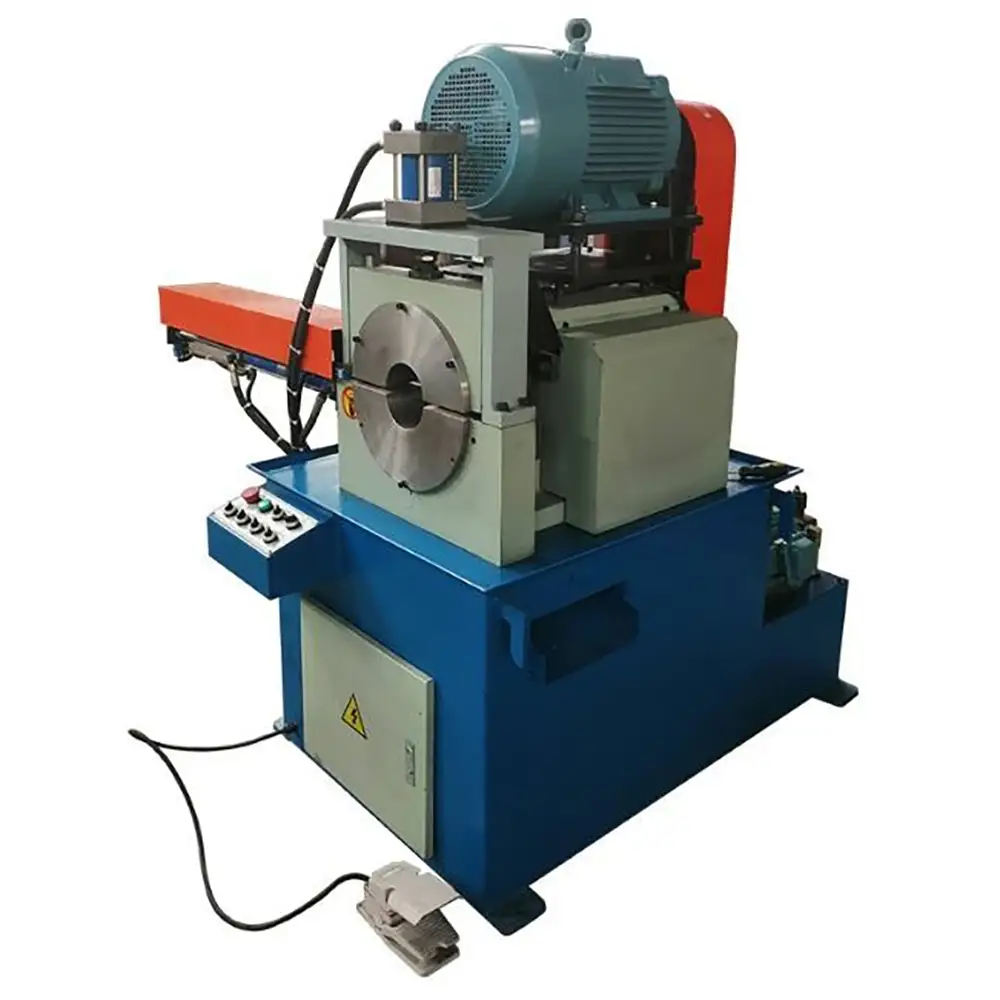
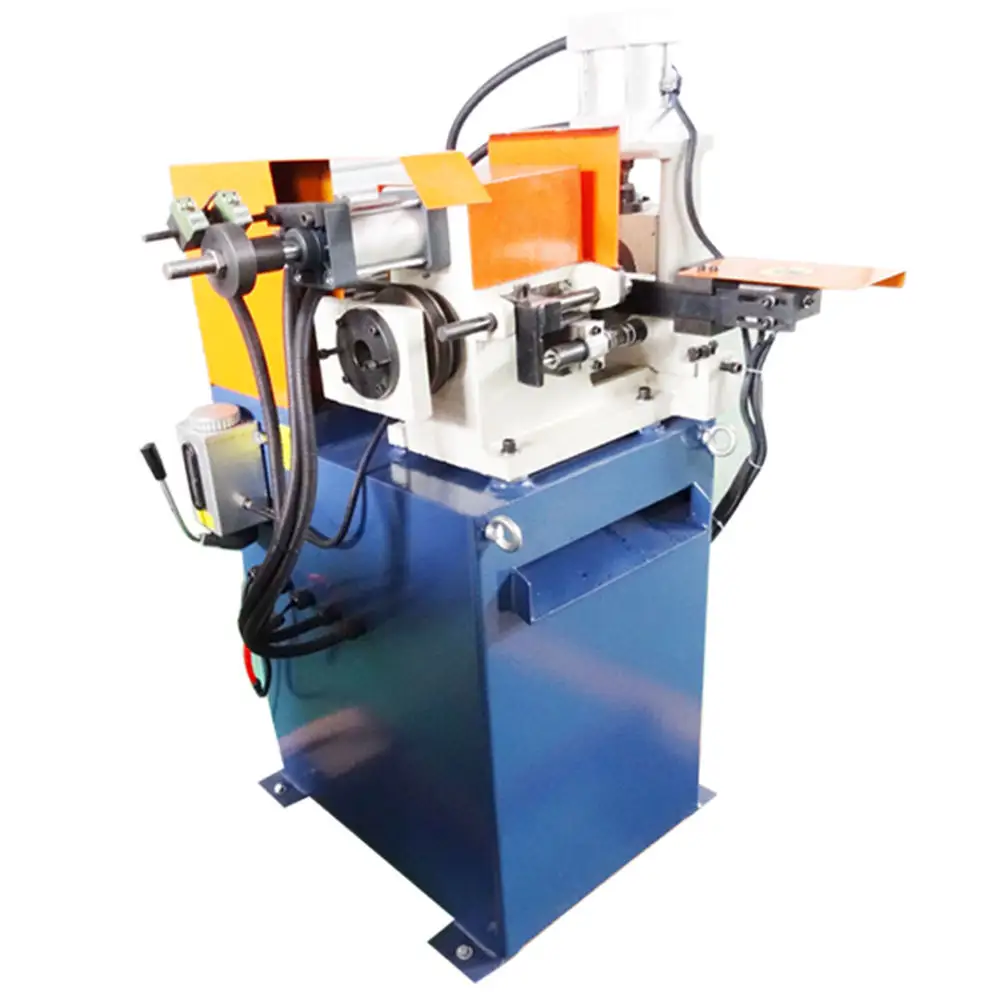
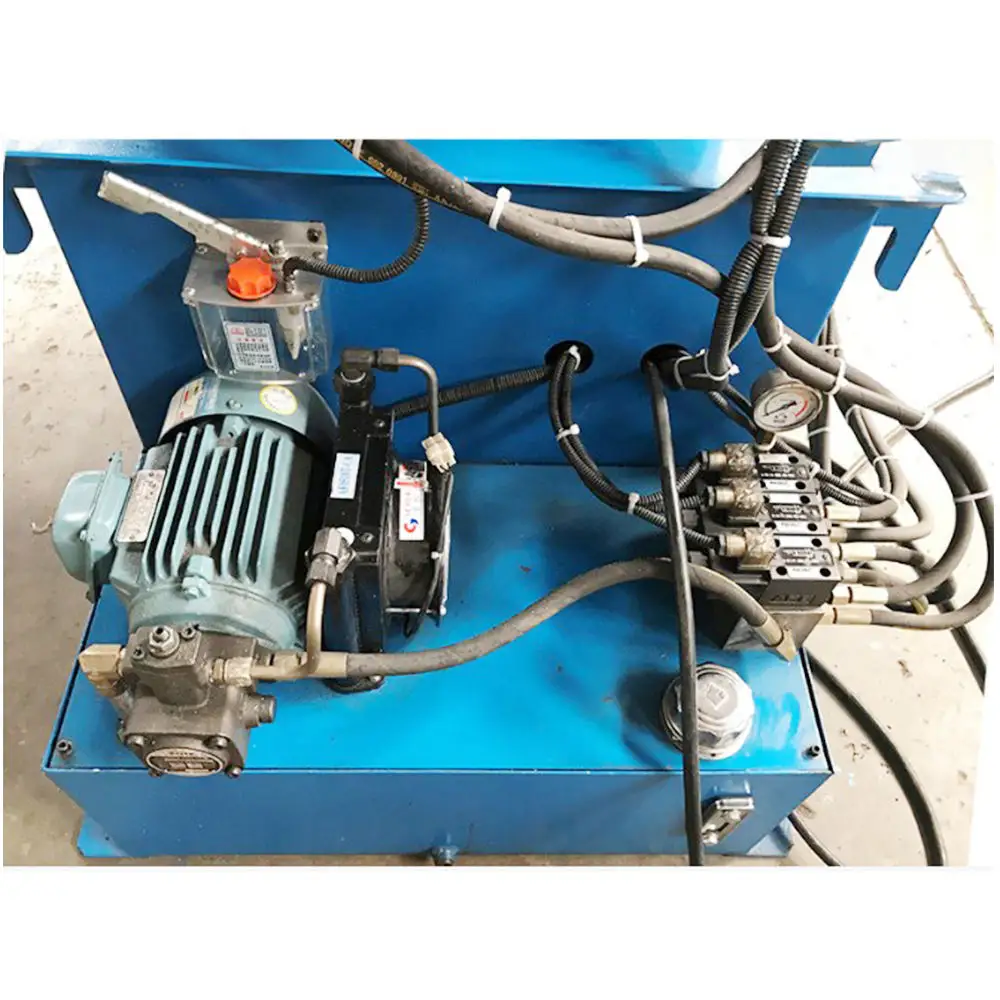
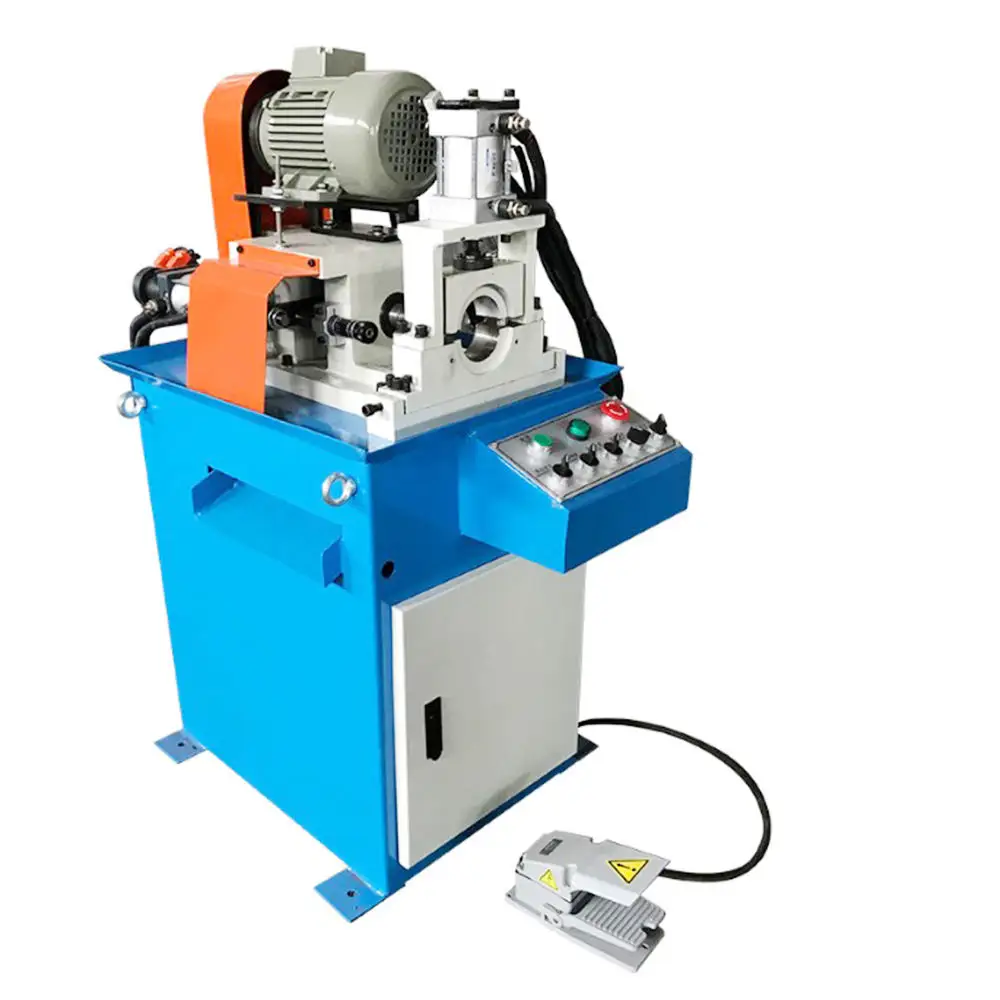
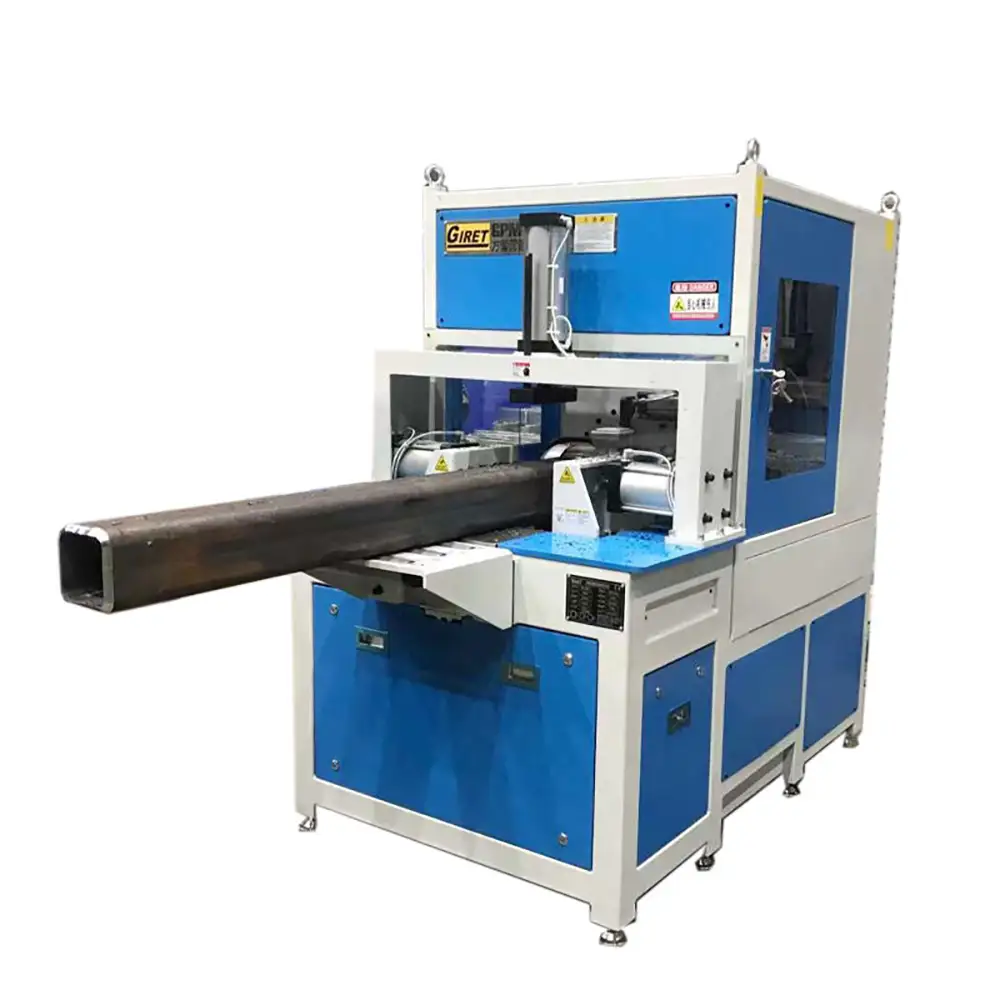
Metal Pipe and Wooden Product Chamfering Machine
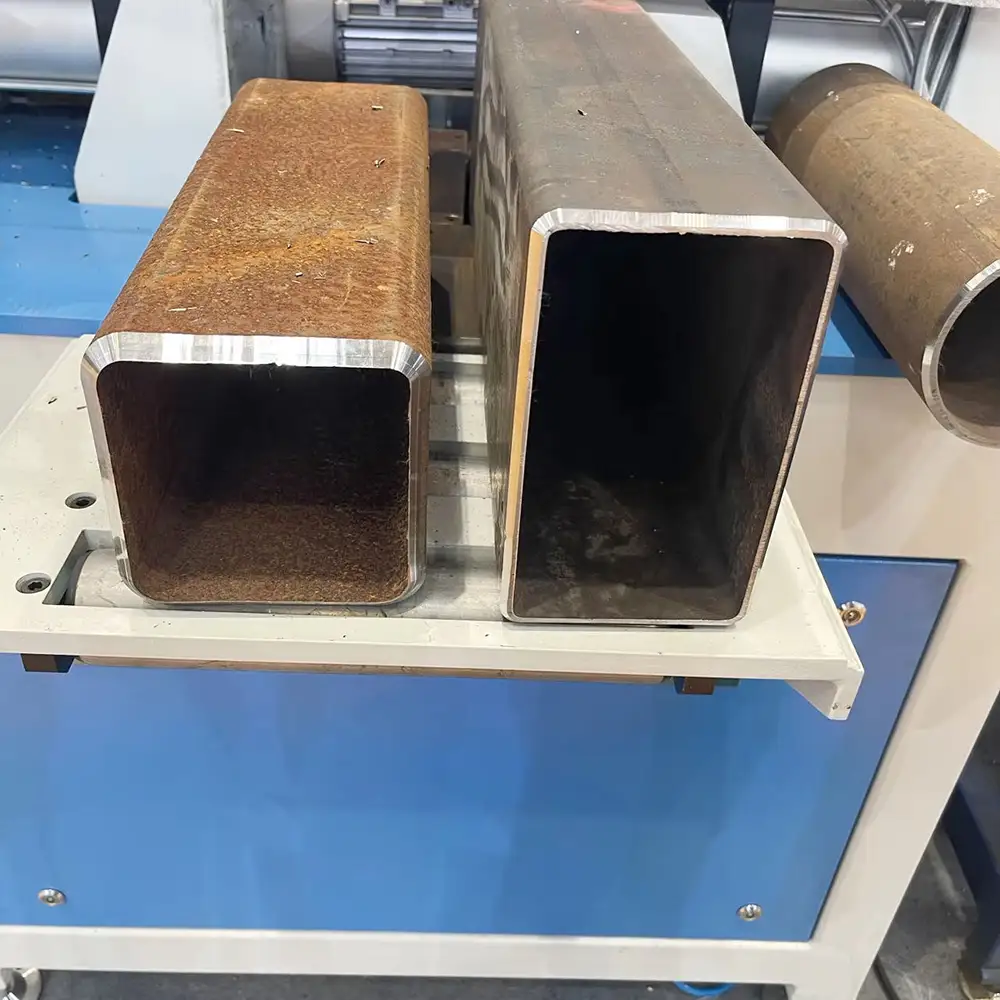
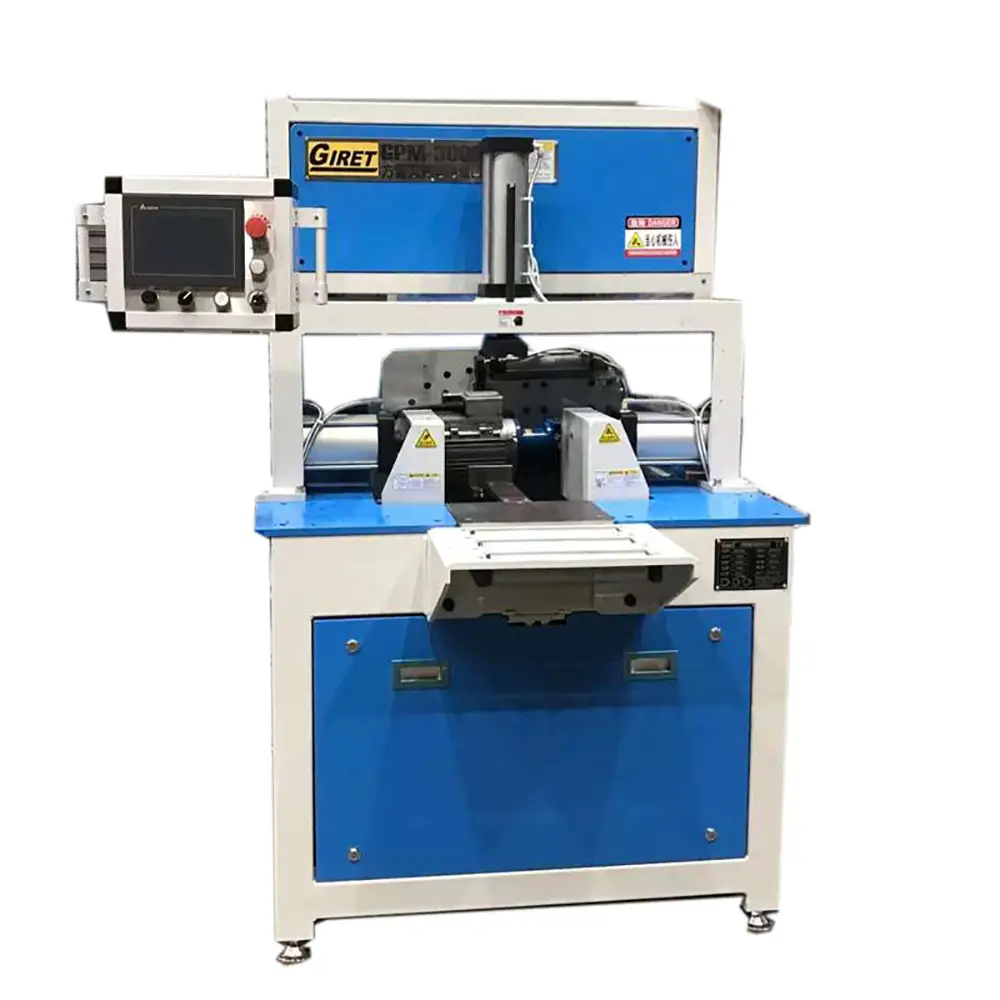
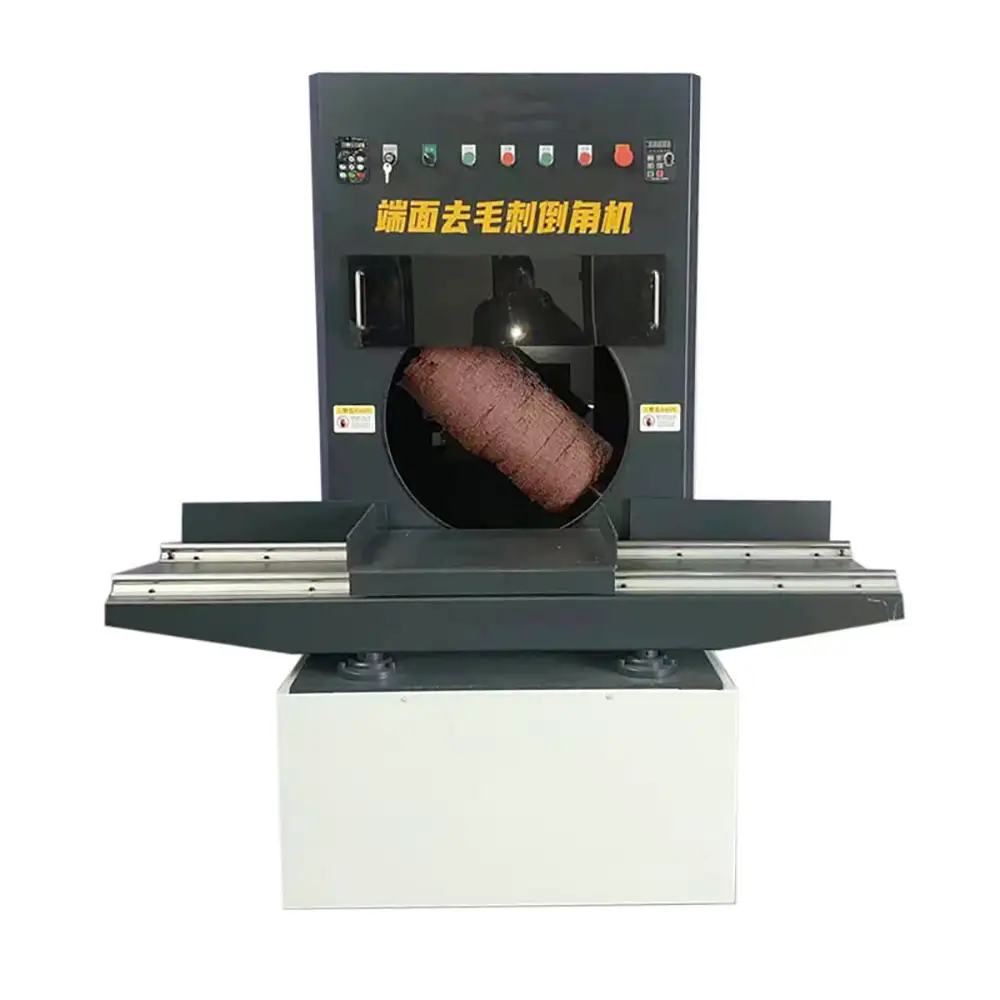
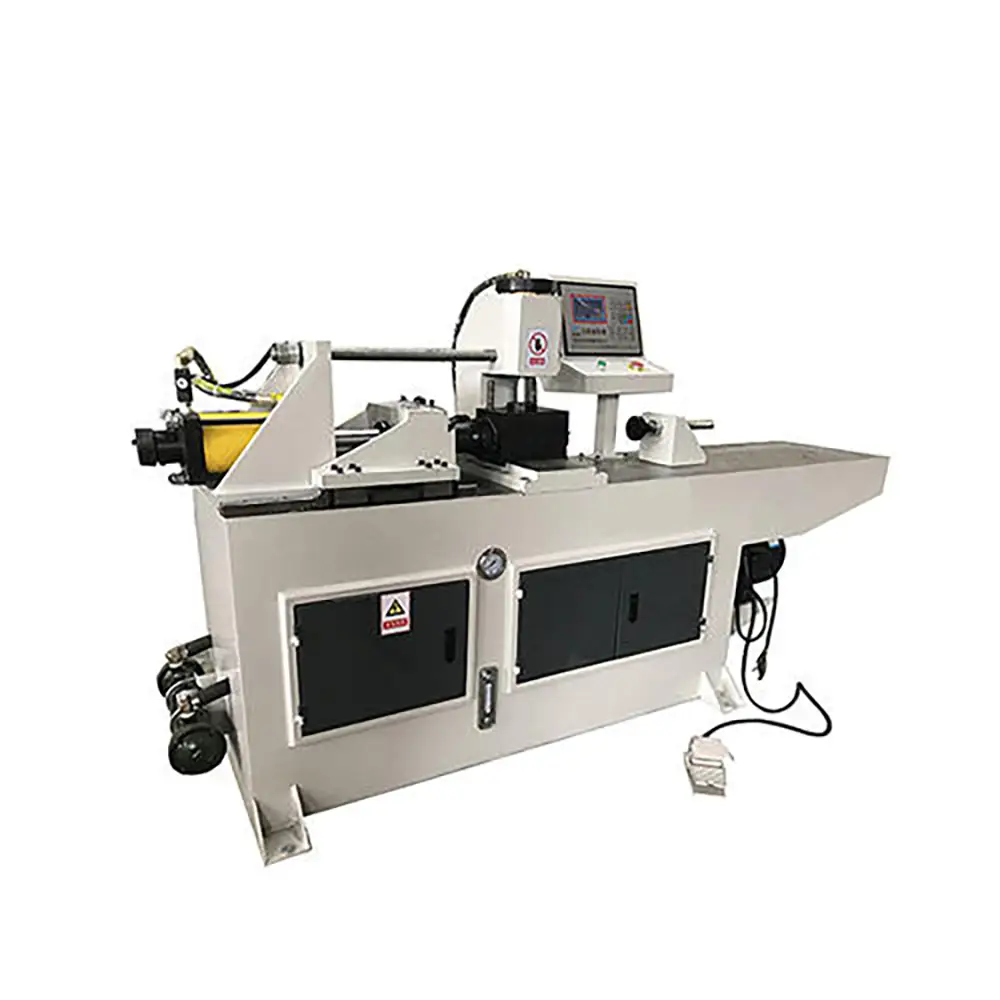
The Metal Pipe and Wooden Product Chamfering Machine is a versatile edge-processing solution designed for manufacturers that need to chamfer,bevel,deburr,and finish suitable metal pipes,tubes,bars,and selected wooden products. Combining a dedicated machine structure with application-specific cutting or forming tools,the equipment can support different edge-finishing requirements in metalworking,woodworking,and general manufacturing.
Chamfering is commonly used to remove sharp edges,create an angled profile,improve component appearance,and prepare workpieces for subsequent assembly,coating,welding,machining,or installation. For metal pipes and tubes,a chamfer can help prepare the pipe end for welding or assembly. For wooden products,edge chamfering can create a smoother and more finished profile while reducing sharp corners.
Because metal and wood have significantly different physical properties,the actual machine configuration,cutting tools,processing parameters,and workholding method should be selected according to the intended material and product.
chamfering machine is a mechanical device used to chamfer the edge of a workpiece. It can change the sharp angle of the edge of the workpiece into a chamfered shape by cutting, grinding or polishing, making the workpiece safer and more beautiful, and reducing the potential danger caused by the sharp angle. Chamfering machines are widely used in metal processing, woodworking, plastic processing and other industries The main uses of chamfering machines include: 1. Product processing: The chamfering machine can chamfer all kinds of metal products, plastic products, wood products, etc., to improve the quality and aesthetics of the products. 2. Manufacturing industry: Chamfering machines are widely used in the manufacturing industry. They are mainly used to remove the sharp corners of product edges, and play an important role in the fields of auto parts, aerospace parts, mechanical equipment and so on. 3. Home improvement building materials: The chamfering machine can also be used in the home improvement building materials industry, such as chamfering the floor, door and window frames, etc., to improve the safety and aesthetics of the product. 4. DIY enthusiasts: Chamfering machines are also favored by some DIY enthusiasts, which can meet their needs for material processing, such as making furniture, handicrafts, etc.
|
Mode |
30AC-2 |
50Y-2 |
80Y-2 |
|
Chamfering method |
Pneumatic |
Hydraulic |
Hydraulic |
|
Name |
Pneumatic double heads chamfering machine |
Pneumatic double heads chamfering machine |
Pneumatic double heads chamfering machine |
|
Fit to out diameter |
φ1.0-3.0mm |
φ8.0-50mm |
φ8.0-80mm |
|
Fit to length |
8-80mm/40-280mm |
100-600mm |
100-600mm |
|
Working pressure |
MPA6-8KG |
40-600mm(can be lengthened ) |
40-600mm(can be lengthened ) |
|
Processing speed |
3-5S/Piece |
15-20KG |
15-20KG |
|
accuracy |
0.04mm |
3-5S/Piece |
3-5S/Piece |
|
Pressure required |
6-8kg/CM |
0.05mm |
0.05mm |
|
Motor power(double sides) |
0.75kw |
1.5kw |
2.2kw |
|
Feeding way |
Side by side |
Side by side |
Side by side |
|
Measure |
1100x850x1600mm |
1000x700x1500mm |
1950x1200x1300mm |
|
Weight |
600kg |
750kg |
1500kg |
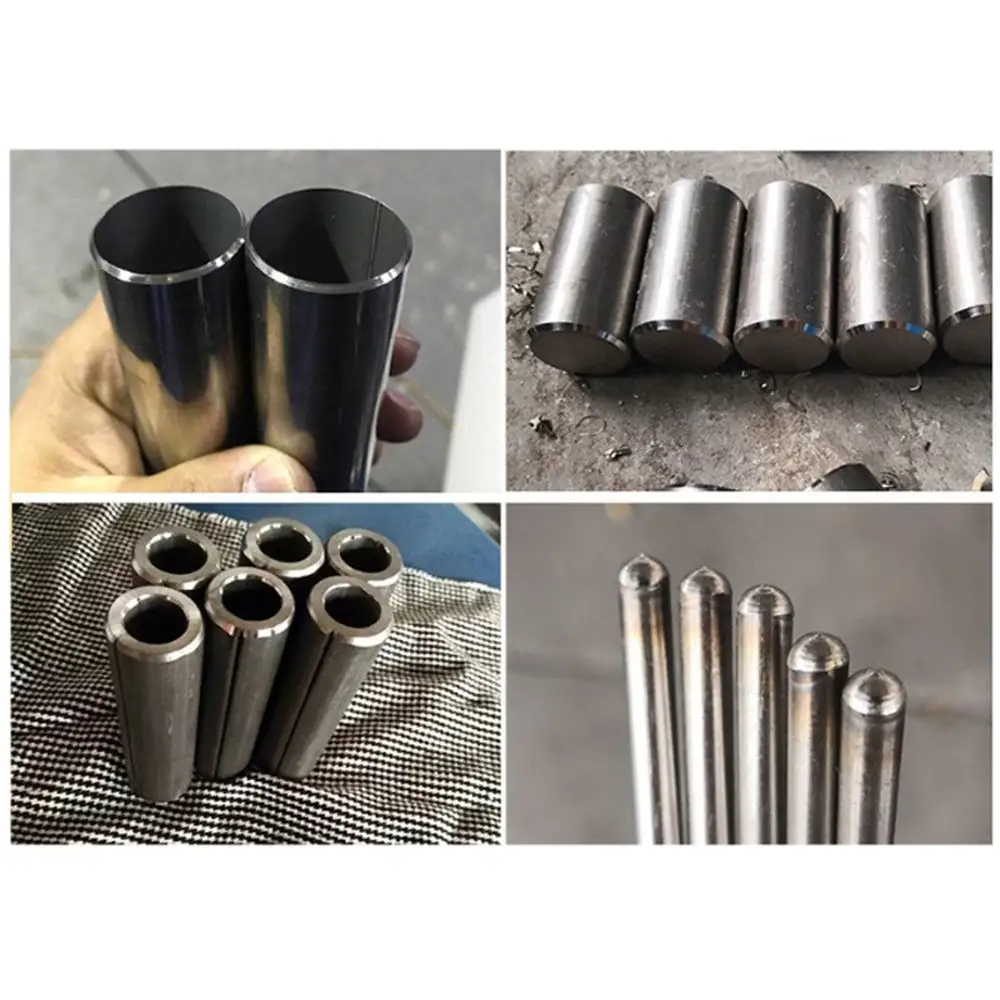
Metal Pipe Chamfering
Metal pipe chamfering is a common preparation process for steel pipes,stainless steel tubes,aluminum tubes,copper pipes,and other suitable tubular materials.
After cutting,pipe ends may have burrs,sharp corners,or uneven edges. A dedicated chamfering process can remove these unwanted edges and create a controlled profile.
Depending on the machine configuration,the equipment can process suitable round pipes,tubes,rods,and bar materials. The actual diameter range,wall thickness,material hardness,and chamfer dimensions depend on the machine model and tooling.
For welding applications,the required chamfer geometry should be selected according to the pipe material,wall thickness,welding method,and joint design.
Wooden Product Chamfering
Wooden products can also require edge chamfering during furniture,woodworking,and component manufacturing. A chamfered wooden edge can improve the appearance of a finished product while reducing sharp corners.
Potential wooden applications may include:
Wooden Furniture Components
Table Legs
Chair Components
Cabinet Parts
Wooden Handles
Decorative Wood Products
Wood Dowels
Wooden Rods
Small Wood Components
Custom Woodworking Parts
Wood species,moisture content,grain direction,product dimensions,and cutter geometry can affect the final finish.
A suitable woodworking cutter should be selected for the intended material and edge profile. Metal cutting tools should not automatically be assumed to be suitable for wood processing.
Multi-Material Processing Concept
The main advantage of a multi-purpose chamfering machine is its potential flexibility across different product categories. Manufacturers that process both metal and wooden components may be able to use a common machine platform with appropriate tooling and setup changes.
However,metal and wood require different processing conditions. Metal typically requires cutting tools designed for metal removal,while wood processing generally uses woodworking cutters and different feed and cutting parameters.
The machine should therefore be configured specifically for the intended materials. Customers should provide product samples,drawings,material information,and required edge profiles when evaluating a multi-material application.
Pipe End Finishing
Pipe end finishing can include chamfering,deburring,beveling,and edge smoothing. These operations are often performed after sawing,cutting,laser cutting,or other pipe-processing operations.
A controlled chamfer can provide a more consistent pipe-end geometry than manual grinding. For repetitive production,the machine can help standardize the process between workpieces.
The final result depends on workpiece alignment,clamping stability,tool condition,feed rate,cutting speed,and material characteristics.
For precision applications,first-piece inspection should be performed before continuous production.
Wood Edge Finishing
For wooden components,the chamfering process can be used to create a consistent bevel along selected edges or ends.
The finished profile may be straight,angled,rounded,or otherwise shaped depending on the cutter and machine configuration. The appropriate tooling should match the desired edge geometry.
Wood grain direction is also important. Cutting against or along the grain can produce different surface results,and certain wood species may be more susceptible to chipping or tear-out.
Proper cutter selection and feed control can help improve edge quality.
Workpiece Clamping and Positioning
Stable workpiece positioning is important for both metal and wood chamfering. Movement during processing can cause uneven chamfer dimensions,surface marks,or inconsistent edge profiles.
For pipe processing,the workpiece may require a suitable chuck,clamp,fixture,or support system. Round pipes should be securely held to prevent rotation during cutting.
Wooden components may require different fixtures depending on their shape and size.
The machine can potentially be configured with interchangeable fixtures or application-specific workholding systems for different production requirements.
Chamfering and Deburring Efficiency
Manual deburring and grinding can require significant operator time,particularly when large quantities of similar components are processed.
A dedicated chamfering machine can help reduce repetitive manual edge-finishing operations. Consistent machine movement and dedicated tooling can provide a repeatable processing method for production batches.
Actual production capacity depends on material,workpiece dimensions,required chamfer size,tooling,feeding method,clamping time,and operator workflow.
For high-volume production,automatic feeding or material handling systems may be considered when supported by the machine configuration.
Suitable Metal Materials
Depending on machine configuration and tooling,the metal-processing function may be suitable for:
Carbon Steel
Mild Steel
Stainless Steel
Aluminum
Copper
Brass
Alloy Steel
Other Compatible Metals
Different metals have different cutting characteristics. Stainless steel may require suitable tooling and cutting parameters,while aluminum and copper may require tools designed to manage their specific cutting behavior.
Actual material compatibility should be confirmed before production.
Applications
The Metal Pipe and Wooden Product Chamfering Machine can be used in a variety of manufacturing environments,including:
Metal Pipe Processing
Stainless Steel Tube Production
Steel Bar Processing
Furniture Manufacturing
Woodworking
Cabinet Manufacturing
Decorative Wood Production
Metal Fabrication
Machinery Manufacturing
Automotive Components
Agricultural Equipment
Custom Manufacturing
For companies producing both metal and wood components,the multi-material concept can provide greater flexibility when the machine is correctly configured for each application.
Tooling and Edge Profiles
Tooling determines much of the final chamfer profile. Different workpiece materials,diameters,and edge requirements may require different cutting tools.
For metal pipe processing,tool geometry should be selected according to material hardness,pipe dimensions,and desired chamfer angle.
For wooden products,woodworking cutters should be selected according to wood species,product dimensions,and desired edge profile.
Custom tooling may be available for special applications. Customers should provide drawings or samples when requesting a customized chamfering solution.
Quality Control
Quality inspection can include checking chamfer angle,chamfer width,edge condition,workpiece dimensions,and surface finish.
For metal pipes,inspection may also include pipe-end roundness,wall condition,and suitability for the next welding or assembly process.
For wooden products,inspection can focus on edge consistency,surface quality,chipping,and dimensional accuracy.
Regular tool inspection is important because worn cutters can affect both processing quality and production efficiency.
Maintenance and Safety
Routine maintenance should include inspection of cutting tools,fixtures,clamping systems,drive components,and electrical or pneumatic systems according to the machine configuration.
Metal chips,wood dust,and other processing debris should be removed regularly. Wood dust management is particularly important in woodworking environments,where suitable extraction and housekeeping practices should be used.
Operators should receive appropriate training and wear suitable personal protective equipment. Guards,emergency stops,and other safety features depend on the specific machine configuration and applicable local requirements.
Metal and wood processing should also use the appropriate tooling and operating parameters for each material.
Custom & OEM Solutions
Manufacturers may require different pipe diameters,bar sizes,wood product dimensions,chamfer angles,edge profiles,and automation levels.
The machine can therefore be evaluated according to the customer's actual application. OEM and ODM options may include custom tooling,fixtures,clamping systems,feeding systems,control functions,and material-specific configurations.
For quotation,customers should provide material type,workpiece dimensions,production quantity,required chamfer profile,and preferred processing method. Product samples or drawings can help determine the appropriate machine configuration.
Why Choose Us
Multi-Material Processing Concept — Designed around suitable metal pipe and selected wooden product chamfering applications.
Metal Pipe Chamfering — Suitable configurations can process steel,stainless steel,aluminum,and other compatible metal tubes and pipes.
Wood Product Edge Finishing — Supports suitable woodworking applications requiring controlled chamfered edges.
Efficient Deburring — Helps reduce repetitive manual edge-finishing work for suitable production batches.
Flexible Tooling — Different cutters and fixtures can be selected according to material and required edge profile.
Repeatable Processing — Dedicated machine positioning and workholding can help improve consistency between similar workpieces.
Wide Industrial Applications — Suitable for metal fabrication,furniture,woodworking,machinery,and custom manufacturing.
Custom & OEM Support — Machine configuration,tooling,fixtures,and feeding solutions can be developed around customer requirements.
FAQs
1. What is a Metal Pipe and Wooden Product Chamfering Machine?
It is a chamfering and edge-finishing machine designed for suitable metal pipes,tubes,bars,and selected wooden products using application-specific tooling.
2. Can it chamfer steel pipes?
Yes. With suitable metalworking tooling,the machine can process compatible steel pipes and tubes within its rated dimensions.
3. Can it process stainless steel pipes?
Yes. Stainless steel pipes can be processed when the machine and cutting tools are correctly configured for the stainless steel grade and dimensions.
4. Can the machine chamfer wooden products?
Depending on the configuration,it can be used for suitable wooden components when appropriate woodworking cutters and processing parameters are installed.
5. Why use different tools for metal and wood?
Metal and wood have different physical and cutting characteristics. Appropriate tools and parameters help achieve better edge quality and reduce unnecessary tool wear.
6. What wooden products can be chamfered?
Potential applications include furniture components,wooden rods,table legs,chair parts,cabinet components,handles,and other suitable woodworking products.
7. Can it remove pipe burrs?
Yes. Chamfering can remove many sharp edges and burrs created during pipe cutting. The final result depends on the cutting process,tooling,and workpiece condition.
8. Can it process solid metal bars?
Yes. Suitable steel,stainless steel,and other compatible metal bars can be processed when their dimensions are within the machine's capacity.
9. Can the chamfer angle be customized?
The available chamfer angle and profile depend on the machine and tooling. Custom cutters may be considered for specialized requirements.
10. Is automatic feeding available?
Automatic feeding may be available depending on the machine configuration. The required workpiece dimensions and production volume should be provided when selecting the machine.
11. What affects chamfering quality?
Material type,tool geometry,cutting speed,feed rate,workpiece clamping,alignment,tool condition,and required chamfer dimensions all affect the finished result.
12. What information is needed for a quotation?
Provide the material,workpiece dimensions,pipe diameter or bar size,wood product dimensions,required chamfer angle,edge profile,production quantity,and desired automation level. Drawings or samples are recommended for special applications.
Prev:
Precision Stainless Steel Metal Pipe bar Material Pneumatic Single Head Chamfering Machine
Next:
Steel Pipe CNC Chamfering Machine Bar Material Stainless Steel Pipe Chamfering Machine
TAG:
Metal Tube Processing Machine,
Pipe Fabrication Machine,
Metal Pipe Processing Machine,
Steel Pipe Processing Machine,
Automatic Pipe Beveling Machine,
Steel Pipe Beveling Machine,
Pipe End Finishing Machine,
Tube End Finishing Machine,
Tube Deburring Machine,
Pipe Deburring Machine,
Metal Pipe Deburring Machine,
Steel Pipe End Chamfering Machine,
Steel Pipe Deburring Machine,
Pipe End Chamfering Machine,
Tube End Chamfering Machine,
Stainless Steel Tube Chamfering Machine,
CNC Pipe Chamfering Machine,
Metal Tube Chamfering Machine,
Steel Pipe Chamfering Machine,
Stainless Steel Pipe Chamfering Machine,
Metal Pipe Chamfering Machine,
Automatic Pipe Chamfering Machine,
Metal Bar Chamfering Machine,
Steel Bar Chamfering Machine,
Bar End Chamfering Machine,
Round Bar Chamfering Machine,
Metal Pipe Beveling Machine,
Metal End Finishing Machine,
CNC Pipe Beveling Machine,
Pipe Beveling Machine,
Related Category:
Metal Pipe Chamfering Machine,Wooden Product Chamfering Machine,Metal Pipe And Wood Chamfering Machine,Pipe Chamfering M China, suppliers, manufacturers, factory, customized, wholesale, quotation, made in China