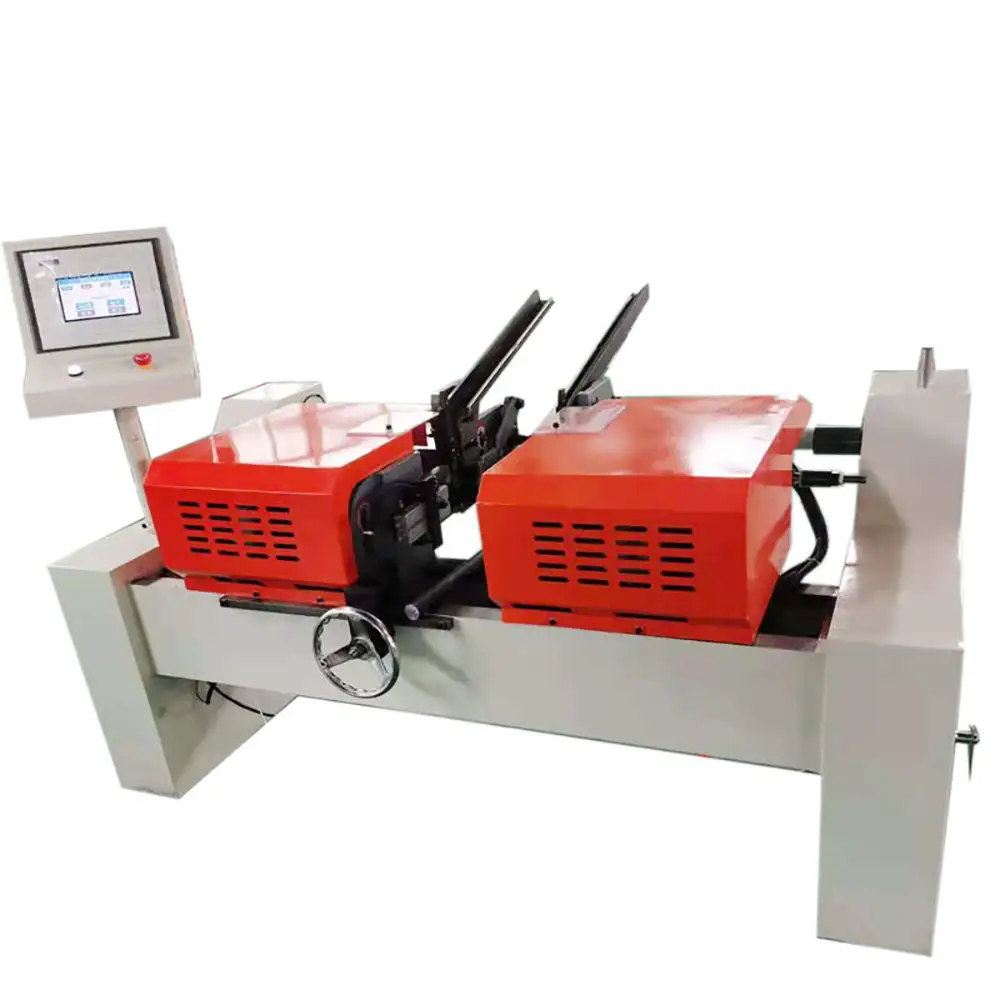
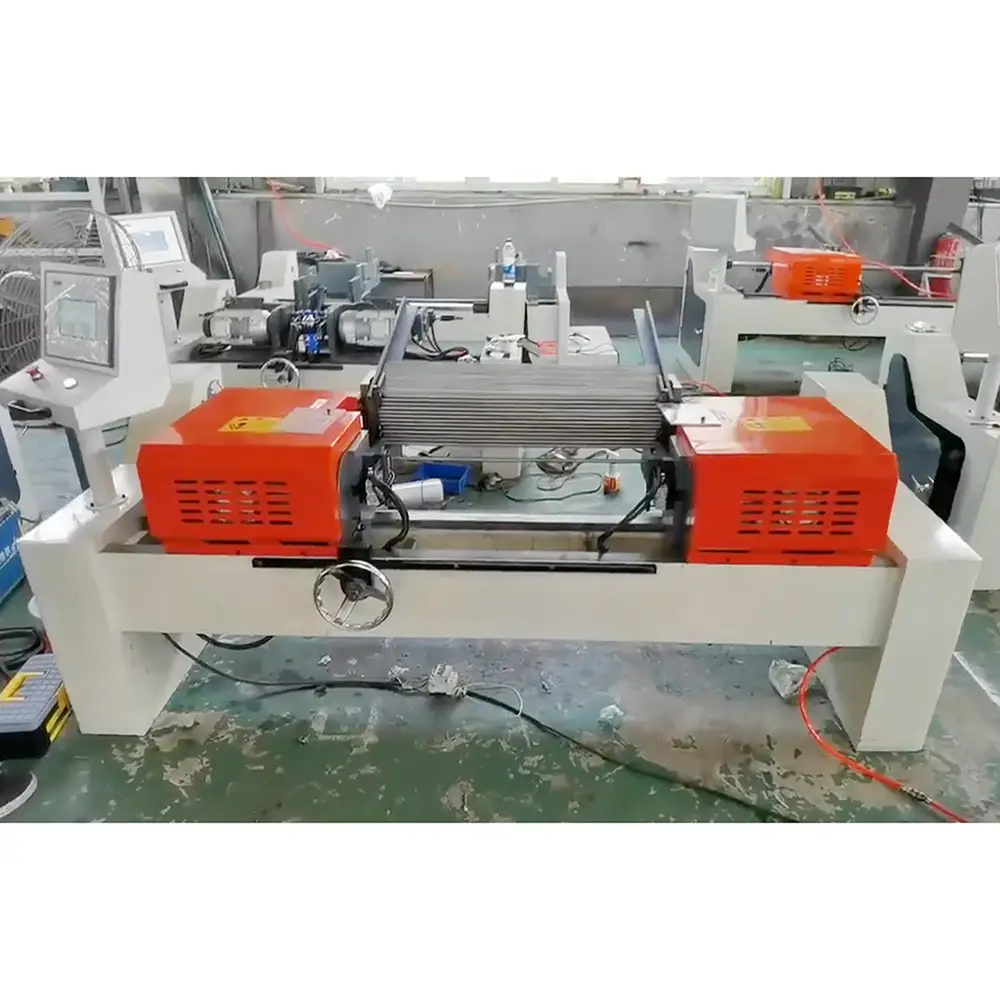
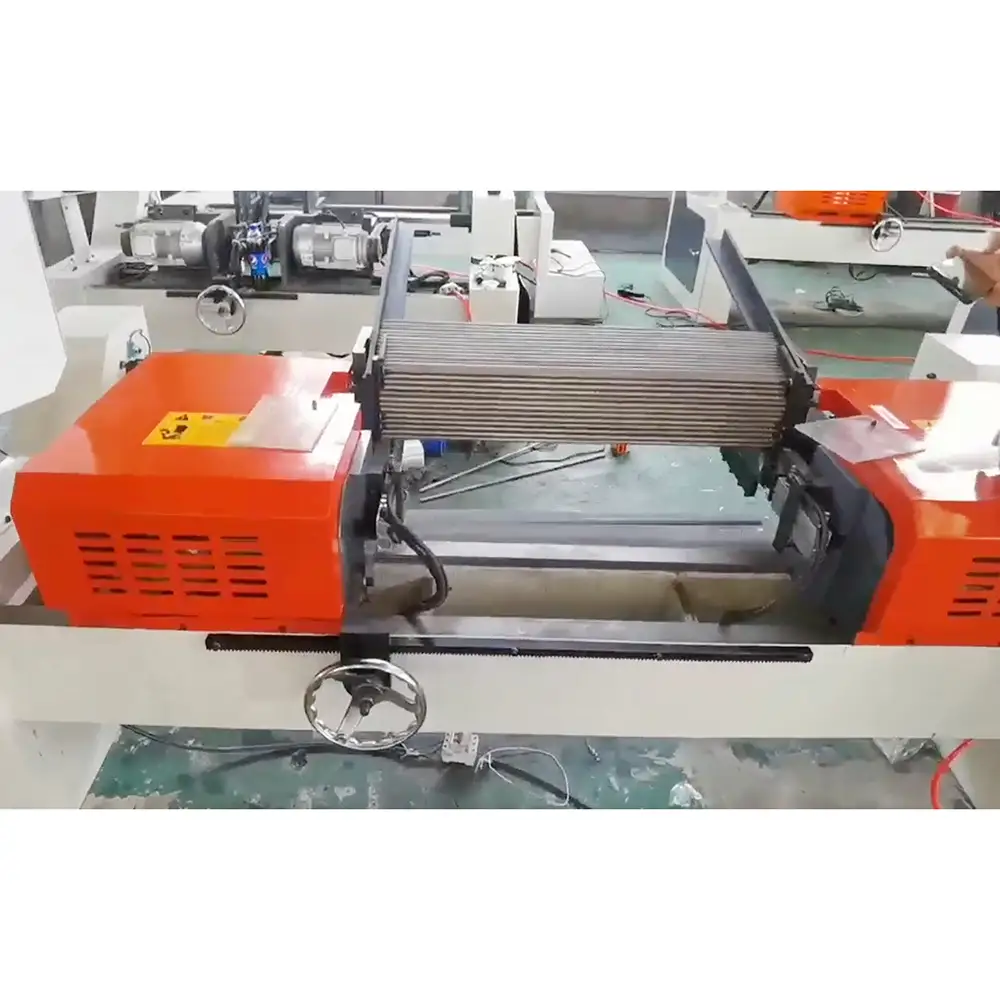
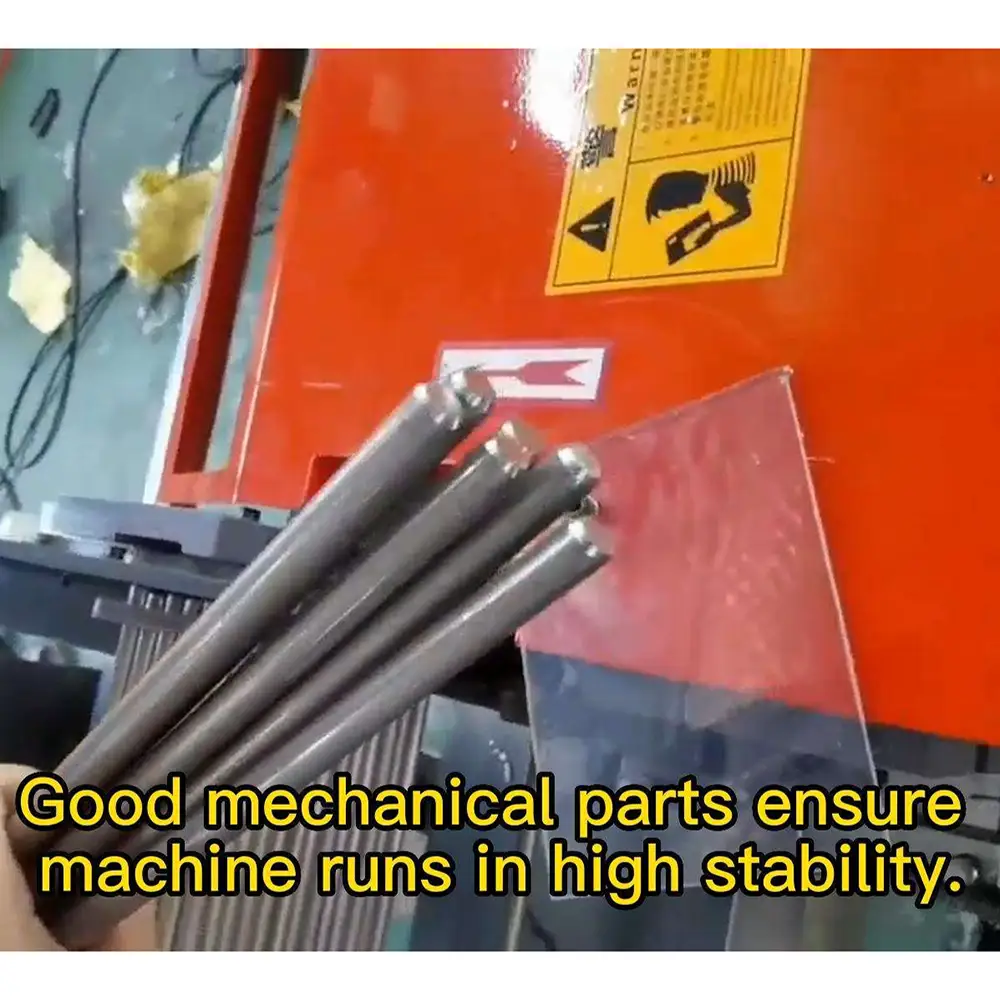
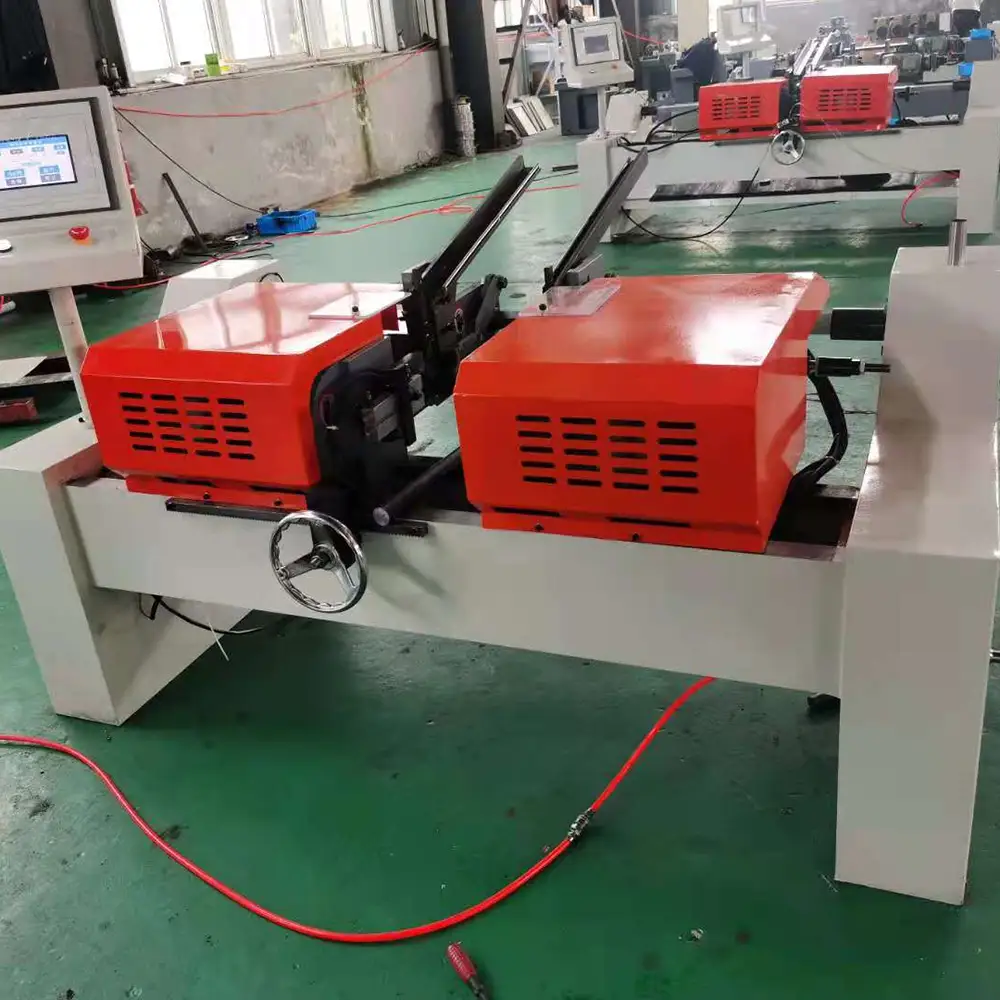
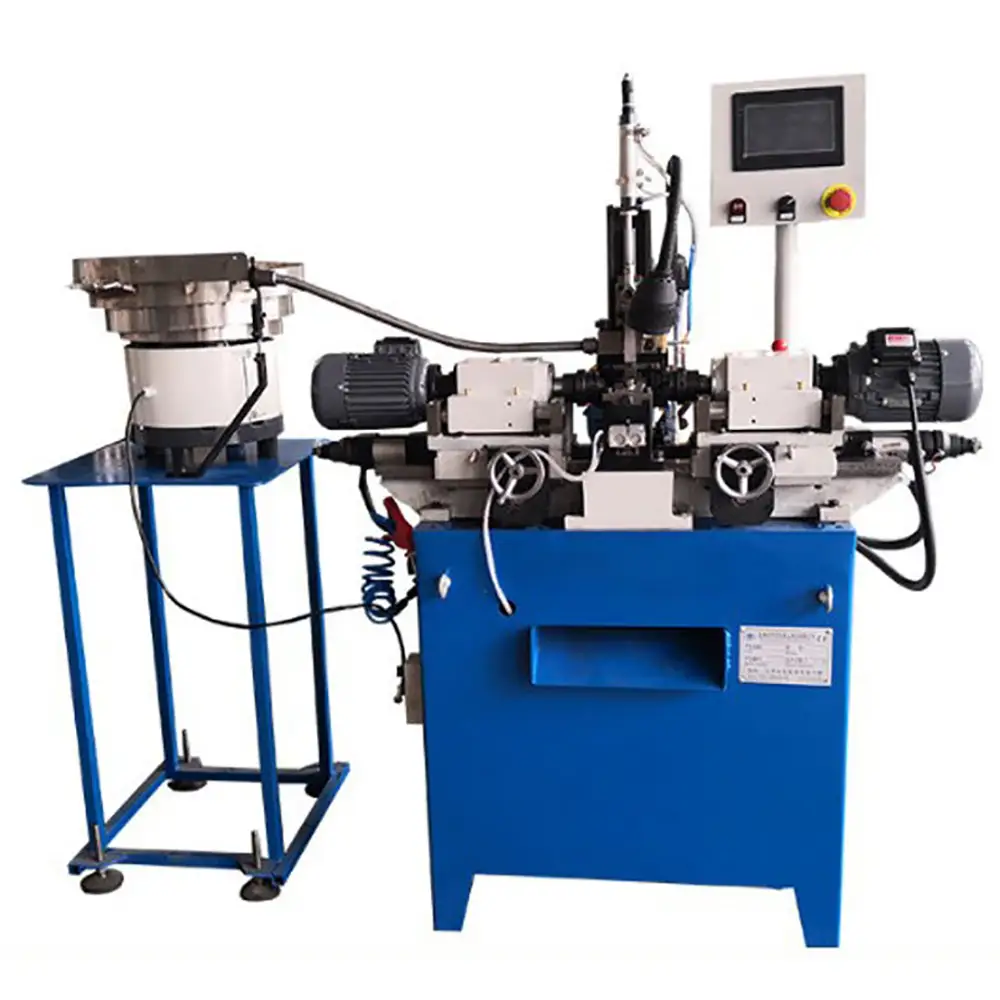
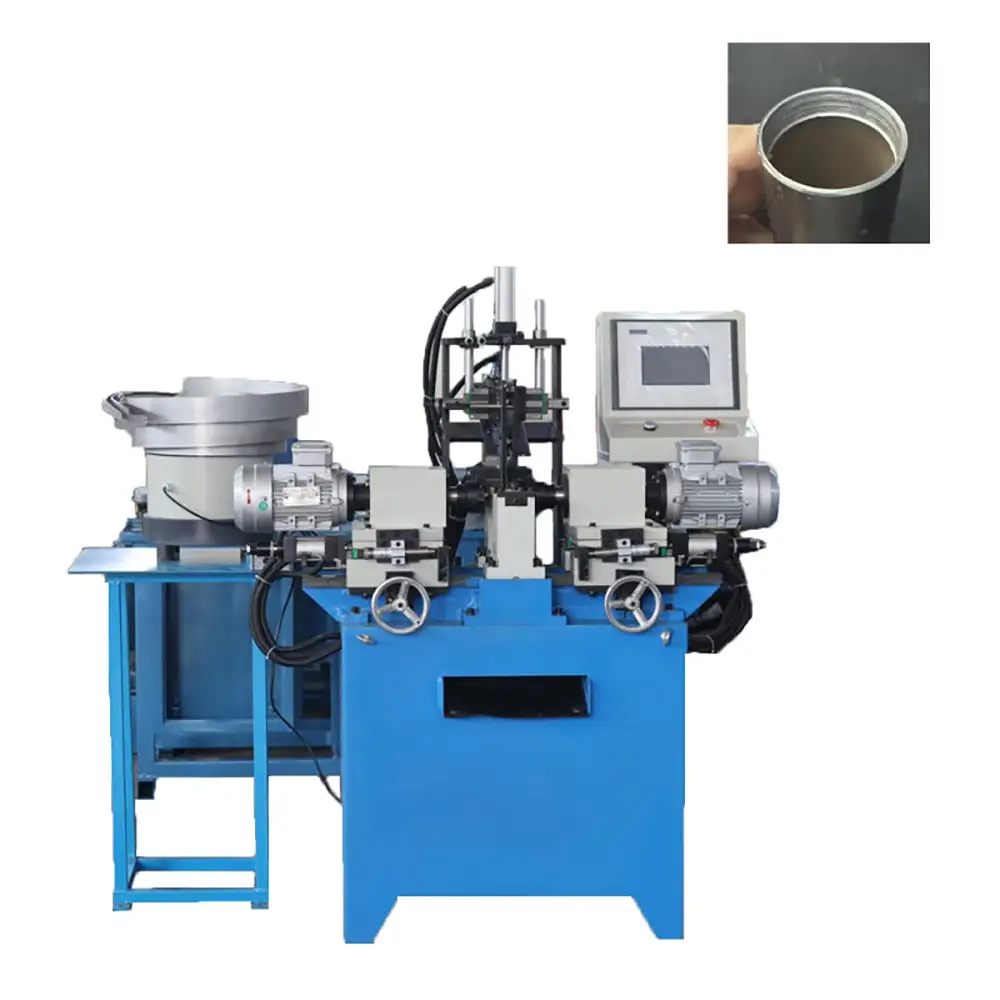
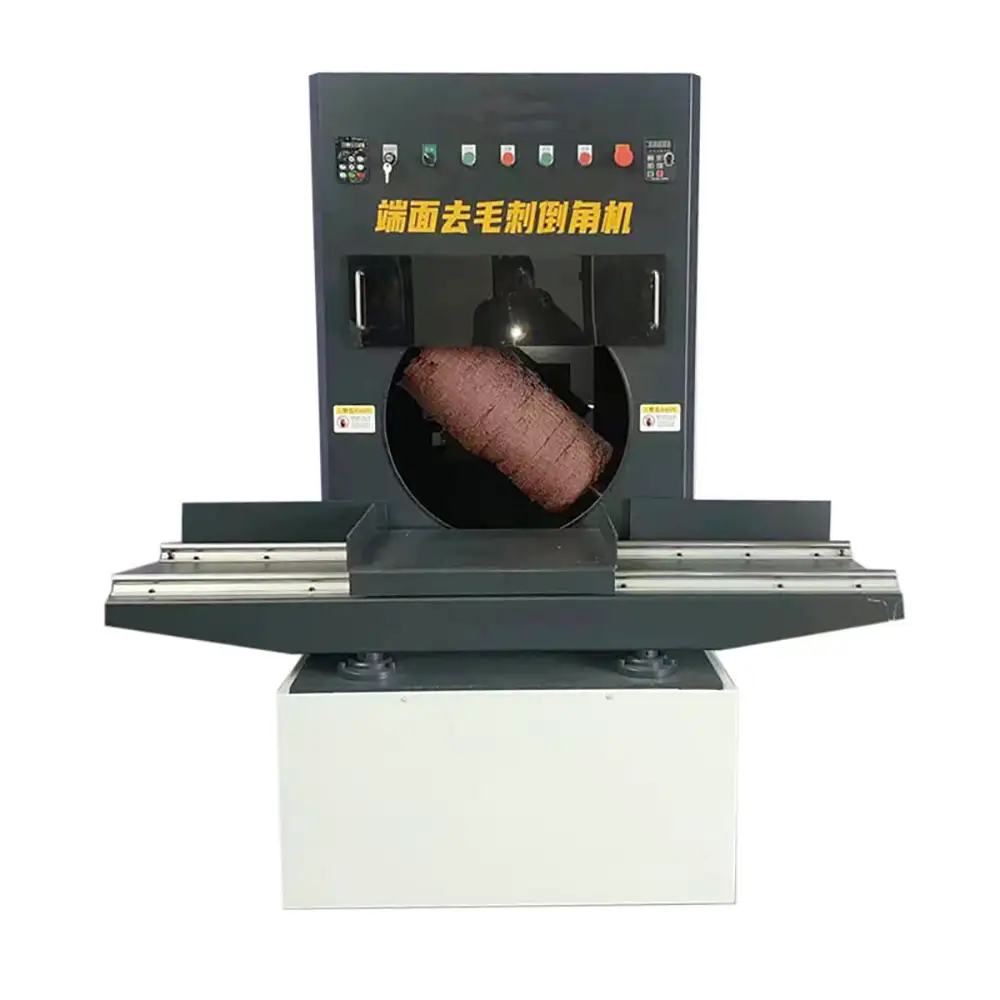
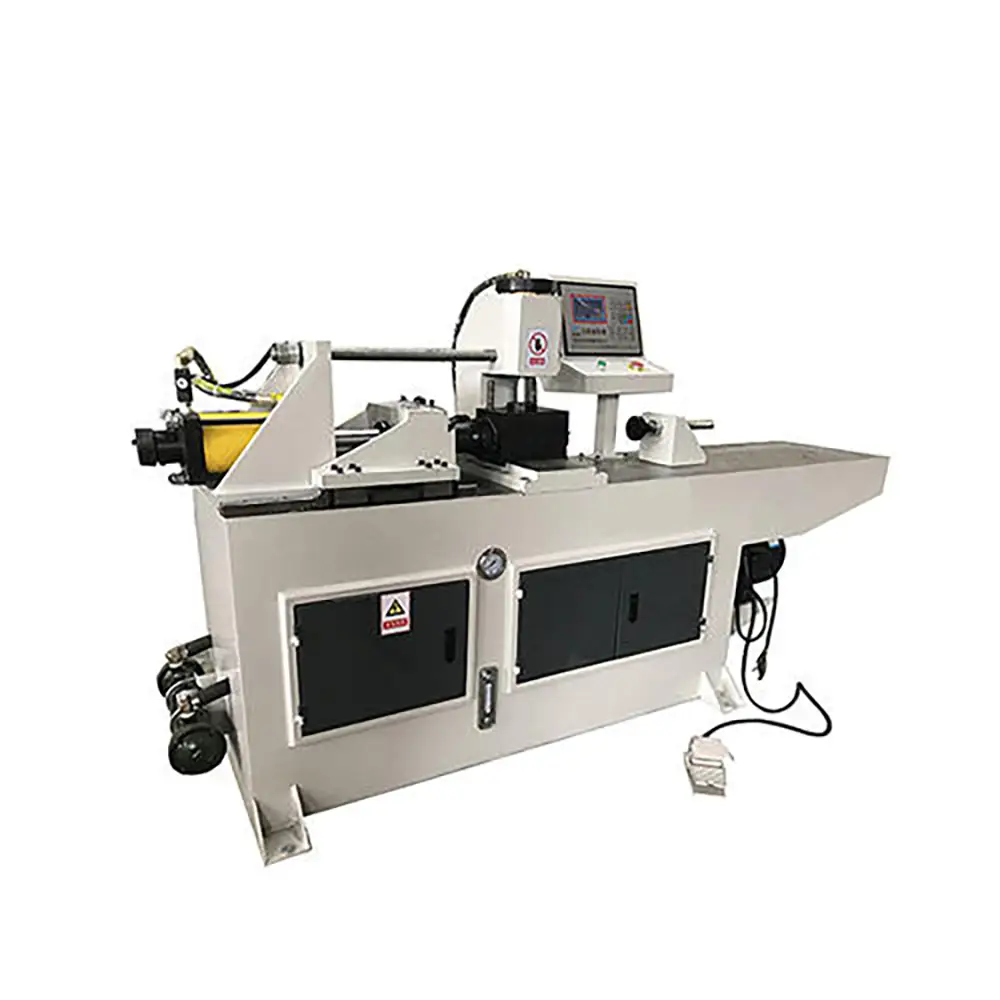
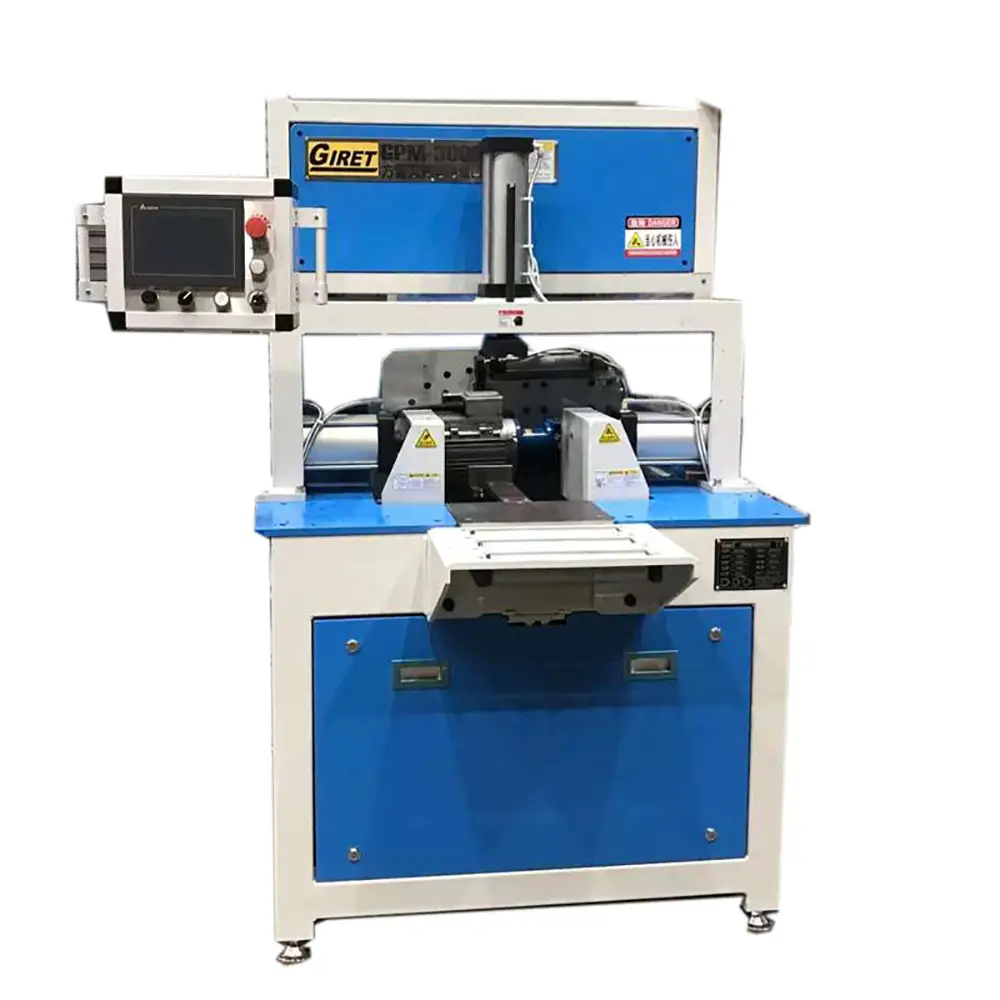
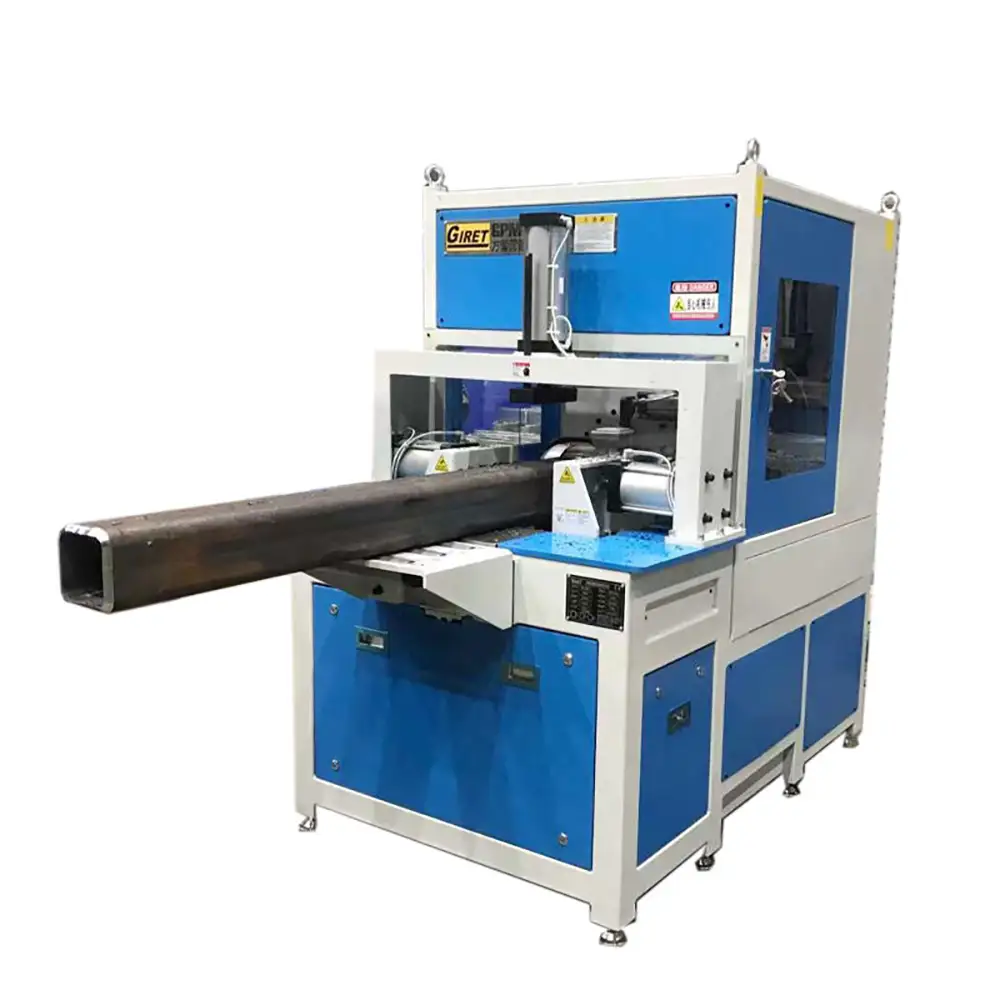
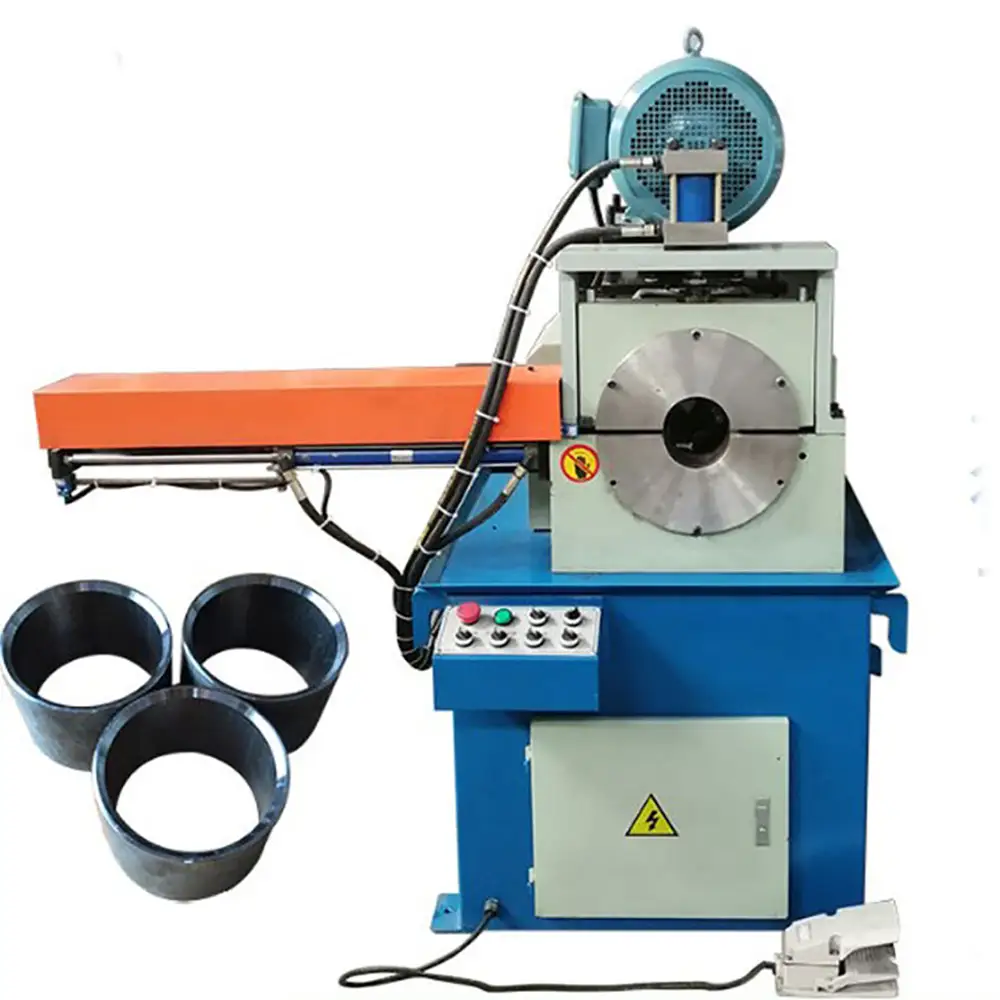
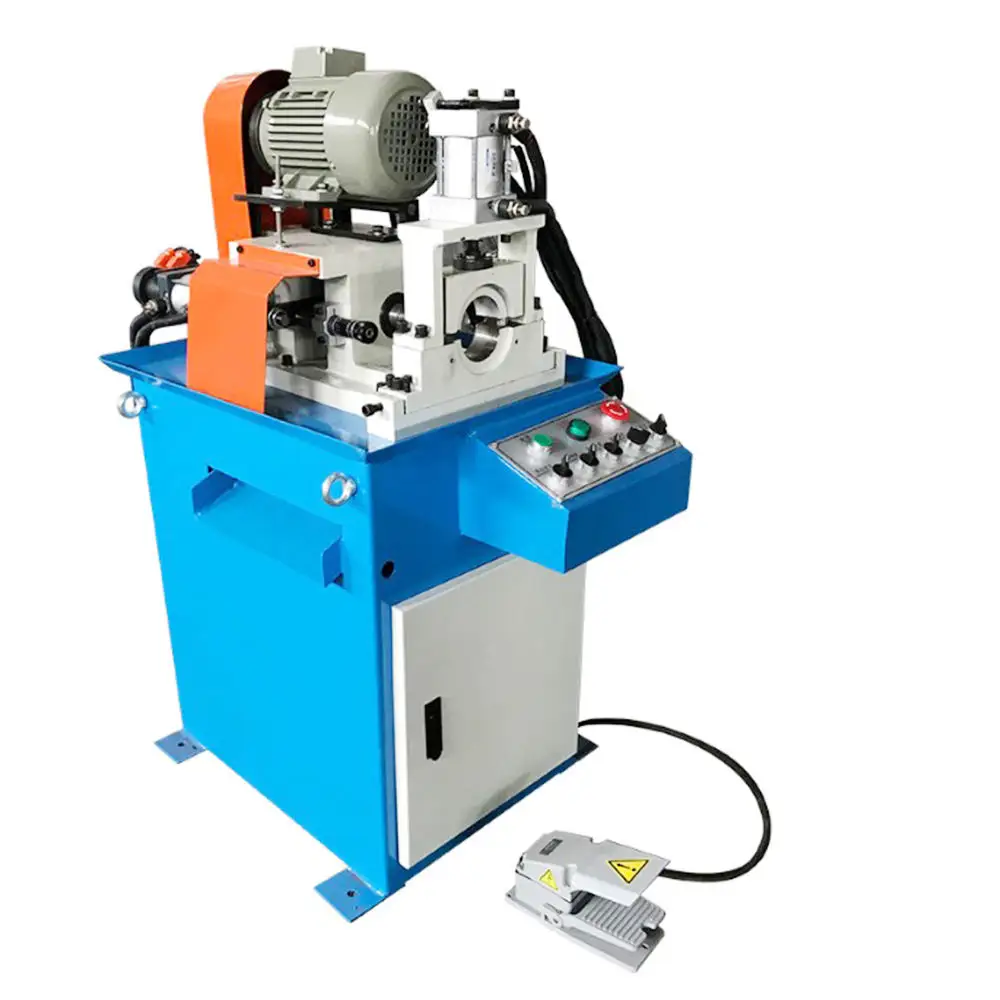
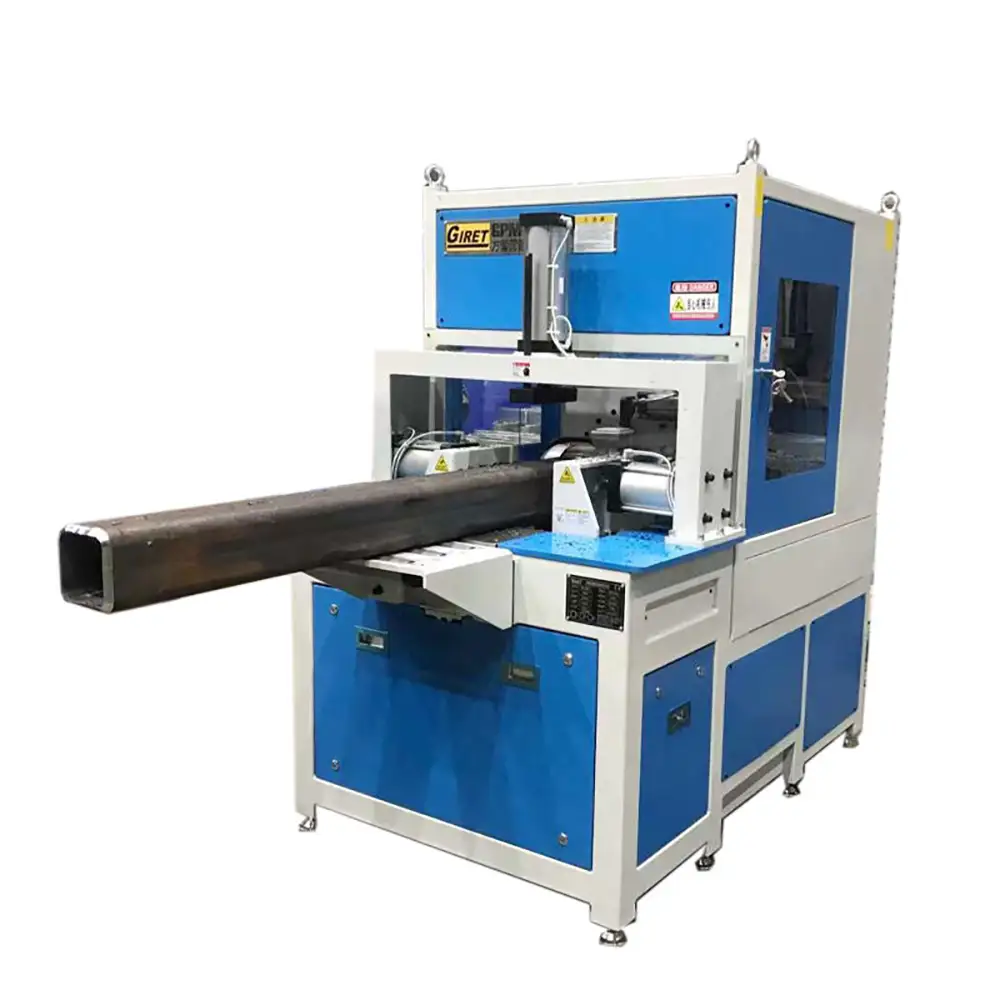
Double Head Double End Automatic Pipe & Tube Chamfering Machine
The Double Head Double End Automatic Pipe & Tube Chamfering Machine is designed for efficient and repeatable end processing of metal pipes,tubes,and other suitable cylindrical workpieces. Combining a double-head configuration with automatic operation,the machine provides a production-oriented solution for manufacturers that need consistent chamfering on both ends of a workpiece.
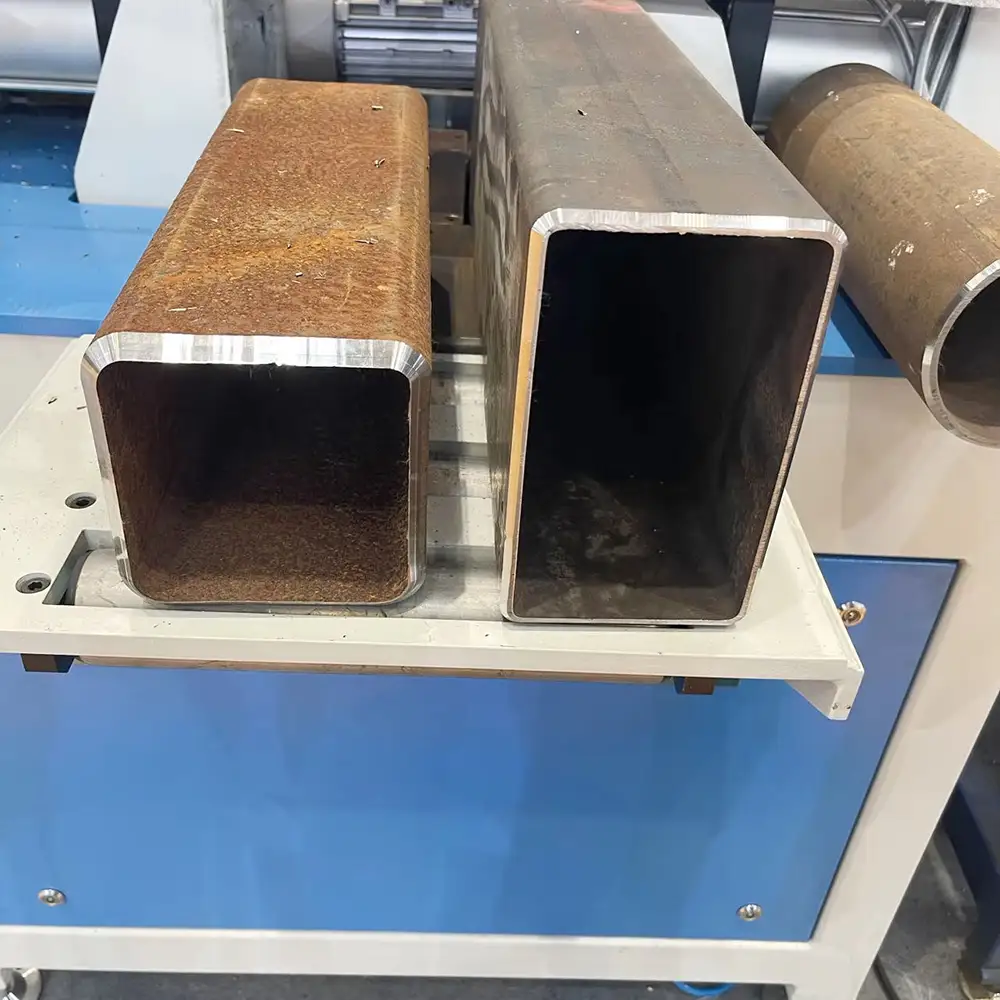
Chamfering is commonly used to remove sharp edges,reduce burrs,and create a controlled angled transition at the end of a pipe or tube. It can also prepare workpieces for welding,threading,assembly,press fitting,and other downstream operations.
The double-end design allows suitable workpieces to be processed at both ends within a coordinated production cycle. This can reduce the need for manually reversing the workpiece and transferring it between separate machines.
Actual pipe diameter,wall thickness,chamfer size,material range,cycle time,and automation level depend on the machine model,tooling,feeding system,and workpiece specifications.
Double-Head Chamfering Configuration
The double-head design is the main feature of this machine. Two chamfering heads are arranged to process the two ends of a suitable workpiece according to the machine's operating structure.
For appropriate pipes and tubes,this configuration can help complete both end-chamfering operations within the same production workflow.
Depending on the machine design,the two heads may operate simultaneously,sequentially,or as coordinated processing stations. The exact working method should be confirmed according to the selected model.
Processing both ends in one machine can reduce workpiece handling and help maintain a consistent relationship between the two ends.
Double-End Pipe Chamfering
Double-end chamfering is particularly useful for cylindrical components that require matching edge preparation on both ends.
Typical workpieces may include:
Steel Pipes
Metal Tubes
Round Tubes
Small Diameter Pipes
Metal Rods
Hollow Shafts
Hydraulic Tubes
Pneumatic Tubes
Machinery Components
Other Suitable Cylindrical Parts
For repetitive production,the machine can help standardize the chamfering process from one workpiece to the next.
The required chamfer width,angle,and edge condition should be specified according to the final application.
Automatic Workpiece Feeding
An automatic feeding system can reduce repetitive manual loading and positioning.
Depending on the machine configuration,the feeding mechanism may deliver pre-cut tubes or pipes into the processing area,position them correctly,and transfer finished components for collection.
Automatic feeding is especially useful for batch production where many similar workpieces need to be processed.
The feeder must be matched to the workpiece geometry. Round tubes,thin-wall tubes,short components,and longer pipes can have different handling requirements.
Customers should provide workpiece drawings or samples when a customized feeding system is required.
Automatic Chamfering Process
A typical automatic cycle may include workpiece feeding,positioning,clamping,double-end chamfering,and finished-part unloading.
Once the machine parameters and tooling have been properly set,the operator can monitor the process and replenish raw materials as needed.
Automation can reduce repetitive manual operations and help improve production consistency.
However,the exact level of automation varies by machine configuration. Loading,material replenishment,tool changes,inspection,and other tasks may still require operator involvement.
Precision Tube End Finishing
The purpose of chamfering is not simply to remove material,but to create a consistent and controlled tube-end condition.
A properly processed tube end can be easier to assemble and may provide a more suitable edge for subsequent welding,threading,or fitting operations.
Chamfering quality depends on tool condition,workpiece alignment,clamping stability,machine rigidity,material properties,and cutting parameters.
For precision applications,the required chamfer angle,width,tolerance,and surface condition should be defined before selecting the machine.
Deburring and Sharp Edge Removal
Cutting operations can leave burrs and sharp edges on the ends of pipes and tubes.
The chamfering process can help remove these unwanted edges while creating a defined finished profile.
The effectiveness of deburring depends on the original cutting method and edge condition. Saw-cut,laser-cut,plasma-cut,and machined tube ends can have different burr characteristics.
For applications requiring a specific edge finish,testing with actual production workpieces is recommended.
Suitable Metal Materials
The machine can be configured for various compatible metal materials.
Common applications may include:
Carbon Steel
Mild Steel
Stainless Steel
Alloy Steel
Aluminum
Copper
Brass
Galvanized Steel
Other Compatible Metal Tubes
Different materials require appropriate cutting tools and processing parameters.
Stainless steel may require wear-resistant tooling,while aluminum and copper may require suitable tool geometry to reduce material buildup.
The actual material range should be confirmed according to the machine model and tooling configuration.
Workpiece Clamping and Alignment
Stable clamping is essential for double-end chamfering because both ends need to maintain accurate alignment during processing.
The machine can use suitable fixtures or clamping systems to hold the workpiece securely while the two chamfering heads perform their operations.
Correct alignment can help reduce vibration and improve consistency between the two ends.
For different pipe diameters or tube sizes,adjustable fixtures or interchangeable tooling may be available depending on the machine design.
Production Efficiency
Double-head automatic processing can reduce handling steps compared with processing each end separately.
A typical production workflow can include loading raw tubes,automatic feeding,positioning,clamping,simultaneous or coordinated end chamfering,and finished-part collection.
For large batches of similar components,this arrangement can help reduce repetitive manual work and improve production flow.
Actual output depends on workpiece size,material,chamfer dimensions,feeding speed,clamping time,tooling,operator workflow,and machine configuration.
Production speed should therefore be evaluated using actual workpiece samples rather than relying on the machine name alone.
Applications
The machine can be used in many manufacturing industries,including:
Automotive Components
Motorcycle Parts
Bicycle Components
Hydraulic Components
Pneumatic Components
Machinery Manufacturing
Agricultural Machinery
Furniture Hardware
Steel Tube Fabrication
Construction Equipment
Metal Hardware
General Tube Processing
OEM Component Manufacturing
For automotive and machinery components,the machine can provide repeatable end preparation for suitable tubular parts.
For hydraulic and pneumatic applications,controlled tube-end finishing can support subsequent fitting or assembly operations.
Tooling and Customization
Tooling plays an important role in achieving the required chamfer geometry.
The cutting tools should be selected according to the material,outer diameter,inner diameter,wall thickness,and required chamfer dimensions.
Custom tooling may be developed for special tube sizes or edge geometries.
The feeding mechanism,fixtures,clamps,tool holders,and part collection system can also be evaluated according to the production requirements.
For OEM and ODM projects,customers should provide drawings,sample parts,material specifications,production quantities,and required chamfer dimensions.
Quality Control
Quality inspection should verify both ends of the workpiece.
Depending on the application,inspection may include:
Chamfer Width
Chamfer Angle
End Face Condition
Burr Condition
Concentricity
Tube Length
Outer Diameter
Wall Thickness
Overall Dimensional Consistency
First-piece inspection can help verify the setup before full production.
Periodic inspection can identify tool wear,feeding deviations,or clamping problems that could affect processing quality.
Maintenance and Safety
Regular maintenance is important for reliable automatic operation.
Operators should inspect chamfering tools,feeding components,clamps,fixtures,guide systems,drive components,and electrical or pneumatic systems according to the machine configuration.
Metal chips should be cleaned from the working area to prevent interference with feeding and moving components.
Operators should use appropriate eye protection,protective clothing,and other PPE required for the specific operation.
Depending on the machine configuration,guards,emergency stops,and other protective systems may be provided. Operators should follow the manufacturer's operating instructions and applicable workplace safety requirements.
Custom & OEM Solutions
Different manufacturers have different requirements for pipe dimensions,material,production volume,and chamfer geometry.
The machine can be configured according to the intended application. Custom solutions may include automatic feeding systems,double-head tooling,fixtures,clamping systems,part collection arrangements,and control functions.
For OEM and ODM applications,customers can provide technical drawings,samples,material information,and expected production volumes.
This helps determine the appropriate machine configuration and tooling.
Why Choose Us
Double-Head Processing — Two processing heads support coordinated chamfering operations for suitable pipe and tube ends.
Double-End Chamfering — Designed to process both ends of suitable workpieces within one production workflow.
Automatic Feeding — Helps reduce repetitive manual loading and supports continuous batch production.
Consistent Tube End Finishing — Controlled tooling and clamping help produce repeatable chamfered edges.
Deburring Capability — Helps remove sharp edges and burrs created by previous pipe-cutting operations.
Flexible Material Options — Suitable configurations are available for steel,stainless steel,aluminum,copper,and other compatible metals.
Production-Oriented Design — Suitable for repetitive processing of tubes,pipes,rods,and other cylindrical components.
OEM & ODM Support — Feeding systems,fixtures,tooling,and machine configurations can be customized according to customer requirements.
FAQs
1. What is a double-head double-end pipe chamfering machine?
It is an automatic or semi-automatic machine equipped with two chamfering heads designed to process both ends of suitable pipes or tubes.
2. Can both ends be chamfered at the same time?
Depending on the machine design,the two heads may operate simultaneously or through a coordinated sequence. The exact operating method should be confirmed for the selected model.
3. What is the advantage of double-end chamfering?
It can reduce the need to manually reverse the workpiece and transfer it between separate processing stations.
4. Can the machine automatically feed tubes?
Yes. The machine can be equipped with an automatic feeding system suitable for the workpiece dimensions and production requirements.
5. What materials can be processed?
Depending on the tooling,it can process carbon steel,mild steel,stainless steel,alloy steel,aluminum,copper,brass,and other compatible metal tubes.
6. Can it remove burrs?
Yes. Chamfering can help remove sharp edges and certain burrs from pipe ends. The result depends on the original cutting condition and selected tooling.
7. What types of workpieces can be processed?
Typical applications include round pipes,tubes,rods,hollow shafts,hydraulic tubes,pneumatic tubes,and other suitable cylindrical components.
8. Is the machine fully automatic?
The automation level depends on the selected configuration. Feeding and double-end processing may be automated,but material replenishment,tool changes,and inspection may still require an operator.
9. What affects chamfering accuracy?
Tool condition,workpiece alignment,clamping stability,feeding accuracy,machine rigidity,material properties,and cutting parameters all affect the finished chamfer.
10. Can different tube sizes be processed?
Yes,within the machine's configured range. Different sizes may require fixture adjustments,tool changes,or other setup operations.
11. Can custom tooling be supplied?
Yes. Custom chamfering tools,fixtures,clamps,and feeding components can be developed for specific tube dimensions and production requirements.
12. What information should I provide for a quotation?
Provide tube material,outer diameter,inner diameter if applicable,wall thickness,length,chamfer dimensions,production quantity,and sample drawings or workpieces.
Prev:
Steel Pipe CNC Chamfering Machine Bar Material Stainless Steel Pipe Chamfering Machine
Next:
Multifunction Hydraulic Single Head Pipe Beveling Edge Deburring Chamfering Machine
TAG:
Pipe End Processing Machine,
Tube End Processing Machine,
Metal Tube Processing Machine,
Metal Pipe Processing Machine,
Automatic Tube Processing Machine,
Automatic Pipe Processing Machine,
Tube End Processing Equipment,
Pipe End Processing Equipment,
Pipe End Beveling Machine,
Pipe Edge Chamfering Machine,
Tube Edge Chamfering Machine,
Tube End Beveling Machine,
Metal Tube Beveling Machine,
Automatic Pipe Beveling Machine,
Double Head Pipe Processing Machine,
Pipe End Finishing Machine,
Tube End Finishing Machine,
Automatic Pipe End Finishing Machine,
Metal Tube End Finishing Machine,
Double Head Pipe Deburring Machine,
Metal Pipe Deburring Machine,
Automatic Tube End Chamfering Machine,
Automatic Pipe End Chamfering Machine,
Automatic Pipe Deburring Machine,
Pipe End Chamfering Machine,
Tube End Chamfering Machine,
Steel Tube Chamfering Machine,
CNC Pipe Chamfering Machine,
CNC Tube Chamfering Machine,
Precision Pipe Chamfering Machine,
Related Category:
Double Head Chamfering Machine,Double End Chamfering Machine,Automatic Pipe Chamfering Machine,Automatic Tube Chamfering China, suppliers, manufacturers, factory, customized, wholesale, quotation, made in China