|
Model NO. |
GSRF |
Handling method |
physicochemical treatment |
|
Usage |
Industrial, agricultural, food factories, slaughterhouses |
Trademark |
|
|
Types |
Package, Compact, Small, Mini |
Applications |
Industrial, Municipal, Domestic, Medical, Ship |
|
Craft |
Flocculation sedimentation method |
Features |
Water Clarification, Filtration, Purification |
|
Service Life |
20 Years |
Operation |
Automatic |
|
Steel Plate Thickness |
>8mm |
Function |
Remove Suspended solids |
|
Voltage |
220V/ 380V/ Customerized |
Installation Type |
Onground |
|
Colour |
Grey/Silver/Blue/Balck/Customerized |
Use for |
Mineral, Printing, Chemical, Dyeing, Starch |
|
Material |
Carbon Steel, Stain Steel, FRP, PE, PP |
Certificate |
SGS, ISO |
|
Transport Package |
Container Standard Packing |
Specification |
Carbon steel anti-corrosion |
|
Production Capacity |
1000 Sets/Year |
Origin |
China |
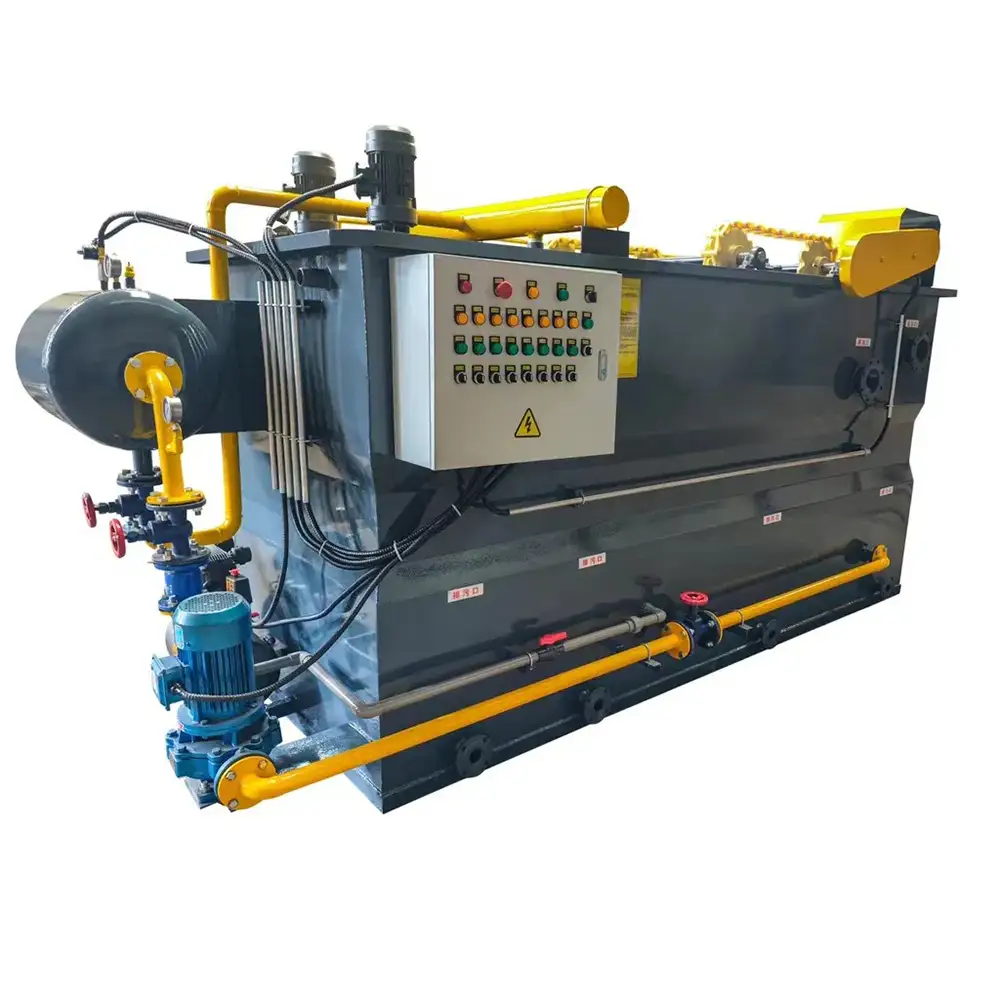
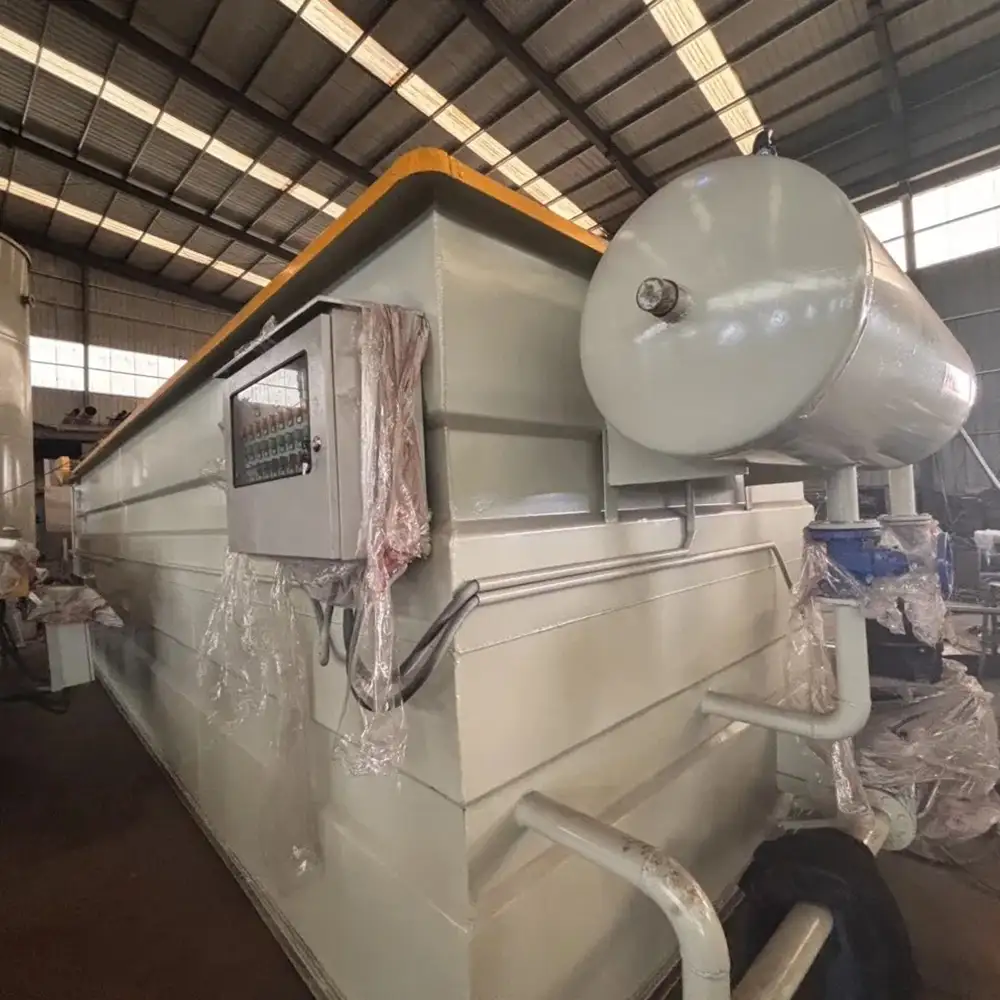
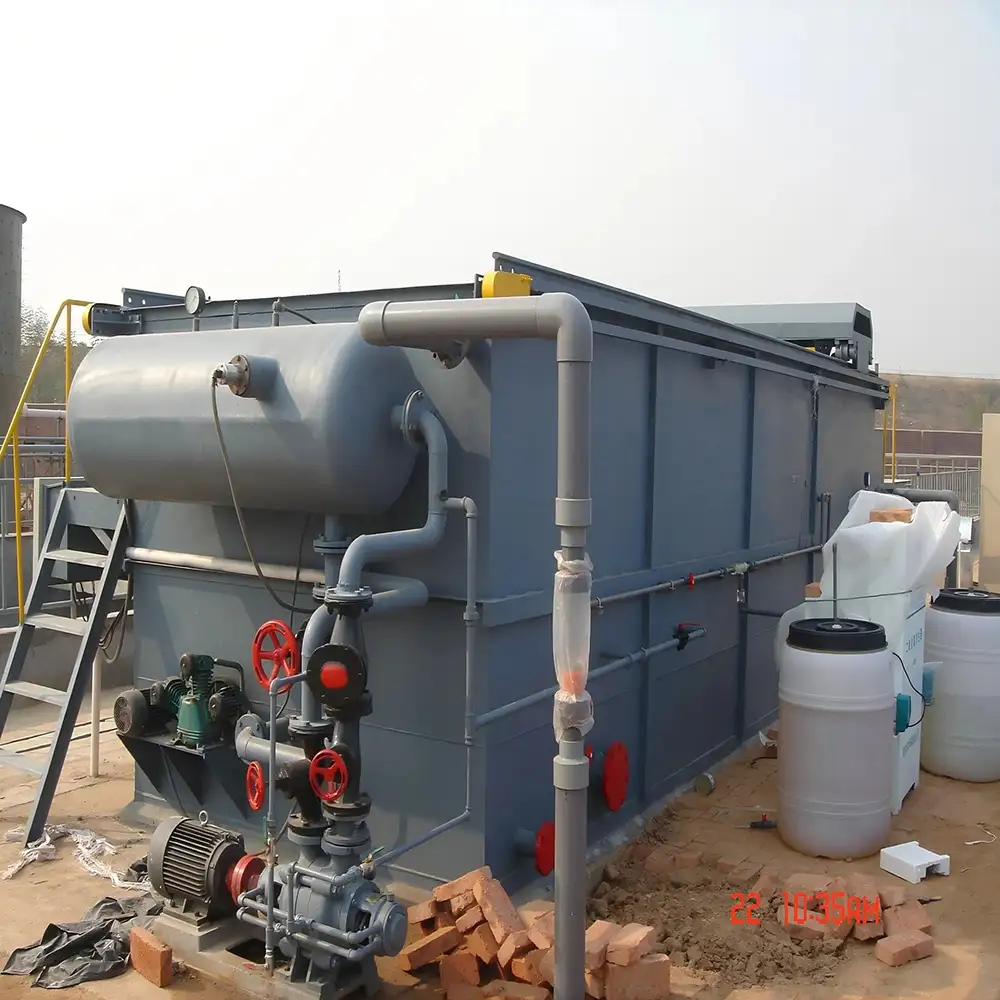
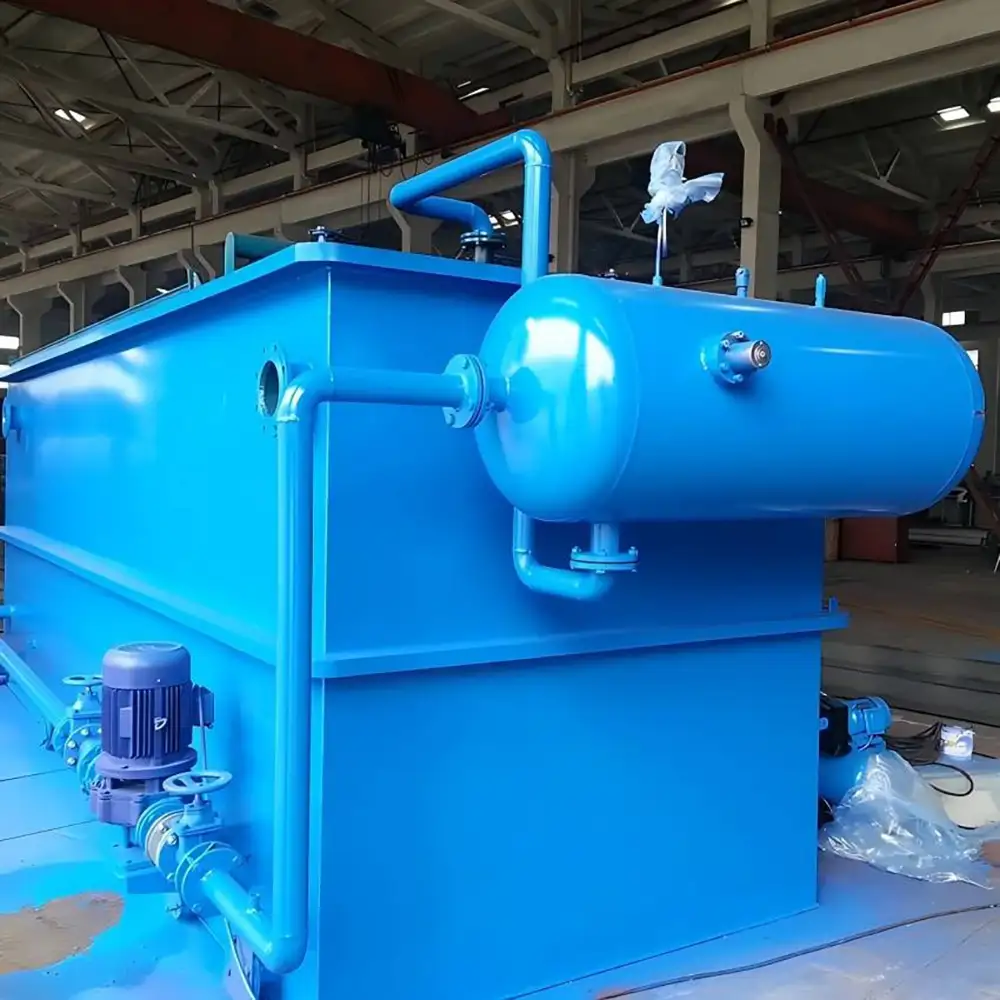
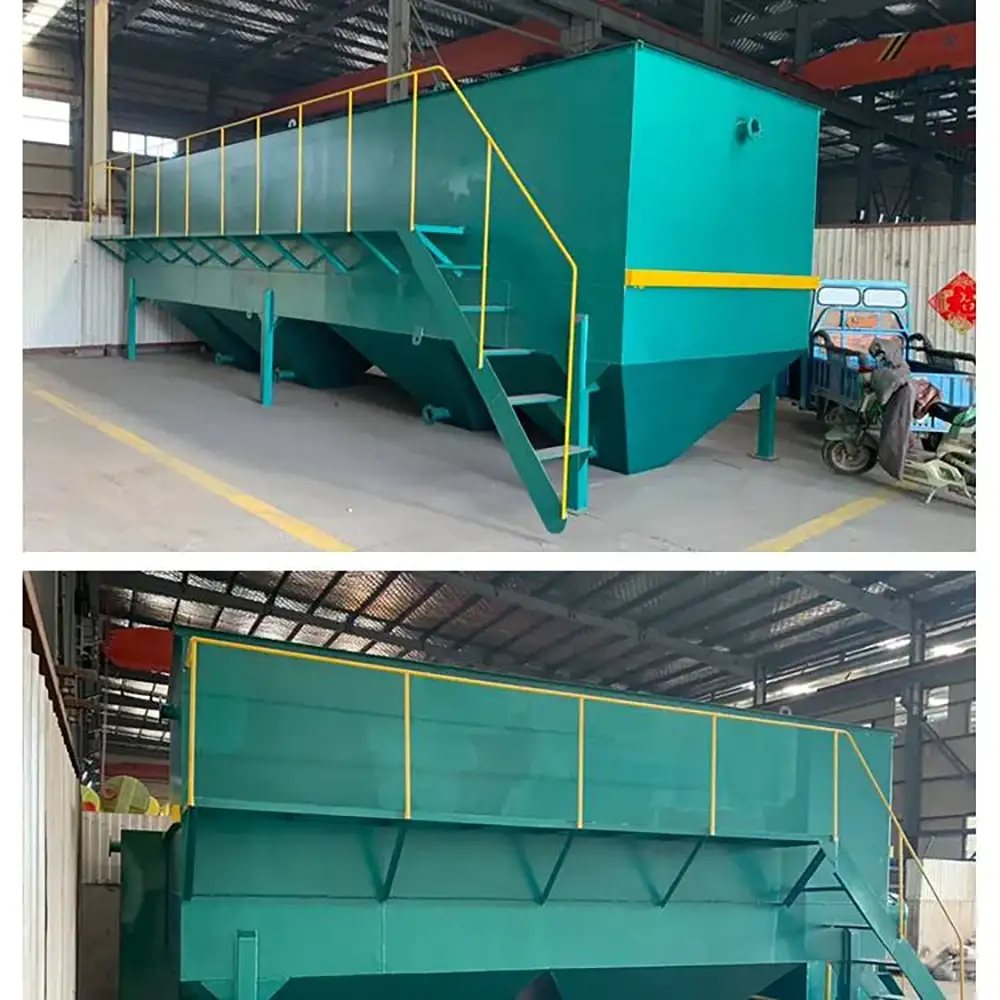
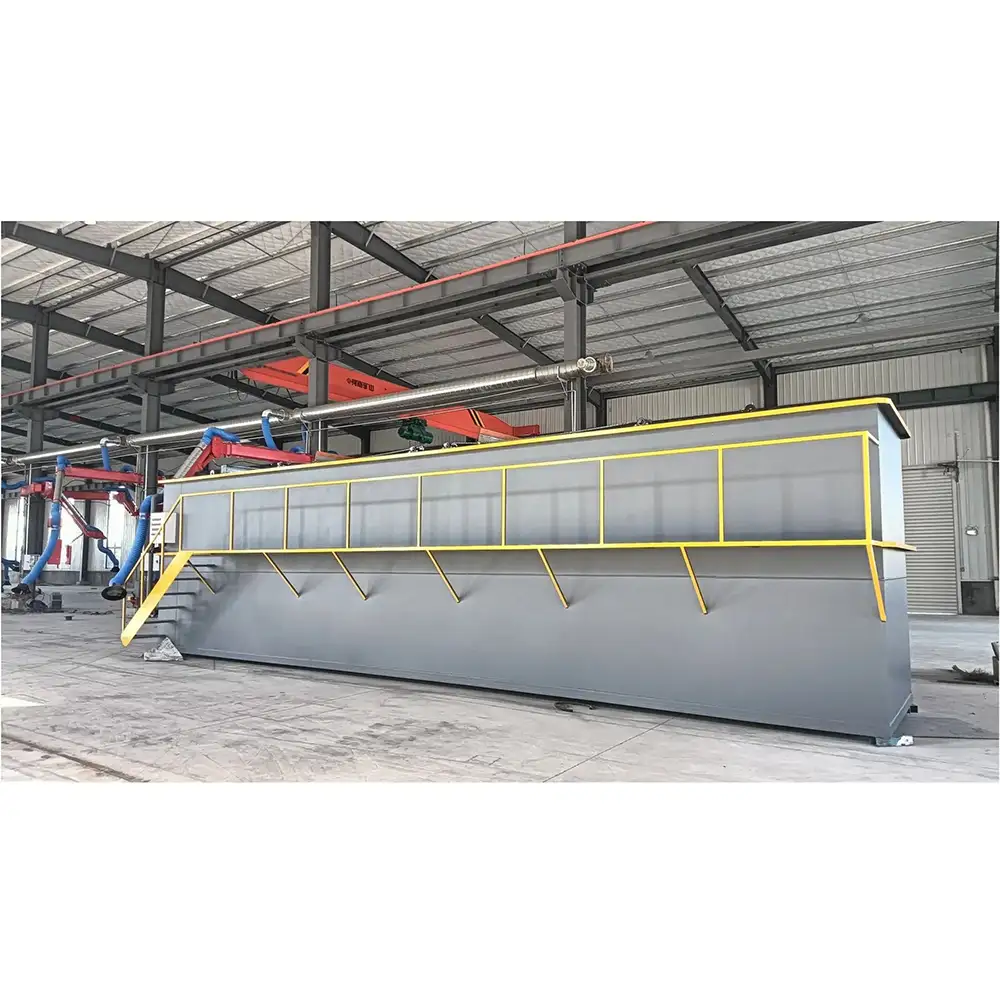
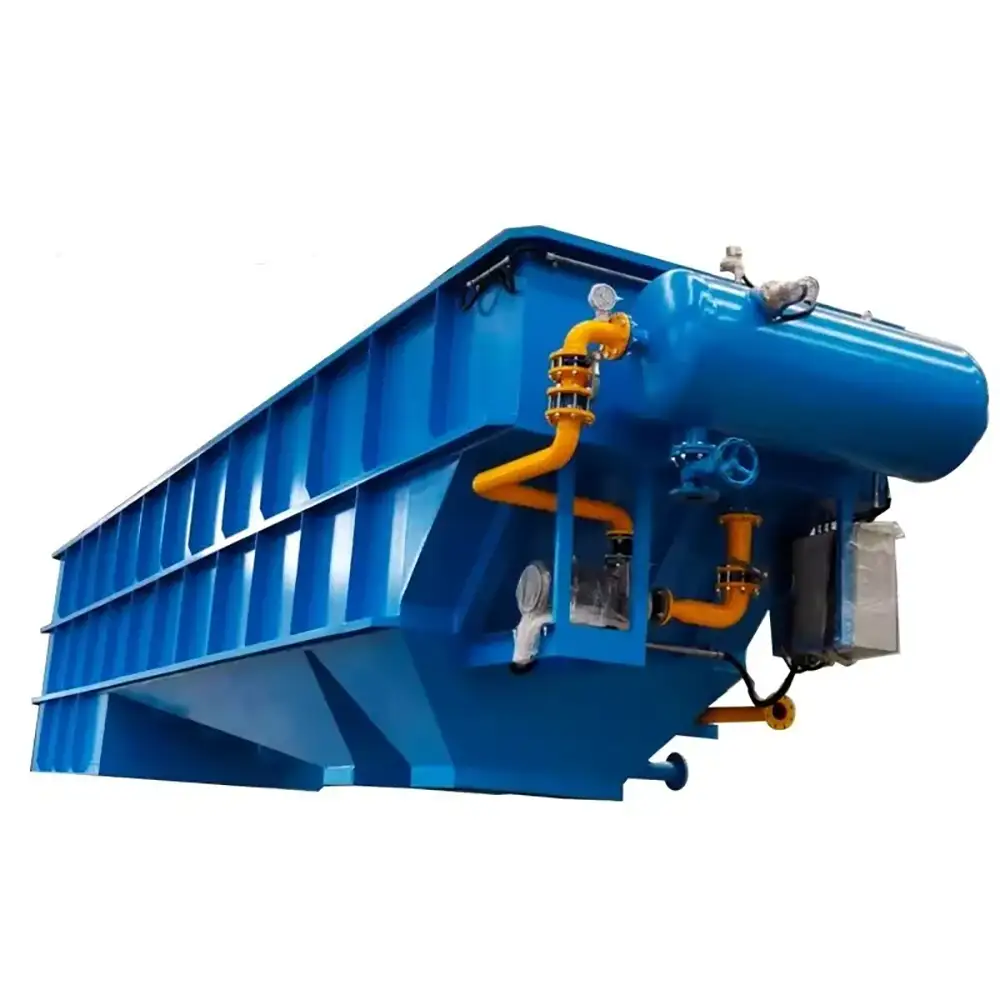
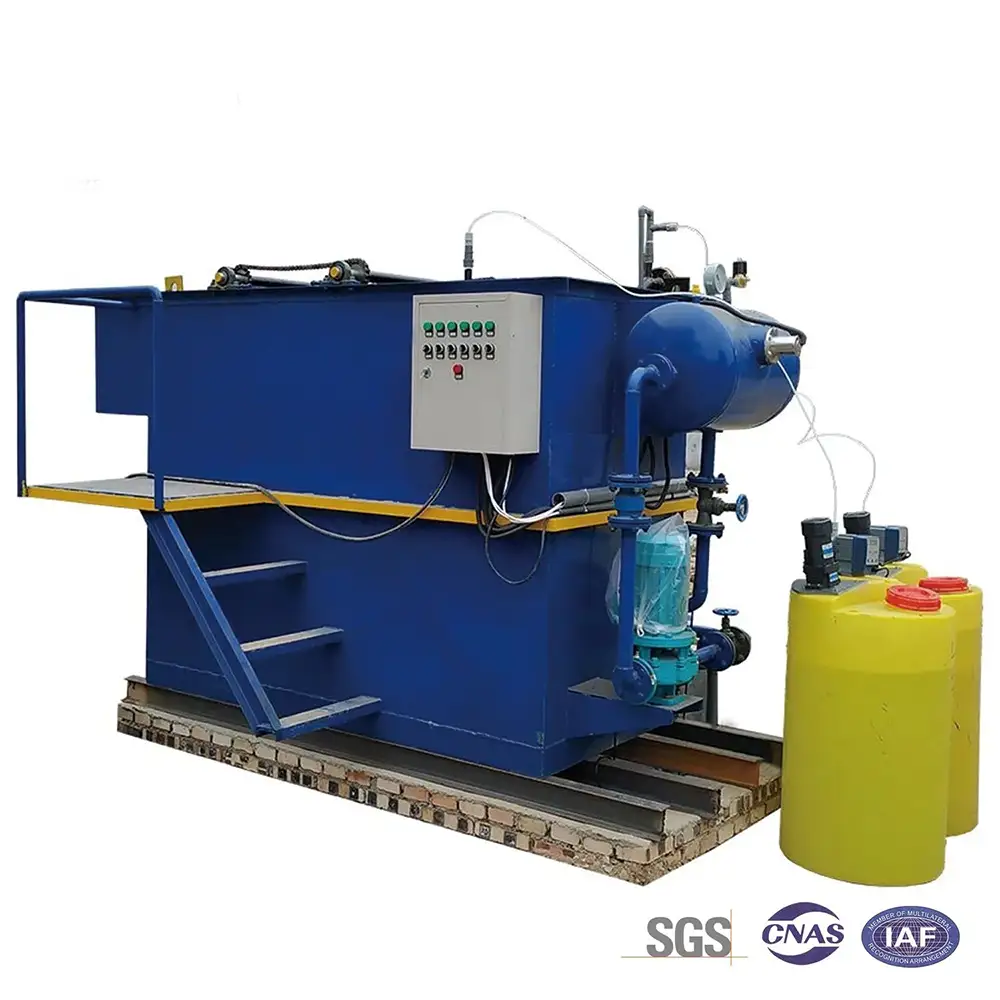
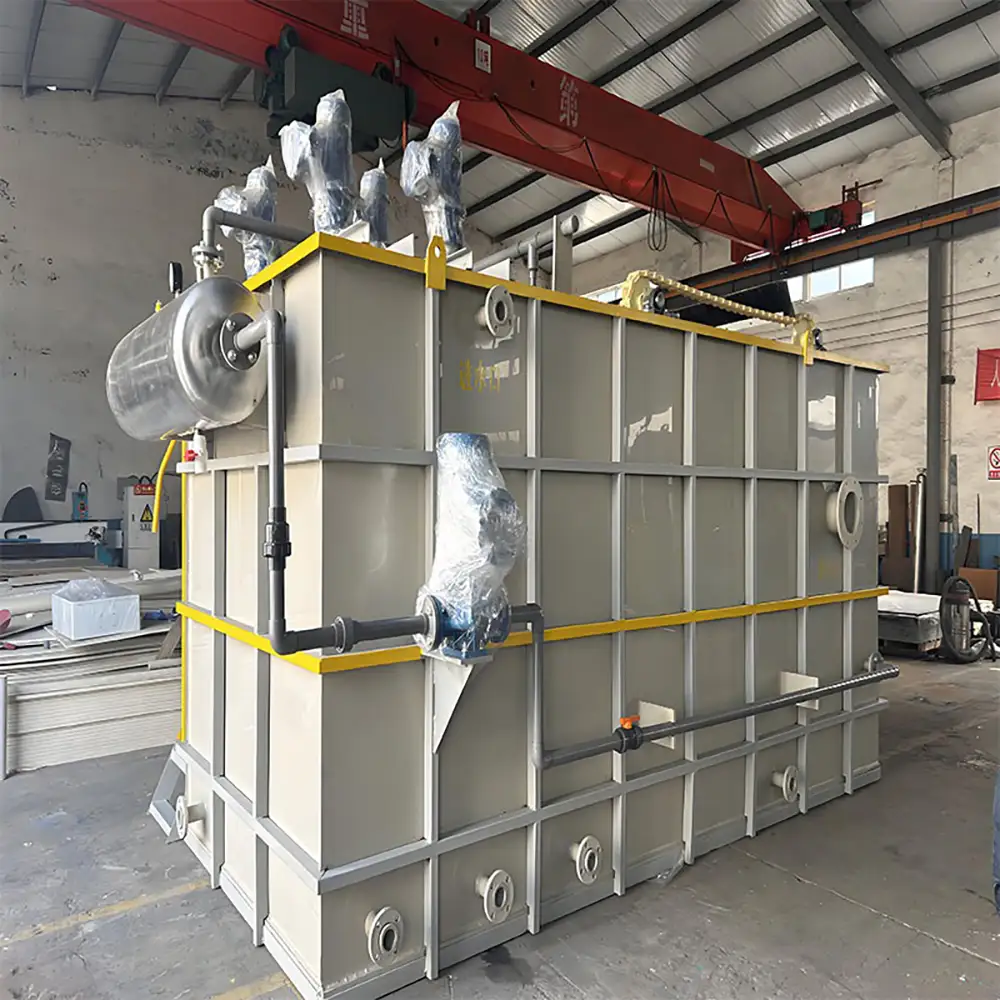
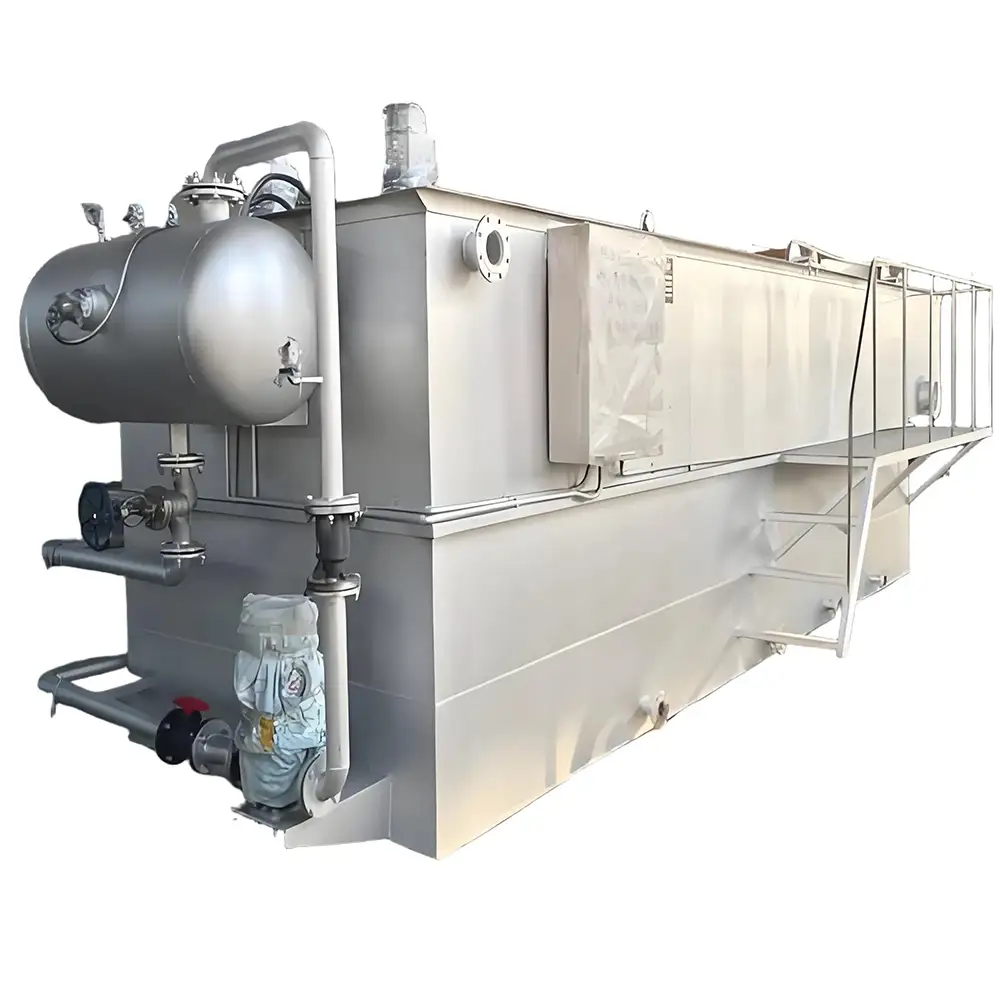
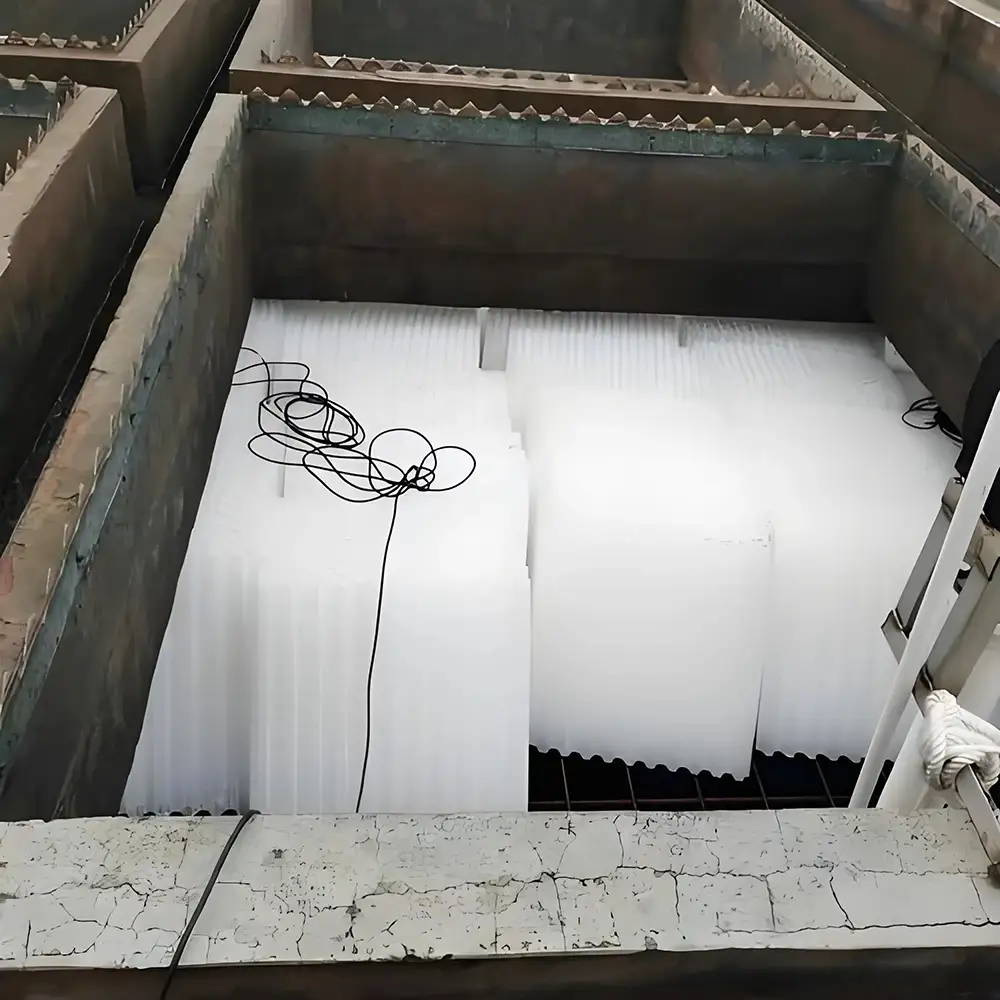
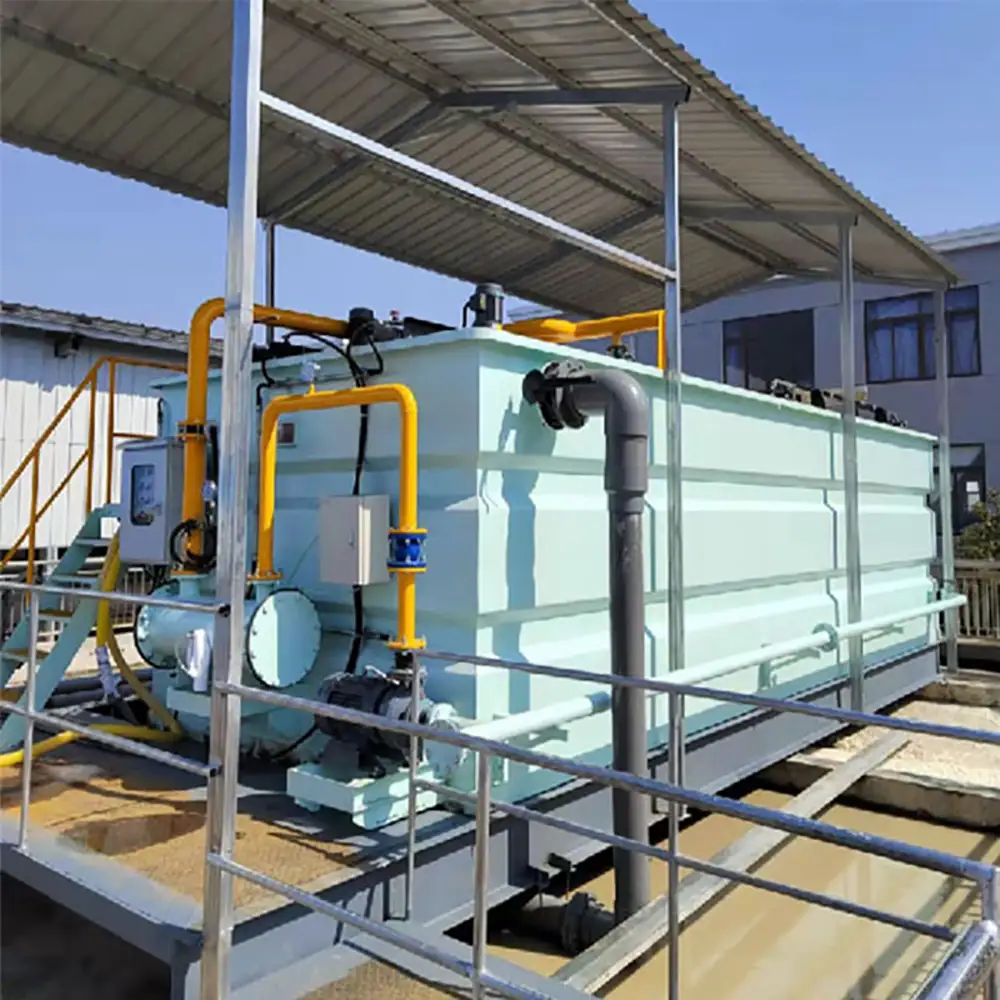
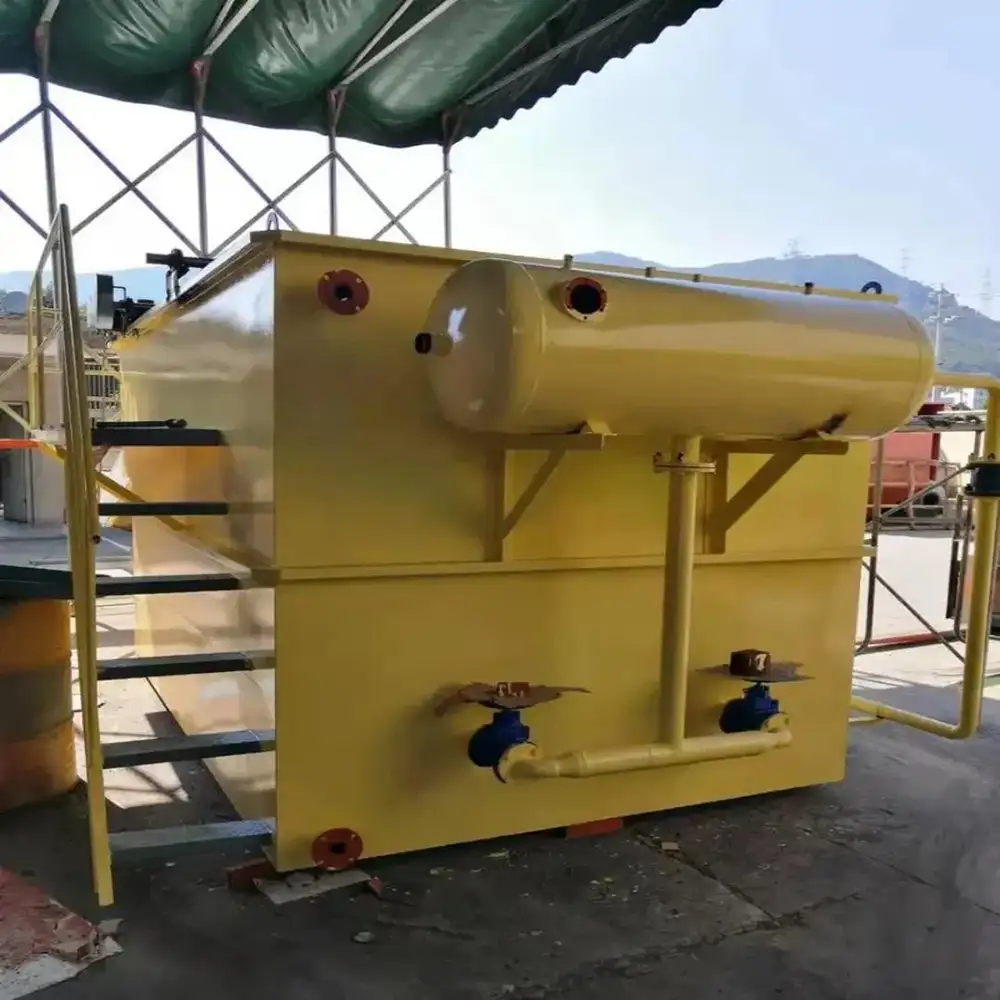
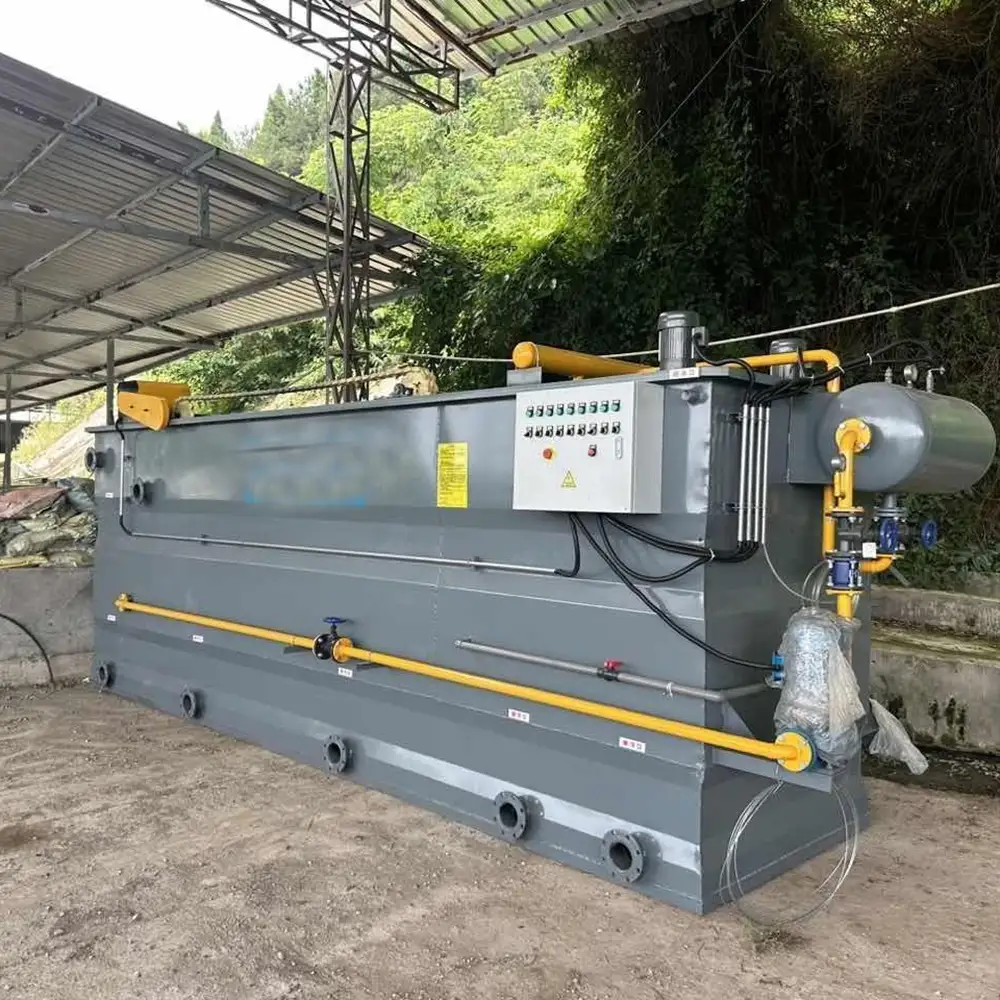
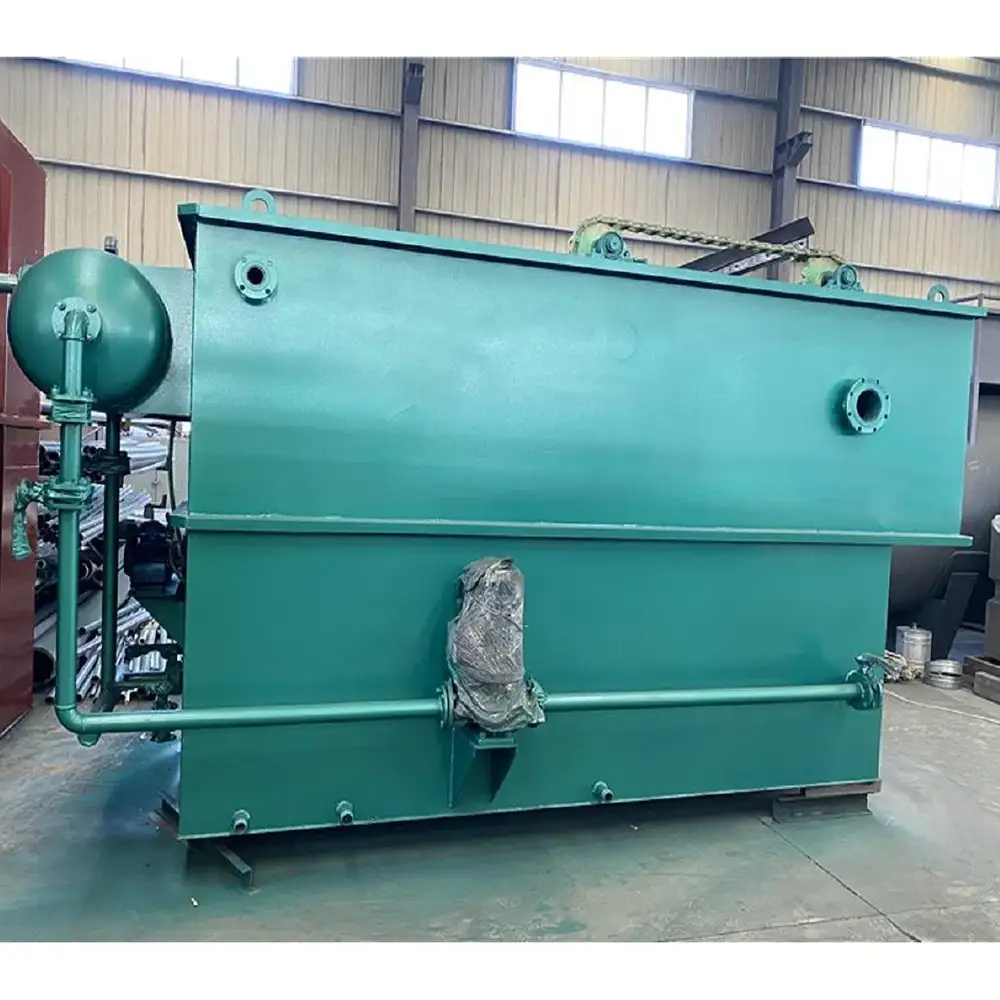
DAF / Water Treatment Systems / Industrial Equipment / Livestock Farm Wastewater Treatment Equipment
DAF Water Treatment Systems and Livestock Farm Wastewater Treatment Equipment provide an efficient physical-chemical separation solution for agricultural, livestock, food-processing, slaughterhouse, and industrial wastewater applications. DAF stands for Dissolved Air Flotation, a treatment process that uses microscopic air bubbles to attach to suspended particles and float them to the water surface for mechanical removal.
Livestock farms and animal-processing facilities can generate wastewater containing suspended solids, manure particles, fats, oils, proteins, organic matter, and other pollutants. Depending on the operation, wastewater may come from animal housing, manure handling, equipment washing, slaughtering, rendering, food processing, or cleaning operations.
A properly designed DAF system can remove a significant portion of suspended and floatable material before biological treatment, helping reduce the organic and solids loading placed on downstream equipment. DAF is widely used in industrial wastewater applications including food and beverage, dairy, meat processing, agricultural, and animal-processing industries.
What Is a DAF Wastewater Treatment System?
A Dissolved Air Flotation System is a wastewater clarification unit that separates suspended and floatable contaminants by flotation instead of relying only on gravity settling.
In a typical DAF process, a portion of clarified water is pressurized and saturated with air. When this pressurized water is released into the flotation chamber, microscopic air bubbles are generated. These bubbles attach to suspended particles, oils, grease, biological solids, and properly formed flocs.
The bubble-particle combinations become buoyant and rise toward the water surface. A mechanical skimmer then removes the concentrated floating sludge, while clarified water exits the flotation chamber for further treatment.
A simplified treatment process is:
Raw Wastewater → Screening → Equalization → Coagulation/Flocculation → DAF Flotation → Biological Treatment → Filtration → Disinfection → Discharge or Reuse
Not every project requires all of these stages. The process should be selected according to the wastewater characteristics and required effluent quality.
How Does Dissolved Air Flotation Work?
The DAF process generally involves several important stages.
1. Wastewater Screening
Coarse screens remove large solids such as manure debris, fibers, plastic, hair, feed particles, and other materials that could interfere with pumps or flotation equipment.
2. Equalization
An equalization tank can balance variations in wastewater flow and pollutant concentration. This is particularly useful for livestock and agricultural facilities where cleaning schedules and production activities create fluctuating wastewater loads.
3. Chemical Conditioning
Coagulants and polymers may be added to destabilize colloidal particles and combine fine contaminants into larger flocs.
Chemical conditioning is not identical for every wastewater stream. Jar testing or pilot testing can help determine the appropriate chemical type and dosage.
4. Pressurized Air Dissolution
A recycle stream is pressurized and mixed with air. When the pressure is released, microscopic bubbles are generated and introduced into the flotation tank.
5. Bubble-Particle Attachment
Fine bubbles attach to suspended solids, oils, grease, proteins, and flocculated particles, increasing their buoyancy.
6. Surface Flotation
The buoyant particles rise to the surface and form a concentrated float layer.
7. Sludge Skimming
A mechanical scraper or skimmer continuously or intermittently removes the floating sludge from the surface.
8. Clarified Water Collection
The clarified water exits the DAF unit and can be sent to biological treatment, filtration, disinfection, or another downstream process.
The U.S. EPA describes DAF as a process in which microscopic air bubbles attach to oil and suspended particles and carry them to the surface, where they can be removed by skimming.
Livestock Farm Wastewater Treatment
Livestock wastewater can be challenging because it may contain high concentrations of suspended solids and biodegradable organic matter.
Depending on the farm type, wastewater can originate from:
Cattle Farms
Dairy Farms
Pig Farms
Poultry Farms
Animal Husbandry Facilities
Livestock Housing
Manure Washing
Equipment Cleaning
Feed Processing
Slaughtering Operations
Animal Processing Facilities
The wastewater characteristics can vary significantly depending on animal type, cleaning methods, manure management, water consumption, and production scale.
For this reason, DAF is normally used as one stage within a complete wastewater treatment process rather than as a standalone solution for every pollutant.
DAF for Animal Farm Wastewater
For livestock and animal-processing wastewater, DAF can be particularly useful for removing suspended and floatable materials before biological treatment.
Potential target pollutants include:
Total Suspended Solids
Fats, Oils and Grease
Animal Fat
Protein Solids
Manure Particles
Fine Organic Solids
Colloidal Material
Floating Solids
Some Particulate BOD
Some Particulate COD
DAF performance depends strongly on particle characteristics, chemical conditioning, hydraulic loading, air-to-solids ratio, temperature, pH, and equipment design.
A poultry slaughterhouse study evaluated DAF as a primary treatment stage for suspended solids and oil and grease, demonstrating its suitability for animal-processing wastewater applications.
DAF for Slaughterhouse Wastewater
Slaughterhouse and meat-processing wastewater can contain blood, fat, grease, proteins, suspended solids, and high organic loading.
DAF is frequently considered for pretreatment because it can separate a substantial portion of fats, oils, grease, and suspended solids before biological treatment.
This can help protect downstream biological reactors and reduce the hydraulic and organic loading entering subsequent treatment stages. Research on slaughterhouse wastewater has specifically evaluated DAF for removing suspended solids and oil and grease before anaerobic biological treatment.
A typical slaughterhouse treatment process may be:
Screening → Equalization → Coagulation/Flocculation → DAF → Anaerobic Treatment → Aerobic Treatment → Secondary Clarification → Disinfection
The actual process depends on the wastewater analysis and discharge requirements.
DAF Pretreatment for Biological Treatment
DAF can serve as an effective pretreatment stage before:
MBBR
SBR
MBR
Activated Sludge
UASB
Anaerobic Digestion
Biological Nutrient Removal
Membrane Filtration
Removing excessive suspended solids and FOG before biological treatment can help stabilize the downstream process.
DAF is also used for polishing biological treatment effluent or thickening certain types of sludge, depending on the system design.
Main Components of a DAF System
A complete DAF system may include:
DAF Flotation Tank
Dissolved Air Release System
Recycle Water Pump
Air Compressor
Air Saturation Tank
Pressure Relief Valve
Chemical Dosing System
Coagulation Tank
Flocculation Tank
Surface Skimmer
Sludge Collection System
Sludge Pump
Control Cabinet
PLC Automatic Control
The exact configuration can be customized according to flow rate and wastewater characteristics.
Key Features and Benefits
Compact Solid-Liquid Separation
DAF can provide effective flotation-based separation within a relatively compact treatment footprint.
Effective FOG Removal
The process is particularly useful for fats, oils, grease, and other materials that are difficult to remove efficiently through conventional gravity settling.
Suspended Solids Reduction
DAF can capture suspended and colloidal particles, particularly when suitable coagulation and flocculation are used.
Downstream Protection
Pretreatment can reduce solids and FOG loading on biological reactors, filters, membranes, and other downstream equipment.
Flexible Industrial Applications
The same basic DAF principle can be adapted for livestock, dairy, poultry, slaughterhouse, food processing, agricultural, and other industrial wastewater applications.
Automatic Operation
PLC control can automate pumps, skimmers, chemical dosing, valves, alarms, and other equipment.
Applications
DAF Water Treatment Systems can be used for:
Livestock Farm Wastewater
Dairy Farm Wastewater
Pig Farm Wastewater
Poultry Farm Wastewater
Animal Farm Sewage
Slaughterhouse Wastewater
Meat Processing Wastewater
Poultry Processing Wastewater
Rendering Wastewater
Food Processing Wastewater
Dairy Wastewater
Agricultural Wastewater
Industrial Wastewater
Food And Beverage Wastewater
Fats, Oils And Grease Removal
Suspended Solids Removal
Wastewater Pretreatment
Biological Treatment Pretreatment
Sludge Thickening
Operation and Maintenance
DAF systems require regular inspection of the recycle pump, air supply, pressure system, skimmer, sludge discharge, chemical dosing equipment, and control system.
Operators should monitor influent and effluent water quality, flow rate, pressure, chemical dosage, float layer characteristics, and sludge concentration.
Chemical dosing should not simply be increased whenever treatment performance declines. Excessive chemical dosage can increase operating costs and sludge production. Jar testing and process optimization are useful for establishing an appropriate coagulation and flocculation strategy.
DAF sludge should also be managed properly. Concentrated float material may require further thickening, dewatering, disposal, or resource recovery depending on the application.
Why Choose Us?
As an experienced DAF Wastewater Treatment Equipment Manufacturer and Industrial Water Treatment Supplier, we provide customized dissolved air flotation systems for livestock farms, agricultural facilities, slaughterhouses, food processors, and industrial wastewater projects.
Our advantages include:
Customized DAF System Design
Livestock Wastewater Treatment Solutions
Industrial Wastewater Pretreatment
Coagulation And Flocculation Integration
Automatic Surface Skimming
High-Efficiency Recycle Air Dissolution
PLC Automatic Control
Chemical Dosing System Integration
Stainless Steel And Carbon Steel Options
Modular And Compact Equipment
MBR, MBBR, SBR And Anaerobic Process Integration
OEM And ODM Manufacturing
Project-Specific Engineering Support
We can configure the DAF system according to wastewater flow, TSS, FOG, COD, BOD, pH, temperature, required removal efficiency, downstream biological process, and final discharge or reuse requirements.
Frequently Asked Questions
1. What does DAF stand for?
DAF stands for Dissolved Air Flotation, a wastewater treatment process that uses fine air bubbles to float suspended and floatable contaminants to the water surface.
2. What can a DAF system remove?
DAF is commonly used to remove suspended solids, fats, oils, grease, low-density particles, and other contaminants that can be captured through flotation.
3. Is DAF suitable for livestock farm wastewater?
Yes. DAF can be used for livestock, agricultural, dairy, poultry, and animal-processing wastewater, particularly when suspended solids and fats or oils require separation.
4. Can DAF remove manure solids?
DAF can remove suitable suspended and floatable manure-related solids, but coarse manure and heavy settleable solids should normally be removed by screening, sedimentation, or another pretreatment stage first.
5. Can DAF treat dairy wastewater?
Yes. DAF is commonly considered for dairy wastewater because dairy effluent can contain suspended solids, fats, oils, proteins, and other organic materials.
6. Is chemical dosing required?
Not necessarily for every application, but coagulants and polymers are frequently used to improve the formation of flocs and enhance DAF separation performance.
7. Can DAF be used before an MBR?
Yes. DAF can be used as pretreatment before MBR, MBBR, SBR, activated sludge, anaerobic treatment, or other biological processes when appropriate.
8. Can DAF remove COD?
DAF can remove a portion of particulate or floatable COD, but it should not be considered a complete solution for dissolved COD. Biological treatment or other advanced processes may be required for remaining dissolved organic pollutants.
9. Can DAF remove oil and grease?
Yes. Oil and grease are among the main applications for dissolved air flotation.
10. How is DAF sludge removed?
A surface scraper or skimming mechanism collects the floating sludge and directs it to a sludge collection chamber or discharge system.
11. Can the DAF system operate automatically?
Yes. PLC-based automatic control can manage pumps, skimmers, air systems, chemical dosing, valves, alarms, and other components.
12. How do I select the correct DAF capacity?
Selection should consider average and peak flow, TSS, FOG, COD, pH, temperature, required removal, chemical conditioning, downstream treatment, and final effluent requirements.
13. Can you provide a complete livestock wastewater treatment plant?
Yes. A complete system can combine screening, equalization, DAF, anaerobic treatment, MBBR, SBR, MBR, filtration, disinfection, sludge treatment, and other processes according to the wastewater analysis and project requirements.
Prev:
Wtp/Daf/Slaughterhouse Wastewater Treatment Equipment/Industrial Wastewater Treatment/Sewage Treatment Equipment
Next:
Water Treatment Systems / Industrial Equipment / Hotel Wastewater Treatment Equipment
TAG:
Industrial Water Treatment System,
Industrial Wastewater Treatment Equipment,
Suspended Solids Removal,
FOG Wastewater Treatment,
Food Industry Wastewater Treatment,
Dairy Wastewater Treatment,
Meat Processing Wastewater Treatment,
Livestock Wastewater Treatment,
Food Processing Wastewater Treatment,
Agricultural Wastewater Treatment,
Agricultural Wastewater Treatment System,
Industrial Wastewater Treatment System,
DAF Wastewater Treatment System,
Dissolved Air Flotation Wastewater Treatment,
Industrial Wastewater Treatment,
Food Wastewater Treatment,
Livestock Wastewater Treatment System,
Poultry Farm Wastewater Treatment,
Pig Farm Wastewater Treatment,
Farm Wastewater Treatment,
Manure Wastewater Treatment,
Industrial Wastewater Treatment Plant,
Dairy Farm Wastewater Treatment,
Farm Wastewater Treatment System,
Industrial Water Treatment Plant,
Industrial Water Treatment Equipment,
Industrial Water Treatment,
Farm Wastewater Treatment Equipment,
Wastewater Pretreatment Equipment,
Animal Waste Treatment System,
Related Category:
DAF Wastewater Treatment System,Dissolved Air Flotation System,Livestock Farm Wastewater Treatment Equipment China, suppliers, manufacturers, factory, customized, wholesale, quotation, made in China