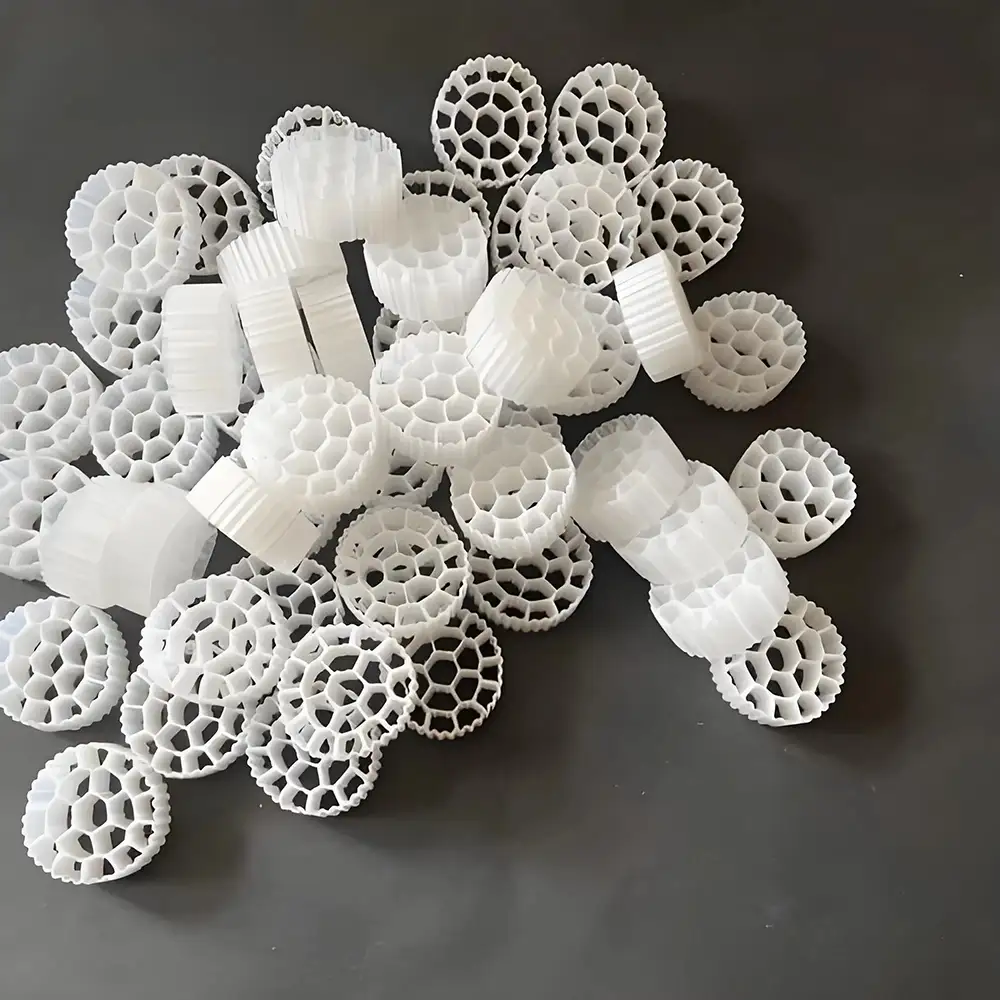
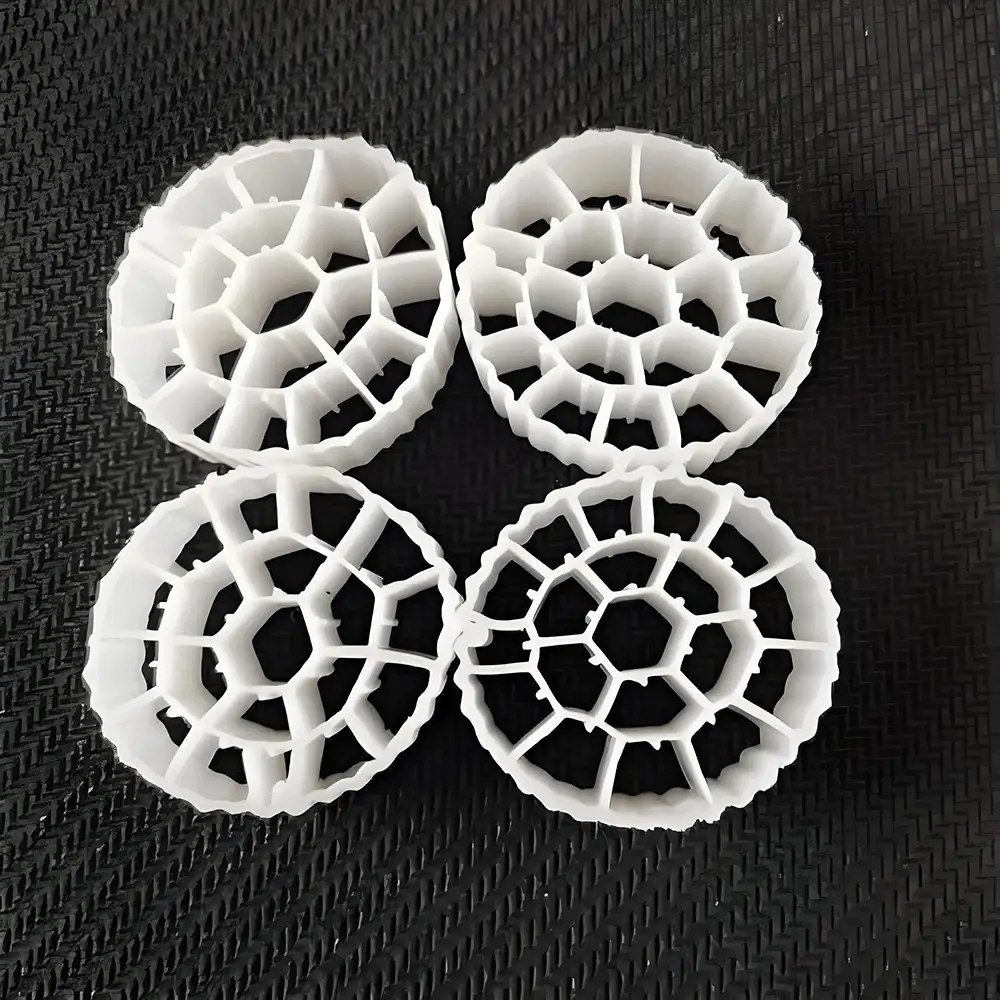
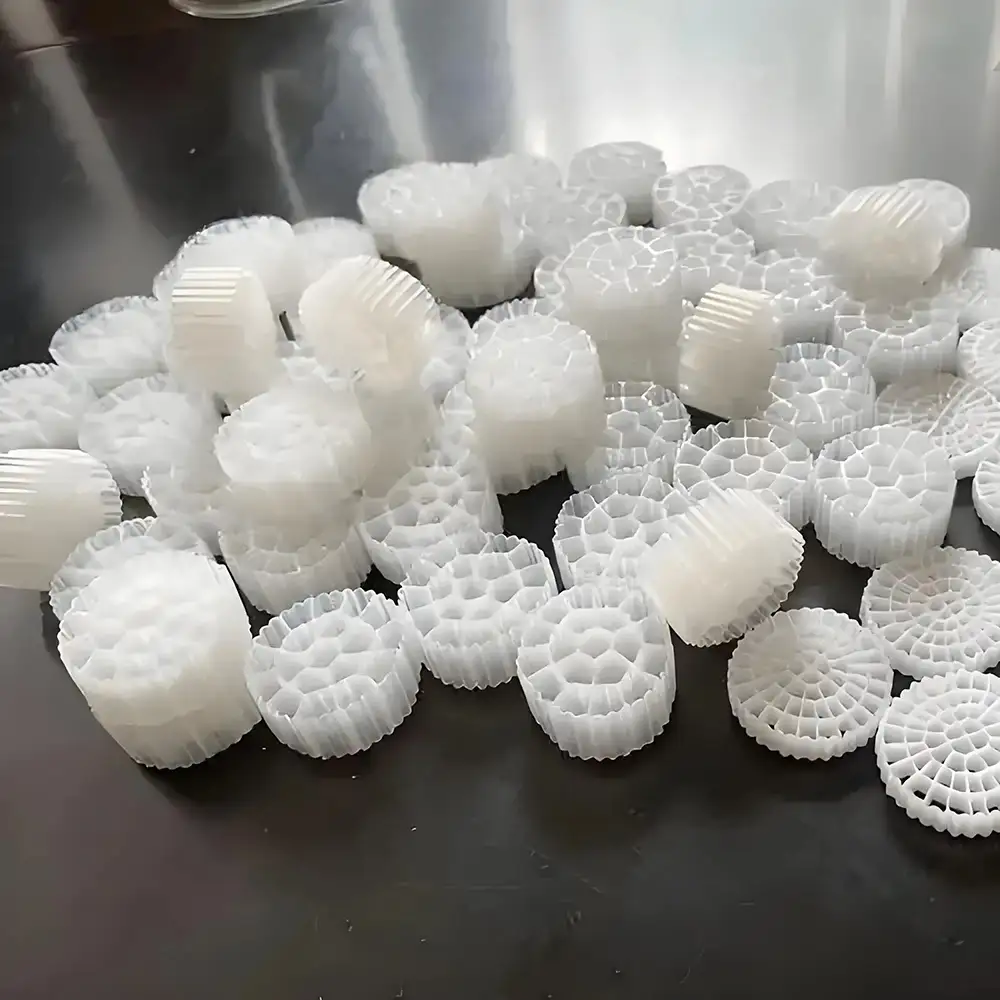
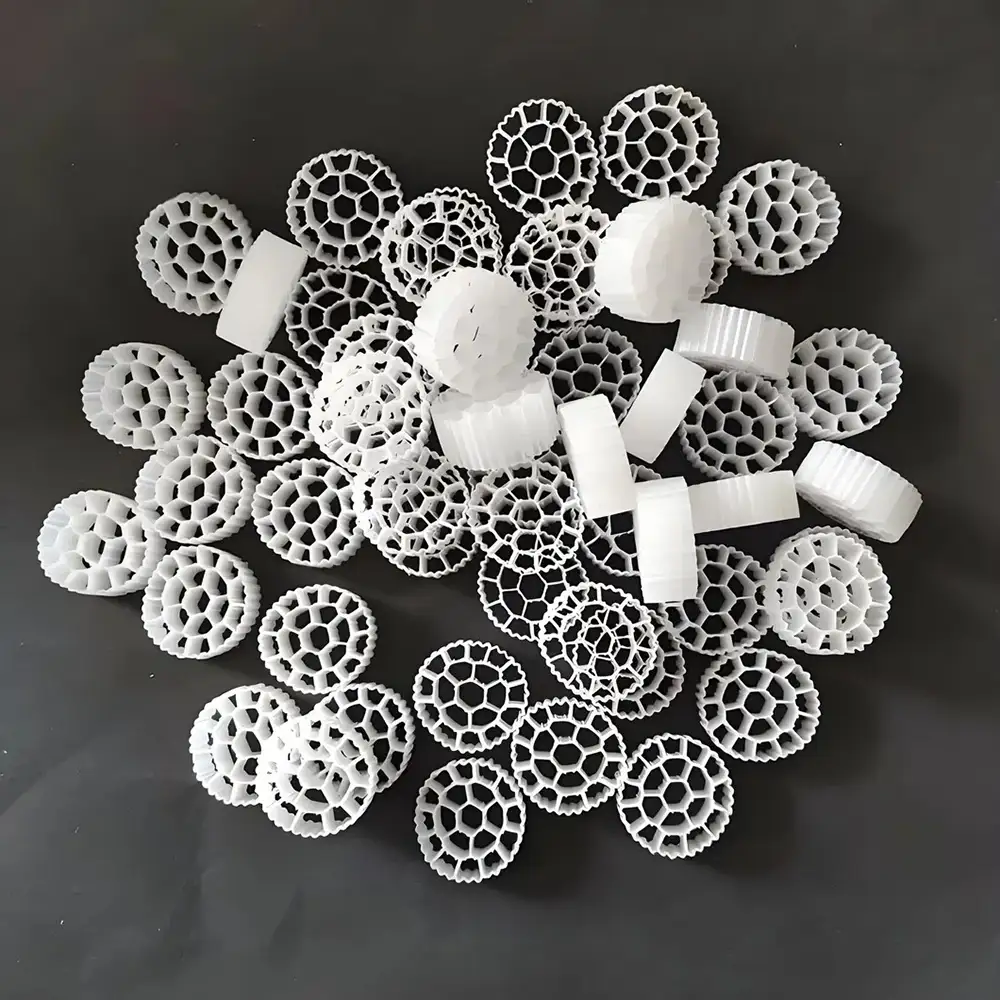
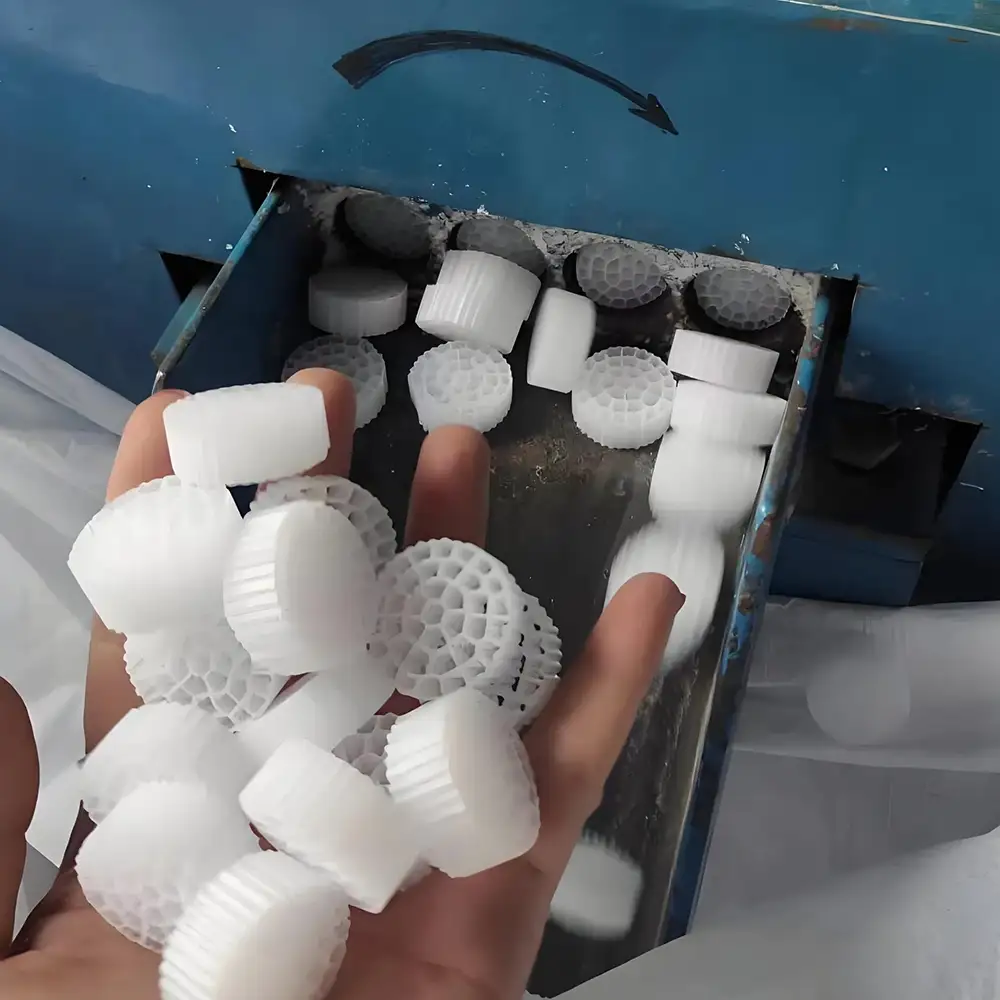
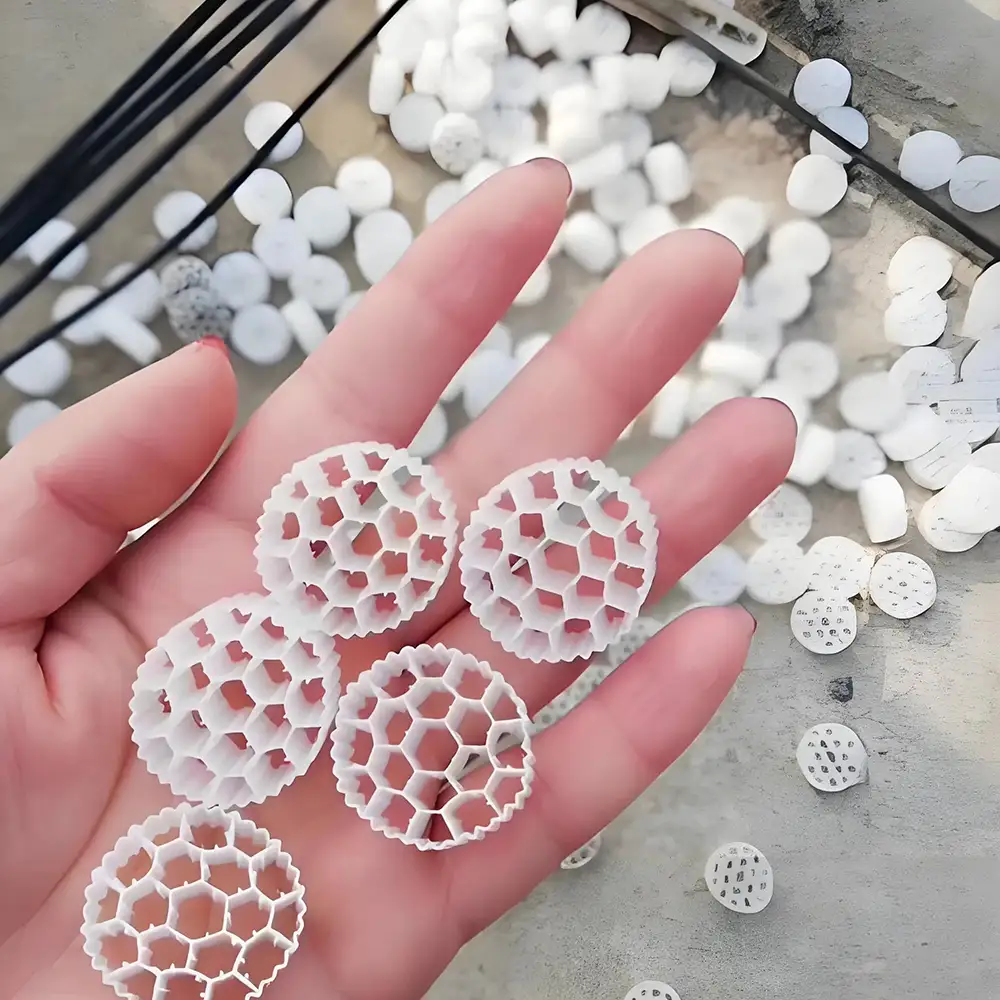
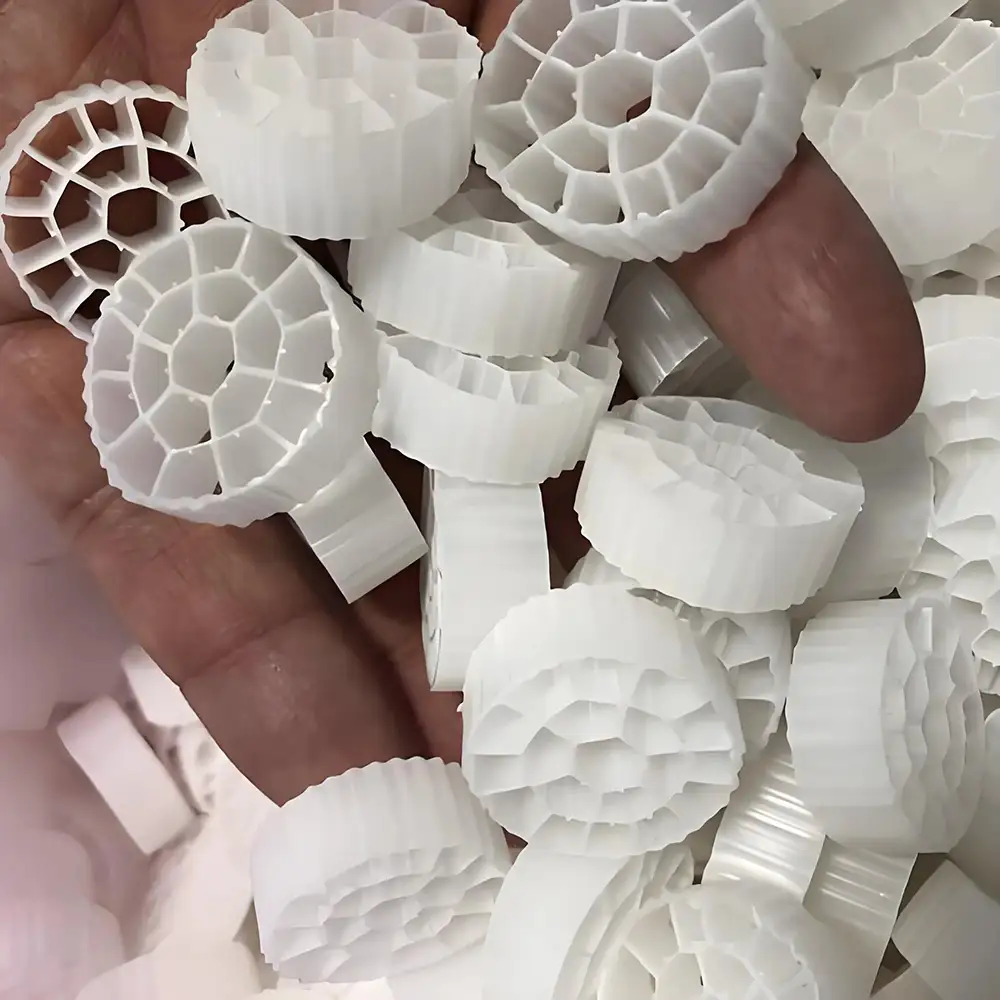
MBBR media is a key biological component in modern sewage and wastewater treatment systems. Designed to provide a protected surface for microorganisms to attach and grow, efficient MBBR media helps increase the amount of active biomass available inside a biological reactor. The media is typically submerged in an aerobic or anoxic treatment zone and kept in motion by aeration or mechanical mixing. EPA technical guidance describes MBBR as a biological process using plastic media with large surface area to increase biomass within the reactor.
For sewage treatment equipment manufacturers, engineering contractors and wastewater treatment plant operators, selecting the right MBBR carrier media is important for biological process stability, reactor sizing, oxygen transfer, biofilm development and long-term operating performance. Efficient MBBR media can be used in new wastewater treatment plants as well as upgrades of existing biological treatment systems.
MBBR membrane media is the core innovative material in the field of sewage treatment, which embodies cutting-edge technology and exquisite technology. Our unique formulations combine a variety of high-performance materials with precision injection molding processes to ensure superior performance of membrane media. It is like the "wisdom heart" of the sewage treatment system, continuously injecting a strong power for purifying sewage, and is the only choice to achieve efficient sewage discharge and recycling of water resources.
Product Description
|
parameter |
details |
explain |
|
texture of material |
HDPE/modified plastics, etc |
HDPE has good chemical corrosion resistance and mechanical properties, and modified plastics further enhance its specific properties such as hydrophilicity, strength, etc |
|
Specific surface area |
≥500m²/m³ |
The larger the specific surface area, the more microorganisms adhere, and the higher the treatment efficiency |
|
density |
Approximately 1 kg/m ³ |
Scientific density design ensures good fluidization performance of membrane media in water |
|
Fill rate |
10% -70% (adjustable according to demand) |
Flexibly adjust the filling rate according to the sewage quality and treatment requirements to achieve the best treatment effect |
service life |
≥ 5 years |
Long service life, reduced replacement costs, and improved system stability |
Applicable temperature |
10ºC - 40ºC |
Within this temperature range, the membrane medium can maintain stable performance, ensuring the normal operation of sewage treatment |
Acid and alkali resistance range |
PG 6.5-8.9 |
Has good acid and alkali resistance and can adapt to sewage environments with different pH levels |
|
porosity |
≥75% |
Reasonable porosity is beneficial for the attachment of microorganisms and the discharge of metabolic products |
|
Microbial fixation rate |
≥80% |
High microbial fixation rate ensures the effective functioning of microorganisms and improves treatment efficiency |
Product characteristics
High specific surface area: Through a special surface microhole design, the specific surface area of MBBR film media has reached an amazing ≥500 m²/m³, which is far more than similar products. Such a large specific surface area is like creating a super-large "skyscraper" for microorganisms, providing extremely sufficient space for microbes to attach, and the microbial load is greatly increased, making the sewage treatment efficiency increase geometrically, and the pollutants can be decomposed more thoroughly in a shorter time.
Strong hydrophilicity: The use of advanced surfactant coating technology for special hydrophilic treatment, MBBR membrane medium once in contact with sewage, it can be quickly integrated with sewage. This super hydrophilicity makes it easy for microorganisms to grow fixed on its surface, and the film hanging speed is 20% faster than the ordinary medium, greatly shortening the start-up time of the sewage treatment system, and the stability of the system operation has also been significantly improved, reducing the treatment efficiency fluctuations caused by start-up problems.
High mechanical strength: Select high-strength HDPE and modified plastics and other raw materials, through special crosslinking enhancement process, making the film medium has excellent wear resistance and impact resistance. Even in the complex hydraulic conditions of rapid flow and complex water quality, it can always maintain the structural integrity. After testing, its service life is ≥5 years, compared with the traditional medium, the replacement frequency is reduced by 30%, effectively reducing the operating cost of sewage treatment facilities.
Good fluidization performance: According to the principle of fluid mechanics, the unique shape and density are carefully designed. In the aeration tank, it can flow evenly like a smart fish and fully contact the sewage in all directions. This ensures a fuller reaction between microorganisms and contaminants, and the treatment effect can be maintained at a high level regardless of which corner of the aeration tank is located, avoiding the problem of poor local treatment.
What Is MBBR Media?
MBBR media, also called MBBR carrier media, biofilm carrier media or moving bed biofilm reactor media, consists of lightweight carrier elements designed to remain suspended and move throughout the biological treatment zone. Microorganisms attach to the carrier surface and form a biofilm. The protected areas of the media provide additional locations for biomass retention compared with a reactor that relies only on suspended microorganisms.
Unlike conventional activated sludge processes, MBBR systems do not depend on returning activated sludge to maintain the biological population. The microorganisms are primarily retained as attached biofilm on the carrier media. This makes MBBR technology attractive for compact biological treatment systems and plant upgrades.
High-Surface-Area Biofilm Carrier Design
An important feature of efficient MBBR media is its available surface area. Carrier geometry is designed to provide external and protected internal surfaces where microorganisms can colonize.
Typical carrier designs include cylindrical, wheel-shaped, honeycomb and other structured geometries. Internal fins, channels and protected surfaces can increase the available area for biofilm development while allowing wastewater and oxygen to circulate around the carrier.
EPA documentation notes that MBBR carrier elements are commonly designed with internal and external structures that provide high surface area per unit volume and protected areas for biofilm growth.
The actual performance of an MBBR system, however, depends on more than nominal surface area. Media geometry, effective surface area, filling ratio, wastewater characteristics, dissolved oxygen, temperature, hydraulic retention time and organic or nitrogen loading should all be considered during system design.
Biofilm Growth and Biological Treatment
When MBBR media is introduced into a biological reactor, microorganisms gradually attach to the carrier surfaces. As the biofilm develops, different microbial populations can occupy different zones within the biofilm.
In aerobic applications, microorganisms can contribute to organic matter degradation and nitrification. In anoxic applications, MBBR carriers can support denitrification and other biological nitrogen-removal processes when appropriate carbon availability and operating conditions are provided.
Research has shown that carrier type, media structure and surface properties can influence biofilm formation and MBBR performance.
This makes MBBR media an important process component rather than simply a filling material.
MBBR Media for Sewage Treatment
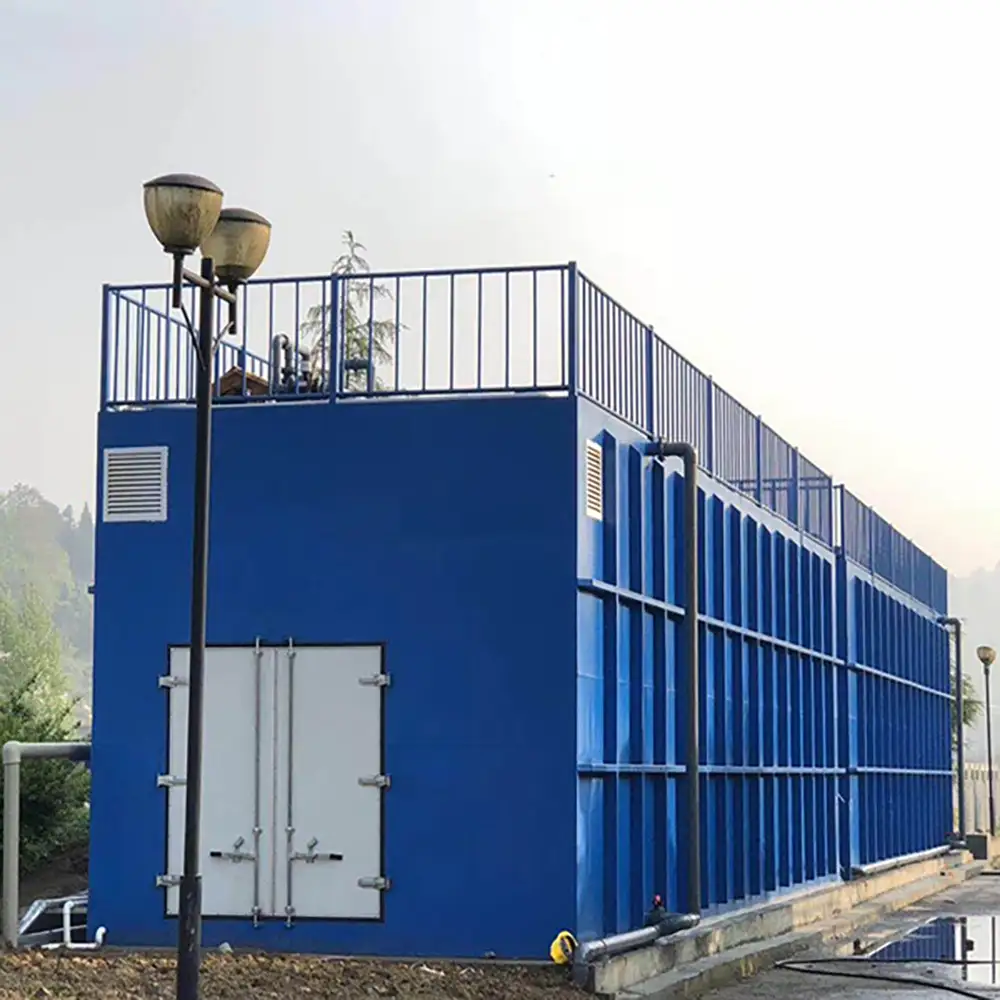
Efficient MBBR media can be integrated into different types of sewage treatment equipment, including packaged sewage treatment plants, municipal wastewater treatment systems, industrial wastewater treatment systems and decentralized wastewater treatment equipment.
For domestic sewage, MBBR media is commonly used in aerobic biological treatment zones for reducing biodegradable organic pollutants and supporting nitrification.
For industrial wastewater, MBBR carrier media can be incorporated into treatment processes where biological degradation is suitable. Depending on the wastewater characteristics, MBBR may be used as a primary biological process, a polishing stage or an upgrade to an existing activated sludge system.
The actual media quantity and reactor configuration should be selected according to influent characteristics, treatment objectives, loading rates and required effluent quality rather than using a fixed media filling percentage for every application.
MBBR Media for Nitrification
One major application of MBBR technology is biological nitrogen removal. Nitrifying microorganisms grow relatively slowly, so maintaining sufficient active biomass can be important for stable ammonia treatment.
MBBR carrier media provides protected surfaces where nitrifying organisms can establish biofilms. Under suitable dissolved oxygen, temperature, pH, alkalinity and loading conditions, the biofilm can support nitrification.
EPA technical guidance identifies MBBR as a technology that can be configured in aerobic and anoxic zones for nutrient control.
For projects requiring ammonia or total nitrogen reduction, media selection should therefore consider the biological objective rather than surface area alone.
Aerobic and Anoxic MBBR Applications
MBBR carrier media can be used in both aerobic and anoxic biological reactors.
In aerobic MBBR systems, air supplied through diffusers provides oxygen and mixing. The movement of carrier media helps distribute microorganisms and wastewater throughout the reactor.
In anoxic MBBR systems, mechanical mixing or other circulation methods can keep the carriers moving without creating excessive oxygen transfer. The reactor can be designed for denitrification or other biological treatment objectives.
A properly designed media retention screen is normally required at the reactor outlet to keep carrier elements inside the biological treatment zone while allowing treated water to leave the reactor.
Advantages of Efficient MBBR Media
Efficient MBBR carrier media offers several potential advantages for sewage treatment equipment:
Provides a large area for attached microbial growth
Supports high biomass retention inside the biological reactor
Can help increase biological treatment capacity within a compact reactor
Suitable for aerobic and anoxic treatment zones
Can be used in new plants and wastewater treatment upgrades
Does not require conventional return activated sludge for the MBBR carrier process
Can support nitrification and organic matter removal
Can be combined with other biological and advanced treatment processes
Lightweight carrier elements are relatively easy to add during plant expansion
Protected carrier surfaces can support stable biofilm development
Because MBBR performance depends on the interaction between media and operating conditions, these advantages should be evaluated through project-specific process design rather than assuming the same results for every wastewater application.
MBBR Media in Wastewater Treatment Plant Upgrades
One practical application of MBBR media is upgrading an existing wastewater treatment plant.
When an existing biological reactor has limited capacity, adding carrier media can provide additional biofilm growth area without necessarily requiring a completely new biological treatment train. This makes MBBR technology attractive for capacity expansion, nitrification improvement and process modernization.
The required media fill ratio, carrier type, aeration capacity and hydraulic conditions should be evaluated together. Existing tanks, mixers, diffusers, screens and downstream clarification equipment may also need assessment.
Material and Carrier Structure
MBBR carrier media is commonly manufactured from polymeric materials such as polyethylene or polypropylene. The selected material should provide suitable density, mechanical strength, chemical resistance and long-term dimensional stability for the intended wastewater environment.
Carrier geometry is equally important. Internal channels and protected surfaces can increase biofilm attachment area, while sufficient void space allows wastewater movement through the media.
A good carrier should balance surface area, hydraulic circulation, biofilm retention, mechanical durability and resistance to clogging or excessive biofilm accumulation.
Applications
Efficient MBBR media can be used in:
Municipal Sewage Treatment Plants
Domestic Wastewater Treatment Systems
Industrial Wastewater Treatment Plants
Package Sewage Treatment Equipment
Decentralized Wastewater Treatment Systems
Commercial Wastewater Treatment
Food Processing Wastewater Treatment
Pharmaceutical Wastewater Treatment
Chemical Wastewater Treatment
Textile and Dyeing Wastewater Treatment
Petrochemical Wastewater Treatment
Biological Nitrogen Removal Systems
Nitrification Treatment Systems
Existing WWTP Capacity Upgrade Projects
Why Choose Us
Choosing the correct MBBR carrier media requires more than selecting a carrier with a large nominal surface area. The media should match the reactor configuration, wastewater characteristics and biological treatment objective.
We focus on providing MBBR media suitable for sewage treatment equipment, biological wastewater treatment systems and customized engineering projects. Our product selection can consider carrier geometry, material, density, surface characteristics, reactor volume, filling ratio and application requirements.
For B2B wastewater projects, we can support different MBBR media configurations for municipal sewage, industrial wastewater, biological nitrogen removal, plant upgrades and compact package treatment systems.
Our approach emphasizes practical compatibility between the carrier media and the complete wastewater treatment process, helping customers select a suitable solution according to actual operating conditions rather than relying on a single media specification.
Frequently Asked Questions
1. What Is MBBR Media?
MBBR media is a carrier material placed inside a moving bed biofilm reactor. Microorganisms attach to the carrier surface and form biofilms for biological wastewater treatment.
2. What Does MBBR Stand For?
MBBR stands for Moving Bed Biofilm Reactor. It is a biological wastewater treatment process that uses suspended carrier media to retain attached biomass.
3. What Is the Main Function of MBBR Media?
The main function is to provide surface area and protected locations for microorganisms to attach, grow and perform biological treatment.
4. Can MBBR Media Be Used for Sewage Treatment?
Yes. MBBR media is widely used in municipal, domestic, commercial and industrial wastewater treatment systems.
5. Can MBBR Media Support Nitrification?
Yes. MBBR systems can support nitrifying biofilms under appropriate oxygen, temperature, pH, alkalinity and loading conditions.
6. Can MBBR Media Be Used in Anoxic Reactors?
Yes. MBBR carriers can be used in anoxic zones for biological nitrogen removal when suitable mixing and carbon conditions are provided.
7. What Material Is Used for MBBR Media?
Polyethylene and polypropylene are commonly used carrier materials. The appropriate material depends on the wastewater environment and carrier design.
8. How Is MBBR Media Kept Inside the Reactor?
A retaining screen, sieve or similar device is normally installed at the reactor outlet to prevent carrier media from leaving the biological tank.
9. How Much MBBR Media Is Needed?
The required filling ratio depends on wastewater characteristics, treatment targets, reactor volume, carrier properties, loading and process design. It should be determined through engineering calculations rather than a universal percentage.
10. Does MBBR Require Return Activated Sludge?
A conventional MBBR process does not use the mixed-liquor recycle characteristic of IFAS. Biomass is retained primarily as biofilm on the carrier media.
11. Can MBBR Media Upgrade an Existing Sewage Treatment Plant?
Yes. MBBR media can be considered for biological capacity upgrades, nitrification improvements and other process modifications, subject to hydraulic, aeration and downstream treatment limitations.
12. How Do I Select the Right MBBR Media?
Consider effective surface area, carrier geometry, material, density, protected surface structure, filling ratio, wastewater characteristics, biological objectives and reactor operating conditions. Pilot or engineering evaluation may be appropriate for challenging wastewater.
Prev:
Plate And Frame Filter Press
Next:
Mbbr Media,Moving Bed Biofilm Reactor Media,Bio-Reactor Media
TAG:
Wastewater Treatment Equipment,
Sewage Treatment Equipment,
Moving Bed Biofilm Reactor,
MBBR Wastewater Treatment,
MBBR Biological Treatment,
Sewage Treatment Carrier,
Wastewater Treatment Carrier,
Industrial Wastewater MBBR Media,
Municipal Wastewater MBBR Media,
Domestic Sewage MBBR Media,
Package Sewage Treatment Media,
MBBR Denitrification Media,
Aerobic MBBR Media,
Anoxic MBBR Media,
MBBR Media For Nitrogen Removal,
MBBR Media For COD Removal,
MBBR Media For Ammonia Removal,
MBBR Biological Reactor,
Wastewater Biofilm Reactor,
MBBR Media For Nitrification,
MBBR Nitrification Media,
MBBR Sewage Treatment,
High Surface Area Biofilm Carrier,
Moving Bed Biofilm Media,
Plastic Biofilm Carrier,
High Surface Area MBBR Media,
MBBR Media For Sewage Treatment,
MBBR Reactor Media,
MBBR Media For Biological Treatment,
MBBR Media For WWTP,
Related Category:
Efficient MBBR Media,MBBR Media,MBBR Carrier Media,MBBR Biofilm Carrier,Moving Bed Biofilm Reactor Media China, suppliers, manufacturers, factory, customized, wholesale, quotation, made in China