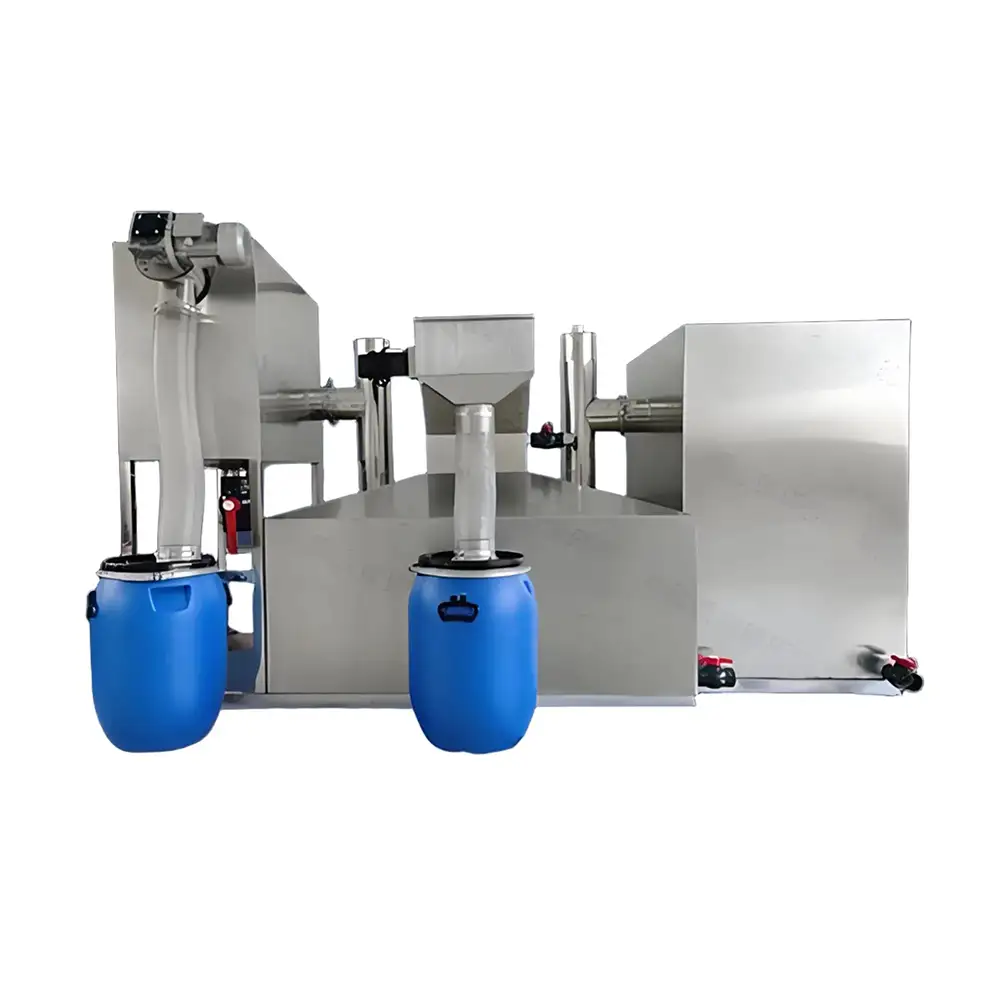
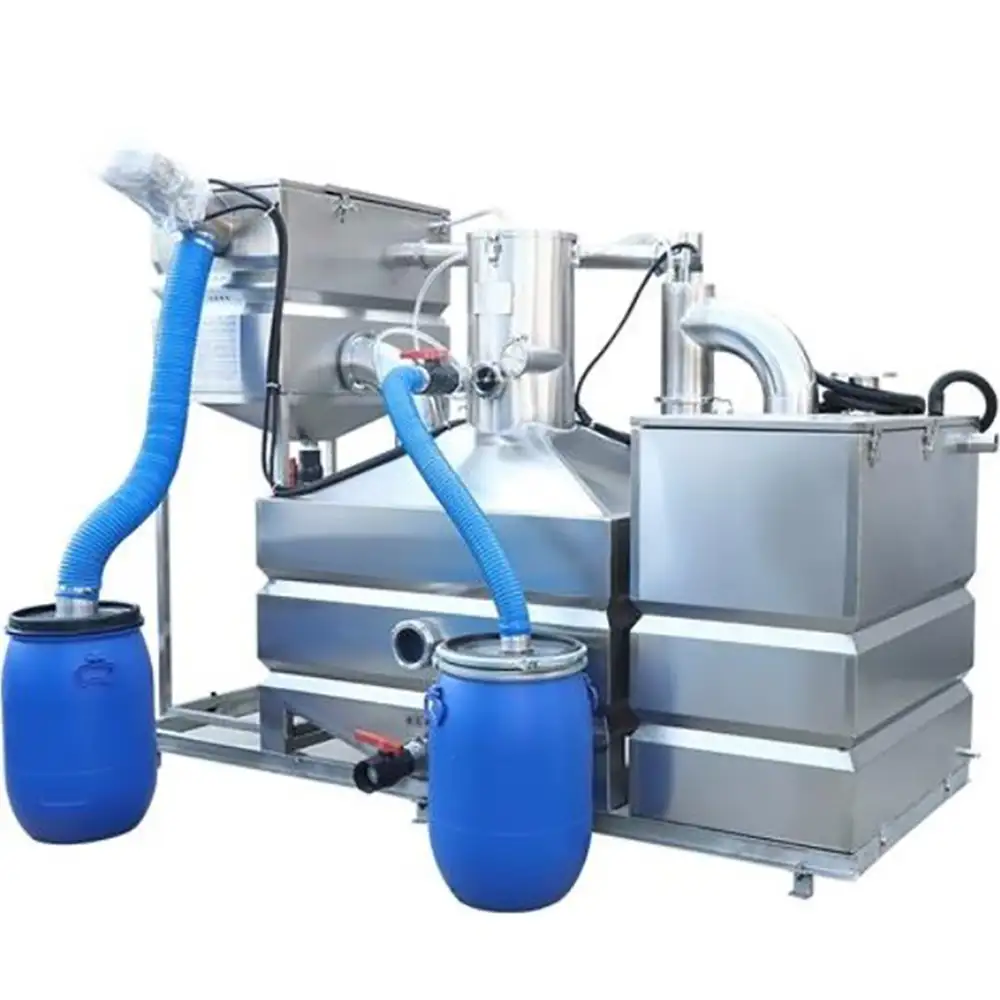
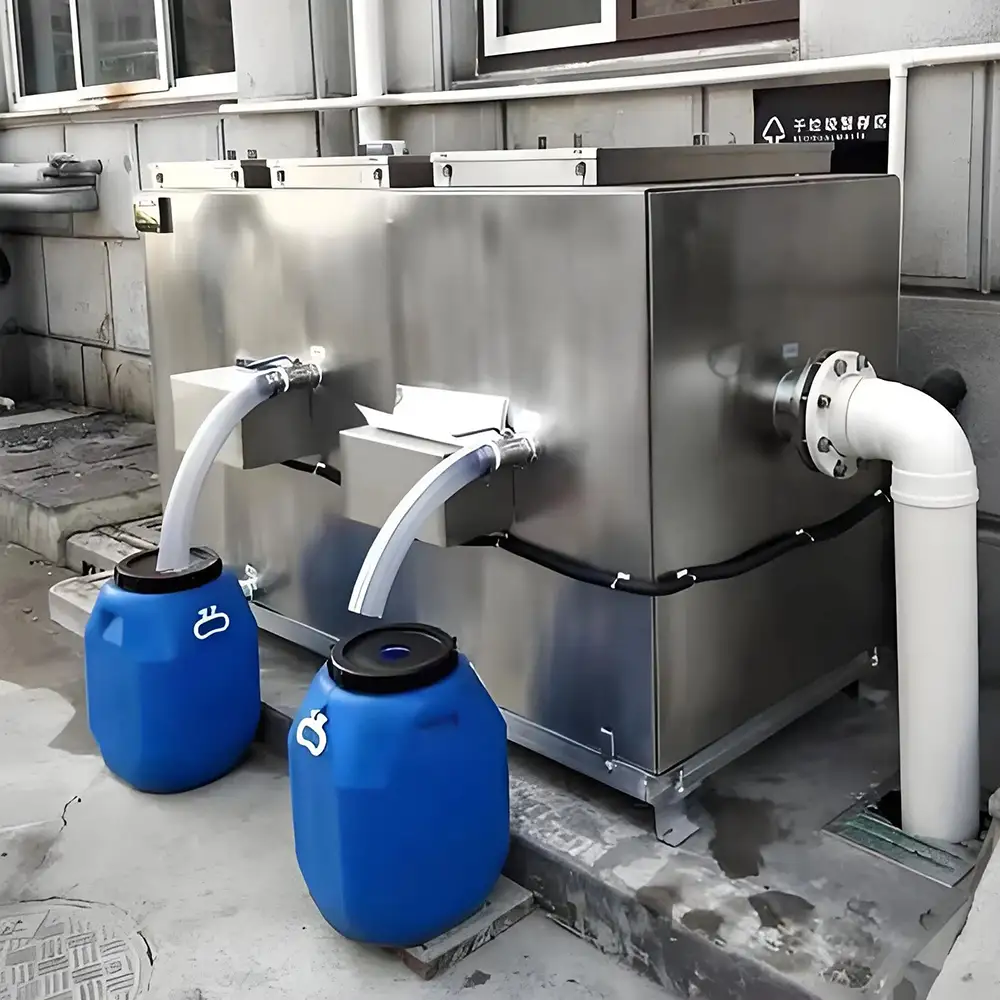
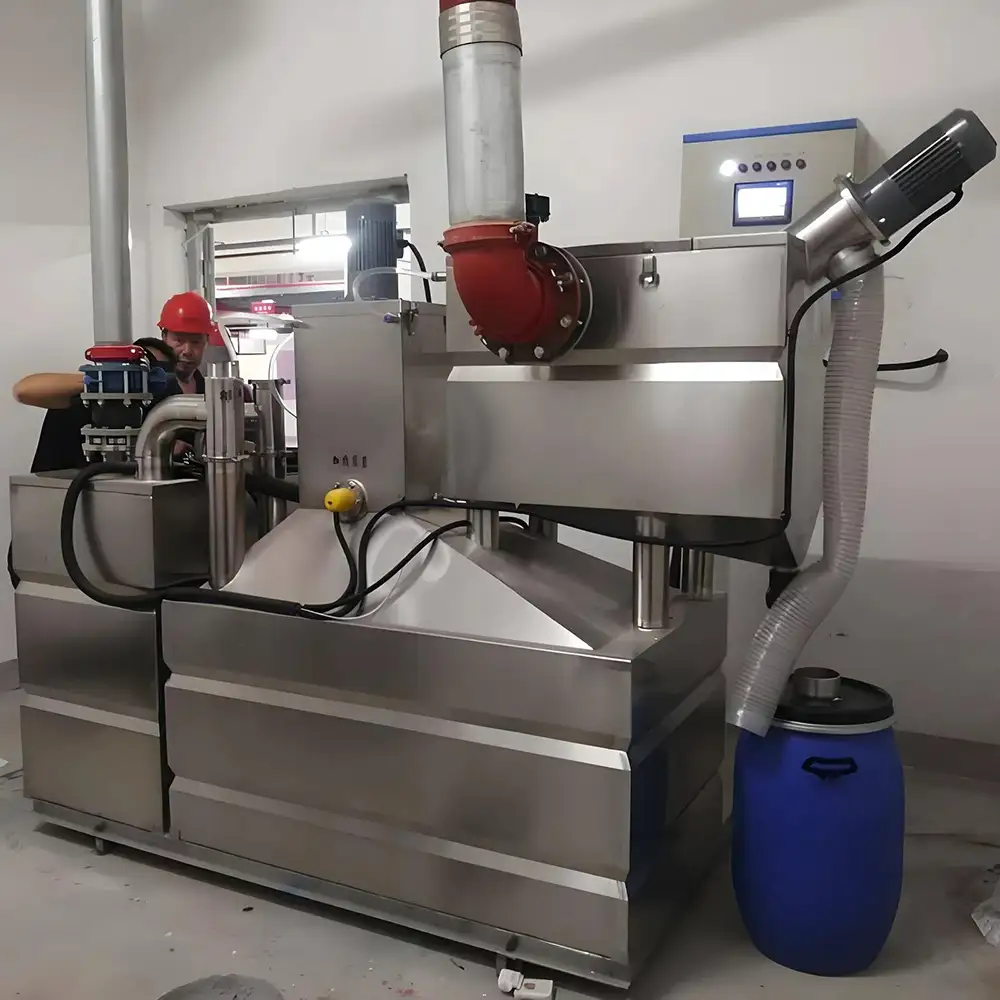
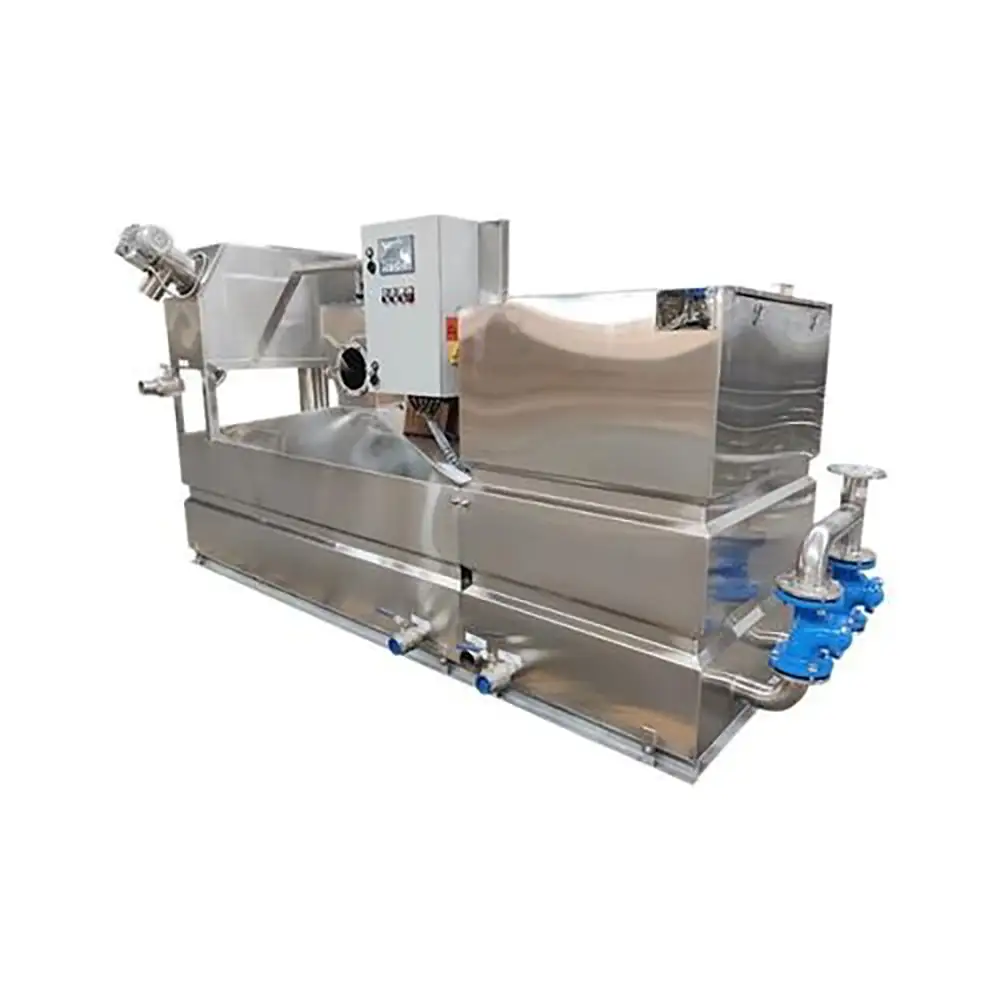
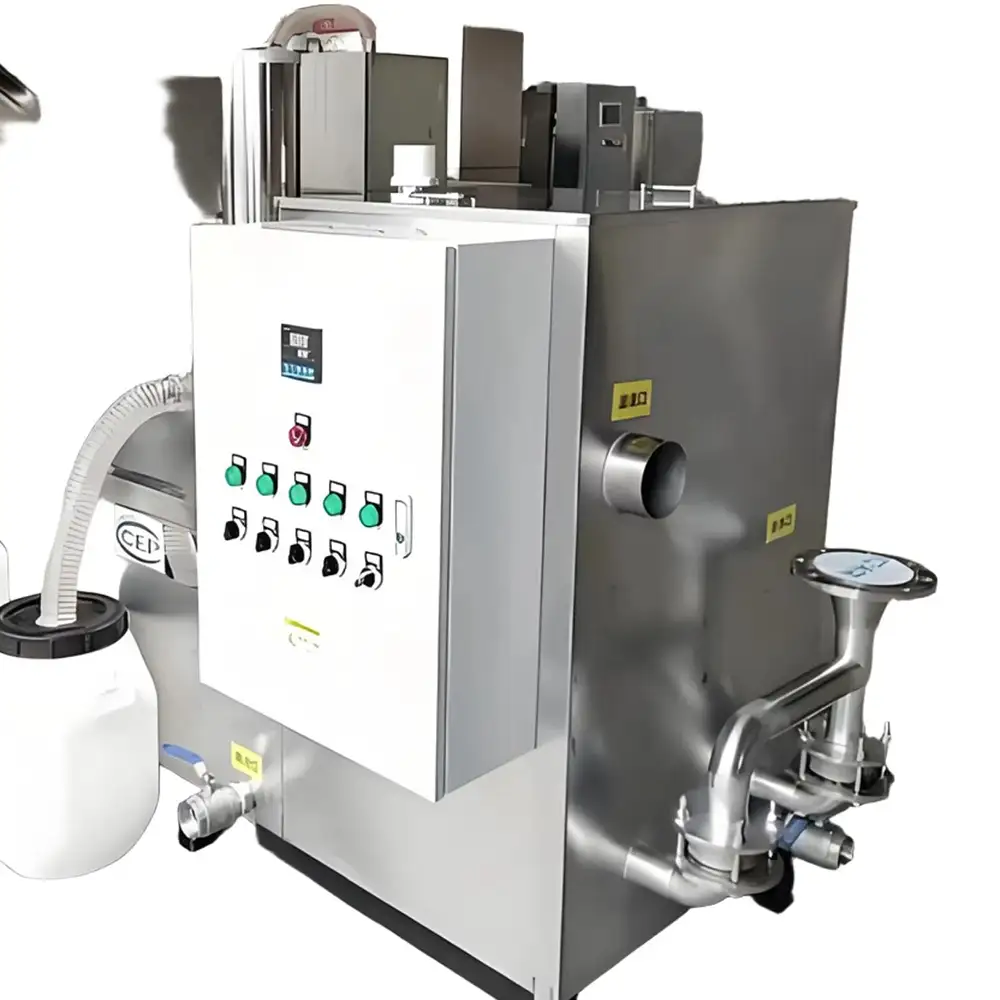
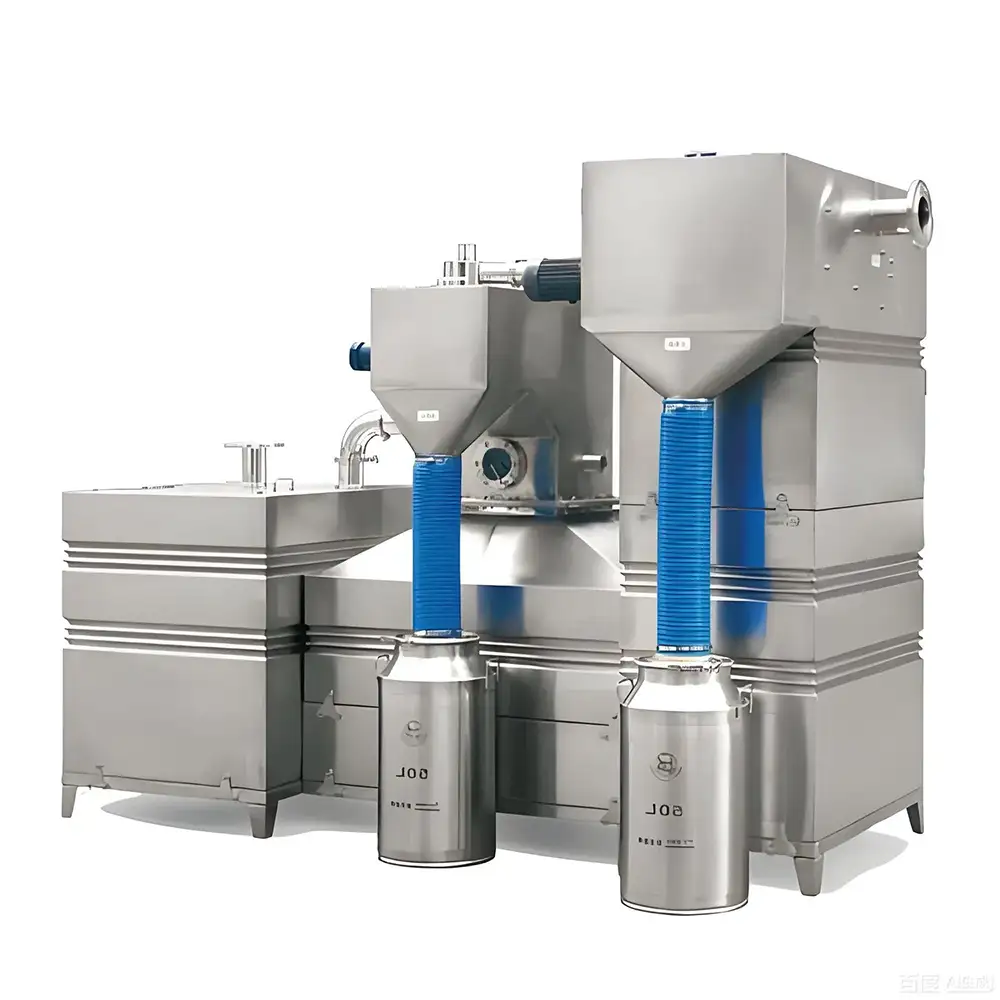
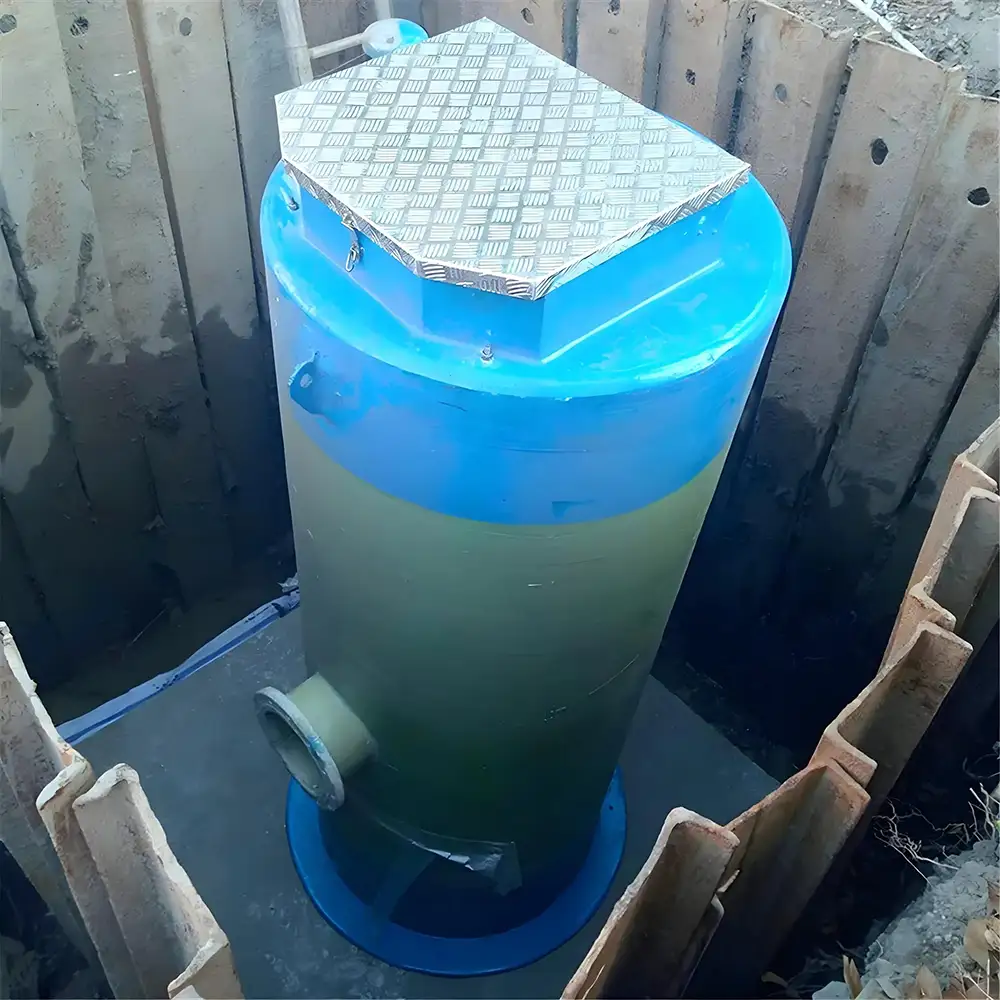
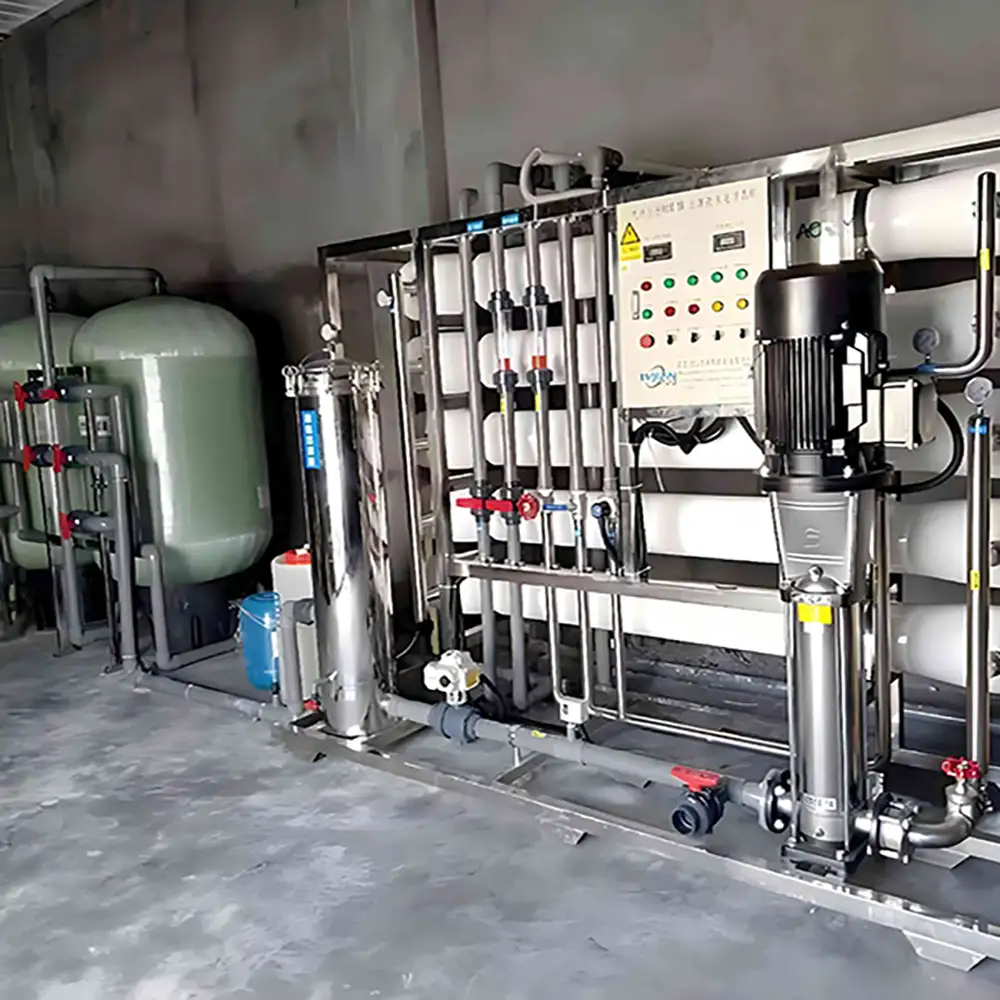
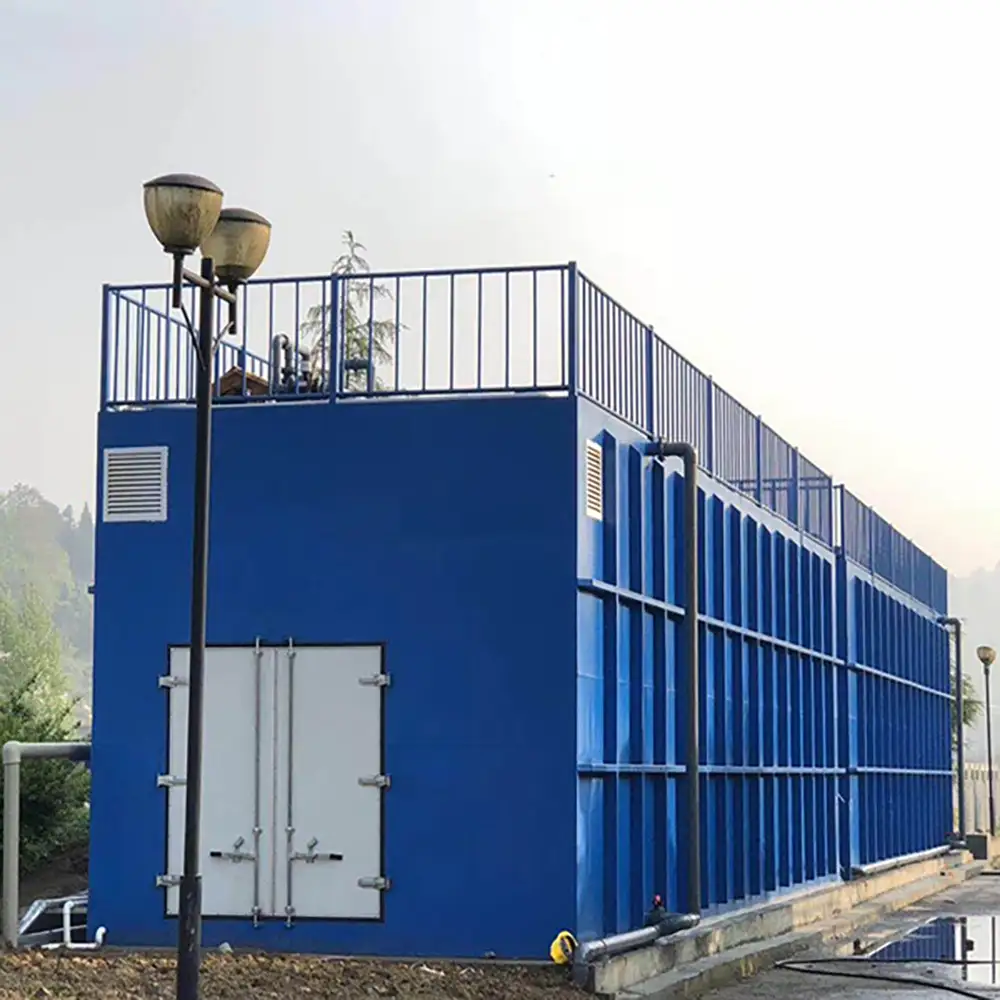
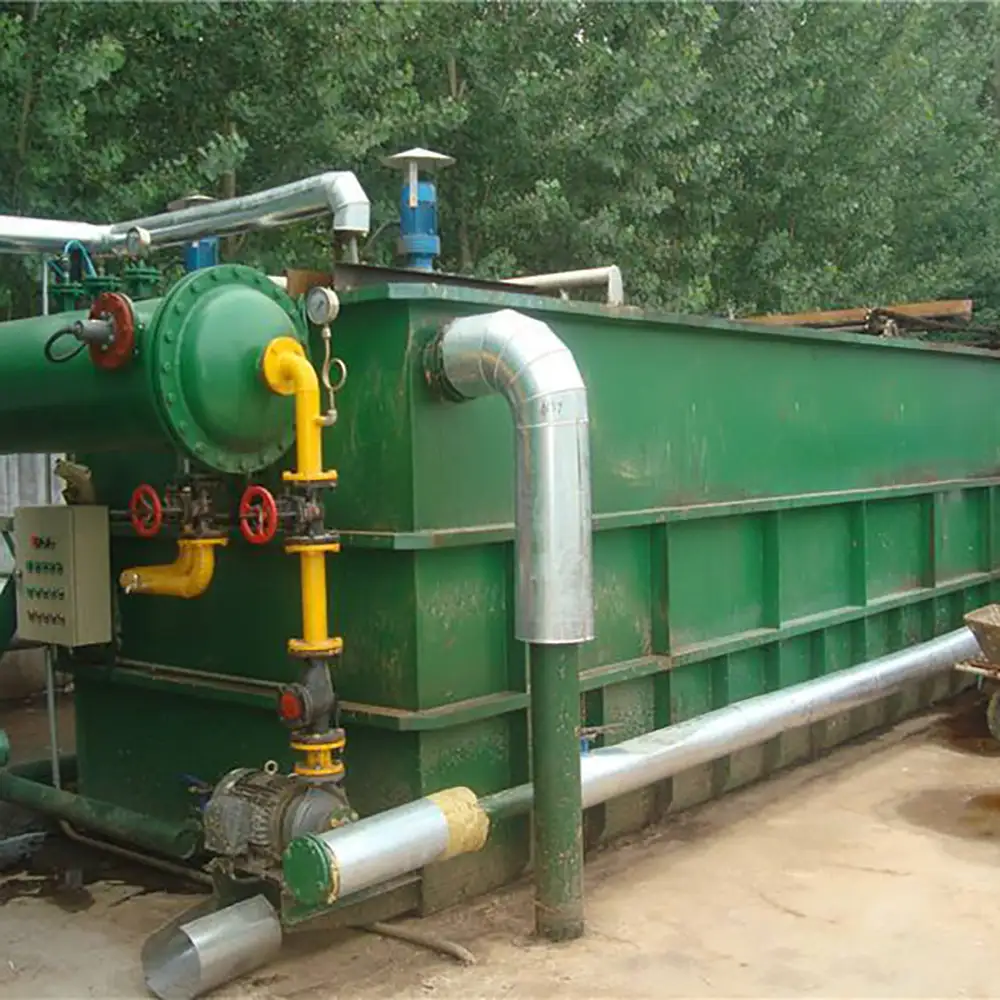
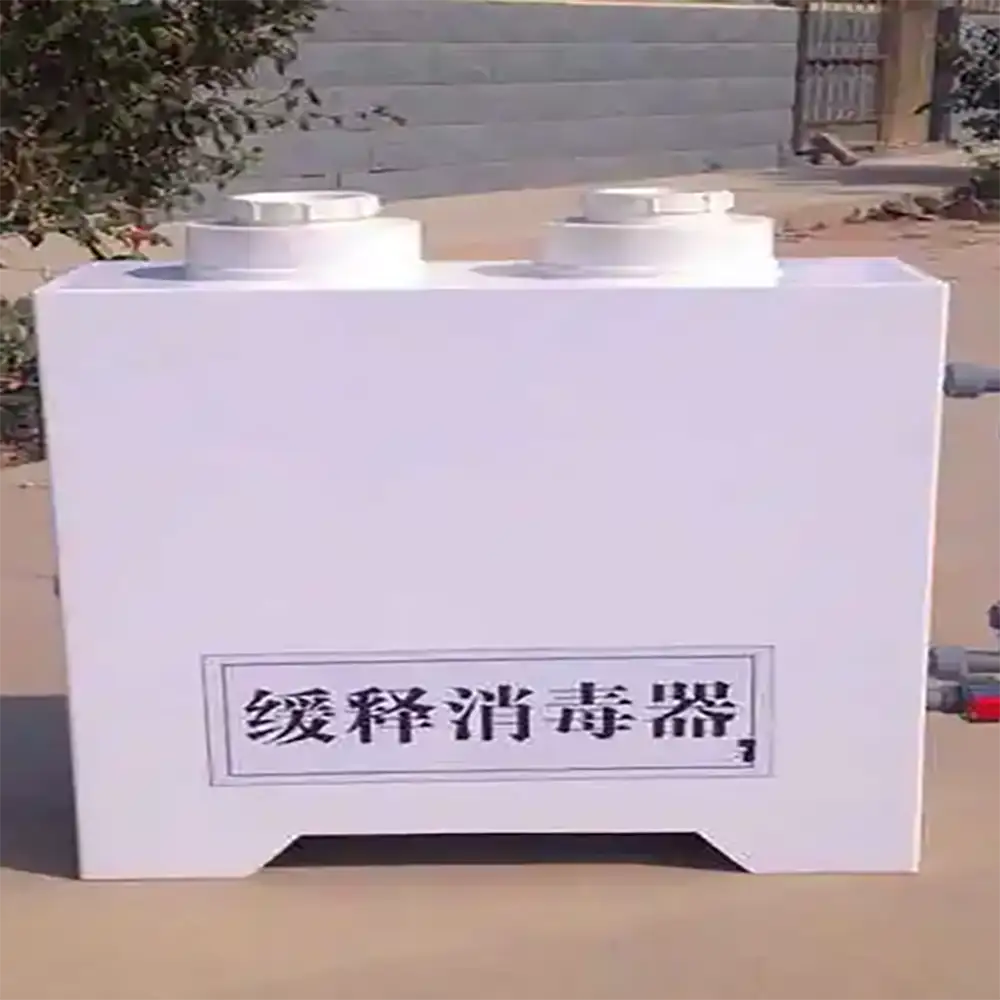
The Compact Automatic Oil Water Separator for Small-Scale Industry is designed for businesses that need reliable oil and water separation without installing a large wastewater treatment system. Its compact configuration combines oil-water separation, automatic oil collection and practical wastewater flow management in a space-efficient unit.
Small manufacturing facilities, machinery workshops, automotive service centers, vehicle washing facilities, equipment maintenance shops and other industrial businesses can generate wastewater containing free oil, lubricants, grease and suspended solids. A compact oil water separator can be used as a pretreatment stage to reduce the free-oil load before wastewater enters additional treatment equipment.
Oil-water separators commonly use gravity separation. Because oil generally has a lower density than water, suitable hydraulic conditions allow oil droplets to rise toward the surface while treated water flows from a lower outlet. Enhanced systems can incorporate coalescing media to improve separation of smaller oil droplets.
|
Parameter type |
Common range |
illustrate |
|
Processing volume |
0.5-100m³/h (customizable upon request) |
Select the appropriate model based on the actual wastewater discharge volume, with a 20% margin. |
|
Oil content in influent |
≤5000mg/L (food service) / ≤10000mg/L (industrial) |
Exceeding the limit requires preprocessing. |
|
Oil content in effluent |
≤10mg/L (National Standard Grade 1) / ≤20mg/L (Grade 2) |
Complies with GB 8978-1996 Integrated Wastewater Discharge Standard |
|
Work pressure |
0.1-0.6MPa |
Adapt to pipeline pressure requirements |
|
Operating temperature |
5-60℃ |
Heating devices can be installed at low temperatures to prevent grease from solidifying. |
|
Separation efficiency |
≥95% (floating oil) / ≥85% (dispersed oil) |
Depends on equipment structure and processing technology |
|
Control method |
Fully automatic (PLC + sensor) |
Supports automatic oil and water drainage, alarm functions, and some models can be networked for monitoring. |
What Is a Compact Oil Water Separator?
A compact oil water separator is a smaller-scale wastewater treatment unit designed to separate free oil and water within a limited installation footprint.
Compared with large centralized oil-water separation systems, compact equipment is better suited to facilities with lower or moderate wastewater flow rates and limited available space.
The equipment can include an inlet chamber, flow-distribution section, oil separation chamber, oil collection area, water outlet, sludge collection area and automatic oil removal components.
The exact internal configuration depends on the wastewater characteristics and required treatment capacity.
For small-scale industrial applications, equipment selection should consider both normal and peak wastewater flow. EPA guidance emphasizes that an oil-water separator needs to be properly sized for the intended flow and oil-holding capacity because excessive hydraulic flow can reduce separation performance and potentially carry accumulated oil or untreated wastewater through the outlet.
|
Equipment type |
Structural features |
Applicable Scenarios |
|
Catering-specific type (buried/above ground) |
Compact size, with residue filter, and odor-proof design |
Hotels, restaurants, canteens, food streets and other catering establishments |
|
Industrial-grade |
Large throughput, resistant to high pressure and high temperature, and able to withstand impact loads |
Food processing plants, slaughterhouses, machine shops, oilfield wastewater, etc. |
|
Vehicle-mounted/Mobile |
Integrated design, portable |
Temporary food stalls, construction site canteens, and emergency sewage treatment. |
|
Centrifugal high-efficiency |
Using centrifugal separation technology, the separation speed is fast. |
High-oil-content wastewater (such as machining fluid and waste oil recovery) |
How Does an Automatic Oil Water Separator Work?
The treatment process begins when oily wastewater enters the separator.
An inlet structure distributes the incoming flow and reduces turbulence. Excessive turbulence can interfere with oil droplet rise and may resuspend settled solids, so controlled flow distribution is an important part of separator design.
Once the wastewater enters the separation chamber, larger free-oil droplets gradually rise toward the surface. Oil accumulates in an upper collection zone, while water continues through the separator toward the outlet.
The automatic system can use an oil skimmer, oil collection mechanism, level sensor, automatic valve or discharge pump to remove the separated oil.
This allows the separator to operate with less manual intervention than a basic manually cleaned unit.
Compact Design for Small Industrial Facilities
One of the main advantages of this equipment is its space-efficient configuration.
Small-scale industrial facilities may not have sufficient room for a large concrete oil-water separation basin. A compact packaged separator can provide a practical alternative by integrating the main separation functions into a smaller equipment footprint.
The system can be installed near:
Machinery Workshops
Automotive Repair Shops
Vehicle Washing Areas
Small Manufacturing Plants
Metalworking Facilities
Equipment Maintenance Areas
Industrial Cleaning Stations
Small Food Processing Facilities
Commercial Kitchens
Fleet Maintenance Facilities
Depending on the application, the unit can be installed indoors or outdoors when appropriate environmental protection and site conditions are provided.
Automatic Oil Collection
Automatic oil collection is particularly useful for small businesses where wastewater treatment may be operated by personnel who have other production responsibilities.
As oil accumulates at the surface, an automatic skimming or oil discharge mechanism can transfer separated oil into a collection container or tank.
The exact automation method may include:
Oil-Level Sensor
Automatic Oil Skimmer
Motorized Skimming Device
Automatic Discharge Valve
Oil Collection Tank
Programmable Control System
High-Level Alarm
The purpose of automatic oil collection is to reduce routine manual intervention and help maintain available oil-storage capacity inside the separator.
Automatic operation does not mean maintenance-free operation. Oil, sludge, sensors, valves and internal components still require periodic inspection.
Oil Water Separation for Small-Scale Industry
Small industrial wastewater streams can vary considerably.
A machinery workshop may produce wastewater containing cutting oil and lubricants. An automotive service facility may generate wastewater containing engine oil, grease and cleaning chemicals. A vehicle washing facility may generate oily wash water containing dirt and suspended solids.
The separator should therefore be selected according to actual wastewater conditions rather than simply based on the facility size.
Important design factors include:
Wastewater Flow Rate
Peak Flow Rate
Free Oil Concentration
Oil Droplet Size
Suspended Solids
Wastewater Temperature
Detergent Concentration
Chemical Emulsifiers
Required Outlet Quality
Available Installation Space
EPA technical guidance identifies oil concentration, oil droplet size, specific gravity and the presence of surfactants or chemical emulsifiers as important factors when selecting an oil-water treatment approach.
Gravity Oil Water Separation
Gravity separation is the basic principle used in many oil-water separators.
During relatively calm hydraulic conditions, oil droplets rise because of their lower density compared with water. Larger droplets generally rise faster than smaller droplets.
The separated oil forms an upper layer that can be removed by a skimmer or other collection mechanism. Heavier solids can settle toward the bottom of the separator.
EPA describes standard gravity oil-water separators as flow-through systems that provide sufficient hydraulic retention time for oil droplets to rise and form a surface layer.
For wastewater containing smaller free oil droplets, a coalescing section can be added. Coalescing media provides additional contact surfaces and can help combine smaller oil droplets into larger droplets that rise more readily.
Free Oil vs. Emulsified Oil
An important consideration when selecting an oil-water separator is the difference between free oil and emulsified or dissolved oil.
A compact gravity or coalescing separator is primarily designed for free and separable oil. It is not a universal treatment technology for all forms of petroleum contamination.
Stable emulsified oil can remain dispersed in water because of detergents, surfactants or other chemicals. Dissolved hydrocarbons also require different treatment mechanisms.
EPA documentation notes that gravity separation is effective for bulk free oil and grease but is not generally effective for emulsified or soluble oils.
When treating difficult emulsified wastewater, additional processes such as chemical emulsion breaking, coagulation, dissolved air flotation, filtration or other advanced treatment may be required.
Small Oil Water Separator for Vehicle Washing
Vehicle washing is a common application for compact oil-water separation.
Wastewater from vehicle cleaning can contain oil, grease, dirt and suspended solids. A separator can be installed as a pretreatment stage before discharge or additional wastewater treatment.
For small vehicle maintenance and fleet facilities, a compact automatic separator can help reduce free-oil loading while minimizing the amount of floor space required.
Where significant suspended solids are present, screening or sediment removal before the separator may help protect the separation chamber.
Industrial Workshop Oil Separator
Machine shops and small metalworking facilities may produce wastewater containing cutting fluids, lubricants, hydraulic oil and other free oil.
A compact oil separator can be positioned close to the wastewater source or incorporated into a centralized drainage system.
For applications with high solids loading, upstream screening or settling should be considered. Excessive solids can accumulate inside the separator and reduce effective hydraulic volume.
Coalescing systems may also require pretreatment because high concentrations of free oil and suspended solids can contribute to fouling or plugging.
Easy Integration With Wastewater Treatment
The compact automatic oil water separator can function as a pretreatment unit in a larger wastewater treatment process.
For example:
Screening → Compact Oil Water Separator → Equalization → DAF → Biological Treatment
Another configuration may be:
Oil Water Separator → Coalescing Treatment → Activated Carbon → Final Filtration
For small industrial facilities, the separator can also be combined with compact wastewater treatment equipment to create a modular treatment system.
The actual process sequence should be determined by wastewater testing and the required treatment objectives.
Maintenance and Operation
Routine maintenance is important for stable operation.
Operators should periodically inspect:
Oil Collection Area
Oil Skimmer
Sludge Accumulation
Inlet Chamber
Outlet Flow
Automatic Valves
Level Sensors
Control Panel
Internal Baffles
Coalescing Media, If Installed
Drainage and Discharge Lines
The maintenance frequency depends on oil concentration, solids loading, wastewater flow and operating hours.
Automatic oil removal reduces manual oil-skimming requirements, but accumulated sludge and internal components still need periodic inspection and cleaning.
Advantages of a Compact Automatic Oil Water Separator
Key advantages include:
Compact Equipment Footprint
Automatic Oil Collection
Reduced Manual Intervention
Continuous Flow Operation
Free Oil Separation
Optional Coalescing Treatment
Suitable for Small Industrial Facilities
Easy Integration
Practical Installation
Simple Routine Maintenance
Flexible Equipment Configuration
The equipment is particularly useful when a facility needs oil-water pretreatment but does not require the capacity or footprint of a large centralized separator.
Why Choose Us
We focus on practical oil-water separation solutions for industrial and commercial wastewater applications.
Our Compact Automatic Oil Water Separator is designed for customers who need effective free-oil pretreatment in a smaller footprint. The equipment can be configured according to wastewater flow, oil loading, solids concentration, installation conditions and downstream treatment requirements.
Key benefits include:
Compact and Space-Saving Design
Automatic Oil Collection
Efficient Free-Oil Separation
Optional Coalescing Media
Flexible Flow Capacity
Easy Integration With WWTP Systems
Practical Inspection and Maintenance
Suitable for Small Industrial Facilities
Modular Treatment Configuration
Application-Based Equipment Selection
For challenging wastewater containing stable emulsions, dissolved hydrocarbons or high concentrations of suspended solids, additional pretreatment may be required. We recommend evaluating the complete wastewater characteristics before final equipment selection.
Frequently Asked Questions
1. What Is a Compact Automatic Oil Water Separator?
It is a space-saving wastewater treatment unit designed to separate free oil from water while using automatic oil collection or discharge components to reduce manual operation.
2. Who Should Use a Small Oil Water Separator?
It can be suitable for small manufacturing facilities, workshops, automotive service centers, vehicle washing facilities, maintenance shops and other businesses that generate oily wastewater.
3. How Does It Separate Oil From Water?
It primarily uses the density difference between oil and water. Oil droplets rise under suitable hydraulic conditions and collect at the surface, where they can be removed automatically or manually.
4. Can It Remove Grease?
It can help remove separable free oil and grease. The actual performance depends on grease characteristics, temperature, flow rate and whether the grease is emulsified.
5. Can It Remove Emulsified Oil?
Not necessarily. Stable emulsified or dissolved oils may require chemical treatment, flotation or other processes. Gravity separation is mainly intended for free and separable oil.
6. Does the Equipment Need Electricity?
The basic gravity separation process does not necessarily require electricity, but an automatic system with powered oil skimming, pumps, sensors or controls may require electrical power.
7. Can It Be Used in a Small Machine Shop?
Yes. It can be considered for machine shops and metalworking facilities where wastewater contains free cutting oil, lubricants or other separable oily contaminants.
8. Can It Be Used for Vehicle Wash Water?
Yes. Vehicle washing and maintenance wastewater are common applications for oil-water separation, provided the wastewater characteristics and flow are suitable.
9. Does It Require Pretreatment?
Pretreatment may be recommended when wastewater contains large debris, excessive suspended solids or very high free-oil concentrations. This can help protect the separator and any coalescing media.
10. How Is the Separator Sized?
Sizing should consider normal and peak flow, oil concentration, oil droplet size, solids loading, oil storage capacity and required treatment performance. EPA guidance emphasizes the importance of appropriate separator flow sizing.
11. Can It Be Connected to a Complete WWTP?
Yes. It can be used as pretreatment before equalization, DAF, biological treatment, filtration, activated carbon or other downstream processes.
12. How Often Does It Need Maintenance?
The maintenance interval depends on wastewater quality and operating conditions. Oil and sludge accumulation, automatic components and internal separation areas should be inspected regularly.
Prev:
Durable Automatic Oil Water Separator for Factory Wastewater,Commercial Kitchen Automatic Grease
Next:
High-Efficiency Automatic Coalescing Oil Water Separator
TAG:
Oil Water Separation Equipment,
Oily Wastewater Treatment Equipment,
Garage Oil Water Separator,
Workshop Oil Water Separator,
Machine Shop Oil Separator,
Metalworking Oil Water Separator,
Car Wash Oil Water Separator,
Automotive Oil Water Separator,
Vehicle Wash Oil Separator,
Hydrocarbon Water Separator,
Tramp Oil Separator,
Tramp Oil Removal Equipment,
Gravity Oil Separator,
Coalescing Oil Water Separator,
Coalescing Oil Separator,
Coalescing Oil Water Separation,
Industrial Coalescing Separator,
Oil Separation Equipment,
Oil Separation System,
Oil Water Separator Tank,
Free Oil Separator,
Free Oil Water Separator,
Gravity Oil Water Separator,
Automatic Oil Skimmer,
Oil Water Separator Machine,
Automatic Oil Skimming System,
Oil Water Separator Unit,
Industrial Wastewater Oil Separator,
Oily Wastewater Separator,
Wastewater Oil Separator,
Related Category:
Compact Automatic Oil Water Separator,Small-Scale Oil Water Separator,Automatic Oil Water Separator,Compact Oil Water Se China, suppliers, manufacturers, factory, customized, wholesale, quotation, made in China