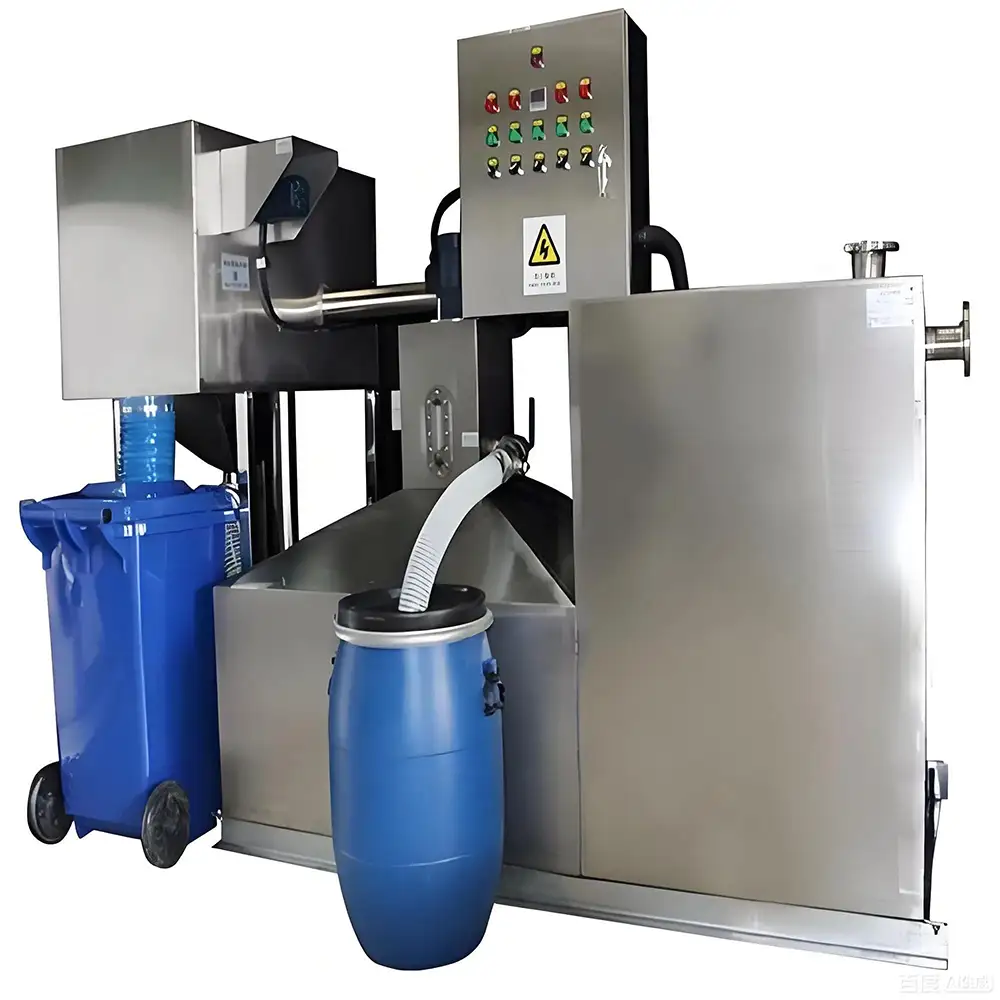
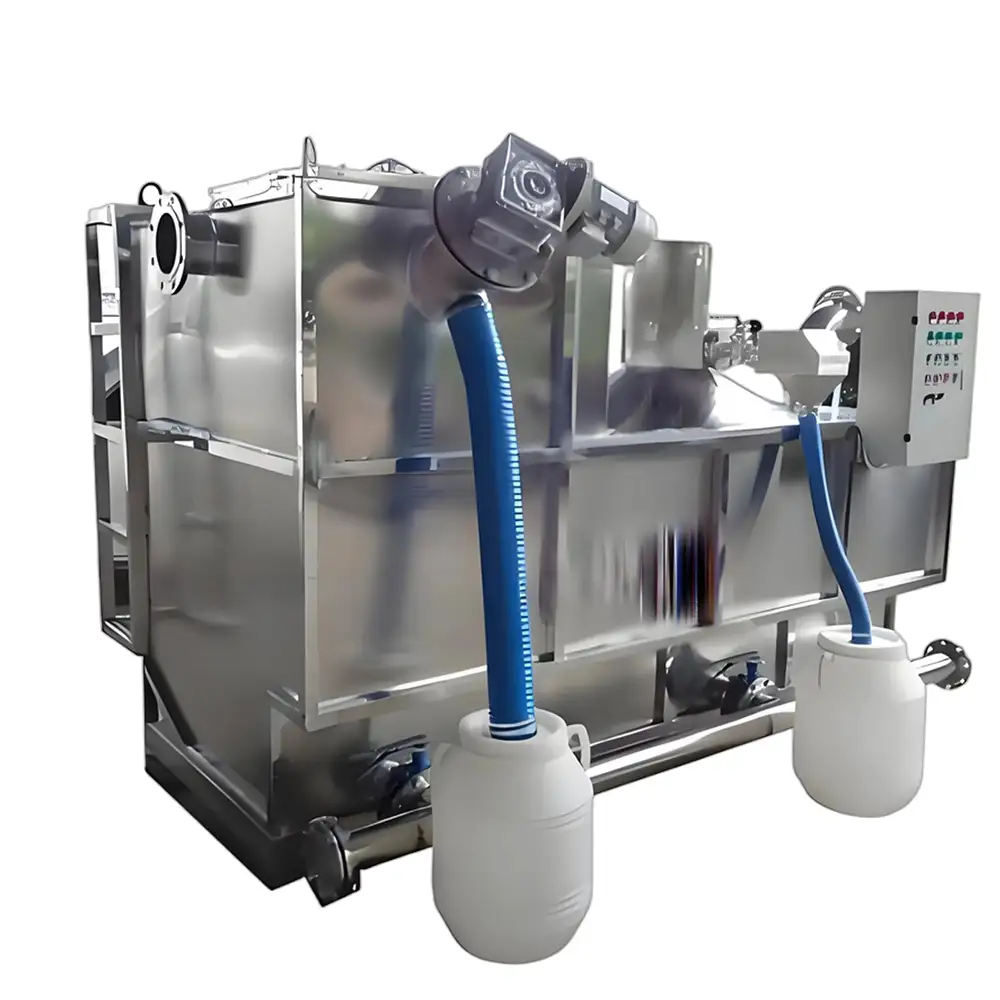
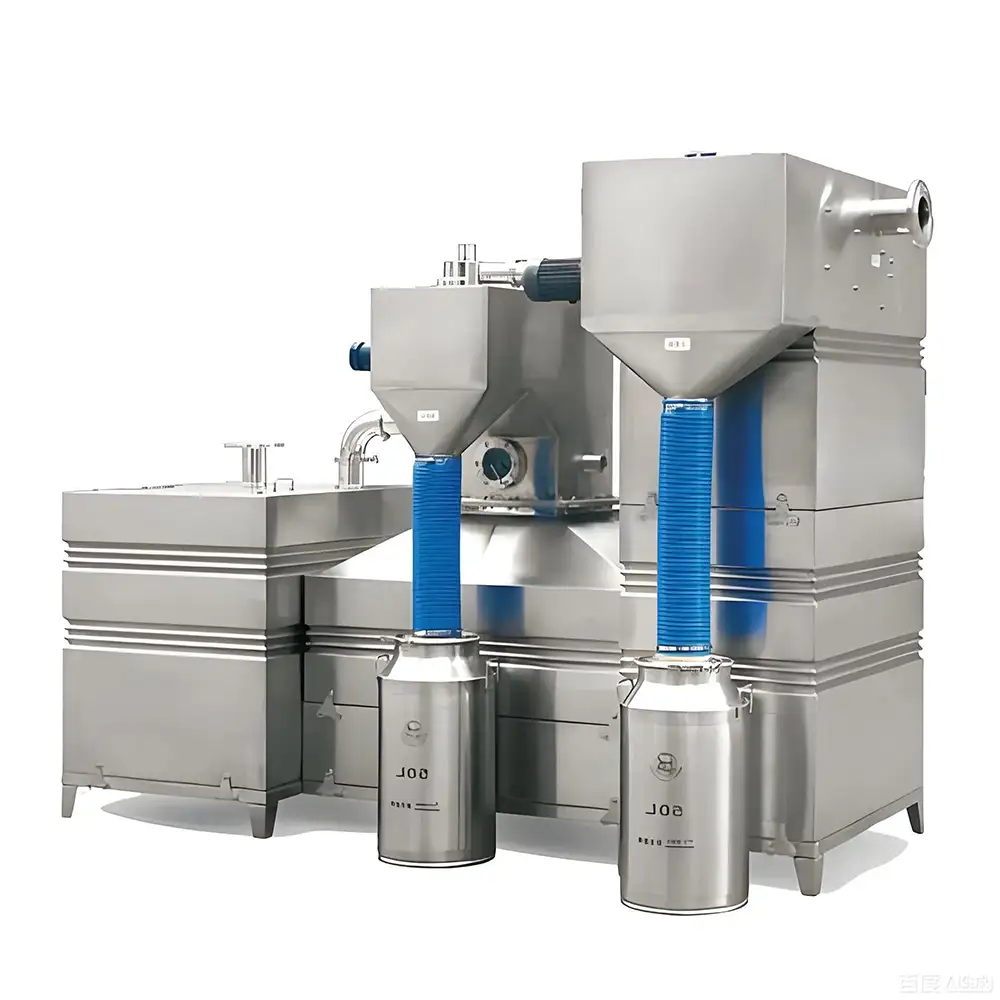
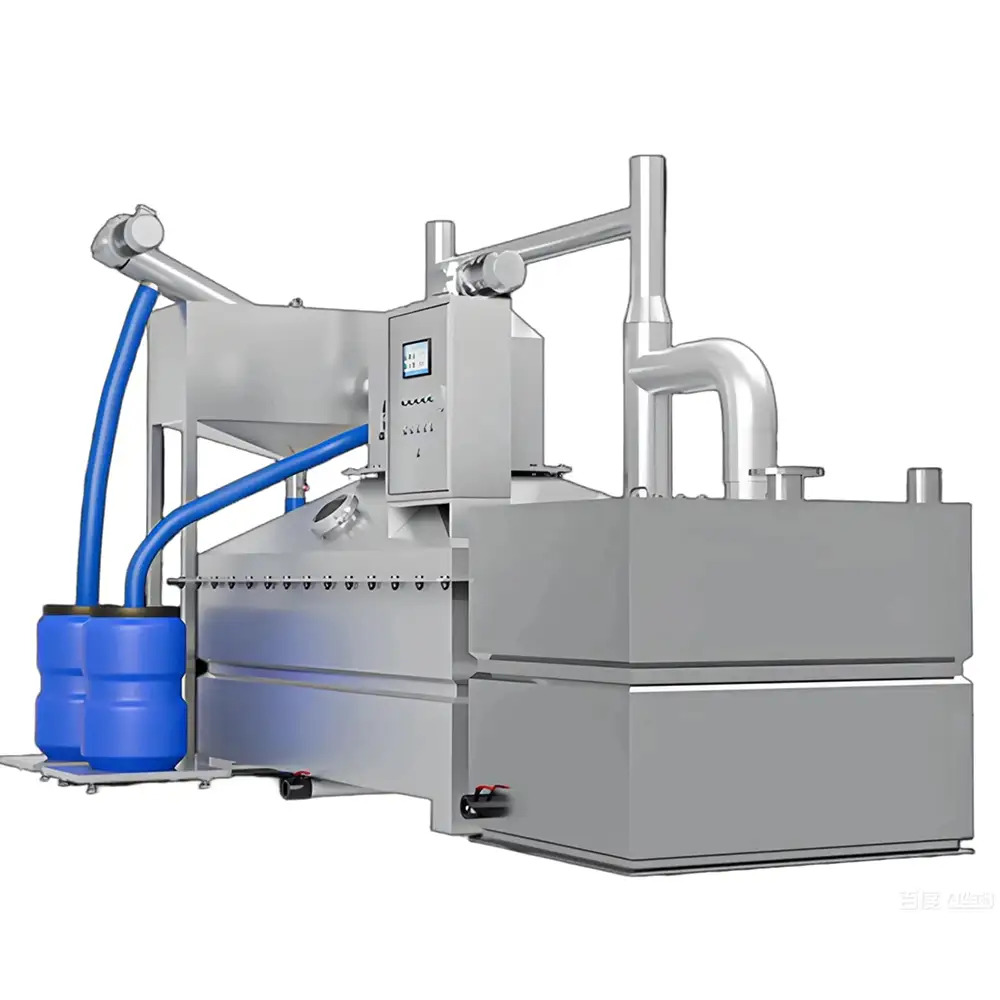
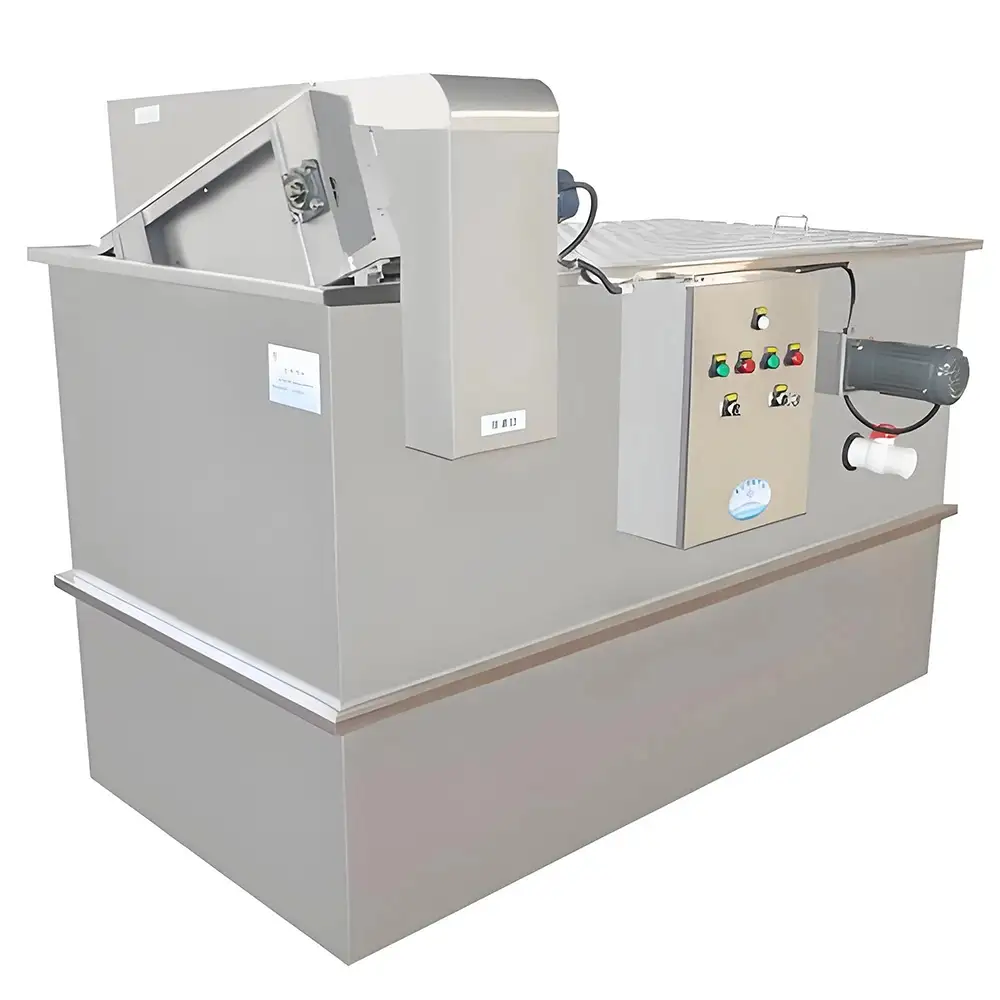
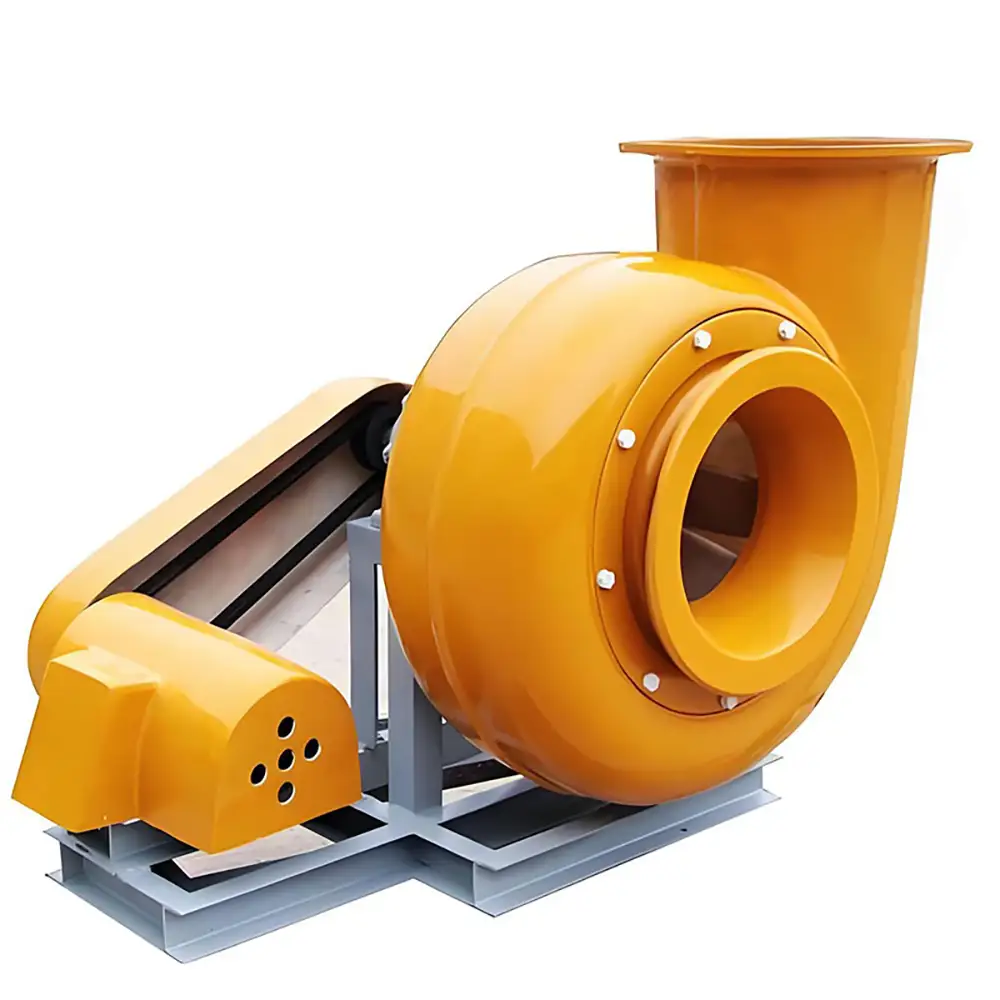
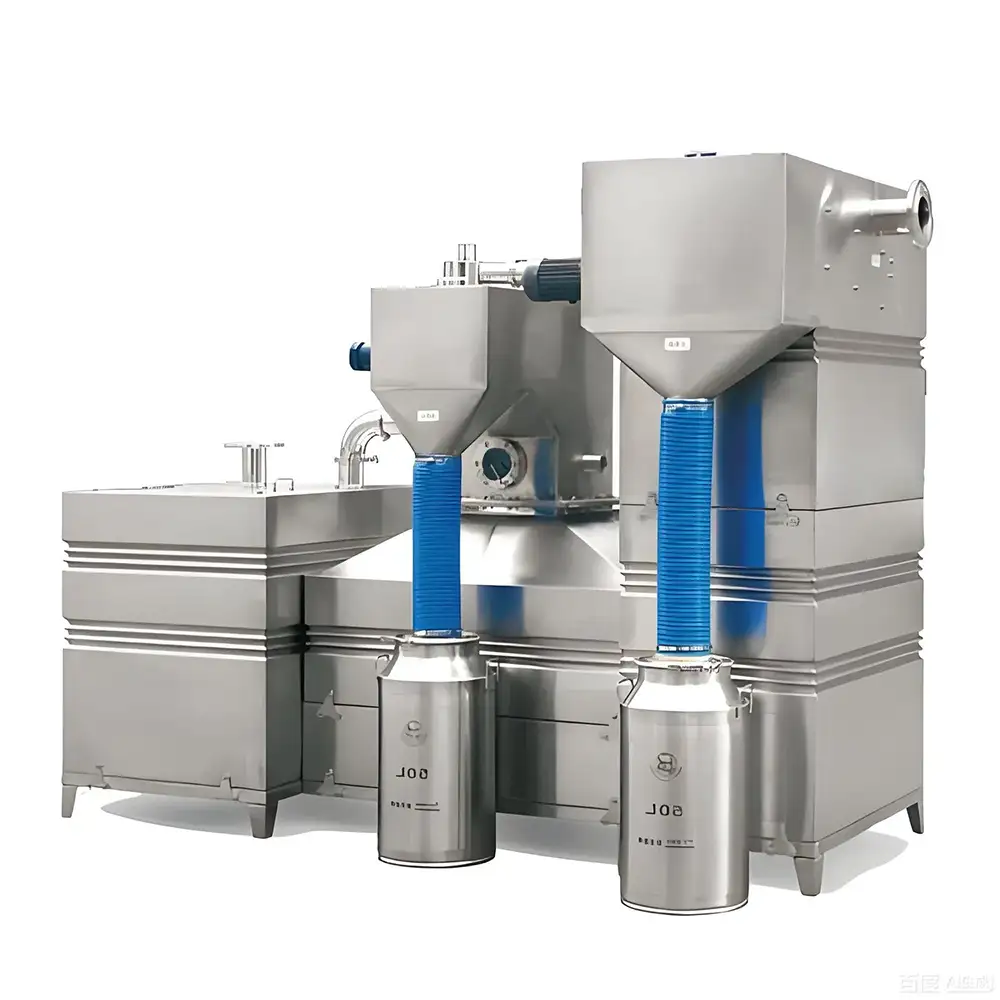
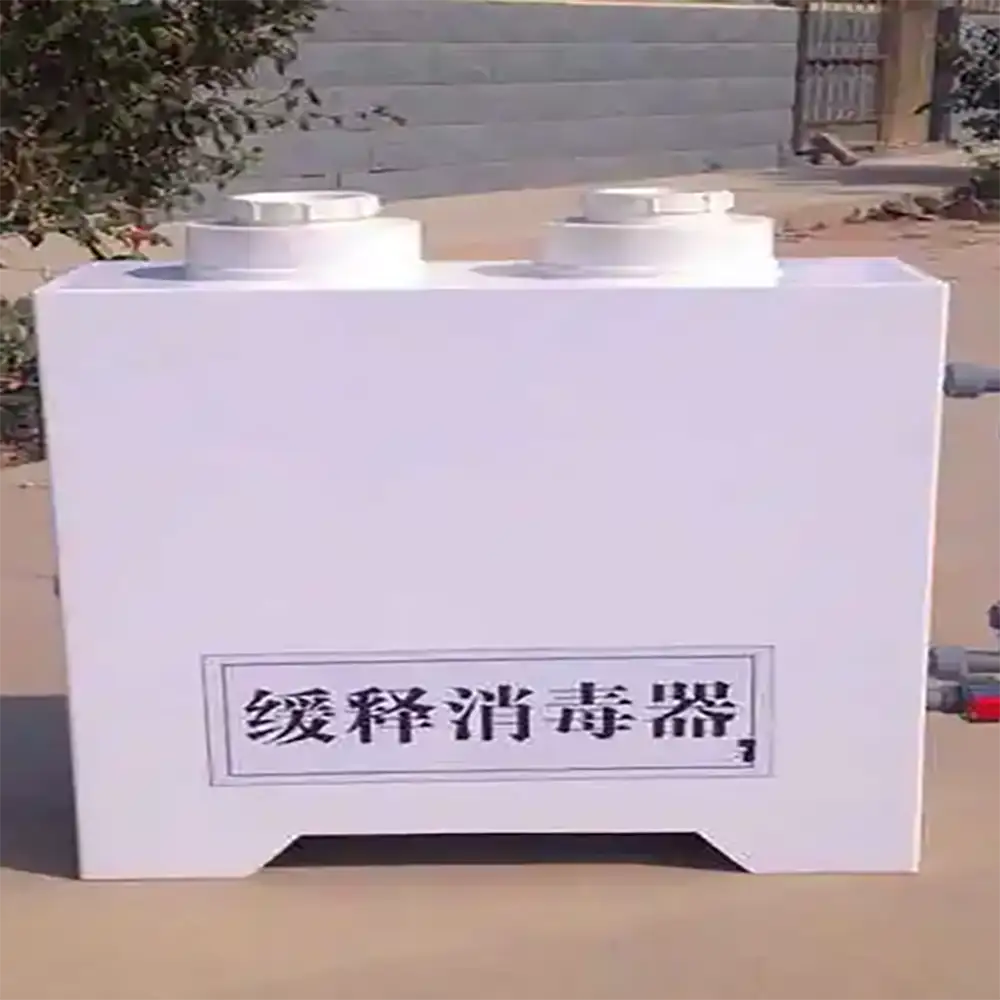
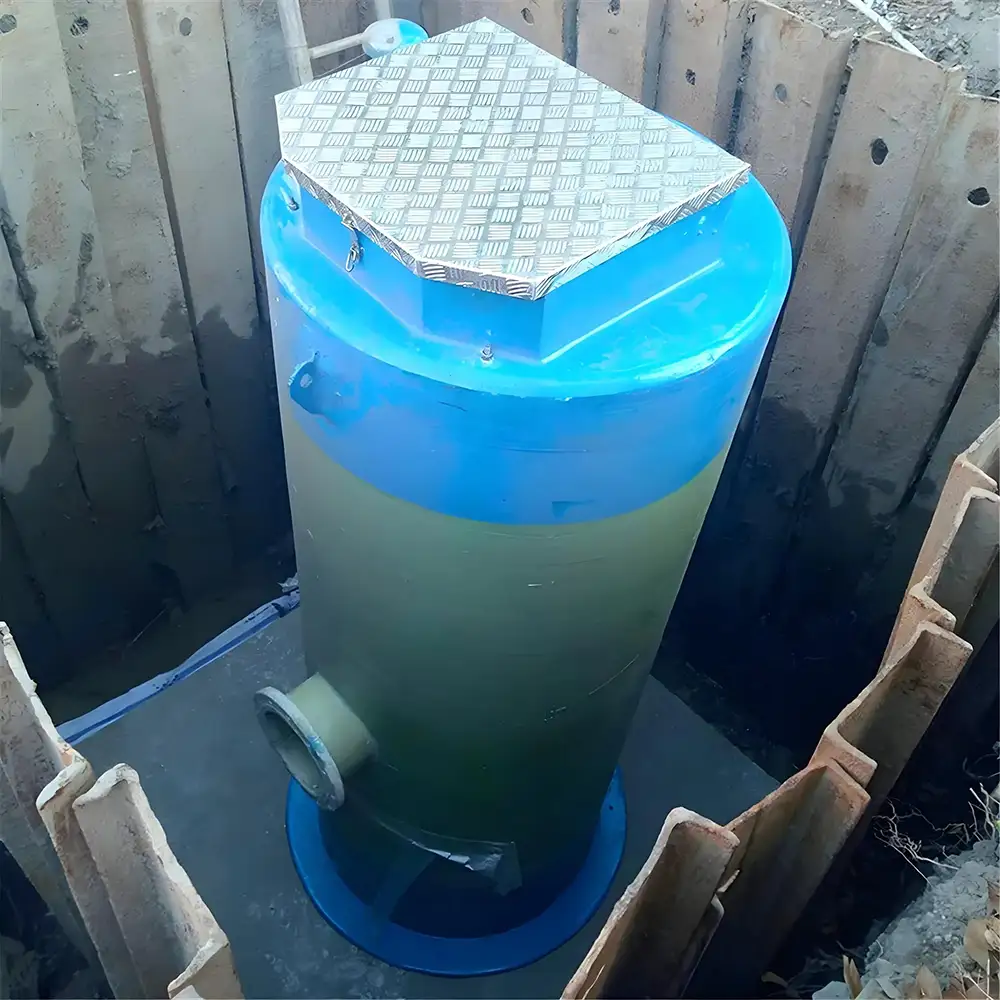
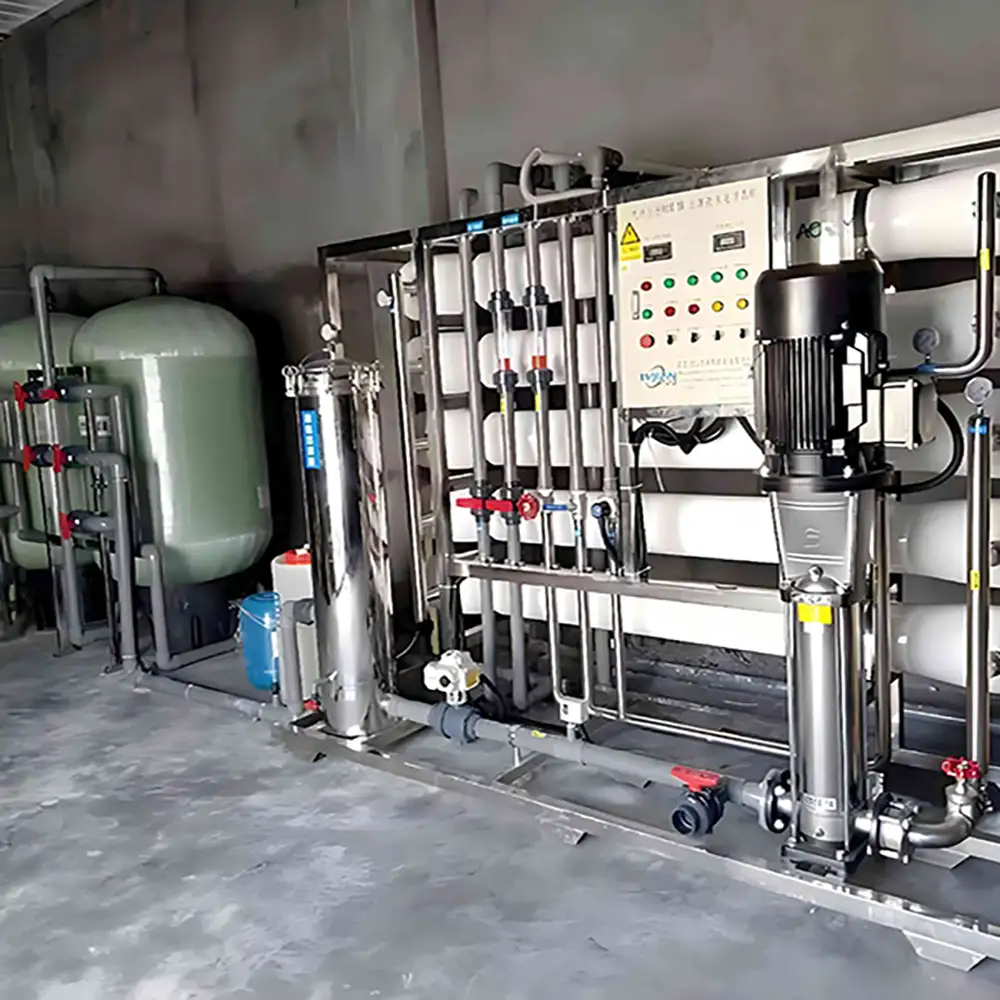
Fully automatic grease traps are intelligent upgrades from traditional grease traps. Through an automated system, they automate processes such as oil-water separation, oil discharge, and sludge removal, significantly reducing manual intervention. They are widely used in catering, commercial complexes, and other similar settings.
The High-Efficiency Automatic Coalescing Oil Water Separator is designed for separating free oil, grease and hydrocarbon droplets from oily wastewater. By combining gravity separation with a coalescing section, the system can provide enhanced oil removal compared with conventional gravity separation alone.
Coalescing technology works by bringing dispersed oil droplets into contact with a specially designed coalescing medium. The droplets combine into larger oil globules that have greater buoyancy and can rise toward the oil collection zone. EPA technical guidance describes enhanced-gravity oil-water separators as systems that use coalescing media to improve separation of smaller oil droplets within a relatively compact treatment area.
The automatic configuration can include automatic oil skimming, oil discharge, level detection, valves and control components. This reduces the need for continuous manual oil removal and makes the equipment suitable for industrial wastewater pretreatment and continuous treatment processes.
|
Parameter type |
Common range |
illustrate |
|
Processing volume |
0.5-100m³/h (customizable upon request) |
Select the appropriate model based on the actual wastewater discharge volume, with a 20% margin. |
|
Oil content in influent |
≤5000mg/L (food service) / ≤10000mg/L (industrial) |
Exceeding the limit requires preprocessing. |
|
Oil content in effluent |
≤10mg/L (National Standard Grade 1) / ≤20mg/L (Grade 2) |
Complies with GB 8978-1996 Integrated Wastewater Discharge Standard |
|
Work pressure |
0.1-0.6MPa |
Adapt to pipeline pressure requirements |
|
Operating temperature |
5-60℃ |
Heating devices can be installed at low temperatures to prevent grease from solidifying. |
|
Separation efficiency |
≥95% (floating oil) / ≥85% (dispersed oil) |
Depends on equipment structure and processing technology |
|
Control method |
Fully automatic (PLC + sensor) |
Supports automatic oil and water drainage, alarm functions, and some models can be networked for monitoring. |
What Is a Coalescing Oil Water Separator?
A coalescing oil water separator is wastewater treatment equipment that uses both density-based separation and coalescence to separate oil from water.
In a conventional gravity separator, free oil rises because it is less dense than water. The effectiveness depends on hydraulic retention time, oil droplet size, flow conditions and wastewater characteristics.
A coalescing separator adds a specialized media section. As oily wastewater passes through the coalescing media, smaller oil droplets contact the media and each other. The droplets combine into larger droplets, which can rise more readily and collect at the upper surface.
EPA documentation describes coalescing media as providing large surface area and oil-wetting characteristics that encourage oil droplets to accumulate, combine and rise to the surface.
This makes coalescing oil-water separators particularly useful when free oil droplets are too finely dispersed for efficient separation by a simple gravity separator.
|
Equipment type |
Structural features |
Applicable Scenarios |
|
Catering-specific type (buried/above ground) |
Compact size, with residue filter, and odor-proof design |
Hotels, restaurants, canteens, food streets and other catering establishments |
|
Industrial-grade |
Large throughput, resistant to high pressure and high temperature, and able to withstand impact loads |
Food processing plants, slaughterhouses, machine shops, oilfield wastewater, etc. |
|
Vehicle-mounted/Mobile |
Integrated design, portable |
Temporary food stalls, construction site canteens, and emergency sewage treatment. |
|
Centrifugal high-efficiency |
Using centrifugal separation technology, the separation speed is fast. |
High-oil-content wastewater (such as machining fluid and waste oil recovery) |
Key Advantages:
Core Working Principles
1. High Automation: No manual oil removal or timed drainage is required. The sensor + PLC control system enables 24-hour continuous operation, reducing labor costs.
2. Stable Separation Efficiency: Unaffected by human operation, the effluent oil content meets standards, avoiding environmental penalties.
3. Comprehensive Functions: Integrates filtration, separation, oil discharge, sludge discharge, and alarm functions (high oil level, fault indication), with some functions supporting remote monitoring.
4. Flexible Installation: Can be buried, above ground, or wall-mounted, adapting to different site spaces.
5. Energy Saving and Environmental Protection: Physical separation without chemical additives; oil can be recycled (e.g., from waste cooking oil to biodiesel), achieving resource reuse.
1. Pretreatment: Oily wastewater flows in through the inlet and passes through a filter to remove food residue and solid particles (to prevent pipe blockage);
2. Oil-Water Separation: Wastewater enters the separation chamber. Utilizing the density difference between oil and water (oil density 0.85 g/cm³, water density 1 g/cm³), floating oil naturally rises to the surface, while dispersed oil gathers and floats to the surface through inclined plates/honeycomb packing. Some units are equipped with aeration and heating functions (to reduce oil viscosity) or centrifuge devices (to enhance separation efficiency);
3. Automated Oil and Water Discharge: When the floating oil reaches a set thickness, an oil level sensor triggers an oil discharge pump, discharging the oil into an oil collection tank. The separated clean water is controlled by a water level sensor and discharged through a drain outlet to meet standards or for reuse;
4. Sludge Treatment: Sludge deposited at the bottom is periodically discharged through an automatic sludge discharge valve (some units have a sludge tank for periodic cleaning).
How the Automatic Coalescing Oil Water Separator Works
The treatment process normally begins when oily wastewater enters the inlet chamber.
The inlet section helps distribute the wastewater and reduce excessive turbulence. Larger oil droplets can begin rising immediately, while heavier suspended solids may settle in a designated area.
The wastewater then flows through the coalescing section. Depending on the equipment design, this section may contain inclined plates, corrugated plates, tubes, cartridges or other oil-attracting media.
As wastewater passes through the media, fine oil droplets contact the surfaces and combine into larger droplets. The larger droplets rise toward the upper oil collection area, while the separated water continues toward the outlet.
EPA guidance notes that enhanced-gravity separators use coalescing media to enhance laminar flow and facilitate separation of smaller oil droplets.
The separated oil can then be collected through an automatic skimming or oil discharge mechanism.
High-Efficiency Coalescing Separation
The primary advantage of coalescing technology is its ability to improve the separation of relatively small oil droplets.
Simple gravity separation relies heavily on sufficient retention time and favorable droplet size. Coalescing media creates additional contact surfaces and controlled flow paths that encourage dispersed oil droplets to combine.
EPA technical documents describe coalescing as particularly useful for oily waste streams where oil does not separate readily through simple gravity and skimming. Coalescing can also reduce the residence time and separator volume required for some applications.
However, the term “high-efficiency” should be understood in relation to the actual wastewater. Stable emulsified oil, dissolved hydrocarbons, detergents and chemically stabilized oil may require additional treatment. Coalescing is not generally suitable as a standalone solution for soluble or chemically stabilized emulsified oil.
Automatic Oil Collection and Discharge
An automatic oil collection system can significantly simplify separator operation.
As separated oil accumulates at the water surface, an oil-level sensor or other control mechanism can activate the oil discharge system. Depending on the configuration, oil may be removed using an automatic skimmer, adjustable weir, valve or pump.
EPA technical documentation describes coalescing separators equipped with manual or automatic oil-unloading systems, including instruments that can detect accumulated oil and control discharge valves.
Automatic operation is particularly useful for industrial facilities where wastewater generation is continuous and manual oil removal would increase labor requirements.
The recovered oil can be transferred to an appropriate collection tank for recycling, recovery or disposal according to local requirements.
Coalescing Media Design
Coalescing media is one of the most important components of the separator.
Common designs include inclined plates, corrugated plates, tubes, cartridges and structured packing. The media creates a controlled flow path that increases contact between oil droplets.
An effective coalescing section should balance:
Oil-wetting characteristics
Available surface area
Hydraulic resistance
Flow distribution
Droplet contact
Ease of cleaning
Resistance to plugging
Mechanical durability
EPA technical material identifies wettability and large surface area as important characteristics of coalescing media.
The media configuration should therefore be selected according to the wastewater characteristics and required treatment performance.
Pretreatment and Solids Control
Pretreatment is important for maintaining stable coalescing performance.
High concentrations of suspended solids, sludge, debris and large amounts of free oil can block or foul the coalescing media. EPA documents specifically note that coalescers should be protected from excessive free oil and suspended solids to reduce plugging problems.
A typical treatment train may therefore include:
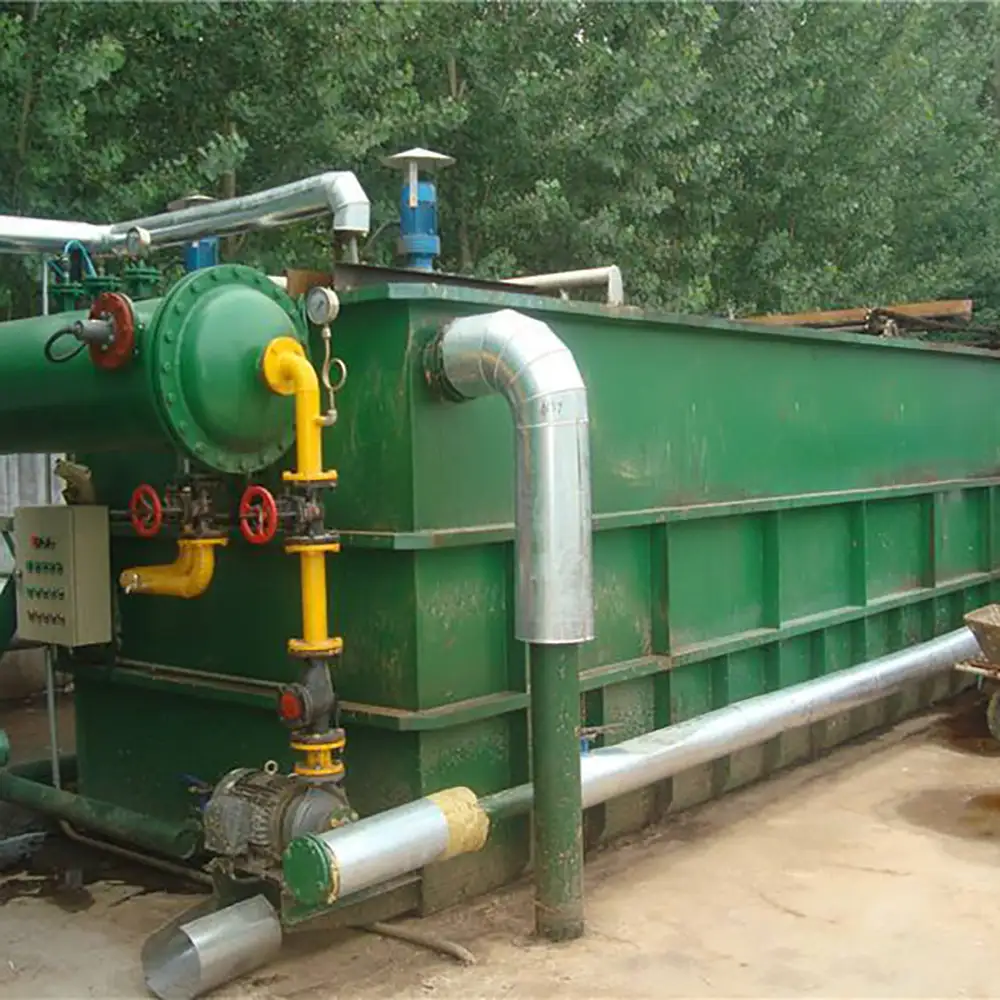
Screening → Grit or Solids Removal → Coalescing Oil Water Separator → Equalization → DAF or Biological Treatment
For heavily contaminated wastewater, additional pretreatment may be required before the coalescing section.
This approach helps protect the coalescing media and maintain stable hydraulic performance.
Industrial Wastewater Applications
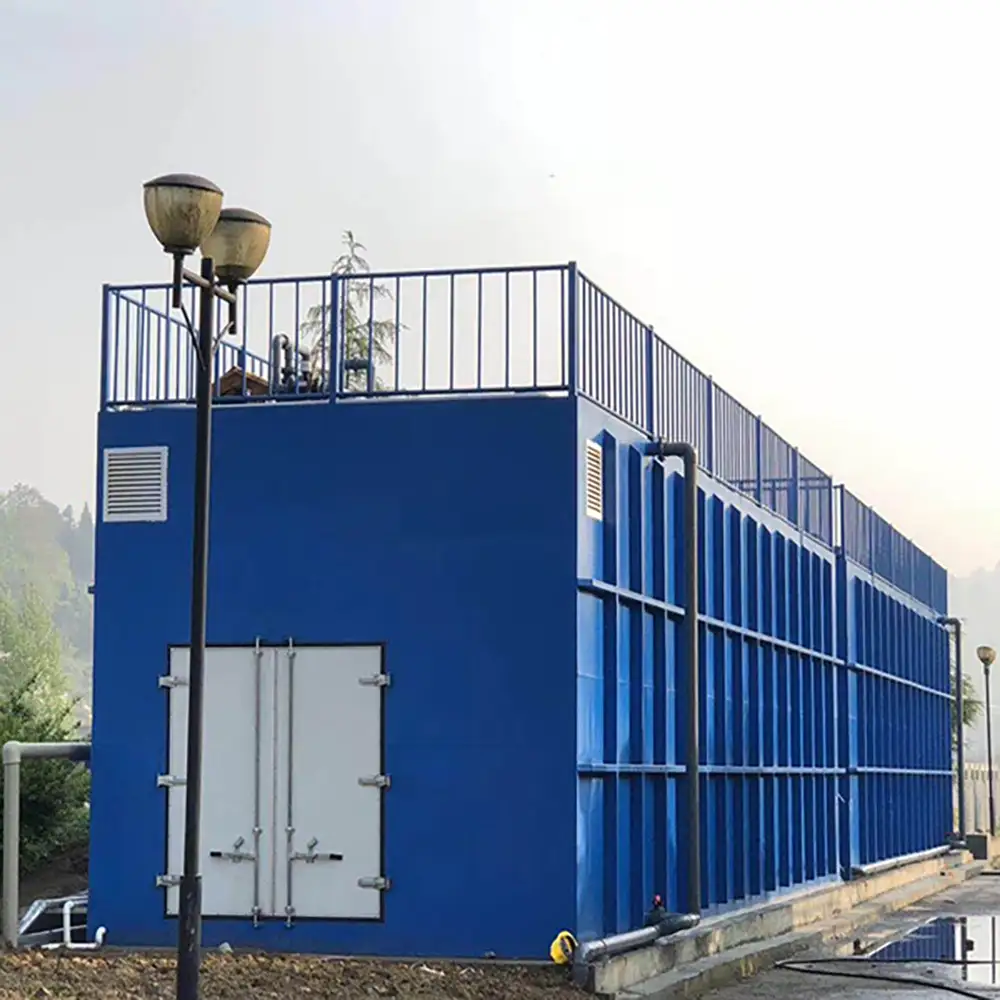
High-efficiency automatic coalescing oil-water separators can be used for many oily wastewater applications.
Automotive and Vehicle Washing
Vehicle washing and maintenance facilities can generate wastewater containing oil, grease, dirt and suspended solids. An oil-water separator can be used as a pretreatment stage before further wastewater treatment.
Machinery and Metalworking
Machining operations may produce wastewater containing cutting oils, lubricants and tramp oil. Coalescing separation can help remove free oil before additional treatment.
Industrial Equipment Cleaning
Wastewater from industrial equipment cleaning may contain petroleum-based oils and grease. An automatic separator can provide continuous pretreatment.
Petrochemical and Oil-Related Applications
Oily wastewater from petroleum-related operations may require several treatment stages. Coalescing oil-water separation can be incorporated into a larger treatment process where free oil removal is appropriate.
Food and Grease Applications
Food processing wastewater can contain fats, oils and grease. Depending on the characteristics of the wastewater, oil-water separation may be combined with screening, dissolved air flotation and biological treatment.
Advantages of Automatic Coalescing Oil Water Separation
Key advantages include:
Enhanced separation of smaller free oil droplets
Combination of gravity and coalescing separation
Automatic oil collection and discharge
Continuous flow operation
Compact treatment configuration
Reduced manual oil removal
Protection of downstream treatment equipment
Suitable for industrial oily wastewater
Can be integrated with complete wastewater treatment systems
Flexible configuration according to flow and wastewater characteristics
Proper sizing is essential. EPA guidance notes that oil-water separators should be sized for the intended flow and oil capacity, because excessive flow can cause accumulated oil or untreated wastewater to pass through the separator.
Maintenance and Operation
Automatic operation does not eliminate maintenance.
Operators should regularly inspect:
Inlet and outlet flow
Oil accumulation
Sludge accumulation
Coalescing media
Oil skimmer
Automatic discharge valves
Sensors and control system
Pumps and piping
Internal baffles
Leakage and corrosion
The coalescing media should remain sufficiently clean to maintain effective flow. Excessive solids accumulation can increase pressure loss or reduce separation performance.
Where the influent contains high concentrations of suspended solids, upstream screening, settling or other pretreatment should be considered.
Why Choose Us
We focus on practical oil-water separation equipment for industrial wastewater treatment and pretreatment applications.
The High-Efficiency Automatic Coalescing Oil Water Separator combines gravity separation, enhanced coalescing technology and automatic oil collection into one integrated treatment unit.
Key advantages include:
Coalescing technology for enhanced free-oil separation
Automatic oil collection and discharge
Continuous wastewater flow
Compact treatment design
Reduced manual intervention
Configurable coalescing media
Suitable for industrial oily wastewater
Easy integration with downstream treatment
Practical maintenance access
Flexible sizing based on project requirements
We can evaluate equipment configuration according to wastewater flow rate, oil concentration, suspended solids, oil droplet characteristics, temperature, installation conditions and downstream treatment requirements.
For wastewater containing stable emulsified oil, dissolved hydrocarbons or high concentrations of solids, additional treatment may be required. The separator should be selected as part of the complete wastewater treatment process rather than as a universal solution.
Frequently Asked Questions
1. What Is a Coalescing Oil Water Separator?
It is an oil-water separation device that uses gravity separation together with coalescing media to combine smaller oil droplets into larger droplets that can rise and be collected.
2. What Makes a Coalescing Separator Different From a Gravity Separator?
A conventional gravity separator mainly relies on density differences and retention time. A coalescing separator adds specialized media to improve contact between smaller oil droplets and enhance their separation.
3. Can a Coalescing Separator Remove Small Oil Droplets?
It can improve separation of relatively small free oil droplets that may not separate efficiently through simple gravity treatment.
4. Can It Remove Emulsified Oil?
It depends on the type of emulsion. Stable or chemically emulsified oil may not be effectively removed by gravity and coalescing alone and may require chemical breaking, flotation, filtration or other treatment.
5. What Is the Function of the Coalescing Media?
The media provides a large contact surface where oil droplets can accumulate and combine into larger droplets.
6. Is the Oil Removal Process Automatic?
The automatic configuration can include oil-level detection, automatic skimming, valves or oil discharge components. The exact automation depends on the equipment design.
7. What Wastewater Can Be Treated?
Potential applications include automotive wastewater, machinery wastewater, metalworking wastewater, equipment wash water, petroleum-related wastewater and other streams containing separable free oil.
8. Does the Separator Need Pretreatment?
Pretreatment may be necessary when wastewater contains high concentrations of suspended solids, debris or excessive free oil. This helps reduce plugging and protects the coalescing media.
9. How Often Does the Coalescing Media Need Cleaning?
The interval depends on wastewater quality, solids loading and operating conditions. Regular inspection is recommended so fouling can be addressed before hydraulic performance is affected.
10. Can the Separator Be Used Before a DAF System?
Yes. A coalescing separator can be used as an upstream free-oil removal stage before DAF or other downstream wastewater treatment processes when appropriate.
11. How Is the Separator Sized?
Sizing should consider design and peak flow, oil concentration, oil droplet characteristics, solids loading, required retention conditions and target treatment performance. Excessive hydraulic flow can reduce separation effectiveness.
12. Can It Be Used as a Complete Wastewater Treatment System?
Usually, it is best considered an oil-water separation or pretreatment unit. Additional treatment may be required for suspended solids, dissolved contaminants, stable emulsions, COD, nitrogen and other pollutants.
Prev:
Compact Automatic Oil Water Separator for Small-Scale Industry
Next:
Self-Cleaning Stainless Steel Auto Oil Water Separator, SUS304 Automatic Oil Water Separator Easy Installation
TAG:
Oil Water Separation Equipment,
Oily Wastewater Treatment Equipment,
Metalworking Oil Water Separator,
Car Wash Oil Water Separator,
Automotive Oil Water Separator,
Vehicle Wash Oil Separator,
Hydrocarbon Water Separator,
Tramp Oil Separator,
Tramp Oil Removal Equipment,
Coalescing Oil Water Separator,
Coalescing Oil Separator,
Coalescing Oil Water Separation,
Oil Water Coalescer,
Oil Separation Equipment,
Oil Separation System,
Free Oil Separator,
Free Oil Water Separator,
Gravity Oil Water Separator,
Automatic Oil Skimmer,
Oil Water Separator Machine,
Automatic Oil Skimming System,
Oil Removal Wastewater Treatment,
Industrial Wastewater Oil Separator,
Oily Wastewater Separator,
Wastewater Oil Separator,
Oily Water Treatment Equipment,
Oily Water Separator,
Oil Removal Equipment,
Oil And Grease Separator,
Oil Removal System,
Related Category:
High-Efficiency Automatic Coalescing Oil Water Separator,Automatic Coalescing Oil Water Separator,Coalescing Oil Water S China, suppliers, manufacturers, factory, customized, wholesale, quotation, made in China