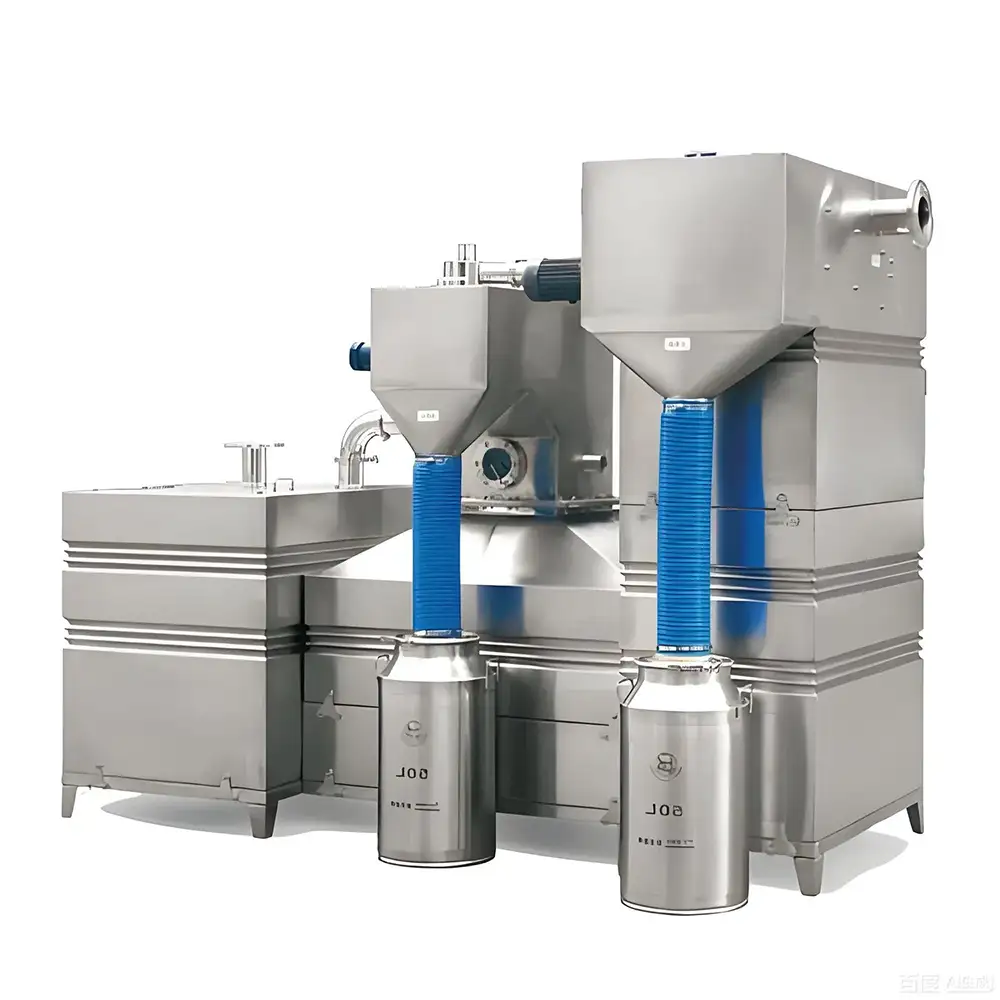
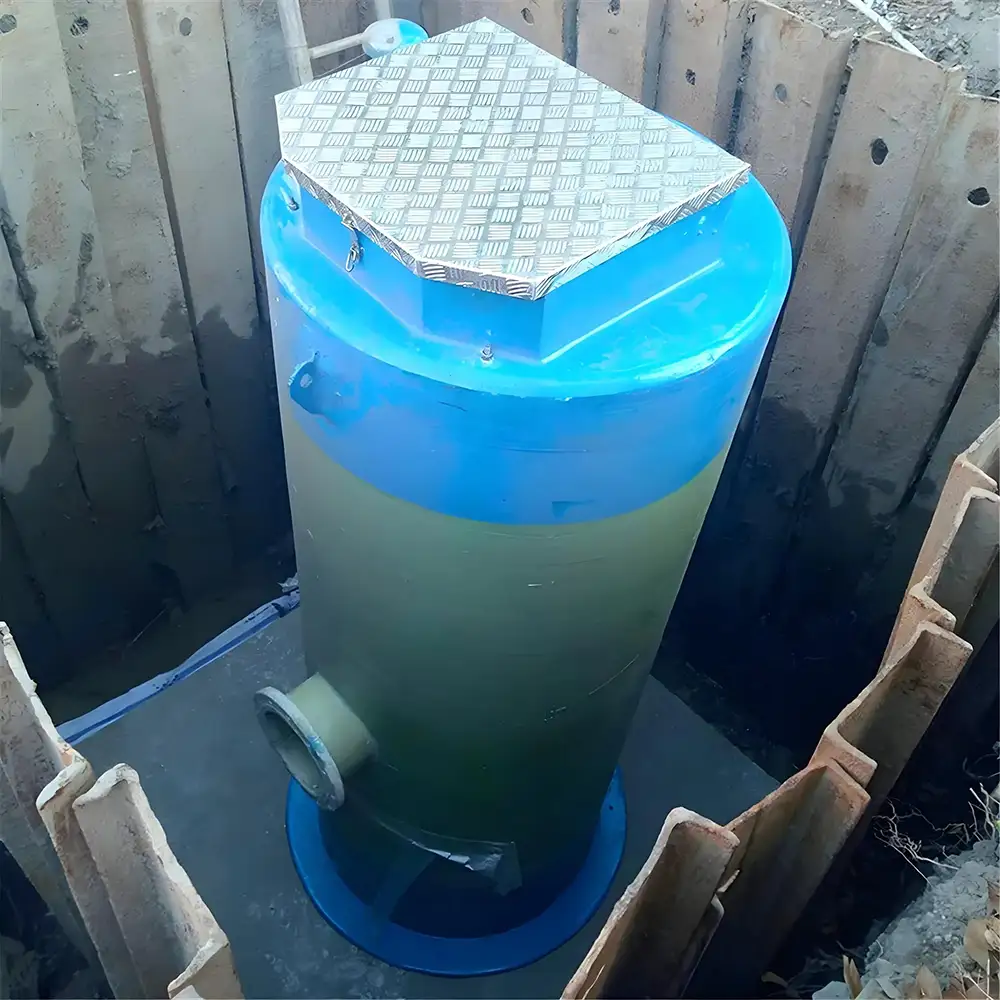
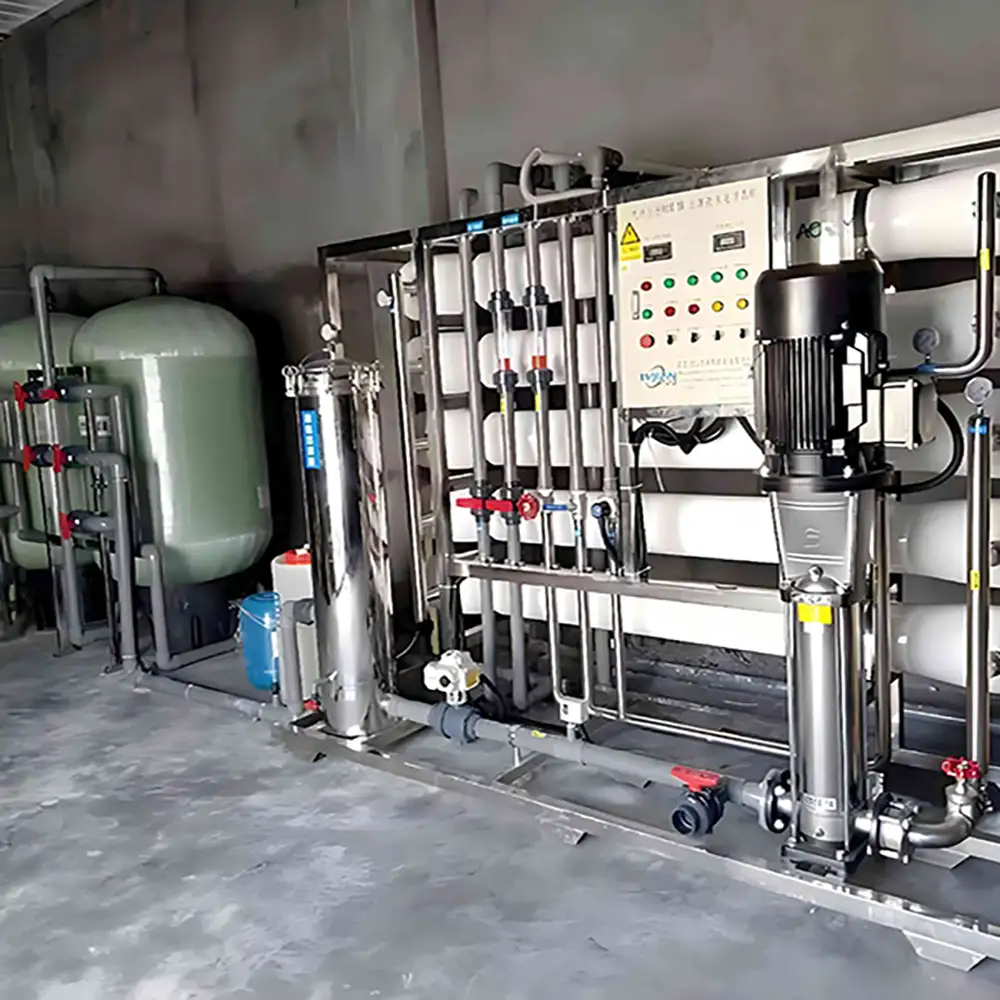
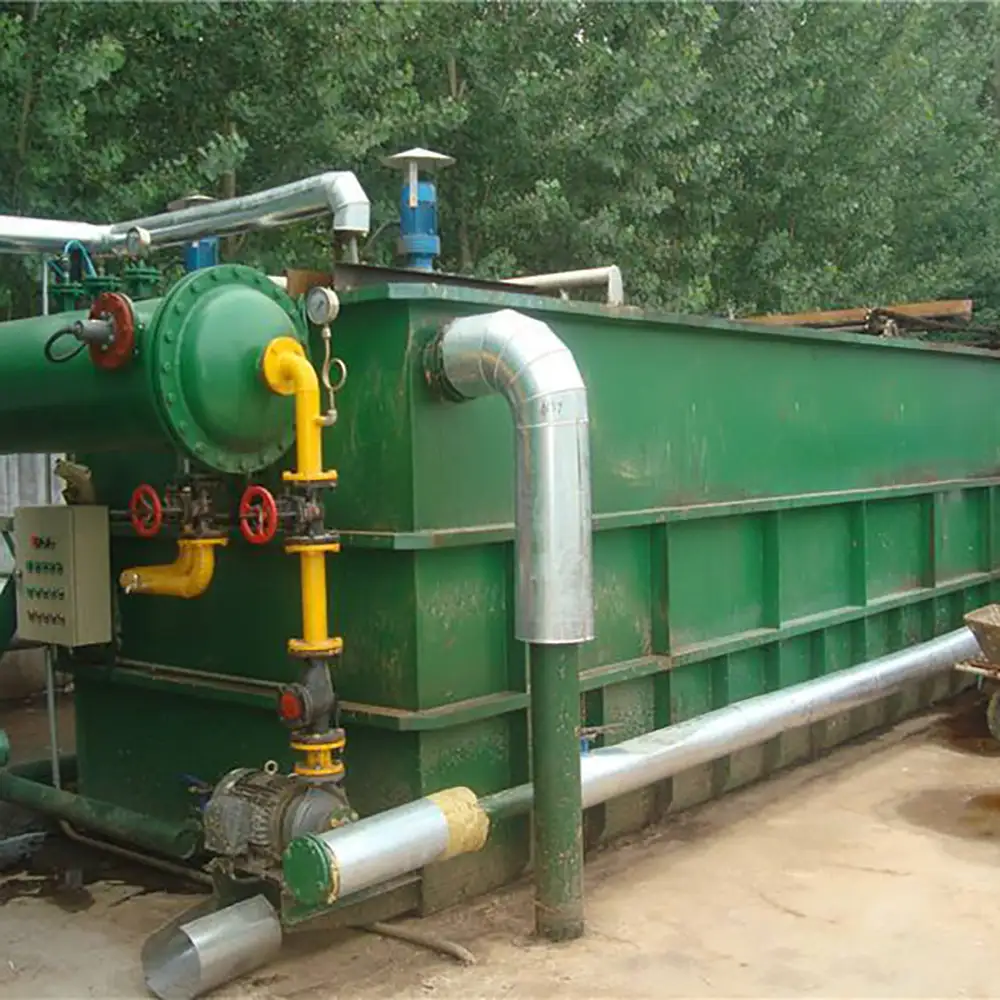
Chemical Chlorine Dioxide Generator for Advanced Water Disinfection
A Chemical Chlorine Dioxide Generator is an on-site disinfection system designed to produce chlorine dioxide (ClO₂) for water treatment, wastewater treatment, process water disinfection and industrial oxidation applications. Unlike pre-manufactured chlorine dioxide that is difficult to transport and store in concentrated form, chlorine dioxide is commonly generated close to the point of use and immediately introduced into the treatment stream. EPA technical guidance identifies sodium chlorite as a common precursor for chlorine dioxide generation and describes several generation routes, including chlorine-chlorite and acid-chlorite processes.
Chlorine dioxide is a strong oxidizing disinfectant that can be used for microbial control and oxidation in properly designed treatment systems. Its application can be considered for municipal water, industrial wastewater, process water, cooling water, reuse water and other applications where controlled oxidation and disinfection are required.
|
Model NO. |
wzss |
Handling method |
physicochemical treatment |
|
Usage |
Industrial, Home, Agriculture, Hospital, Urban |
Trademark |
Wanze Prosperity |
|
Types |
Package, Compact, Small, Mini |
Features |
Disinfection and purification of water |
|
Craft |
Mechanical removal |
Operation |
Automatic |
|
Service Life |
10 Years |
Function |
Disinfection and purification of water |
|
Steel Plate Thickness |
>4mm |
Installation Type |
aboveground |
|
Voltage |
220V/ 380V/ Customerized |
Use for |
Food factory, slaughterhouse, chemical factory, household waste |
|
Colour |
White customization |
Certificate |
SGS, ISO |
|
Material |
PP PVC |
Specification |
customized |
|
Transport Package |
Container Standard Packing |
Origin |
China |
How a Chemical Chlorine Dioxide Generator Works
The basic operating principle is based on controlled chemical reaction between precursor chemicals to generate chlorine dioxide. A common configuration uses sodium chlorite as the primary precursor together with an acid or chlorine-based reactant. For example, EPA documentation describes acid-chlorite and chlorine-chlorite generation methods.
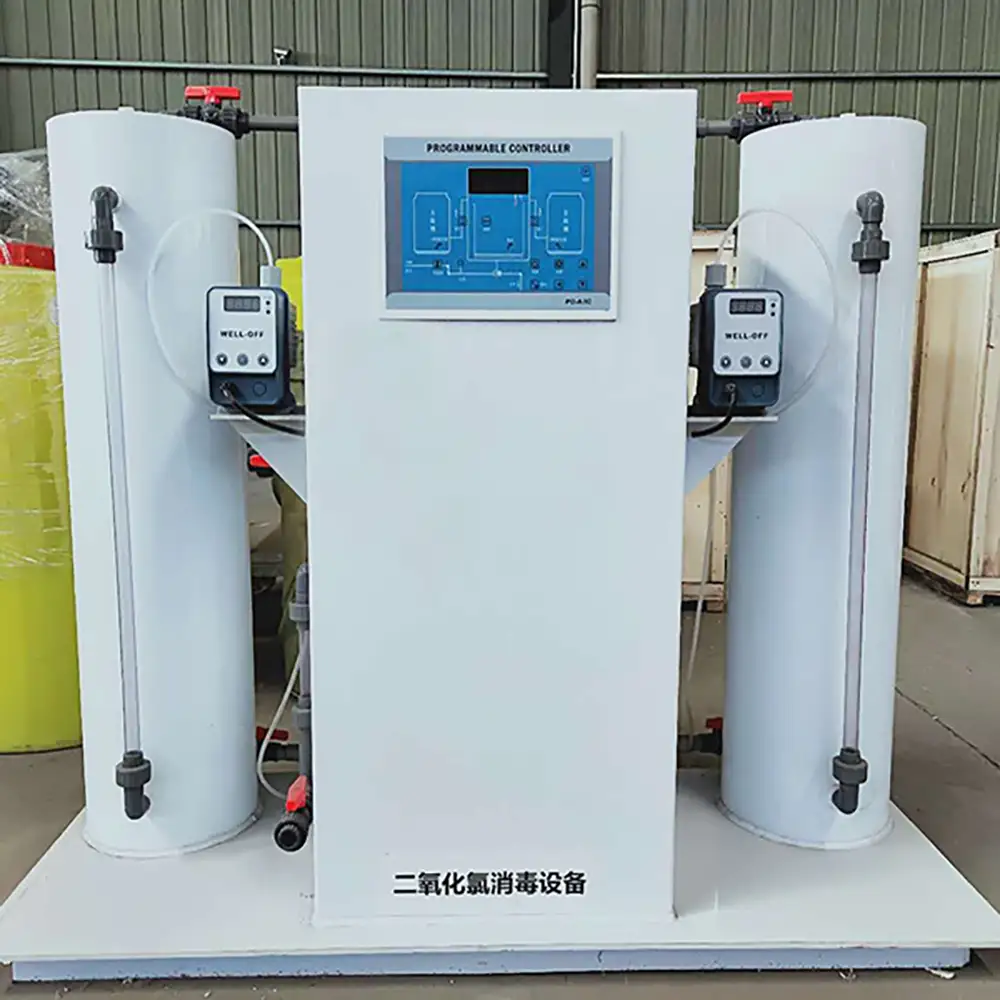
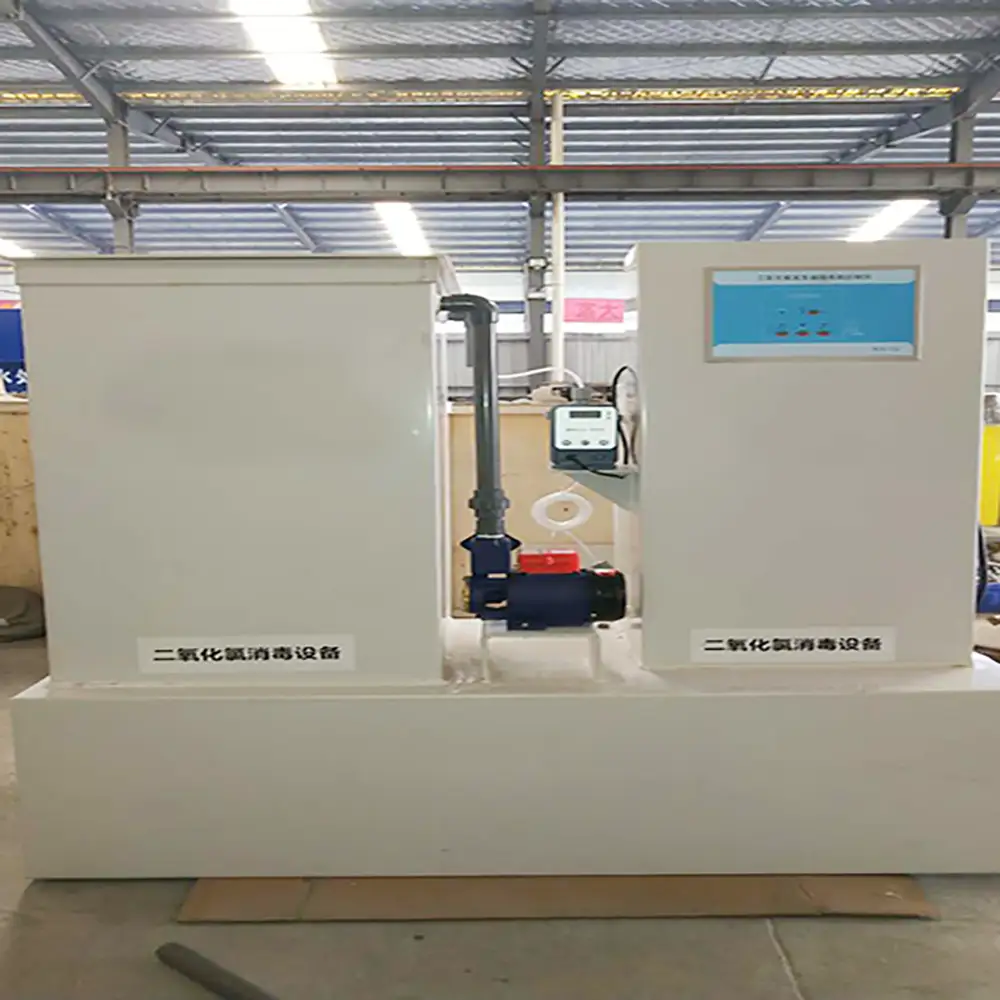
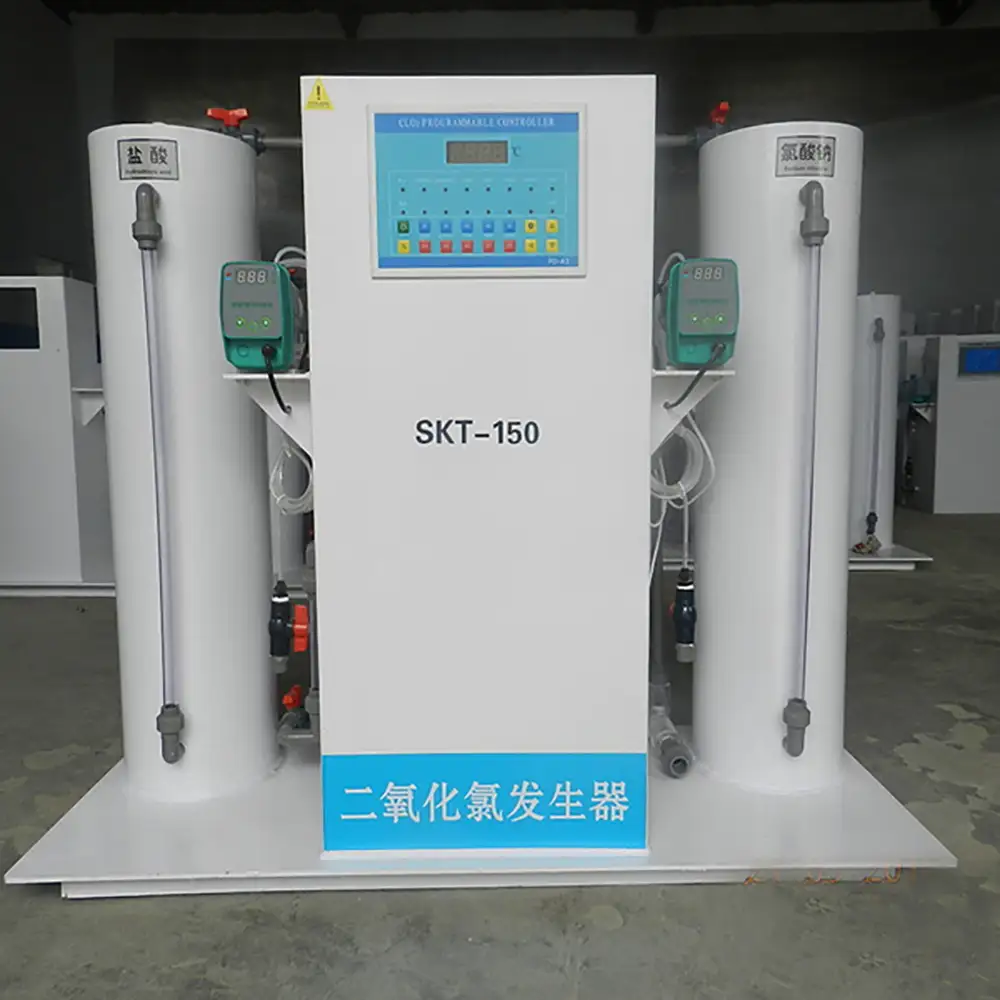
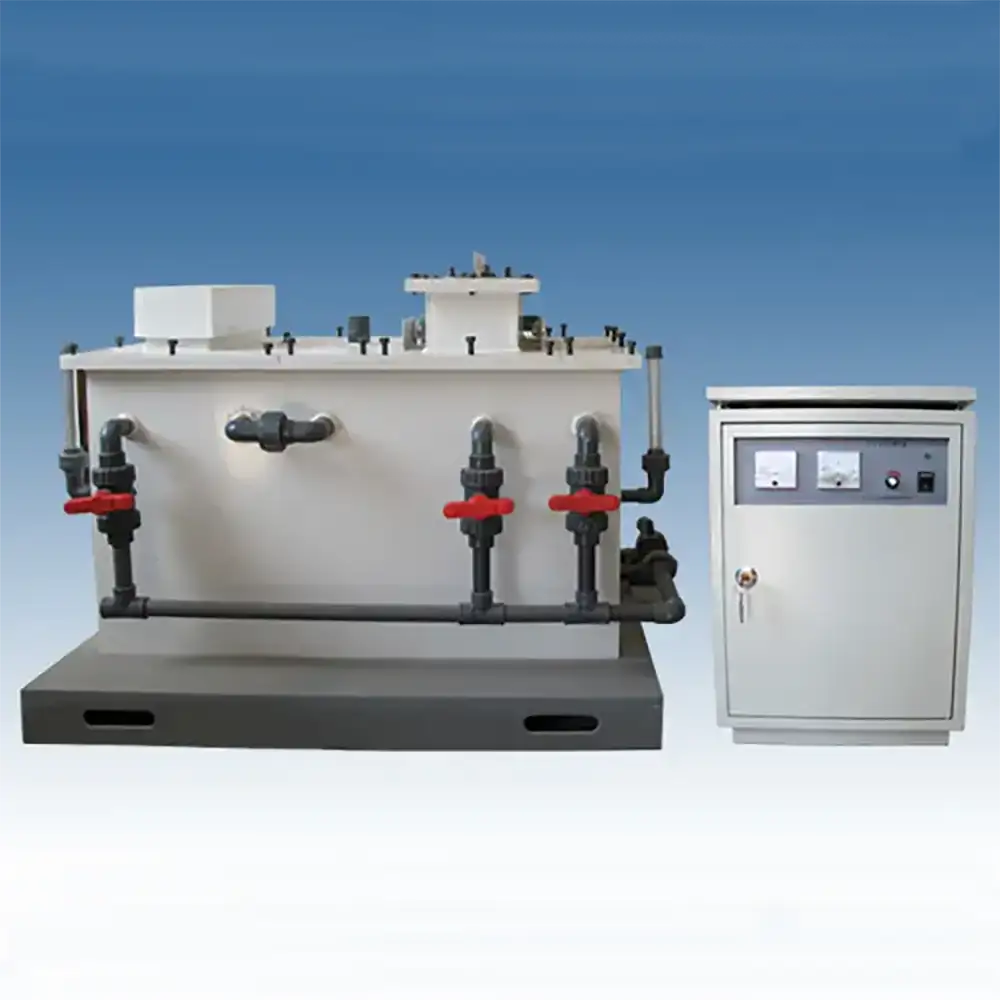
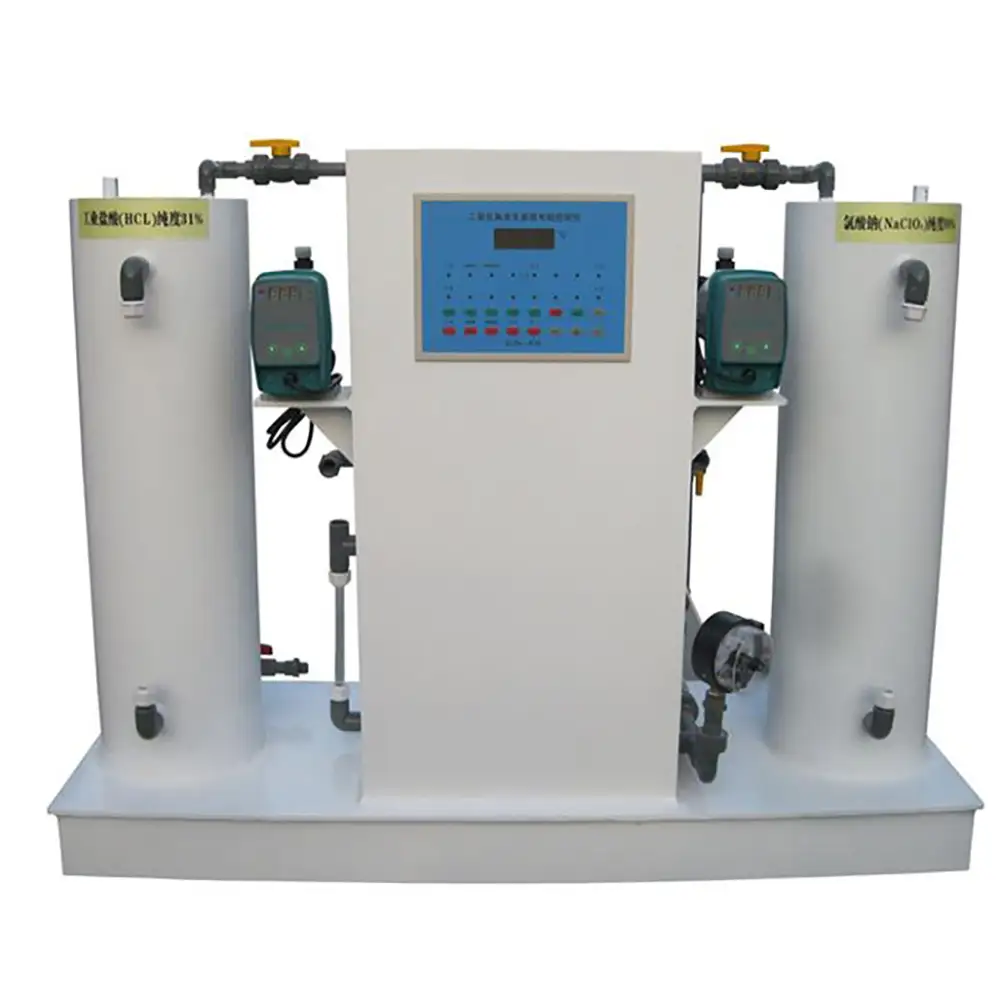
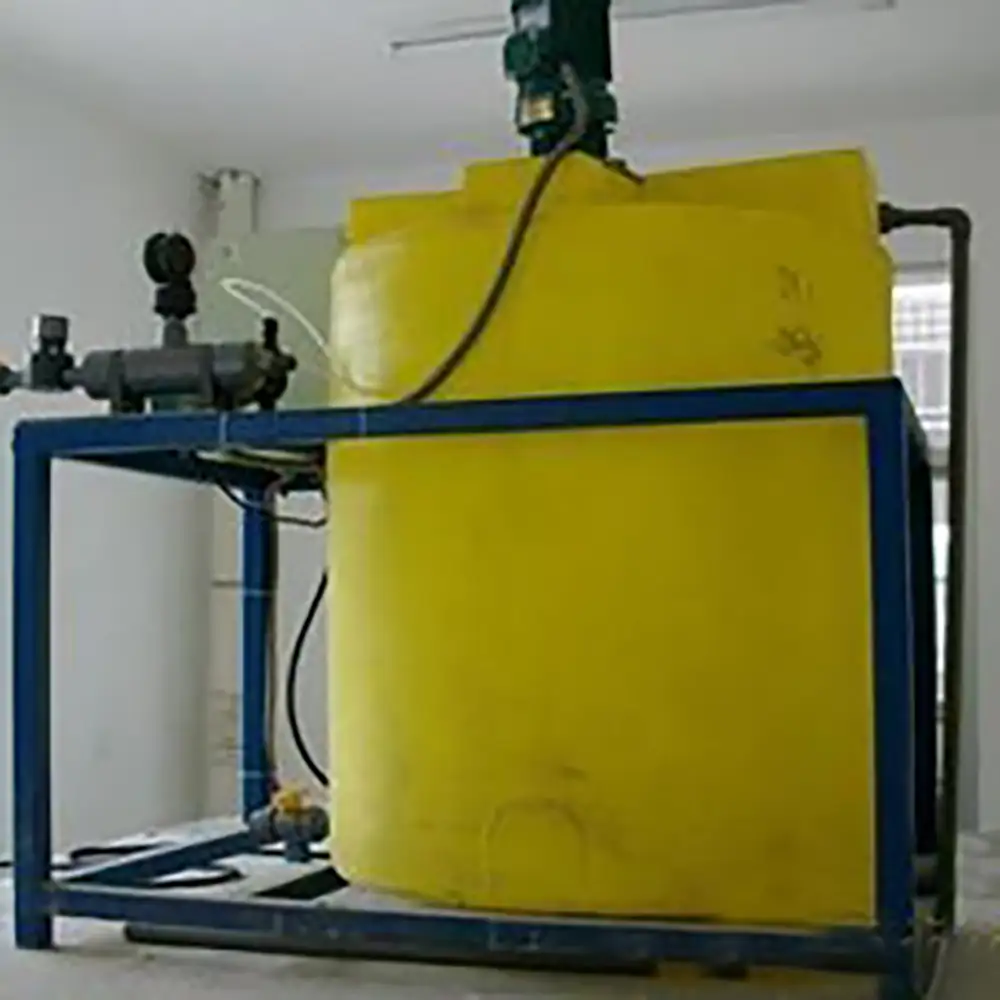
The generator typically includes chemical storage tanks, metering pumps, reaction chambers, water dilution or carrier lines, flow controls, sensors, valves, piping and an automatic control system. The precursor chemicals are accurately dosed into the reaction section, where controlled mixing and reaction produce chlorine dioxide solution or a controlled ClO₂ stream.
The generated chlorine dioxide is then introduced into the water through an injection point, ejector, diffuser or suitable mixing device. Proper hydraulic mixing helps distribute the disinfectant throughout the treatment flow.
On-Site Chlorine Dioxide Generation
One of the major advantages of a chemical chlorine dioxide generator is on-site production. Chlorine dioxide has limited stability and presents safety concerns when concentrated gaseous material accumulates, so generation and application are normally designed as an integrated process. EPA guidance notes that chlorine dioxide is generally generated on site for water treatment applications.
On-site generation can reduce the need to transport and store concentrated chlorine dioxide. Instead, the treatment system produces the required disinfectant according to the actual water flow and treatment demand.
Depending on the process design, chemical chlorine dioxide generators may use different precursor combinations. The appropriate generation method should be selected according to treatment capacity, chemical availability, required concentration, water characteristics, regulatory requirements and site safety conditions.
Water and Wastewater Disinfection
The Chemical Chlorine Dioxide Generator can be integrated into municipal and industrial water treatment systems for disinfection. Chlorine dioxide can inactivate many waterborne microorganisms when properly applied at appropriate concentration and contact time. WHO describes chlorine dioxide as a strong germicide capable of inactivating many waterborne pathogens under suitable treatment conditions.
For wastewater applications, the generator can be installed before final discharge or reuse. Depending on the treatment process, chlorine dioxide may be used after biological treatment, filtration, clarification or other pretreatment stages.
Because wastewater quality varies significantly, the actual chlorine dioxide dose and contact time should be determined according to flow rate, organic load, suspended solids, pH, temperature and oxidant demand.
Industrial Wastewater Treatment Applications
Chemical chlorine dioxide generation systems can be used in a wide range of industrial applications. Typical applications may include:
Industrial wastewater disinfection
Municipal wastewater disinfection
Process water treatment
Cooling water treatment
Reclaimed water disinfection
Drinking water treatment
Food and beverage water treatment
Pulp and paper water treatment
Textile wastewater treatment
Petrochemical wastewater treatment
Industrial process oxidation
Pretreatment and final-stage disinfection
The generator can operate as a standalone disinfection unit or as part of a complete wastewater treatment plant.
Precise Chemical Dosing and Process Control
Accurate chemical dosing is important for stable chlorine dioxide production. A complete system can use metering pumps, flow meters, pressure controls, level sensors and automatic interlocks to coordinate precursor feeding and water flow.
The control system can adjust chemical feed according to treatment requirements and operating conditions. Flow-based or feedback-based control can also be considered where continuous monitoring is required.
EPA guidance recommends monitoring chemical feed lines, dilution water lines and chlorine dioxide solution lines and emphasizes careful process control to improve generation efficiency and safety.
Chlorine Dioxide Generator Safety
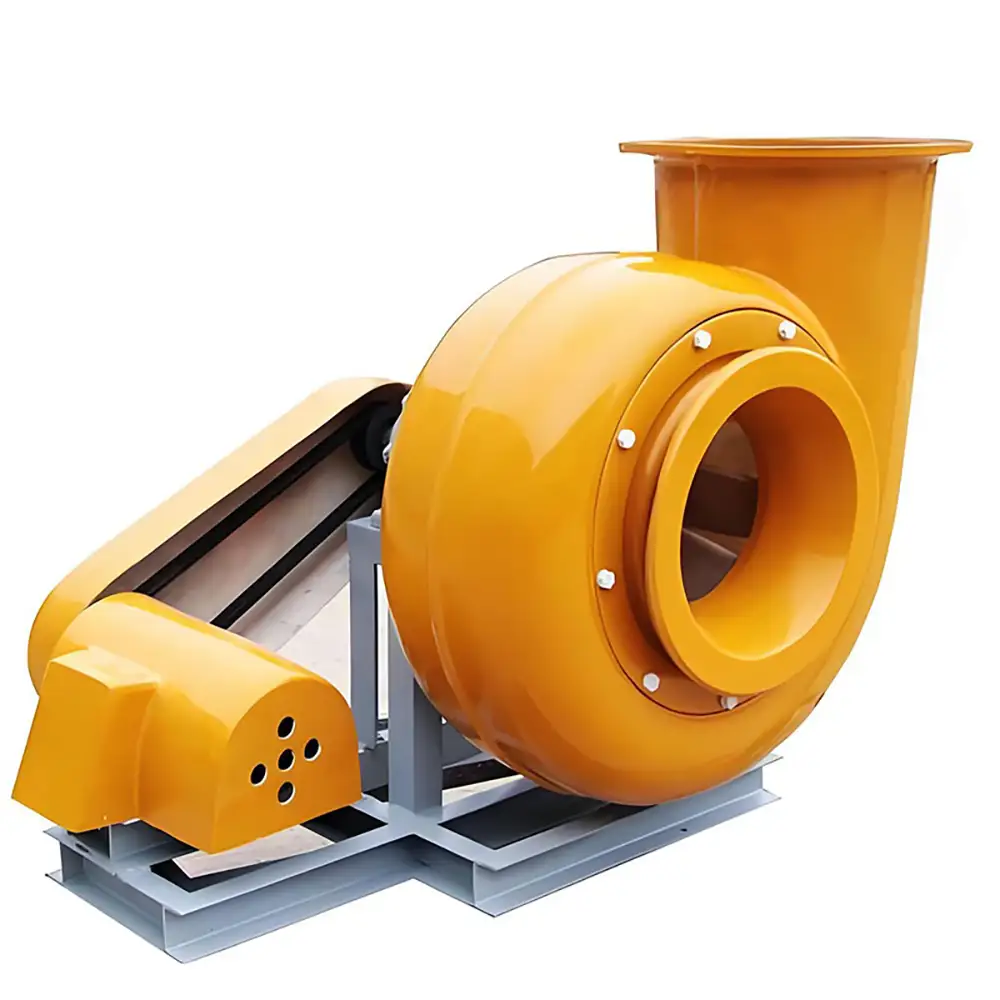
Safety is a critical part of chlorine dioxide generator design. Chlorine dioxide is a reactive oxidant, and concentrated gaseous ClO₂ can create serious hazards. Therefore, the generator should be installed in a properly designed chemical room with appropriate ventilation, containment, monitoring and emergency protection.
Chemical storage areas should be separated from incompatible materials, and suitable secondary containment should be provided. EPA guidance also recommends adequate ventilation, flow monitoring, backflow prevention and appropriate handling procedures for chlorine dioxide generation systems.
Operators should always follow the equipment manufacturer's operating instructions, chemical supplier requirements and applicable local regulations.
Integration with Wastewater Treatment Plants
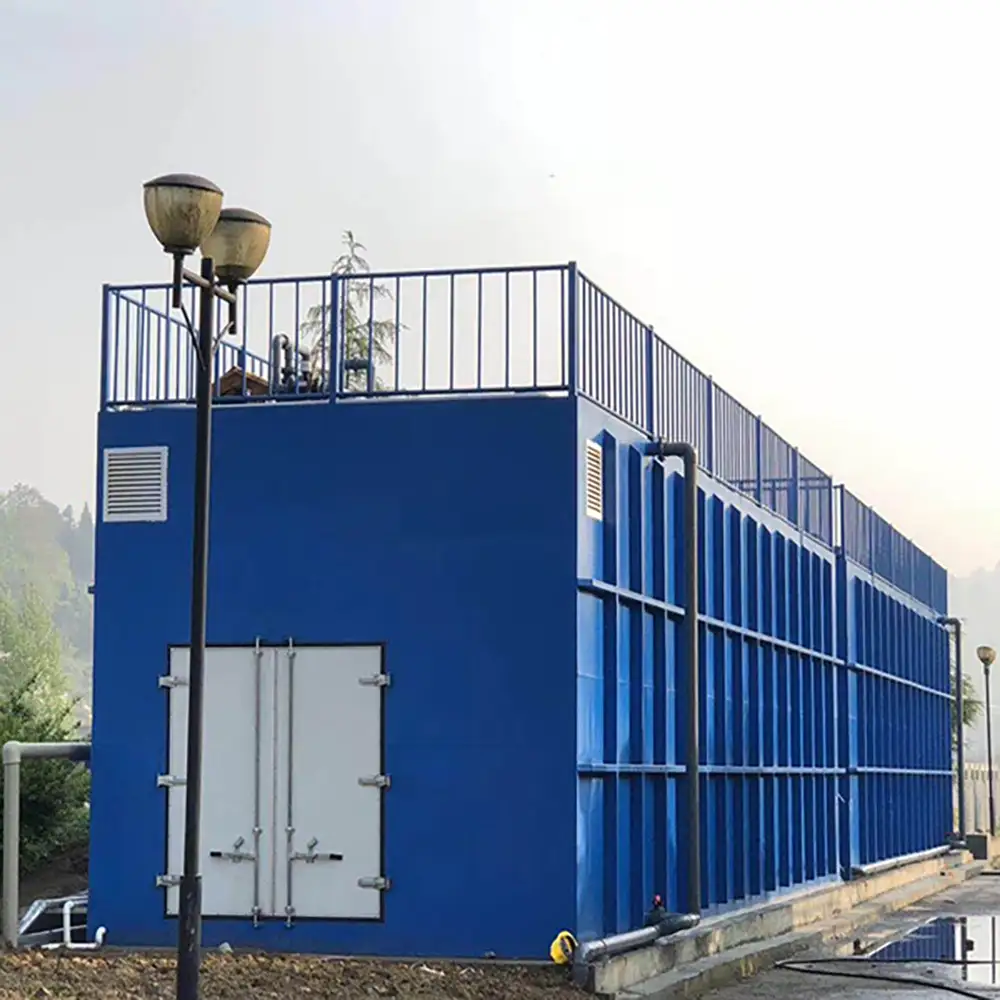
A Chemical Chlorine Dioxide Generator can be integrated with biological wastewater treatment, MBR, MBBR, SBR, DAF, filtration and other treatment technologies.
For example, a typical wastewater treatment process may include:
Pretreatment → Biological Treatment → Solid-Liquid Separation → Filtration → Chlorine Dioxide Disinfection → Final Discharge or Water Reuse
In this configuration, the chlorine dioxide generator serves as the final disinfection or oxidation stage. Depending on water quality and project requirements, additional polishing or residual control may be included.
Why Choose Us
Our Chemical Chlorine Dioxide Generator solutions are designed for practical industrial water and wastewater treatment applications.
Controlled On-Site Generation: Produces chlorine dioxide close to the point of application.
Accurate Chemical Dosing: Metering and control components support stable precursor feeding.
Integrated Safety Design: Chemical handling, ventilation, monitoring and interlock requirements can be incorporated into the system.
Flexible Capacity: Generator configurations can be selected according to water flow and treatment demand.
Automatic Operation: PLC-based controls can simplify operation and process monitoring.
Multiple Applications: Suitable for wastewater, process water, municipal water and industrial disinfection.
Easy System Integration: Can be connected with biological treatment, filtration, MBR, MBBR, SBR and other treatment processes.
Project-Based Configuration: Chemical feed, reaction, injection and control components can be configured according to site conditions.
Industrial Construction: Equipment can be designed for continuous industrial operation with appropriate chemical-resistant materials.
Technical Support: Process parameters can be evaluated according to wastewater characteristics, required disinfection objectives and operating conditions.
FAQs
1. What is a Chemical Chlorine Dioxide Generator?
A Chemical Chlorine Dioxide Generator is equipment that produces chlorine dioxide on site through a controlled chemical reaction for water and wastewater disinfection or oxidation.
2. What chemicals are commonly used?
Sodium chlorite is a common precursor. Depending on the generator design, chlorine, hydrochloric acid, hypochlorite or other approved reactants may be used.
3. Why is chlorine dioxide generated on site?
Chlorine dioxide is relatively unstable and concentrated gas presents safety concerns, so treatment systems commonly generate it near the point of use.
4. Can the generator treat wastewater?
Yes. Chlorine dioxide generation systems can be integrated into wastewater treatment plants for final disinfection, reuse-water treatment and selected oxidation applications.
5. Can it be used for drinking water treatment?
Yes. Chlorine dioxide is used in some drinking water treatment applications, subject to applicable regulations, water quality requirements and control of chlorite and chlorate byproducts.
6. Can chlorine dioxide replace chlorine?
It can serve as an alternative disinfectant in selected applications, but the appropriate disinfectant depends on water quality, treatment objectives, regulations, operating conditions and residual-disinfection requirements.
7. What factors affect chlorine dioxide dosing?
Flow rate, temperature, pH, suspended solids, organic matter, oxidant demand and required contact time can all affect the required treatment conditions.
8. Does the generator require automatic control?
Automatic control is recommended for many industrial systems because it can coordinate chemical dosing, water flow, alarms, interlocks and operating parameters.
9. Is chlorine dioxide safe to handle?
It requires specialized equipment and controlled operating procedures. Proper ventilation, chemical containment, monitoring and safety interlocks are important because concentrated chlorine dioxide can present significant hazards.
10. Can the system operate continuously?
Yes. Continuous-generation configurations can be designed for applications requiring ongoing disinfection, provided chemical supply and operating conditions are properly maintained.
11. Can the generator be integrated into an existing WWTP?
Yes. It can be installed as a disinfection or oxidation stage after biological treatment, clarification or filtration, subject to hydraulic and process compatibility.
12. How should the generator capacity be selected?
Capacity should be based on wastewater or water flow, disinfectant demand, target treatment conditions, contact time, water quality and required operating margin. Pilot or site-specific process evaluation may be appropriate for complex wastewater.
Prev:
Slow-Release Sterilizer
Next:
Chlorine Dioxide Sterilizer
TAG:
Water Treatment Disinfection Equipment,
Water Disinfection System,
Drinking Water Disinfection Equipment,
Water Disinfection Equipment,
Chlorine Dioxide Generator System,
Chlorine Dioxide Dosing System,
Cooling Water Disinfection,
Wastewater Disinfection System,
Chlorine Dioxide Disinfection Equipment,
Chlorine Dioxide Water Treatment Equipment,
Industrial Wastewater Disinfection,
Chlorine Dioxide Disinfection System,
Chlorine Dioxide Water Treatment System,
Chlorine Dioxide Wastewater Treatment,
Chlorine Dioxide Water Disinfection,
Automatic Chlorine Dioxide Generator,
Industrial Chlorine Dioxide Generator,
Chlorine Dioxide Generator,
Process Water Disinfection,
Chlorine Dioxide Dosing Equipment,
On-Site Chlorine Dioxide Generation,
Industrial Water Disinfection,
ClO2 Generator,
Chlorine Dioxide Water Treatment,
Water Sterilization System,
Industrial Process Water Treatment,
Hospital Wastewater Disinfection,
Medical Wastewater Disinfection,
Food Processing Water Disinfection,
Food Processing Wastewater Disinfection,
Related Category:
Chemical Chlorine Dioxide Generator,Chlorine Dioxide Generator,Chlorine Dioxide Generation System,Chlorine Dioxide Gener China, suppliers, manufacturers, factory, customized, wholesale, quotation, made in China