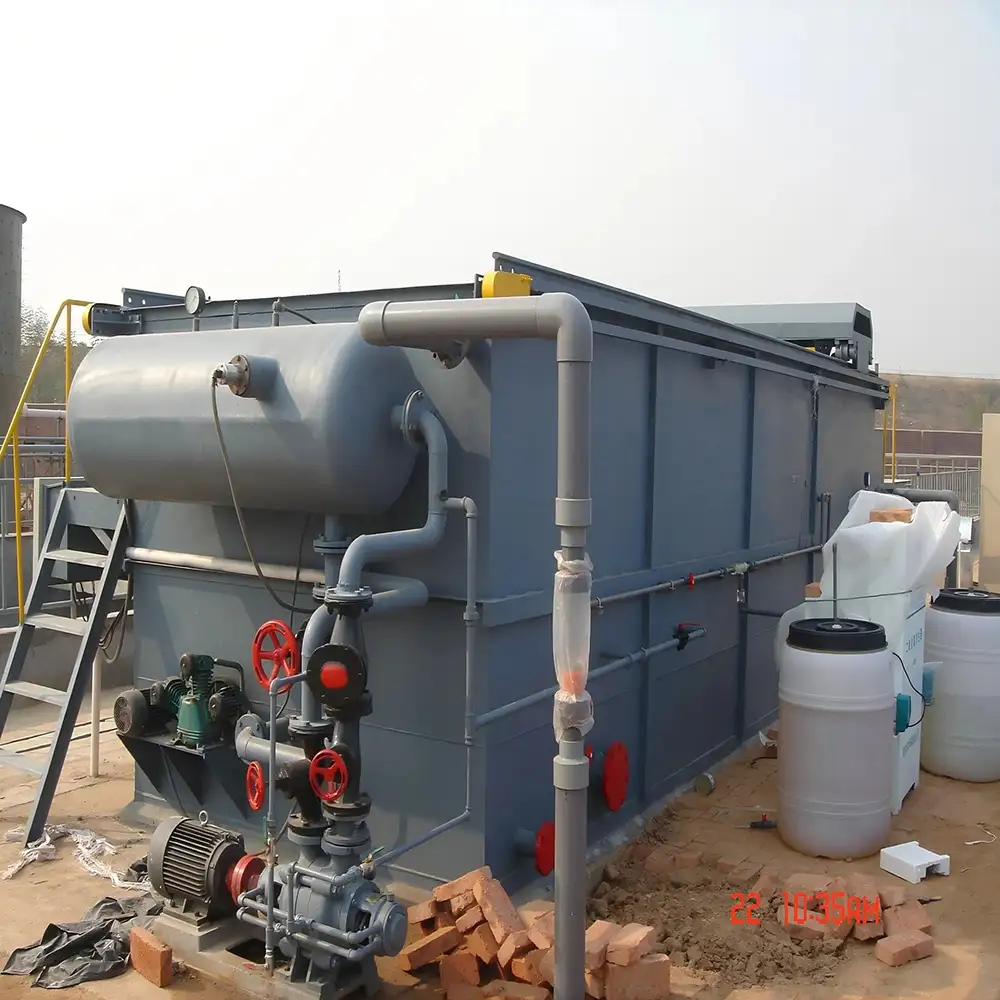
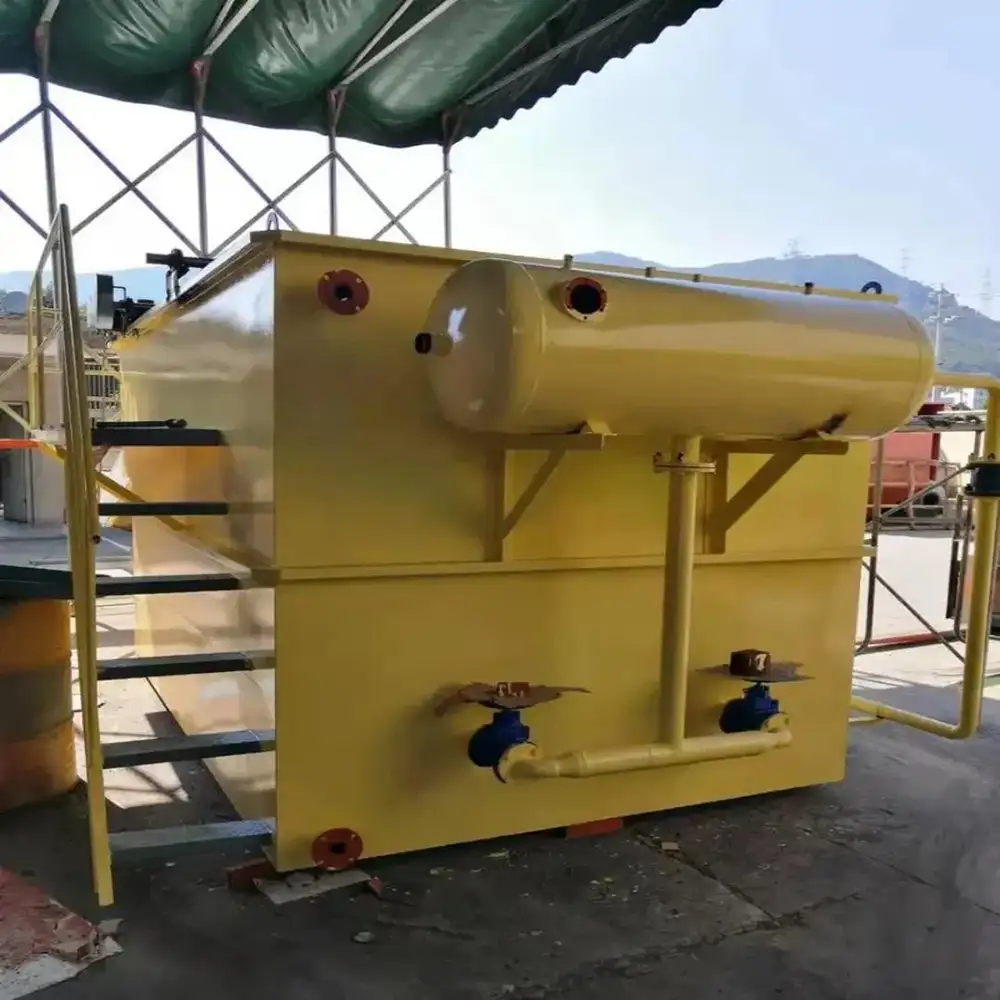
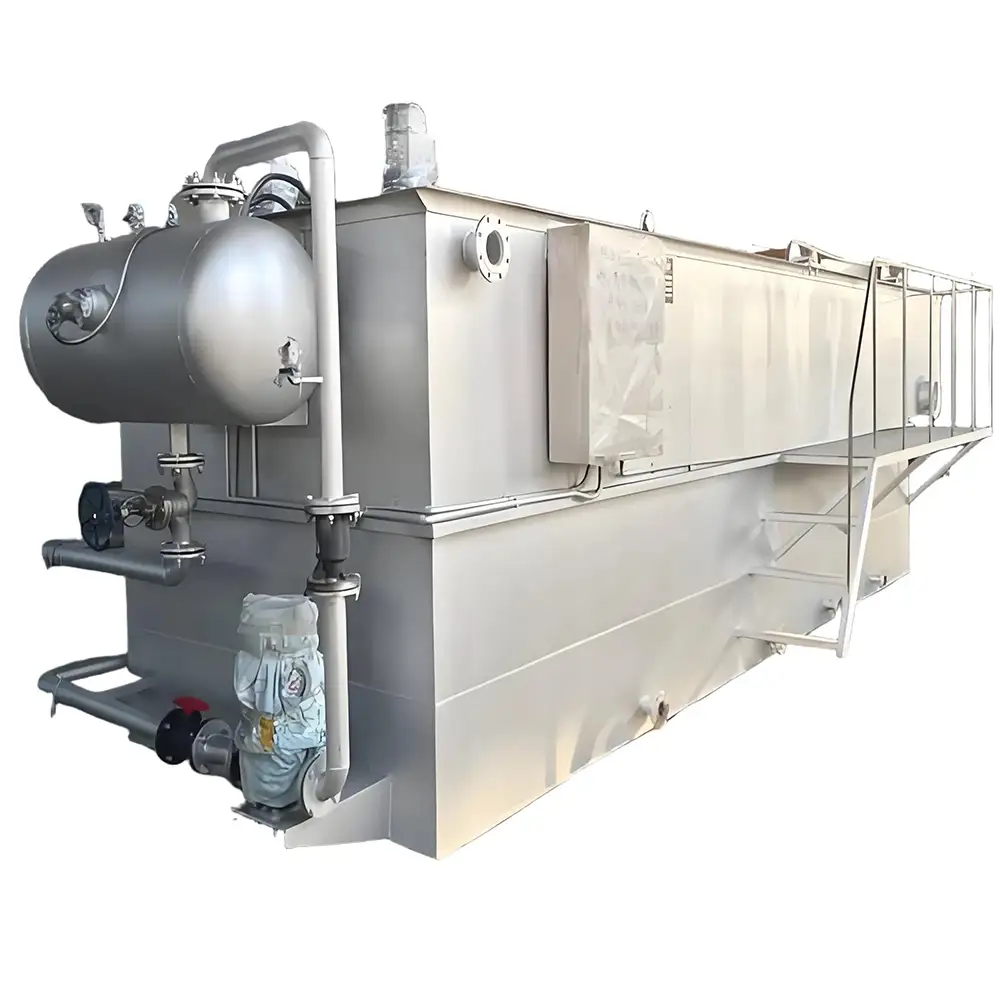
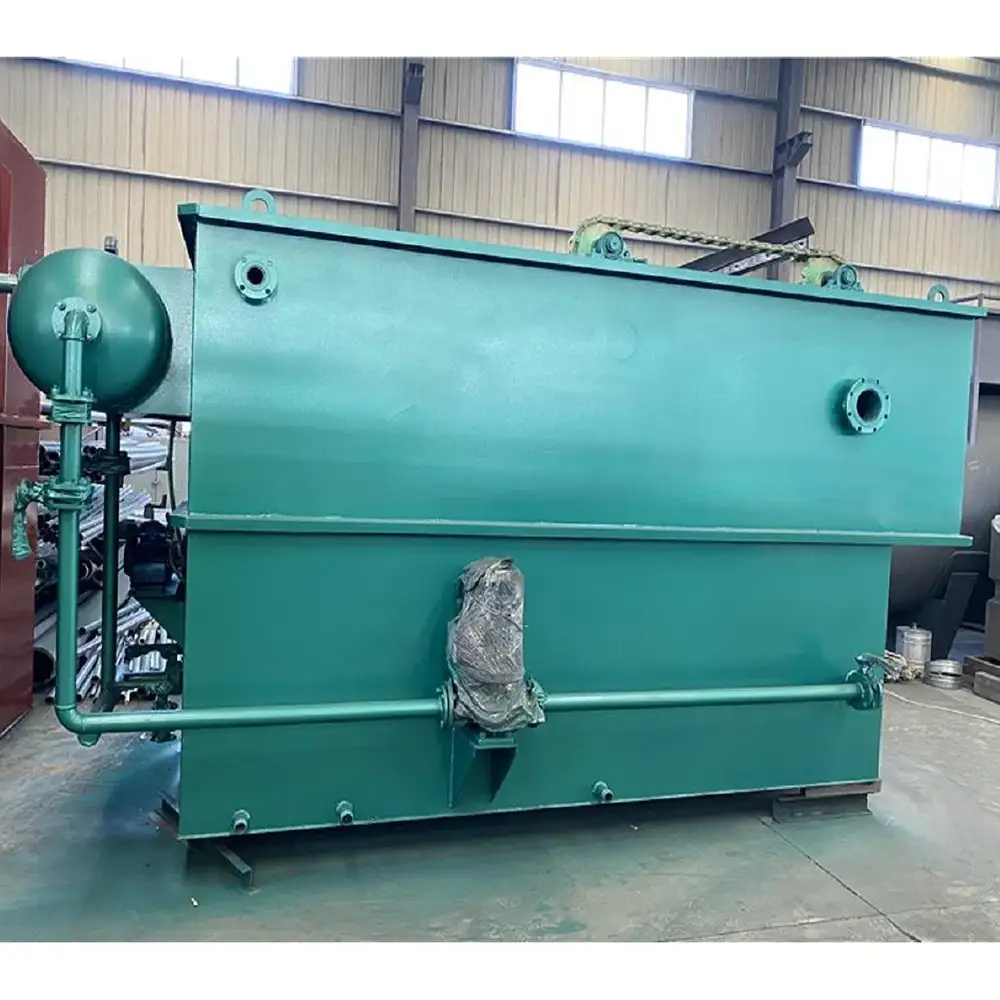
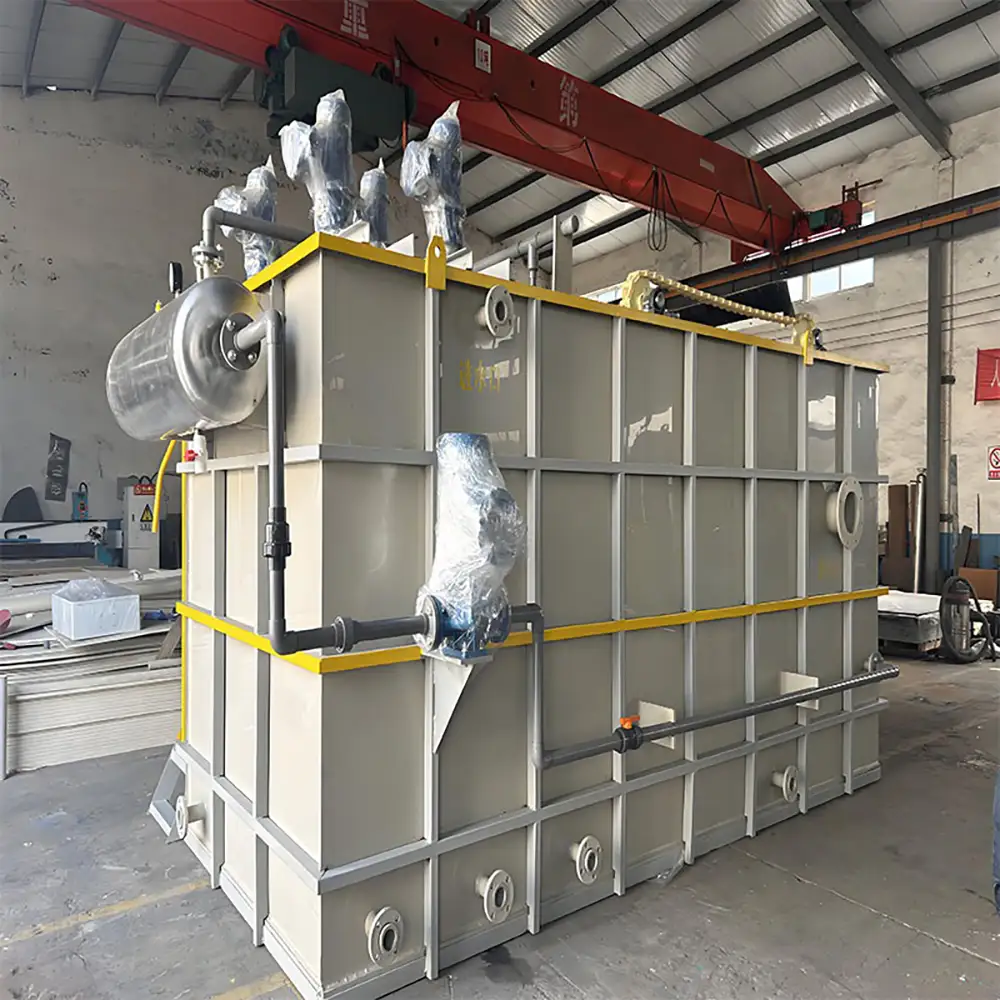
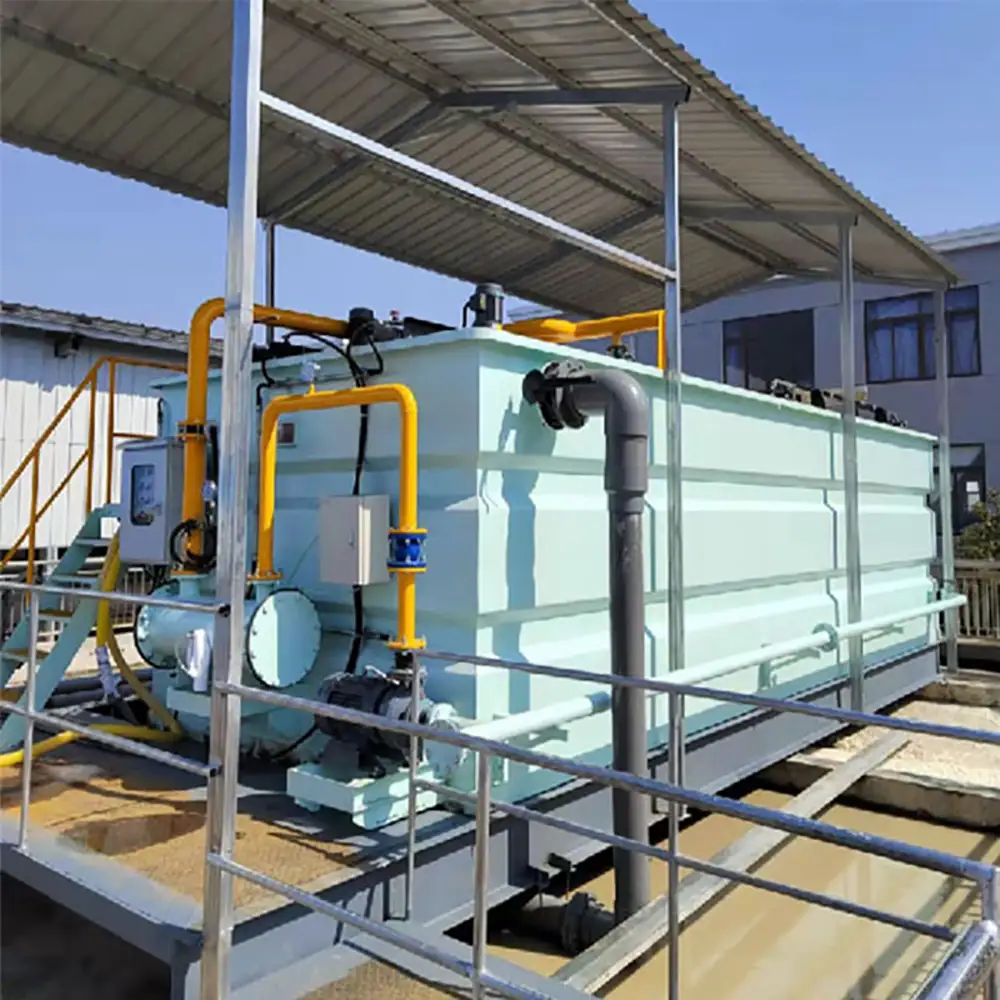
Automatic A/O + MBR Modular Wastewater Treatment STP Machine
The Automatic A/O + MBR Modular Wastewater Treatment STP Machine combines biological wastewater treatment with membrane separation in a compact and automated sewage treatment system. Designed for municipal sewage, domestic wastewater, commercial facilities, institutions, rural communities, and selected industrial applications, this modular system provides a practical solution where stable effluent quality, compact installation, and simplified operation are important.
A/O generally refers to an Anoxic/Oxic biological treatment process, in which wastewater passes through an anoxic zone followed by an aerobic zone. The biological stages promote the degradation of biodegradable organic pollutants and can support nitrogen removal. The MBR stage then uses membrane filtration for solid-liquid separation rather than relying solely on conventional secondary sedimentation.
This combination creates an integrated treatment process with biological degradation followed by high-efficiency membrane separation. MBR systems are recognized for producing high-quality effluent, requiring relatively compact footprints, and offering opportunities for automated operation.
What Is an A/O + MBR Wastewater Treatment System?
An A/O + MBR system combines two important wastewater treatment technologies.
The A/O process provides biological treatment. Microorganisms consume and transform biodegradable organic pollutants under controlled anoxic and aerobic conditions.
The MBR process provides membrane-based solid-liquid separation. Instead of relying on a conventional secondary clarifier to separate activated sludge from treated water, membrane modules retain biomass while allowing treated water to pass through the membrane.
A typical process can be configured as:
Raw Sewage → Screening → Equalization → Anoxic Tank → Aerobic Tank → MBR Membrane Tank → Disinfection → Treated Water Storage → Discharge or Reuse
Additional units may be included depending on the wastewater characteristics and required discharge or reuse quality.
Recent A/O + MBR process designs commonly incorporate screening, equalization, anoxic treatment, aerobic treatment, membrane separation, treated-water collection, disinfection, aeration, pumping, chemical cleaning, and automatic control.
Working Principle
1. Preliminary Screening
Incoming sewage first passes through a screening unit to remove large floating materials, plastics, fibers, rags, and other debris that could interfere with pumps or membrane equipment.
2. Equalization
An equalization tank can buffer fluctuations in wastewater flow and pollutant concentration. This helps provide a more stable flow to the biological treatment section.
3. Anoxic Biological Treatment
Wastewater enters the anoxic zone, where microorganisms operate under low-oxygen conditions. Internal recycle can be incorporated when nitrogen removal is required.
The actual recycle ratio and process configuration should be determined according to influent characteristics and required effluent standards.
4. Aerobic Biological Treatment
The wastewater then enters the aerobic zone. Fine-bubble aeration supplies oxygen to microorganisms, allowing them to degrade biodegradable organic matter.
Aeration also helps maintain appropriate biological conditions and can influence ammonia oxidation and overall treatment performance.
5. MBR Membrane Separation
After biological treatment, mixed liquor enters the membrane separation zone. Submerged membrane modules separate treated water from activated sludge and suspended biomass.
The membranes retain solids and microorganisms while treated water passes through the membrane as permeate.
MBR technology therefore combines biological treatment and membrane filtration in one treatment process.
6. Disinfection
Depending on the intended application and regulatory requirements, UV, chlorination, ozone, or another disinfection process can be installed after MBR treatment.
7. Final Discharge or Reuse
The treated water can be discharged or further treated for applications such as irrigation, toilet flushing, landscaping, cooling water, or other non-potable reuse, subject to applicable local requirements and actual water quality.
Modular MBR Wastewater Treatment
The modular configuration is particularly useful for projects requiring flexible installation or future expansion.
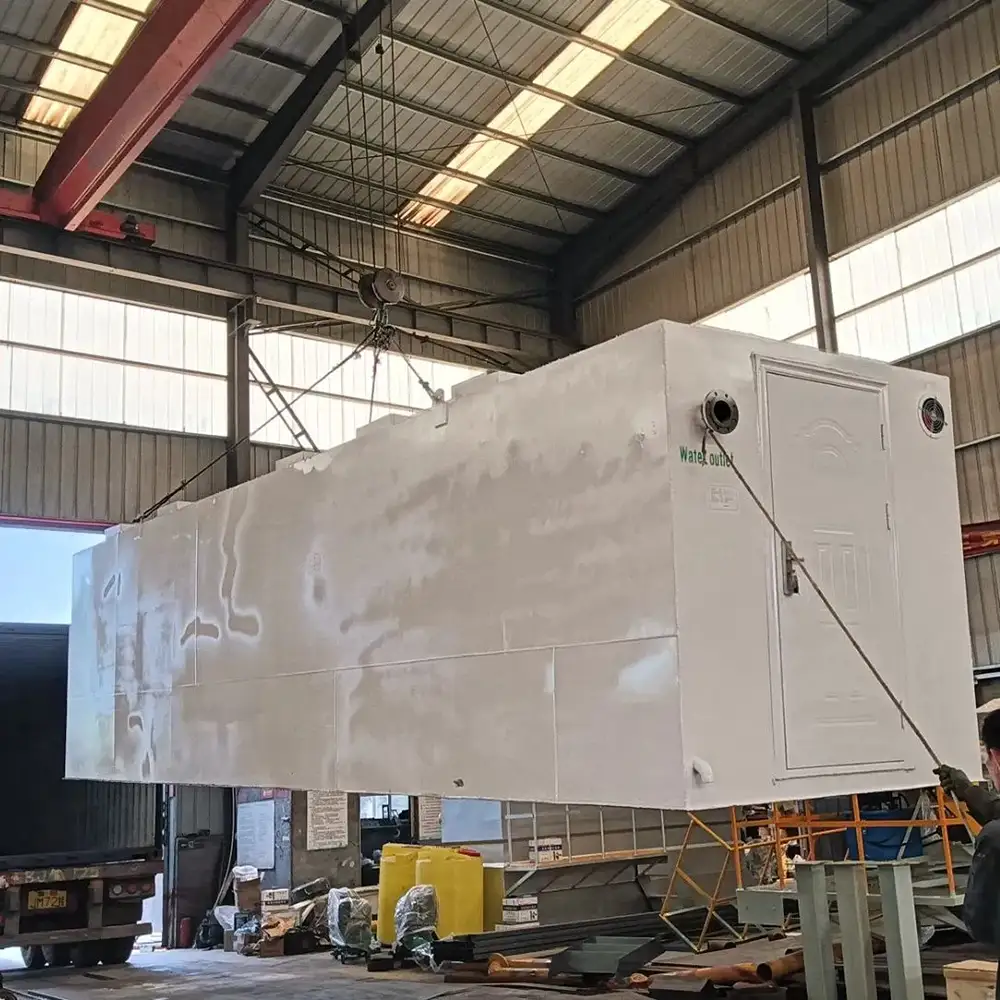
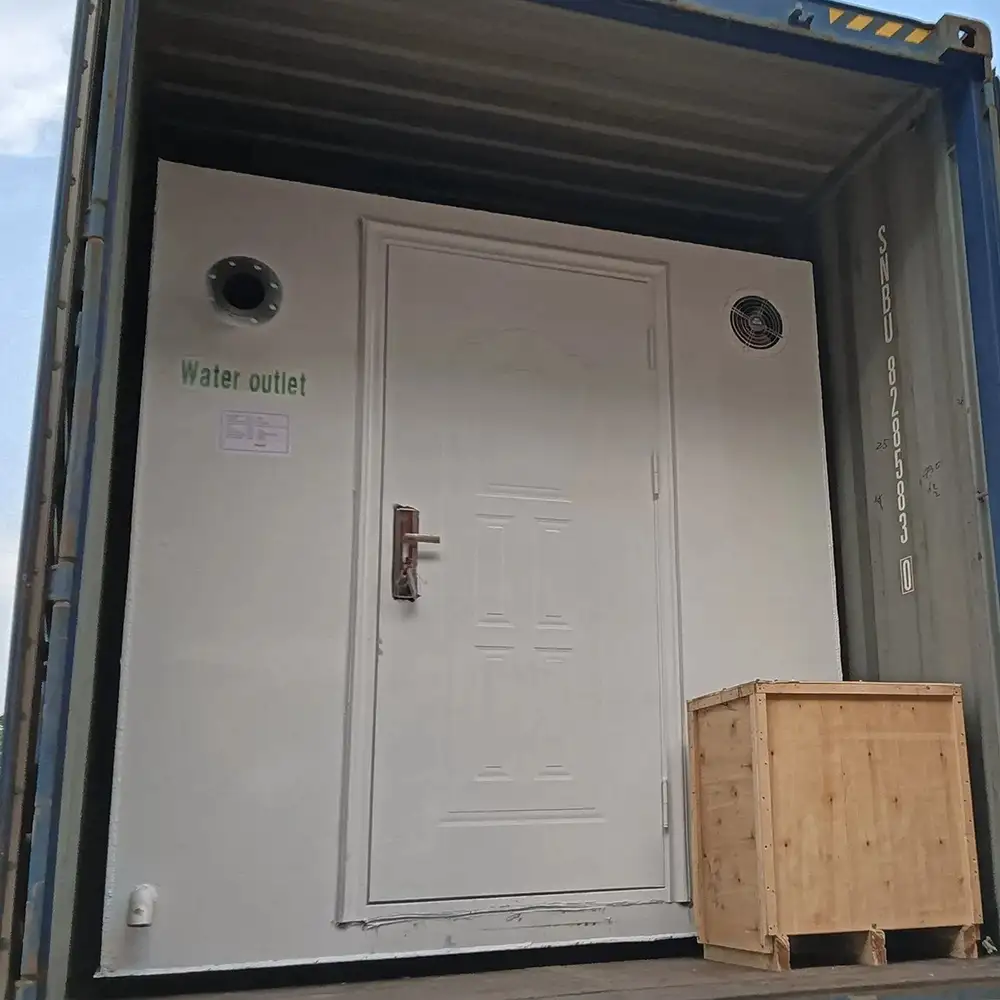
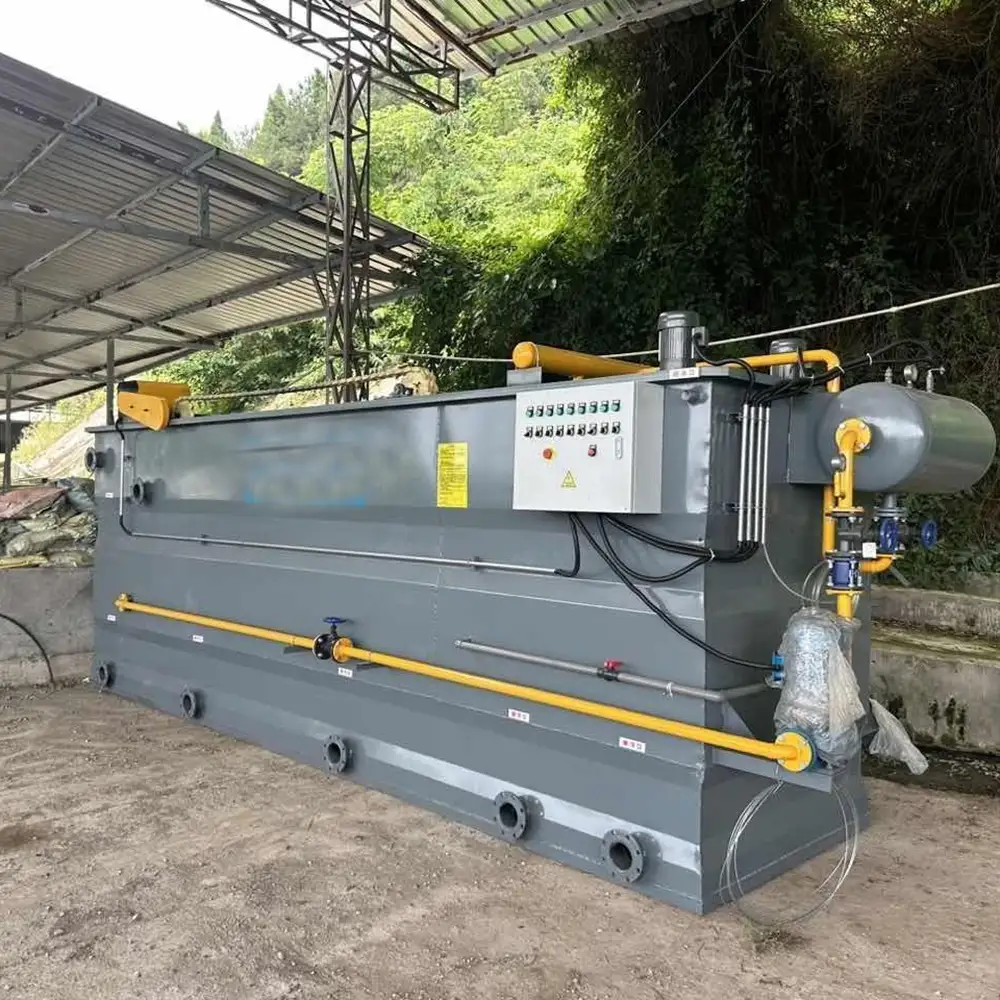
Instead of constructing every treatment stage as a large conventional civil structure, packaged or modular MBR equipment can integrate biological treatment, membrane separation, aeration, pumps, controls, and auxiliary components into a coordinated system.
Modular MBR systems are available in configurations ranging from smaller decentralized systems to larger treatment plants. Commercial MBR systems are also offered as preassembled and modular units designed for wastewater treatment and water reuse projects.
A modular design can provide several practical benefits:
Faster Equipment Installation
Reduced Site Construction Work
Compact Equipment Arrangement
Flexible Capacity Expansion
Factory-Assembled Components
Simplified System Integration
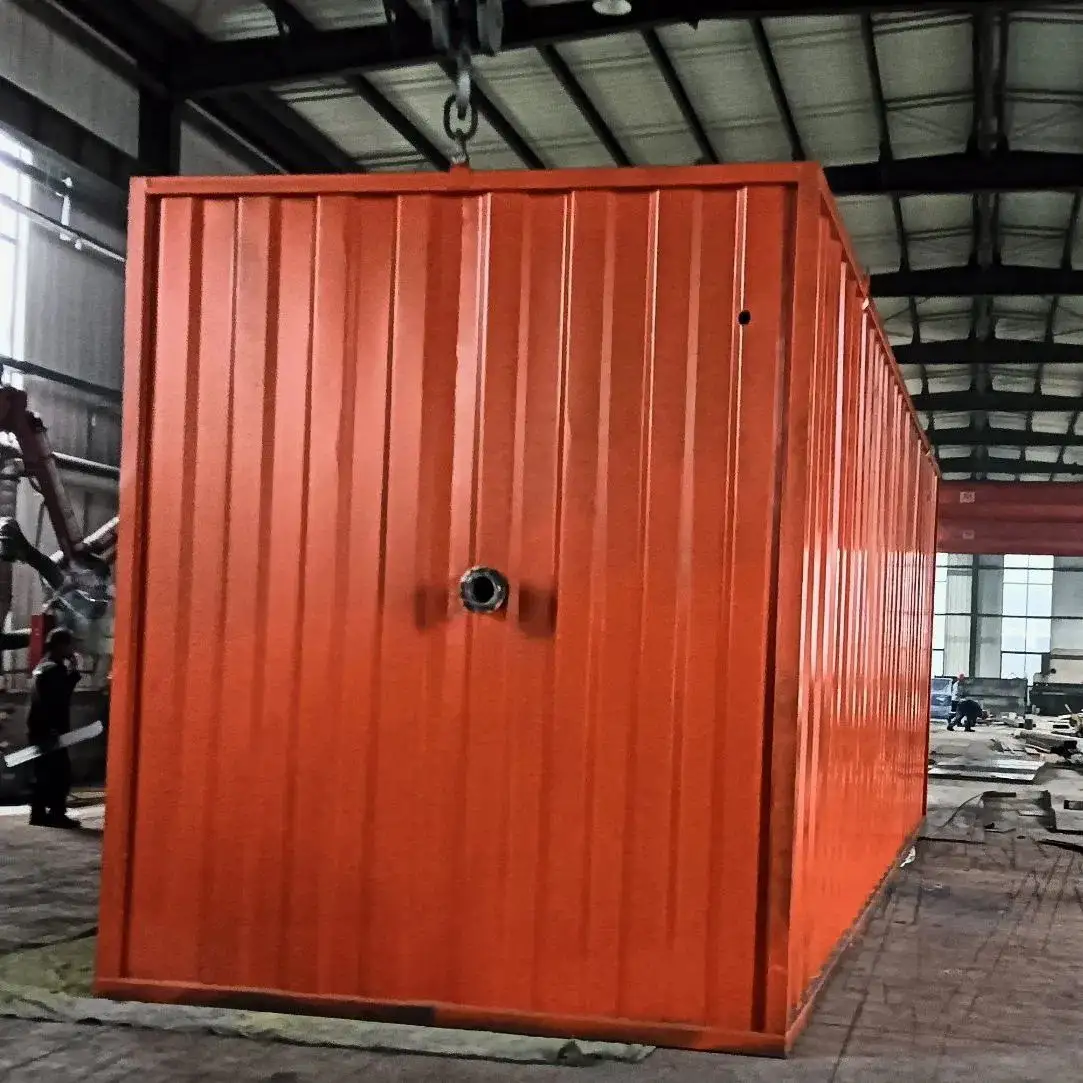
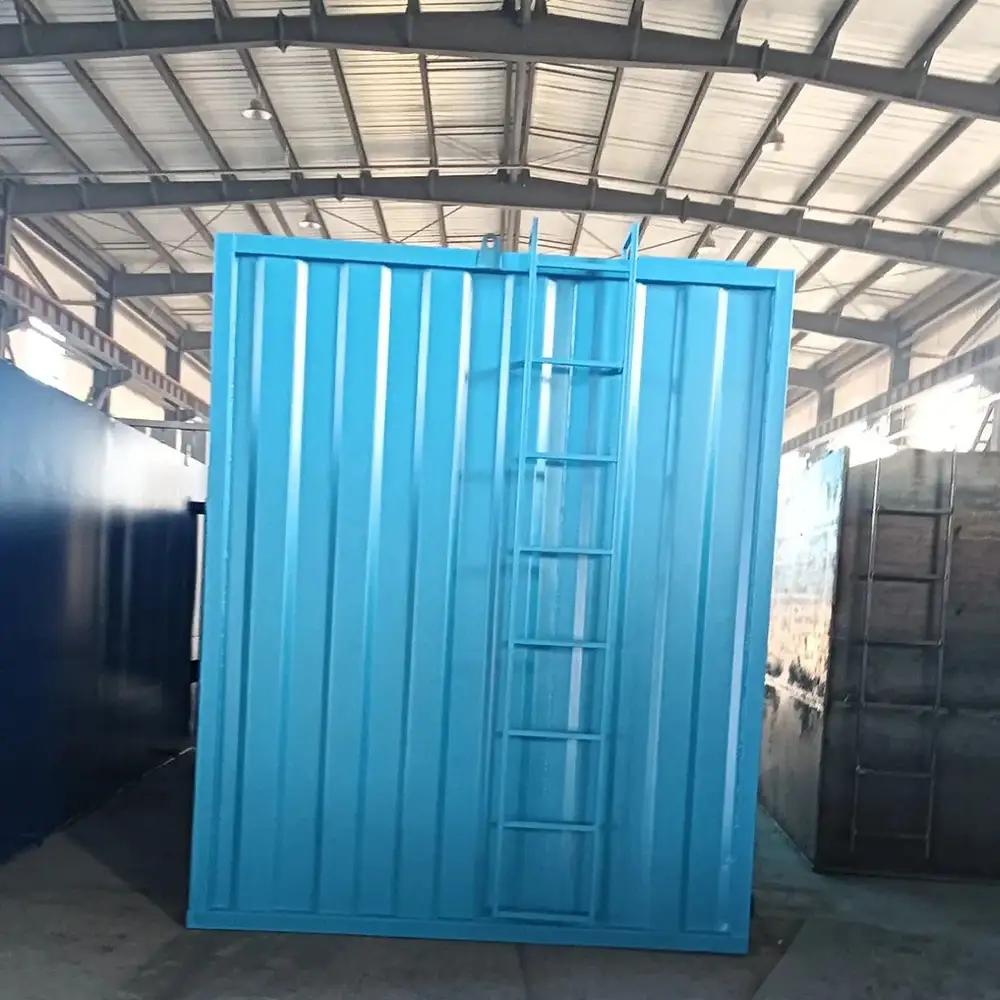
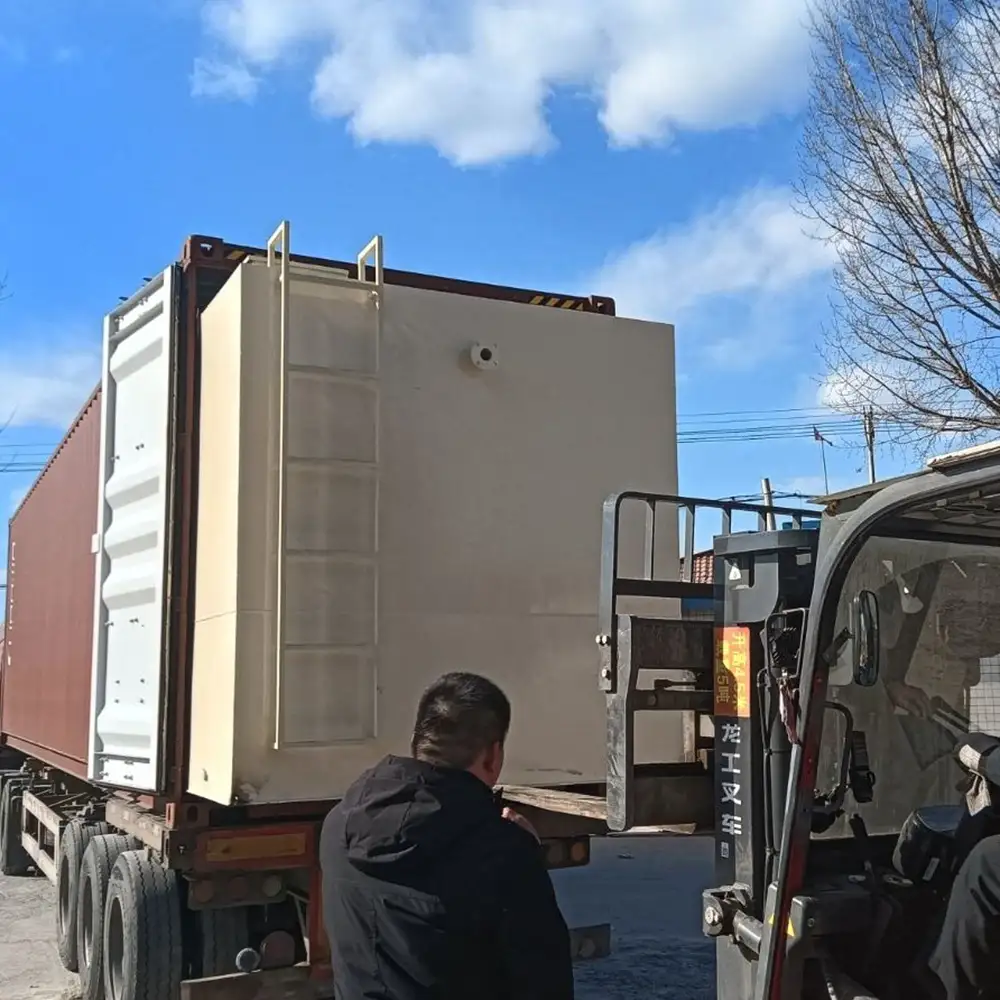
Easier Transportation
Centralized Automatic Control
The actual construction and installation requirements depend on system capacity and site conditions.
Automatic Control System
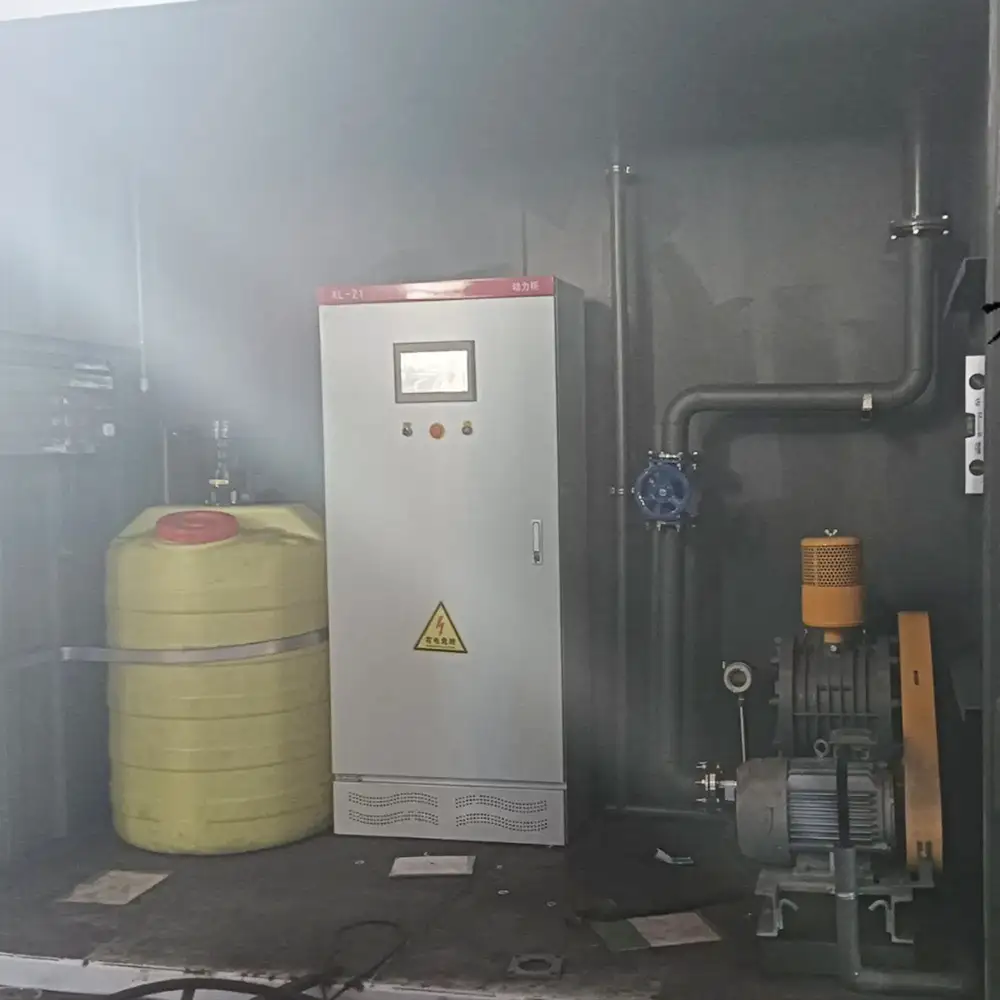
The automatic STP machine can be equipped with a PLC control cabinet to coordinate major operating components.
Depending on the configuration, the automatic control system may manage:
Lift Pumps
Aeration Blowers
Internal Recycle Pumps
Permeate Pumps
Membrane Backwash
Membrane Air Scouring
Chemical Cleaning
Sludge Discharge
Water Level Control
Automatic Alarms
Equipment Interlocking
Automatic Start And Stop
Automation can reduce routine operator intervention and help maintain consistent operating conditions.
Modern MBR systems commonly incorporate automation for filtration cycles, membrane cleaning, aeration, and other operating functions.
MBR Membrane Filtration
The membrane is one of the most important components of the system.
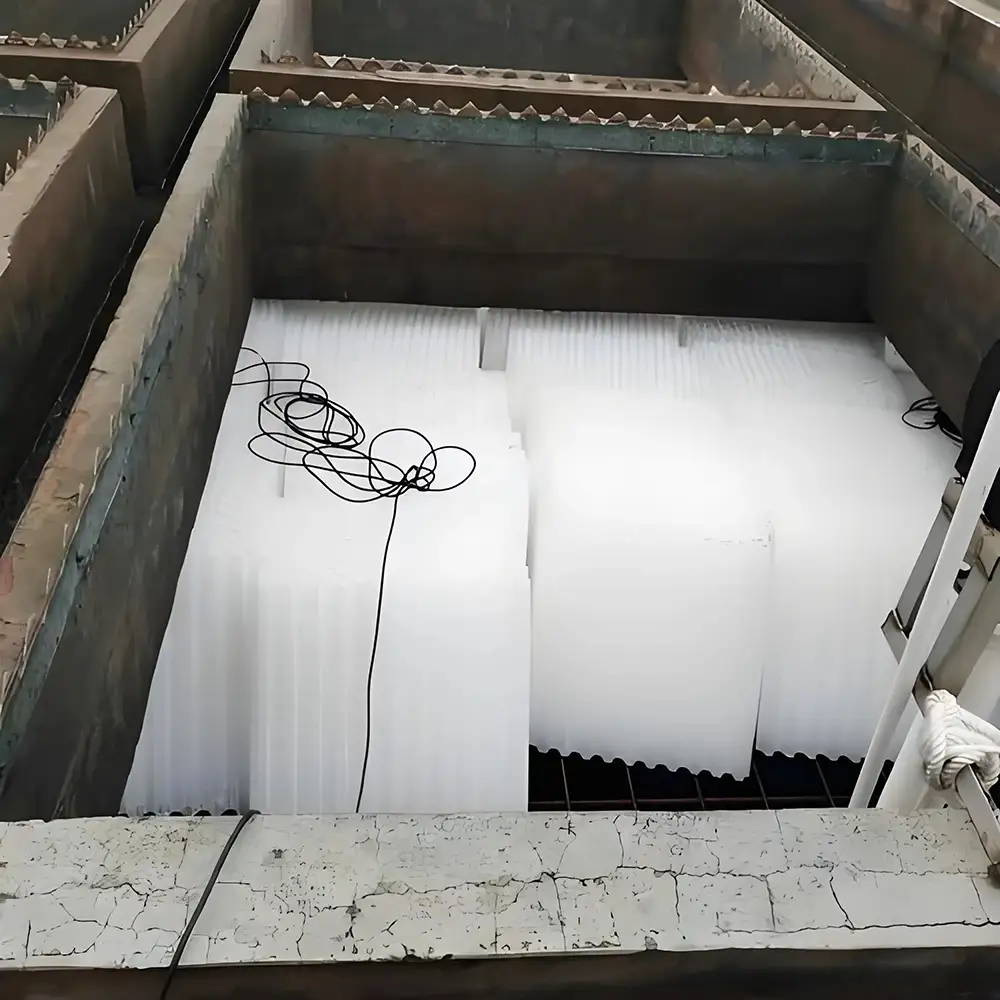
Depending on the equipment design, hollow-fiber or flat-sheet membrane modules can be used. Membrane material, pore characteristics, membrane area, flux, operating pressure, aeration requirements, and cleaning procedures should be selected according to the wastewater and design capacity.
The membrane provides a physical separation barrier between treated water and activated sludge.
This can produce a low-TSS permeate and reduce dependence on secondary clarification. EPA documentation identifies better effluent quality and smaller space requirements among the advantages of MBR systems compared with conventional biological treatment.
Applications
The Automatic A/O + MBR Modular STP Machine can be applied to many wastewater treatment projects, including:
Residential Communities
Suitable for domestic sewage from apartment complexes, residential developments, and decentralized communities.
Hotels and Resorts
Can treat wastewater generated from guest rooms, kitchens, laundries, bathrooms, and other hotel operations when properly designed.
Schools and Campuses
The modular configuration can be useful where treatment capacity must match a defined campus population.
Hospitals and Healthcare Facilities
Additional pretreatment and disinfection requirements may be necessary for healthcare wastewater depending on local regulations and wastewater composition.
Rural Sewage Treatment
Packaged MBR systems can be installed in decentralized rural areas where conventional large-scale sewage infrastructure is unavailable.
Commercial Buildings
The system can be integrated into office buildings, shopping centers, restaurants, and other commercial facilities.
Industrial Wastewater
MBR can be used for selected industrial wastewater streams when biological treatment is appropriate. Industrial wastewater should be characterized before final process selection.
Advantages of A/O + MBR
Compact Footprint
Because membrane separation replaces conventional secondary clarification in the MBR process, the overall treatment system can be compact.
High-Quality Effluent
The membrane barrier provides effective solid-liquid separation and can produce consistently clarified permeate.
Biological Nutrient Treatment
The A/O configuration can support biological nitrogen removal when appropriately designed.
Modular Design
Treatment capacity can be configured using modular equipment and expanded according to project requirements.
Automatic Operation
PLC control can automate many treatment functions and reduce manual operating requirements.
Water Reuse Potential
MBR effluent can be suitable for further treatment and reuse depending on the intended application and applicable standards.
Reduced Dependence on Clarification
The membrane separation stage performs the primary solid-liquid separation function, reducing the role of a conventional secondary clarifier.
Sludge and Membrane Management
Although MBR systems retain biomass efficiently, sludge management remains an important part of operation.
Excess sludge must be periodically removed to maintain the required biological conditions. Sludge wasting should be controlled according to MLSS, SRT, oxygen demand, influent loading, and process performance.
Membrane fouling must also be managed.
Common membrane-management measures include:
Air Scouring
Relaxation Cycles
Backwashing
Periodic Chemical Cleaning
Proper Pretreatment
Controlled Flux
Regular Membrane Inspection
The correct cleaning frequency depends on membrane type, wastewater quality, operating conditions, and manufacturer recommendations.
Project Design Considerations
The Automatic A/O + MBR STP Machine should be designed according to actual project data.
Important parameters include:
Daily Wastewater Flow
Peak Flow
COD
BOD₅
TSS
Ammonia Nitrogen
Total Nitrogen
Total Phosphorus
pH
Temperature
Oil And Grease
Required Effluent Standard
Reuse Requirements
Available Installation Area
For industrial wastewater, additional analysis may be required because toxic compounds, high salinity, solvents, heavy metals, or difficult-to-biodegrade pollutants can affect biological treatment and membrane performance.
Equipment Configuration
A complete modular STP system can include:
Automatic Bar Screen
Equalization Tank
Anoxic Tank
Aerobic Tank
MBR Membrane Tank
MBR Membrane Modules
Aeration Blower
Fine-Bubble Diffusers
Recycle Pump
Permeate Pump
Backwash System
Chemical Cleaning System
Sludge Pump
Disinfection Unit
PLC Control Cabinet
Treated Water Tank
The final configuration depends on the customer's wastewater characteristics, capacity, site layout, and discharge requirements.
Why Choose Us?
We provide integrated and modular wastewater treatment solutions based on the actual requirements of each project.
Our A/O + MBR STP systems are designed for customers seeking compact biological treatment, membrane separation, automatic operation, and flexible installation.
Key advantages include:
A/O + MBR Process Integration
Modular Wastewater Treatment Design
Automatic PLC Control
Compact Equipment Configuration
High-Efficiency Membrane Separation
Flexible Treatment Capacity
Integrated Aeration System
Membrane Cleaning And Backwash Options
Disinfection Integration
Water Reuse Process Integration
Factory-Assembled Equipment Options
International Project Support
The system can be configured for domestic sewage, municipal wastewater, commercial wastewater, rural sewage, institutional wastewater, and selected industrial applications.
FAQs
1. What does A/O mean in wastewater treatment?
A/O generally means Anoxic/Oxic. It combines an anoxic biological zone with an aerobic biological zone for organic matter treatment and, when properly configured, biological nitrogen removal.
2. What does MBR stand for?
MBR stands for Membrane Bioreactor. It combines biological wastewater treatment with membrane filtration for solid-liquid separation.
3. What is an A/O + MBR system?
It is a wastewater treatment process that combines anoxic/aerobic biological treatment with membrane filtration. The biological stages degrade pollutants while the MBR membrane separates treated water from activated sludge.
4. Is the MBR system automatic?
Yes. Automatic configurations can use PLC control for pumps, blowers, membrane filtration, backwashing, chemical cleaning, sludge discharge, alarms, and other functions.
5. Can this system be used as an STP?
Yes. The system can be configured as a Sewage Treatment Plant for domestic, municipal, commercial, institutional, rural, and selected industrial wastewater.
6. What is the advantage of MBR over conventional activated sludge?
MBR performs biological treatment and membrane solid-liquid separation in one integrated process. It can provide high-quality effluent and a smaller footprint than many conventional biological treatment configurations.
7. Does MBR require a secondary clarifier?
A typical MBR uses membrane separation instead of a conventional secondary settling tank for the main solid-liquid separation step.
8. Can the MBR system remove nitrogen?
Yes. When an appropriate anoxic/aerobic process configuration, recycle arrangement, and operating conditions are provided, biological nitrogen removal can be achieved. Actual performance depends on wastewater characteristics and design.
9. Can MBR treat industrial wastewater?
Yes, but industrial wastewater should be analyzed before selecting the process. Toxic compounds, salinity, solvents, heavy metals, and poorly biodegradable substances may require pretreatment or alternative processes.
10. Does the MBR membrane require cleaning?
Yes. Membrane systems require routine fouling control and periodic cleaning. Air scouring, relaxation, backwashing, and chemical cleaning can be used depending on the membrane configuration.
11. Can the system be expanded later?
A modular configuration can provide opportunities for capacity expansion, but future expansion should be considered during the initial process and site design.
12. Can treated MBR water be reused?
Potentially. MBR effluent can be suitable for certain reuse applications after appropriate treatment and disinfection. The required treatment depends on the intended reuse and local regulations.
13. How do I select the correct STP machine capacity?
Capacity should be selected according to average and peak wastewater flow, influent pollutant concentrations, required effluent quality, operating schedule, membrane design, and future capacity requirements.
Prev:
Intelligent MBR Modular Wastewater Treatment STP Machine
Next:
Industrial Agriculture Wanze Plastic Film Wrapping+LCL Flotation Unit Waste Water Treatment Floatation
TAG:
Industrial Wastewater Treatment,
Sewage Treatment Plant,
Industrial Sewage Treatment,
Wastewater Treatment Equipment,
Wastewater Treatment Plant,
Wastewater Reuse System,
Wastewater Treatment System,
Sewage Treatment Equipment,
Sewage Treatment System,
Decentralized Wastewater Treatment,
Membrane Wastewater Treatment,
Biological Treatment System,
Biological Wastewater Treatment,
Integrated Sewage Treatment Equipment,
Nitrogen Removal Wastewater Treatment,
Aerobic Wastewater Treatment,
Industrial Sewage Treatment System,
Decentralized Sewage Treatment,
Rural Sewage Treatment,
Rural Wastewater Treatment,
Domestic Sewage Treatment Plant,
Domestic Wastewater Treatment System,
Residential Wastewater Treatment,
Residential Sewage Treatment,
Biological Sewage Treatment,
Domestic Sewage Treatment,
Domestic Wastewater Treatment,
Compact Sewage Treatment Plant,
Packaged Sewage Treatment Plant,
Modular Sewage Treatment System,
Related Category:
Automatic A/O MBR Wastewater Treatment,A/O + MBR System,Modular MBR Wastewater Treatment,MBR Sewage Treatment Plant China, suppliers, manufacturers, factory, customized, wholesale, quotation, made in China