Air Flotation Machine for Industrial Wastewater Treatment
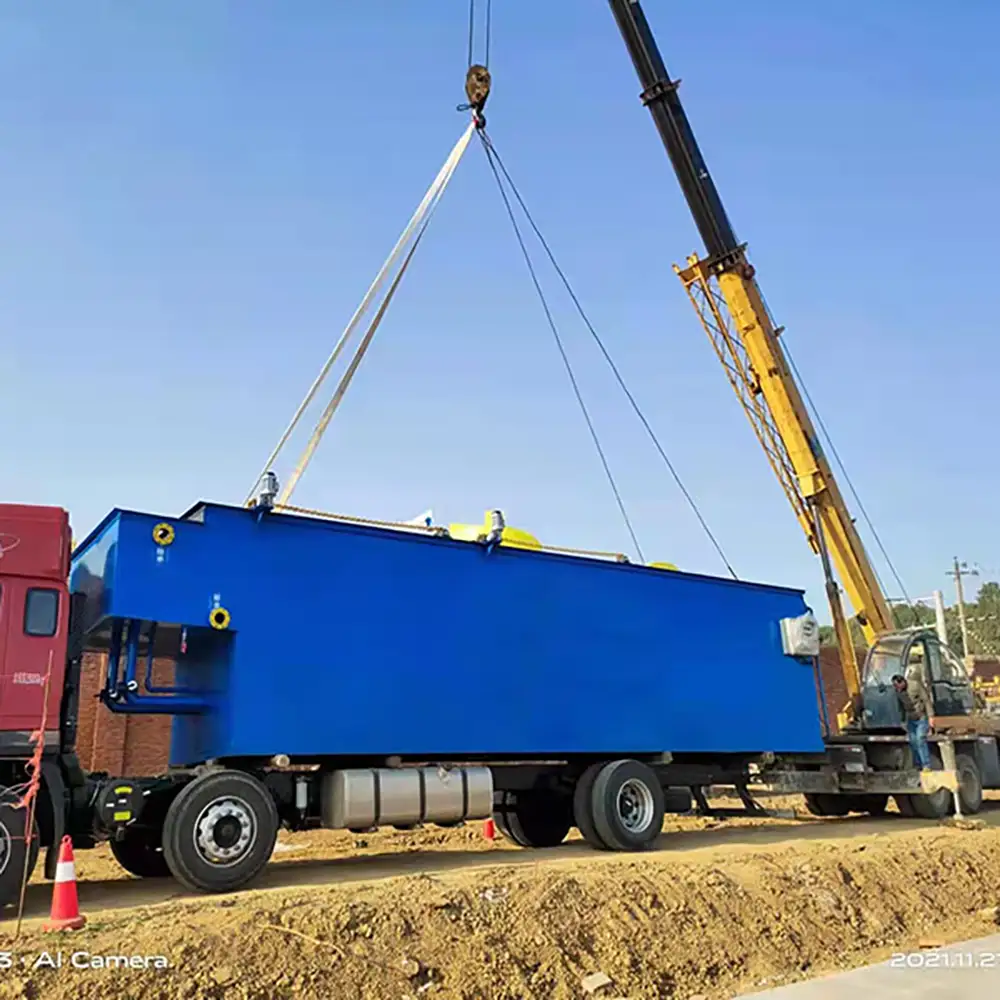
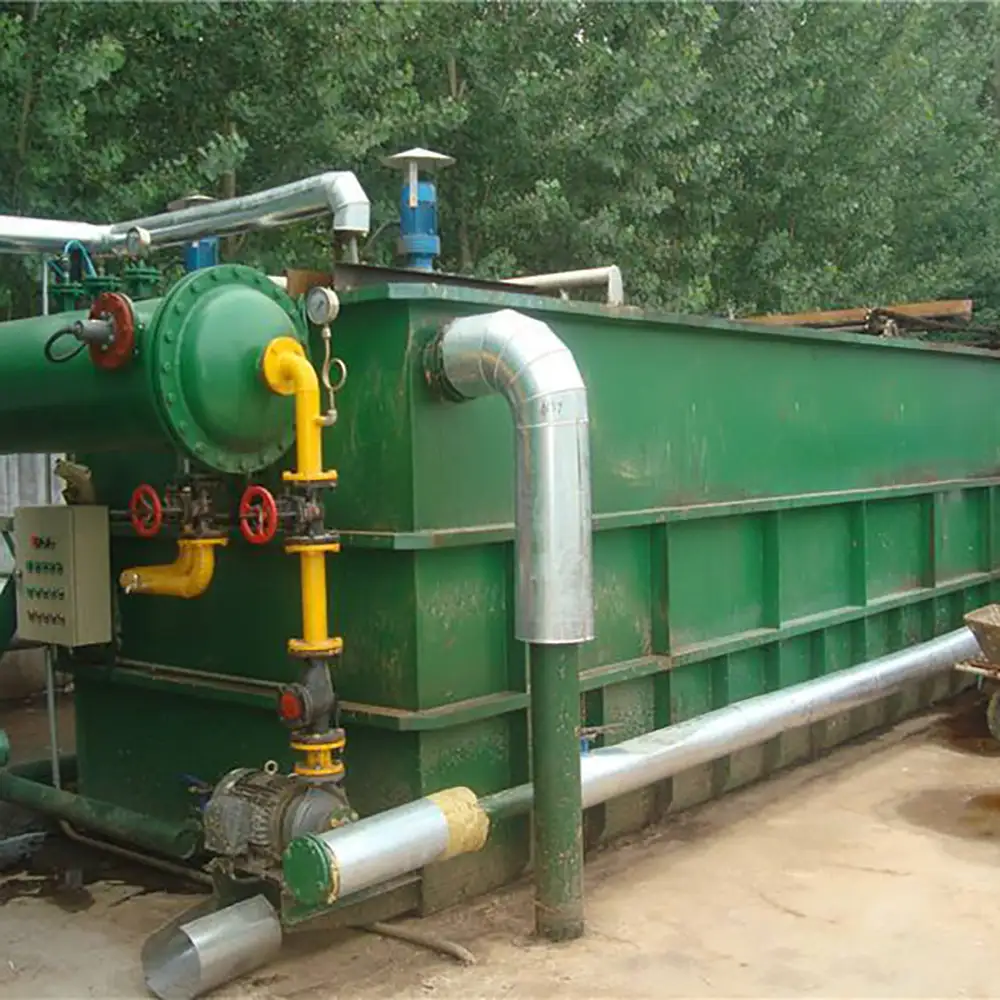
An Air Flotation Machine is a wastewater treatment and solid-liquid separation system designed to remove suspended solids, floating materials, oil, grease, fats, fibers, and other flotation-friendly contaminants from wastewater. By introducing fine air bubbles into the water, contaminants can attach to the bubbles, rise toward the surface, and form a concentrated floating layer that can be continuously removed by a skimming mechanism.
Air flotation technology is widely used in industrial wastewater treatment because it can separate particles that are difficult or slow to remove through conventional gravity sedimentation. Dissolved Air Flotation (DAF) is one of the most common forms of air flotation, using pressurized water and released air to generate fine bubbles for flotation. EPA technical references identify DAF as a treatment process for suspended solids, oil, and grease removal.
How Does an Air Flotation Machine Work?
The basic air flotation process combines wastewater conditioning, bubble generation, flotation, and surface skimming.
Depending on the system configuration, wastewater or a portion of clarified recycle water is pressurized and mixed with air. When the pressurized water enters the flotation chamber and pressure is released, dissolved air forms microscopic bubbles. These bubbles attach to suspended particles, oil droplets, grease, and other suitable contaminants.
The particle-bubble aggregates become more buoyant and rise toward the water surface. A scraper or skimming device then removes the floating material from the flotation tank, while clarified water leaves through the treated-water outlet. This pressure-release mechanism is the fundamental operating principle of dissolved air flotation.
Suspended Solids Removal
Air flotation is particularly useful for removing fine suspended solids and particles with densities close to water. Such particles may settle slowly in conventional clarifiers, while flotation can accelerate their separation by attaching air bubbles and increasing their apparent buoyancy.
For industrial wastewater, air flotation can therefore serve as a primary clarification or pretreatment stage before biological treatment, filtration, membrane processes, or other downstream treatment technologies.
The actual removal performance depends on wastewater characteristics, particle size, chemical conditioning, hydraulic loading, bubble generation, and equipment configuration.
Oil and Grease Separation
One of the major applications of an Air Flotation Machine is the separation of free oil, dispersed oil, grease, fats, and other light contaminants.
Oil droplets and grease particles can attach to fine air bubbles and rise to the flotation surface. The concentrated float layer can then be continuously or intermittently skimmed from the tank.
EPA documents describe DAF as particularly useful for suspended solids and dispersed oil and grease, including wastewater streams where gravity separation may be less effective.
This makes air flotation suitable for applications such as food processing, dairy processing, slaughterhouses, meat processing, petrochemical facilities, metalworking, pulp and paper, and other industries generating oily or solids-laden wastewater.
Coagulation and Flocculation Before Flotation
For many industrial wastewater applications, air flotation can be combined with coagulation and flocculation.
Coagulants destabilize fine or colloidal particles, while flocculation encourages smaller particles to form larger flocs. These flocs can then interact more effectively with air bubbles and float to the surface.
Depending on the wastewater, pH adjustment may also be required before chemical conditioning. EPA materials note that pH adjustment and coagulation commonly precede DAF when treating suspended solids and dispersed or emulsified oil and grease.
A properly configured pretreatment stage can improve flotation stability and reduce the load on downstream biological or advanced treatment processes.
Main Components of an Air Flotation Machine
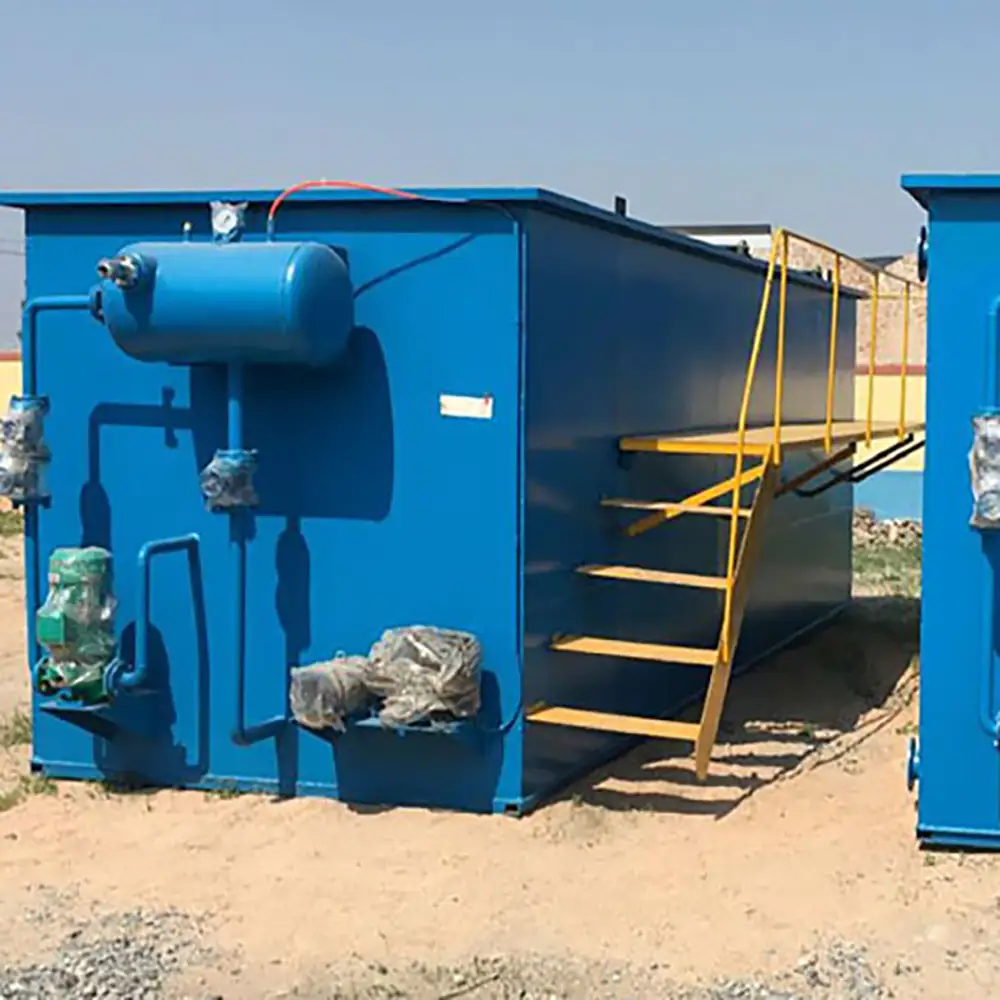
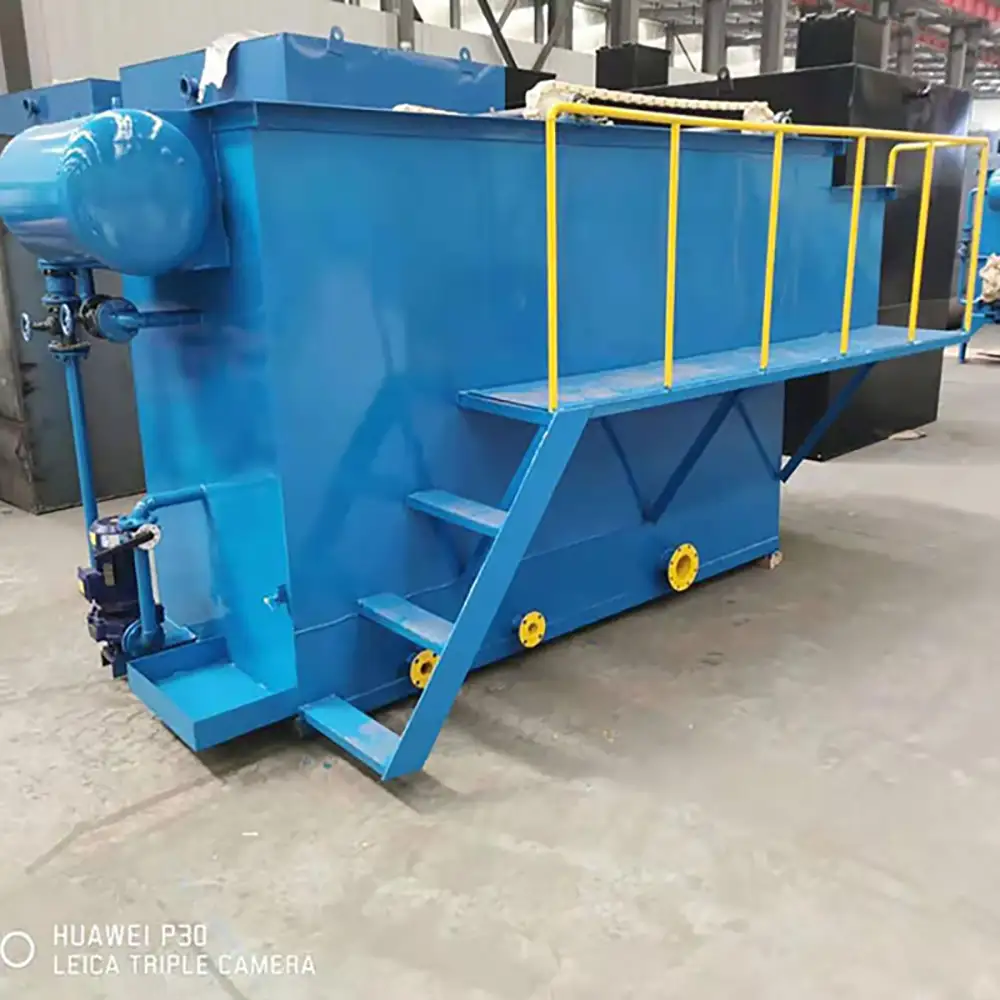
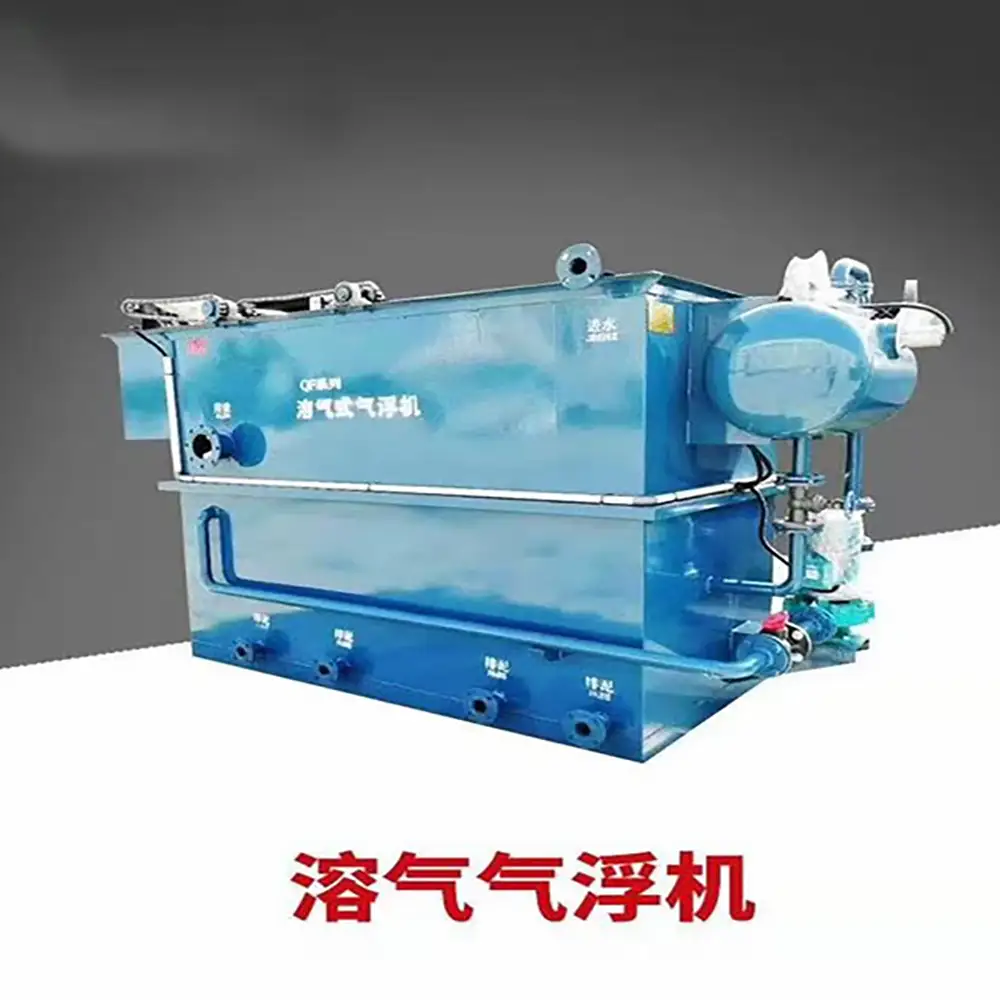
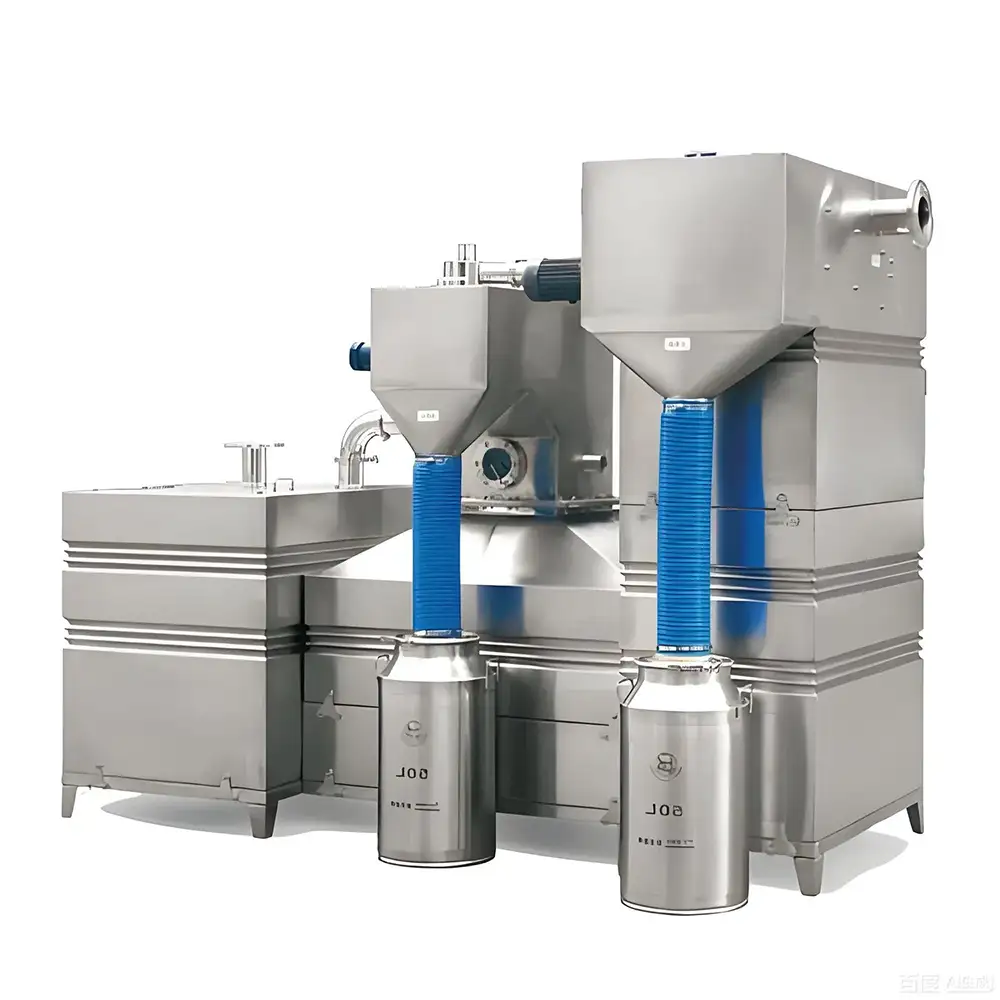
A typical Air Flotation Machine may include:
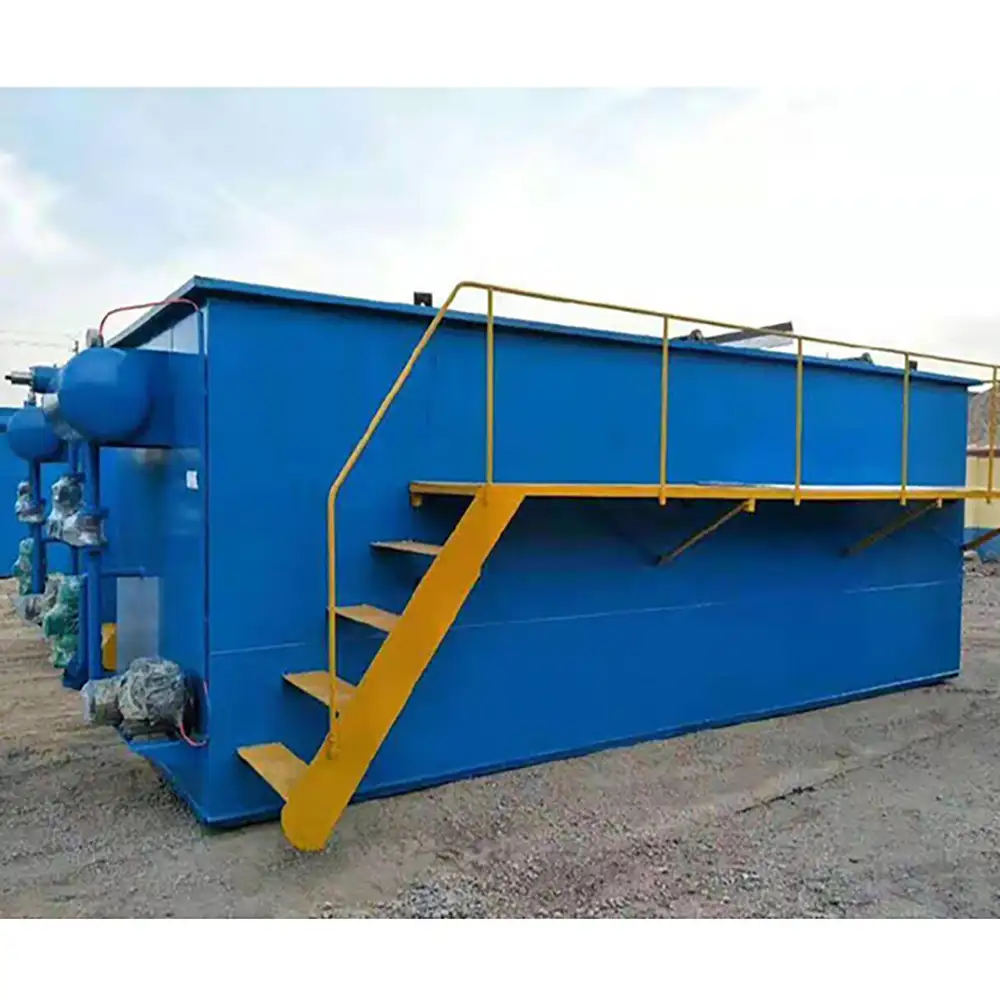
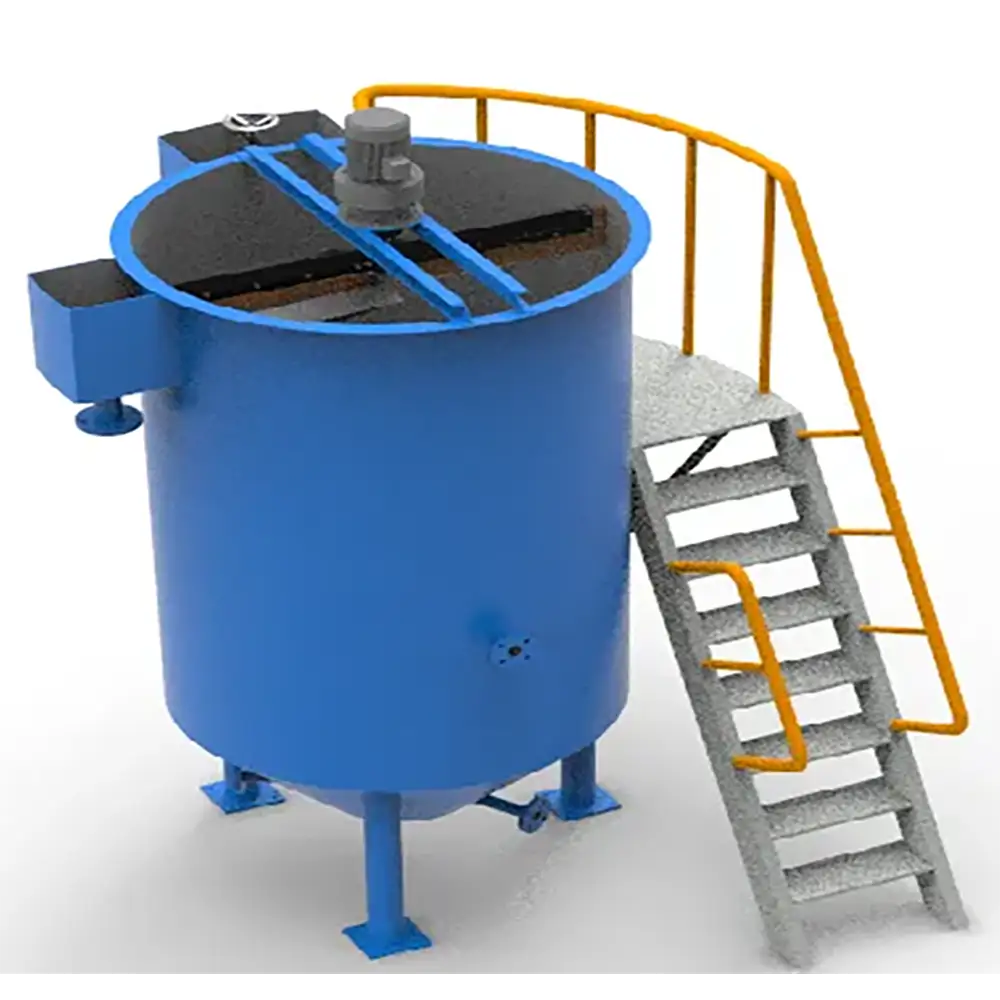
Flotation tank
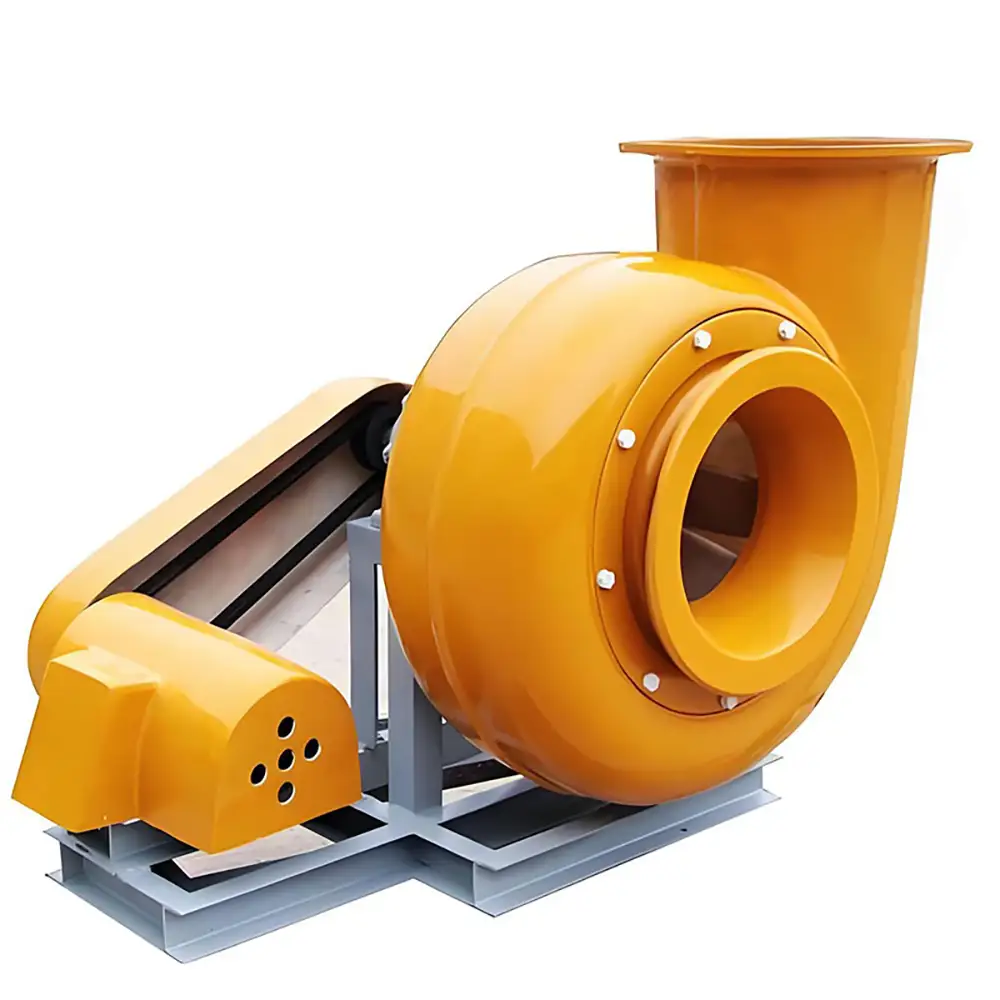
Air dissolution or air injection system
Pressurizing pump
Recycle water pump
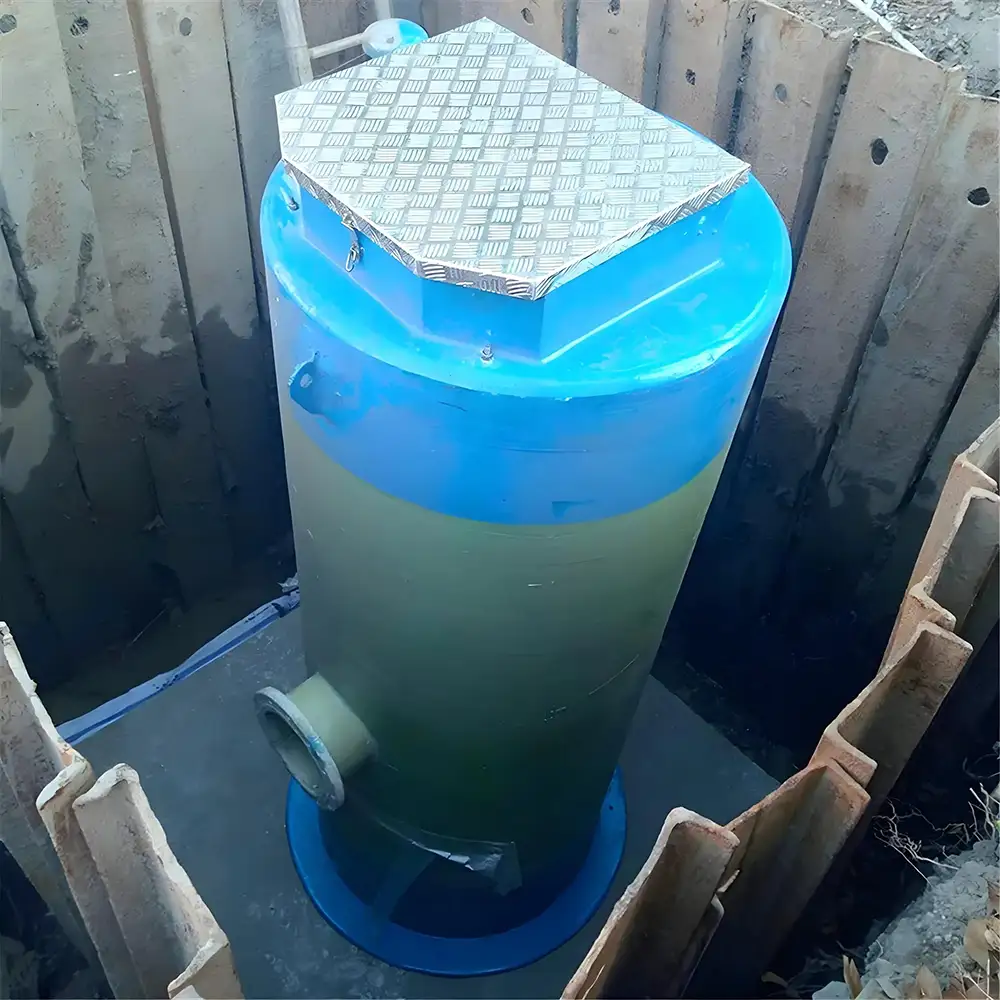
Pressure vessel or saturation tank
Pressure release device
Chemical dosing system
Coagulation and flocculation section
Surface skimmer
Sludge or float collection system
Treated-water outlet
Electrical control cabinet
The exact configuration depends on the flotation technology, wastewater flow rate, contaminant characteristics, and required treatment process.
DAF systems may use either full-flow pressurization or recycle-flow pressurization. In recycle pressurization, part of the clarified effluent is pressurized and saturated with air before being returned to the flotation process, which can reduce the amount of wastewater that needs to be pressurized.
Industrial Wastewater Treatment Applications
Air Flotation Machines can be integrated into many industrial wastewater treatment systems. Common applications include:
Food and Beverage Wastewater:
Removal of fats, oils, grease, suspended solids, and organic-rich floatable materials.
Dairy Wastewater:
Separation of milk solids, fats, proteins, and suspended particles before biological treatment.
Meat and Slaughterhouse Wastewater:
Removal of blood, fat, grease, suspended solids, and other flotation-friendly contaminants.
Oil and Petrochemical Wastewater:
Separation of free oil, dispersed oil, hydrocarbons, and suspended solids.
Pulp and Paper Wastewater:
Removal of fibers, suspended solids, and other floating or low-density materials.
Metalworking Wastewater:
Treatment of oily wastewater containing suspended particles and machining fluids.
Chemical and Industrial Wastewater:
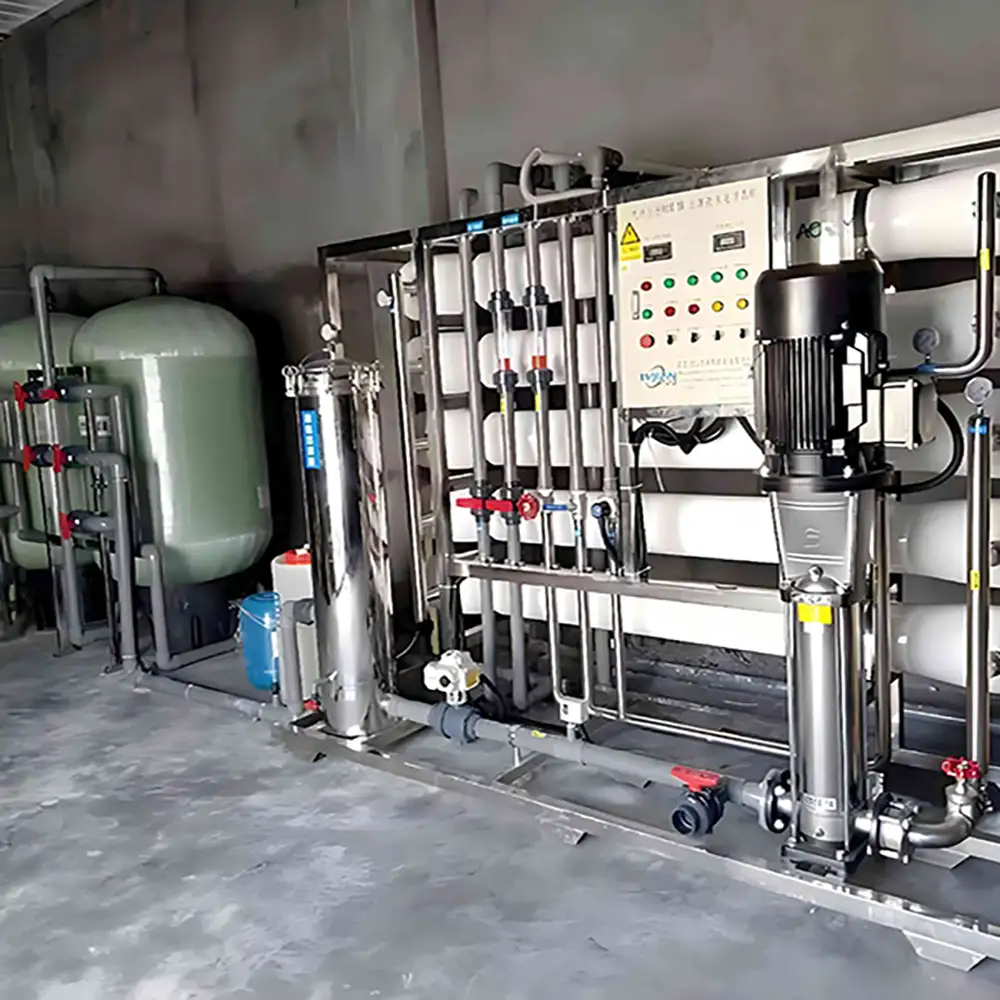
Pretreatment and clarification before biological, filtration, membrane, or advanced oxidation processes.
Compact Solid-Liquid Separation
Compared with conventional sedimentation, flotation can be advantageous where contaminants have low density or settle slowly. Air flotation also provides a concentrated surface float that can be mechanically removed.
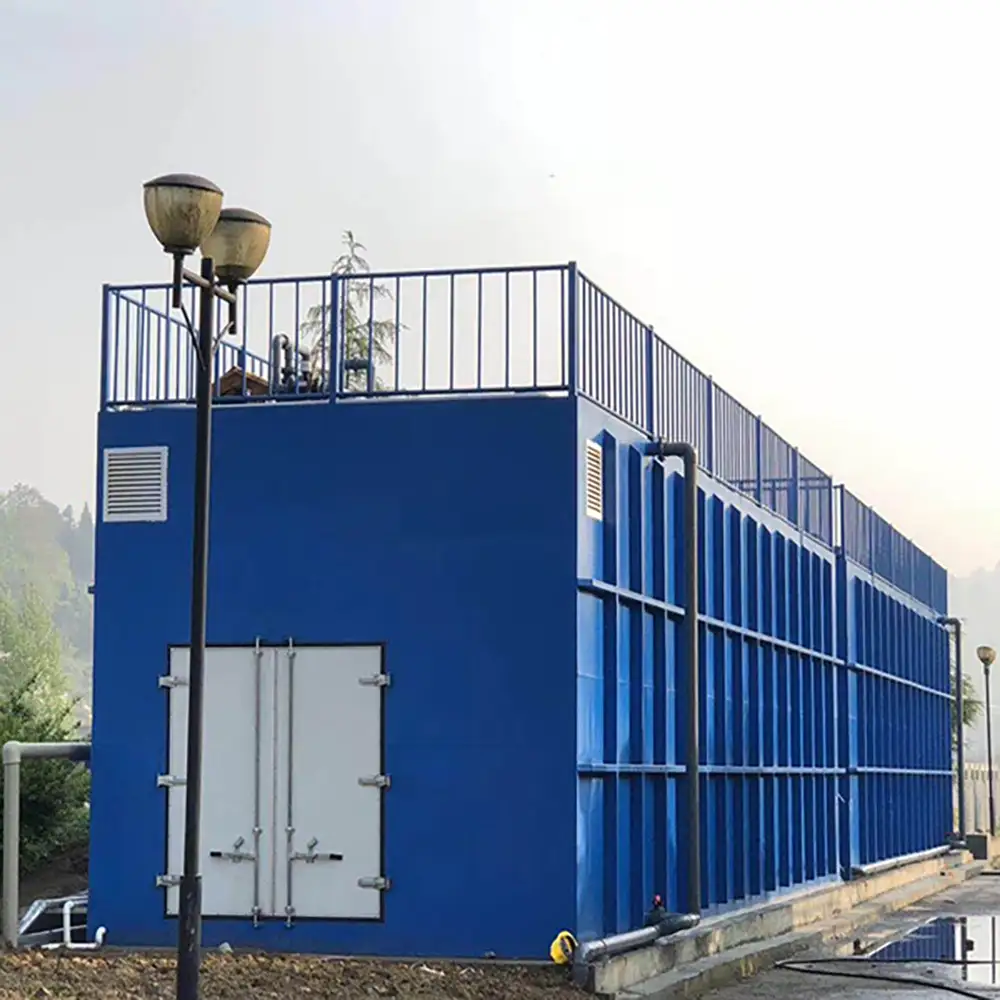
For industrial facilities with limited space, compact flotation equipment can be incorporated into modular wastewater treatment lines. Equipment can be configured as a standalone unit or integrated with equalization, chemical dosing, biological treatment, filtration, sludge dewatering, and other process equipment.
Integration With Complete Wastewater Treatment Systems
An Air Flotation Machine is usually not a complete treatment solution for every wastewater stream. Instead, it can function as part of a larger treatment process.
A typical industrial wastewater treatment line may include:
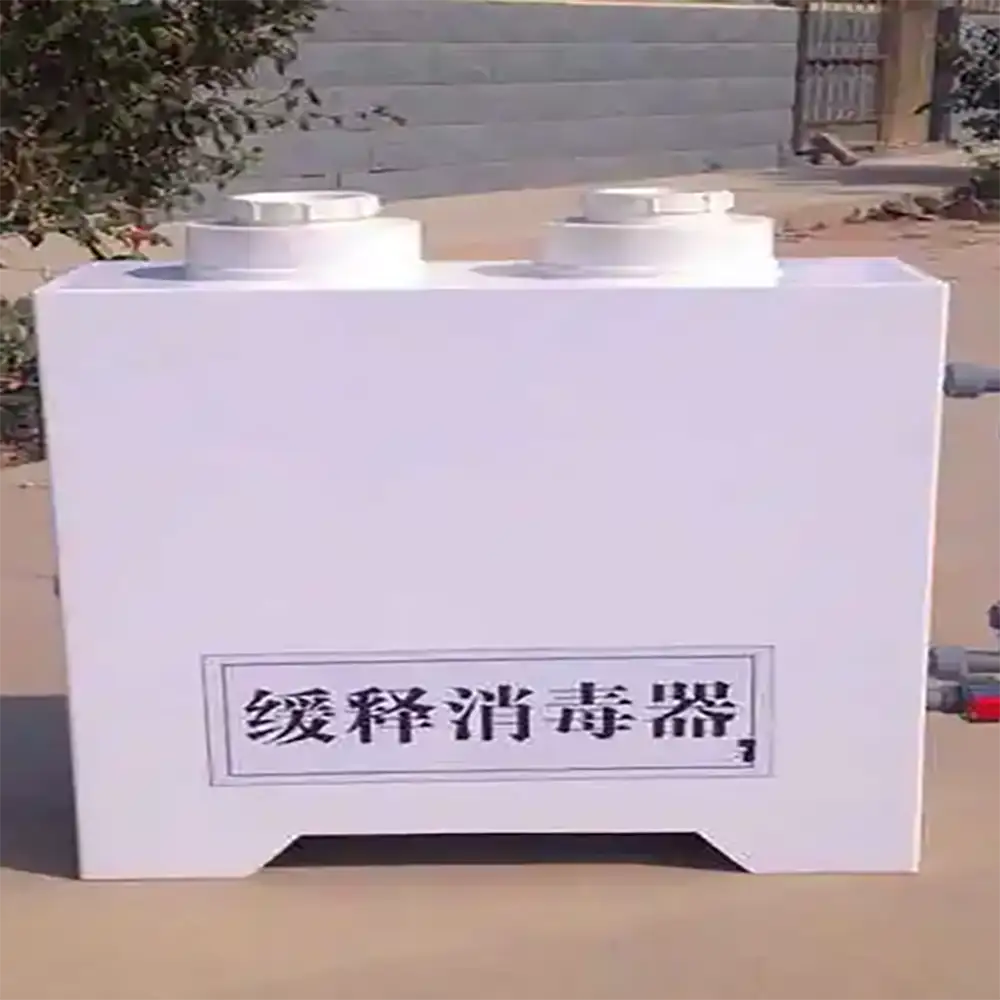
Screening → Equalization → pH Adjustment → Coagulation → Flocculation → Air Flotation → Biological Treatment → Filtration → Disinfection
For oily or high-solids wastewater, air flotation can reduce the contaminant load entering downstream biological treatment. In other applications, it may be installed after biological treatment as a clarification or polishing step.
The final process configuration should be selected according to wastewater flow, TSS, oil and grease concentration, COD/BOD, particle characteristics, pH, temperature, chemical requirements, discharge limits, and reuse objectives.
Operation and Maintenance
Routine maintenance is important for stable air flotation performance. Operators should inspect the recycle pump, pressure system, air supply, valves, bubble-generation components, scraper mechanism, sludge discharge, and chemical dosing equipment.
The flotation tank should also be checked for accumulated solids and abnormal float conditions. Chemical dosing should be adjusted according to actual wastewater characteristics rather than using a fixed dosage for every application.
For new projects, laboratory jar testing and pilot testing can help determine appropriate coagulation, flocculation, bubble generation, and hydraulic conditions before full-scale equipment selection.
Why Choose Us?
Industrial Wastewater Expertise: Equipment can be configured for different industrial wastewater characteristics and treatment objectives.
Flexible Process Design: Air flotation can be integrated with coagulation, flocculation, biological treatment, filtration, and sludge treatment.
Efficient Solid-Liquid Separation: Fine bubbles help separate suspended solids, oil, grease, and other flotation-friendly contaminants.
Compact Equipment Options: Suitable for industrial facilities where efficient treatment and practical equipment layout are important.
Customized Configuration: Tank dimensions, flow capacity, skimming system, recycle system, chemical dosing, and controls can be configured according to project requirements.
Complete Treatment Integration: The flotation unit can be incorporated into a complete wastewater treatment plant rather than operating as an isolated machine.
Easy Maintenance: Key components are designed for inspection, cleaning, adjustment, and routine servicing.
Application-Oriented Support: Equipment selection can be based on wastewater characteristics, hydraulic conditions, and downstream treatment requirements.
FAQs
1. What Is an Air Flotation Machine?
An Air Flotation Machine is wastewater treatment equipment that uses air bubbles to lift suspended solids, oil, grease, and other flotation-friendly contaminants to the water surface for removal.
2. Is an Air Flotation Machine the Same as a DAF Machine?
DAF means Dissolved Air Flotation. It is a specific type of air flotation technology in which air is dissolved under pressure and released to generate fine bubbles.
3. What Can an Air Flotation Machine Remove?
It can remove suspended solids, oil, grease, fats, fibers, and other contaminants that can effectively attach to air bubbles. Actual performance depends on wastewater characteristics and process conditions.
4. Can Air Flotation Remove Oil From Wastewater?
Yes. Air flotation is widely used for separating free and dispersed oil and grease from industrial wastewater.
5. Can It Remove Suspended Solids?
Yes. Fine and low-density suspended solids can be separated by attaching to air bubbles and floating to the surface.
6. Is Coagulation Required Before Air Flotation?
Not always. However, coagulation and flocculation are commonly used when wastewater contains fine, colloidal, or emulsified contaminants that benefit from chemical conditioning.
7. What Industries Use Air Flotation Equipment?
Applications include food processing, dairy, slaughterhouses, meat processing, petrochemical, oil-related industries, pulp and paper, metalworking, chemical manufacturing, and other industrial wastewater applications.
8. Can Air Flotation Be Used Before Biological Treatment?
Yes. It can serve as a pretreatment or primary clarification stage to reduce suspended solids, oil, grease, and other loads entering biological treatment.
9. Can Air Flotation Treat High-COD Wastewater?
It can remove some COD associated with suspended, emulsified, or flotation-friendly materials, but it does not generally replace biological or advanced treatment for dissolved organic pollutants.
10. How Is the Floating Sludge Removed?
A surface scraper or skimming mechanism collects the concentrated float layer and transfers it to a sludge or float collection system.
11. What Factors Affect Air Flotation Performance?
Important factors include wastewater flow, TSS concentration, oil and grease characteristics, particle size, pH, chemical dosage, bubble size, recycle ratio, hydraulic loading, and flotation retention conditions.
12. Can the Air Flotation Machine Be Customized?
Yes. Equipment configuration can be designed according to treatment capacity, wastewater characteristics, required separation performance, installation conditions, automation requirements, and the overall treatment process.
Prev:
Vertical Flow Dissolved Air Flotation Machine
Next:
Horizontal Flow Dissolved Air Flotation Machine
TAG:
Industrial Wastewater Treatment Equipment,
Suspended Solids Removal,
Dairy Wastewater Treatment,
Meat Processing Wastewater Treatment,
Food Processing Wastewater Treatment,
Industrial Wastewater Treatment System,
DAF Wastewater Treatment System,
Industrial Wastewater Treatment,
Industrial Sewage Treatment,
Solid Liquid Separation Equipment,
Chemical Wastewater Treatment,
Suspended Solids Removal Equipment,
Solid-Liquid Separation Equipment,
Oily Wastewater Treatment Equipment,
Wastewater Pretreatment Equipment,
Poultry Wastewater Treatment,
Slaughterhouse Wastewater Treatment,
Oil Removal Wastewater Treatment,
Oil Removal Equipment,
Industrial Wastewater Separation,
Oil Wastewater Treatment,
Industrial Sewage Treatment Equipment,
Solid-Liquid Separation System,
Solid-Liquid Separation,
Suspended Solids Separation,
Wastewater Pretreatment System,
Pulp And Paper Wastewater Treatment,
DAF Sludge Removal,
Flotation Sludge Removal,
Flotation Separation Equipment,
Related Category:
Air Flotation Machine,Air Flotation Equipment,Air Flotation System,Dissolved Air Flotation Machine,DAF Machine China, suppliers, manufacturers, factory, customized, wholesale, quotation, made in China