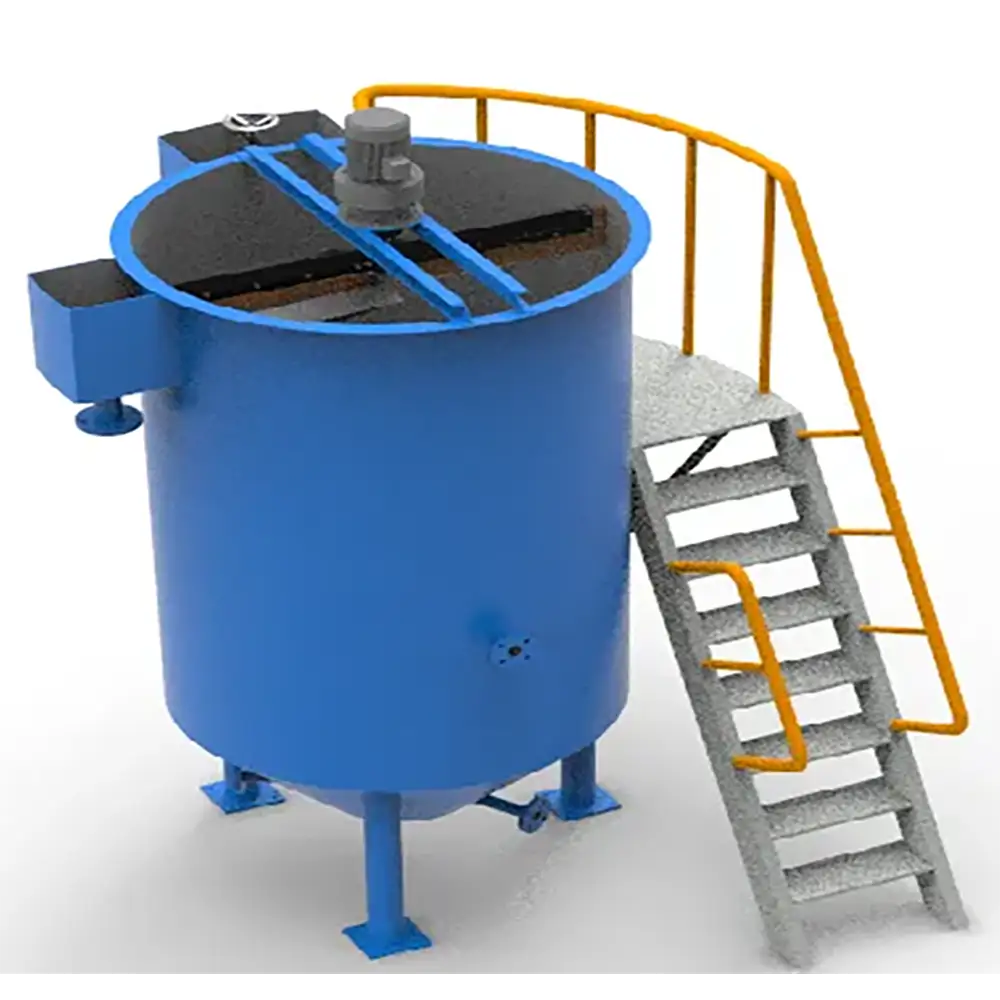
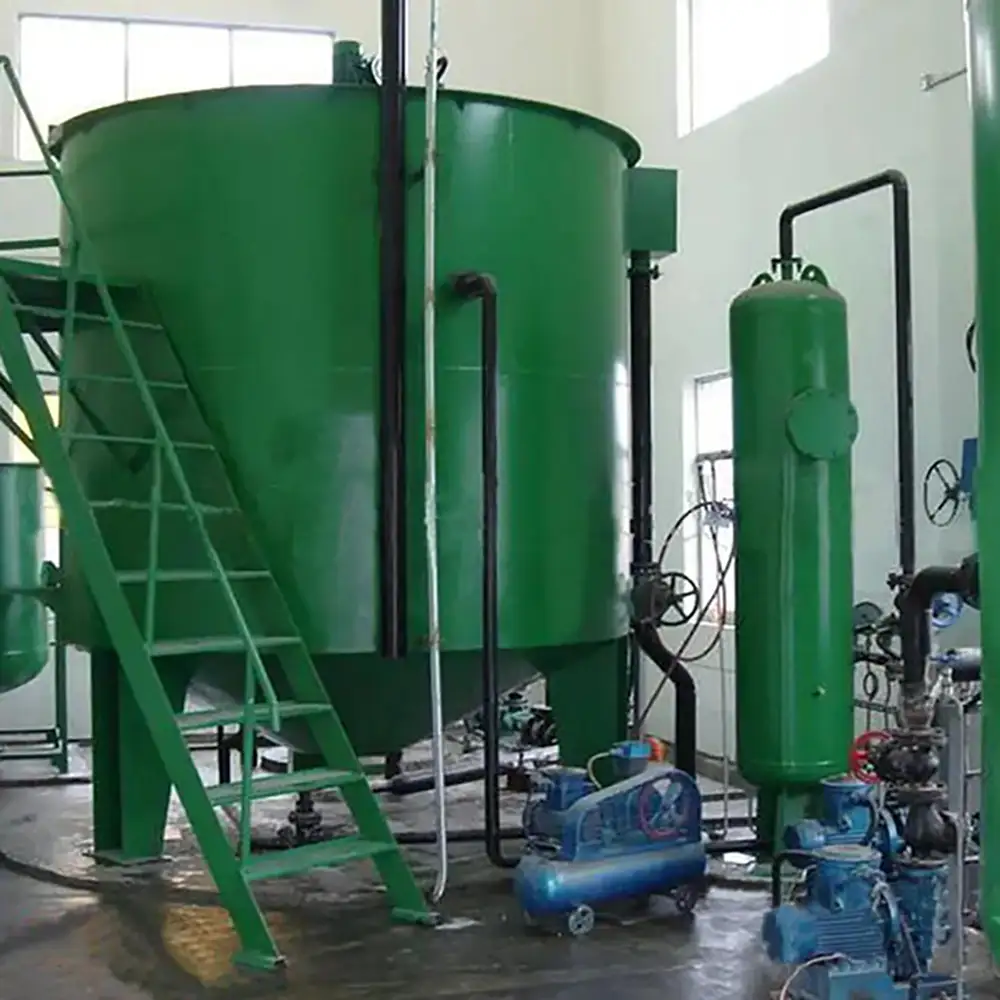
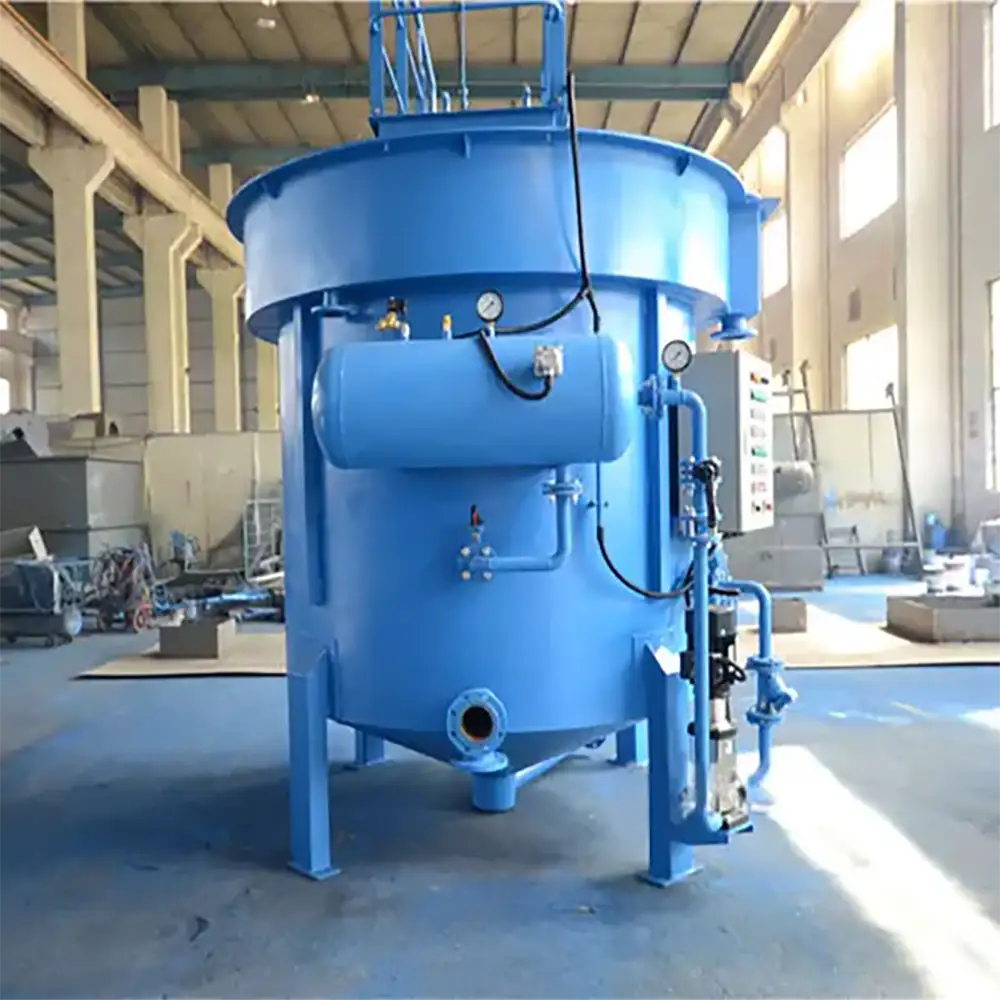
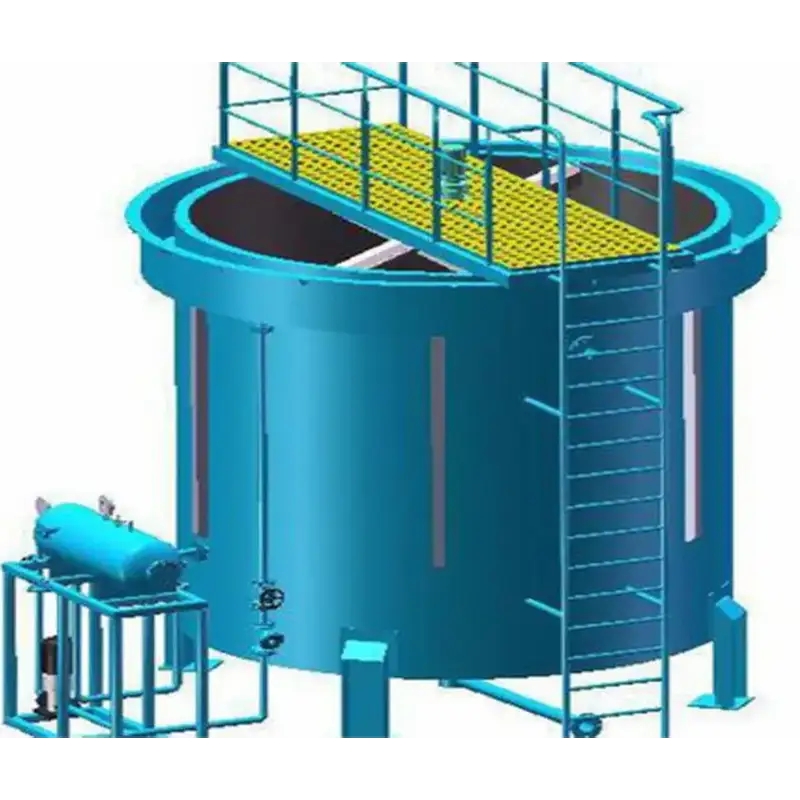
Vertical Flow Dissolved Air Flotation Machine
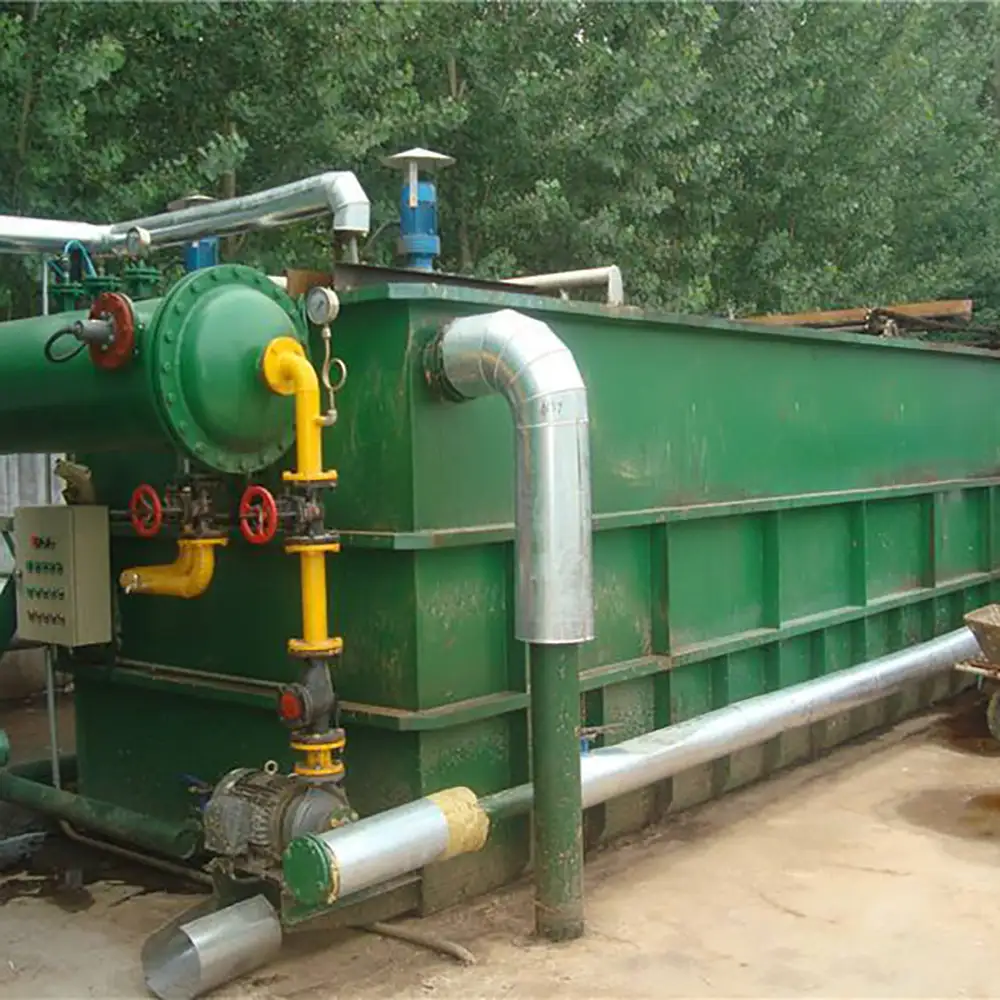
The Vertical Flow Dissolved Air Flotation Machine is an industrial wastewater treatment system designed to separate suspended solids, oil, grease, colloidal particles and other flotation-friendly contaminants from water. It uses the dissolved air flotation process, in which a portion of water is pressurized and saturated with air before being released into the flotation tank. The pressure reduction causes dissolved air to form fine bubbles that attach to particles and carry them upward to the water surface.
The floating material forms a concentrated scum layer that can be removed by a surface scraper, while clarified water is collected from the lower part of the separation zone. DAF is widely used for wastewater clarification and for separating oil and suspended solids that are difficult or slow to remove by gravity sedimentation.
What Is a Vertical Flow DAF Machine?
A Vertical Flow Dissolved Air Flotation Machine is a DAF system designed around an upward-flow flotation pattern. Instead of relying primarily on a long horizontal flow path, the wastewater moves through defined contact and separation zones with an upward component that allows air-bubble and particle aggregates to rise toward the surface.
Vertical-flow DAF configurations can provide a compact equipment footprint. Design references for vertical-flow flotation commonly use a relatively square plan arrangement compared with horizontal-flow systems, although the final dimensions and hydraulic conditions must be determined through engineering calculations for the specific application.
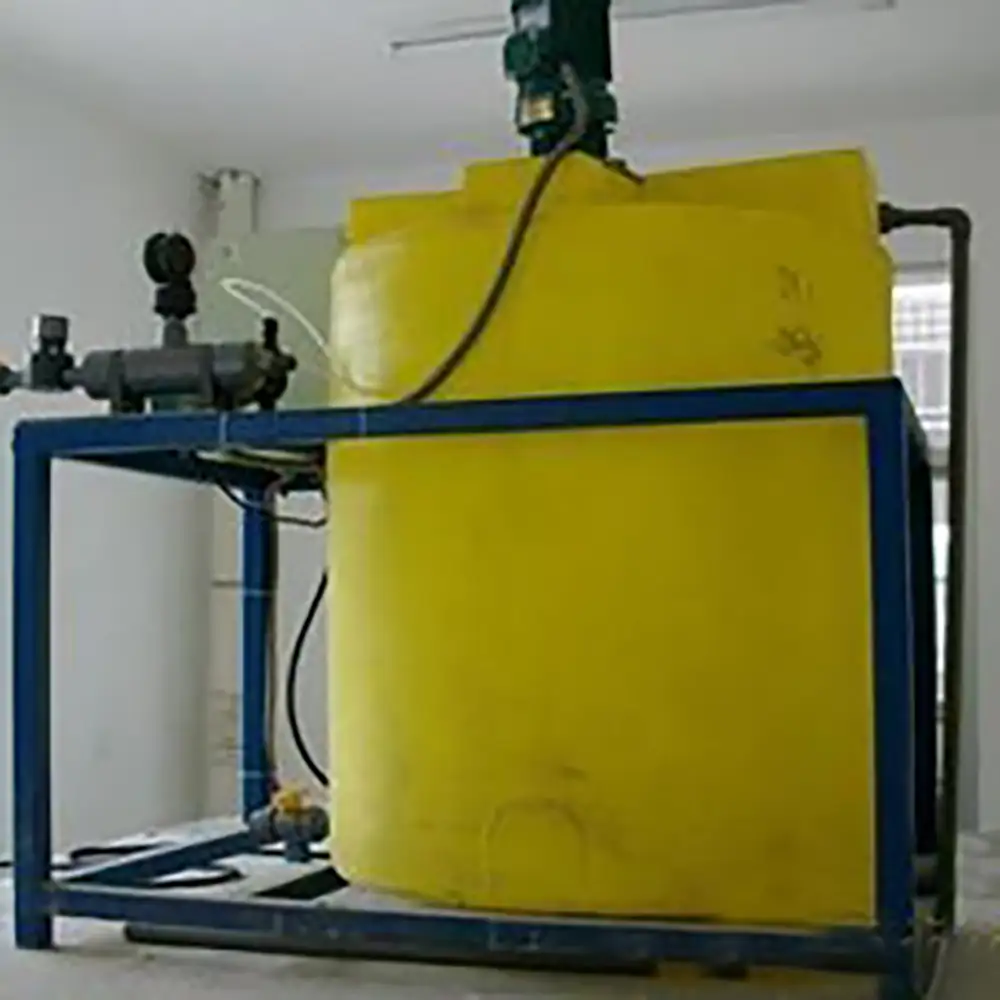
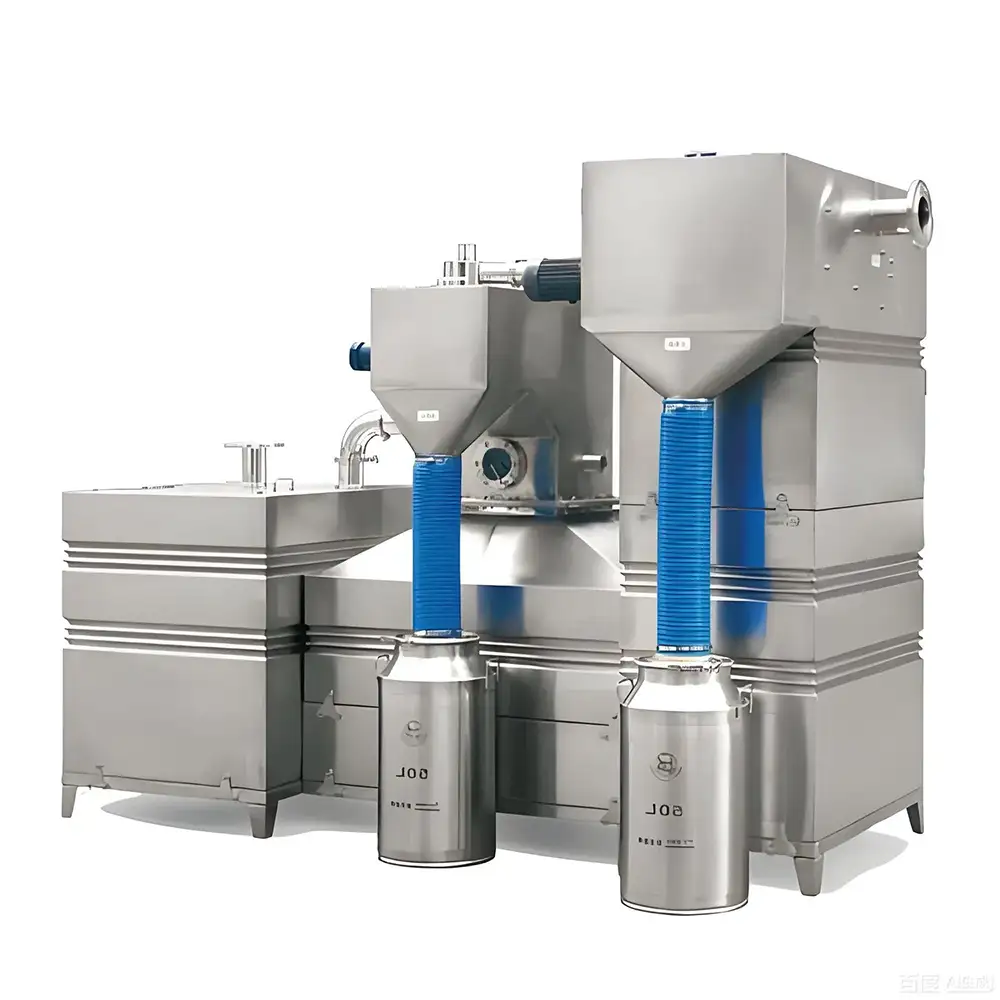
A complete system may include a flotation tank, recycle pump, air saturator or dissolved-air system, pressure-control components, inlet distribution system, surface scraper, scum collection trough, treated-water outlet and sludge discharge system.
How Dissolved Air Flotation Works
The DAF process begins with wastewater entering the pretreatment or coagulation-flocculation stage when chemical conditioning is required.
A portion of clarified water is normally recycled and pressurized with compressed air. Under elevated pressure, more air dissolves into the recycle water. When the pressurized water is released through a pressure-reducing device, the dissolved air comes out of solution as very small bubbles.
These microbubbles contact suspended particles and flocs in the flotation zone. When bubbles attach to particles, the resulting bubble-particle aggregates become sufficiently buoyant to rise toward the surface. A floating sludge or scum layer develops at the top of the flotation tank and is removed by a scraper.
The clarified water then leaves through the treated-water collection system for discharge or additional downstream treatment.
Vertical Flow Flotation Design
The vertical flow arrangement is particularly useful when a compact treatment layout is desired.
The flotation tank normally contains a contact zone where bubbles interact with suspended particles and a separation zone where bubble-particle aggregates rise and are collected. The hydraulic design needs to provide sufficient contact time and separation conditions without creating excessive turbulence.
Vertical-flow DAF design references commonly distinguish between the contacting zone and separation zone and consider parameters such as upward flow velocity, hydraulic retention time and surface loading. These parameters should be calculated according to wastewater characteristics and the selected equipment capacity.
A properly designed distribution system is important because uneven flow distribution can reduce flotation performance.
Oil and Grease Removal
One of the major applications of DAF technology is oil and grease separation.
Industrial wastewater from food processing, dairy operations, meat processing, petrochemical facilities and machinery manufacturing can contain oils, fats and grease that may not settle effectively through gravity.
Fine air bubbles can attach to oil droplets and other hydrophobic materials, increasing their buoyancy and carrying them toward the surface. The floating layer can then be collected by the scraper mechanism.
For emulsified oil or highly stable wastewater, coagulation, flocculation or chemical conditioning may be necessary before DAF. The required chemical program should be determined by wastewater testing rather than assuming one dosage for every application.
Suspended Solids Removal
Vertical flow DAF equipment is also suitable for suspended solids separation.
Fine particles, low-density solids and colloidal flocs can sometimes settle slowly in conventional clarifiers. DAF changes the separation mechanism from downward settling to upward flotation.
When suitable flocs are formed, microbubbles attach to the particles and lift them toward the surface. This makes DAF particularly useful for wastewater streams containing light suspended solids, oil-containing particles, biological solids and other materials with favorable flotation characteristics.
The actual removal performance depends on particle size, density, surface properties, wastewater chemistry, bubble distribution and hydraulic loading.
Coagulation and Flocculation Before DAF
Many industrial DAF systems are integrated with coagulation and flocculation.
Coagulants can destabilize colloidal particles and reduce the repulsive forces that keep small particles dispersed. Flocculants can then promote the formation of larger flocs that are easier for microbubbles to capture.
A typical process may be:
Screening → Equalization → pH Adjustment → Coagulation → Flocculation → Vertical Flow DAF → Biological Treatment
The actual process can be simplified or expanded depending on wastewater characteristics.
Chemical conditioning is especially useful when the wastewater contains fine colloids, emulsified oils or suspended particles that are difficult to separate by flotation alone. DAF research and technical references emphasize the importance of bubble-particle interactions and particle surface characteristics in flotation performance.
Main Components
A Vertical Flow Dissolved Air Flotation Machine may include:
Flotation Tank
Contact Zone
Separation Zone
Dissolved Air Saturation System
Recycle Pump
Air Compressor
Pressure Release Valve
Water Distribution System
Surface Sludge Scraper
Scum Collection Trough
Sludge Discharge Outlet
Treated Water Collection System
Electrical Control Cabinet
The exact configuration depends on capacity, wastewater characteristics and whether chemical pretreatment or additional treatment stages are required.
Advantages of Vertical Flow DAF
Compact Layout: Vertical flow can provide an efficient equipment arrangement where floor space is limited.
Effective Flotation: Microbubbles provide a mechanism for separating light and slow-settling contaminants.
Oil and Grease Separation: Suitable for many oily wastewater and food-processing wastewater applications.
Suspended Solids Removal: Can separate fine suspended particles and chemically formed flocs.
Flexible Pretreatment: Coagulation and flocculation can be integrated when required.
Surface Sludge Collection: Floating solids can be continuously or periodically removed by a scraper.
Downstream Protection: DAF can reduce suspended solids and oil loading before biological treatment, filtration or membrane processes.
Industrial Applications: The technology can be adapted to many industrial wastewater treatment processes.
DAF is commonly positioned as a pretreatment or primary separation stage before biological treatment, filtration, membrane treatment or other downstream processes.
Industrial Wastewater Applications
Vertical Flow Dissolved Air Flotation Machines can be considered for various industrial wastewater applications, including:
Food Processing Wastewater
DAF can help separate fats, oils, grease and suspended organic solids.
Dairy Wastewater
The system can be used for separating milk fats, suspended solids and coagulated organic matter.
Slaughterhouse Wastewater
DAF can provide pretreatment for suspended solids, fats, oils and grease before biological treatment.
Petrochemical Wastewater
Oil-containing wastewater may benefit from flotation-based separation when the contaminants have suitable flotation characteristics.
Paper and Pulp Wastewater
DAF can help remove fibers, suspended solids and other flotation-friendly particles.
Textile and Dyeing Wastewater
When suitable chemical conditioning is applied, DAF can separate coagulated color bodies and suspended solids.
Machinery and Metalworking Wastewater
DAF can be used for oily wastewater containing suspended metal particles and other solids.
The suitability of DAF should always be confirmed by wastewater characterization and, for challenging streams, laboratory or pilot testing.
Integration With Biological Treatment
DAF is often used before biological treatment to reduce the pollutant load entering downstream biological reactors.
For example:
Industrial Wastewater → Screening → Equalization → Coagulation → Flocculation → Vertical Flow DAF → MBBR/A/O → Secondary Clarification → Filtration → Disinfection
This process allows the DAF unit to focus on suspended solids, oil, grease and other flotation-friendly pollutants, while biological treatment addresses biodegradable dissolved organic matter.
For applications with high COD caused primarily by dissolved refractory compounds, DAF alone may not provide sufficient treatment. Additional biological, oxidation, adsorption, membrane or other advanced treatment processes may be required.
Operation and Maintenance
Stable operation requires routine inspection of the recycle system, pressure components, scraper mechanism, pumps, air compressor and control system.
The air saturation system should be monitored to maintain stable dissolved-air production. Pressure fluctuations can affect bubble generation and flotation performance.
The scraper should be checked regularly to ensure that floating sludge moves efficiently into the scum collection trough.
Sludge discharge points should also be inspected to prevent excessive accumulation of solids.
If chemicals are used, operators should monitor pH, coagulant dosage, polymer dosage and floc formation. Jar testing can help optimize chemical conditions when wastewater characteristics change.
Why Choose Us
Vertical Flow DAF Design: Equipment is designed around a compact vertical-flow flotation configuration.
Efficient Solid-Liquid Separation: Suitable for suspended solids, oils, grease and flotation-friendly contaminants.
Compact Footprint: Vertical-flow arrangements can help reduce the required floor area for suitable applications.
Integrated Chemical Pretreatment: Coagulation and flocculation stages can be incorporated according to wastewater requirements.
Flexible Industrial Applications: Suitable configurations can be developed for food, dairy, slaughterhouse, petrochemical, paper, textile and machinery wastewater.
Reliable Surface Skimming: Mechanical scraping provides controlled removal of floating sludge and scum.
Process Integration: The DAF unit can be installed before biological treatment, filtration, membrane treatment or other downstream processes.
Project-Based Design: Equipment capacity and configuration can be selected according to wastewater flow, pollutant characteristics, treatment objectives and site conditions.
FAQs
1. What Is a Vertical Flow Dissolved Air Flotation Machine?
It is a DAF wastewater treatment machine designed with an upward-flow flotation arrangement to separate suspended solids, oil, grease and other flotation-friendly contaminants.
2. How Does Vertical Flow DAF Work?
Pressurized recycle water is saturated with air and then released through a pressure-reduction system. The dissolved air forms microbubbles that attach to suspended particles and lift them toward the surface for removal.
3. What Contaminants Can DAF Remove?
DAF can be used to separate suspended solids, oils, grease, colloidal flocs, fibers, biological solids and other contaminants with suitable flotation characteristics.
4. Is Vertical Flow DAF Different From Horizontal Flow DAF?
Yes. The primary difference is the hydraulic flow arrangement and tank geometry. Vertical-flow designs emphasize upward flow and can use a more compact plan configuration.
5. Can It Remove Oil and Grease?
Yes. DAF is commonly used for oil and grease separation, especially when the oil or grease can attach to the generated microbubbles.
6. Does DAF Require Coagulants?
Not always. Some wastewater can be treated without chemical conditioning, while fine colloids, emulsified oils and difficult suspended solids may benefit from coagulation and flocculation.
7. Can It Be Used Before an MBBR System?
Yes. DAF can serve as pretreatment before MBBR or another biological process by reducing suspended solids, oil and grease loading.
8. What Is the Purpose of the Recycle Pump?
The recycle pump sends part of the clarified water to the air saturation system, where it is pressurized and saturated with air before being returned to the flotation tank.
9. How Is Floating Sludge Removed?
A surface scraper moves the floating sludge layer toward a scum collection trough, where the concentrated solids are discharged for further handling.
10. Can Vertical Flow DAF Treat Industrial Wastewater?
Yes. It can be considered for food processing, dairy, slaughterhouse, petrochemical, paper, textile, machinery and other industrial wastewater applications.
11. What Maintenance Does a DAF Machine Need?
Regular inspection of the recycle pump, air saturation system, pressure controls, scraper, sludge outlets, valves and electrical components is recommended.
12. How Should I Select a Vertical Flow DAF Machine?
Selection should consider wastewater flow, peak flow, suspended solids, oil and grease, particle characteristics, pH, temperature, chemical requirements and target effluent quality. Laboratory or pilot testing is recommended for difficult wastewater.
Prev:
Vortex Concave Air Flotation Machine
Next:
Air Flotation Machine
TAG:
Industrial Wastewater Treatment Equipment,
Suspended Solids Removal,
DAF Oil Separation,
Dairy Wastewater Treatment,
Meat Processing Wastewater Treatment,
Food Processing Wastewater Treatment,
Industrial Wastewater Treatment System,
DAF Wastewater Treatment System,
Industrial Wastewater Treatment,
Industrial Sewage Treatment,
Solid Liquid Separation Equipment,
Chemical Wastewater Treatment,
Suspended Solids Removal Equipment,
Solid-Liquid Separation Equipment,
Oily Wastewater Treatment Equipment,
Wastewater Pretreatment Equipment,
Poultry Wastewater Treatment,
Slaughterhouse Wastewater Treatment,
Oil Removal Wastewater Treatment,
Oil Removal Equipment,
Oil Wastewater Treatment,
Industrial Sewage Treatment Equipment,
Solid-Liquid Separation System,
Industrial Wastewater Pretreatment,
Suspended Solids Separation,
Wastewater Pretreatment System,
Pulp And Paper Wastewater Treatment,
DAF Sludge Removal,
Flotation Sludge Removal,
Wastewater Scum Removal,
Related Category:
Vertical Flow Dissolved Air Flotation Machine,Vertical Flow DAF Machine,Vertical Flow Dissolved Air Flotation China, suppliers, manufacturers, factory, customized, wholesale, quotation, made in China