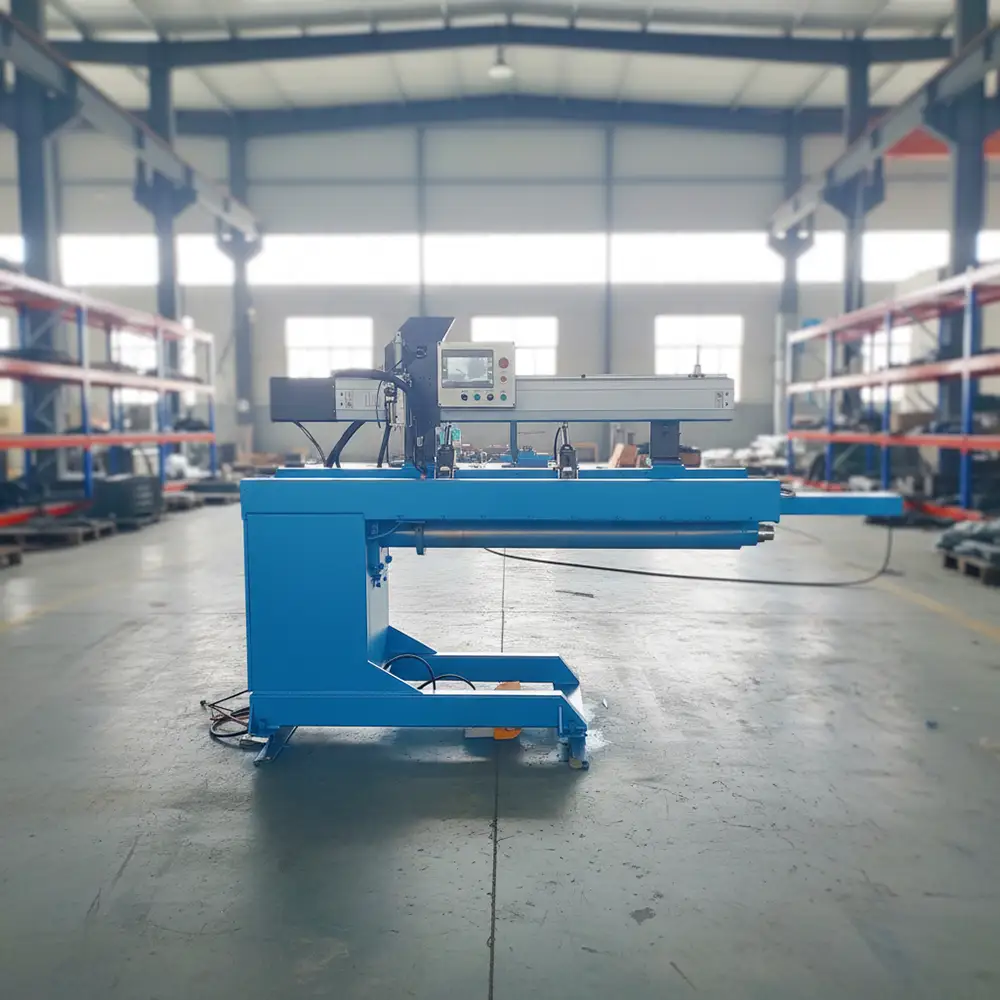
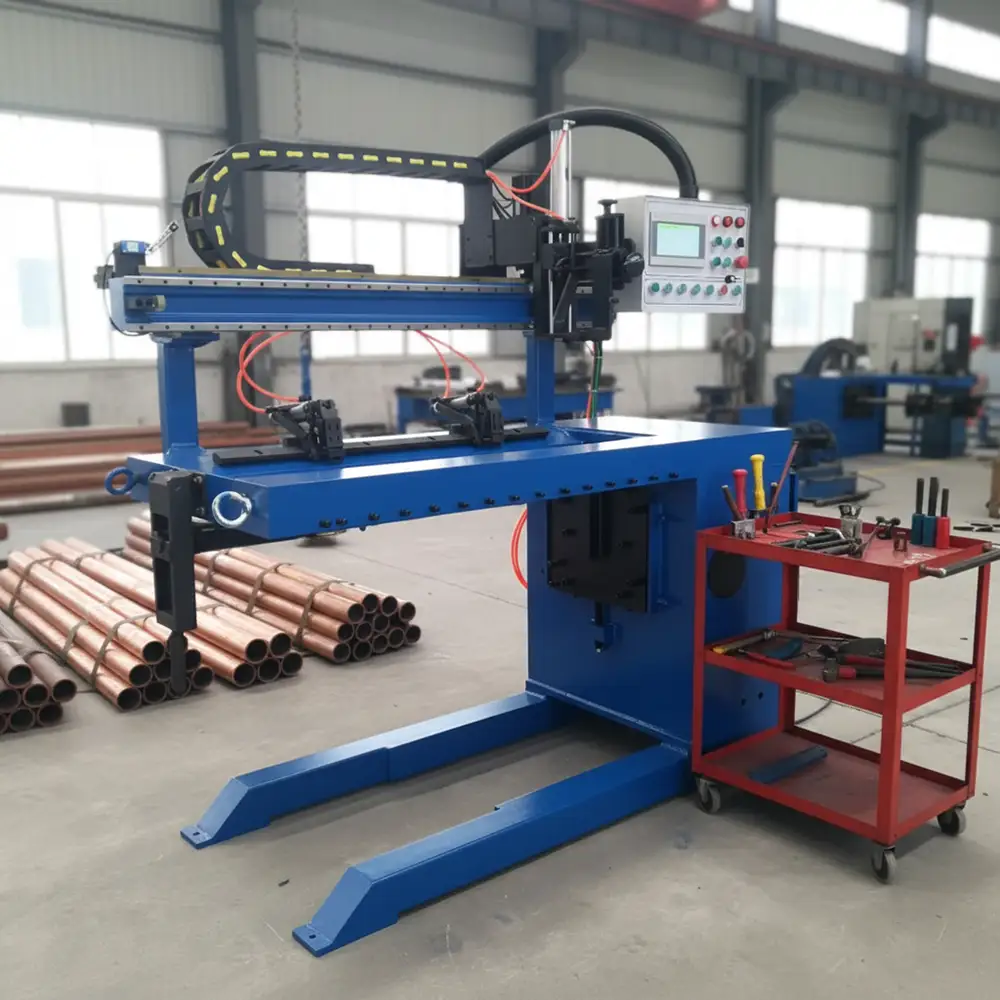
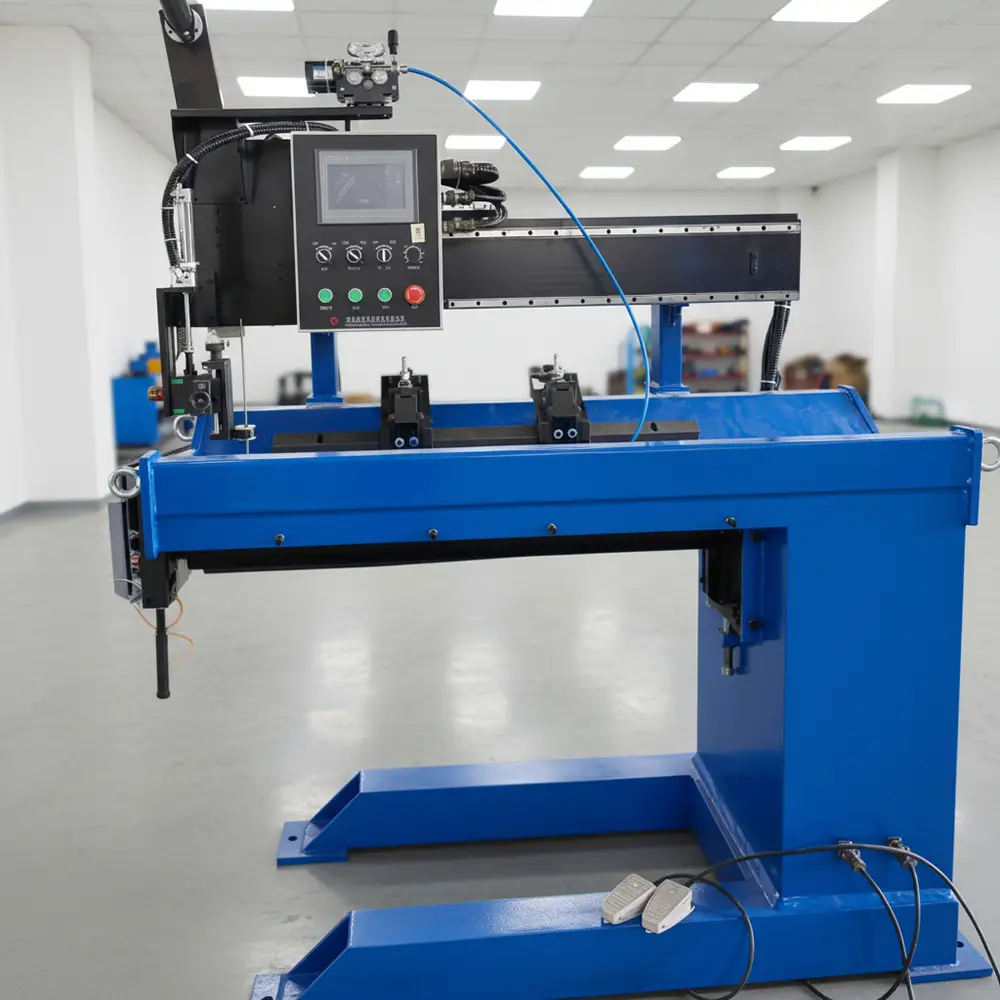
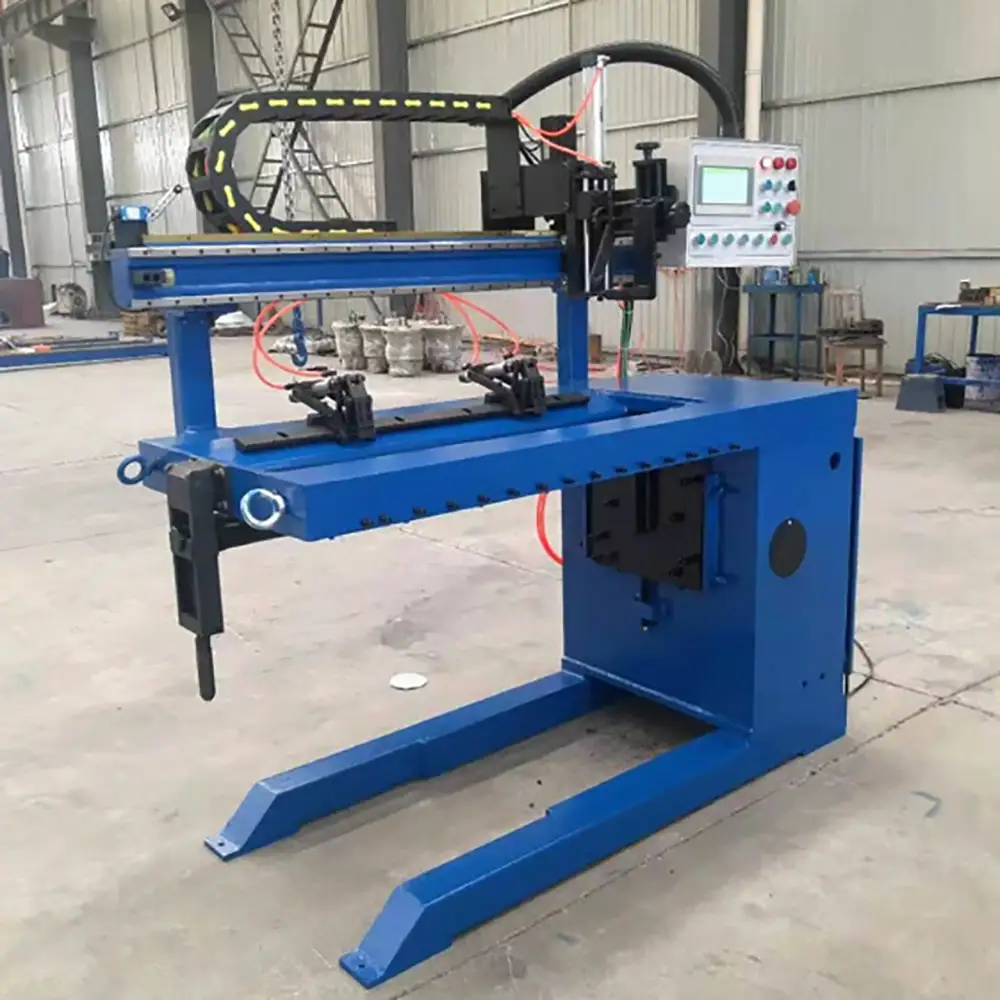
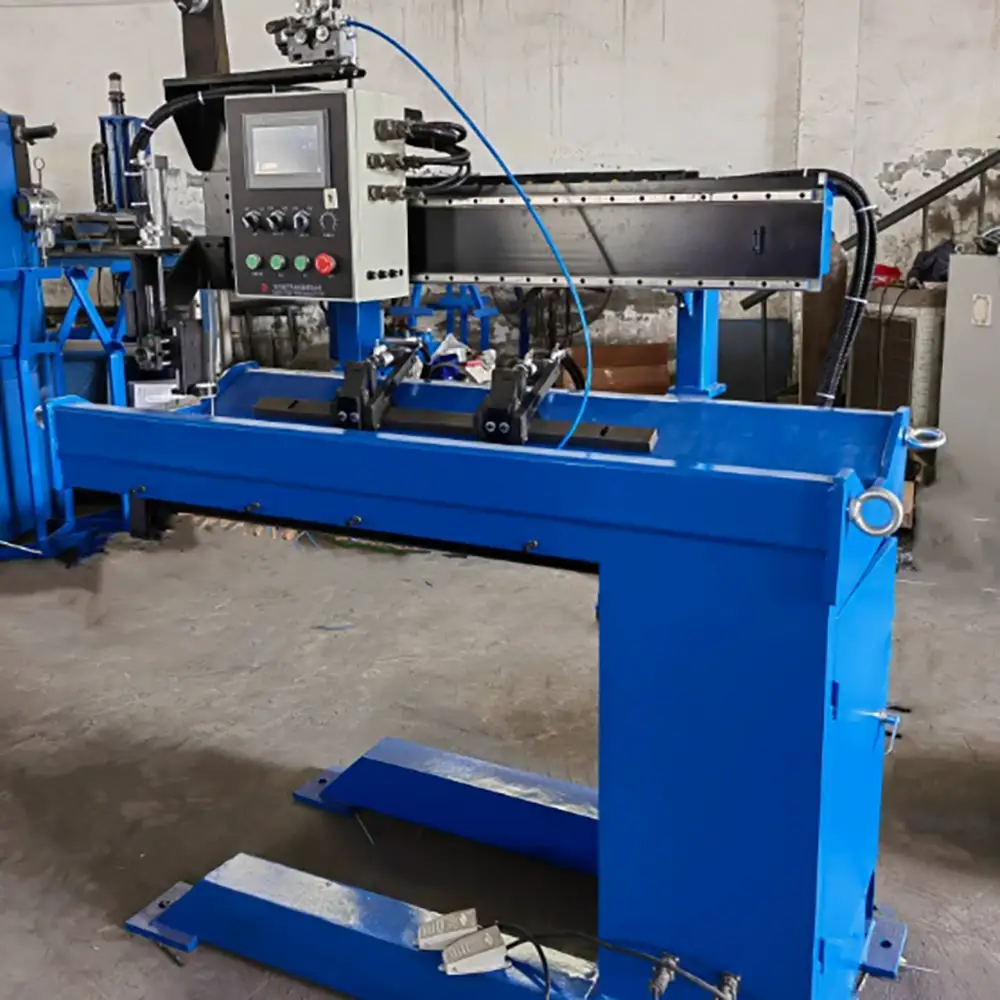
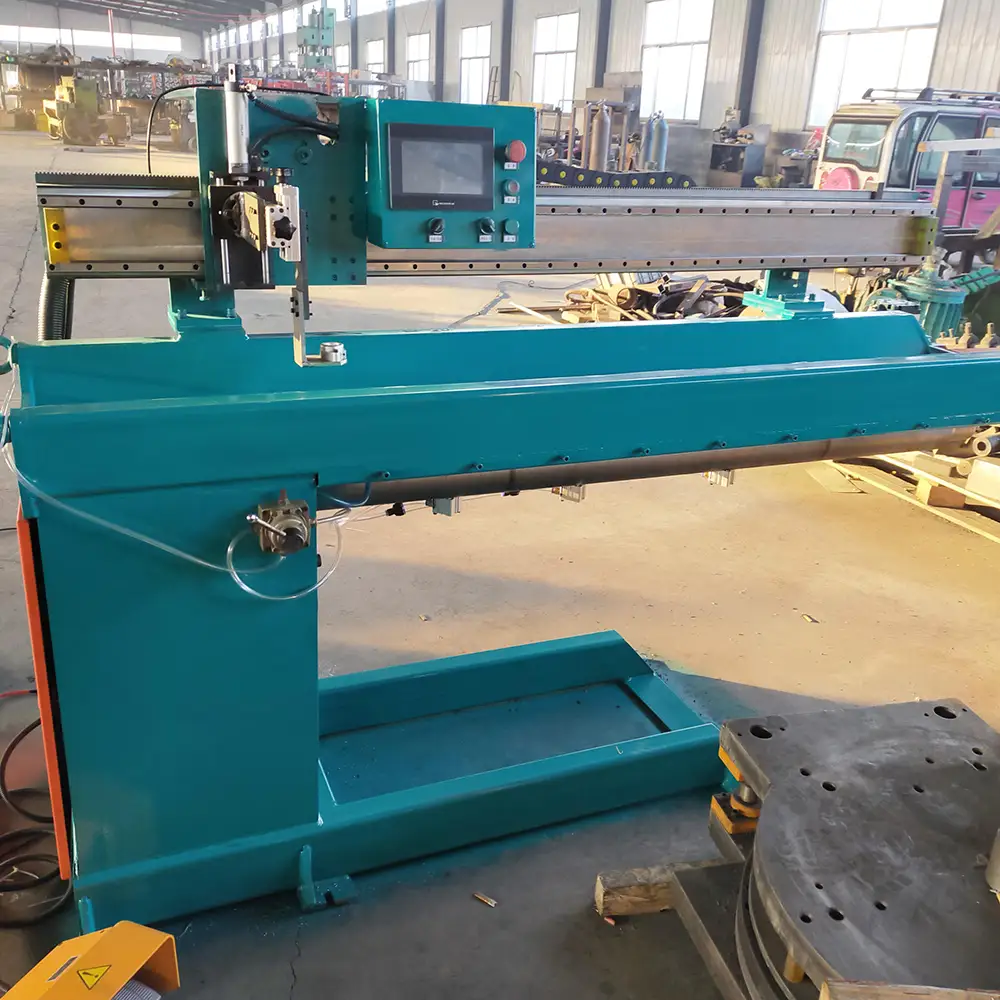
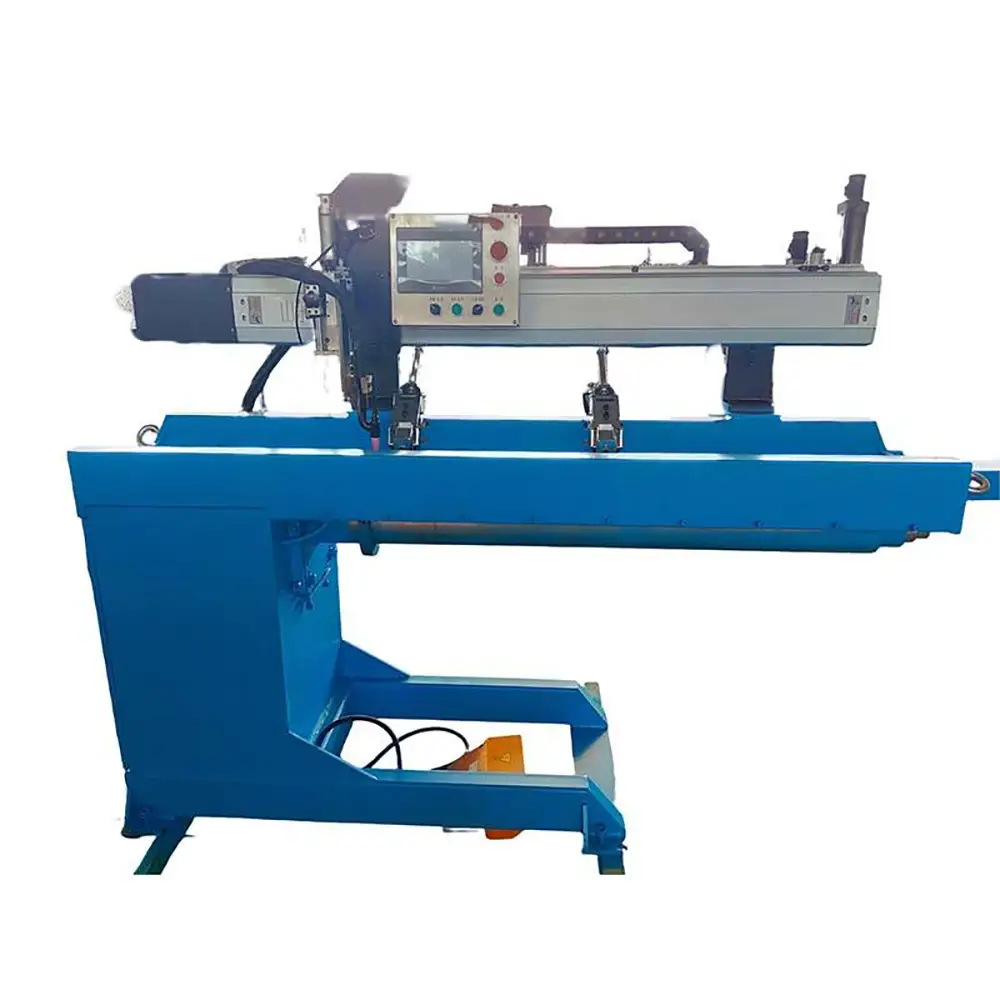
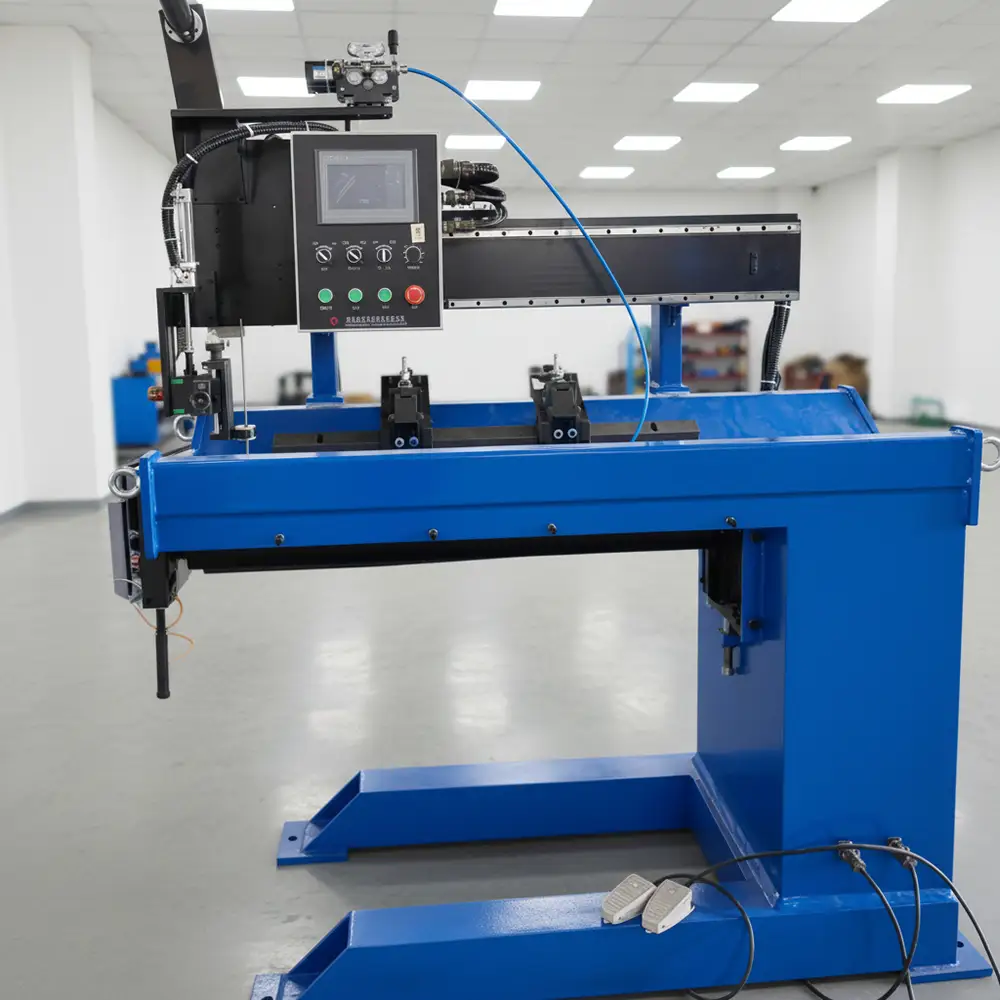
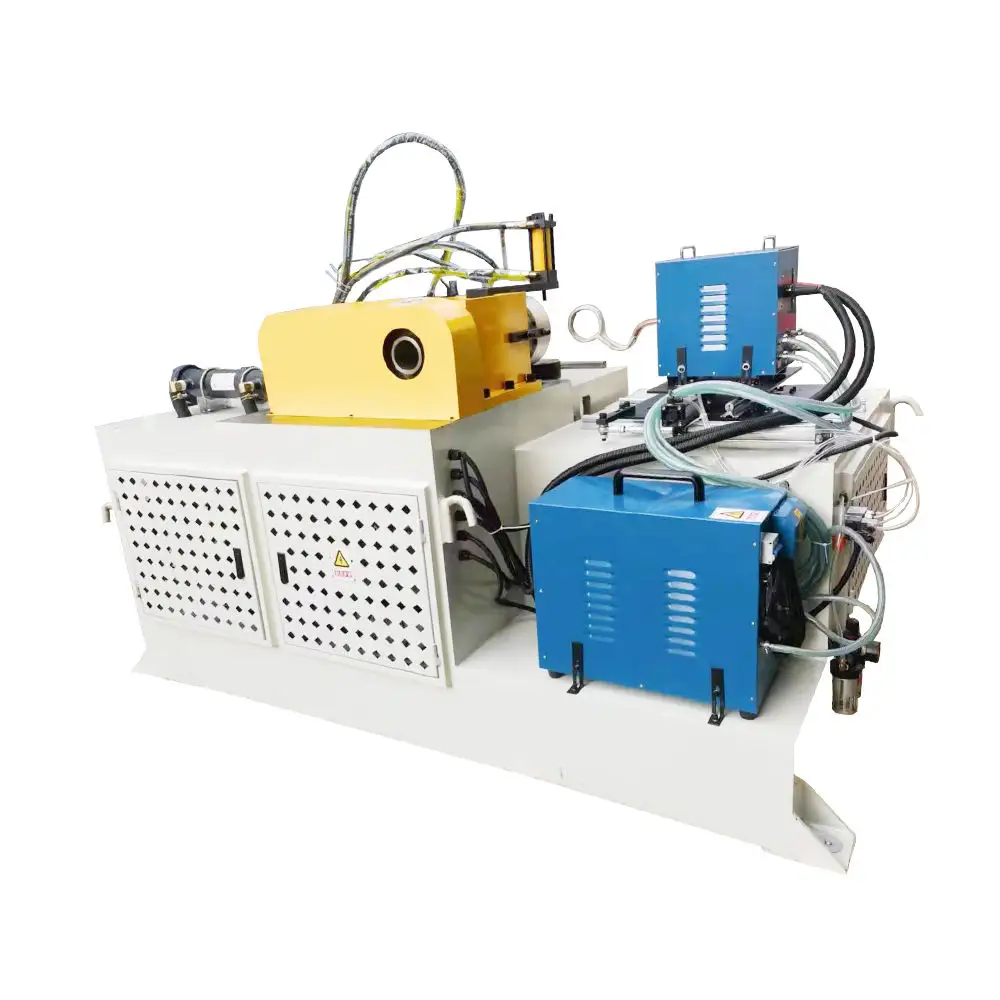
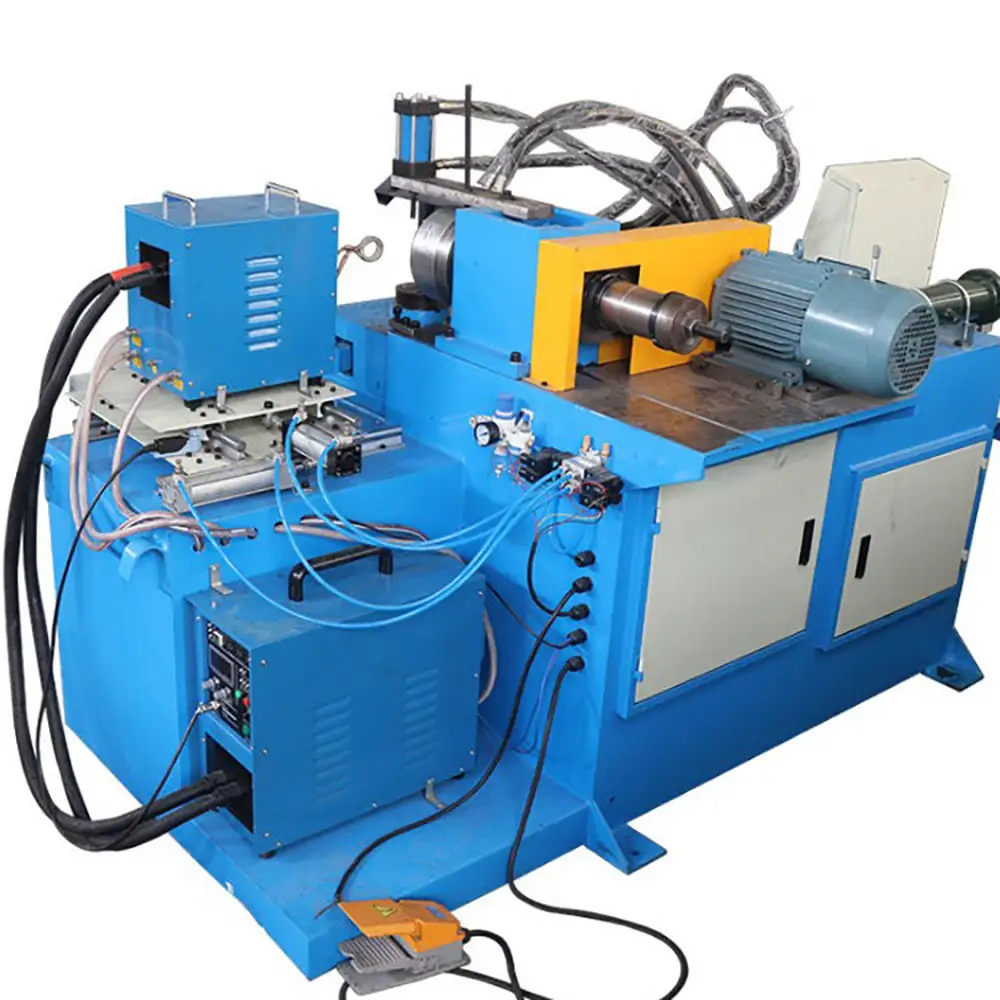
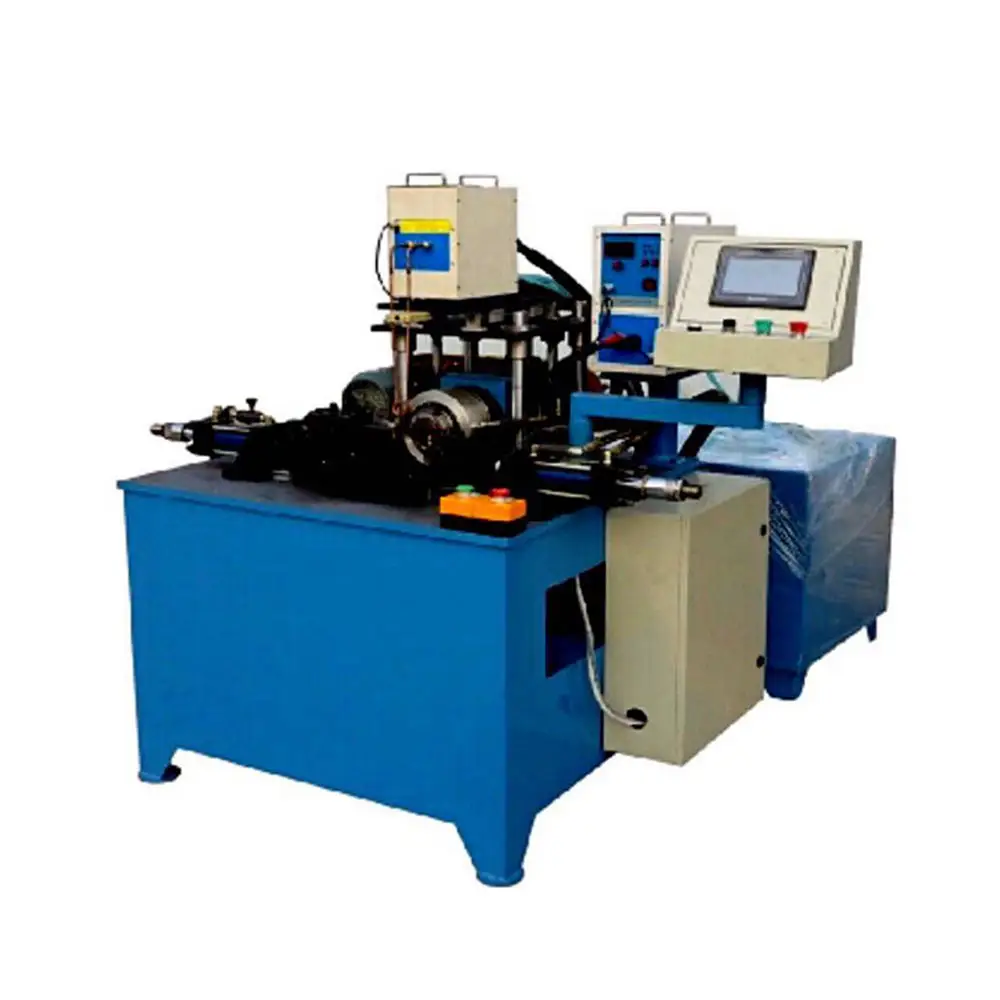
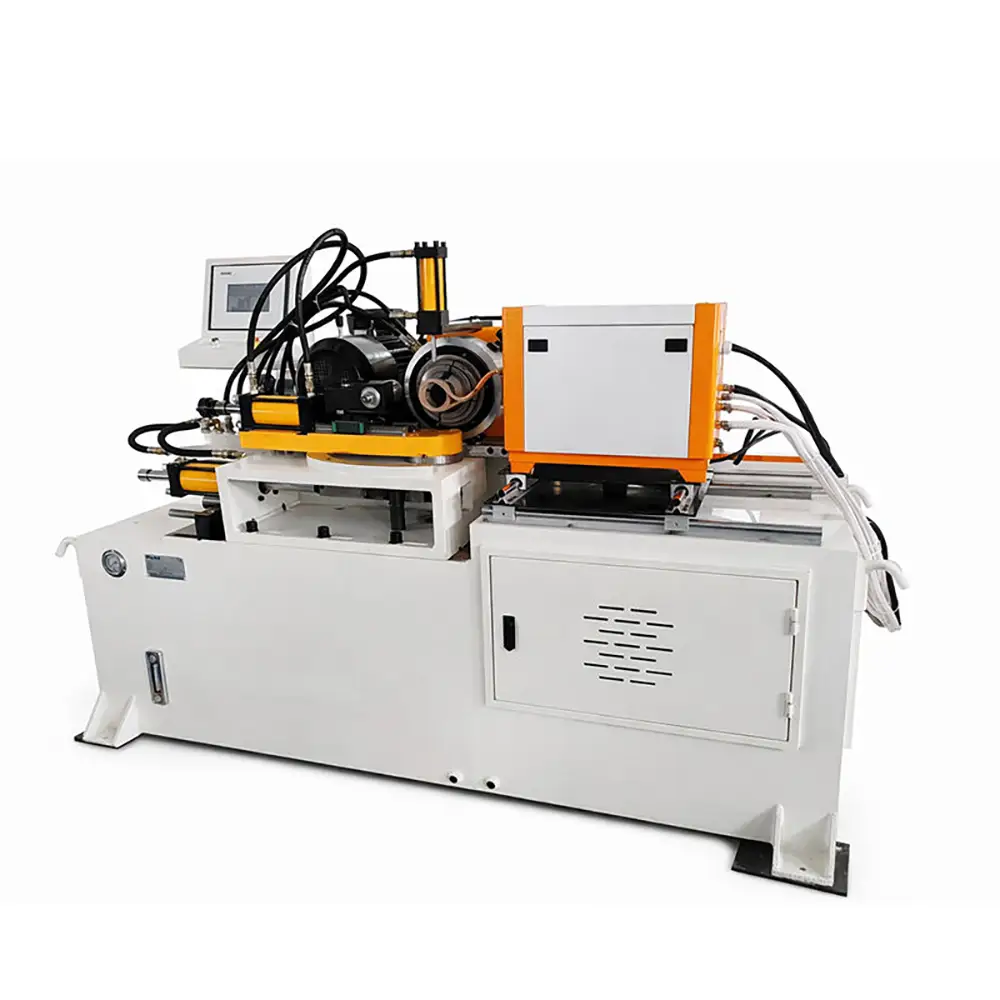
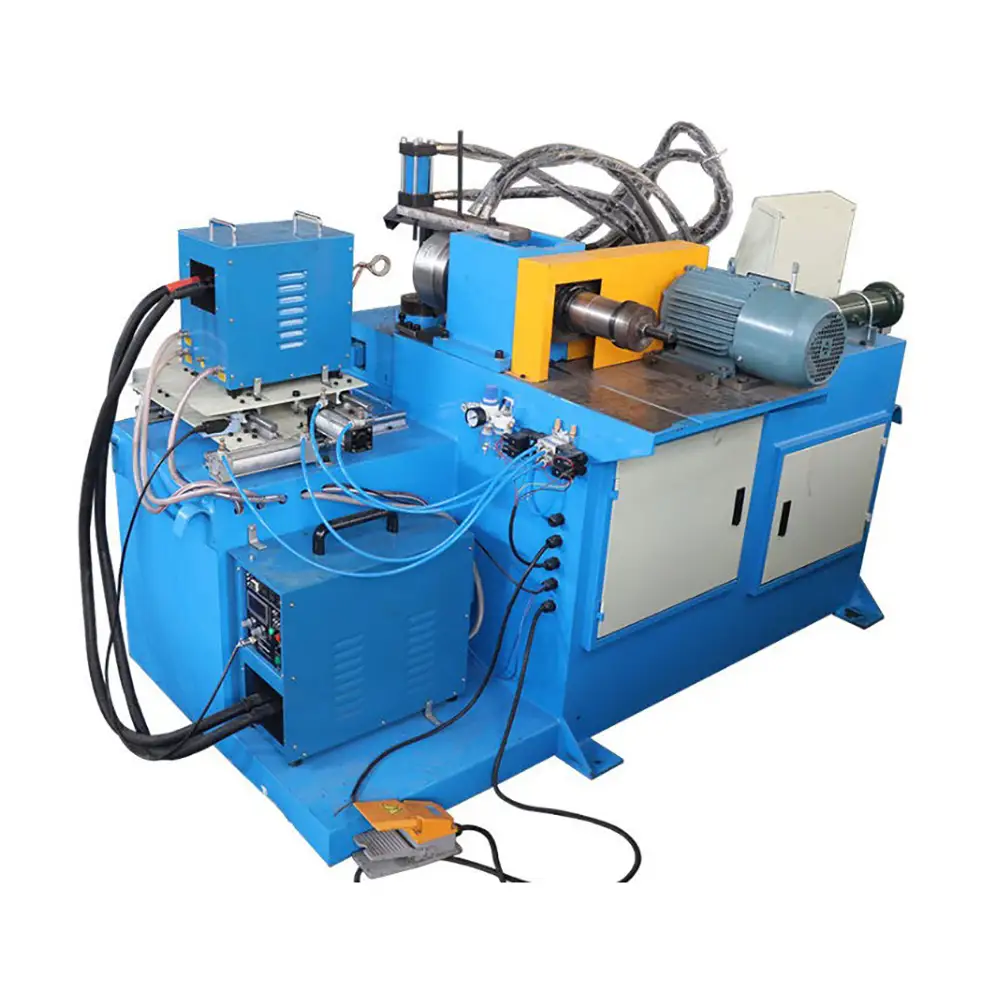
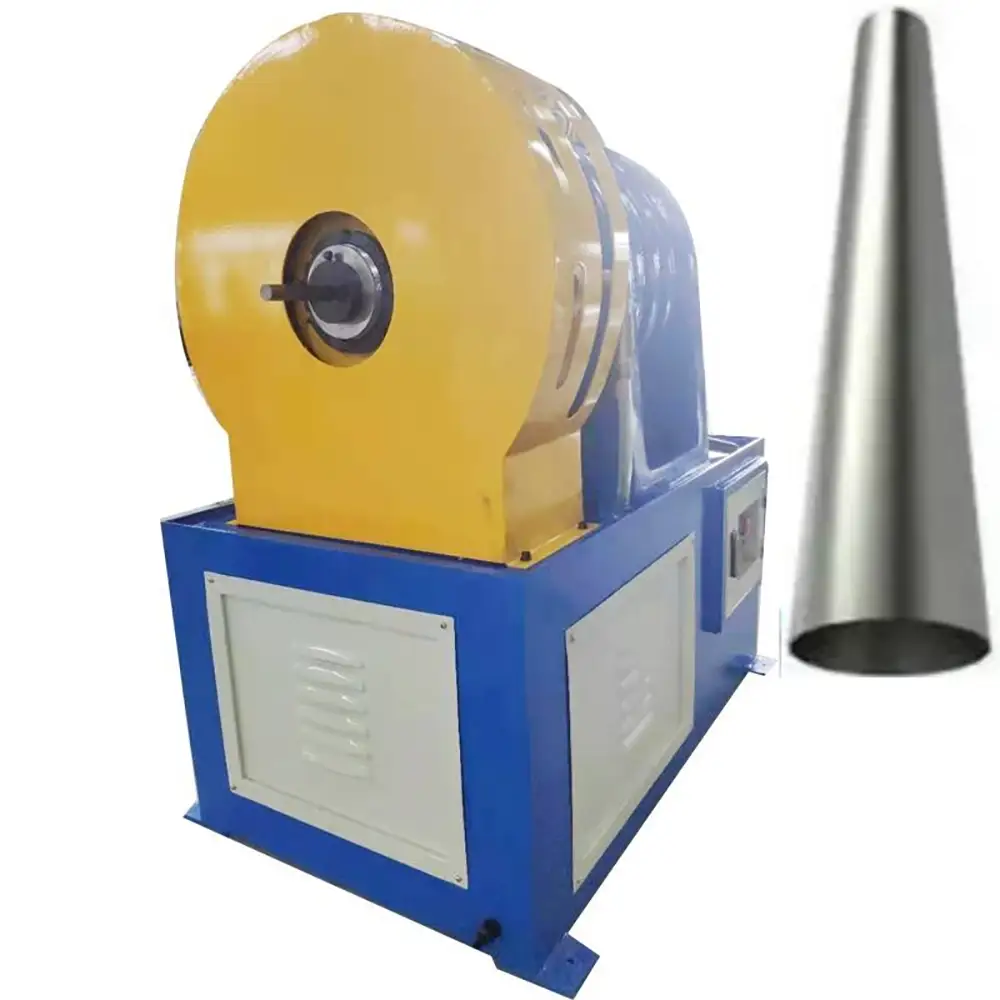
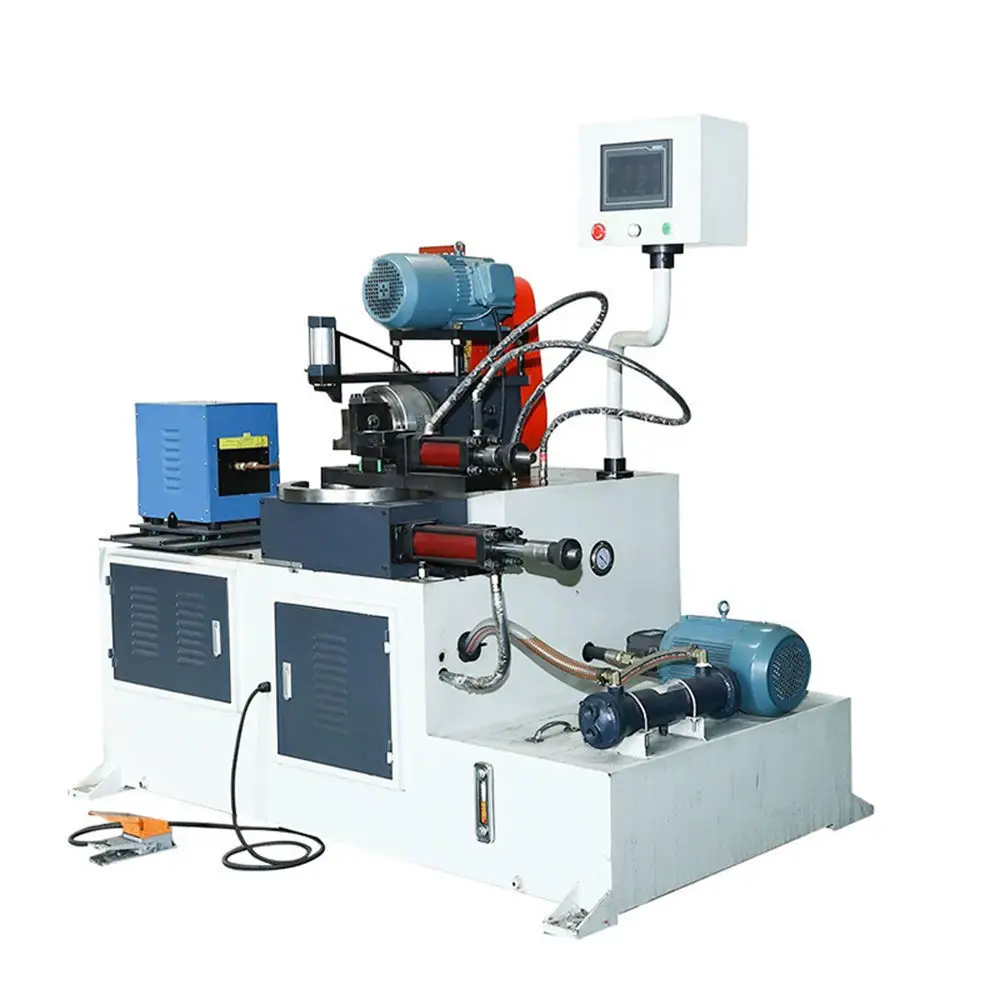
380V Laser Longitudinal Seam Pipe Welding Machine for Automatic Steel Pipe Welding
The 380V Longitudinal Seam Pipe Welding Machine is an automated laser welding solution designed for joining longitudinal seams on steel pipes,tubes,and other suitable cylindrical or formed metal workpieces. By combining a 380V industrial electrical configuration with laser welding technology and automated seam travel,the machine provides a controlled solution for manufacturers seeking repeatable pipe and tube welding.
Longitudinal seam welding is commonly used when a flat metal sheet or strip is formed into a tube or cylindrical section and the two longitudinal edges need to be joined. The welding head travels along the seam to create a continuous welded joint.
Laser welding offers a concentrated heat source and can provide a narrow weld zone when the laser power,optical system,focal position,welding speed,and material are correctly matched. This makes laser technology suitable for applications where controlled heat input,clean weld appearance,and production consistency are important.
The exact welding capacity depends on laser power,material type,material thickness,joint design,workpiece dimensions,laser head configuration,and machine setup.
380V Industrial Electrical Configuration
The 380V specification indicates an industrial power configuration commonly used for machinery in suitable manufacturing environments. Electrical requirements should always be confirmed according to the machine model,laser source,auxiliary equipment,and destination country's electrical standards.
A suitable electrical installation provides power for the laser system,control components,drive mechanisms,cooling equipment,and other machine functions.
Before installation,the customer should confirm available voltage,frequency,phase configuration,and electrical capacity. For international B2B orders,the machine can be evaluated according to the buyer's local power requirements.
The 380V configuration should not be assumed to mean that every component operates directly at 380V. Internal electrical systems may use different voltages through appropriate electrical components.
Laser Longitudinal Seam Welding Technology
Laser welding uses a focused laser beam to generate concentrated heat at the joint between two metal edges. The laser melts the material locally and creates a welded connection as the welding head travels along the seam.
For longitudinal pipe welding,the laser head can follow the seam along the length of the workpiece. Controlled machine movement helps maintain a consistent welding path.
Laser welding can offer advantages such as concentrated energy input,relatively narrow heat-affected areas,and high potential welding speeds when suitable material and process conditions are used.
Actual performance depends strongly on laser power,material reflectivity,thickness,joint gap,focus position,welding speed,shielding gas,and optical configuration.
Fully Automatic Steel Pipe Seam Welding
The Fully Automatic Steel Pipe Seam Welding Machine is designed to automate repetitive seam welding operations. Depending on the specific machine configuration,automated functions may include workpiece positioning,clamping,seam alignment,welding-head movement,laser parameter control,and programmed welding sequences.
Automation can reduce repetitive manual torch operation and improve consistency between production cycles.
However,the term fully automatic should be evaluated according to the complete machine configuration. Loading,unloading,material forming,and other upstream or downstream operations may or may not be automated.
For high-volume manufacturing,the machine can be integrated with material handling,forming,cutting,inspection,and finishing equipment to create a more complete production workflow.
Steel Pipe and Tube Applications
The machine is designed for suitable steel pipes,tubes,and formed sheet-metal products requiring longitudinal seam welding.
Potential applications include:
Carbon Steel Pipes
Stainless Steel Tubes
Mild Steel Tubes
Round Steel Pipes
Structural Tubes
Metal Ducts
Exhaust Tubes
Industrial Cylinders
HVAC Components
Fabricated Tubular Products
Different metals require different laser welding parameters. Stainless steel,carbon steel,and other alloys can have different thermal conductivity,reflectivity,and welding characteristics.
Customers should provide the exact material grade and thickness before selecting the laser source and welding configuration.
Longitudinal Pipe Welding Process
The production process generally begins with a metal sheet or strip being cut to the required dimensions. The material is then formed into a tubular or cylindrical shape so that the longitudinal edges meet.
The formed workpiece is positioned in the welding fixture. Proper alignment is important because excessive joint gaps or edge mismatch can affect laser welding performance.
Once the workpiece is securely positioned,the laser welding head travels along the longitudinal seam according to the programmed welding path.
Depending on the application,the finished pipe may undergo inspection,straightening,cutting,polishing,pressure testing,or other secondary operations.
Laser Welding for Stainless Steel and Carbon Steel
Laser welding can be suitable for both stainless steel and carbon steel when the laser system and process parameters are correctly configured.
For stainless steel tube production,the controlled heat input of laser welding can be useful for applications where weld appearance and dimensional stability are important.
For carbon steel pipe production,the laser system can provide efficient seam joining when the material thickness and joint configuration are within the process capability.
The correct shielding gas,laser power,welding speed,focal position,and beam characteristics should be determined according to the material and application.
Welding Speed and Production Efficiency
One reason manufacturers consider laser welding is the potential for efficient welding at suitable material thicknesses and joint configurations.
A controlled automated welding path can reduce the variation associated with manual welding and help maintain a consistent production cycle.
Production output depends on pipe length,material thickness,laser power,welding speed,loading and unloading time,fixture design,and other production steps.
Intricate or demanding seams may require slower welding speeds than simple straight longitudinal joints.
Manufacturers should evaluate the complete cycle time rather than judging production capacity from laser welding speed alone.
Weld Appearance and Quality
Laser welding can produce a relatively concentrated weld when the process is correctly optimized. For visible tubular products,this may help reduce the amount of post-weld finishing required in some applications.
However,weld appearance and mechanical quality depend on the entire welding process.
Important factors include:
Laser Power
Welding Speed
Focal Position
Joint Gap
Edge Alignment
Shielding Gas
Material Thickness
Laser Beam Quality
Workpiece Surface Condition
Fixture Stability
A stable seam and clean material surface are especially important for consistent laser welding.
For production applications requiring specific weld strength or appearance,the machine should be tested using representative materials and workpieces before final process parameters are established.
Automatic Workpiece Clamping and Alignment
Workpiece positioning is an important part of longitudinal seam welding.
The fixture should maintain the pipe or formed tube in a stable position while the laser head travels along the seam. Depending on the machine design,clamping and alignment mechanisms may be adjustable for different workpiece dimensions.
Proper alignment helps maintain a consistent joint position relative to the laser focus.
For manufacturers producing multiple pipe sizes,adjustable fixtures or interchangeable tooling can provide additional production flexibility.
Cooling and Laser System Protection
Industrial laser welding systems generally require suitable thermal management for the laser source and related components. Depending on the machine configuration,a dedicated cooling system may be included.
Cooling performance can influence the stability and service life of the laser system.
Routine checks should include coolant level,temperature,water quality where applicable,hoses,and cooling-system alarms.
The laser optical path and protective components should also be maintained according to the laser manufacturer's recommendations.
Industrial Applications
The 380V laser longitudinal seam welding machine can support applications across different manufacturing industries,including:
Steel Pipe Manufacturing
Stainless Steel Tube Production
Automotive Exhaust Manufacturing
HVAC Duct Production
Heat Exchanger Components
Industrial Equipment
Metal Furniture
Kitchen Equipment
Agricultural Machinery
Structural Tube Manufacturing
Custom Metal Fabrication
It can be particularly useful for manufacturers that require repeated longitudinal seams across large numbers of similar tubular workpieces.
CNC Control and Automated Production
The control system coordinates machine movement and welding parameters according to the machine configuration.
A CNC or PLC-based system can provide programmed travel sequences,parameter settings,and repeatable operating procedures.
Digital control can make it easier to reproduce established welding programs when manufacturing the same pipe or tube specification repeatedly.
The actual controller functions depend on the selected machine. Customers should confirm programming methods,operator interface,compatible software,and available automation functions before purchasing.
Custom and OEM Laser Pipe Welding Solutions
Pipe manufacturers often have specific requirements for diameter,length,wall thickness,material,and welding speed.
When requesting a quotation,customers should provide:
Pipe Material
Material Grade
Pipe Diameter
Tube Dimensions
Pipe Length
Wall Thickness
Longitudinal Seam Design
Required Weld Appearance
Production Volume
Available Power Supply
Drawings,samples,and production photographs can help determine the appropriate machine configuration.
OEM and ODM options may include customized fixtures,laser sources,welding heads,automatic loading systems,control systems,workpiece supports,and integration with other production equipment.
Laser Welding Safety and Maintenance
Laser welding equipment should only be operated by appropriately trained personnel. Industrial laser systems can present serious eye and skin hazards,so suitable laser safety controls,enclosures,interlocks,and personal protective equipment should be used according to the machine design and applicable requirements.
Welding fumes and process emissions should also be controlled with suitable ventilation or extraction.
Routine maintenance may include inspecting the laser head,protective lens,cooling system,fixtures,drive components,electrical connections,and gas supply.
The machine should be stopped and isolated according to the manufacturer's procedures before maintenance or service work.
Why Choose Us
Laser Longitudinal Seam Welding
Designed for controlled laser welding along the length of suitable steel pipes,tubes,and formed metal sections.
380V Industrial Configuration
Suitable for manufacturing environments requiring a compatible industrial electrical configuration.
Automatic Welding Operation
Automated positioning,clamping,travel,and welding functions can reduce repetitive manual welding work depending on configuration.
Steel Pipe and Tube Applications
Suitable configurations can process carbon steel,stainless steel,and other compatible metal tubes.
Controlled Heat Input
Laser welding provides a concentrated heat source that can support controlled welding of suitable materials and joint designs.
Repeatable Production
Automated machine travel and programmed welding parameters can help improve consistency between production cycles.
Flexible Machine Configuration
Laser power,welding head,fixtures,controls,and workpiece handling can be selected according to application requirements.
OEM And B2B Manufacturing Support
Suitable for pipe manufacturers,metal fabricators,distributors,and international industrial equipment buyers requiring customized laser welding solutions.
FAQs
1. What is a longitudinal seam pipe welding machine?
It is a welding machine designed to join the longitudinal edges of a formed pipe,tube,or cylindrical metal workpiece along its length.
2. What does 380V mean?
380V refers to the machine's specified industrial electrical configuration. The exact voltage,frequency,and phase requirements should be confirmed for the selected model and installation location.
3. Can this machine use laser welding?
Yes. This machine is designed around a laser welding system for suitable longitudinal pipe and tube seam applications.
4. Can it weld stainless steel pipe?
Yes. Laser welding can be used for suitable stainless steel pipe and tube applications when the laser power,process parameters,and joint design are appropriate.
5. Can it weld carbon steel pipe?
Yes. Suitable carbon steel pipes and tubes can be laser welded when their material thickness and joint configuration fall within the machine's process capability.
6. Is the machine fully automatic?
The machine is designed for automated longitudinal seam welding,but the exact automation scope depends on the configuration. Loading,unloading,forming,and other operations may require separate equipment or operator assistance.
7. What affects laser welding quality?
Laser power,welding speed,focal position,joint gap,edge alignment,shielding gas,material thickness,surface condition,and laser beam characteristics all influence welding quality.
8. What pipe sizes can the machine weld?
The compatible pipe diameter,length,and wall thickness depend on the machine's fixture,welding head,laser source,and travel system. Specific workpiece dimensions should be provided before quotation.
9. Does laser welding require shielding gas?
Many laser welding applications use shielding gas to protect the molten weld area. The gas type and flow rate depend on the material and welding process.
10. Can the machine be integrated into a production line?
Yes. Depending on the configuration,it can be integrated with pipe forming,cutting,material handling,inspection,and other production equipment.
11. How should the laser welding machine be maintained?
Maintenance generally includes inspection of the laser head,protective lens,cooling system,gas supply,fixtures,drive system,and electrical components according to the manufacturer's instructions.
12. What information should I provide for a quotation?
Provide the material,material grade,pipe diameter,length,wall thickness,seam type,required weld appearance,production volume,and local power supply. Drawings or samples are also recommended.
Prev:
High-Frequency Pipe End Sealing Machine for Refrigeration & Pressure Leak Testing
Next:
Longitudinal Seam Pipe Welding Machine Fully Automatic Steel Pipe Seam Welding Machine
TAG:
Steel Pipe Manufacturing Machine,
Industrial Seam Welding Machine,
Automatic Tube Welding Machine,
Mild Steel Pipe Welding Machine,
Pipe Seam Welding System,
Mild Steel Tube Welding Machine,
Stainless Steel Seam Welding Machine,
Steel Tube Manufacturing Machine,
Pipe Welding Production Line,
Pipe Production Welding Machine,
Automatic Seam Welding Machine,
Automatic Seam Welding Equipment,
Pipe Manufacturing Welding Machine,
CNC Pipe Welding Machine,
Metal Tube Welding Machine,
Automatic Pipe Welding Machine,
Industrial Pipe Welding Machine,
Metal Pipe Welding Machine,
Industrial Tube Welding Machine,
Steel Pipe Welding Equipment,
Steel Tube Welding Equipment,
Longitudinal Seam Welding Machine,
Longitudinal Seam Welding Equipment,
Longitudinal Pipe Welding Machine,
Longitudinal Seam Pipe Welding Machine,
Steel Pipe Seam Welding Machine,
Pipe Seam Welding Machine,
Automatic Steel Pipe Welding Machine,
Steel Tube Seam Welding Machine,
Pipe Welding Equipment,
Related Category:
380V Longitudinal Seam Pipe Welding Machine,Laser Longitudinal Seam Welding Machine,Fully Automatic Steel Pipe Seam Weld China, suppliers, manufacturers, factory, customized, wholesale, quotation, made in China