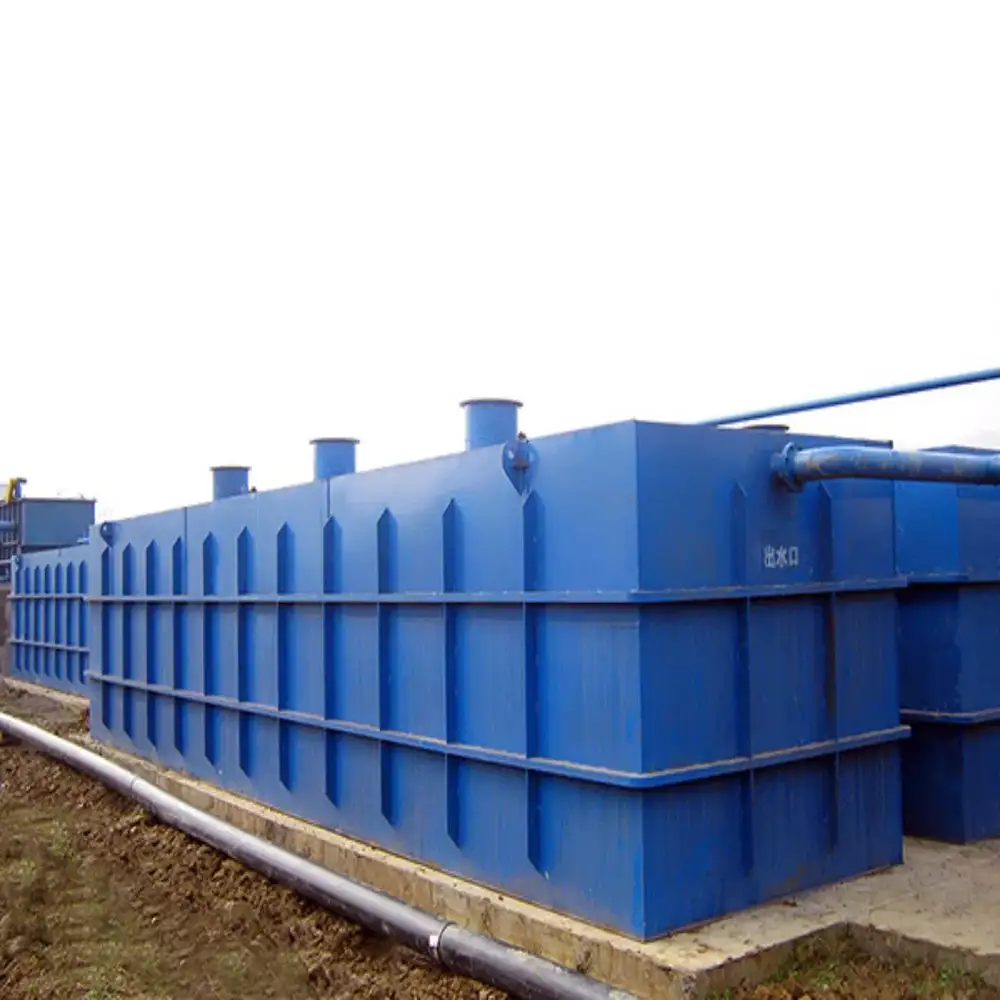
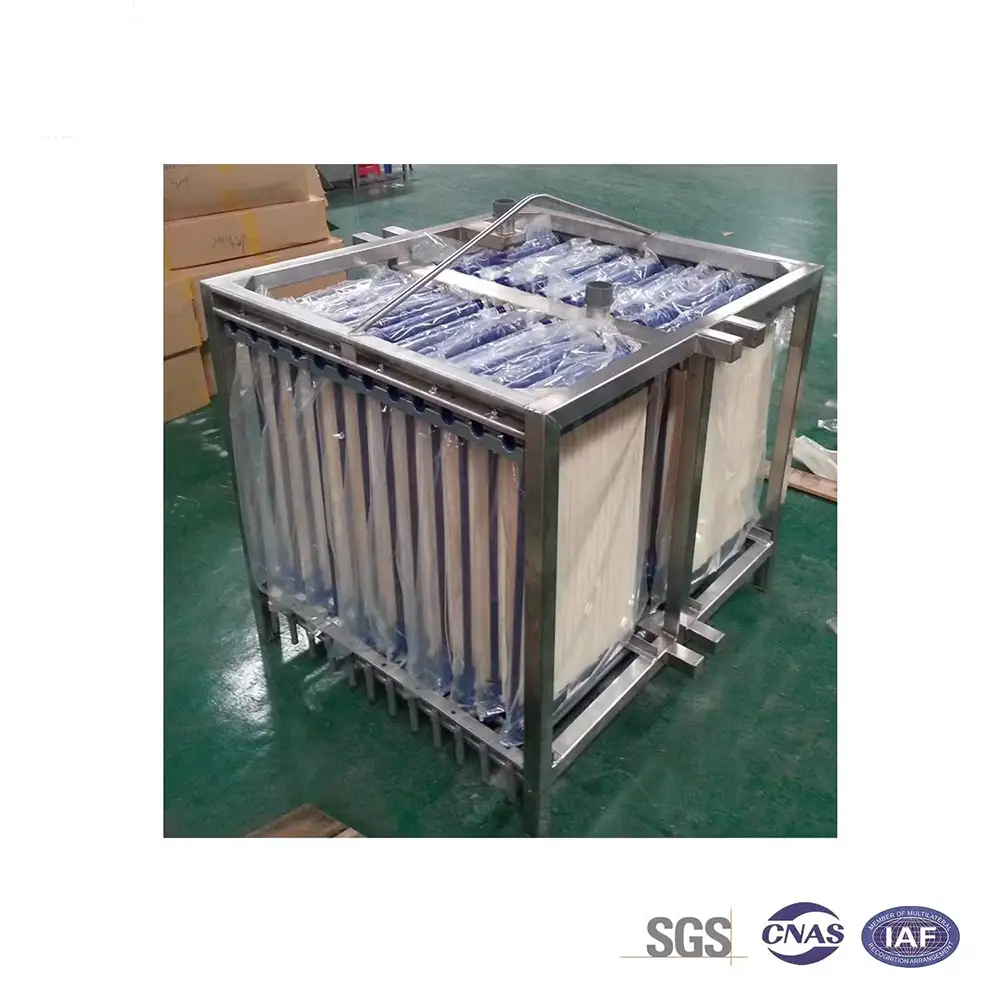
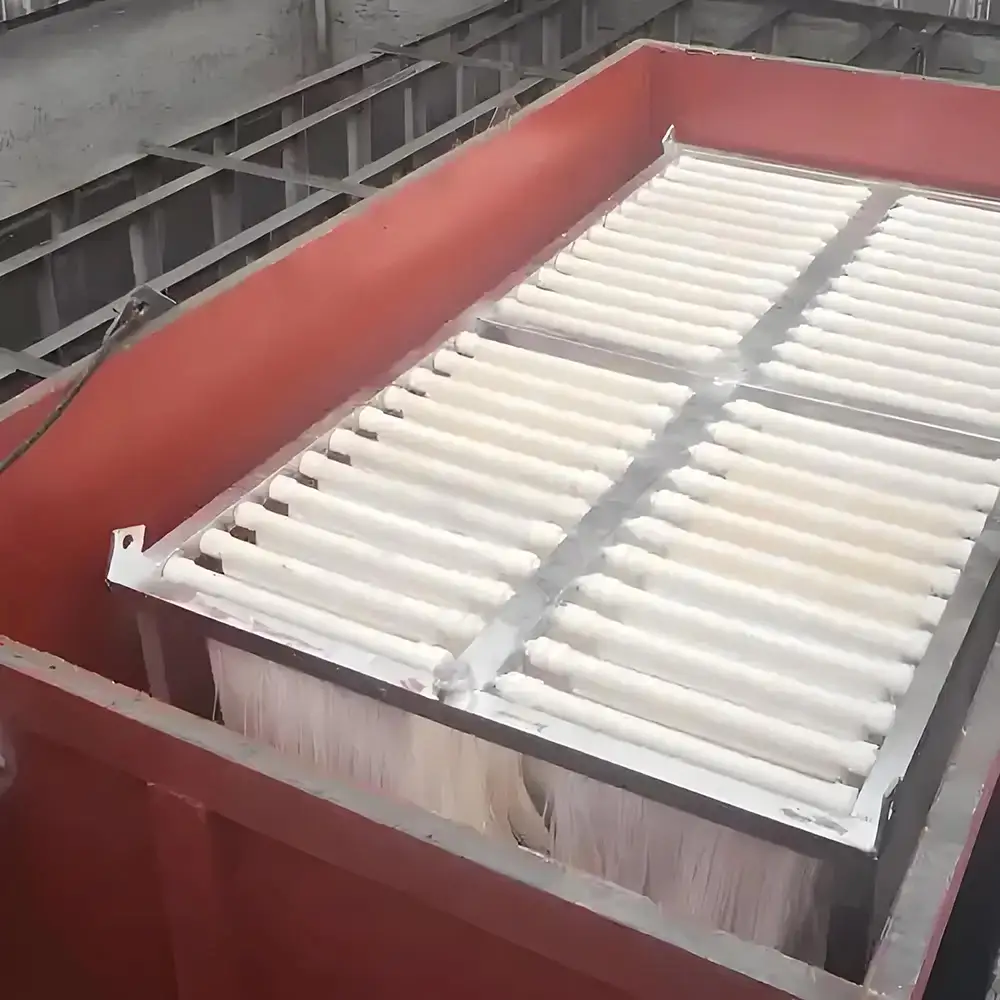
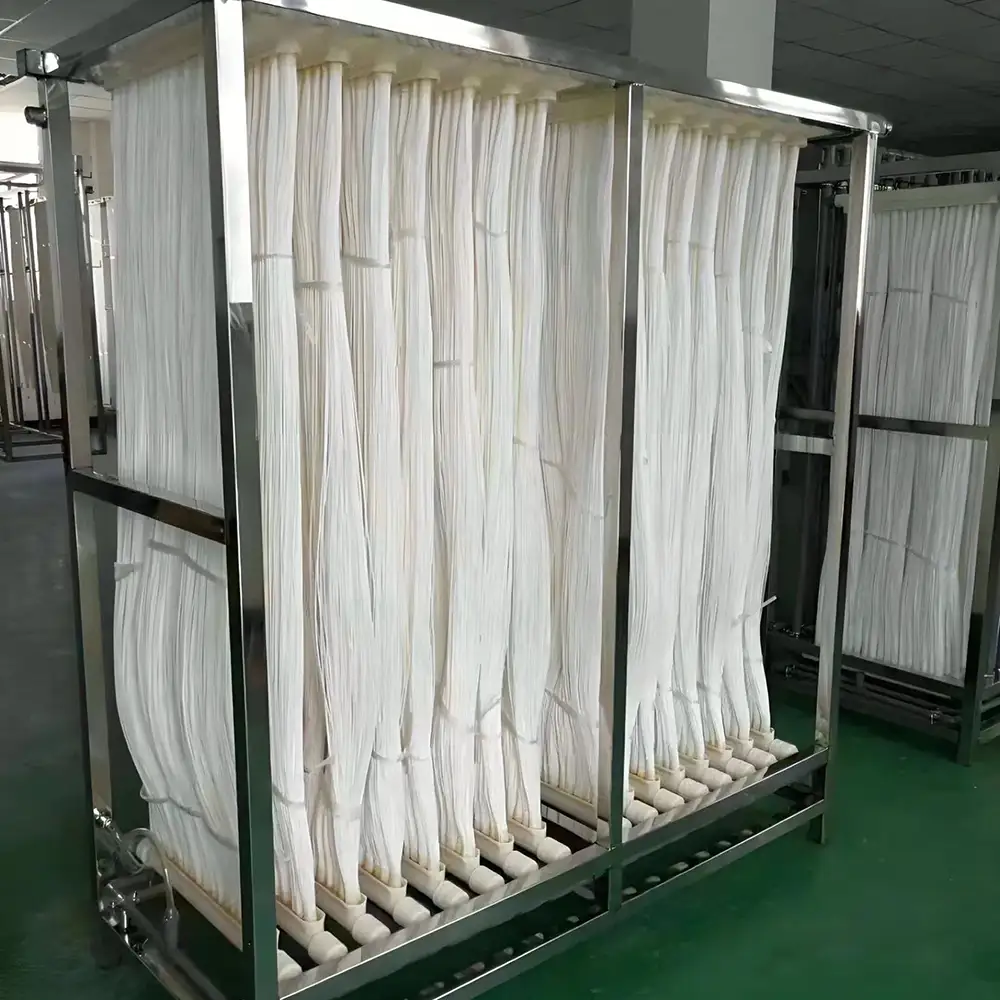
MBR, abbreviated as Membrane Bio Reactor, is a new water treatment technology that organically combines membrane separation technology with biotechnology. It uses membrane separation equipment to trap activated sludge and macromolecular organic matter in the biochemical reaction tank, eliminating the need for a secondary sedimentation tank. The membrane bioreactor process greatly enhances the function of the bioreactor through membrane separation technology, greatly increasing the concentration of activated sludge. Its hydraulic retention time (HRT) and sludge retention time (SRT) can be controlled separately.
In traditional sewage biological treatment technology, sludge water separation is completed by gravity in a secondary sedimentation tank, and its separation efficiency depends on the settling performance of activated sludge. The better the settling performance, the higher the sludge water separation efficiency. The settling ability of sludge depends on the operating conditions of the aeration tank, and improving the settling ability of sludge requires strict control of the operating conditions of the aeration tank, which limits the applicability of this method. Due to the requirements for solid-liquid separation in the secondary sedimentation tank, the sludge in the aeration tank cannot maintain a high concentration, usually around 1.5-3.5g/L, which limits the biochemical reaction rate. The hydraulic retention time (HRT) and sludge age (SRT) are interdependent, and there is often a contradiction between increasing volumetric load and reducing sludge load. During the operation of the system, a large amount of excess sludge is generated, and its disposal cost accounts for 25% to 40% of the operating cost of the sewage treatment plant. The traditional activated sludge treatment system is also prone to sludge bulking. The effluent contains Suspended solids, and the effluent quality deteriorates.
MBR Sewage Treatment System with Hollow Fiber UF Membrane Water Purifier
The MBR Sewage Treatment System with Hollow Fiber UF Membrane is an advanced wastewater treatment solution that combines biological treatment with ultrafiltration membrane separation. Designed for municipal sewage, domestic wastewater, commercial wastewater, and industrial effluent, this type of membrane bioreactor provides efficient solid-liquid separation in a compact treatment configuration.
Unlike conventional activated sludge systems that depend on a secondary clarifier for solid-liquid separation, an MBR system uses a membrane barrier to retain activated sludge and suspended solids while allowing treated water to pass through as permeate. Hollow fiber ultrafiltration membranes are one of the established membrane configurations used in MBR applications.
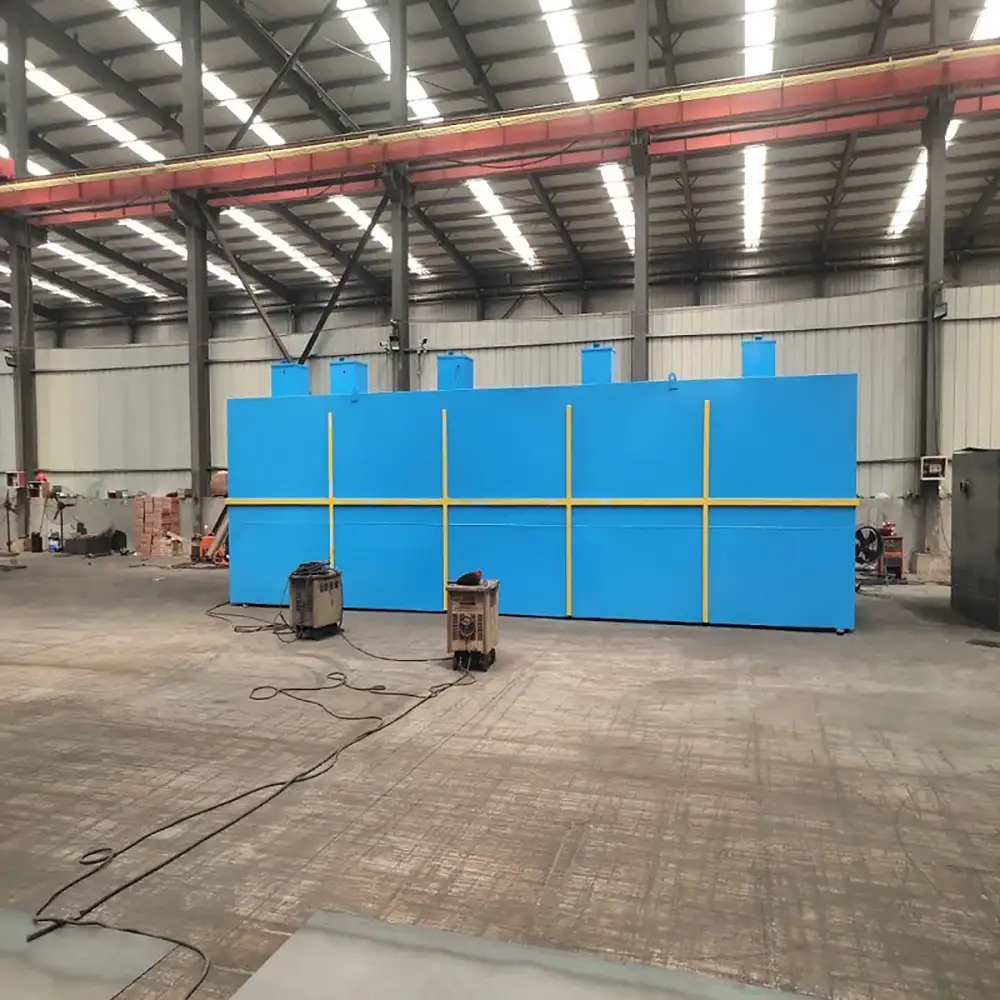
The system can be supplied as a complete sewage treatment plant, modular wastewater treatment unit, skid-mounted system, or customized industrial water purification solution according to flow rate, influent quality, discharge requirements, and water reuse targets.
What Is an MBR Sewage Treatment System?
MBR stands for Membrane Bioreactor. It combines a biological wastewater treatment process with membrane filtration.
In a conventional wastewater treatment plant, microorganisms degrade organic pollutants and a secondary settling tank separates activated sludge from treated water. In an MBR system, the hollow fiber UF membrane performs the solid-liquid separation function.
The biological reactor provides an environment where microorganisms consume biodegradable organic matter. The membrane module then filters the mixed liquor, retaining biomass and suspended solids while producing a clarified permeate.
This combination allows MBR systems to operate with relatively high biomass concentrations and provides a compact alternative to conventional biological treatment and clarification processes. MBR technology is widely used for both municipal and industrial wastewater treatment.
How Does the Hollow Fiber UF Membrane System Work?
A typical MBR sewage treatment system includes several treatment stages.
1. Pretreatment
Incoming sewage first passes through coarse and fine screening equipment. Large solids, fibers, plastics, hair, grit, and other materials are removed to protect pumps and membrane modules.
Proper pretreatment is essential because excessive solids or fibrous materials can increase membrane fouling and interfere with stable system operation.
2. Equalization
An equalization tank can balance variations in wastewater flow and pollutant concentration. This is particularly useful for commercial facilities, industrial plants, hotels, residential communities, and other facilities with significant changes in wastewater generation.
3. Biological Treatment
The pretreated wastewater enters the biological reactor. Aeration supplies oxygen to microorganisms, which break down biodegradable organic pollutants.
Depending on the required treatment target, the biological process can incorporate aerobic and anoxic zones for organic matter removal and nitrogen conversion.
4. Hollow Fiber UF Membrane Filtration
After biological treatment, the mixed liquor is separated by hollow fiber UF membrane modules.
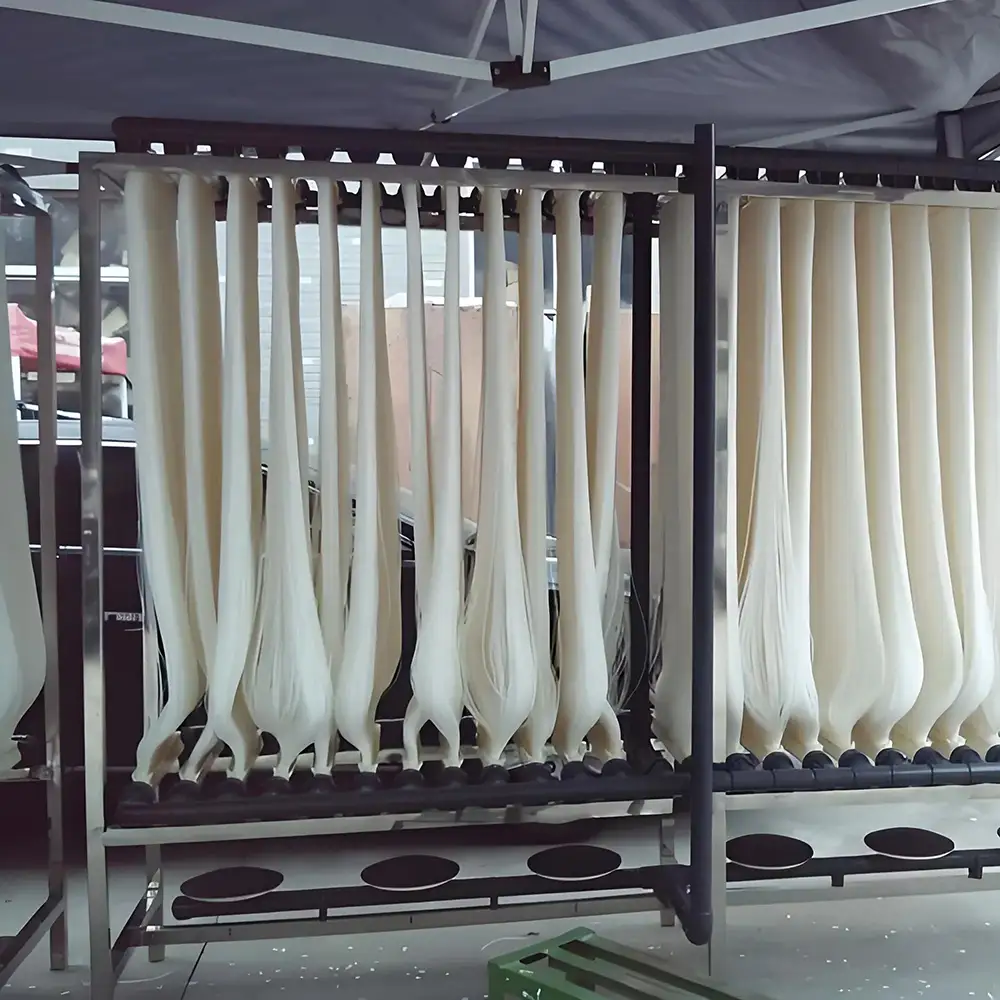
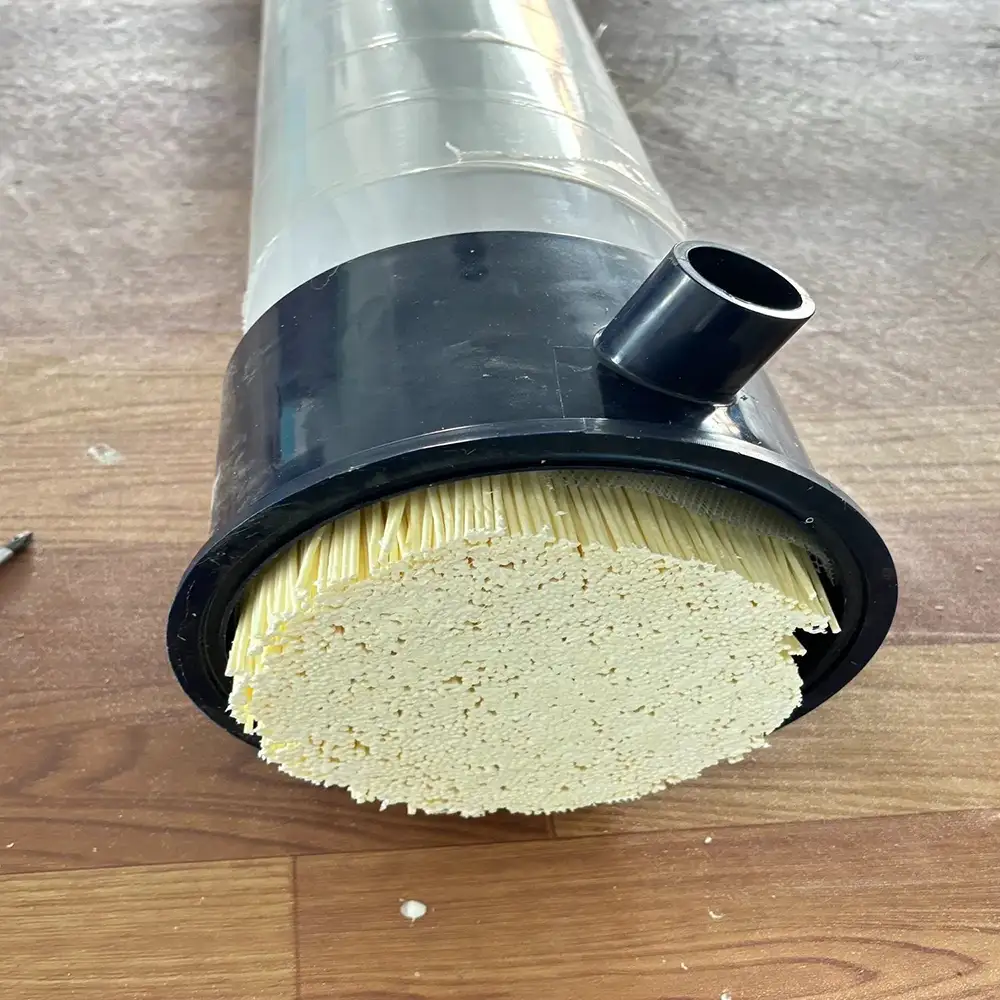
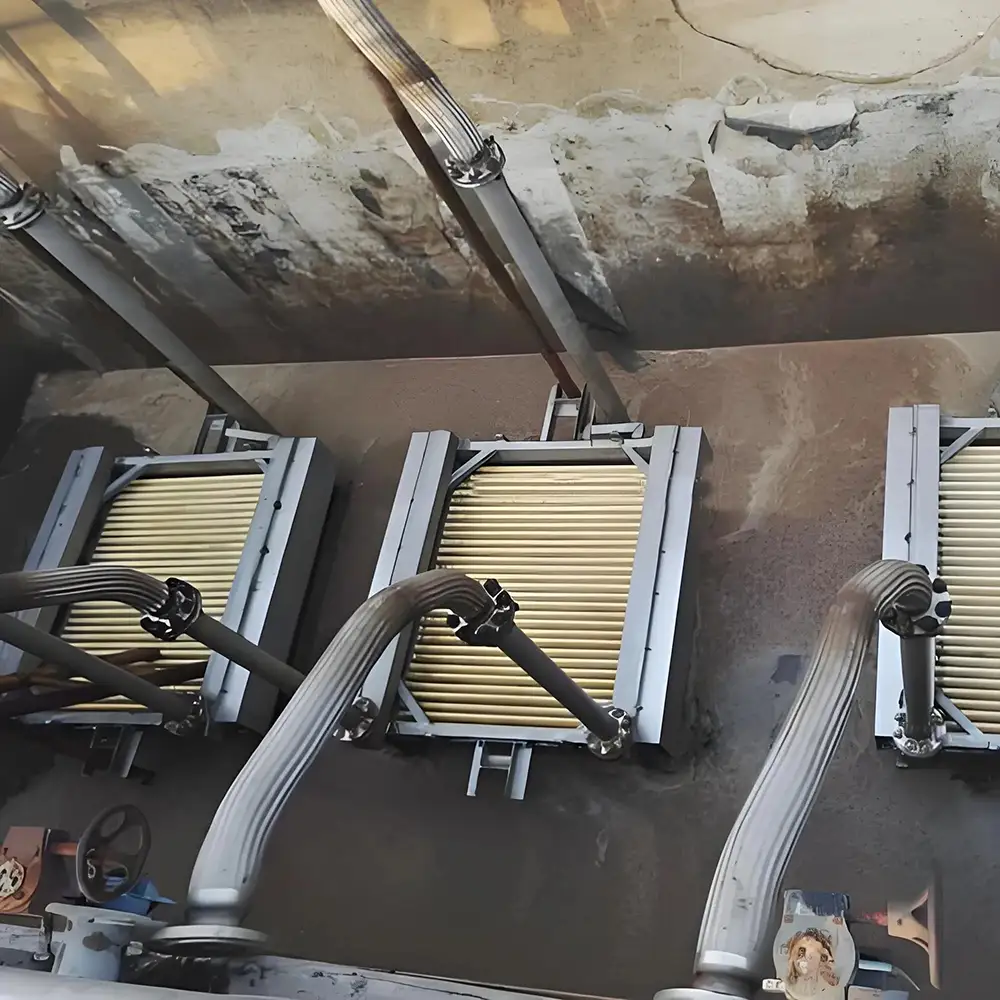
In submerged MBR systems, membrane modules are installed directly inside the membrane or biological tank. Water passes through the porous membrane wall into the hollow fiber and is collected as permeate.
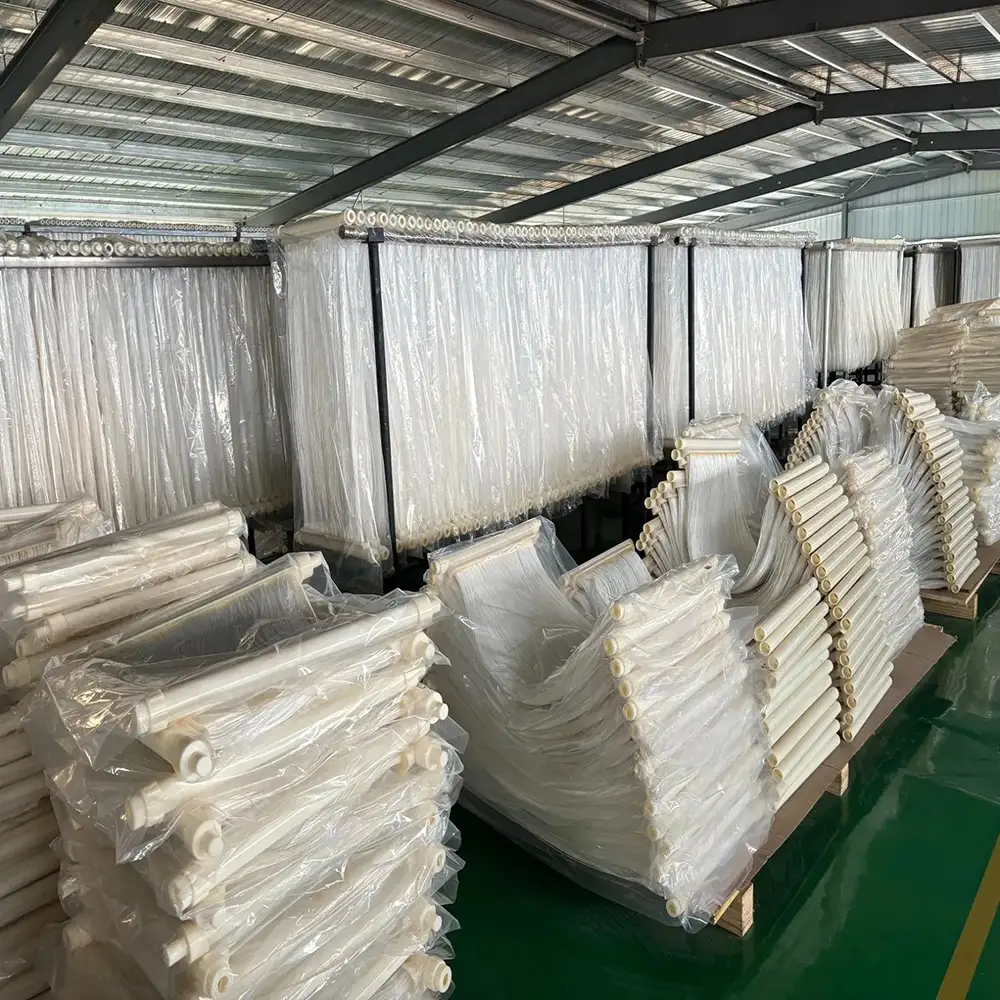
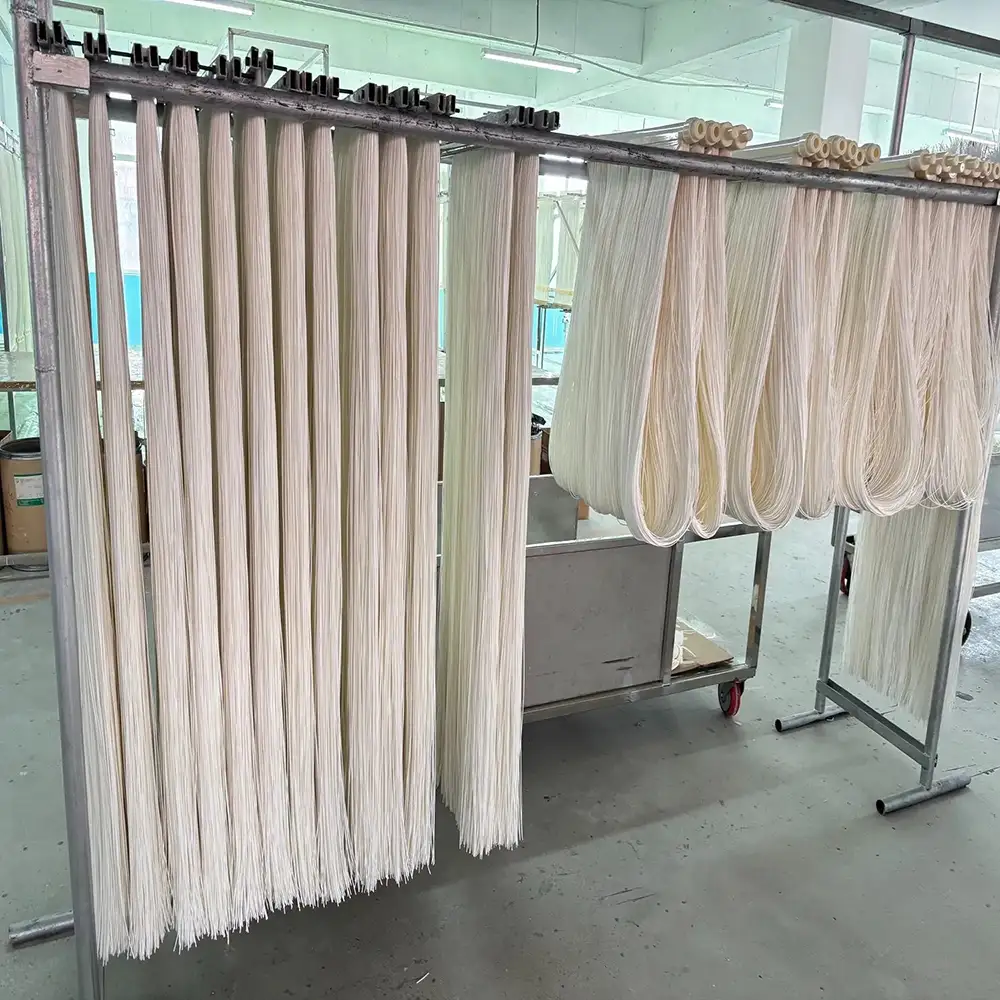
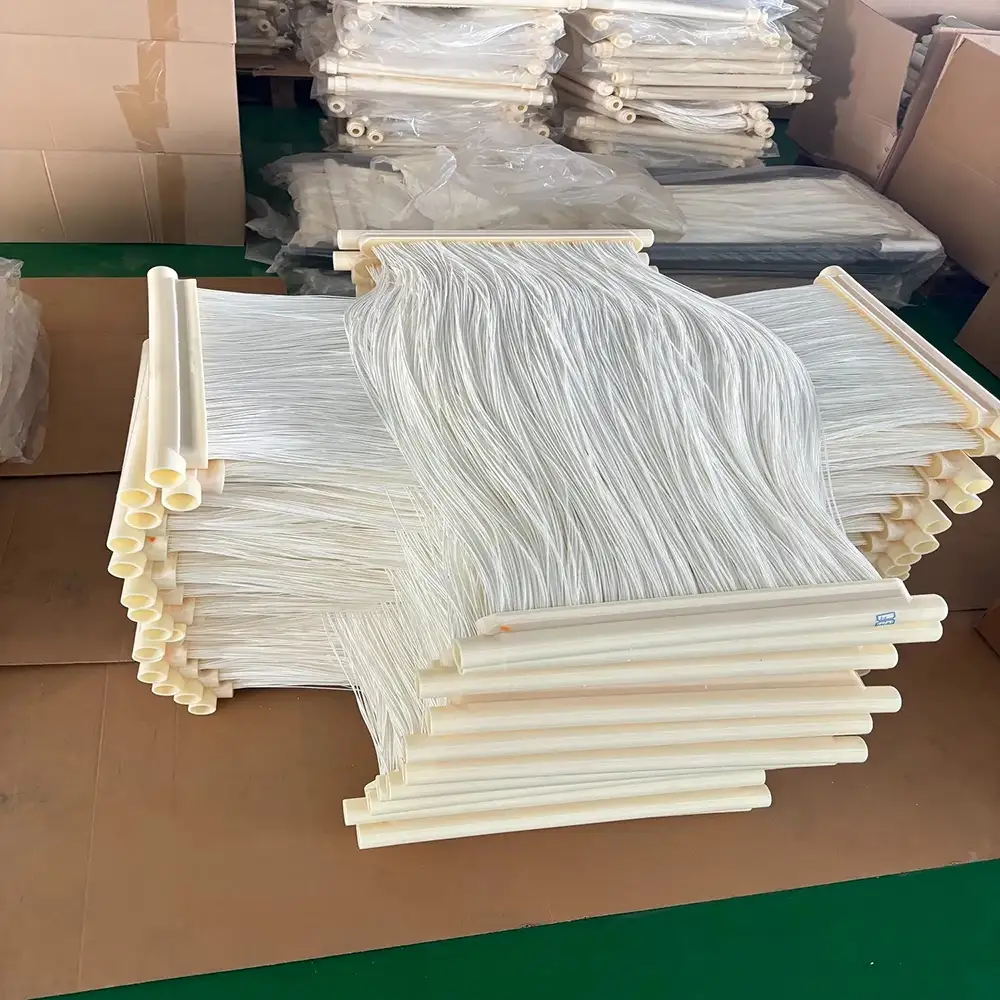
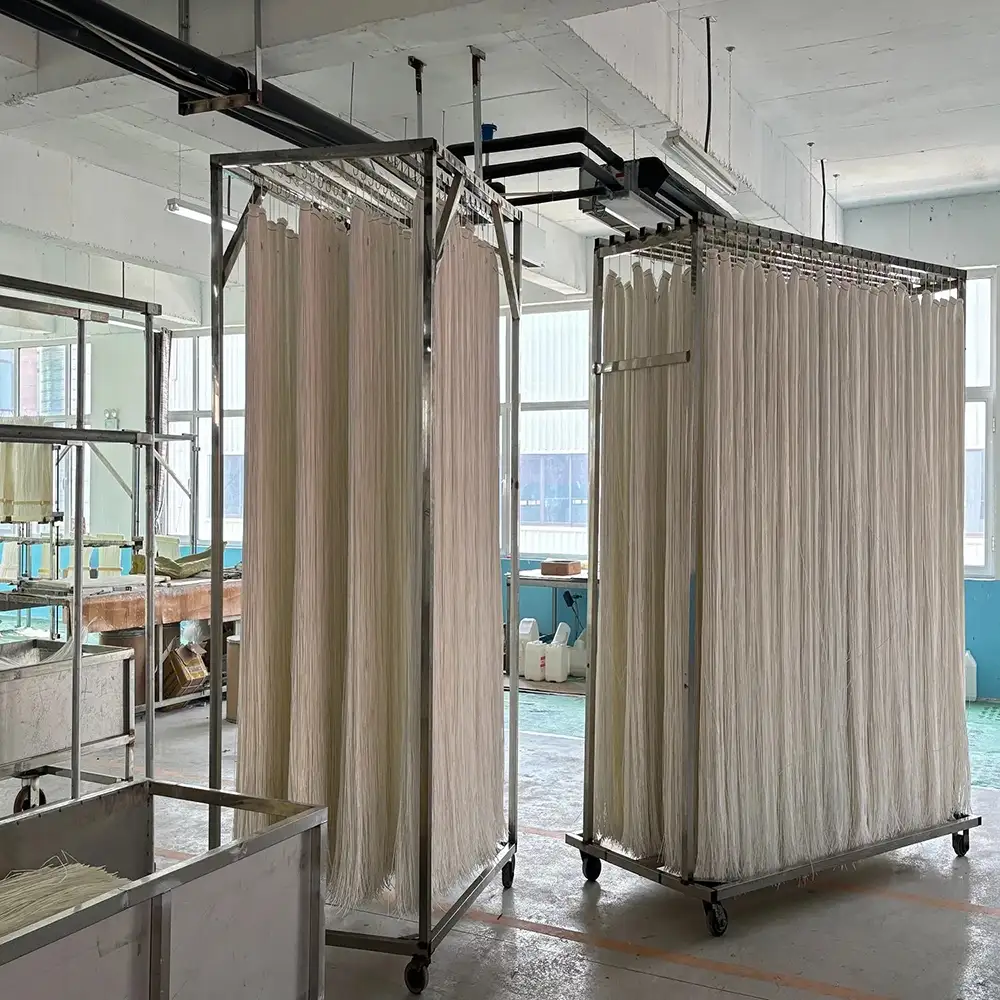
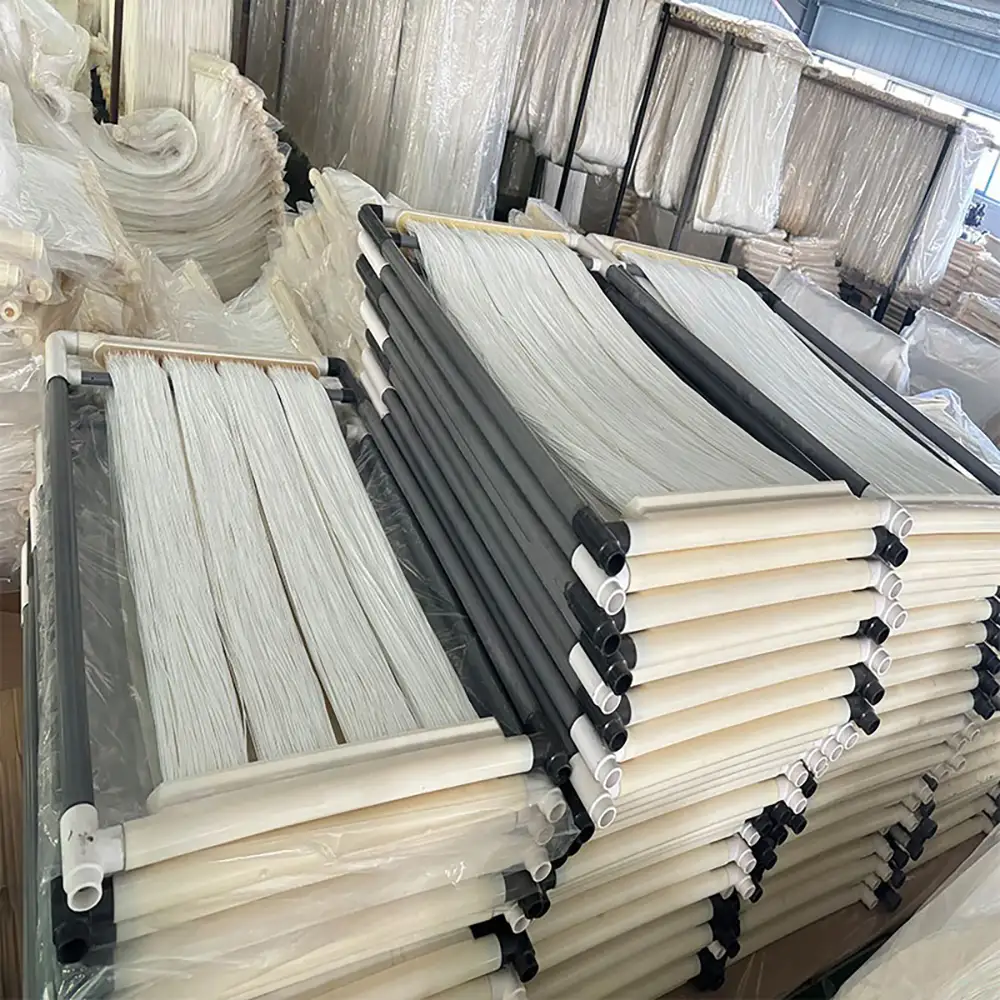
The membrane retains activated sludge and suspended solids within the treatment system. Hollow fiber membranes are commonly assembled into bundles connected to manifolds for collection and servicing.
5. Treated Water Collection
The filtered permeate is collected by a permeate pump or suction system. Depending on the application, the treated water can be discharged or sent to additional treatment such as UV disinfection, activated carbon, or reverse osmosis.
Hollow Fiber UF Membrane Advantages
Hollow fiber ultrafiltration membrane technology provides several advantages for MBR sewage treatment applications.
High Membrane Surface Area
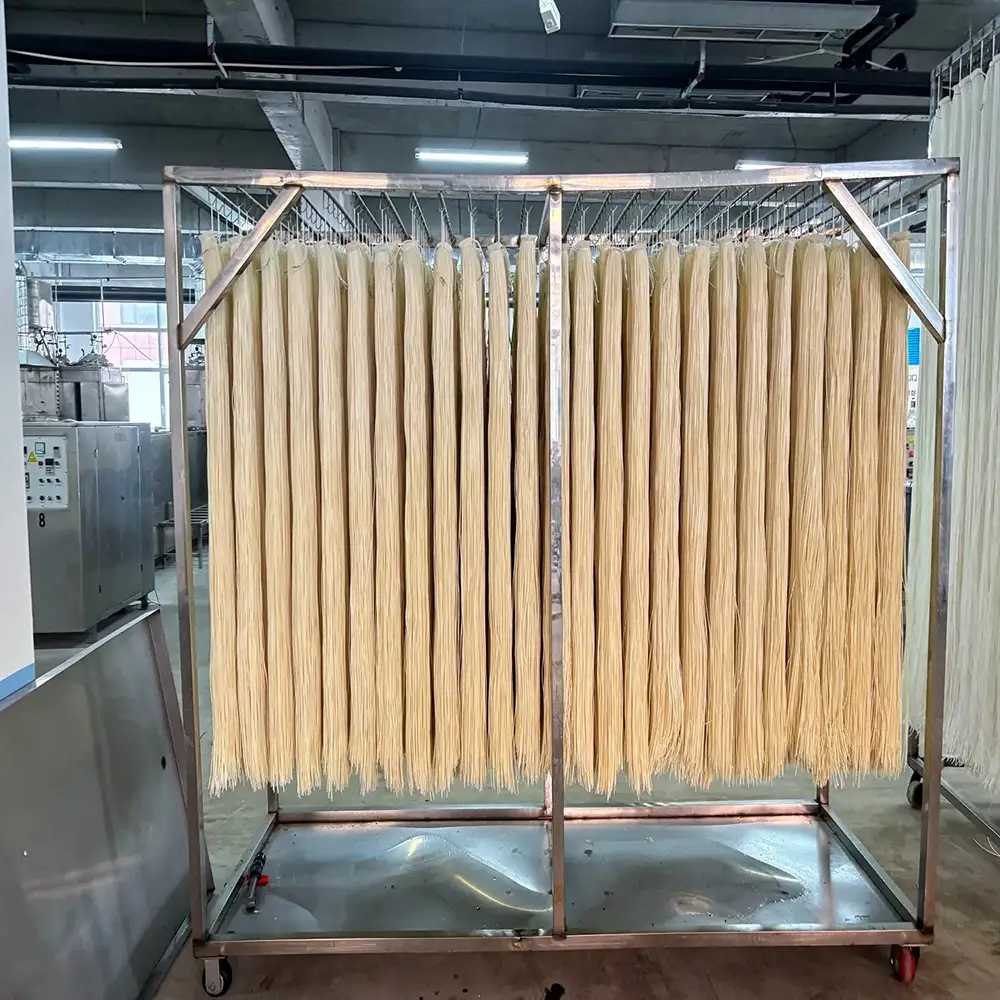
A large number of hollow fibers can be assembled into a compact membrane module, providing substantial filtration area within a relatively small installation footprint.
Compact MBR Design
Because membrane filtration replaces the conventional secondary clarification function, MBR plants can be designed with a smaller footprint than many conventional activated sludge systems.
Effective Solid-Liquid Separation
The membrane barrier retains biomass and suspended solids while producing a high-quality permeate. This is one of the fundamental advantages of integrating membrane separation directly with biological treatment.
Modular Configuration
Hollow fiber MBR modules can be arranged in different quantities and configurations to match required treatment capacity.
Suitable for Water Reuse
MBR permeate can provide a suitable feed stream for additional polishing processes when water reuse requires higher treatment standards. MBR systems have been investigated and used as part of water reuse treatment trains.
MBR Water Purifier for Municipal Sewage
Municipal wastewater typically contains suspended solids, organic matter, nutrients, microorganisms, and other contaminants. An MBR sewage treatment system can integrate biological degradation and membrane filtration into a single treatment process.
Typical municipal applications include:
Residential Communities
Apartment Complexes
Hotels
Resorts
Schools
Universities
Hospitals
Office Buildings
Municipal Sewage Treatment Plants
Decentralized Wastewater Treatment
Rural Sewage Treatment
Reclaimed Water Projects
For locations with limited land availability, a compact MBR system can be an attractive option because the membrane performs the solid-liquid separation that would otherwise require a conventional secondary settling stage.
Industrial Wastewater MBR System
The same MBR technology can be adapted for many industrial wastewater applications. Industrial wastewater characteristics vary considerably, so pretreatment and biological process design should be based on actual wastewater analysis.
Potential applications include:
Food Processing Wastewater
Brewery Wastewater
Beverage Wastewater
Pharmaceutical Wastewater
Textile Wastewater
Printing and Dyeing Wastewater
Chemical Wastewater
Electronics Wastewater
Machinery Manufacturing Wastewater
Industrial Park Wastewater
Commercial Wastewater
For high-strength or difficult-to-treat industrial wastewater, MBR can be combined with anaerobic treatment, dissolved air flotation, coagulation, advanced oxidation, activated carbon, or RO according to the required treatment objectives.
MBR Membrane Material Options
Hollow fiber MBR membranes are manufactured using different polymer materials depending on the membrane design and application. PVDF is widely used in commercial MBR membrane products because of its mechanical and chemical properties.
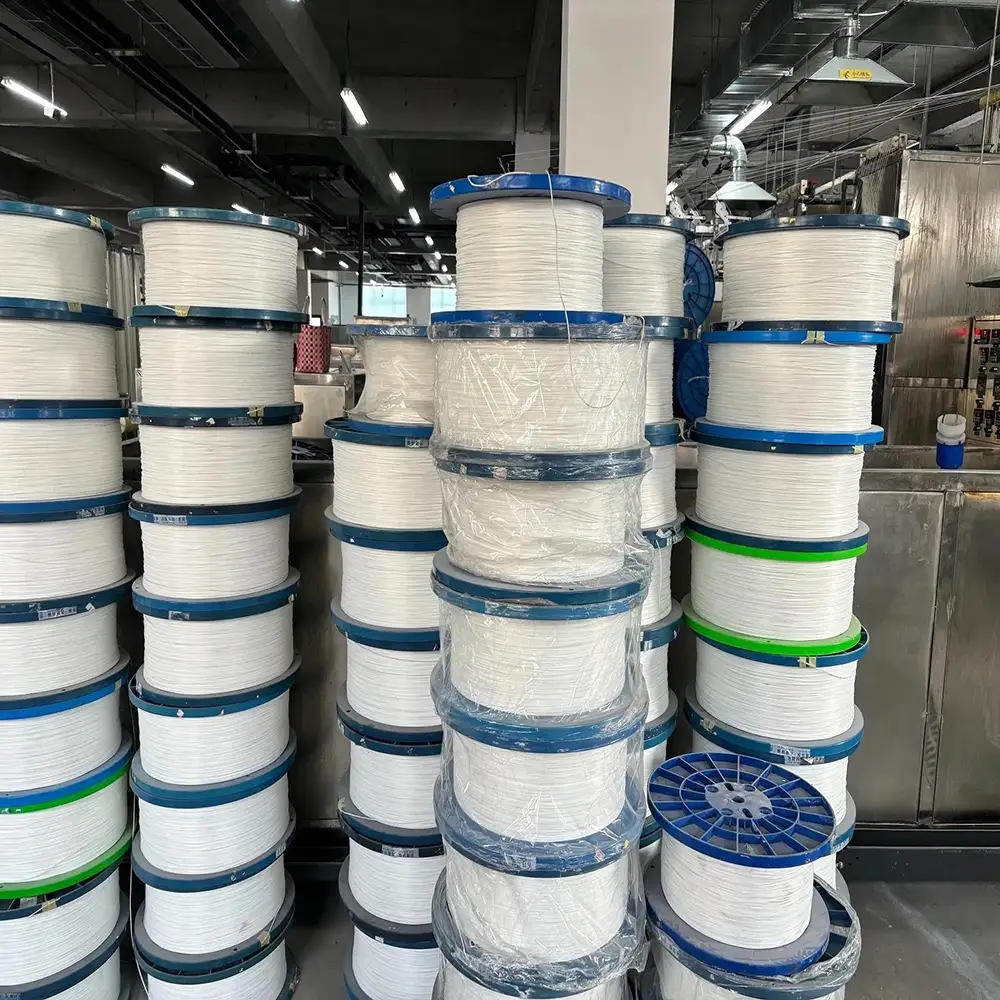
PVDF hollow fiber membranes are available in various membrane structures, fiber dimensions, membrane areas, and operating specifications.
When selecting a membrane, the material should not be the only consideration. Important parameters also include:
Membrane Pore Structure
Membrane Area
Design Flux
Operating Pressure
Wastewater Temperature
pH Range
Cleaning Requirements
Aeration Requirements
Membrane Configuration
Required Treatment Capacity
Actual operating performance depends on wastewater quality, pretreatment, membrane flux, temperature, sludge characteristics, operating conditions, and maintenance practices.
Membrane Fouling Control
Membrane fouling is an important consideration in every MBR system. Organic compounds, microorganisms, suspended solids, inorganic deposits, and biological materials can accumulate on the membrane surface.
A properly designed MBR system uses multiple fouling-control strategies.
These may include:
Effective Pretreatment
Stable Biological Operation
Proper Air Scouring
Controlled Membrane Flux
Membrane Relaxation
Backwashing
Chemical-Enhanced Cleaning
Periodic Chemical Cleaning
Proper Sludge Concentration Management
Continuous aeration around submerged hollow fiber modules can help scour the membrane surface and reduce excessive accumulation of solids. Hollow fiber MBR configurations commonly use aeration associated with the membrane module.
MBR Water Treatment Equipment Configuration
A complete MBR sewage treatment plant can include:
Mechanical Screen
Fine Screen
Grit Removal Equipment
Equalization Tank
Biological Reactor
Aeration Blower
Fine Bubble Diffusers
Hollow Fiber UF Membrane Modules
Permeate Pump
Backwash System
Chemical Cleaning System
Sludge Pump
Disinfection Equipment
PLC Control Cabinet
Flow and Pressure Instruments
For containerized or packaged systems, these components can be integrated into a compact modular structure for easier transportation and installation.
MBR System for Water Reuse
One of the important applications of MBR technology is wastewater recycling.
MBR can produce low-turbidity treated water with effective retention of suspended solids and biomass. However, MBR should not automatically be considered a complete solution for every dissolved contaminant or every potable-water requirement. The U.S. EPA notes that membrane filtration is effective for particulate removal, while dissolved wastewater components may require additional treatment.
For industrial reuse, the MBR permeate can therefore be followed by RO, activated carbon, UV, ozone, or other polishing technologies depending on the intended reuse.
A typical advanced reuse process may be:
Screening → Equalization → Biological Treatment → MBR Hollow Fiber UF → Disinfection → RO → Reclaimed Water
The exact process should be determined through wastewater testing and the required water quality.
Compact and Modular MBR Design
MBR systems can be designed for new wastewater treatment plants or retrofit projects.
For new projects, the biological reactor, membrane tank, pumps, blowers, electrical controls, and membrane modules can be engineered as one integrated system.
For existing plants, MBR membrane modules can sometimes be incorporated into upgraded treatment facilities, subject to tank dimensions, hydraulic conditions, influent characteristics, and existing process compatibility.
Containerized MBR systems are also available for projects requiring rapid deployment or limited civil construction. Commercial containerized systems commonly integrate biological treatment with hollow fiber UF membrane filtration.
MBR Membrane Selection and Sizing
Proper sizing is essential for reliable MBR performance.
The main design information includes:
Average Daily Flow
Peak Flow
Influent COD
Influent BOD
TSS
Ammonia Nitrogen
Total Nitrogen
Total Phosphorus
pH
Temperature
Wastewater Source
Required Effluent Standard
Water Reuse Target
Available Installation Space
Membrane area and module quantity should be calculated according to the required treatment capacity and appropriate design flux.
For industrial wastewater, pilot testing or detailed wastewater characterization can be beneficial before final equipment selection.
Why Choose Us?
Complete MBR Solutions: We provide membrane modules together with complete sewage and industrial wastewater treatment equipment.
Hollow Fiber UF Technology: Our MBR solutions can be configured with hollow fiber ultrafiltration membrane modules for compact biological treatment and solid-liquid separation.
PVDF Membrane Options: PVDF hollow fiber membranes can be supplied for demanding municipal and industrial wastewater applications.
Customized Engineering: Treatment capacity, membrane area, biological tanks, pumps, blowers, control systems, and cleaning equipment can be customized.
Municipal and Industrial Applications: Our equipment can be configured for sewage treatment plants, factories, commercial buildings, food processing facilities, breweries, hotels, and industrial parks.
OEM & Export Service: We support international customers with customized equipment, OEM manufacturing, export packaging, technical documentation, and project-based engineering.
Frequently Asked Questions
1. What Is an MBR Sewage Treatment System?
An MBR sewage treatment system combines biological wastewater treatment with membrane filtration. The membrane replaces or reduces the need for conventional secondary clarification.
2. What Is a Hollow Fiber UF Membrane?
A hollow fiber UF membrane consists of many small porous membrane fibers assembled into a filtration module. Water passes through the membrane wall while larger suspended materials are retained.
3. Is Hollow Fiber Suitable for MBR?
Yes. Hollow fiber is one of the major membrane configurations used in MBR systems, particularly submerged MBR applications.
4. What Is the Difference Between MBR and UF?
UF refers to the membrane filtration technology, while MBR combines membrane filtration with biological wastewater treatment. Therefore, an MBR system can use UF membranes as its separation stage.
5. Can an MBR Treat Municipal Sewage?
Yes. MBR technology is widely used for municipal and industrial wastewater treatment.
6. Can an MBR Treat Industrial Wastewater?
Yes. MBR systems can be designed for many industrial wastewater applications, although pretreatment and biological process requirements depend on the wastewater composition.
7. Is PVDF a Good Material for MBR Membranes?
PVDF is widely used for commercial MBR membrane products. Its mechanical and chemical properties make it suitable for many wastewater filtration applications.
8. Does an MBR System Need a Secondary Clarifier?
A typical MBR uses membrane filtration for solid-liquid separation, so a conventional secondary clarifier is generally not required for that separation function.
9. Can MBR Water Be Reused?
MBR permeate can be used for certain reuse applications or treated further with processes such as RO and disinfection when higher water quality is required.
10. How Do You Control MBR Membrane Fouling?
Fouling control can include pretreatment, aeration, controlled flux, membrane relaxation, backwashing, chemical-enhanced cleaning, and periodic membrane cleaning.
11. Can the MBR System Be Containerized?
Yes. MBR systems can be supplied as skid-mounted, packaged, or containerized systems depending on capacity and installation requirements.
12. What Information Is Needed for an MBR Quotation?
Provide the wastewater source, daily and peak flow, influent water analysis, required discharge or reuse standard, existing treatment process, installation space, and preferred automation level.
Prev:
Municipal Wastewater/Brewery Wastewater/Mbr Membrane/Industrial Equipment/Mbr Membrane Fiber
Next:
Water Treatment Machine, Hollow Fiber Membrane, Membrane Filtration System, Flat Membrane MBR
TAG:
Industrial Wastewater Treatment,
Sewage Treatment Plant,
Wastewater Treatment Equipment,
Membrane Filtration System,
Industrial Water Reuse,
UF Membrane System,
Sewage Treatment Equipment,
Water Reuse Treatment,
UF Membrane Water Treatment,
Municipal Wastewater Treatment,
MBR Wastewater Treatment,
MBR Sewage Treatment System,
MBR Membrane Module,
Hollow Fiber MBR Membrane,
MBR UF Membrane,
MBR Membrane,
MBR Membrane System,
Membrane Bioreactor,
MBR Membrane Bioreactor,
Hollow Fiber Membrane,
Submerged MBR,
MBR Water Treatment,
MBR Water Treatment Equipment,
Industrial MBR System,
Membrane Filtration Equipment,
UF Membrane,
Hollow Fiber UF Membrane,
Submerged Membrane System,
PVDF MBR Membrane,
PVDF Hollow Fiber Membrane,
Related Category:
MBR Sewage Treatment System,Hollow Fiber UF Membrane,MBR Membrane System,UF Membrane Water Purifier China, suppliers, manufacturers, factory, customized, wholesale, quotation, made in China