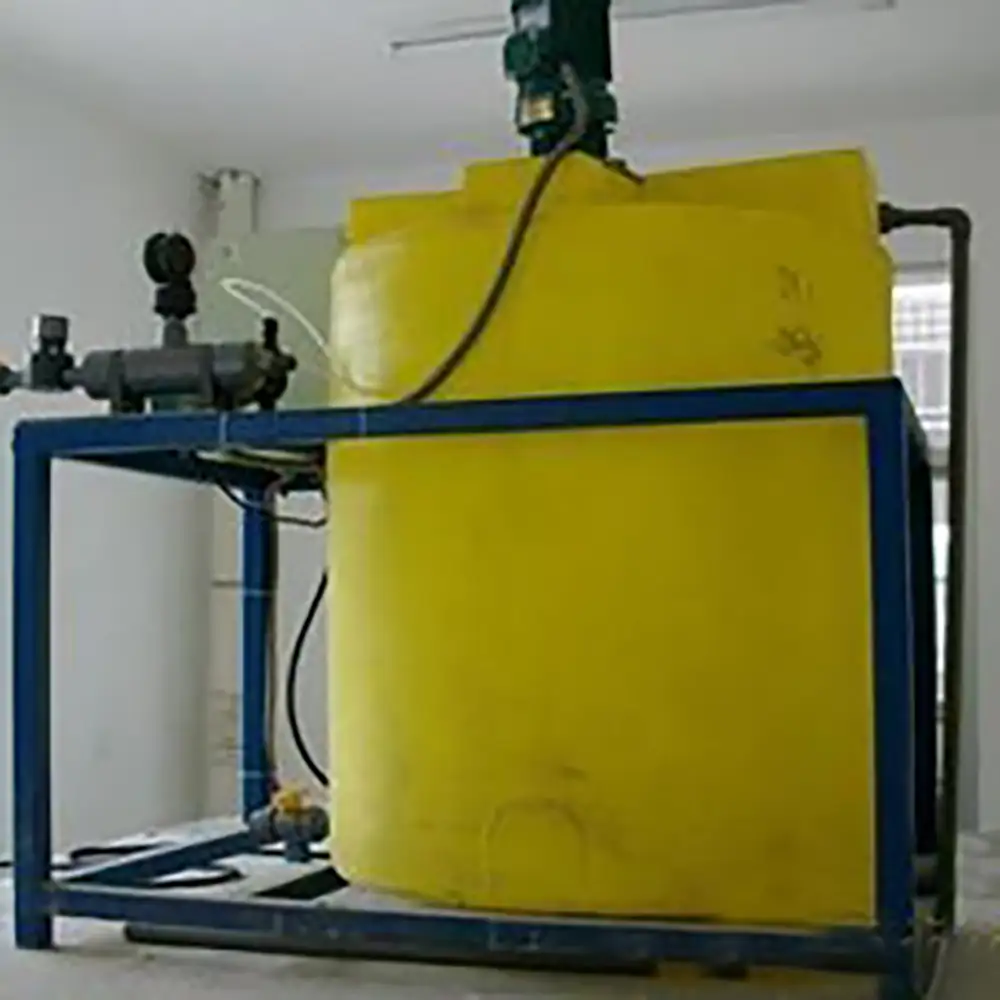
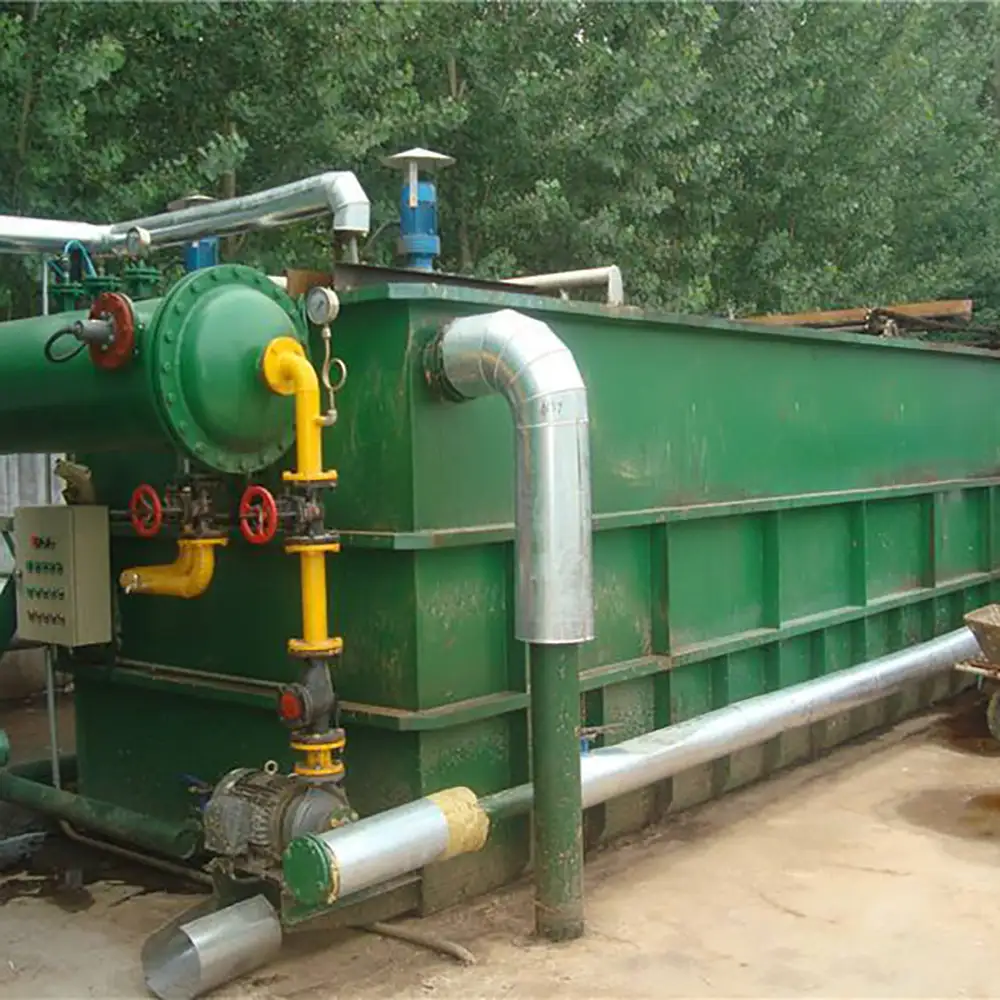
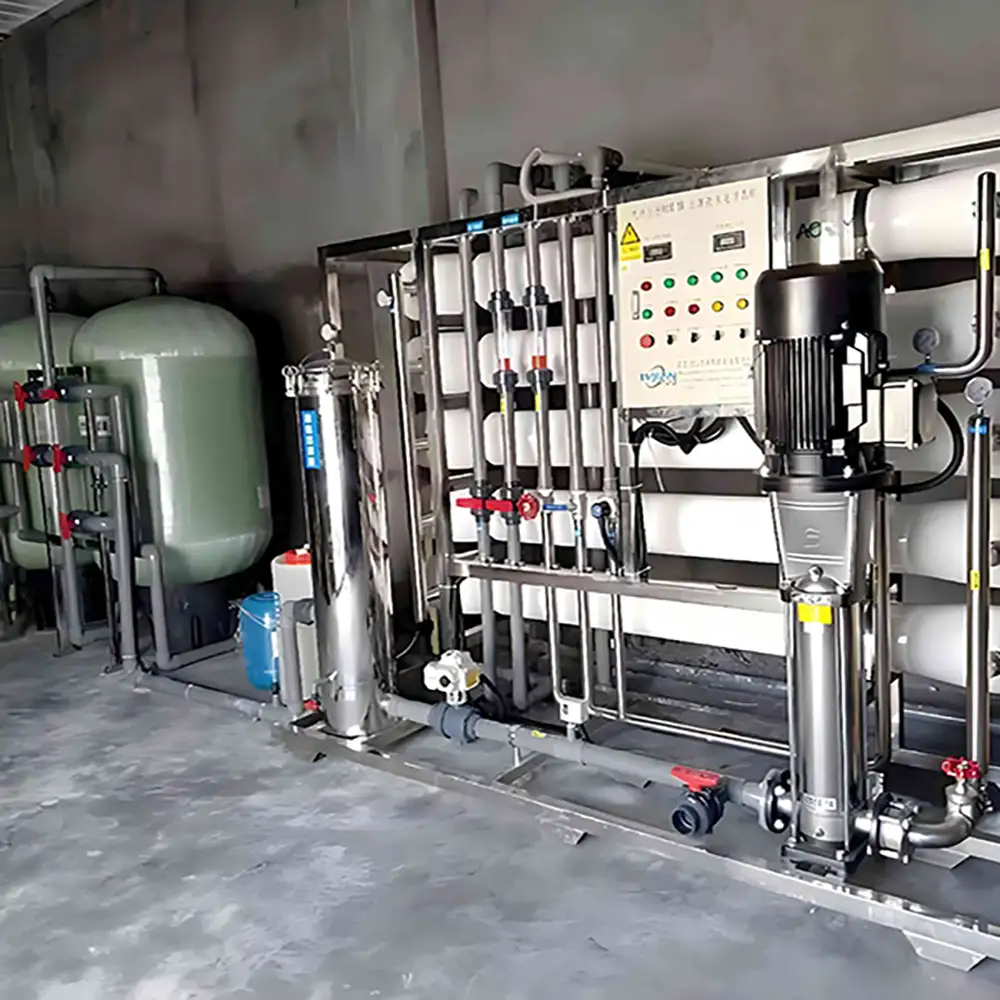
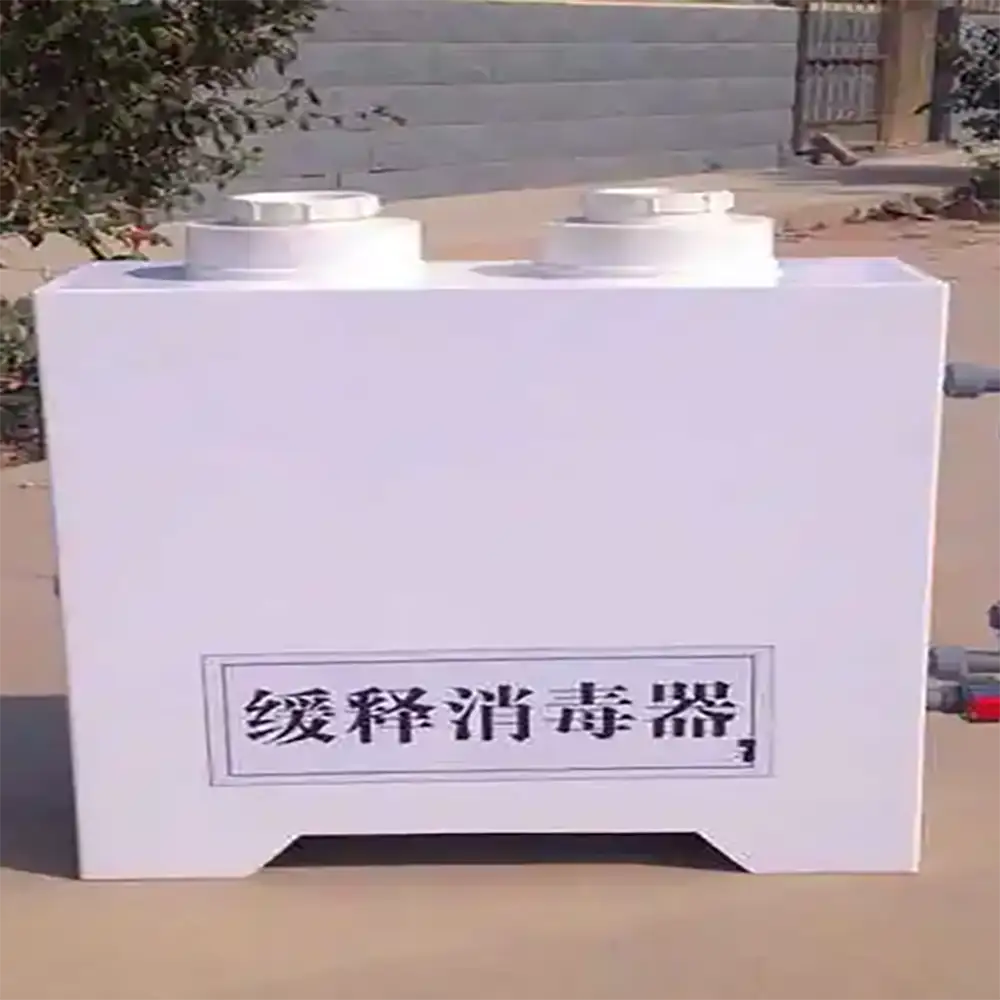
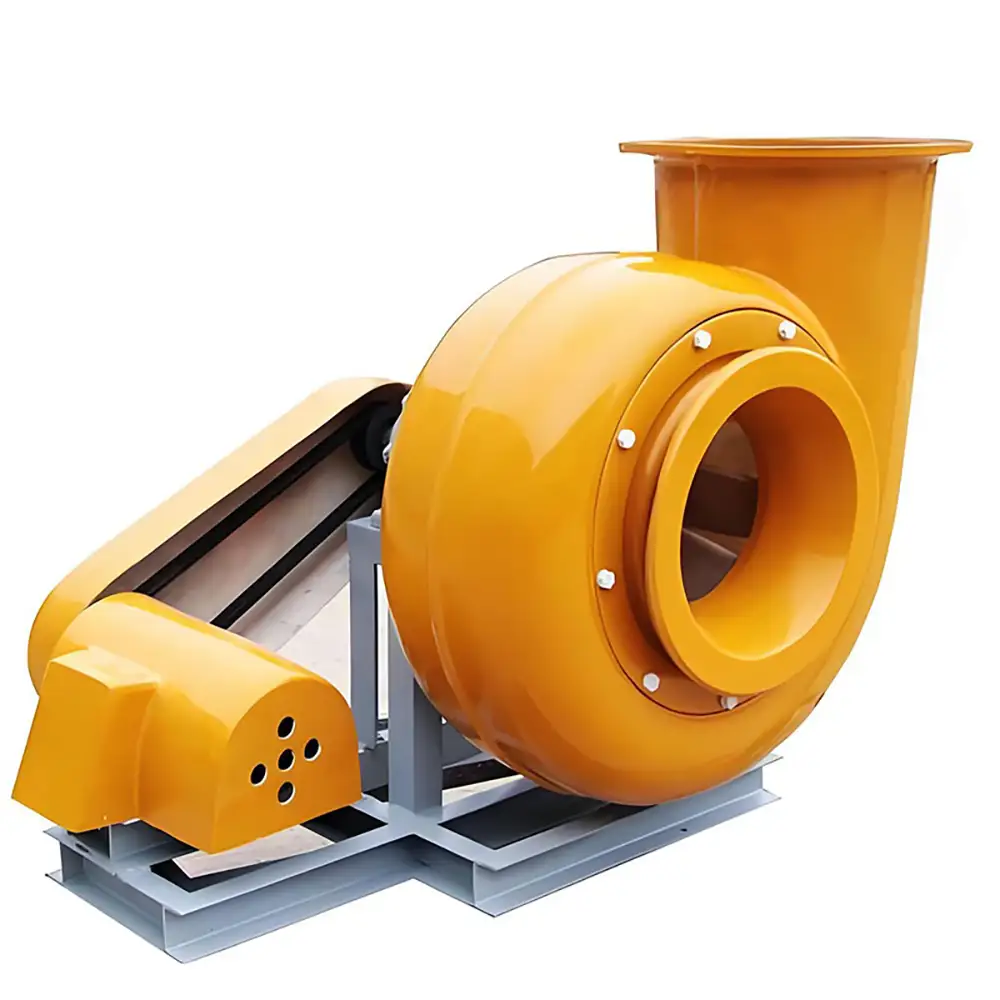
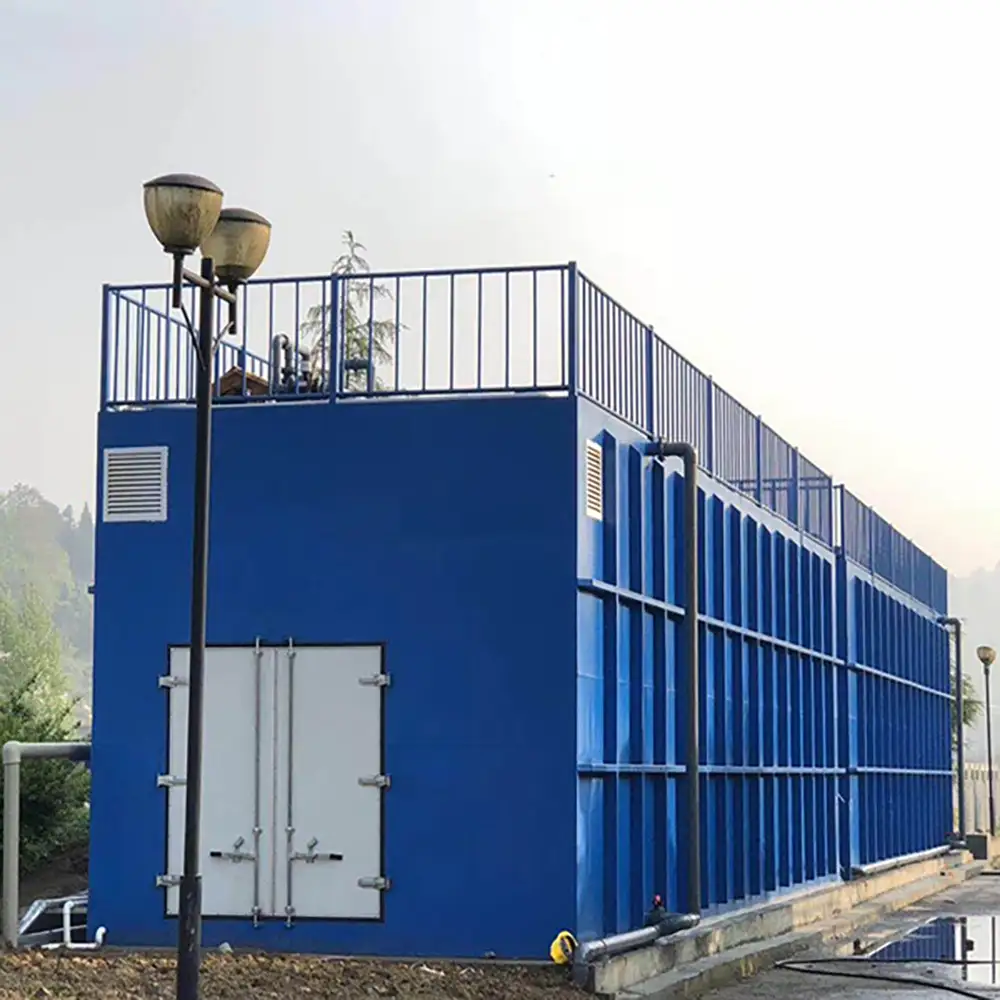
Intelligent Monitoring Automatic Regulation/Sewage Treatment System/Integrated Pumping Station
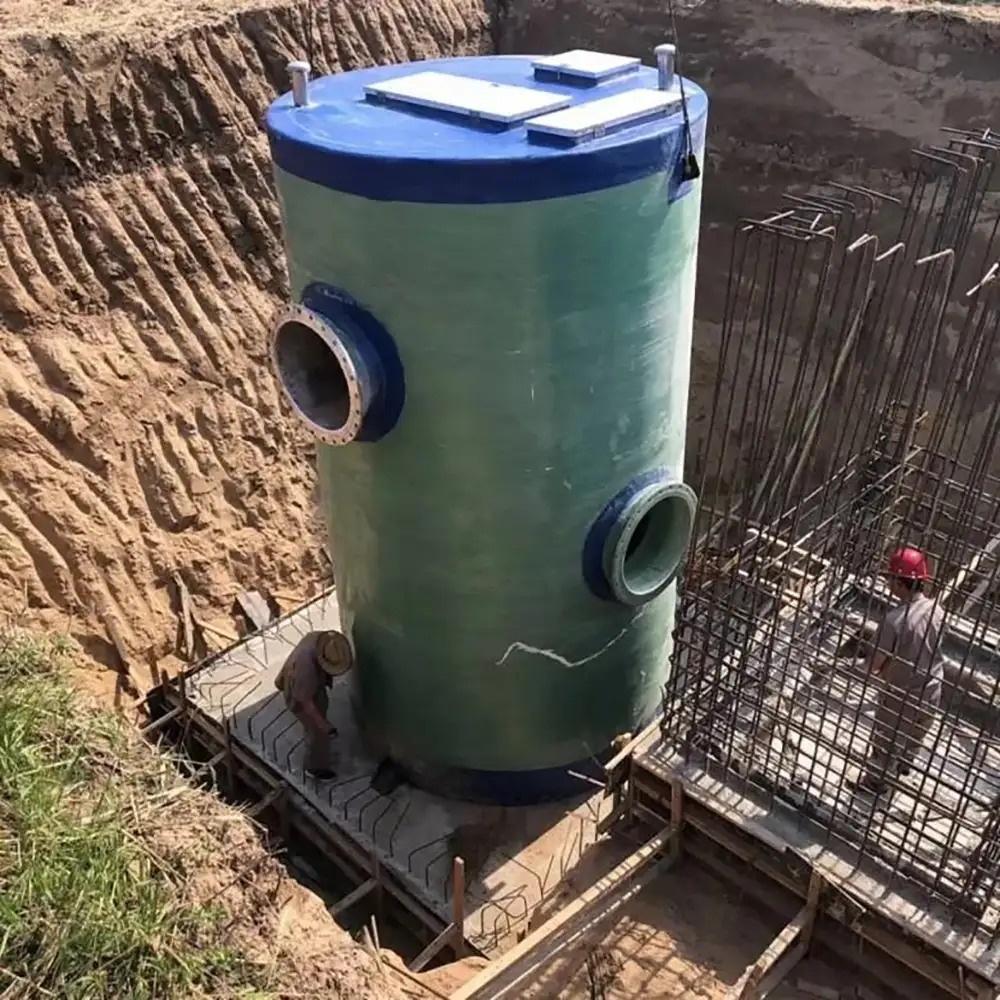
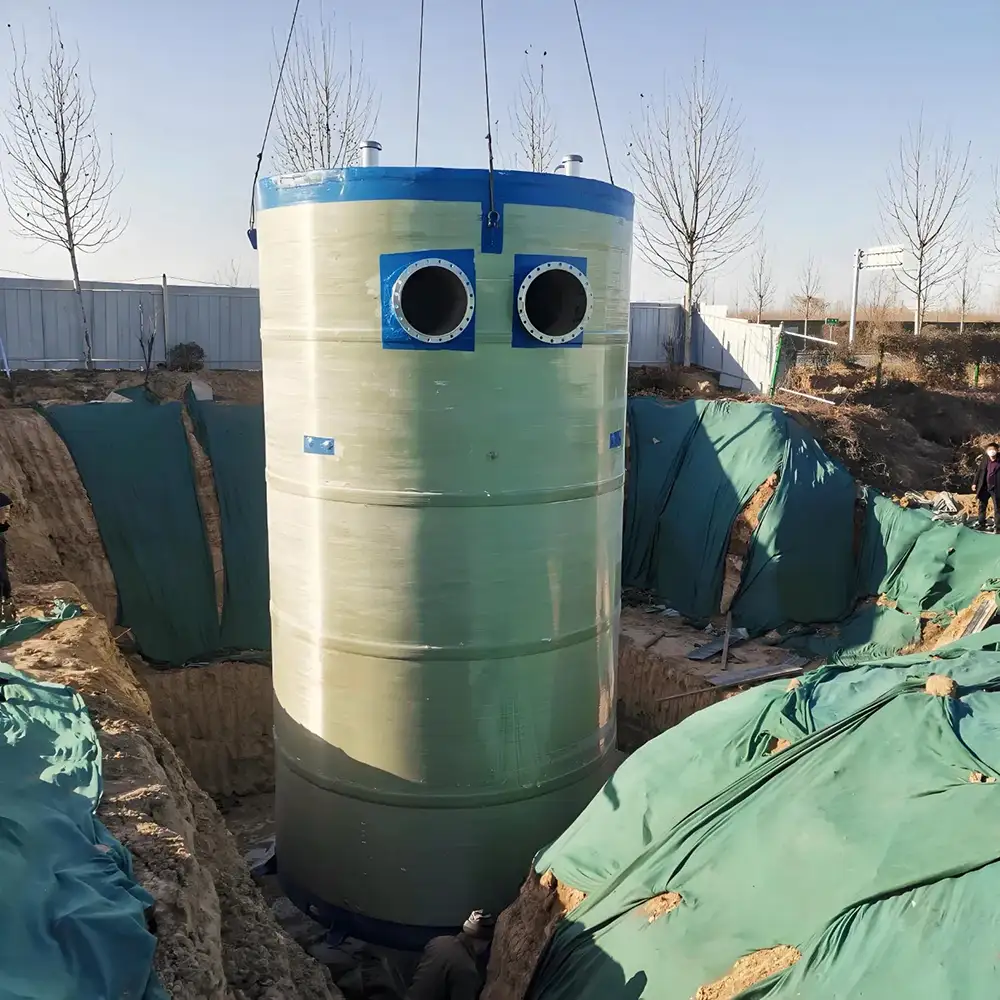
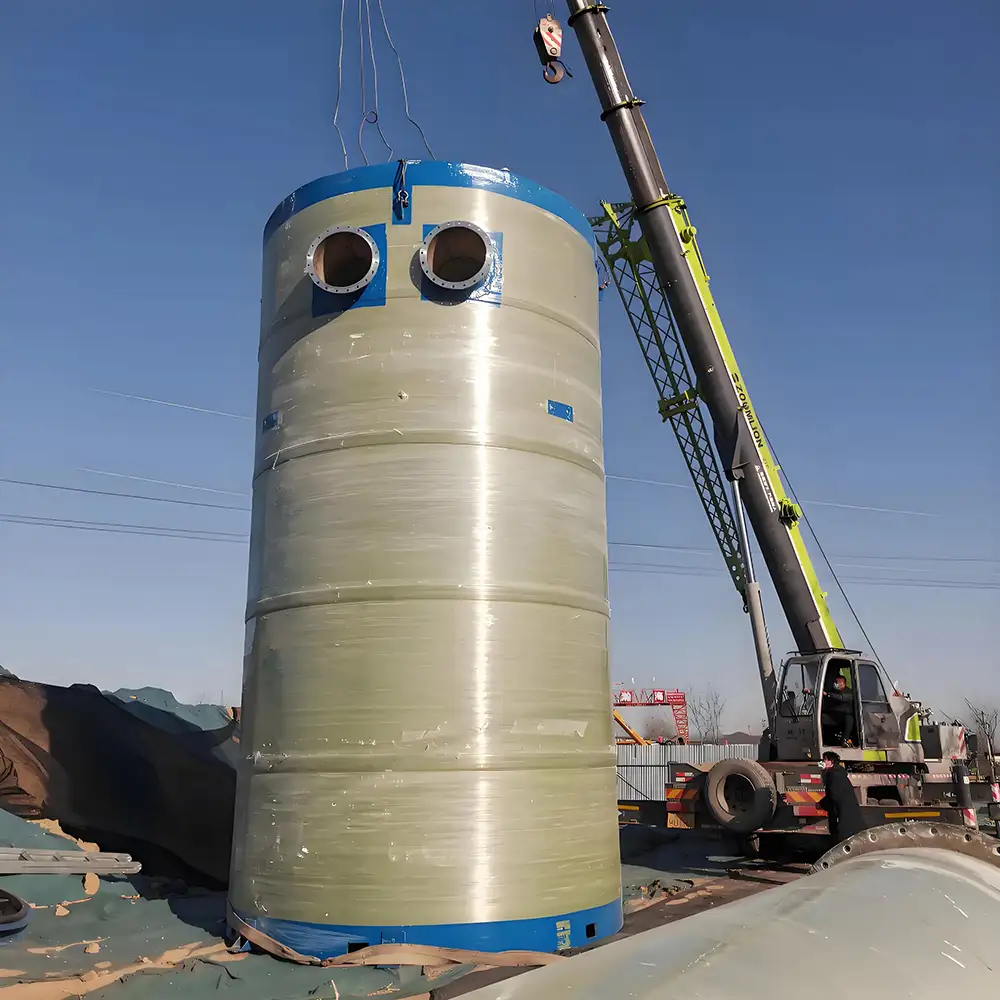
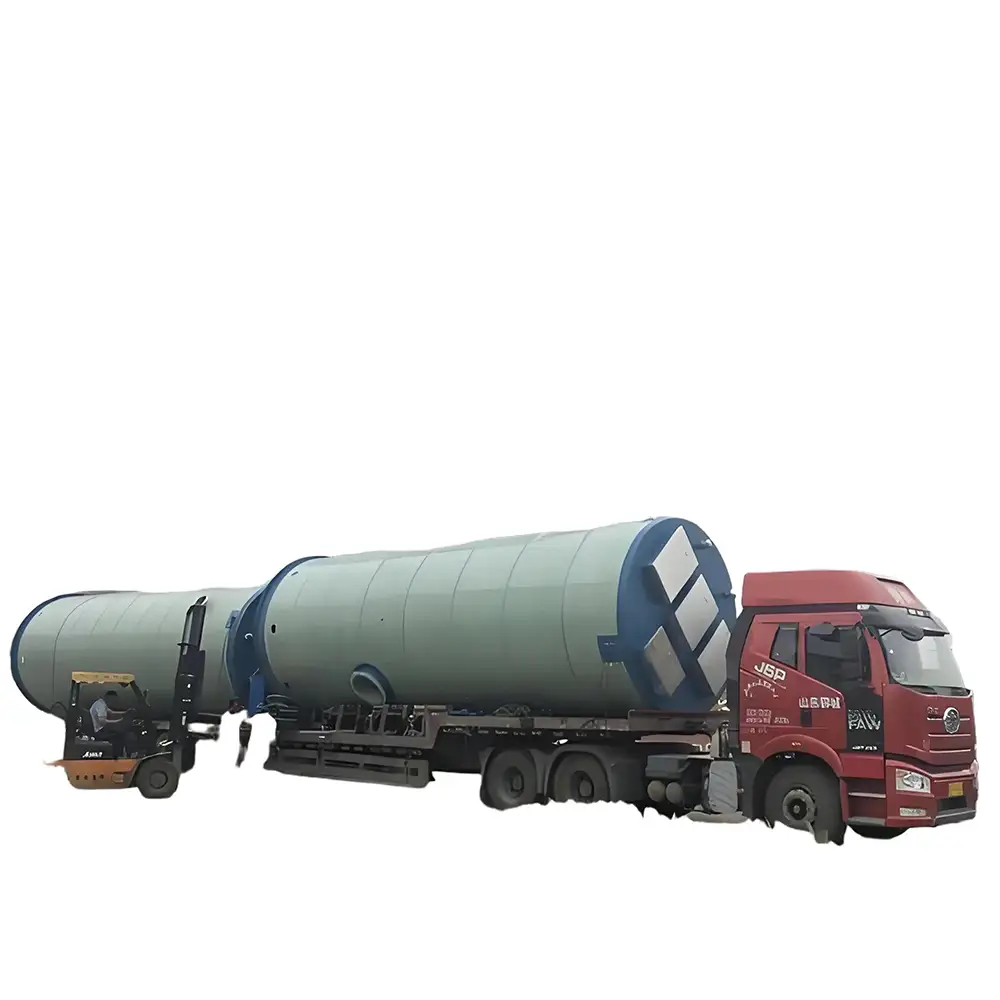
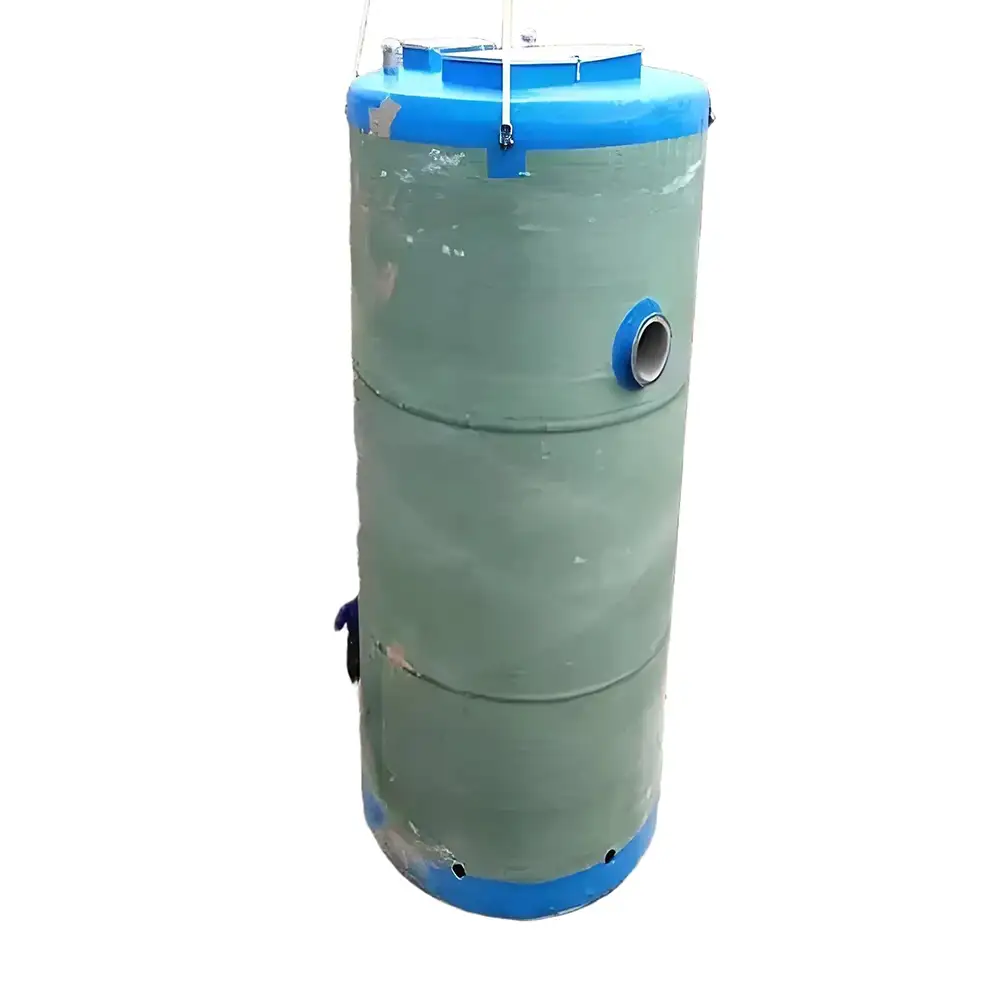
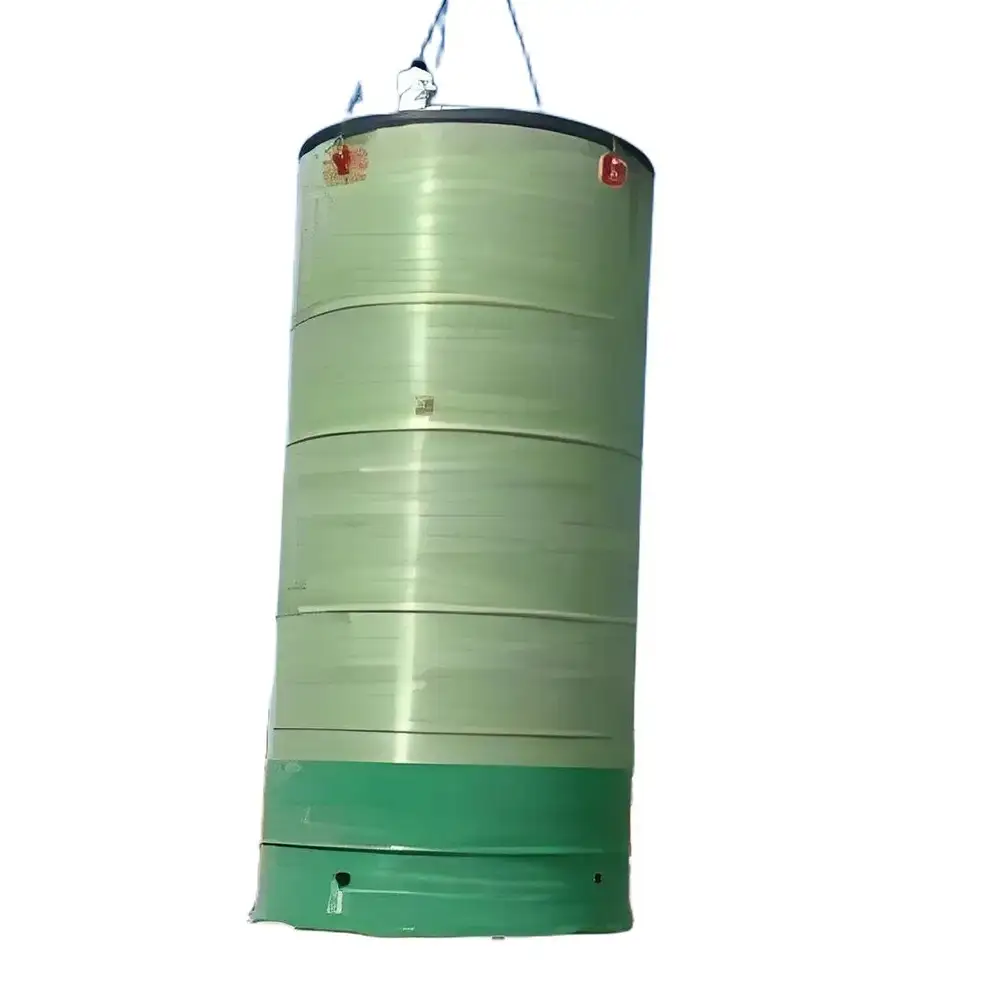
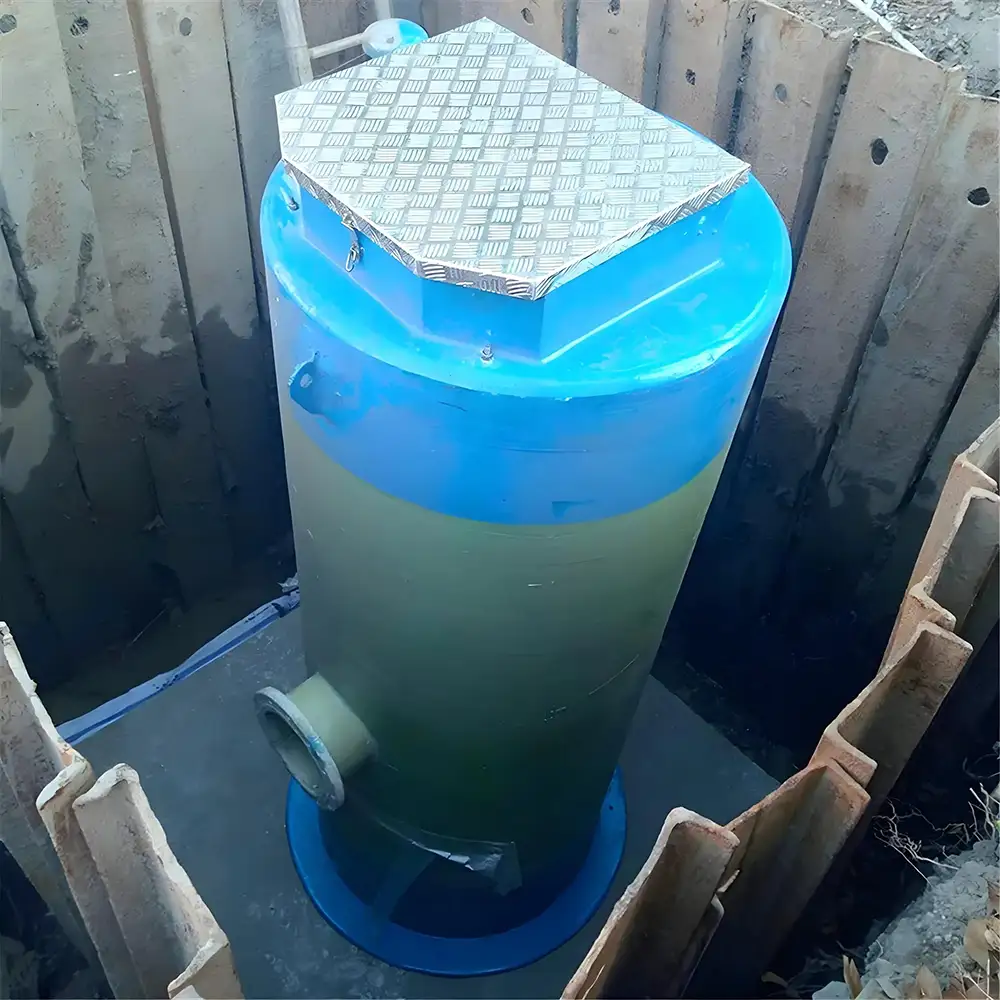
The integrated pumping station is a new type of environmentally friendly pumping station that is designed, manufactured, assembled, transported and installed on-site by the factory to enhance the drainage of sewage, rainwater, drinking water, wastewater, etc. The integrated pump station product has modern product characteristics such as short construction period, convenient installation, small size, high efficiency, and intelligent networking. Compared with traditional pumping stations, the civil engineering quantity is less, and the investment can be reduced by more than half. The product quality is reliable and it is a substitute for the traditional coagulation sewage lifting pump station.
1.0n demand customization: Each set of pump stations is designed based on the parameters provided by the customer, to meet the operational requirements of the pump station.
2.Design: Adopting new flow field calculations to minimize the discharge of solid particles such as sludge from the equipment.
3.Industrial control design: Adopting high-quality electrical appliances, touch screen design, including communication RS485 interface. The pump station should have manual control, automatic control, and distance detection functions, and different control methods should be able to switch freely.
Intelligent Monitoring Automatic Regulation/Sewage Treatment System/Integrated Pumping Station
Intelligent Monitoring Automatic Regulation/Sewage Treatment System/Integrated Pumping Station
4.New material: The pump station cylinder structure is made of fiberglass reinforced plastic (GRP), which is fully automated and continuously wound to ensure uniform thickness and achieve the designed stiffness, with stable and excellent quality. 5.Accessories standard: All accessories are designed and manufactured in the factory, including pressure pipelines, maintenance platforms, inlet and outlet pipes, etc., and the reliability of the pump station is strictly debugged before leaving the factory. 6.Highly integrated: As an integrated equipment, the pump station provides a complete set of components such as cylinder, pressure pipeline, maintenance platform, maintenance ladder, grid filtration device, coupling system, pump lifting system, ventilation device, anti-skid manhole cover, etc.
7.Cost savings: The pump station is supplied as a complete set, and only the entire pump station needs to be installed on site, reducing the civil construction cycle and engineering costs, and reducing the overall investment of the owner.
8.Service life: The pump station cylinder is made of fiberglass material, and the internal accessories are made of anti-corrosion materials such as SS304 and hot-dip galvanizing, which do not require maintenance and have a long service life.
9.Convenient maintenance: Both the water pump and grille are equipped with lifting rails, which can be quickly removed and installed during maintenance.
Intelligent Monitoring Automatic Regulation Sewage Treatment System with Integrated Pumping Station
The Intelligent Monitoring Automatic Regulation Sewage Treatment System with Integrated Pumping Station is designed for modern wastewater collection, transfer, treatment, and automated operation. By combining an integrated pumping station with sensors, automatic controls, PLC-based regulation, alarms, and optional remote monitoring, the system can help operators manage sewage flow more efficiently and respond to changing wastewater conditions.
Integrated pumping stations are particularly useful where wastewater cannot flow to the treatment plant entirely by gravity. A pumping station can collect sewage in a wet well and transfer it to a higher elevation, downstream sewer, equalization tank, or wastewater treatment facility. EPA materials describe lift stations as facilities used to pump sewage where gravity flow is impractical, while modern stations can incorporate automatic pump controls and standby pumps.
Intelligent Monitoring and Automatic Regulation
The core of the system is the combination of real-time monitoring and automatic control.
Sensors can measure parameters such as wastewater level, flow, pressure, pump status, equipment operation, and alarm conditions. The collected information is transmitted to the control system, where predefined operating logic determines how pumps and other equipment should operate.
EPA describes smart sewer technologies as systems that can combine sensors, communication networks, software, dashboards, and automated controls. Real-time control can use flow or level measurements to operate pumps, valves, gates, and other control elements.
For an integrated sewage pumping station, this means the equipment can automatically respond to changes in wastewater level rather than depending entirely on manual operation.
Integrated Sewage Pumping Station
An integrated pumping station combines the wet well, pumps, pipelines, valves, electrical controls, sensors, and other supporting components into a coordinated system.
Depending on project requirements, the pumping station can include:
Sewage Collection Tank
Submersible Sewage Pumps
Guide Rails
Discharge Pipes
Check Valves
Isolation Valves
Level Sensors
Flow Meters
Pressure Sensors
PLC Control Cabinet
Variable Frequency Drives
High-Level Alarm
Low-Level Alarm
Ventilation System
Access Cover
Lifting Equipment
Remote Monitoring Module
Prefabricated pumping stations can be factory assembled before shipment. EPA notes that prefabricated pump stations are available in dry-well and submersible configurations and are commonly used for smaller flows because of their compact design and factory-installed equipment.
Automatic Sewage Pump Control
Automatic pump control is one of the most important functions of an intelligent pumping station.
A level sensor installed in the wet well detects rising and falling wastewater levels. When the water reaches the programmed start level, the lead pump can start automatically. When the level falls to the stop level, the pump can shut down.
For duplex or multiple-pump systems, the control program can alternate pumps to distribute operating hours. If incoming flow exceeds the capacity of the lead pump, an additional pump can be activated.
EPA documentation describes lift stations using lead and lag pumps, with level controls determining pump activation and alternation to balance equipment operation.
This configuration can also provide standby capacity. If one pump is unavailable, the control system can generate an alarm and switch to another available pump when the system is configured for automatic standby operation.
Intelligent Level Monitoring
Accurate wastewater level monitoring is essential for reliable pumping station operation.
Depending on the project, the system can use float switches, pressure transmitters, ultrasonic level sensors, radar sensors, or other suitable level measurement technologies.
The controller can establish multiple operating levels, such as:
Low-Level Stop
Normal Start
Lead Pump Start
Lag Pump Start
High-Level Alarm
High-High Emergency Alarm
These settings allow the pumping station to respond to changing inflow conditions.
EPA technical material identifies liquid level as a common control parameter for wastewater pump stations and describes level-based pump sequencing and speed control.
PLC Automatic Regulation System
A programmable logic controller can serve as the main control unit for the integrated pumping station.
The PLC can receive signals from level sensors, flow meters, pressure sensors, pump motors, valves, and alarm devices. Based on programmed logic, it can control pump start/stop sequences, pump alternation, variable-speed operation, alarm functions, and equipment interlocks.
A PLC-based system can also store operating information and communicate with a local HMI or centralized SCADA platform.
For larger wastewater projects, PLC and SCADA integration can provide operators with a centralized interface for monitoring multiple pumping stations and treatment units.
SCADA and Remote Monitoring
Remote monitoring is useful for unattended or distributed wastewater facilities.
A communication module can transmit operating data from the pumping station to a central monitoring platform. Operators can view water level, pump status, alarms, flow information, and other available parameters without being physically present at the station.
EPA describes SCADA as a system that receives and communicates data and control commands between central and remote locations in real time.
Remote monitoring can be especially useful for municipal networks, industrial parks, rural wastewater systems, residential communities, hotels, factories, and decentralized treatment facilities.
Variable Frequency Pump Regulation
Where variable-speed pumps are used, the control system can adjust pump speed according to wastewater level, flow requirements, or programmed operating conditions.
Variable frequency drives can provide adjustable pump operation rather than simple fixed-speed start/stop control.
This approach may be useful where inflow varies significantly throughout the day. EPA materials describe variable-speed pumping and level-based control as established approaches for wastewater pumping applications.
The final pump and VFD selection should be based on actual flow, total dynamic head, pump curves, pipe characteristics, and operating conditions.
Sewage Treatment System Integration
The integrated pumping station can be installed upstream or within a complete sewage treatment system.
A typical process may include:
Sewage Collection → Integrated Pumping Station → Screening → Equalization → Biological Treatment → Sedimentation → Filtration → Disinfection → Treated Effluent
The pumping station can transfer wastewater between different treatment stages according to elevation and hydraulic requirements.
It can also be connected to MBBR, SBR, activated sludge, membrane bioreactor, oxidation ditch, integrated sewage treatment equipment, or other wastewater treatment technologies.
Municipal and Industrial Applications
The system can be used in many wastewater collection and treatment applications, including:
Municipal Sewage Treatment
Domestic Wastewater Treatment
Residential Communities
Rural Sewage Treatment
Industrial Parks
Commercial Buildings
Hotels And Resorts
Schools And Institutions
Hospitals
Food Processing Facilities
Manufacturing Plants
Construction Projects
Remote Wastewater Systems
Decentralized Wastewater Treatment
Package Sewage Treatment Plants
For industrial applications, pump materials, impeller configuration, electrical equipment, and control logic should be selected according to wastewater characteristics and site conditions.
Compact and Prefabricated Configuration
A compact integrated pumping station can reduce the amount of onsite construction required.
Factory assembly can allow pumps, valves, sensors, control panels, and internal piping to be installed before transportation. This can simplify field connections and shorten installation work.
The station can be configured for underground installation or other project-specific arrangements depending on site conditions, access requirements, groundwater conditions, traffic loads, and local engineering standards.
Safety and Alarm Functions
Intelligent control systems can include multiple alarm and protection functions.
Typical functions include:
High Water Level Alarm
High-High Water Level Alarm
Pump Overload Protection
Pump Failure Alarm
Dry-Run Protection
Power Failure Alarm
Communication Failure Alarm
Door Open Alarm
Automatic Standby Pump Start
Emergency Stop
Manual/Automatic Operating Modes
The actual safety functions should be selected according to the pumping station design and applicable electrical and wastewater regulations.
Why Choose Us
Intelligent monitoring and automatic sewage regulation
Integrated pumping station and wastewater system design
PLC-based automatic pump control
Optional SCADA and remote monitoring
Automatic lead-lag pump sequencing
Multiple pump configurations available
Real-time wastewater level monitoring
High-level and emergency alarm functions
Compact prefabricated configurations
Suitable for municipal and industrial wastewater
Easy integration with complete sewage treatment plants
Project-specific pump, sensor, and control configuration
FAQ
1. What Is an Intelligent Sewage Pumping Station?
It is a wastewater pumping station equipped with sensors, automatic controls, PLCs, alarms, and optional remote monitoring for automated sewage collection and transfer.
2. What Does Automatic Regulation Mean?
Automatic regulation means the system adjusts pump operation according to measured conditions such as wastewater level, flow, pressure, or programmed operating parameters.
3. How Does the Pumping Station Control Water Level?
A level sensor measures the wastewater level in the wet well. The PLC uses programmed start and stop points to control the pumps automatically.
4. Can Multiple Pumps Be Installed?
Yes. Duplex, triplex, and other multiple-pump configurations can be designed. Lead-lag sequencing and pump alternation can be programmed according to the project requirements.
5. Can the System Automatically Switch to a Standby Pump?
Yes. When configured with standby capacity and appropriate control logic, the system can switch to an available pump after a pump failure or when wastewater level reaches a programmed high level.
6. Can the Pumping Station Be Connected to SCADA?
Yes. PLC and communication equipment can be integrated with a SCADA platform for centralized monitoring and control.
7. Can It Be Used for Municipal Sewage?
Yes. Integrated pumping stations are commonly used for municipal sewage collection and transfer, especially where gravity flow is insufficient.
8. Can It Handle Industrial Wastewater?
Yes, provided the pumps and wetted components are selected for the actual wastewater characteristics. Industrial wastewater may require specialized materials, impellers, seals, and pretreatment.
9. What Sensors Can Be Used?
Depending on the application, the system can use float switches, pressure level sensors, ultrasonic sensors, radar level sensors, flow meters, pressure sensors, and equipment status signals.
10. Can Pump Speed Be Automatically Adjusted?
Yes. When variable-speed pumps and VFDs are installed, the PLC can regulate pump speed according to programmed control logic and available process measurements.
11. Is the Pumping Station Prefabricated?
A prefabricated configuration can be supplied with pumps, valves, internal piping, sensors, and control equipment assembled before delivery. The exact configuration depends on project requirements.
12. What Information Is Needed for Pumping Station Selection?
Important information includes wastewater flow rate, peak flow, total dynamic head, pipeline length and diameter, wastewater characteristics, installation depth, power supply, pump quantity, required automation level, and downstream treatment requirements.
Prev:
Energy Saving High Capacity Wwtp Power Plant Magnetic Levitation Turbo Blower
Next:
Compact Prefabricated Pumping Unit Water Purifier
TAG:
Integrated Wastewater Treatment System,
Package Sewage Treatment Plant,
Decentralized Sewage Treatment System,
Onsite Wastewater Treatment System,
Hotel Wastewater Pumping Station,
Industrial Park Sewage Pumping Station,
Integrated Wastewater Management System,
Remote Pumping Station Monitoring,
Wireless Wastewater Monitoring,
Real Time Wastewater Monitoring,
Real Time Sewage Monitoring,
Water Level Monitoring System,
Wastewater Level Monitoring,
Sewage Level Monitoring,
Automatic Water Level Control,
Automatic Wastewater Level Control,
Level Sensor Pump Control,
Wastewater Flow Monitoring,
Sewage Flow Monitoring,
Automatic Pump Sequencing,
Pump Lead Lag Control,
Lead Lag Pump Control,
Pump Alternation Control,
Variable Speed Pump Control,
VFD Pump Control,
Wastewater Pump VFD,
Automatic Pump Station Control,
High Level Alarm Sewage Pumping Station,
High Water Level Alarm System,
Wastewater Pump Failure Alarm,
Related Category:
Intelligent Monitoring Sewage Treatment System,Automatic Sewage Treatment System,Automatic Regulation Sewage Treatment China, suppliers, manufacturers, factory, customized, wholesale, quotation, made in China