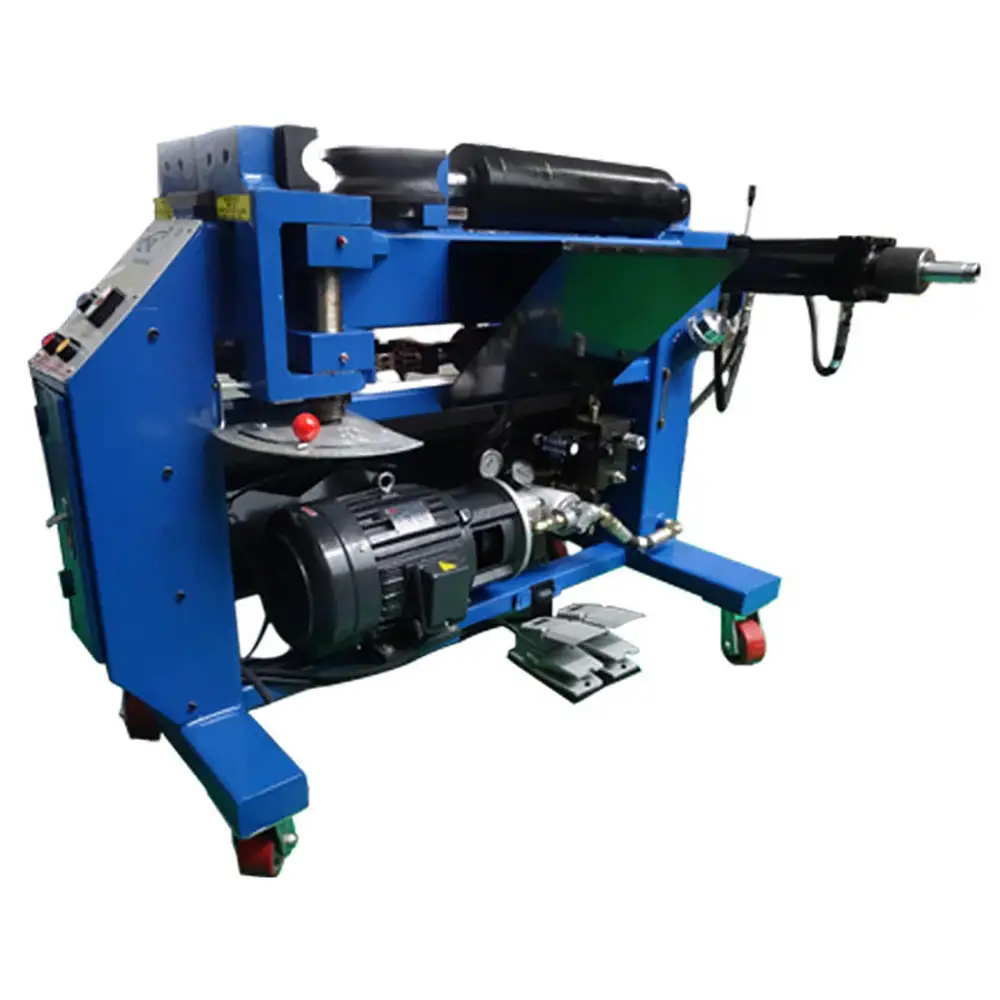
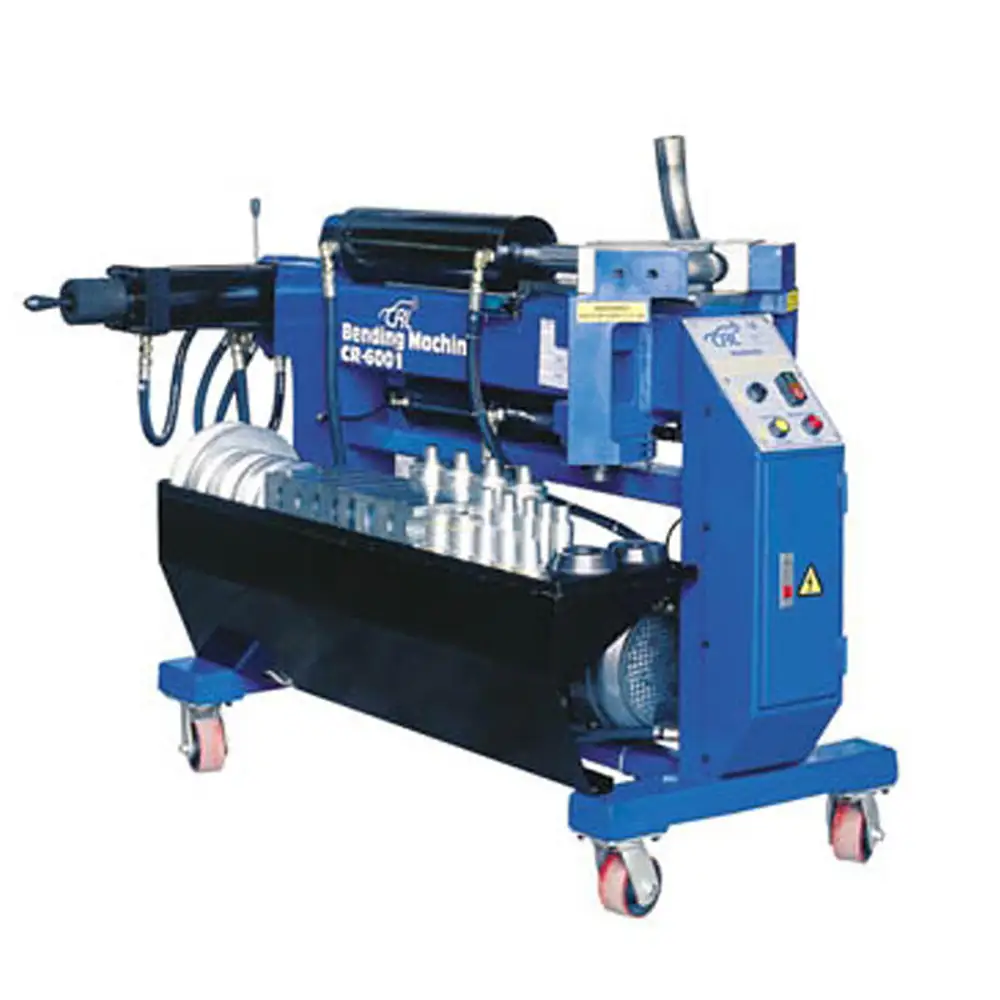
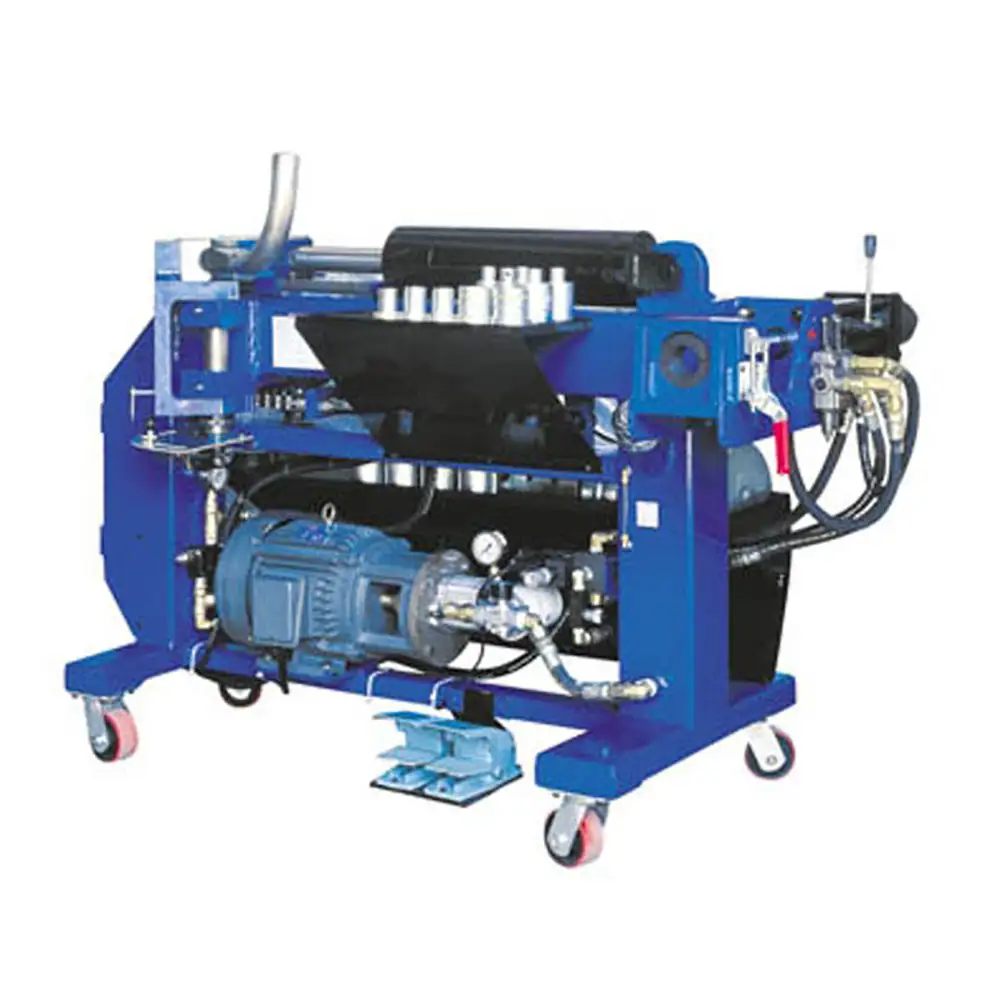
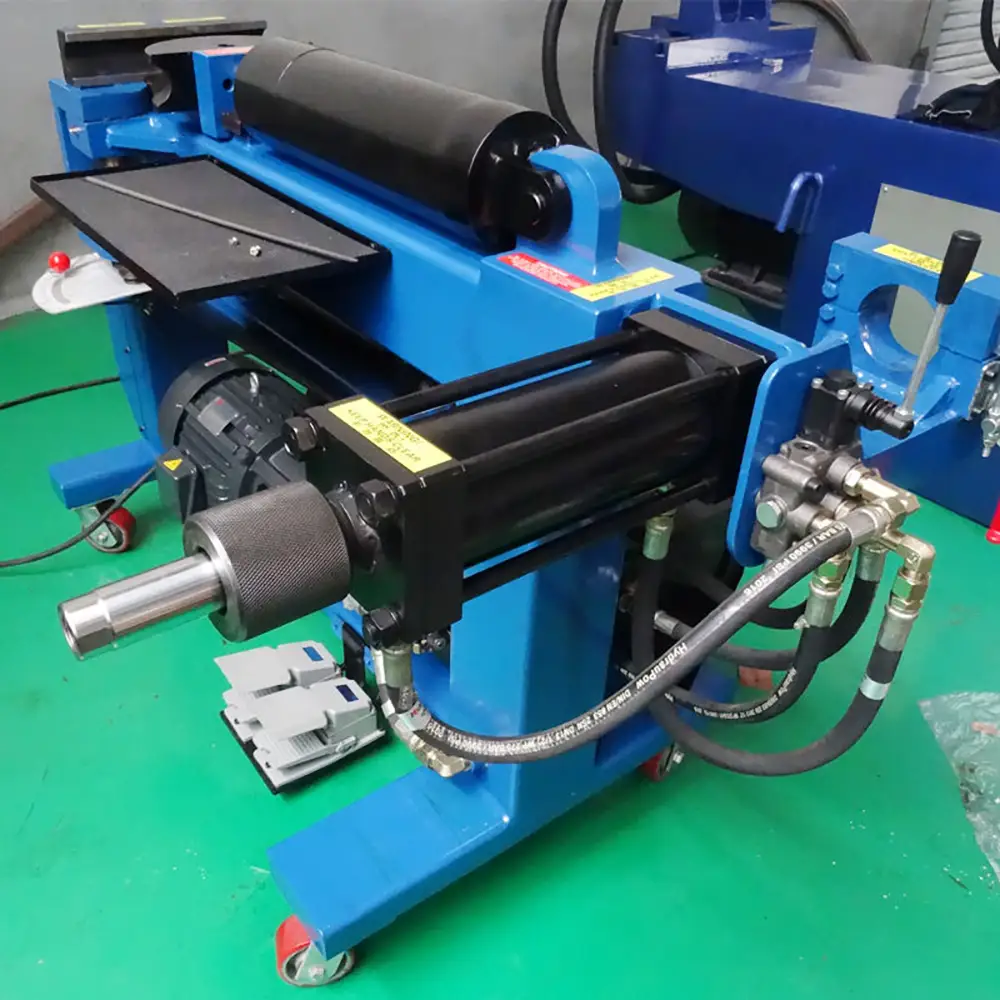
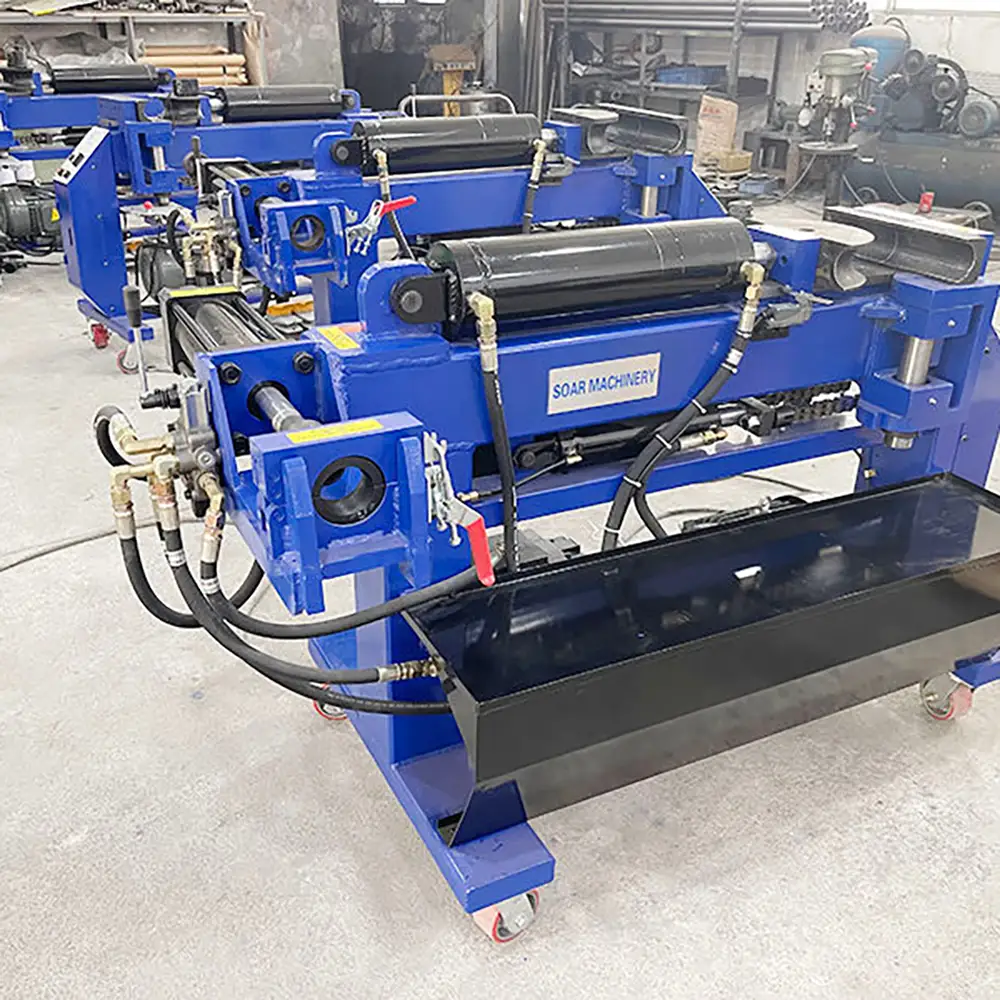
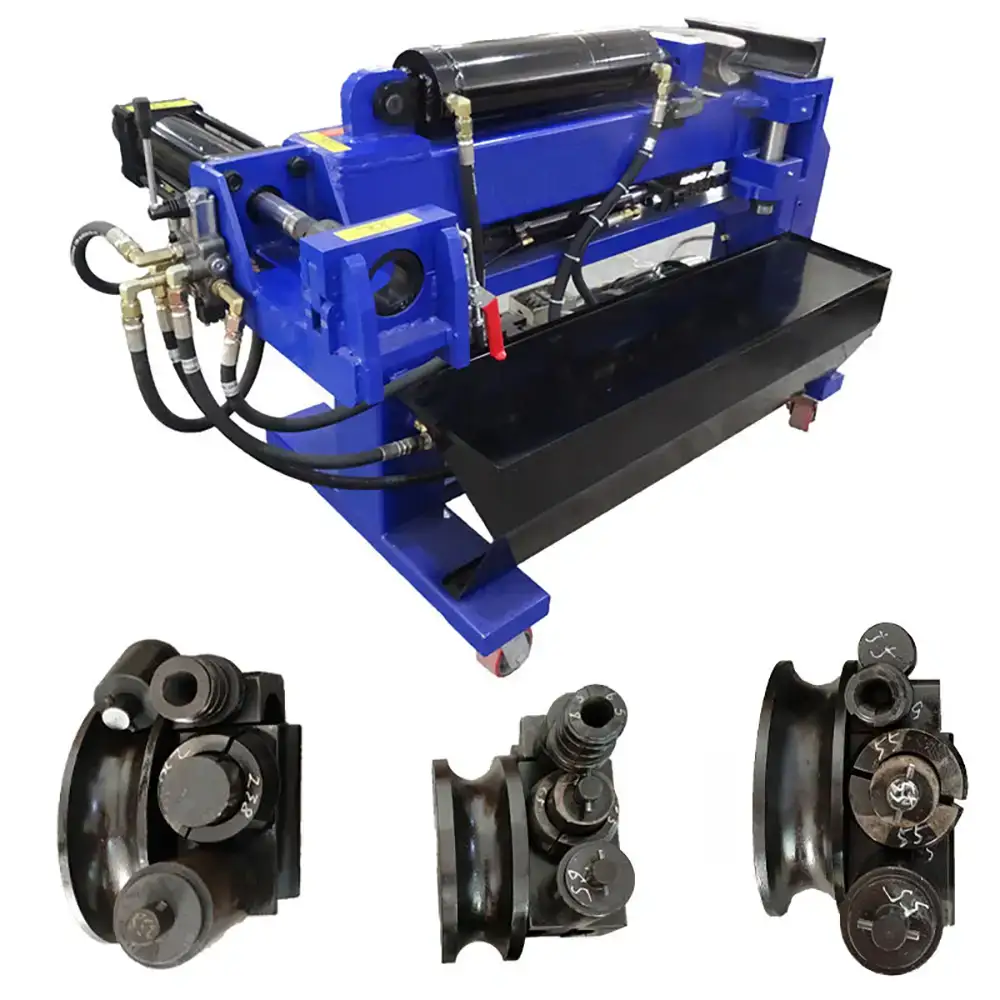
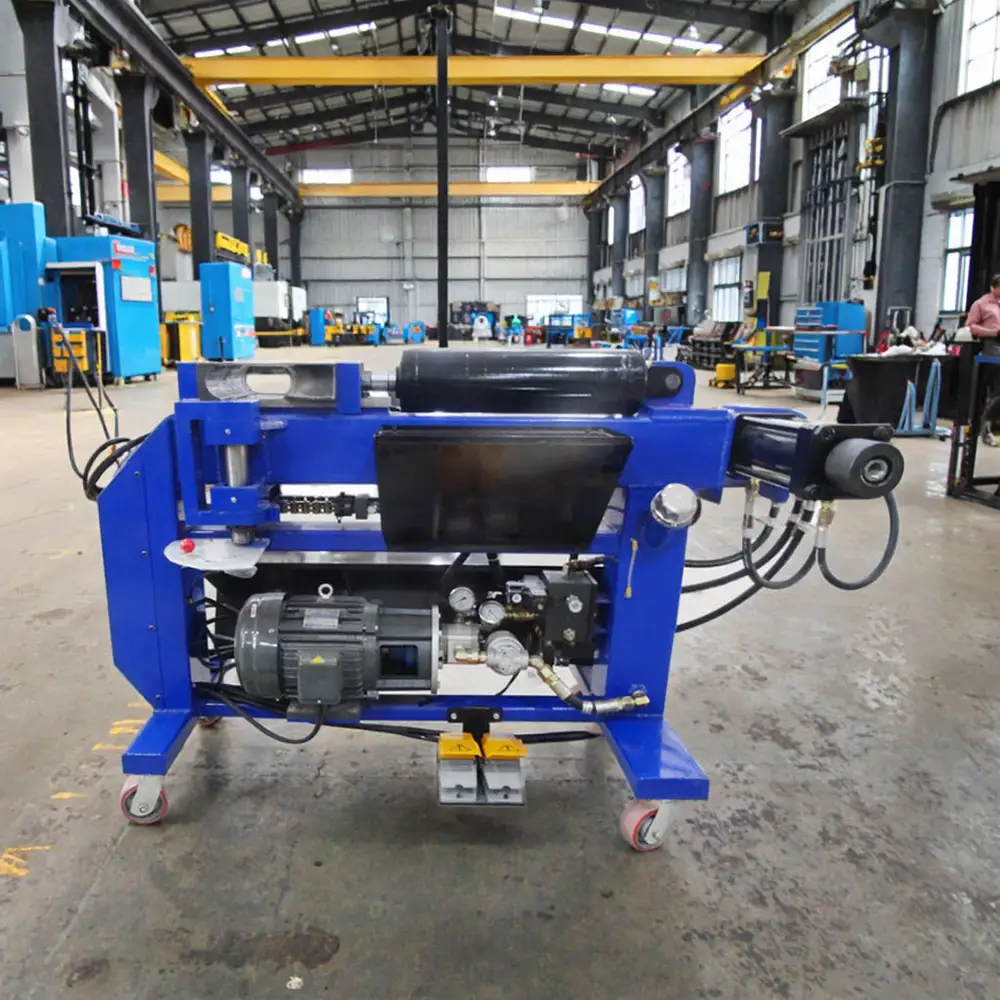
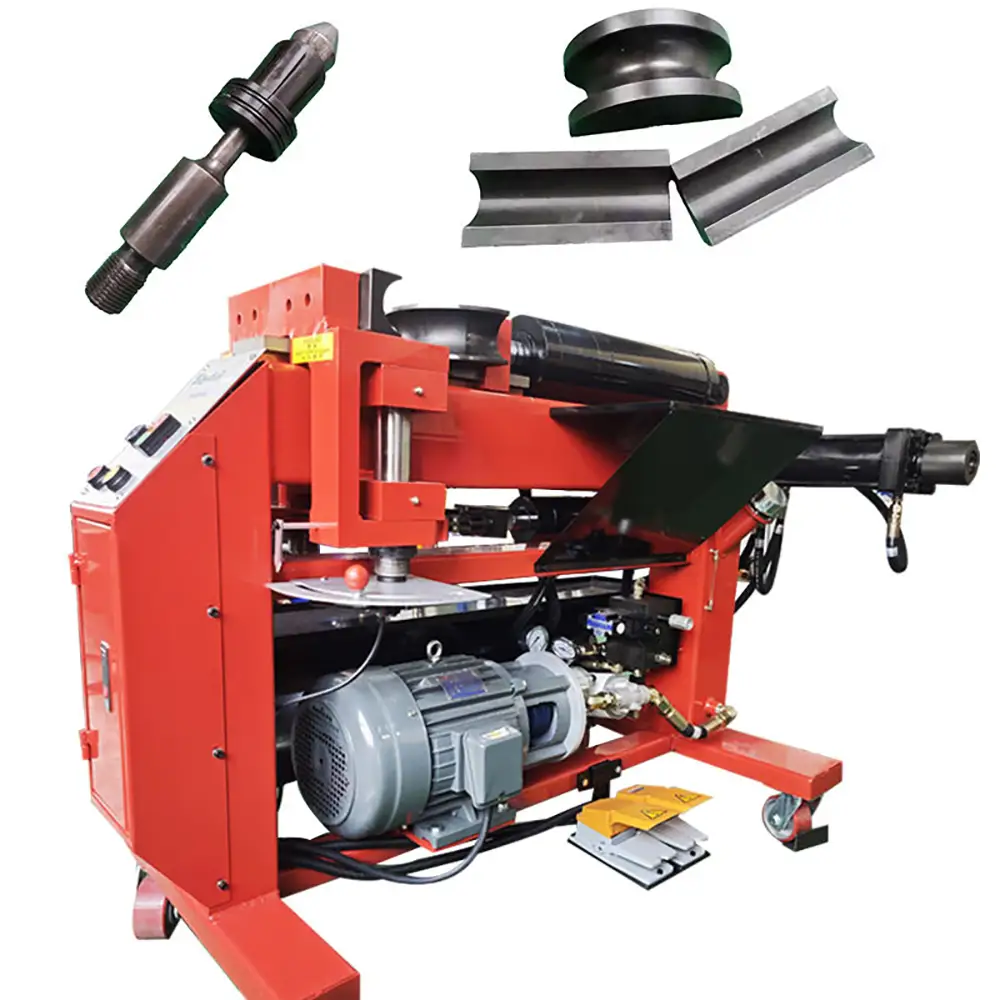
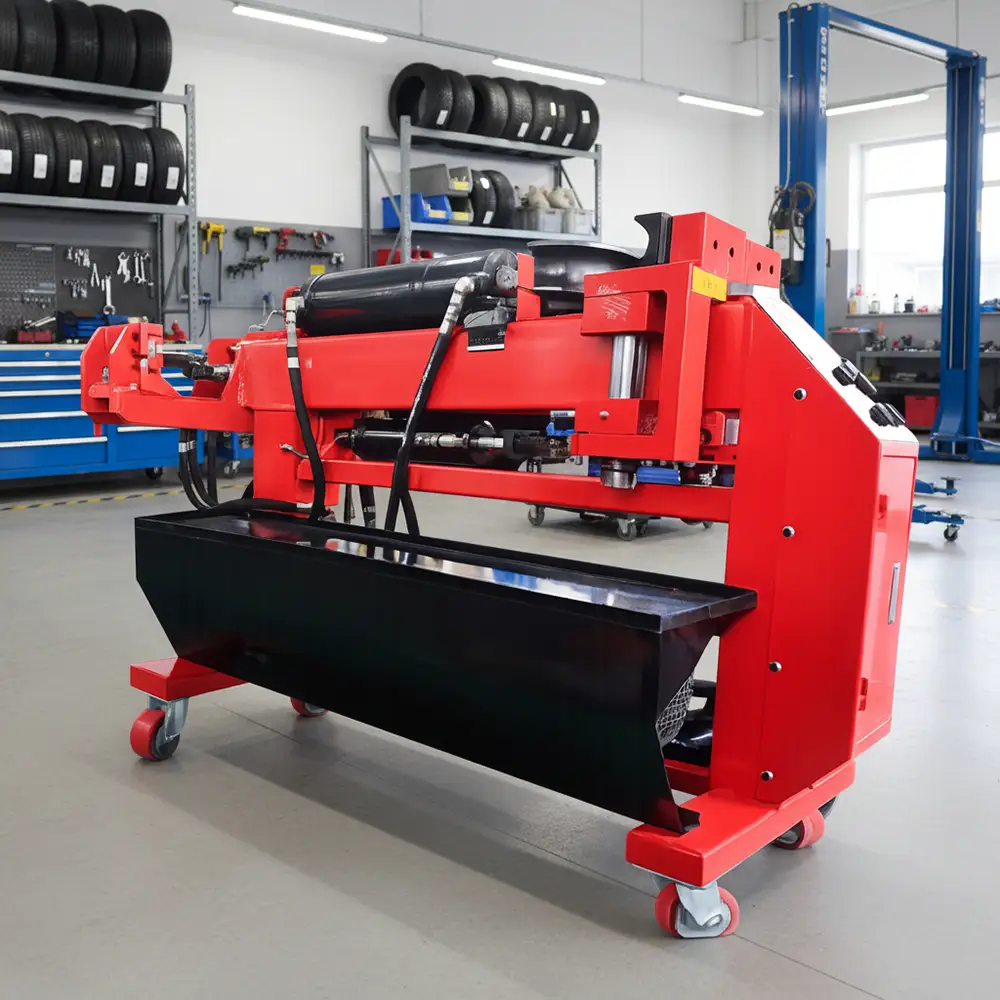
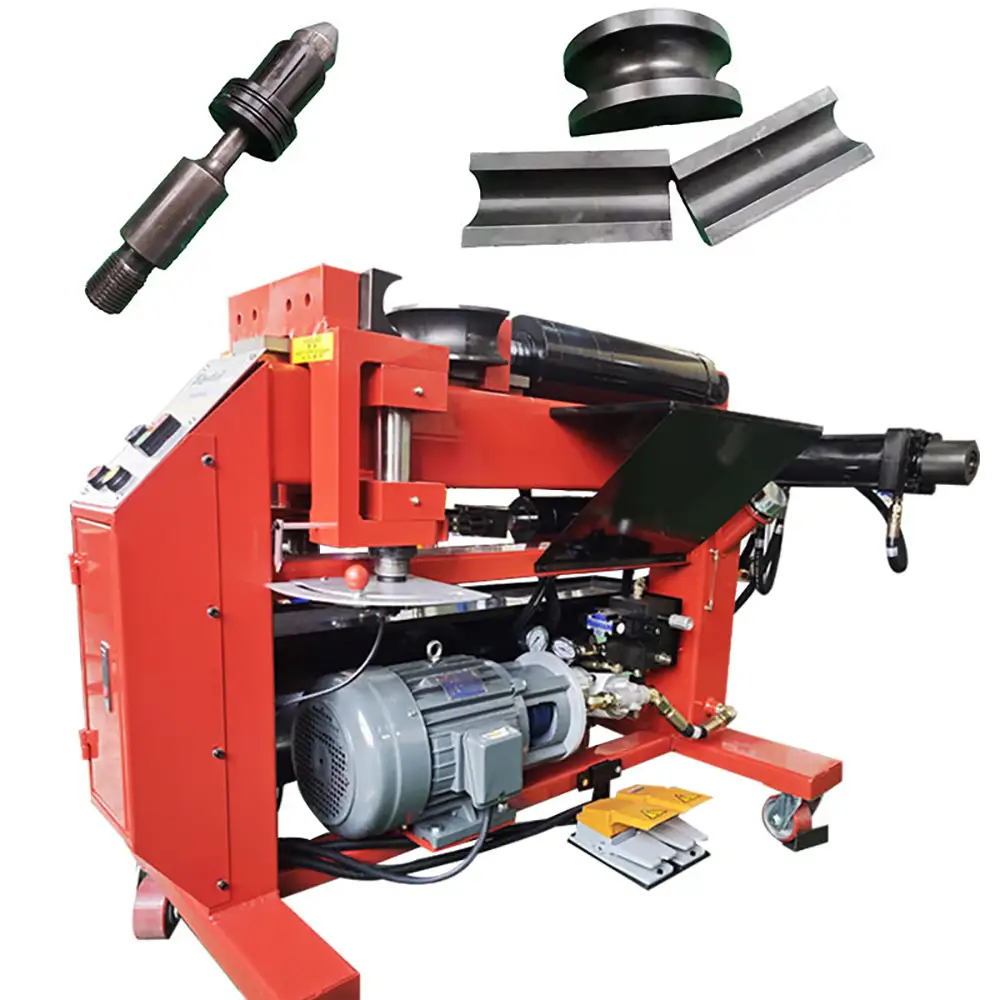
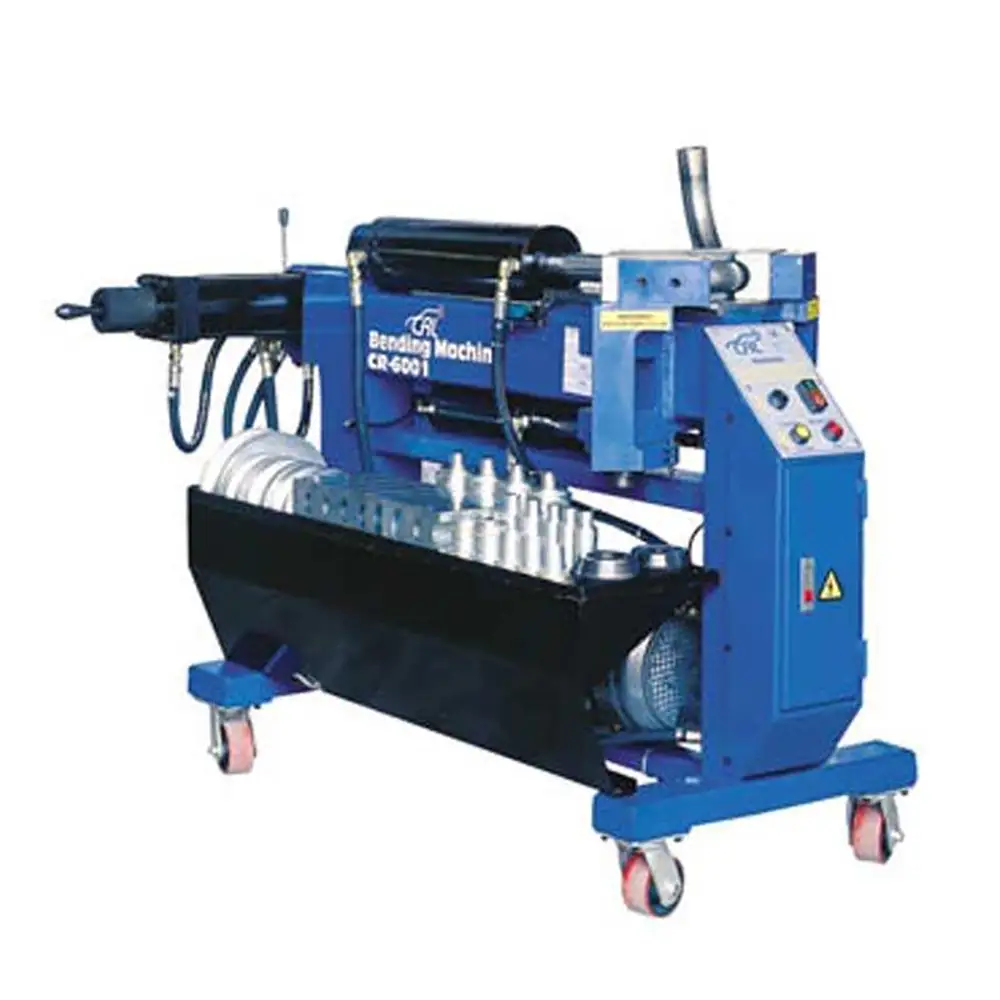
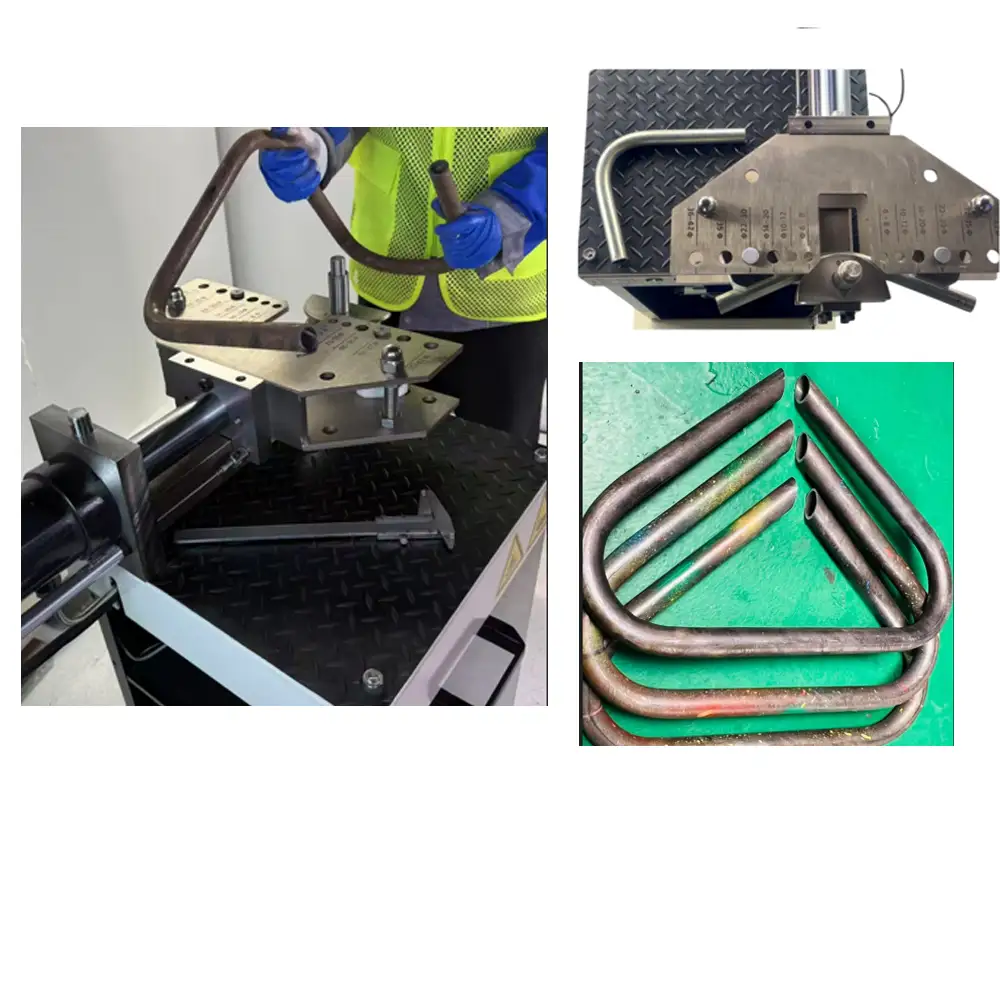
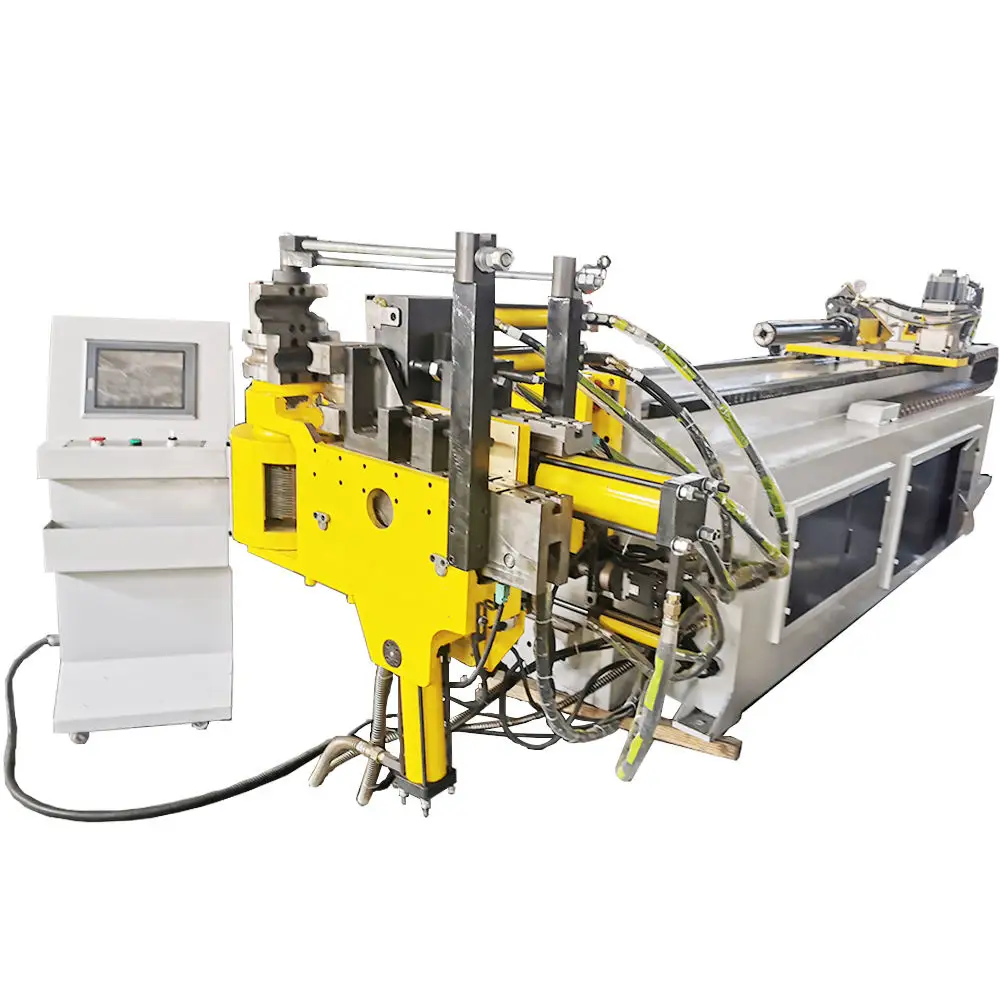
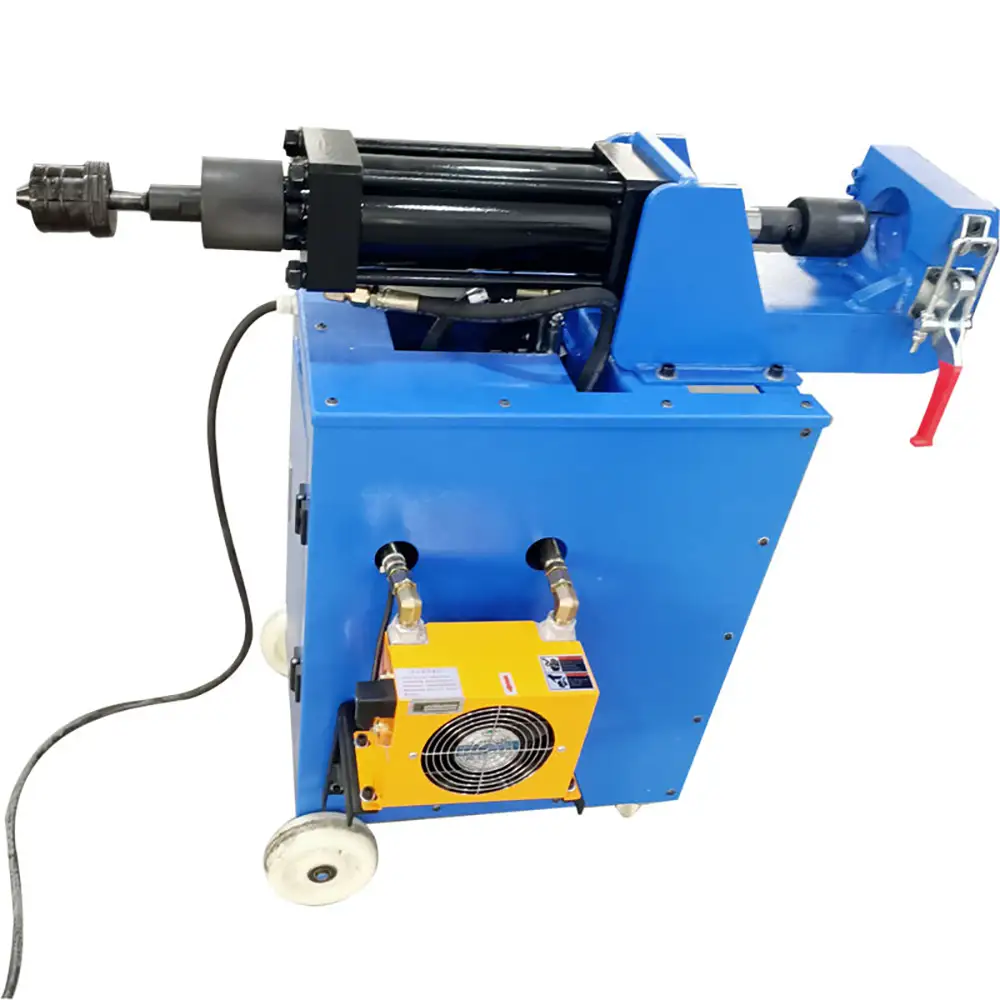
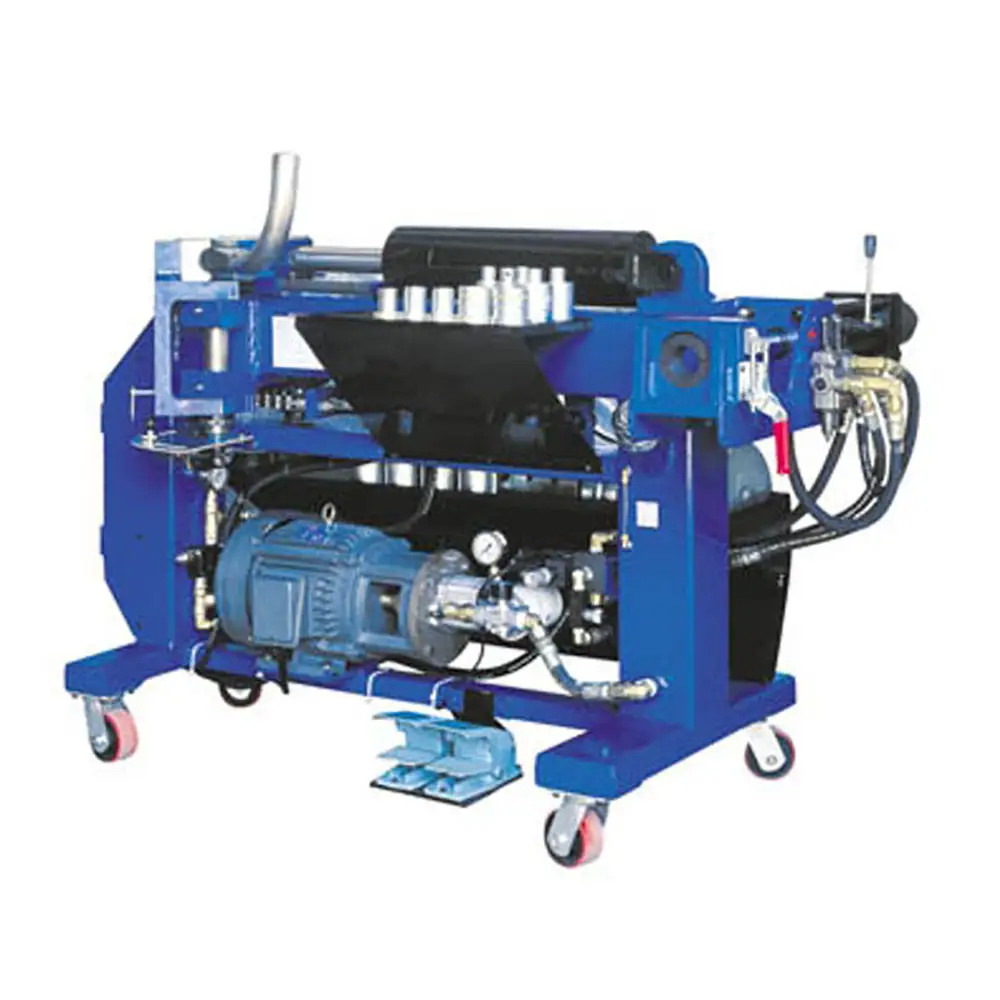
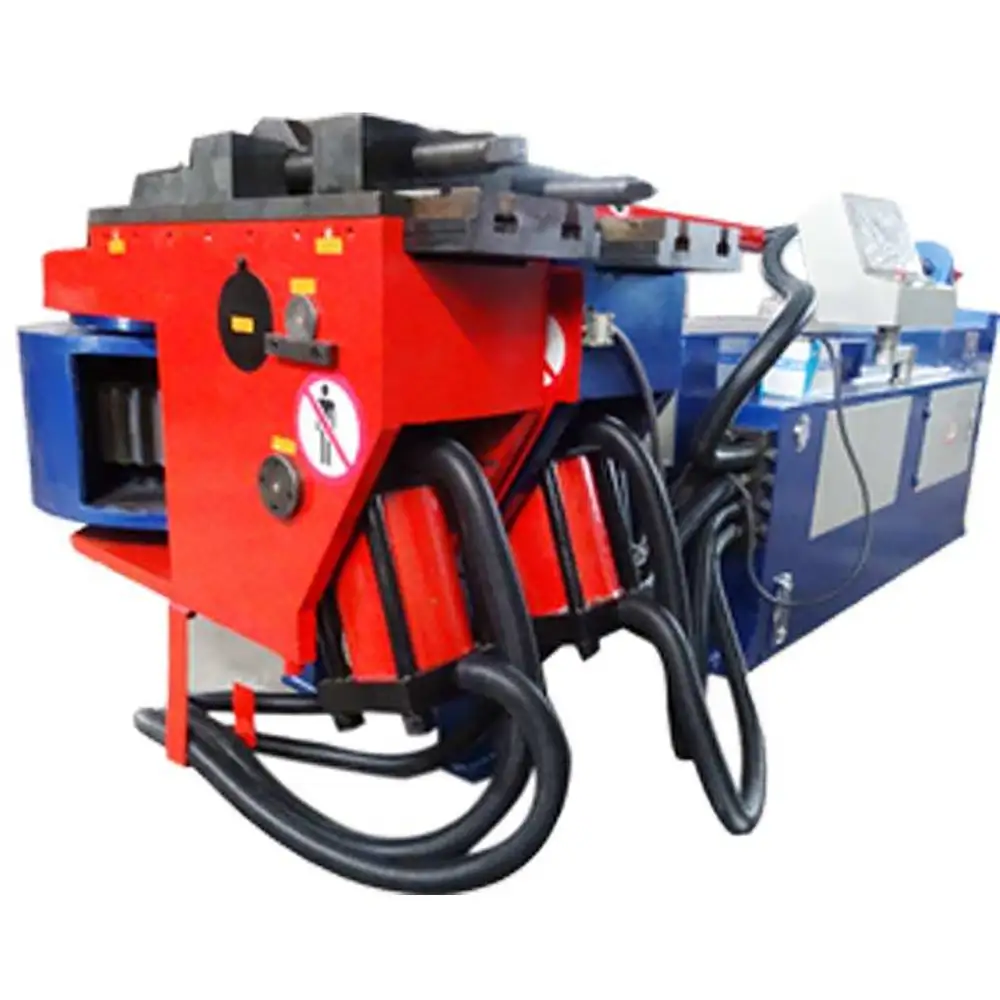
Features of Manual HydraulicExhaust Pipe Bender
1 machine can bend, expand and shrink pipe end
2 machine bend and expanding pipe diameter reach to max 3 inch( galvanzied steel), others pipe size, SS or MS, is available
3 quotation include 5 stardand size tools,which are 38.1mm, 41.275mm,44.45mm,50.8mm,63.5mm,, if need other size, please let us know, customized serve is acceptable
|
BENDER SPECIFICATIONS |
|
Bending Capacity |
1/2’’ OD 2-1/2 /(3”) |
|
Maximum Bending Diameter |
2-1/2 /(3”) |
|
Swaging Capacity |
1/2” OD 1’’ OD to 3’’OD |
|
Motor/power Supply |
7.5HP/Single or 3 Hpase-220,380,or 440V,Optional single phase |
|
Hydraulic Pump Output |
3A-8R(4200PS) |
|
Operation Mode |
Dutton and Foot operated Controls |
|
Hydraulic Filter |
Canister Type |
|
Maximum Bending Force |
3,500PSI |
|
Depth-of-bend Plate |
Preset to Stop Any Desired Bend Depth |
|
Measurement(cm) |
180×80×108 |
Special Radius Dies and Power Supplier are Available |
|
The CR-6001 tube bender is supplied with standard tooling pack 3A |
|
5 size of bending dies |
1 1/2,1 5/ 8,1 3/4,2,2 1/2 inch |
|
5 sizes of back shoe sets |
1 1/2,1 5/ 8,1 3/4,2,2 1/2 inch |
|
5 sizes of half shoes |
1 1/2,1 5/ 8,1 3/4,2,2 1/2inch |
|
5size of bend plugs |
1 1/2,1 5/ 8,1 3/4,2,2 1/2inch |
|
3 sizes of reducing tools |
1 5/ 8,1 3/4,2inch |
|
5 sizes expander dies |
1 1/2,1 5/ 8,1 3/4,2,2 1/2inch |
|
5 sizes adaptor collars |
1 1/2,1 5/ 8,1 3/4,2,2 1/2inch |
|
5 sizes segment expander sets |
1 1/2,1 5/ 8,1 3/4,2,2 1/2inch |
|
1 segment expander arbor |
1 1/2,1 5/ 8,1 3/4,2,2 1/2, 3 inch |
|
1 rotation gauge |
The Exhaust Making Machine with Pipe Bending,Expanding,and Shrinking Functions is designed for efficient forming and processing of metal pipes used in automotive exhaust systems,mufflers,and other tubular components. By combining multiple tube-forming operations into an integrated production solution,the machine can help manufacturers improve workflow efficiency,reduce repeated material handling,and achieve more consistent exhaust pipe components.
Exhaust systems require tubes with specific bends,diameters,and connection geometries. Depending on the vehicle or component design,an exhaust pipe may need to be bent to follow a particular routing path,expanded to create a connection area,or reduced in diameter to match another pipe or component. A dedicated exhaust pipe processing machine provides a practical solution for these repetitive manufacturing requirements.
Exhaust Pipe Bending
Pipe bending is one of the most important processes in exhaust system manufacturing. Exhaust tubes often require multiple bends to fit within limited installation spaces while maintaining the required routing geometry.
The bending function can be configured according to the tube material,diameter,wall thickness,bending radius,and required geometry. Suitable tooling and fixtures support the tube during processing and help reduce unwanted deformation.
Depending on the machine design,bending may be performed through mechanical,hydraulic,or other forming methods. The actual bending capability depends on the machine configuration and tooling. Customers should provide tube dimensions and bending drawings when confirming machine requirements.
Exhaust Pipe Expanding
Pipe expanding increases the diameter of a selected tube section. In exhaust manufacturing,an expanded section can be used to create a connection area between exhaust pipes,muffler components,catalytic converter sections,or other exhaust-system parts.
The expansion process should be matched to the tube material and required diameter increase. Tooling design is particularly important because excessive expansion can cause cracking,wrinkling,or dimensional variation.
For production applications,the machine can be configured with appropriate expansion tooling based on tube diameter,wall thickness,and target dimensions.
Exhaust Pipe Shrinking
Shrinking or reducing the diameter of a tube section allows one pipe end or section to connect with a smaller-diameter component. This operation can be useful when producing stepped exhaust tubes,transition sections,and other exhaust components requiring controlled diameter changes.
The shrinking process can be combined with bending and expanding operations as part of a complete exhaust tube manufacturing workflow. Integrating these processes can reduce the number of separate machines required for repetitive production.
The actual shrinking range depends on tube dimensions,material properties,tooling,and machine configuration.
Exhaust Muffler Manufacturing
The machine is suitable for selected exhaust and muffler manufacturing applications where tube forming is required. Automotive exhaust components often involve a combination of straight tubes,bent tubes,expanded sections,reduced sections,and connection areas.
By organizing these operations into a dedicated workflow,manufacturers can improve production consistency and simplify handling between different forming stages.
For muffler production,the machine may be used for suitable inlet and outlet pipes,connecting tubes,and other tubular components depending on the required geometry and tooling.
Automotive Exhaust Applications
Automotive exhaust systems are manufactured from different grades of steel,stainless steel,and other suitable metal materials. The material selected for an exhaust component depends on temperature resistance,corrosion requirements,vehicle design,and production specifications.
The machine can be used for suitable exhaust tubes in passenger vehicles,commercial vehicles,off-road equipment,agricultural machinery,and other engine-powered equipment.
Actual material compatibility should be confirmed based on tube grade,diameter,wall thickness,and forming requirements.
Tube Forming Process
A typical production workflow may begin with tube loading and positioning,followed by bending,expanding,shrinking,or other forming operations according to the component design.
The sequence can vary depending on the exhaust part. Some components may require bending before diameter expansion,while others may require end forming after bending. Proper process sequencing helps reduce interference between formed sections.
Fixtures and positioning systems are important for maintaining repeatability. For high-volume production,custom fixtures can help establish consistent tube orientation and processing positions.
Tooling and Dies
Bending dies,expanding tools,and shrinking dies are essential components of an exhaust pipe forming system. Tool geometry should match the tube diameter,wall thickness,material,and required final dimensions.
Custom tooling can be developed for specific exhaust pipe shapes and production requirements. If multiple exhaust models are produced,the machine may be configured with interchangeable tooling where practical.
Tool wear should be monitored because worn forming tools can influence dimensional accuracy,surface condition,and repeatability.
Production Efficiency
An integrated exhaust pipe bending and forming machine can reduce material transfer between separate processing stations. This can help simplify production layouts and reduce handling time.
For repetitive manufacturing,fixtures and preset processing parameters can help operators maintain a consistent workflow. Automatic or semi-automatic functions may further reduce repetitive manual operations depending on the machine configuration.
Actual cycle time depends on tube dimensions,number of bends,forming operations,tool changes,feeding method,and operator workflow.
Quality Control
Quality control for exhaust tubes should include checking bend angles,bend locations,diameter dimensions,expanded sections,shrunk sections,and overall part geometry.
For components that must connect with other exhaust parts,dimensional consistency is particularly important. Inspection tools or gauges can be used to verify critical dimensions during production.
Sample testing is recommended when establishing a new exhaust component because material behavior and forming results can vary according to tube specifications.
Maintenance and Safety
Regular maintenance helps support reliable operation. Operators should inspect forming tools,fixtures,hydraulic components,fasteners,and moving parts according to the machine manufacturer's recommendations.
Forming areas should be kept clean,and worn dies should be serviced or replaced when they begin to affect product quality. Lubrication requirements should follow the machine-specific maintenance instructions.
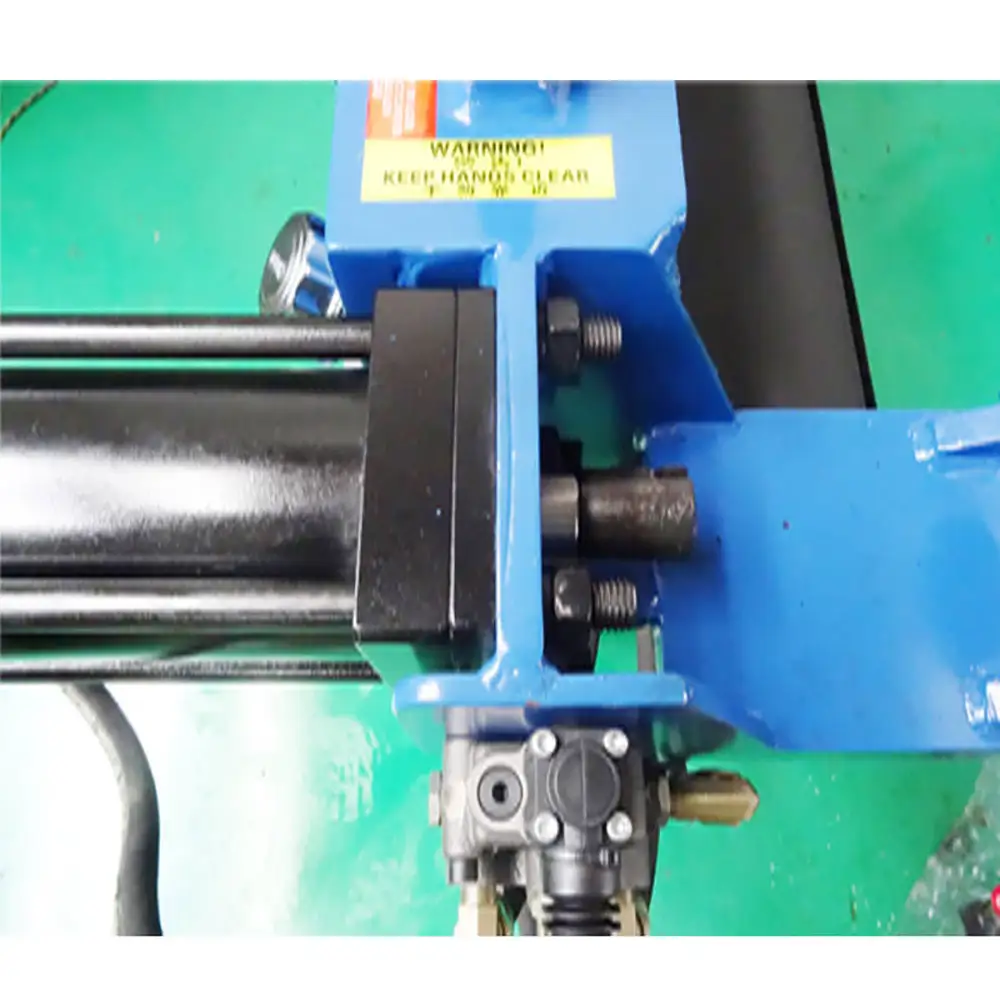
Operators should receive appropriate training and keep clear of moving and forming areas during operation. Guards,emergency stops,and other protective devices should be used where provided,and the machine should be operated according to applicable workplace safety requirements.
Custom & OEM Solutions
Exhaust components vary considerably between vehicle models and applications. We can support OEM and ODM requirements involving customized bending dies,expanding tools,shrinking dies,fixtures,positioning systems,and machine configurations.
Customers can provide exhaust pipe drawings,sample parts,tube dimensions,bending angles,diameters,and production requirements. These details help determine the appropriate forming process and tooling configuration.
Why Choose Us
Multi-Process Exhaust Forming – Combines pipe bending,expanding,and shrinking functions for integrated exhaust tube production.
Automotive Applications – Designed for suitable exhaust pipes,muffler tubes,and tubular components.
Flexible Tube Processing – Supports different forming operations according to tube dimensions and tooling.
Custom Tooling Support – Bending dies,expanding tools,shrinking dies,and fixtures can be customized.
Production Efficiency – Integrated processing can reduce unnecessary material transfer between separate machines.
Repeatable Forming – Stable fixtures and properly matched tooling help maintain consistent tube geometry.
OEM & ODM Service – Solutions can be adapted to customer drawings,sample parts,and production requirements.
B2B Manufacturing Support – Suitable for automotive suppliers,exhaust manufacturers,metal fabricators,and industrial equipment buyers.
FAQs
1. What is an exhaust making machine?
It is a specialized tube-processing machine designed for manufacturing exhaust components through operations such as pipe bending,expanding,shrinking,and other forming processes.
2. What does the pipe bending function do?
It forms exhaust tubes into the required curved geometry so the pipe can follow the designed routing of an exhaust system.
3. What is pipe expanding?
Pipe expanding increases the diameter of a selected tube section to create a connection or transition area.
4. What is pipe shrinking?
Pipe shrinking reduces the diameter of a tube section to create a smaller connection end or stepped tube geometry.
5. Can the machine process stainless steel exhaust tubes?
Yes,suitable stainless steel tubes can be processed when the material grade,diameter,wall thickness,and forming requirements match the machine and tooling.
6. Can it manufacture muffler pipes?
It can be used for suitable muffler and exhaust tube components requiring bending,expanding,shrinking,or related tube forming operations.
7. Can the bending radius be customized?
The available bending radius depends on the machine and bending tooling. Custom dies can be considered for specific tube geometries.
8. Can different tube diameters be processed?
Potentially yes. Different tube sizes may require different tooling,fixtures,or machine configurations. Tube specifications should be provided before ordering.
9. Is the machine suitable for mass production?
It can be used for repetitive exhaust tube production. Actual production capacity depends on the number of forming operations,cycle time,tooling,and production workflow.
10. Can custom dies be provided?
Yes. Custom bending dies,expanding tools,shrinking dies,and fixtures can be developed for specific exhaust components.
11. What information is needed for a quotation?
Useful information includes tube material,outer diameter,wall thickness,bending angles,bending radius,expanded diameter,shrunk diameter,part drawings,and expected production volume.
12. Can the machine be customized for OEM production?
Yes. OEM and ODM configurations can be developed according to customer drawings,sample components,tooling requirements,and production processes.
Prev:
Exhaust Bender Pipe Bending Machine
Next:
CNC Pipe Bending Machine Hydraulic Tube Bender
TAG:
Exhaust Tube Expanding Machine,
Exhaust Pipe End Forming Machine,
Metal Tube Forming Machine,
Pipe Shrinking Machine,
Tube Shrinking Machine,
Pipe Expanding And Shrinking Machine,
Tube Expanding And Shrinking Machine,
Tube End Forming Machine,
Pipe Expanding Machine,
Tube Expanding Machine,
Exhaust Pipe Expanding Machine,
Exhaust Tube Forming Machine,
Exhaust Tube Manufacturing Equipment,
Exhaust Pipe Fabrication Machine,
Muffler Tube Forming Machine,
Exhaust Tube Fabrication Machine,
Muffler Pipe Forming Machine,
Exhaust Pipe Shrinking Machine,
Automotive Exhaust Pipe Machine,
Exhaust Pipe Forming Machine,
Exhaust System Manufacturing Machine,
Carbon Steel Exhaust Pipe Machine,
Exhaust Pipe Bending Machine,
Exhaust Tube Bending Machine,
Exhaust Pipe Production Machine,
Automotive Exhaust Manufacturing Machine,
Exhaust Muffler Production Machine,
Exhaust Pipe Manufacturing Equipment,
Exhaust Pipe Forming Equipment,
Exhaust Tube Forming Equipment,
Related Category:
Exhaust Making Machine,Exhaust Pipe Bending Machine,Exhaust Pipe Expanding Machine,Exhaust Pipe Shrinking Machine China, suppliers, manufacturers, factory, customized, wholesale, quotation, made in China