Excellent Corrugated Sidewall Conveyor Belt
Corrugated Sidewall Conveyor Belt
Base Belt Width: 300-2400(mm)
Sidewall height: 35-600(mm)
Cleat Height: 35-600(mm)
Base Belt Structure:
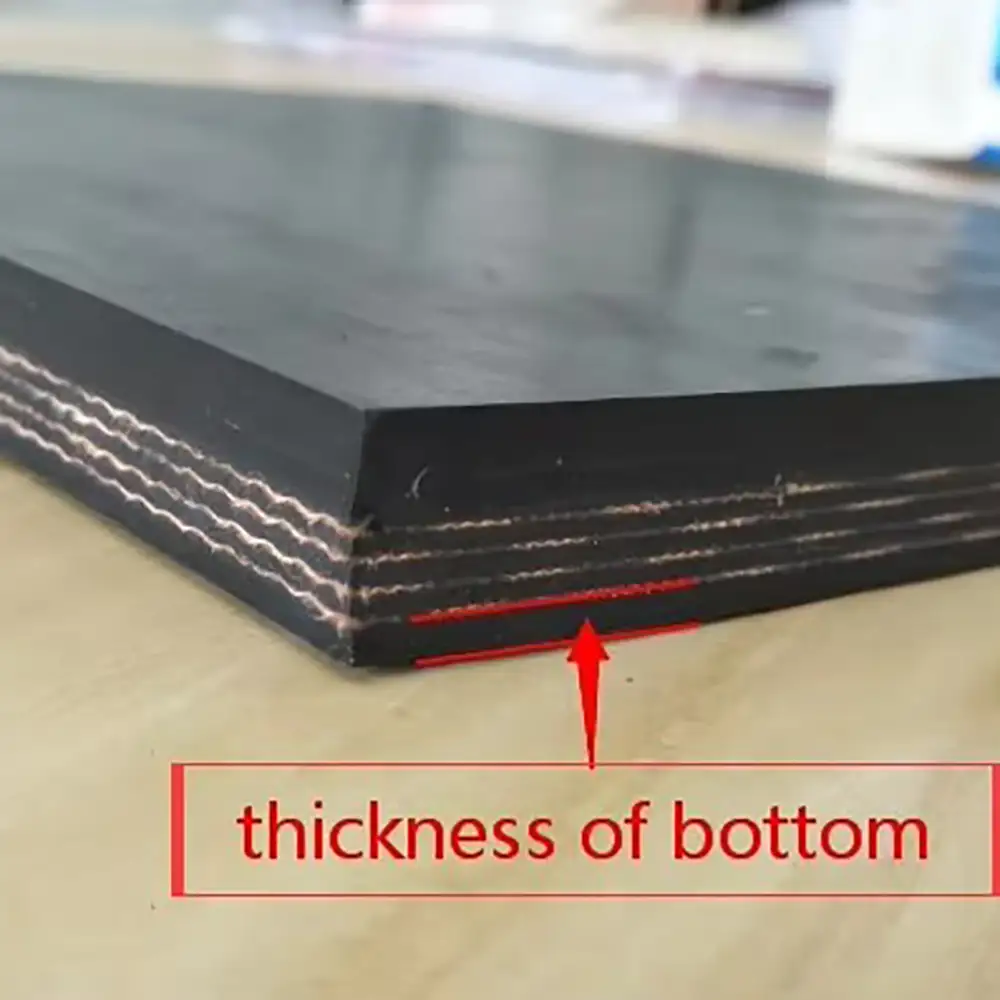
Four parts: Top cover rubber; Bottom cover rubber; Reinforced core;
Cross rigid.
Thickness of top cover rubber: 3-6mm;
Thickness of bottom cover rubber: 1.5-4.5mm
Belt core: Cotton, Nylon, EP or Steel Cord
The Width is the same as normal belt. The standard meets with GB/T7984-2001.
Feature:
Corrugated sidewall conveyor belt is one of the most effective ways of elevating materials in a confined space, the economy is achieved by single belt operation, wide range material can be handled, less space requirement, no transfer point, low maintenance and big capacity. Corrugated sidewall belt can be designed into a set of complete transportation system according to application
Excellent Corrugated Sidewall Conveyor Belt, Sidewall Conveyor Belt
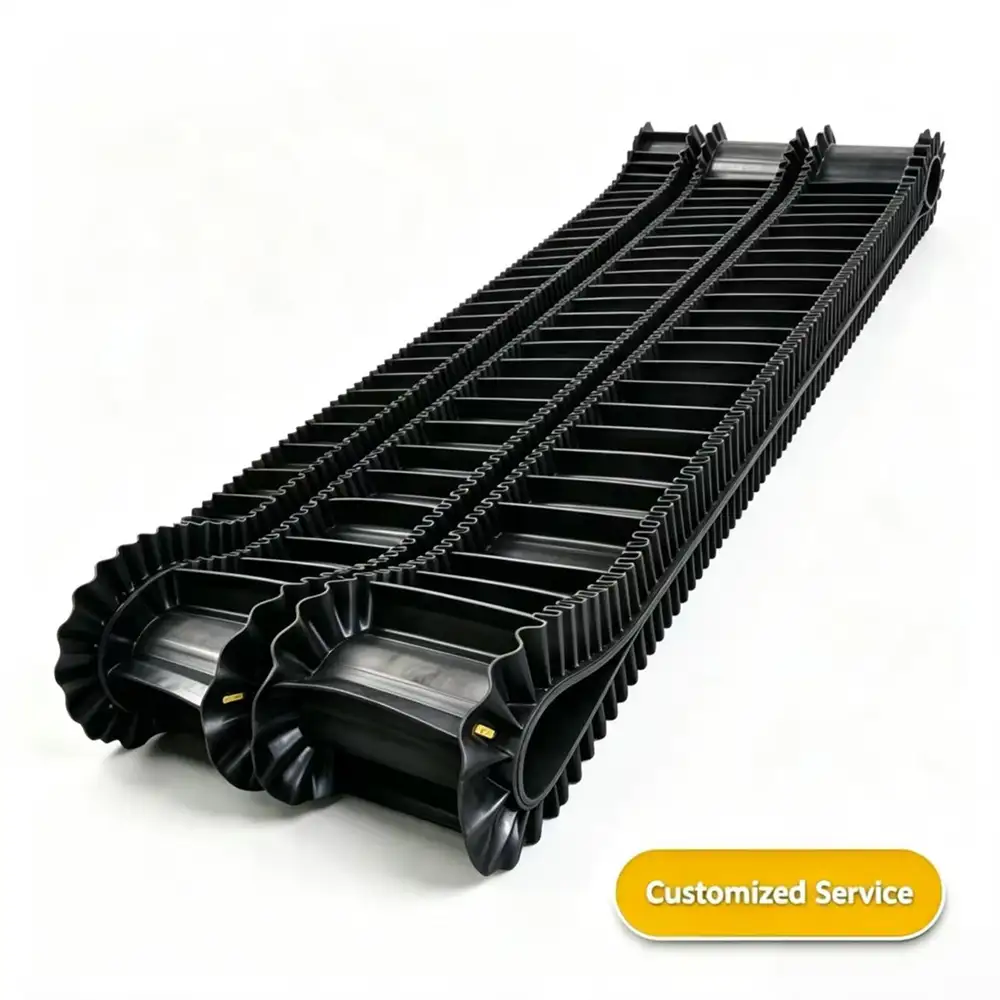
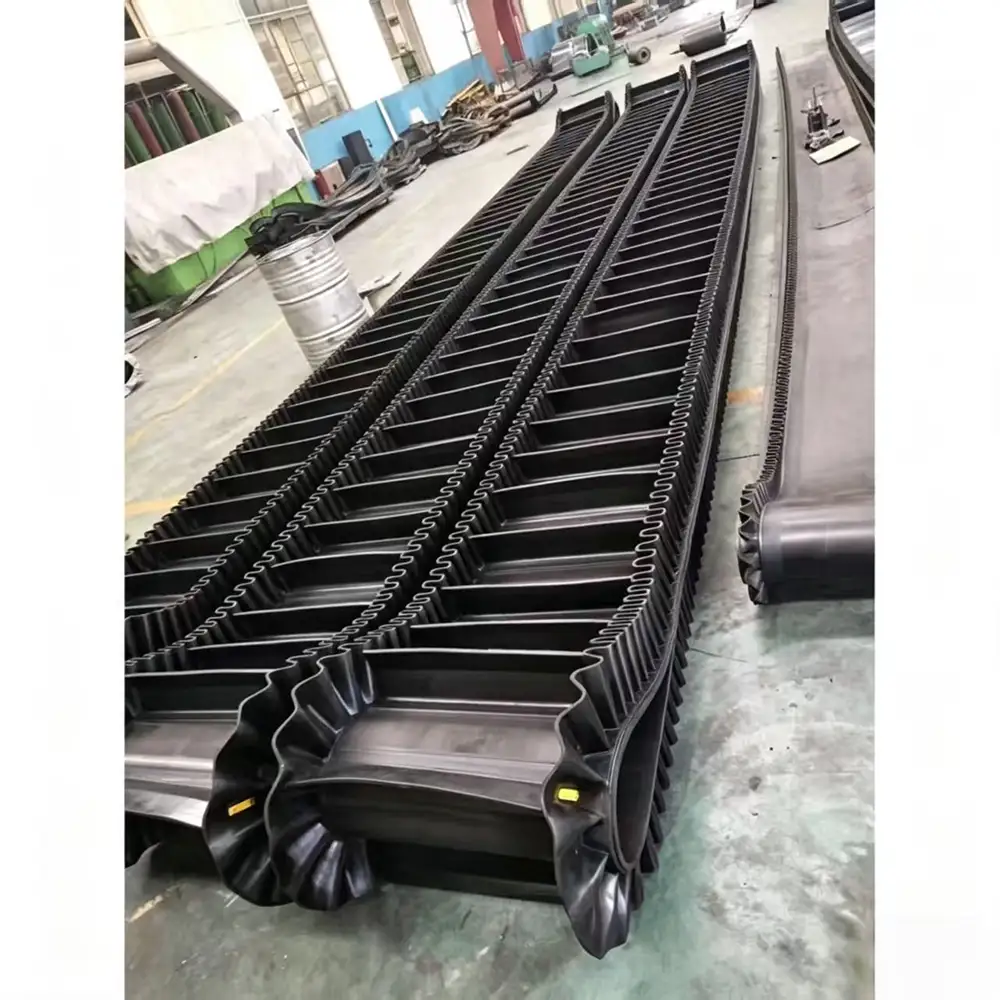
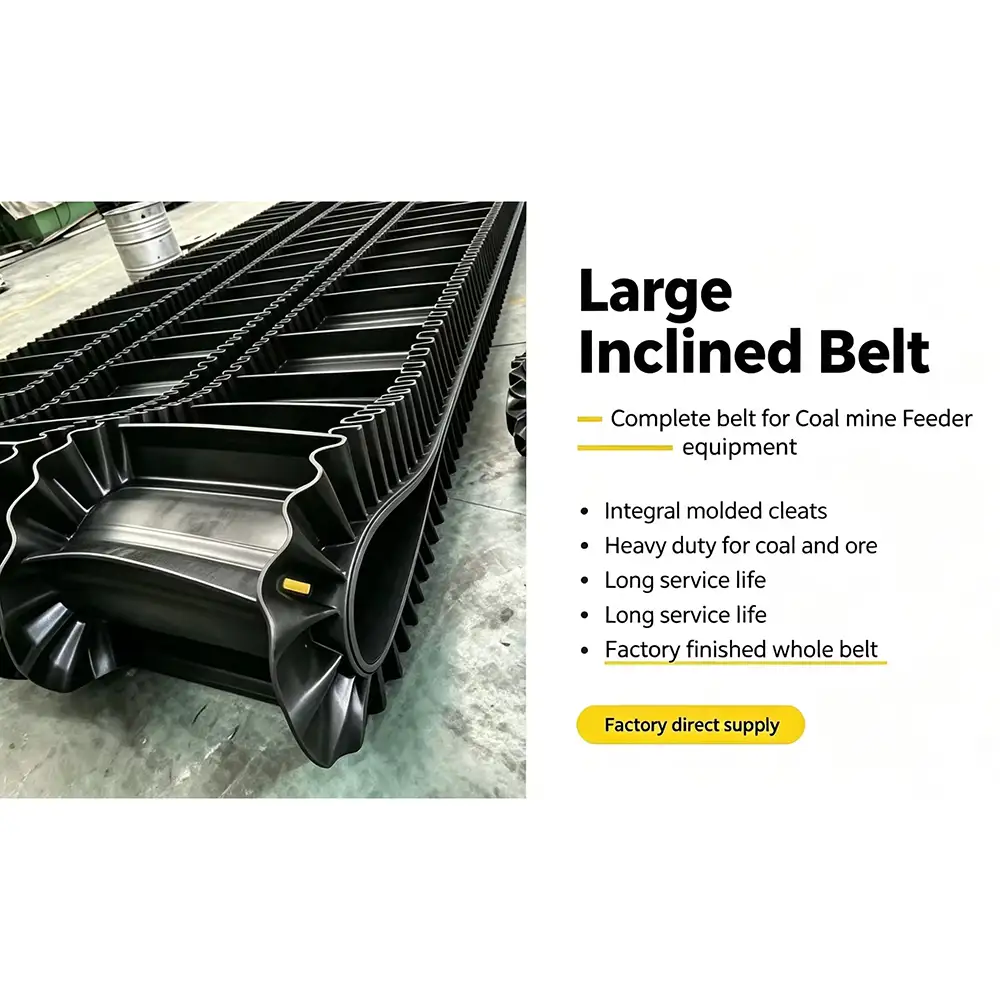
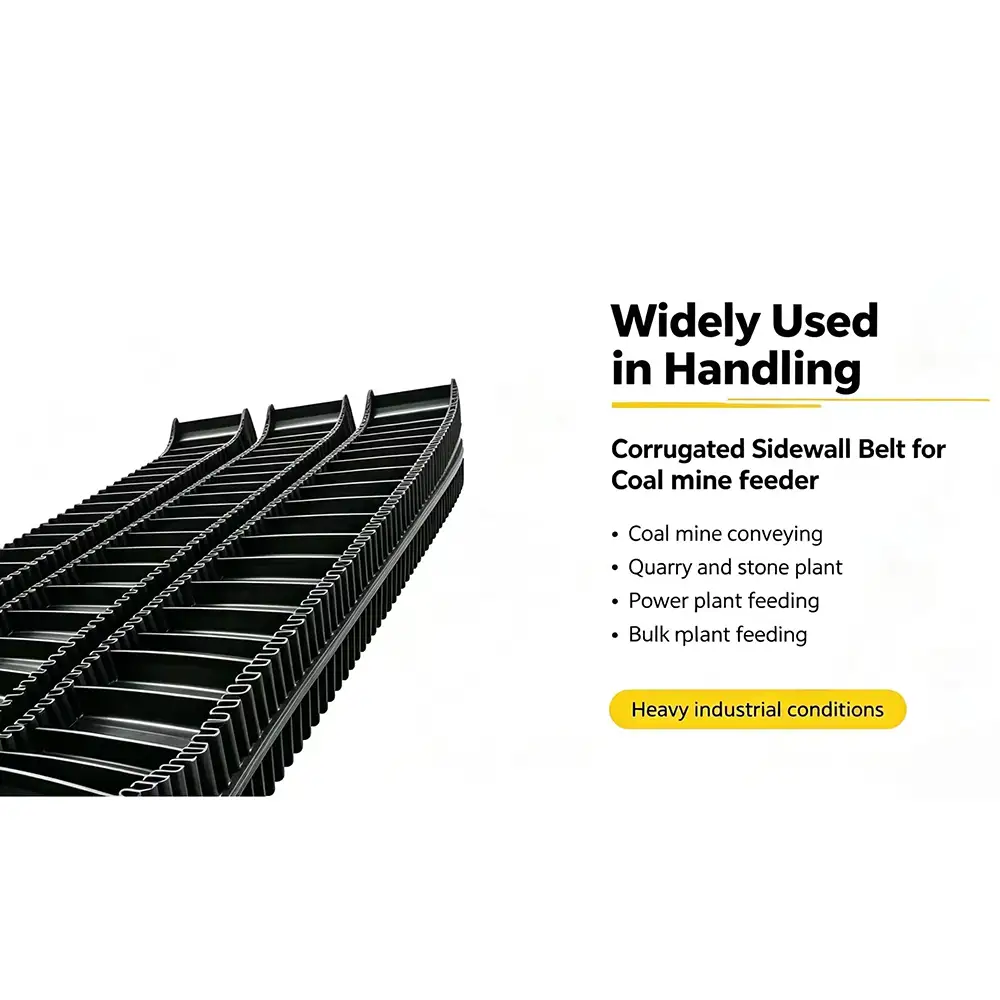
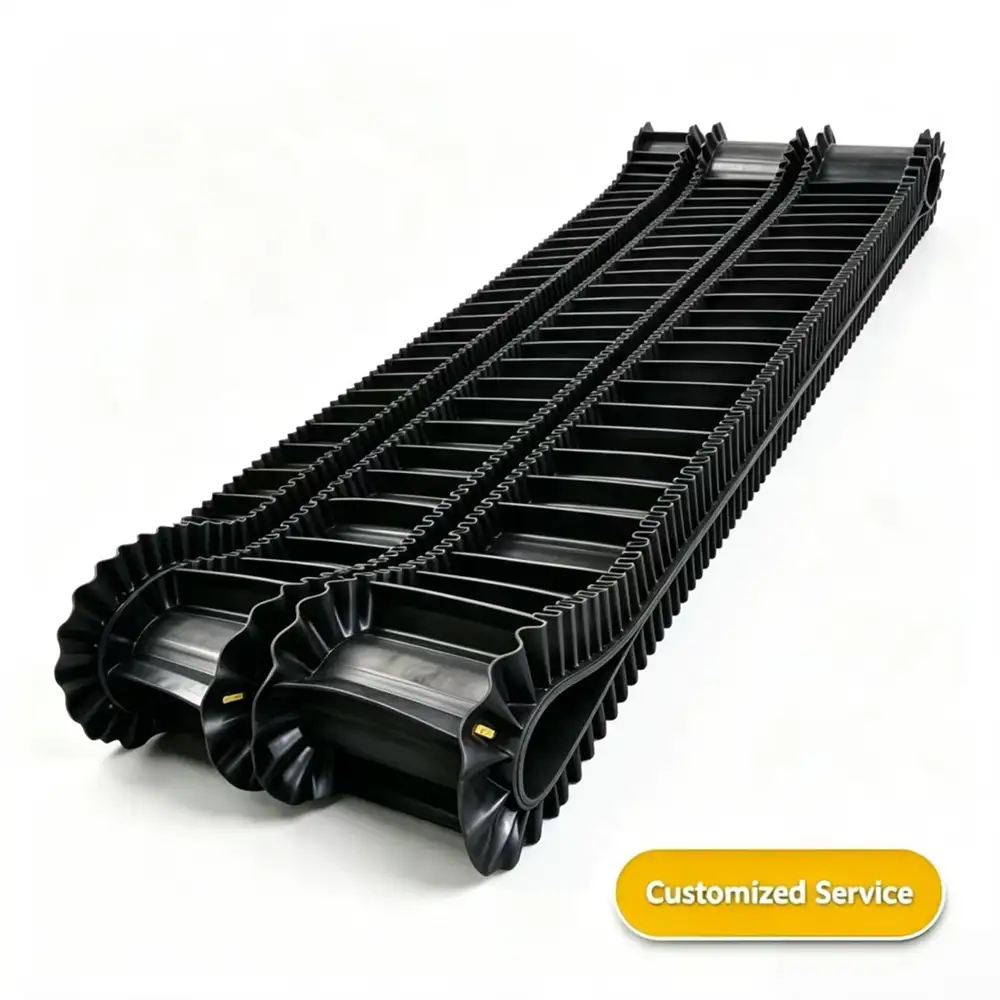
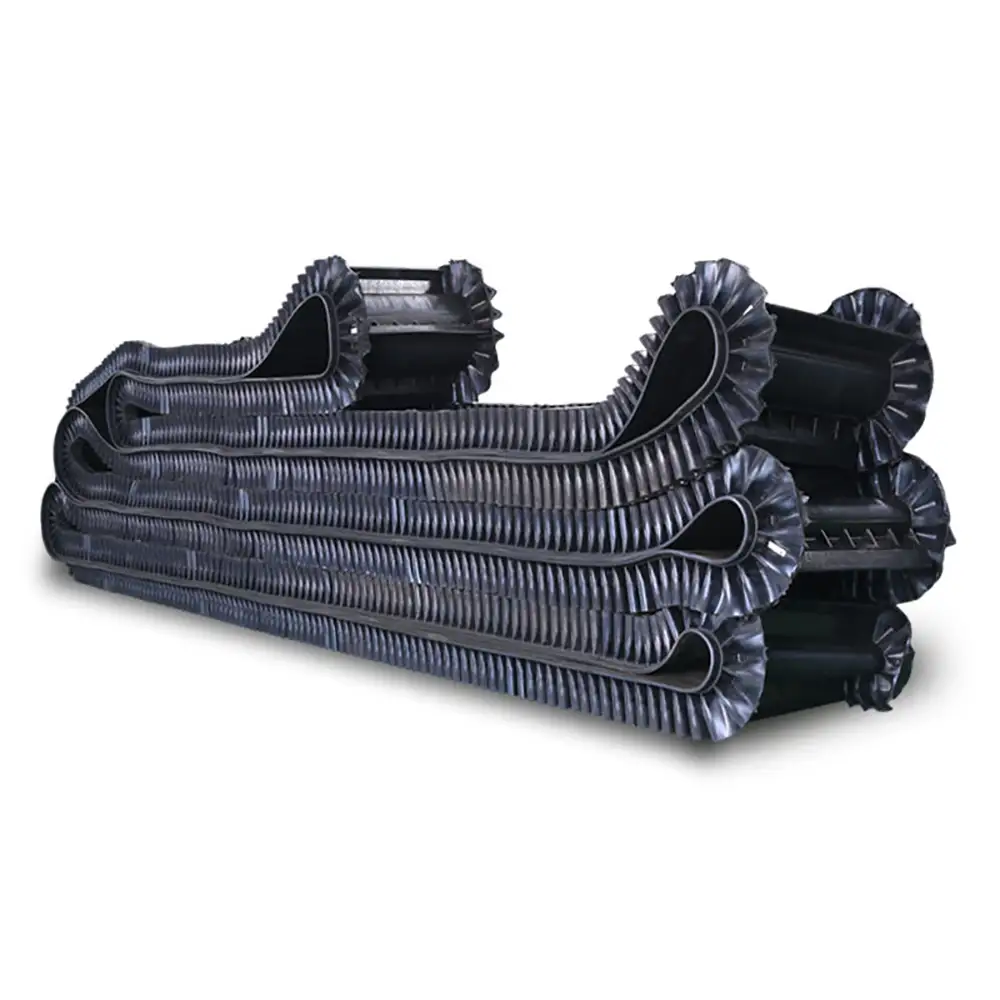
An Excellent Corrugated Sidewall Conveyor Belt is a specialized industrial conveyor belt designed for transporting bulk materials at steep inclines, vertical angles, or through compact conveying layouts. Also known as a Sidewall Conveyor Belt, Corrugated Sidewall Belt, Wave Sidewall Conveyor Belt, or Steep Incline Conveyor Belt, it combines a reinforced base belt with corrugated rubber sidewalls and transverse cleats.
This configuration creates enclosed carrying pockets that help retain bulk material as the belt travels upward. Compared with a conventional flat conveyor belt, the sidewall design can significantly increase the usable conveying angle while helping reduce material rollback and spillage. Industrial sidewall conveyor systems are available for horizontal, steep-incline and vertical bulk material handling.
Corrugated sidewall conveyor belts are widely used in mining, quarrying, cement, steel, power generation, fertilizer, chemical processing, foundries, recycling, ports, grain handling and other bulk-material industries. The belt can be customized according to material characteristics, conveying capacity, lift height, belt speed, inclination, belt width and conveyor configuration.
What Is a Corrugated Sidewall Conveyor Belt?
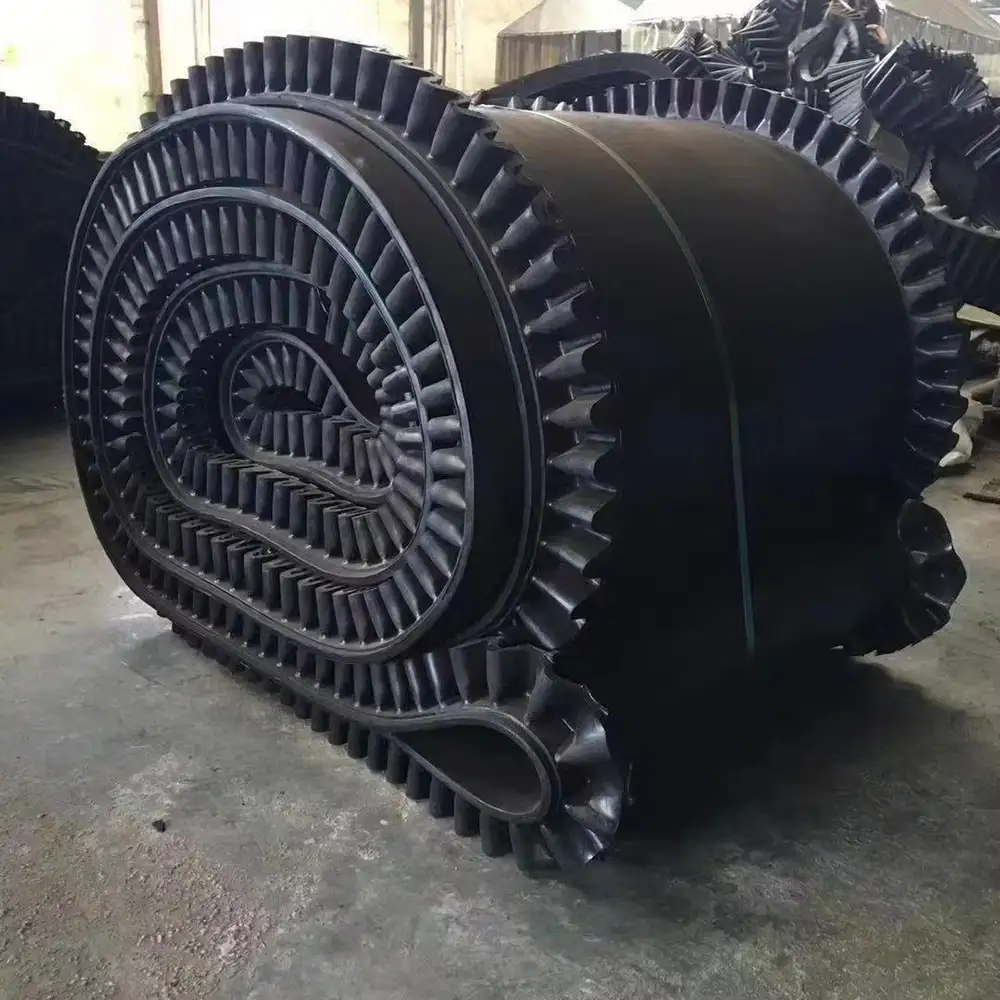
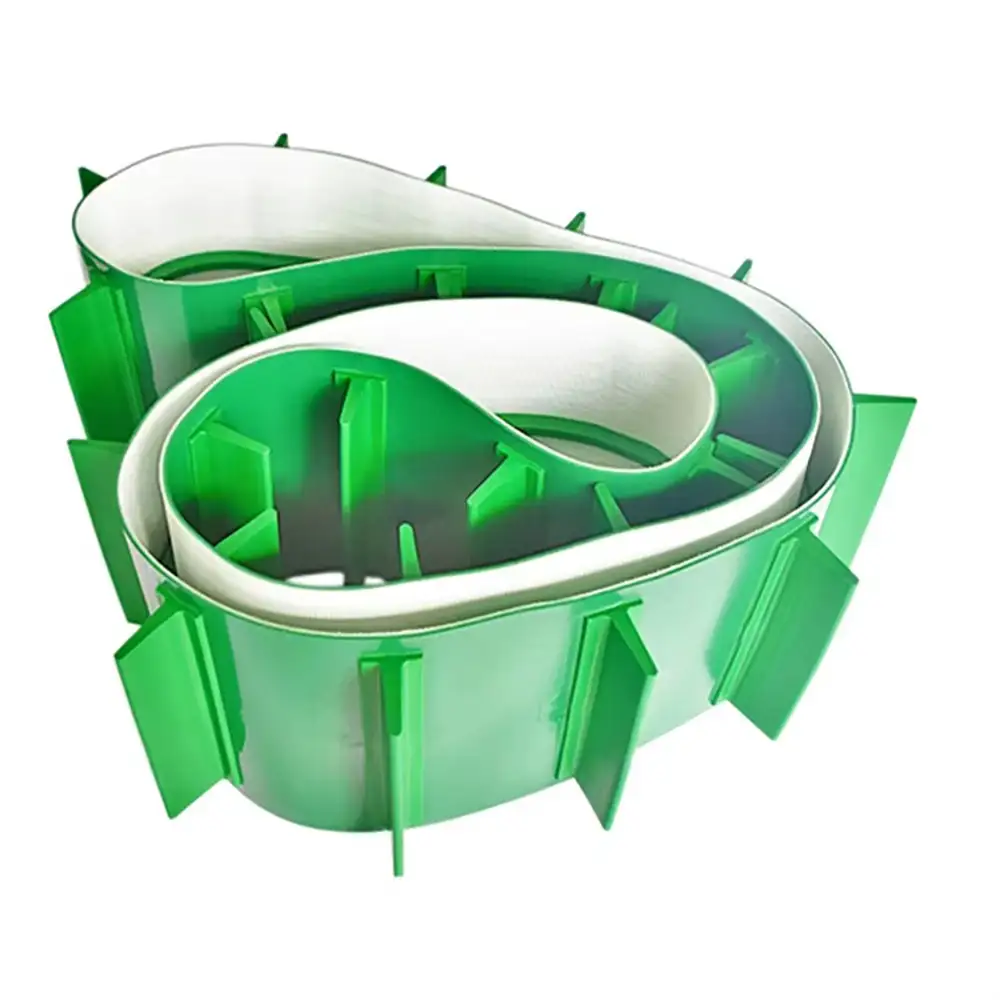
A Corrugated Sidewall Conveyor Belt is normally constructed from three major components:
Reinforced Base Belt
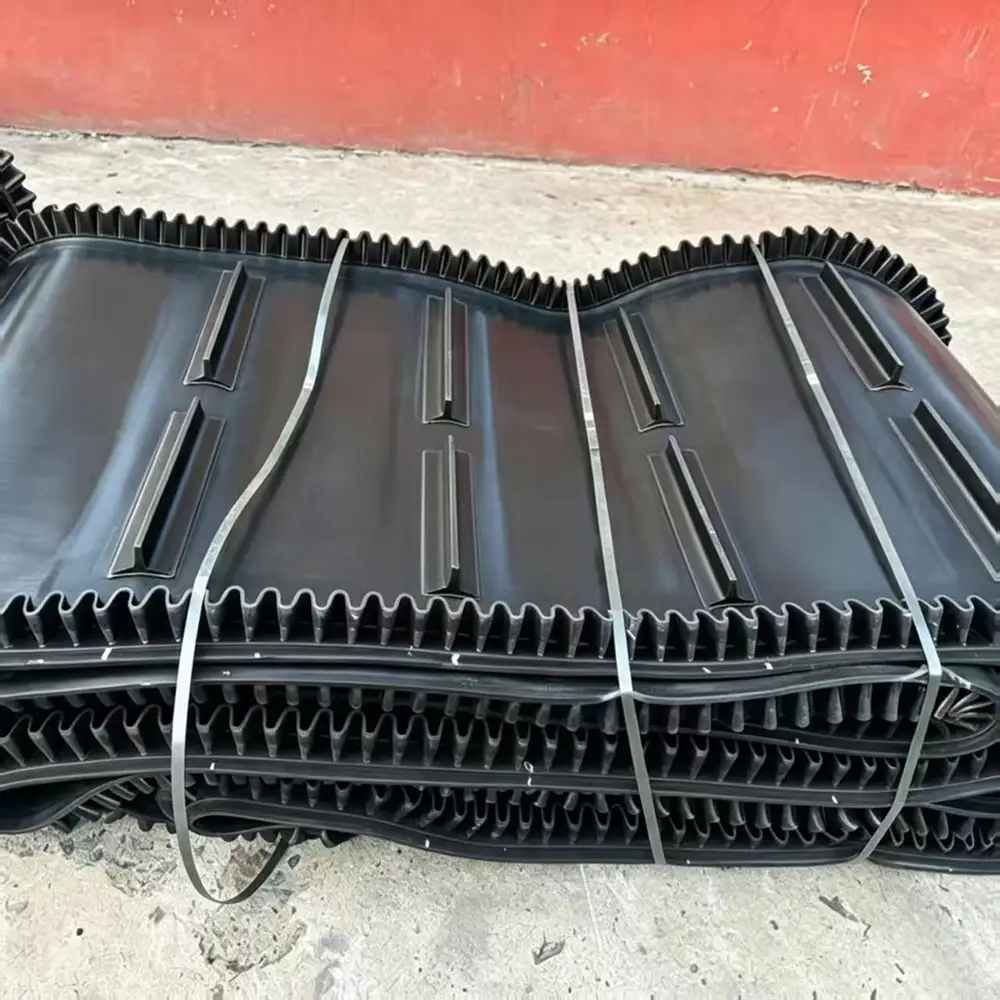
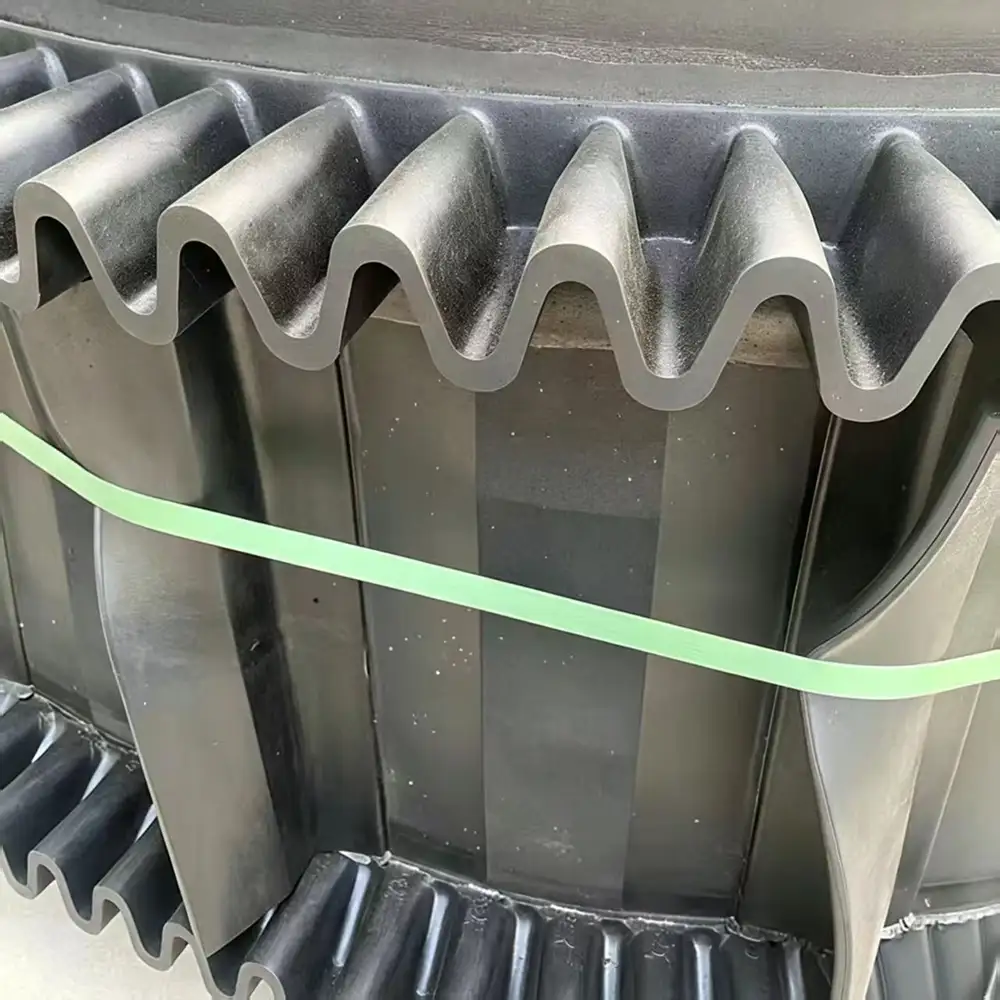
Corrugated Sidewalls
Transverse Cleats
The base belt provides tensile strength and carries the primary load. Depending on the application, the carcass can use EP fabric, NN fabric, other textile reinforcement or steel-cord construction.
Corrugated rubber sidewalls are attached along both edges of the base belt. Their wave-shaped structure allows the belt to flex around pulleys while maintaining a vertical material-retaining barrier.
Transverse cleats are installed between the sidewalls. They divide the conveying surface into pockets and provide additional support for bulk materials moving upward. This construction is specifically engineered for steep-incline and vertical conveying applications.
The sidewalls and cleats can be bonded to the base belt using appropriate vulcanization or other manufacturer-specific joining methods. The construction should be selected according to operating temperature, material properties, belt flexibility and expected mechanical loading.
How Does a Sidewall Conveyor Belt Work?
Bulk material is loaded onto the horizontal or inclined section of the conveyor. Once the material enters the belt pocket, the corrugated sidewalls prevent lateral spillage while the transverse cleats support the material against backward movement.
As the belt travels upward, the material remains contained within the pocket. At the discharge point, the belt changes direction around the head pulley and the material leaves the carrying pockets.
Depending on the conveyor layout, a sidewall conveyor can be configured as an inclined, Z-type, S-type or vertical conveying system. A single conveyor can therefore handle substantial elevation changes while reducing the need for multiple conventional conveyors and transfer points.
For appropriately engineered systems, sidewall belts can operate at very steep angles, including vertical conveying. However, the practical conveying angle should always be determined by the complete conveyor design and material characteristics rather than by the belt alone.
Key Features of Corrugated Sidewall Conveyor Belt
1. Steep-Incline Conveying
The main advantage of a sidewall belt is its ability to handle steep inclines that would be difficult for a conventional smooth belt.
The sidewalls and cleats provide mechanical material retention, allowing the conveyor to achieve a much steeper conveying path.
2. Vertical Material Handling
With a properly designed conveyor system, corrugated sidewall belts can be used for vertical material lifting. This can be valuable when plant space is limited or when material needs to be elevated over a large vertical distance.
3. Space-Saving Conveyor Layout
Vertical and steep-angle conveying can reduce the horizontal footprint required for material elevation. This can make the technology useful for compact factories, mines, transfer stations and processing plants.
4. High Carrying Capacity
The sidewalls and cleats create larger material pockets compared with a conventional flat belt. Pocket dimensions can be customized according to belt width, sidewall height, cleat design and material characteristics.
5. Flexible Wave Sidewalls
Corrugated sidewalls are designed to provide lateral containment while maintaining the flexibility required for belt movement around pulleys and transition sections.
6. Custom Cleat Designs
Different transverse cleat shapes and dimensions can be selected according to the material, conveying angle, particle size and required capacity. Cleat height should be matched to the desired conveying geometry and material conditions.
Base Belt and Reinforcement Options
The base belt is an important structural component of the complete sidewall conveyor.
For general and medium-duty applications, textile-reinforced carcasses such as EP or NN can be considered. EP construction is commonly used where high tensile strength and low longitudinal elongation are important, while NN constructions provide different flexibility and impact characteristics.
For higher-tension applications, steel-cord reinforcement can be considered. The appropriate construction depends on conveyor length, belt tension, lift height, capacity, belt speed and mechanical configuration.
Cross-rigid base belts are particularly useful in certain vertical and complex conveyor configurations because they can maintain lateral stability as the belt transitions between horizontal, inclined and vertical sections.
Rubber Sidewall and Cleat Options
The rubber compound should be selected according to the operating environment.
Common options may include:
General-Purpose Rubber
Abrasion-Resistant Rubber
Heat-Resistant Rubber
Flame-Resistant Rubber
Oil-Resistant Rubber
Chemical-Resistant Rubber
Weather-Resistant Rubber
For abrasive materials such as crushed rock, ore, gravel and clinker, an abrasion-resistant cover can help improve service life.
For hot materials, a suitable heat-resistant compound should be selected based on the actual material temperature and exposure time.
For mining or other applications with fire-safety requirements, the belt should be specified according to the applicable flame-resistance standard.
Applications
Corrugated Sidewall Conveyor Belts are used in many bulk-material industries, including:
Mining
Underground Mining
Quarrying
Aggregate Processing
Cement Plants
Steel Plants
Metallurgy
Power Generation
Coal Handling
Fertilizer Plants
Chemical Processing
Foundries
Recycling
Waste Treatment
Grain Handling
Sand Processing
Port Terminals
Silo Feeding
Construction Material Handling
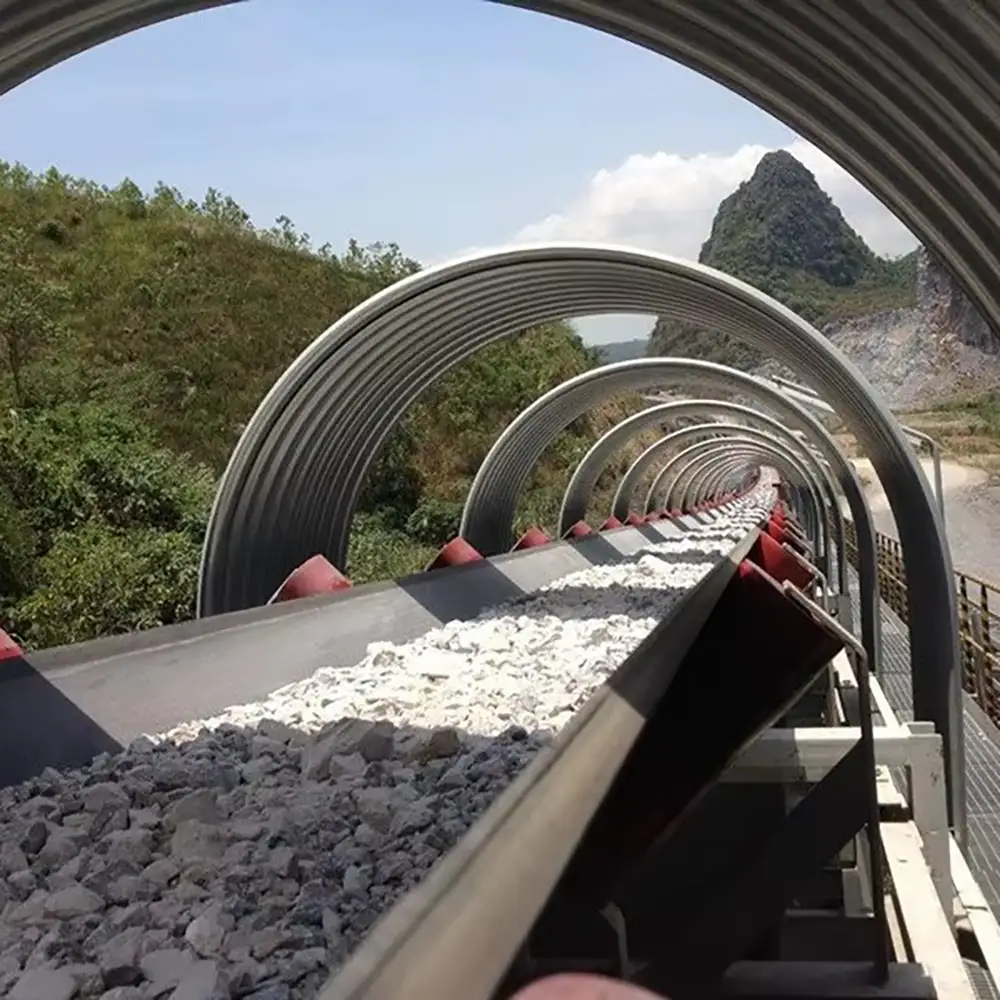
Typical conveyed materials include coal, limestone, iron ore, rock, gravel, sand, cement clinker, fertilizer, wood chips, grain, slag and other bulk solids. Sidewall conveyor systems have been used for materials ranging from fine powders to relatively coarse bulk materials, with the actual allowable particle size determined by the belt and conveyor design.
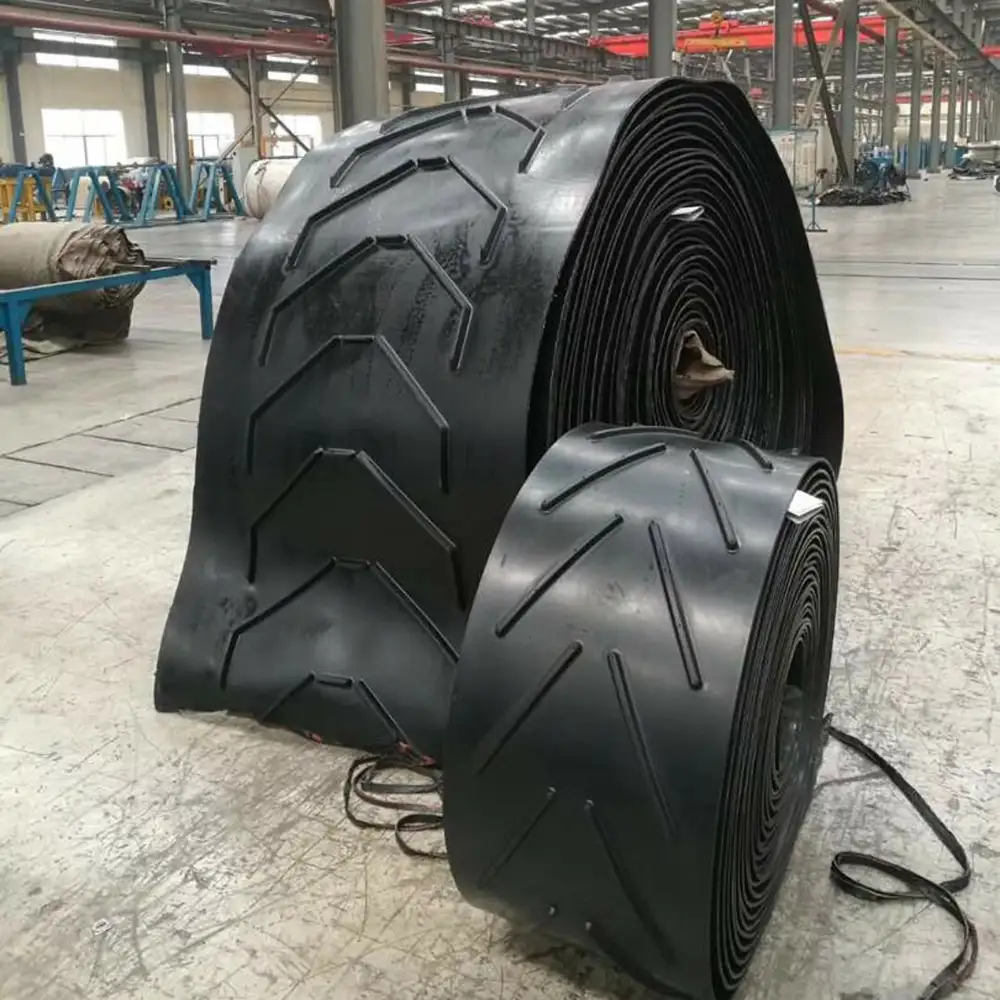
Sidewall Conveyor Belt vs Chevron Conveyor Belt
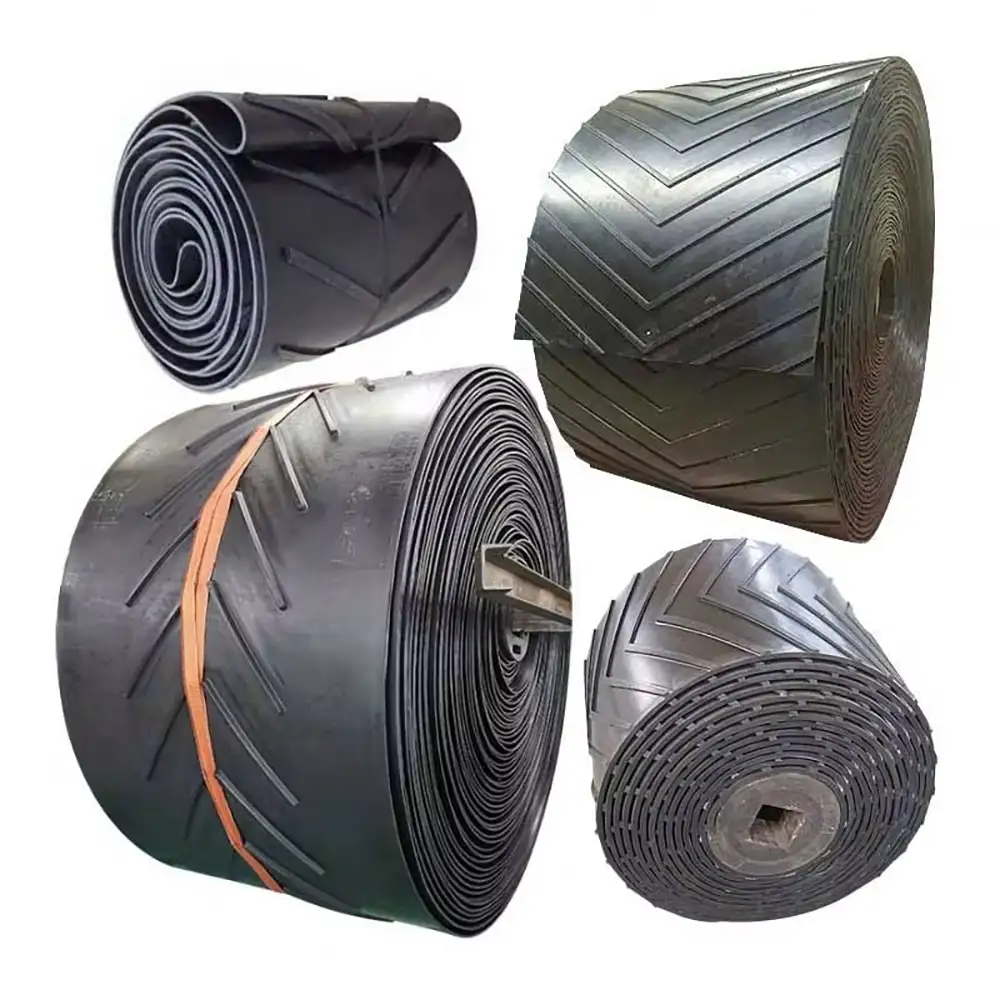
A Chevron Conveyor Belt uses a raised surface pattern to increase friction and improve material traction on inclined conveyors.
A Corrugated Sidewall Conveyor Belt uses vertical sidewalls and transverse cleats to physically contain the material in carrying pockets.
Chevron belts are commonly suitable for moderate inclined conveying, while sidewall systems are designed for substantially steeper conveying and vertical lifting.
The correct choice depends on the required conveying angle, material characteristics, capacity, available space and complete conveyor layout.
How to Choose the Right Sidewall Conveyor Belt
Before ordering a sidewall conveyor belt, provide as much operating information as possible.
Important parameters include:
Material: Identify the material being transported and whether it is abrasive, sticky, hot, oily, corrosive or dusty.
Capacity: Specify the required tons per hour or cubic meters per hour.
Particle Size: Maximum lump size is important for determining pocket dimensions and cleat configuration.
Bulk Density: Density affects the load carried by each pocket.
Conveyor Angle: Provide the required incline or vertical lift configuration.
Lift Height: The vertical elevation determines the belt length and structural requirements.
Belt Width: Width affects capacity and pocket volume.
Sidewall Height: Sidewall height should be matched to material characteristics and required capacity.
Cleat Height and Pitch: These parameters influence pocket volume and material retention.
Belt Speed: Speed affects throughput, loading behavior and material stability.
Temperature: Provide normal and peak material temperature if hot materials are involved.
Belt Tension: This determines the appropriate carcass and reinforcement.
Installation and Maintenance
Proper installation is essential for reliable sidewall belt operation.
The belt should be correctly aligned and tensioned according to the conveyor design. Particular attention should be given to the sidewalls, cleats and transition areas because these components are essential to the belt's material-retaining function.
Regular maintenance should include inspection of:
Belt Tracking
Sidewall Bonding
Cleat Condition
Belt Cover
Belt Edges
Splices
Pulley Surfaces
Idlers
Material Buildup
Abnormal Vibration
Belt Tension
Any damaged sidewall or cleat should be evaluated promptly because localized damage can affect pocket capacity and material containment.
Custom OEM Sidewall Conveyor Belt
We provide OEM and customized Corrugated Sidewall Conveyor Belt solutions for international bulk-material handling customers.
Available customization includes:
Belt Width
Belt Length
Tensile Strength
EP/NN Fabric Carcass
Steel Cord Carcass
Cross-Rigid Base Belt
Sidewall Height
Sidewall Profile
Cleat Height
Cleat Pitch
Cleat Shape
Cover Thickness
Rubber Grade
Heat Resistance
Flame Resistance
Abrasion Resistance
Oil Resistance
Custom Splicing
Packaging And Labeling
Customers can provide conveyor drawings, technical specifications or operating parameters for application-based belt selection.
Why Choose Us
Industrial Conveyor Belt Manufacturing
We focus on industrial conveyor belt solutions for mining, cement, aggregate, steel, power generation and bulk-material handling applications.
Application-Based Recommendations
We consider conveying capacity, material properties, belt width, sidewall height, cleat configuration, inclination, lift height and belt tension when recommending a suitable construction.
Flexible OEM Customization
Sidewall height, cleat dimensions, carcass construction, rubber compound and belt dimensions can be customized to meet different conveyor system requirements.
Multiple Rubber Compounds
Depending on operating conditions, we can provide general-purpose, abrasion-resistant, heat-resistant, flame-resistant and other specialized rubber options.
International B2B Support
We support distributors, conveyor manufacturers, mining equipment suppliers, engineering companies and industrial users with customized production, technical communication, inspection, packaging and export services.
FAQs
1. What Is a Corrugated Sidewall Conveyor Belt?
A Corrugated Sidewall Conveyor Belt is a specialized conveyor belt with corrugated rubber sidewalls and transverse cleats for transporting bulk materials at steep inclines or vertical angles.
2. What Is Another Name for a Sidewall Conveyor Belt?
Common terms include Corrugated Sidewall Conveyor Belt, Sidewall Belt Conveyor, Vertical Sidewall Conveyor Belt, Steep Incline Conveyor Belt, Wave Sidewall Conveyor Belt and Cleated Sidewall Conveyor Belt.
3. Can a Sidewall Conveyor Belt Convey Material Vertically?
Yes. Properly engineered sidewall conveyor systems can be designed for vertical conveying. The actual operating angle depends on the complete system, material and belt configuration.
4. What Is the Purpose of the Corrugated Sidewall?
The sidewalls form flexible barriers along both edges of the belt. They help prevent material from falling sideways when the conveyor operates at steep angles.
5. What Do the Transverse Cleats Do?
The cleats divide the belt into carrying pockets and help prevent material from sliding backward during steep-incline or vertical conveying.
6. What Materials Can Be Transported?
Common materials include coal, ore, rock, sand, gravel, cement clinker, fertilizer, grain, wood chips, slag and other bulk materials.
7. How Do I Select the Sidewall Height?
Sidewall height should be selected according to material type, particle size, bulk density, required capacity, belt width, cleat design and conveyor angle.
8. Can the Belt Be Used for Hot Materials?
Yes, a suitable heat-resistant rubber construction can be specified for hot-material applications. The actual material temperature and exposure duration should be provided before selection.
9. Can the Sidewall Conveyor Belt Be Customized?
Yes. Belt width, tensile strength, carcass construction, sidewall height, cleat dimensions, rubber compound, belt length and other specifications can be customized.
10. What Information Is Needed for a Quotation?
Please provide material type, capacity, particle size, bulk density, conveyor angle, vertical lift height, belt width, belt speed, operating temperature, sidewall height and conveyor drawing if available.
Prev:
Conveyor Belt Vulcanizing Machine, Conveyor Belt Joint Vulcanizing Machinery
Next:
Fire Resistant Conveyor Belt, High Temperature Conveyor Belt with Safe
TAG:
Mining Conveyor Belt,
Steel Plant Conveyor Belt,
Gravel Conveyor Belt,
Ore Conveyor Belt,
Coal Conveyor Belt,
Aggregate Conveyor Belt,
Steep Incline Conveyor Belt,
Incline Conveyor Belt,
Heavy Duty Conveyor Belt,
Stone Conveyor Belt,
Cement Conveyor Belt,
Fertilizer Conveyor Belt,
Vertical Bulk Material Conveyor,
Bulk Material Handling Conveyor,
Industrial Sidewall Conveyor,
Sidewall Cleated Conveyor Belt,
Cleated Sidewall Conveyor Belt,
Wave Sidewall Conveyor Belt,
Large Inclination Conveyor Belt,
Sidewall Belt Conveyor,
Vertical Belt Conveyor,
Vertical Conveyor Belt,
High Angle Conveyor Belt,
Steep Angle Conveyor Belt,
Vertical Sidewall Conveyor Belt,
Rubber Sidewall Conveyor Belt,
Sidewall Conveyor Belt,
Corrugated Sidewall Conveyor Belt,
Heavy Duty Sidewall Conveyor,
Vertical Rubber Conveyor Belt,
Related Category:
Corrugated Sidewall Conveyor Belt,Sidewall Conveyor Belt,Steep Incline Conveyor Belt,Vertical Sidewall Conveyor Belt China, suppliers, manufacturers, factory, customized, wholesale, quotation, made in China