|
Function Name |
The alcohol combustion |
The propane combustion |
Electrical
conductivity |
The roller rub |
|
Standard value |
Average value≤3S,
List value≤10S
(Have no cover gum) |
a)≥600 |
≤3X10⁸Ω |
≤325°C |
Average value≤5S,
List value≤15S
(Have no cover gum) |
b)≥50mm;≤140°C≤1250mm |
Have no Mars |
Fire Resistant Conveyor Belt, High Temperature Conveyor Belt With Safe
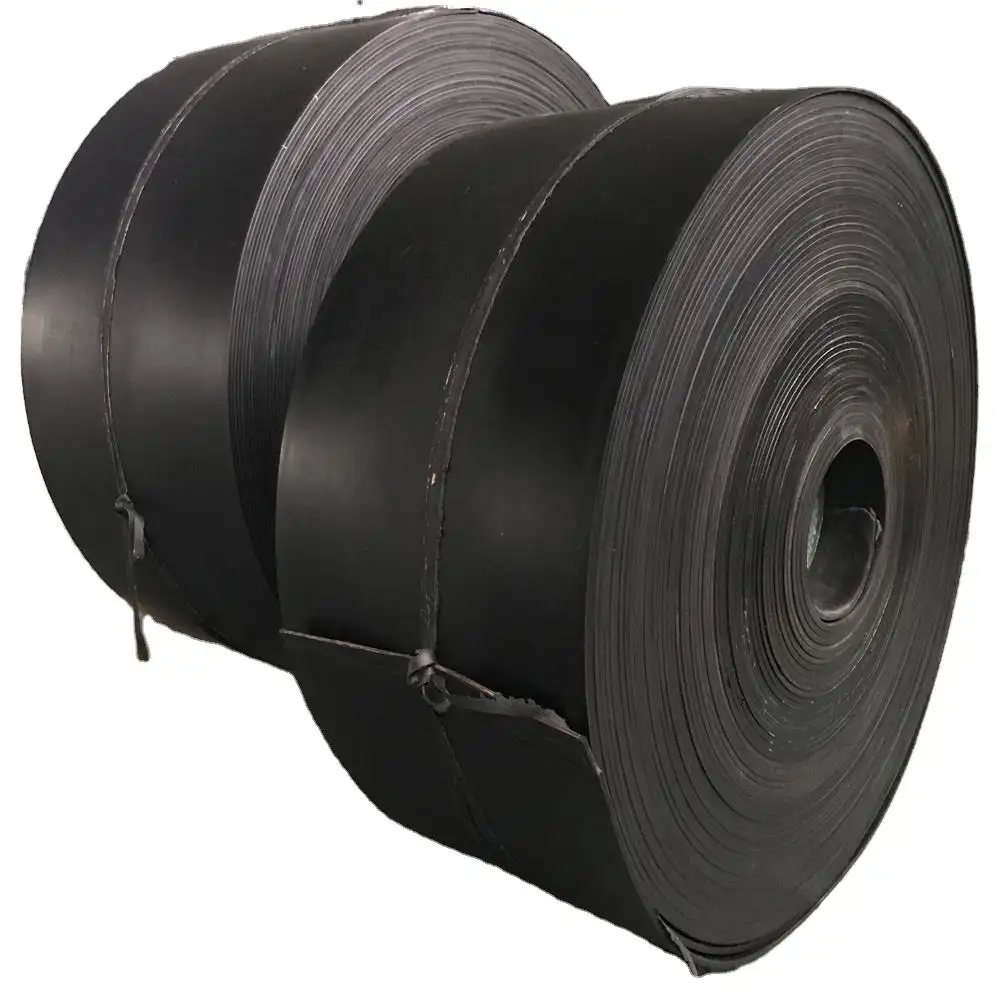
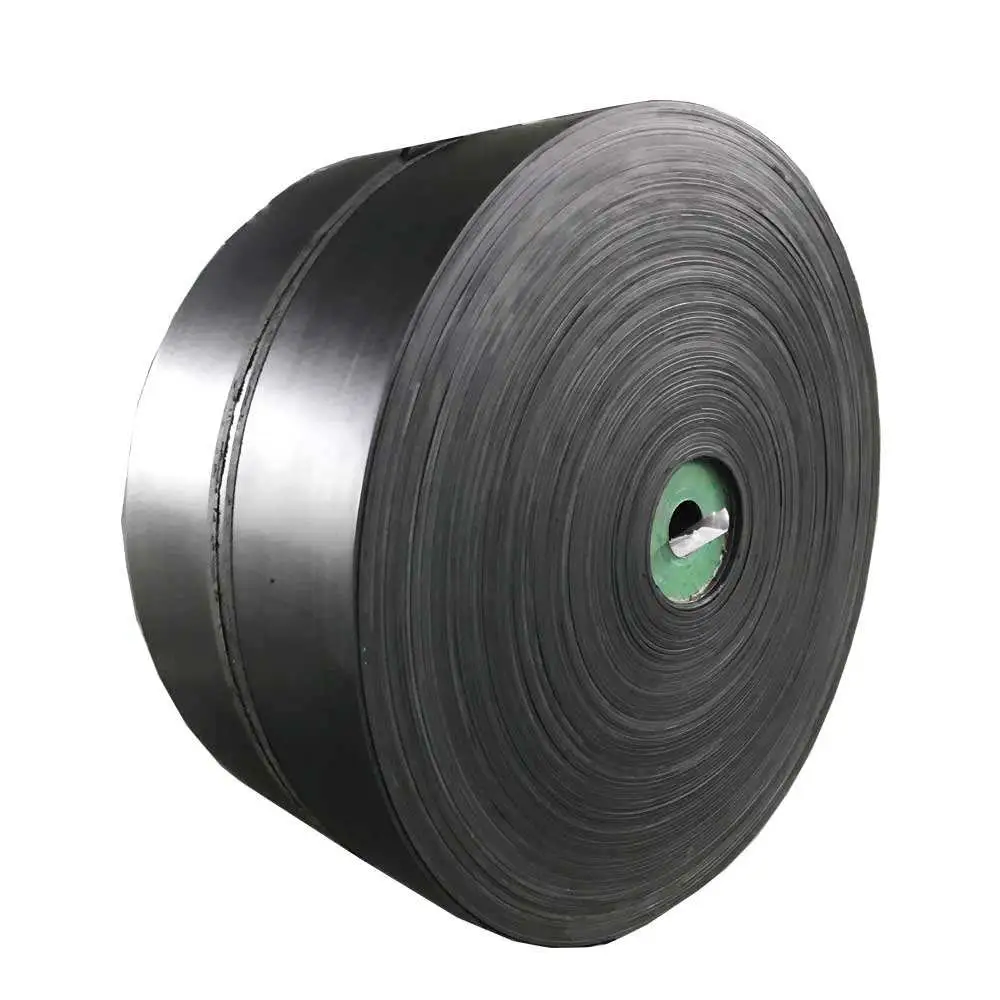
A Fire Resistant Conveyor Belt is an industrial rubber conveyor belt designed for applications where resistance to flame propagation, elevated temperatures, hot materials, sparks or other fire-related operating risks is required. A High Temperature Conveyor Belt is specifically engineered to maintain useful physical properties when conveying hot materials or operating in elevated-temperature environments. Depending on the application, these performance requirements can be combined into one specialized conveyor belt.
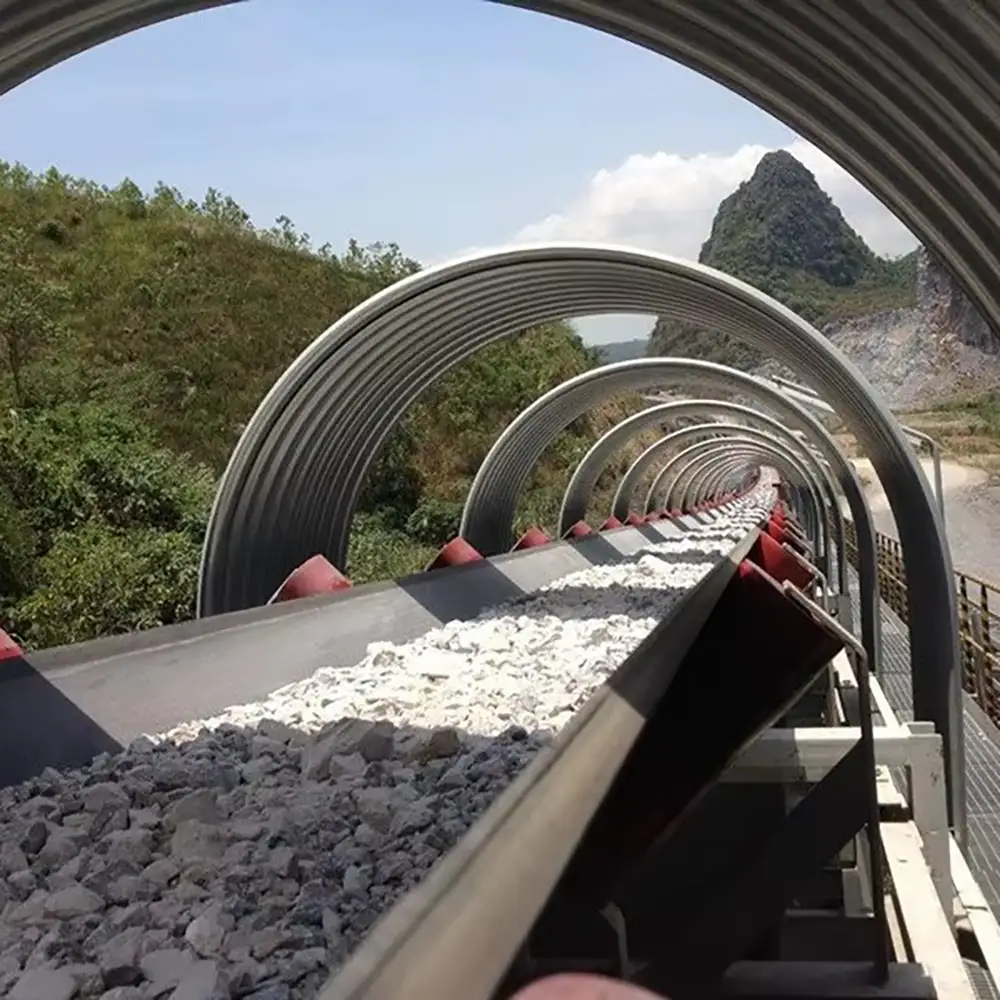
Fire-resistant and heat-resistant conveyor belts are widely used in mining, coal handling, cement plants, steel mills, foundries, power plants, metallurgy, chemical processing, recycling and other heavy-duty industries. The correct belt construction depends on the material being conveyed, operating temperature, exposure time, conveyor design and required safety standard.
It is important to distinguish flame resistance from heat resistance. A heat-resistant belt is designed primarily to reduce thermal aging, hardening, cracking and carcass damage caused by hot materials. A fire-resistant belt uses specially formulated compounds and construction features intended to limit flame propagation and meet specified fire-performance requirements. A belt can be designed with one property or a combination of both, depending on the application.
What Is a Fire Resistant Conveyor Belt?
A Fire Resistant Conveyor Belt uses specially formulated rubber cover compounds and suitable reinforcement to improve resistance to flame and fire-related conditions. Depending on the belt specification and market, testing may include flame, drum-friction, electrical resistance and fire-propagation requirements.
For example, EN ISO 340 is used for evaluating the reaction of conveyor belts to small-scale ignition, while other standards may apply depending on the country, industry and intended installation. Continental's flame-retardant conveyor belt documentation shows that fire-related specifications can include surface resistance, drum friction, flame ignition and fire-propagation testing.
The exact certification should always be matched to the customer's required standard. A generic statement such as "fireproof" should not be used unless the specific belt has been tested and certified for that claim.
What Is a High Temperature Conveyor Belt?
A High Temperature Conveyor Belt is designed for conveying hot materials or operating under elevated thermal conditions. Its rubber cover and carcass are selected to reduce deterioration caused by heat.
Hot materials can include cement clinker, sintered materials, coke, ash, hot aggregates, foundry materials, mineral products and other high-temperature bulk solids.
Heat-resistant belt performance depends on more than the instantaneous temperature of the material. Material size, contact time, belt speed, loading pattern, ambient temperature, belt construction and conveyor configuration all affect the actual thermal load.
For example, commercial heat-resistant belt constructions can be offered for different temperature ranges, but manufacturers emphasize that the permissible temperature depends on the type and form of conveyed material, exposure time and installation design.
Fire Resistant and High Temperature Belt Construction
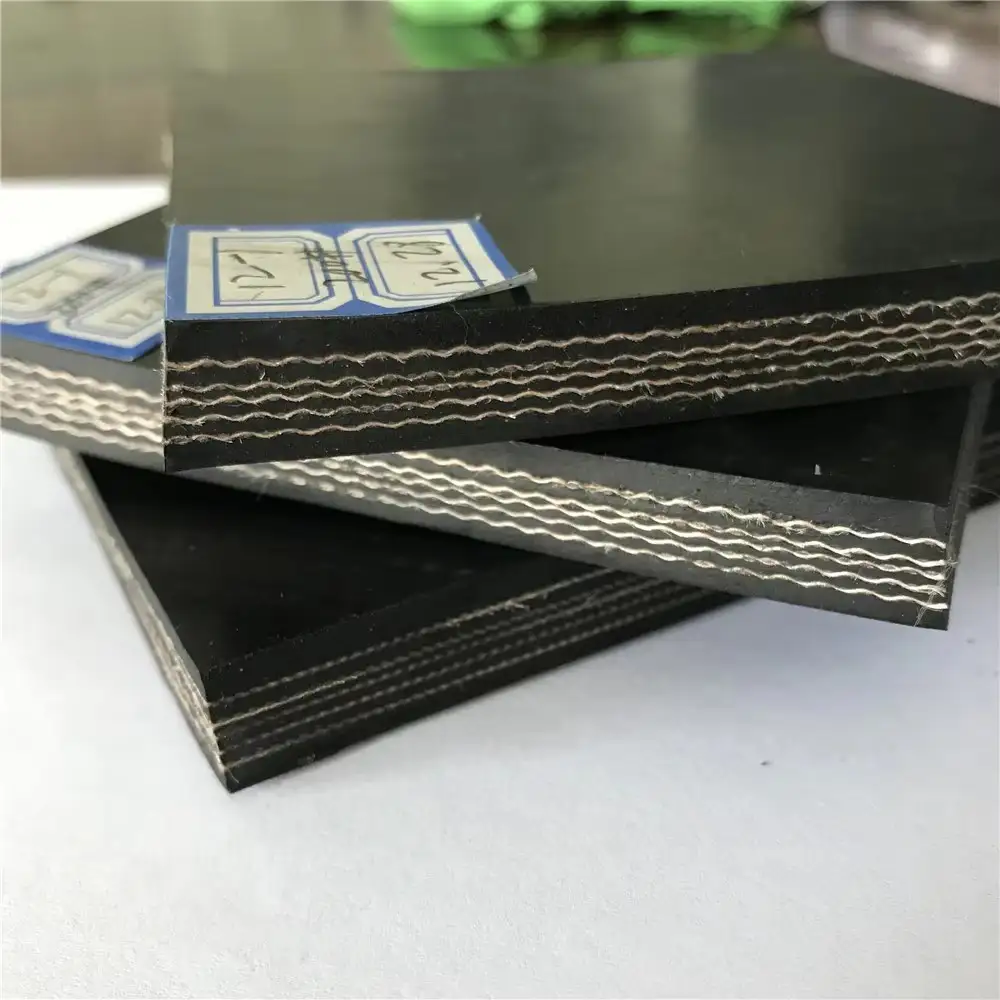
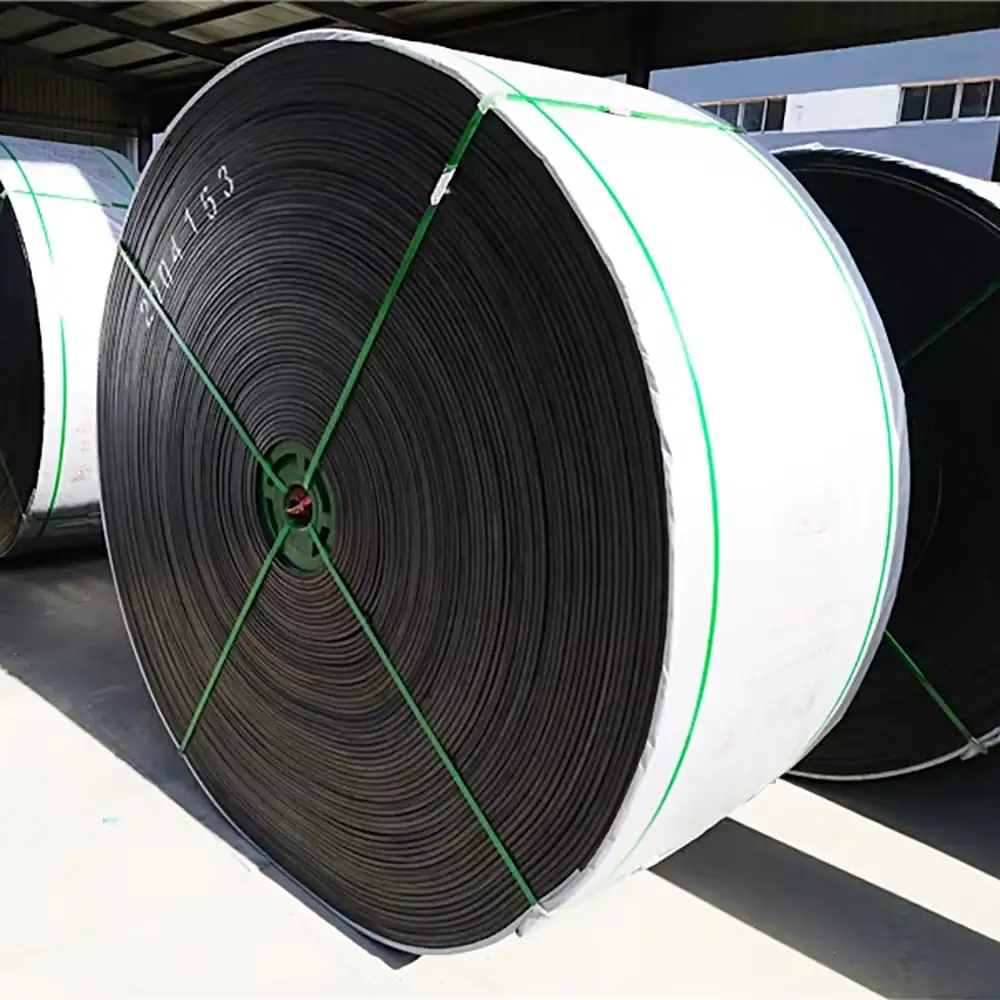
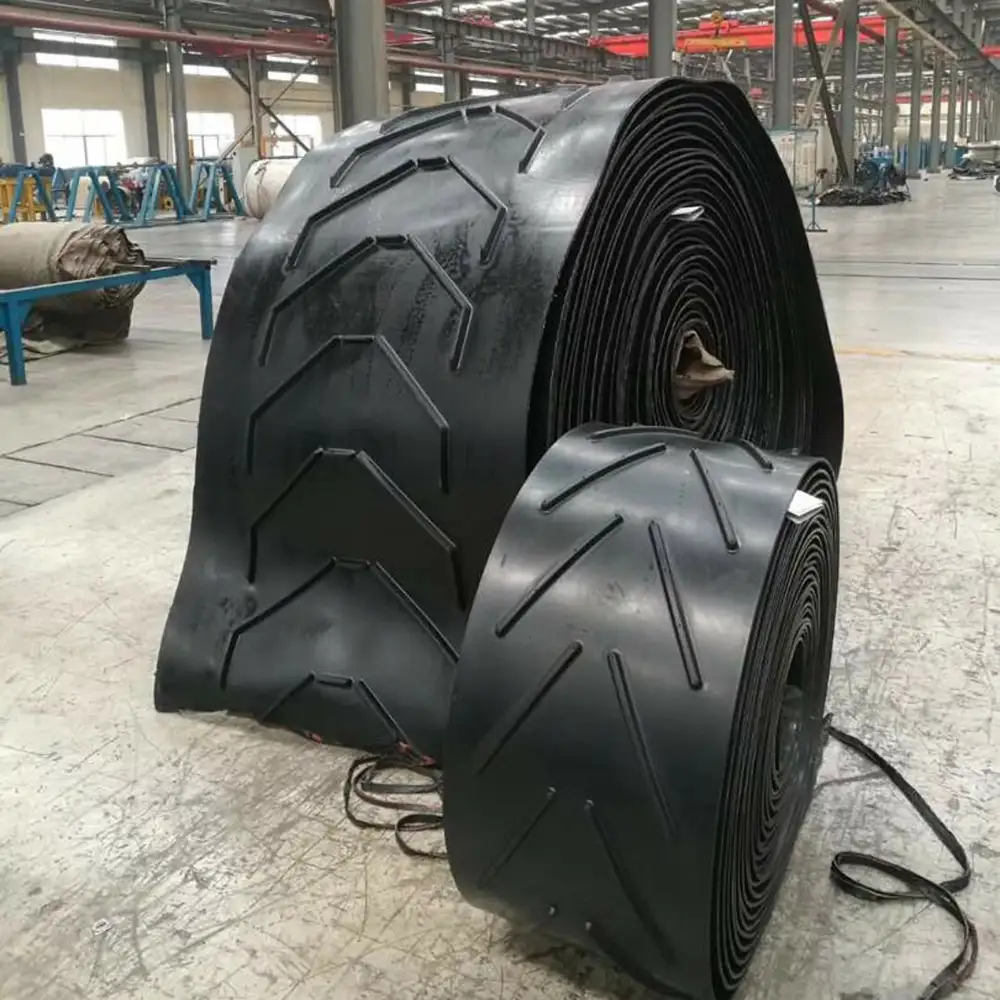
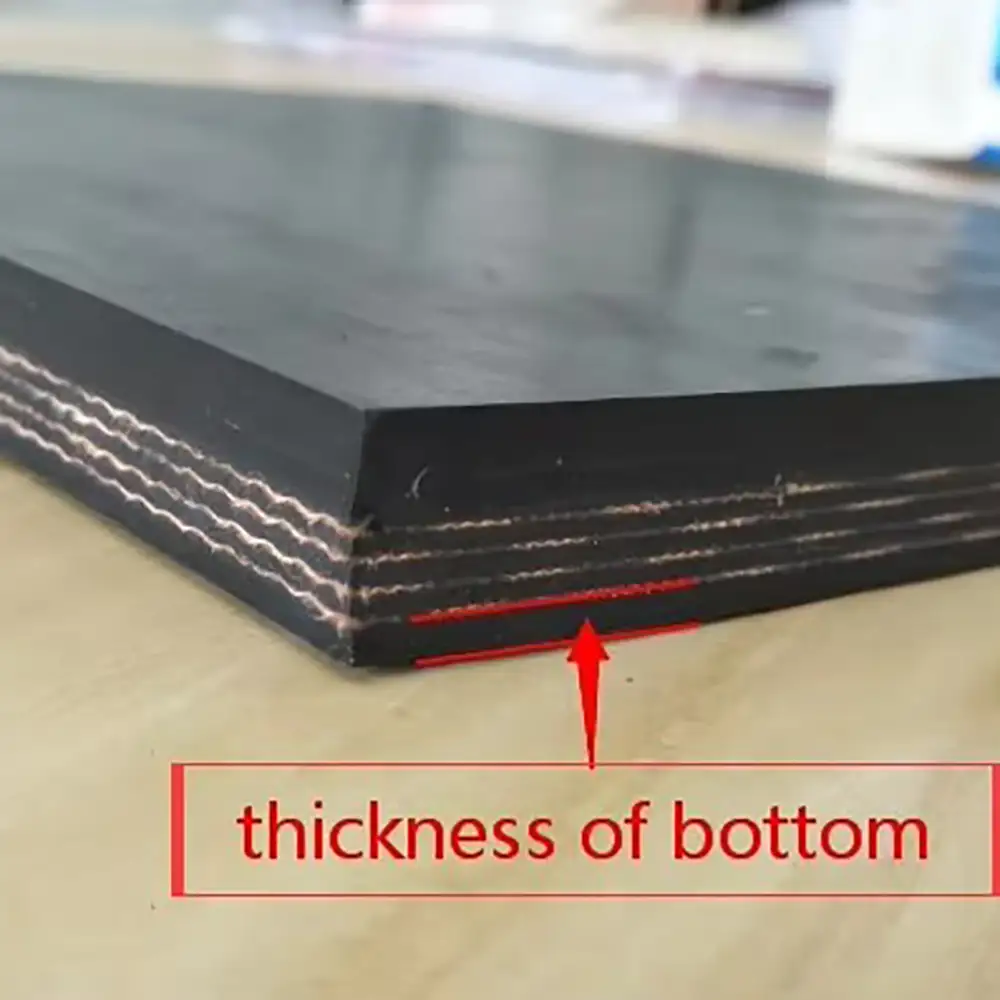
A typical industrial belt consists of a reinforced carcass between upper and lower rubber covers.
The carcass provides tensile strength and dimensional stability. Depending on the conveyor design, the reinforcement may use EP fabric, NN fabric, multi-ply construction, steel cord or other specialized reinforcement.
The top cover contacts the conveyed material and is normally the primary layer exposed to heat, abrasion and potential ignition sources.
The bottom cover protects the carcass from contact with pulleys, idlers and other conveyor components.
For high-temperature applications, the rubber compound is formulated to resist thermal aging, hardening, cracking and deterioration. For fire-resistant applications, the cover compound is formulated to provide the specified flame-resistant characteristics.
Some specialized belts can combine heat resistance, flame resistance, abrasion resistance and other properties when the operating conditions require multiple performance characteristics.
Key Features
1. Flame Resistant Rubber Compound
The cover can use a specially formulated compound designed to reduce flame propagation and improve fire-related performance.
2. Heat Resistant Construction
Heat-resistant rubber compounds help protect the belt from premature deterioration when continuously or intermittently exposed to hot materials.
3. Heavy-Duty Reinforcement
EP, NN, multi-ply or steel-cord carcasses can be selected according to belt tension, conveyor length, loading conditions and system design.
4. Abrasion Resistance
Many high-temperature conveying applications also involve abrasive materials such as clinker, coke, ore and aggregate. A suitable cover compound can therefore combine thermal and wear resistance.
5. Stable Belt Performance
Correctly selected carcass and cover construction can help maintain dimensional stability and reduce excessive elongation during operation.
6. Custom Specifications
Belt width, tensile strength, carcass construction, cover thickness, rubber grade, splice method and other specifications can be customized according to the conveyor system.
Typical Applications
Fire-resistant and high-temperature conveyor belts are commonly used in:
Coal mining
Underground mining
Power plants
Cement plants
Steel mills
Metallurgical plants
Foundries
Sinter plants
Coke handling systems
Aggregate plants
Quarry operations
Chemical plants
Recycling facilities
Waste processing
Bulk material terminals
Mineral processing plants
In coal and underground mining, fire-resistant performance can be an important part of conveyor safety requirements. In steel, cement and metallurgy, heat resistance may be more important because the belt is exposed to hot materials. Some installations require both characteristics.
High Temperature Conveyor Belt for Cement
Cement plants commonly transport materials such as clinker and other hot process materials. The belt therefore needs to tolerate thermal exposure while also resisting abrasion.
A high-temperature conveyor belt for cement should be selected according to actual material temperature, particle size, belt speed, loading condition and exposure duration.
Where hot and abrasive material are handled together, a combined heat- and abrasion-resistant cover may be considered.
Fire Resistant Conveyor Belt for Mining
Mining conveyors can operate in demanding environments involving heavy loads, abrasion and potential fire hazards.
For underground applications, the required flame-resistant specification should be confirmed according to the applicable local regulations, mine requirements and customer standards. A belt should not be selected only by the words "fire resistant"; the actual certification and test method need to match the application.
Modern flame-resistant belts can also be developed with improved abrasion performance. Continental, for example, announced a 2026 underground mining belt combining certified flame-resistant performance with abrasion resistance for hard-rock mining applications.
How to Choose the Right Belt
The most important selection parameters include:
Material Temperature: Provide both normal and peak material temperature.
Exposure Time: Continuous exposure and short-duration hot loads can require different belt constructions.
Material Type: Clinker, coke, ore, coal, aggregate and other materials have different thermal and abrasive characteristics.
Belt Speed: Higher speed changes the contact time between the hot material and belt surface.
Belt Width: Width should be selected according to conveying capacity and conveyor design.
Tensile Strength: EP, NN, multi-ply or steel-cord reinforcement should be selected according to conveyor tension.
Cover Thickness: Thicker covers may be appropriate where abrasion and thermal exposure are significant.
Pulley Diameter: The carcass and belt construction must be compatible with the conveyor's pulley arrangement.
Required Standard: Specify ISO, DIN, ASTM, MSHA or other applicable requirements where certification is necessary.
Maintenance and Service Life
Even a high-temperature or fire-resistant belt requires proper maintenance.
Regular inspections should check the belt surface, edges, splices, cover cracks, abrasion, delamination, tracking and abnormal deformation. Hot-material buildup should be removed where it can create localized thermal stress.
The conveyor should also be checked for seized rollers, pulley problems, misalignment and material accumulation. Mechanical problems can generate additional heat and increase belt damage.
Proper belt tension and tracking are important because excessive tension, misalignment and mechanical friction can accelerate wear and thermal damage.
OEM Fire Resistant Conveyor Belt
We provide customized conveyor belt solutions for industrial bulk material handling systems. OEM specifications can include:
Belt Width
Belt Tensile Strength
EP Fabric Carcass
NN Fabric Carcass
Multi-Ply Construction
Steel Cord Reinforcement
Top Cover Thickness
Bottom Cover Thickness
Flame Resistant Rubber
Heat Resistant Rubber
Abrasion Resistant Rubber
Oil Resistant Rubber
Anti-Static Options
Custom Splicing
Belt Length
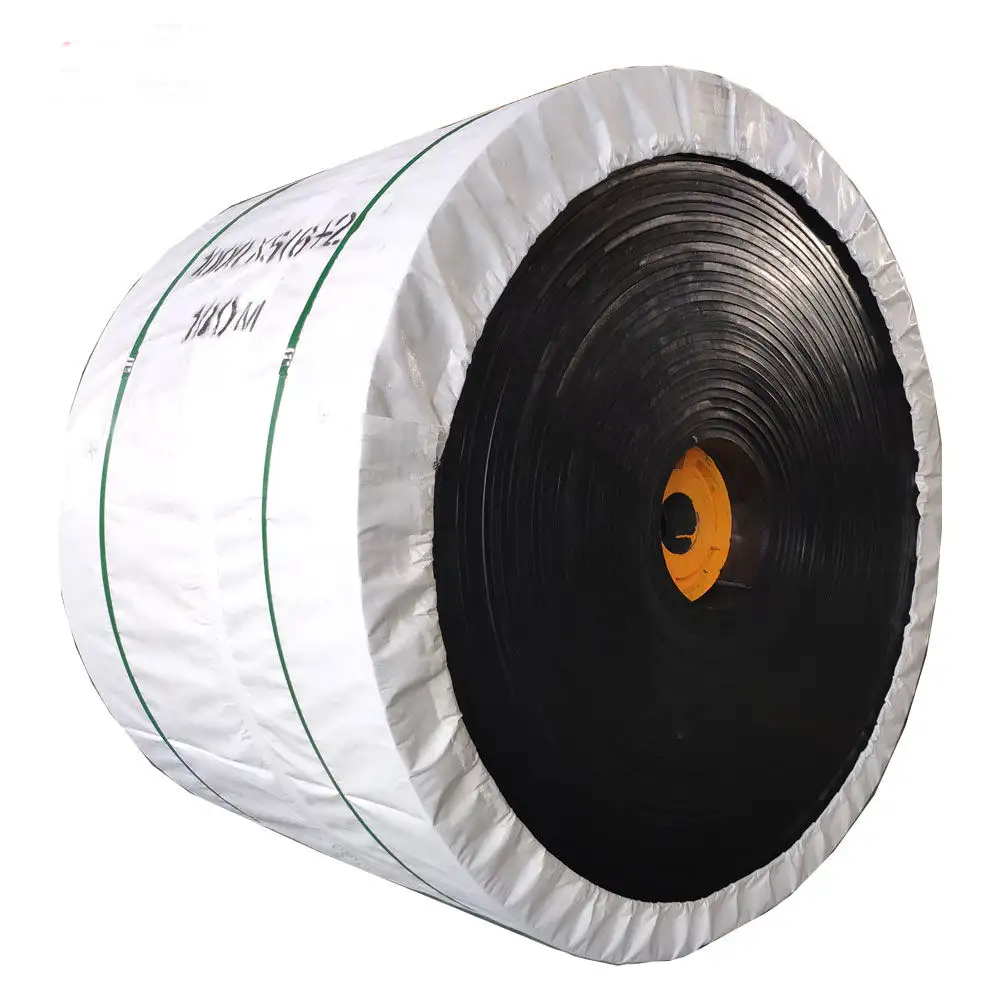
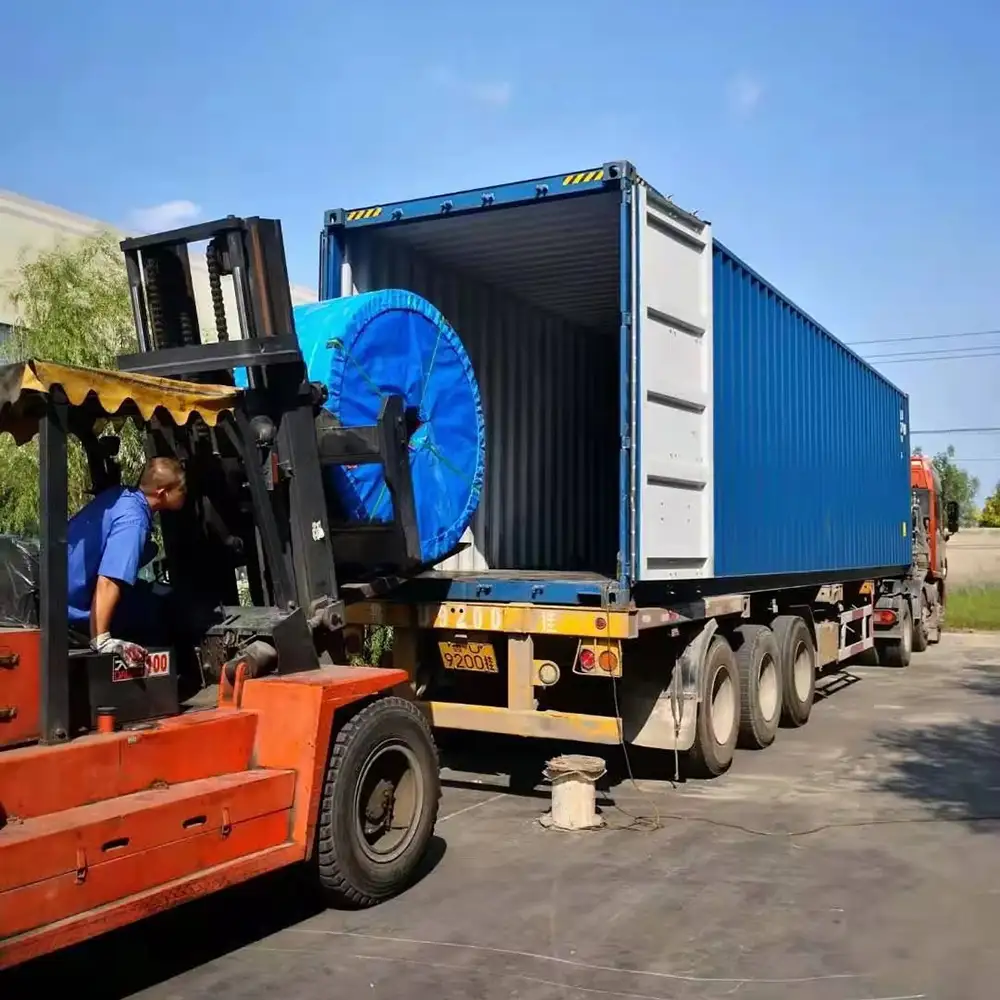
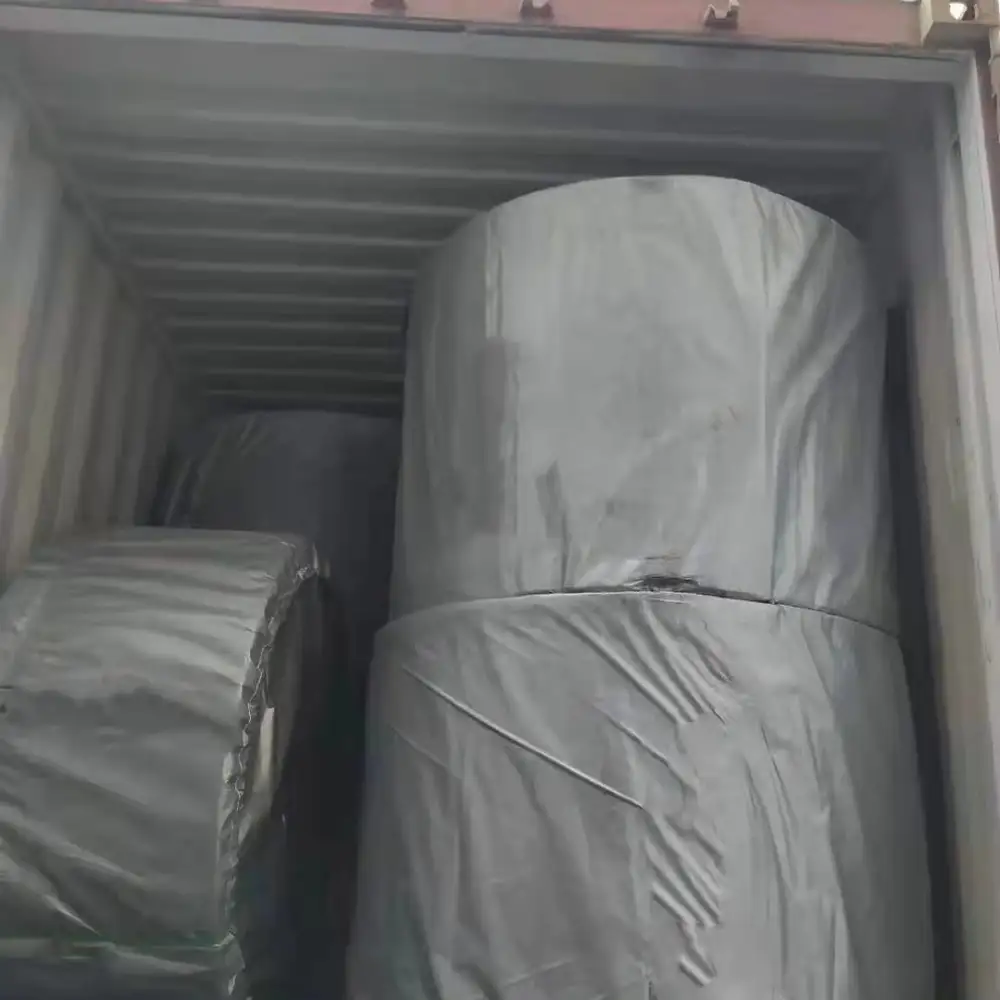
Packaging And Labeling
Customers can provide conveyor drawings, existing belt specifications or operating parameters for product selection.
Why Choose Us
Application-Based Belt Selection
We select the belt according to material temperature, conveying capacity, belt tension, abrasion level, conveyor design and required fire-performance specifications rather than relying on a single generic belt grade.
Customized Industrial Manufacturing
Different industries require different carcass structures, cover compounds and thicknesses. We support customized production for mining, cement, steel, power and bulk material handling applications.
Multiple Performance Options
Heat resistance, flame resistance, abrasion resistance, oil resistance and other properties can be combined where the operating environment requires multiple performance characteristics.
Quality-Focused Production
Raw material selection, rubber compounding, carcass construction, vulcanization and finished-belt inspection are important to achieving consistent industrial belt performance.
OEM and Export Support
We support international B2B customers with customized specifications, technical communication, production coordination, inspection, packaging and export services.
FAQs
1. What Is a Fire Resistant Conveyor Belt?
A Fire Resistant Conveyor Belt is designed with specialized materials and construction to resist flame propagation and meet specified fire-performance requirements.
2. Is a Fire Resistant Conveyor Belt the Same as a Heat Resistant Conveyor Belt?
No. Fire resistance and heat resistance address different performance requirements. Fire resistance relates primarily to flame and fire behavior, while heat resistance relates to protection against thermal deterioration.
3. Can One Conveyor Belt Be Both Fire and Heat Resistant?
Yes. A belt can be engineered with both flame-resistant and heat-resistant properties when the application requires them. The required specification should be confirmed before production.
4. What Temperature Can a High Temperature Conveyor Belt Handle?
There is no single temperature suitable for every belt. Maximum allowable temperature depends on the rubber compound, material form, exposure duration, belt construction and conveyor design. Commercial products are available in different heat-resistant grades.
5. What Materials Can Be Conveyed on a Heat Resistant Belt?
Typical materials include cement clinker, coke, sintered material, hot aggregate, ash, foundry materials and other hot bulk solids.
6. Is the Belt Suitable for Coal Mining?
Fire-resistant conveyor belts are commonly used in mining applications where specific fire-safety requirements apply. The exact belt certification should match the mine's regulations and required testing standard.
7. What Standards Apply to Fire Resistant Conveyor Belts?
Depending on the market and application, standards can include ISO 340, DIN requirements, ASTM specifications and other regional or industry-specific standards. The required standard should be confirmed before ordering.
8. Can the Belt Also Be Abrasion Resistant?
Yes. Heat- or flame-resistant belts can be designed with abrasion-resistant cover compounds when conveying abrasive materials such as clinker, ore, coke or aggregate.
9. Can You Customize the Conveyor Belt?
Yes. Width, tensile strength, carcass construction, cover thickness, rubber compound, belt length, splice configuration and other specifications can be customized.
10. What Information Is Needed for a Belt Quotation?
Please provide material type, normal and peak temperature, conveying capacity, belt width, belt speed, conveyor length, incline, belt tension, material size, pulley diameter and required fire or heat-resistant standard.
Fire Resistant Conveyor Belt,Flame Resistant Conveyor Belt,High Temperature Conveyor Belt,Heat Resistant Conveyor Belt China, suppliers, manufacturers, factory, customized, wholesale, quotation, made in China