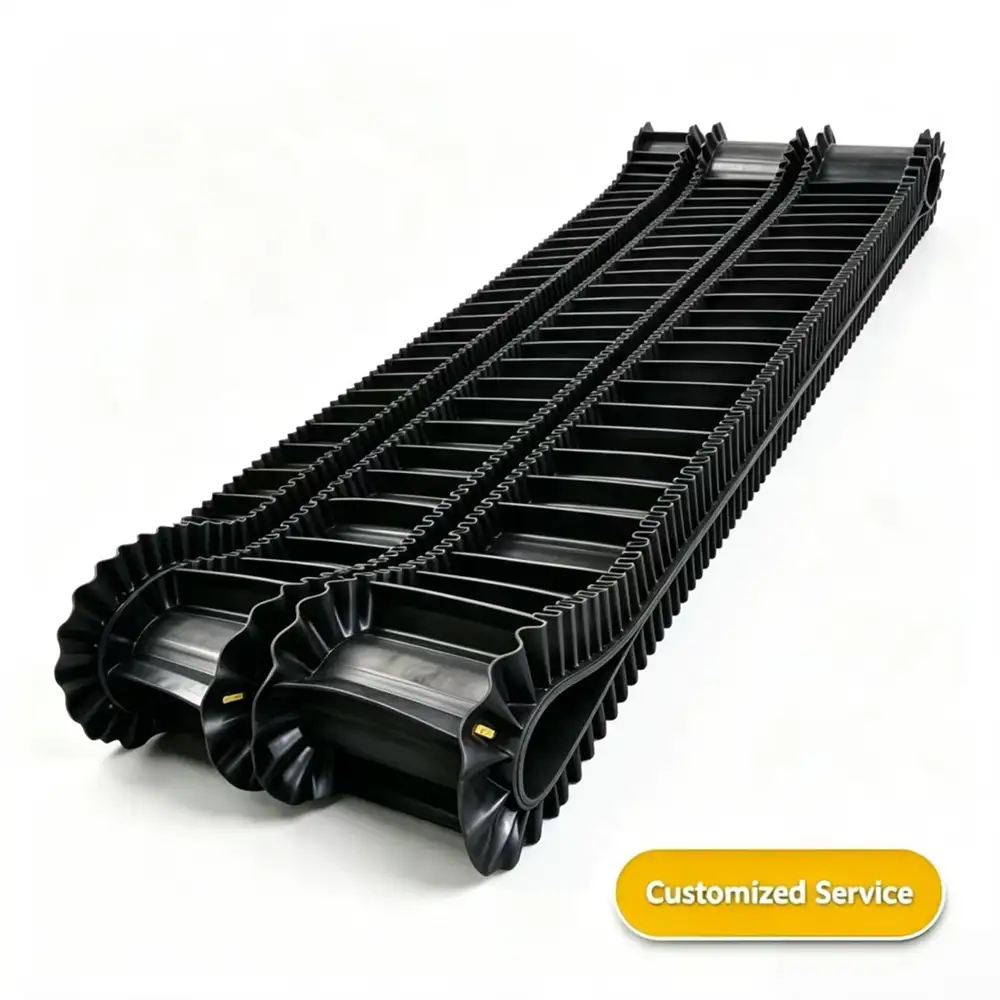
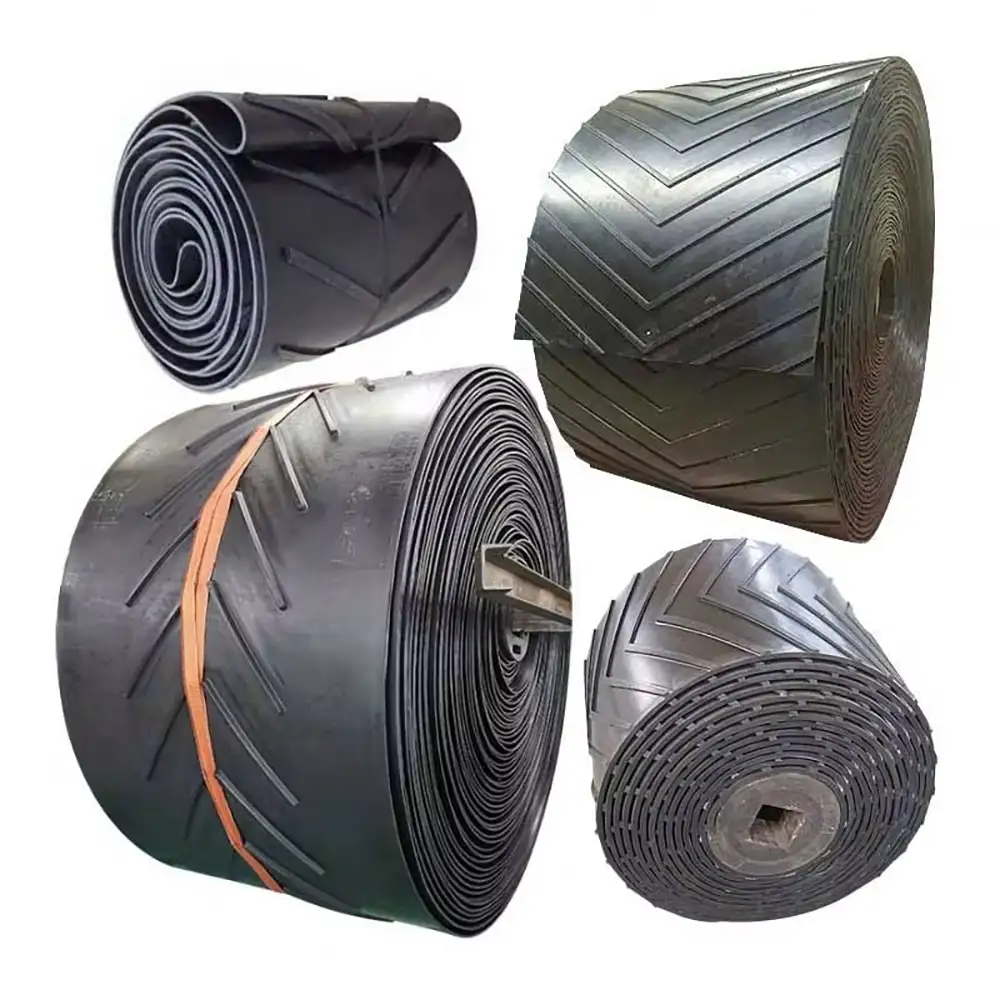
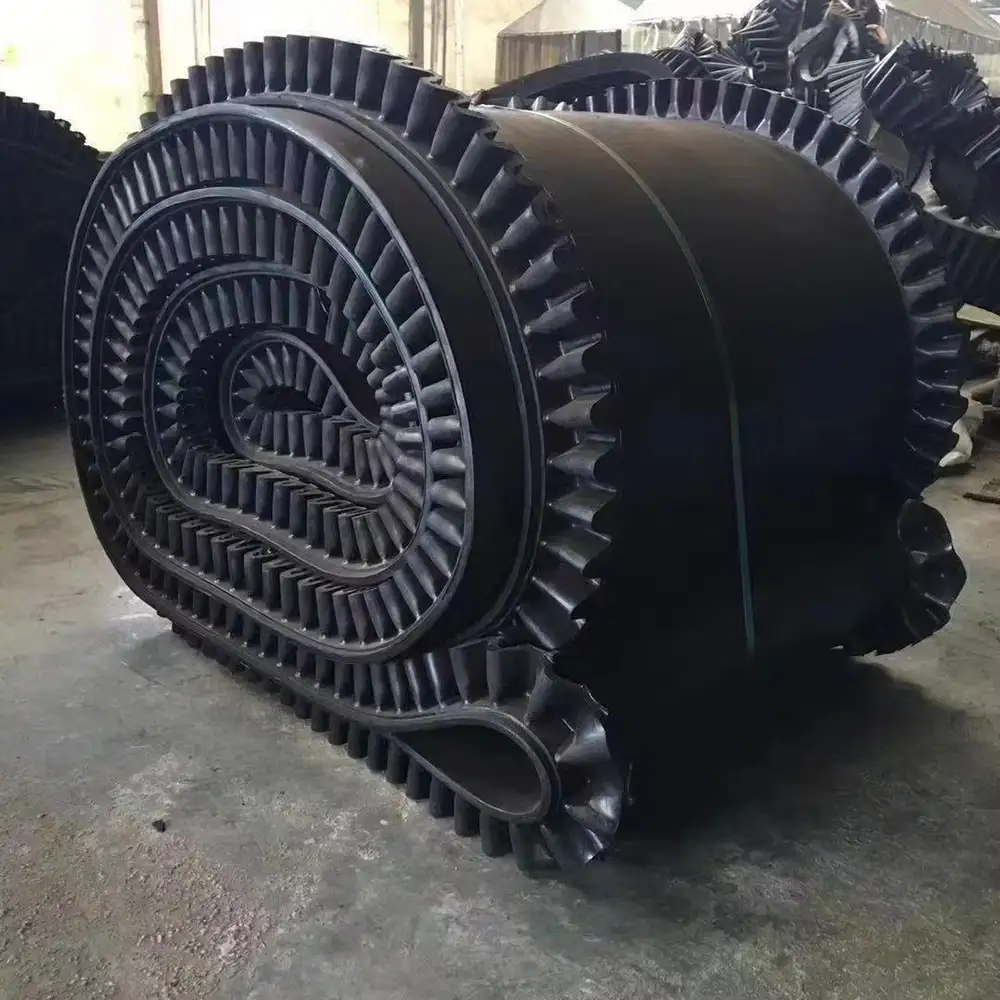
Endless Conveyer Belt Heat Resistant Conveyor Belt By Polyester Cotton Covered
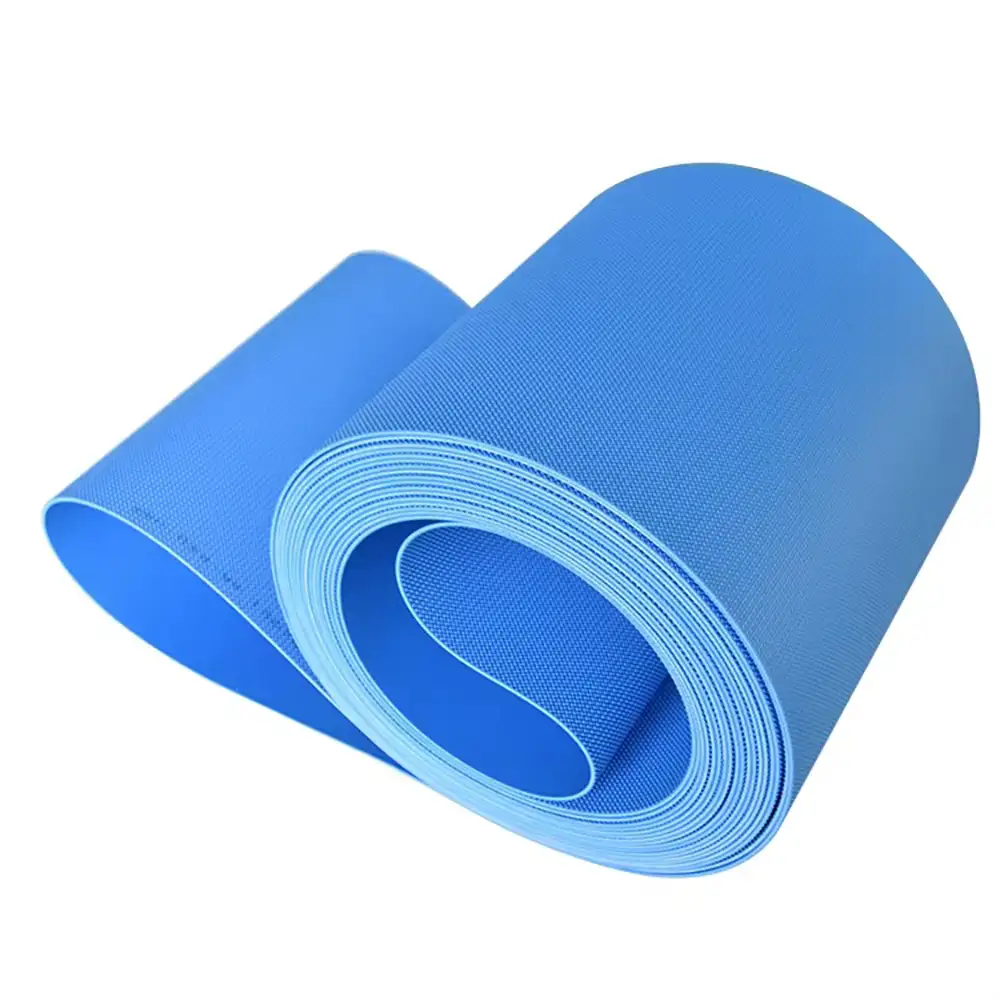
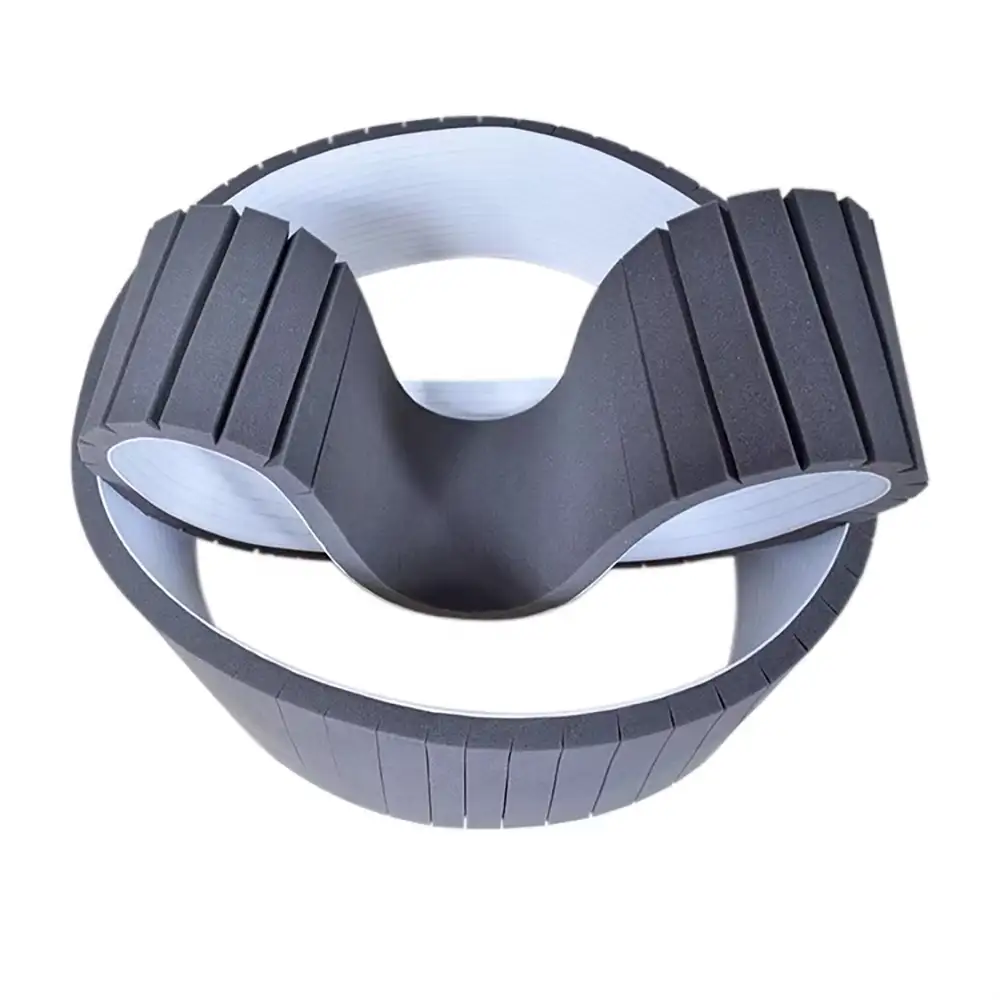
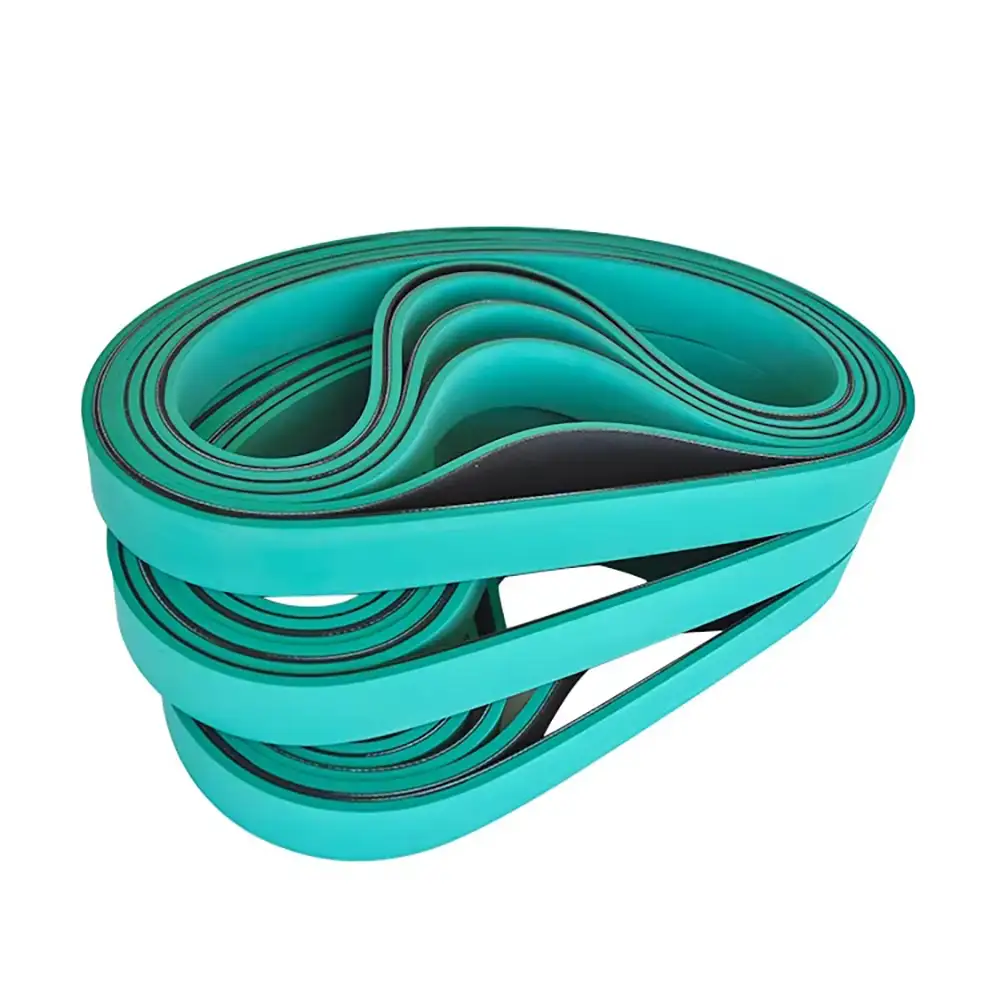
Endless conveyor belt has been made into endless without obvious joint defect in the belt surface and the belt shall not be shortened in service life due to early failure in the joints of the belt. The belts is flat in surface and even in tension, thus it runs smoothly and with low elongation in working.
Advantage:
Surface of the belt is smooth and even in tension
Excellent performance
Optimum quality raw materials
Good flexibility and high durability
Application:
Cement
Milling machine
Metallurgy, Coking, Steel Mill
Mobile crushing, Screening and Recycling sectors
Endless Conveyor Belt, Quality Endless Rubber Conveyor Belt
A Quality Endless Conveyor Belt is a continuous-loop conveyor belt designed to provide smooth and reliable material handling without the need for a conventional mechanical fastener. Depending on the belt construction, an endless belt may be manufactured as a truly continuous loop or produced from open belt material and permanently joined through a suitable endless splicing process.
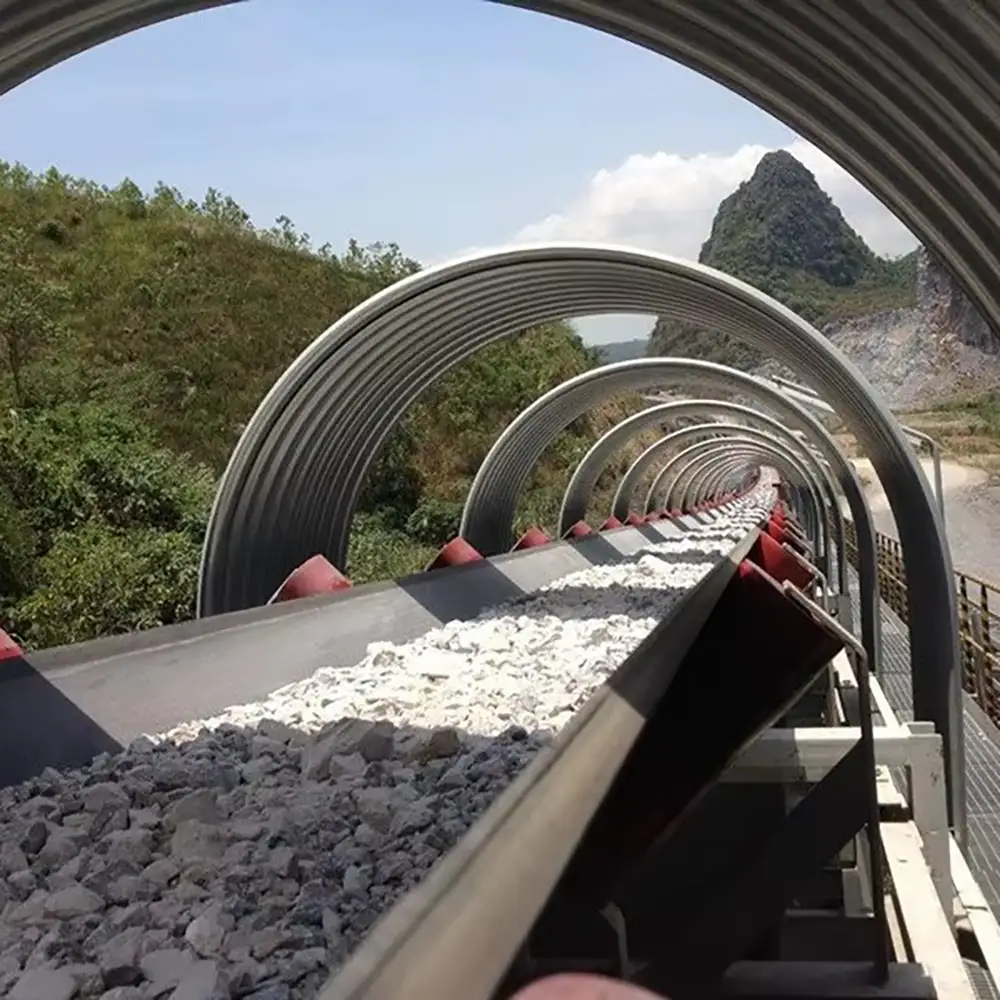
Endless Rubber Conveyor Belts are widely used in industrial conveying systems where smooth running, stable tracking, reduced joint interference and reliable continuous operation are important. Applications include manufacturing, packaging, logistics, agriculture, woodworking, mining, cement, bulk material handling and many other industries. Endless belt construction is particularly useful when a conventional mechanical splice could interfere with pulleys, scrapers, conveyed products or machine components.
The term “endless” describes the finished loop rather than automatically defining how the loop was manufactured. A belt may be factory-made as an endless loop, endlessly woven, molded as a continuous ring, or converted into an endless belt through vulcanized or other suitable splicing methods. Buyers should therefore confirm the exact construction when ordering.
What Is an Endless Conveyor Belt?
An Endless Conveyor Belt is installed around the drive pulley, tail pulley and carrying/return components as a continuous loop. As the drive pulley rotates, friction between the pulley and belt moves the belt continuously, transporting products or bulk materials from one point to another.
Unlike a conventional open belt supplied in a roll, an endless belt is delivered or installed in a closed-loop configuration. For some industrial rubber belts, the two ends are joined using hot vulcanization or another engineered splice process. Truly seamless belts may be manufactured without a conventional transverse joint.
The final construction should be selected according to the conveyor design, belt material, required tensile strength, pulley diameter, belt speed, load and installation conditions.
Endless Rubber Conveyor Belt Construction
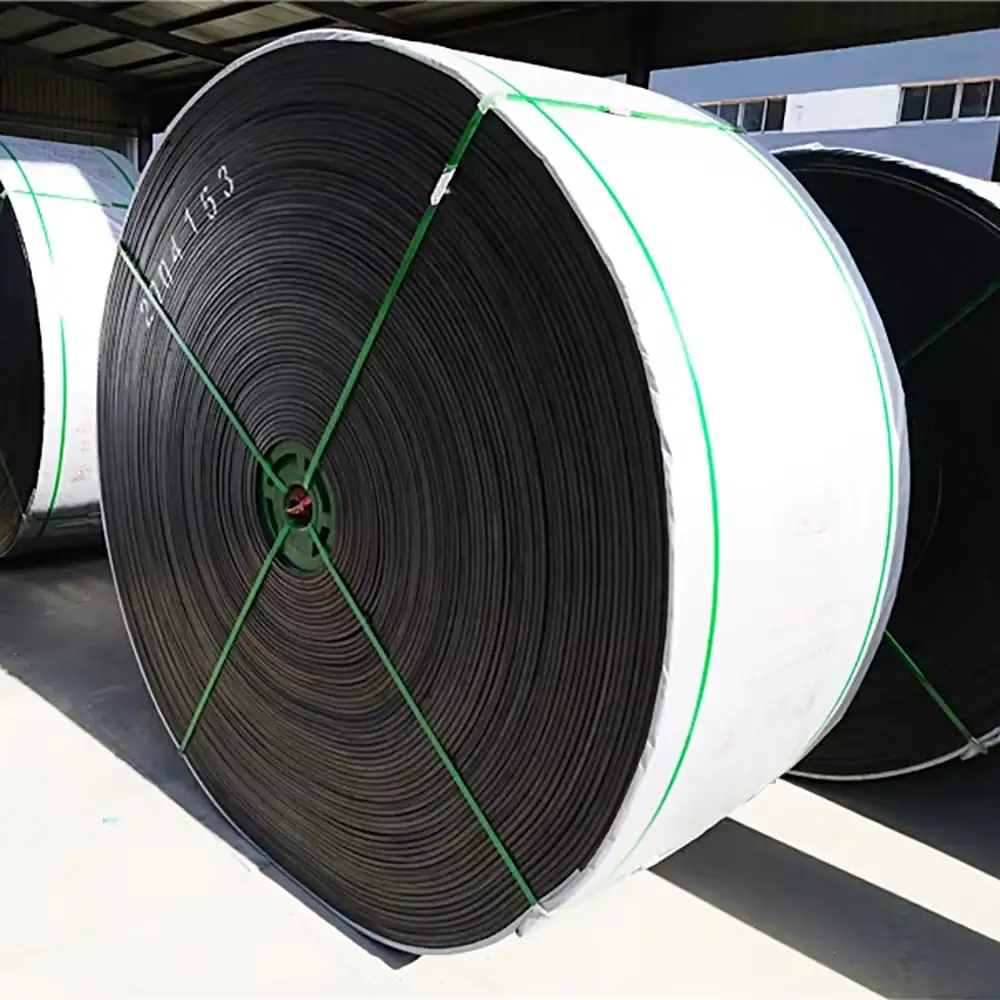
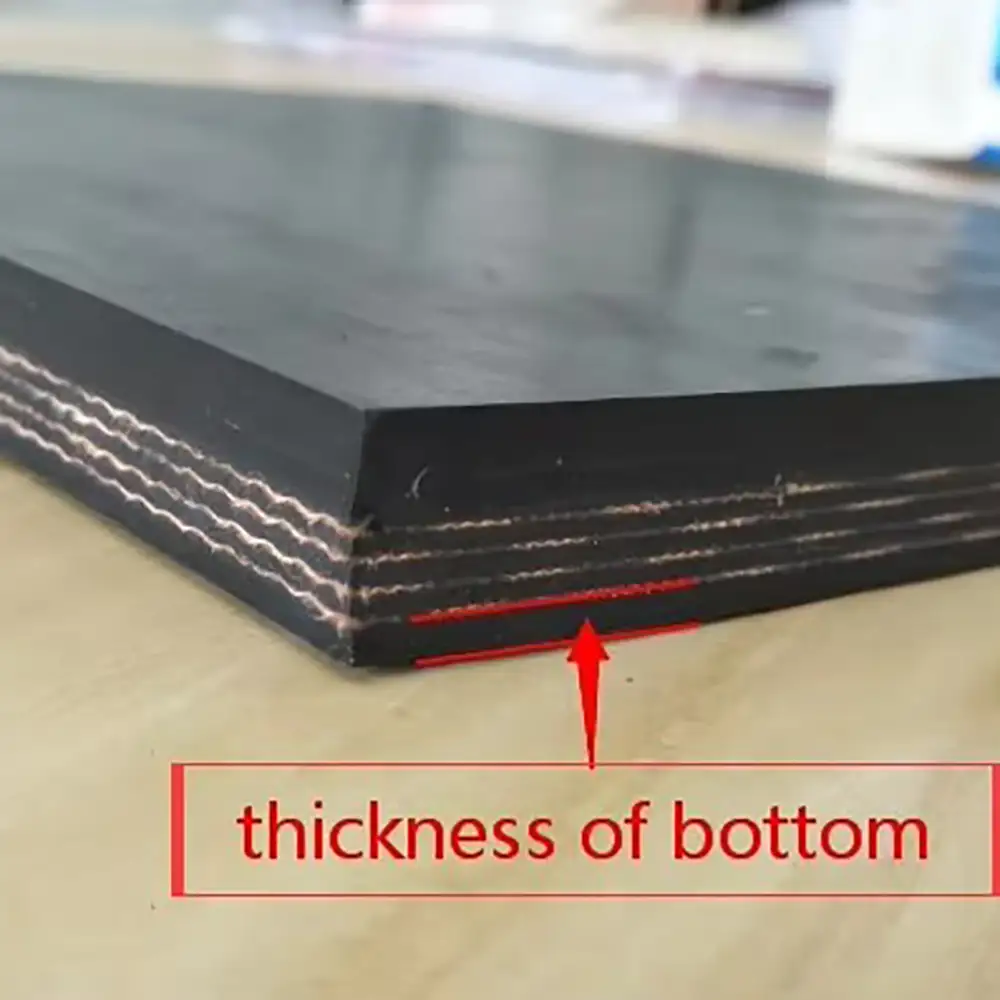
A typical rubber endless conveyor belt consists of a rubber top cover, reinforcement carcass, rubber skim layers and bottom cover. The reinforcement provides tensile strength and dimensional stability, while the rubber covers protect the belt from abrasion, impact, moisture and other operating conditions.
Depending on the application, the carcass can use polyester, nylon, polyester-nylon combinations or other reinforcement materials. Heavy-duty applications can require stronger constructions, while light industrial applications may use flexible fabric-reinforced belts.
The rubber compound can also be customized according to the operating environment. Available options may include:
General Purpose Rubber
Abrasion Resistant Rubber
Oil Resistant Rubber
Heat Resistant Rubber
Flame Resistant Rubber
Weather Resistant Rubber
High-Grip Rubber
Low-Temperature Rubber
The correct compound should be selected according to the material being conveyed and actual operating conditions.
Truly Endless vs. Spliced Endless Conveyor Belt
It is important to distinguish between a truly endless conveyor belt and an endless belt created by splicing.
A truly endless belt has a continuous loop without a conventional transverse splice. This construction can provide a uniform running surface and eliminate a conventional joint crossing the pulley.
A spliced endless belt starts as an open belt and is converted into a continuous loop by an appropriate joining method. Rubber conveyor belts are commonly made endless using vulcanized splicing, while other belt materials may use finger welding, overlap welding or other joining techniques.
Endless splicing can create a smooth, flexible joint without mechanical fasteners. The appropriate splice method depends on the belt construction, tension, pulley diameter, conveyor design and application.
Main Features
1. Continuous Loop Design
The finished belt operates as a continuous loop, eliminating the need for exposed mechanical fasteners in applications where such fasteners are undesirable.
2. Smooth Running
A properly manufactured endless belt can provide smooth movement over pulleys and conveyor components. This is particularly valuable for products requiring stable positioning or gentle handling.
3. Reduced Joint Interference
Endless construction can eliminate raised mechanical fasteners and exposed joint edges that may catch products, interfere with scrapers or create additional wear.
4. Flexible Rubber Construction
Rubber belts can be manufactured with different carcass and cover constructions to balance flexibility, tensile strength, abrasion resistance and application requirements.
5. Custom Rubber Compounds
The belt cover can be specified for general-purpose, abrasion-resistant, oil-resistant, heat-resistant or flame-resistant applications.
6. Custom Dimensions
Belt width, finished loop length, thickness, reinforcement, cover thickness and other specifications can be manufactured according to the conveyor system.
Advantages of Quality Endless Rubber Conveyor Belts
A high-quality endless rubber belt can help simplify conveying where conventional mechanical fasteners are unsuitable.
For example, in compact conveyors with relatively small pulleys, a raised mechanical fastener can create repeated impact as it travels around the pulley. An appropriately designed endless splice can provide a smoother transition. Endless splicing is also used in food, sanitary and other applications where a low-profile, smooth belt joint is desirable.
Endless construction can also be useful in precision conveying. Packaging, printing, inspection and automated production systems may require consistent belt movement without a prominent joint passing through the conveying area.
However, endless construction is not automatically the right choice for every conveyor. If a conveyor frame cannot be opened and the belt cannot be installed around the machine, an endless loop may be difficult to replace. Installation access should therefore be evaluated before ordering.
Applications
Quality Endless Rubber Conveyor Belts are suitable for many industries, including:
General Material Handling
Packaging Machinery
Logistics And Warehousing
Agricultural Processing
Food Processing
Woodworking
Paper And Printing
Textile Machinery
Electronics Manufacturing
Assembly Lines
Ceramic And Glass Processing
Mining
Cement Plants
Aggregate Handling
Recycling
Industrial Automation
For bulk material applications, rubber endless belts can be designed with suitable abrasion-resistant covers and reinforcement. For light industrial conveying, smoother and more flexible constructions may be preferred.
Surface Options
Different surface designs can be produced according to the product being transported.
Smooth Surface:
Suitable for cartons, packages, components and general horizontal conveying.
High-Grip Surface:
Provides additional traction for selected inclined or product-handling applications.
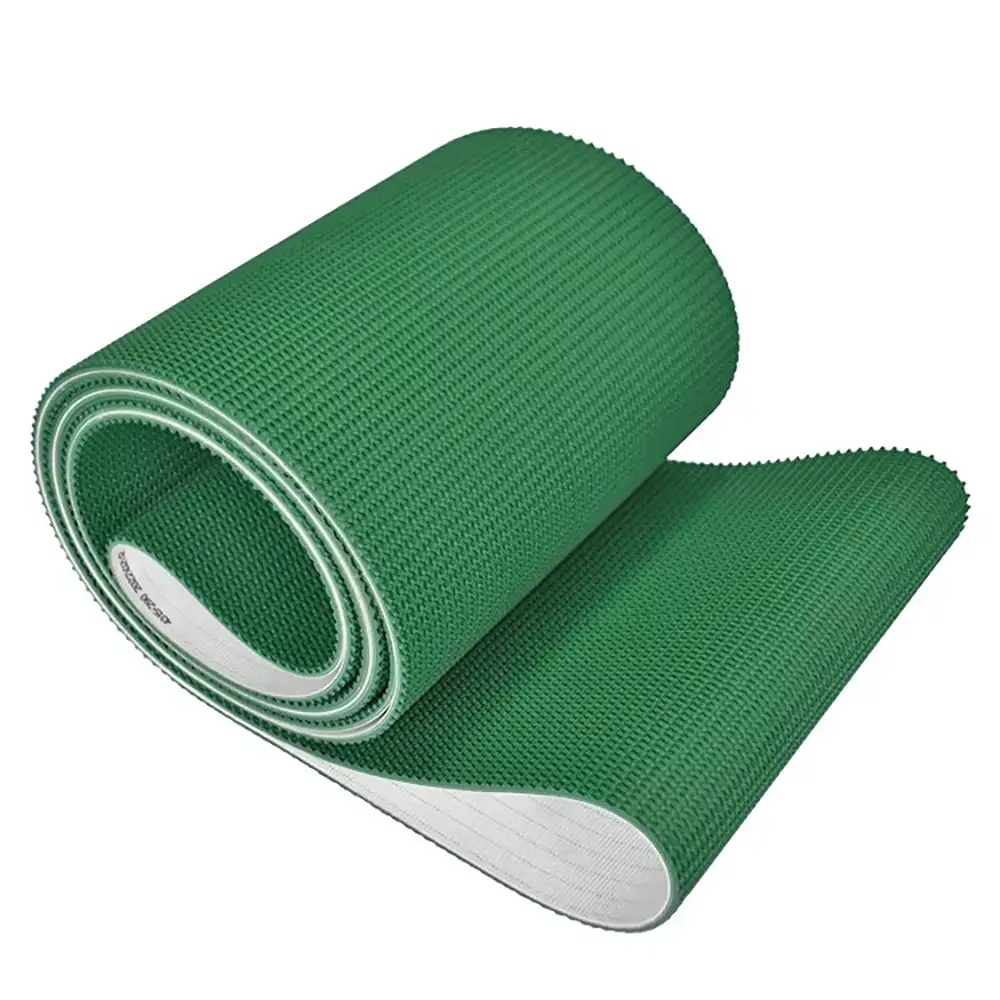
Patterned Surface:
Embossed or textured surfaces can improve grip or release characteristics.
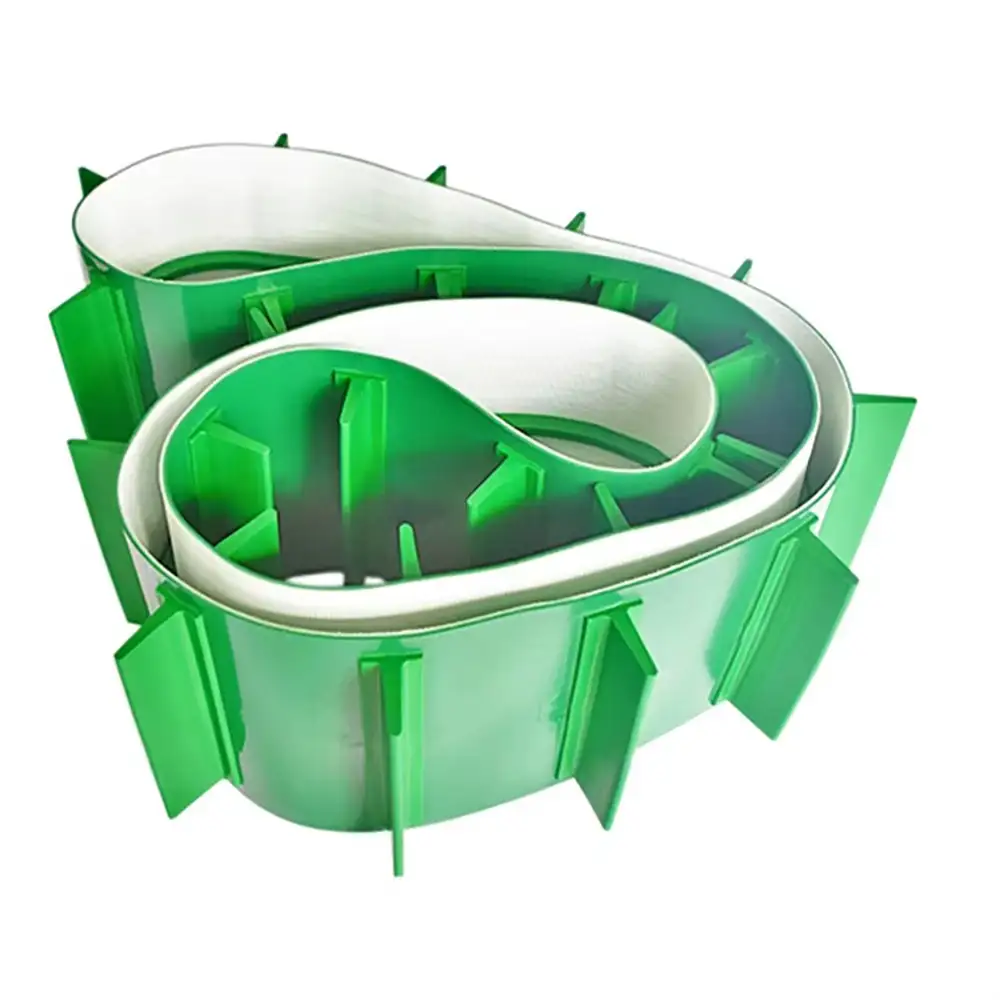
Cleated Surface:
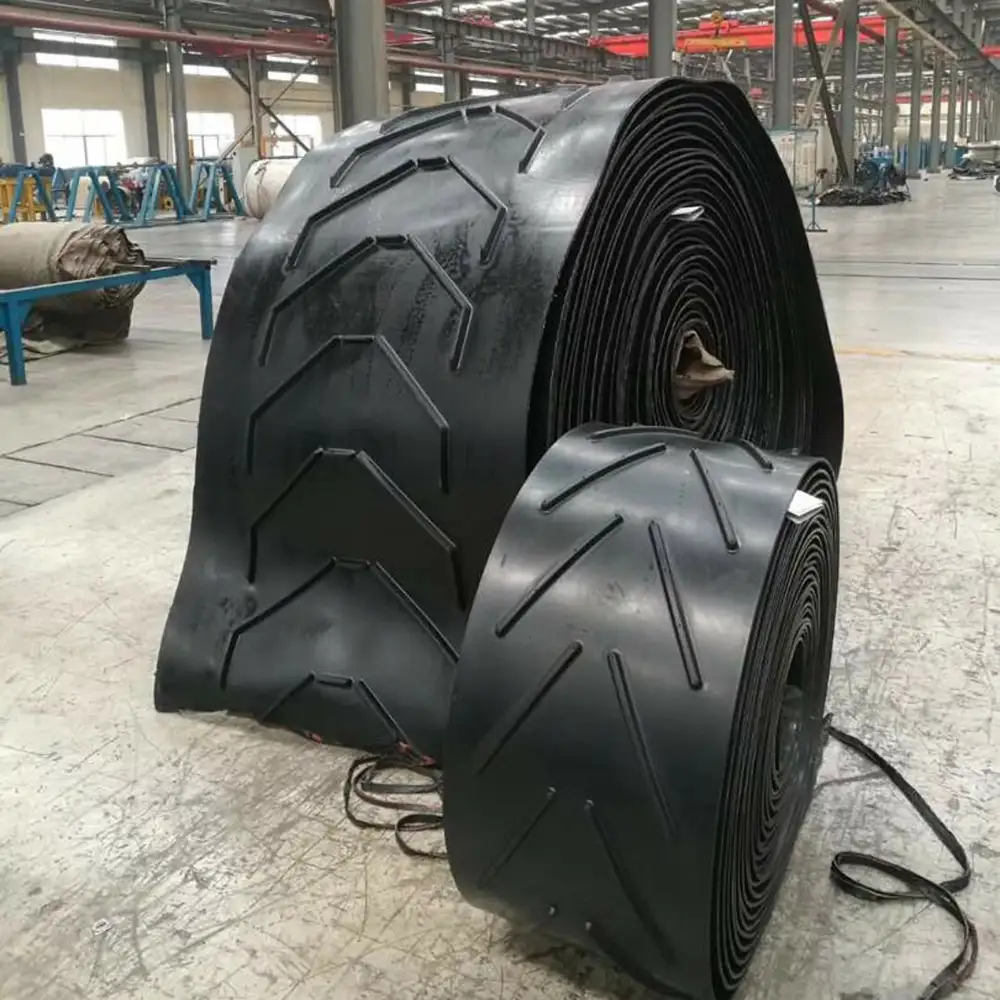
Transverse cleats can assist with inclined conveying and product separation when the conveyor design permits.
Special Processing:
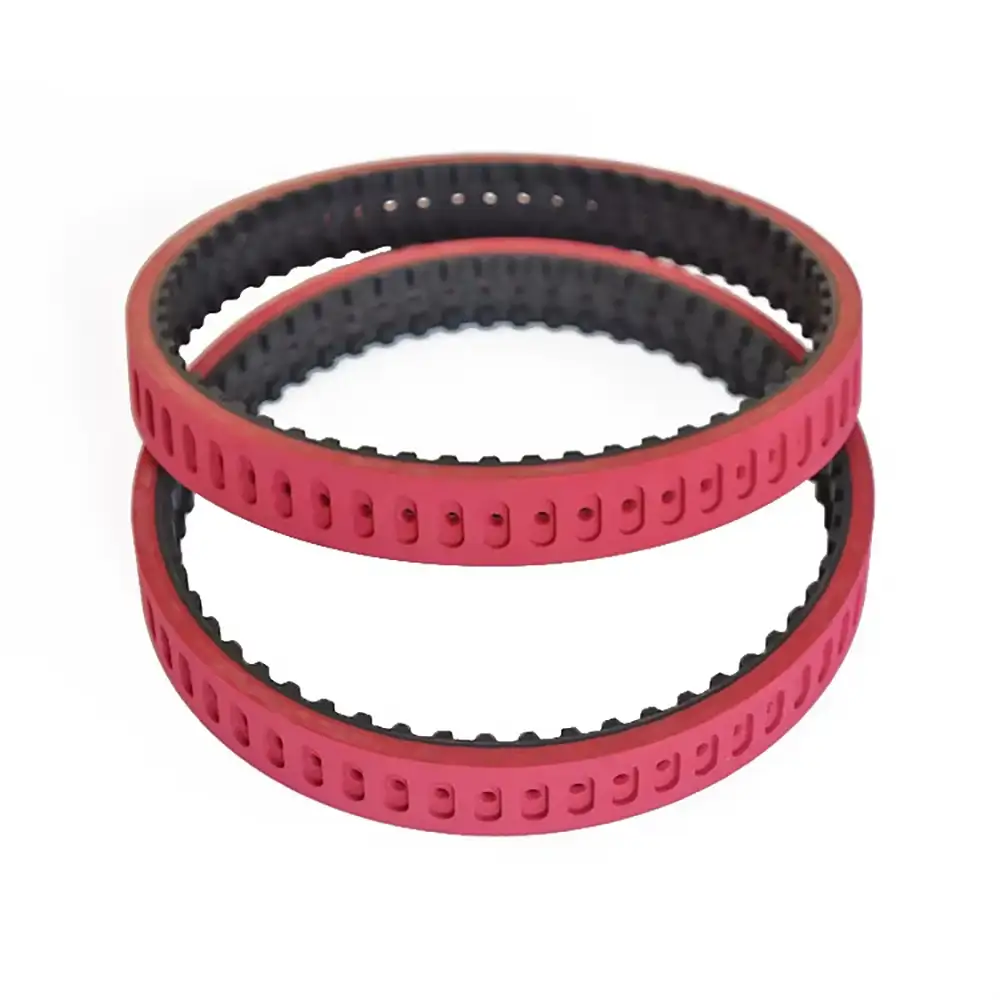
Holes, grooves, guides and other features can be incorporated into suitable belt constructions.
How to Select the Right Endless Rubber Conveyor Belt
Before ordering, provide the following information whenever possible.
Belt Width:
The belt width should match the conveyor frame and required conveying capacity.
Finished Loop Length:
For an endless belt, the finished loop circumference is an important dimensional specification.
Belt Thickness:
Thickness affects flexibility, pulley requirements and overall durability.
Carcass Type:
Choose the reinforcement according to operating tension and conveyor design.
Material Being Conveyed:
Different products require different rubber compounds and surface designs.
Belt Speed:
High-speed applications may require tighter dimensional control and an appropriate endless construction.
Pulley Diameter:
The minimum pulley diameter should be compatible with belt thickness, carcass and splice construction.
Operating Environment:
Consider temperature, oil, chemicals, moisture, abrasion, outdoor exposure and cleaning requirements.
Endless Conveyor Belt Splicing
For rubber belts that are manufactured open and then made endless, hot vulcanization is a commonly used permanent joining method. The belt ends are prepared, aligned and bonded under controlled heat and pressure.
Other belt materials can use different joining techniques. Thermoplastic belts, for example, may use finger or other welded constructions. The joining method should always match the belt material and application.
A properly designed endless splice should maintain sufficient flexibility while passing repeatedly around the conveyor pulleys. Splice preparation, alignment, curing conditions and workmanship can significantly affect final belt performance.
Installation and Maintenance
Before installation, verify the finished loop length, width, thickness, belt direction if applicable and surface configuration.
Make sure pulleys and idlers are correctly aligned. Incorrect alignment can cause tracking problems, edge wear and uneven tension.
During operation, regularly inspect the belt for:
Surface Wear
Edge Damage
Cracks
Cuts
Delamination
Abnormal Tracking
Excessive Stretch
Splice Damage
Keep the conveyor clean and remove material accumulation around pulleys and return components. Correct tension is also important. Excessive tension can increase stress on the belt and conveyor components, while insufficient tension can cause slipping or unstable tracking.
Custom Endless Conveyor Belt Manufacturing
As an Endless Conveyor Belt Manufacturer and Supplier, we can provide customized rubber endless belts for different industrial applications.
OEM specifications can include:
Belt Width
Finished Loop Length
Total Thickness
Top Cover Thickness
Bottom Cover Thickness
EP Or Other Fabric Reinforcement
Tensile Strength
Rubber Compound
Abrasion Resistance
Heat Resistance
Oil Resistance
Flame Resistance
Surface Pattern
Guide Options
Custom Packaging
Customers can provide an existing belt sample, drawing, machine model, belt dimensions or conveyor specifications for evaluation.
Why Choose Us?
Quality Endless Belt Manufacturing
We focus on dimensional accuracy, belt construction, rubber compound and finished-loop quality for consistent industrial performance.
Customized Rubber Compounds
General-purpose, abrasion-resistant, heat-resistant, oil-resistant and flame-resistant options can be selected according to application requirements.
Flexible OEM Production
Width, loop length, thickness, reinforcement and surface configuration can be customized for different conveyor systems.
Application-Based Recommendations
We evaluate material, load, speed, pulley diameter and operating environment rather than selecting a belt from dimensions alone.
Industrial B2B Supply
We support distributors, conveyor manufacturers, machinery companies and industrial end users with repeat and project-based requirements.
Technical Support
Provide your existing belt dimensions or conveyor specifications, and we can help determine a suitable endless rubber conveyor belt construction.
FAQs
1. What Is an Endless Conveyor Belt?
An endless conveyor belt is a closed-loop belt designed to circulate continuously around conveyor pulleys. It can be manufactured as a truly endless belt or produced from open belt material and joined into a continuous loop.
2. Is an Endless Conveyor Belt the Same as a Seamless Conveyor Belt?
Not necessarily. “Endless” describes the closed-loop configuration. A seamless belt generally indicates a belt without a conventional splice. An endless belt may also be produced using a permanent vulcanized or welded splice.
3. What Is an Endless Rubber Conveyor Belt Used For?
It can be used for general material handling, packaging, agriculture, woodworking, logistics, manufacturing, mining, cement and other industrial conveying applications.
4. How Is a Rubber Conveyor Belt Made Endless?
Depending on the belt construction, rubber conveyor belts can be joined through hot or cold vulcanization. The specific splice design should be matched to belt construction and conveyor requirements.
5. Can You Supply a Truly Seamless Endless Belt?
Yes, suitable truly endless constructions can be supplied for applications where a conventional splice is undesirable. Availability depends on belt material, dimensions and required construction.
6. What Are the Advantages of Endless Belt Construction?
Potential advantages include smooth running, reduced mechanical-fastener interference, lower joint profile and suitability for applications requiring consistent product contact or compact pulley transitions.
7. Can Endless Rubber Conveyor Belts Be Used for Heavy-Duty Applications?
Yes. Heavy-duty endless rubber belts can use reinforced carcasses and suitable rubber covers. The required tensile strength, belt width, thickness, pulley diameter and joining method must be selected according to the conveyor design.
8. Can the Endless Belt Be Heat Resistant or Oil Resistant?
Yes. Rubber compounds can be selected for heat-resistant, oil-resistant, abrasion-resistant or flame-resistant applications according to the required operating conditions.
9. How Do I Measure an Endless Conveyor Belt?
Important measurements include belt width, total finished loop length, belt thickness, cover thickness and any special surface or guide dimensions. For an existing belt, the manufacturer can also use a sample or machine specifications.
10. Can You Manufacture Custom Endless Rubber Conveyor Belts?
Yes. Custom belt width, loop length, thickness, reinforcement, tensile strength, rubber compound, surface pattern and other specifications can be manufactured according to OEM requirements.
Prev:
Patterned Conveyor Belt, Construction Industrial Chevron Rubber Conveyor Belt
Next:
Heat Resistant Conveyor Belt By Polyester Cotton Covered
TAG:
Industrial Rubber Conveyor Belt,
Rubber Conveyor Belt,
Endless Belt Conveyor,
Seamless Conveyor Belt,
Endless Rubber Belting,
Continuous Rubber Conveyor Belt,
Endless Fabric Conveyor Belt,
Endless Conveyor Belting,
Continuous Conveyor Belt,
Endless Belt,
Endless Conveyor Belt,
Endless Rubber Conveyor Belt,
Quality Endless Conveyor Belt,
Rubber Endless Belt,
Vulcanized Endless Conveyor Belt,
Endless Vulcanized Belt,
Industrial Endless Conveyor Belt,
Heavy Duty Endless Conveyor Belt,
Seamless Rubber Conveyor Belt,
Endless Flat Belt,
Endless Flat Conveyor Belt,
Endless Belt Conveyor System,
Endless Belt For Material Handling,
Related Category:
Endless Conveyor Belt, Quality Endless Rubber Conveyor Belt, Endless Rubber Conveyor Belt, Endless Conveyor Belting China, suppliers, manufacturers, factory, customized, wholesale, quotation, made in China