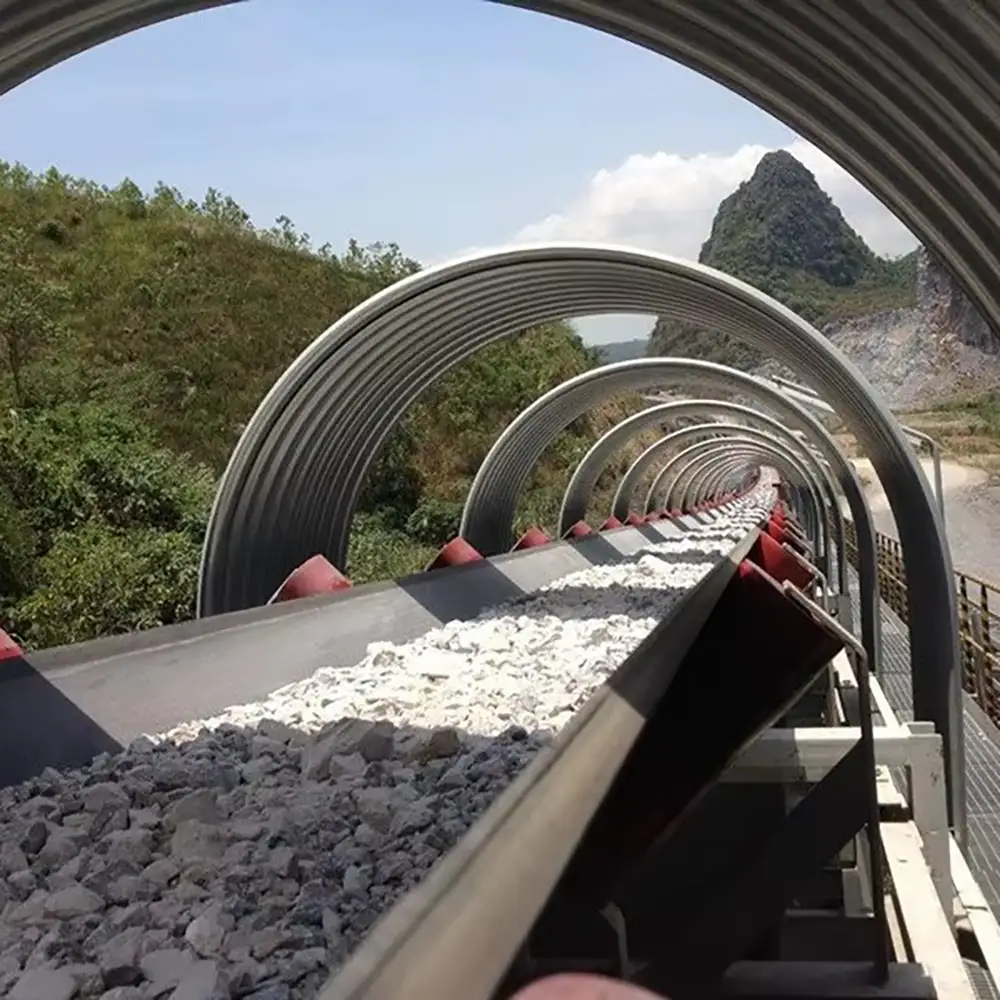
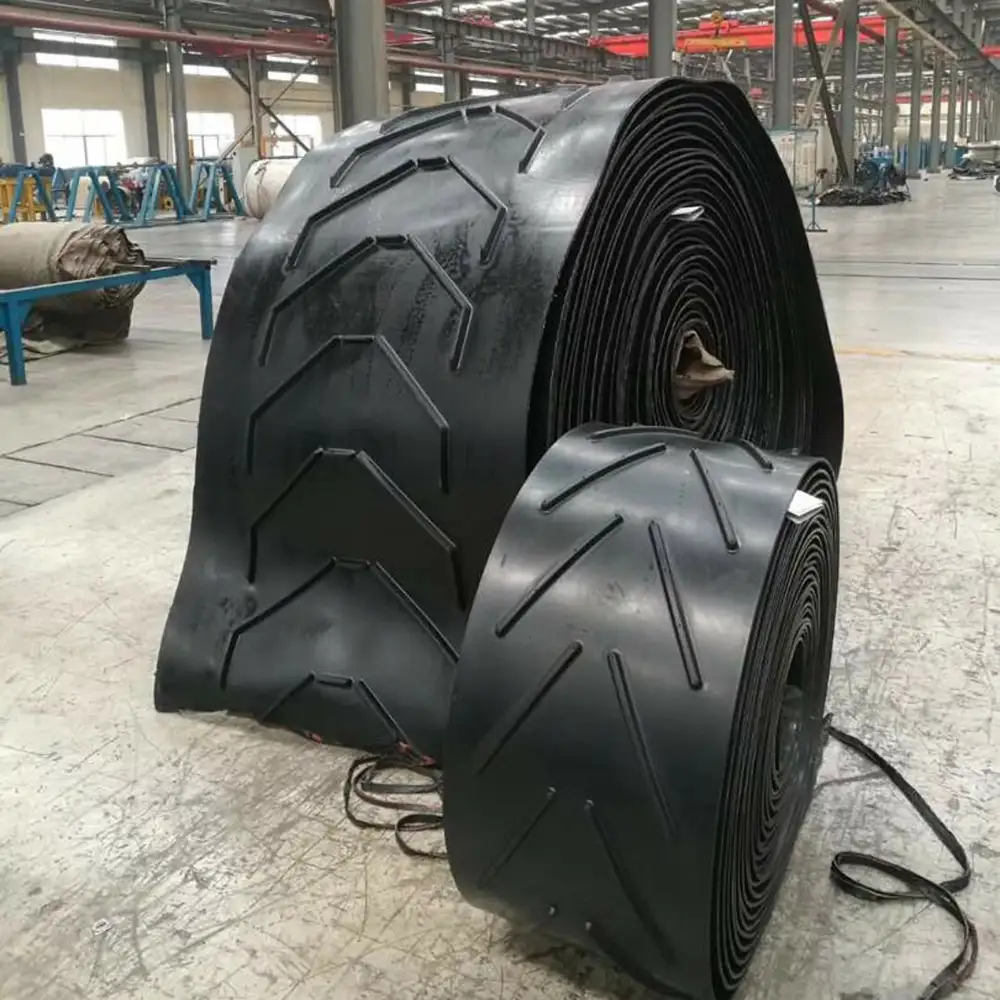
Coal Mining Equipment Belt Conveyor Transportation
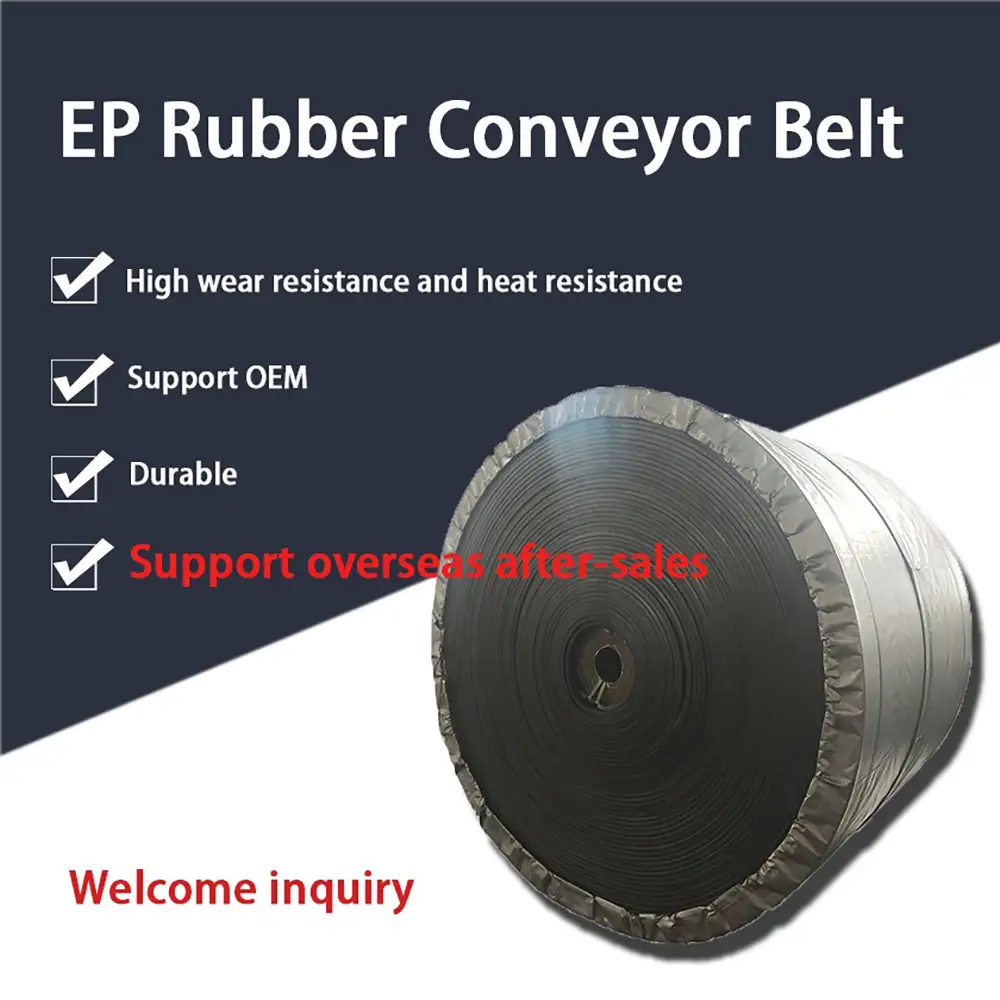
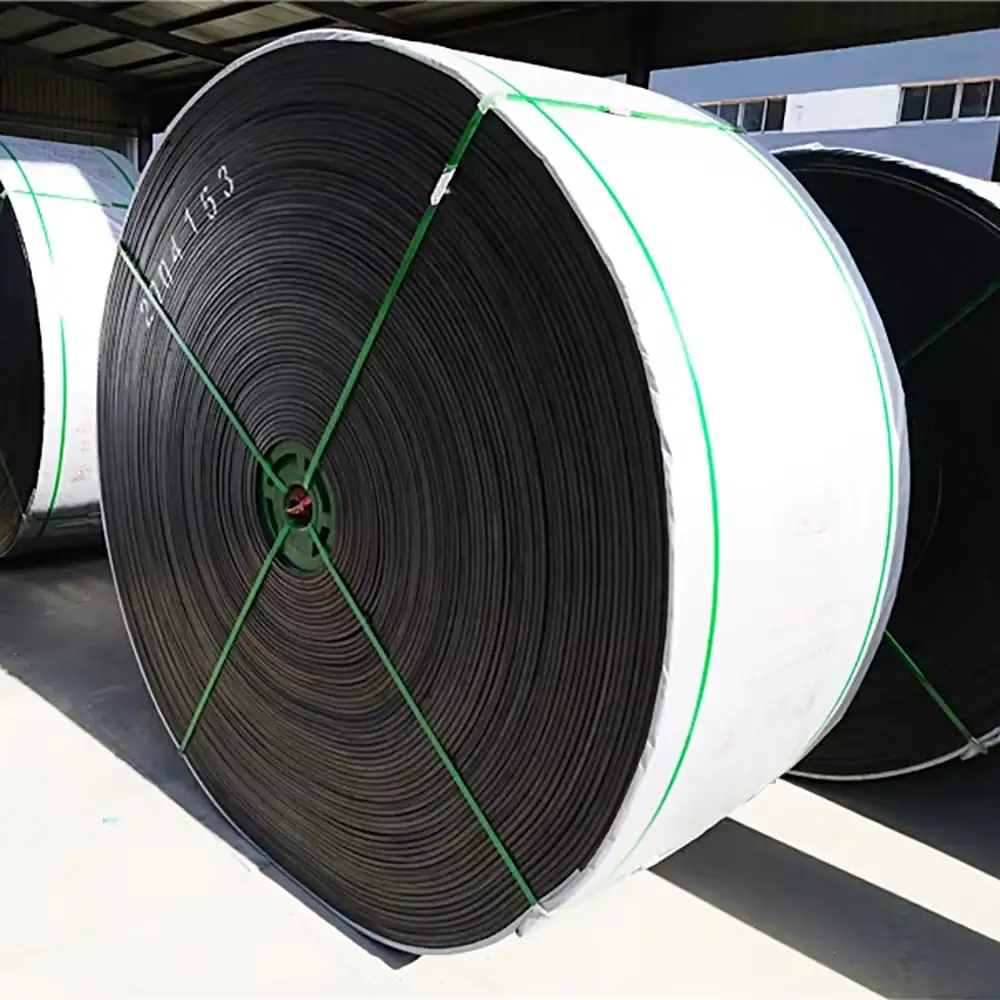
High Quality EP Rubber Conveyor Belt For Sand/Mine/Stone Crusher And Coal
1,Rubber Conveyor Belts: Nylon /Polyester/Cotton are the best quality synthetic fibers
and most widely used fabric in the rubber industry use nowadays. their outstanding merits
are its high abrasion resistance,high tensile strength and good fatigue resistance.
2,Characteristics of Conveyor belts with nylon (NN)/Polyester (EP)canvas: thin belt body ,
high tensile strength,good shock resistance,good trough ability,high adhesion between plies,
splendid flexibility and long working life.
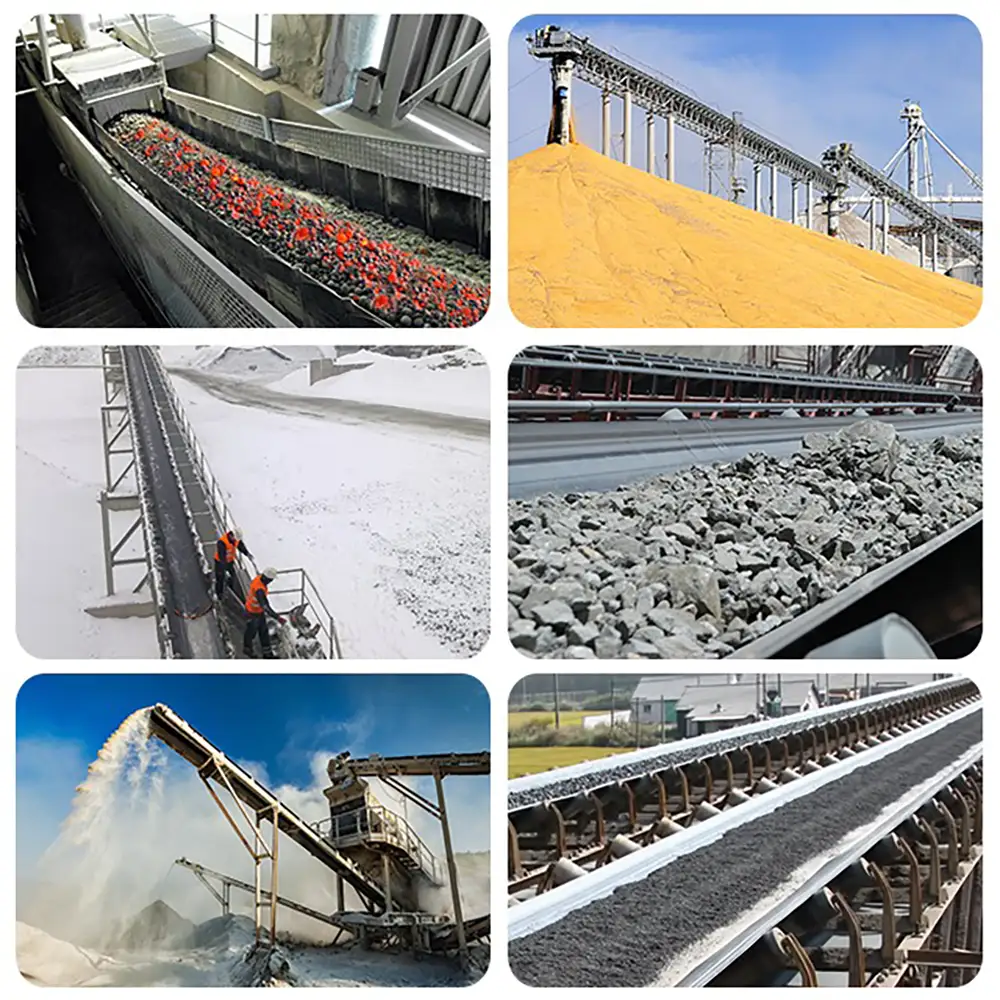
3,Usage of Nylon/Polyester conveyor belts: suitable for medium,long-distance and heavy-load transportation of materials,such as Crushed Stone,Gravel,Quarry Supre
Polyester Rubber Conveyor Belt for Coal Mine Industry
A polyester rubber conveyor belt for coal mine industry is an industrial material-handling belt designed to transport coal and other bulk materials continuously across mining, processing, stockpiling, and loading operations. Reinforced with polyester-based fabric and protected by durable rubber covers, this type of conveyor belt provides a practical combination of tensile strength, flexibility, dimensional stability, and resistance to abrasion.
Coal mining conveyor systems operate in demanding environments where belts can be exposed to abrasive coal, rock fragments, dust, moisture, impact loading, and continuous operating cycles. Selecting the appropriate belt construction is therefore essential for maintaining reliable conveying performance and reducing unplanned downtime.
Polyester rubber conveyor belts are commonly manufactured in EP fabric constructions, with polyester reinforcement providing longitudinal strength and a transverse reinforcement component contributing to flexibility and stability. Depending on the application, the belt can be configured with different tensile strengths, numbers of plies, cover thicknesses, rubber compounds, and widths.
What Is a Polyester Rubber Conveyor Belt?
A polyester rubber conveyor belt is a reinforced rubber belt designed for continuous transportation of bulk materials. The belt carcass contains polyester fabric reinforcement, while rubber covers protect the reinforcement from the conveyed material and operating environment.
EP conveyor belts are commonly used in mining and bulk material handling because the polyester reinforcement provides good dimensional stability and relatively low elongation under normal operating conditions. The belt can travel continuously around the drive and return pulleys while supported by idlers.
For coal mining applications, the complete belt construction should be selected according to conveyor length, belt loading, coal characteristics, belt speed, pulley diameter, conveyor inclination, transfer conditions, and environmental requirements.
Key Features of Coal Mine Conveyor Belts
Polyester Fabric Reinforcement
The polyester reinforcement provides the belt with longitudinal tensile strength and dimensional stability. EP fabric constructions can be produced in different strength classes and ply configurations to suit different conveyor applications.
Durable Rubber Covers
The top rubber cover comes into direct contact with coal and other materials. An appropriate rubber compound helps resist abrasion caused by continuous contact with coal, rock particles, and transfer material.
Good Flexibility
A conveyor belt must repeatedly bend around pulleys during operation. Properly selected polyester fabric reinforcement helps provide the required balance between strength and flexibility.
Low Elongation
Polyester reinforcement provides good dimensional stability, which can help reduce excessive belt stretch and support stable conveyor operation when the belt is correctly tensioned.
Heavy-Duty Construction
Coal mining systems may require robust belts capable of handling continuous bulk material transportation. Belt carcass, cover thickness, tensile strength, and rubber properties can be selected according to actual working conditions.
Customizable Rubber Compound
Different operating environments may require different cover properties. Depending on the application, options can include abrasion-resistant, heat-resistant, oil-resistant, weather-resistant, or other specialized rubber compounds.
Applications in the Coal Mining Industry
Coal conveyor belts are used throughout different stages of coal handling. Underground and surface mining operations may use conveyors to transport extracted coal between mining areas and processing or transfer points.
At coal preparation plants, conveyor systems can move coal between crushers, screens, washing equipment, storage facilities, and loading systems. Conveyor belts are also used for stockpile management, transfer stations, truck loading, rail loading, and other bulk material handling operations.
In addition to coal itself, mining conveyor belts may transport overburden, crushed rock, aggregate, and other materials associated with mining operations. The appropriate belt construction should be selected based on the actual conveyed material rather than assuming one belt specification is suitable for every mining application.
Polyester Conveyor Belt Construction
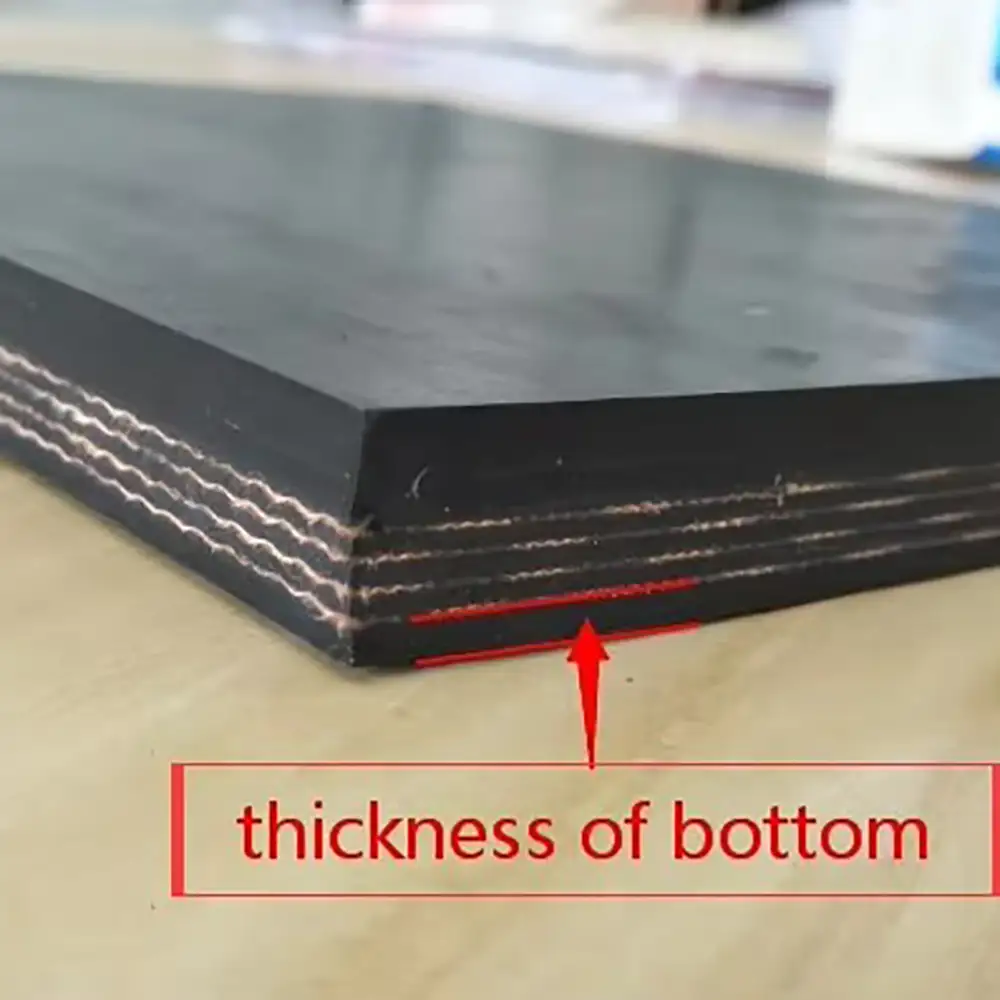
A typical polyester rubber conveyor belt consists of a top cover, fabric reinforcement carcass, bottom cover, and belt edges.
The top cover protects the carcass from abrasion and impact. The EP fabric carcass provides tensile strength and structural support. The bottom cover protects the belt as it runs over idlers and around conveyor components.
For coal mining applications, belt thickness and rubber cover properties should be selected based on material characteristics, loading conditions, conveyor speed, and expected wear.
For very long-distance or exceptionally high-tension conveyors, steel cord conveyor belts may be considered instead of fabric-reinforced belts. The correct choice depends on the engineering requirements of the complete conveyor system.
How to Choose a Coal Mine Conveyor Belt
Before ordering a polyester rubber conveyor belt, several technical factors should be considered.
Belt Width: The required width depends on material volume, conveyor speed, loading conditions, and system capacity.
Tensile Strength: The belt strength must correspond to conveyor length, belt loading, starting conditions, and take-up configuration.
Number of Plies: Fabric ply construction affects the belt's overall strength, flexibility, and thickness.
Cover Thickness: Heavier or more abrasive materials may require a suitable cover construction.
Coal Characteristics: Particle size, moisture content, temperature, and the presence of rock or other materials can affect belt selection.
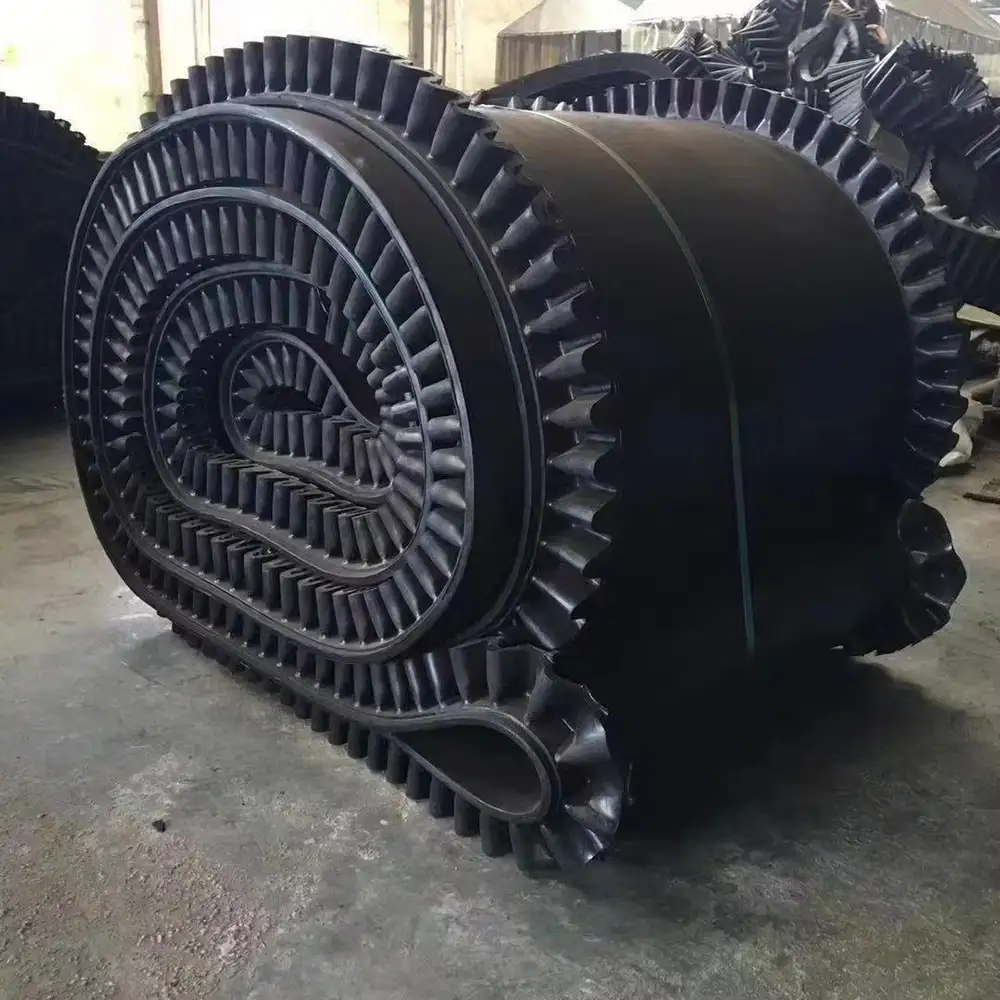
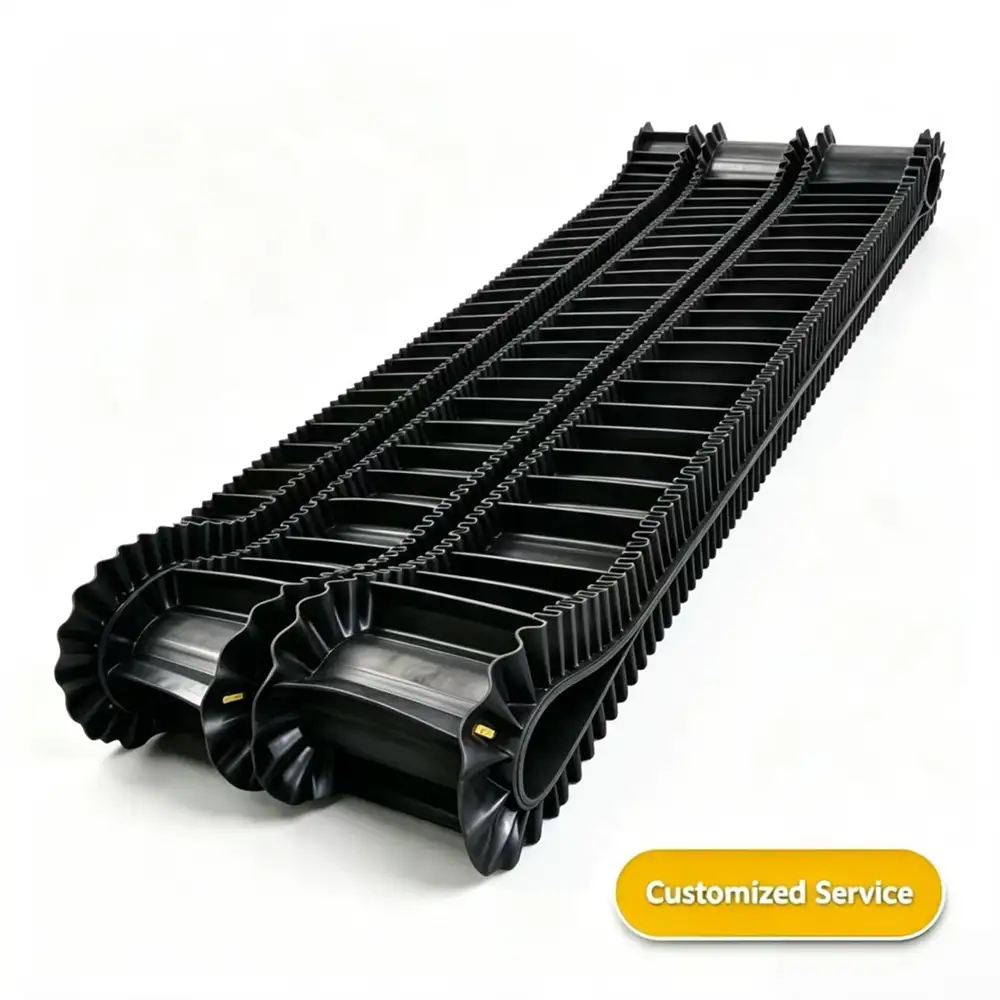
Conveyor Inclination: Inclined conveyors may require suitable belt surface characteristics and system design to prevent material rollback or spillage.
Loading Conditions: Transfer chute design and drop height can significantly influence impact on the belt.
Operating Environment: Underground and outdoor systems may have different requirements regarding moisture, temperature, weather, and other environmental factors.
Coal Mine Conveyor Belt Safety Considerations
Coal handling environments can require additional attention to fire and static-related hazards. Where the conveyor operates in a regulated coal mine or other potentially hazardous environment, the belt should meet the applicable local regulations, mine requirements, and specified safety standards.
If flame-resistant or antistatic performance is required, the customer should specify the applicable standard and operating environment before ordering. Requirements can vary by country, mine type, conveyor location, and regulatory framework.
It is important not to select a belt solely by the phrase “coal conveyor belt.” The required safety classification and rubber compound should be confirmed for the actual installation.
Installation and Maintenance
Proper installation can significantly affect conveyor belt performance. Before installation, inspect pulleys, idlers, conveyor frames, scrapers, take-up equipment, and loading chutes.
The conveyor should be correctly aligned, and belt tension should be adjusted according to the recommended installation procedure. Incorrect alignment can cause edge wear, mistracking, and unnecessary stress on the belt.
During operation, inspect the belt for longitudinal cuts, transverse cracks, cover wear, edge damage, and splice deterioration. Check belt tracking regularly and keep transfer points and pulley areas free from excessive material buildup.
Coal dust and spilled material should be managed according to the site's housekeeping and safety procedures. Timely maintenance can help identify belt damage before it develops into a more serious operating problem.
Custom Polyester Rubber Conveyor Belt
We supply customized polyester rubber conveyor belts for coal mining, mining, aggregate, cement, power, quarrying, and general bulk material handling applications.
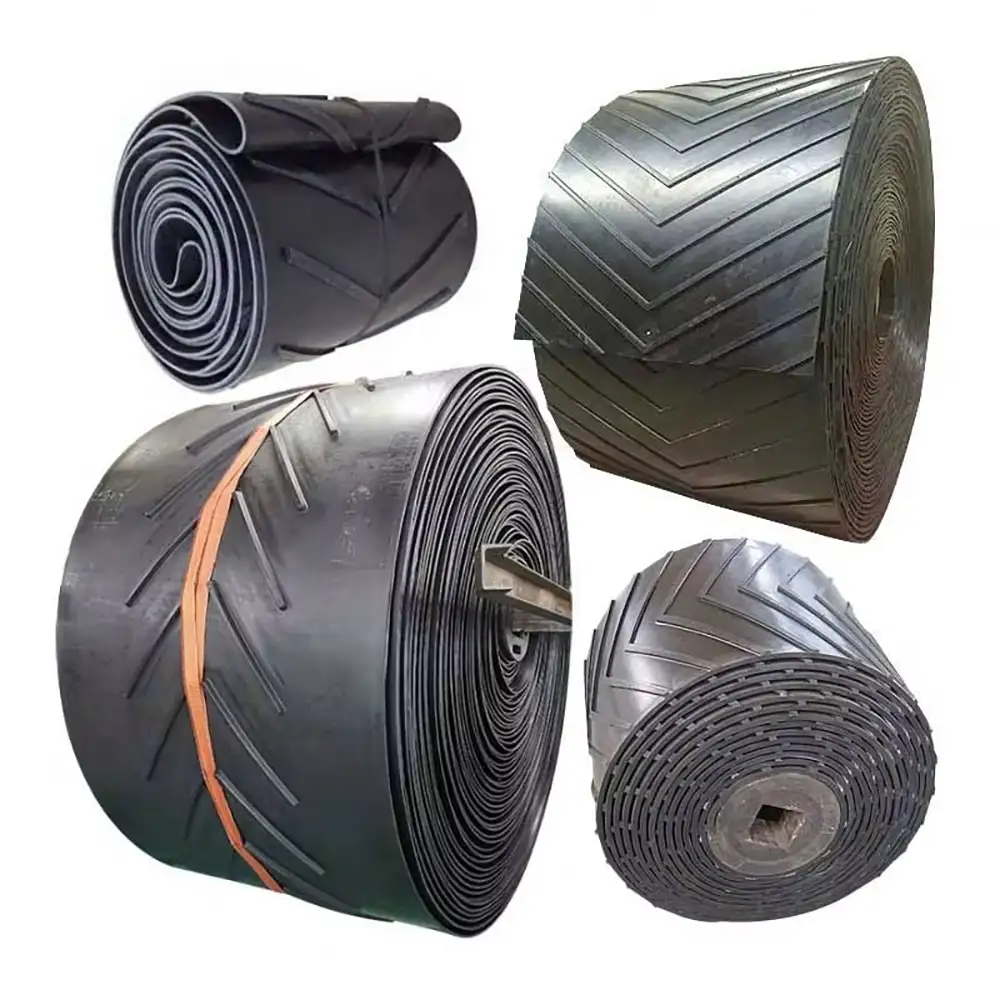
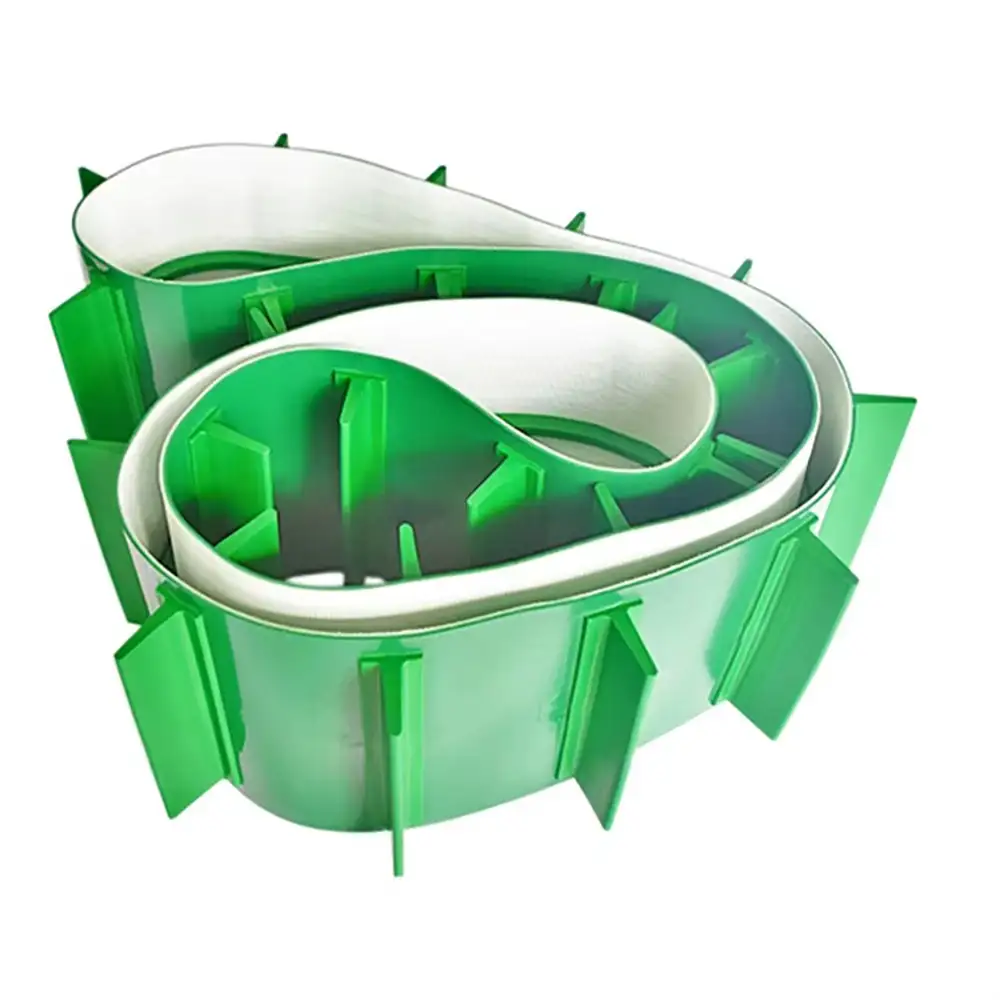
Customization can include belt width, length, tensile strength, number of plies, carcass construction, cover thickness, rubber compound, edge configuration, and surface design. Where required, specialized rubber properties can be considered according to the customer's working environment and applicable standards.
OEM and bulk supply services are available for mining companies, conveyor system manufacturers, distributors, contractors, and industrial purchasing projects.
Why Choose Us?
Industrial Conveyor Belt Manufacturing: We supply rubber conveyor belts for demanding bulk material handling applications.
EP Polyester Reinforcement: Polyester fabric constructions provide a practical balance of strength, flexibility, and dimensional stability.
Mining Application Support: Belt construction can be selected according to coal, rock, aggregate, and other mining materials.
Custom Specifications: Width, length, tensile strength, ply construction, cover thickness, and rubber compound can be customized.
Specialized Rubber Options: Suitable abrasion, heat, oil, weather, or other properties can be considered according to application requirements.
OEM & ODM Service: Custom production supports distributors, contractors, conveyor manufacturers, and mining equipment suppliers.
B2B Export Supply: We support international industrial purchasing and bulk conveyor belt requirements.
Technical Assistance: Customers can provide conveyor parameters and operating conditions for application-based belt selection.
FAQs
1. What is a polyester rubber conveyor belt for coal mining?
It is a rubber conveyor belt reinforced with polyester fabric and designed for continuous transportation of coal and other bulk materials in mining and material-handling systems.
2. What does EP mean on a conveyor belt?
EP generally identifies a fabric reinforcement structure using polyester in the longitudinal direction and polyamide or nylon in the transverse direction.
3. Can EP conveyor belts be used for coal?
Yes. EP conveyor belts are widely used in bulk material handling, including suitable coal conveying applications. The exact construction should match the conveyor system and operating conditions.
4. Should a coal conveyor belt be flame resistant?
Some coal mining environments have specific fire-resistance requirements. Whether flame-resistant construction is required depends on the mine, conveyor location, applicable regulations, and customer specifications.
5. Can the belt be used for underground coal mining?
Potentially, but underground applications may have specific safety and performance requirements. The required belt standard and construction should be confirmed before purchase.
6. Is a polyester conveyor belt abrasion resistant?
The abrasion resistance depends on the selected rubber cover compound and construction. Suitable abrasion-resistant covers can be specified for applications involving abrasive coal and rock.
7. Can the conveyor belt width be customized?
Yes. Belt width can be manufactured according to the conveyor system and material-handling requirements.
8. What information is needed for a conveyor belt quotation?
Useful information includes belt width, length, tensile strength, number of plies, cover thickness, material type, particle size, conveyor speed, conveyor length, inclination, and operating environment.
9. How often should a coal conveyor belt be inspected?
Inspection frequency depends on operating conditions and site procedures. High-duty mining systems generally benefit from regular routine inspections and immediate checks when abnormal tracking, damage, or spillage occurs.
10. Can you supply customized OEM coal conveyor belts?
Yes. OEM and customized polyester rubber conveyor belts can be produced according to specifications, technical drawings, samples, or conveyor system requirements.
Prev:
Rubber Conveyor Belt for Stone Crusher Plant
Next:
Gravel Rock Rubber Conveyor Belt, Heavy-Duty Belt Conveyor Systems for Rock, Sand, Dirt
TAG:
Industrial Rubber Conveyor Belt,
Heavy Duty Rubber Conveyor Belt,
Multi Ply Conveyor Belt,
Heat Resistant Conveyor Belt,
Fire Resistant Conveyor Belt,
Mining Conveyor Belt,
Industrial Conveyor Belt,
Antistatic Conveyor Belt,
Flame Resistant Conveyor Belt,
Bulk Material Conveyor Belt,
Material Handling Conveyor Belt,
Coal Conveyor Belt,
Quarry Conveyor Belt,
Aggregate Conveyor Belt,
Coal Handling Conveyor Belt,
Mining Rubber Conveyor Belt,
Coal Mining Conveyor Belt,
Abrasion Resistant Conveyor Belt,
Heavy Duty Conveyor Belt,
Polyester Rubber Conveyor Belt,
EP Fabric Conveyor Belt,
Polyester Conveyor Belt,
EP Rubber Conveyor Belt,
Polyester Fabric Conveyor Belt,
EP Conveyor Belt,
Textile Conveyor Belt,
Fabric Reinforced Conveyor Belt,
Multi Ply Rubber Conveyor Belt,
Rubber Conveyor Belt,
Coal Mine Conveyor Belt,
Related Category:
Polyester Rubber Conveyor Belt for Coal Mine Industry,Coal Mine Conveyor Belt,Coal Conveyor Belt China, suppliers, manufacturers, factory, customized, wholesale, quotation, made in China