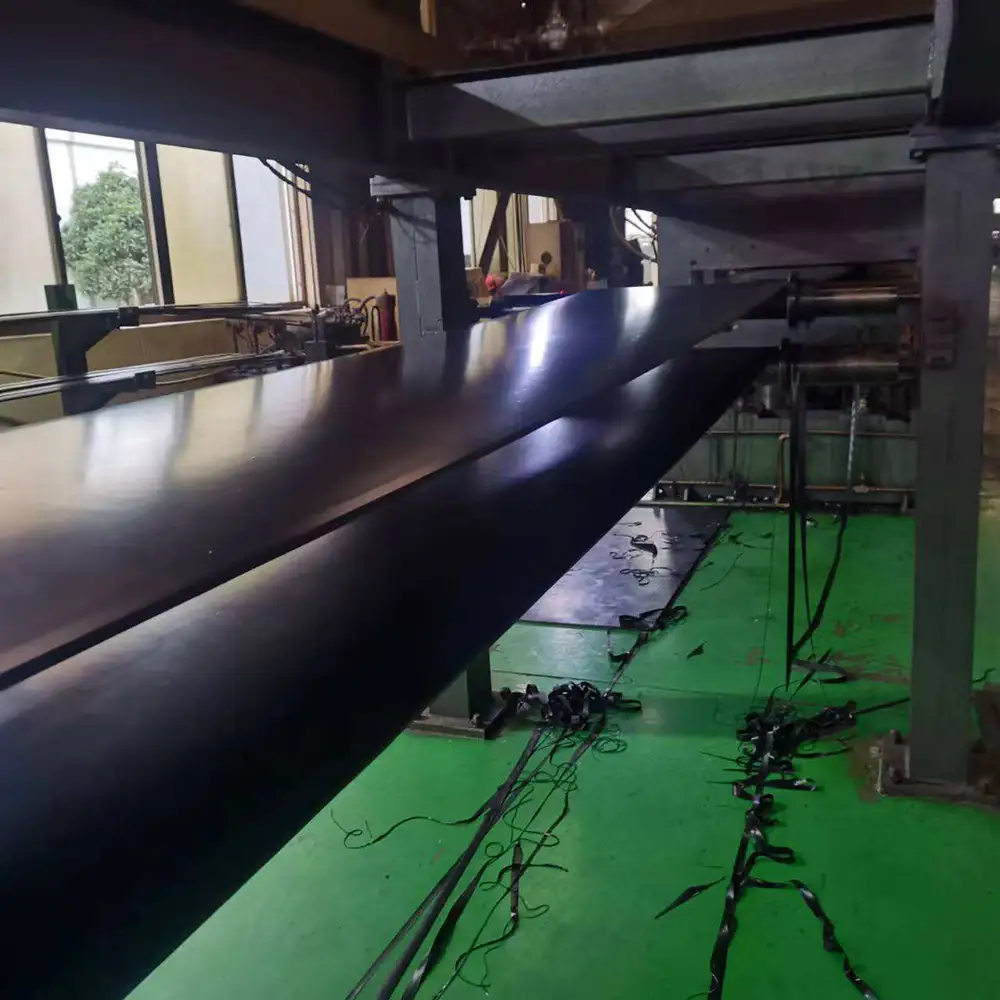
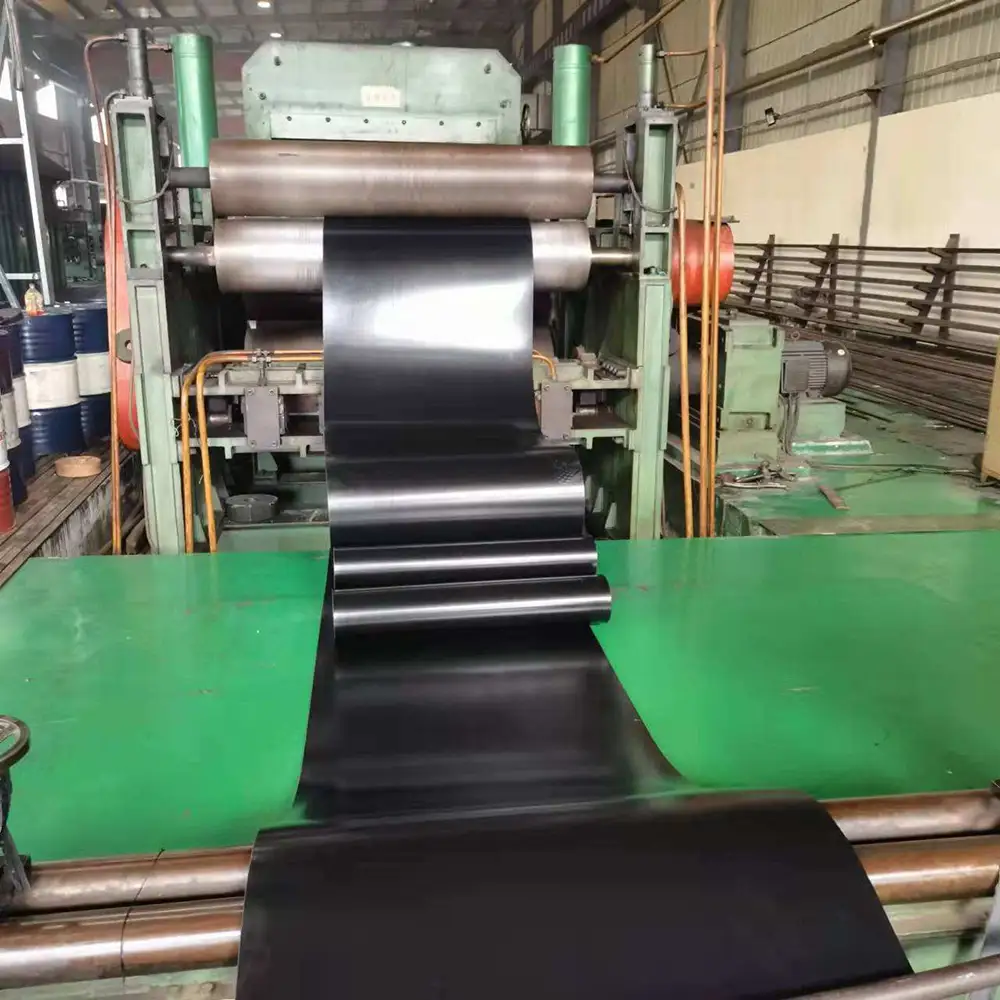
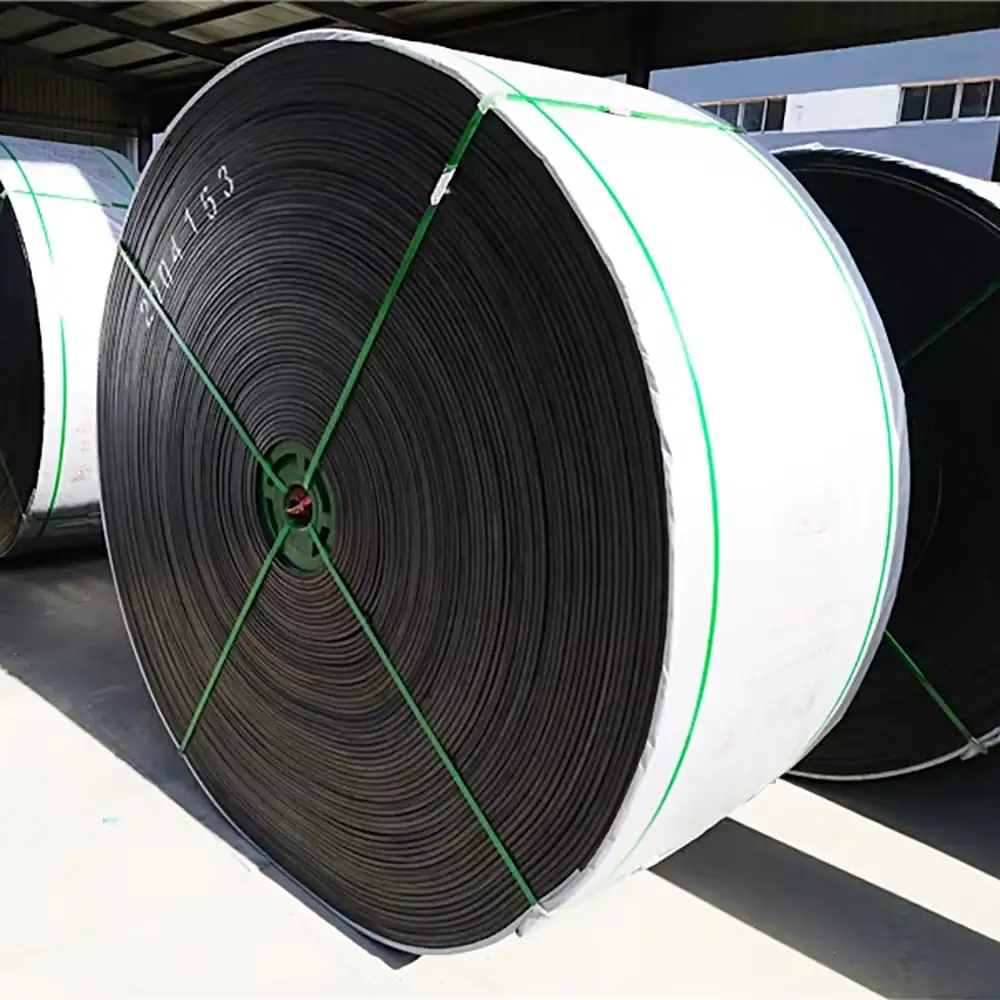
Rubber Conveyor Belt for Stone Crusher Plant
General specification:
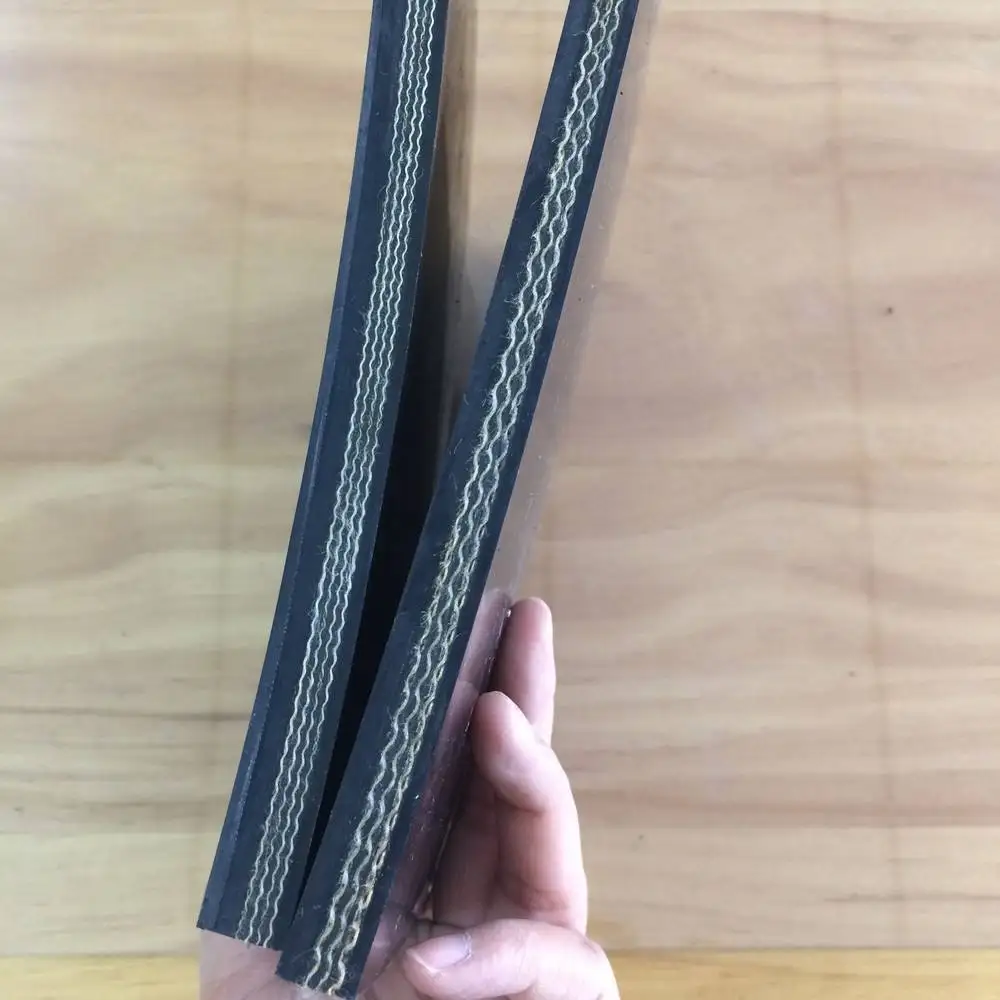
Width:300mm-1600mm
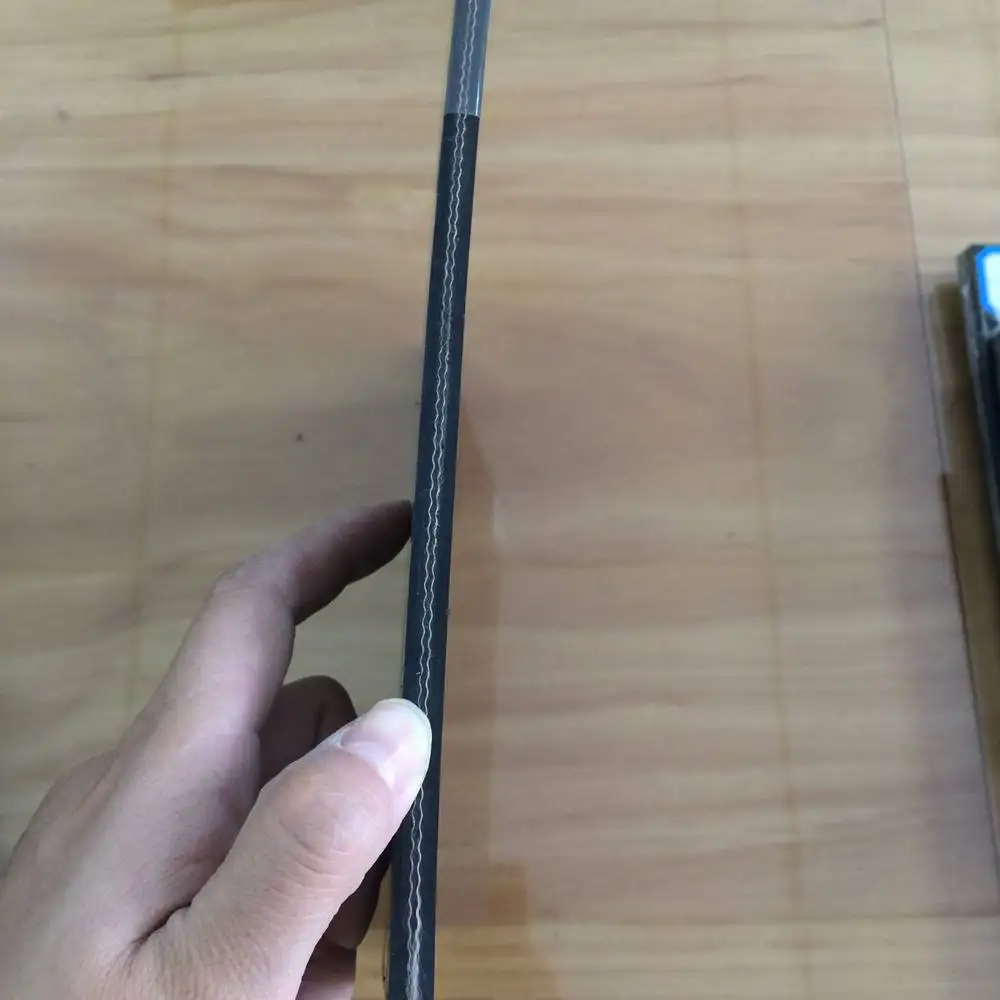
Plies:2-10ply
Thickness:6-30mm
Fabric:EP100-EP300,CC56
Rate:8MPA-24MPA
Main products:
EP/NN/CC/STEEL CORD conveyor belt
Steel Cord conveyor belt
Heat resistant conveyor belt
Cold resistant conveyor belt
Oil resistant conveyor belt
Chemical resistant conveyor belt
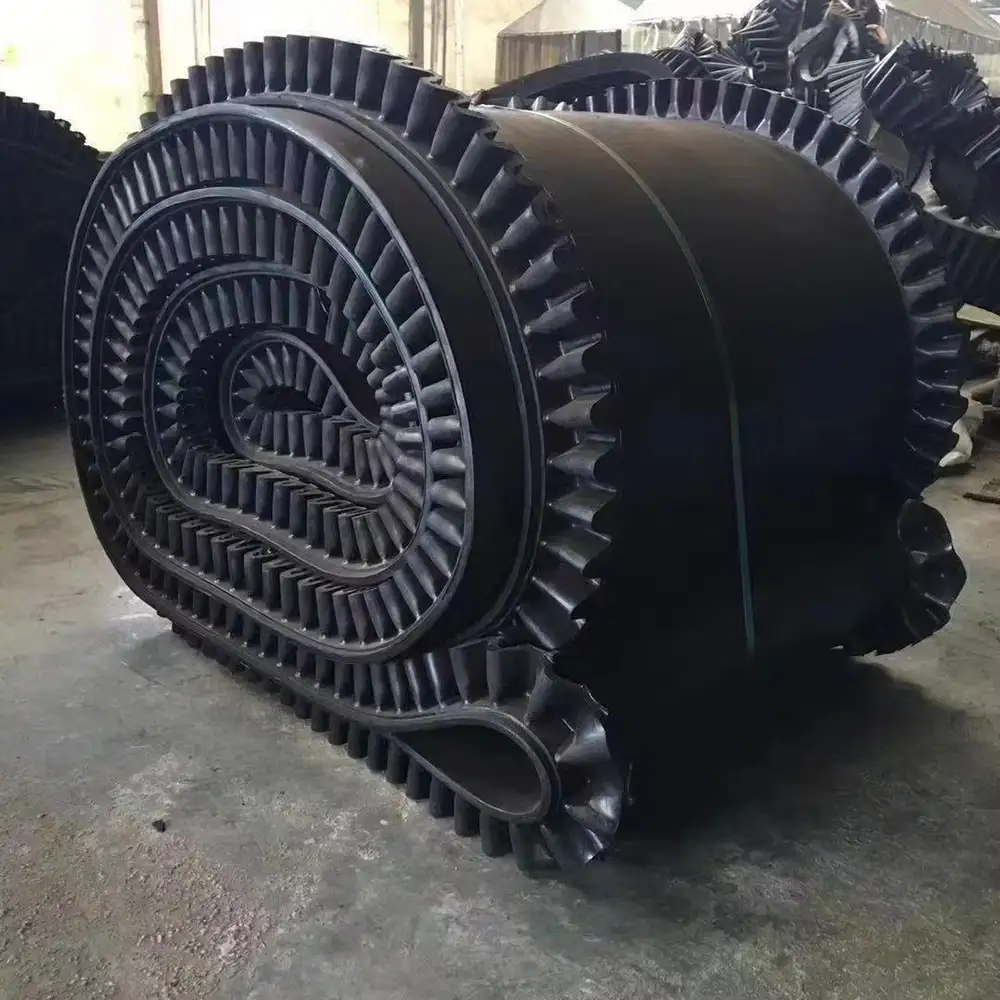
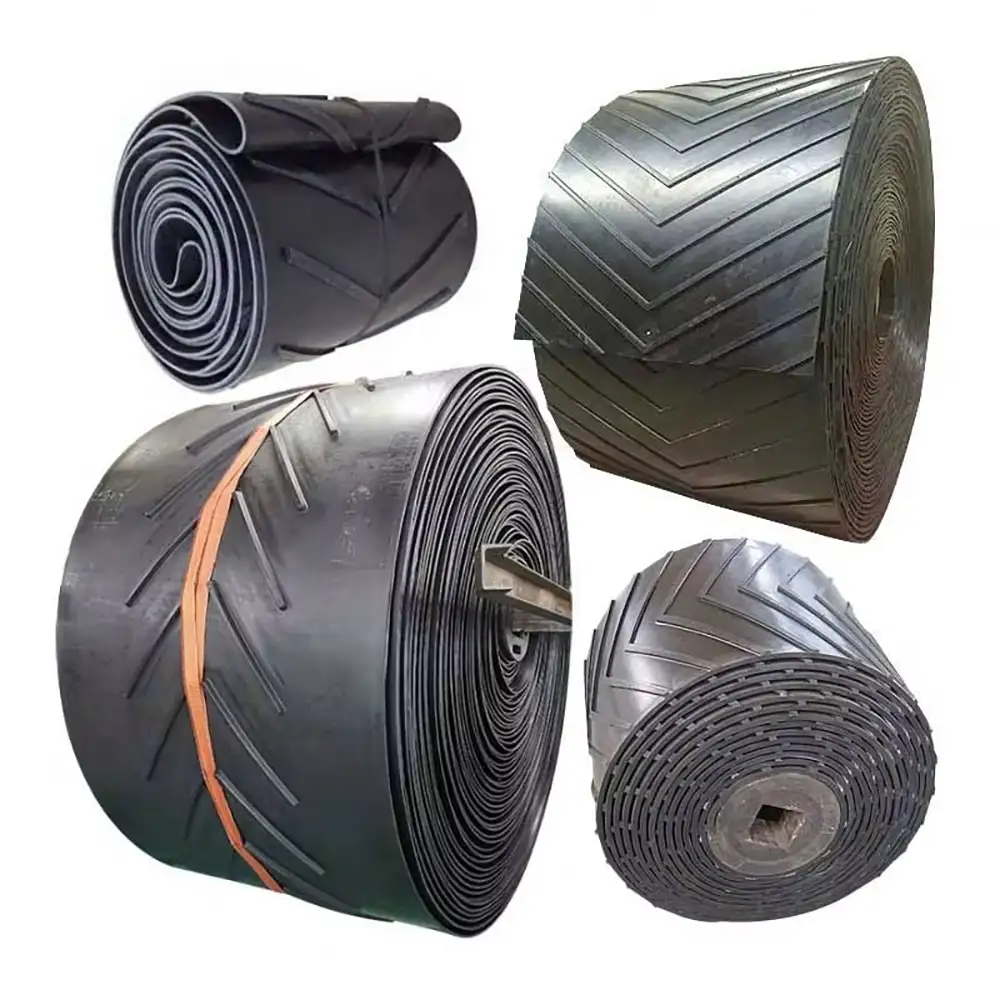
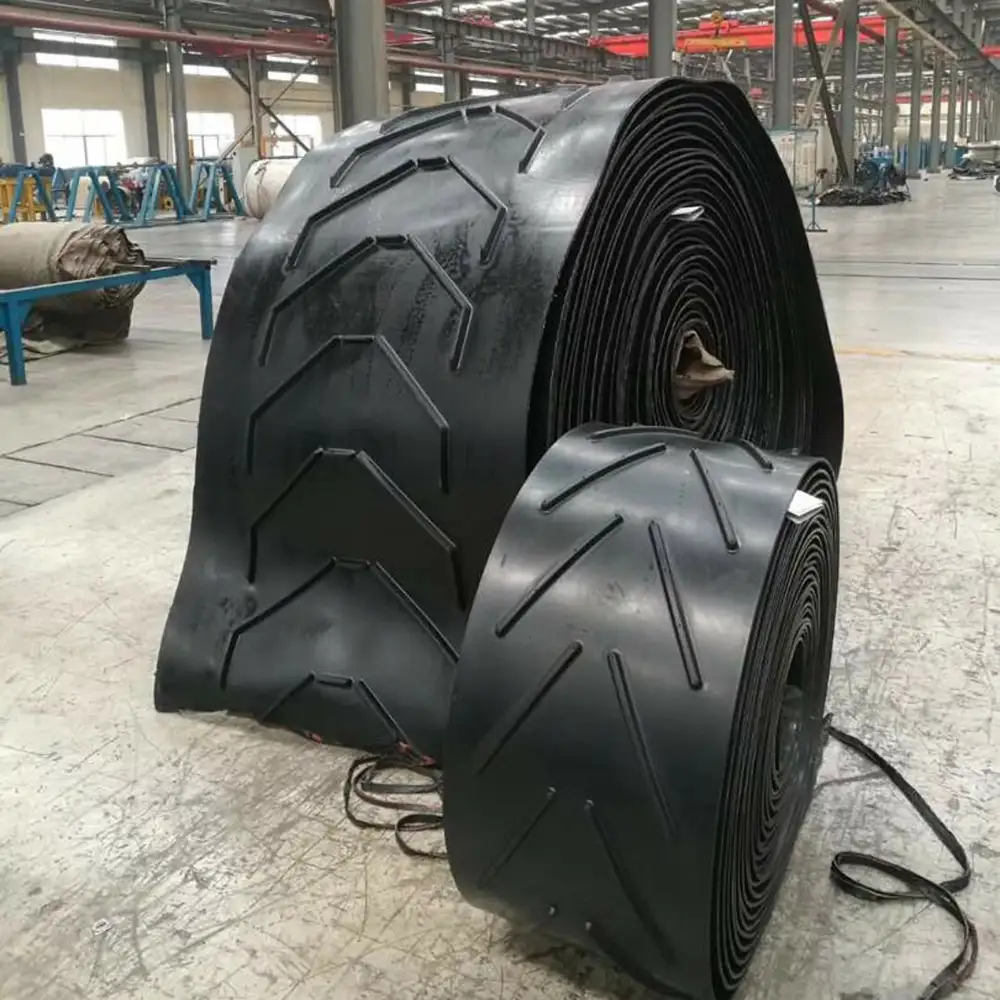
Chevron conveyor belt
PVC/PVG Flame retardant conveyor belt
Rubber Conveyor Belt for Stone Crusher Plant
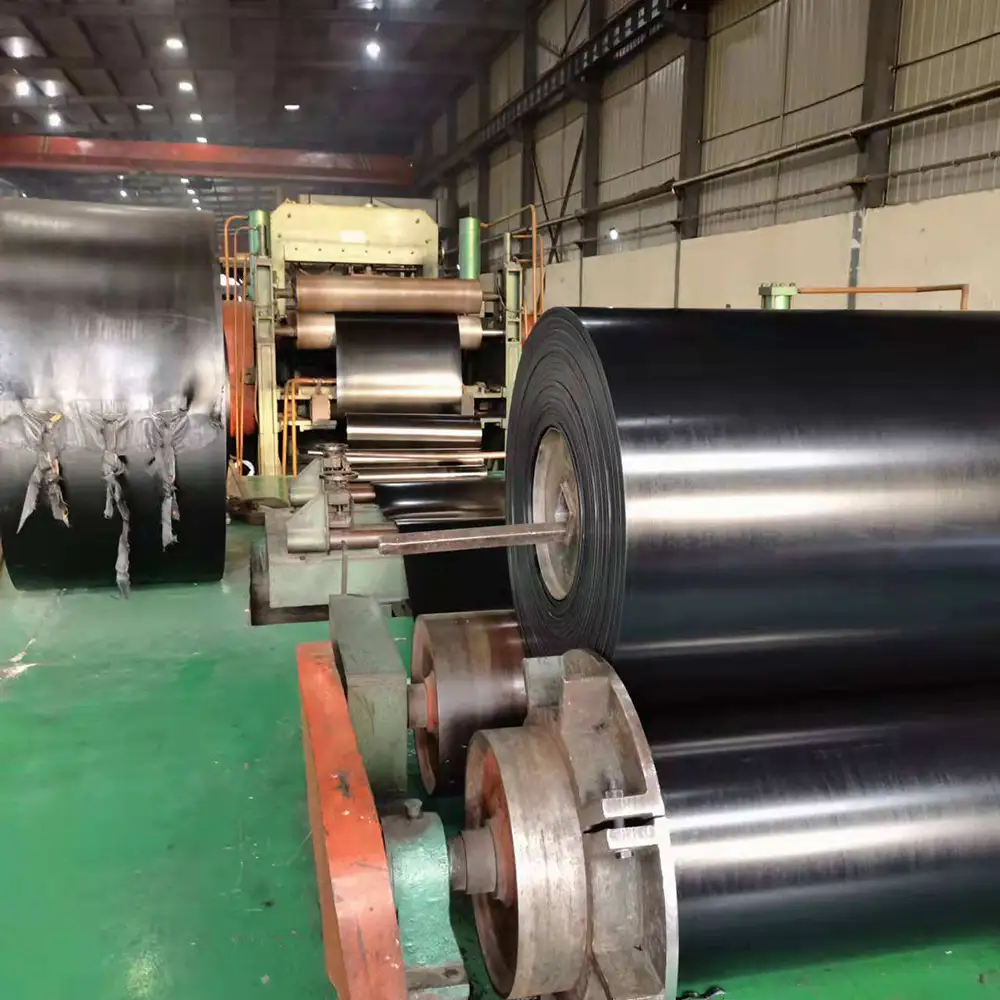
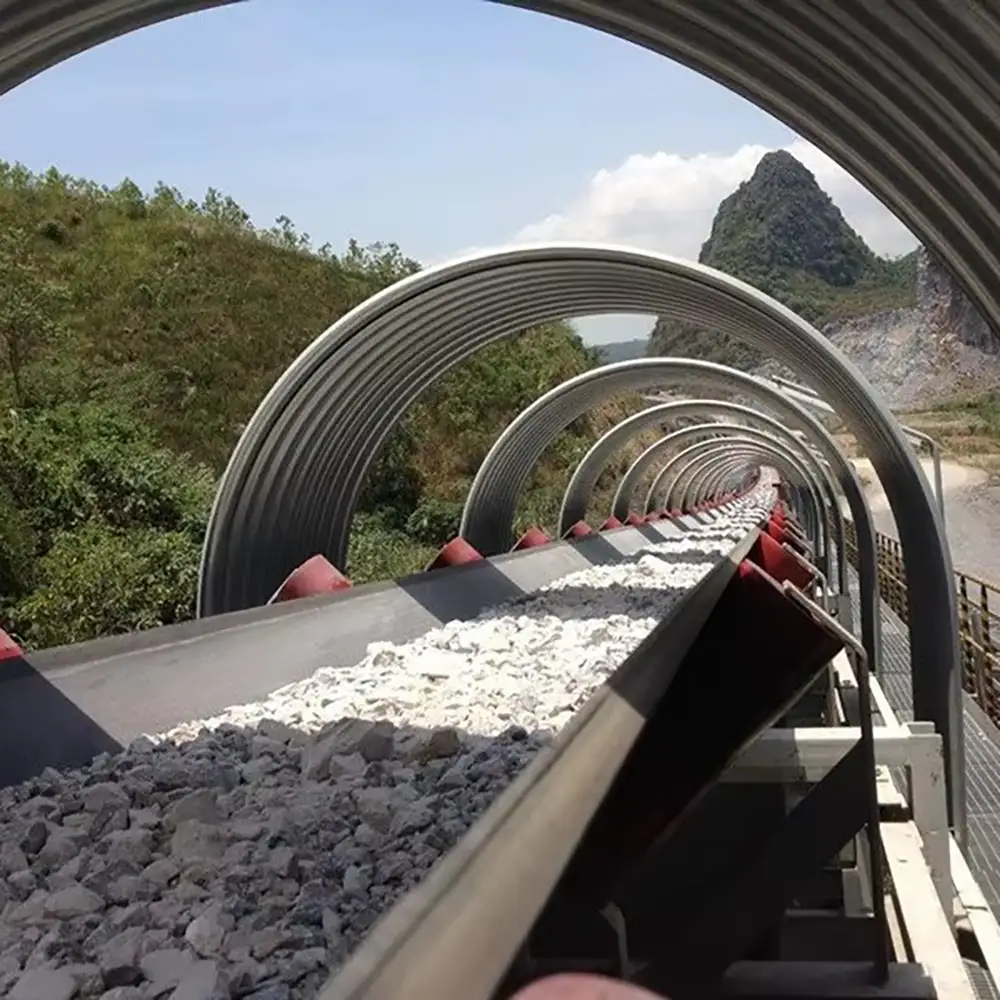
A rubber conveyor belt for stone crusher plants is an essential material-handling component used to continuously transport crushed stone, rock, gravel, sand, and other aggregates between different stages of a crushing and screening process. From the primary crusher to secondary and tertiary crushing, screening, stockpiling, and loading areas, conveyor belts help create a continuous flow of material throughout the plant.
Stone crusher plants operate in demanding conditions. Large rocks, sharp aggregate particles, dust, vibration, impact loading, and continuous conveying can place significant stress on conveyor belts. A properly selected heavy-duty rubber conveyor belt combines a reinforced carcass with durable rubber covers to provide the strength, flexibility, and wear resistance required for aggregate processing.
Depending on the application, the belt can be supplied in different widths, tensile strengths, fabric constructions, cover thicknesses, and rubber compounds. The correct specification should always be selected according to the complete conveyor system and the characteristics of the material being transported.
What Is a Stone Crusher Conveyor Belt?
A stone crusher conveyor belt is a continuous rubber belt installed on a conveyor system to move material between crushing and processing equipment. The belt travels around drive and tail pulleys and is supported by idlers along the conveyor structure.
In a typical crushing plant, conveyor belts can be installed beneath feeders, after primary crushers, between secondary crushers and screens, and at finished aggregate stockpiles. Different conveyors may have different loading conditions, lengths, speeds, and belt widths.
Because crushed stone and rock are abrasive, the belt's top cover is particularly important. An appropriate rubber compound can help resist surface wear caused by continuous contact with aggregate.
Key Features
Heavy-Duty Rubber Construction
Stone crushing applications often require robust conveyor belts capable of handling abrasive and impact-prone materials. A suitable heavy-duty construction provides structural support during continuous operation.
Abrasion Resistance
Crushed rock, gravel, and stone can rapidly wear an unsuitable rubber cover. Abrasion-resistant rubber compounds are commonly selected for aggregate conveyor applications where material characteristics require additional wear protection.
Impact Handling
Material discharged from a crusher or hopper may create significant impact on the conveyor belt. Belt construction should be selected according to particle size, material weight, transfer height, and loading conditions.
Reinforced Carcass
The internal carcass provides tensile strength and supports the belt during conveying. EP polyester fabric, NN nylon fabric, and steel-cord constructions may be available depending on the conveyor's engineering requirements.
Good Flexibility
The belt needs to travel around pulleys and conform to the conveyor structure. Proper reinforcement selection helps balance tensile strength with flexibility.
Continuous Conveying
A conveyor system provides continuous movement of crushed material between processing stages, reducing the need for repeated manual or vehicle-based material transfer.
Applications in Stone Crusher Plants
Rubber conveyor belts are used throughout modern crushing and aggregate processing operations.
At the primary crushing stage, a conveyor can transport material discharged from a jaw crusher, gyratory crusher, or other primary crushing equipment. Large and irregular rock may create impact conditions that require a suitable heavy-duty belt.
At the secondary and tertiary crushing stages, conveyors move partially processed aggregate between crushers and vibrating screens. The belt selection depends on the material size and the conveyor's operating parameters.
At the screening stage, conveyor belts can transport different aggregate fractions to separate stockpiles. Finished products such as crushed stone, gravel, manufactured sand, and other aggregates can be transferred to storage or loading areas.
Quarry operations may also use conveyor belts for moving limestone, granite, basalt, sandstone, and other extracted materials.
Conveyor Belt Construction
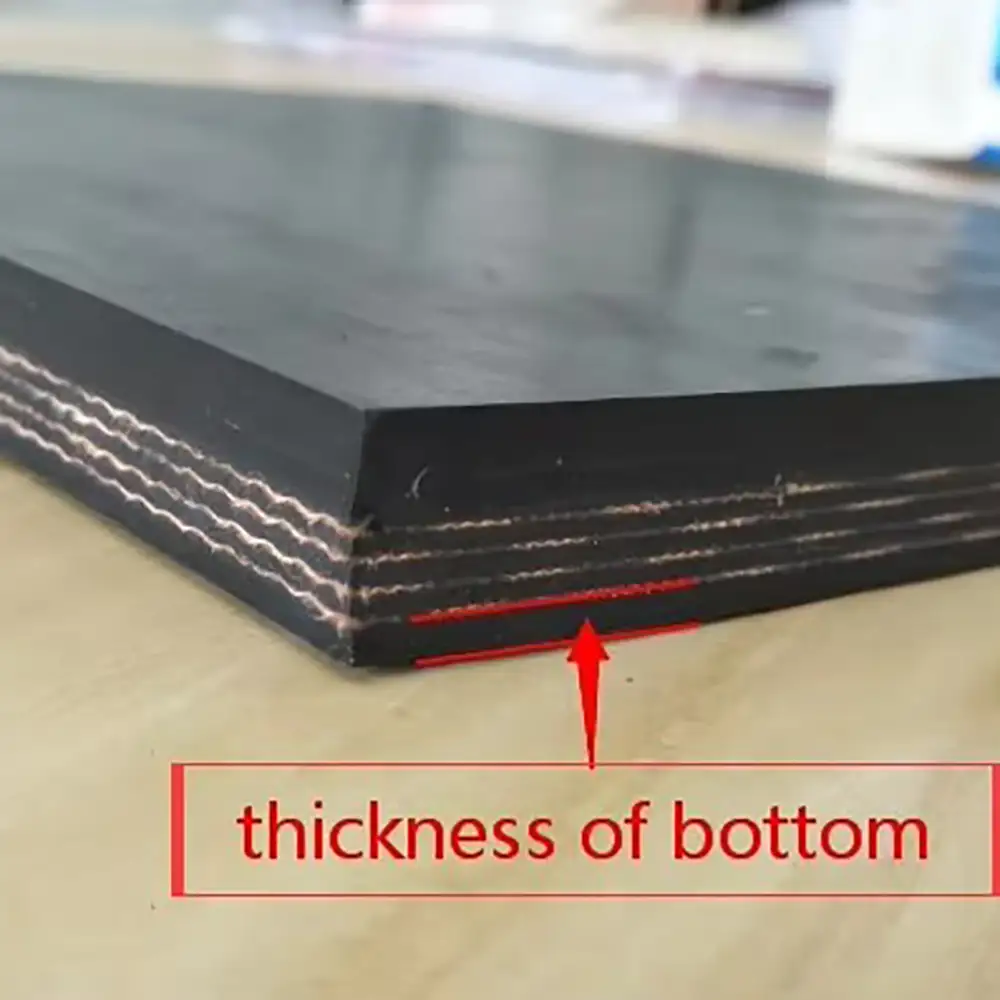
A typical rubber conveyor belt consists of several functional layers.
The top rubber cover contacts the transported material and provides protection against abrasion and impact. The reinforcement carcass provides tensile strength and dimensional stability. The bottom rubber cover protects the belt as it travels over conveyor components.
For many aggregate applications, EP fabric reinforcement is commonly considered because of its balance of tensile strength and flexibility. NN fabric constructions may also be selected for suitable applications.
For long-distance or high-tension conveyor systems, steel-cord conveyor belts may be considered. The selection should be based on engineering calculations and actual conveyor requirements.
How to Choose a Conveyor Belt for a Crusher Plant
Choosing a suitable stone crusher conveyor belt requires consideration of several factors.
Material Type: Determine whether the belt will transport granite, limestone, basalt, gravel, sand, crushed stone, recycled aggregate, or mixed materials.
Maximum Rock Size: Larger material can increase impact loading at transfer points.
Conveyor Length: Longer conveyors may require higher tensile-strength belt constructions.
Belt Width: Width should be matched to material volume, conveyor speed, loading method, and required capacity.
Belt Speed: Conveyor speed affects material flow, loading behavior, and belt wear.
Cover Thickness: Abrasive or impact-heavy materials may require a suitable cover construction.
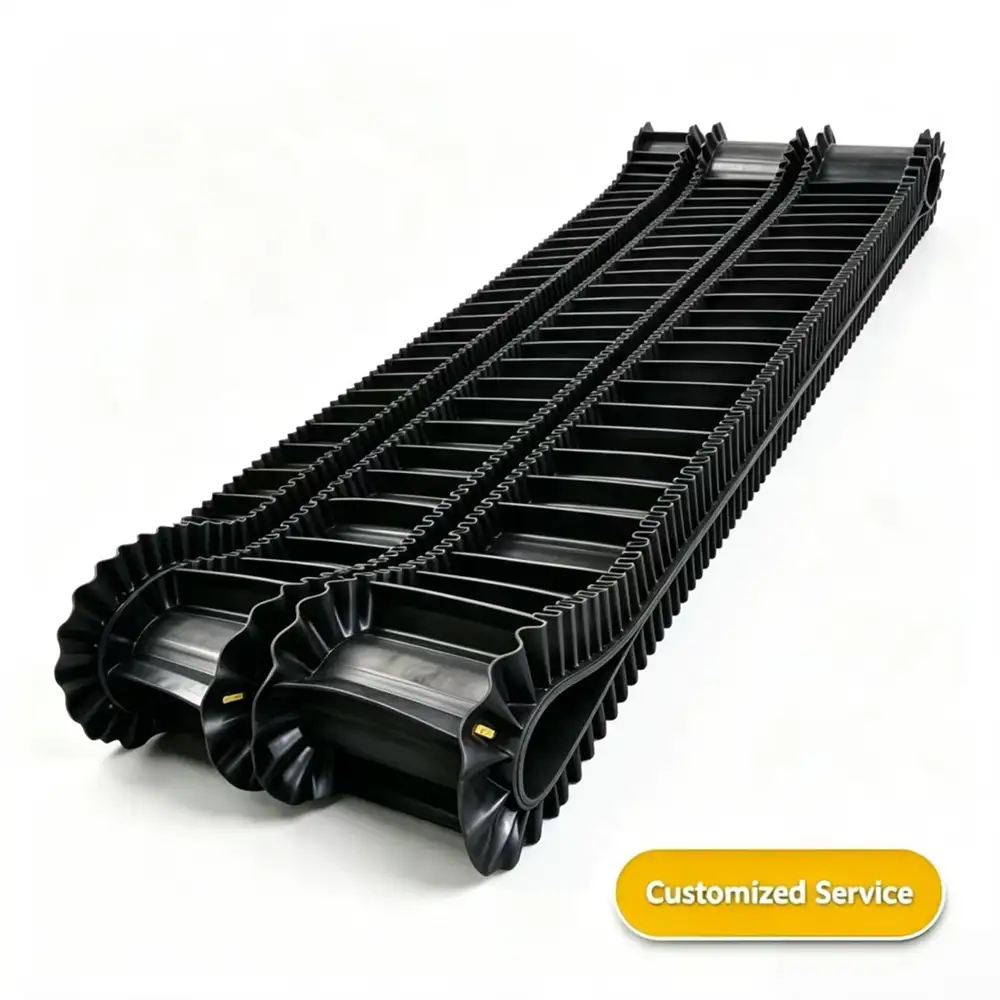
Conveyor Inclination: Inclined conveyors may require an appropriate surface configuration to maintain material stability.
Loading Point: Transfer chute design and drop height should be considered because they influence impact on the belt.
Operating Environment: Outdoor crusher plants may expose the belt to sunlight, rain, temperature changes, and dust.
Abrasion and Impact Resistance
Abrasion is one of the major considerations in stone crusher conveyor applications. Aggregate continuously contacts the top cover, and sharp particles can produce cuts, gouges, and surface wear.
Impact is another important factor. When large rocks fall onto a conveyor at a transfer point, localized stress can occur. Suitable impact idlers, transfer chute design, controlled material flow, and an appropriately constructed belt can work together to reduce unnecessary belt damage.
The best belt specification depends on the actual application. A thicker belt is not automatically suitable for every conveyor, and the rubber compound and carcass must be considered together.
Installation and Maintenance
Correct installation is important for maintaining reliable conveyor performance. Before installing the belt, inspect the conveyor frame, pulleys, idlers, cleaners, take-up system, and transfer points.
The conveyor structure should be properly aligned. Incorrect pulley alignment or uneven tension can contribute to belt mistracking and edge damage.
During operation, inspect the belt for cuts, cracks, abrasion, edge damage, exposed reinforcement, and splice deterioration. Check belt tracking and tension regularly.
Material buildup around pulleys and idlers should be removed according to site maintenance procedures. Conveyor cleaners should be correctly adjusted to avoid unnecessary belt damage.
At crusher transfer points, maintaining suitable chute alignment and controlling material flow can help reduce excessive impact and spillage.
Custom Rubber Conveyor Belt Solutions
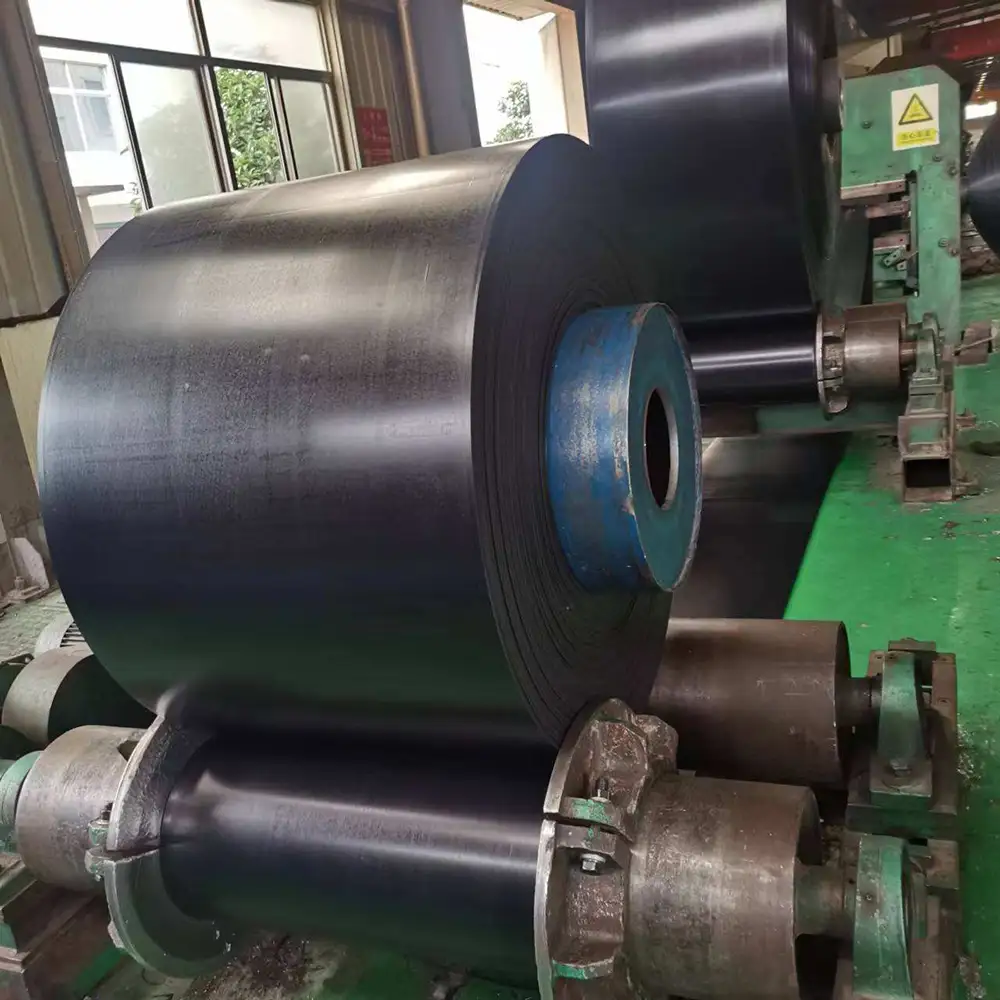
We provide rubber conveyor belts for stone crusher plants, aggregate processing, quarrying, mining, construction materials, and other bulk material handling applications.
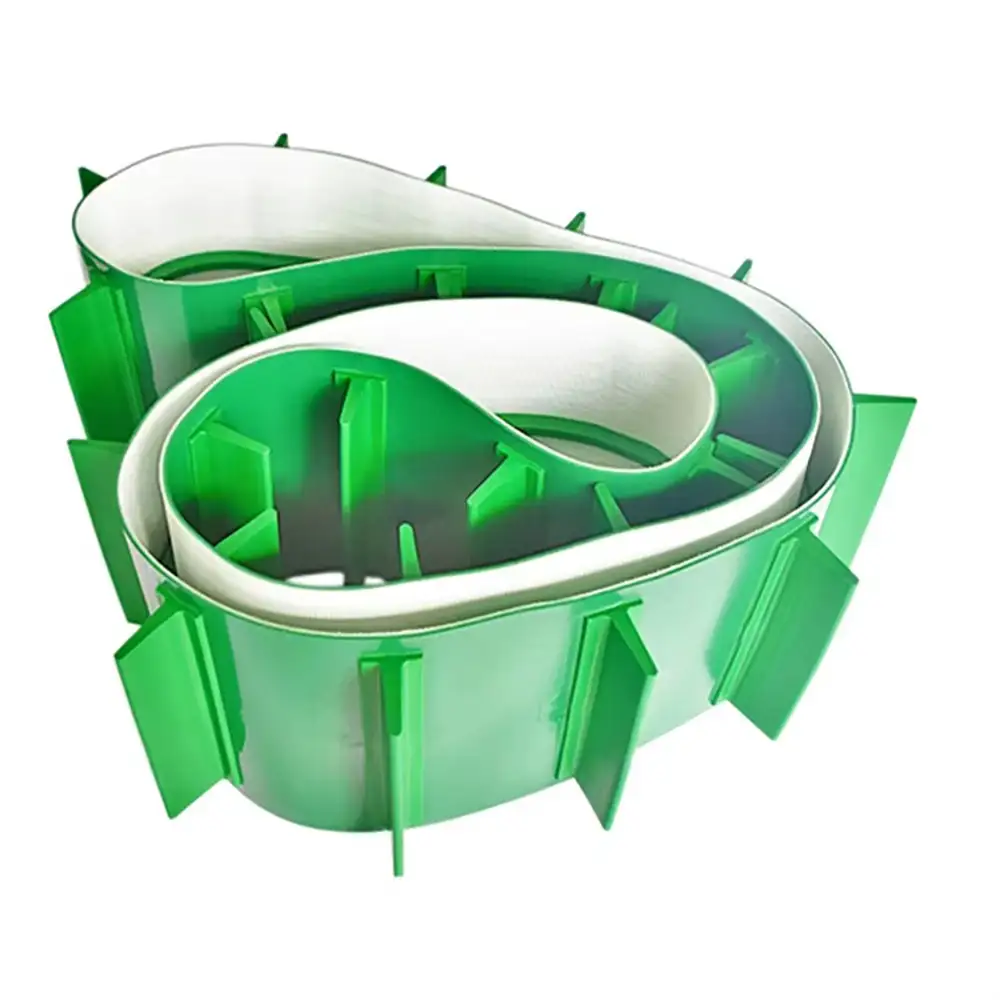
Customization can include belt width, belt length, tensile strength, number of plies, EP or NN fabric construction, steel-cord construction where appropriate, cover thickness, rubber compound, edge construction, and surface pattern.
Depending on the working conditions, specialized options such as abrasion-resistant, heat-resistant, oil-resistant, or weather-resistant rubber compounds can be considered.
OEM and custom manufacturing services are available for conveyor equipment manufacturers, stone crusher plant suppliers, quarry contractors, distributors, and industrial end users.
Why Choose Us?
Stone Crusher Conveyor Belt Supply: We provide rubber conveyor belts designed for aggregate and bulk material handling applications.
Heavy-Duty Construction: Belt structures can be selected for demanding rock, gravel, and crushed stone conveying.
Abrasion-Resistant Options: Suitable rubber compounds can be specified for abrasive aggregate materials.
Multiple Carcass Options: EP, NN, and other suitable reinforcement constructions can be considered according to application requirements.
Custom Specifications: Belt width, length, tensile strength, plies, cover thickness, and rubber properties can be customized.
OEM & ODM Service: We support custom production for distributors, contractors, plant builders, and conveyor manufacturers.
B2B Industrial Supply: Suitable for quarry, mining, aggregate, construction, and crushing plant projects.
Application Support: Customers can provide conveyor parameters and material information for appropriate belt selection.
FAQs
1. What type of conveyor belt is used in a stone crusher plant?
Heavy-duty rubber conveyor belts are commonly used to transport crushed stone, rock, gravel, sand, and aggregates. The required belt construction depends on the conveyor design and material characteristics.
2. Is an abrasion-resistant belt suitable for crushed stone?
An abrasion-resistant rubber cover is often considered for abrasive aggregate applications. The appropriate rubber grade should be selected according to actual material and operating conditions.
3. Can the belt handle large rocks?
Suitable heavy-duty conveyor belts can handle rock and aggregate, but maximum material size, drop height, loading method, and belt construction must be considered together.
4. What reinforcement is commonly used for crusher plant conveyor belts?
EP polyester fabric and NN nylon fabric are common options for fabric-reinforced belts. Steel-cord belts may be considered for applications requiring higher longitudinal tensile strength.
5. Can one conveyor belt be used for all crusher plant stages?
Not necessarily. Primary, secondary, screening, stockpiling, and transfer conveyors can have different operating requirements. Each belt should be selected according to its specific application.
6. Can the stone crusher conveyor belt be customized?
Yes. Width, length, tensile strength, carcass construction, number of plies, cover thickness, rubber compound, and other specifications can be customized.
7. How do I reduce impact damage at the crusher discharge?
Suitable transfer chute design, controlled material flow, appropriate impact idlers, correct loading conditions, and a properly selected belt can help reduce excessive impact.
8. Are these conveyor belts suitable for quarry applications?
Yes. Rubber conveyor belts are widely used for quarrying and aggregate applications involving materials such as limestone, granite, basalt, gravel, and crushed stone.
9. How can I extend the service life of a crusher conveyor belt?
Maintain proper belt alignment and tension, inspect the belt regularly, keep pulleys and idlers clean, maintain transfer points, and address cuts or abnormal wear promptly.
10. What information should I provide when ordering a crusher conveyor belt?
Useful information includes belt width, length, tensile strength, number of plies, cover thickness, material type, maximum particle size, conveyor speed, conveyor inclination, and loading conditions.
Request a Quote
If you need a rubber conveyor belt for a stone crusher plant, aggregate processing line, quarry, or mining operation, provide your conveyor specifications and material-handling requirements. We can supply a suitable heavy-duty belt construction for crushed stone, rock, gravel, sand, and other bulk materials.
Prev:
Mine Conveyor Belt, China Mine EP Rubber Conveyor Belt For Mining Industry
Next:
Polyester Rubber Conveyor Belt for Coal Mine Industry
TAG:
Steel Cord Conveyor Belt,
Industrial Rubber Conveyor Belt,
Heavy Duty Rubber Conveyor Belt,
Multi Ply Conveyor Belt,
Mining Conveyor Belt,
Industrial Conveyor Belt,
Abrasion Resistant Rubber Conveyor Belt,
Bulk Material Conveyor Belt,
Sand Conveyor Belt,
Gravel Conveyor Belt,
Material Handling Conveyor Belt,
Rock Conveyor Belt,
Quarry Conveyor Belt,
Aggregate Conveyor Belt,
Mining Rubber Conveyor Belt,
Stone Crusher Conveyor Belt,
Abrasion Resistant Conveyor Belt,
Heavy Duty Conveyor Belt,
EP Fabric Conveyor Belt,
Polyester Conveyor Belt,
EP Rubber Conveyor Belt,
EP Conveyor Belt,
Fabric Reinforced Conveyor Belt,
Rubber Conveyor Belt,
NN Conveyor Belt,
Stone Conveyor Belt,
Impact Resistant Conveyor Belt,
Stockpile Conveyor Belt,
Crushed Stone Conveyor Belt,
Aggregate Belt Conveyor,
Related Category:
Rubber Conveyor Belt for Stone Crusher Plant,Stone Crusher Conveyor Belt,Crusher Plant Conveyor Belt,Aggregate Conveyor China, suppliers, manufacturers, factory, customized, wholesale, quotation, made in China