Conveyor Belt Vulcanizing Machine, Conveyor Belt Joint Vulcanizing Machinery
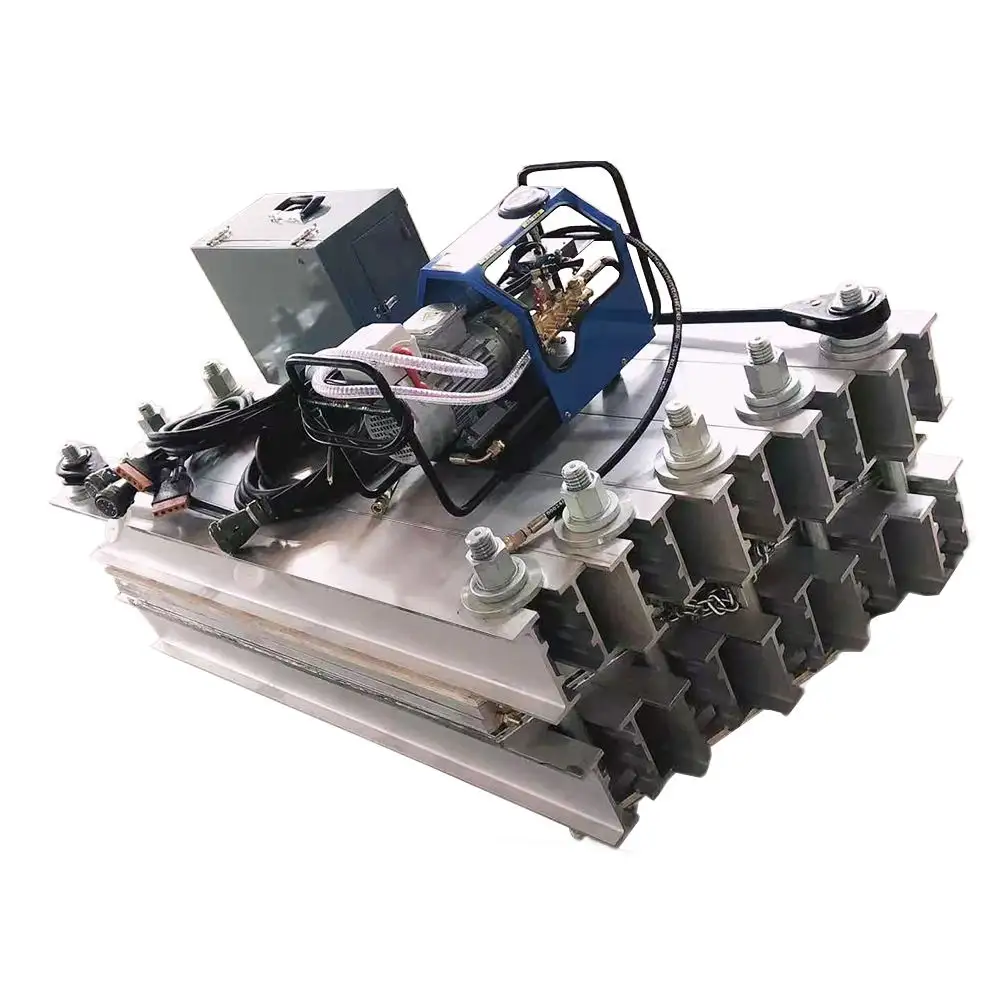
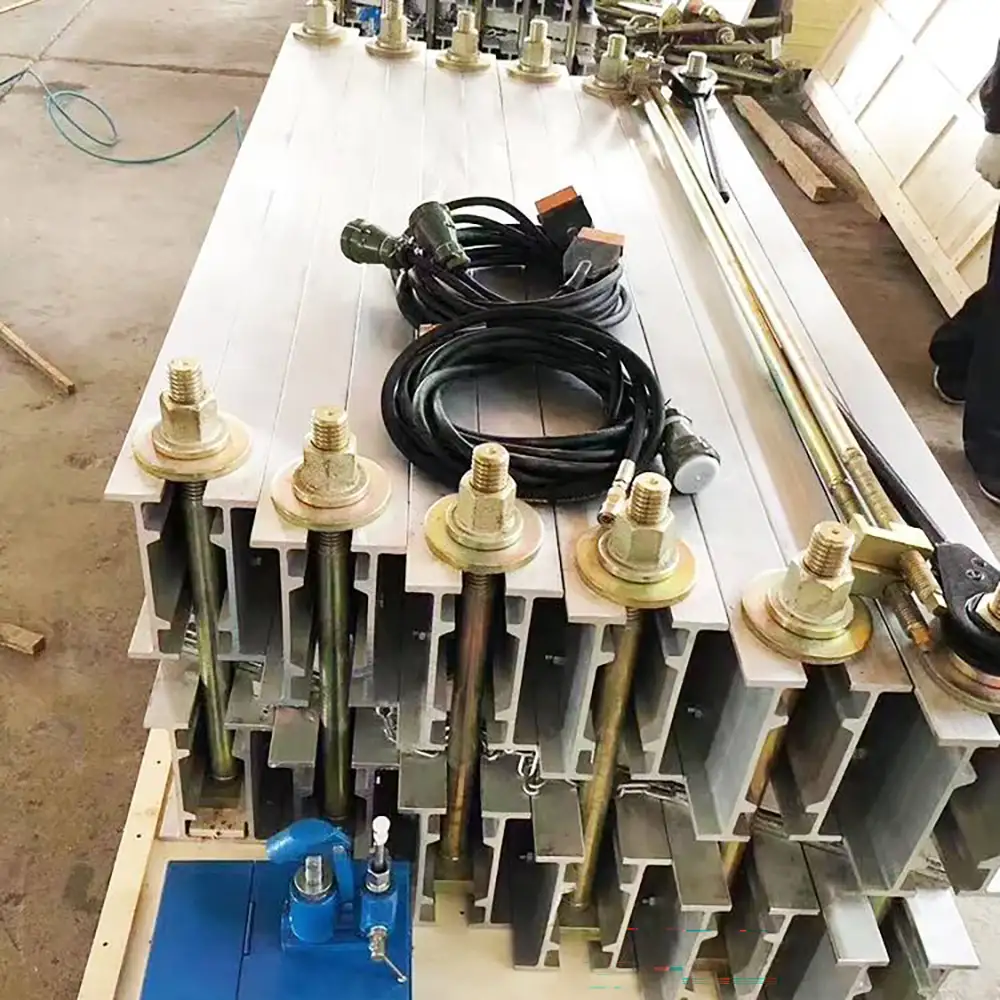
A Conveyor Belt Vulcanizing Machine is specialized equipment used to create permanent hot-vulcanized joints in rubber conveyor belts. Also called a Conveyor Belt Vulcanizer, Conveyor Belt Hot Splicing Machine, or Conveyor Belt Joint Vulcanizing Machine, it combines controlled heat, pressure and curing time to bond prepared belt ends into a continuous conveyor belt loop.
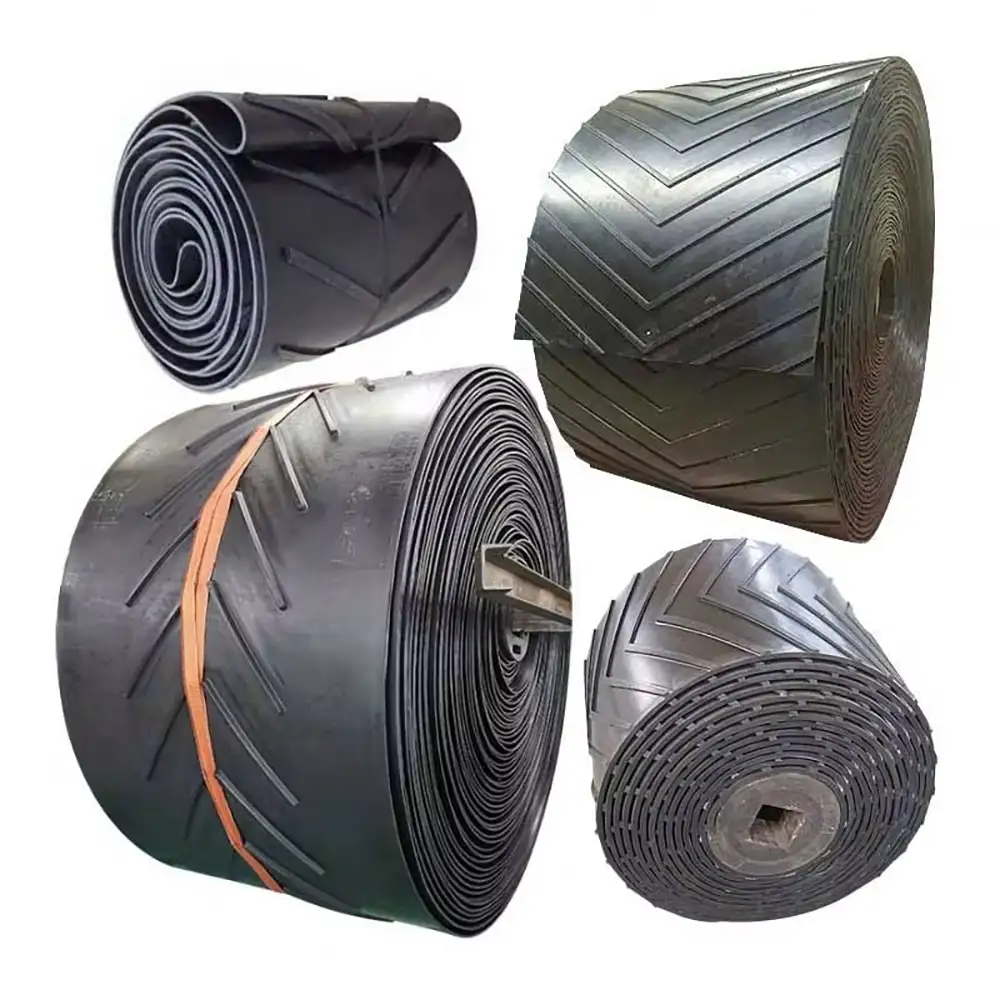
Hot vulcanizing is widely used for fabric, EP, NN and steel-cord conveyor belts in industries such as mining, metallurgy, cement, power generation, ports, aggregate processing and bulk-material handling. Commercial vulcanizing presses are available in different belt-width ranges and configurations, and some systems can be combined side by side when a wider splice is required.
A properly selected vulcanizing machine helps create a smooth, continuous splice that can operate through conveyor pulleys and idlers with less interference than many mechanical joining methods. The exact splice procedure, temperature, pressure and curing time should always follow the belt manufacturer's specifications and the vulcanizer's operating instructions.
Steel Cord Belt Stripper Machine
Application
Steel Cord Belt Stripper Machine also named cutting device, is used to continuedly install a new steel cord conveyor belt. Used in major coal mining, metallurgy, mining, ports, power, coking, subways, tunnels, etc.
Features
-
Ropes could be stripped out from steel cord conveyor belt easily and quickly.
-
No need to flip the belt. Top and bottom cover rubber could be stripped by once time
-
One thin layer of rubber could be left on the ropes after stripped, which can improve the bonding between cables and rubber when jointed.
-
Compared with the traditional hand stripping, this machine could strip out the steel cord tidy and reduce the manpower & time and improve the bonding quality.
Specification
|
Traction |
Belt Thickness |
Steel Cord Diameter |
Cable Pitches |
Belt Strength |
Pulling Speed |
|
≥6KN |
≤43mm |
4.9~13.2mm |
10-25mm |
ST1600-ST5400 |
6-20m/min |
What Is a Conveyor Belt Vulcanizing Machine?
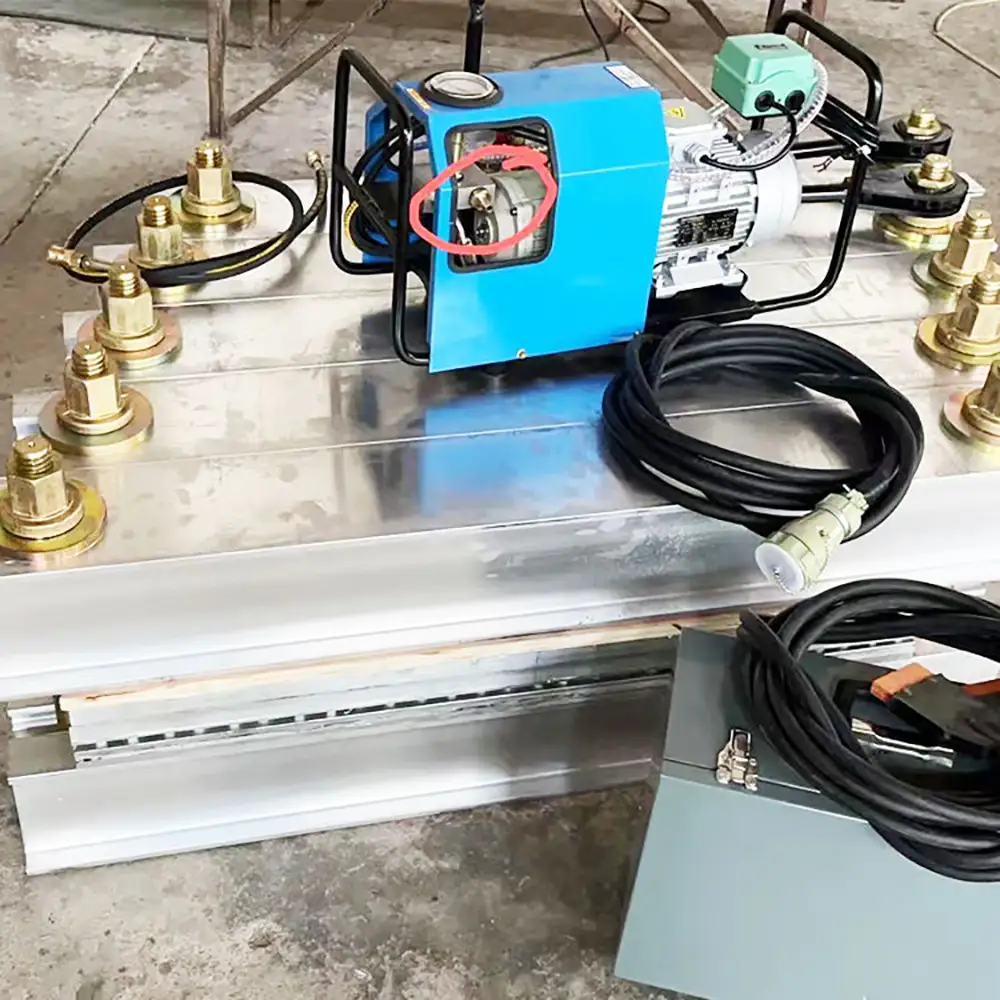
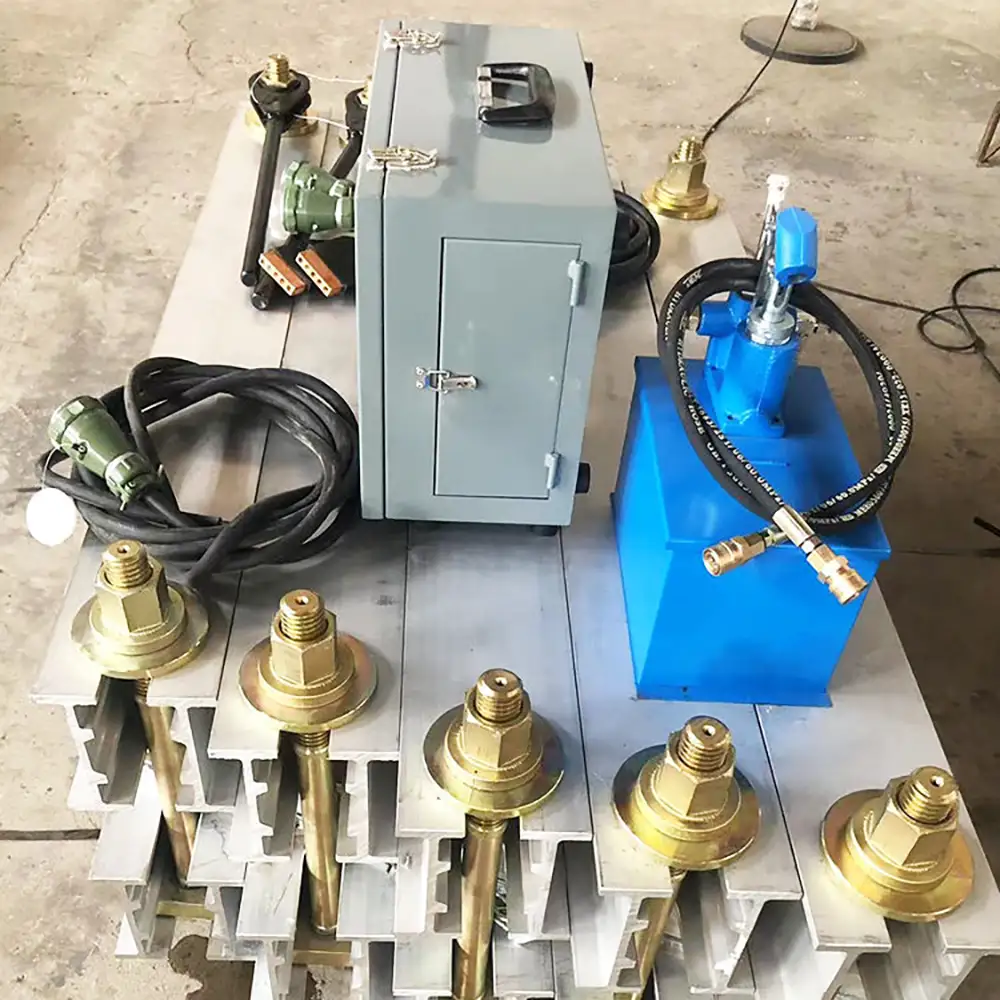
A Conveyor Belt Vulcanizing Machine is a press system designed specifically for hot vulcanization of conveyor belt joints.
The machine normally includes:
Upper Heating Platen
Lower Heating Platen
Clamping Frame
Pressure System
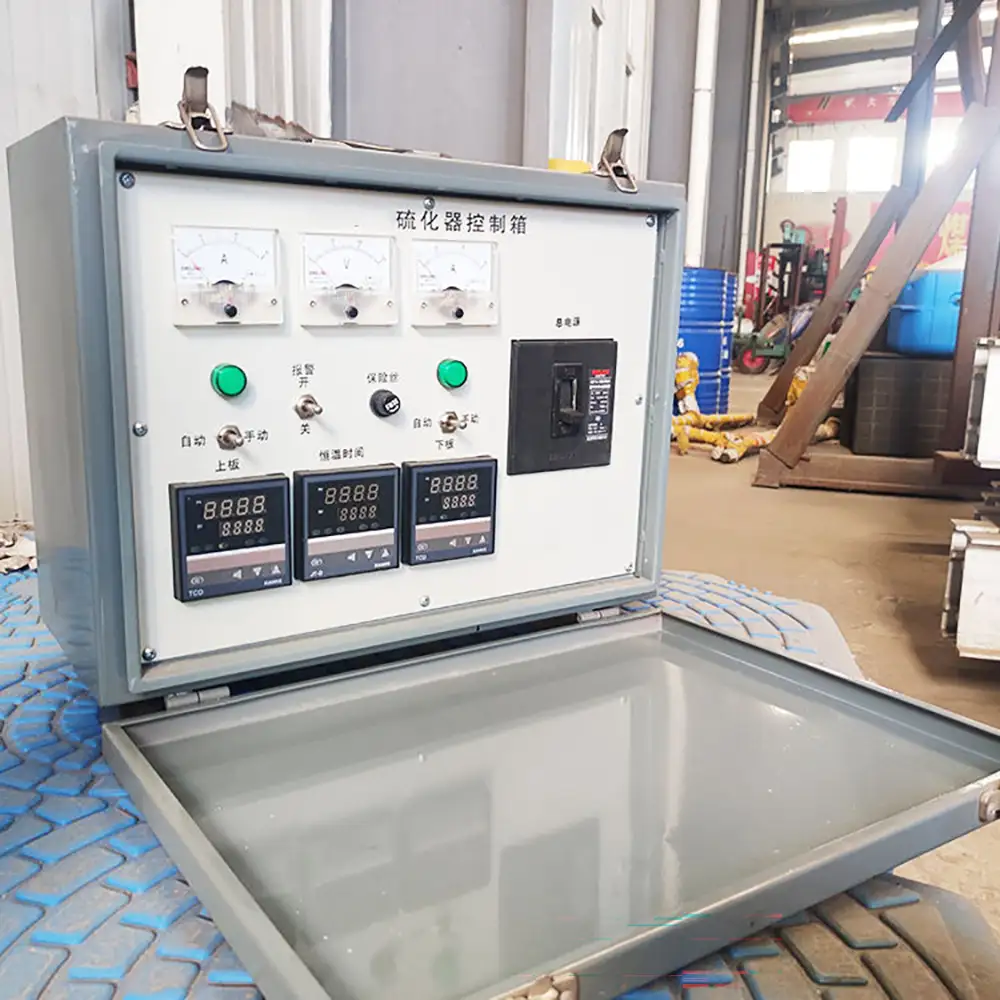
Temperature Control Unit
Electrical Control Box
Insulation Plates
Cooling System
Pressure Pipes Or Hoses
Supporting Hardware
During operation, the prepared belt ends and appropriate uncured rubber or bonding materials are positioned between the heating plates. The machine then applies controlled pressure and heat according to the specified vulcanizing process.
The combination of heat, pressure and curing time allows the rubber layers to form a bonded splice. Commercial equipment commonly uses electric heating with hydraulic, water, air or mechanical pressure systems depending on the design.
How Does a Conveyor Belt Vulcanizer Work?
The hot splicing process generally begins with careful preparation of the two conveyor belt ends.
Step 1: Belt Preparation
The belt is positioned and securely clamped. The damaged or cut belt ends are prepared according to the selected splice design. For fabric belts, the belt may require stepped layers, while steel-cord belts require specialized cord preparation.
Step 2: Splice Alignment
The two belt ends are accurately aligned. Correct centerline positioning, splice geometry and belt tracking are essential for producing a reliable finished joint.
Step 3: Splicing Materials
Appropriate uncured rubber, bonding sheets and other splice materials are positioned according to the belt construction and splice specification.
Step 4: Heating and Pressurizing
The heating platens provide controlled thermal energy while the pressure system applies force across the splice area.
Step 5: Vulcanization
The splice is maintained at the required temperature and pressure for the specified curing period. Temperature and pressure should be controlled according to the belt manufacturer's recommended procedure.
Step 6: Cooling
After the curing cycle, the splice is cooled according to the equipment and belt manufacturer's instructions before the belt is released and returned to service.
Modern vulcanizing presses can incorporate temperature control, timing controls and cooling systems to improve process consistency. Some commercial machines specify temperature regulation around a nominal 145°C vulcanization point, but the correct process temperature should always be determined by the actual belt and splice materials rather than treated as a universal value.
Key Features
1. Uniform Heating
Heating platens are designed to distribute heat across the splice area. Good temperature uniformity helps reduce uneven curing and improves process consistency.
2. Controlled Pressure
The pressure system applies force across the belt joint. Hydraulic, water-pressure, air-pressure and other configurations are available depending on machine design.
3. Adjustable Temperature
Many industrial vulcanizing machines use electronic temperature controls that allow operators to set and monitor the heating cycle. Some commercial models offer adjustable ranges up to approximately 200°C, depending on the machine design.
4. Adjustable Curing Time
The curing time can be controlled according to belt thickness, rubber compound and splice material requirements.
5. Modular Heating Plates
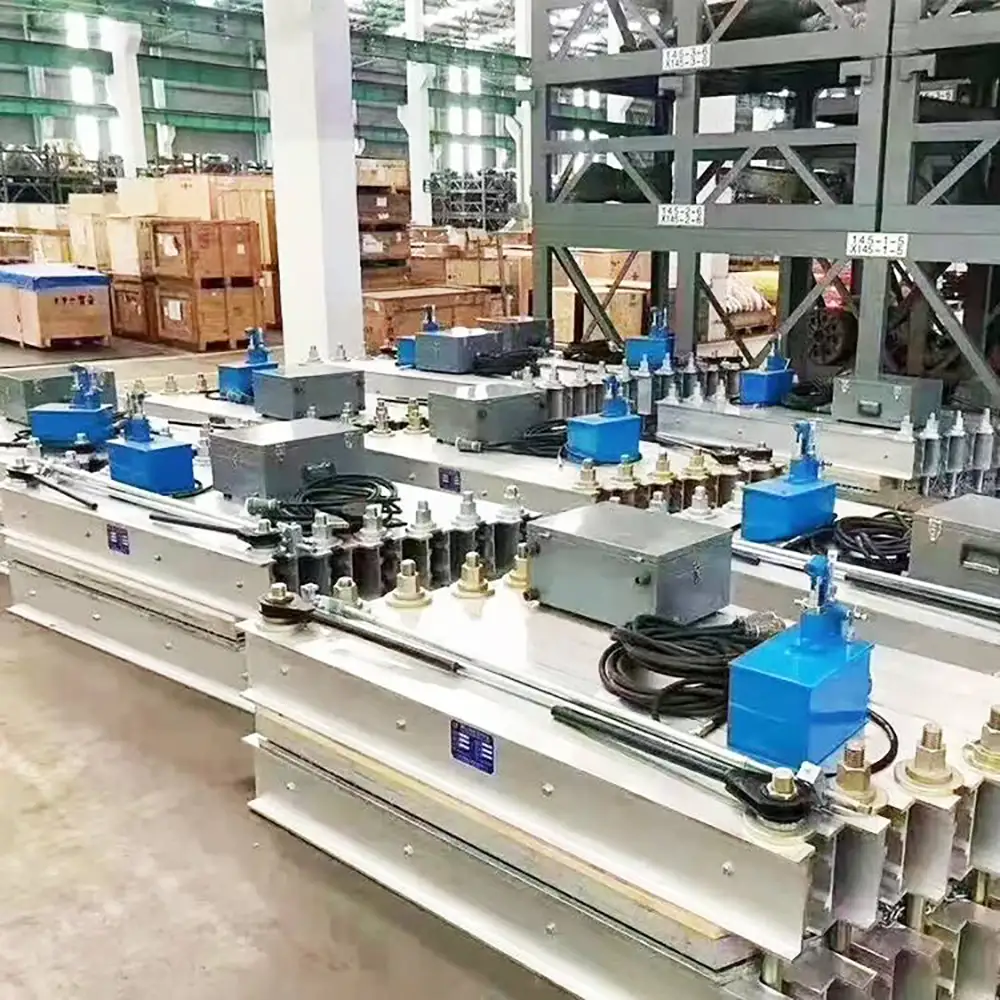
For wider belts, multiple vulcanizing units can sometimes be installed together to cover the required splice width. This provides greater flexibility for large conveyor systems.
6. Portable Jobsite Design
Many conveyor belt vulcanizers use sectional aluminum structures and detachable components to make transportation and field installation easier.
7. Multiple Belt Applications
Depending on the machine configuration, vulcanizers can be used with fabric, nylon, EP and steel-cord rubber conveyor belts. Special belt constructions require corresponding splice procedures and tooling.
Conveyor Belt Hot Splicing Applications
Conveyor Belt Vulcanizing Machines are widely used in industries where continuous conveyor operation is essential.
Typical applications include:
Coal Mining
Underground Mining
Open-Pit Mining
Cement Plants
Steel Mills
Metallurgical Plants
Power Plants
Ports And Terminals
Quarrying
Aggregate Processing
Chemical Plants
Fertilizer Plants
Construction Material Plants
Recycling Facilities
Bulk Material Handling Systems
A field vulcanizing press can be particularly useful when the conveyor belt is already installed and the joint needs to be completed or repaired on site. This can reduce the need to remove a long conveyor belt from the production line.
Conveyor Belt Joint Vulcanizing Machine for Different Belt Types
EP Conveyor Belts
EP belts use polyester and polyamide reinforcement and are widely used for industrial bulk-material handling. The vulcanizing process should match the belt's carcass and rubber compound.
NN Conveyor Belts
NN belts use nylon reinforcement and require appropriate splice preparation and curing materials.
Steel Cord Conveyor Belts
Steel-cord belts require specialized preparation because the steel cords must be correctly exposed, aligned and embedded within the splice. The splice design must follow the belt manufacturer's technical specification.
Flame Resistant Conveyor Belts
Flame-resistant belts may also be hot spliced, but the selected splice materials should be compatible with the belt's construction and required performance characteristics.
Why Proper Temperature and Pressure Matter
The quality of a conveyor belt joint depends heavily on correct process control.
Insufficient heat may result in incomplete vulcanization. Excessive heat can damage rubber compounds or bonding materials. Incorrect pressure can create uneven bonding, air pockets or other defects.
For this reason, operators should follow the recommended curing parameters supplied for the specific belt and splice material.
A commercial vulcanizing machine may have a specified pressure range such as 1.0–2.0 MPa and a nominal curing temperature around 145°C, but these values vary by model and application. The machine specification should therefore be matched with the belt manufacturer's splice procedure.
How to Choose a Conveyor Belt Vulcanizing Machine
Selecting the right machine requires more than simply matching the belt width.
Belt Width
The heating plate must cover the required splice area. Common industrial machines are available for different belt widths, while larger widths may require customized or combined heating systems.
Belt Construction
Specify whether the belt is EP, NN, fabric, multi-ply, steel cord, flame resistant, heat resistant or another specialized construction.
Splice Length
The required splice length determines the effective heating area. Longer joints may require larger heating plates or multiple vulcanizing units.
Pressure Requirement
The pressure system should provide adequate and uniform force for the selected belt and splice materials.
Power Supply
Confirm voltage, phase, frequency and available electrical capacity before ordering.
Cooling Method
Depending on the machine, cooling may use water, air or another method. Water-cooled systems are common in industrial hot-splicing equipment.
Working Environment
For field work, machine weight, sectional design, transportation method and available installation space should be considered.
Maintenance and Safe Operation
A conveyor belt vulcanizing press operates with high temperature and significant pressure, so trained personnel should operate the equipment according to the manufacturer's instructions.
Routine inspection should include:
Heating Plate Condition
Temperature Sensors
Electrical Connections
Pressure Hoses
Hydraulic Or Water Pump
Clamping Bolts
Insulation Plates
Control Cabinet
Cooling System
Pressure Gauges
Mechanical Fasteners
Heating surfaces should be kept clean and flat. Pressure components should be inspected regularly for leaks or damage.
Before removing the finished splice, the operator should follow the specified cooling procedure and verify that the machine and belt have reached a safe handling condition.
Custom OEM Conveyor Belt Vulcanizing Machinery
We provide customized Conveyor Belt Vulcanizing Machine solutions for conveyor manufacturers, mining companies, maintenance contractors and industrial belt service providers.
Customization can include:
Belt Width
Heating Plate Size
Splice Length
Vulcanizing Pressure
Temperature Control
Heating Power
Cooling System
Hydraulic Pressure
Water Pressure
Air Pressure
Control Cabinet
Voltage
Single Or Multiple Press Configuration
Aluminum Or Steel Frame
Portable Field Design
Custom Packaging And Labeling
For large conveyor belts, multiple heating units can be configured together to cover wider splice areas where appropriate.
Why Choose Us
Specialized Conveyor Belt Equipment
We focus on conveyor belt vulcanizing, hot splicing and belt maintenance equipment for industrial applications.
Application-Based Configuration
We can recommend a suitable machine according to belt width, belt construction, splice length, operating environment and power requirements.
Custom Manufacturing
Heating plate dimensions, machine structure, pressure system, electrical configuration and other specifications can be customized for OEM projects.
Reliable Temperature and Pressure Control
Stable heating and uniform pressure are essential for producing consistent conveyor belt joints. Our equipment configurations are designed around these key process requirements.
International B2B Support
We support conveyor belt manufacturers, distributors, mining contractors, maintenance companies and industrial users with technical communication, customized production, inspection, packaging and export services.
FAQs
1. What Is a Conveyor Belt Vulcanizing Machine?
It is a specialized press used to create hot-vulcanized joints in rubber conveyor belts by applying controlled heat, pressure and curing time.
2. What Is Another Name for a Conveyor Belt Vulcanizer?
Common terms include Conveyor Belt Vulcanizing Machine, Conveyor Belt Hot Splicing Machine, Conveyor Belt Jointing Machine, Conveyor Belt Joint Vulcanizer, Hot Vulcanizing Press and Conveyor Belt Splicing Machine.
3. What Types of Conveyor Belts Can Be Vulcanized?
Depending on machine design and splice materials, vulcanizers can be used for EP, NN, fabric, nylon and steel-cord rubber conveyor belts.
4. What Temperature Is Used for Conveyor Belt Vulcanization?
The required temperature depends on the belt rubber, uncured bonding materials and splice procedure. Some industrial machines use approximately 145°C as a nominal vulcanizing temperature, but the correct setting must follow the belt and splice material specifications.
5. What Pressure Does a Conveyor Belt Vulcanizer Need?
Pressure depends on the machine and belt construction. Commercial equipment is available with different pressure ranges, with some models specifying approximately 1.0–2.0 MPa. Always follow the machine and belt manufacturer's recommended parameters.
6. Can the Machine Be Used for Steel Cord Conveyor Belts?
Yes, suitable vulcanizing machines can be used for steel-cord belts, but steel-cord splicing requires specialized preparation, tooling and splice procedures.
7. Can a Vulcanizing Machine Be Used On Site?
Yes. Many industrial conveyor belt vulcanizers are designed as sectional or portable systems for field installation and maintenance.
8. Can the Machine Be Customized for Wide Conveyor Belts?
Yes. Larger heating plates, customized dimensions or multiple machines working together can be used for wider belt splice requirements.
9. How Long Does Vulcanization Take?
The heating, curing and cooling time depends on belt thickness, splice material, temperature, pressure and machine design. The complete process should follow the specified splice procedure rather than using a universal time.
10. What Information Is Needed for a Quotation?
Please provide belt width, belt type, belt thickness, splice length, belt construction, required voltage, operating environment and preferred cooling or pressure system. A belt drawing or existing vulcanizer specification is also helpful.
Prev:
Butyl Rubber Sheet For Belt Converyor, Butyl Rubber Sheet Publisher
Next:
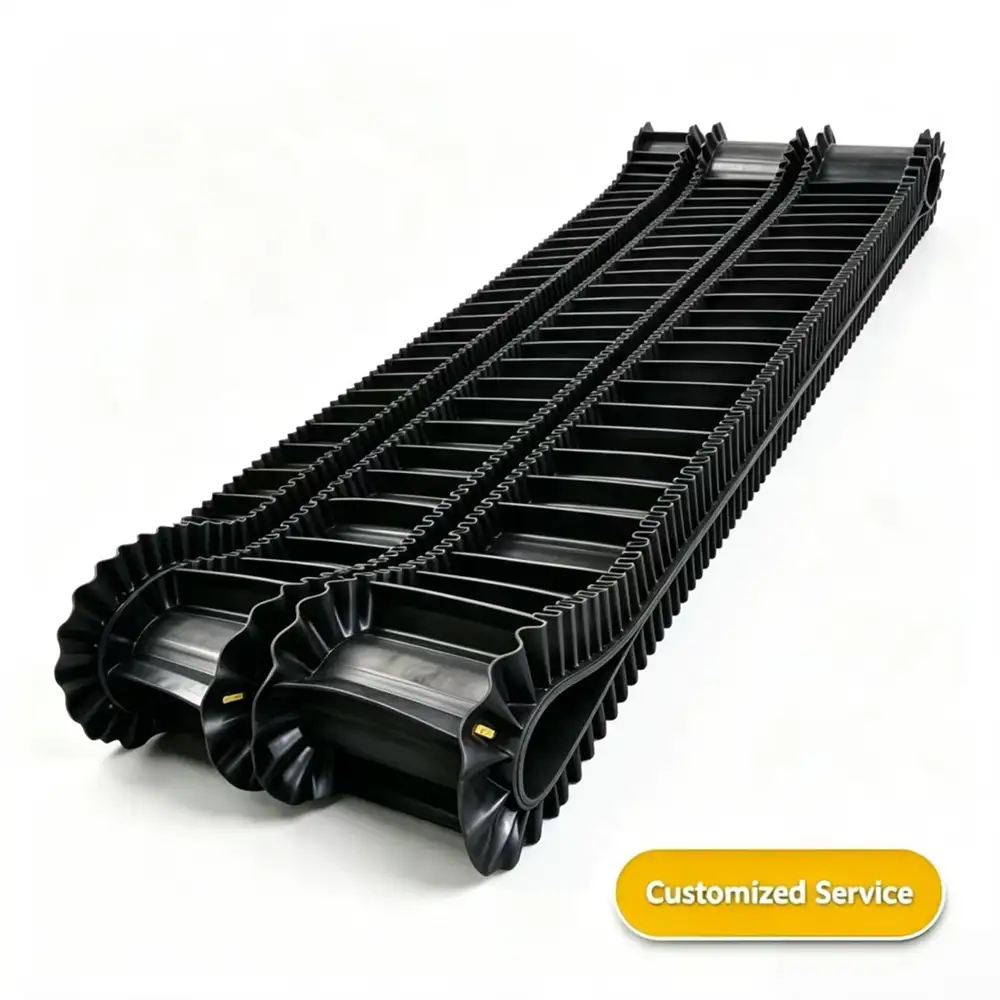
Excellent Corrugated Sidewall Conveyor Belt, Sidewall Conveyor Belt
TAG:
Belt Vulcanizing Machine,
Conveyor Belt Splicing Equipment,
Portable Belt Vulcanizer,
Conveyor Belt Jointing Equipment,
Belt Jointing Machine,
Conveyor Belt Maintenance Machine,
Conveyor Belt Hot Joint Press,
EP Conveyor Belt Vulcanizer,
NN Conveyor Belt Vulcanizer,
Steel Cord Conveyor Belt Vulcanizer,
Heavy Duty Conveyor Belt Vulcanizer,
Industrial Belt Vulcanizing Machinery,
Automatic Conveyor Belt Vulcanizer,
Belt Splicing Machine,
Rubber Conveyor Belt Vulcanizer,
Conveyor Belt Repair Machine,
Hot Vulcanizing Press,
Hot Vulcanizing Machine,
Hydraulic Conveyor Belt Vulcanizer,
Portable Conveyor Belt Vulcanizer,
Conveyor Belt Jointing Press,
Conveyor Belt Hot Vulcanizer,
Conveyor Belt Vulcanizing Press,
Conveyor Belt Hot Joint Machine,
Industrial Conveyor Belt Vulcanizer,
Conveyor Belt Repair Vulcanizer,
Conveyor Belt Splice Machine,
Conveyor Belt Vulcanizer,
Conveyor Belt Vulcanizing Machine,
Conveyor Belt Splicing Machine,
Related Category:
Conveyor Belt Vulcanizing Machine,Conveyor Belt Joint Vulcanizing Machine,Conveyor Belt Vulcanizer China, suppliers, manufacturers, factory, customized, wholesale, quotation, made in China