Appearance: Yellow brown or brown powder
Properties:
1, used as water reducing agent of concrete
2, additive of coal water slurry
3, reinforcing agent of refractory material and ceramics
4, filler and dispersant of dye and pesticide
5, binder of powdery and granular materials
Packing: 25kg in PP woven bag lined with plastic film.
Butyl Rubber Sheet for Belt Conveyor
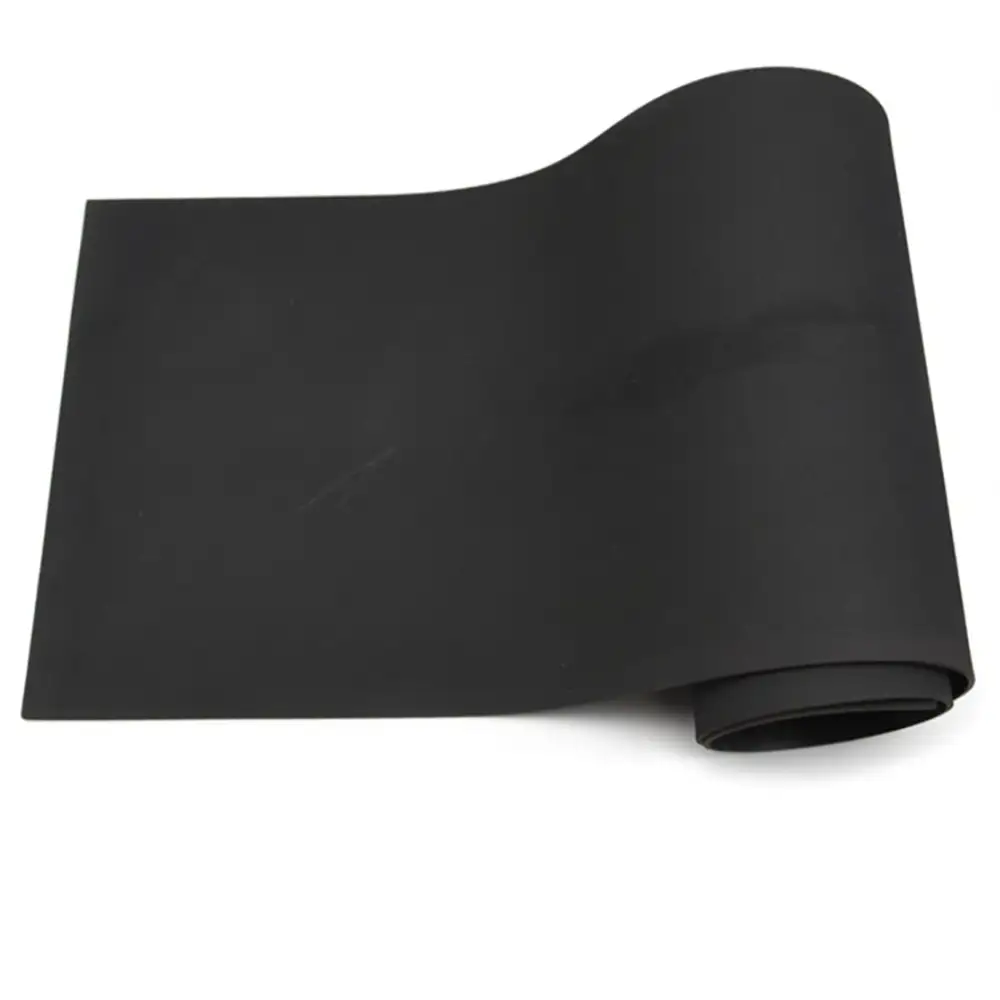
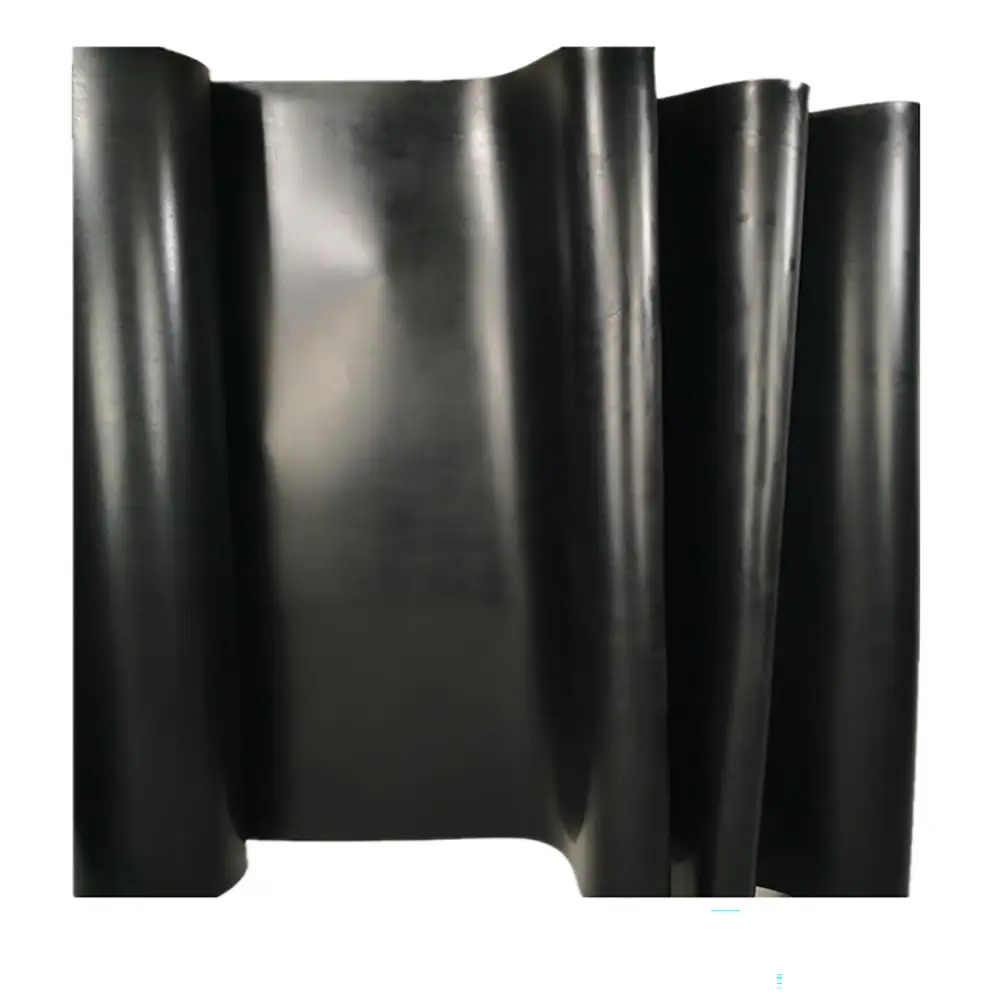
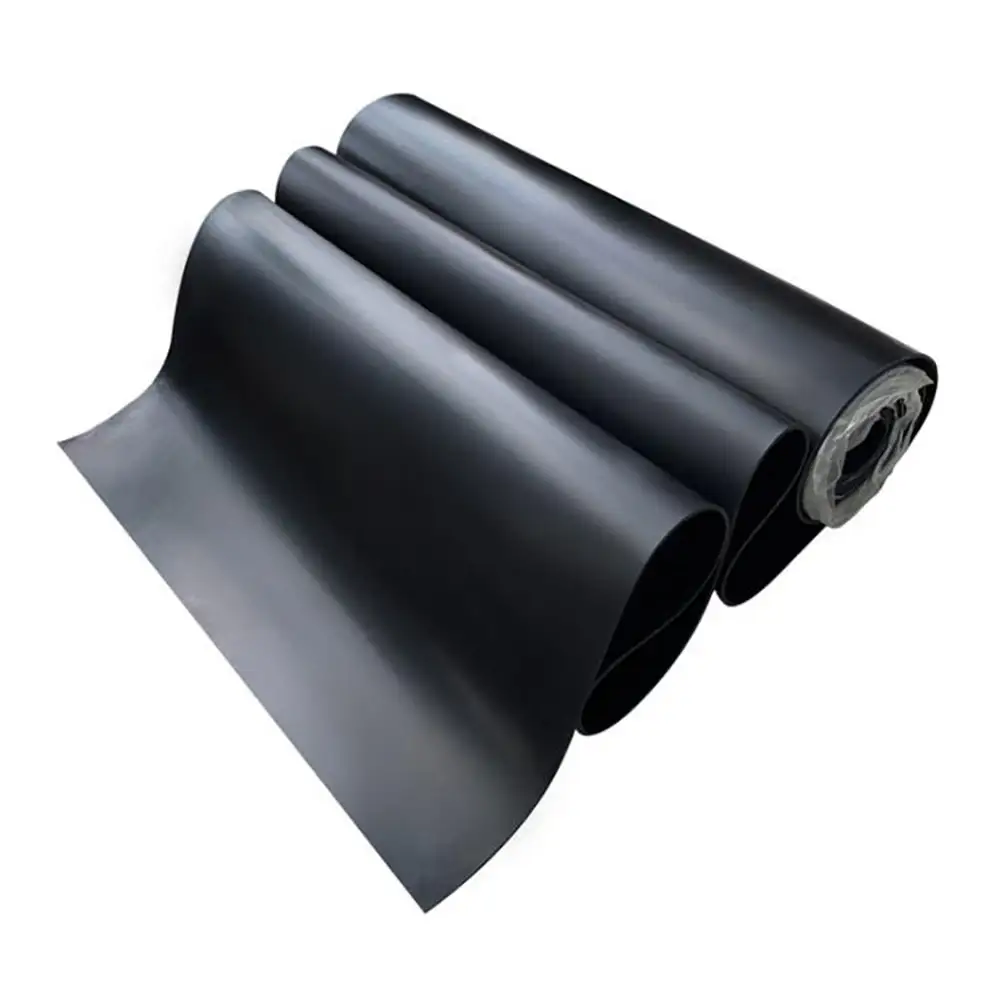
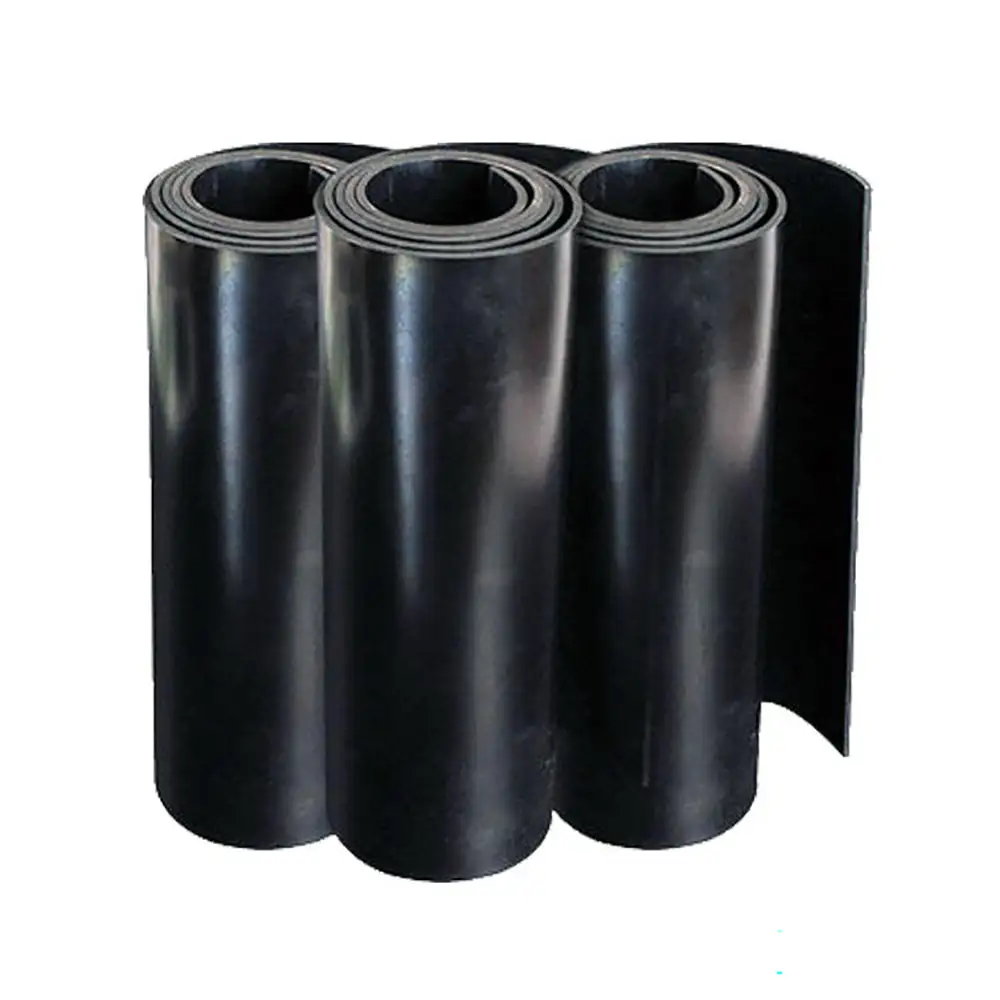
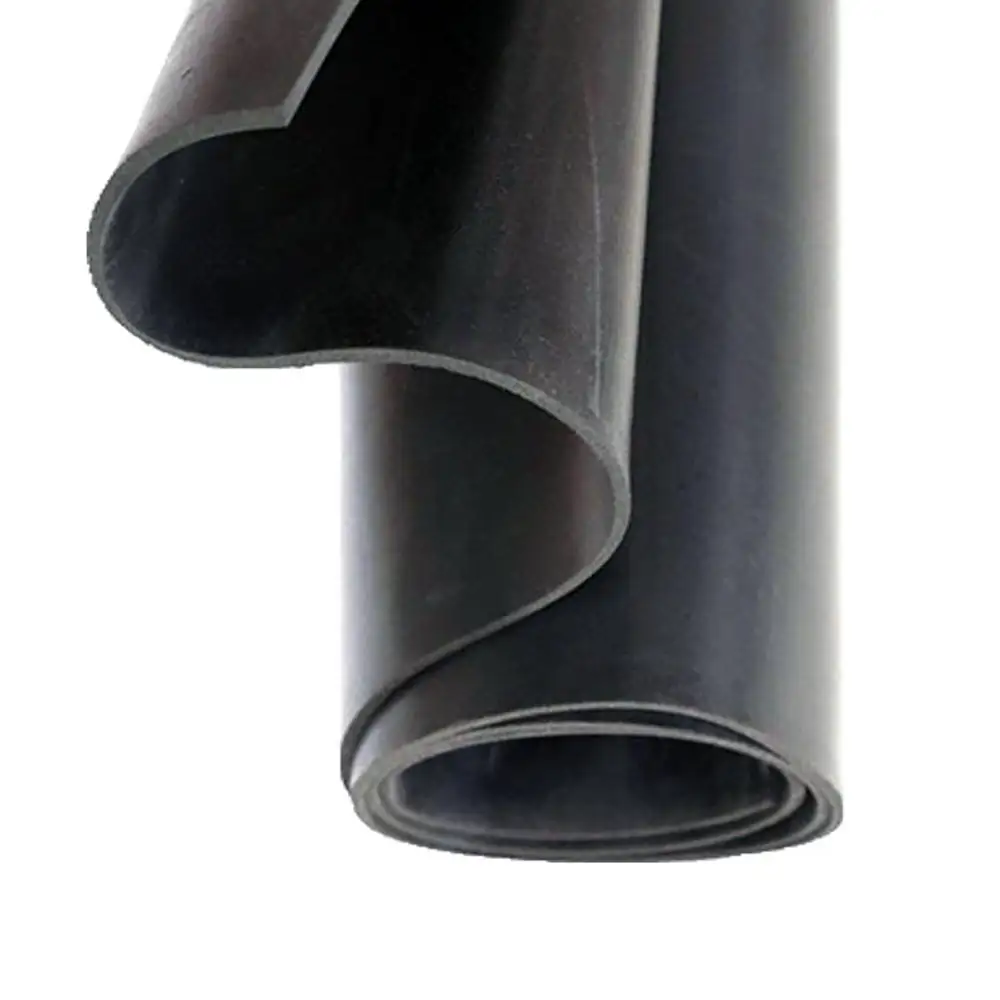
Butyl Rubber Sheet is an industrial elastomer sheet made from butyl rubber, also known as IIR (isobutylene-isoprene rubber). It is valued for its low gas permeability, flexibility, weather resistance, ozone resistance and resistance to many inorganic chemicals. In conveyor-related applications, butyl rubber sheets may be specified for selected lining, sealing, protective and corrosion-control requirements where their material properties are suitable.
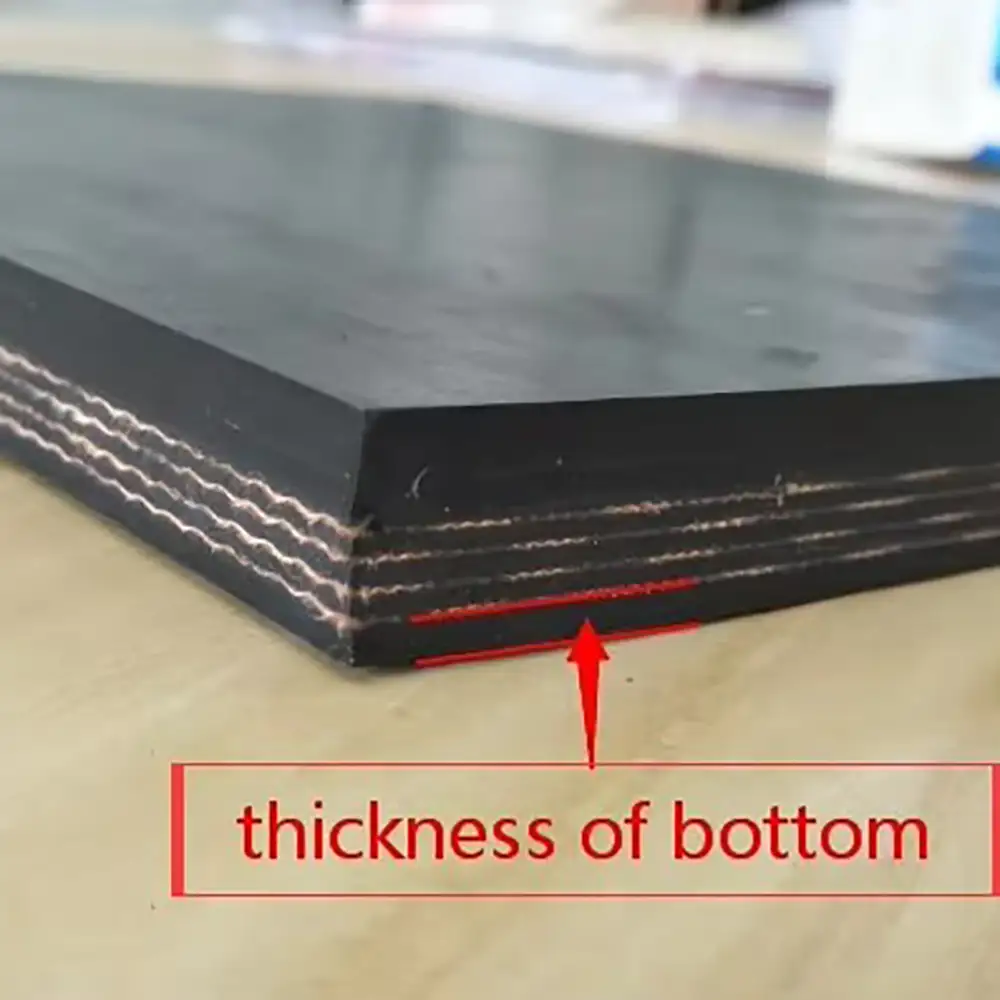
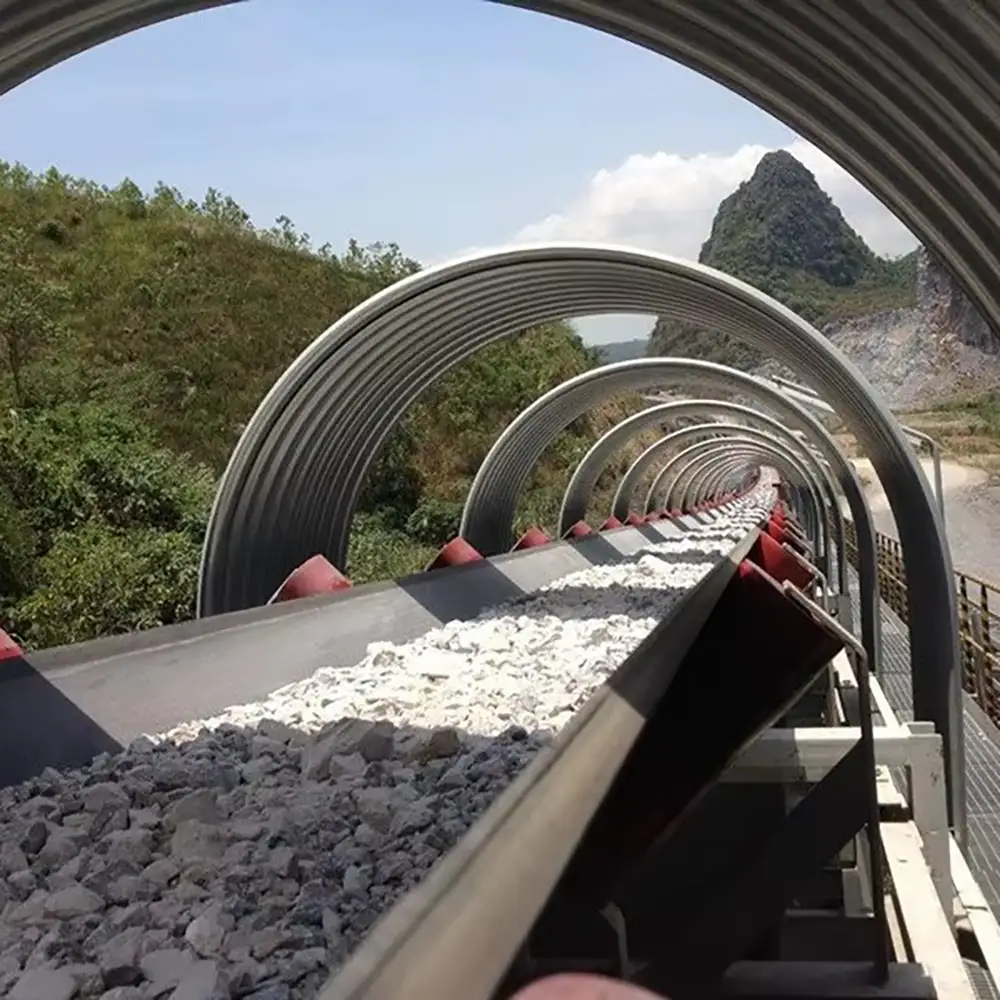
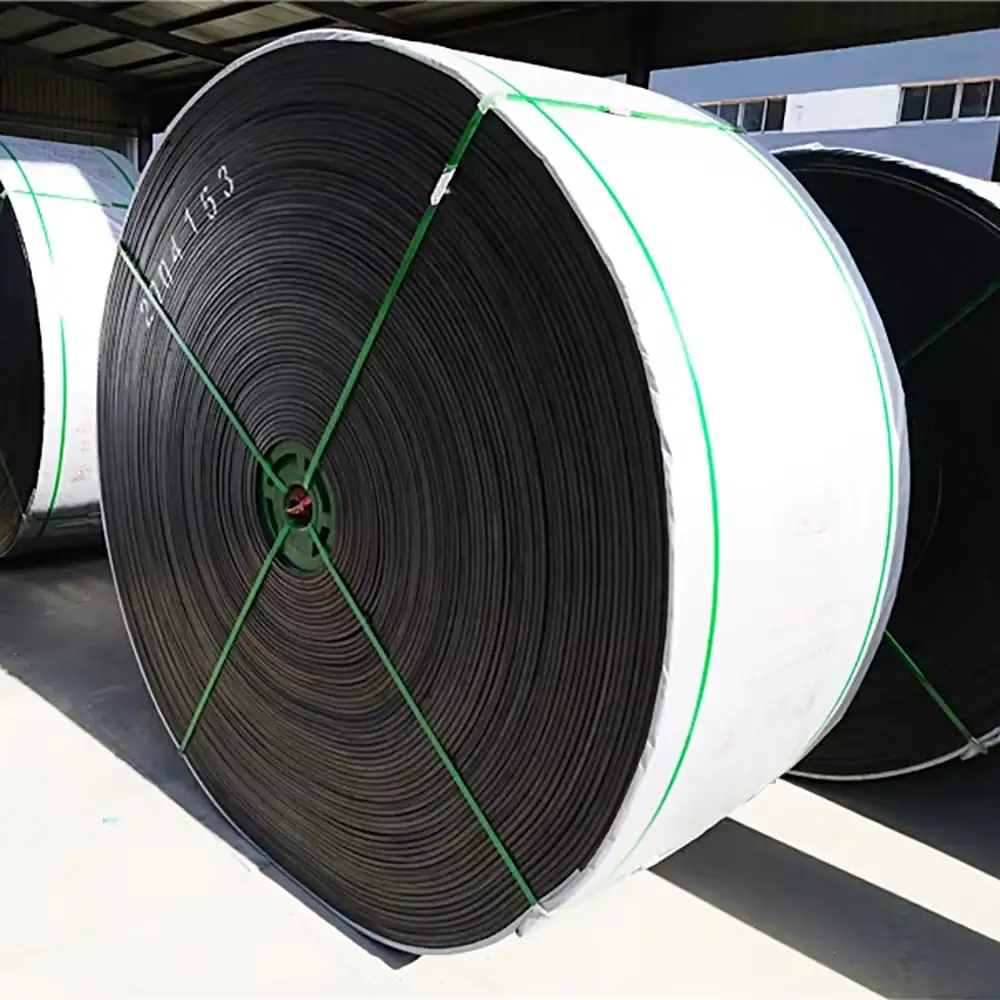
For belt conveyor systems, the phrase Butyl Rubber Sheet for Belt Conveyor may refer to rubber sheet used as a protective liner or as a component in a customized conveyor-related assembly. It is important to distinguish this product from a complete conveyor belt. A rubber sheet is a flat material supplied in rolls or sheets, while a conveyor belt is a reinforced, engineered product designed to carry tension and transport material.
Butyl rubber is not automatically the right choice for every conveyor component. Its chemical compatibility, mechanical properties, bonding requirements and operating temperature should be checked against the actual application. Butyl rubber generally performs well against many acids, alkalis, ozone and weather exposure, but it is not recommended for many petroleum oils and hydrocarbon solvents. (Trelleborg, All State Conveyors)
What Is Butyl Rubber Sheet?
Butyl rubber sheet is manufactured from IIR, a synthetic rubber based primarily on isobutylene with a small amount of isoprene. It can be compounded and processed into sheets with different thicknesses, hardness levels, colors, surface finishes and physical properties.
The material's most recognized characteristic is its low permeability to air and other gases. This makes it useful in sealing and barrier applications. Butyl rubber also has good resistance to ozone, oxidation, sunlight and many aqueous chemical environments. Its relatively low rebound resilience can provide useful vibration damping in selected applications. (Trelleborg, American Biltrite)
Butyl Rubber Sheet for Conveyor Belt Applications
In conveyor installations, rubber sheets can serve several supporting functions, including protective lining, equipment sealing, impact protection and corrosion protection. Butyl rubber may be considered when the operating environment calls for its chemical resistance or low permeability characteristics.
Potential conveyor-related uses include:
Selected chemical-resistant equipment linings
Sealing strips and gaskets
Protective layers for compatible equipment surfaces
Customized rubber components near conveyor systems
Industrial barriers and isolation layers
Specialized lining for process equipment associated with material handling
For high-wear conveyor components such as pulley lagging, belt covers, skirting and impact zones, other rubber compounds may be more appropriate depending on abrasion, friction, impact and bonding requirements. Industrial conveyor suppliers offer different rubber grades for wear protection, chemical protection, pulley lagging and skirting applications. (Trelleborg, All State Conveyors)
Key Features and Benefits
1. Low Gas Permeability
Butyl rubber has very low permeability to air and many other gases. This property makes it suitable for applications requiring a reliable gas barrier or airtight sealing layer.
2. Chemical Resistance
Butyl rubber can provide resistance to many inorganic acids, alkalis and aqueous chemicals. The exact performance depends on the chemical concentration, temperature, exposure time and rubber formulation.
3. Weather and Ozone Resistance
The material offers good resistance to ozone, sunlight and outdoor aging. This can be useful for selected industrial applications exposed to changing environmental conditions.
4. Flexibility
Butyl rubber sheets are available in different hardness grades and thicknesses. A suitable formulation can provide flexibility for lining, sealing and custom fabrication.
5. Vibration Damping
Butyl rubber's relatively low resilience can help absorb vibration and reduce transmitted noise in selected applications. The effectiveness depends on sheet thickness, hardness, mounting method and the vibration frequency.
6. Customizable Dimensions
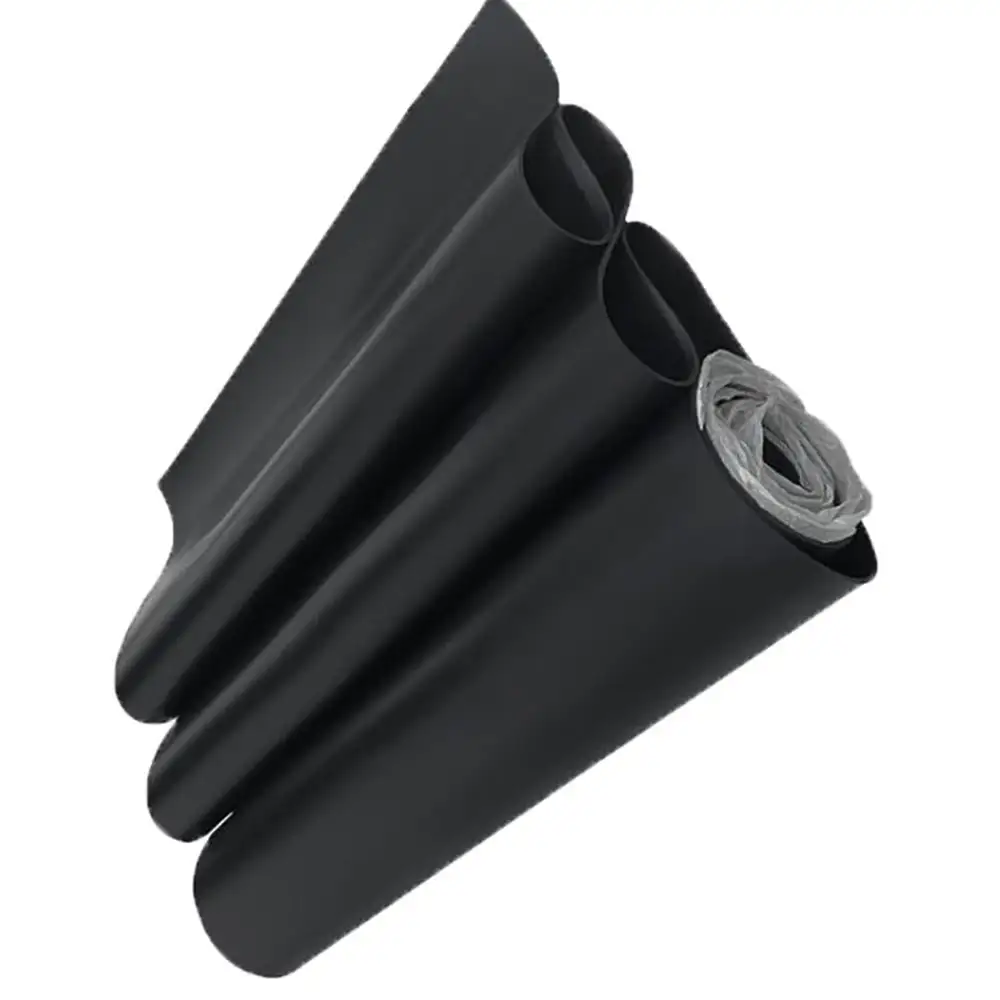
Industrial butyl rubber sheets can be supplied in different thicknesses, widths, lengths, surface finishes and hardness levels. Custom-cut parts may also be available according to drawings or samples.
Material Specifications and Custom Options
The appropriate specification depends on the end use. Common parameters include:
Material: Standard Butyl (IIR), Chlorobutyl (CIIR) or Bromobutyl (BIIR)
Thickness: Selected according to lining, sealing or fabrication needs
Hardness: Shore A grade according to flexibility and load requirements
Width and Length: Standard or customized sheet dimensions
Color: Commonly black, with other colors subject to formulation
Surface: Smooth, textured or specified finish
Reinforcement: Unreinforced sheet or a customized reinforced construction, if available
Adhesion: Surface preparation and bonding system selected for the substrate
Packaging: Rolls, flat sheets or cut pieces
Published commercial specifications vary significantly by manufacturer. For example, suppliers list different hardness and temperature ranges for their butyl sheet products, so a product data sheet should be requested before final selection. (Colmant, American Biltrite)
Butyl Rubber Sheet vs. Other Rubber Materials
Choosing the right elastomer is essential for service life and performance.
Butyl Rubber vs. EPDM: Both can offer good weather and ozone resistance. Butyl is particularly valued for low gas permeability, while EPDM is commonly selected for weathering, heat and many chemical applications. EPDM is generally unsuitable for petroleum oils and fuels.
Butyl Rubber vs. Nitrile Rubber (NBR): NBR is commonly selected for resistance to petroleum oils and fuels. Butyl is often preferred for low gas permeability and resistance to many inorganic chemicals, but it is generally a poor choice for petroleum-based fluids.
Butyl Rubber vs. Natural Rubber: Natural rubber is often selected for high elasticity, resilience and abrasion or impact performance in suitable formulations. Butyl is valued more for barrier properties, weathering and chemical resistance in compatible environments.
The final choice should be based on the complete service conditions rather than a single material property. (Trelleborg, Tenax)
Industrial Applications
Butyl rubber sheet is used in a variety of industrial sectors, including:
Chemical Processing
Fertilizer Production
Water Treatment
Industrial Sealing
Chemical Tank Lining
Gas Barrier Applications
Equipment Protection
Vibration Damping
Industrial Gaskets
Process Equipment
Specialized Conveyor-Related Assemblies
Outdoor Industrial Installations
For chemical storage and processing, butyl lining may be considered for compatible acids, alkalis and aqueous solutions. The chemical concentration and operating temperature should always be confirmed with a compatibility chart or technical specialist.
Installation and Fabrication
Before installing butyl rubber sheet as a lining or protective layer, inspect the substrate and confirm that the material is compatible with the intended service.
The substrate may need cleaning, degreasing, abrasion or priming, depending on the specified bonding system. The sheet should be cut accurately, positioned without wrinkles and installed with the recommended adhesive or mechanical fixing method.
For lining applications, joints and edges require particular attention. Poorly sealed seams, trapped air and unsuitable adhesives can reduce the effectiveness of the lining. Follow the supplier's installation instructions and allow the specified curing time before placing the equipment into service.
If the sheet is being used near a conveyor belt, confirm that it will not interfere with belt tracking, pulley rotation, belt cleaners, transfer points or other moving parts.
Why Choose Us
Industrial Rubber Sheet Supply
We support industrial customers looking for rubber sheets for lining, sealing, protection and specialized equipment applications.
Application-Based Material Selection
We help match the rubber type to the chemical environment, temperature, mechanical loading, installation method and expected service conditions.
Custom Sizes and Specifications
We can discuss sheet thickness, width, length, hardness, color, surface finish and customized cutting requirements according to project needs.
OEM and B2B Cooperation
We support equipment manufacturers, industrial distributors, maintenance contractors and project buyers with customized product specifications and export-oriented service.
Technical Communication
For projects involving conveyor equipment or chemical processing, we can review drawings, samples and application details to help clarify the required material properties before ordering.
FAQs
1. What Is Butyl Rubber Sheet?
Butyl rubber sheet is a flat elastomer material made from IIR. It is known for low gas permeability, flexibility, weather resistance and resistance to many inorganic chemicals.
2. Is Butyl Rubber Sheet Used in Conveyor Systems?
It can be used in selected conveyor-related lining, sealing and protective applications. It is not a substitute for a reinforced conveyor belt and may not be suitable for high-abrasion or high-friction components.
3. Is Butyl Rubber Suitable for Conveyor Belt Covers?
Not automatically. Conveyor belt covers must meet specific tensile, abrasion, flexing, adhesion and service requirements. A dedicated conveyor belt cover compound should be selected based on the conveyed material and operating conditions.
4. Is Butyl Rubber Resistant to Acids?
Butyl rubber can resist many inorganic acids, but compatibility depends on concentration, temperature, exposure duration and formulation. Confirm the specific chemical before use.
5. Can Butyl Rubber Resist Oil and Fuel?
Butyl rubber generally has poor resistance to petroleum oils, fuels and many hydrocarbon solvents. NBR or another suitable elastomer may be more appropriate for these environments.
6. What Is the Temperature Range of Butyl Rubber Sheet?
Temperature capability varies by formulation and supplier. Some commercial products list continuous service ranges around -45°C to +120°C or higher, but the exact product data sheet should be used for selection. (Trelleborg, Colmant)
7. Can Butyl Rubber Sheet Be Customized?
Yes. Thickness, hardness, width, length, color, surface finish and cut dimensions can be specified according to the supplier's manufacturing capabilities.
8. What Is the Difference Between Butyl and Chlorobutyl Rubber?
Chlorobutyl is a halogenated form of butyl rubber. It can offer different processing, adhesion and curing characteristics. The appropriate type depends on the required compound properties and manufacturing process.
9. Can Butyl Rubber Sheet Be Bonded to Metal?
It can be bonded to suitable substrates when the correct surface preparation and adhesive system are used. Bonding performance depends on the metal, rubber formulation, surface condition and service environment.
10. What Information Is Needed for a Quotation?
Provide the required thickness, width, length, hardness, color, chemical exposure, operating temperature, installation method and intended use. For conveyor-related applications, include the equipment drawing or a description of the installation location.
Prev:
Black Rubber Sheet SBR/CR/NBR/EPDM Rubber Sheet, Rubber Sheet Shoe Sole
Next:
Conveyor Belt Vulcanizing Machine, Conveyor Belt Joint Vulcanizing Machinery
TAG:
Industrial Rubber Sheet,
Weather Resistant Rubber Sheet,
Ozone Resistant Rubber Sheet,
Butyl Rubber Sheet,
Butyl Rubber Sheeting,
Butyl Rubber Sheet For Conveyor Belt,
Butyl Rubber Sheet For Belt Conveyor,
Industrial Butyl Rubber Sheet,
IIR Rubber Sheet,
Butyl Rubber Lining,
Butyl Rubber Liner,
Butyl Rubber Plate,
Butyl Rubber Mat,
Butyl Rubber Roll,
Butyl Rubber Gasket Sheet,
Butyl Rubber Sealing Sheet,
Butyl Rubber Lining Sheet,
Butyl Rubber Protective Sheet,
Butyl Rubber Chemical Lining,
Butyl Rubber Tank Lining,
Acid Resistant Rubber Sheet,
Alkali Resistant Rubber Sheet,
Chemical Resistant Rubber Sheet,
Gas Impermeable Rubber Sheet,
Low Permeability Rubber Sheet,
Conveyor Rubber Sheet,
Conveyor Belt Lining Rubber,
Conveyor Equipment Rubber Lining,
Rubber Sheet For Industrial Use,
Chlorobutyl Rubber Sheet,
Related Category:
Butyl Rubber Sheet,Butyl Rubber Sheet for Conveyor Belt,Butyl Rubber Sheet for Belt Conveyor China, suppliers, manufacturers, factory, customized, wholesale, quotation, made in China