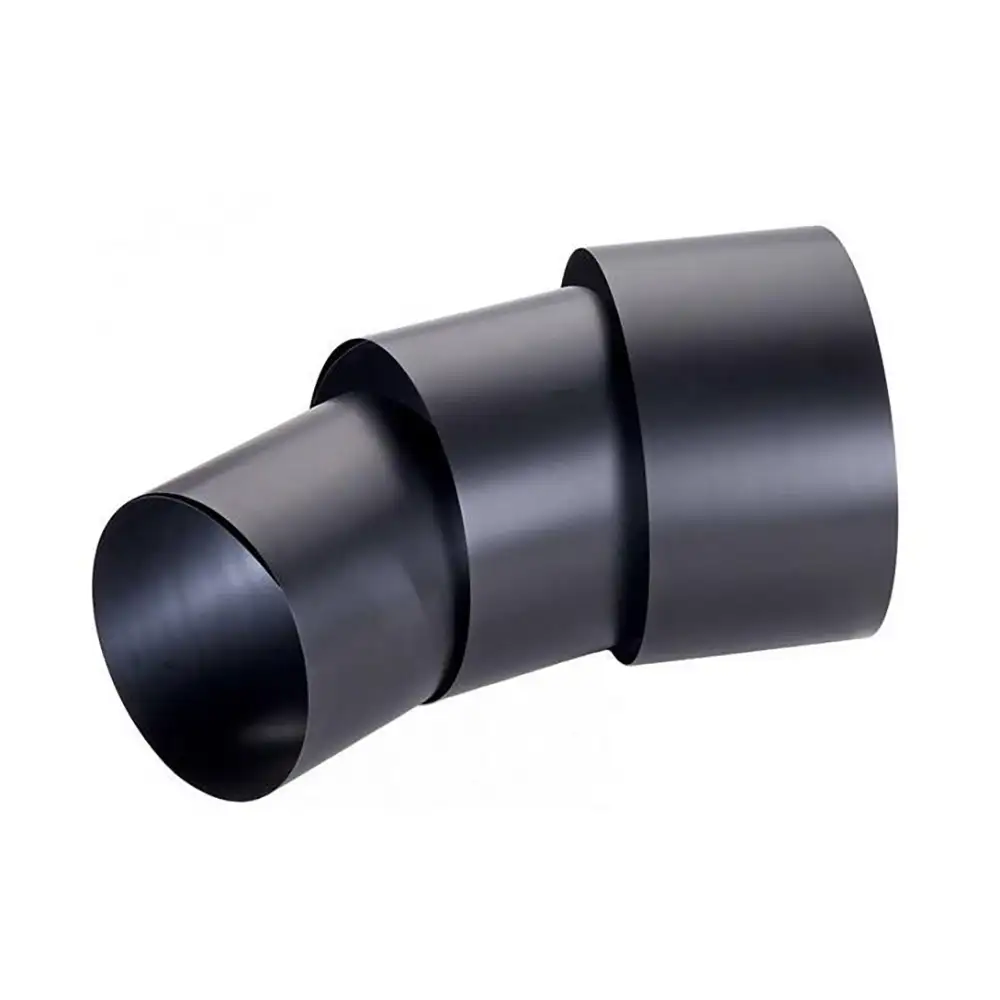
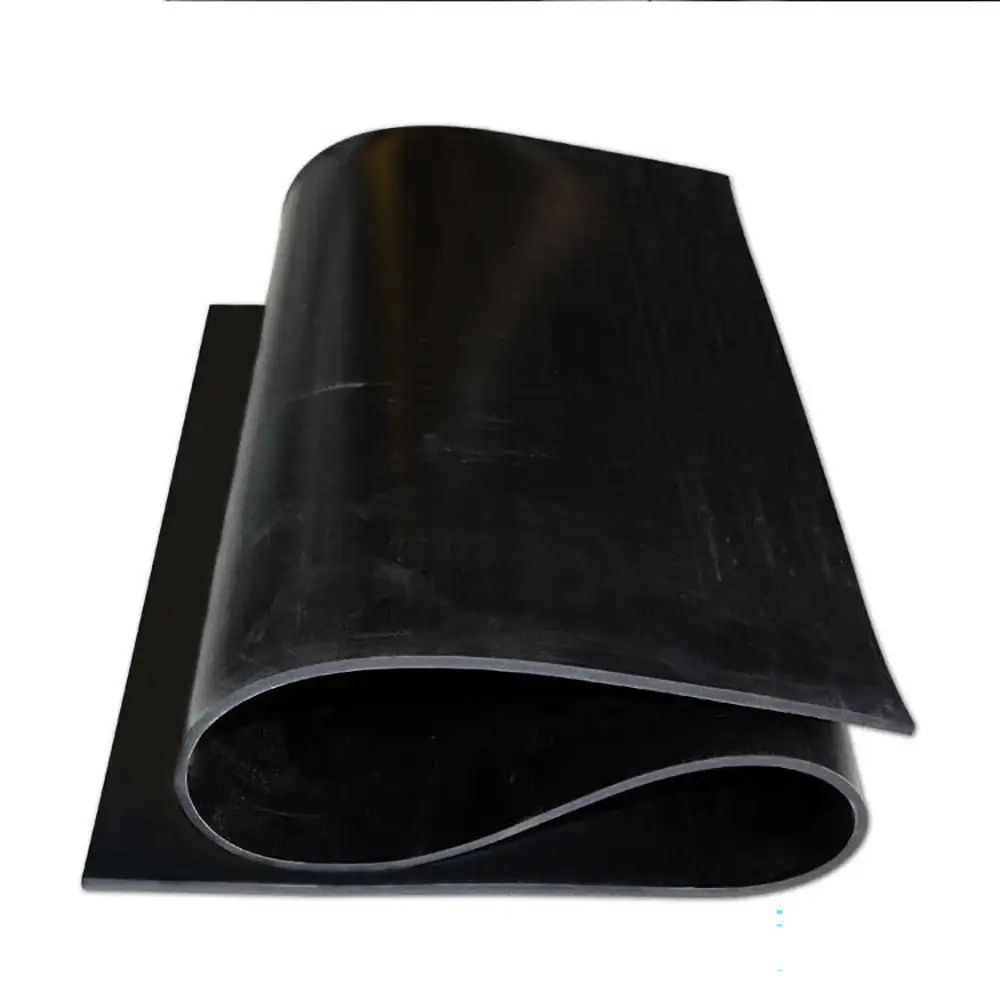
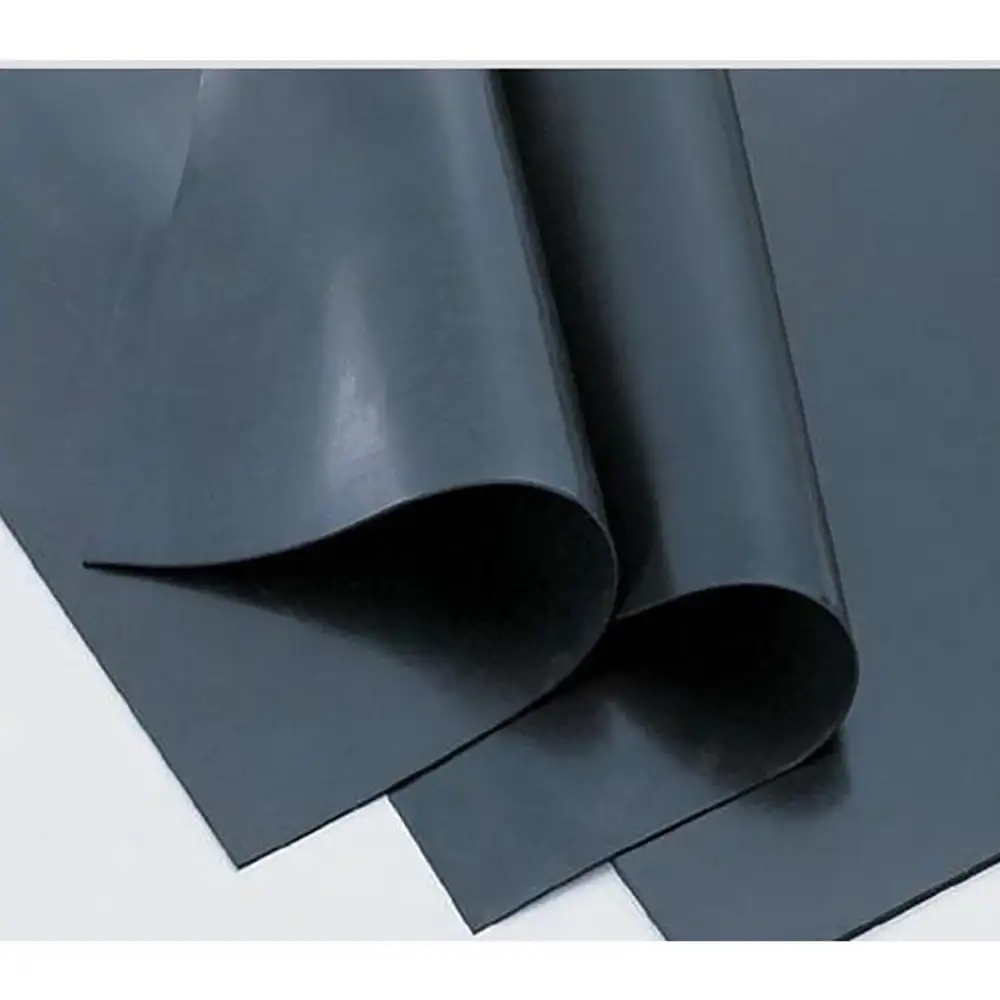
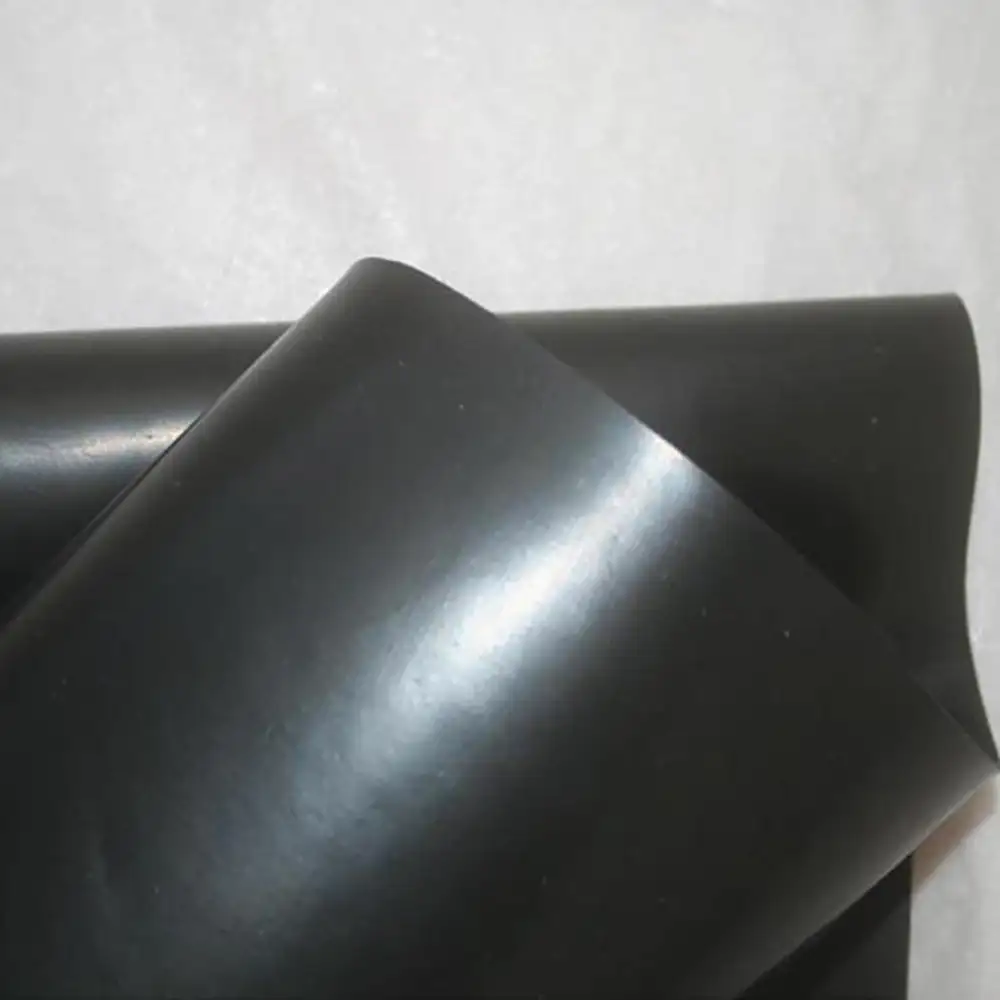
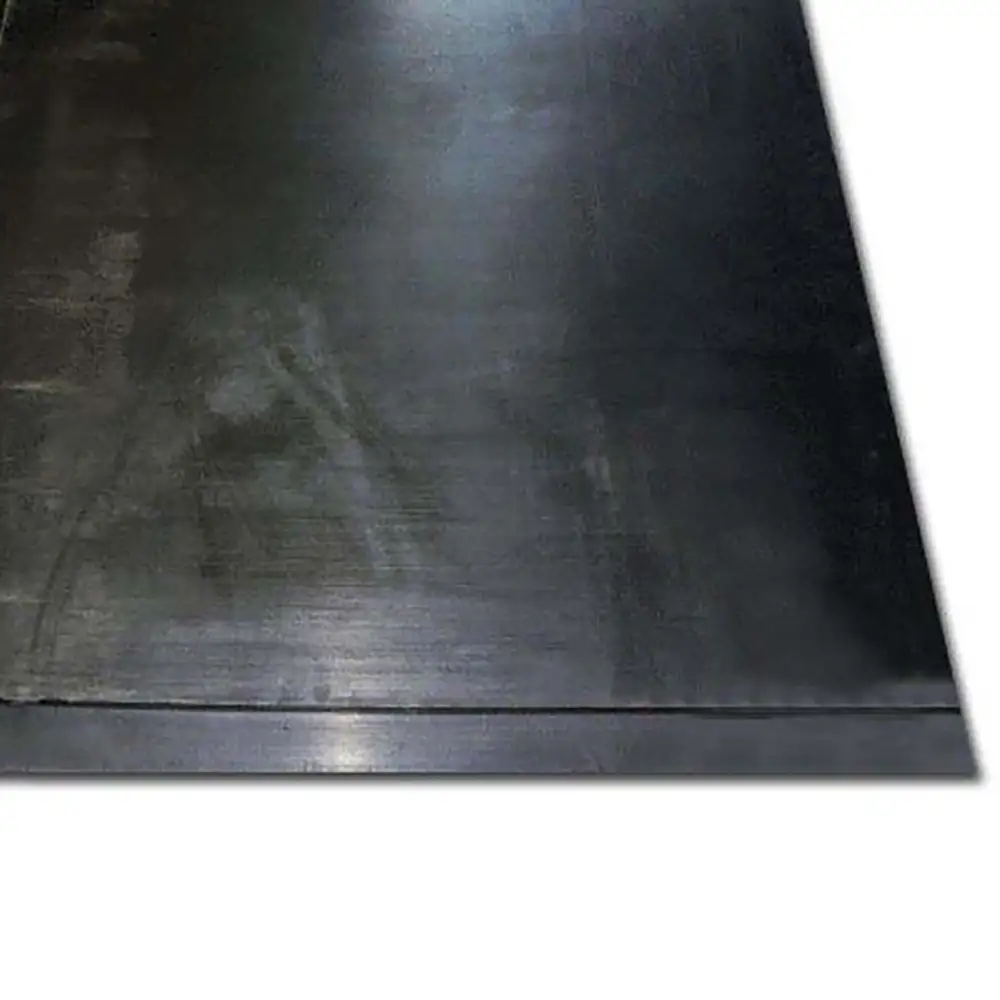
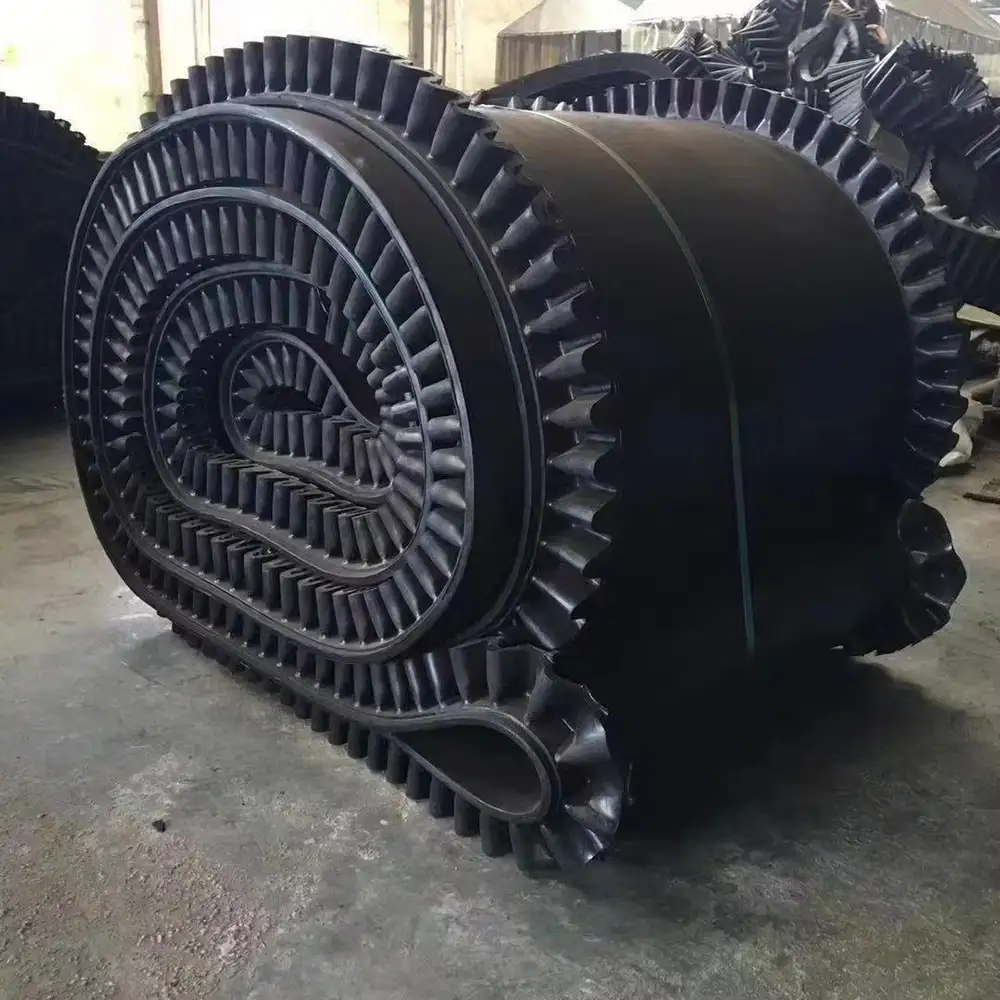
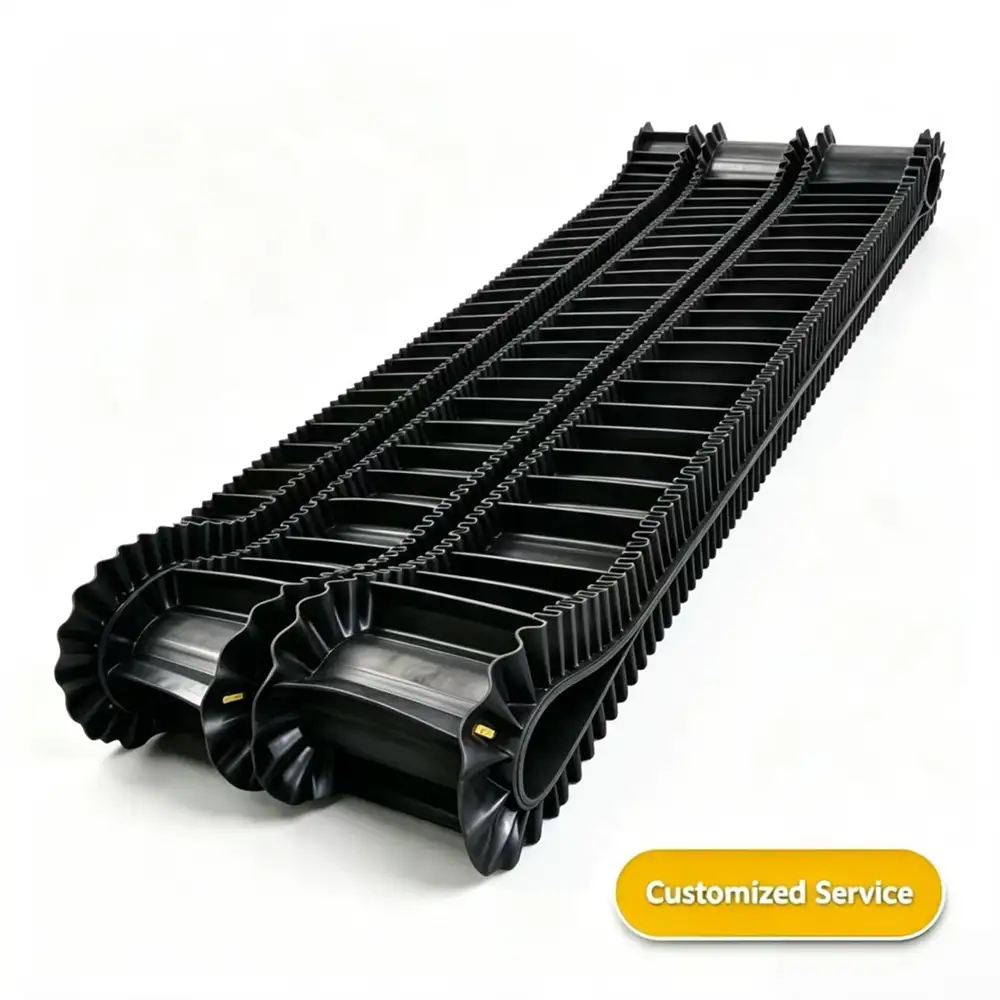
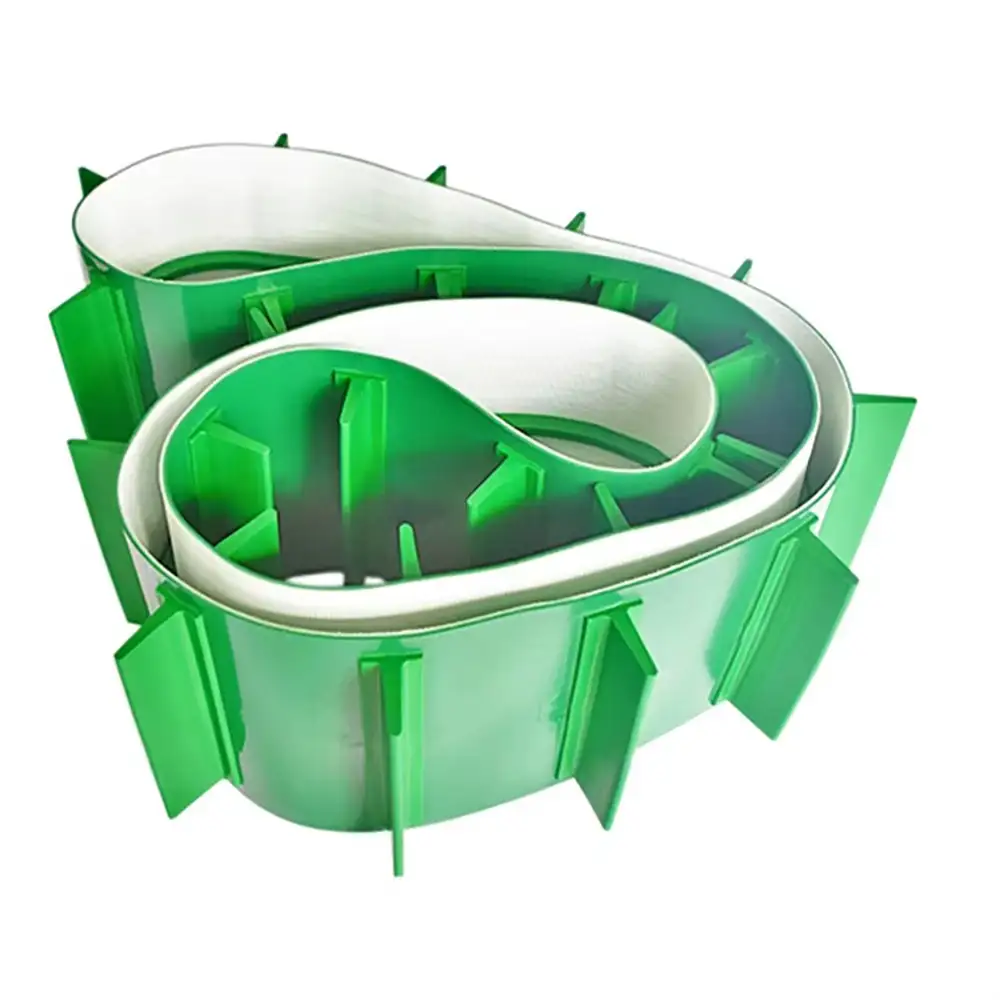
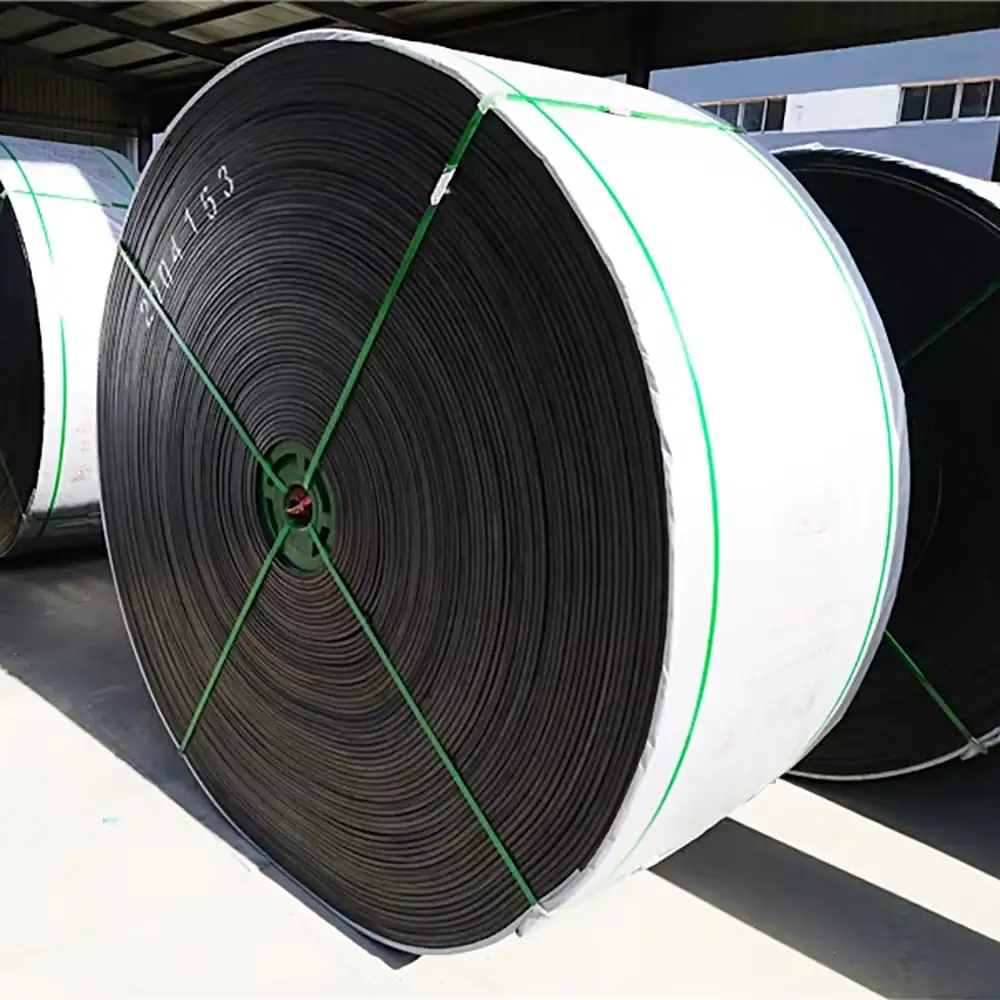
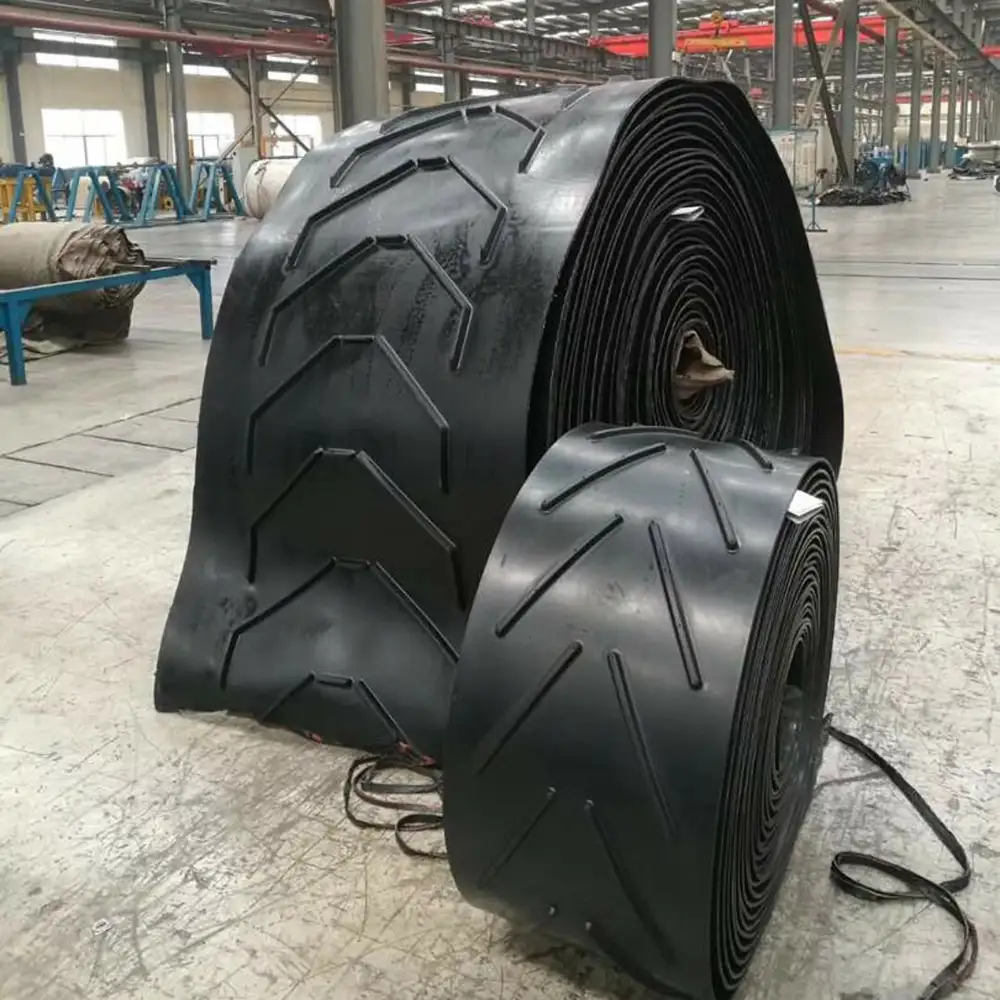
Black SBR/CR/NBR/EPDM rubber sheet, rubber sheet shoe sole Our company have exported high quantity Industry SBR, NBR, CR, EPDM, Viton, Silicone rubber sheet for many years with good quality and competitive price.
Product: rubber sheet
Specification: 1-80mmx2000mm(TXW)
Performance: With middle pressure, good water proof, anti shock and sealing performance
Density: 1.6g/Cm3
Tensile strength: >3.0MPa
Hardness: 75shoreA
Elongation: >200%
Work temperature: -30-70C
Application: Punching seals
|
Material |
SBR, NBR, CR,EPDM, Viton, Silicone |
Color |
Black or others |
|
Size |
Customized |
Certification |
ISO9001:2000 |
|
urometer |
Between 30-80 shore A |
Temperature |
-40°c--300°c |
|
Location |
China |
Package |
Carton or according to your requirement |
|
Properties |
Abrasion resistance,Ozone resistance ,Oil and fuel resistance,Heat resistance |
|
Others |
1. Meet ROHS directive |
|
|
2. According to your Drawings or Samples |
|
|
3.Customers' Designs and Specification about oil seals are Accepted |
|
|
4.Rubber oil seals' Models and Logos can be Customized according to your Requirement |
Black rubber sheet is a versatile elastomer material used in industrial manufacturing, equipment protection, sealing, cushioning, and footwear production. Available in SBR, CR, NBR, and EPDM compounds, rubber sheeting can be formulated to meet different requirements for elasticity, abrasion resistance, oil resistance, weather resistance, and mechanical performance.
For buyers sourcing industrial rubber materials or shoe sole sheets, selecting the right compound is essential. Each rubber type has a different balance of properties. SBR is commonly selected for general-purpose applications, CR (neoprene) offers a balanced range of environmental resistance, NBR is used where oil contact is a concern, and EPDM is often selected for outdoor exposure and weather resistance.
As a rubber sheet manufacturer and supplier, we can provide material options for industrial users, distributors, OEM factories, and footwear manufacturers. Sheet dimensions, hardness, surface finish, and compound formulation can be discussed according to the intended application.
Main Rubber Materials
1. SBR Rubber Sheet
SBR, or styrene-butadiene rubber, is widely used in general-purpose rubber products. It offers useful elasticity and mechanical properties for applications that do not require specialized resistance to oils or outdoor weathering.
Typical applications include industrial pads, protective layers, general-purpose gaskets, cushioning components, and selected shoe sole formulations. SBR can be a practical option when the main requirements are basic durability, flexibility, and cost-conscious material selection.
2. CR Neoprene Rubber Sheet
CR, commonly known as neoprene, is used in applications that need a combination of mechanical strength and resistance to weathering, ozone, and some oils. Its balanced properties make it suitable for selected industrial seals, protective sheets, equipment components, and fabricated rubber parts.
CR rubber sheet is also used in footwear applications where the compound is designed for the required flexibility, wear performance, and processing method. The actual performance depends on the grade and formulation.
3. NBR Nitrile Rubber Sheet
NBR, or nitrile butadiene rubber, is commonly selected for applications involving contact with oils, greases, and certain fuels. It is frequently used in industrial seals, gaskets, protective components, and machinery parts.
NBR is not automatically suitable for every chemical or outdoor environment. Compatibility depends on the specific fluid, temperature, exposure time, and compound formulation. Buyers should confirm the intended operating conditions before selecting a grade.
4. EPDM Rubber Sheet
EPDM rubber sheet is often chosen for outdoor and weather-exposed applications. It provides useful resistance to ozone, sunlight, moisture, and many environmental conditions. It is commonly used for weather seals, outdoor pads, protective sheets, and selected industrial applications.
EPDM is generally not the preferred choice for applications involving petroleum oils and fuels. Where oil contact is expected, NBR or another compatible compound may be more appropriate.
Rubber Sheet for Shoe Sole Production
Rubber sheets for shoe soles are used by footwear manufacturers and component suppliers producing outsoles, sole layers, pads, and related rubber parts. The appropriate compound depends on shoe type, molding or cutting process, required flexibility, abrasion performance, grip, and appearance.
Shoe sole materials may require a different formulation from general industrial rubber sheets. Buyers should specify whether the material is intended for direct molding, sheet cutting, bonding, or another production process. Important requirements may include hardness, density, color consistency, surface texture, flex performance, and bonding compatibility.
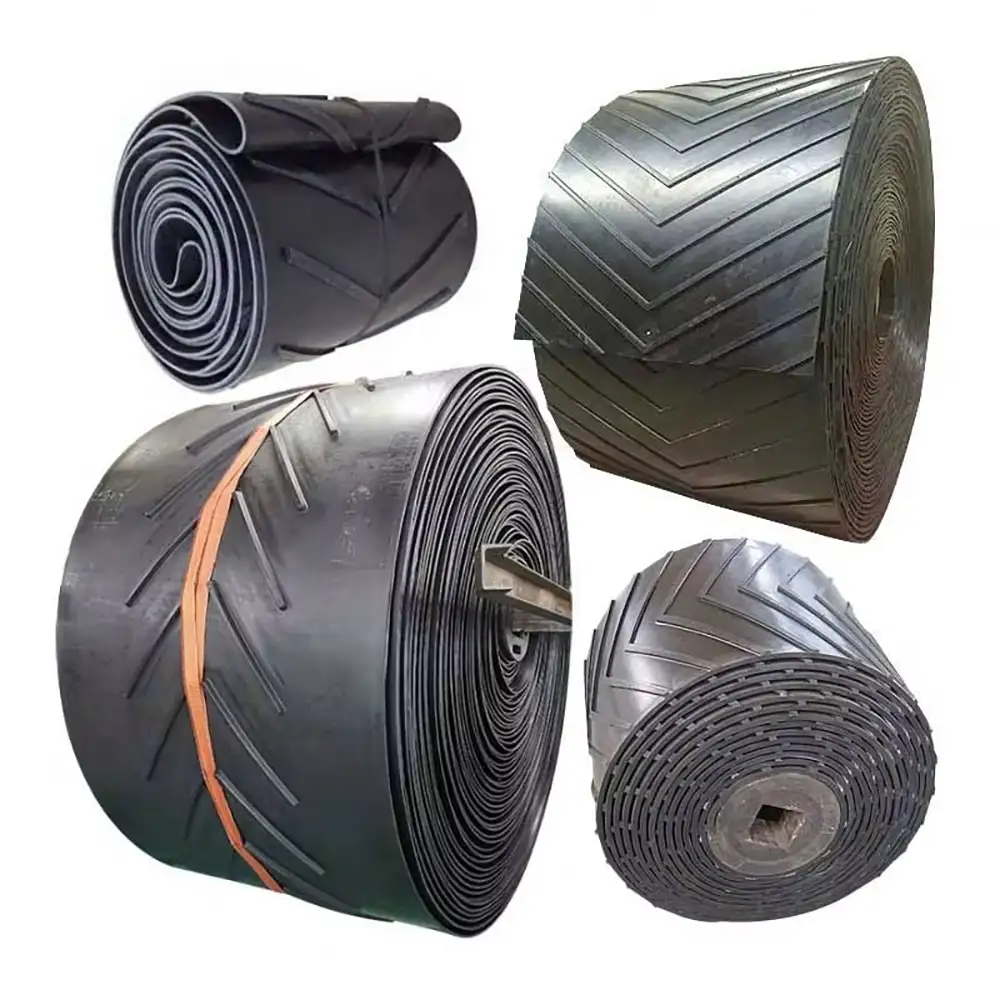
Depending on the product design, rubber sheet can be supplied in rolls, flat sheets, or cut-to-size formats. Confirm the required dimensions and processing method before ordering.
Key Features and Benefits
Multiple Material Options: SBR, CR, NBR, and EPDM compounds for different operating conditions.
Flexible Specifications: Available in different thicknesses, widths, lengths, and hardness grades, subject to production capability.
Industrial Versatility: Suitable for selected sealing, cushioning, lining, and protective applications.
Custom Fabrication: Can be discussed for cutting, slitting, surface finishes, and other conversion requirements.
Footwear Applications: Suitable grades may be used for shoe sole sheets and related rubber components.
Bulk Supply: Options for OEM manufacturers, wholesalers, distributors, and industrial procurement teams.
Applications
Black rubber sheets are used across a range of industries and manufacturing processes, including:
Industrial Equipment: Protective pads, machine components, and cushioning layers.
Automotive and Machinery: Selected seals, gaskets, and oil-contact components.
Construction and Infrastructure: Weather seals, protective layers, and vibration-control applications.
Footwear Manufacturing: Rubber sole sheets, outsole components, and cut rubber parts.
General Fabrication: Custom strips, sheets, and components made to drawing or sample.
Maintenance and Repair: Replacement sheet material for compatible industrial uses.
The best material depends on the operating environment. Confirm the expected loads, fluids, temperature, exposure, and service life when requesting a quotation.
Available Specifications and Customization
Rubber sheet specifications vary by compound and production method. Common purchasing parameters include:
Material: SBR, CR, NBR, EPDM, or a specified blend.
Color: Black as standard; other colors may be available by request.
Thickness: Selected according to the design, load, and fabrication process.
Width and Length: Roll or sheet dimensions based on production capability.
Hardness: Shore A grades selected for flexibility, compression, and application needs.
Surface: Smooth, textured, or other available finishes.
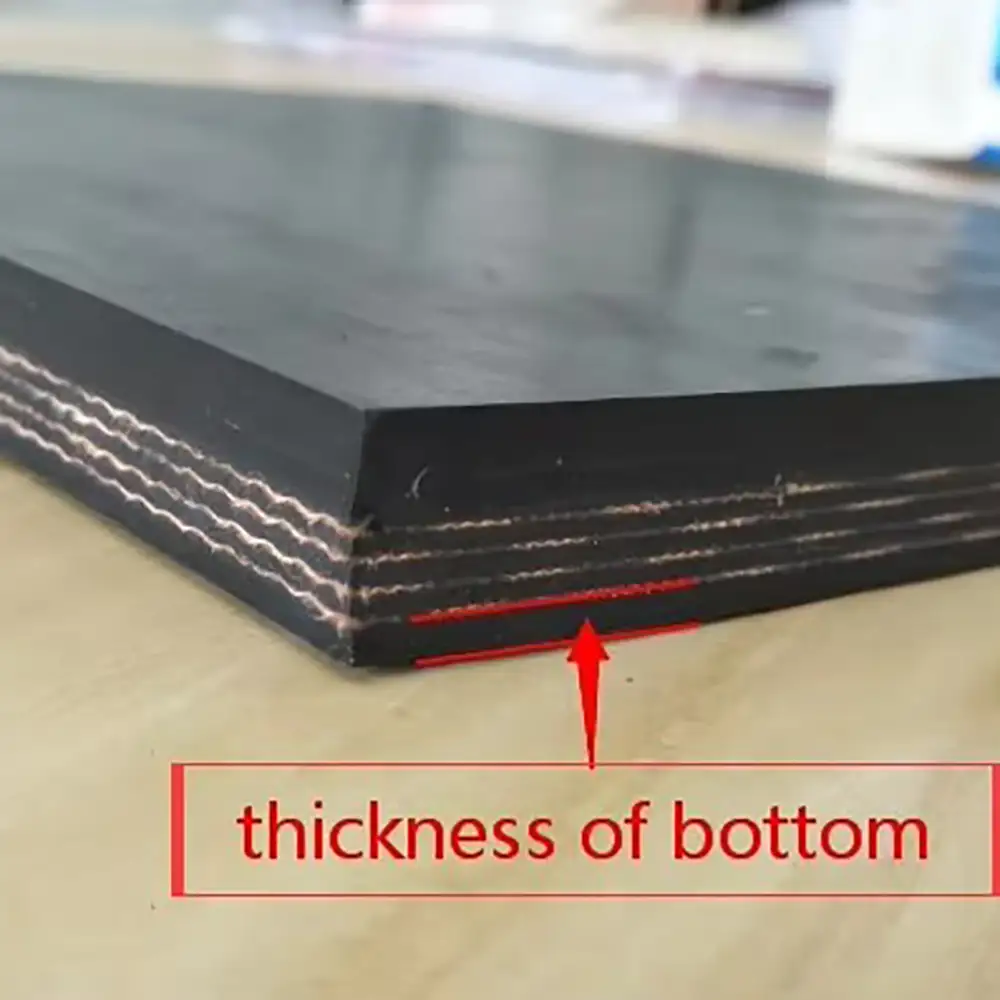
Reinforcement: Fabric insertion or other reinforcement options, where offered.
Processing: Cutting, slitting, or custom dimensions according to the order.
For accurate material selection, provide a drawing, sample, or specification sheet whenever possible. Technical values such as tensile strength, elongation, density, compression set, and temperature suitability should be confirmed for the exact compound being quoted.
How to Choose the Right Rubber Sheet
Start with the main operating condition rather than choosing by color or price alone. For general-purpose use, SBR may be suitable. For outdoor exposure, EPDM is often considered. For oil contact, NBR is commonly evaluated. Where a balanced set of mechanical and environmental properties is needed, CR may be an option.
For shoe sole production, discuss the finished footwear type, manufacturing process, required flexibility, surface design, and wear expectations. A sample evaluation can help verify that the selected compound works with the production equipment and bonding process.
Quality Control, Packaging, and Supply
A consistent supply program should include clear material identification, agreed dimensions, and inspection requirements. Depending on the order, buyers may request checks for thickness, width, hardness, appearance, and other agreed properties.
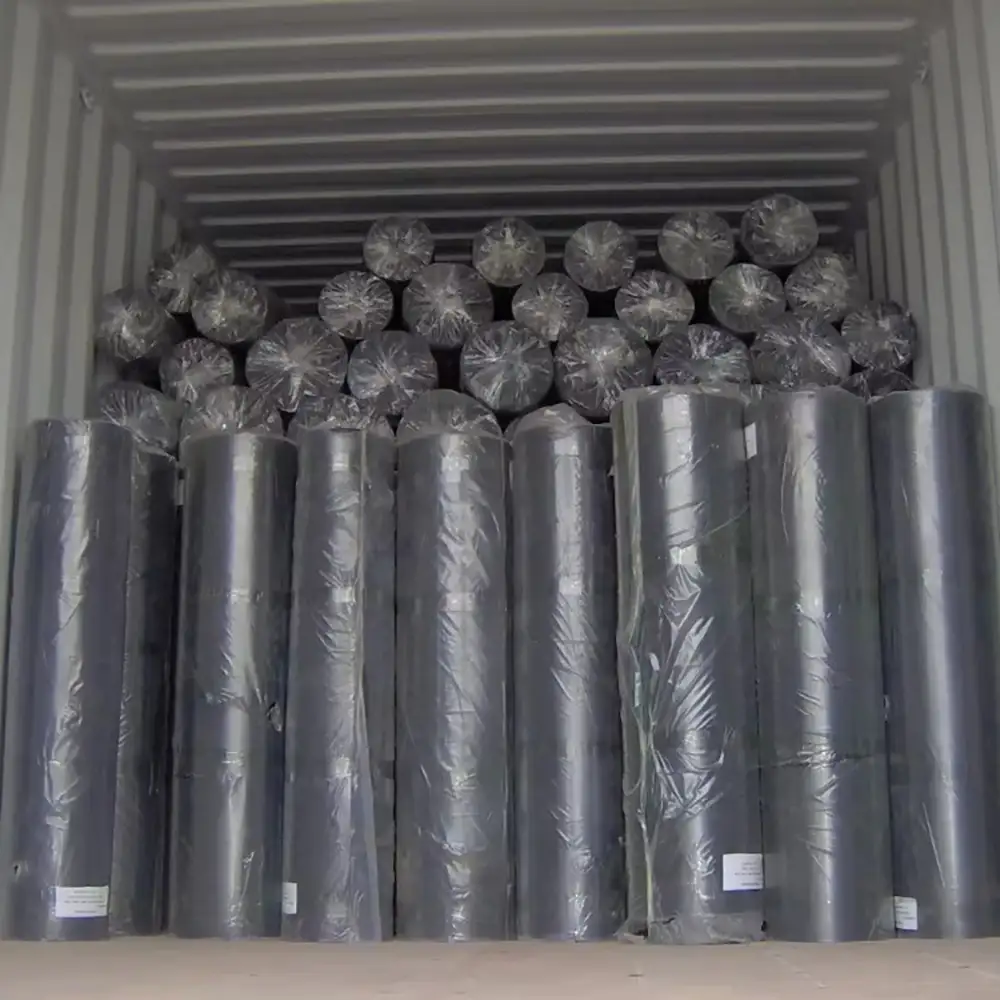
Rubber sheets can be packed in rolls or flat formats, with packaging selected to protect the material during storage and transport. For repeat orders, keeping the compound designation and approved specification consistent can help reduce variation between batches.
Why Choose Us
Material Selection Support: We help buyers compare SBR, CR, NBR, and EPDM based on the intended application.
Custom Specifications: Discuss thickness, hardness, dimensions, surface finish, and fabrication requirements.
OEM and Wholesale Supply: Support for footwear factories, industrial manufacturers, distributors, and bulk buyers.
Application-Based Recommendations: Share your operating conditions so the proposed material can be matched to the actual requirements.
Export-Oriented Communication: Clear product specifications and quotation details help simplify international purchasing.
Sample and Specification Review: Where available, samples or technical documents can be reviewed before production approval.
Frequently Asked Questions
1. What is the difference between SBR, CR, NBR, and EPDM rubber sheets?
SBR is a common general-purpose material, CR offers balanced mechanical and environmental properties, NBR is commonly used for oil resistance, and EPDM is often selected for outdoor weather resistance. The best option depends on the actual application.
2. Which rubber sheet is suitable for shoe soles?
The suitable material depends on footwear design and production requirements. SBR and other rubber compounds may be used in sole production, but the formulation should be selected for the required wear, flexibility, grip, and processing performance.
3. Can I order black rubber sheets in custom thicknesses?
Custom thicknesses may be available depending on the compound and manufacturing process. Provide your target thickness, tolerance, width, and length for confirmation.
4. Is NBR rubber sheet resistant to all oils and fuels?
No. NBR is commonly used for oil-contact applications, but compatibility varies with the fluid composition, temperature, and exposure conditions. Confirm the exact service environment before ordering.
5. Is EPDM suitable for outdoor use?
EPDM is commonly selected for outdoor applications because of its weathering and ozone resistance. Its suitability still depends on the compound and operating conditions.
6. Can rubber sheets be supplied with a smooth surface?
Smooth finishes are common, and other finishes may be available. Specify whether one or both sides need a particular surface texture.
7. Can you provide rubber sheets for cutting and fabrication?
Depending on the order and production capability, sheets may be supplied for cutting, slitting, or further conversion. Share the required dimensions and process.
8. What information is needed for a quotation?
Provide the rubber type, thickness, width, length, hardness, quantity, surface finish, and intended application. A drawing or sample can help clarify special requirements.
9. Are reinforced rubber sheets available?
Some product ranges offer fabric-inserted or otherwise reinforced sheets. Availability and construction depend on the required compound and specification.
10. How should I store rubber sheets before use?
Store them in a clean, dry place away from direct sunlight, excessive heat, ozone sources, and chemicals that may damage the compound. Follow the supplier's storage guidance for the specific material.
Request a Quote
Contact us with your target material, dimensions, hardness, quantity, and application. We can review your requirements and discuss suitable black rubber sheet options for industrial use or shoe sole production.
Prev:
Industrial Conveyor Belts, Heat resistant Industrial Conveyor Belts
Next:
Butyl Rubber Sheet For Belt Converyor, Butyl Rubber Sheet Publisher
TAG:
Industrial Rubber Sheet,
NBR Rubber Sheet,
Nitrile Rubber Sheet,
Oil Resistant Rubber Sheet,
Abrasion Resistant Rubber Sheet,
Rubber Gasket Sheet,
Rubber Sealing Sheet,
General Purpose Rubber Sheet,
SBR Rubber Sheet,
CR Rubber Sheet,
Neoprene Rubber Sheet,
Weather Resistant Rubber Sheet,
Heat Resistant Rubber Sheet,
Rubber Lining Sheet,
EPDM Rubber Sheet,
Custom Rubber Sheet,
Rubber Padding Sheet,
Rubber Cushion Sheet,
Rubber Strip,
Custom Cut Rubber Sheet,
Reinforced Rubber Sheet,
Cloth Inserted Rubber Sheet,
Rubber Sheet for Shoe Sole,
Shoe Sole Rubber Sheet,
Rubber Sole Sheet,
Rubber Outsole Sheet,
Shoe Sole Material,
Rubber Sole Material,
Footwear Rubber Sheet,
Shoe Making Rubber Sheet,
Related Category:
Black Rubber Sheet, SBR Rubber Sheet, CR Rubber Sheet, NBR Rubber Sheet, EPDM Rubber Sheet China, suppliers, manufacturers, factory, customized, wholesale, quotation, made in China