Models:
Mode1: able to with stand the test temperature of less than 100°C, code S1
Mode2: able to with stand the test temperature of less than 125°C, code S2
Mode3: able to with stand the test temperature of less than 150°C, code S3
Mode4: able to with stand the test temperature of less than 175°C, code S4
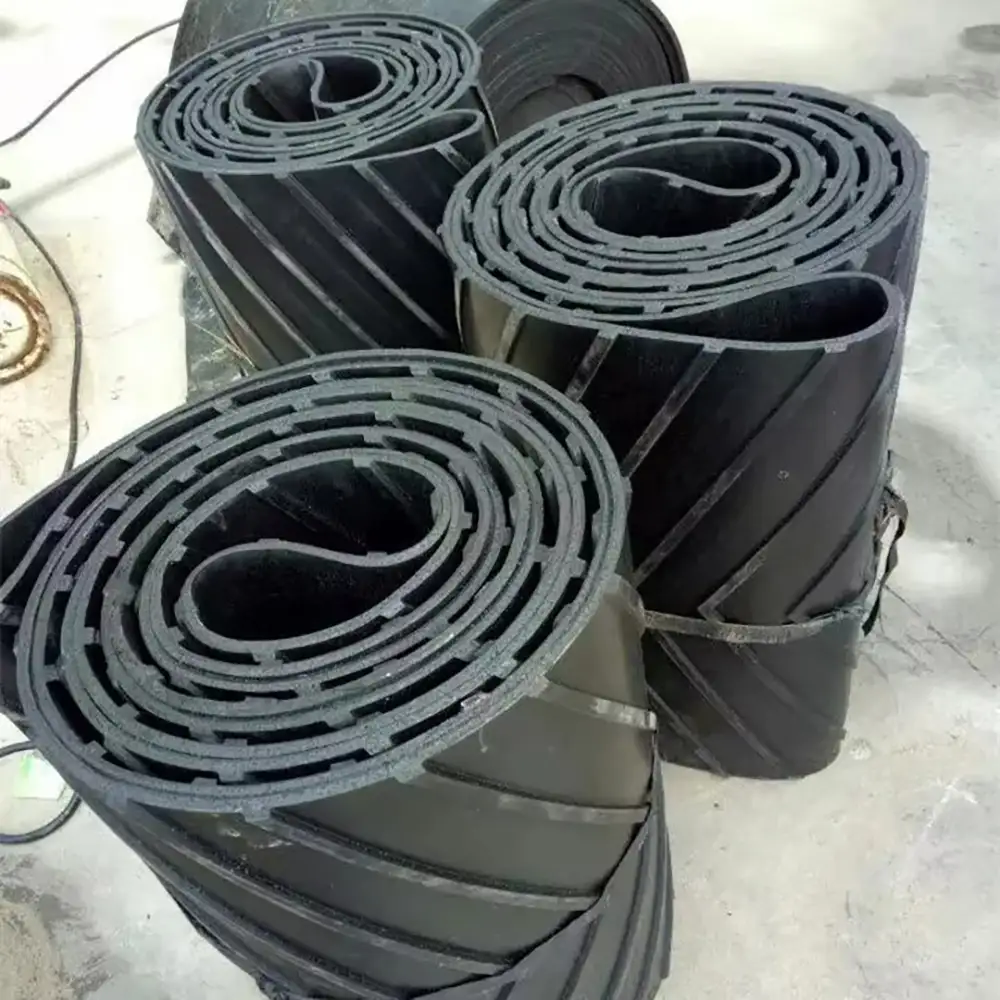
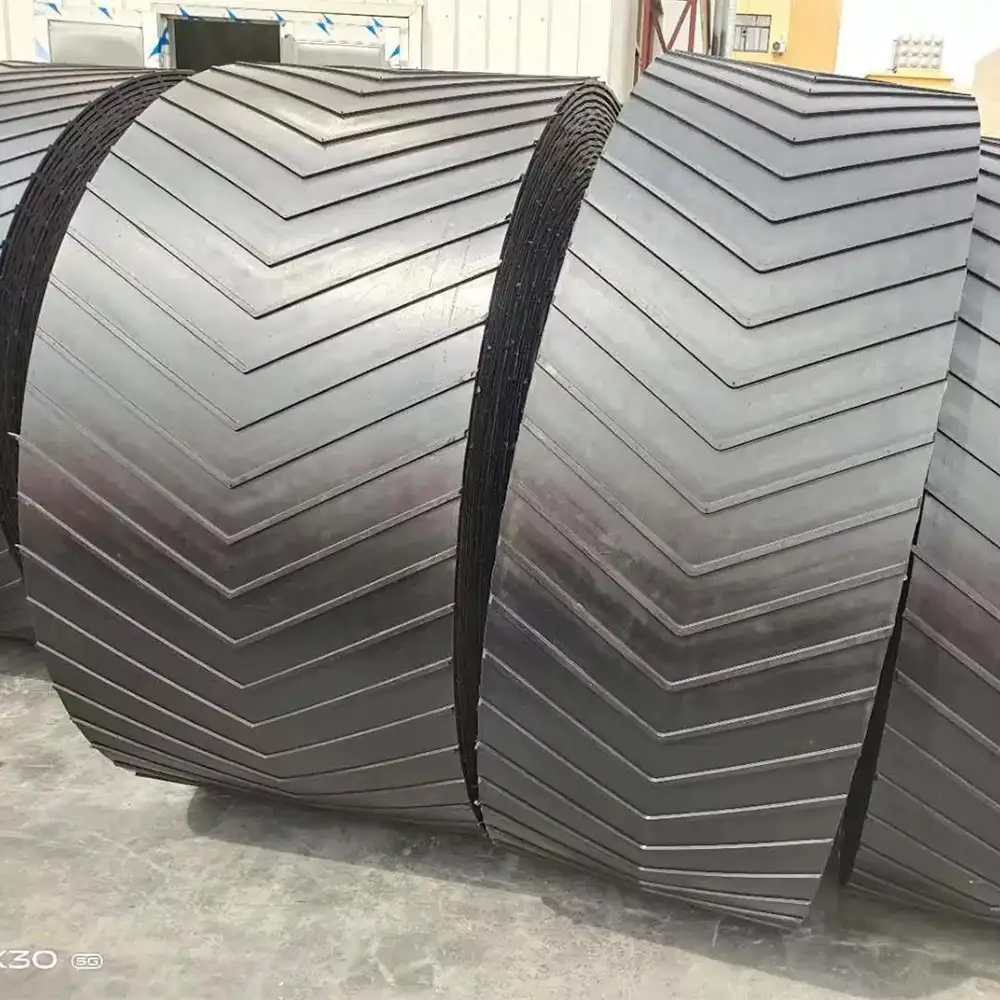
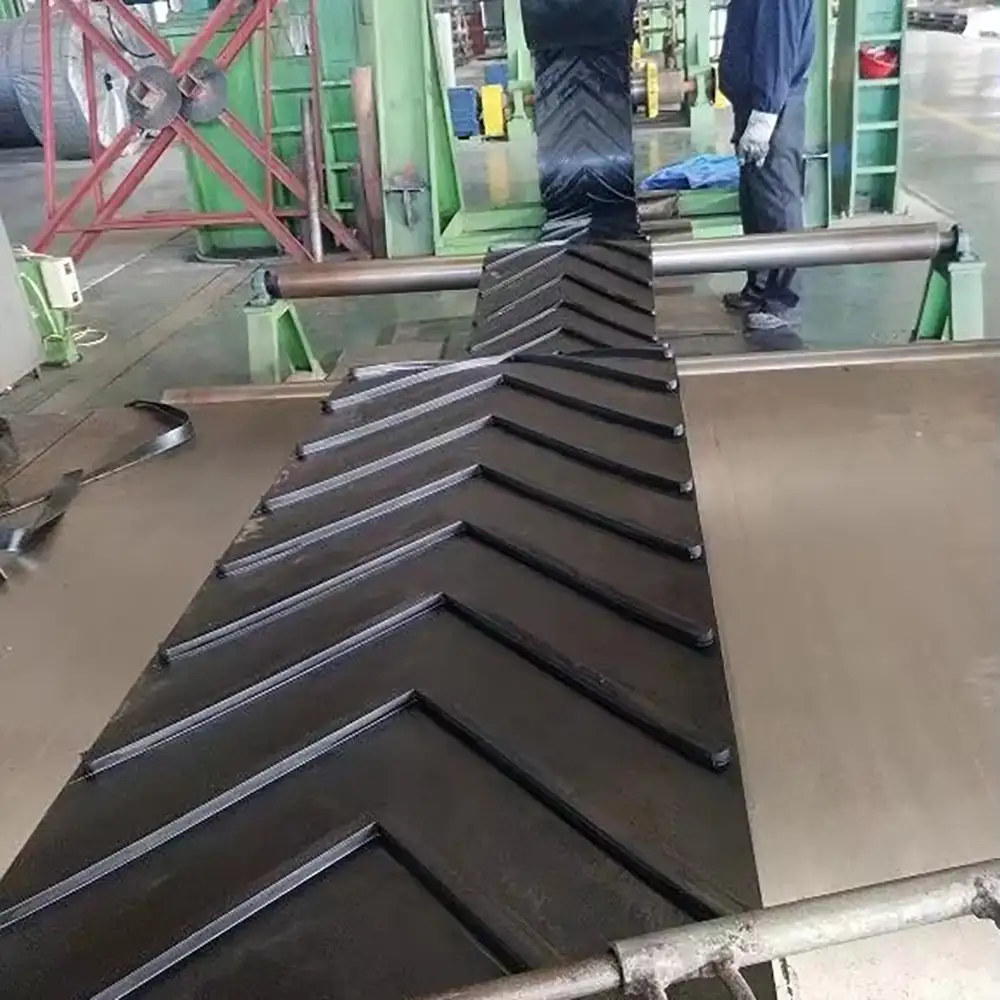
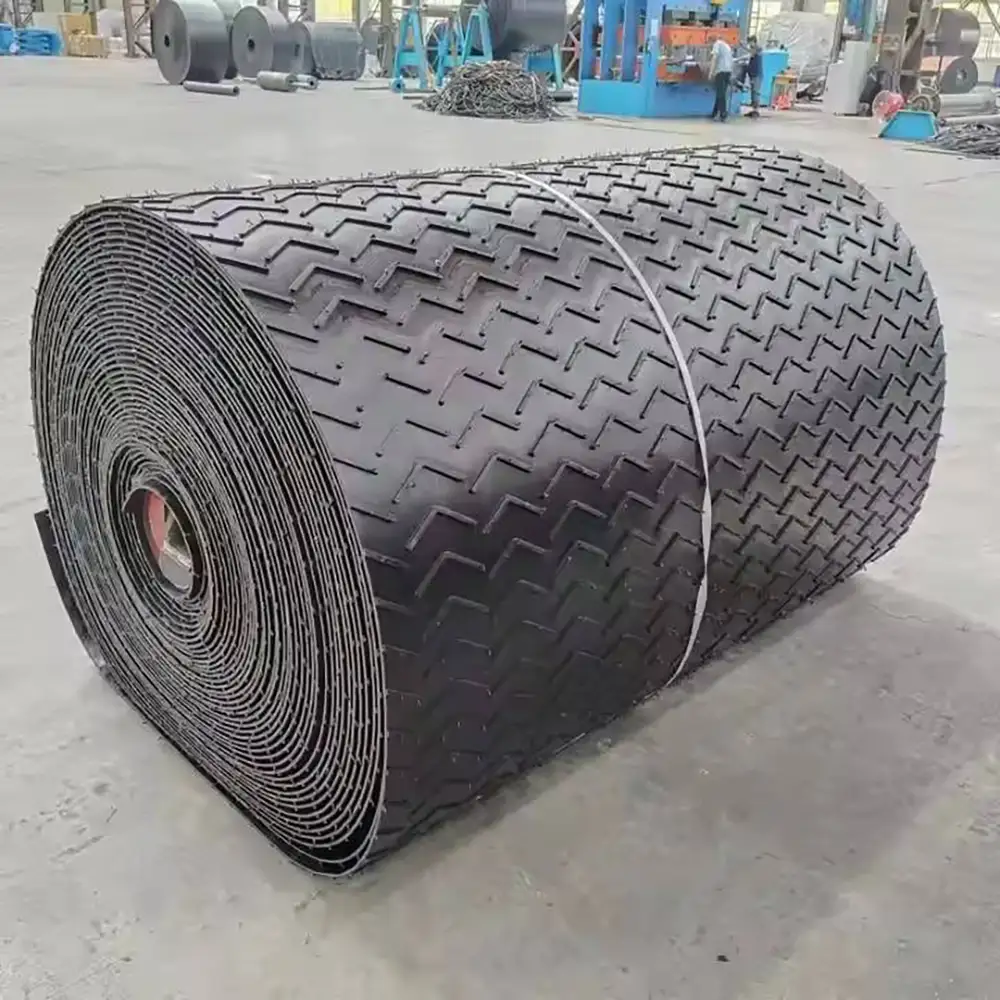
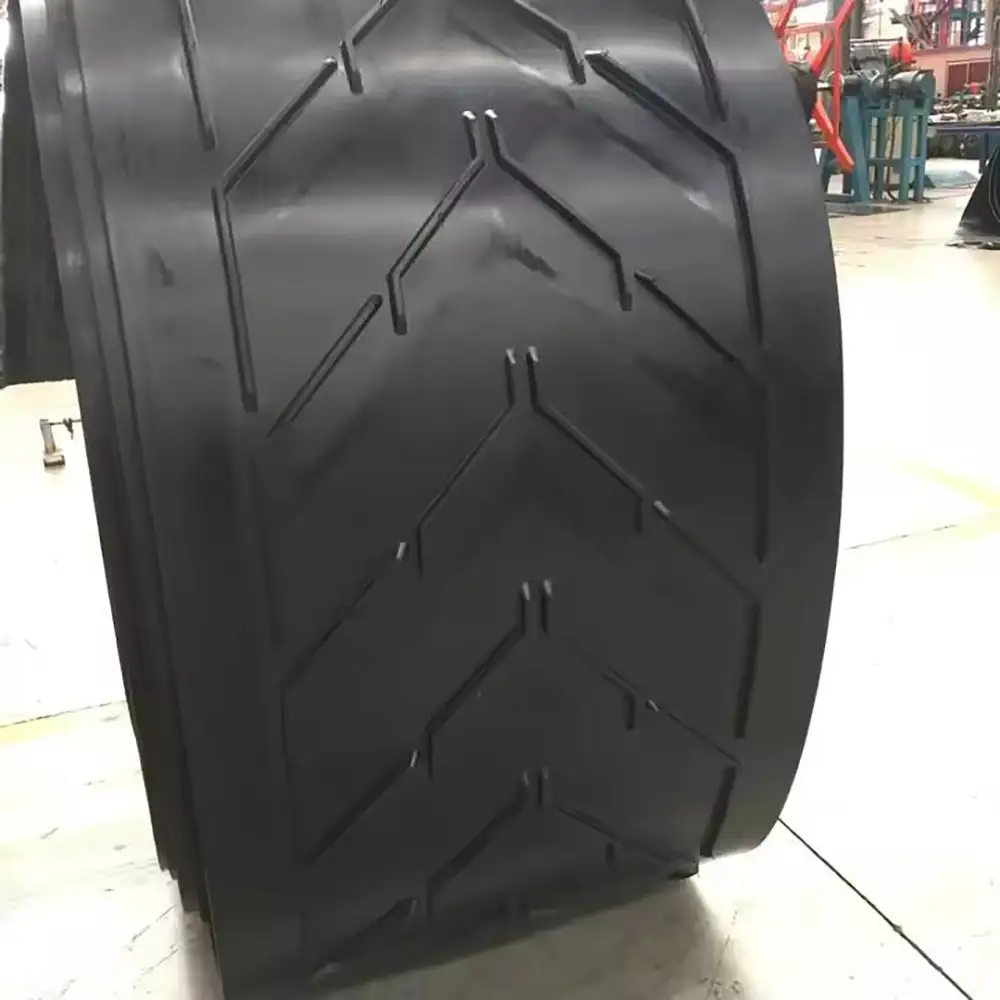
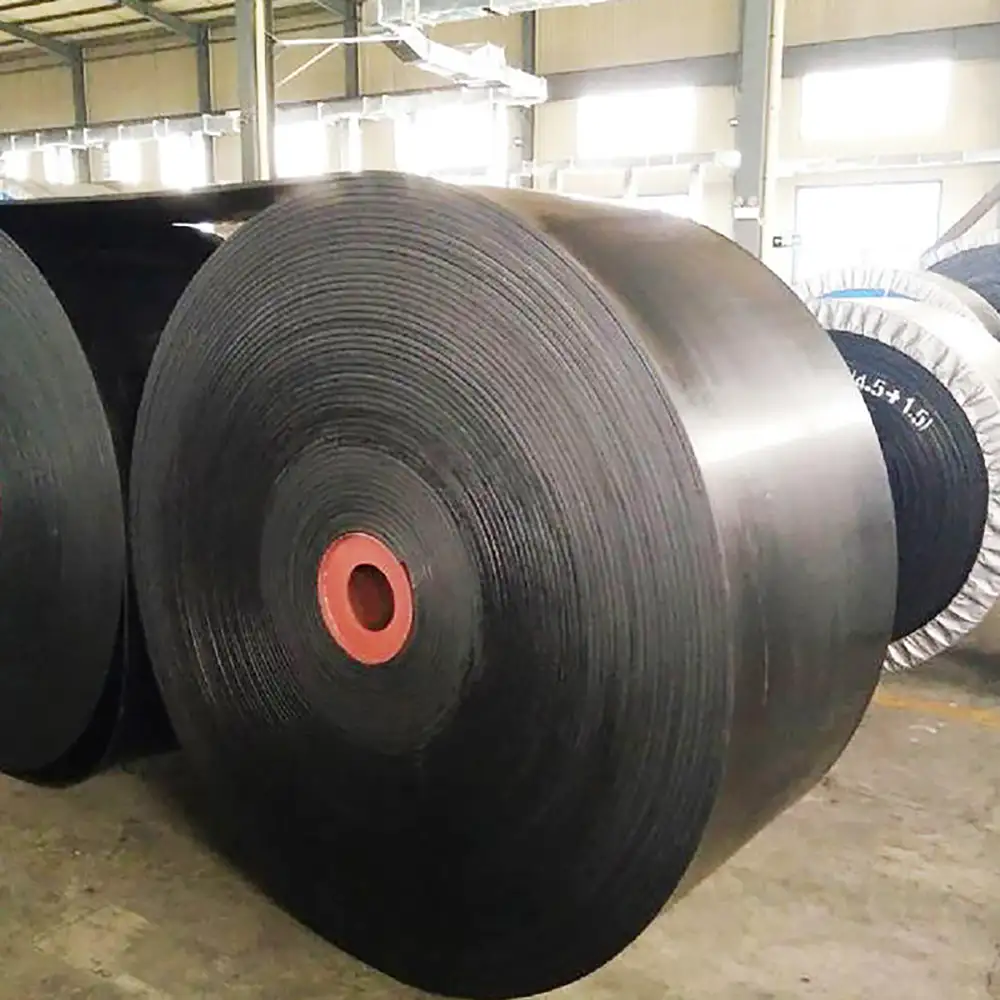
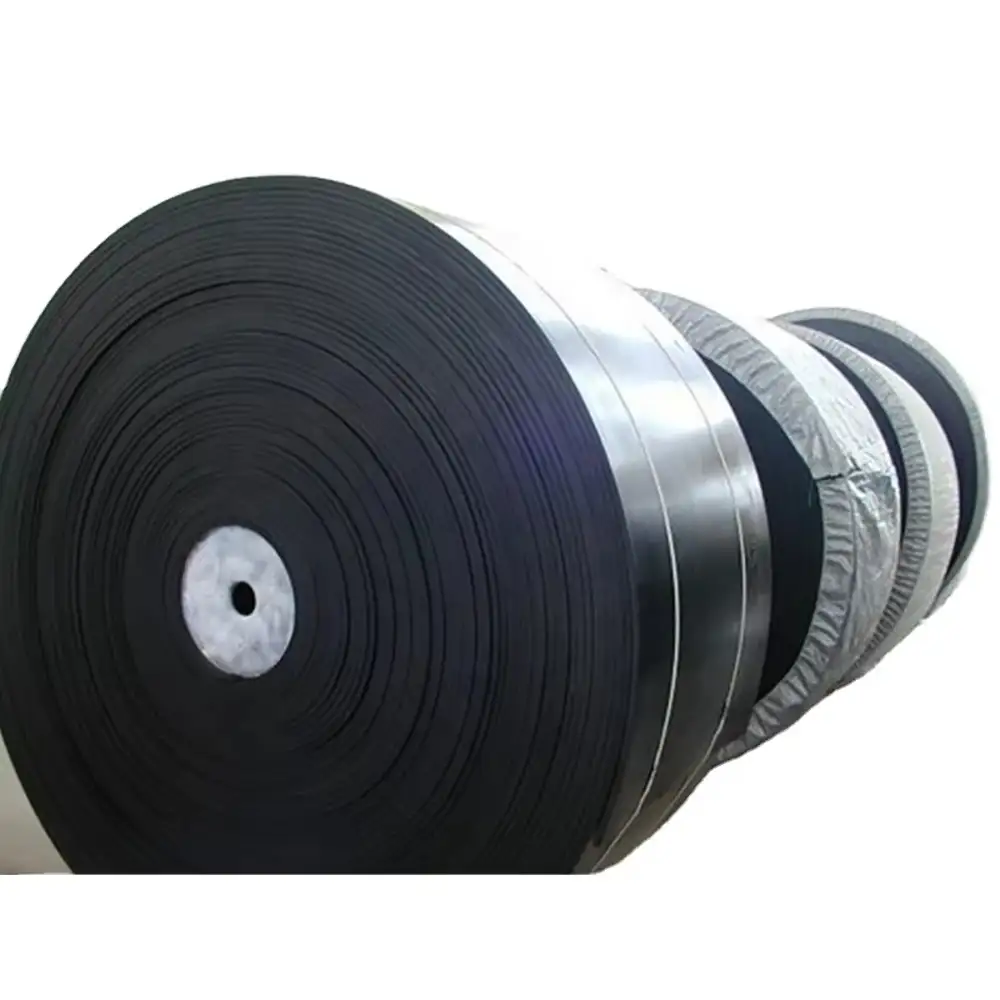
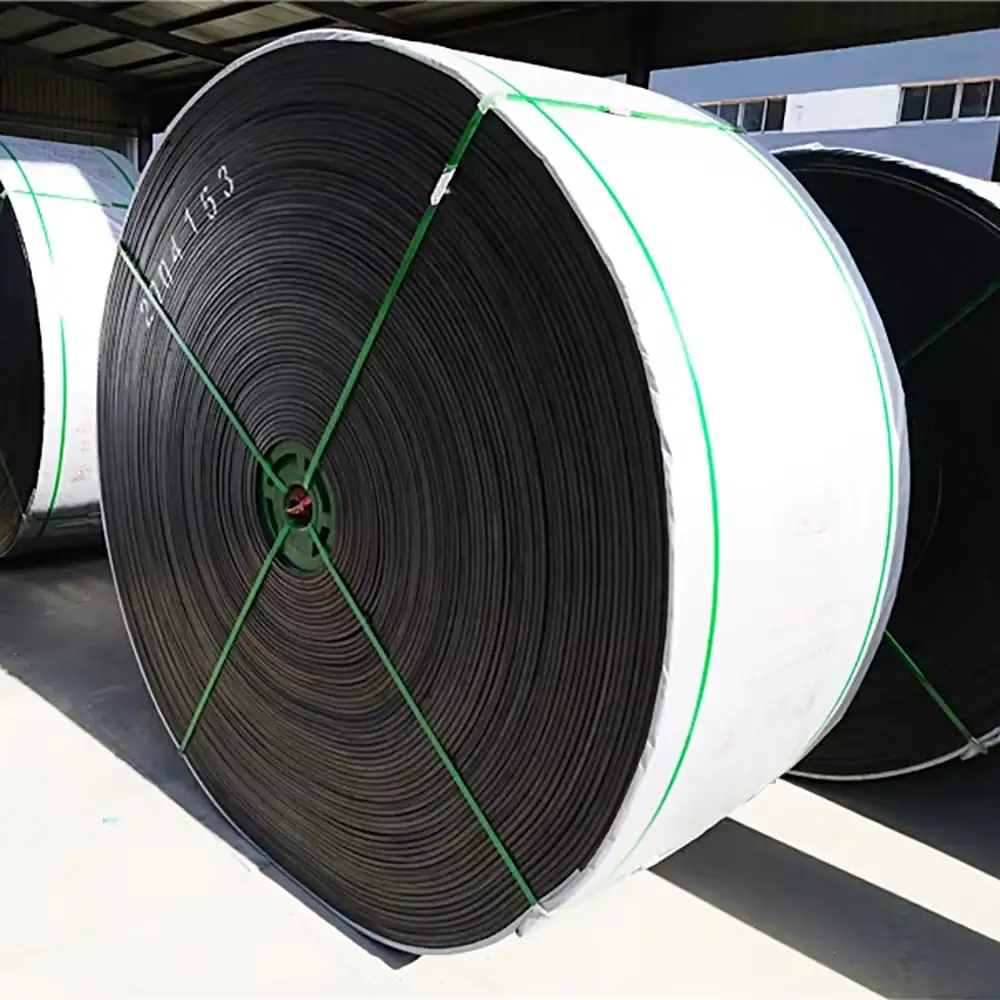
Heat resistant Industrial Conveyor Belts is mainly used to transport high temperature materials, such as sintering ore, hot coke, clinker, hot casting and so on. According to the manifestation of the heat resistant belt breakage until to lose transportation ability and the heat resistant grading, we use EDPM or SBR as the covering layer rubber, and high modulus low shrinkage polyester or cotton canvas as the strong layer. It can use the heat resistant woven glass fabric between the cover rubber and the layers, so as to improve the working life of the heat resistant conveyor belt. We can make it into endless conveyor belt as per cllients' requirement
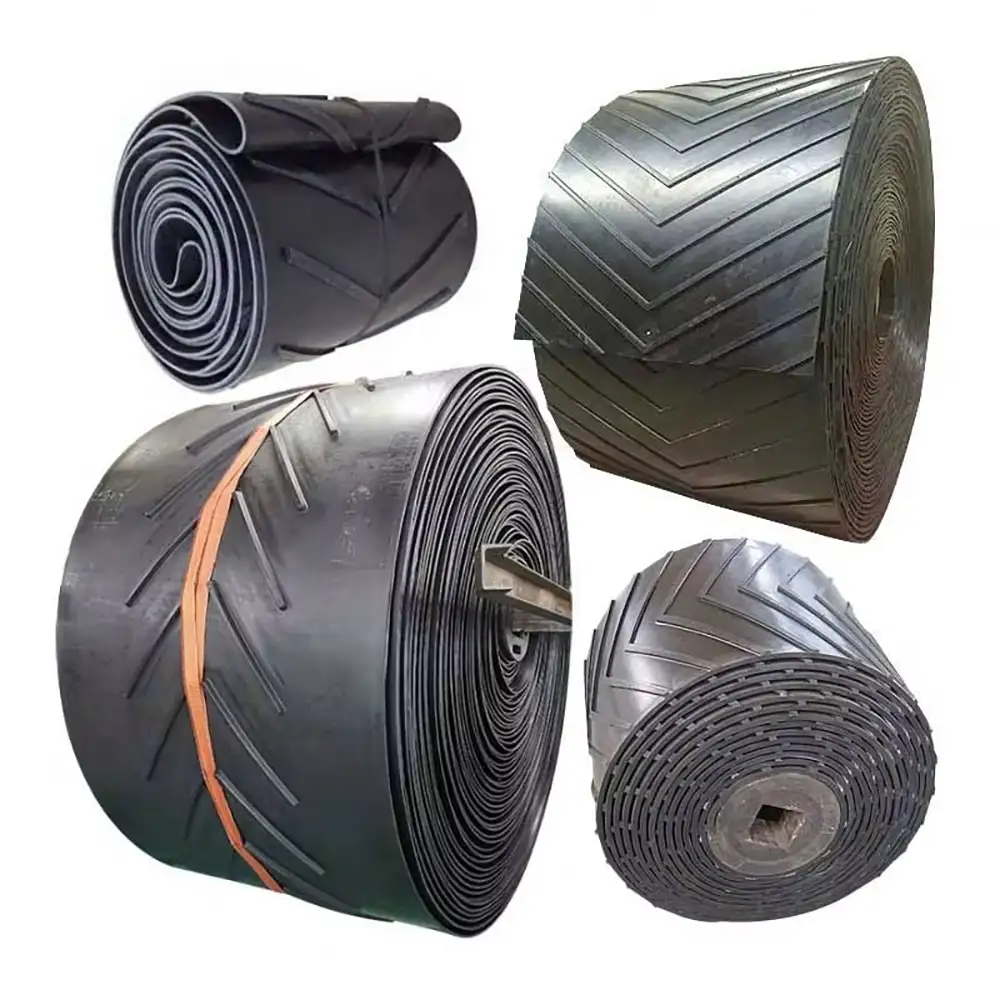
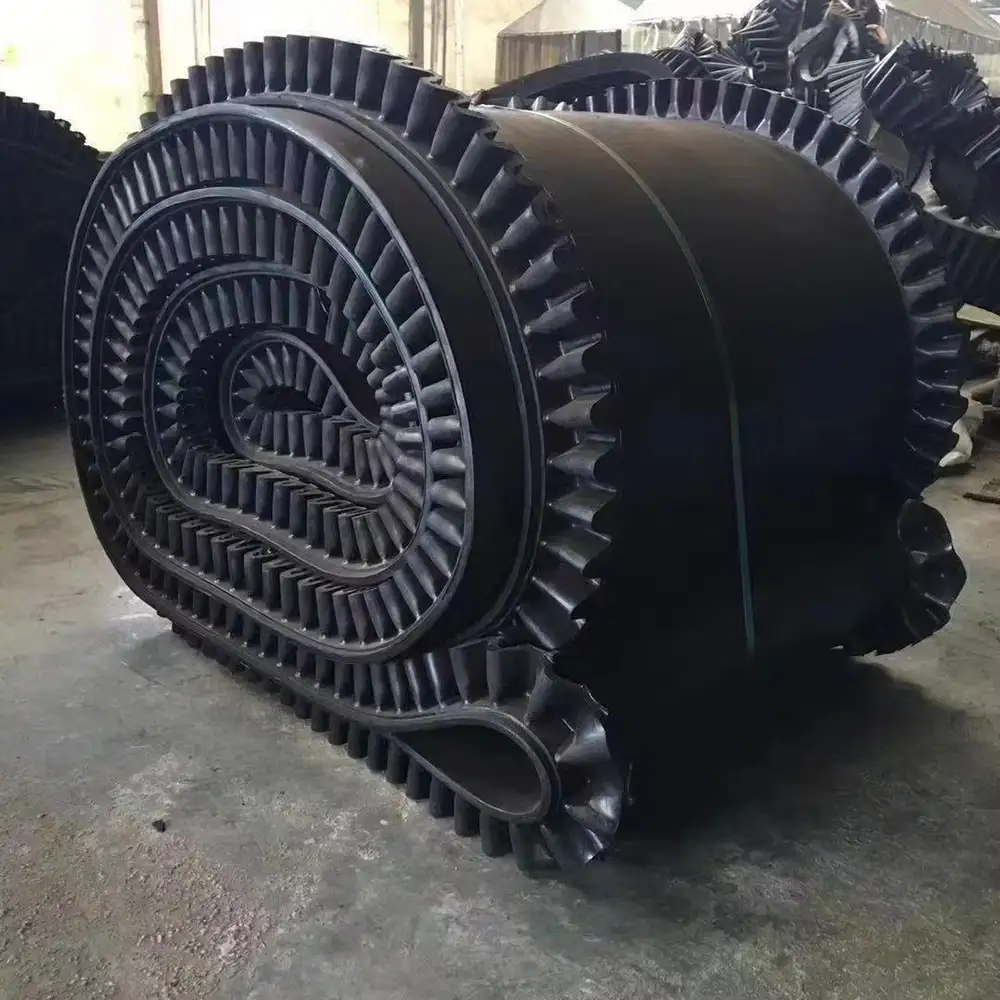
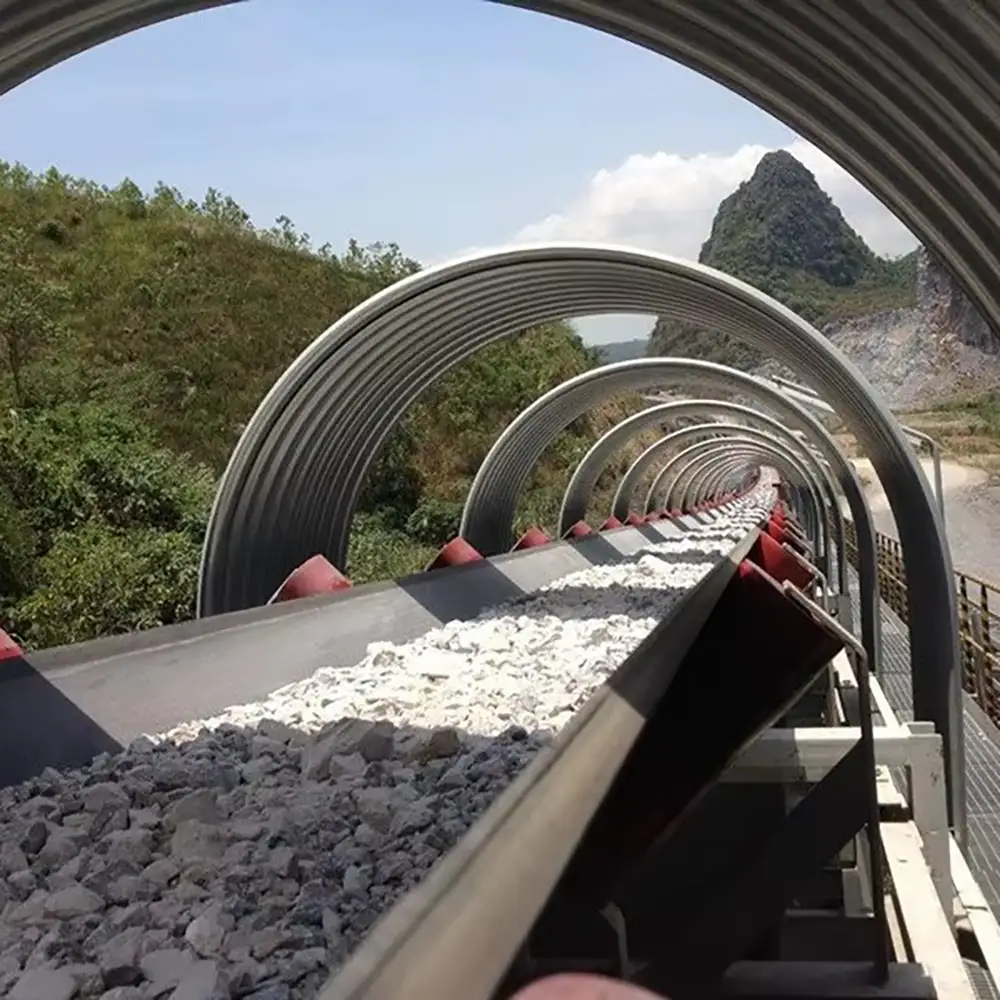
Industrial conveyor belts are essential components in material handling systems, transporting bulk materials and packaged products through manufacturing, processing, storage, and distribution operations. From mining and cement production to steel plants, power stations, and ports, conveyor belts help move materials efficiently over short or long distances.
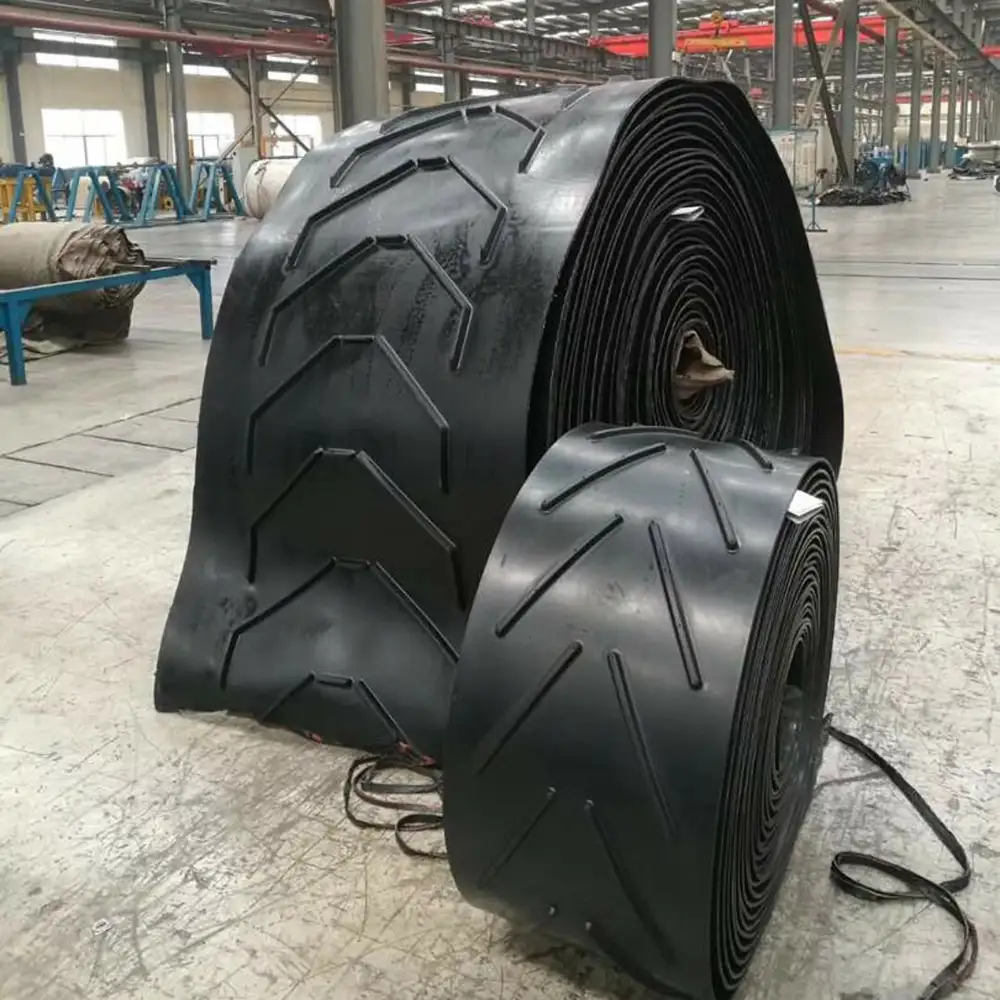
Heat resistant industrial conveyor belts are specially designed for conveying materials that expose the belt to elevated temperatures. They use heat-resistant rubber compounds and suitable carcass constructions to help reduce thermal aging, hardening, cracking, and loss of adhesion during service. They are commonly used for hot clinker, coke, sintered ore, foundry materials, and other heated bulk products.
As an industrial conveyor belt manufacturer and supplier, we can discuss belt constructions and specifications according to the conveyor system, material characteristics, operating temperature, and working conditions. Options may include fabric-reinforced rubber belts, heavy-duty constructions, and specialized heat-resistant covers.
What Are Industrial Conveyor Belts?
An industrial conveyor belt is a continuous moving belt installed around pulleys and supported by idlers or other conveyor components. It carries materials along a defined conveying route, reducing the need for repeated manual handling or mobile equipment.
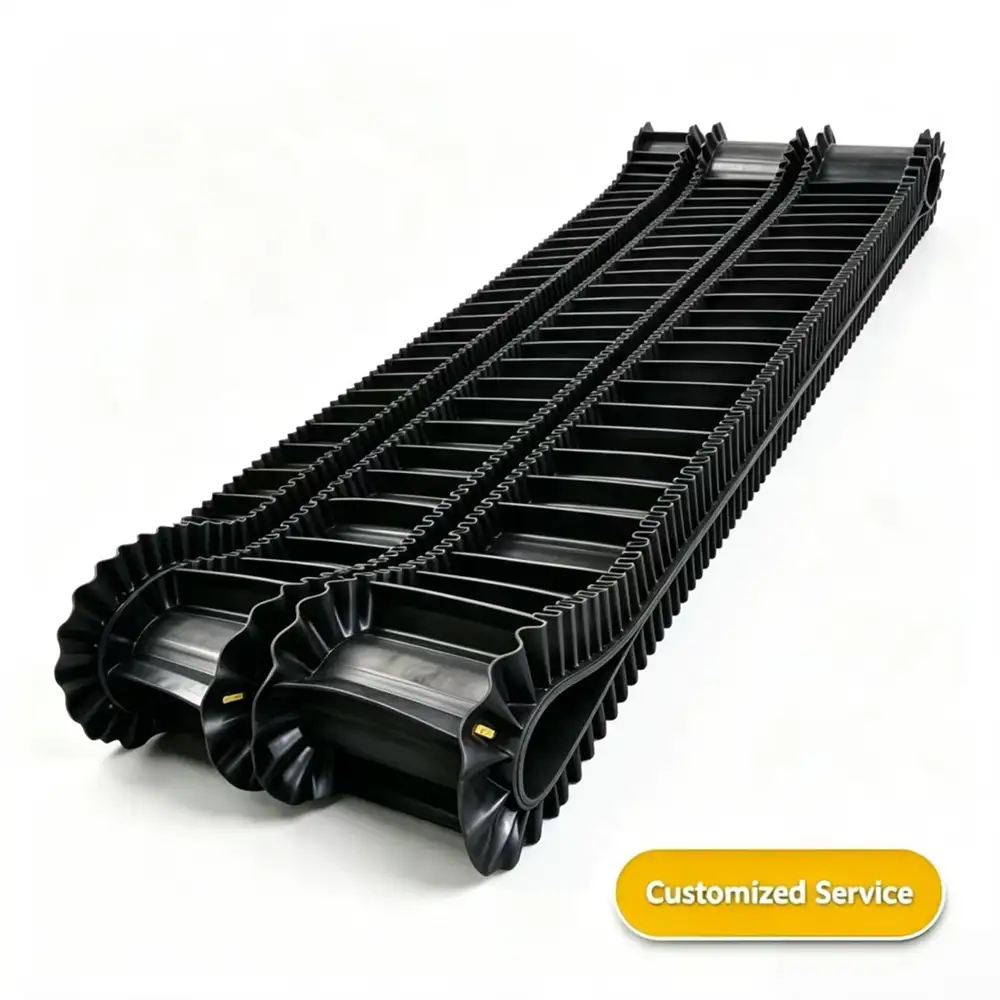
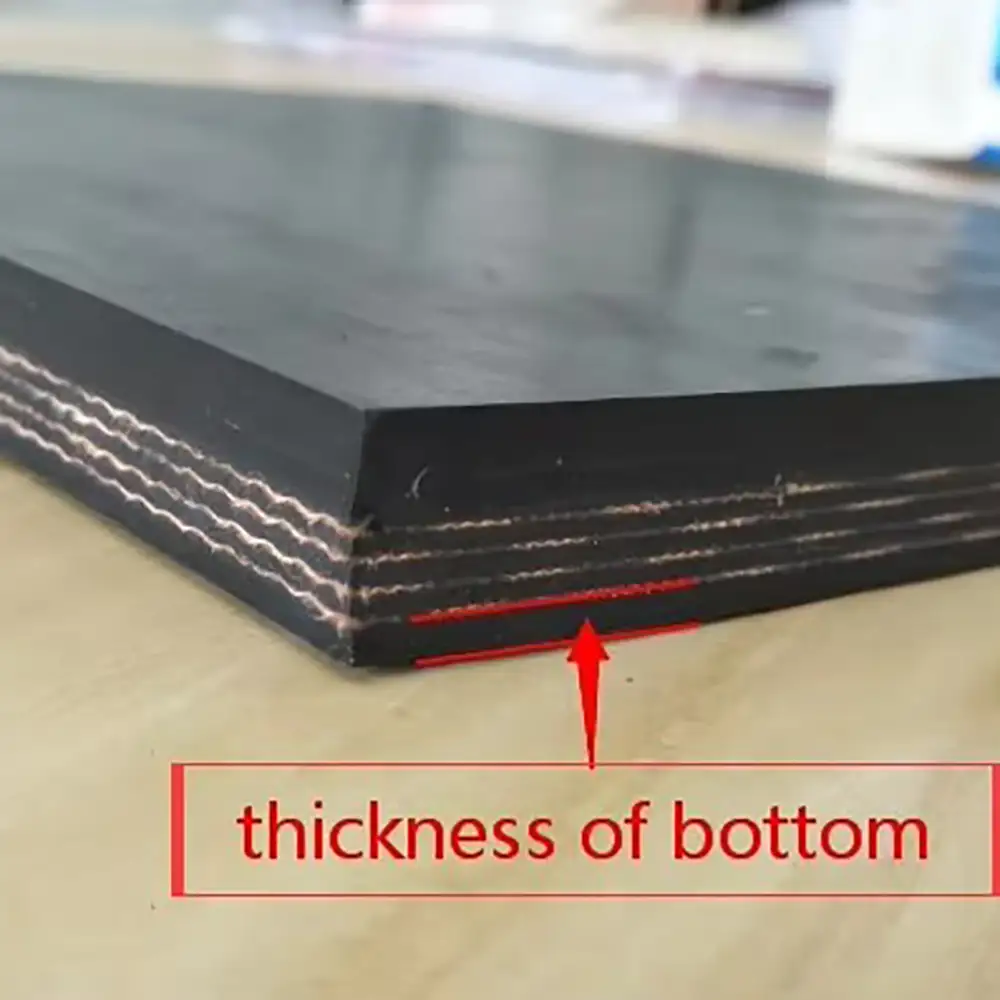
Rubber conveyor belts commonly consist of a load-bearing carcass and protective rubber covers. The carcass provides tensile strength and dimensional stability, while the covers protect the belt from abrasion, impact, moisture, heat, and other operating conditions.
Common industrial belt constructions include:
EP Conveyor Belts: Polyester warp and nylon weft fabric reinforcement, often selected for industrial conveying systems.
NN Conveyor Belts: Nylon fabric construction offering flexibility and impact-handling characteristics.
Steel Cord Conveyor Belts: Steel cable reinforcement for selected high-tension and long-distance applications.
Special-Purpose Belts: Formulated or constructed for heat, oil, flame, abrasion, or other specific requirements.
The suitable construction depends on belt tension, conveying distance, loading conditions, pulley diameter, and the required service environment.
Heat Resistant Industrial Conveyor Belts
Heat resistant conveyor belts are designed for systems where hot materials transfer heat to the belt surface during loading and transportation. Unlike standard rubber belts, heat-resistant versions use specialized cover compounds and belt constructions intended to withstand repeated thermal exposure.
Heat can affect rubber hardness, elasticity, tensile properties, and adhesion between layers. The right heat-resistant belt is selected not simply by the highest temperature number, but by considering the material's temperature, contact duration, particle size, loading method, and cooling conditions.
Depending on the manufacturer's classification system, heat-resistant belts may be offered in several grades, such as T1, T2, T3, or T4. These labels do not represent one universal temperature range across all suppliers. Confirm the applicable standard and the exact operating limits for the quoted product. <Cite ref="turn123895search0"/><Cite ref="turn123895search2"/>
Key Features and Benefits
1. Heat-Resistant Rubber Cover
The cover compound is selected to help resist thermal aging and maintain useful physical properties under the specified heat exposure. Depending on the formulation, it may help reduce premature hardening, cracking, and surface deterioration.
2. Reinforced Belt Carcass
Fabric or steel-cord reinforcement provides the tensile strength needed for the conveyor system. Fabric belts are used in many general industrial applications, while steel-cord constructions may be considered for high-tension or long-distance systems.
3. Abrasion and Impact Protection
Industrial conveyor belts may transport rough, sharp, or heavy materials. The cover thickness and compound should be selected to withstand the expected abrasion and loading impact. Heat-resistant performance should be considered alongside wear resistance rather than as a replacement for it.
4. Stable Conveying Performance
The correct belt construction helps maintain the required strength, flexibility, and tracking behavior. Pulley dimensions, loading points, idler arrangement, belt tension, and alignment all influence system performance.
5. Application-Based Customization
Belt width, tensile rating, number of plies, cover thickness, rubber grade, and belt length can be specified according to the project. Customization should be based on conveyor drawings and operating data.
Typical Applications
Heat resistant industrial conveyor belts are commonly used in industries that process or transport heated materials.
Cement Plants: Moving clinker, hot raw materials, and other heated products.
Steel and Metallurgical Plants: Conveying sintered ore, coke, slag, and hot industrial materials.
Foundries: Handling selected hot castings, sand, and foundry process materials.
Power Stations: Transporting coke, ash, and other materials where heat exposure is part of the process.
Glass Manufacturing: Conveying hot or processed materials in suitable system configurations.
Chemical and Fertilizer Plants: Moving compatible hot materials through production and handling lines.
Mining and Mineral Processing: Transporting materials where elevated temperatures and abrasion may occur together.
Actual suitability depends on the material and the belt's specified temperature rating. <Cite ref="turn123895search3"/><Cite ref="turn123895search8"/>
How to Select the Right Industrial Conveyor Belt
Choosing a belt begins with understanding the conveyor and the material being transported. Important selection factors include:
Material Temperature: Provide the normal, maximum, and short-term peak temperatures. If possible, distinguish the temperature of the material from the temperature measured at the belt surface.
Contact Time: Explain whether hot material stays on the belt briefly or remains in contact for an extended conveying period.
Material Characteristics: Include particle size, abrasiveness, moisture, chemical content, bulk density, and impact conditions.
Conveyor Design: Specify belt width, conveying length, speed, incline, pulley diameter, loading method, and required tensile strength.
Belt Construction: Select the carcass type, number of plies or cord construction, cover thickness, and splice method according to the operating conditions.
Applicable Standard: Confirm the required classification system and testing requirements with the supplier.
For demanding applications, a review of the complete conveyor system can help avoid selecting a heat-resistant cover that does not match the mechanical requirements.
Installation and Maintenance
Correct installation helps the belt perform as intended. Before installation, inspect the belt for visible damage and confirm the product identification and dimensions. Check pulleys, idlers, take-up equipment, loading zones, and belt alignment.
During operation, monitor tracking, tension, splice condition, cover wear, and any signs of heat damage. Common warning signs include hardening, cracking, blistering, unusual surface changes, and separation between belt layers.
Keep loading conditions within the system design and avoid material buildup around transfer points. Remove accumulated material using cleaning equipment compatible with the belt. Maintenance intervals should reflect actual service conditions and the manufacturer's recommendations.
Custom Industrial Conveyor Belt Supply
For OEM projects, replacement orders, and bulk purchasing, industrial conveyor belts can be specified to match existing equipment or a new conveyor design. Depending on product availability, buyers may request:
Custom belt width and length
EP, NN, or steel-cord carcass
Different tensile strength ratings
Heat-resistant rubber cover grades
Customized top and bottom cover thickness
Specific surface and splice requirements
Technical documentation and agreed inspection criteria
Providing the existing belt marking, technical datasheet, or conveyor drawing can make the quotation process more accurate.
Why Choose Us
Industrial Product Options: Support for general-purpose and specialized conveyor belt requirements.
Heat-Resistant Selection: Compare available heat grades based on actual material temperatures and operating conditions.
Custom Specifications: Discuss belt dimensions, carcass construction, tensile strength, and cover thickness.
B2B and OEM Supply: Work with industrial users, equipment manufacturers, distributors, and wholesale buyers.
Application-Oriented Support: Review conveyor data and material characteristics to help identify a suitable construction.
Export Supply Coordination: Clarify product specifications, packaging requirements, and order details for international procurement.
Frequently Asked Questions
1. What is an industrial conveyor belt?
It is a continuous belt used to transport materials through industrial processes. Depending on the application, it may be made with rubber covers and fabric or steel-cord reinforcement.
2. What is a heat resistant conveyor belt?
It is a conveyor belt designed with heat-resistant materials and construction to handle specified thermal exposure while transporting hot products.
3. What materials are suitable for heat resistant conveyor belts?
The cover compound depends on the temperature and working conditions. Specialized rubber formulations may include SBR-based or EPDM-based compounds, among other options.
4. What temperature can a heat resistant conveyor belt withstand?
There is no single temperature limit for all heat-resistant belts. Ratings vary by product, standard, and test method. Confirm both continuous and peak limits for the exact model.
5. What industries use heat resistant industrial conveyor belts?
Common applications include cement, steel, metallurgy, foundries, power generation, glass, and selected chemical and fertilizer operations.
6. Can a heat resistant belt also be abrasion resistant?
Yes, some products are designed to balance heat and abrasion resistance. The appropriate combination depends on material temperature, particle characteristics, and expected wear.
7. What is the difference between EP and NN conveyor belts?
EP belts use polyester and nylon fabric reinforcement, while NN belts use nylon fabric. Their elongation, flexibility, and mechanical characteristics differ by construction and specification.
8. How do I choose the correct belt grade?
Provide the normal and peak material temperatures, contact time, material type, conveyor design, and applicable standard. Use the supplier's grade table for the exact product.
9. Can industrial conveyor belts be customized?
Many belt specifications can be selected or customized, including width, length, tensile rating, carcass, cover thickness, and compound, subject to the manufacturer's product range.
10. How can I extend the service life of a heat resistant conveyor belt?
Use a belt matched to the actual thermal and mechanical conditions, maintain correct alignment and tension, control loading and buildup, and inspect the belt regularly for heat damage and wear.
Request a Quote
Send your belt dimensions, required strength, material type, operating temperature, and conveyor details to discuss industrial conveyor belt options for your application.
Prev:
Rubber Sidewall Conveyor Belt
Next:
Black Rubber Sheet SBR/CR/NBR/EPDM Rubber Sheet, Rubber Sheet Shoe Sole
TAG:
Steel Cord Conveyor Belt,
Industrial Rubber Conveyor Belt,
Heat Resistant Steel Conveyor Belt,
Heat Resistant Mining Conveyor Belt,
Heat Resistant Conveyor Belting,
Heat Resistant Conveyor Belt,
Heat Resistant Rubber Conveyor Belt,
Industrial Conveyor Belting,
Hot Material Handling Conveyor Belt,
High Temperature Rubber Belt,
Heat Resistant Belt for Cement Plant,
Heat Resistant NN Conveyor Belt,
Heat Resistant EP Conveyor Belt,
Hot Material Conveyor Belt,
Steel Plant Conveyor Belt,
High Temperature Conveyor Belt,
Heat Resistant Belt,
Bulk Material Conveyor Belt,
Heavy Duty Conveyor Belt,
EP Fabric Conveyor Belt,
EP Conveyor Belt,
Rubber Conveyor Belt,
NN Conveyor Belt,
Heat Resistant Rubber Belt,
Cement Clinker Conveyor Belt,
Metallurgy Conveyor Belt,
Heat Resistant Cement Conveyor Belt,
Heat Resistant Belt Conveyor,
Coke Conveyor Belt,
Sintered Ore Conveyor Belt,
Related Category:
Industrial Conveyor Belts, Heat Resistant Industrial Conveyor Belts, Heat Resistant Conveyor Belt China, suppliers, manufacturers, factory, customized, wholesale, quotation, made in China