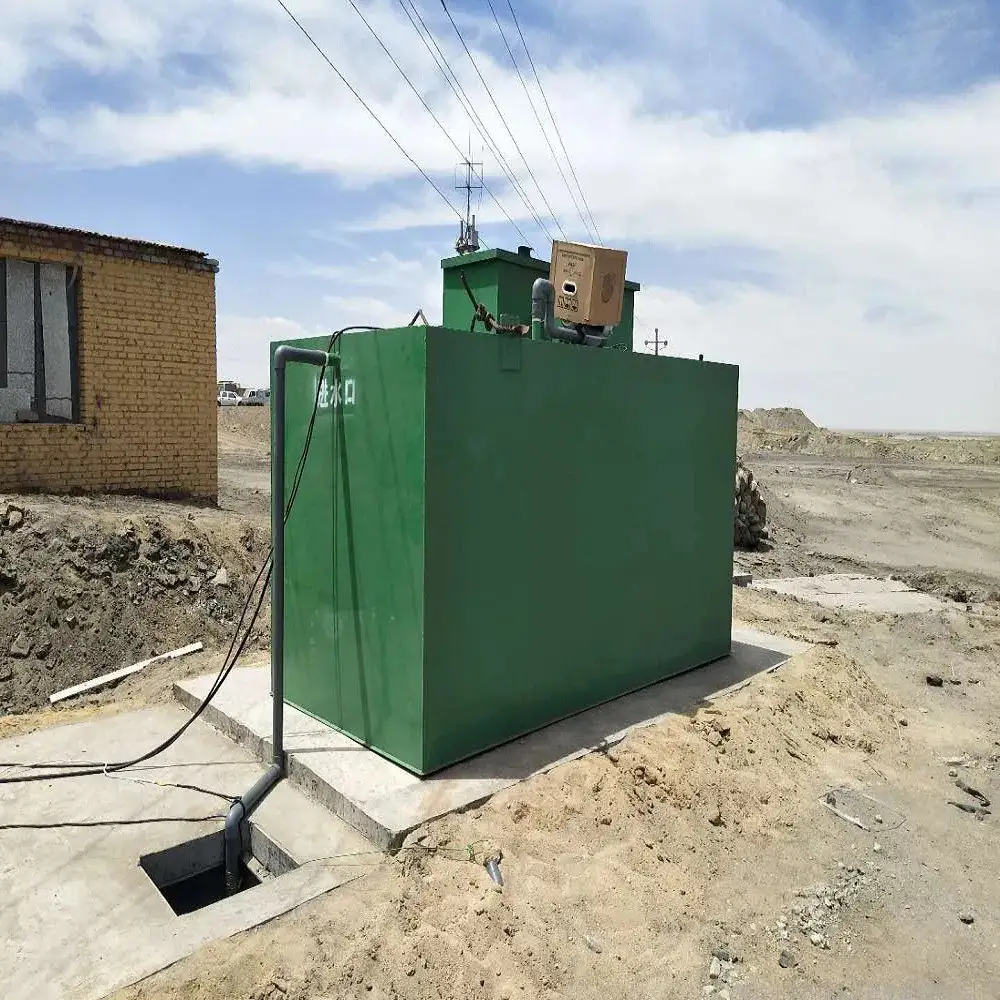
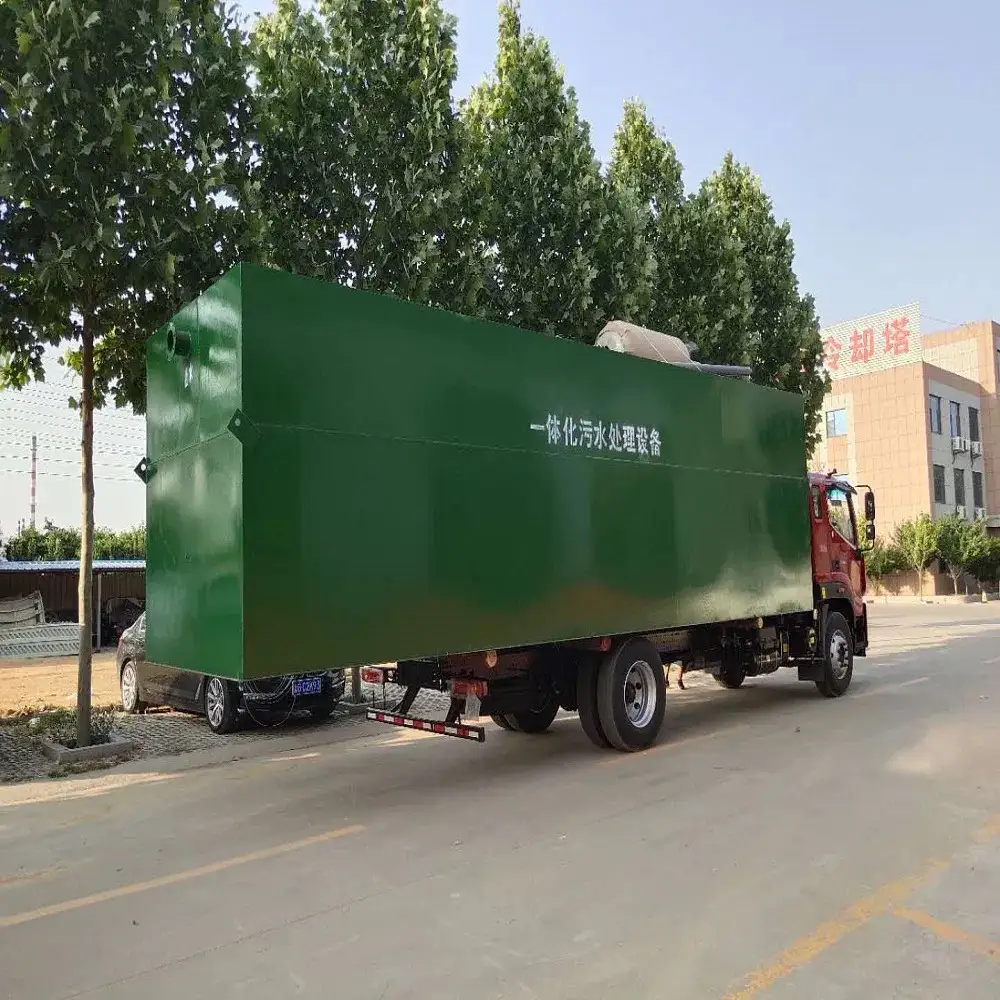
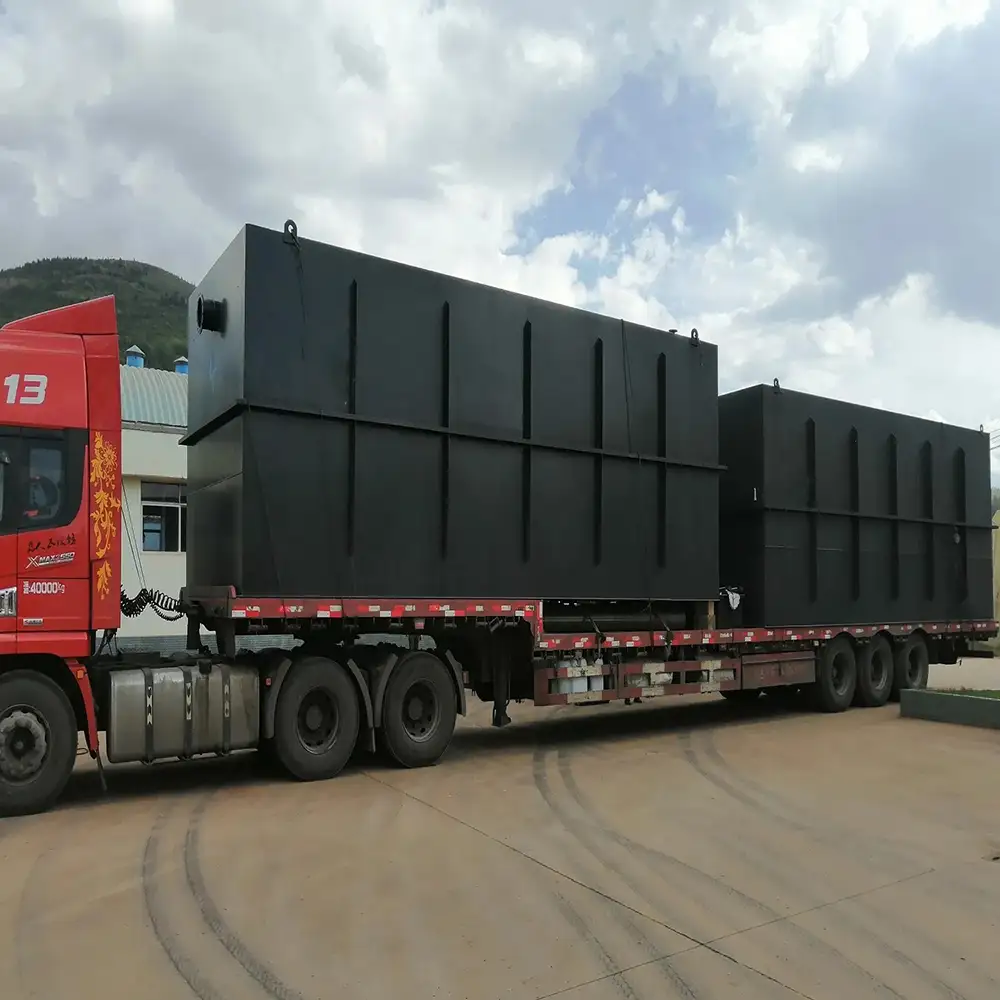
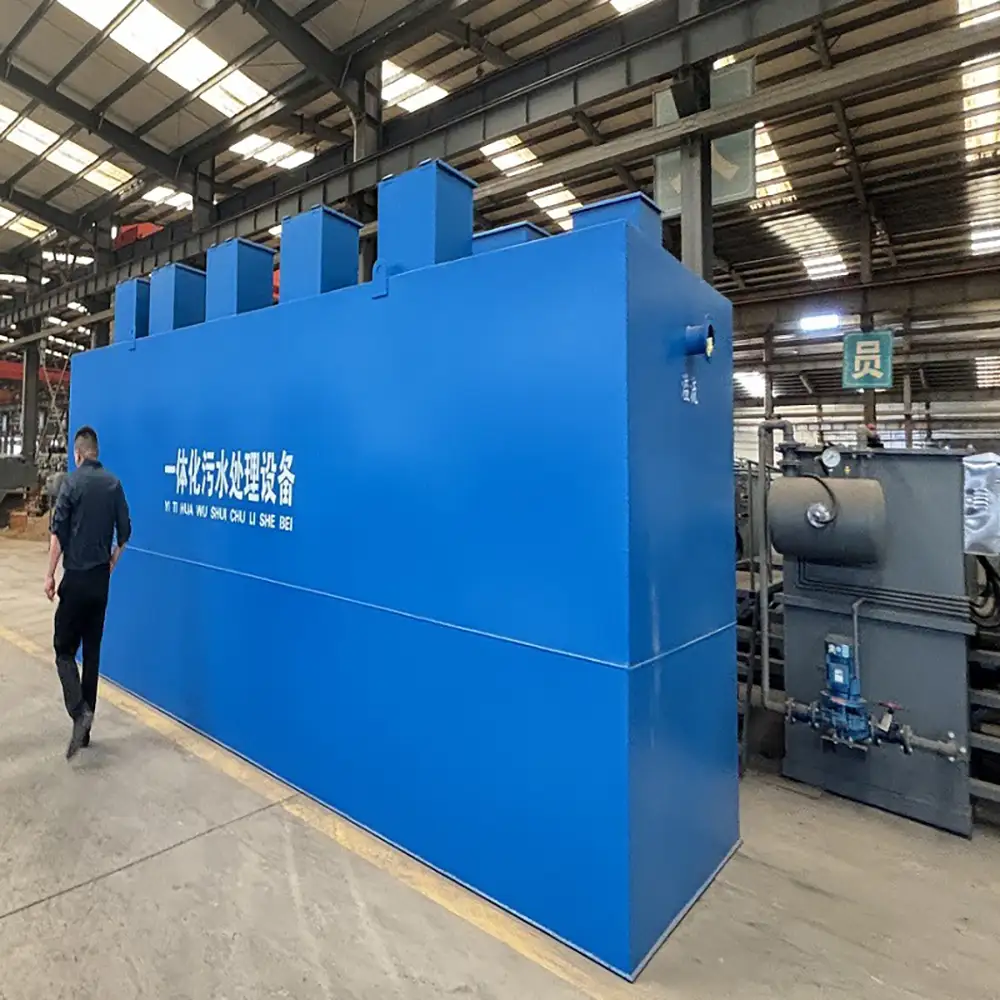
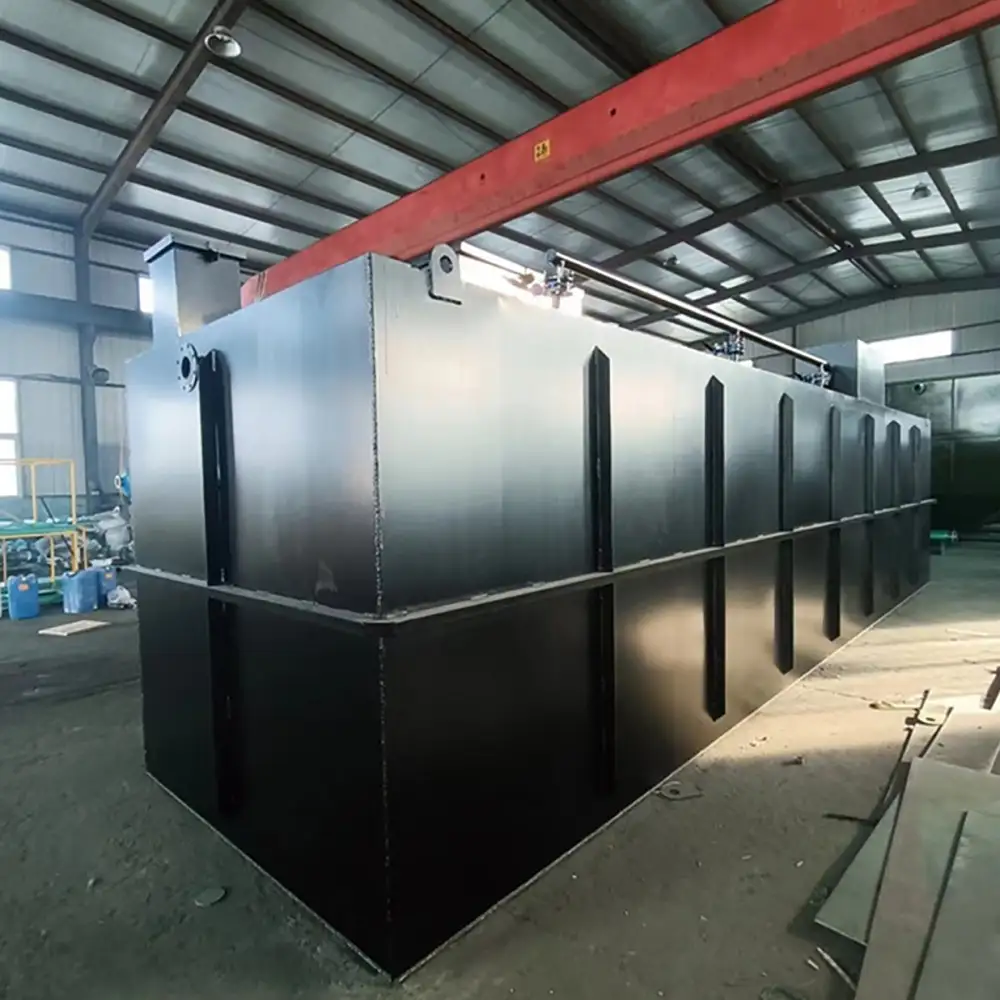
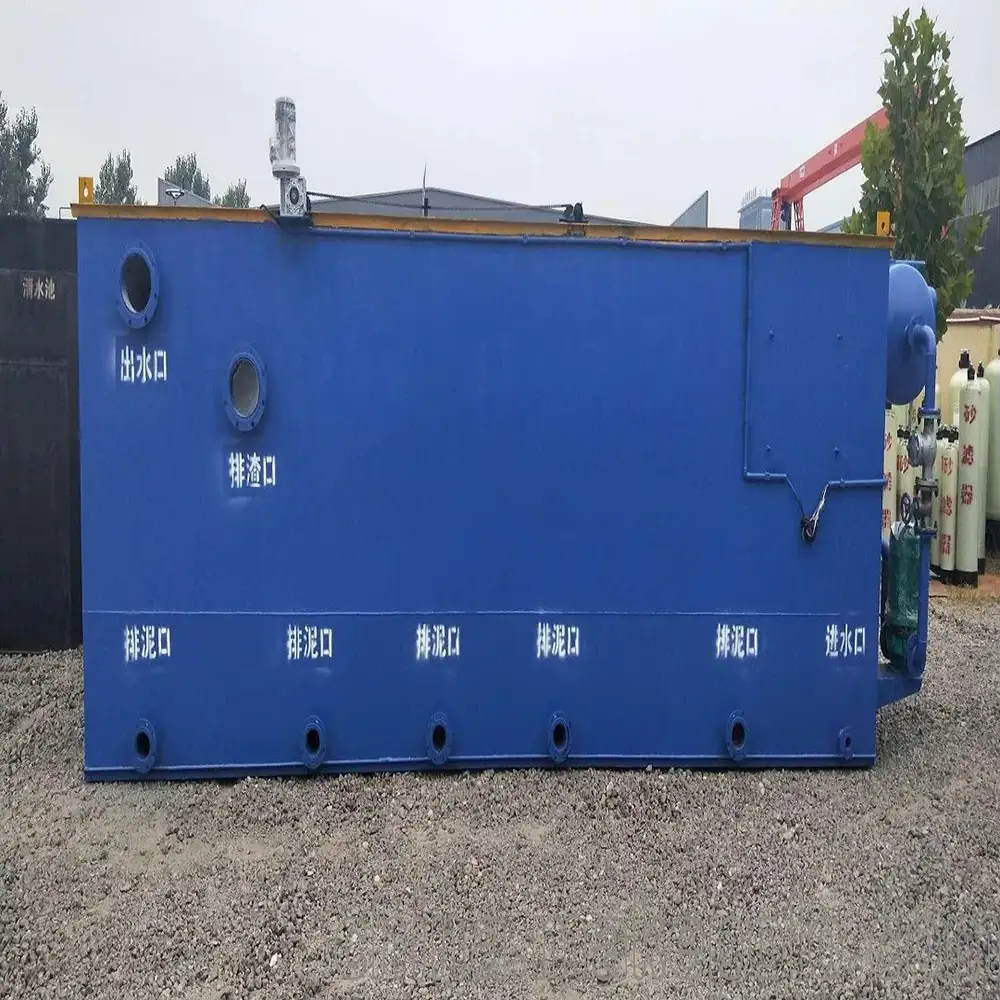
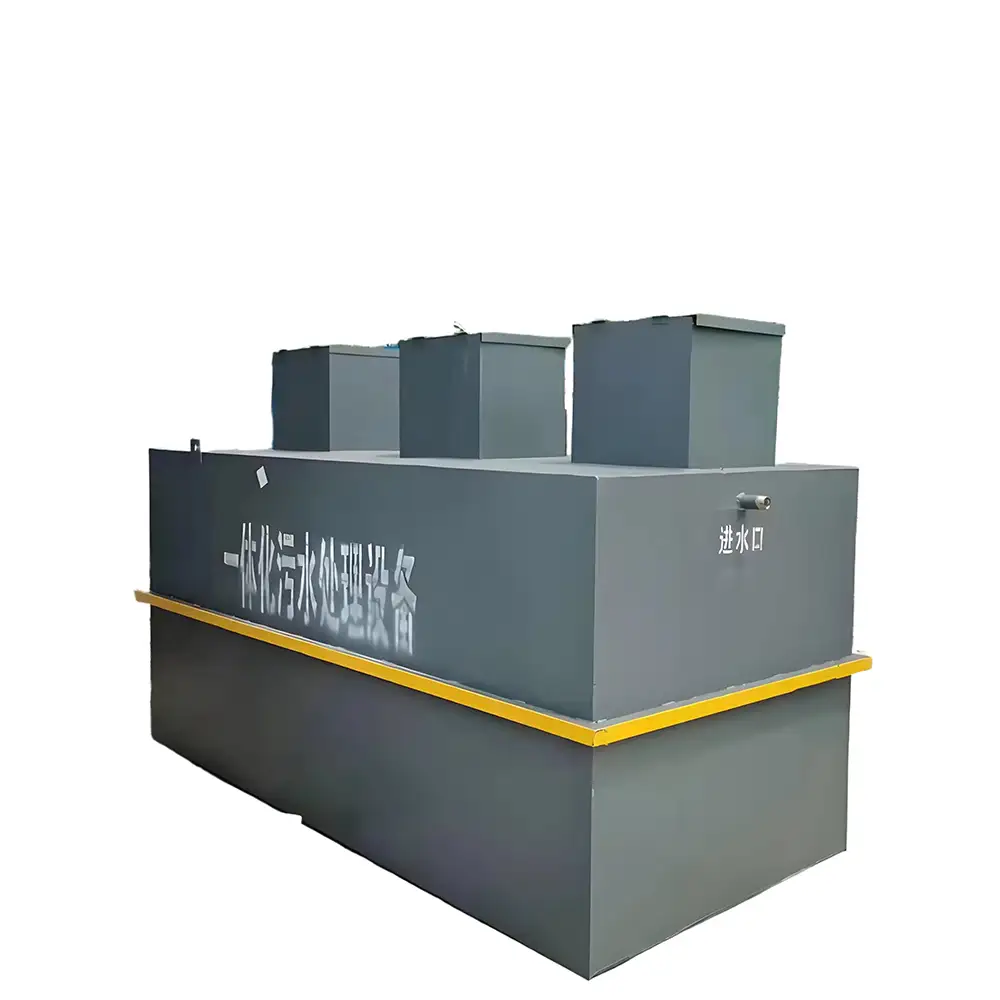
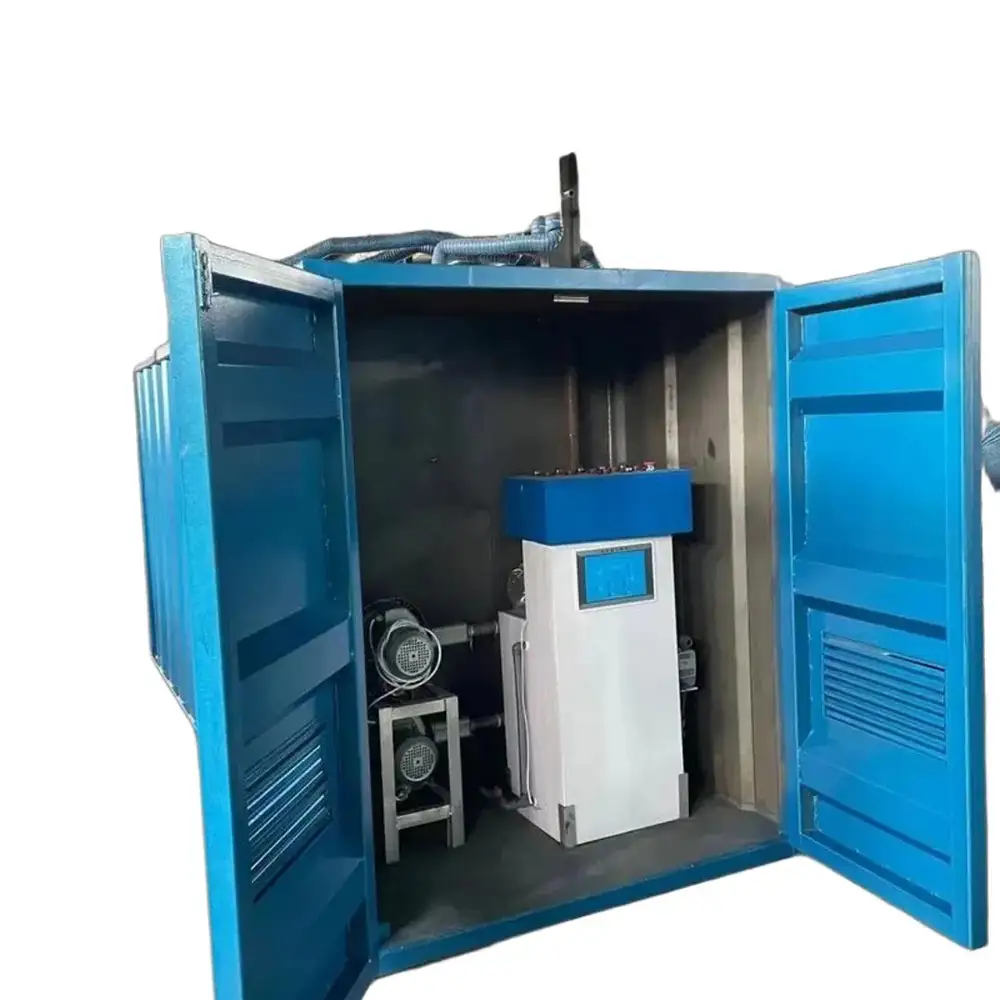
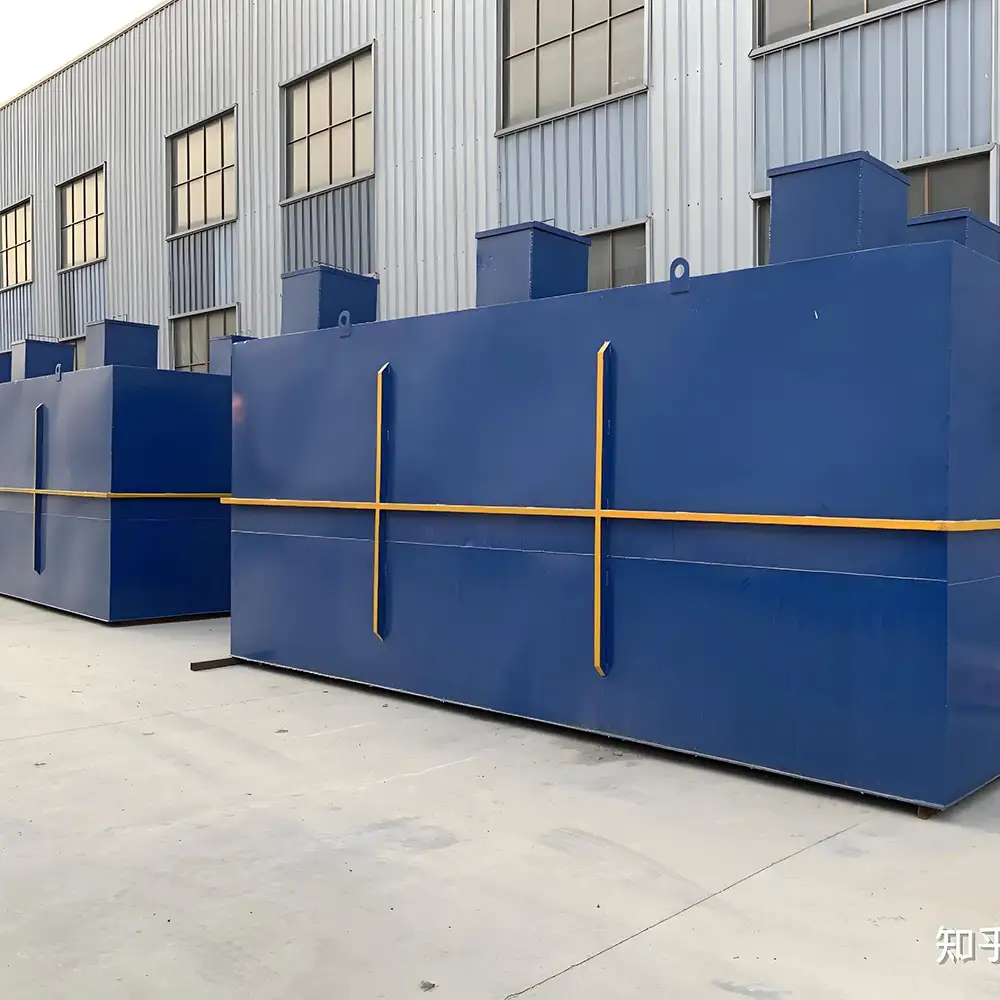
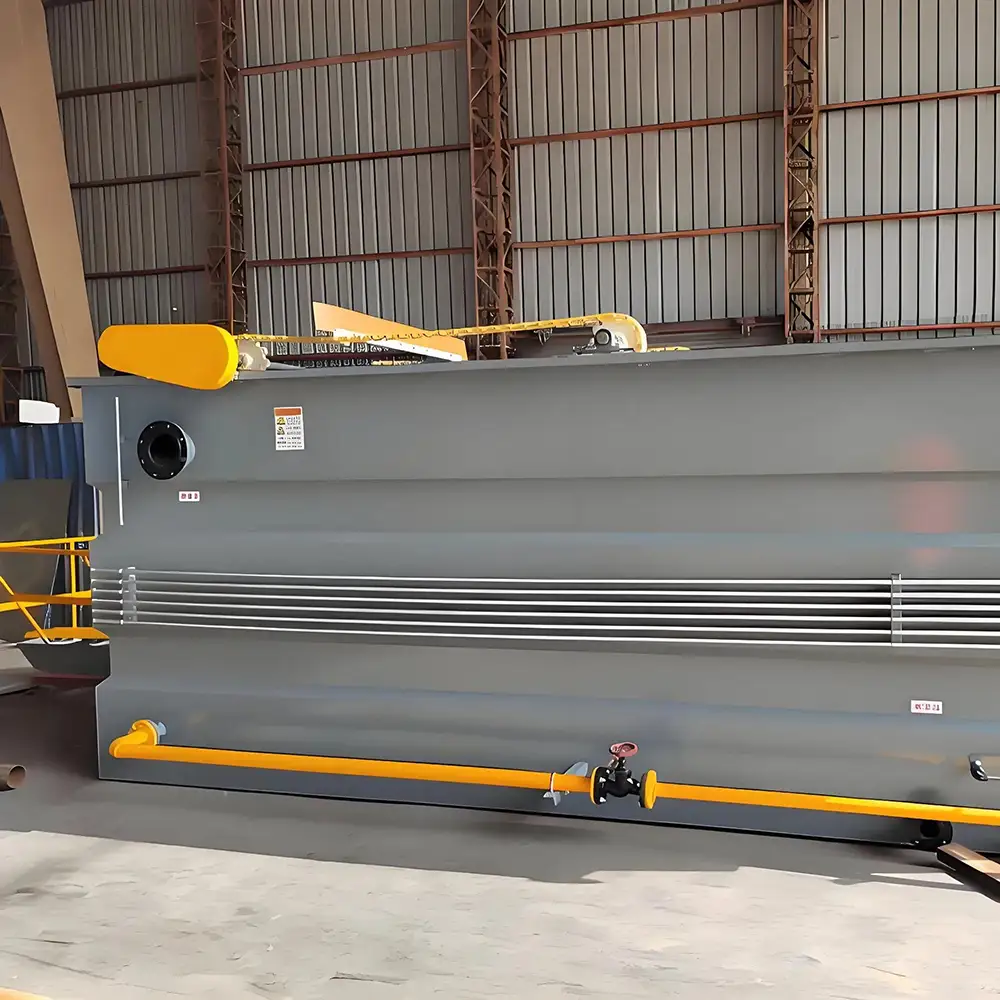
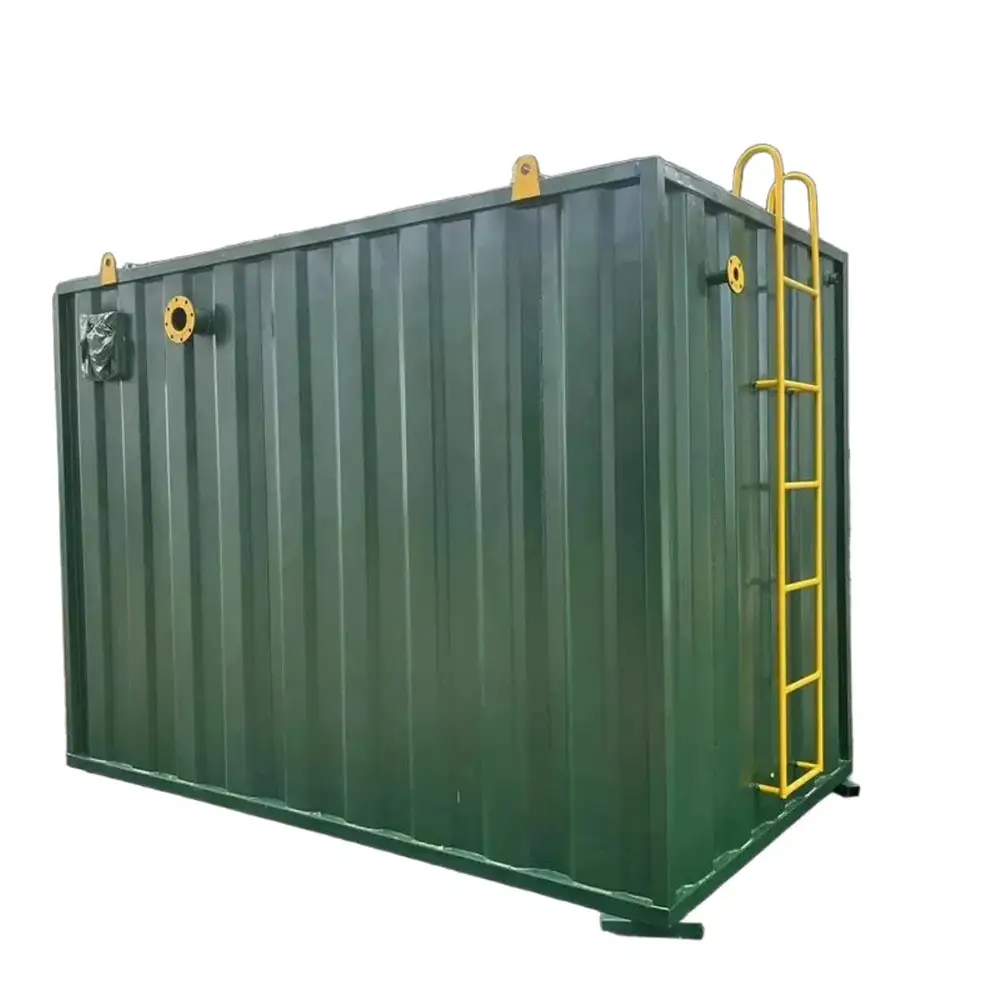
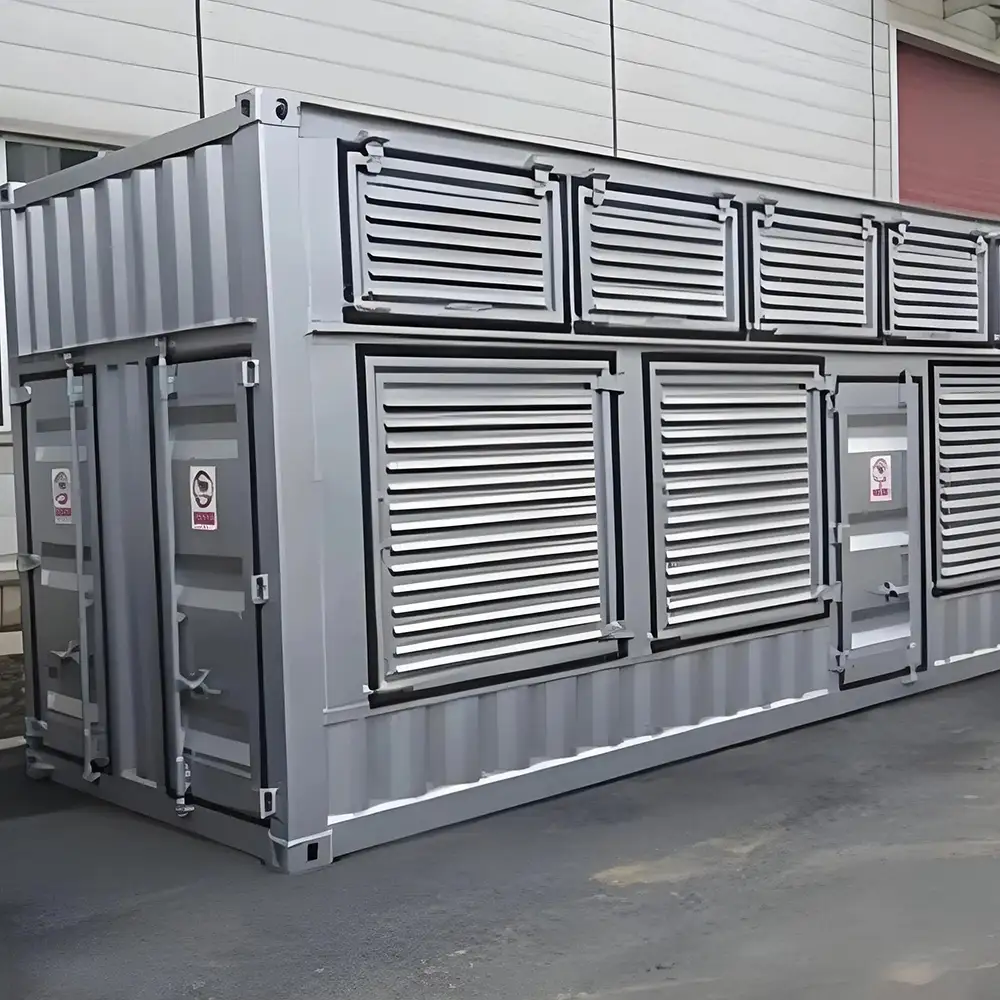
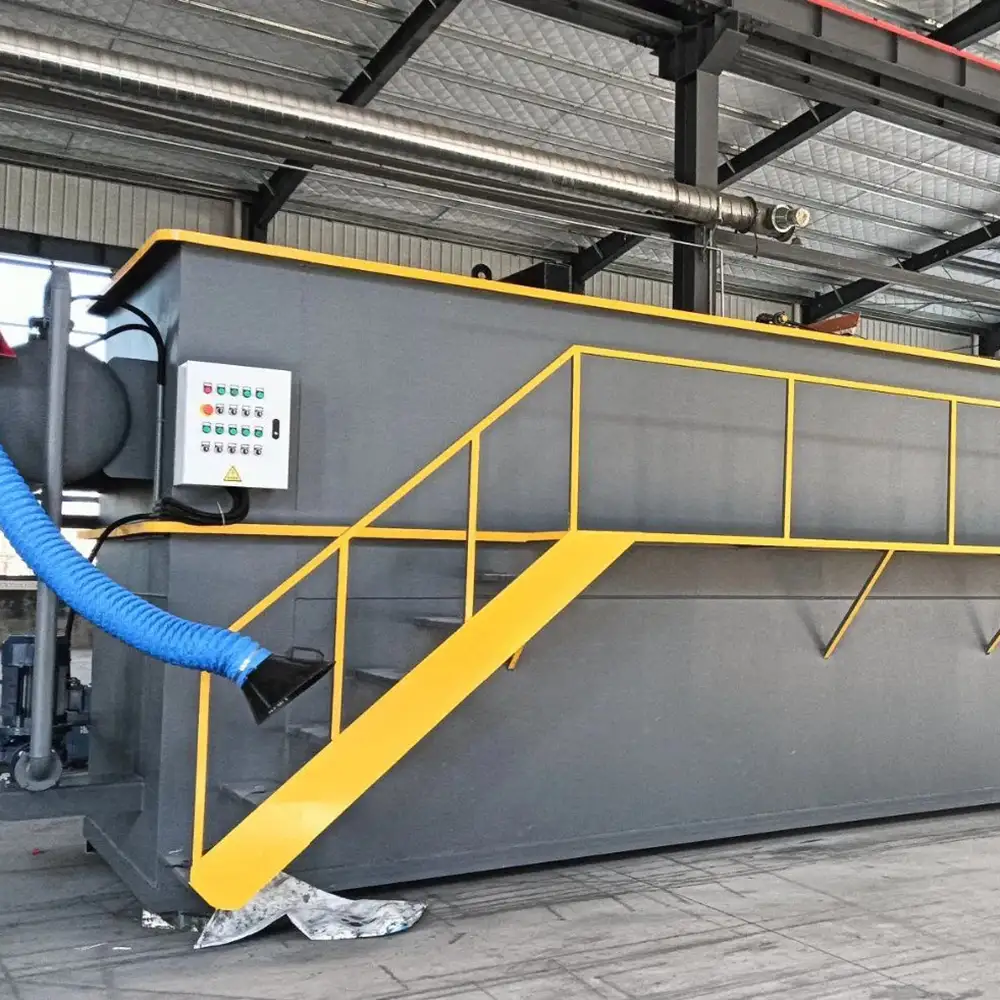
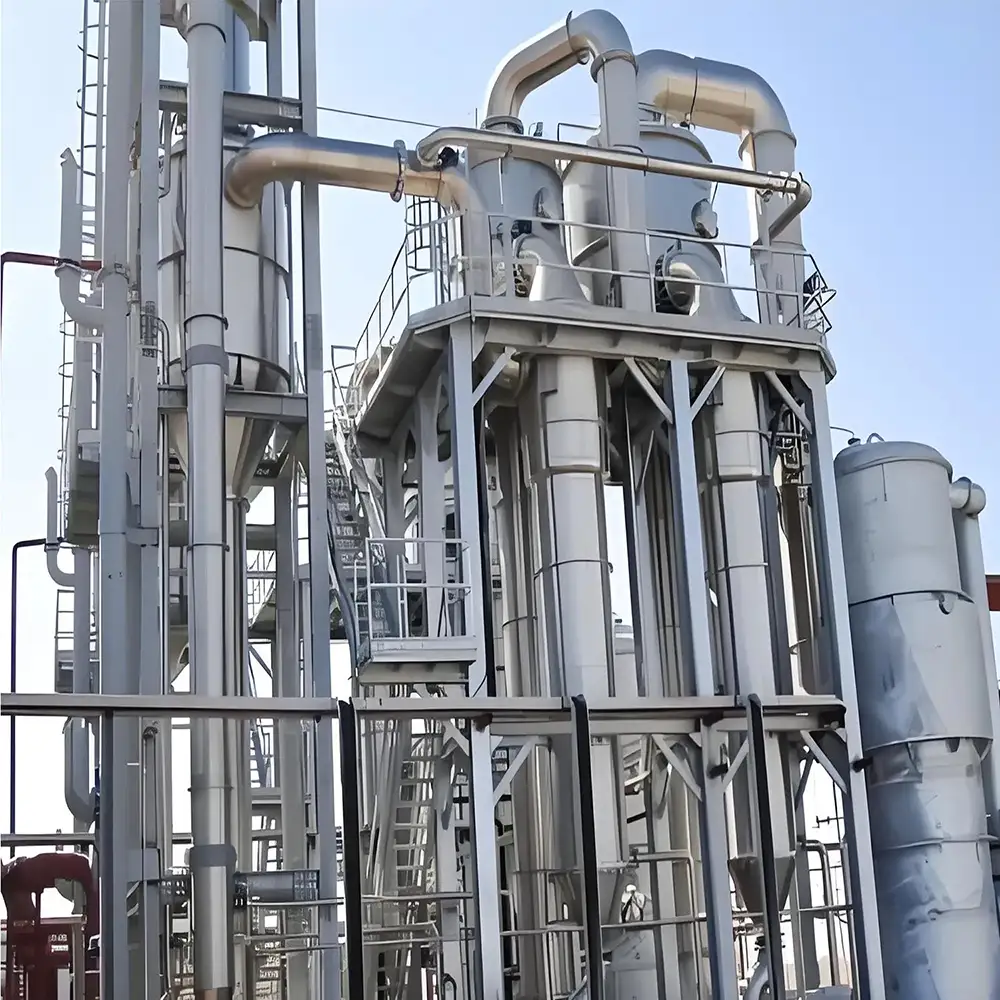
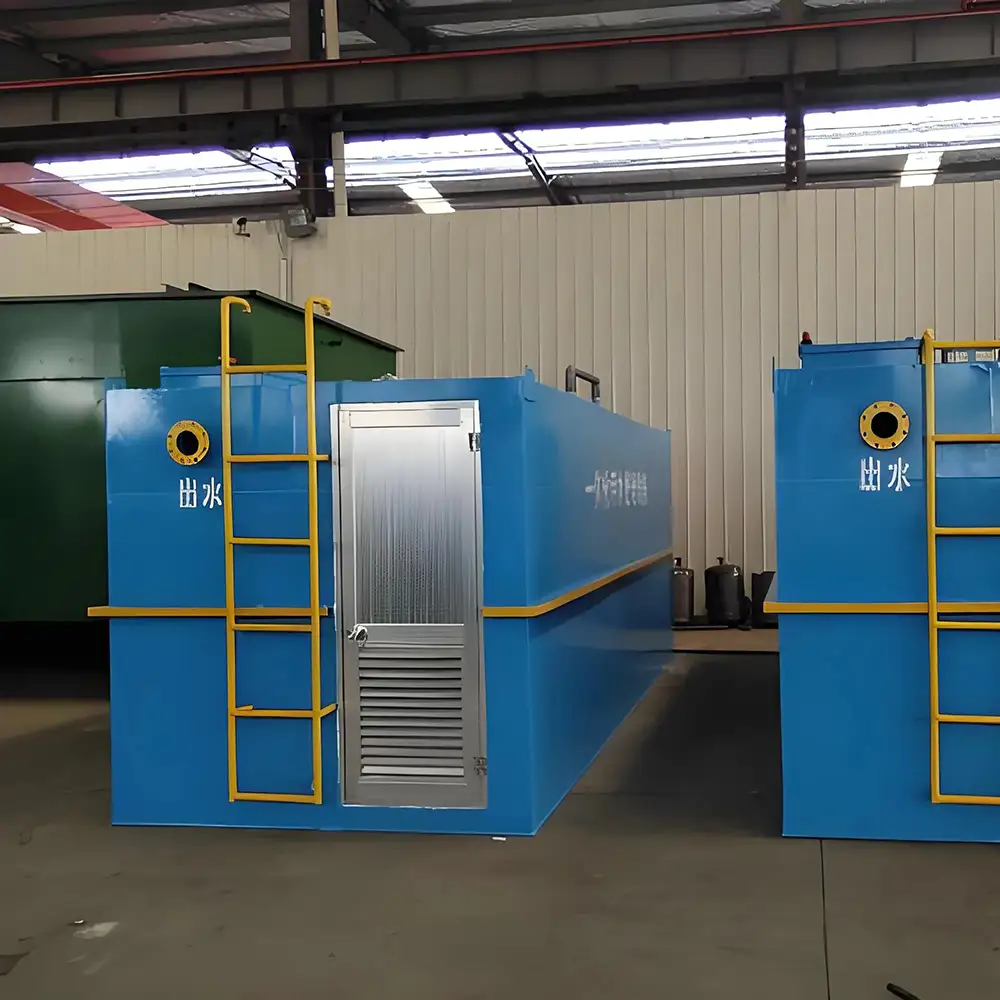
Efficient Sewage Impurity Removal MBBR Biological Carrier Treatment System
The Efficient Sewage Impurity Removal MBBR Biological Carrier Treatment System is an advanced biological wastewater treatment solution designed to improve the removal of organic pollutants, ammonia, nitrogen compounds, and other biodegradable contaminants. MBBR stands for Moving Bed Biofilm Reactor, a biological process in which specially designed carrier media move freely inside an aerated or mixed reactor while microorganisms grow on their surfaces.
Unlike conventional suspended-growth systems that rely primarily on microorganisms remaining suspended in the wastewater, MBBR technology retains a significant amount of active biomass as biofilm attached to carrier elements. EPA technical documentation describes MBBR as a biological treatment technology using buoyant, free-moving plastic biofilm carriers, with biomass retained on the carriers.
The technology is suitable for municipal sewage, domestic wastewater, industrial wastewater, commercial wastewater, and treatment plant upgrades where additional biological capacity is required without necessarily constructing large additional basins.
MBBR Working Principle
In an MBBR reactor, specially designed biological carrier media are placed inside the treatment tank. The carriers provide protected surface area where microorganisms can attach and develop into biofilms.
In an aerobic MBBR tank, an aeration system supplies oxygen while simultaneously keeping the carriers moving throughout the reactor. In an anoxic zone, mechanical mixing can be used to keep the carriers suspended and provide the mixing conditions needed for biological reactions.
As wastewater passes through the reactor, dissolved and biodegradable pollutants come into contact with the microorganisms growing on the carrier surfaces. The biofilm consumes organic matter and, depending on reactor configuration and operating conditions, can support nitrification and other nitrogen-removal processes.
EPA describes MBBR carriers as providing high surface area per unit volume and protected areas that support biofilm growth. The technology can also be used to upgrade existing activated-sludge basins when additional biological treatment capacity is needed.
|
Model NO. |
PVDF |
Handling method |
Physical Treatment |
|
Usage |
Industrial, Home, Agriculture, Hospital, Urban |
Trademark |
|
|
Types |
Package, Compact, Small, Mini |
Applications |
Industrial, Municipal, Domestic, Medical, Ship |
|
Transport Package |
Container Standard Packing |
Features |
Remove Cod BOD |
|
Service Life |
10 Years |
Operation |
Automatic |
|
material |
PVDF |
Function |
Removing Escherichia coli, harmful bacteria |
|
Voltage |
220V/ 380V/ Customerized |
Installation Type |
Underground / Onground |
|
Colour |
white |
Use for |
Mineral, Printing, Chemical, Dyeing, Starch |
|
Material |
PVDF |
Production Capacity |
2000 Sets/Year |
Efficient Sewage Impurity Interception
The phrase Sewage Impurity Interception can refer to the biological reduction and transformation of pollutants within the treatment process rather than simple physical filtration.
MBBR systems are particularly useful for biodegradable pollutants such as:
Biochemical oxygen demand
Chemical oxygen demand
Ammonia nitrogen
Organic nitrogen compounds
Some forms of total nitrogen
Biodegradable dissolved organic matter
Other biologically treatable wastewater impurities
The actual removal performance depends on wastewater composition, temperature, dissolved oxygen, hydraulic retention time, carrier filling ratio, biofilm development, nutrient balance, and reactor configuration. Published pilot and full-scale studies have demonstrated that MBBR systems can achieve substantial organic and nutrient removal under suitable operating conditions.
The MBR internally supported hollow fiber membrane made of PVDF membrane material is a new generation of high-performance product successfully launched by our company after years of research and development. This membrane is produced using a composite phase separation process, with polyester braided tubes as the support body. It has high strength (tensile strength ≥ 20.0MPa), anti stripping (peel strength ≥ 1.0MPa), high porosity (≥ 60%), and high flux (≥ 15L/m2 · h-0.01MPa). The filtration pore size of PVDF inner support membrane is 0.01~0.1 μ M.
Biological Carrier Media
The biological carrier is one of the most important components of an MBBR system.
Modern MBBR media are commonly manufactured from buoyant polymer materials and designed with internal structures, fins, channels, or protected surfaces. These structures increase the available area for microorganisms to attach while allowing water and oxygen to contact the biofilm.
As the reactor operates, microorganisms colonize the carrier surfaces and develop a biological film. The carrier continuously moves through the reactor, allowing wastewater to contact the active biofilm.
Different carrier shapes and sizes provide different protected surface areas and hydrodynamic characteristics. Therefore, carrier selection should be based on the wastewater characteristics, treatment objectives, reactor configuration, and required biological capacity.
Aeration and Carrier Movement
Aeration plays two important roles in an aerobic MBBR system.
First, it supplies dissolved oxygen required by aerobic microorganisms. Second, the rising air bubbles create hydraulic movement that keeps the biological carriers continuously circulating throughout the reactor.
The movement prevents the media from forming a fixed bed and helps distribute microorganisms throughout the treatment volume. EPA documentation notes that aeration can provide both oxygen and mixing in aerobic MBBR reactors.
An appropriate aeration system is therefore essential for stable biological treatment. Excessive aeration can waste energy, while insufficient aeration can reduce dissolved oxygen and biological activity.
MBBR Membrane Biological Carrier System
The term MBBR Membrane Biological Carrier System can describe an MBBR process that is combined with membrane filtration or used as part of a membrane-based wastewater treatment line.
An MBBR can serve as the biological treatment stage before an ultrafiltration, microfiltration, or MBR process. Biological treatment reduces organic loading before the membrane stage, while the membrane provides fine solid-liquid separation.
Hybrid MBBR-MBR configurations have been studied for wastewater treatment, including systems using carriers in aerobic and anoxic zones.
This combination can be useful when a project requires both strong biological treatment and high-quality final effluent.
Main System Components
A complete MBBR Biological Carrier Treatment System may include:
Equalization Tank:
Balances variations in wastewater flow and pollutant concentration.
Screening System:
Removes larger debris and protects downstream pumps and treatment equipment.
MBBR Reactor:
Provides the main biological treatment environment.
Biological Carrier Media:
Provides protected surfaces for biofilm development.
Aeration Grid:
Supplies oxygen and maintains carrier movement in aerobic zones.
Mechanical Mixer:
Provides mixing in anoxic or non-aerated zones.
Media Retention Screen:
Prevents biological carriers from leaving the reactor while allowing treated water to pass through.
Control System:
Monitors and controls pumps, blowers, mixers, valves, sensors, and other equipment.
Downstream Clarification or Filtration:
Separates suspended solids and detached biofilm from treated water.
Advantages of MBBR Wastewater Treatment
High Biomass Concentration
Because microorganisms grow on carrier media, MBBR can maintain substantial biological biomass within a relatively compact reactor volume.
Compact Treatment Footprint
The high surface area provided by carrier media can allow biological treatment capacity to be increased without simply expanding the entire basin footprint. EPA identifies smaller reactor volume as one potential advantage associated with higher biomass concentration.
No Conventional Return Activated Sludge Requirement
A conventional MBBR process does not depend on the same return activated sludge loop used in conventional activated-sludge systems. The biomass is retained primarily through growth on the carriers.
Easy Capacity Upgrading
MBBR technology can be used to upgrade existing wastewater treatment facilities. Existing tanks may potentially be converted or supplemented with carrier media and associated aeration and screening equipment.
Flexible Biological Treatment
MBBR reactors can be configured as aerobic, anoxic, or multi-stage systems depending on the treatment objectives.
Applications
The MBBR Biological Carrier Treatment System can be used for:
Municipal sewage treatment
Domestic wastewater treatment
Industrial wastewater treatment
Food processing wastewater
Beverage wastewater
Pharmaceutical wastewater
Textile wastewater
Chemical wastewater
Agricultural wastewater
Livestock wastewater
Commercial wastewater
Wastewater treatment plant upgrades
Nitrogen removal systems
Ammonia removal systems
Biological pretreatment
MBBR-MBR combined systems
For difficult industrial wastewater, pretreatment may be required to remove toxic substances, excessive solids, oil, or other contaminants that could inhibit biological microorganisms.
MBBR System Design Considerations
Correct system sizing requires detailed wastewater information. Important parameters include wastewater flow, COD, BOD, ammonia, total nitrogen, total suspended solids, temperature, pH, alkalinity, dissolved oxygen requirements, and the required effluent quality.
Carrier filling ratio is another important design factor. The appropriate ratio depends on reactor volume, carrier geometry, protected surface area, biological loading, and treatment objectives. Studies have shown that carrier filling ratio can significantly influence MBBR performance.
The hydraulic retention time and organic loading should also be carefully evaluated. Increasing hydraulic or organic loading beyond the appropriate design range can reduce treatment performance.
Operation and Maintenance
MBBR systems are relatively straightforward to operate, but regular monitoring remains important.
Operators should monitor dissolved oxygen, pH, temperature, ammonia, COD, BOD, flow rate, blower operation, and carrier movement. Aeration should provide enough oxygen and mixing to keep the media moving without unnecessary energy consumption.
Media retention screens should be inspected periodically to prevent clogging. Blowers, diffusers, mixers, pumps, valves, and control instruments should receive routine maintenance.
Because biofilm naturally grows and sheds, detached biomass will normally leave the MBBR reactor with the treated water and must be captured by downstream clarification or filtration equipment. EPA documentation notes that excess biofilm can slough from carriers and be removed by downstream solids separation.
Why Choose Us?
We provide practical MBBR Wastewater Treatment Equipment solutions for municipal sewage and industrial wastewater applications. Our systems can be configured around wastewater characteristics, treatment capacity, biological loading, carrier type, reactor volume, aeration requirements, and final effluent objectives.
The system can be supplied as an independent MBBR biological treatment stage or integrated with screening, equalization, coagulation, sedimentation, filtration, MBR, disinfection, sludge treatment, and water reuse equipment.
Our focus is on efficient biological treatment, optimized carrier utilization, reliable aeration and mixing, convenient operation, compact system configuration, and scalable wastewater treatment solutions.
FAQs
1. What does MBBR stand for?
MBBR stands for Moving Bed Biofilm Reactor. It is a biological wastewater treatment process that uses moving carrier media for attached-growth microorganisms.
2. What is the function of MBBR carrier media?
Carrier media provide protected surfaces where microorganisms can attach and develop biofilms for biological wastewater treatment.
3. What pollutants can MBBR remove?
MBBR can biologically treat biodegradable organic matter and, depending on configuration, ammonia and nitrogen compounds.
4. Is MBBR suitable for sewage treatment?
Yes. MBBR is widely studied and applied for municipal and domestic sewage treatment.
5. Does MBBR require return activated sludge?
A conventional MBBR process does not rely on a return activated sludge loop because much of the biomass is retained on the carrier media.
6. How are MBBR carriers kept moving?
Aeration generally provides mixing and carrier movement in aerobic reactors, while mechanical mixers can be used in anoxic zones.
7. Can MBBR remove ammonia?
Yes. Under suitable aerobic conditions, nitrifying microorganisms growing on the carriers can support ammonia oxidation.
8. Can MBBR be combined with an MBR?
Yes. MBBR and MBR can be combined into hybrid biological treatment systems for applications requiring biological treatment and membrane-based solid-liquid separation.
9. What happens to excess biofilm?
As biofilm grows, some of it naturally detaches from the carrier. The detached solids are normally captured by downstream clarification or filtration.
10. How is MBBR capacity determined?
Capacity depends on wastewater flow, organic and nitrogen loading, carrier surface area, filling ratio, temperature, dissolved oxygen, hydraulic retention time, and required effluent quality.
11. Does MBBR need pretreatment?
Usually, screening and other appropriate pretreatment are recommended to protect the biological reactor from large debris, excessive solids, oil, toxic compounds, or other inhibitory substances.
12. Can MBBR upgrade an existing sewage treatment plant?
Yes. One important application of MBBR is increasing biological treatment capacity within existing basins, particularly where available space is limited.
Prev:Sorry, no information
Next:
MBR/MBB Integrated Sewage Treatment Equipment for Printing and Dyeing Factories/Paper Mills/Slaughterhouses
TAG:
Industrial Wastewater Treatment Equipment,
Industrial Wastewater Treatment,
Wastewater Treatment Equipment,
Wastewater Treatment Plant,
Wastewater Treatment System,
Industrial Water Treatment Equipment,
Sewage Treatment Equipment,
Sewage Treatment System,
Membrane Wastewater Treatment,
Moving Bed Biofilm Reactor,
MBBR Wastewater Treatment,
MBBR Biological Treatment,
Wastewater Biological Treatment,
Biofilm Reactor,
Attached Growth Biological Treatment,
Fixed Film Wastewater Treatment,
Biofilm Wastewater Treatment,
Nitrogen Removal Wastewater Treatment,
Industrial Biological Wastewater Treatment,
Sewage Treatment Carrier,
MBBR Biological Reactor,
MBBR Sewage Treatment,
Moving Bed Biofilm Media,
Plastic Biofilm Carrier,
MBBR Bio Media,
MBBR Biofilm Media,
Biofilm Carrier Media,
Wastewater Biofilm Carrier,
MBBR Media,
MBBR Carrier Media,
Related Category:
Efficient Interception of Sewage Impurities,MBBR Biological Carrier Treatment System,MBBR Wastewater Treatment System China, suppliers, manufacturers, factory, customized, wholesale, quotation, made in China