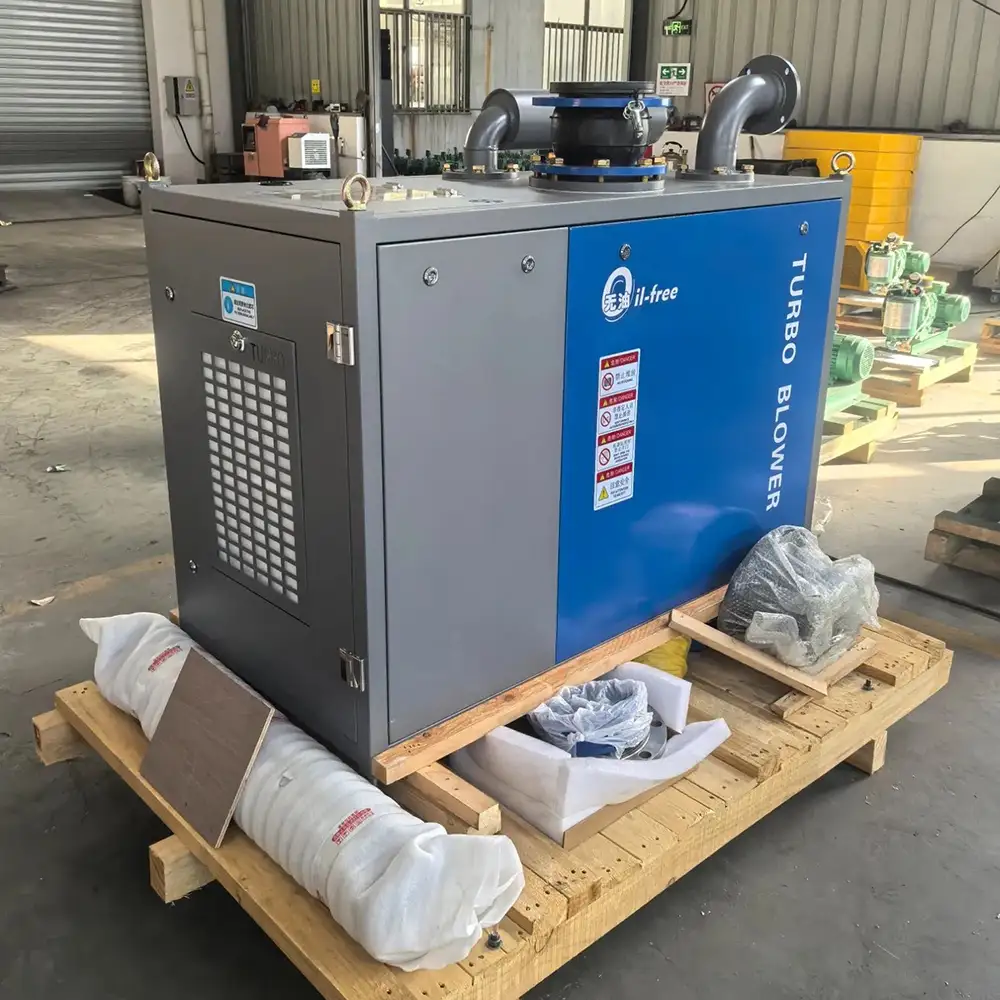
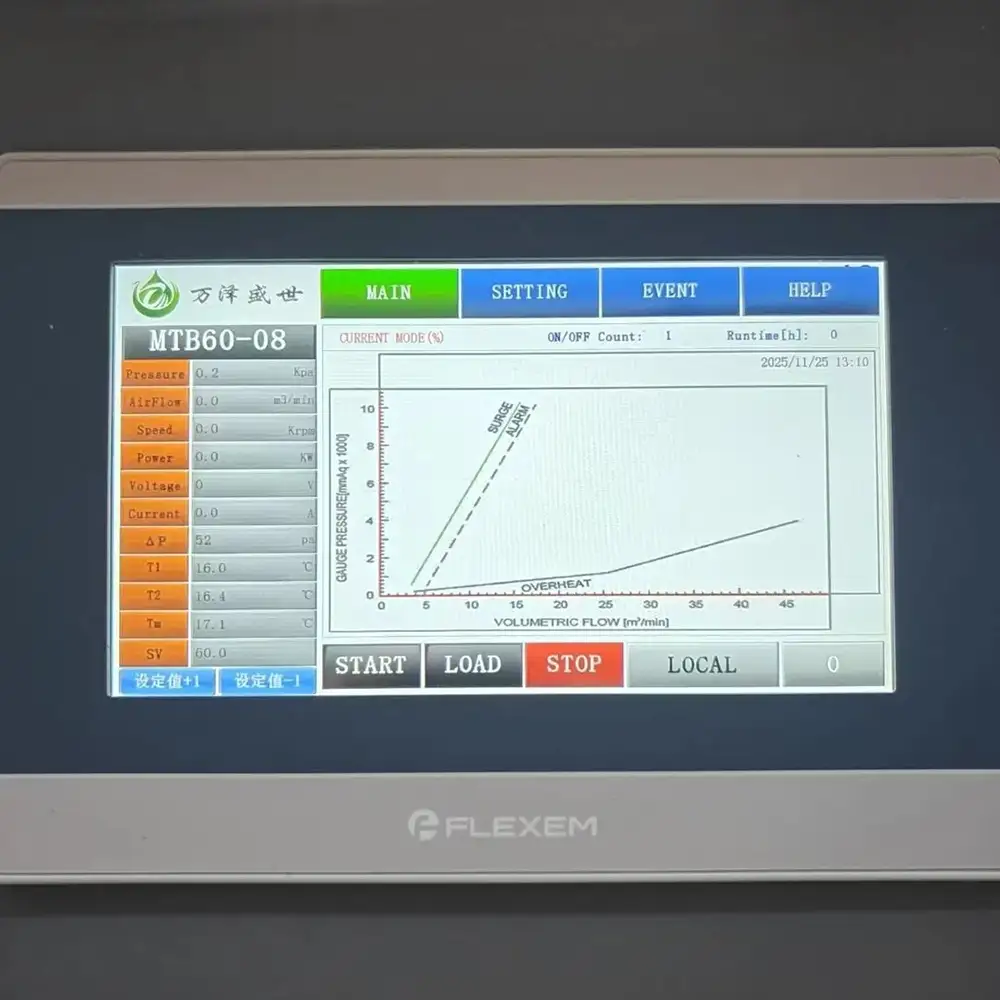
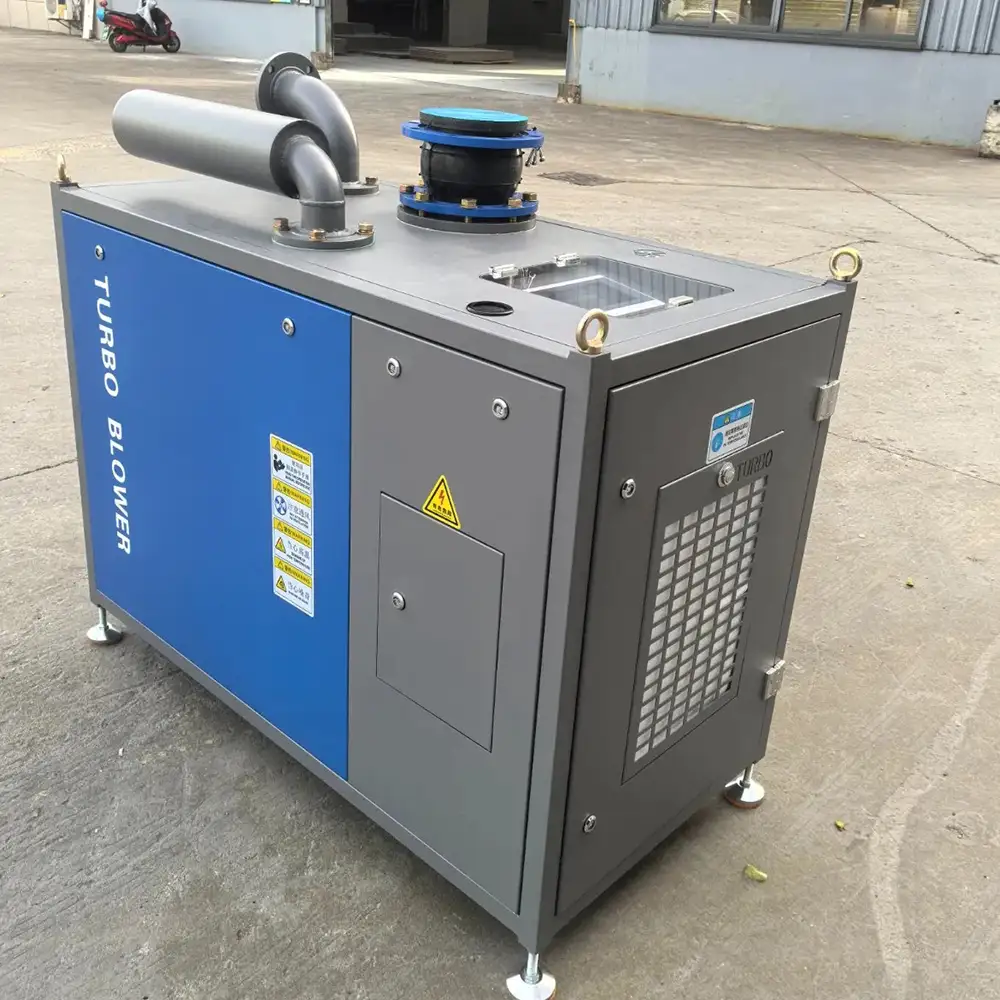
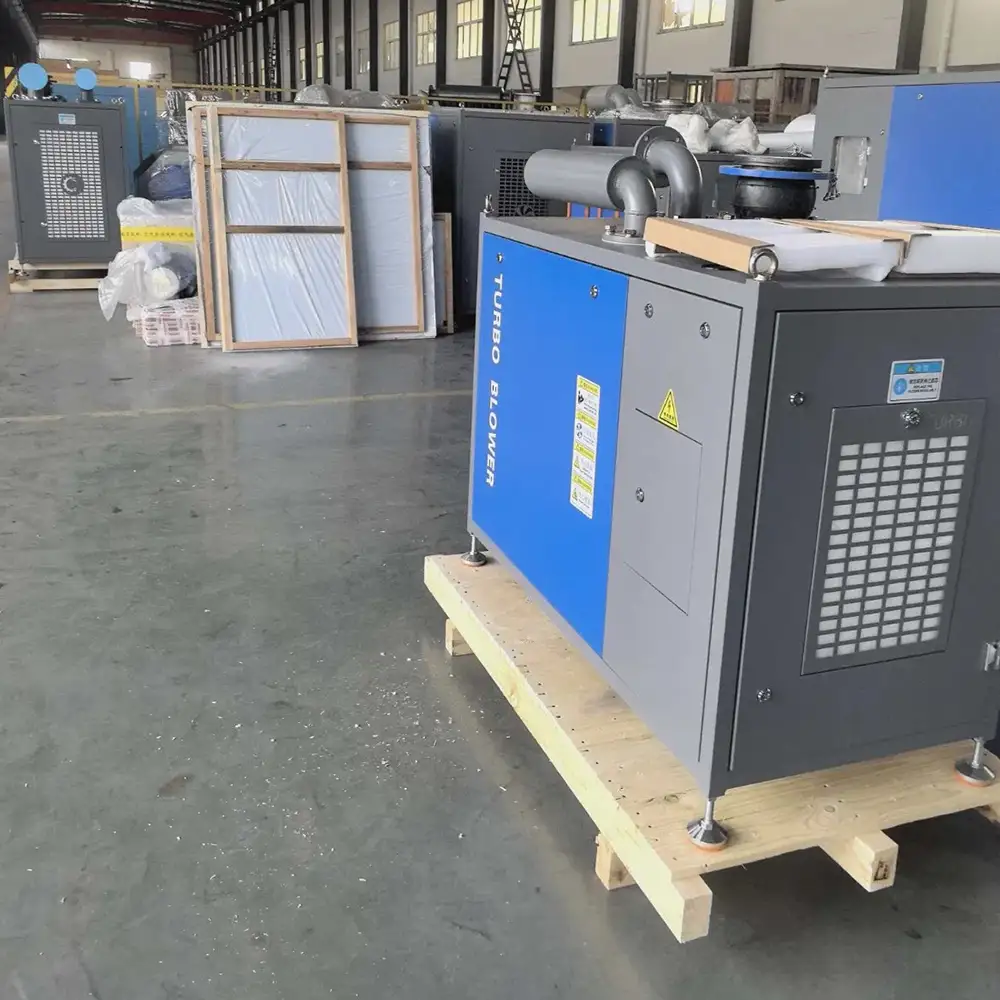
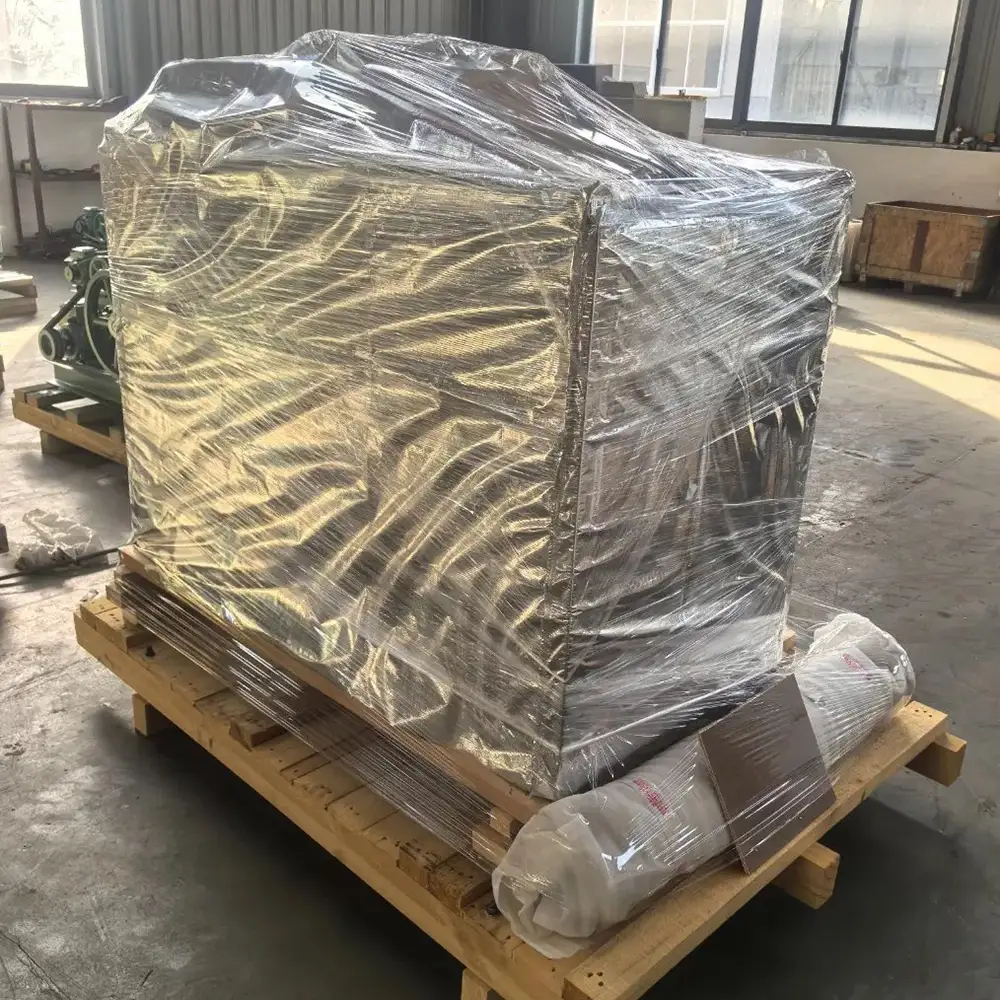
User Manual
High efficiency, energy saving and environmental protection
Pure oil-free and maintenance-free
Low noise and small size
Chapter 1 Safety Instructions
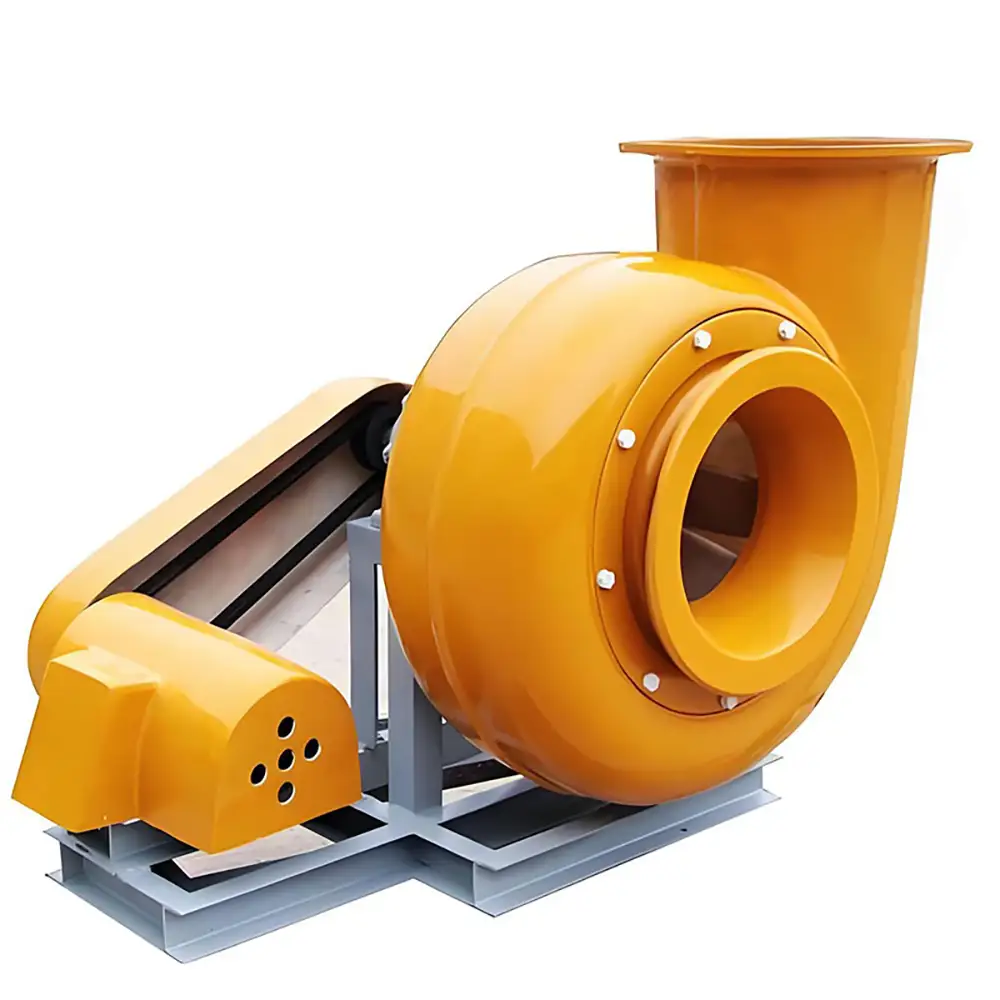
The mechanical components of this air-suspended centrifugal blower operate at very high speeds , and its electrical components operate at very high voltages. Incorrect or improper operation or maintenance may result in equipment damage, user injury or death, or significant property loss. Therefore, please read this document carefully before installing, operating, or performing any maintenance.
Operators must operate in accordance with the operating procedures.
1.2 Routine Safety Measures
1.2.1 Do not open the casing of the air-suspended centrifugal blower without authorization, as the blower contains high-speed mechanical parts and high-voltage electrical components. Incorrect operation or use may result in personal injury, death, or significant property damage.
1.2.2 Before supplying power to the blower, ensure that the site and the power lines connected to the blower meet the national standards.
1.2.3. When the blower is running, do not perform any other operations except for changing the set value.
1.2.4 The main routine maintenance of the blower is to replace the filter/cotton according to the prompts on the control panel.
1.2.5. Do not overload the blower. If necessary, please contact the manufacturer promptly to ensure the blower operates safely under overload conditions.
1.2.6 Do not operate the blower in flammable or explosive environments, as this may cause fire or explosion.
1.2.7 Do not operate in environments with high-frequency noise for extended periods, as this may cause hearing impairment for operators.
1.2.8. Do not modify any parts of the air-suspended centrifugal blower without authorization. Incorrect modifications may cause blower malfunction and result in serious personal injury, death, or significant property damage.
1.2.9. Do not drop or bump the blower during installation or transportation, especially when the blower is running at high speed.
1.2.10. If a malfunction occurs during the use of the blower, please refer to the "Air Suspension Blower Operation Manual" for troubleshooting according to the prompts. If the problem persists, please contact the manufacturer promptly.
|
name |
Specifications and Models |
unit |
quantity |
Remark |
|
Flexible joint |
Standard configuration |
tower |
1 |
Randomly installed |
|
Turbine wafer butterfly valve |
Standard configuration |
tower |
1 |
Manual |
|
Lug-type butterfly check valve |
Standard configuration |
tower |
1 |
Note the installation direction. |
|
flange |
Standard configuration |
Item |
3 |
PN10 |
|
asbestos pad |
Standard configuration |
Item |
2 |
Check valve *1, silencer *1 |
|
Heat dissipation vent silencer |
Standard configuration |
tower |
1 |
1 meter long, with flanges at both ends |
|
fastener |
Standard configuration |
set |
1 |
|
|
Air outlet silencer |
Optional |
tower |
1 |
Length can be customized as needed |
Aerobic Wastewater Treatment with Aeration Blower for Dairy, Food Processing and Slaughterhouse Wastewater
Dairy wastewater, food processing wastewater, and slaughterhouse wastewater typically contain significant amounts of biodegradable organic matter, suspended solids, fats, oils, grease, nutrients, and cleaning chemicals. Because wastewater characteristics can change according to production schedules, raw materials, cleaning operations, and processing methods, an effective treatment system usually requires suitable pretreatment and biological treatment processes.
An aerobic wastewater treatment system uses microorganisms in the presence of oxygen to biologically break down biodegradable organic compounds. The aeration blower supplies the air required by the biological process while also helping maintain mixing in the aeration tank. EPA describes aeration as a process that introduces air into wastewater to provide oxygen for microorganisms and promote contact between microorganisms and organic matter.
This type of treatment configuration can be applied to dairy plants, food processing facilities, slaughterhouses, meat processing plants, poultry processing facilities, beverage plants, and other food-related industrial wastewater applications.
Dairy Wastewater Treatment
Dairy wastewater can originate from milk processing, cheese production, yogurt manufacturing, butter production, ice cream production, whey handling, equipment cleaning, tank washing, floor cleaning, and product changeovers. EPA identifies cleaning water, processing losses, spilled or wasted products, detergents, and other cleaning compounds among important dairy processing wastewater sources.
Organic materials from milk and dairy products can create a relatively high biodegradable load. Therefore, biological treatment can be an important part of the overall wastewater treatment process.
A typical dairy wastewater treatment line may include screening, equalization, oil and grease separation where necessary, biological treatment, clarification, sludge handling, and final polishing or disinfection. Aeration equipment provides the oxygen required by aerobic microorganisms in the biological reactor.
EPA documentation for dairy wastewater treatment describes activated sludge configurations incorporating pretreatment, equalization, aeration, settling, and subsequent treatment stages.
Food Processing Wastewater Treatment
Food processing wastewater varies substantially according to the raw materials and production process. It may contain food particles, dissolved organic matter, fats, oils, grease, proteins, carbohydrates, suspended solids, cleaning chemicals, and nutrients.
Vegetable processing, fruit processing, meat processing, beverage production, dairy production, bakery operations, seafood processing, and prepared-food manufacturing can all generate different wastewater characteristics.
An aerobic treatment system provides a biological stage for biodegradable organic matter after appropriate pretreatment. Screening and primary separation can reduce large solids and floating materials before wastewater enters the aeration basin.
For food processing applications, wastewater equalization is often useful because production activities can create significant variations in flow and organic loading throughout the day.
Slaughterhouse Wastewater Treatment
Slaughterhouse and meat processing wastewater may contain blood, animal tissue, fats, oils, grease, suspended solids, proteins, nitrogen compounds, and other biodegradable materials. EPA's meat and poultry effluent guidance covers wastewater from slaughterhouses and further processing facilities, while EPA technical documents describe aerobic biological treatment as a method in which microorganisms consume biodegradable organic compounds in aerated wastewater.
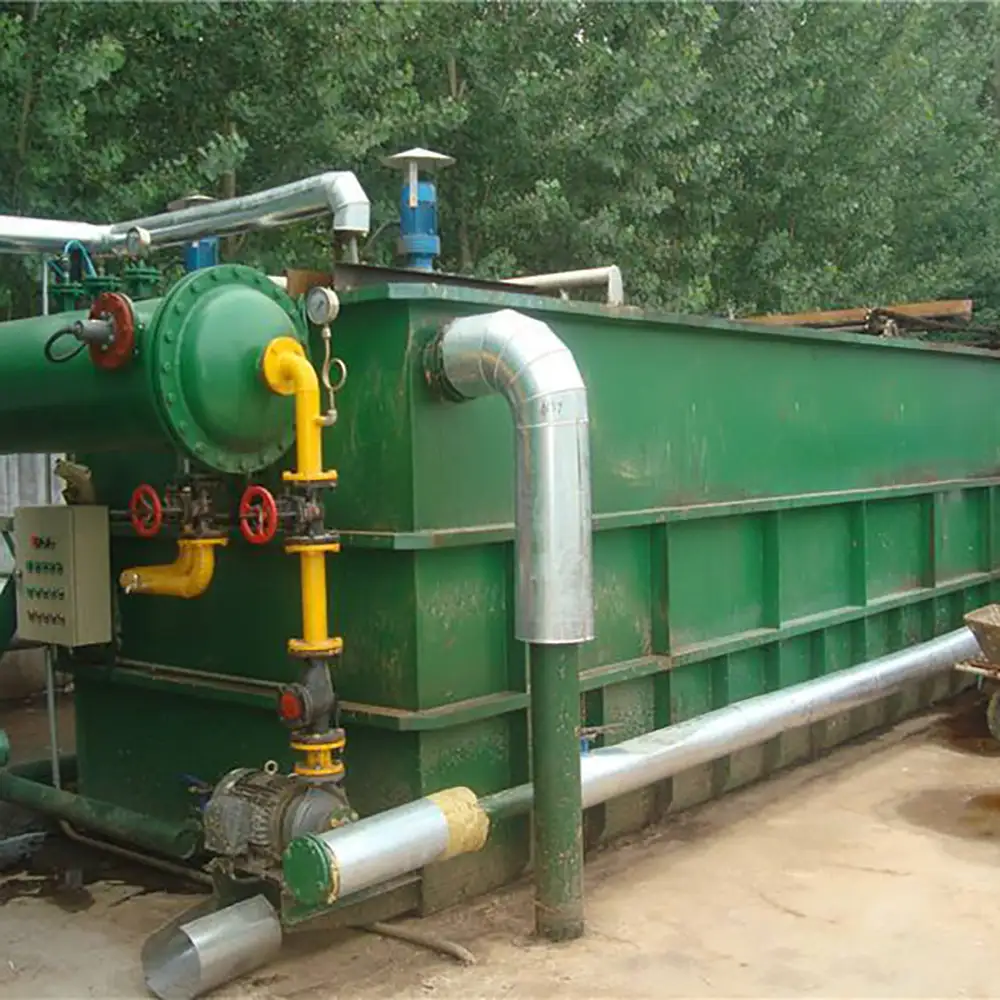
A suitable treatment system may therefore combine coarse screening, fine screening, dissolved air flotation or other primary separation, equalization, aerobic biological treatment, secondary clarification, sludge treatment, and final polishing.
Aeration blower selection is particularly important because the biological reactor requires an appropriate oxygen supply. The blower should be selected according to wastewater flow, organic loading, tank volume, oxygen demand, diffuser type, operating depth, altitude, temperature, and required dissolved oxygen conditions.
Aerobic Wastewater Treatment Process
The aerobic process generally begins after preliminary or primary treatment has removed larger solids and floating contaminants.
Wastewater enters the aeration tank where microorganisms interact with biodegradable organic matter. The aeration blower supplies air through submerged diffusers or another suitable aeration device.
The supplied oxygen supports microbial activity, while the air movement also contributes to tank mixing. The biological solids can subsequently be separated from treated water through a secondary clarifier or another solid-liquid separation process.
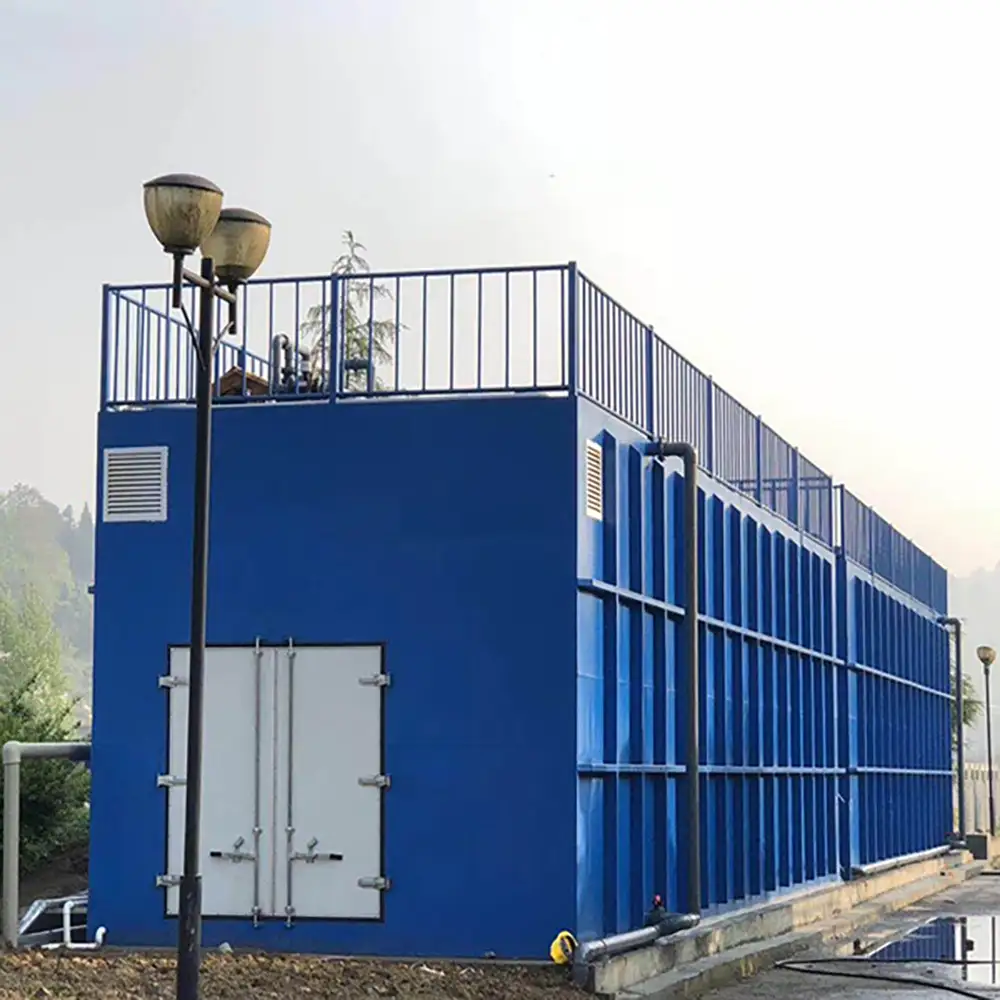
Depending on the treatment objective, aerobic treatment can be configured as activated sludge, extended aeration, sequencing batch reactor, MBBR, oxidation ditch, aerated lagoon, or other biological processes.
The appropriate process depends on wastewater characteristics, flow variation, required effluent quality, available space, operating conditions, and downstream discharge or reuse requirements.
Aeration Blower for Wastewater Treatment
The aeration blower is one of the key mechanical components of an aerobic wastewater treatment system. Its primary function is to deliver a controlled air flow to the aeration equipment.
Common blower technologies include Roots blowers, rotary lobe blowers, screw blowers, and turbo or centrifugal blowers. The appropriate type depends on air volume, discharge pressure, operating hours, efficiency requirements, control strategy, and project scale.
A blower system can include:
Aeration Blower
Air Distribution Piping
Fine Bubble Or Coarse Bubble Diffusers
Air Valves
Pressure Gauges
Flow Meters
Dissolved Oxygen Sensors
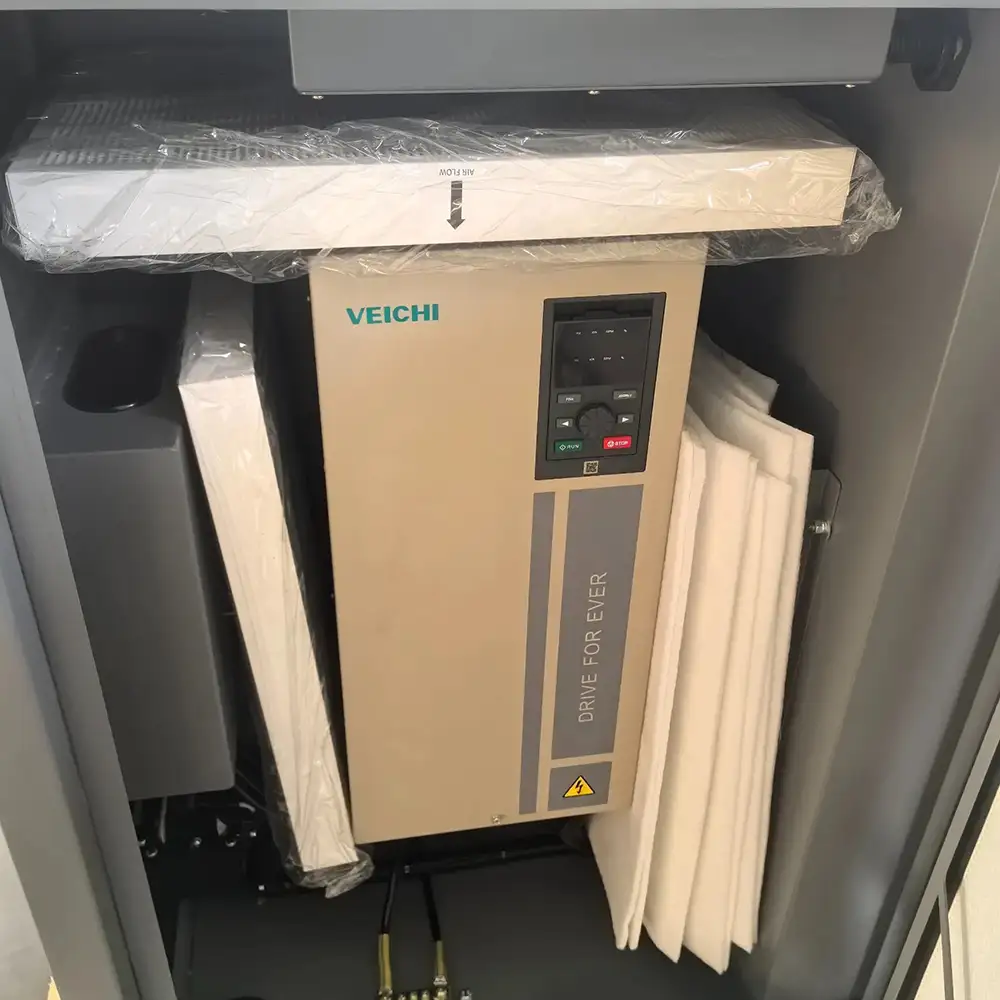
Variable Frequency Drive
Automatic Control Cabinet
Blower Inlet Filter
Silencer And Accessories
EPA guidance notes that aeration can represent a major portion of wastewater treatment plant energy consumption, making appropriate aeration system design and control important for energy management.
Fine Bubble and Coarse Bubble Aeration
The choice of diffuser affects oxygen transfer, mixing, maintenance, and blower requirements.
Fine bubble diffusers can provide efficient oxygen transfer when properly designed and maintained. Coarse bubble systems can provide stronger mixing and may be useful in wastewater containing higher solids or fouling potential.
For food and dairy wastewater, diffuser selection should consider suspended solids, grease, cleaning chemicals, temperature, biological loading, and maintenance conditions. EPA historical dairy treatment documentation notes that aeration performance depends on the aerator, reactor geometry, and wastewater characteristics.
Equalization and Pretreatment
Food industry wastewater can experience substantial variations in flow and pollutant concentration. An equalization tank can help moderate these fluctuations before biological treatment.
Pretreatment may include:
Mechanical Screening
Rotary Drum Screening
Bar Screening
Grit Removal
Grease Separation
Oil Water Separation
Dissolved Air Flotation
Primary Sedimentation
Equalization
For slaughterhouse and food processing wastewater, removing large solids and excessive fats, oils, and grease before biological treatment can help protect pumps, blowers, diffusers, and biological reactors.
Automatic Aeration Control
The aeration blower can be integrated with dissolved oxygen sensors, variable frequency drives, flow meters, pressure sensors, and PLC controls.
Instead of operating the blower continuously at a fixed output, an automatic control system can adjust air supply according to process conditions. This can help match oxygen delivery with actual biological demand.
The correct control strategy depends on the treatment process. For example, an MBBR system, activated sludge system, and SBR may have different aeration requirements and operating cycles.
Applications
This aerobic wastewater treatment and aeration blower configuration can be used for:
Dairy Wastewater Treatment
Milk Processing Wastewater
Cheese Factory Wastewater
Yogurt Processing Wastewater
Food Processing Wastewater
Beverage Processing Wastewater
Meat Processing Wastewater
Slaughterhouse Wastewater
Poultry Processing Wastewater
Seafood Processing Wastewater
Food Factory Wastewater
Central Kitchen Wastewater
Rendering Wastewater
Agricultural Food Processing Wastewater
Why Choose Us
Designed for high-organic-load industrial wastewater applications
Suitable for dairy, food processing, meat, poultry, and slaughterhouse wastewater
Aerobic biological treatment configurations available
Matching aeration blower and diffuser systems
Flexible activated sludge, MBBR, SBR, and other aerobic process options
Pretreatment and equalization can be integrated
Automatic blower control options available
Airflow and oxygen supply can be selected according to process requirements
Modular equipment configurations for different plant capacities
Suitable for new wastewater plants and treatment system upgrades
Complete equipment integration from pretreatment to biological treatment
Project-specific design based on actual wastewater characteristics
FAQ
1. What Is Aerobic Wastewater Treatment?
Aerobic wastewater treatment uses microorganisms in an oxygen-rich environment to biologically degrade biodegradable organic pollutants in wastewater.
2. What Does an Aeration Blower Do?
An aeration blower supplies air to the biological treatment tank. The air provides oxygen for microorganisms and can also help maintain mixing within the reactor.
3. Can This System Treat Dairy Wastewater?
Yes. Aerobic biological treatment can be used as part of a dairy wastewater treatment system, normally together with suitable screening, equalization, solids separation, and other treatment stages.
4. Can It Treat Slaughterhouse Wastewater?
Yes. Aerobic biological treatment can be incorporated into slaughterhouse and meat-processing wastewater treatment systems. Pretreatment is normally important because slaughterhouse wastewater can contain high concentrations of solids, fats, oils, grease, and organic matter.
5. Can Food Processing Wastewater Be Treated With an Aerobic Process?
Yes. Many food processing wastewaters contain biodegradable organic compounds suitable for biological treatment. The actual process should be selected according to wastewater composition and required effluent quality.
6. Why Is Equalization Used?
Equalization can help balance variations in wastewater flow and pollutant concentration before biological treatment, making the downstream process easier to control.
7. Which Blower Is Best for Wastewater Treatment?
There is no single blower type suitable for every project. Roots, screw, centrifugal, and other blower technologies can be selected according to airflow, pressure, efficiency, operating hours, and project capacity.
8. Can the Blower Be Automatically Controlled?
Yes. The blower can be combined with a variable frequency drive, dissolved oxygen sensor, PLC, flow meter, and other instruments to regulate air supply according to process conditions.
9. What Type of Diffuser Can Be Used?
Fine bubble or coarse bubble diffusers can be used depending on oxygen transfer requirements, wastewater characteristics, mixing requirements, fouling potential, and maintenance strategy.
10. Does Aerobic Treatment Remove BOD?
Aerobic microorganisms can consume biodegradable organic matter, thereby reducing BOD under suitable operating conditions. Actual treatment performance depends on wastewater characteristics and process design.
11. Does the System Require Pretreatment?
Many food and slaughterhouse applications benefit from screening, solids removal, grease separation, flotation, or equalization before biological treatment. The required pretreatment depends on the wastewater.
12. How Is the Aeration Blower Sized?
Blower sizing considers oxygen demand, wastewater flow, organic loading, reactor volume, operating depth, diffuser characteristics, temperature, altitude, and required dissolved oxygen conditions. A wastewater analysis and process design are recommended before final equipment selection.
Prev:
Compact Prefabricated Pumping Unit Water Purifier
Next:
Durable Automatic Oil Water Separator for Factory Wastewater,Commercial Kitchen Automatic Grease
TAG:
FOG Wastewater Treatment,
Food Industry Wastewater Treatment,
Dairy Wastewater Treatment,
Meat Processing Wastewater Treatment,
Industrial Wastewater Treatment System,
Biological Wastewater Treatment System,
Industrial Wastewater Treatment,
Food Wastewater Treatment,
Organic Wastewater Treatment,
High COD Wastewater Treatment,
Wastewater Treatment Plant,
Wastewater Treatment System,
Aerobic Biological Treatment,
Industrial Effluent Treatment,
BOD Removal Wastewater Treatment,
Moving Bed Biofilm Reactor,
MBBR Wastewater Treatment,
MBBR Biological Treatment,
Biological Reactor,
Biological Wastewater Treatment,
Industrial Air Blower,
Aeration Tank Blower,
Industrial Wastewater Aeration,
Wastewater Aeration Equipment,
Industrial Aeration Blower,
Aeration Blower,
Wastewater Aeration Blower,
Maglev Turbo Blower,
Equalization Tank Wastewater Treatment,
Organic Load Wastewater Treatment,
Related Category:
Dairy Wastewater Treatment,Food Processing Wastewater Treatment,Slaughterhouse Wastewater Treatment,Aerobic Wastewater T China, suppliers, manufacturers, factory, customized, wholesale, quotation, made in China