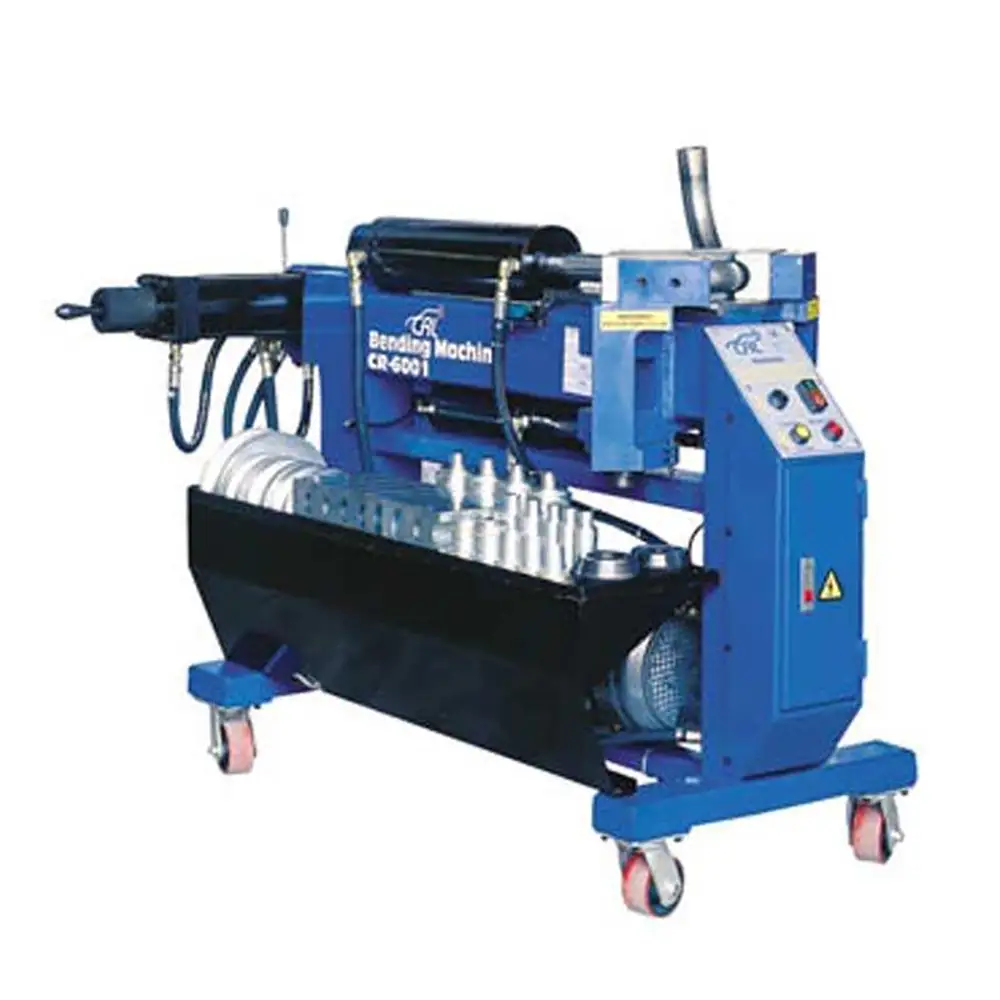
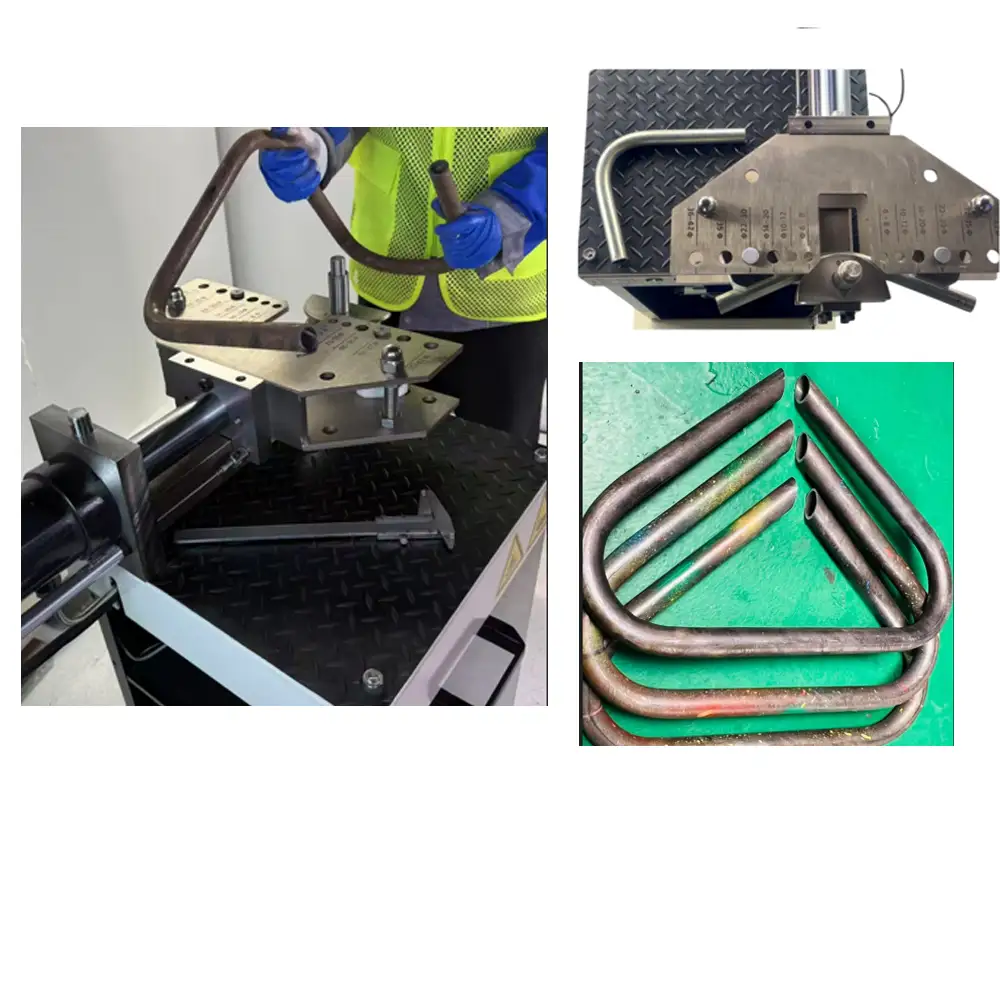
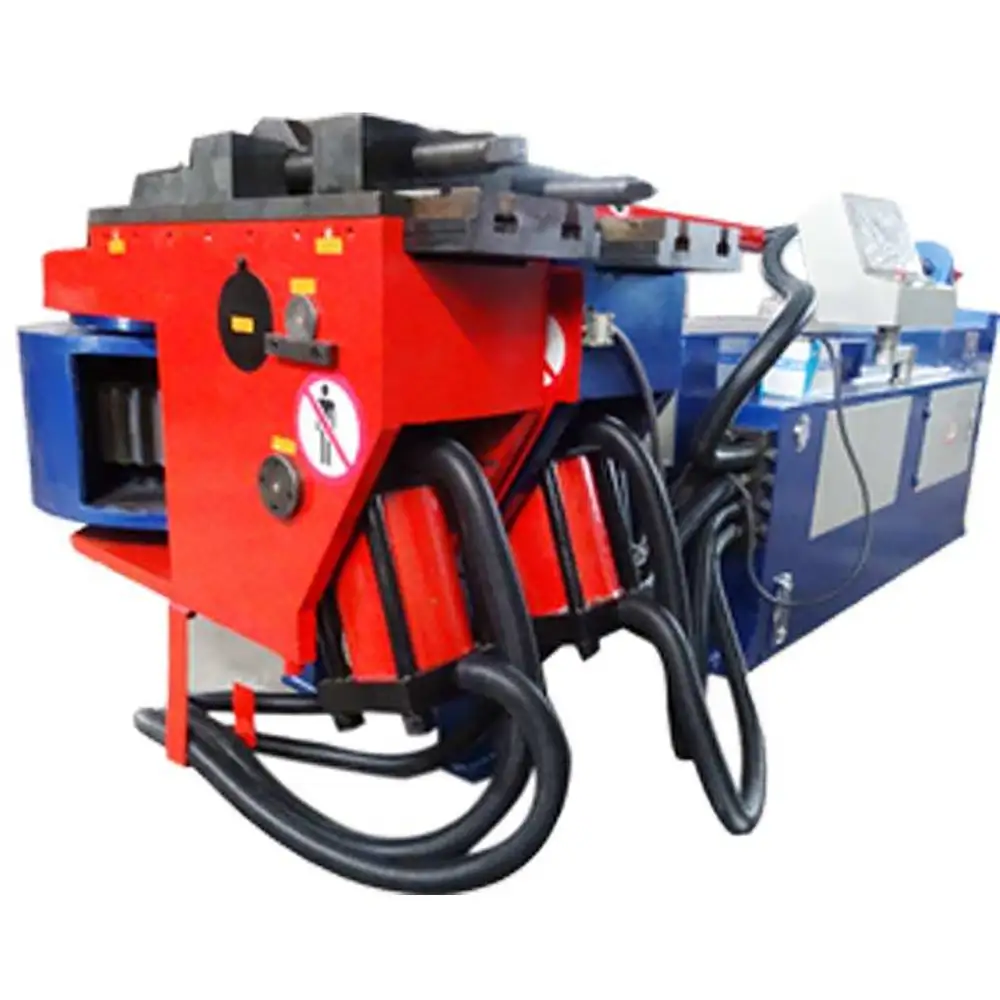
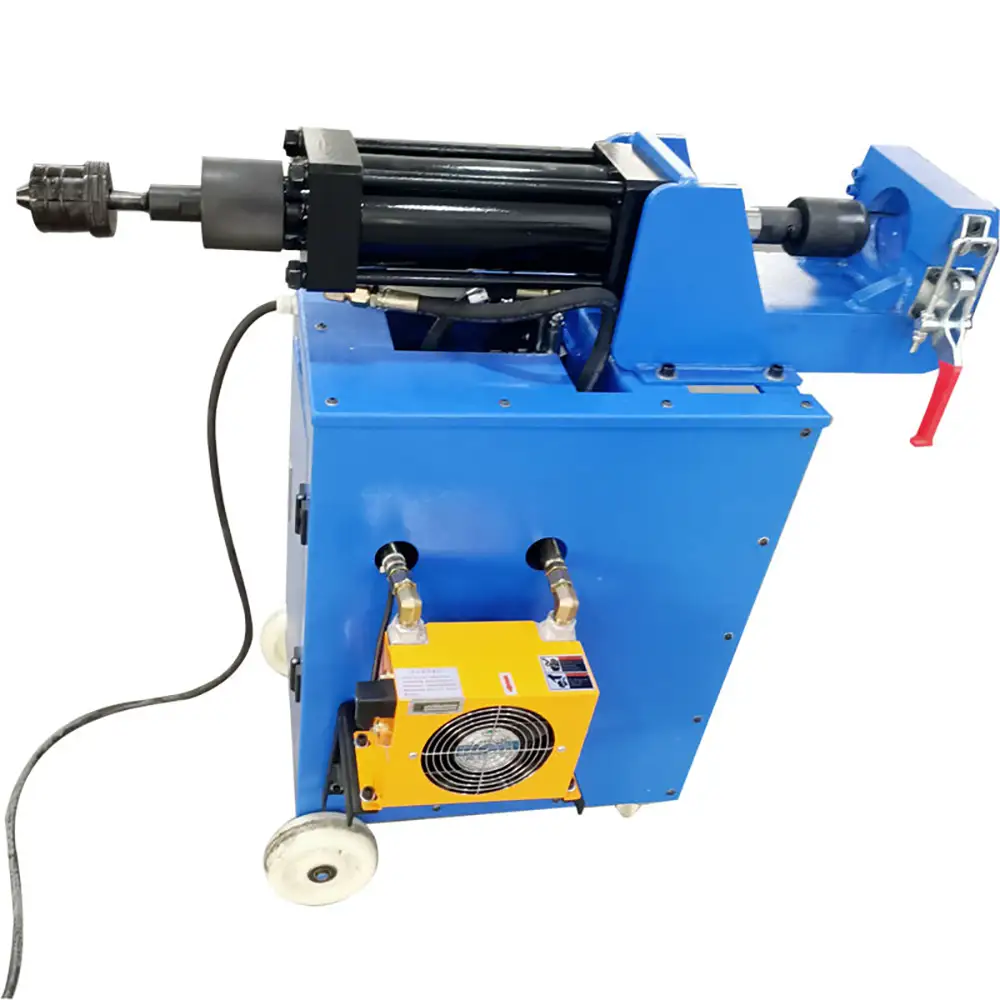
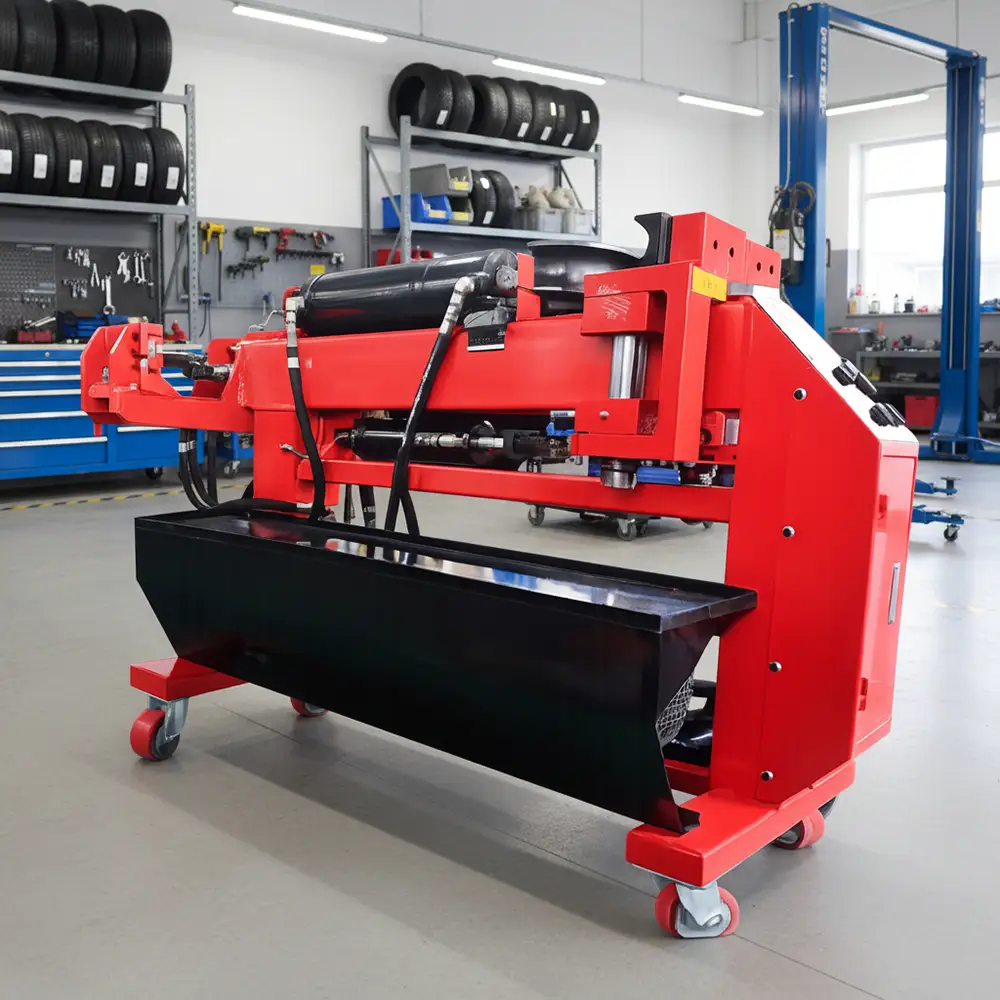
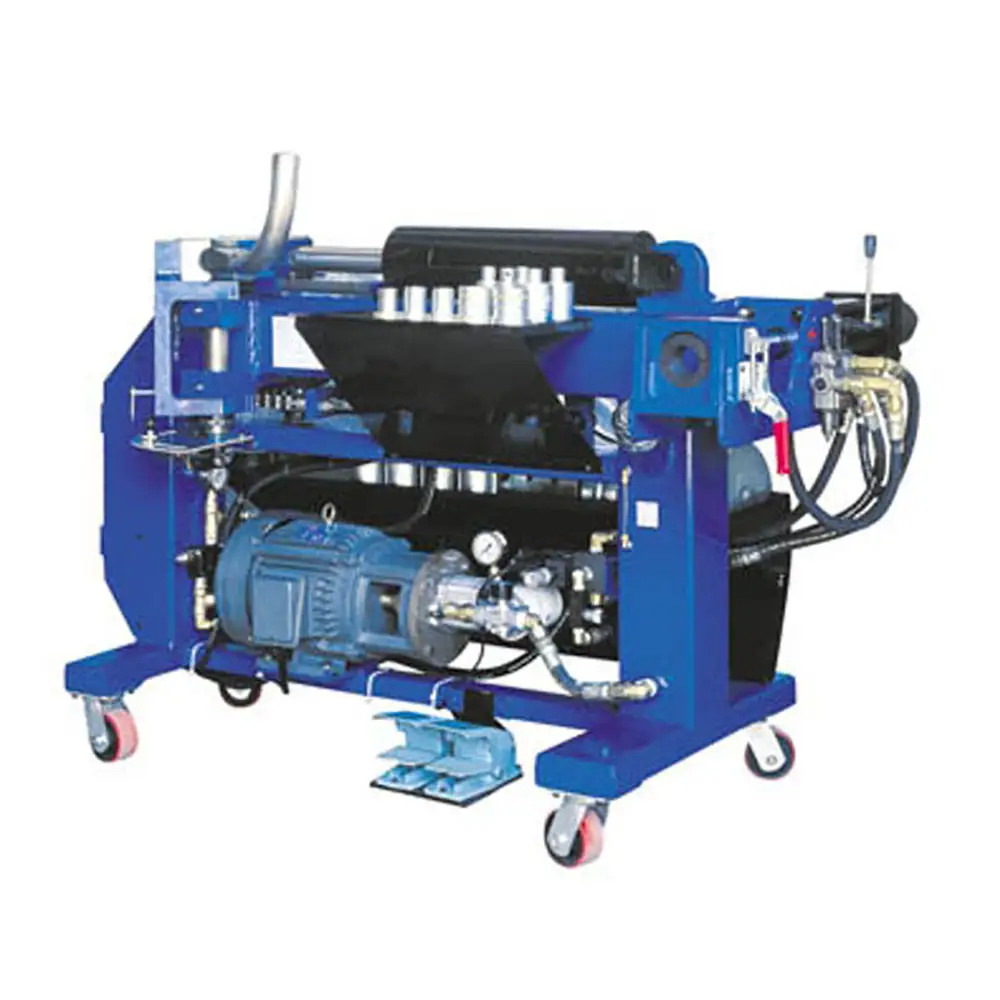
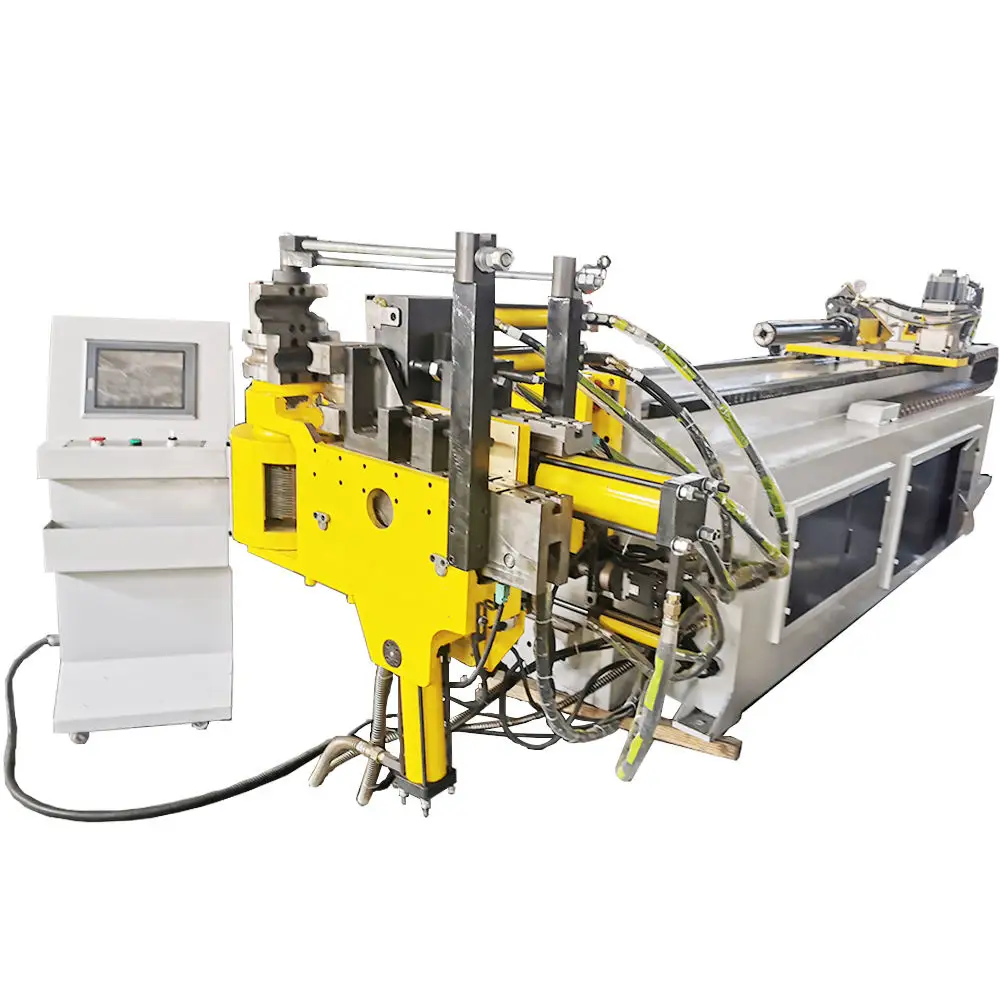
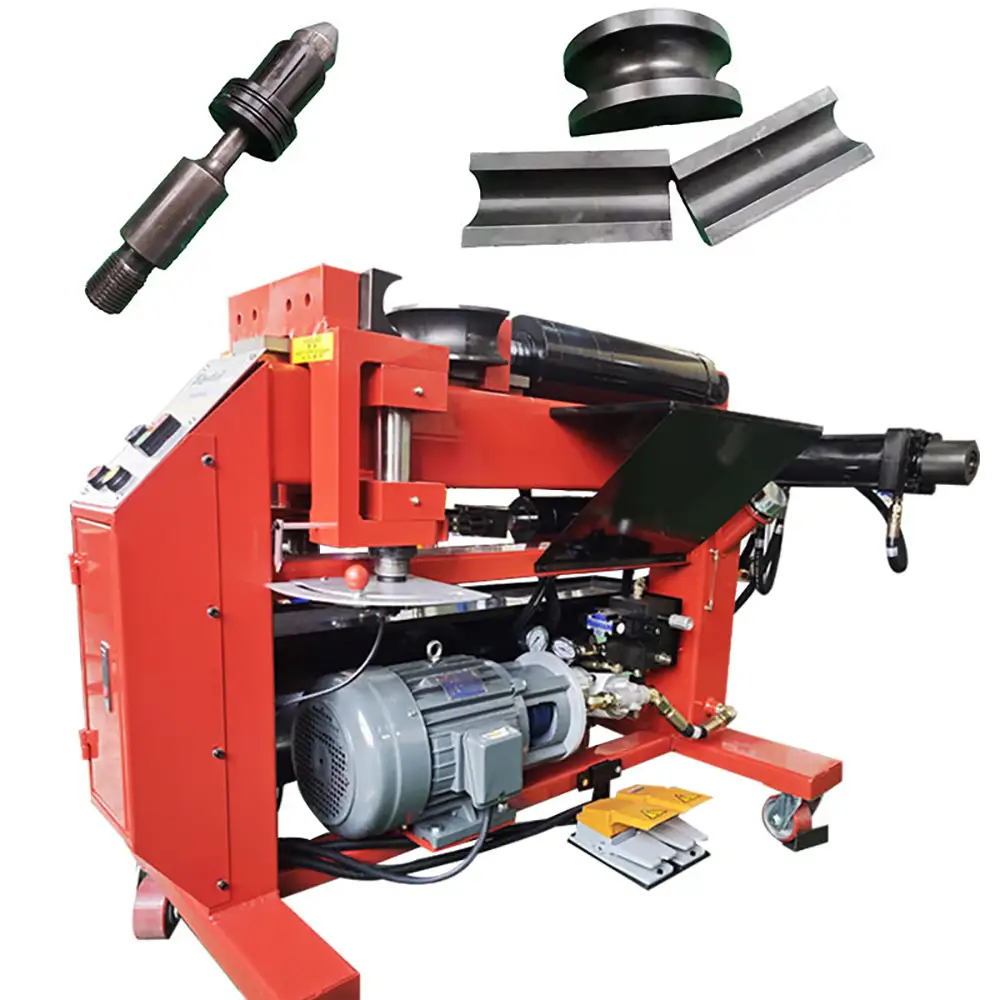
1.machine can bend, expand and reduce
2. machine bend and expanding pipe diameter reach to max 3 inch( galvanized steel), others pipe size, SS or MS, is available
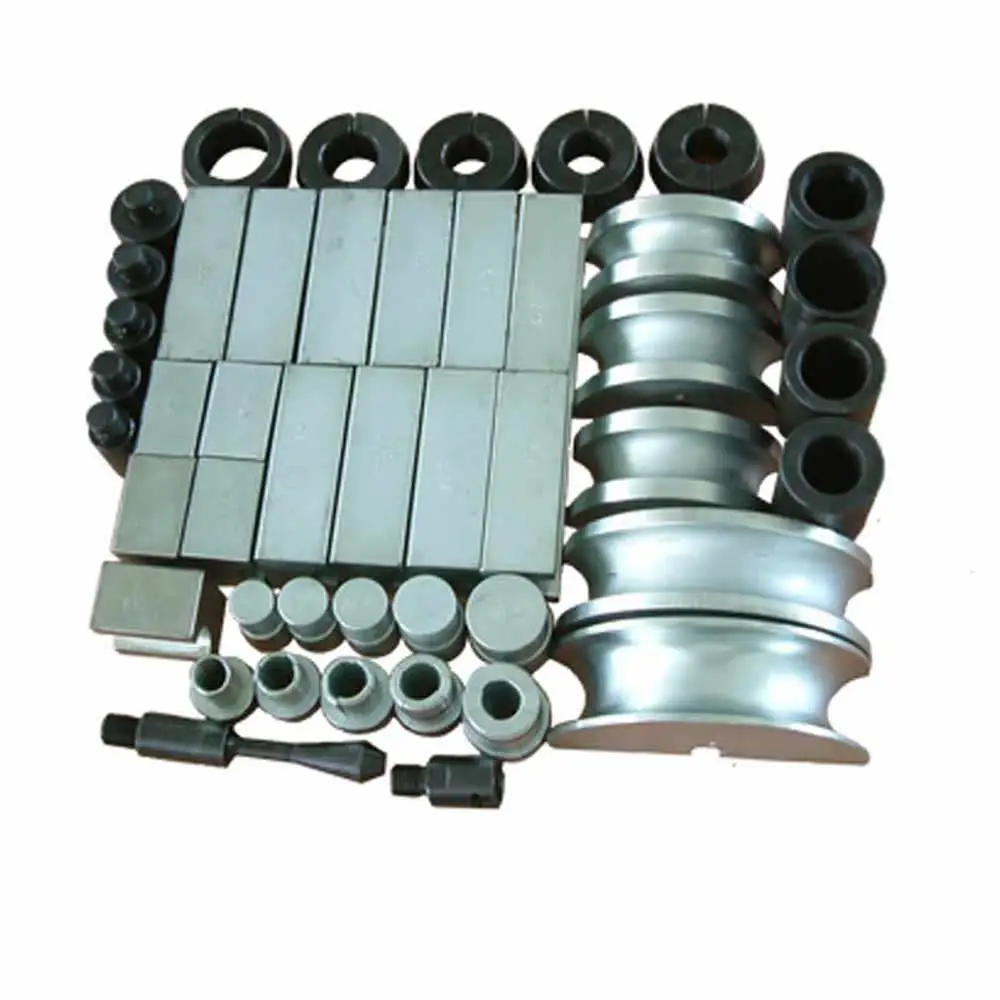
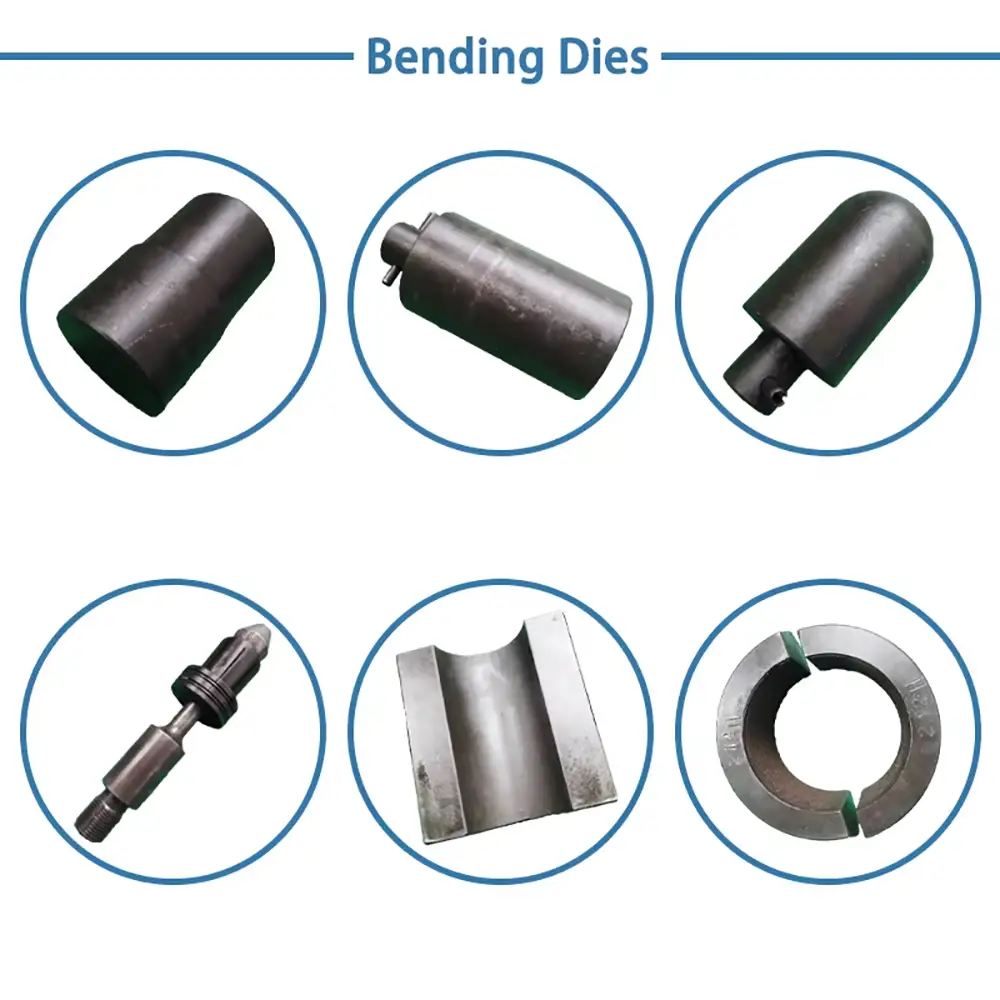
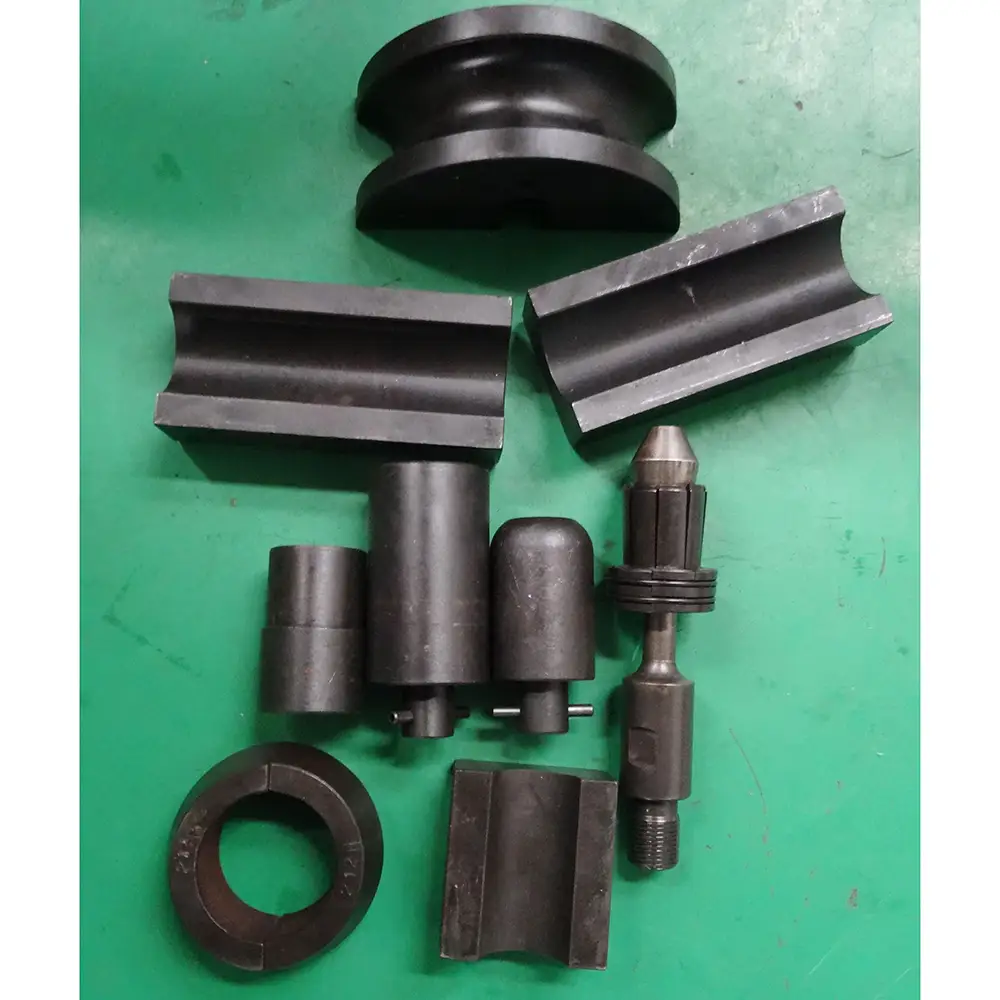
3.quotation include 5 set standard size tools, which are 38.1mm,41.275mm,44.45mm,50.8mm,63.5mm,
if need other size, please let us know, customized serve is acceptable
PRODUCT SPECIFICATIONS
|
tube bender is supplied with standard tooling size as following |
|
5 size of bending dies |
1-1/2,1-5/8,1-3/4,2,2-1/2 (inch)
38.1, 41.3, 44.5,50.8, 63.5, (mm) |
|
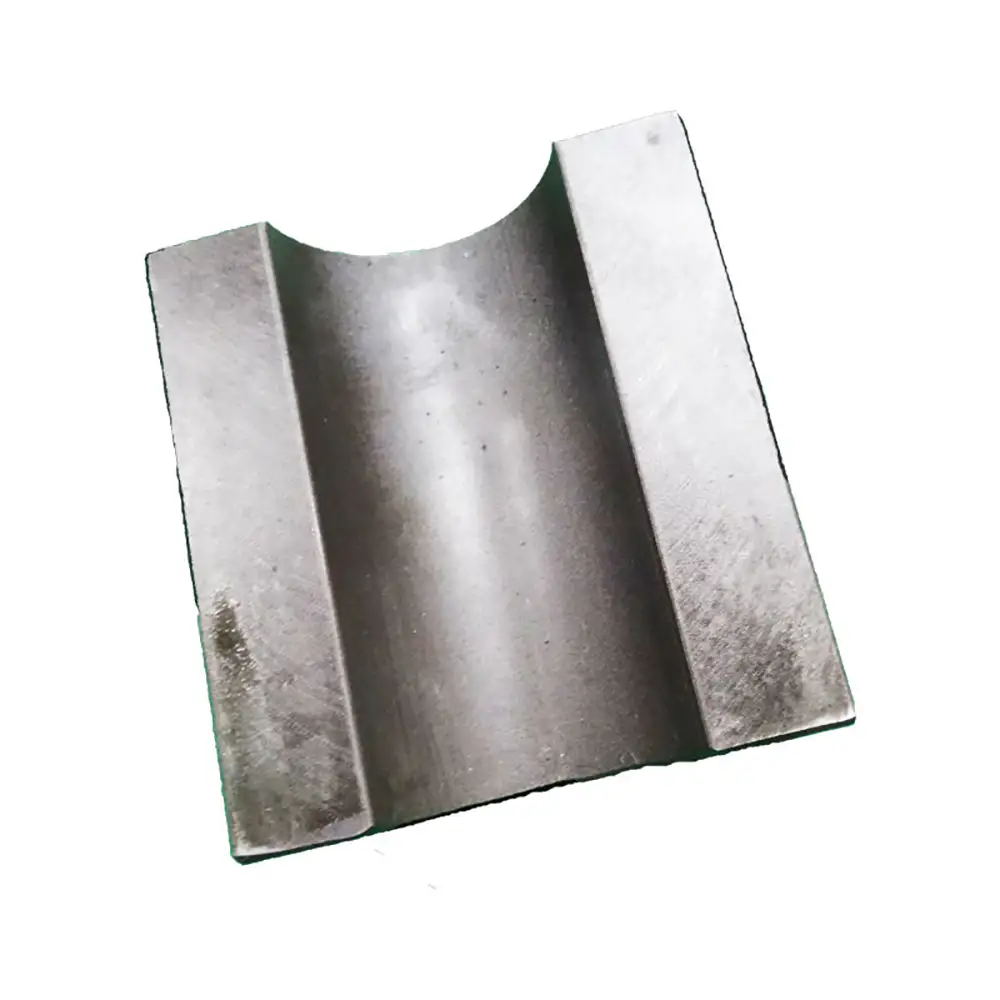
5 sizes of back shoe sets |
1-1/2, 1-5/8, 1-3/4, 2, 2-1/2, (inch)
38.1, 41.3, 44.5, 50.8, 63.5, (mm) |
|
5 sizes of half shoes |
1-1/2, 1-5/8, 1-3/4, 2, 2-1/2, (inch)
38.1, 41.3, 44.5, 50.8, 63.5, (mm) |
|
5size of bend plugs |
1-1/2, 1-5/8, 1-3/4, 2, 2-1/2, (inch)
38.1, 41.3, 44.5, 50.8, 63.5, (mm) |
|
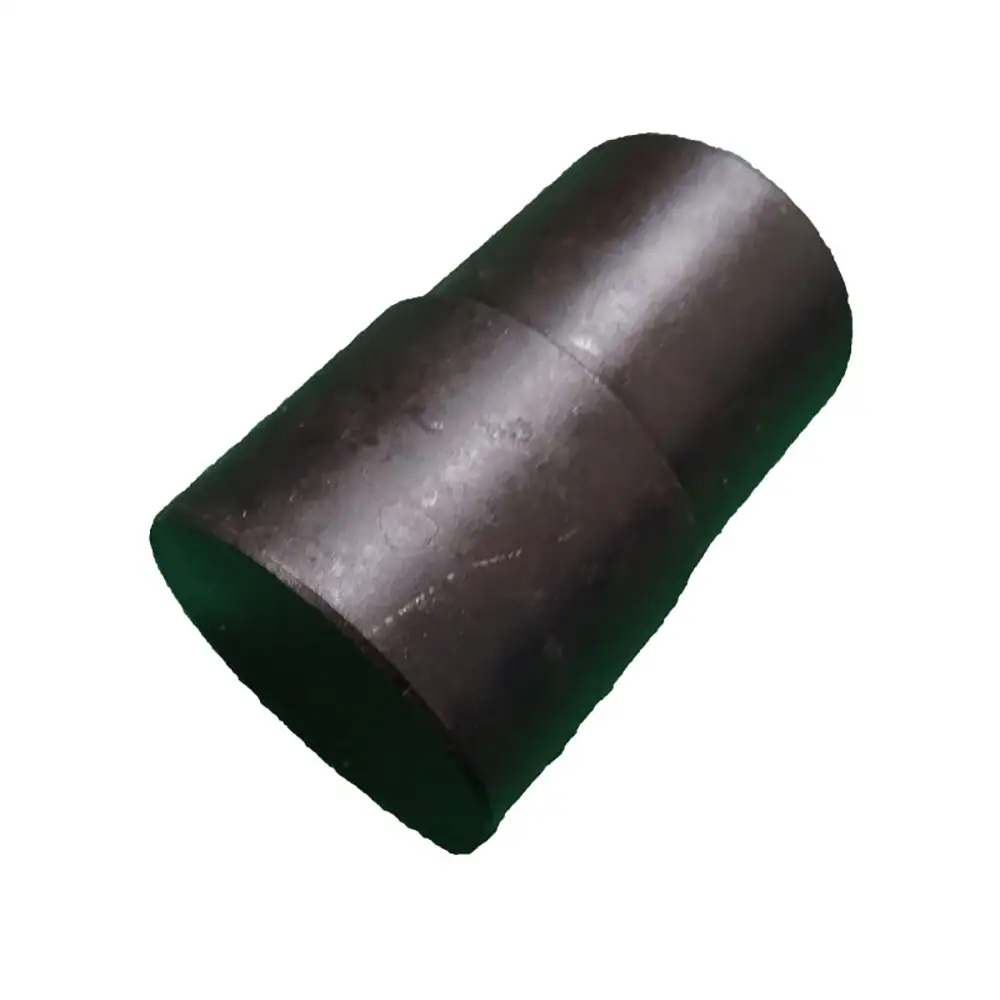
4sizes of reducing tools |
1-1/2,1-3/4(1-5/8), 2,2-1/2(inch)
38,44.5/45, 50.8,67.2(mm) |
|
5 sizes expander dies |
1-1/2, 1-5/8, 1-3/4, 2, 2-1/2, (inch)
38.1, 41.3, 44.5, 50.8, 63.5, (mm |
|
5 sizes adaptor collars |
1-1/2, 1-5/8, 1-3/4, 2, 2-1/2, (inch)
38.1, 41.3, 44.5, 50.8, 63.5, (mm |
|
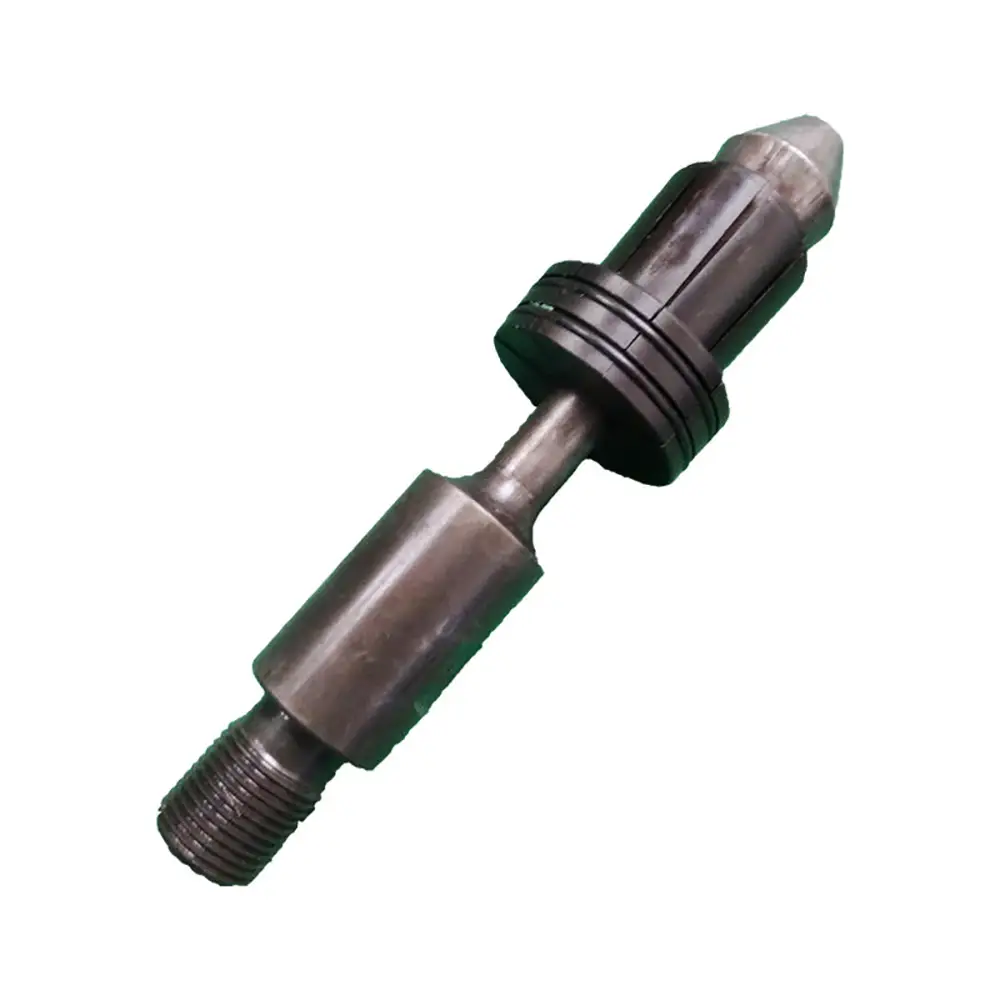
5 sizes segment expander sets |
1-1/2, 1-5/8, 1-3/4, 2, 2-1/2, (inch)
38.1, 41.3, 44.5, 50.8, 63.5, (mm) |
|
1 segment expander arbor |
Exhaust Manufacturing Machine Molds for Bending,Expanding and Forming
Exhaust Manufacturing Machine Molds are specialized tooling components designed for exhaust pipe bending,expanding,reducing,and forming applications. Used with compatible exhaust manufacturing machines,these molds help shape metal tubes into the required geometry for automotive exhaust systems,muffler components,and custom exhaust fabrication.
Proper tooling is an essential part of the exhaust tube forming process. The machine provides the mechanical or hydraulic force,but the mold or die determines how that force is transferred to the pipe. A correctly designed mold can help improve forming consistency,reduce unwanted deformation,and support repeatable production.
These molds can be designed for different pipe diameters,materials,wall thicknesses,bend radii,and forming operations. Depending on the application,the tooling may be used for pipe bending,expanding,reducing,flaring,shrinking,or other exhaust tube forming processes.
Exhaust Pipe Bender Molds
Exhaust pipe bender molds are designed to support the tube during bending and guide it into the required curved shape.
The bending die is selected according to the outside diameter and material of the exhaust tube. Other tooling components may include clamp dies,pressure dies,wiper dies,mandrels,or supporting fixtures depending on the bending method.
For exhaust fabrication,the correct die geometry is important because the finished tube must often maintain a controlled bend radius while minimizing flattening or wrinkling.
Different exhaust pipe diameters generally require different bending tooling. A mold designed for one tube size should not automatically be assumed to work correctly with another diameter.
Customers should provide accurate tube dimensions and finished-part drawings when ordering custom exhaust bending molds.
Exhaust Pipe Expander Molds
Exhaust pipe expander molds are used to increase or modify the diameter of a tube end or section. This type of forming is commonly required when two exhaust components need to be connected or fitted together.
Depending on the machine design,the expansion process may use internal expanding tooling or another forming method.
The mold profile determines the final expanded diameter and shape. Proper tooling can help produce a smoother transition while maintaining a suitable connection between exhaust components.
Expansion tooling should be selected according to the original pipe diameter,wall thickness,required expansion amount,and material properties.
Exhaust Pipe Reducer and Shrinking Dies
In addition to expansion,exhaust manufacturing may require reducing or shrinking a tube section.
Reducer molds are designed to decrease the diameter of a suitable tube end or section. This can be useful when producing stepped exhaust components,transition sections,or connections between pipes of different sizes.
Shrinking dies must be matched to the tube material and forming requirements. Excessive deformation in a single operation may cause wrinkles,cracks,or surface damage.
For more demanding applications,multiple forming stages may be considered depending on the machine and tooling configuration.
Automotive Exhaust Manufacturing Applications
Exhaust manufacturing molds are widely used for producing components for automotive and motorcycle exhaust systems.
Typical applications include:
Exhaust pipes
Muffler pipes
Tailpipes
Exhaust connectors
Exhaust transition tubes
Motorcycle exhaust tubing
Custom exhaust systems
Performance exhaust components
Resonator tubing
Automotive tube assemblies
The tooling can be designed for suitable carbon steel,stainless steel,and other metal tubing commonly used in exhaust fabrication.
Material properties should be considered when selecting the mold because stainless steel and carbon steel may require different forming parameters and tooling conditions.
Custom Exhaust Tube Tooling
One of the most important advantages of dedicated exhaust molds is the ability to customize the tooling around a specific finished component.
Custom tooling can be designed according to:
Tube outside diameter
Wall thickness
Material
Bend radius
Bend angle
Expansion diameter
Reduction diameter
Forming length
End geometry
Required tolerances
A finished-product drawing is especially useful when developing custom tooling. CAD files can help determine the required die profile and forming dimensions.
For OEM exhaust manufacturers,the same tooling can be used for repeated production after the mold has been tested and adjusted for the intended process.
Mold Materials and Tool Life
Exhaust forming molds experience mechanical loads and repeated contact with metal tubing. Suitable mold material and surface treatment can therefore be important for tooling durability.
The actual material selection depends on the forming process,production volume,pipe material,and machine force.
Tool surfaces should be maintained in good condition to reduce unwanted marks or friction on the workpiece. Proper lubrication may also be required for certain forming operations.
Tool life varies according to production volume,material hardness,forming force,tool design,and maintenance practices. Customers with high production requirements should communicate their expected production volume when ordering tooling.
Bending Quality and Forming Accuracy
The mold is one of several factors affecting the quality of a formed exhaust tube.
Machine rigidity,hydraulic or mechanical force,tool alignment,pipe dimensions,material characteristics,and forming speed also influence the final result.
For bending applications,common quality concerns include:
Tube flattening
Wrinkling
Cracking
Springback
Surface marking
Dimensional deviation
Correct tooling selection can help control these issues,but the entire forming process must be properly configured.
For precision exhaust components,trial production may be recommended to verify the mold design and process parameters before large-scale production.
Exhaust Manufacturing Machine Compatibility
These molds should be matched to the specific exhaust manufacturing machine.
A bending die designed for one machine may not automatically fit another machine because mounting systems,die dimensions,clamping structures,and forming mechanisms can vary.
When purchasing replacement or custom molds,customers should provide the machine model,existing tooling dimensions,photos,drawings,or other technical information.
This helps the manufacturer determine the appropriate mounting and forming configuration.
Bender and Expander Tooling Sets
Some exhaust manufacturing processes require multiple forming operations. In these cases,a complete tooling set may include bending dies,expanding molds,reducing dies,clamps,mandrels,and other supporting components.
Using a coordinated tooling system can simplify production and reduce the need to repeatedly change incompatible components.
Tooling sets can be designed around a specific exhaust product or family of products. This approach can be useful for manufacturers producing multiple components with similar dimensions.
Maintenance and Safety
Exhaust pipe forming molds should be inspected regularly for wear,cracks,surface damage,and dimensional changes.
Operators should keep the tooling clean and properly lubricated when required. Metal chips,dirt,and debris can interfere with die positioning and may cause surface marks on the workpiece.
During mold replacement,the machine should be placed in a safe condition according to the manufacturer's operating procedures. Heavy molds should be handled with suitable lifting equipment when necessary.
Operators should also keep hands away from the forming area during machine operation.
OEM and Custom Mold Manufacturing
Custom exhaust tooling is particularly useful for manufacturers with unique exhaust designs or specialized tube dimensions.
OEM and ODM mold manufacturing can be based on customer drawings,samples,3D models,or existing machine tooling.
Customization may include bending dies,expanding molds,reducing dies,mandrels,clamping tooling,and complete exhaust forming tool sets.
Before production,the manufacturer should confirm the tube material,dimensions,forming requirements,machine interface,and expected production volume.
Why Choose Us
Dedicated Exhaust Tooling – Designed specifically for exhaust pipe bending,expanding,reducing,and forming applications.
Custom Mold Design – Tooling can be developed according to tube dimensions,finished-product drawings,and forming requirements.
Multiple Forming Functions – Supports tooling solutions for bending,expanding,shrinking,reducing,and other exhaust tube processes.
Automotive Applications – Suitable for muffler pipes,tailpipes,exhaust connectors,and custom automotive exhaust components.
Machine Compatibility Support – Tooling can be evaluated according to the customer's existing exhaust manufacturing machine.
Production-Oriented Design – Mold configuration can be considered according to production volume,material,and required forming consistency.
OEM & ODM Service – Suitable for manufacturers requiring customized exhaust molds and replacement tooling.
B2B Tooling Supply – Supports exhaust manufacturers,muffler shops,automotive component suppliers,and machinery distributors.
FAQs
1. What are exhaust manufacturing machine molds?
They are specialized dies or tooling components used with exhaust forming machines to bend,expand,reduce,shrink,or otherwise shape metal exhaust tubes.
2. What are exhaust pipe bender molds used for?
They support and guide exhaust tubes during bending to create the required angle and bend radius.
3. What are exhaust pipe expander molds?
They are forming dies used to increase the diameter of a tube end or section for connecting or fitting exhaust components.
4. Can the molds be customized?
Yes. Custom molds can be designed according to pipe diameter,wall thickness,bend radius,forming shape,and machine configuration.
5. What materials can the molds process?
They can be designed for suitable carbon steel,stainless steel,and other metal exhaust tubing depending on the forming process.
6. Can one mold fit different pipe diameters?
Generally,a mold is designed for a specific tube size or a defined range. Different pipe diameters may require different tooling.
7. Can the molds be used for stainless steel exhaust pipes?
Yes. Suitable tooling can be designed for stainless steel exhaust tubing,provided the machine and forming process are appropriate.
8. What information is needed for custom mold production?
Provide the tube diameter,wall thickness,material,bend angle,bend radius,expansion or reduction dimensions,and finished-product drawing if available.
9. Can replacement molds be supplied?
Yes. Replacement or additional molds can be produced according to existing tooling dimensions and the machine interface.
10. Can bending and expanding molds be supplied together?
Yes. Complete tooling sets can include bending dies,expanding molds,reducing dies,mandrels,and supporting components according to the production process.
11. How can mold life be extended?
Correct machine setup,proper alignment,appropriate lubrication,regular cleaning,and avoiding excessive forming loads can help maintain tooling performance.
12. Are OEM and ODM tooling services available?
Yes. Custom exhaust molds can be developed according to customer drawings,samples,3D models,machine specifications,and production requirements.
Prev:
Electric Greenhouse Arc Bending Machine Multifunctional Electric Pipe Bending Machine
Next:
Flexible and Efficient Portable Metal, Steel, Aluminum Electric Pipe Bending Machine
TAG:
Pipe Forming Dies,
Tube Forming Dies,
Pipe Bending Dies,
Tube Bending Dies,
Metal Pipe Bending Dies,
Metal Tube Bending Dies,
Stainless Steel Tube Bending Dies,
Steel Pipe Bending Dies,
Steel Tube Bending Dies,
Exhaust Pipe Forming Dies,
Exhaust Manufacturing Machine Molds,
Exhaust Pipe Bender Molds,
Exhaust Pipe Bending Molds,
Exhaust Pipe Expander Molds,
Exhaust Pipe Expanding Molds,
Exhaust Tube Bending Dies,
Exhaust Tube Bending Molds,
Exhaust Pipe Forming Molds,
Exhaust Tube Forming Molds,
Exhaust Pipe Expanding Dies,
Exhaust Tube Expander Dies,
Exhaust Tube Expanding Dies,
Exhaust Pipe Reducer Dies,
Exhaust Tube Reducing Dies,
Exhaust Pipe Shrinking Dies,
Exhaust Tube Shrinking Dies,
Exhaust Pipe Bending Tooling,
Exhaust Tube Bending Tooling,
Exhaust Pipe Forming Tooling,
Exhaust Tube Forming Tooling,
Related Category:
Exhaust Manufacturing Machine Molds,Exhaust Pipe Bender Molds,Exhaust Pipe Expander Molds,Exhaust Tube Bending Dies China, suppliers, manufacturers, factory, customized, wholesale, quotation, made in China