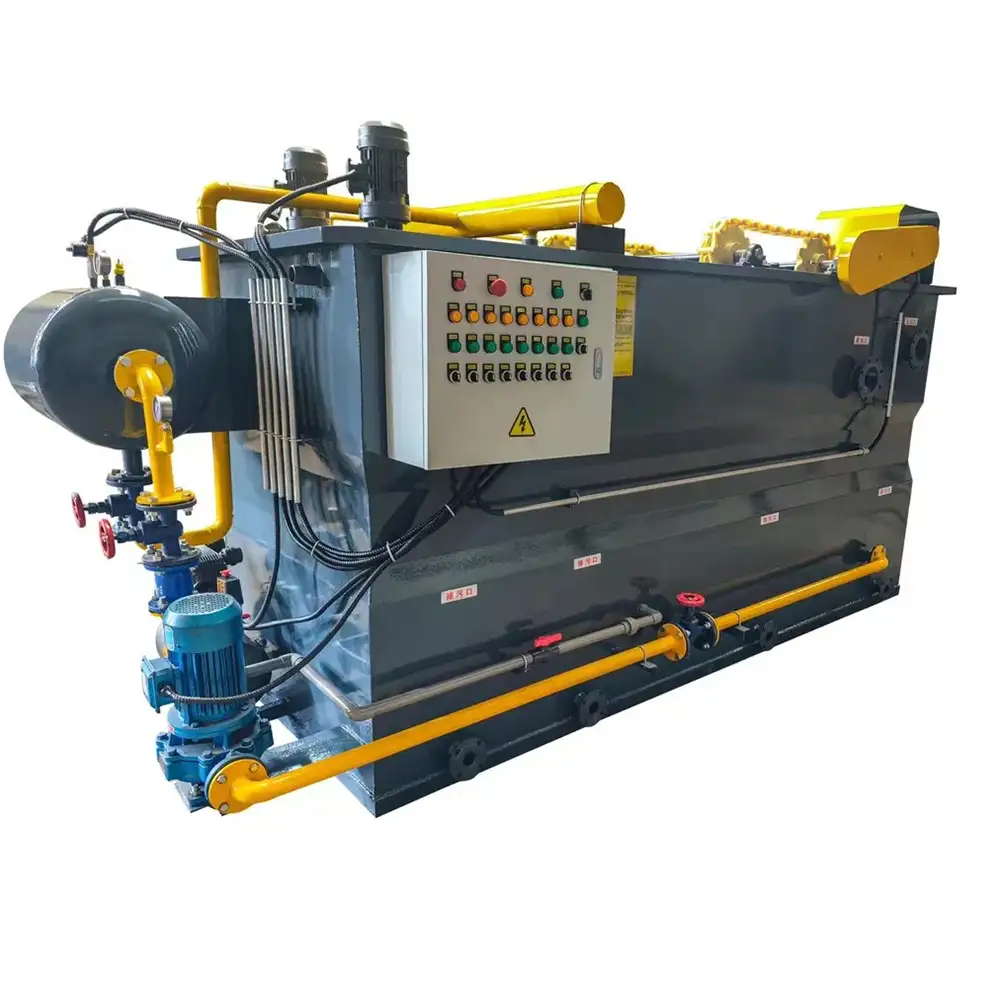
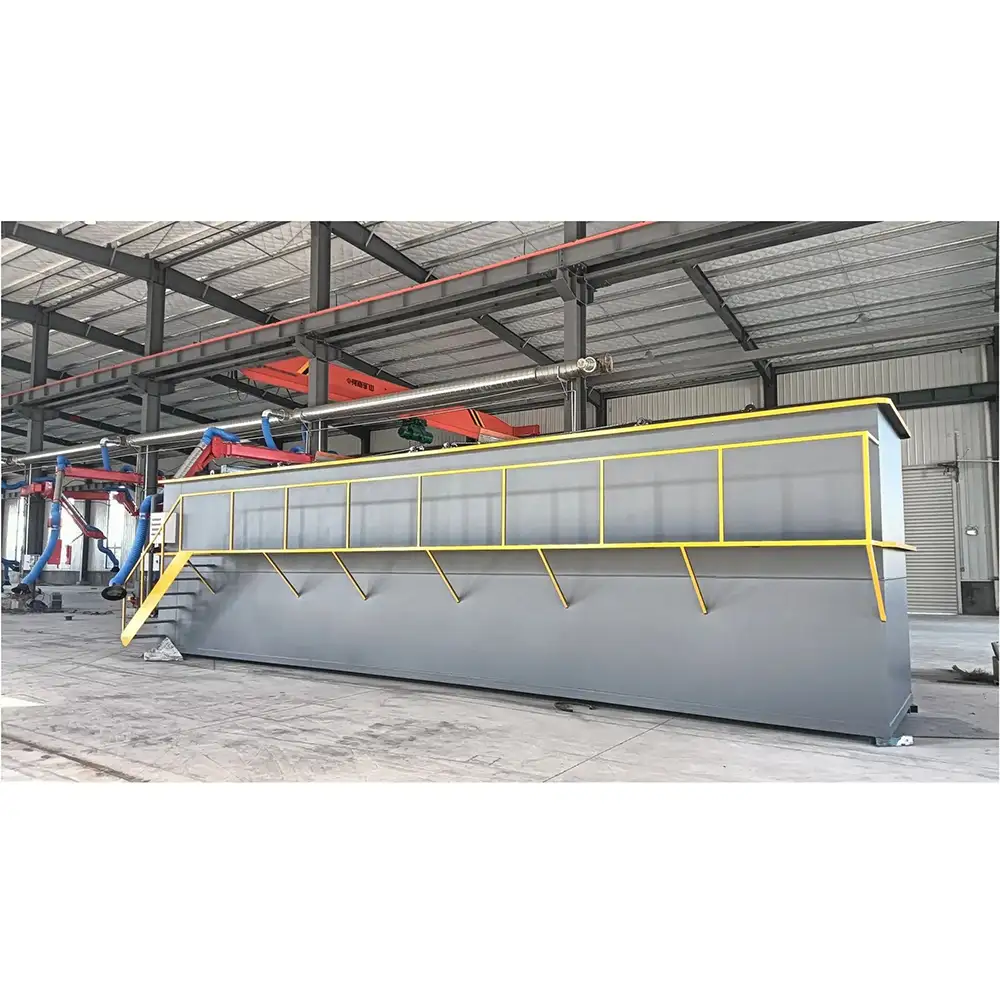
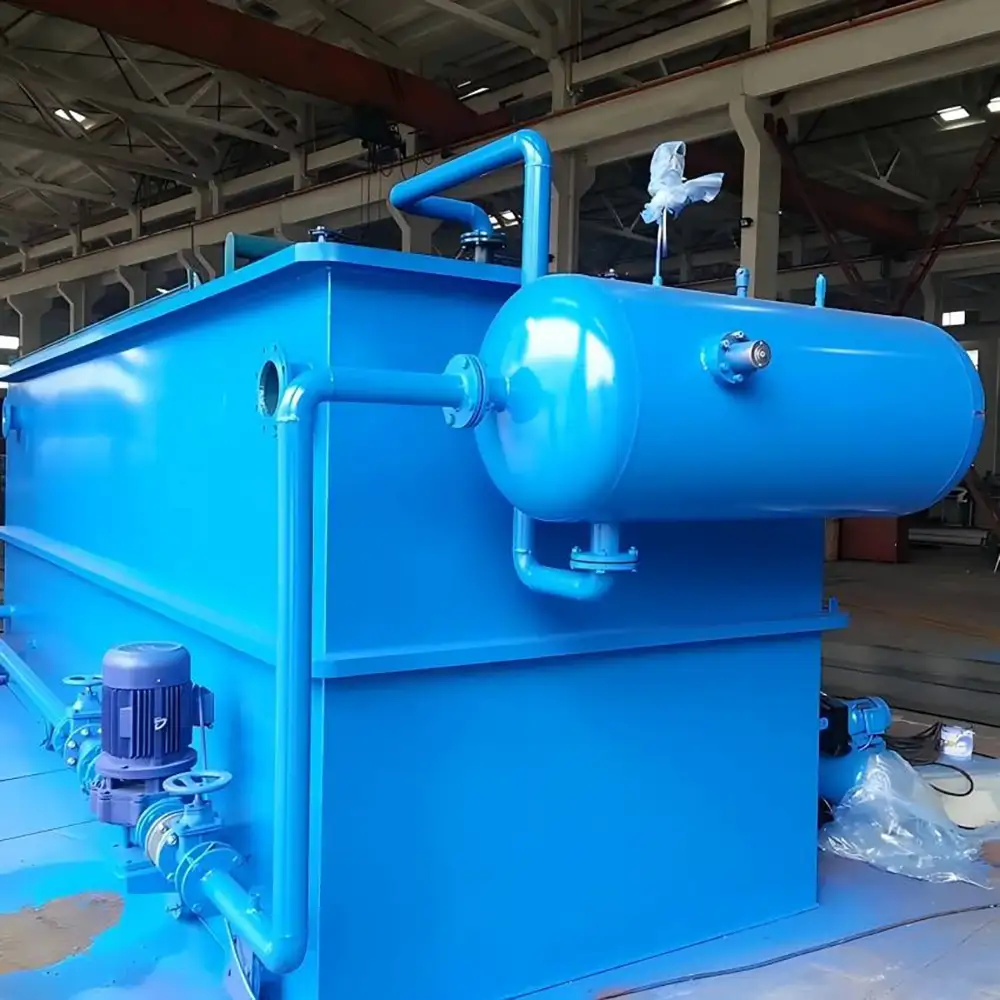
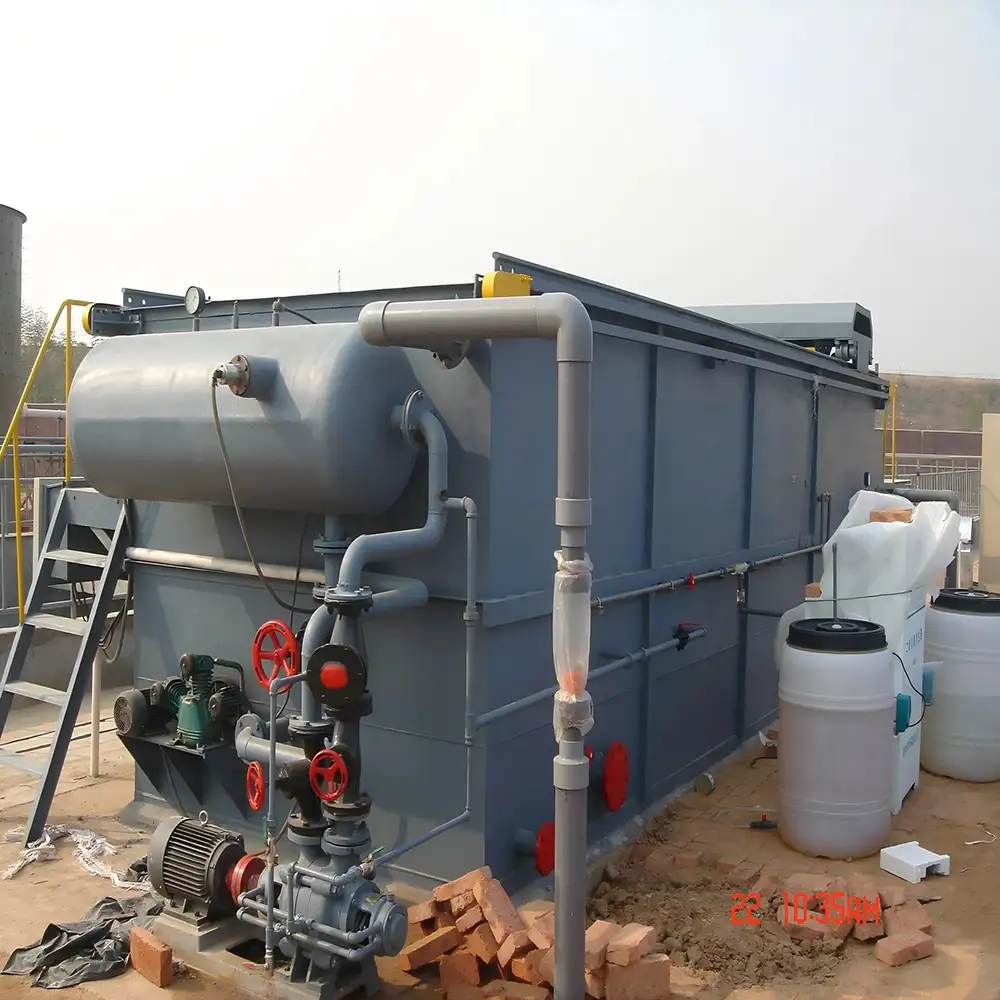
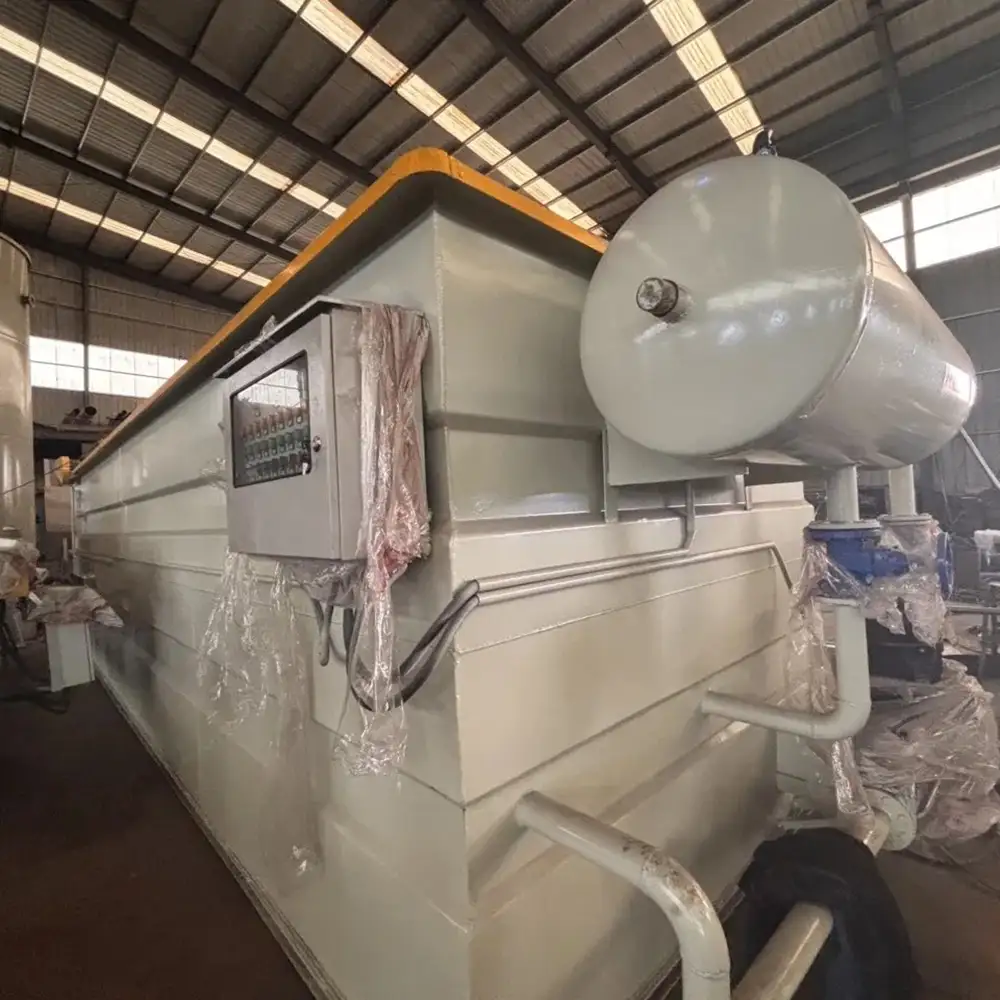
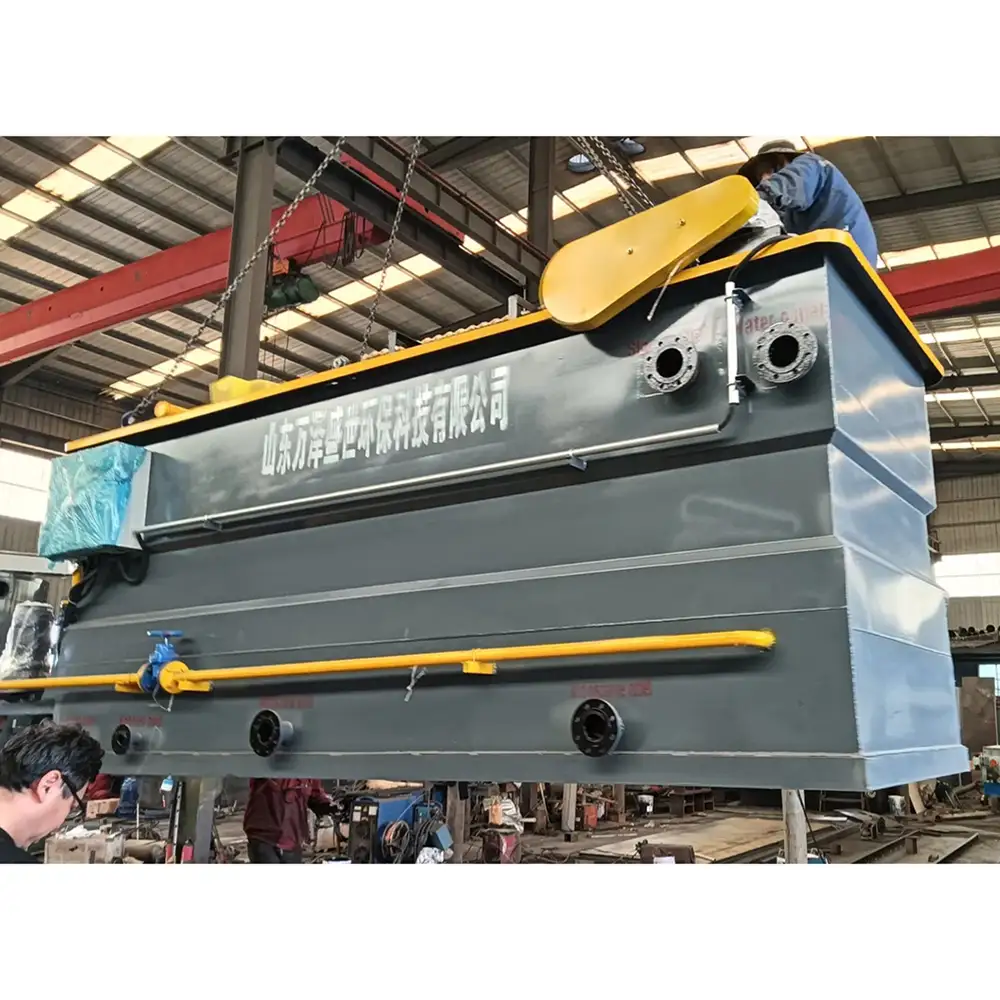
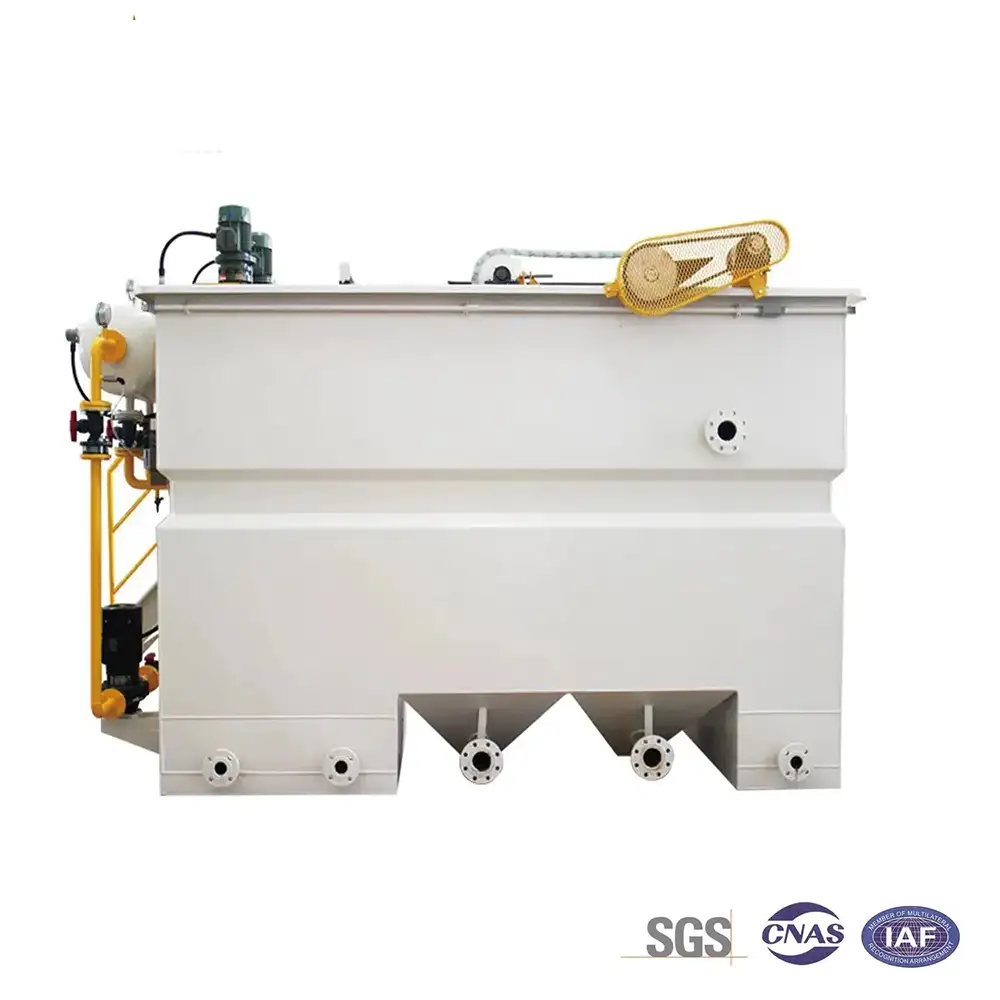
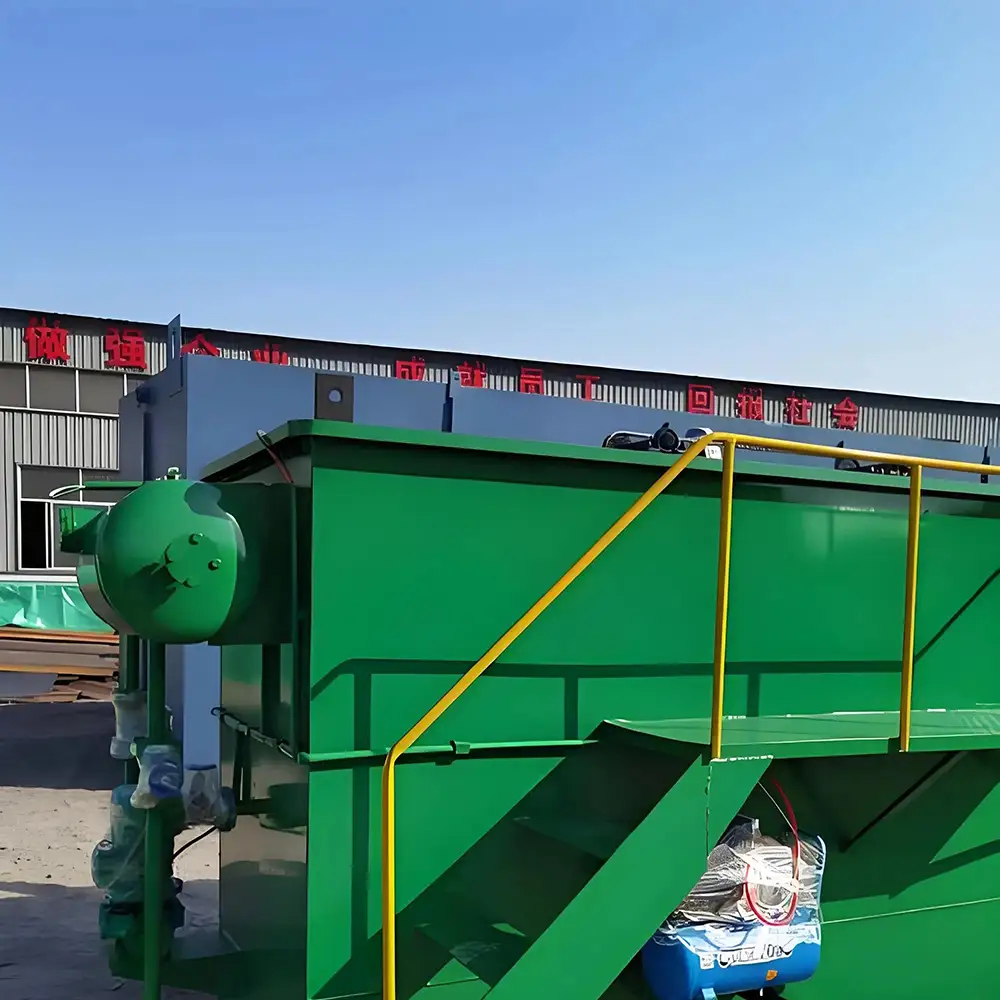
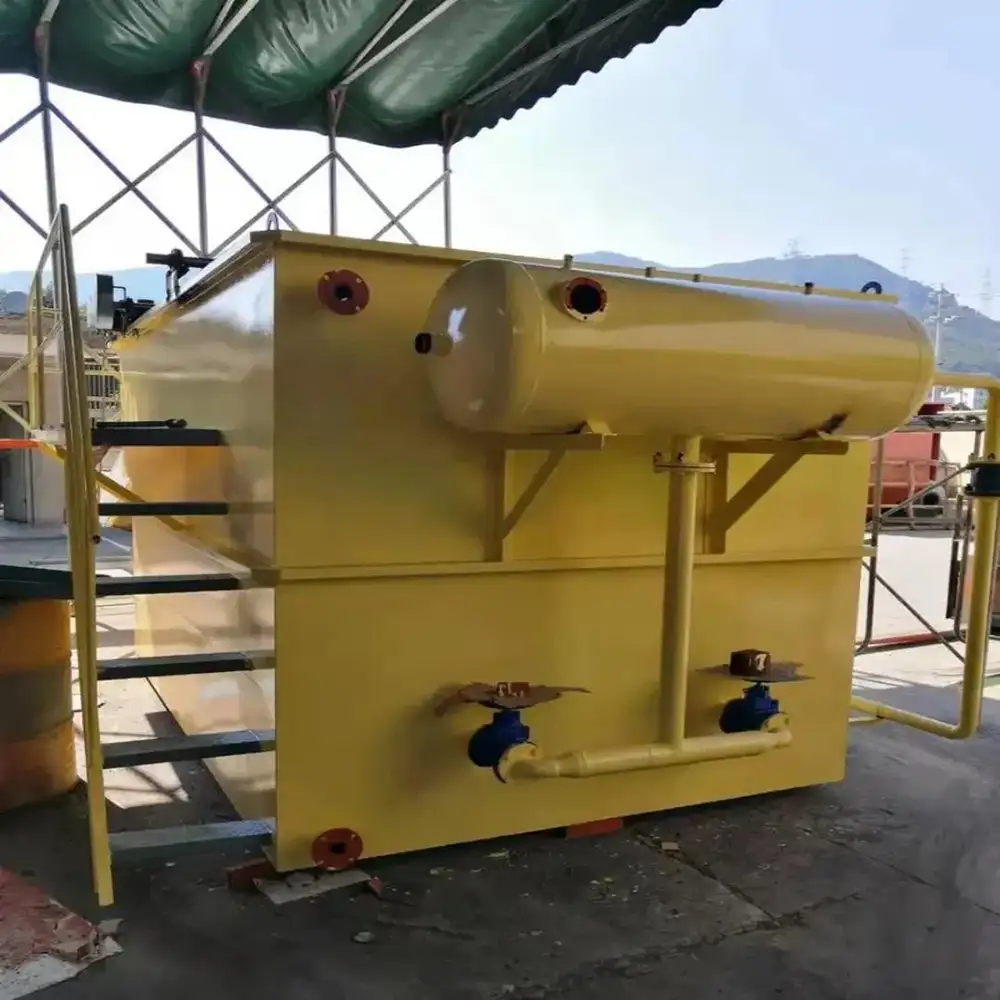
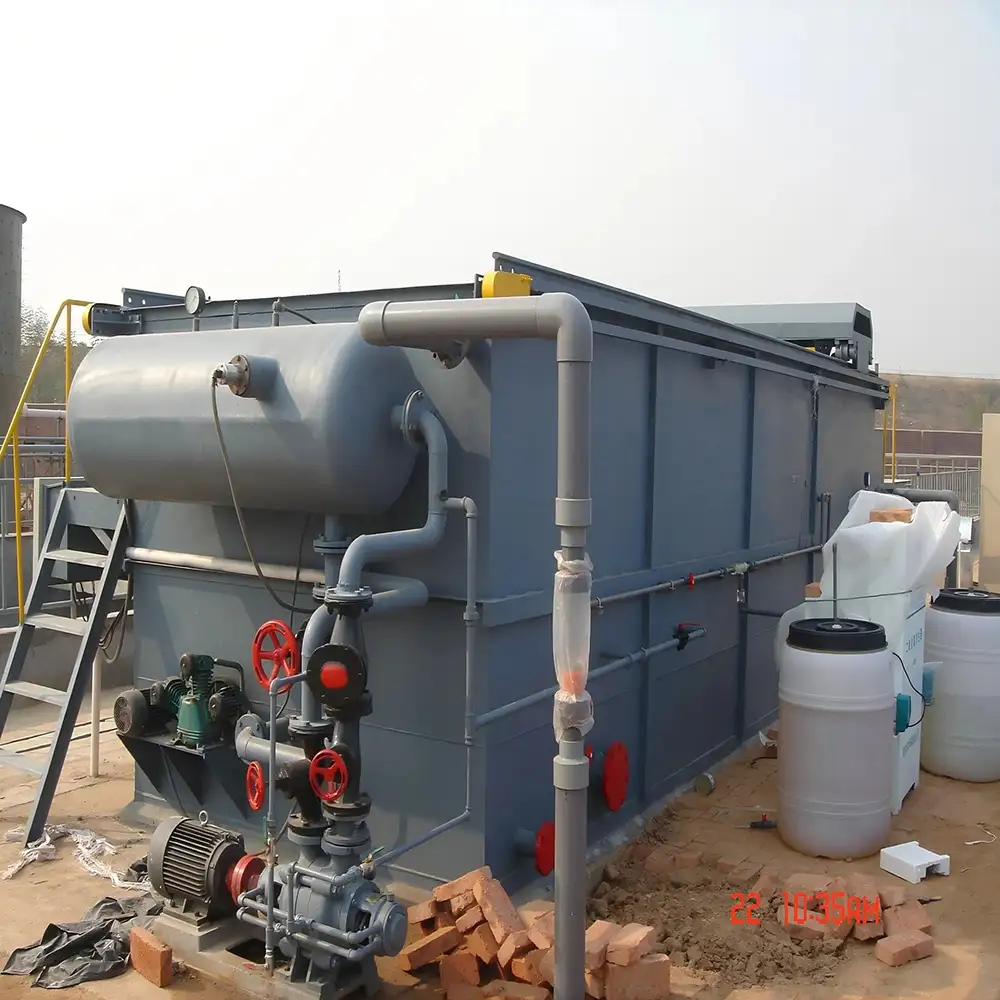
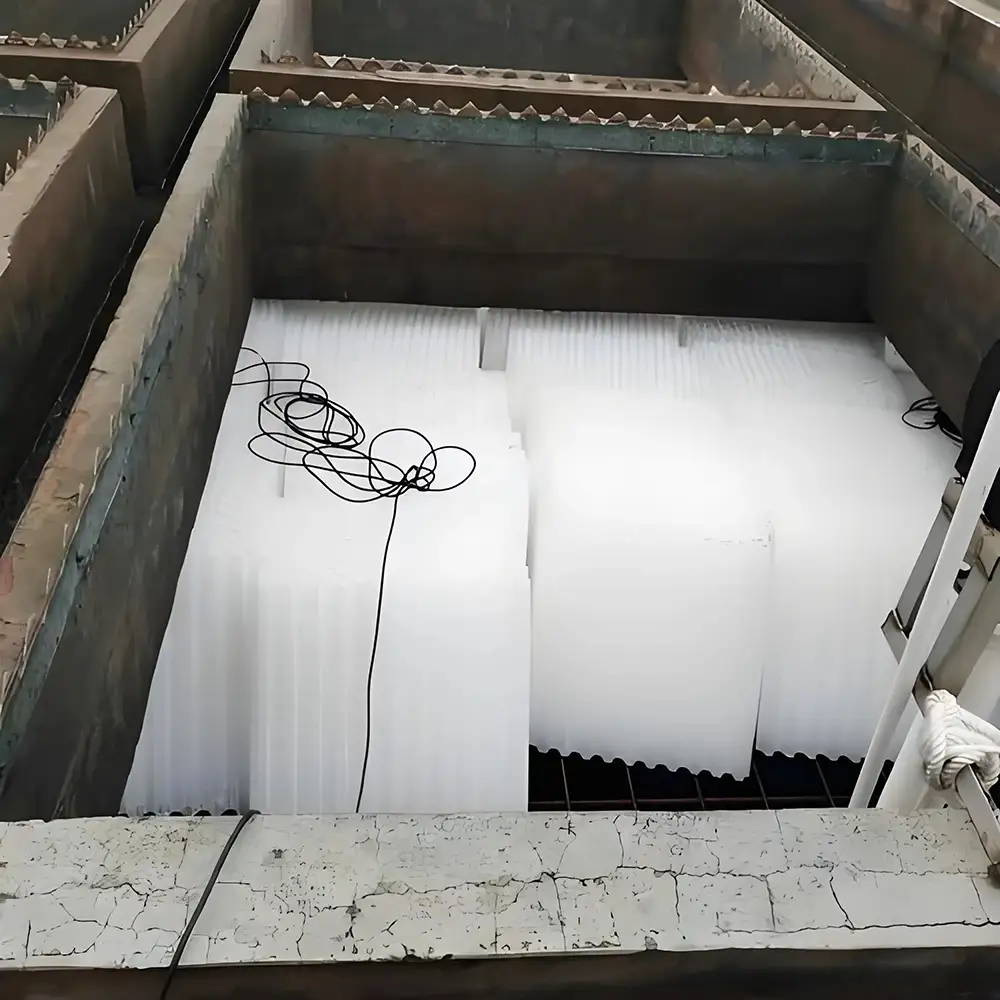
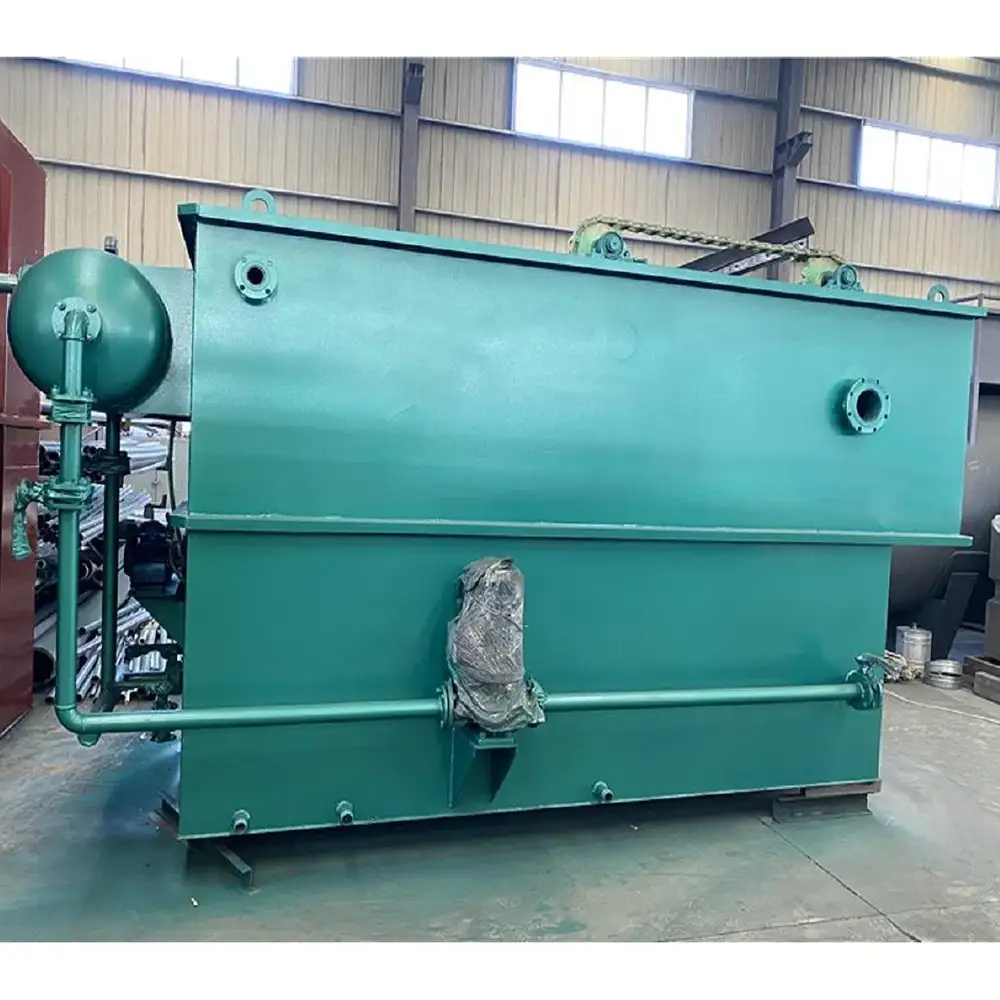
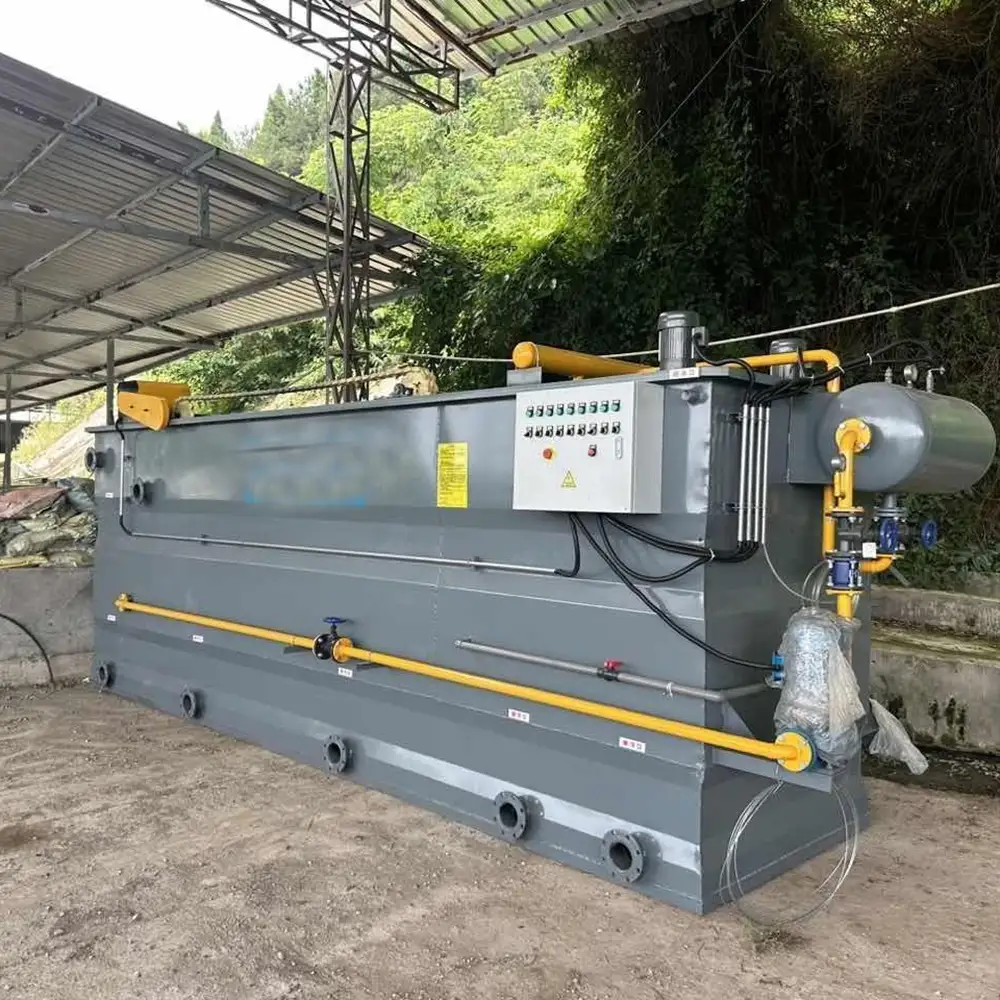
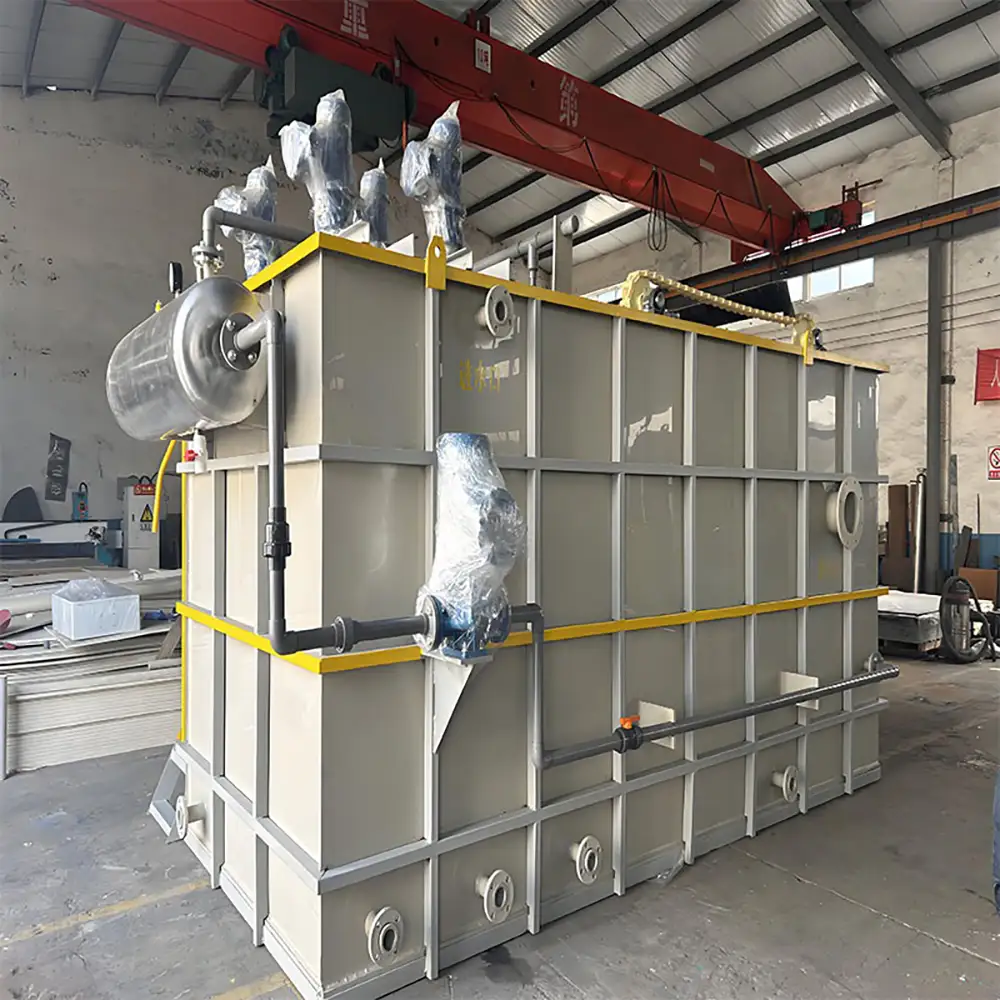
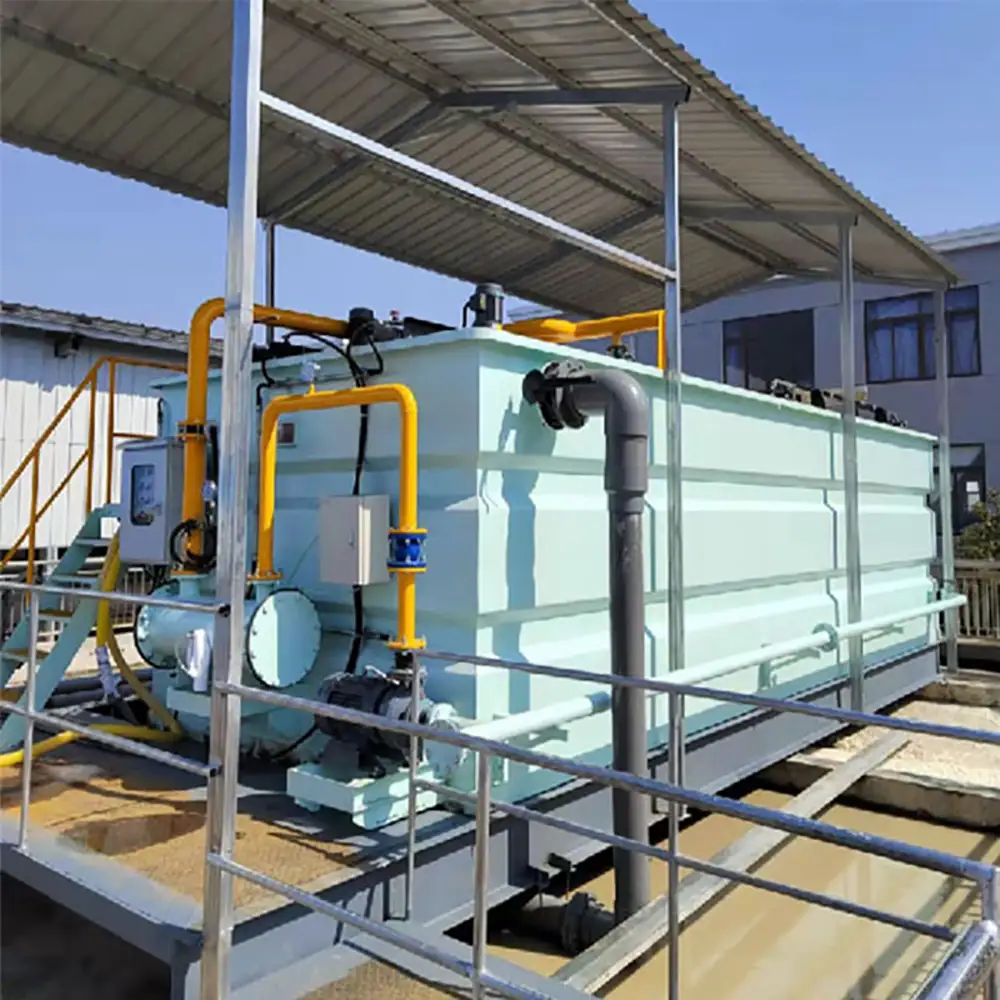
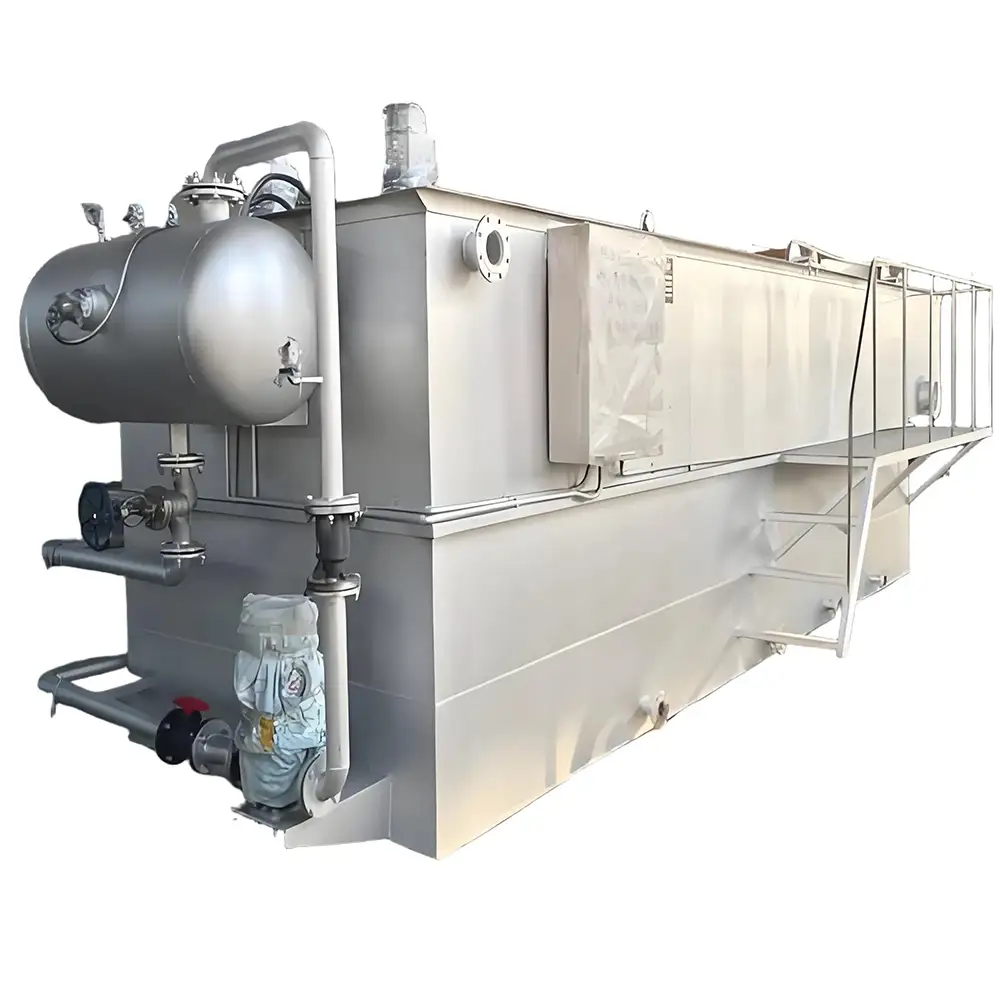
Air flotation technology has been widely used in water supply, drainage and wastewater treatment in recent years. It can effectively remove the light floc which is difficult to precipitate in wastewater. With decades of technical experience accumulation and strong independent research and development ability, the company has devoted itself to developing a new type of air float, with stable effect, lower failure rate, easier operation and maintenance, and lower construction and operating costs.
STP DAF Slaughterhouse Wastewater Treatment Equipment
STP DAF slaughterhouse wastewater treatment equipment is designed for slaughterhouses, meat processing plants, poultry processing facilities, rendering plants, livestock operations, food factories, and other industrial facilities that generate wastewater containing suspended solids, blood, animal fat, oils, grease, proteins, organic matter, and other contaminants.
STP generally refers to a Sewage Treatment Plant, while DAF means Dissolved Air Flotation. When these technologies are combined, DAF can serve as an important physical or physicochemical pretreatment stage within a complete sewage or industrial wastewater treatment plant.
Slaughterhouse wastewater can be particularly challenging because production, equipment washing, floor cleaning, animal handling, and sanitation activities can produce wastewater with variable flow and pollutant concentrations. EPA technical documentation identifies DAF as a primary treatment unit used in the meat and poultry products industry. DAF can separate suspended solids, fatty tissue, oils, grease, and other floatable contaminants before downstream treatment.
A complete STP system may combine screening, equalization, pH adjustment, coagulation, flocculation, DAF, biological treatment, clarification, filtration, disinfection, and sludge treatment according to the wastewater characteristics and required effluent quality.
Slaughterhouse Wastewater Characteristics
Wastewater generated by slaughterhouses and meat processing facilities can contain a mixture of organic and inorganic pollutants. Typical contaminants include:
Blood
Animal Fat
Oils And Grease
Meat Particles
Suspended Solids
Proteins
Manure
Hair And Feathers
High BOD
High COD
Nitrogen
Phosphorus
Cleaning Chemicals
Disinfectants
EPA documentation notes that meat-processing wastewater can have high concentrations of BOD, COD, TSS, TDS, and grease, while holding-area washing can add manure, urine, organic matter, and suspended solids.
Because wastewater characteristics can change substantially during production and cleaning cycles, equalization and suitable pretreatment are important considerations when designing an industrial wastewater treatment plant.
How DAF Works
Dissolved Air Flotation uses fine air bubbles to separate suitable suspended and floatable contaminants from wastewater.
In a typical DAF system, a recycle water stream is pressurized and saturated with air. When the pressurized stream is released into the flotation tank, dissolved air forms microscopic bubbles. These bubbles attach to suspended solids, fats, oils, grease, and chemically formed flocs.
The bubble-particle aggregates rise to the surface, where a mechanical scraper or skimmer collects the floating sludge. Clarified water is then discharged from the flotation chamber and transferred to the next treatment stage.
EPA describes DAF as a process in which air is dissolved under pressure and released at atmospheric pressure, creating bubbles that attach to suspended solids and float them to the surface for skimming. In meat and poultry applications, DAF is used to remove suspended solids, fatty tissue, oils, grease, and metals.
Why DAF Is Suitable for Slaughterhouse Wastewater
DAF is particularly useful when wastewater contains fine or lightweight particles that may not settle efficiently through conventional gravity clarification.
Slaughterhouse wastewater can contain animal fat and grease as well as fine suspended organic particles. DAF provides a relatively rapid separation process and can reduce the contaminant load entering downstream biological treatment.
EPA's technical documentation reports that DAF can achieve substantially higher suspended-solids and oil-and-grease removal when chemical coagulation or flocculation is appropriately applied, although actual performance varies with wastewater characteristics and operating conditions.
DAF may therefore be used as:
Primary Treatment
Physicochemical Pretreatment
FOG Removal
TSS Removal
Organic Load Reduction
Pretreatment Before Biological Treatment
Pretreatment Before MBR
Pretreatment Before Filtration
Typical STP Process for Slaughterhouse Wastewater
A customized slaughterhouse wastewater treatment plant may use the following process:
Coarse Screening → Fine Screening → Equalization → pH Adjustment → Coagulation → Flocculation → DAF → Biological Treatment → Secondary Clarification → Filtration → Disinfection → Discharge Or Reuse
The actual process should be selected based on wastewater testing and the required treatment target.
For high-strength wastewater, anaerobic treatment may be incorporated to reduce organic loading before aerobic biological treatment.
For facilities requiring high-quality reclaimed water, additional membrane treatment such as ultrafiltration or reverse osmosis can be considered after appropriate pretreatment.
1. Screening
The first treatment stage is normally designed to remove large solids from the incoming wastewater.
Depending on the facility, screening equipment may remove:
Meat Pieces
Bones
Hair
Feathers
Plastic Materials
Fibers
Large Organic Solids
Other Coarse Debris
Proper screening helps protect pumps, pipelines, DAF equipment, mixers, and downstream biological treatment systems.
2. Equalization
Slaughterhouse wastewater flow can fluctuate significantly throughout the production day.
An equalization tank provides hydraulic and pollutant-load buffering, helping create a more stable flow to the downstream DAF and biological treatment processes.
Equalization can also provide a location for preliminary pH adjustment and mixing.
3. Coagulation and Flocculation
Fine suspended particles, colloids, emulsified grease, and other contaminants may require chemical conditioning before flotation.
Coagulants destabilize suspended particles, while flocculants can promote the formation of larger and stronger flocs.
The optimum chemical dosage depends on the actual wastewater. Jar testing or pilot testing can help determine suitable chemical selection, dosage, pH, and mixing conditions.
4. DAF Flotation
After chemical conditioning, wastewater enters the DAF unit.
Microbubbles attach to the flocs and float them to the surface. A skimmer continuously or intermittently removes the floating sludge.
The DAF effluent then flows toward biological treatment or another downstream process.
5. Biological Treatment
DAF is not normally intended to remove all dissolved organic pollutants.
Biological treatment can be added to reduce biodegradable BOD, COD, and other dissolved pollutants.
Depending on the project, the biological stage may use:
MBBR
SBR
MBR
Activated Sludge
Extended Aeration
Anaerobic Treatment
Anaerobic-Aerobic Combined Treatment
The selection depends on wastewater strength, discharge standards, land availability, energy requirements, and operating preferences.
6. Filtration and Disinfection
After biological treatment and clarification, tertiary treatment can be added when required.
Possible processes include:
Sand Filtration
Multimedia Filtration
Activated Carbon Filtration
Ultrafiltration
Reverse Osmosis
UV Disinfection
Chlorination
Ozone Treatment
The appropriate combination depends on whether the final water is discharged or reused.
Slaughterhouse Wastewater Treatment Applications
The equipment can be customized for different meat and animal-processing facilities.
Beef Slaughterhouses
Treatment systems can address wastewater containing blood, fat, meat particles, manure, suspended solids, and cleaning residues.
Pork Processing Plants
Pork processing wastewater may contain fats, oils, grease, suspended solids, proteins, and organic matter.
Poultry Processing Plants
Poultry wastewater may contain feathers, blood, fat, tissue fragments, suspended solids, and cleaning chemicals.
Meat Packing Plants
Meat packing and further-processing facilities may require DAF pretreatment combined with biological treatment.
Rendering Plants
Rendering wastewater can contain high concentrations of fats, oils, grease, proteins, and organic matter, requiring robust pretreatment and biological treatment.
Livestock Facilities
Livestock wastewater can contain manure, suspended solids, nutrients, and organic matter and may require screening, solid separation, equalization, biological treatment, and disinfection.
Main Components
A complete STP DAF system may include:
Coarse Screen
Fine Screen
Equalization Tank
DAF Flotation Tank
Recycle Water Pump
Air Compressor
Air Saturation System
Pressure Release Device
Coagulation Tank
Flocculation Tank
Chemical Dosing System
Surface Skimmer
Sludge Collection System
Biological Reactor
Clarifier
Sand Filter
Disinfection System
Sludge Treatment Equipment
Electrical Control Cabinet
PLC Control System
The equipment configuration can be adjusted according to the treatment capacity and wastewater characteristics.
Automatic Control
A PLC control system can automate many functions of the wastewater treatment plant.
Typical control functions include:
Feed Pump Control
DAF Recycle Pump Control
Air Compressor Control
Chemical Dosing
Skimmer Operation
Sludge Discharge
Water Level Monitoring
Pressure Monitoring
Flow Monitoring
Equipment Protection
Alarm Functions
Automatic control helps simplify operation and maintain more consistent process conditions.
Materials and Construction
DAF and STP equipment can be manufactured using carbon steel, stainless steel, FRP, or other appropriate materials.
Stainless steel can be selected for applications requiring improved corrosion resistance or hygienic construction. Carbon steel can provide a cost-effective option for many industrial installations when suitable corrosion protection is applied. FRP may be selected where lightweight and corrosion-resistant construction is advantageous.
Material selection should consider wastewater chemistry, cleaning chemicals, operating temperature, outdoor exposure, and required service life.
Industrial Wastewater Treatment Customization
Every slaughterhouse wastewater treatment project should be designed according to actual wastewater data.
Important design parameters include:
Average Flow Rate
Peak Flow Rate
BOD
COD
TSS
TDS
FOG
pH
Temperature
Ammonia Nitrogen
Total Nitrogen
Total Phosphorus
Salinity
Production Capacity
Cleaning Schedule
Required Discharge Standard
Water Reuse Requirements
A wastewater analysis allows the treatment process and equipment capacity to be selected more accurately.
Operation and Maintenance
Regular inspection is essential for stable operation.
DAF operators should inspect the recycle pump, air compressor, pressure-release system, flotation tank, skimmer, sludge discharge system, chemical dosing equipment, valves, and control panel.
The flotation tank should be cleaned periodically to prevent excessive sludge accumulation.
Chemical dosing should be monitored and adjusted according to wastewater conditions. Biological treatment equipment also requires routine monitoring of dissolved oxygen, sludge characteristics, loading, pH, and other relevant parameters.
Why Choose Us?
We provide customized STP, DAF, and industrial wastewater treatment equipment for slaughterhouses, meat processing plants, poultry facilities, rendering plants, livestock operations, food factories, and other industrial wastewater applications.
Our solutions can be supplied as individual DAF units, packaged sewage treatment systems, modular wastewater treatment plants, or complete industrial wastewater treatment projects.
As an experienced wastewater treatment equipment manufacturer and supplier, we support customized treatment capacity, tank dimensions, equipment materials, chemical dosing systems, pumps, automation, piping, sludge handling, and complete process integration.
We can integrate DAF with MBBR, SBR, MBR, activated sludge, anaerobic treatment, filtration, disinfection, and water reuse systems according to project requirements.
OEM and customized wastewater treatment equipment is available for international projects.
FAQ
1. What Is DAF in Slaughterhouse Wastewater Treatment?
DAF means Dissolved Air Flotation. It uses fine air bubbles to float suspended solids, fats, oils, grease, and suitable flocculated contaminants to the wastewater surface for removal.
2. Why Is DAF Used in Slaughterhouse Wastewater Treatment?
Slaughterhouse wastewater can contain substantial suspended solids, animal fat, oils, grease, and organic matter. DAF can separate many of these contaminants before downstream biological treatment.
3. Can DAF Remove Animal Fat and Grease?
Yes. Animal fats, oils, and grease are important contaminants that can be targeted through flotation. Actual removal depends on wastewater characteristics and process conditions.
4. Is Chemical Dosing Necessary?
Not always. Coagulants and polymers may be used when improved removal of fine particles, colloids, emulsified grease, or other difficult-to-float contaminants is required.
5. Can DAF Reduce COD and BOD?
DAF can reduce COD and BOD associated with suspended, colloidal, oily, and floatable materials. Dissolved biodegradable organic matter generally requires biological treatment.
6. Can DAF Be Used Before MBR?
Yes. DAF can be installed as pretreatment before an MBR system to reduce suitable suspended solids and grease loading.
7. What Is the Difference Between STP and WWTP?
STP generally refers to a Sewage Treatment Plant, while WWTP means Wastewater Treatment Plant. Terminology can vary by country and project, and an STP is essentially a type of wastewater treatment plant.
8. What Industries Can Use This System?
Applications include slaughterhouses, meat processing, poultry processing, rendering plants, dairy plants, food processing facilities, livestock farms, and other industrial wastewater treatment projects.
9. Can the System Be Fully Automated?
Yes. PLC-based automation can control pumps, air systems, chemical dosing, skimmers, sludge discharge, alarms, and other equipment.
10. What Materials Are Available?
Carbon steel, stainless steel, FRP, and other suitable materials can be selected according to wastewater chemistry, corrosion requirements, and installation conditions.
11. How Is the DAF System Sized?
Sizing depends on wastewater flow, peak flow, TSS, FOG, COD, BOD, pH, temperature, chemical requirements, required treatment performance, and downstream processes.
12. Can You Supply a Complete Slaughterhouse STP?
Yes. A complete plant can combine screening, equalization, DAF, biological treatment, clarification, filtration, disinfection, sludge handling, and water reuse processes.
13. Can the Slaughterhouse Wastewater Treatment System Be Customized?
Yes. Treatment capacity, tank dimensions, construction materials, pumps, skimmer configuration, chemical dosing, automation, piping, biological process, and complete treatment-flow configuration can be customized.
Prev:
Plastic Film Wrapping with LCL Customized Chemical Industry Processing Flotation
Next:
Daf/Wttp/STP/Wastewater Treatment Equipment/Industrial Equipment
TAG:
Industrial Water Treatment System,
Wastewater Disinfection System,
Industrial Wastewater Treatment Equipment,
Suspended Solids Removal,
Food Industry Wastewater Treatment,
Dairy Wastewater Treatment,
Meat Processing Wastewater Treatment,
Livestock Wastewater Treatment,
Food Processing Wastewater Treatment,
Industrial Wastewater Treatment System,
DAF Wastewater Treatment System,
Dissolved Air Flotation Wastewater Treatment,
Industrial Wastewater Treatment,
Organic Wastewater Treatment,
Anaerobic Wastewater Treatment,
High COD Wastewater Treatment,
UASB Wastewater Treatment,
Sewage Treatment Plant,
Industrial Sewage Treatment,
Industrial Wastewater Treatment Plant,
Wastewater Treatment Equipment,
Wastewater Treatment Plant,
Wastewater Reuse System,
Industrial Water Treatment Plant,
Wastewater Treatment System,
Industrial Water Treatment Equipment,
Wastewater Pretreatment Equipment,
Industrial Wastewater Recycling,
Wastewater Recycling System,
Industrial Water Reuse,
Related Category:
STP Wastewater Treatment Equipment,DAF Wastewater Treatment Equipment,Slaughterhouse Wastewater Treatment Equipment China, suppliers, manufacturers, factory, customized, wholesale, quotation, made in China