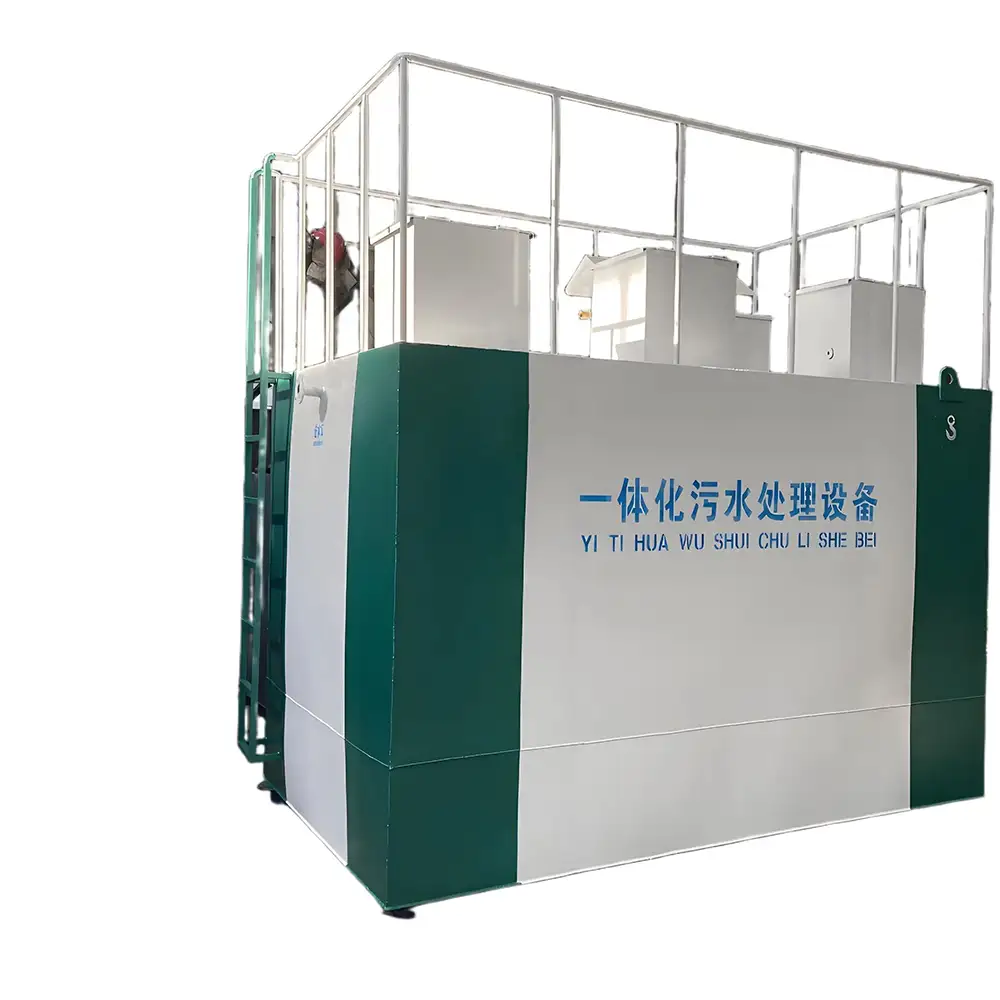
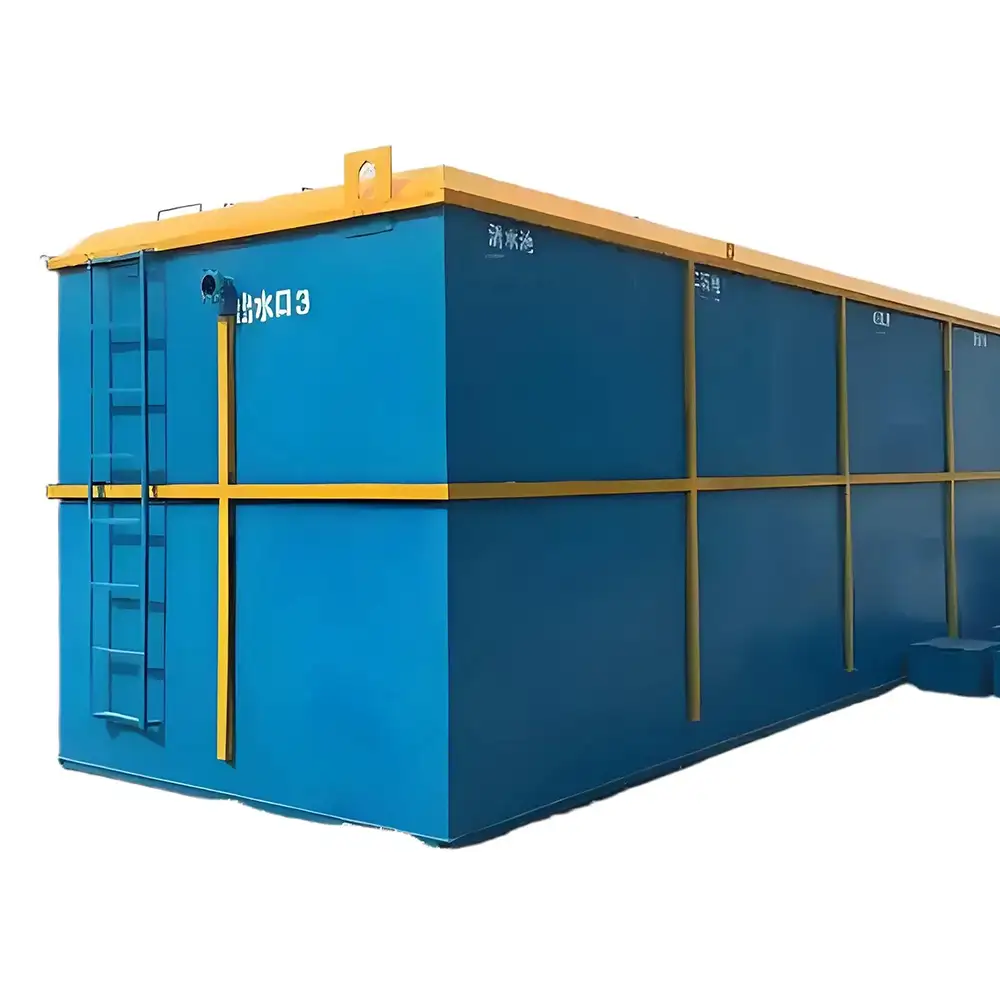
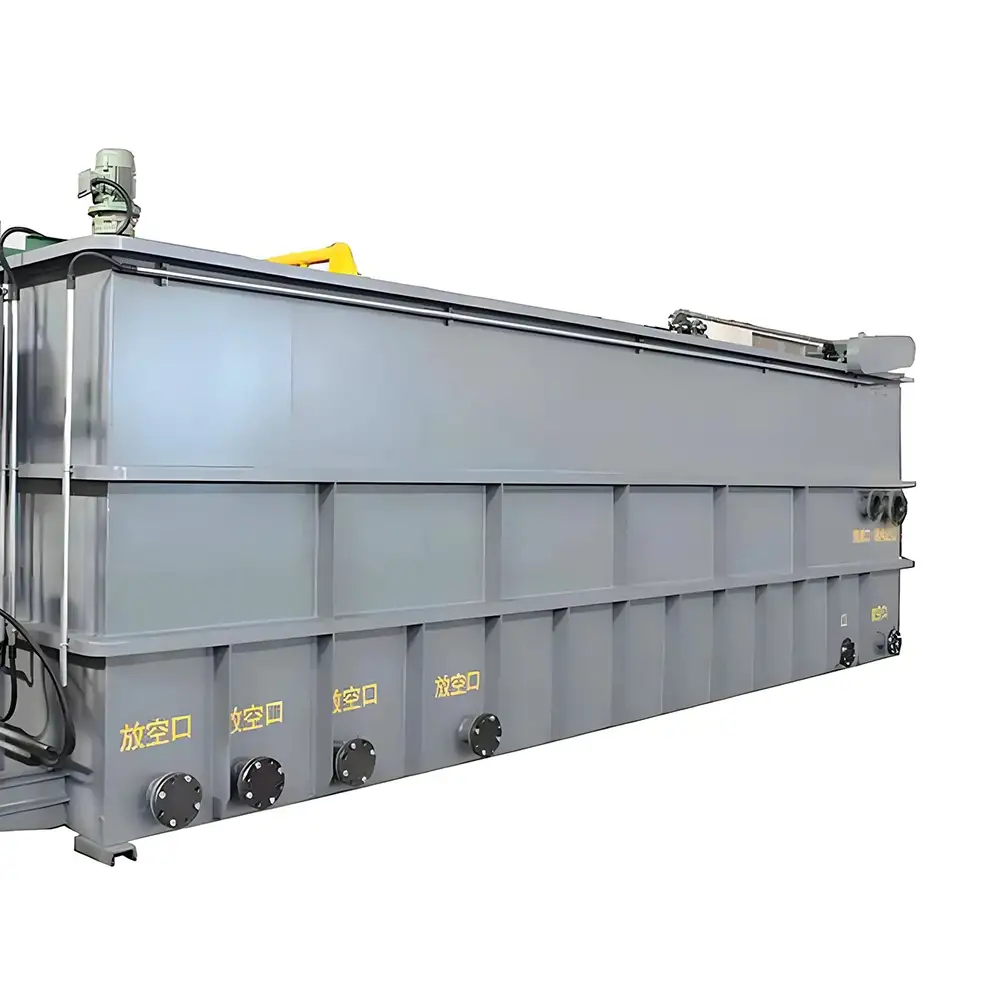
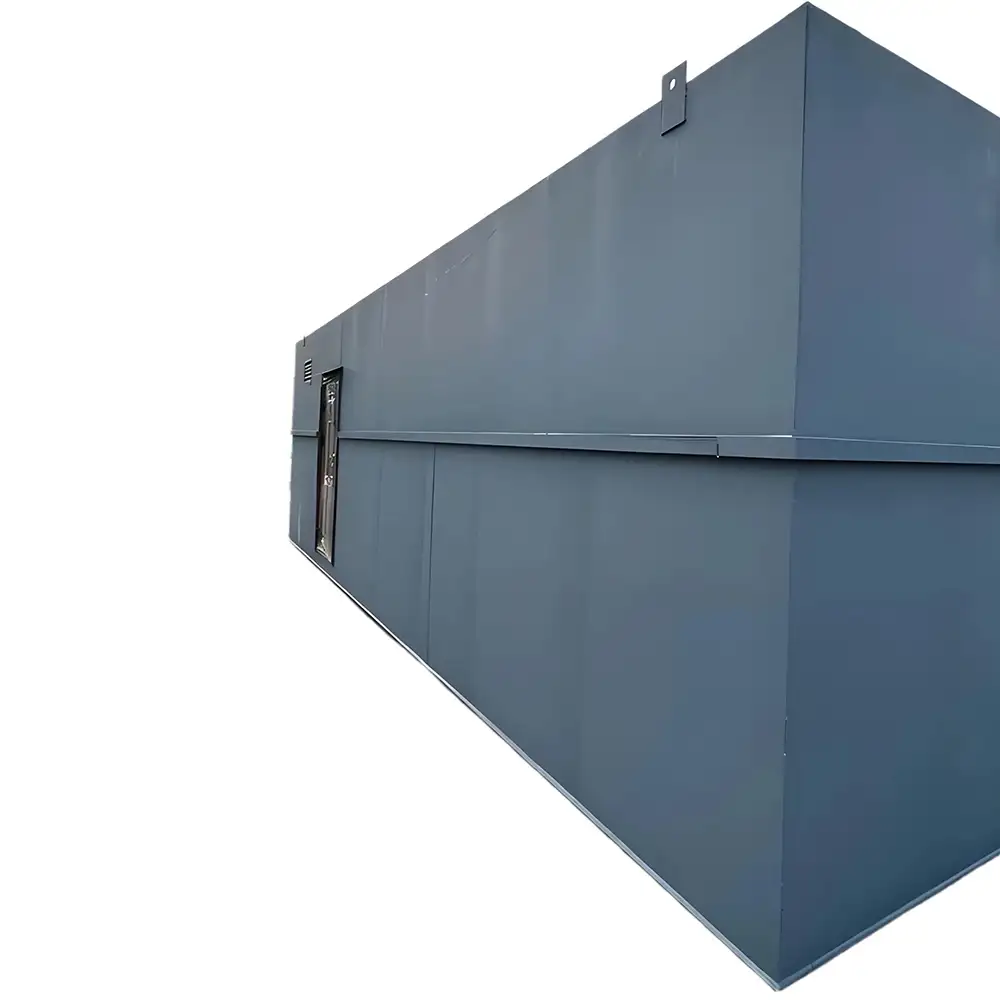
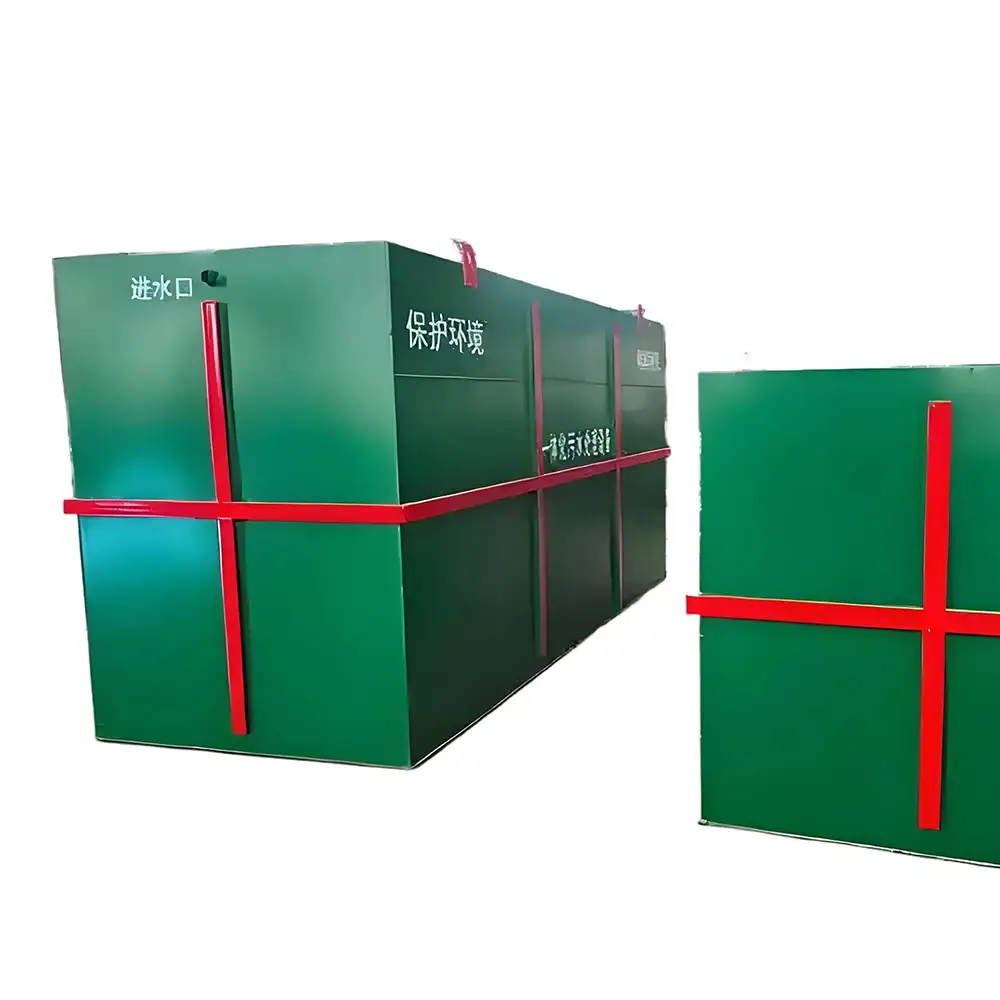
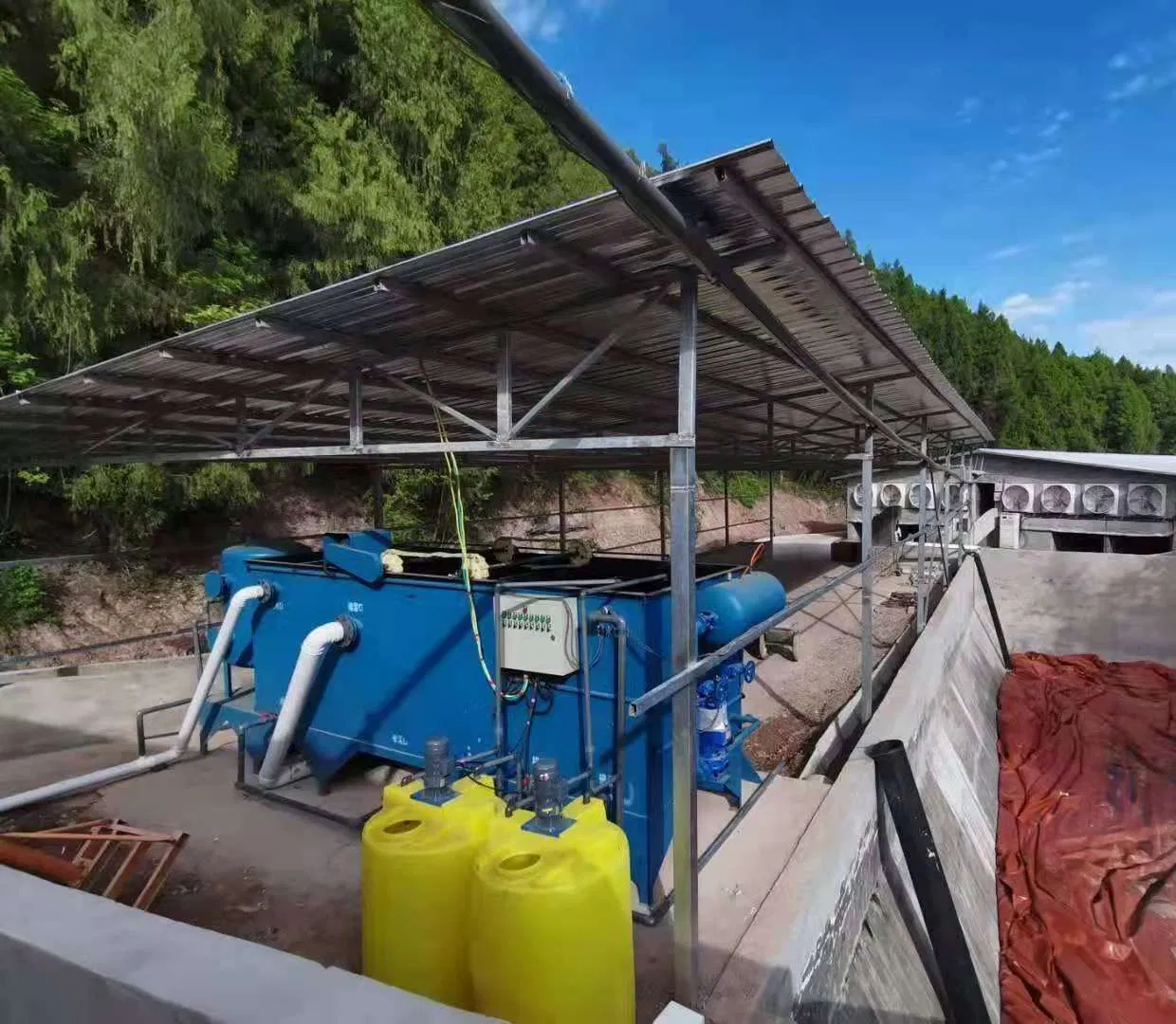
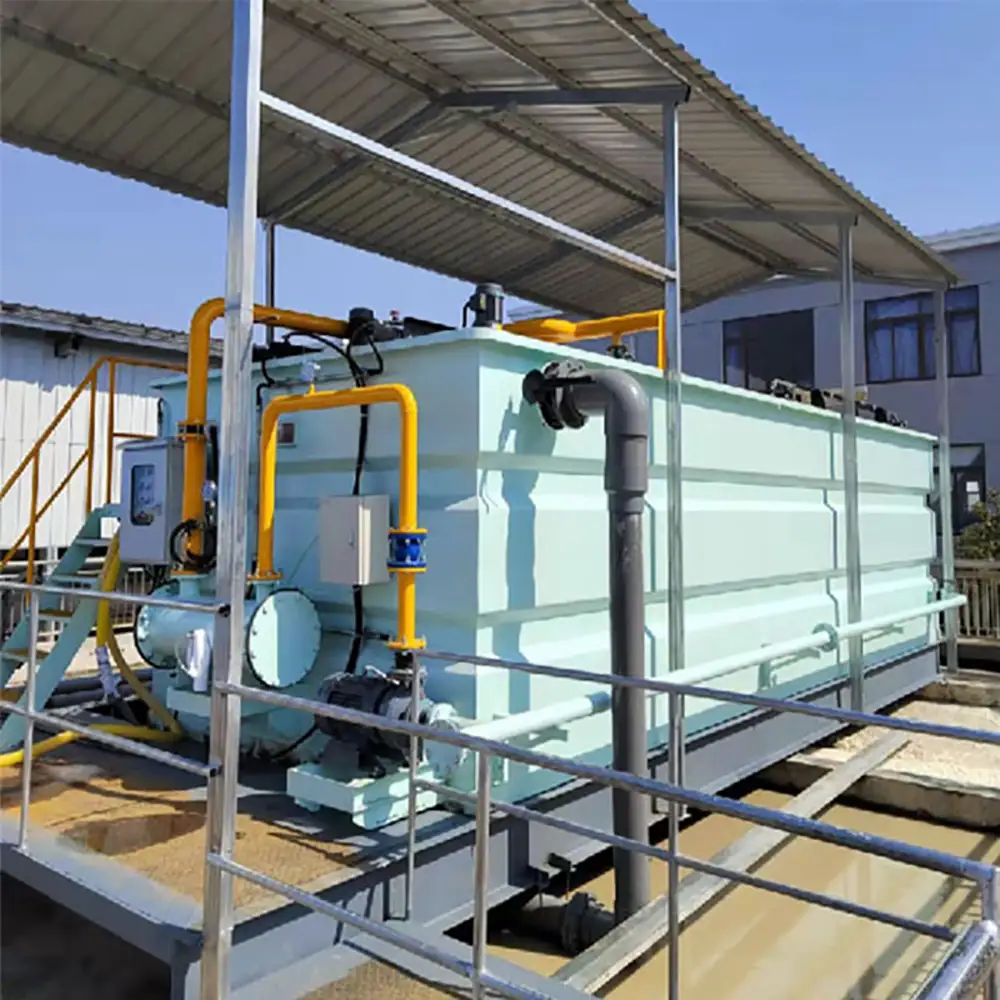
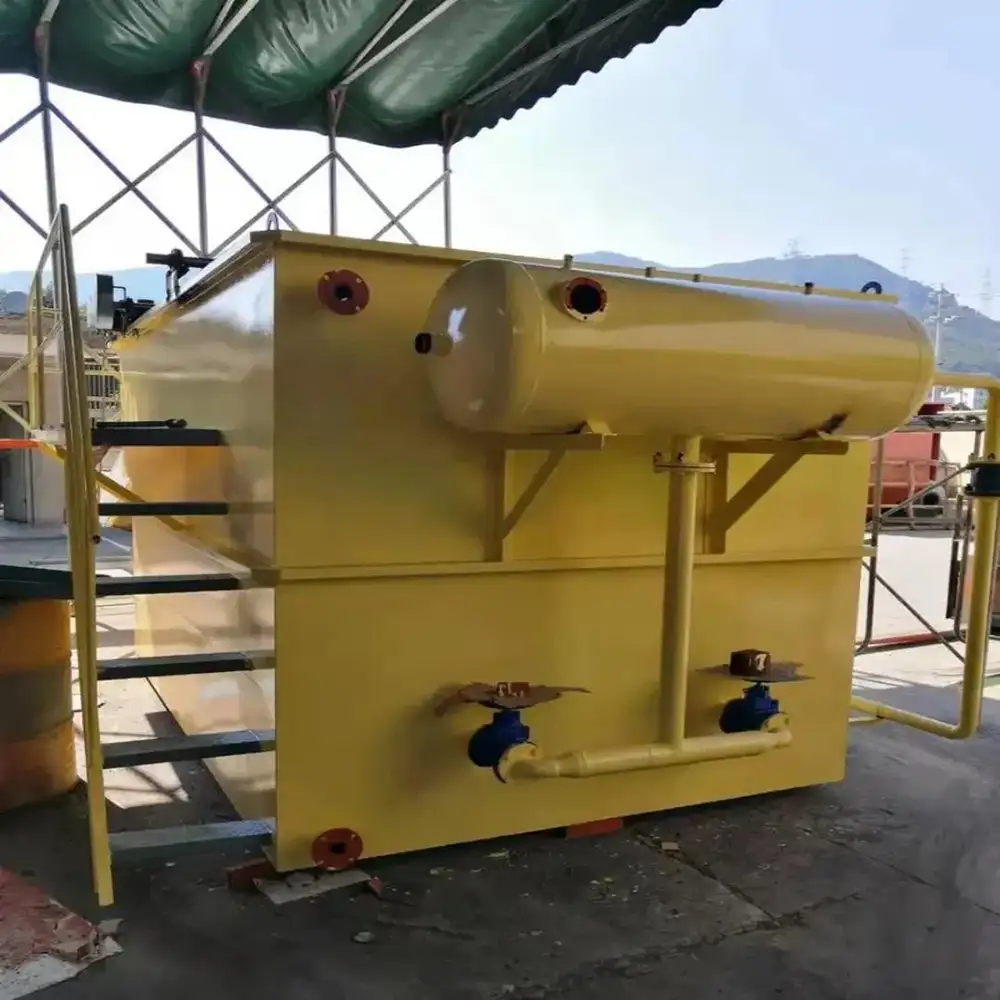
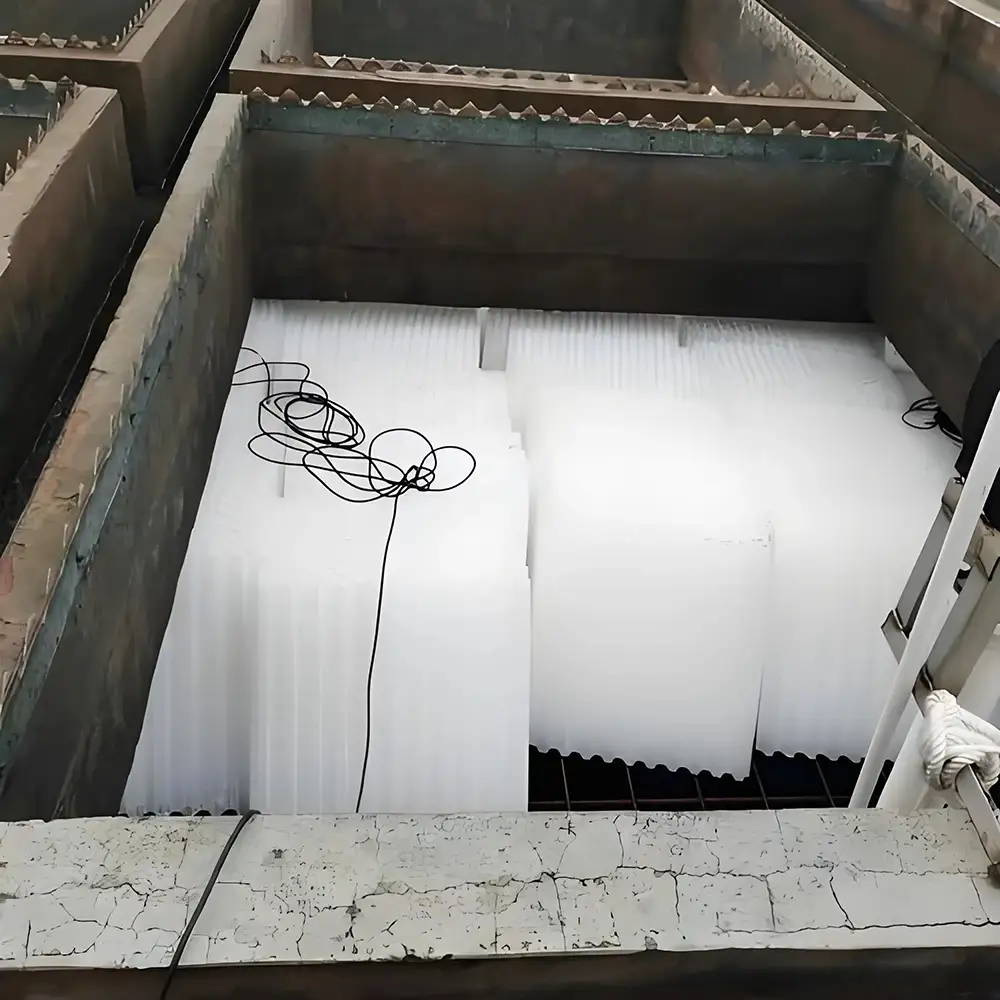
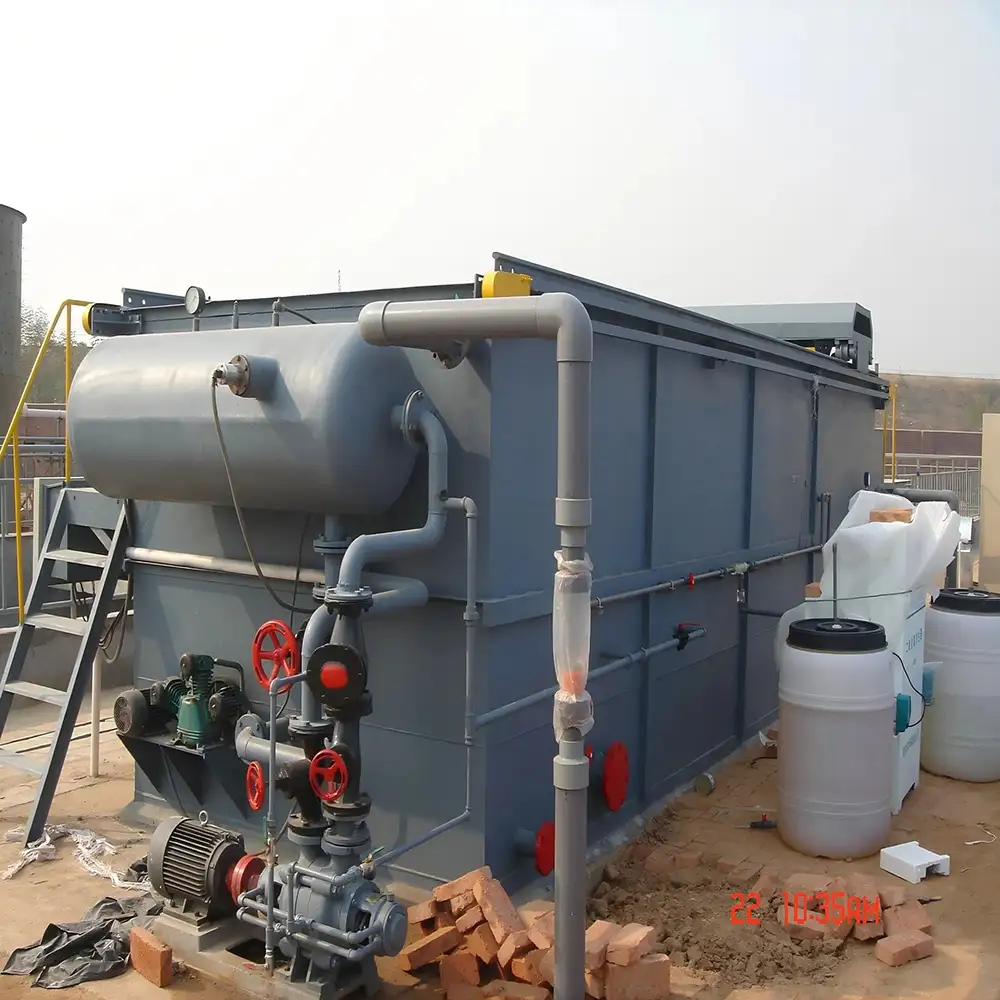
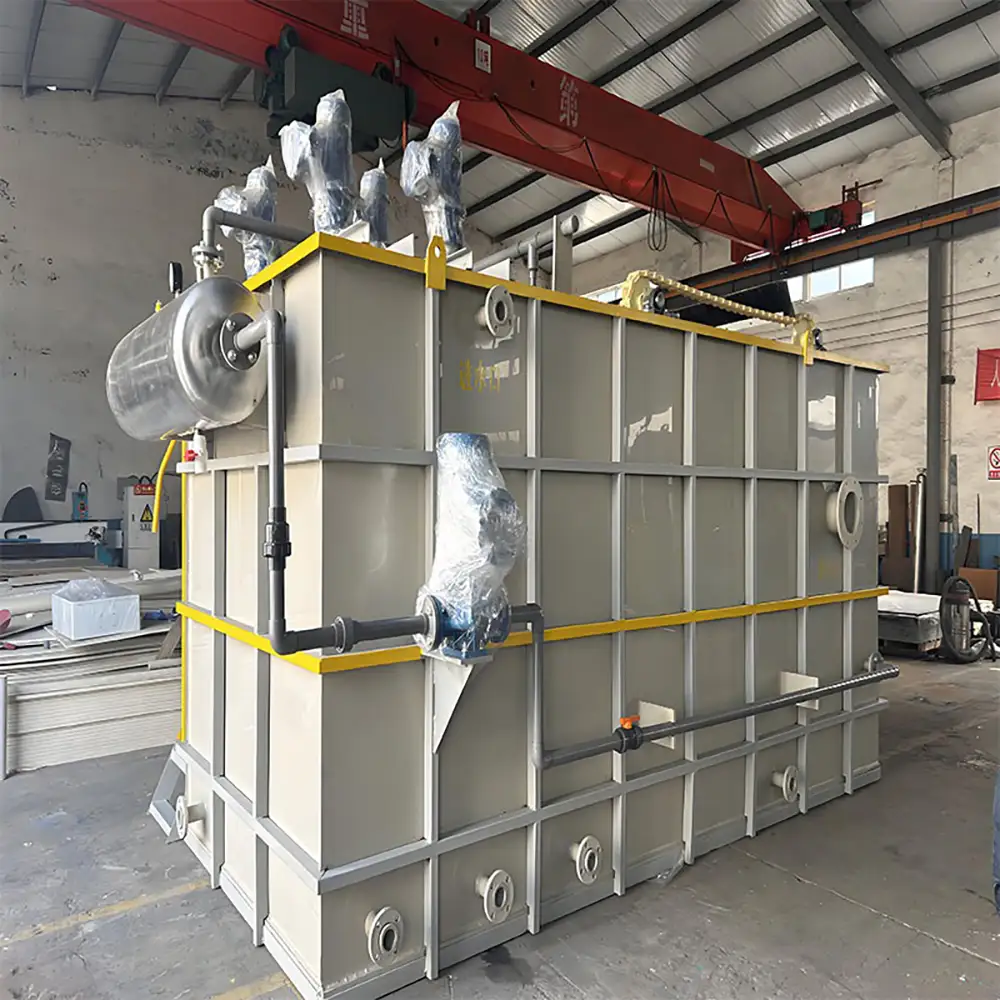
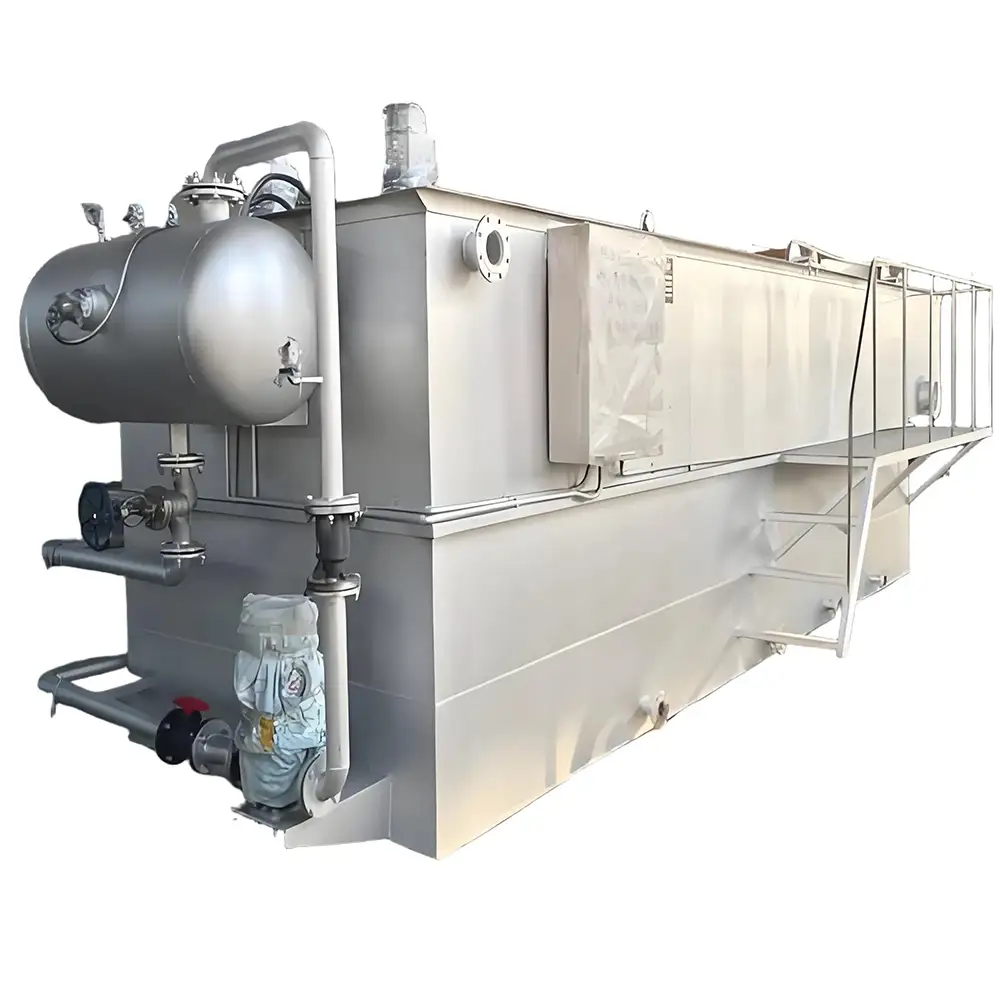
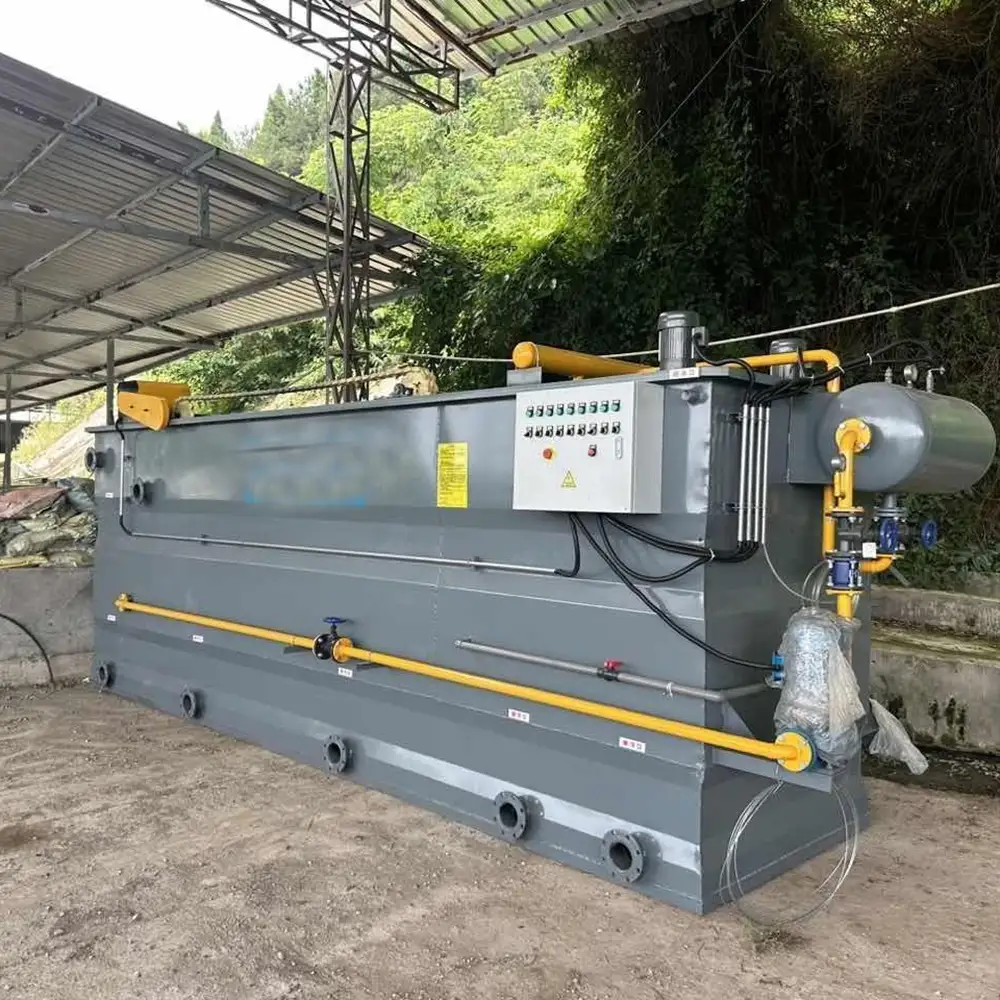
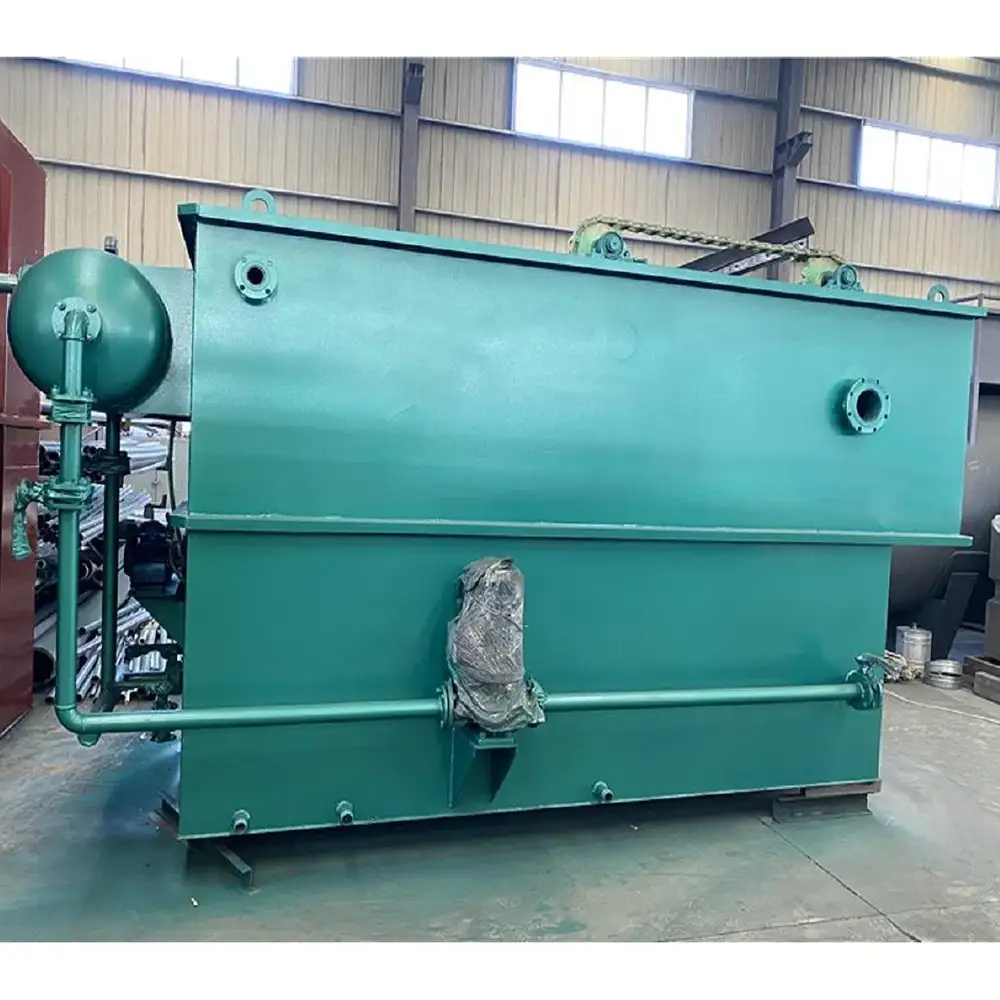
Physical and Biochemical Sewage Treatment Equipment
Physical and Biochemical Sewage Treatment Equipment is an integrated wastewater treatment solution that combines physical separation, biological degradation, clarification, and optional advanced treatment into one coordinated sewage treatment system. It is designed for applications where wastewater contains suspended solids, biodegradable organic matter, nutrients, and other pollutants requiring multiple treatment stages.
An integrated system can combine screening, grit removal, equalization, sedimentation, biological aeration, biochemical treatment, clarification, disinfection, and sludge handling. Depending on the wastewater characteristics and discharge or reuse requirements, additional technologies such as MBBR, SBR, MBR, filtration, UV disinfection, or chemical treatment can also be incorporated.
EPA wastewater treatment references describe treatment plants as using physical, biological, and chemical processes to separate and treat wastewater and solids. Biological processes such as activated sludge are specifically used to provide microorganisms with controlled conditions for biological removal of organic matter.
|
Model NO. |
GSRF |
Handling method |
physicochemical treatment |
|
Usage |
Industrial, agricultural, food factories, slaughterhouses |
Trademark |
|
|
Types |
Package, Compact, Small, Mini |
Applications |
Industrial, Municipal, Domestic, Medical, Ship |
|
Craft |
Flocculation sedimentation method |
Features |
Water Clarification, Filtration, Purification |
|
Service Life |
20 Years |
Operation |
Automatic |
|
Steel Plate Thickness |
>8mm |
Function |
Remove Suspended solids |
|
Voltage |
220V/ 380V/ Customerized |
Installation Type |
Onground |
|
Colour |
Grey/Silver/Blue/Balck/Customerized |
Use for |
Mineral, Printing, Chemical, Dyeing, Starch |
|
Material |
Carbon Steel, Stain Steel, FRP, PE, PP |
Certificate |
SGS, ISO |
|
Transport Package |
Container Standard Packing |
Specification |
Carbon steel anti-corrosion |
|
Production Capacity |
1000 Sets/Year |
Origin |
China |
Integrated Sewage Treatment System
The main advantage of an integrated sewage treatment system is that multiple treatment stages are organized into a single process flow. This can simplify equipment coordination, reduce installation complexity, and provide a more compact solution for sites with limited space.
A typical process may include:
Screening → Equalization → Primary Sedimentation → Biochemical Treatment → Secondary Clarification → Disinfection → Effluent
Depending on the application, the process can be modified to:
Screening → Equalization → MBBR/Activated Sludge → Clarification → Filtration → Disinfection
or:
Screening → Equalization → Biological Treatment → MBR → Disinfection → Water Reuse
The exact configuration should be selected based on wastewater flow, BOD, COD, TSS, ammonia, nitrogen, phosphorus, pH, temperature, and the required effluent quality.
Physical Treatment Stage
Physical treatment is normally the first part of an integrated sewage treatment process. Its primary purpose is to remove larger suspended, settleable, or floating materials before wastewater enters the biological treatment section.
Bar screens or mechanical screens can remove plastics, fibers, rags, food particles, and other large solids. Grit chambers or sedimentation units may then remove sand, grit, and heavier settleable particles.
Equalization tanks can also be used to balance variations in wastewater flow and pollutant loading. This is especially useful where sewage production changes significantly throughout the day.
EPA package-plant guidance describes screening and flow equalization as common preliminary stages before biological treatment, with equalization helping regulate peak wastewater flows.
Biochemical Treatment Stage
The biochemical section uses microorganisms to biodegrade organic pollutants in wastewater. In an aerobic system, microorganisms consume biodegradable organic matter while oxygen is supplied through diffused aeration or mechanical aeration.
Activated sludge is one of the established biological treatment processes. Wastewater is mixed with biological solids under aerated conditions, allowing microorganisms to use organic matter as a food source. The biological solids are subsequently separated from the treated water through clarification.
Modern integrated sewage treatment equipment can also use MBBR, SBR, IFAS, extended aeration, oxidation ditch, or other biological processes depending on the application.
EPA technology references identify MBBR, IFAS, SBR, extended aeration, oxidation ditch, and other biological processes as established or applicable wastewater treatment technologies.
How the Integrated System Works
Wastewater first enters the physical pretreatment section. Large solids are screened out, while heavier particles can be removed through grit separation or primary settling.
The pretreated wastewater then enters an equalization tank where flow and pollutant fluctuations can be moderated. From there, wastewater is transferred to the biological treatment section.
In an aeration-based process, air is supplied to maintain dissolved oxygen and mixing. Microorganisms grow and consume biodegradable organic compounds. Depending on process design, different zones can be used for aerobic, anoxic, or anaerobic biological reactions.
After biological treatment, the mixed liquor flows into a secondary clarifier or membrane separation unit. In activated sludge systems, settled biomass can be returned to the biological reactor as return activated sludge, while excess sludge is removed for further treatment.
The clarified effluent may then pass through filtration or disinfection before discharge or reuse.
Main Features
Integrated Process Design: Physical pretreatment and biological treatment can be combined into one coordinated system.
Multiple Biological Options: Activated sludge, MBBR, SBR, extended aeration, IFAS, or MBR configurations can be considered according to project requirements.
Effective Organic Matter Reduction: Biological microorganisms can degrade biodegradable organic pollutants under suitable operating conditions.
Suspended Solids Removal: Screening, sedimentation, clarification, and membrane separation can be incorporated.
Compact Configuration: Integrated equipment can reduce the footprint compared with separate conventional treatment structures.
Automatic Operation: PLC controls, pumps, blowers, valves, sensors, and alarms can be integrated.
Flexible Treatment Capacity: Equipment can be configured for different wastewater flow rates and pollutant loads.
Water Reuse Compatibility: Additional filtration, disinfection, and membrane treatment can be incorporated when treated water is intended for reuse.
Applications
Physical and Biochemical Sewage Treatment Equipment can be applied to:
Domestic Sewage
Municipal Wastewater
Residential Community Sewage
Hotel Wastewater
Restaurant Wastewater
School And Campus Sewage
Hospital Wastewater With Appropriate Pretreatment
Industrial Domestic Sewage
Food Processing Wastewater
Agricultural Wastewater
Rural Sewage
Commercial Building Wastewater
Construction Camp Sewage
Remote Facility Wastewater
Industrial Park Domestic Sewage
For industrial wastewater containing toxic, high-salinity, oily, or difficult-to-biodegrade contaminants, additional pretreatment may be necessary before biological treatment.
MBBR, SBR and MBR Integration
Different biological technologies can be incorporated into integrated sewage treatment equipment.
MBBR: Moving-bed biofilm reactor systems use suspended carrier media that provide surfaces for microbial growth. MBBR can be useful when biological treatment capacity needs to be increased within a relatively compact reactor.
SBR: Sequencing batch reactor systems perform treatment stages in cycles within the same reactor, including fill, react, settle, decant, and idle phases depending on the process design.
MBR: Membrane bioreactor systems combine biological treatment with membrane separation, allowing treated water to pass through membranes while retaining biomass and suspended solids.
The appropriate process depends on flow pattern, effluent requirements, available space, operating conditions, and budget.
Disinfection and Advanced Treatment
After physical and biological treatment, disinfection may be added to reduce microorganisms before discharge or reuse. Common options include UV ultraviolet disinfection, sodium hypochlorite, chlorine dioxide, or other suitable technologies.
Where higher-quality reclaimed water is required, additional filtration, activated carbon, ultrafiltration, or reverse osmosis can be incorporated.
An integrated treatment plant should therefore be viewed as a treatment platform rather than a single fixed process. The process train can be configured according to the final water-quality target.
Sludge Treatment
Integrated sewage treatment systems generate sludge from primary settling, biological treatment, or membrane processes. Effective sludge management is important for maintaining stable operation.
Sludge may be thickened and then dewatered using equipment such as a filter press, belt filter press, screw press, or other suitable dewatering system.
In activated sludge systems, a portion of settled biological solids can be returned to the aeration tank to maintain the required biomass concentration, while excess sludge is removed from the process.
Operation and Maintenance
Routine maintenance should include inspection of screens, pumps, blowers, aeration diffusers, valves, sensors, mixers, clarifiers, sludge pumps, and control panels.
Biological treatment requires stable operating conditions. Operators should monitor dissolved oxygen, pH, temperature, sludge concentration, return sludge flow, organic loading, and other relevant process indicators.
Blowers and aeration equipment should receive regular inspection because oxygen supply is an important operating component of aerobic biological treatment.
Sludge should also be removed at appropriate intervals to prevent excessive accumulation and process instability.
System Selection
Before purchasing Physical and Biochemical Sewage Treatment Equipment, buyers should evaluate:
Average and peak wastewater flow
BOD concentration
COD concentration
TSS concentration
Ammonia and nitrogen requirements
Phosphorus requirements
pH and temperature
Daily operating hours
Required effluent standards
Available installation area
Sludge disposal method
Future capacity requirements
A representative wastewater analysis is recommended before final process selection.
Why Choose Us?
We provide integrated sewage treatment solutions that combine physical separation with appropriate biological treatment technologies. Instead of using a single standard process for every project, the treatment train can be configured according to wastewater characteristics, capacity, effluent requirements, installation conditions, and water-reuse objectives.
Our systems can integrate screening, equalization, sedimentation, MBBR, activated sludge, SBR, MBR, clarification, filtration, disinfection, sludge dewatering, and other treatment technologies.
The equipment can also be supplied with automatic PLC control, monitoring instruments, pumps, blowers, dosing systems, and supporting components to simplify plant operation.
Our focus is on practical process integration, stable biological treatment, compact equipment configuration, convenient maintenance, and scalable wastewater treatment solutions for different applications.
Frequently Asked Questions
1. What is Physical and Biochemical Sewage Treatment Equipment?
It is an integrated wastewater treatment system combining physical separation processes with biological or biochemical treatment for reducing suspended solids and biodegradable pollutants.
2. What is the difference between physical and biological treatment?
Physical treatment mainly separates contaminants through screening, sedimentation, filtration, flotation, or similar processes. Biological treatment uses microorganisms to biodegrade suitable organic pollutants.
3. What biological processes can be integrated?
Depending on the application, activated sludge, MBBR, SBR, extended aeration, IFAS, MBR, and other biological processes may be incorporated.
4. Can this system treat domestic sewage?
Yes. Integrated sewage treatment equipment is widely applicable to domestic and municipal-type sewage when properly designed for the actual wastewater characteristics.
5. Can it treat industrial wastewater?
It can treat suitable biodegradable industrial wastewater. Difficult industrial contaminants may require specialized physical or chemical pretreatment before biological treatment.
6. Does the system remove BOD and COD?
Biological treatment is designed to reduce biodegradable organic matter, including biodegradable portions of BOD and COD. Actual removal depends on wastewater characteristics and process design.
7. Can nitrogen be removed?
Yes. Appropriate aerobic and anoxic biological zones can be incorporated for nitrification and denitrification when nitrogen removal is required.
8. Can phosphorus removal be included?
Yes. Biological nutrient removal or chemical phosphorus precipitation can be incorporated according to the required effluent standard.
9. Can MBBR be used in the integrated system?
Yes. MBBR is one of the biological process options that can be incorporated into an integrated wastewater treatment plant.
10. Can the system include disinfection?
Yes. UV, chlorine-based systems, chlorine dioxide, or other suitable disinfection technologies can be added after biological treatment.
11. Is the system fully automatic?
It can be equipped with PLC control, automatic valves, pumps, blowers, sensors, alarms, and process monitoring instruments.
12. How is sludge handled?
Sludge can be collected, returned to the biological process when appropriate, wasted as excess sludge, thickened, and dewatered for final disposal or beneficial use where permitted.
13. Can the treated water be reused?
Yes. When the treated-water quality meets the intended reuse requirements, additional filtration, disinfection, UF, RO, or other polishing technologies can be incorporated.
Prev:
Wastewater Treatment Plant Dissolved Air Flotation DAF System
Next:
DAF Units in Food Processing Wastewater Recycling Systems for Sewage/Wastewater Treatment System
TAG:
UV Wastewater Disinfection,
Integrated Wastewater Treatment System,
Biological Wastewater Treatment System,
Biological Wastewater Treatment Equipment,
Industrial Wastewater Treatment,
Organic Wastewater Treatment,
Anaerobic Wastewater Treatment,
Sewage Treatment Plant,
Industrial Sewage Treatment,
Wastewater Treatment Equipment,
Wastewater Treatment Plant,
Wastewater Disinfection,
Sludge Dewatering System,
Sludge Treatment Equipment,
Wastewater Treatment System,
Industrial Water Reuse,
Industrial Effluent Treatment,
Sewage Treatment Equipment,
Sewage Treatment System,
Decentralized Wastewater Treatment,
Onsite Wastewater Treatment,
School Sewage Treatment,
Water Reuse Treatment,
Moving Bed Biofilm Reactor,
MBBR Wastewater Treatment,
MBBR Biological Treatment,
Biological Treatment Plant,
Package Sewage Treatment Plant,
PLC Wastewater Treatment System,
Integrated Wastewater Treatment Equipment,
Related Category:
Physical and Biochemical Sewage Treatment Equipment,Integrated Sewage Treatment Equipment,Integrated Sewage Treatment Sy China, suppliers, manufacturers, factory, customized, wholesale, quotation, made in China