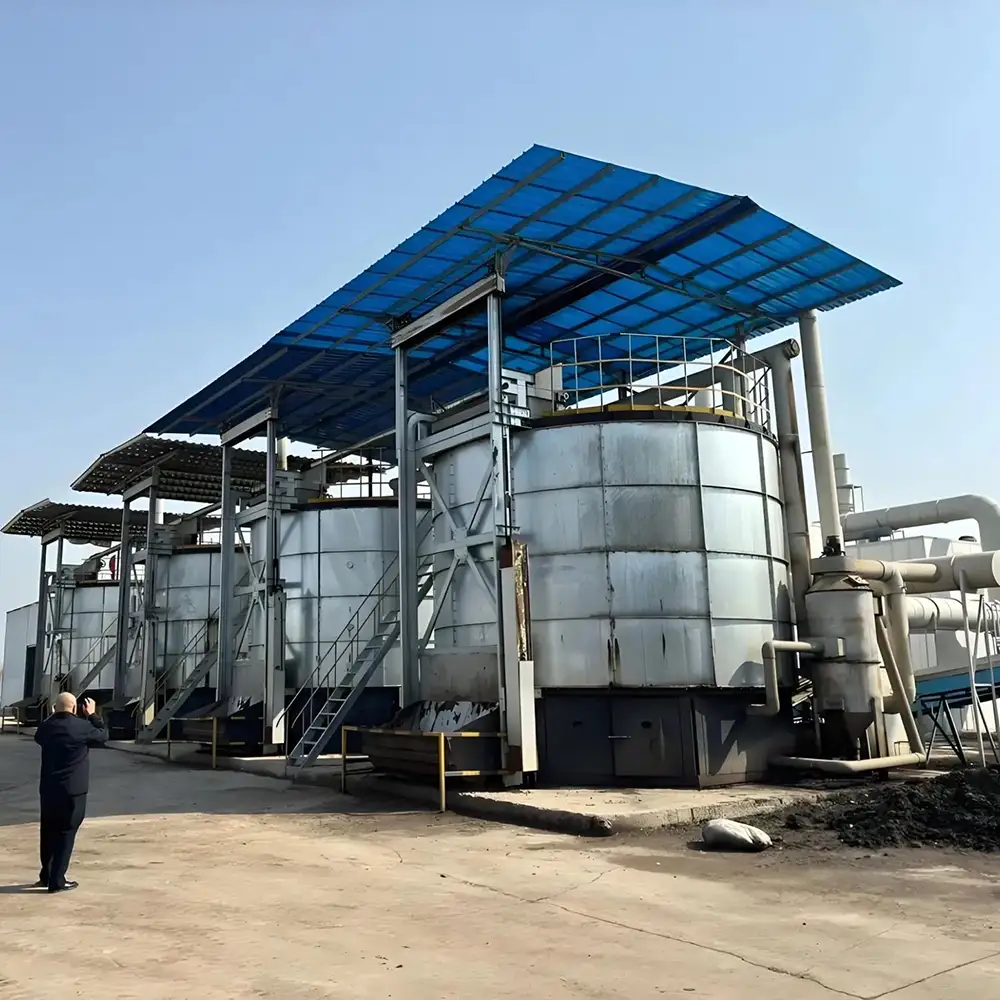
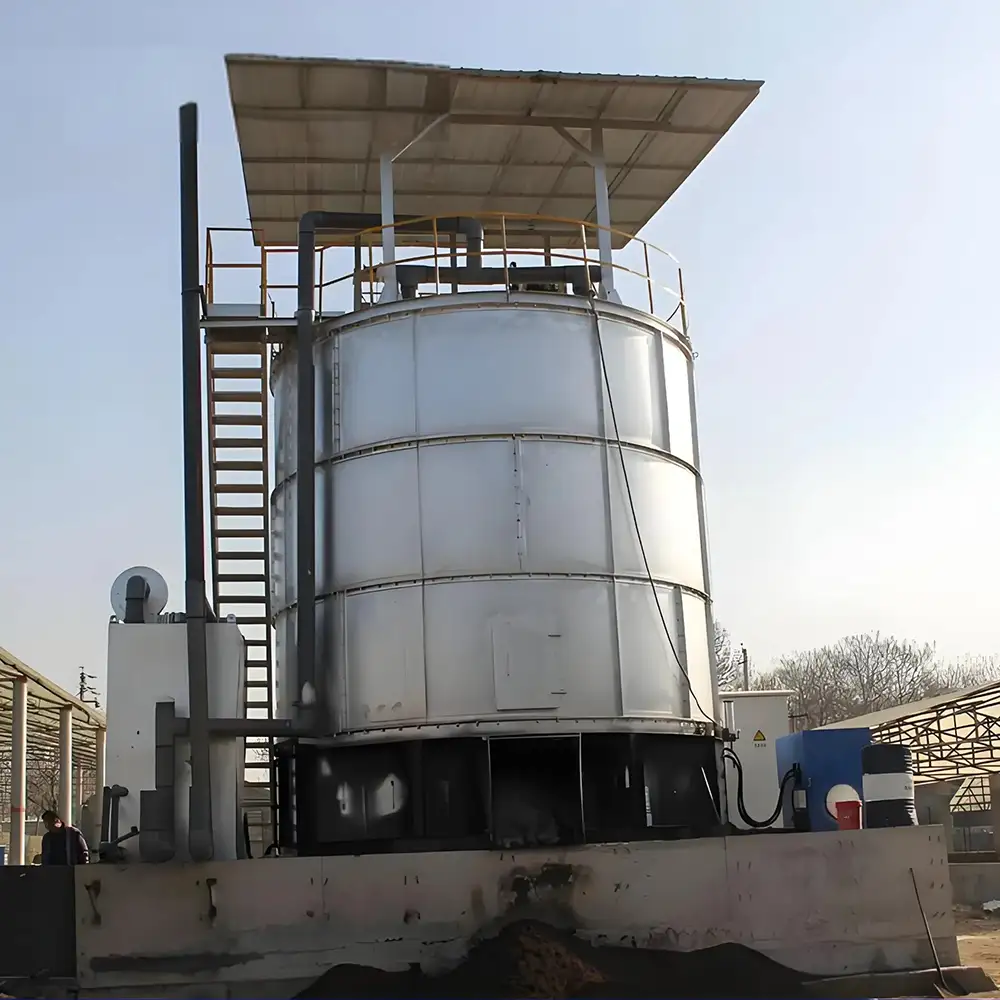
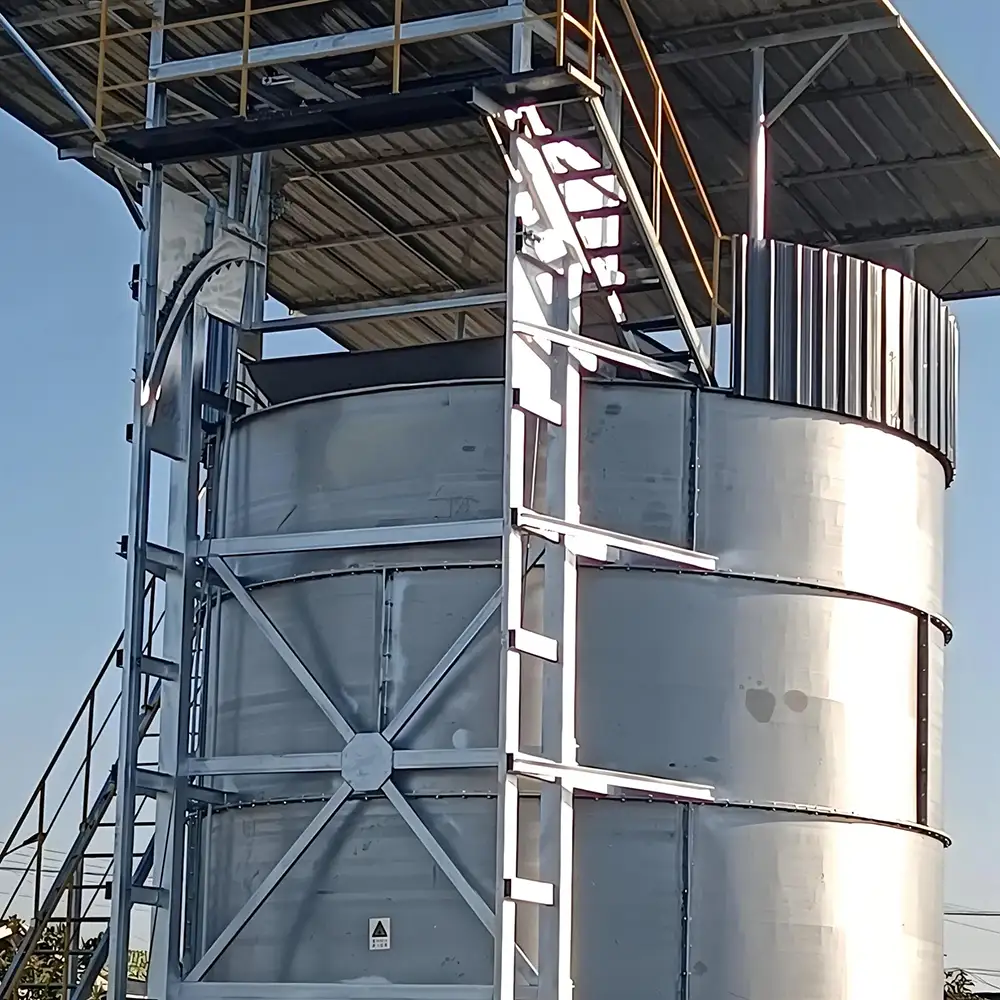
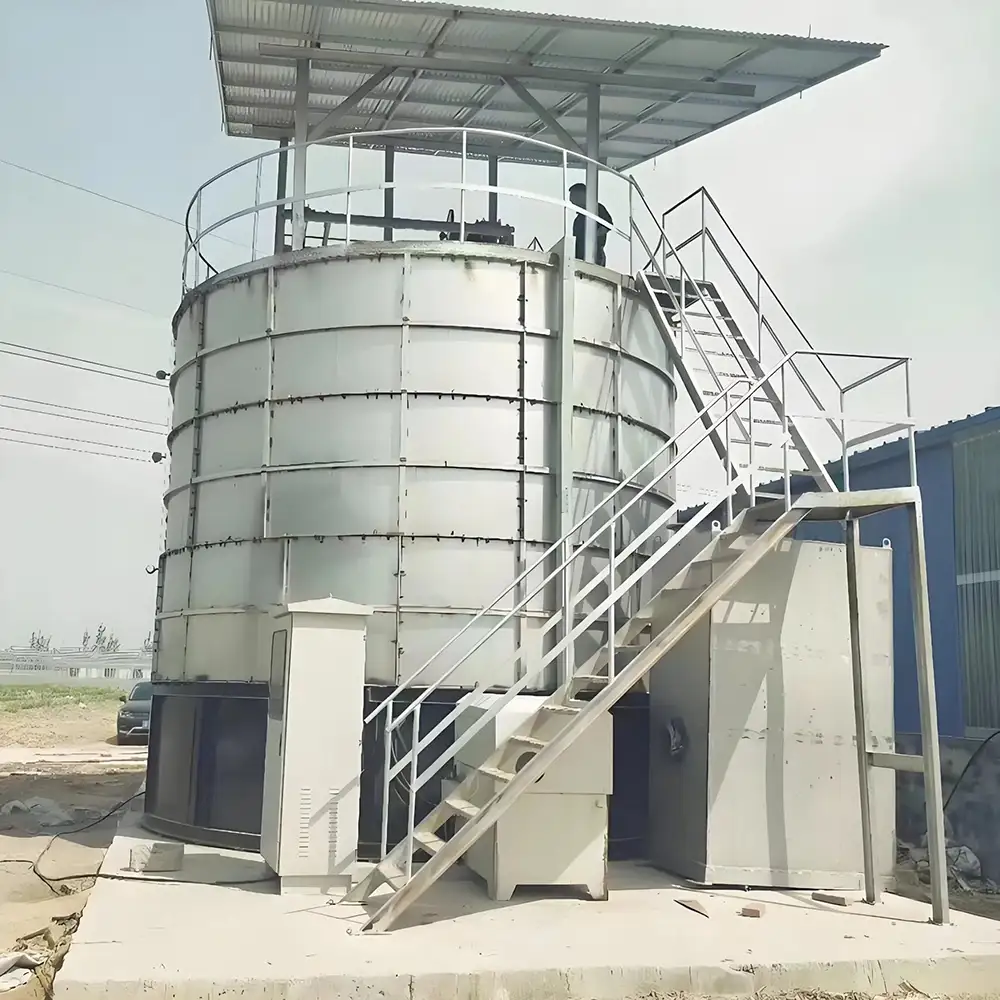
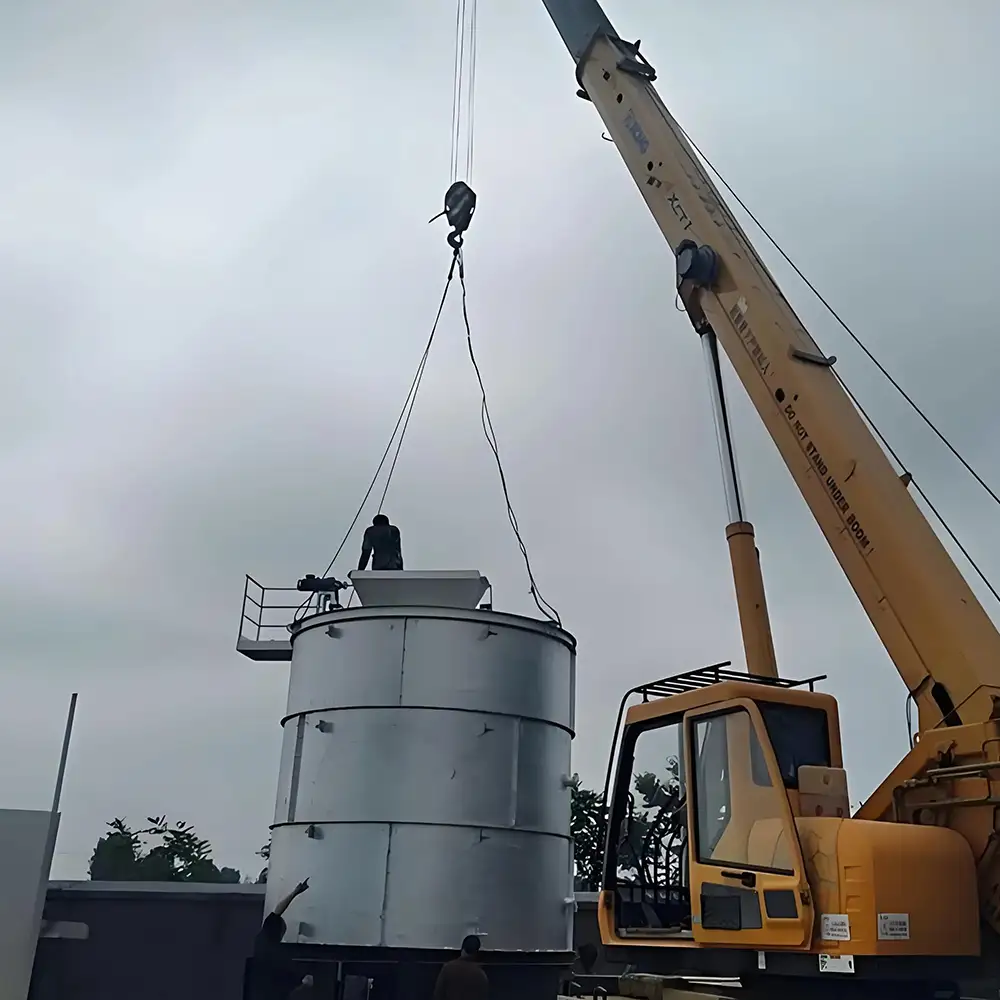
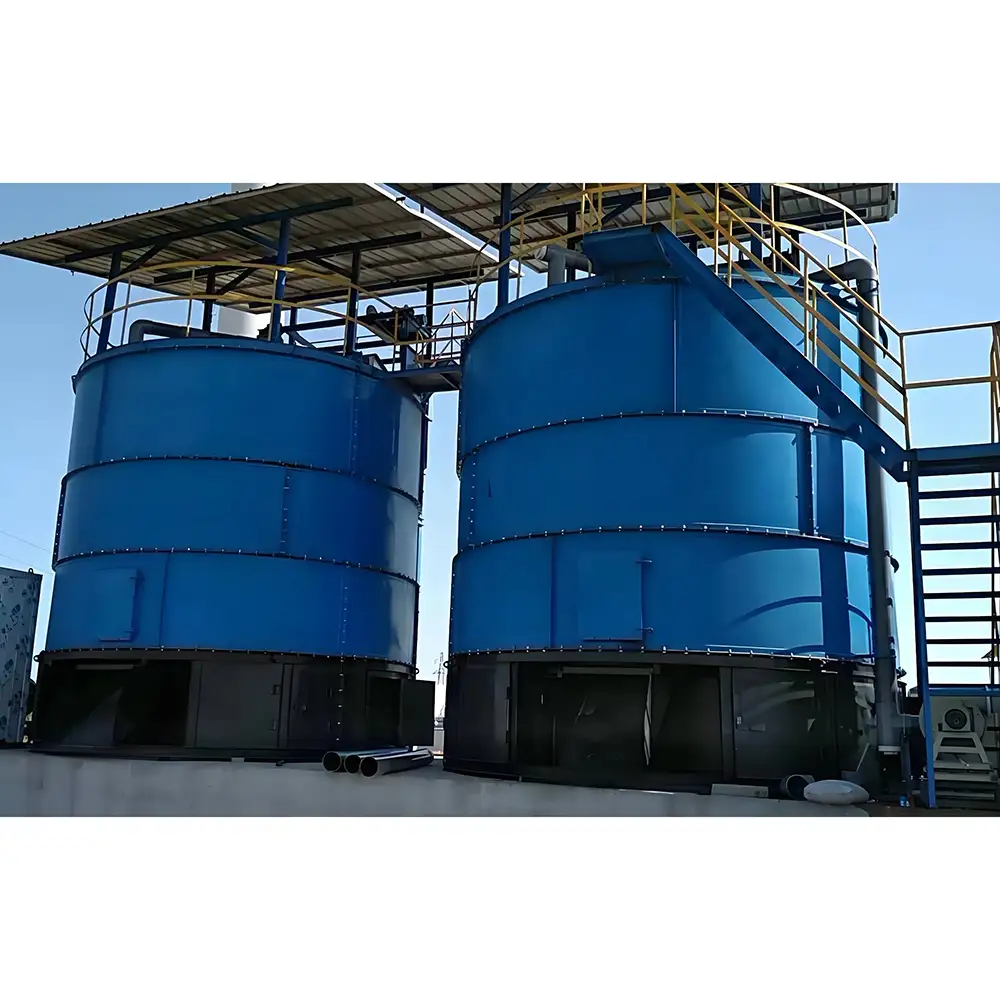
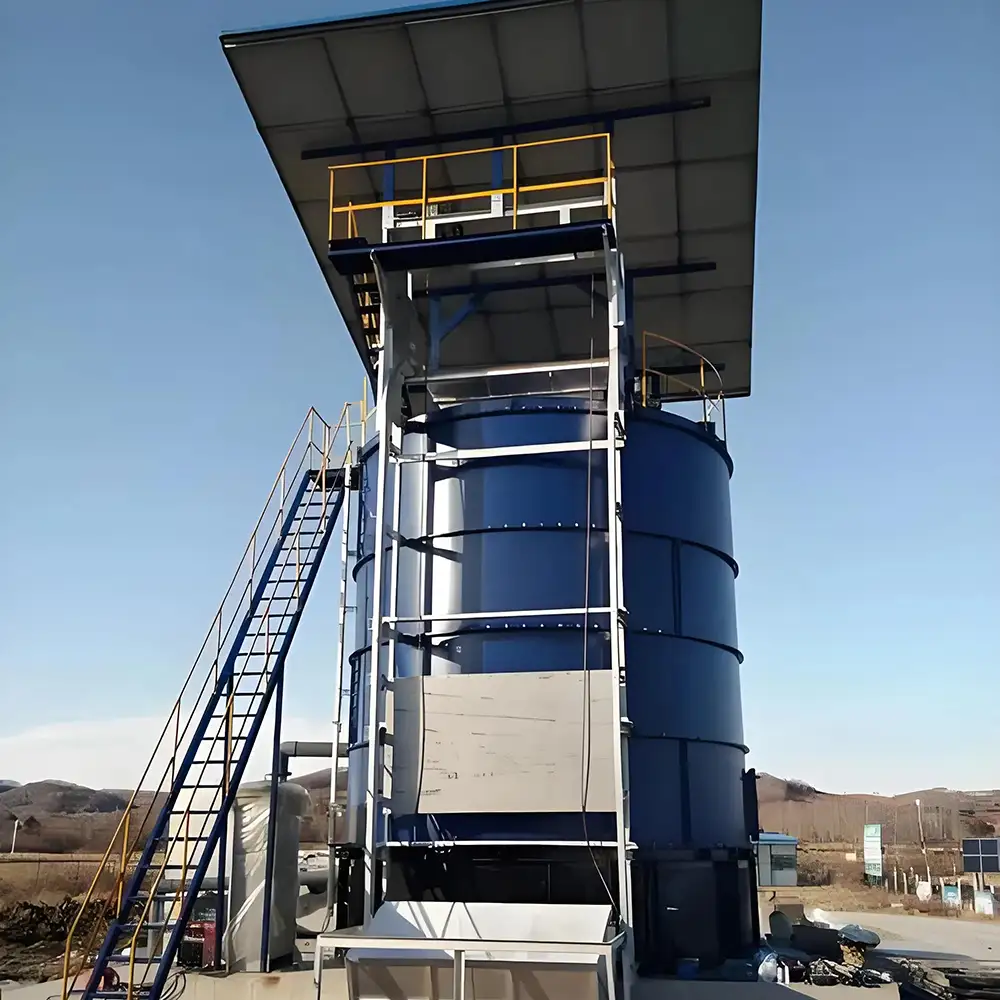
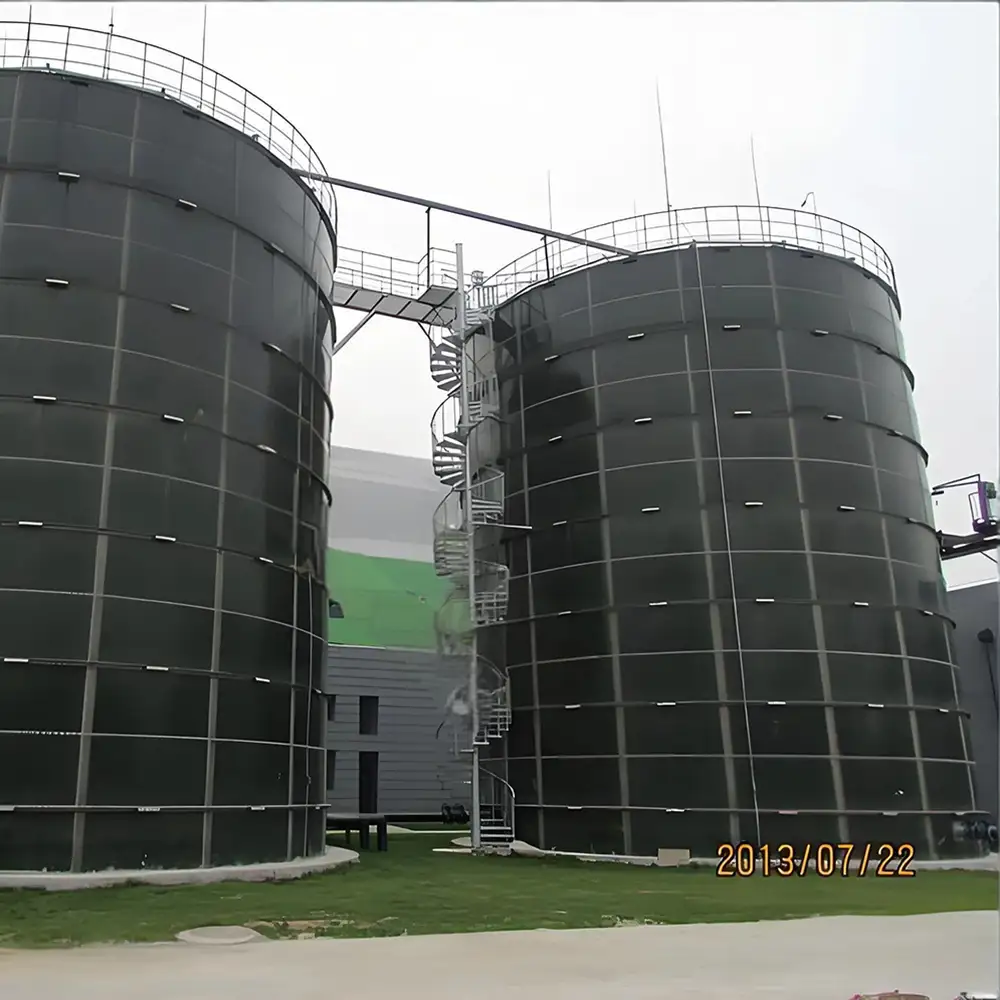
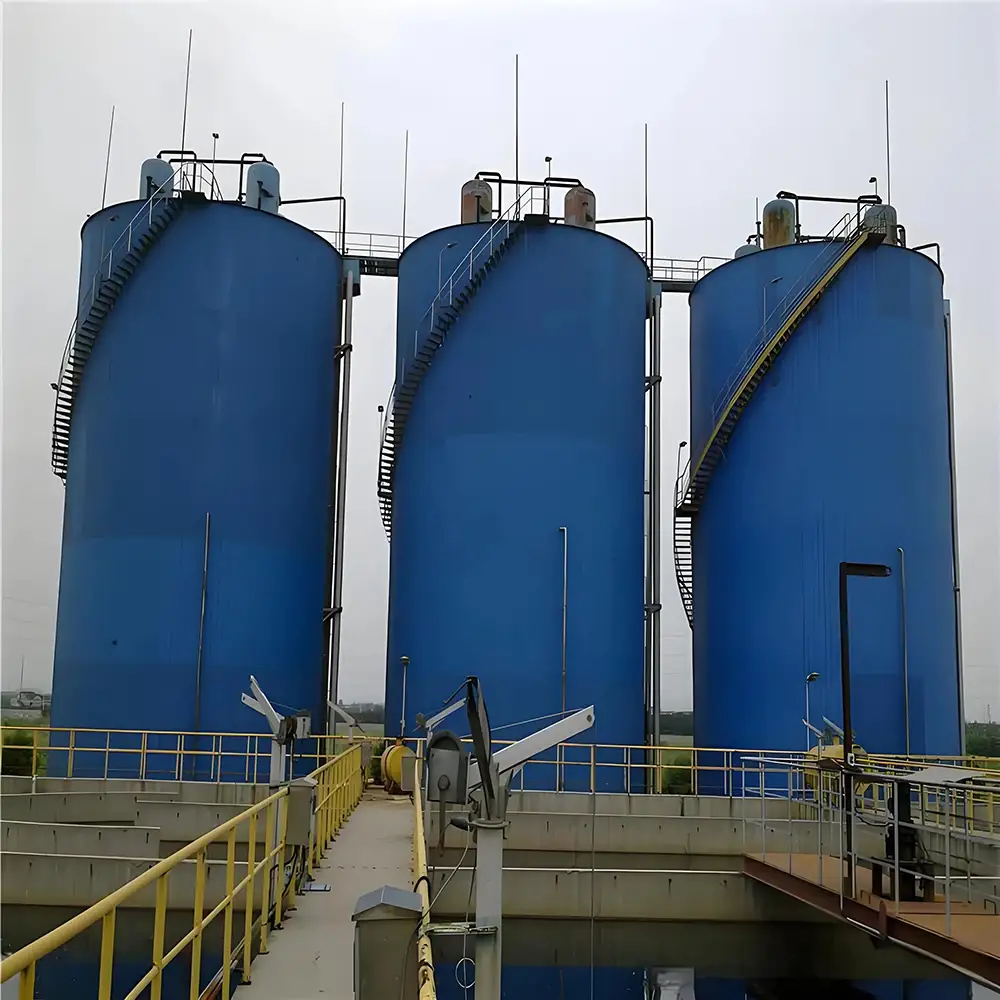
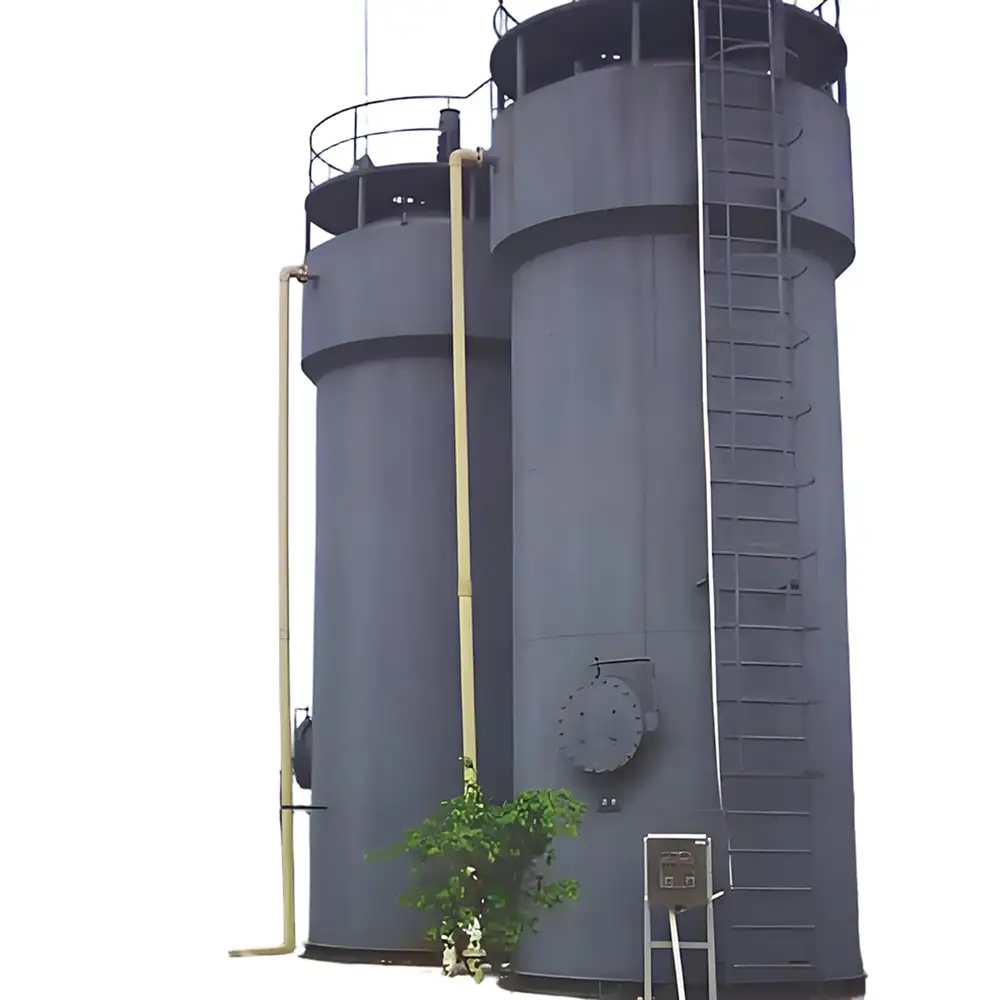
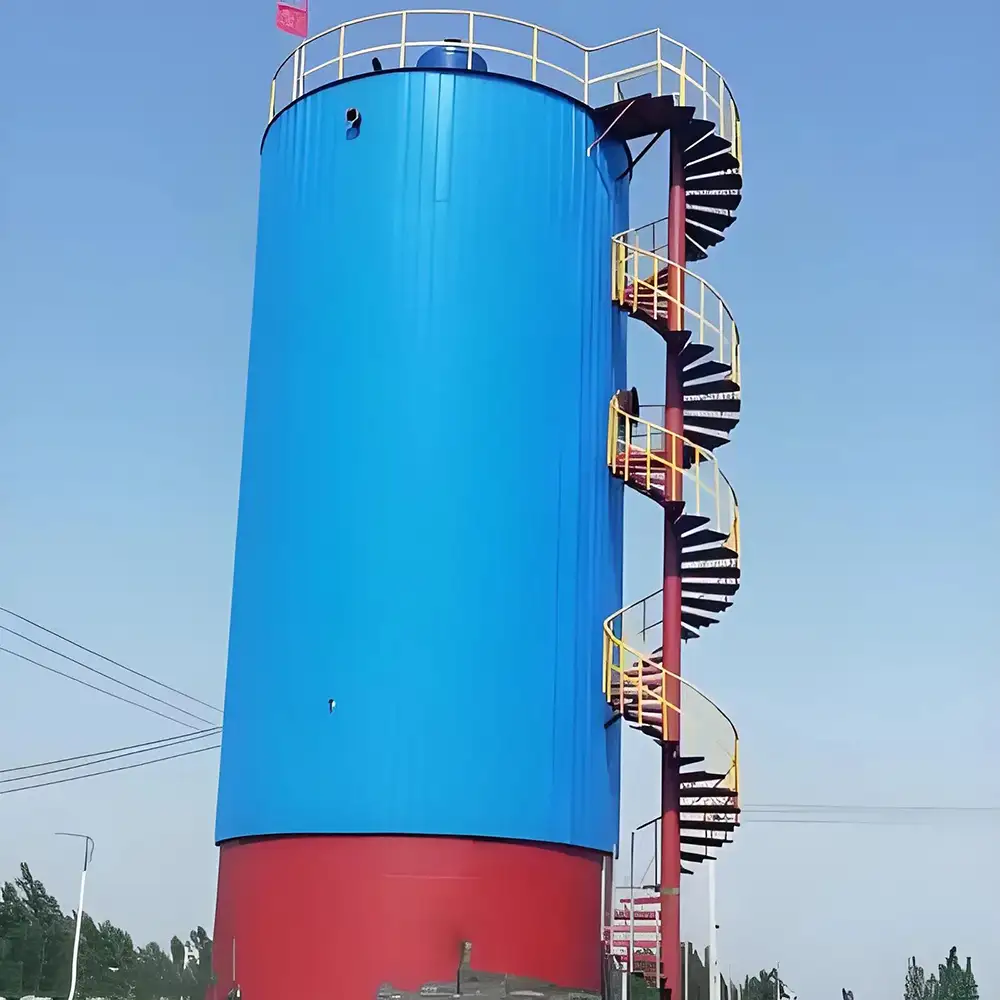
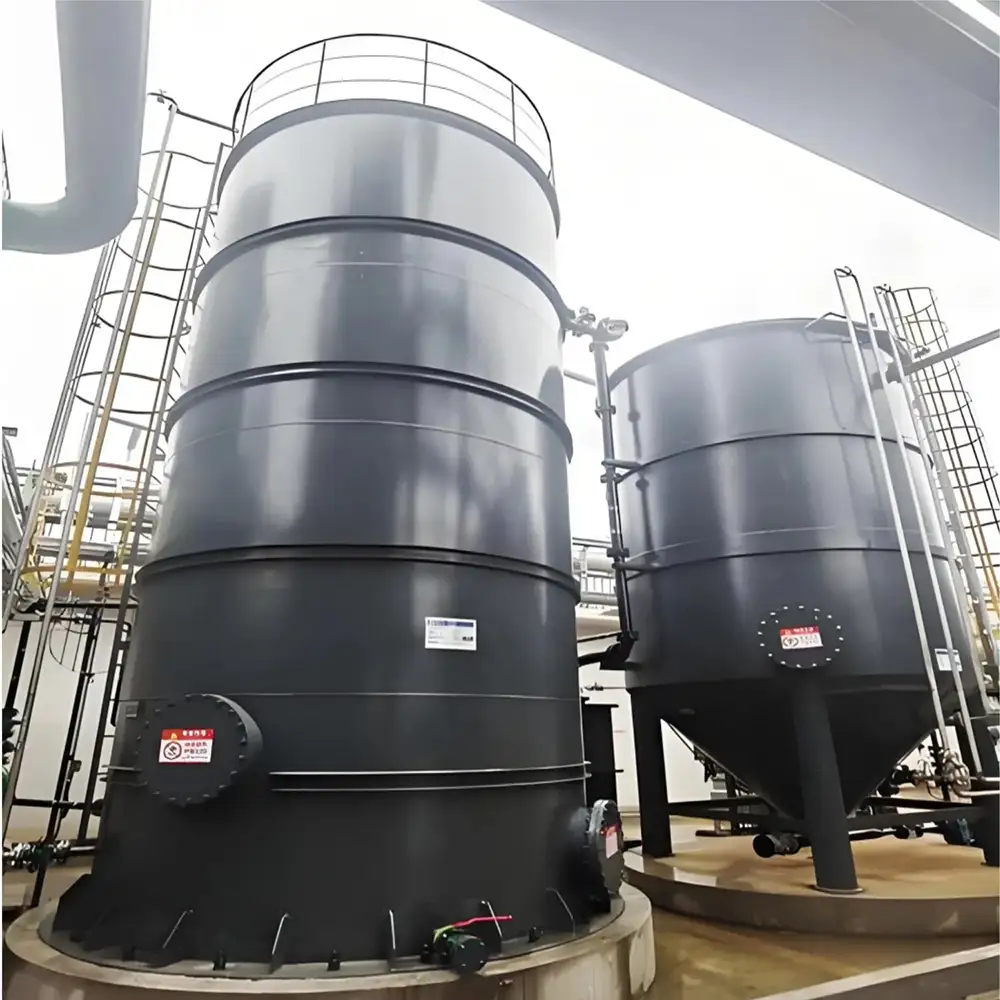
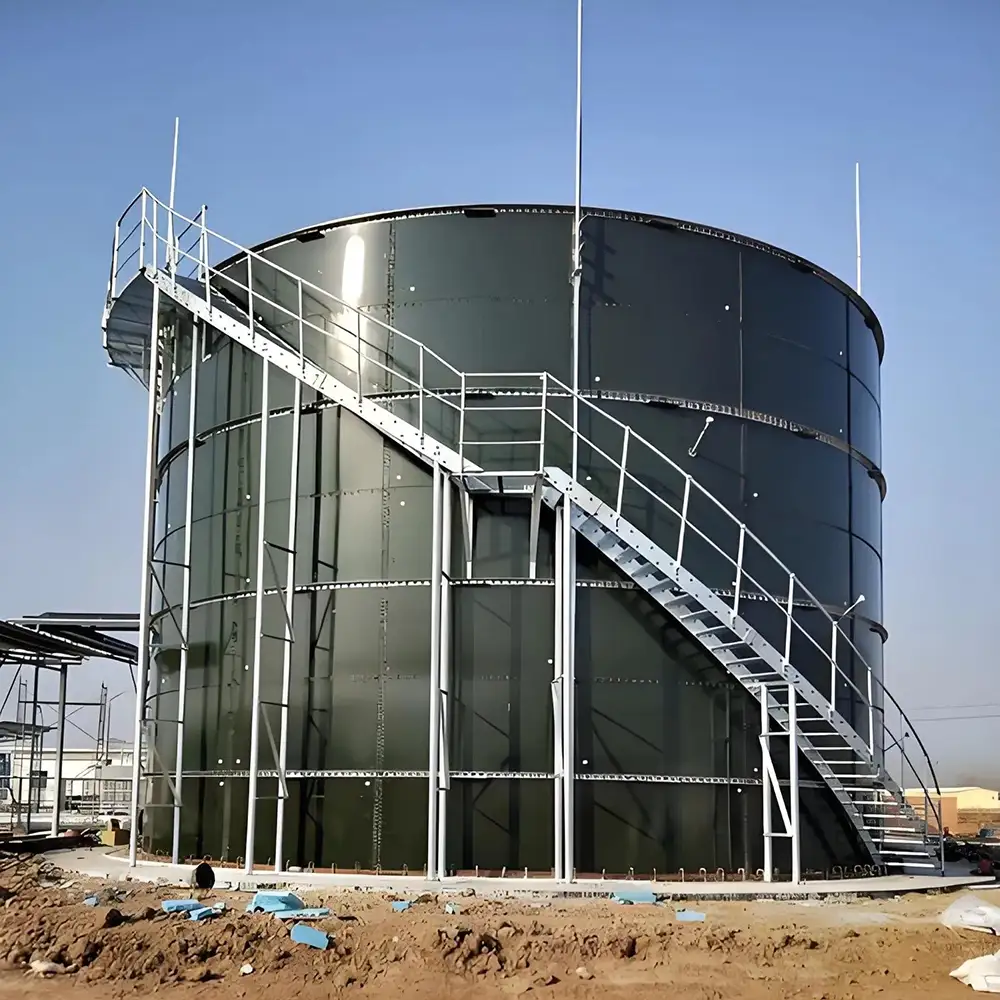
The High-Temperature Aerobic Fermentation Tank for Livestock and Poultry Manure is an enclosed organic waste treatment system designed for aerobic fermentation of livestock manure, poultry manure, food waste, agricultural residues, and other suitable biodegradable materials. It can be used as an important processing stage in organic fertilizer production, helping convert suitable organic waste into a more stabilized material for further agricultural utilization or fertilizer processing.
Livestock and poultry farms generate manure containing organic matter, nutrients, moisture, fibers, and microorganisms. Food-processing facilities and commercial kitchens also produce biodegradable food waste with relatively high organic content. When these materials are properly separated, conditioned, and biologically treated, aerobic fermentation can provide an organized method for stabilization and resource recovery.
The fermentation tank provides a controlled environment where suitable organic materials can be mixed and aerated. Temperature, moisture, oxygen supply, feeding, and discharge conditions can be managed according to the selected fermentation process and raw material characteristics.
1. Working principle
Aerobic fermentation: Most fermentation tanks adopt the principle of aerobic fermentation, providing oxygen to microorganisms through forced ventilation or stirring system to promote their rapid decomposition of organic matter.
High temperature sterilization: The temperature can reach 50~70ºC during the fermentation process, killing pathogens, insect eggs and weed seeds.
Automated control: Real-time monitoring of temperature, humidity, pH value, oxygen content and other parameters through sensors to optimize fermentation conditions.
2. Main structural components
Tank:
Material: stainless steel or anti-corrosion carbon steel, corrosion-resistant and high-temperature resistant.
Shape: vertical (tower) or horizontal, some are equipped with insulation layer to improve energy efficiency.
Mixing system:
Spiral agitator or compost turning device to ensure uniform mixing and ventilation of materials.
Ventilation system:
Ventilation ducts or fans are arranged at the bottom to provide oxygen and adjust humidity.
Temperature control system:
Electric heating, steam heating or using fermentation to generate heat to maintain the optimal temperature.
Deodorization device:
Integrated biofilter or chemical washing equipment to reduce odor emissions.
Intelligent control system:
PLC or IoT module to achieve remote monitoring and automated operation.
III. Fermentation tank type
Tower fermentation tank:
Vertical multi-layer design, materials ferment layer by layer from top to bottom, saving space, suitable for large-scale processing.
Horizontal fermentation tank:
Horizontal drum structure, through rotating stirring materials, suitable for small and medium-scale production.
Enclosed fermentation tank:
Fully enclosed design, reducing odor and pollution, suitable for cities or densely populated areas.
Continuous fermentation tank:
Material enters and exits continuously, achieving 24-hour uninterrupted production.
IV. Advantages
Efficient and fast:
Traditional composting takes 30 to 60 days, while fermentation tanks only take 7 to 15 days.
Environmentally friendly:
Reduce greenhouse gas emissions such as methane, control odor and sewage.
Resource utilization:
Converting waste into high-value organic fertilizer is in line with the concept of circular economy.
Strong adaptability:
Can handle a variety of organic waste (such as feces, sludge, kitchen waste, etc.).
Save manpower:
High degree of automation, reducing the cost of manual turning and monitoring.
V. Disadvantages
High initial investment:
The equipment purchase and installation costs are high, suitable for large-scale production.
Energy consumption issues:
Some models rely on electricity or steam heating, and operating costs need to be controlled.
Technical requirements:
Requires professional operation and maintenance to avoid insufficient microbial activity or equipment failure.
VI. Application scenarios
Farms: Treat livestock and poultry manure, reduce pollution and produce organic fertilizer.
Agricultural parks: Resource utilization of straw, fruit and vegetable waste.
Urban garbage treatment stations: Harmless treatment of kitchen waste and sludge.
Organic fertilizer processing plants: Large-scale production of commercial organic fertilizer.
VII. Selection recommendations
Processing capacity: Select the tank volume according to the daily processing capacity (such as 5 tons/day to 100 tons/day).
Raw material characteristics: high-humidity materials need to be equipped with dehydration equipment, and fiber materials need to be stirred intensively.
Environmental requirements: closed + deodorization system is preferred in densely populated areas.
Budget: small and medium-sized farms can choose horizontal fermentation tanks, and large enterprises can choose tower continuous fermentation systems.
High-Temperature Aerobic Fermentation
Aerobic fermentation uses microorganisms in the presence of oxygen to break down biodegradable organic matter. Biological activity can generate heat, causing the material temperature to rise during suitable operating conditions.
The high-temperature stage is an important part of many aerobic composting processes. However, the actual temperature profile depends on the feedstock, moisture content, oxygen supply, microbial activity, carbon-to-nitrogen balance, and operating conditions.
The purpose of process control is to create a suitable biological environment rather than simply maximize temperature. Monitoring and managing temperature, aeration, and moisture can help support a more stable fermentation process.
Organic Fertilizer Production
The fermentation tank can be integrated into an Organic Fertilizer Production Line. After aerobic fermentation, the treated organic material may undergo additional processing such as crushing, screening, mixing, granulation, drying, cooling, and packaging.
A typical organic fertilizer production workflow may include:
Raw Material Collection
Sorting And Pretreatment
Solid-Liquid Separation
Crushing
Aerobic Fermentation
Material Screening
Ingredient Mixing
Fertilizer Granulation
Drying And Cooling
Final Screening
Packaging
The actual production line should be configured according to raw material characteristics and the required final fertilizer product.
Livestock Manure Fermentation
The system can be used for suitable manure from cattle, pigs, sheep, horses, poultry, and other livestock operations.
Fresh manure can contain considerable moisture and biodegradable organic matter. Depending on the source, pretreatment may include solid-liquid separation, screening, crushing, mixing, or moisture adjustment.
Aerobic fermentation can help stabilize suitable organic solids before they are processed further. The resulting material may be used as a feedstock for organic fertilizer production when it meets the requirements of the intended application.
Poultry Manure Treatment
Poultry manure can have a relatively high nutrient content and may contain bedding materials, feathers, fibers, and other solids. Proper preparation is therefore important before fermentation.
The fermentation system can be connected to poultry manure collection and conveying equipment. Mixing and aeration can help create more uniform process conditions within the fermentation tank.
The actual process parameters should be determined according to manure characteristics, moisture content, particle size, and the selected fermentation technology.
Food Waste Fermentation
Food waste can include vegetable residues, fruit waste, kitchen scraps, food-processing byproducts, and other biodegradable materials. It often contains high moisture and may include unwanted packaging or non-organic contaminants.
Sorting and pretreatment are important before food waste enters the fermentation system. Plastic, metal, glass, and other unsuitable materials should be removed.
Crushing can reduce particle size, while dewatering may be used when the feedstock contains excessive free liquid. The prepared organic material can then be mixed and introduced into the aerobic fermentation process.
Controlled Aeration
Oxygen availability is a key factor in aerobic fermentation. The fermentation tank can incorporate an aeration or ventilation system designed to provide suitable air circulation through the organic material.
The appropriate aeration method depends on the tank structure, material properties, moisture content, bulk density, and fermentation process.
Too little oxygen can interfere with aerobic biological activity, while excessive aeration may increase heat loss or affect moisture management. Therefore, aeration should be adjusted according to actual process conditions.
Mixing And Material Uniformity
Mixing helps distribute moisture, oxygen, microorganisms, and organic material throughout the fermentation mass. It can also reduce localized accumulation and improve material uniformity.
The mixing mechanism should be selected according to the physical characteristics of the feedstock. Poultry manure, cattle manure, food waste, and mixed organic materials can behave differently during handling.
For fibrous or sticky materials, the mechanical design should account for potential bridging, adhesion, and material accumulation.
Moisture Management
Moisture has a significant influence on aerobic fermentation. Excessive moisture can reduce air movement through the material, while insufficient moisture can limit microbial activity.
Livestock manure and food waste can both contain substantial water. A suitable production line may therefore include dewatering or solid-liquid separation before fermentation.
Moisture adjustment can also be performed through controlled mixing with suitable dry organic materials when required.
The appropriate moisture condition depends on the feedstock and fermentation technology, so operating parameters should be determined through process evaluation.
Temperature Monitoring
Temperature is an important indicator during aerobic fermentation. Microbial activity can cause the material temperature to rise, and temperature monitoring can help operators understand changes in the fermentation process.
The fermentation tank can be equipped with suitable temperature sensors and monitoring components depending on the system configuration.
Temperature should be considered together with oxygen, moisture, material composition, and other process indicators. A high temperature alone does not necessarily indicate complete or optimal fermentation.
Enclosed Fermentation Environment
An enclosed fermentation tank can provide a more organized processing environment than open-area manure storage or composting.
Organic waste can produce odors during biological decomposition. An enclosed system can help concentrate process air and make odor-control measures easier to integrate.
Depending on the project, ventilation air may be directed to a biofilter, scrubber, deodorization system, or other suitable treatment equipment.
Odor-control requirements depend on the feedstock, processing capacity, plant location, local environmental requirements, and surrounding conditions.
Organic Waste Recycling
The fermentation tank supports the resource utilization of suitable biodegradable organic waste. Instead of treating livestock manure and food waste only as disposal materials, aerobic fermentation can help transform them into stabilized organic material.
This approach can be used in agricultural waste recycling, food waste treatment, organic fertilizer production, and integrated farm waste management projects.
The final processed material should be evaluated according to its intended agricultural use and applicable local regulations.
Integrated Farm Waste Treatment
For livestock and poultry farms, the fermentation system can become part of a larger manure management process.
A complete system may include manure collection, solid-liquid separation, temporary storage, conveying, aerobic fermentation, screening, fertilizer processing, and finished-product storage.
This integrated approach can help farms organize organic waste treatment while creating a pathway for further utilization of suitable manure solids.
Food Waste And Manure Co-Fermentation
Suitable food waste can potentially be combined with livestock or poultry manure for aerobic fermentation. However, the characteristics of these feedstocks can differ considerably.
Food waste may have higher moisture and readily biodegradable organic content, while manure can contain more fibrous solids and mineral material.
The mixing ratio should therefore be determined according to moisture, solids concentration, carbon-to-nitrogen balance, particle characteristics, and the intended fermentation process.
High-Efficiency Organic Waste Processing
Automated feeding, mixing, aeration, temperature monitoring, and discharge can help reduce repetitive manual handling.
For commercial organic fertilizer plants, automation can also help coordinate fermentation with upstream pretreatment and downstream fertilizer processing.
The actual automation level can range from basic mechanical operation to more advanced monitoring and control systems according to project requirements and budget.
Flexible Equipment Configuration
Different customers process different types and quantities of organic waste. A poultry farm, cattle farm, food-processing plant, and commercial fertilizer factory may therefore require different fermentation configurations.
Tank capacity, feeding system, aeration method, mixing mechanism, temperature monitoring, discharge system, odor control, and downstream equipment can be evaluated according to the actual application.
This project-based approach allows the fermentation tank to be integrated into both agricultural and commercial organic fertilizer projects.
Prev:
Fermentation of Livestock Manure and Kitchen Waste Organic Fertilizer Fermentation Tank
Next:
Enamel Assembled Tank Industrial Wastewater Reactor, Large Volume Enamel Steel Assembled Reactor
TAG:
Organic Fertilizer Production Equipment,
Organic Waste Fermentation Tank,
Organic Waste Composting,
High-Temperature Composting Equipment,
Agricultural Waste Treatment,
Agricultural Waste Fermentation,
Kitchen Waste Fermentation,
Food Waste Treatment Equipment,
Kitchen Waste Treatment,
Food Waste Fermentation Equipment,
Food Waste Composting Equipment,
Animal Waste Treatment,
Livestock Manure Treatment,
Food Waste Fermentation,
Animal Manure Fermentation,
Animal Waste Fermentation,
Poultry Manure Fermentation,
Poultry Manure Fermentation Equipment,
Poultry Manure Composting,
Poultry Manure Treatment,
Organic Fertilizer Plant,
Organic Fertilizer Fermentation Equipment,
Organic Fertilizer Production Line,
Livestock Manure Fermentation,
Livestock Manure Composting,
Livestock Manure Fermentation Equipment,
Aerobic Fermentation Tank,
Organic Fertilizer Fermentation Tank,
Organic Waste Fermentation Equipment,
High-Temperature Aerobic Fermentation Tank,
Related Category:
High-Temperature Aerobic Fermentation Tank, Organic Fertilizer Fermentation Tank, Food Waste Fermentation Tank, Livestoc China, suppliers, manufacturers, factory, customized, wholesale, quotation, made in China