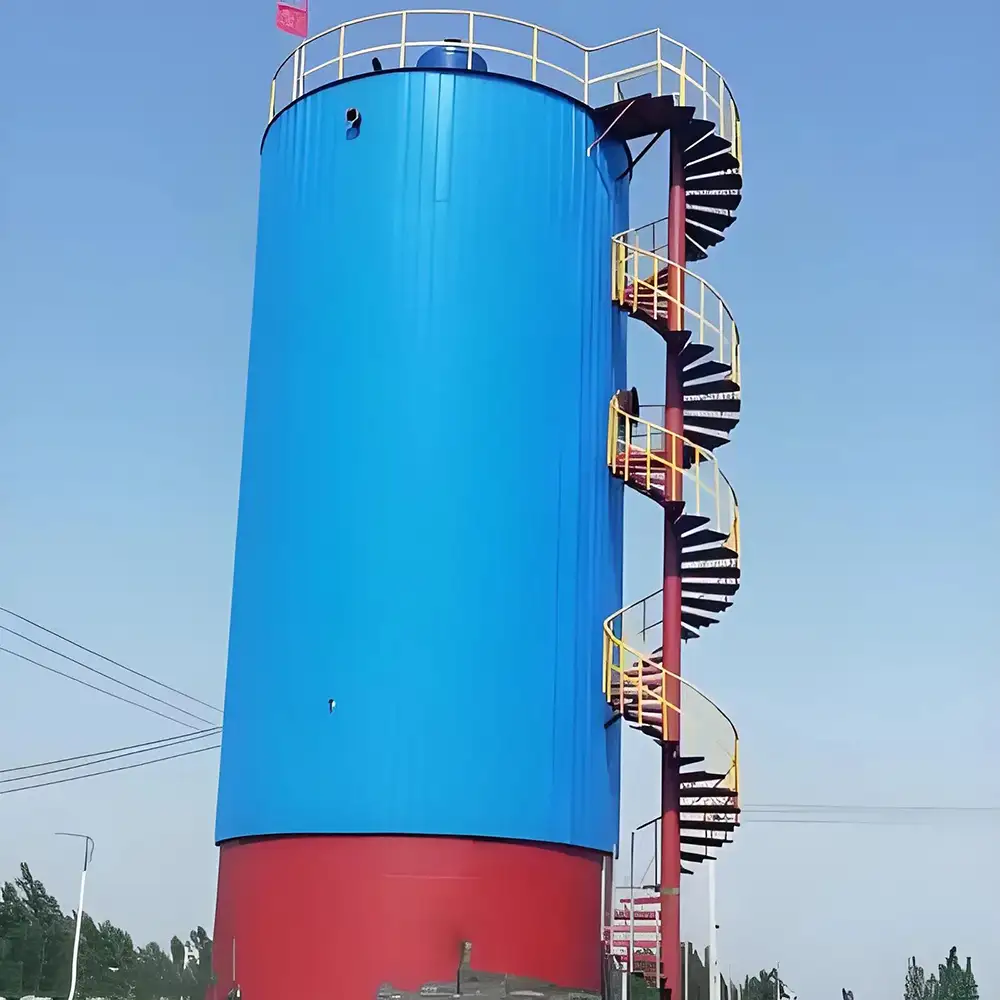
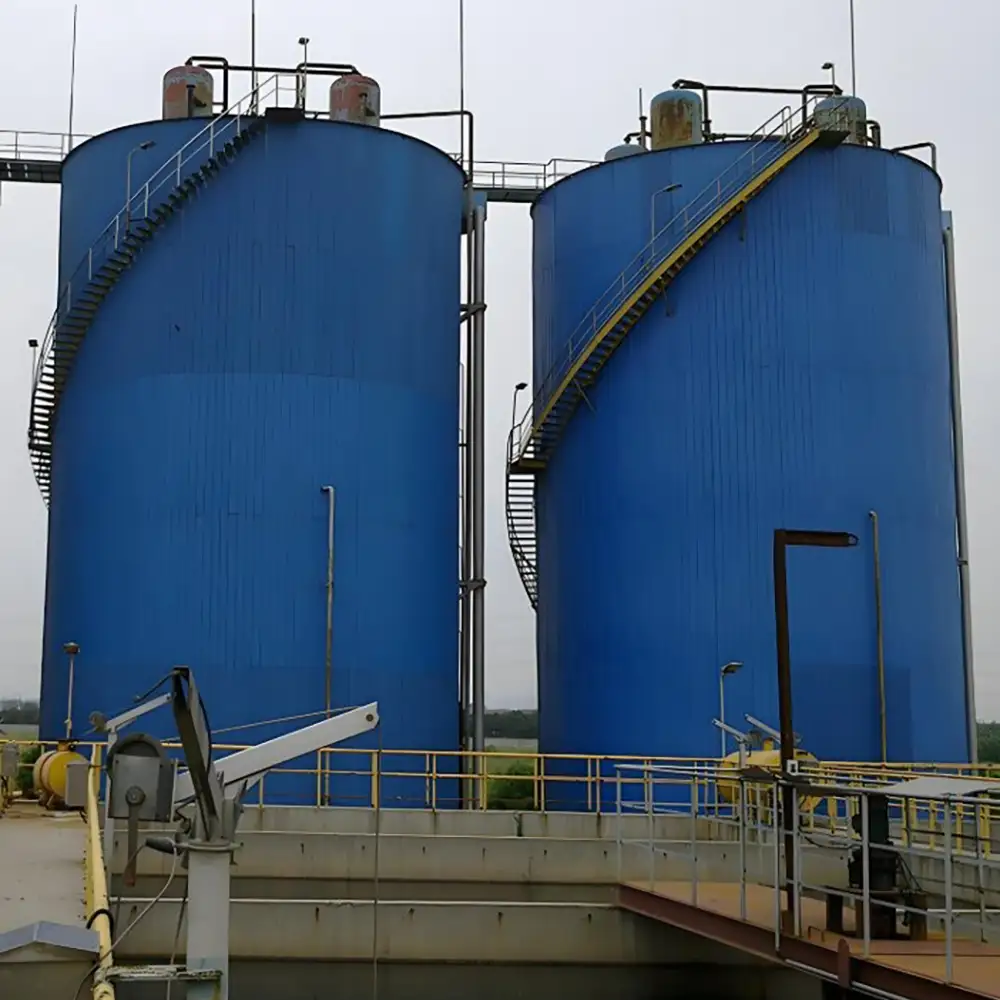
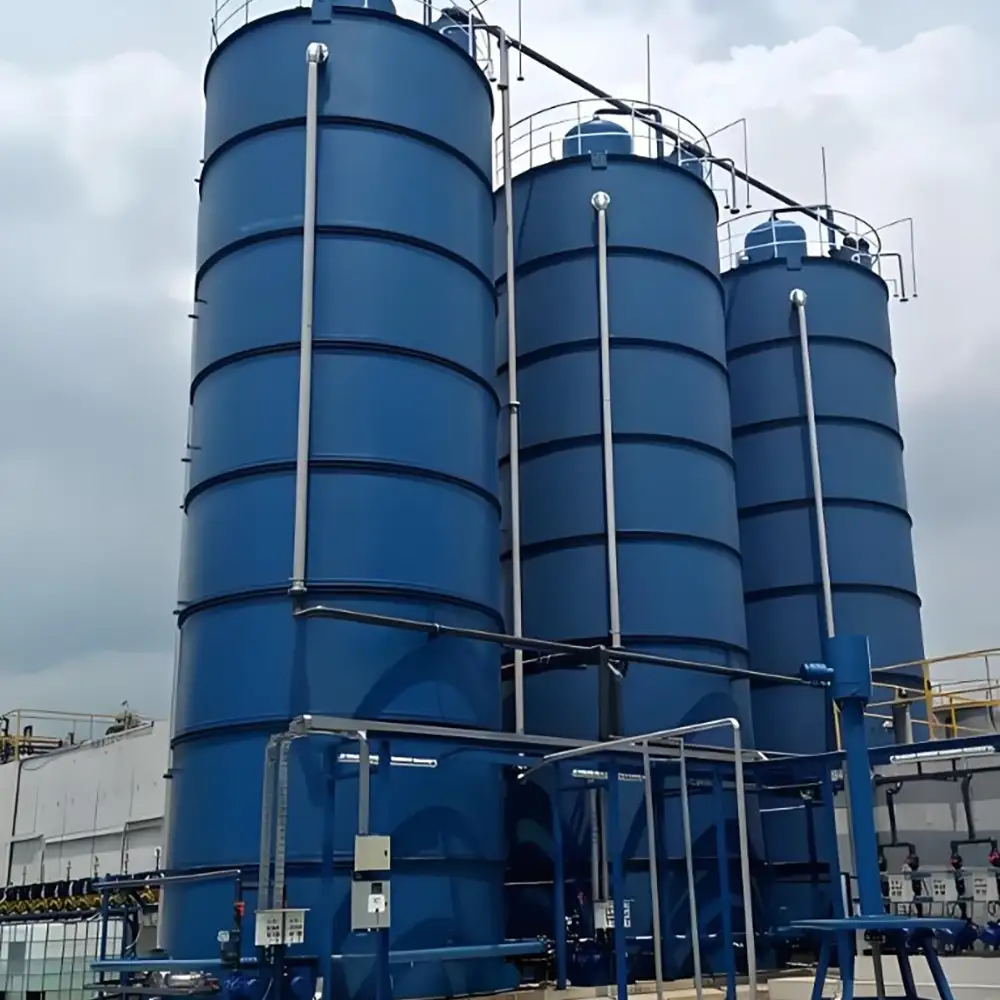
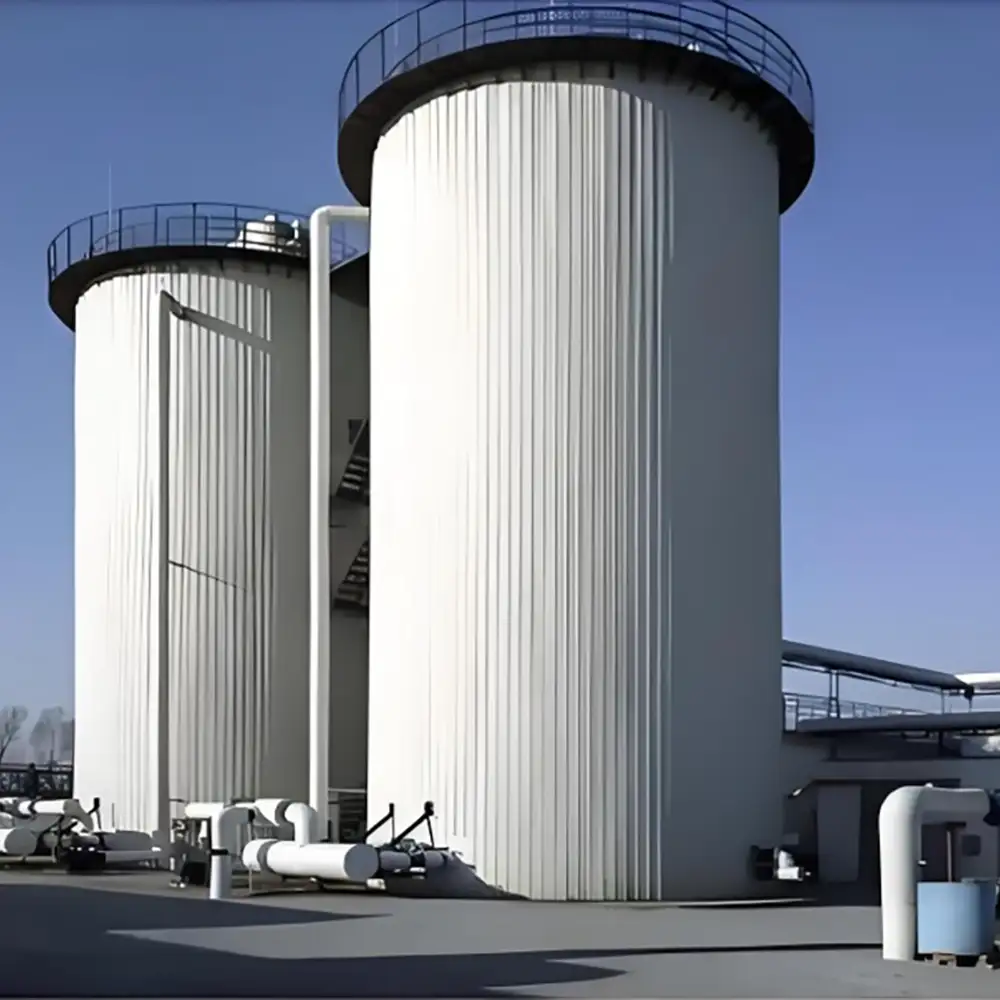
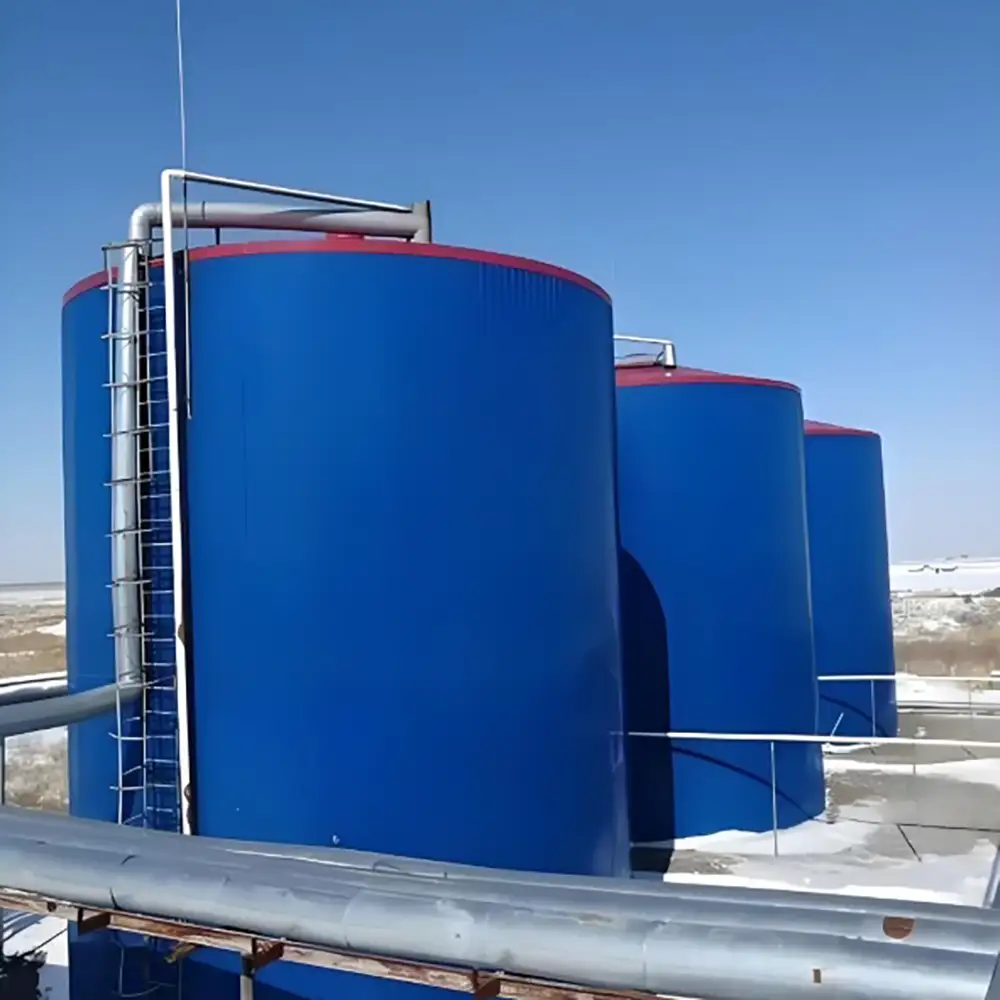
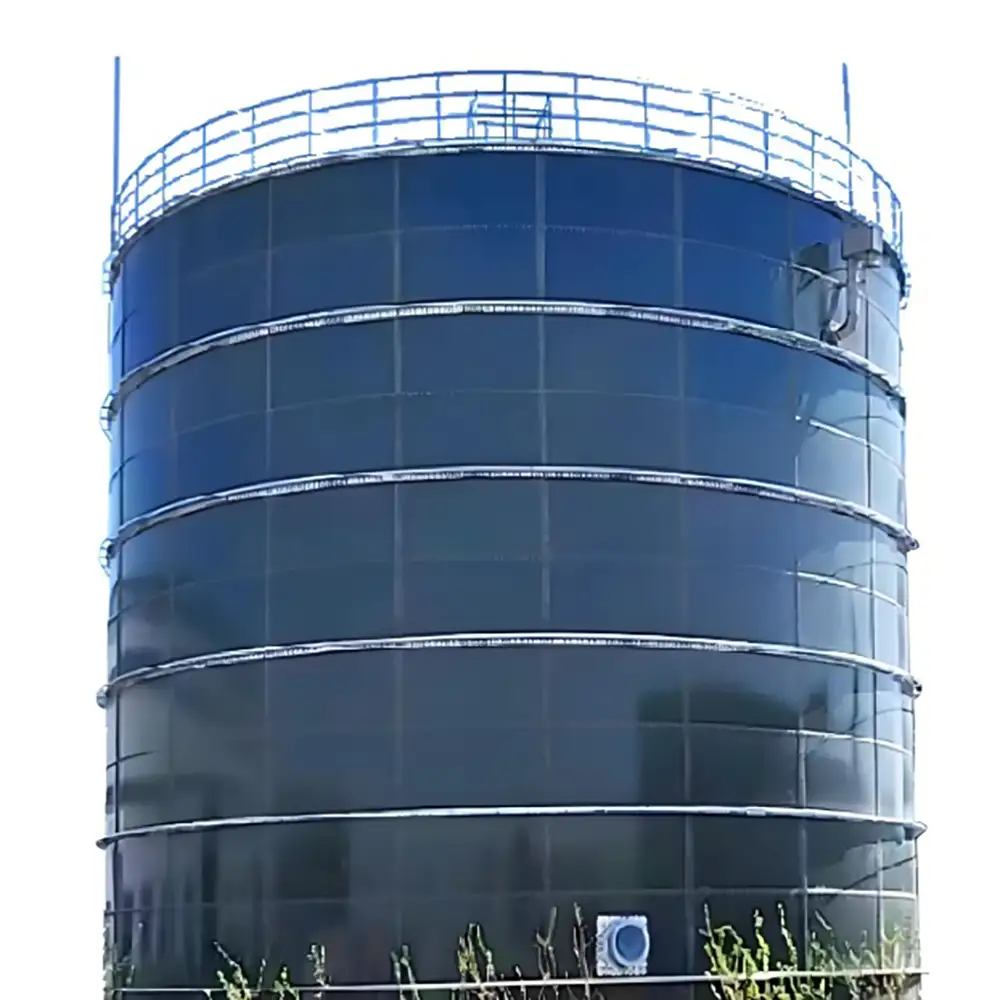
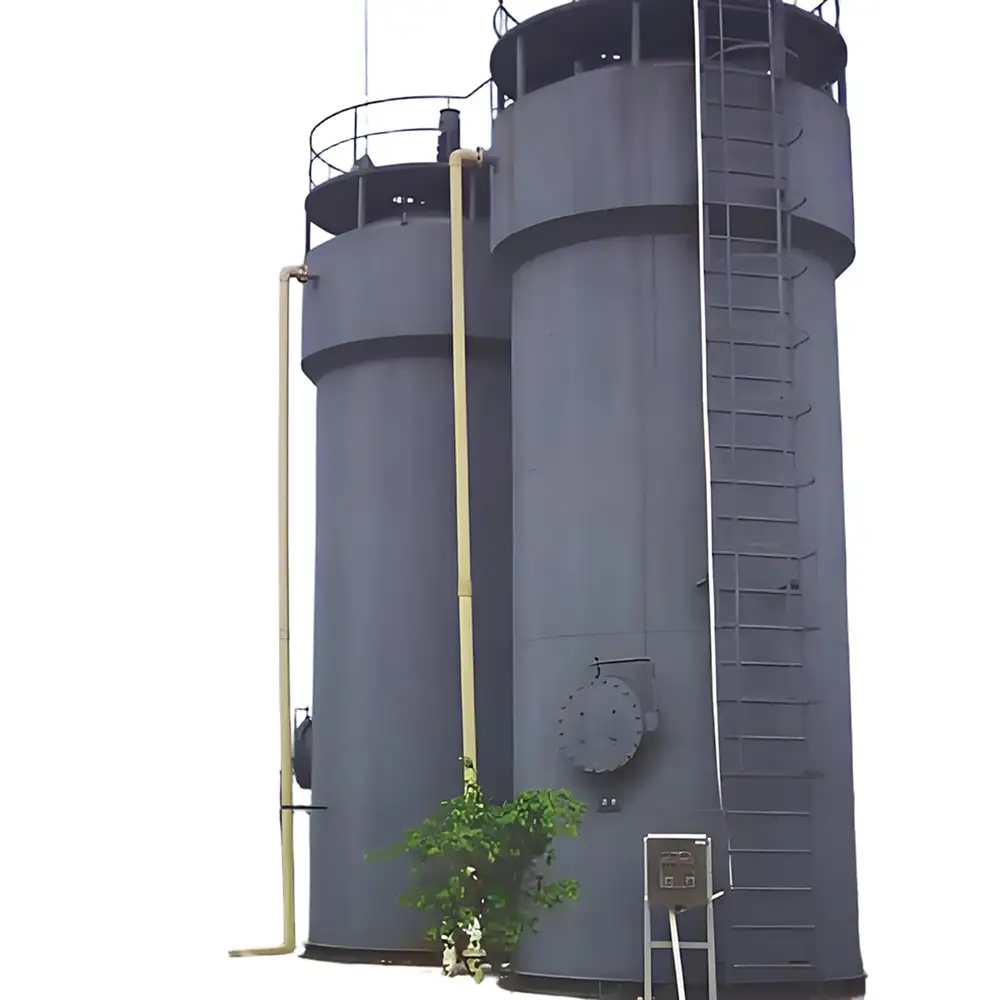
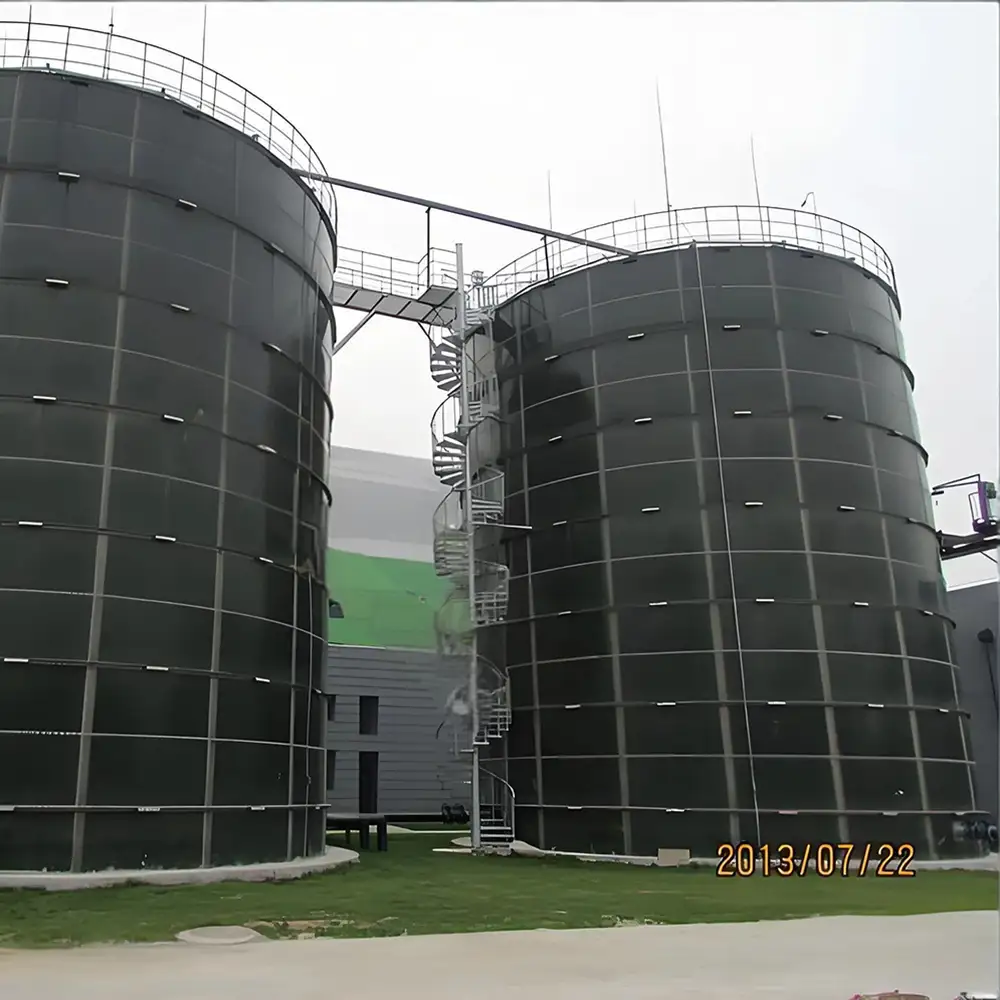
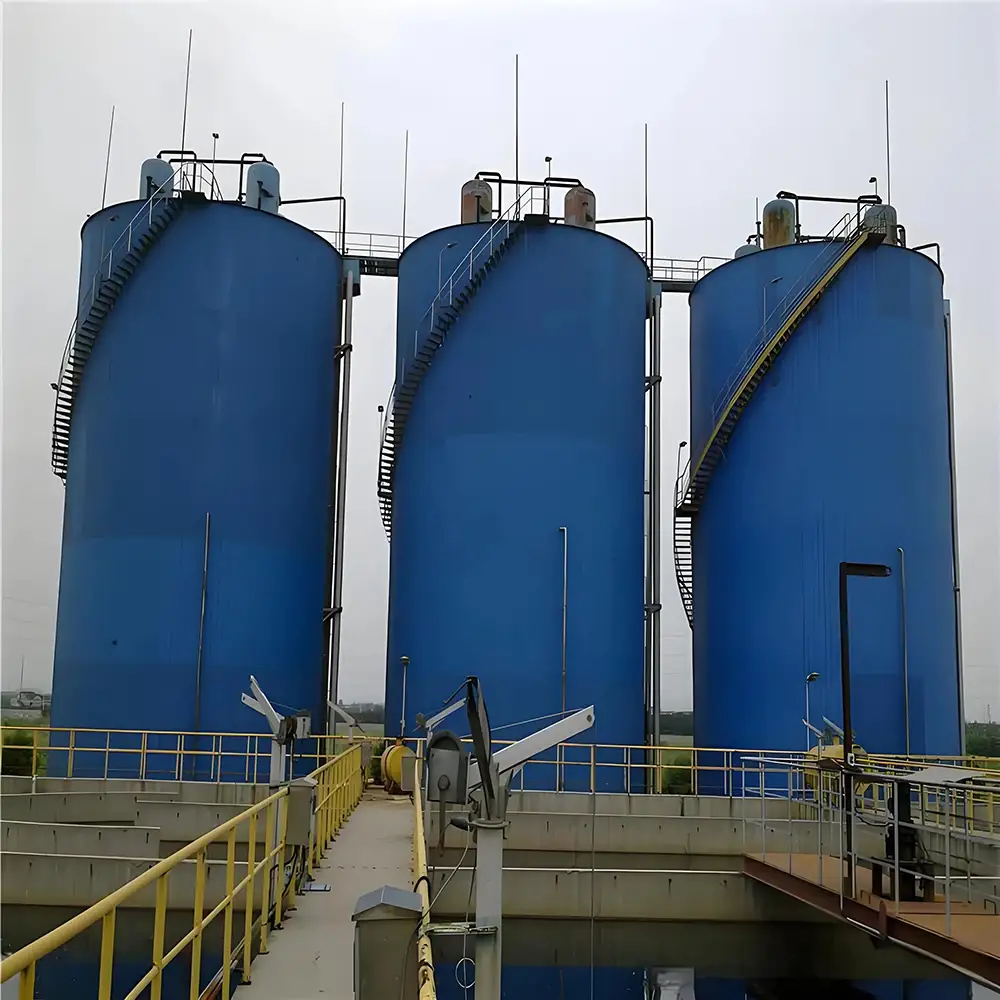
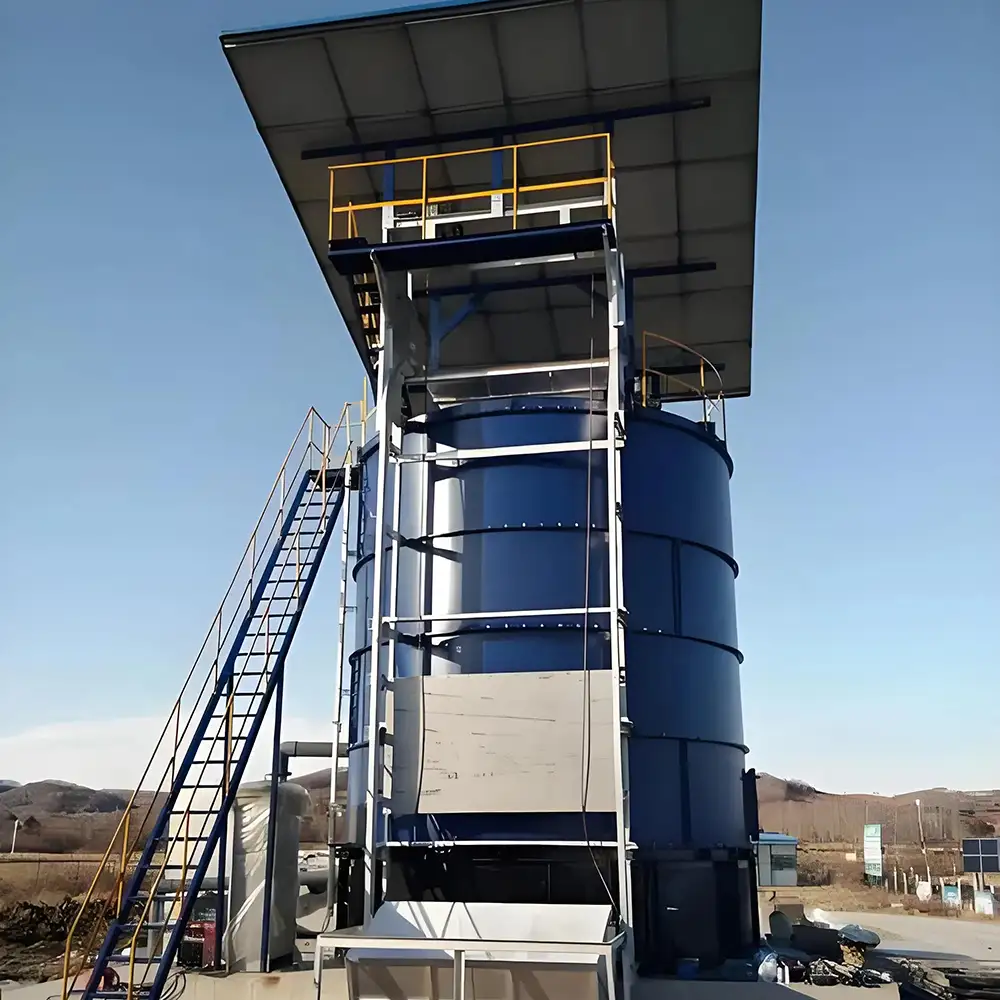
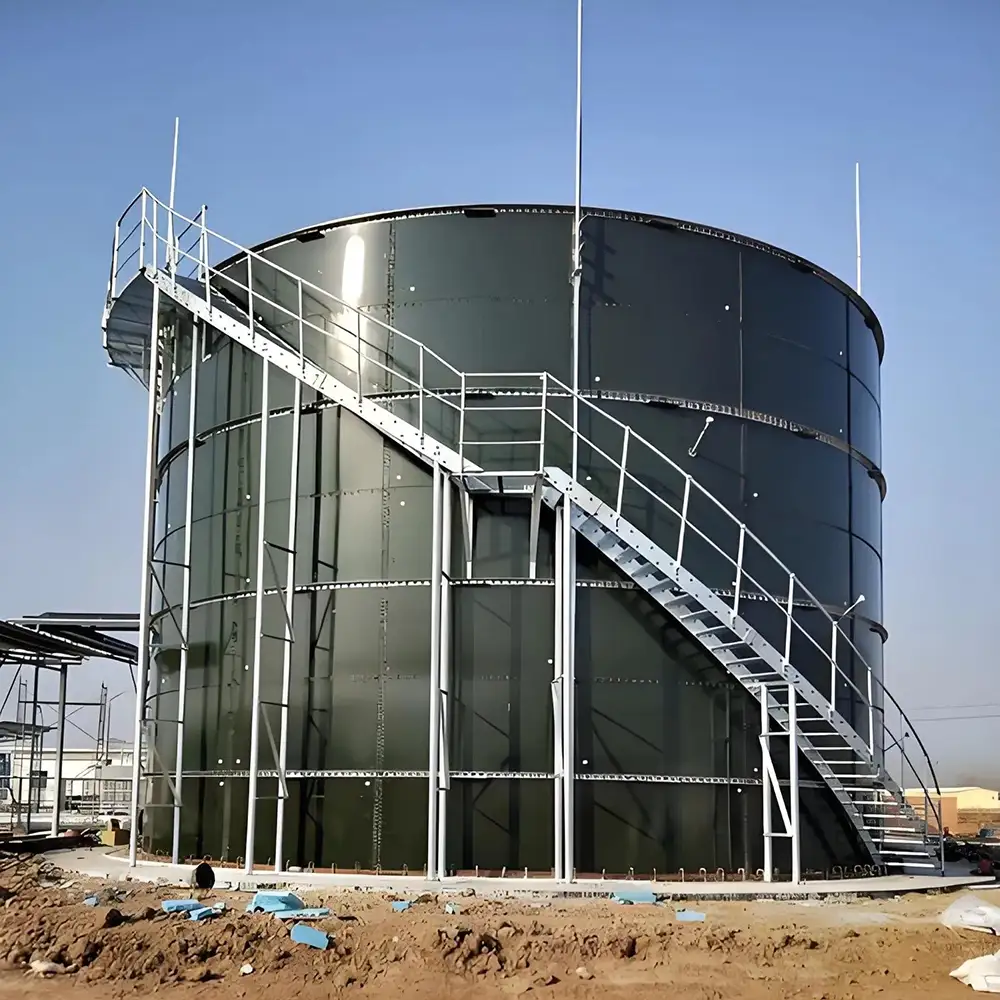
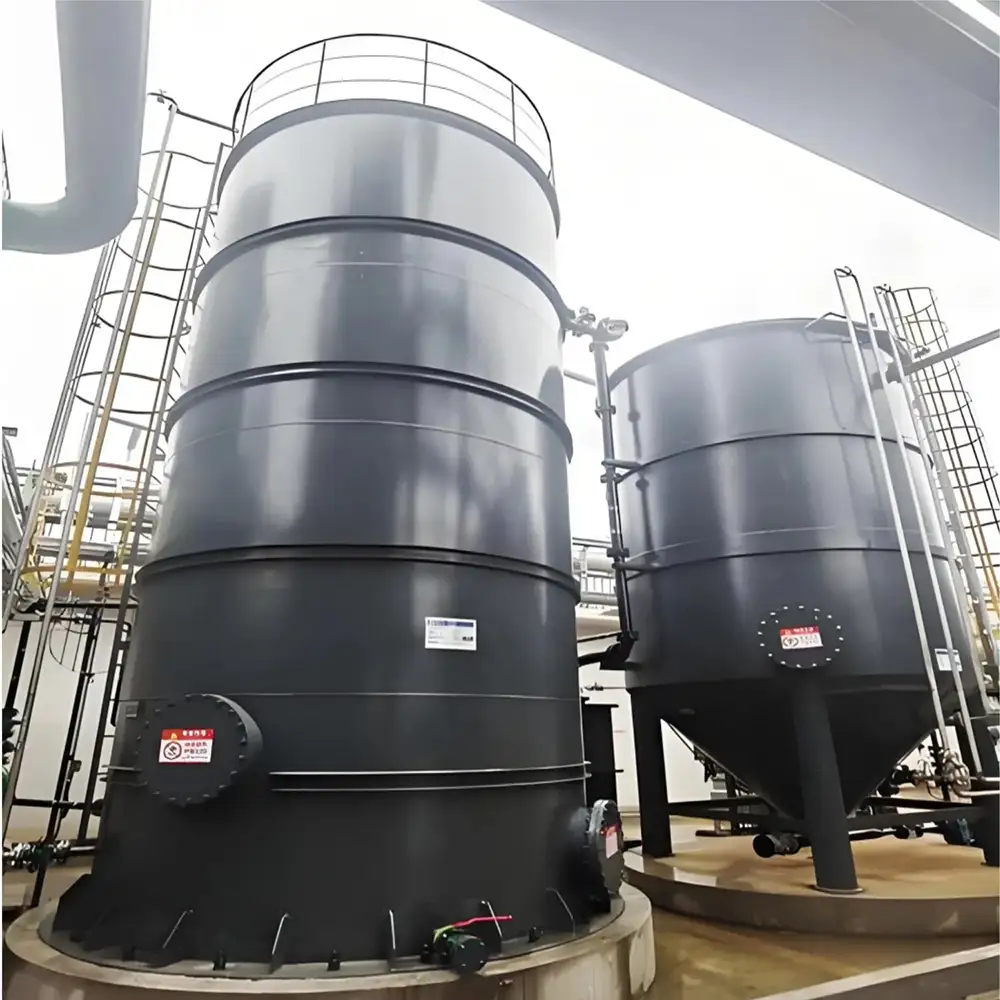
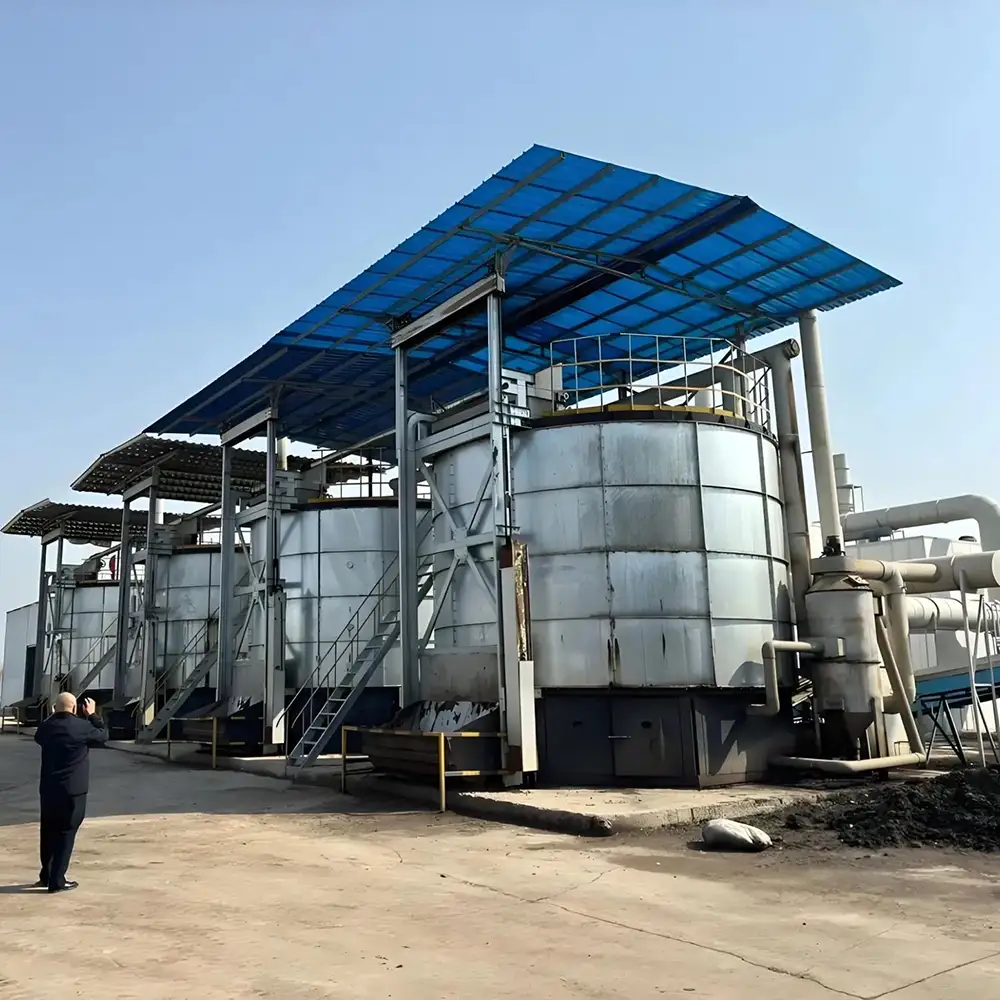
The Continuous Stirred UASB Anaerobic Tower IC CADT Anaerobic Fermentation Tank is an industrial anaerobic treatment solution designed for applications involving organic wastewater, biodegradable waste, anaerobic fermentation, and biogas recovery. Combining concepts associated with UASB, IC, CADT, continuous stirring, and anaerobic fermentation, the system can be configured according to the characteristics of the wastewater or organic feedstock and the requirements of the overall treatment process.
Anaerobic treatment uses microorganisms in an oxygen-free environment to break down biodegradable organic matter. During suitable operating conditions, this biological process can generate biogas containing methane and carbon dioxide. The treated liquid can then continue through downstream clarification, aerobic treatment, filtration, disinfection, or other treatment stages depending on the project.
The anaerobic tower or fermentation tank is therefore not simply a standalone tank. It can form part of an integrated wastewater treatment or biogas utilization system, including pretreatment, solids separation, feeding, gas collection, purification, storage, and energy utilization equipment.
|
PH |
6--8 |
B\C |
≥0.3 |
|
Inflow suspended solids |
≤1500mg\L |
Influent ammonia nitrogen concentration |
≤2000mg/L |
|
Effective water depth |
5-8m |
COD concentration of influent water |
≥1500mg/L |
|
Effective water depth |
<0.8m/h |
UASB sludge yield |
0.05-0.10kgVSS/kgCOD |
|
Total depth of sedimentation zone |
≥1.0m |
Sedimentation zone surface load |
≤0.8m |
|
The distance between the perforated water pipe and the pool bottom |
200mm |
Outlet weir load |
6.12m/(h·m) |
|
Use for |
Mineral, Printing, Chemical, Dyeing, Starch |
Certificate |
SGS, ISO |
Continuous Stirred Anaerobic Treatment
Continuous stirring can help maintain mixing within suitable anaerobic fermentation applications. Proper mixing can improve contact between microorganisms and biodegradable organic material and help reduce localized accumulation of solids.
The actual mixing method depends on reactor design, feed characteristics, solids concentration, viscosity, and process requirements. Mechanical stirring, hydraulic circulation, gas-assisted mixing, or other configurations may be considered according to the application.
For industrial projects, mixing design should be evaluated together with reactor volume, organic loading, hydraulic retention requirements, temperature, and sludge characteristics.
UASB Anaerobic Tower Design
UASB, or Upflow Anaerobic Sludge Blanket, is a widely used anaerobic wastewater treatment technology. In a UASB reactor, wastewater flows upward through an anaerobic sludge blanket where microorganisms treat biodegradable organic matter.
The reactor design typically focuses on maintaining suitable biological contact, hydraulic flow distribution, sludge retention, and biogas collection. A properly configured anaerobic tower can provide a compact vertical solution for industrial wastewater treatment where organic loading and available installation space are important considerations.
Actual treatment performance depends on wastewater characteristics, pretreatment, reactor design, operating conditions, and biological conditions.
IC Anaerobic Reactor Configuration
IC, or Internal Circulation, anaerobic reactors use internal circulation principles to promote contact between wastewater and anaerobic biomass. The configuration can provide a high-rate anaerobic treatment approach for suitable industrial wastewater applications.
An IC anaerobic tower may incorporate multiple functional zones for wastewater distribution, anaerobic reaction, internal circulation, gas collection, and treated-water separation.
The exact internal structure varies according to manufacturer design and project requirements. Customers should provide wastewater analysis and process requirements before selecting an IC configuration.
CADT Anaerobic Fermentation Tank
The CADT anaerobic fermentation tank can be used as part of an anaerobic digestion or organic waste treatment system. Continuous fermentation applications require stable feeding, suitable mixing, controlled biological conditions, and reliable gas collection.
Such tanks may be considered for agricultural waste, livestock manure, food-processing residues, organic wastewater, and other biodegradable materials.
Feedstock properties can vary significantly. Solids concentration, organic content, particle size, viscosity, temperature, acidity, alkalinity, and inhibitory substances should therefore be evaluated during system design.
Industrial Wastewater Treatment
Anaerobic reactors are commonly considered for industrial wastewater containing biodegradable organic matter. Potential applications include food and beverage processing, starch production, distilleries, breweries, agricultural processing, pharmaceutical-related wastewater, livestock operations, and other organic wastewater sources.
Anaerobic treatment can serve as a primary or intermediate biological treatment stage. Depending on the required discharge or reuse standard, additional aerobic treatment, sedimentation, membrane filtration, disinfection, or advanced treatment may be required downstream.
Biogas Recovery And Utilization
Anaerobic digestion can produce biogas when suitable organic matter is biologically decomposed under oxygen-free conditions. The collected gas can potentially be used for heating, boiler applications, gas engines, CHP systems, or other suitable energy utilization equipment after appropriate gas treatment.
Raw biogas may contain hydrogen sulfide, moisture, carbon dioxide, and other components. Gas purification and conditioning requirements depend on the intended utilization equipment and gas composition.
For projects involving biogas generators, a complete system may include gas collection, desulfurization, dehydration, storage, pressure regulation, and gas utilization equipment.
Suitable For Organic Waste Treatment
The reactor can be integrated into systems handling biodegradable organic waste. Potential feedstocks include livestock manure, food waste, agricultural residues, organic wastewater, and other suitable biodegradable materials.
Pretreatment may be required to remove large particles, plastics, sand, fibers, or other unwanted materials. Solid-liquid separation can also be incorporated when necessary to create a more stable feed for the anaerobic reactor.
Proper feed preparation can help protect pumps, mixing equipment, piping, and biological treatment processes.
Controlled Feeding System
Stable feeding is important for continuous anaerobic treatment. Sudden changes in flow rate, organic concentration, pH, temperature, or toxic compounds may affect biological activity.
A complete system can include feed pumps, flow control, equalization tanks, monitoring instruments, and other auxiliary equipment. These components help create a more stable operating environment for the anaerobic reactor.
The feeding system should be selected according to the wastewater or feedstock characteristics and the required operating schedule.
Gas Collection System
Biogas generated during anaerobic treatment needs to be collected safely and directed to appropriate downstream equipment. The reactor can be designed with a suitable gas collection structure and connection points.
Depending on the project, collected gas can be routed to purification equipment, gas storage tanks, boilers, flares, gas engines, or other utilization systems.
Gas pipelines, valves, pressure control, moisture separation, and safety devices should be selected according to the actual gas characteristics and applicable installation requirements.
Integrated Anaerobic Treatment System
The Continuous Stirred UASB Anaerobic Tower IC CADT Anaerobic Fermentation Tank can be incorporated into a complete wastewater or biogas plant.
A typical process may include wastewater collection, screening, equalization, pretreatment, solid-liquid separation, anaerobic treatment, biogas collection, gas purification, and downstream wastewater treatment.
The exact process sequence should be determined through wastewater analysis, laboratory or pilot testing where necessary, and engineering evaluation.
Flexible Industrial Configuration
Different industries produce wastewater with different organic concentrations and physical characteristics. A dairy processing plant, food factory, livestock farm, and chemical-related facility may require very different anaerobic treatment configurations.
Reactor dimensions, internal components, mixing systems, feeding arrangements, gas collection, insulation, instrumentation, and downstream equipment can therefore be evaluated according to the specific project.
This project-based approach helps industrial customers select equipment according to actual treatment objectives rather than using a one-size-fits-all configuration.
Corrosion And Material Considerations
Anaerobic wastewater and biogas environments can contain corrosive components, including hydrogen sulfide and moisture. Material selection is therefore an important part of reactor and pipeline design.
Depending on the application, suitable coated steel, stainless steel, reinforced materials, or other corrosion-resistant components may be considered.
Material selection should take into account wastewater chemistry, gas composition, operating temperature, installation environment, and maintenance requirements.
Monitoring And Process Control
Stable anaerobic operation depends on maintaining suitable biological conditions. Important operating parameters may include pH, temperature, flow rate, organic loading, gas production, gas pressure, and other project-specific indicators.
Instrumentation and control systems can be integrated into the treatment plant to assist operators with monitoring and process management.
Automation level can range from basic monitoring and manual adjustment to more advanced automatic control depending on project requirements.
Applications In Biogas Projects
The reactor is suitable for projects where wastewater treatment and renewable energy recovery are considered together. Anaerobic digestion can reduce biodegradable organic loads while generating biogas for potential energy utilization.
This makes anaerobic reactor technology relevant to agricultural operations, food-processing plants, wastewater treatment facilities, organic waste treatment projects, and industrial plants seeking integrated resource recovery.
The actual energy recovery potential depends on feedstock composition, organic loading, gas yield, methane concentration, gas cleaning, and generator or boiler efficiency.
B2B Project-Based Solutions
For international industrial buyers, reactor selection should be based on actual process data. Useful information includes wastewater flow, COD and BOD concentration, suspended solids, pH, temperature, organic composition, required treatment capacity, available installation area, and desired biogas utilization method.
For organic waste projects, customers should also provide feedstock type, moisture content, solids concentration, daily volume, and expected fermentation conditions.
Based on these parameters, the appropriate UASB, IC, CADT, or other anaerobic treatment configuration can be evaluated.
Key Features
Continuous Anaerobic Treatment Configuration
UASB Anaerobic Tower Design
IC Anaerobic Reactor Option
CADT Anaerobic Fermentation Tank
Suitable For Organic Wastewater
Anaerobic Digestion And Fermentation
Continuous Feeding And Process Operation
Biogas Collection Capability
Integrated Wastewater Treatment Application
Flexible Mixing And Circulation Options
Industrial B2B Project Configuration
Suitable For Biogas Recovery Projects
Main Applications
The system can be considered for:
Industrial Organic Wastewater Treatment
Food And Beverage Wastewater
Agricultural Wastewater Treatment
Livestock Waste Treatment
Organic Waste Anaerobic Digestion
Biogas Production Projects
Anaerobic Fermentation
Food Processing Wastewater
Starch And Agricultural Processing
Industrial Wastewater Treatment
Wastewater Biogas Recovery
Renewable Energy Projects
FAQs
1. What Is A Continuous Stirred UASB Anaerobic Tower?
It is an anaerobic treatment reactor designed for suitable organic wastewater or biodegradable feedstocks. The system can combine continuous operation, mixing or circulation, anaerobic biological treatment, and biogas collection according to the selected configuration.
2. What Does UASB Mean?
UASB stands for Upflow Anaerobic Sludge Blanket. It is an anaerobic wastewater treatment technology in which wastewater flows upward through an anaerobic biomass layer.
3. What Is An IC Anaerobic Reactor?
IC means Internal Circulation. An IC reactor uses internal circulation principles to improve wastewater and biomass contact in suitable high-rate anaerobic treatment applications.
4. Can The Tank Be Used For Anaerobic Fermentation?
Yes. Suitable configurations can be used for anaerobic fermentation and digestion of biodegradable organic materials. Feedstock characteristics must be evaluated before selecting the appropriate tank and process design.
5. Can It Treat Industrial Wastewater?
Yes. It can be considered for industrial wastewater containing suitable biodegradable organic matter. Actual suitability depends on wastewater composition, organic loading, solids concentration, pH, temperature, and other process conditions.
6. Can The System Produce Biogas?
Anaerobic biological treatment of suitable organic materials can generate biogas. Gas production and composition depend on the feedstock and operating conditions.
7. Does The Reactor Require Pretreatment?
Pretreatment may be required depending on the wastewater or feedstock. Screening, equalization, solid-liquid separation, or other processes may be used to remove unsuitable materials and stabilize the reactor feed.
8. Can The Reactor Be Used With A Biogas Generator?
Yes. When the project includes biogas utilization, the reactor can be integrated with gas purification, dehydration, storage, pressure control, and a suitable biogas generator or other energy utilization equipment.
9. Can The Anaerobic Tower Be Customized?
Yes. Reactor size, internal configuration, feeding system, mixing or circulation system, gas collection, instrumentation, and auxiliary equipment can be evaluated according to project requirements.
10. What Information Is Needed For Reactor Selection?
Customers should provide wastewater flow, COD, BOD, suspended solids, pH, temperature, wastewater composition, required treatment capacity, and desired discharge standard. For organic waste projects, feedstock type, solids content, daily quantity, and intended biogas utilization are also useful.
Why Choose Us
Integrated Anaerobic Treatment Solutions
We provide practical anaerobic treatment equipment for industrial wastewater, organic waste digestion, fermentation, and biogas recovery applications. Equipment can be integrated with pretreatment and downstream treatment systems.
Multiple Reactor Configurations
UASB, IC, continuous stirred, and anaerobic fermentation configurations can be evaluated according to wastewater characteristics and project objectives rather than applying the same reactor design to every application.
Application-Based Engineering
We consider flow rate, organic loading, solids concentration, pH, temperature, feedstock characteristics, gas utilization, and installation conditions when evaluating the appropriate equipment configuration.
Biogas Recovery Integration
For suitable anaerobic projects, the reactor can be integrated with biogas collection, desulfurization, dehydration, storage, and energy utilization equipment to create a complete resource-recovery system.
Industrial Cooperation
We support wastewater treatment companies, industrial factories, agricultural projects, biogas developers, engineering contractors, and overseas equipment buyers with project-oriented technical communication.
Export And Technical Support
We support international customers with equipment configuration, technical documentation, project communication, packaging, shipping coordination, installation guidance, and after-sales technical assistance.
Prev:
Anaerobic Reactor for Wastewater Treatment in Livestock Farms
Next:
Vertical Fermentation Tank, Organic Fertilizer Equipment Production Line, Feces Fermentation
TAG:
Anaerobic Digestion Reactor,
Anaerobic Biogas Reactor,
Industrial Anaerobic Reactor,
Industrial Wastewater Treatment,
Organic Wastewater Treatment,
Anaerobic Wastewater Treatment,
Biogas Anaerobic Reactor,
Anaerobic Digestion Tank,
High COD Wastewater Treatment,
Biogas Recovery System,
Anaerobic Fermentation Equipment,
Biogas Plant Equipment,
Biogas Production Equipment,
Biogas Reactor,
Biogas Treatment Reactor,
UASB Wastewater Treatment,
High Rate Anaerobic Reactor,
Industrial Anaerobic Treatment,
High Rate Anaerobic Treatment,
IC Wastewater Treatment,
Anaerobic Fermentation Tank,
Anaerobic Reactor Tower,
Anaerobic Wastewater Treatment Plant,
Anaerobic Tower,
IC Anaerobic Reactor,
UASB Anaerobic Reactor,
IC UASB Anaerobic Tower,
Continuous Stirred UASB Anaerobic Tower,
CADT Anaerobic Fermentation Tank,
CADT Anaerobic Reactor,
Related Category:
Continuous Stirred UASB Anaerobic Tower, IC Anaerobic Tower, CADT Anaerobic Fermentation Tank, UASB Anaerobic Reactor, C China, suppliers, manufacturers, factory, customized, wholesale, quotation, made in China