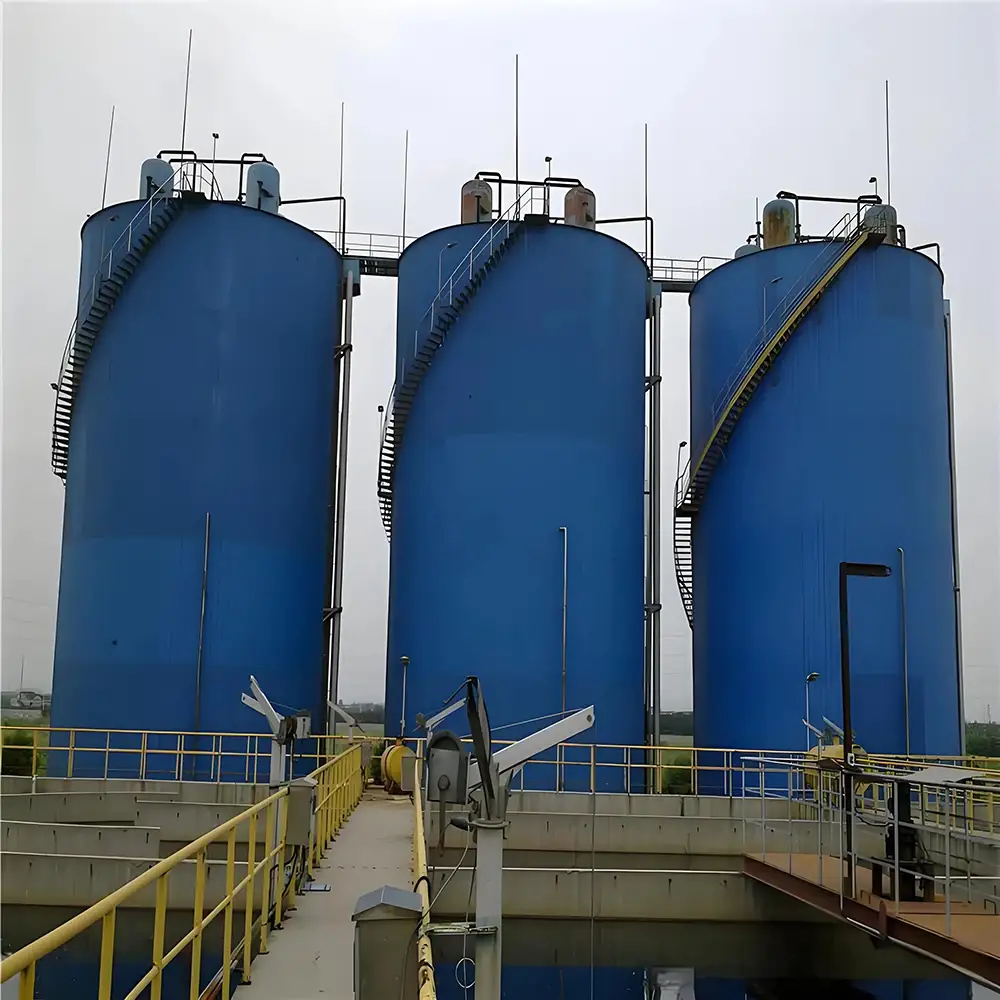
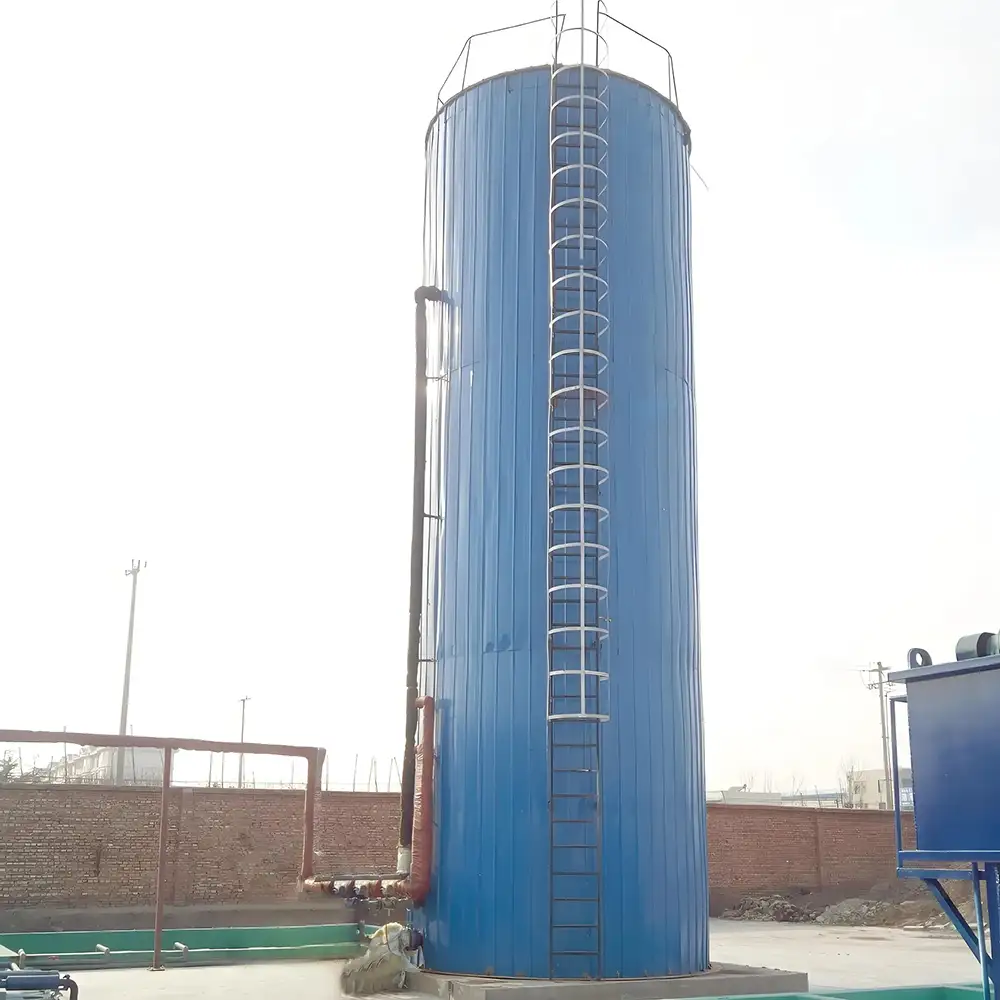
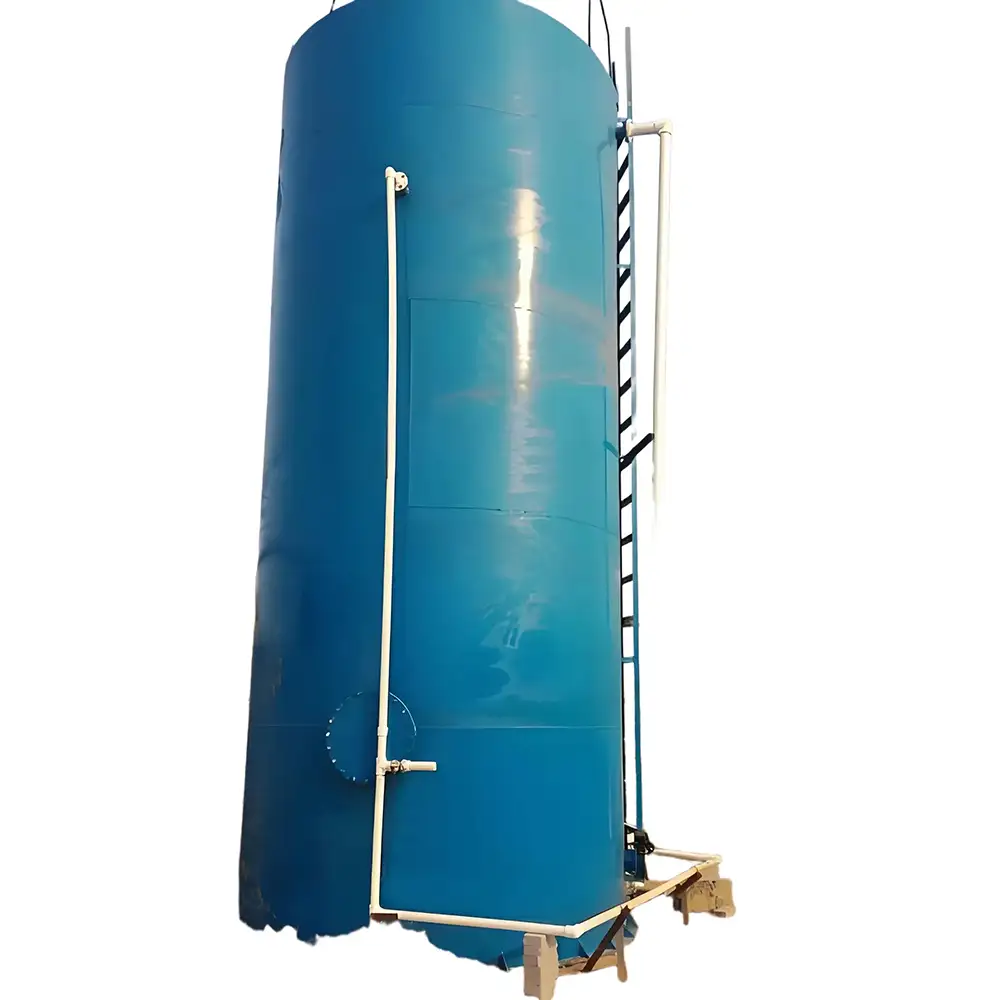
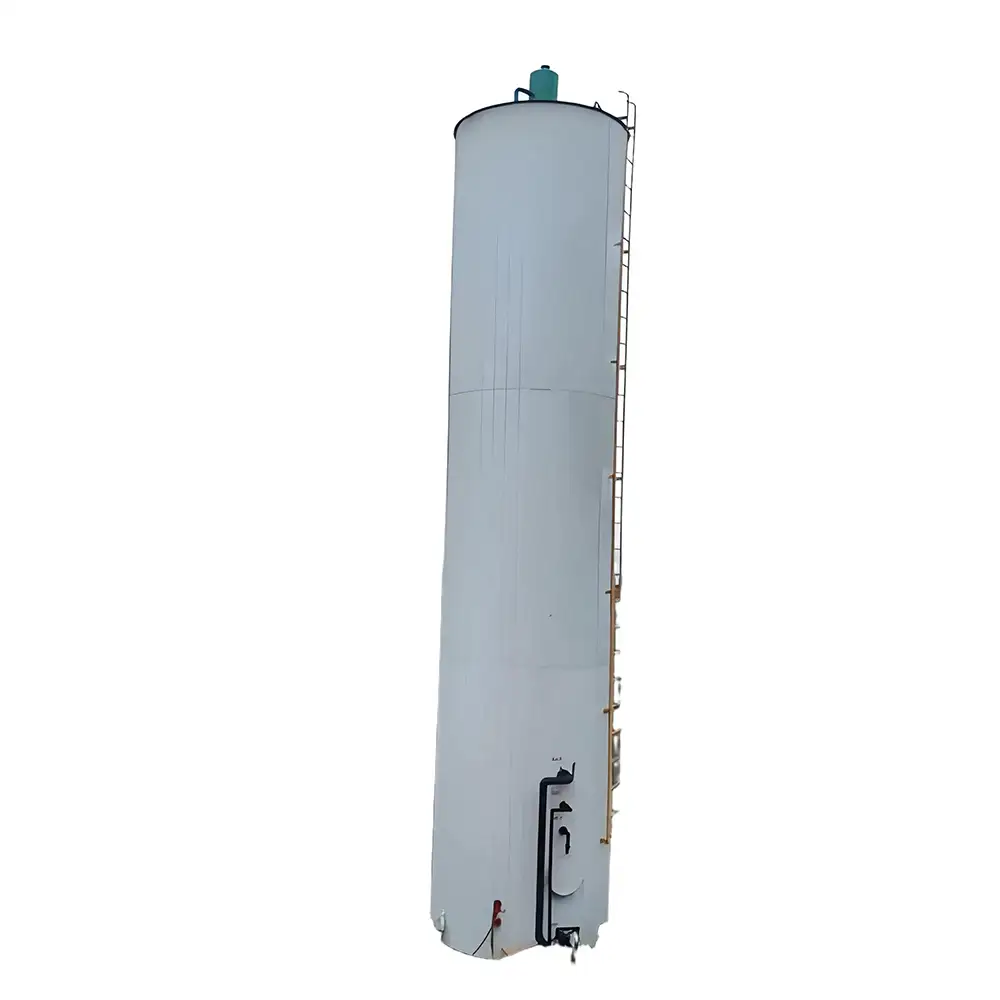
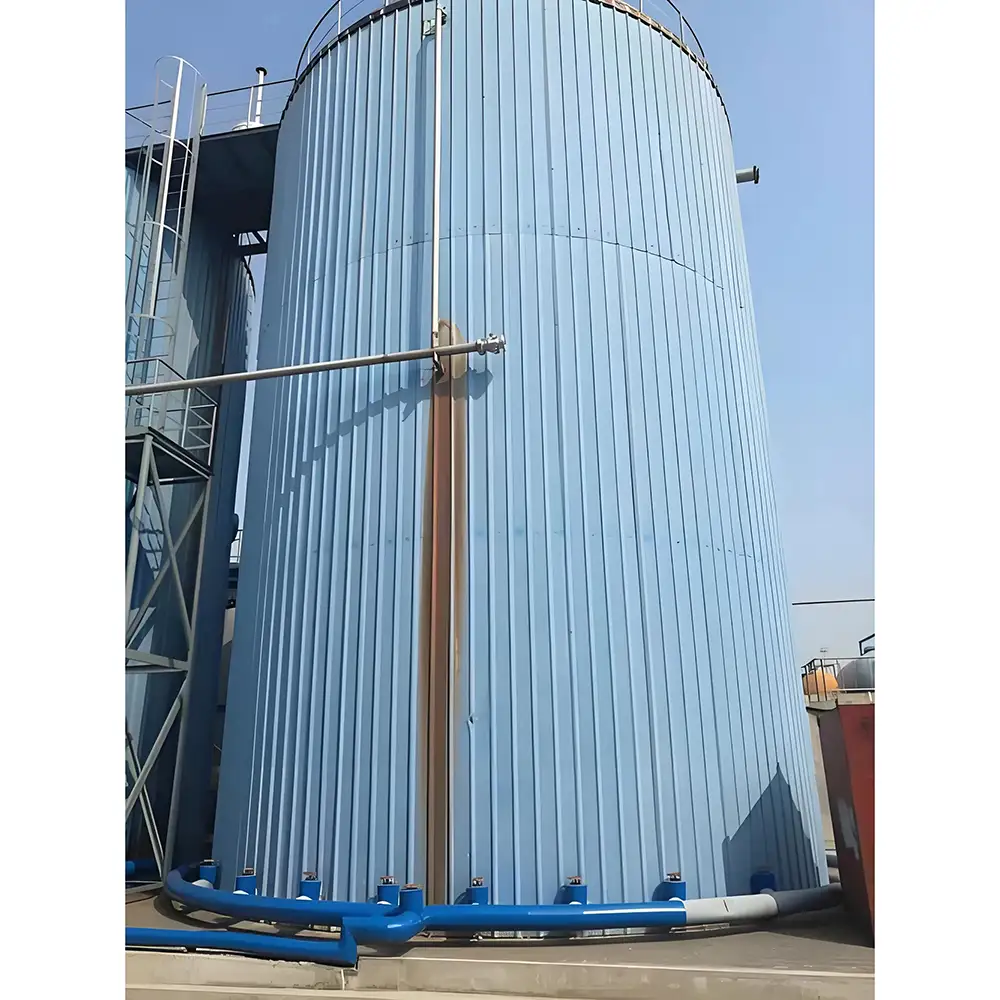
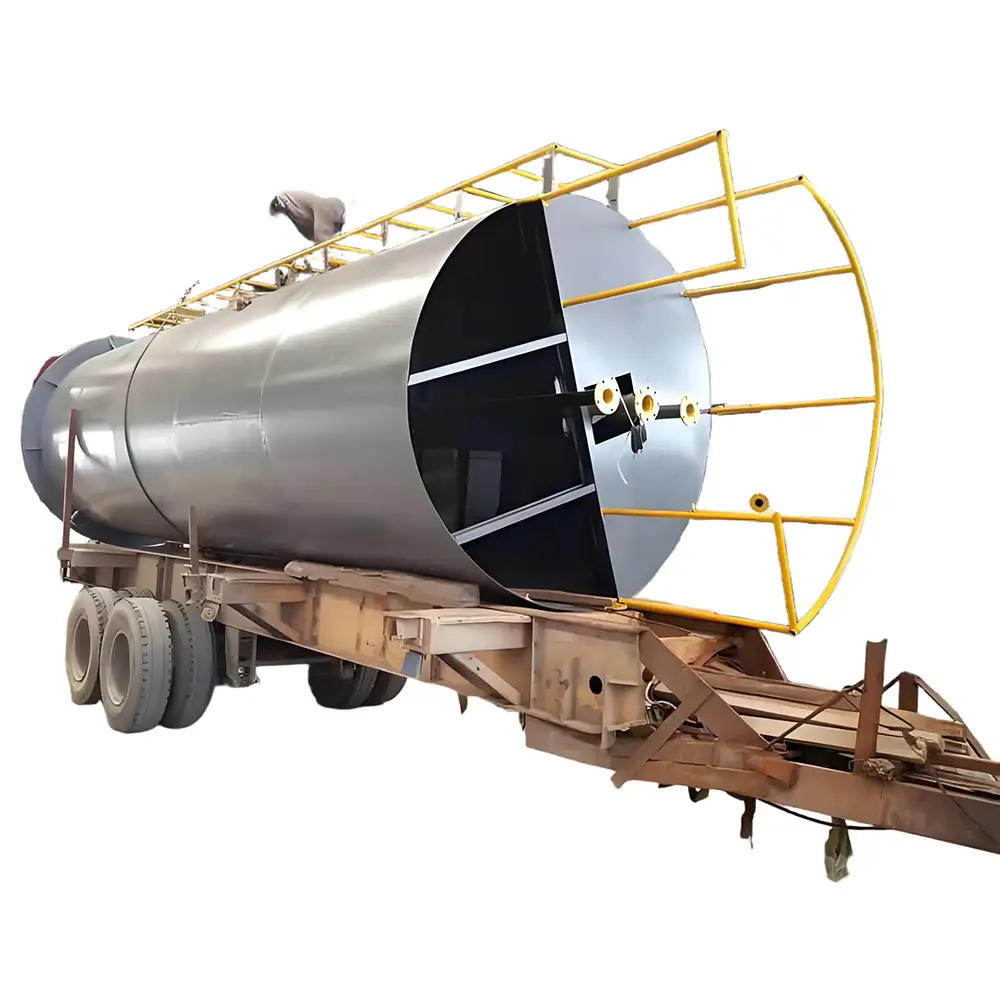
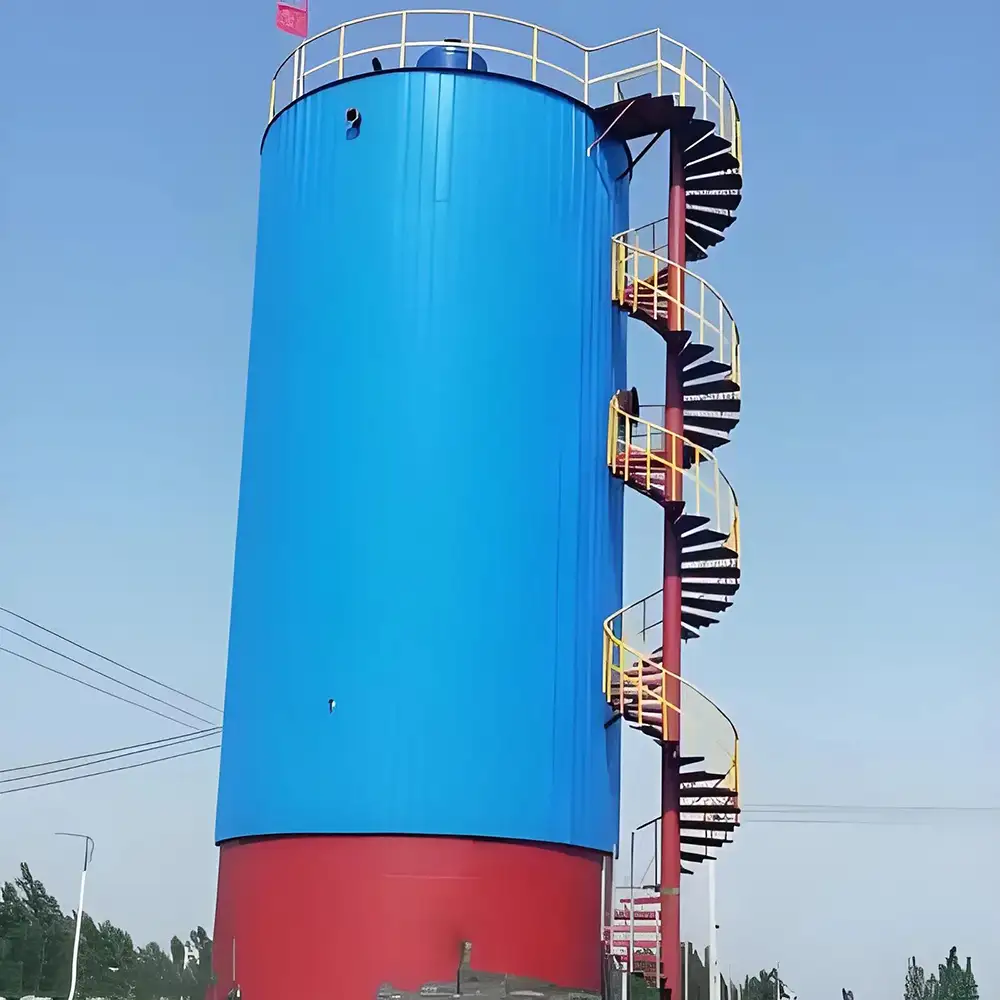
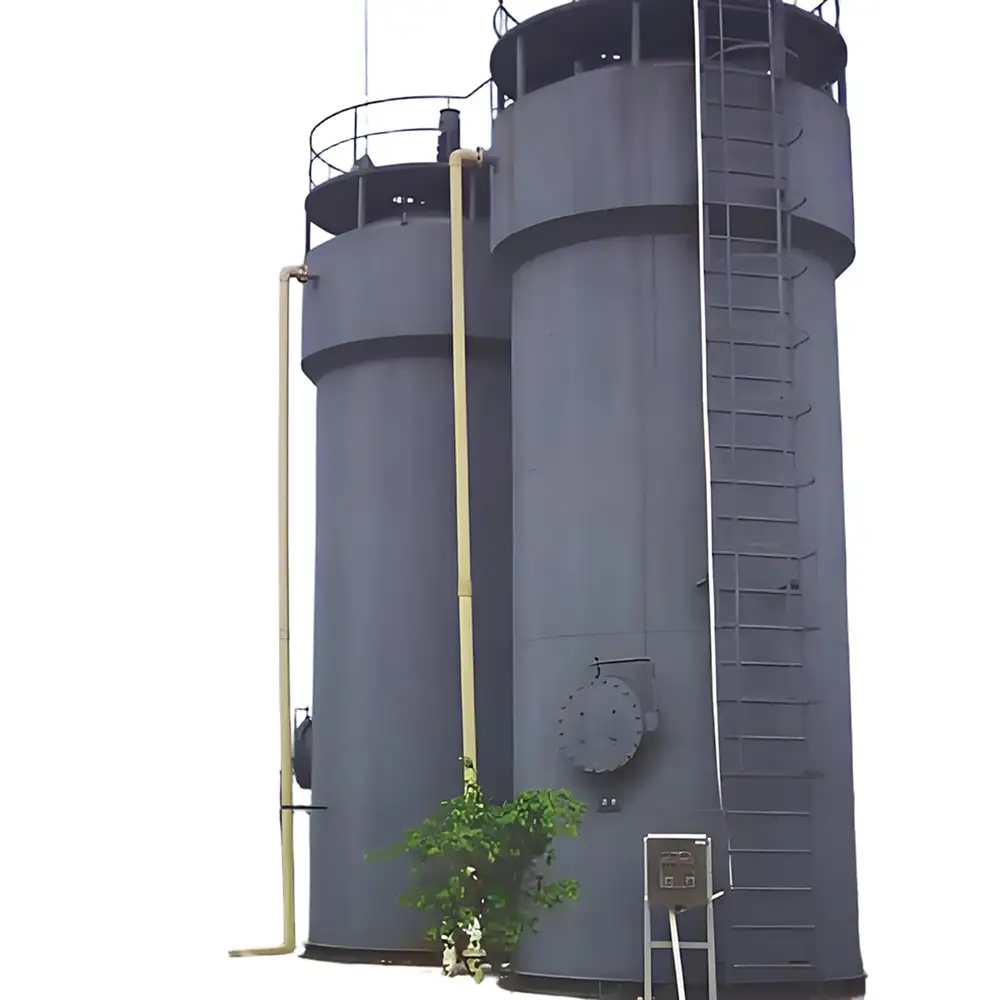
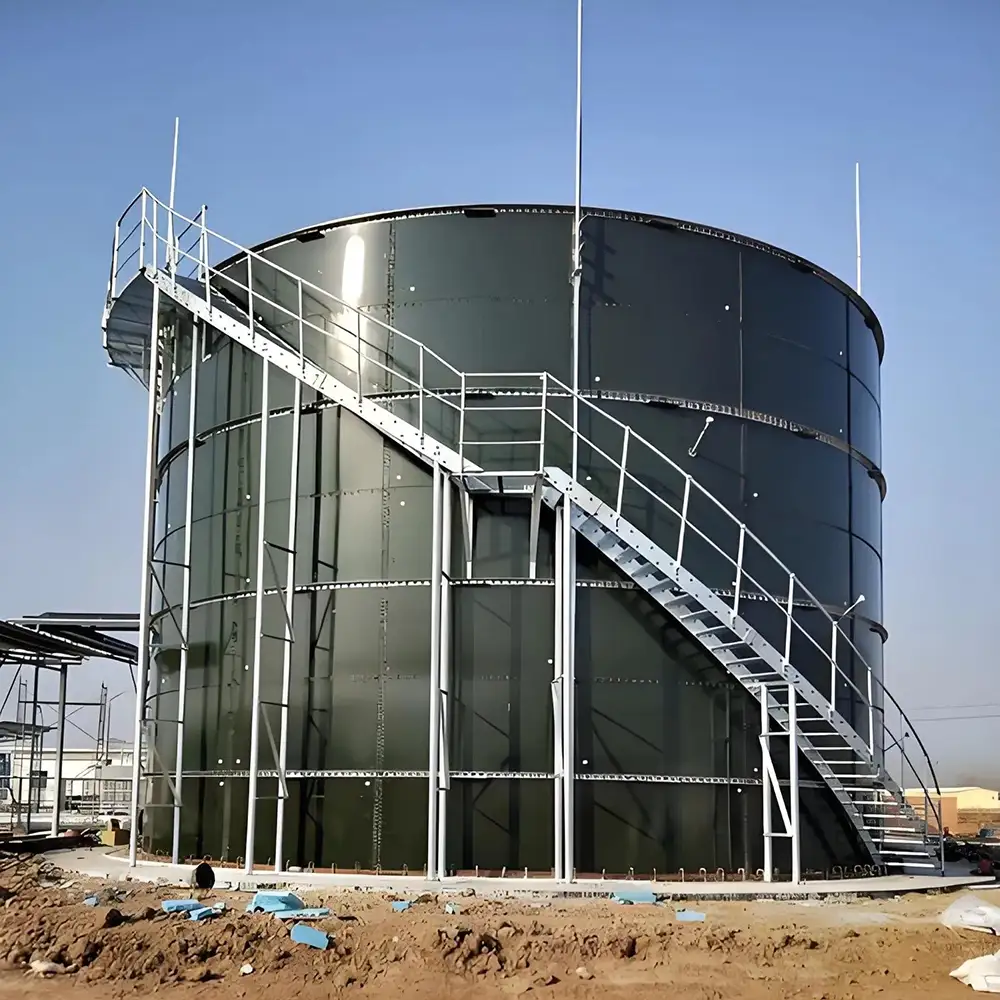
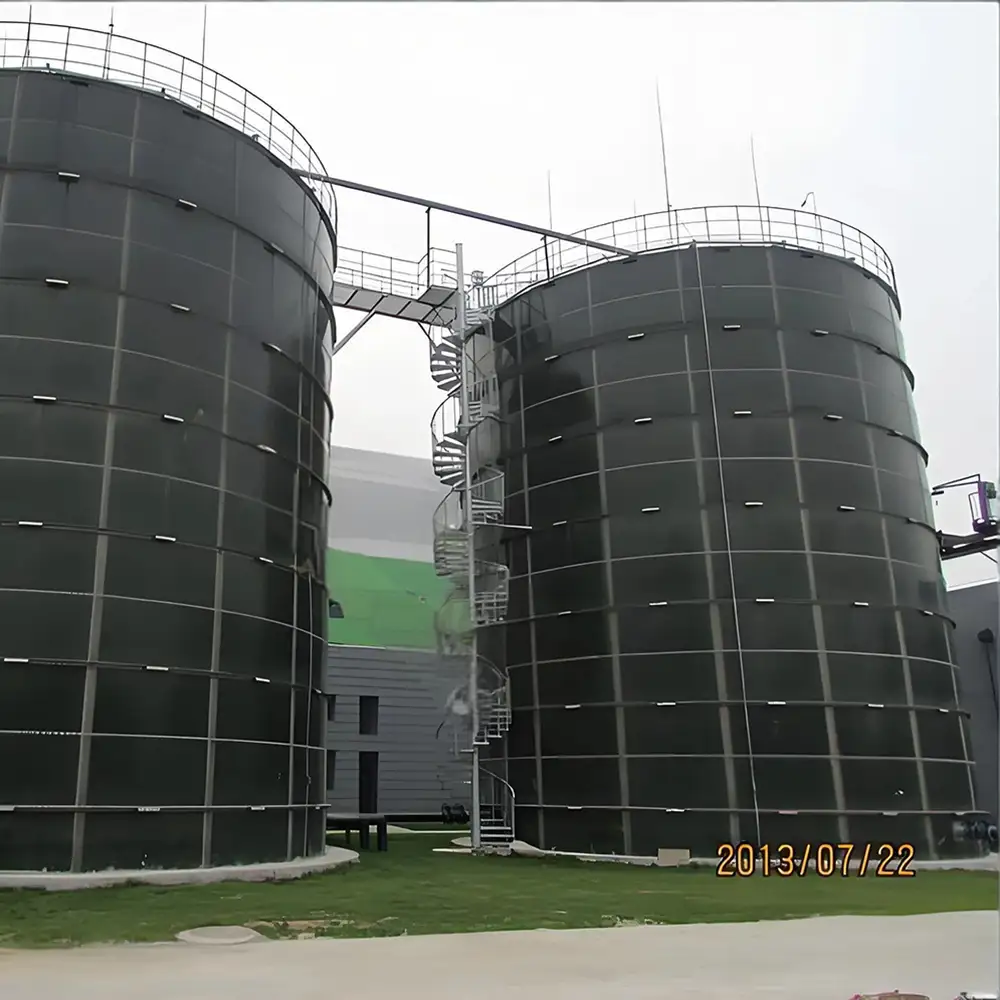
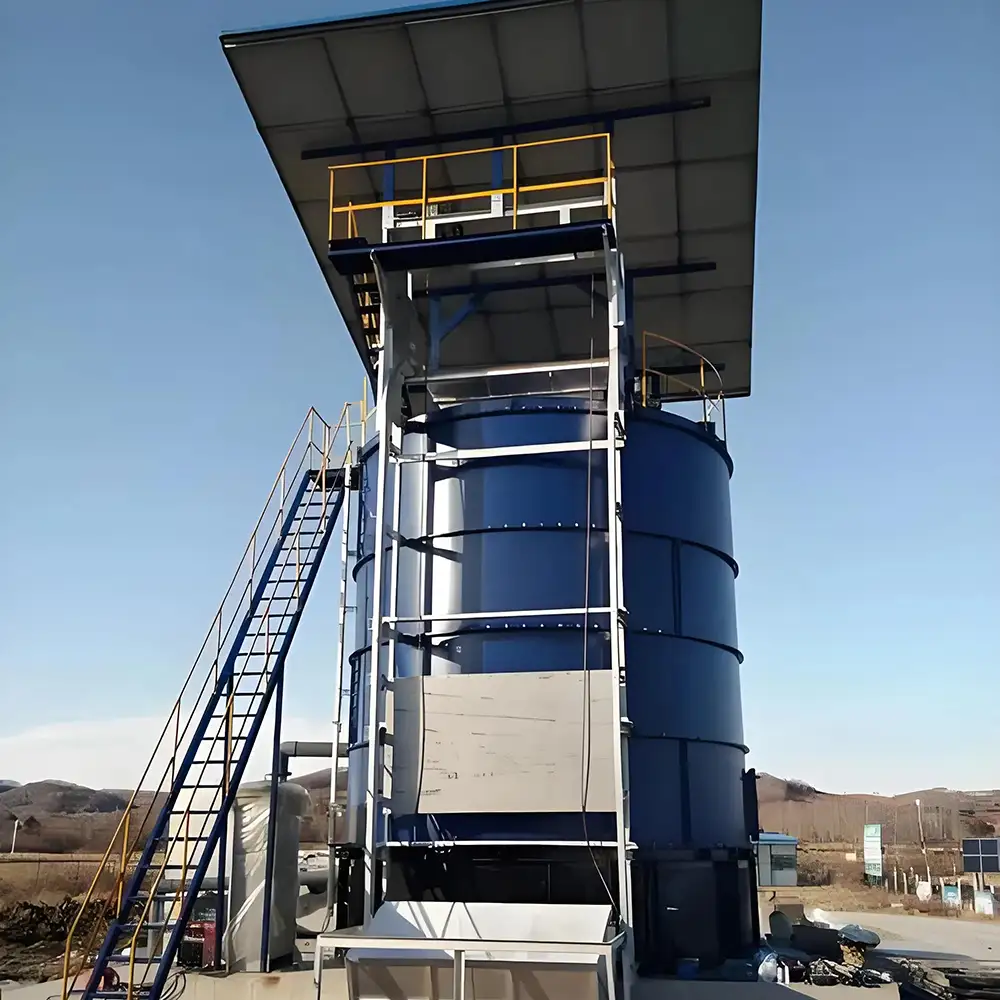
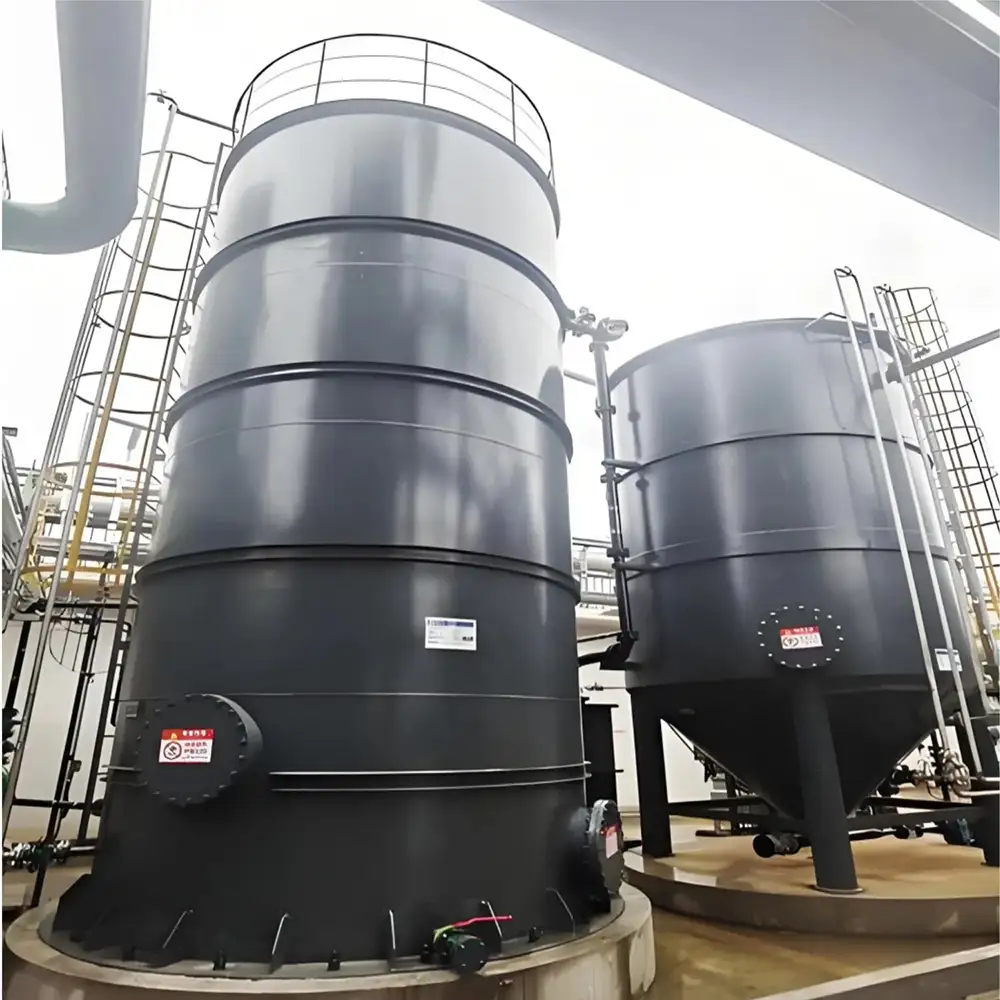
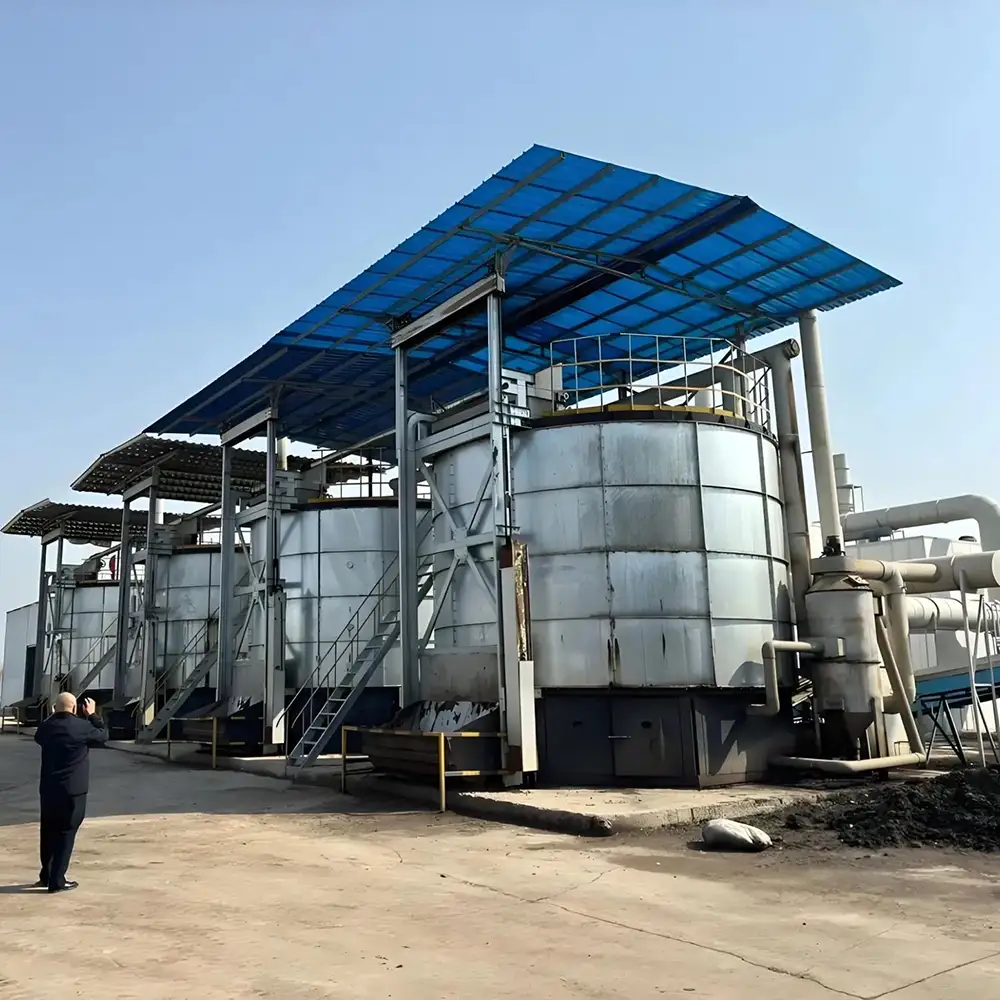
The IC/UASB Anaerobic Tower / Biogas Project / Sewage Treatment Project is an industrial anaerobic wastewater treatment solution designed for projects requiring biological treatment of suitable high-organic-load wastewater and potential biogas recovery. Based on high-rate anaerobic reactor technology, IC and UASB systems can provide a compact treatment approach for industrial wastewater, organic sewage, and other biodegradable wastewater streams.
Anaerobic treatment uses microorganisms that operate in an oxygen-free environment to break down biodegradable organic matter. During the biological conversion process, part of the organic load can be transformed into biogas containing methane and carbon dioxide. The collected biogas can then be treated and utilized according to its composition and the requirements of the overall project.
IC and UASB reactors are commonly considered for wastewater treatment applications where organic loading, biodegradability, temperature, pH, suspended solids, and other process conditions are suitable for anaerobic biological treatment.
|
PH |
6--8 |
B\C |
≥0.3 |
|
Inflow suspended solids |
≤1500mg\L |
Influent ammonia nitrogen concentration |
≤2000mg/L |
|
Effective water depth |
5-8m |
COD concentration of influent water |
≥1500mg/L |
|
Effective water depth |
<0.8m/h |
UASB sludge yield |
0.05-0.10kgVSS/kgCOD |
|
Total depth of sedimentation zone |
≥1.0m |
Sedimentation zone surface load |
≤0.8m |
|
The distance between the perforated water pipe and the pool bottom |
200mm |
Outlet weir load |
6.12m/(h·m) |
|
Use for |
Mineral, Printing, Chemical, Dyeing, Starch |
Certificate |
SGS, ISO |
IC Anaerobic Reactor Technology
An IC Anaerobic Reactor is a high-rate anaerobic treatment technology designed to retain active biomass while wastewater moves through the reactor. The internal circulation concept helps create conditions for intensive contact between wastewater and anaerobic microorganisms.
The reactor can be used for suitable industrial wastewater with relatively high concentrations of biodegradable organic matter. Internal hydraulic circulation and gas production contribute to the movement and mixing of the biological treatment zone.
The actual treatment performance depends on wastewater characteristics, organic loading, temperature, hydraulic conditions, biomass activity, nutrient balance, and reactor configuration. Wastewater analysis should therefore be completed before selecting the final IC reactor design.
UASB Anaerobic Tower
The UASB Reactor, or Upflow Anaerobic Sludge Blanket reactor, is another widely used anaerobic wastewater treatment technology. Wastewater flows upward through an active sludge blanket containing anaerobic microorganisms.
The sludge blanket provides a large biological treatment area, allowing biodegradable organic compounds to come into contact with microorganisms. A gas-liquid-solid separation system can help separate treated water, biogas, and biological solids within the reactor.
The UASB anaerobic tower can be used as a primary biological treatment stage or integrated into a larger industrial sewage treatment process.
IC And UASB Project Selection
IC and UASB technologies have different hydraulic and biomass-management characteristics. The appropriate technology depends on the wastewater composition, treatment capacity, organic loading, available land, temperature, suspended solids, desired process configuration, and downstream treatment requirements.
IC reactors may be considered when a compact high-rate anaerobic system and intensive internal circulation are desirable. UASB reactors can be suitable for wastewater streams where an anaerobic sludge blanket process is appropriate.
Project-specific engineering evaluation is important because wastewater from different industries can behave very differently under anaerobic conditions.
Industrial Wastewater Treatment
The system can be evaluated for a wide range of biodegradable industrial wastewater applications. Potential industries include food processing, beverage manufacturing, breweries, distilleries, starch processing, sugar production, fermentation, agricultural processing, and other organic-load industries.
Industrial wastewater can contain different combinations of dissolved organic matter, suspended solids, fats, proteins, carbohydrates, fibers, salts, and process chemicals. These characteristics affect anaerobic treatment performance and pretreatment requirements.
Screening, equalization, cooling, pH adjustment, solid-liquid separation, or other pretreatment stages may be necessary depending on the wastewater.
Sewage Treatment Project Applications
The IC/UASB anaerobic tower can be incorporated into suitable sewage and wastewater treatment projects where anaerobic biological treatment is technically appropriate.
For municipal or industrial sewage projects, anaerobic treatment may be combined with aerobic biological treatment, clarification, filtration, disinfection, sludge handling, and other downstream processes.
The complete treatment process should be designed according to the influent quality and the required treated-water discharge or reuse standard.
High-Rate Anaerobic Wastewater Treatment
High-rate anaerobic reactors are designed to maintain a concentrated population of active microorganisms inside the treatment system. Effective biomass retention allows suitable wastewater to receive biological treatment within a relatively compact reactor volume.
Maintaining stable biological conditions is important. Parameters such as pH, temperature, alkalinity, organic loading, hydraulic conditions, nutrients, and gas production should be monitored during operation.
Proper startup and microbial acclimation are also important when commissioning a new anaerobic treatment reactor.
Biogas Production And Recovery
A major advantage of anaerobic wastewater treatment is the potential recovery of biogas. During anaerobic digestion, biodegradable organic matter is converted through several biological stages, eventually producing methane-rich biogas under suitable conditions.
The biogas generated by an IC or UASB reactor can be collected through the reactor gas collection system. Depending on gas composition and the intended application, additional desulfurization, dehydration, filtration, or other gas conditioning may be required.
Conditioned biogas can potentially be used for boilers, gas engines, combined heat and power systems, or other suitable energy applications.
Compact Footprint
The vertical tower configuration can make effective use of available installation space. This can be especially valuable for industrial plants where land availability is limited.
The reactor can be installed as part of an integrated wastewater treatment plant, with supporting equipment arranged around the anaerobic tower.
The actual reactor height, diameter, working volume, and installation requirements depend on the required treatment capacity and process design.
Reduced Aeration Requirement
Anaerobic biological treatment does not require the continuous oxygen supply used by conventional aerobic treatment. Therefore, the anaerobic stage can reduce the dependence on aeration equipment within that part of the treatment process.
However, a complete sewage or industrial wastewater treatment plant may still require aerobic polishing or other downstream treatment stages. Overall energy consumption depends on the complete process, including pumping, pretreatment, post-treatment, sludge handling, and biogas conditioning.
Anaerobic treatment should therefore be evaluated as one part of the complete treatment system.
Integrated Biogas Project
The IC/UASB anaerobic tower can serve as an important component of an integrated Biogas Project. A typical system may include wastewater collection, screening, equalization, pretreatment, anaerobic digestion, biogas purification, gas storage, and energy utilization.
Recovered biogas can be connected to suitable gas utilization equipment after appropriate conditioning.
For agricultural and industrial projects, this approach can support the conversion of biodegradable organic matter into both treated wastewater and a potentially useful renewable gas resource.
Suitable Organic Wastewater
The reactor can be considered for wastewater containing biodegradable organic matter from food and beverage plants, livestock operations, agricultural processing, fermentation facilities, starch factories, sugar-related industries, and other suitable sources.
Before selecting an anaerobic reactor, key parameters should be evaluated, including COD, BOD, suspended solids, pH, temperature, alkalinity, nutrient levels, salinity, toxic compounds, and biodegradability.
Wastewater containing excessive toxic substances or difficult-to-degrade compounds may require specialized pretreatment or an alternative treatment process.
Complete Sewage Treatment System Integration
The anaerobic tower can be integrated into a complete sewage treatment project rather than operating as an isolated unit.
Depending on the application, the process may include coarse screening, fine screening, equalization, pH control, anaerobic treatment, aerobic biological treatment, secondary clarification, filtration, disinfection, sludge dewatering, and treated-water reuse.
The actual process flow should be determined according to the wastewater characteristics and local discharge requirements.
Customized B2B Project Solutions
Industrial wastewater projects require different reactor capacities, installation arrangements, pretreatment systems, downstream treatment stages, and automation levels.
Customers can provide daily wastewater flow, peak flow, COD, BOD, suspended solids, pH, temperature, wastewater source, treatment objectives, available land, and required effluent quality.
For biogas projects, information about intended gas utilization can also help determine the required gas cleaning, storage, and utilization equipment.
Based on these parameters, a suitable IC or UASB anaerobic treatment configuration can be evaluated.
Key Features
IC High-Rate Anaerobic Reactor Technology
UASB Anaerobic Sludge Blanket Technology
Vertical Anaerobic Tower Configuration
Industrial Organic Wastewater Treatment
Suitable For High-Strength Biodegradable Wastewater
Potential Biogas Recovery
Compact Treatment Footprint
Reduced Aeration Requirement In Anaerobic Stage
Flexible Pretreatment And Post-Treatment Integration
Suitable For Biogas And Sewage Treatment Projects
Project-Based Engineering Configuration
Main Applications
The IC/UASB Anaerobic Tower can be considered for:
Industrial Wastewater Treatment
Organic Sewage Treatment
Food Processing Wastewater
Beverage Industry Wastewater
Brewery Wastewater
Fermentation Wastewater
Starch Processing Wastewater
Agricultural Wastewater
High-Organic-Load Wastewater
Biogas Recovery Projects
Industrial Sewage Treatment Projects
Integrated Wastewater Treatment Plants
FAQs
1. What Is An IC Anaerobic Reactor?
An IC anaerobic reactor is a high-rate anaerobic wastewater treatment system that uses internal circulation and active anaerobic biomass to treat suitable biodegradable organic wastewater.
2. What Does UASB Stand For?
UASB stands for Upflow Anaerobic Sludge Blanket. It is an anaerobic biological treatment process in which wastewater flows upward through a concentrated sludge blanket containing active microorganisms.
3. What Is The Difference Between IC And UASB Reactors?
Both are high-rate anaerobic treatment technologies, but their internal hydraulic circulation and biomass-management designs differ. The appropriate choice depends on wastewater characteristics, organic loading, treatment capacity, site conditions, and project objectives.
4. What Wastewater Can Be Treated?
Suitable applications may include food, beverage, fermentation, starch, sugar, agricultural processing, and other biodegradable industrial wastewater streams. Actual suitability depends on wastewater analysis.
5. Can The Anaerobic Tower Produce Biogas?
Yes. Anaerobic biological degradation can generate biogas when suitable biodegradable organic matter is present. Actual gas production and composition depend on the wastewater and operating conditions.
6. Can The Reactor Be Used In A Sewage Treatment Project?
Yes. An IC or UASB reactor can be incorporated into suitable sewage treatment projects as an anaerobic biological treatment stage, usually together with other required treatment processes.
7. Does The Reactor Need Aeration?
The anaerobic reactor itself operates without the continuous oxygen supply required by aerobic biological treatment. However, downstream aerobic treatment may still be required depending on the final effluent requirements.
8. Does Biogas Need Purification?
Depending on its composition and intended use, biogas may require desulfurization, dehydration, filtration, or other conditioning before being supplied to gas engines, boilers, or other utilization equipment.
9. What Information Is Needed To Select An IC Or UASB Reactor?
Important information includes wastewater flow, COD, BOD, suspended solids, pH, temperature, organic composition, treatment objectives, available installation space, and required downstream treatment.
10. Can You Provide A Complete Biogas Or Sewage Treatment Project?
Yes. The anaerobic tower can be evaluated together with pretreatment, wastewater treatment, biogas purification, gas storage, sludge treatment, and energy utilization equipment according to the customer's project requirements.
Why Choose Us
IC And UASB Anaerobic Technology
We provide anaerobic wastewater treatment solutions based on IC and UASB reactor technologies for suitable industrial and sewage treatment applications.
Project-Based Engineering
Different wastewater streams require different reactor configurations. We evaluate flow, organic loading, wastewater characteristics, site conditions, and treatment objectives before recommending equipment.
Biogas Recovery Integration
Anaerobic treatment can be combined with biogas collection, desulfurization, dehydration, storage, and energy utilization equipment to support integrated biogas projects.
Flexible Treatment Process
The anaerobic tower can be integrated with screening, equalization, pH adjustment, aerobic treatment, clarification, filtration, disinfection, and sludge treatment according to project requirements.
Factory-Direct Cooperation
We support industrial plants, wastewater treatment contractors, engineering companies, distributors, and international project customers with technical communication and equipment configuration.
Complete Project Support
From reactor selection and process configuration to supporting equipment and project coordination, we provide practical technical support for industrial wastewater and biogas treatment projects.
Prev:
Anaerobic Migrating Blanket Reactor Tower Water Treatment Plant
Next:
IC&Uasb Anaerobic Tower/Biogas Plant/Sewage Treatment Project/Anaerobic Reactor
TAG:
Anaerobic Digestion Reactor,
Industrial Anaerobic Reactor,
Industrial Wastewater Treatment,
Organic Wastewater Treatment,
Anaerobic Wastewater Treatment,
High COD Wastewater Treatment,
UASB Wastewater Treatment,
High Rate Anaerobic Reactor,
Industrial Anaerobic Treatment,
High Rate Anaerobic Treatment,
Anaerobic Reactor Tower,
Anaerobic Wastewater Treatment Plant,
Anaerobic Tower,
IC Anaerobic Reactor,
UASB Anaerobic Reactor,
Biogas Wastewater Treatment,
Anaerobic Water Treatment Equipment,
Anaerobic Sewage Treatment,
Anaerobic Sewage Treatment Plant,
IC Anaerobic Tower,
UASB Anaerobic Tower,
Sewage Treatment Project,
IC Reactor For Wastewater,
Industrial Wastewater Treatment Plant,
Biogas Treatment System,
Industrial Biogas Project,
Biogas Project,
Anaerobic Treatment Plant,
UASB Reactor,
Related Category:
IC Anaerobic Reactor, UASB Anaerobic Tower, IC UASB Anaerobic Tower, Anaerobic Tower, Industrial Anaerobic Reactor, UASB China, suppliers, manufacturers, factory, customized, wholesale, quotation, made in China