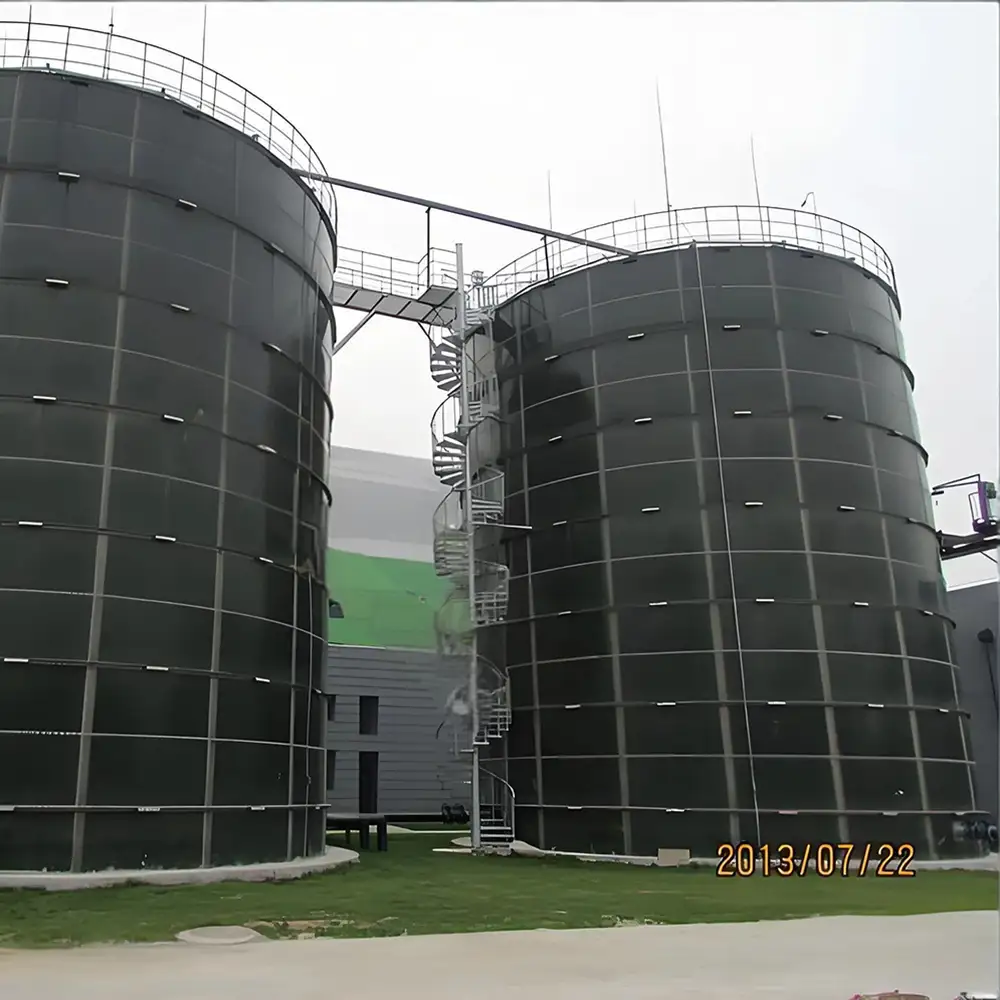
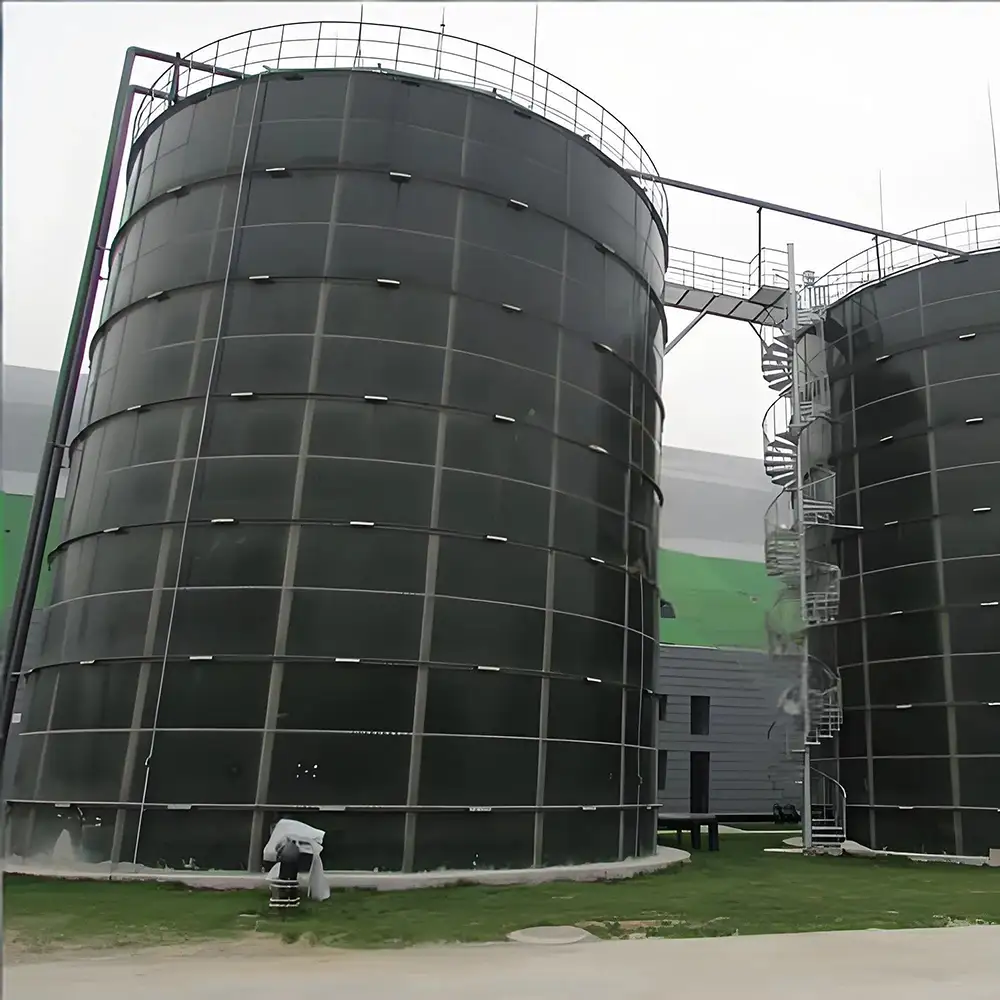
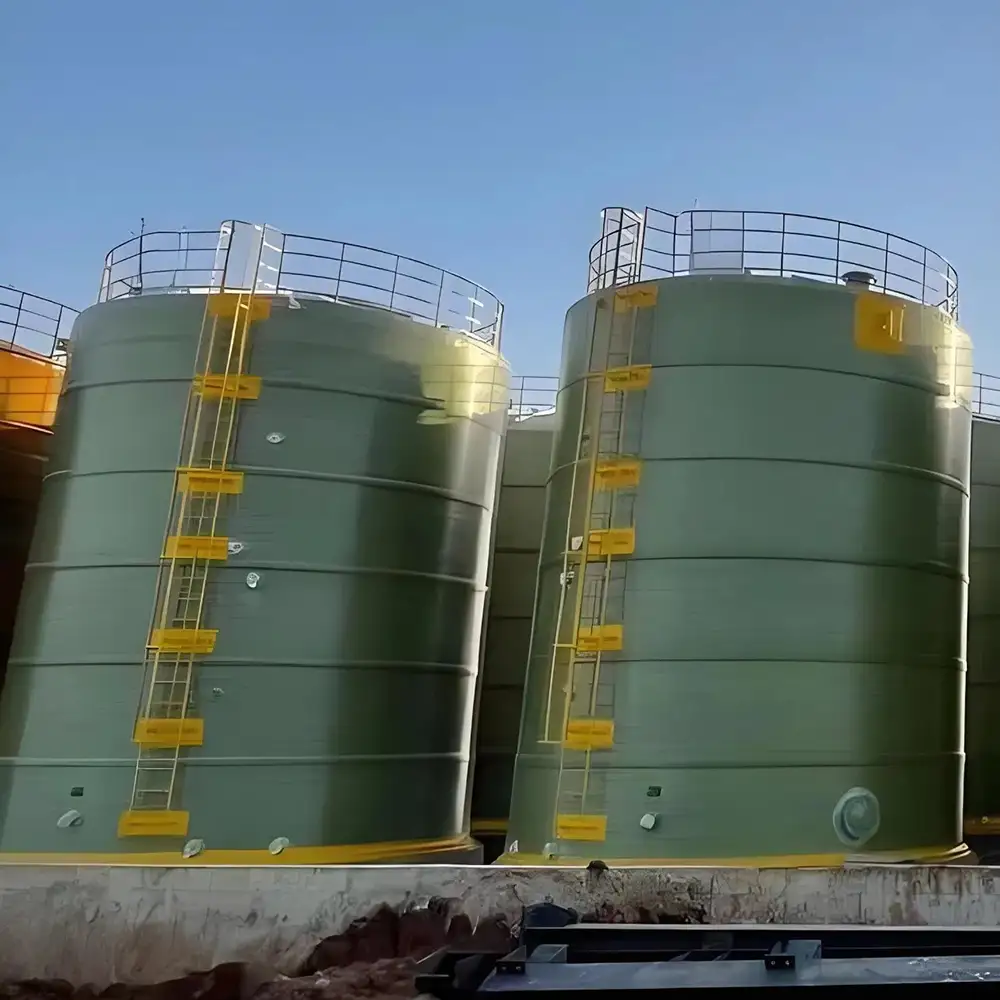
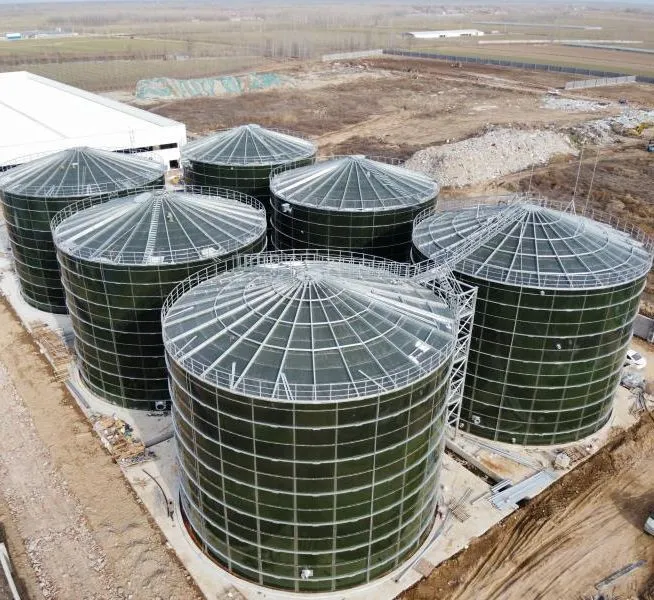
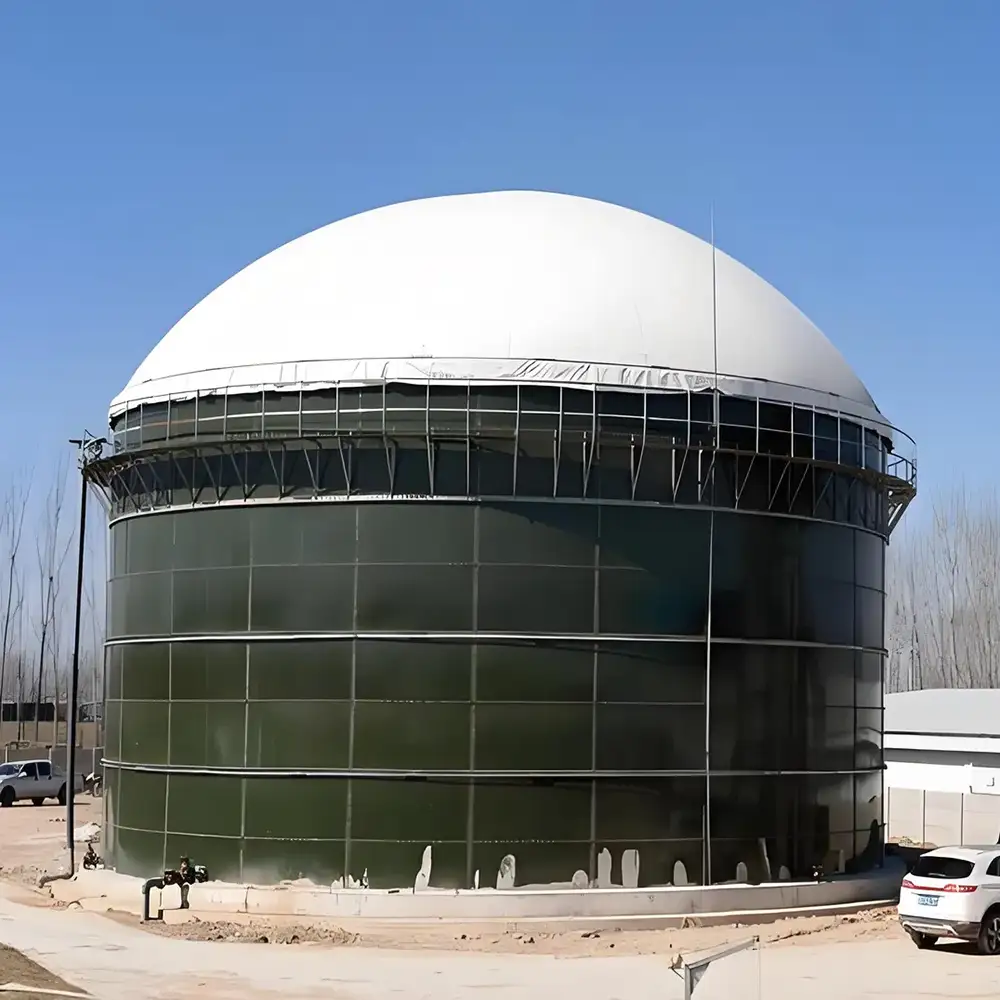
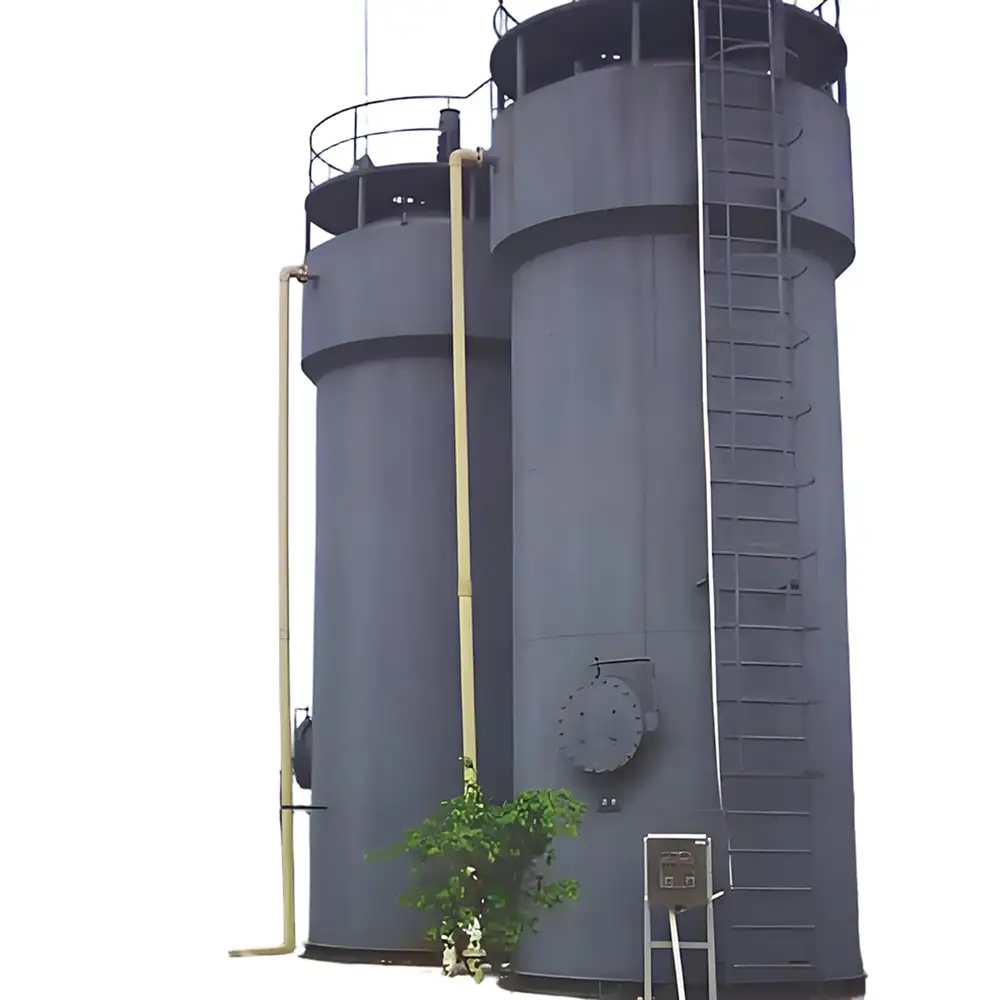
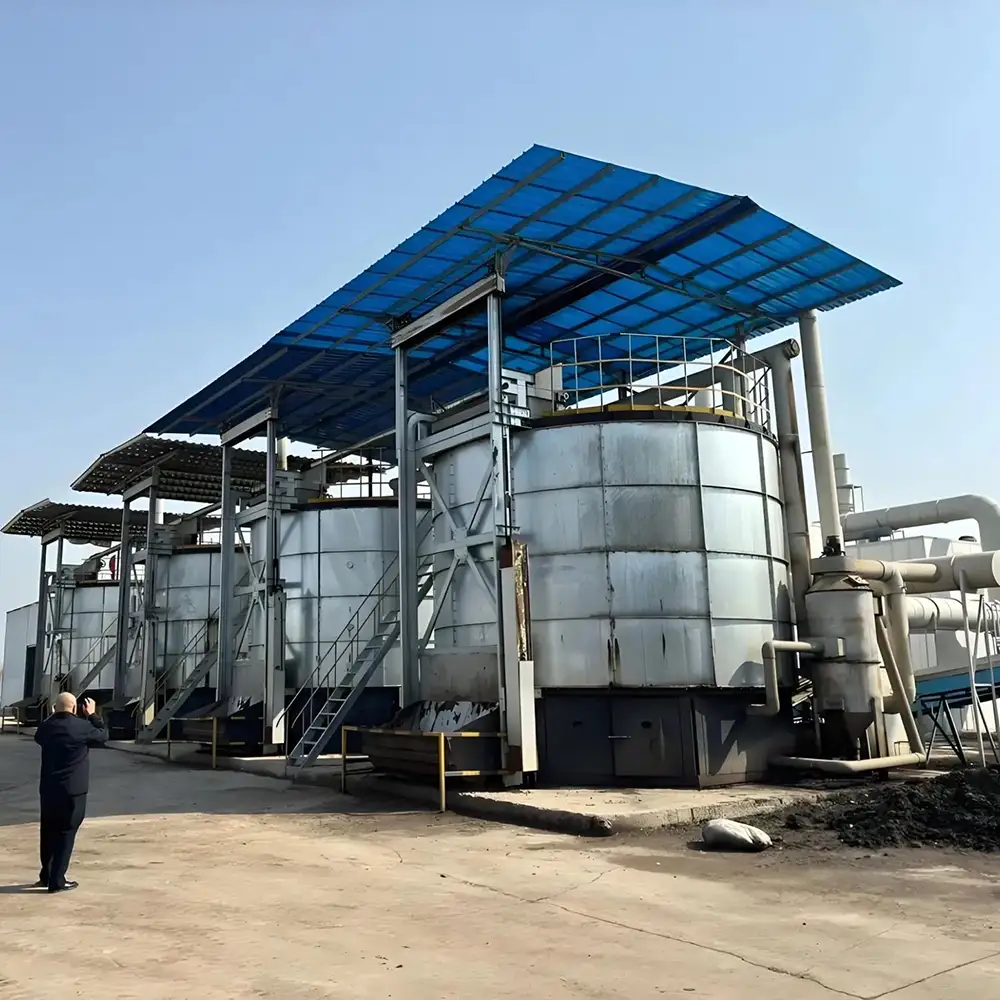
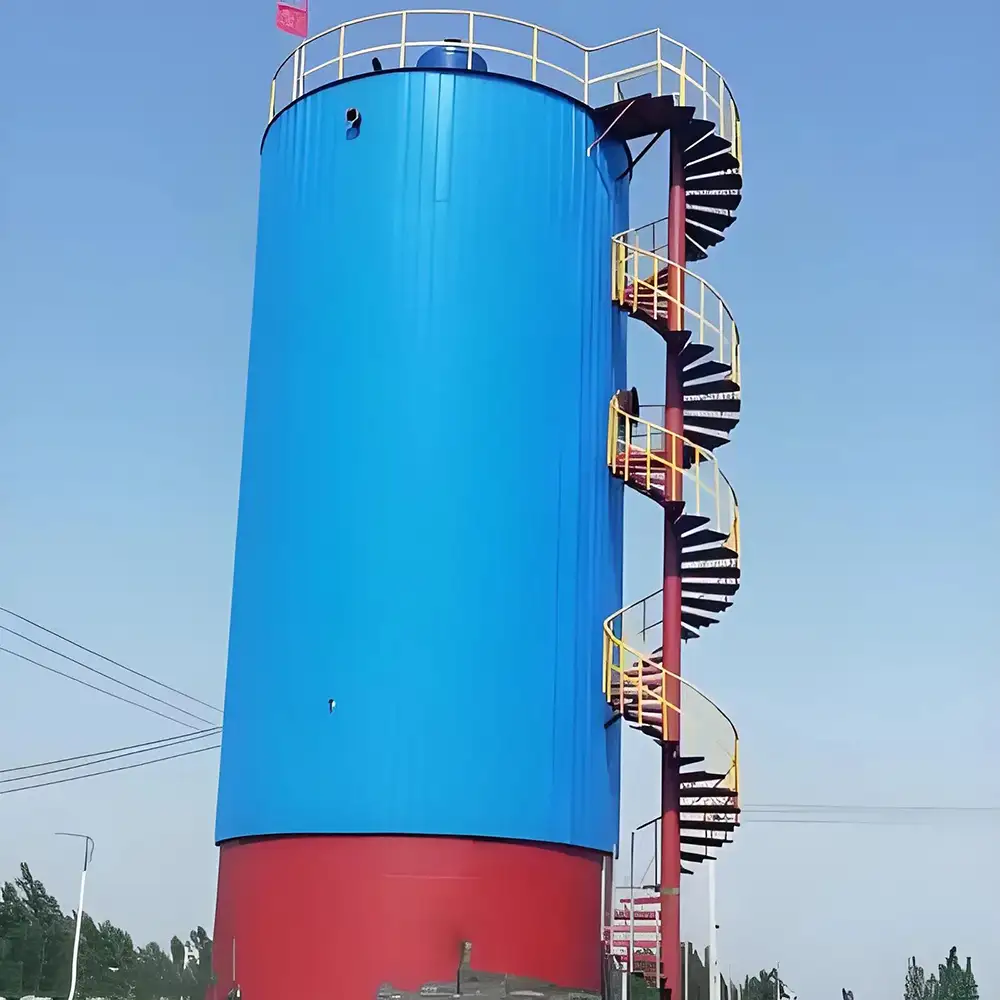
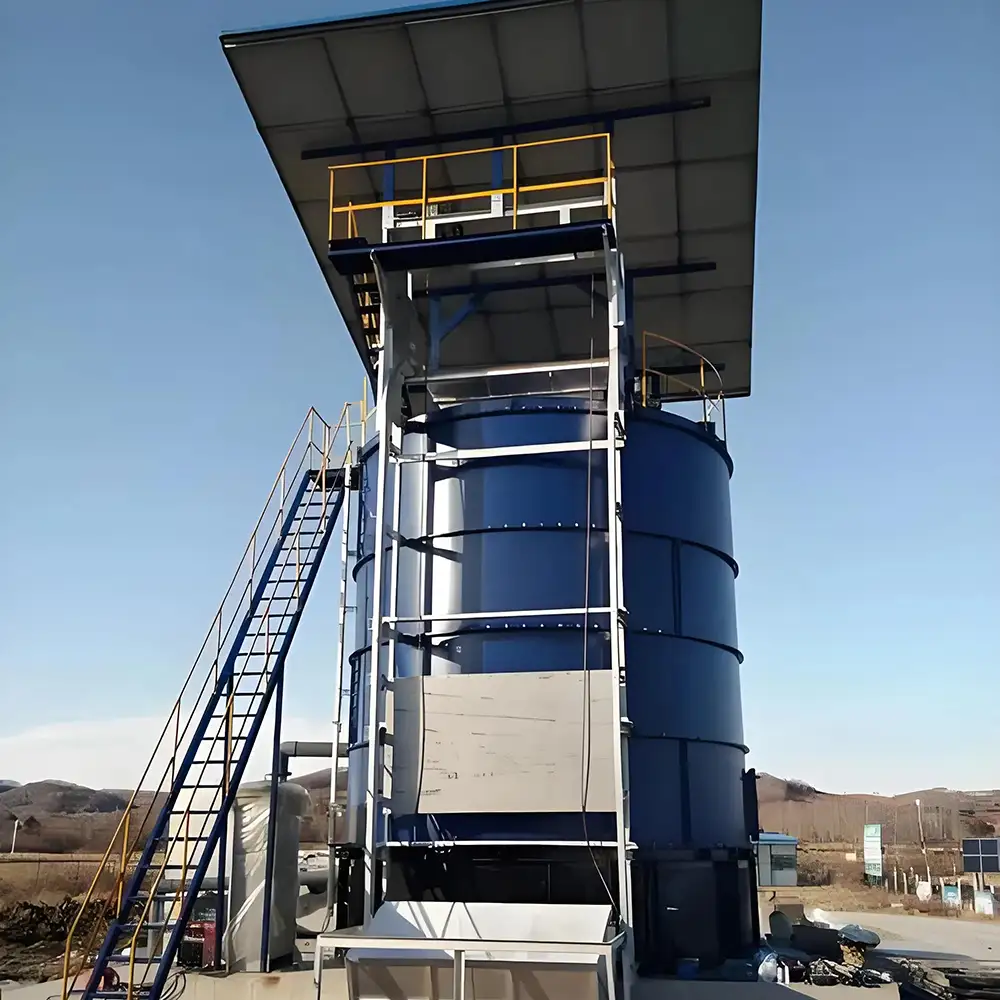
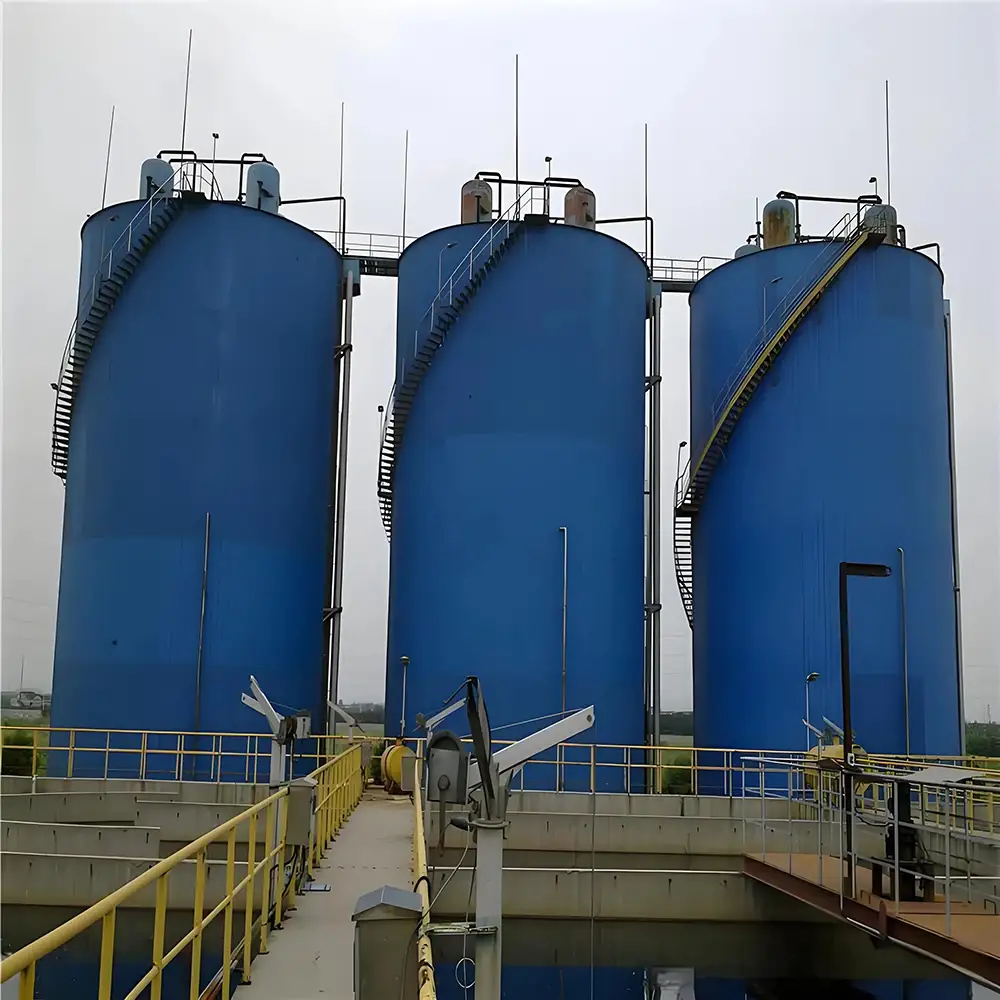
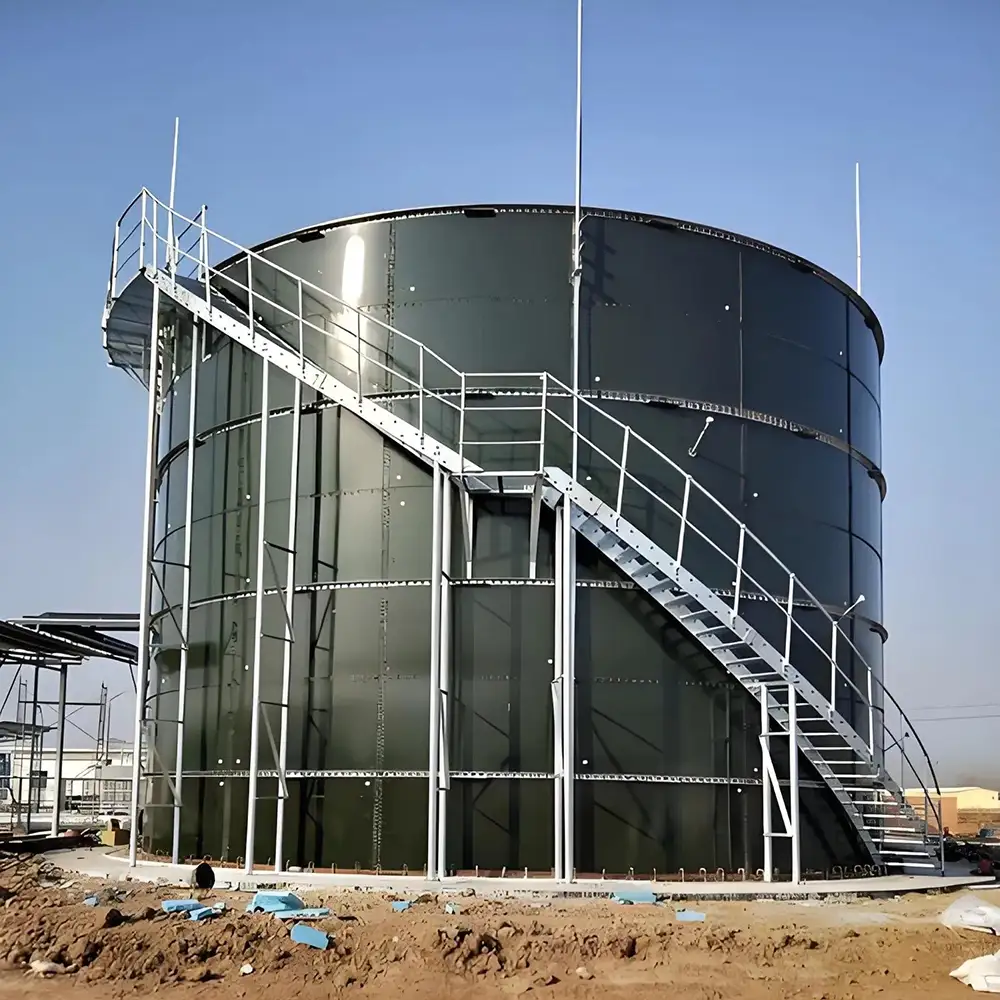
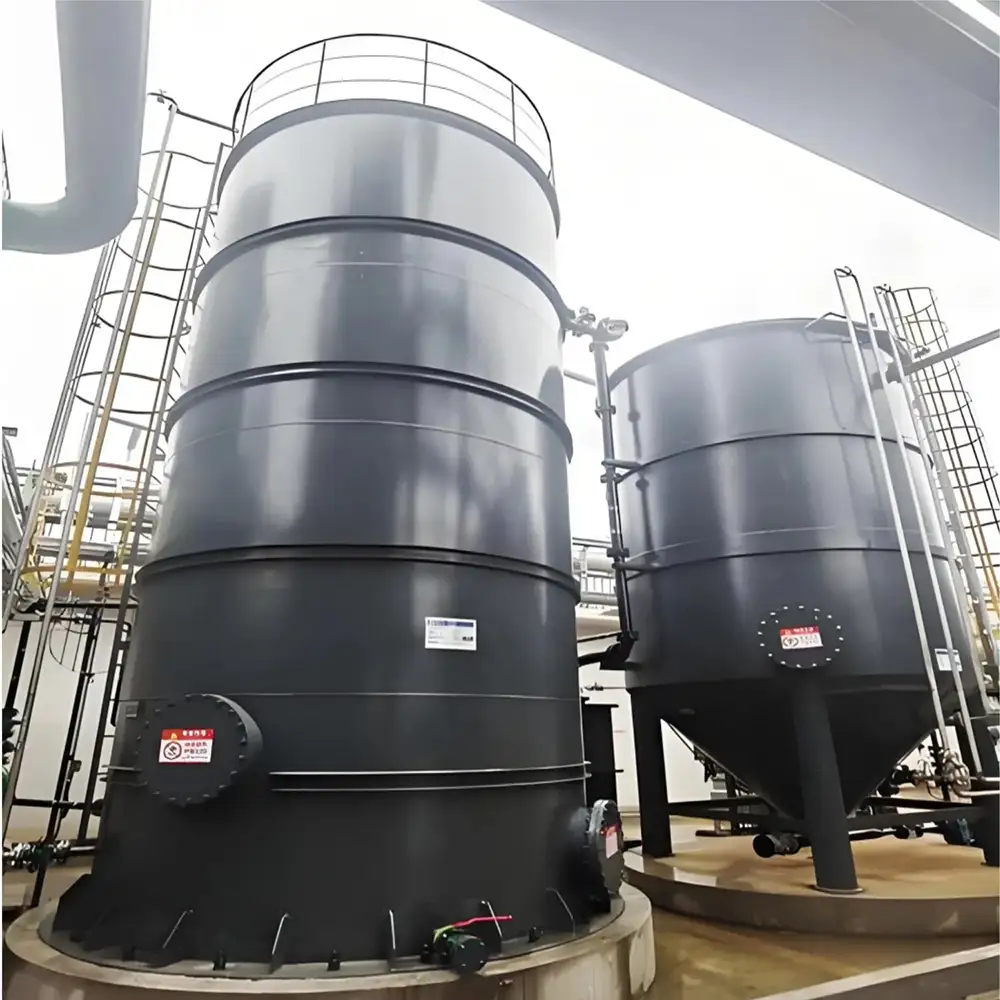
The Glass-Fused-to-Steel Municipal Sewage Treatment Reactor is a modular water and wastewater treatment tank designed for municipal sewage treatment, industrial wastewater applications, biological treatment, water storage, and other large-volume liquid treatment projects. Combining a high-strength steel structure with a protective glass-fused-to-steel or enamel coating, the assembled reactor provides a practical solution for projects requiring durable construction, corrosion protection, and flexible installation.
Municipal sewage contains organic matter, suspended solids, nutrients, microorganisms, and other contaminants that require a properly designed treatment process before discharge or reuse. A treatment reactor or tank serves as one component of the overall wastewater treatment plant, working together with screening, grit removal, biological treatment, clarification, sludge handling, disinfection, and other process equipment.
|
Glass Coated Steel Tanks technology is the premium coating technology in the storage tanks market. Glass Fused to Steel tanks are widely used in bio-energy, municipal sewage, industrial wastewater treatment and etc.. The glass fused to steel tanks have at least two layers of coating and more than two-time fired in furnace, which combines the strength, flexibility and outstanding corrosion resistance.
Main parameters of Glass Coated Steel Tank
|
|
Item
|
Specs
|
|
Coating Color
|
Standard color: dark blue and dark green,or customized
|
|
Coating Thickness
|
0.25~0.40mm
|
|
Acid and alkali resistance
|
Standard coating:PH3~11,special coating:PH1~14
|
|
Elasticity
|
About 500KN/mm
|
|
Life
|
≥30years
|
|
Holiday test
|
1500v
|
|
Adhesive force
|
3450N/cm
|
|
Hardness
|
6.0(Mohs)
|
|
Life
|
More than 30 years
|
|
Cleaning
|
Easy to cleaning, anti-stick, glossy
|
|
Permeability
|
Gas and liquids impermeable
|
|
Corrosion resistance
|
Excellent for wastewater, concentrated salt water, seawater, high sulfur crude oil, salt spray ,organic and inorganic compounds
|
The glass-fused-to-steel assembled structure is particularly suitable for projects where tank capacity, service environment, transportation, installation access, and long-term maintenance are important considerations.
Glass-Fused-To-Steel Construction
Glass-fused-to-steel technology combines the structural strength of steel with a protective glass coating. The coating is fused to the steel substrate during manufacturing to form a durable surface barrier.
This construction method can be considered for water and wastewater applications where protection against moisture and suitable chemical exposure is required.
The actual coating formulation, thickness, steel grade, panel dimensions, and design specifications depend on the intended application and project requirements.
High-Strength Enamel Assembled Reactor
The reactor uses prefabricated steel panels that are assembled at the project site. The high-strength steel structure provides the mechanical framework, while the enamel or glass-fused coating protects the surface.
The modular construction method allows large tanks to be manufactured and transported in sections rather than as a single oversized vessel.
This can provide logistical advantages for municipal and industrial projects where road transportation, site access, or installation conditions make one-piece tank transportation difficult.
Municipal Sewage Treatment
Municipal sewage treatment plants require reliable tanks and reactors for different stages of wastewater processing.
The enamel assembled reactor can be incorporated into suitable treatment processes such as biological wastewater treatment, equalization, sludge storage, water storage, or other liquid-handling applications.
The actual function depends on the plant process design. A complete municipal wastewater treatment project may include preliminary treatment, primary treatment, biological treatment, secondary clarification, advanced treatment, disinfection, and sludge management.
Biological Wastewater Treatment
Biological treatment uses microorganisms to break down biodegradable pollutants in wastewater. Depending on the selected process, biological reactors can operate under aerobic, anoxic, anaerobic, or combined conditions.
The glass-fused-to-steel tank can be configured for suitable biological treatment applications when designed with the required internal process equipment.
Aeration systems, mixers, circulation systems, diffusers, piping, sensors, and other components can be incorporated according to the selected treatment technology.
The required configuration depends on wastewater characteristics, treatment targets, hydraulic flow, organic loading, and local discharge requirements.
Corrosion Protection
Wastewater environments can expose tank structures to moisture, organic compounds, salts, sulfides, and other potentially corrosive substances.
The glass-fused-to-steel coating provides a protective barrier between the steel structure and the processed liquid. This can help reduce direct exposure of the structural steel to the treatment environment in suitable applications.
Actual corrosion resistance depends on coating specifications, wastewater chemistry, temperature, operating conditions, installation quality, and maintenance.
Large-Volume Water Treatment Applications
Municipal and industrial projects may require tanks with substantial working volumes. The assembled panel design allows tank dimensions and capacity to be developed according to the engineering requirements.
Tank diameter, height, working volume, roof configuration, foundation design, inlet and outlet locations, and internal equipment can be considered during project planning.
Large-volume applications can include wastewater treatment reactors, equalization tanks, sludge storage tanks, process water tanks, and treated water storage tanks.
Modular Panel Assembly
The modular structure consists of factory-produced panels assembled at the installation site. This approach can simplify transportation and provide flexibility for large-scale projects.
Proper foundation preparation and panel installation are essential. Installation normally involves positioning and aligning panels, connecting structural components, installing seals, checking the assembled structure, and completing associated piping and equipment connections.
The final installation should follow the manufacturer's technical documentation and project engineering requirements.
Municipal Wastewater Infrastructure
The reactor can be incorporated into municipal wastewater infrastructure projects where suitable tank construction is required.
Applications may include community sewage treatment facilities, municipal wastewater plants, decentralized sewage treatment projects, and water reclamation facilities.
The reactor itself does not determine the complete treatment performance of a wastewater plant. Overall results depend on the complete process design, influent characteristics, biological conditions, hydraulic loading, operation, and downstream treatment stages.
Industrial Wastewater Applications
In addition to municipal sewage, glass-fused-to-steel tanks can be considered for suitable industrial wastewater projects.
Potential applications include food and beverage plants, agricultural processing, pharmaceutical-related facilities, industrial parks, livestock operations, and other industries requiring large-volume wastewater treatment or storage.
Industrial wastewater can vary significantly in chemical composition and biological characteristics. Wastewater analysis should therefore be completed before selecting the reactor configuration.
Anaerobic Treatment Applications
For suitable high-organic wastewater, the enamel assembled tank can be configured for anaerobic biological treatment or anaerobic digestion.
Anaerobic microorganisms can convert biodegradable organic matter under oxygen-free conditions and may produce biogas containing methane and carbon dioxide.
When used in a biogas project, the reactor can be integrated with gas collection, desulfurization, dehydration, storage, and gas utilization equipment.
The actual biogas production potential depends on feedstock composition, organic loading, biological conditions, temperature, and reactor operation.
Equalization And Process Storage
Equalization tanks help balance variations in wastewater flow and pollutant concentration before downstream treatment.
A glass-fused-to-steel assembled tank can be used for suitable equalization and process storage applications when configured according to the required hydraulic conditions.
Level sensors, pumps, mixers, inlet structures, outlet piping, and other components can be incorporated as needed.
Equalization design should consider average flow, peak flow, retention requirements, wastewater characteristics, and the downstream treatment process.
Sludge Treatment And Storage
Wastewater treatment plants generate sludge that requires collection, concentration, dewatering, storage, and further treatment.
Suitable enamel assembled tanks can be incorporated into sludge management systems for applications such as sludge storage or process buffering.
The actual tank configuration depends on sludge concentration, solids characteristics, storage duration, mixing requirements, and downstream dewatering equipment.
For sludge dewatering projects, the reactor can be integrated with screw presses, belt presses, centrifuges, filter presses, or other suitable equipment.
Water Storage Applications
The glass-fused-to-steel structure can also be considered for suitable water storage applications.
Depending on the project, tanks may be used for process water, treated wastewater, fire water, irrigation water, or other compatible liquids.
Liquid quality, temperature, chemical characteristics, storage duration, and applicable regulations should be evaluated when selecting the coating and tank configuration.
Flexible Internal Equipment
The tank structure can be combined with different internal and external components according to its intended use.
Potential components include mixers, aeration diffusers, circulation piping, overflow structures, level sensors, manholes, ladders, platforms, pumps, gas collection systems, and process pipelines.
For biological wastewater treatment, the internal equipment should be designed together with the selected biological process to provide appropriate hydraulic and biological conditions.
Outdoor Installation
Glass-fused-to-steel assembled tanks can be suitable for outdoor installation when the foundation, structural design, coating, connections, and environmental conditions are properly considered.
Outdoor projects may require additional consideration of wind loads, snow loads, temperature variations, foundation conditions, access, drainage, and local construction requirements.
The tank structure should be engineered according to the project location and applicable standards.
Long-Term Operation And Maintenance
Although the protective coating is designed for durable service in suitable applications, regular inspection remains important.
Maintenance can include checking panel connections, seals, bolts, manholes, piping connections, external structures, coating condition, and process equipment.
For wastewater reactors, operating conditions should also be monitored to prevent abnormal chemical exposure, excessive loading, or other conditions outside the design parameters.
Complete Wastewater Treatment Integration
The assembled reactor can serve as one part of a complete municipal or industrial wastewater treatment system.
A typical project may include screening, grit removal, equalization, biological treatment, clarification, sludge treatment, disinfection, filtration, and water reuse.
For anaerobic applications, additional systems may include biogas collection, purification, storage, and energy utilization.
The final process configuration should be developed according to influent quality, required effluent quality, site conditions, and applicable environmental regulations.
B2B Project-Based Configuration
For international municipal wastewater contractors, engineering companies, industrial factories, and water treatment project developers, equipment selection should be based on actual project data.
Important information can include daily wastewater flow, peak flow, COD, BOD, suspended solids, nitrogen, phosphorus, pH, temperature, wastewater composition, treatment objectives, required tank volume, installation location, and local design requirements.
For industrial projects, chemical composition and potential corrosive substances should also be provided.
Based on these details, tank dimensions, coating specifications, internal components, structural design, and supporting equipment can be evaluated for the intended application.
Key Features
Glass-Fused-To-Steel Construction
High-Strength Steel Structure
Protective Enamel Coating
Modular Assembled Panel Design
Municipal Sewage Treatment Applications
Industrial Wastewater Treatment
Large-Volume Reactor Configuration
Suitable For Biological Treatment
Anaerobic Treatment Integration
Flexible Internal Equipment
Outdoor Installation Capability
Project-Based Water Treatment Configuration
Main Applications
The Glass-Fused-To-Steel Water Treatment Reactor is suitable for:
Municipal Sewage Treatment
Municipal Wastewater Treatment
Industrial Wastewater Treatment
Biological Wastewater Treatment
Anaerobic Wastewater Treatment
Organic Wastewater Treatment
Sewage Equalization
Sludge Storage
Process Water Storage
Treated Water Storage
Biogas Treatment Projects
Water Reclamation Projects
FAQs
1. What Is A Glass-Fused-To-Steel Sewage Treatment Reactor?
It is a modular steel tank or reactor with a fused glass protective coating, designed for suitable municipal sewage, industrial wastewater, biological treatment, storage, and related water treatment applications.
2. What Does Glass-Fused-To-Steel Mean?
Glass-fused-to-steel is a construction technology in which a glass coating is fused to a steel substrate. The resulting surface provides a protective barrier while the steel provides structural strength.
3. Can It Be Used For Municipal Sewage Treatment?
Yes. Suitable configurations can be incorporated into municipal wastewater treatment plants for biological treatment, equalization, storage, sludge management, or other process stages.
4. Can It Be Used For Industrial Wastewater?
Yes. It can be considered for suitable industrial wastewater applications. Actual suitability depends on wastewater chemistry, temperature, flow rate, organic loading, and treatment requirements.
5. Is The Enamel Coating Corrosion Resistant?
The glass-fused or enamel coating provides a protective barrier and can offer corrosion resistance in suitable service conditions. Actual performance depends on the coating and wastewater characteristics.
6. Is The Tank Suitable For Large Volumes?
Yes. The modular assembled structure can be designed for large-volume applications. The actual capacity, dimensions, and structural design depend on the project requirements.
7. Can It Be Used As An Anaerobic Reactor?
Yes. Suitable tank configurations can be designed for anaerobic treatment or digestion and integrated with feeding, mixing, gas collection, and downstream treatment equipment.
8. Can The Tank Be Assembled On Site?
Yes. The tank is manufactured from prefabricated panels that can be transported to the project site and assembled according to the approved installation procedures.
9. What Internal Equipment Can Be Installed?
Depending on the application, the tank can incorporate mixers, aeration systems, circulation equipment, diffusers, sensors, piping, gas collection components, platforms, and other process equipment.
10. What Information Is Needed For A Quotation?
Please provide wastewater type, daily and peak flow, COD, BOD, suspended solids, pH, temperature, treatment objectives, required tank volume, installation location, and preferred treatment process. Industrial projects should also provide relevant chemical information.
Why Choose Us
Glass-Fused-To-Steel Tank Solutions
We provide modular glass-fused-to-steel and enamel tank solutions for municipal sewage, industrial wastewater, biological treatment, anaerobic digestion, water storage, and related projects.
High-Strength Modular Construction
The steel panel structure provides a practical solution for large-volume projects, while sectional construction can simplify transportation and on-site assembly.
Corrosion Protection
The protective glass-fused or enamel surface is designed to provide a durable barrier for suitable water and wastewater applications, with material selection based on actual service conditions.
Flexible Treatment Integration
The reactor can be integrated with aeration, mixing, circulation, sludge handling, gas collection, pumping, filtration, disinfection, and other process equipment according to the selected treatment system.
Project-Based Support
We work with municipal wastewater contractors, engineering companies, industrial plants, water treatment developers, agricultural projects, and international equipment buyers.
International Export Service
We provide technical communication, tank configuration, engineering documentation, export packaging, shipping coordination, installation guidance, and after-sales technical assistance.
Prev:
Enamel Assembled Tank Industrial Wastewater Reactor, Large Volume Enamel Steel Assembled Reactor
Next:
Glass Lined Steel Organic Waste Treatment Reactor, Enamel Steel Agricultural Waste Treatment Reactor
TAG:
Industrial Wastewater Treatment Reactor,
Enamel Wastewater Treatment Tank,
Enamel Anaerobic Reactor,
Glass-Fused-To-Steel Anaerobic Reactor,
Large Volume Enamel Tank,
Industrial Wastewater Treatment Tank,
Anaerobic Wastewater Reactor,
Industrial Water Treatment Tank,
Glass-Fused-To-Steel Anaerobic Tank,
Anaerobic Sewage Treatment Reactor,
Large Volume Wastewater Treatment Tank,
Modular Wastewater Treatment Reactor,
Modular Enamel Water Tank,
Glass-Fused-To-Steel Water Storage Tank,
Enamel Wastewater Reactor,
Glass-Fused-To-Steel Sewage Treatment Reactor,
Glass-Fused-To-Steel Wastewater Reactor,
Glass-Fused-To-Steel Water Treatment Tank,
Glass-Fused-To-Steel Reactor,
Glass-Fused-To-Steel Tank,
Municipal Sewage Treatment Reactor,
Municipal Wastewater Treatment Reactor,
Municipal Sewage Treatment Tank,
Municipal Wastewater Treatment Tank,
Enamel Assembled Water Treatment Reactor,
Enamel Assembled Sewage Treatment Tank,
High-Strength Enamel Reactor,
High-Strength Enamel Tank,
High-Strength Water Treatment Reactor,
Enamel Water Treatment Reactor,
Related Category:
Glass-Fused-to-Steel Sewage Treatment Reactor, Municipal Sewage Treatment Reactor, High-Strength Enamel Reactor, Enamel China, suppliers, manufacturers, factory, customized, wholesale, quotation, made in China