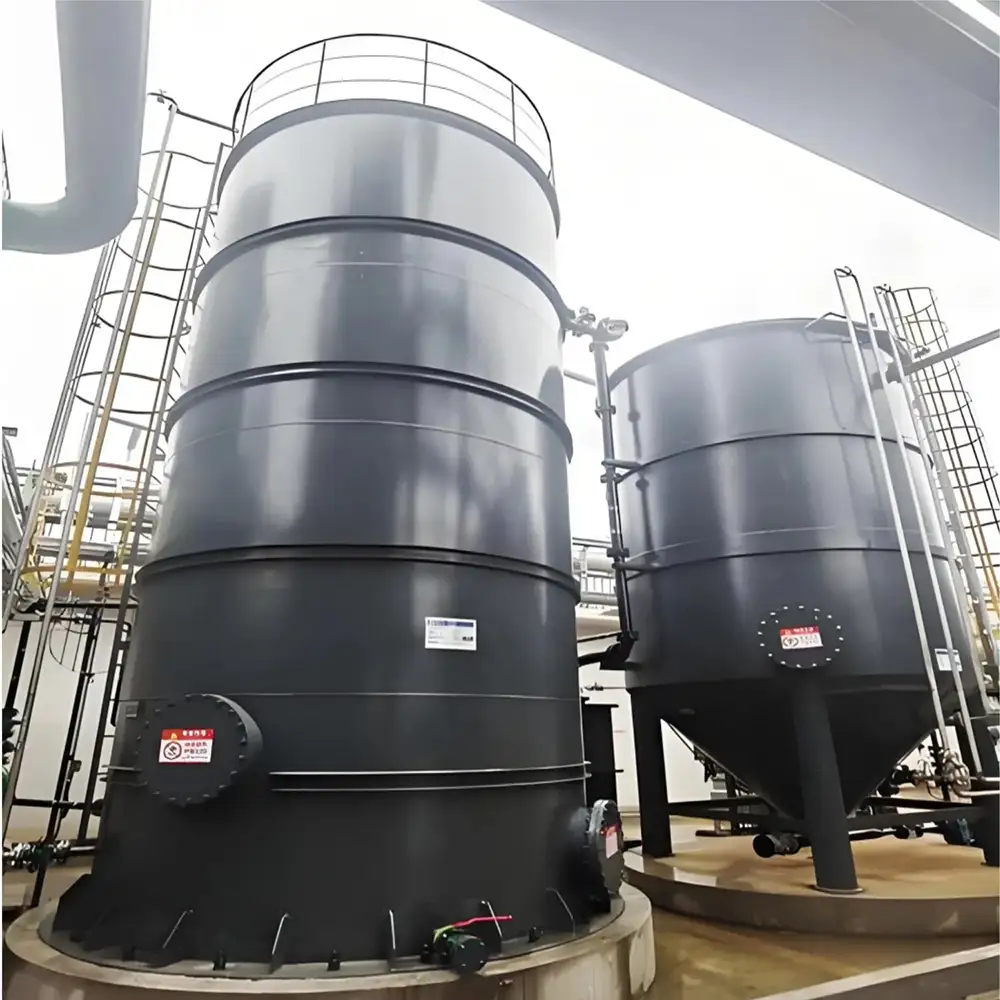
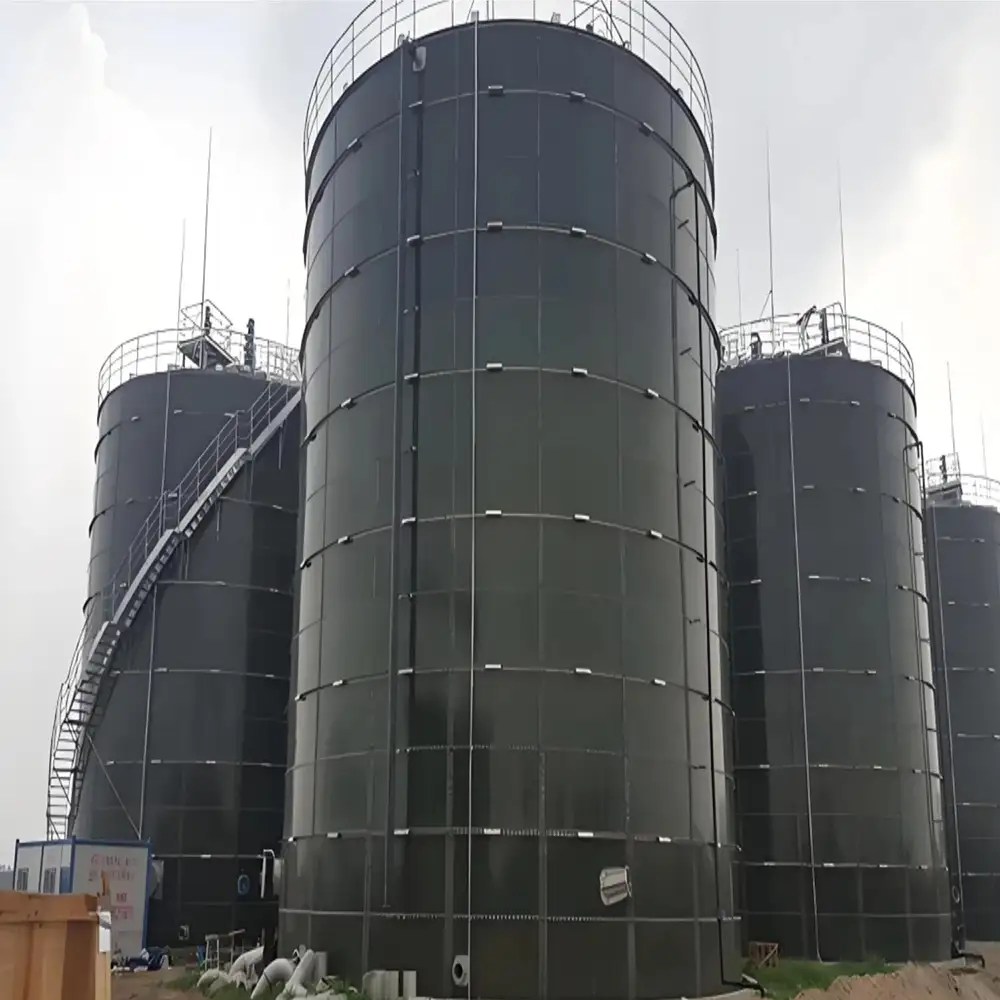
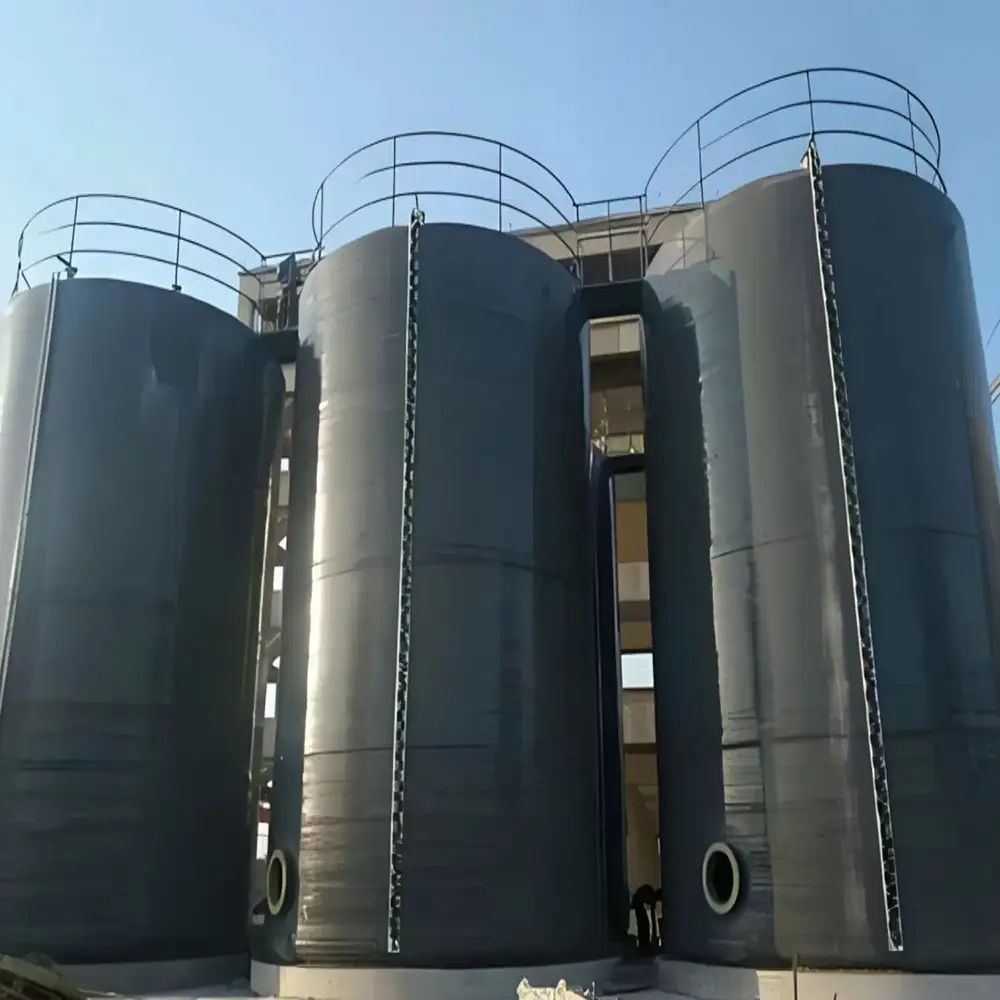
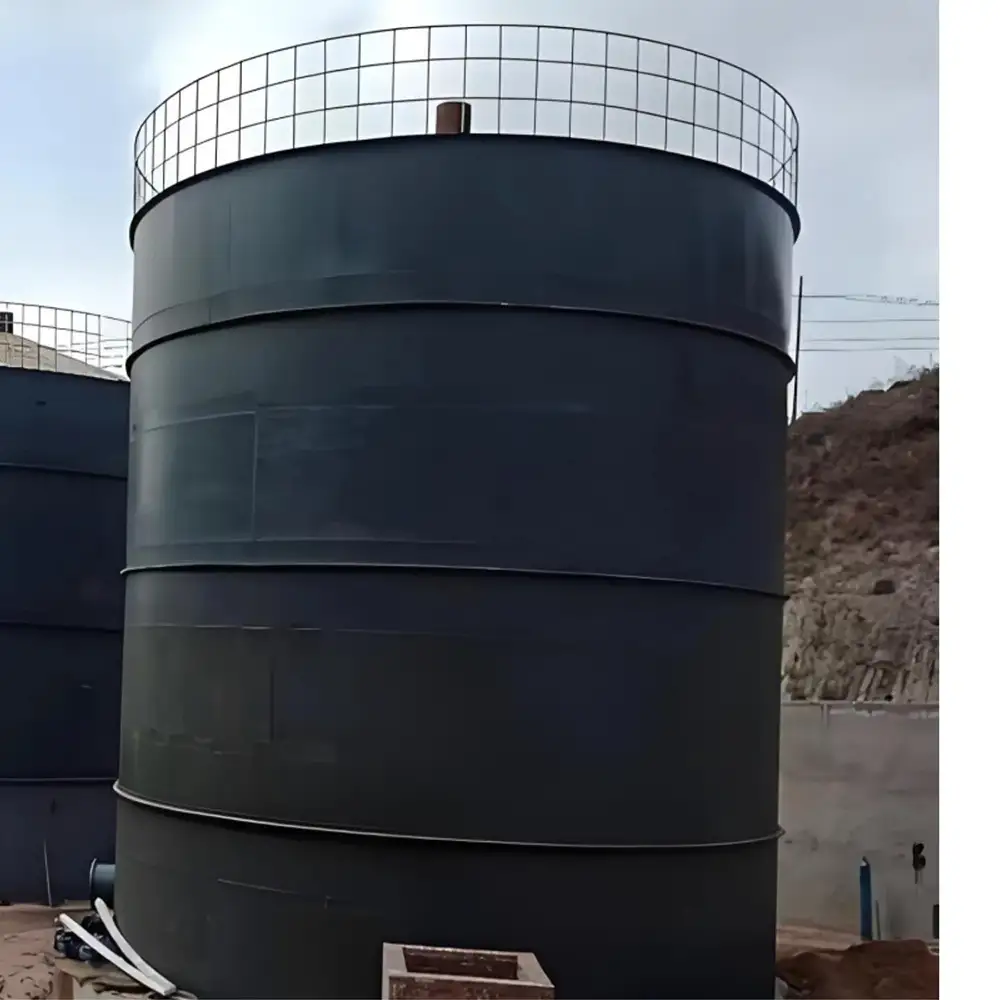
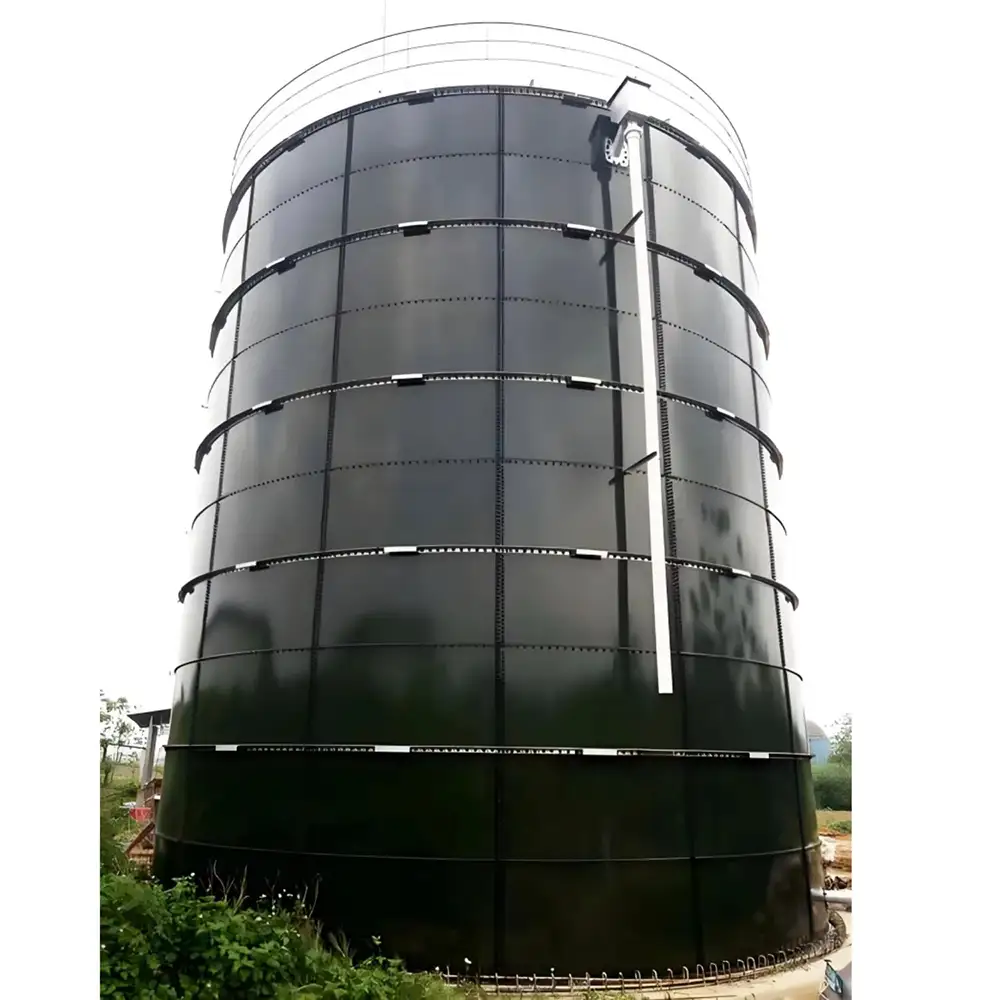
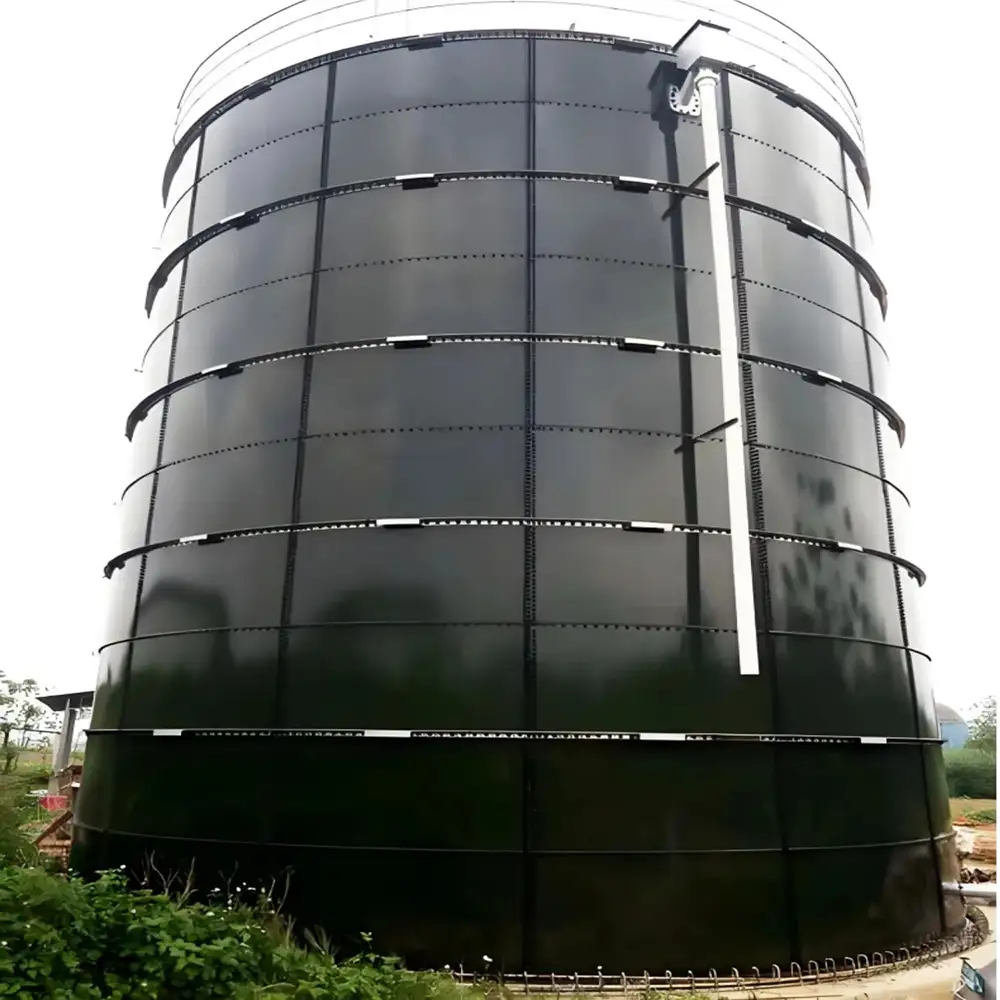
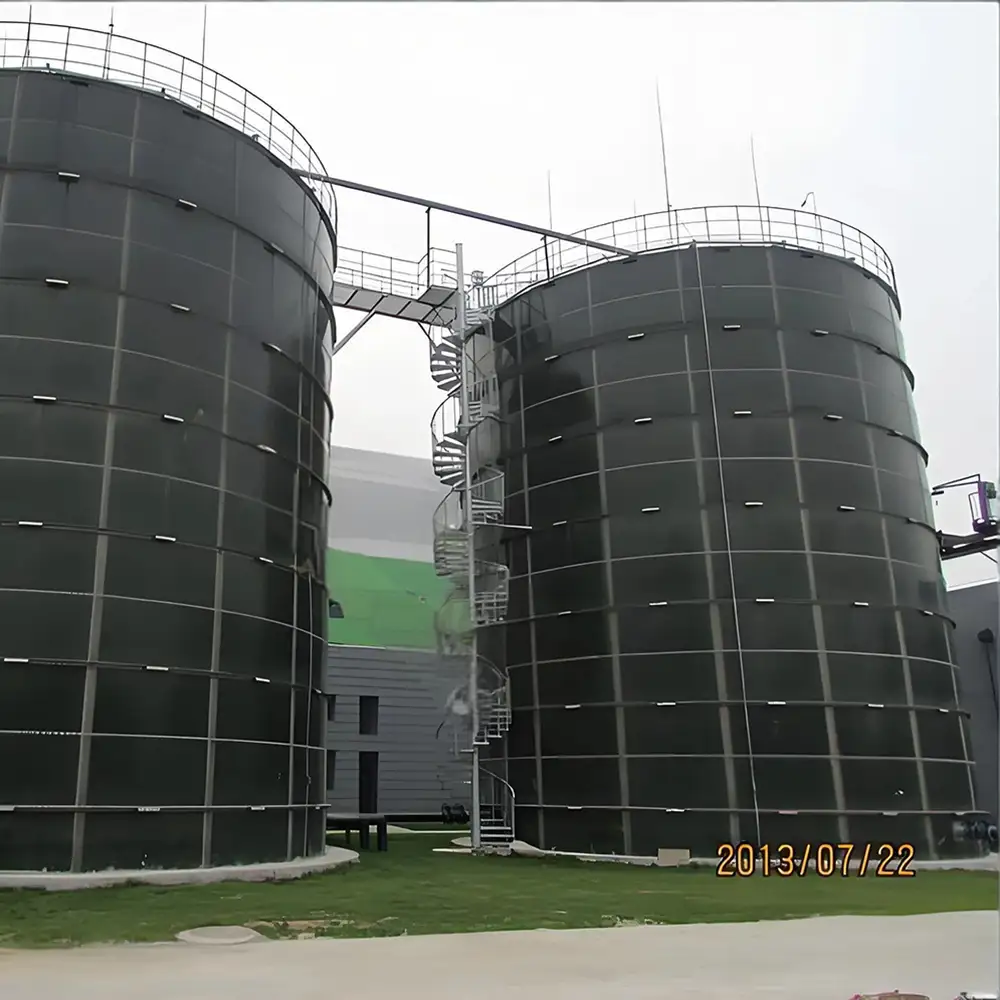
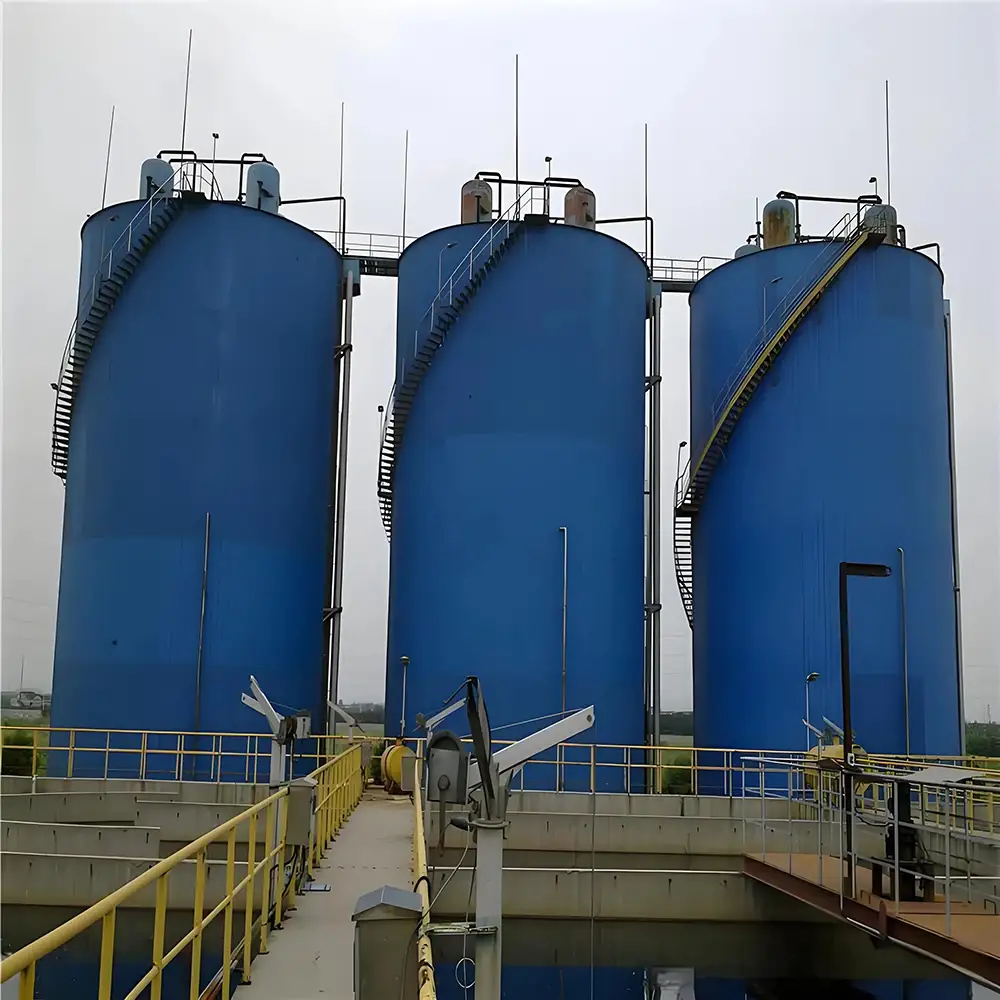
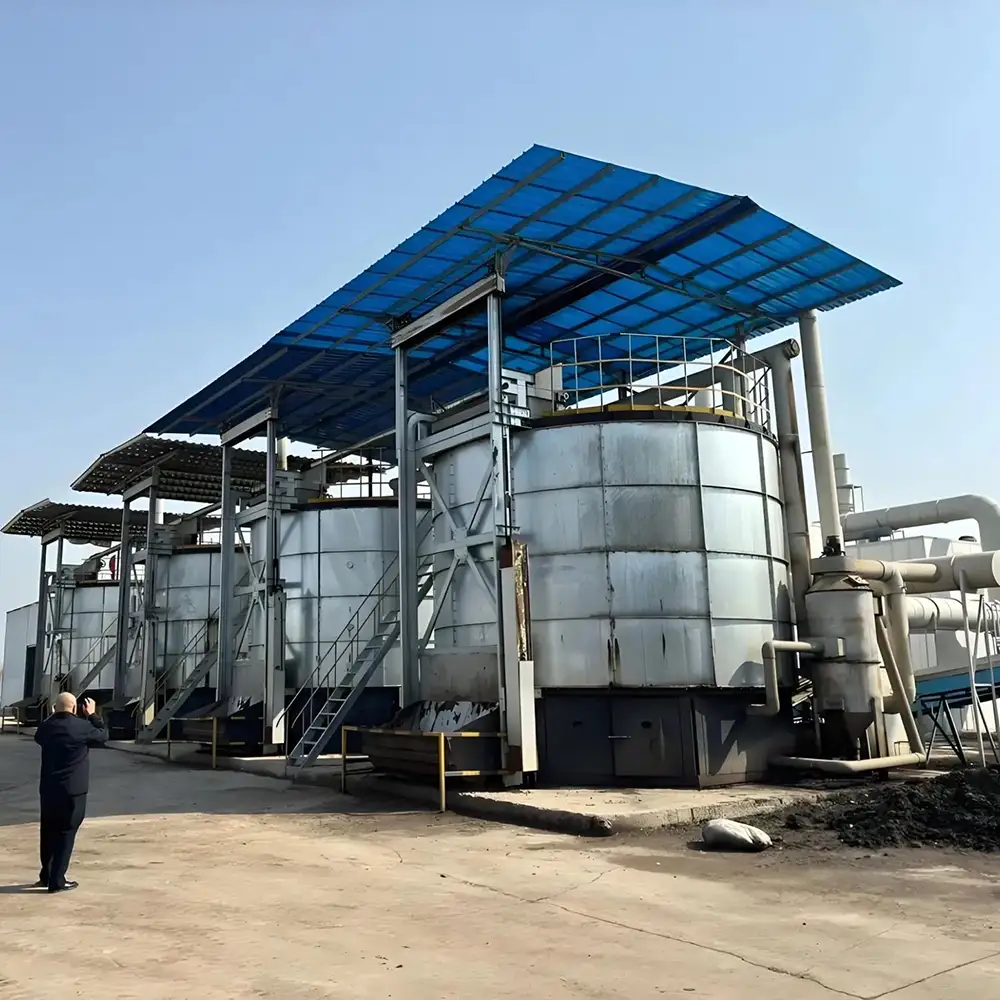
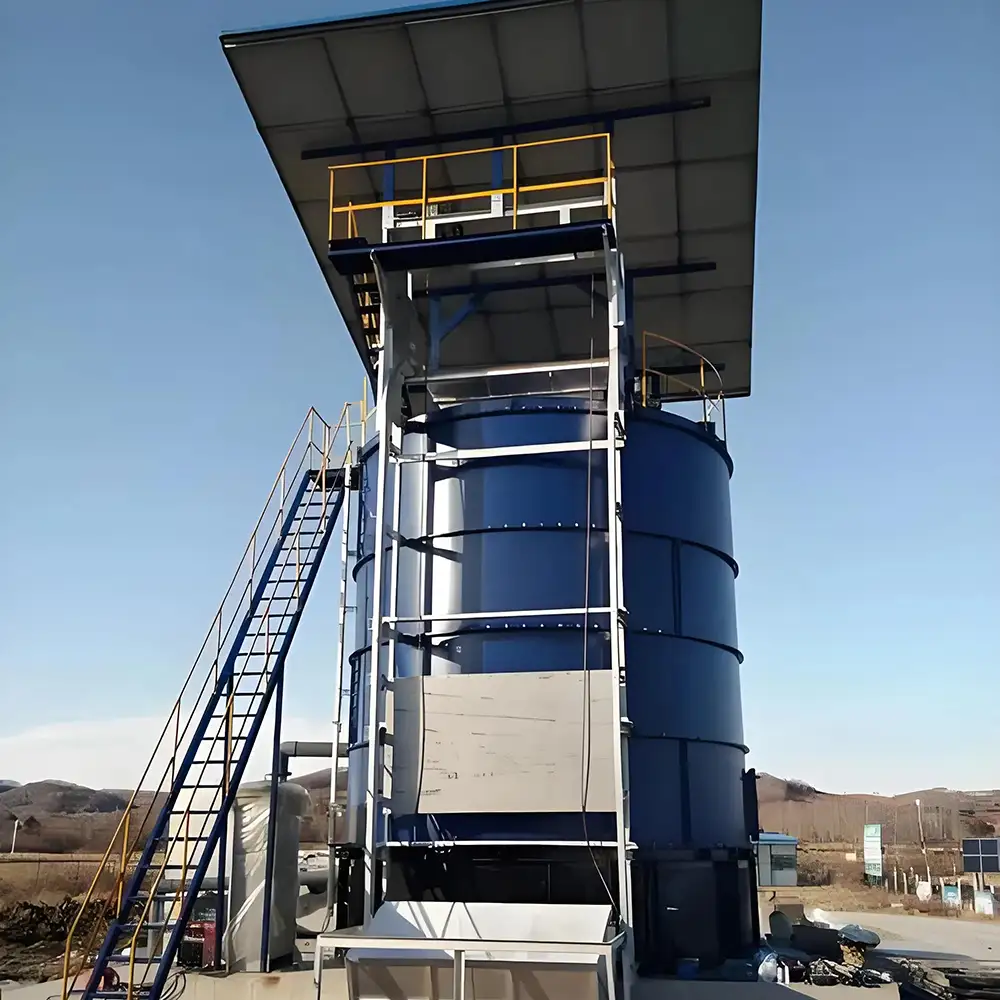
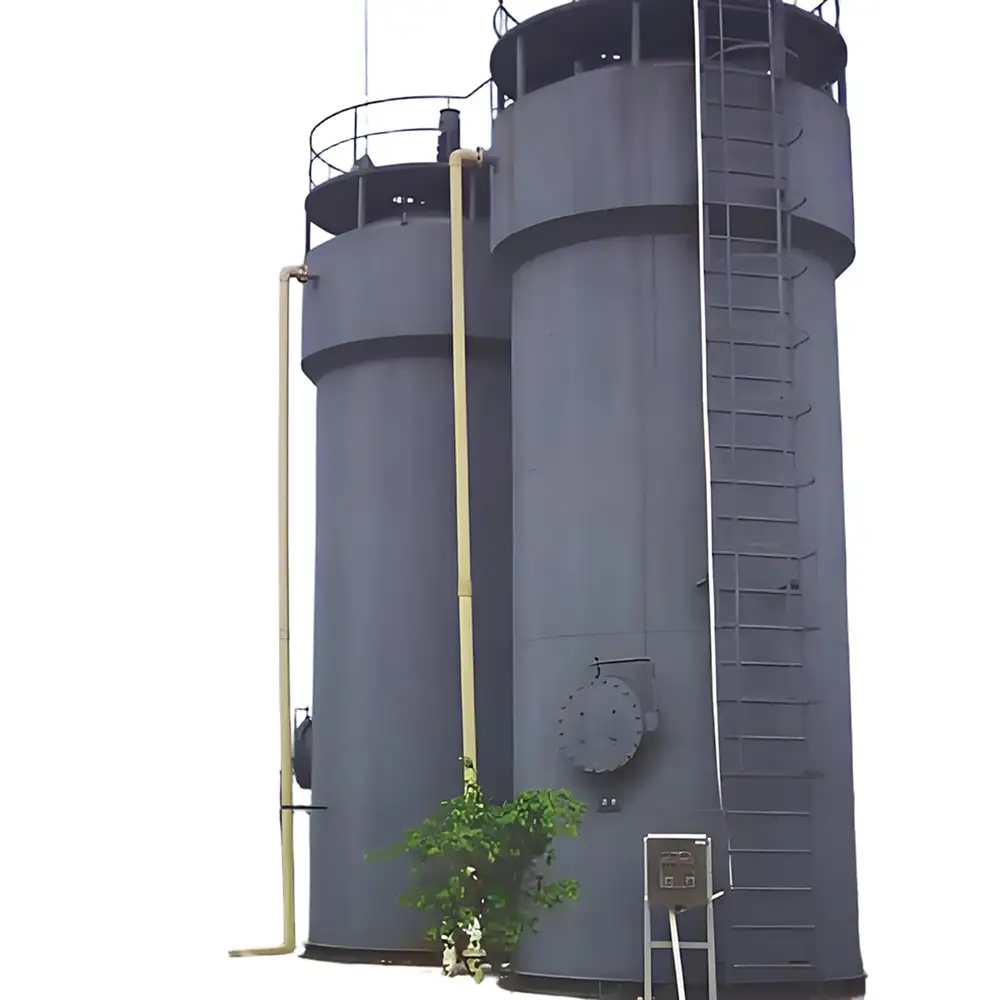
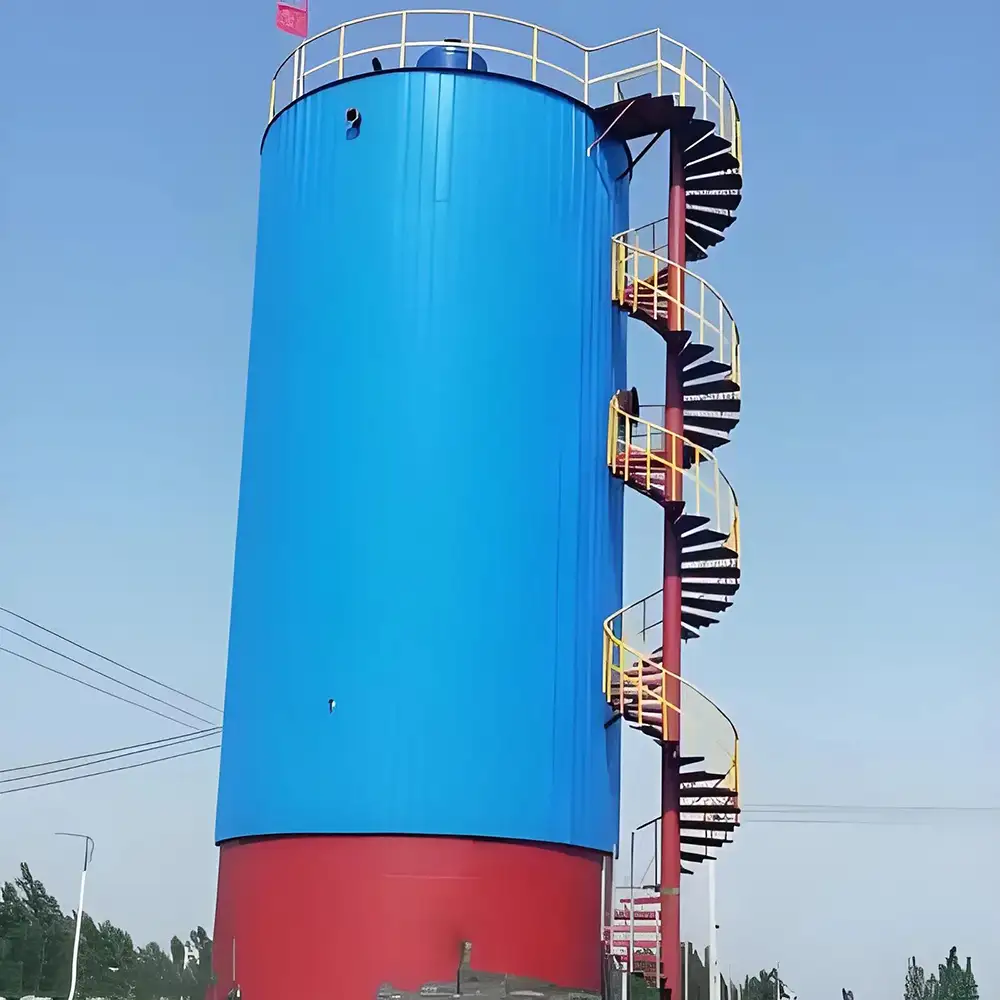
The Grease Trap Enamel-Coated Anaerobic Reactor for Agriculture Industrial is designed for wastewater and organic waste treatment applications where grease, fats, oils, and biodegradable organic matter require controlled processing. Combining an enamel-coated steel structure with anaerobic treatment technology, the reactor provides a durable vessel for suitable agricultural, food-processing, livestock, and industrial wastewater treatment systems.
Grease and oil can interfere with downstream wastewater treatment when they enter biological systems in excessive concentrations. A properly designed grease separation or pretreatment stage can help reduce the grease load before wastewater enters an anaerobic reactor. Depending on the project configuration, the grease trap function may be integrated as a pretreatment unit or arranged upstream of the anaerobic reactor.
The enamel-coated anaerobic reactor can then provide an enclosed environment for biological treatment of suitable organic wastewater. The overall process can be integrated with solid-liquid separation, grease removal, anaerobic digestion, biogas collection, sludge treatment, and subsequent wastewater treatment stages.
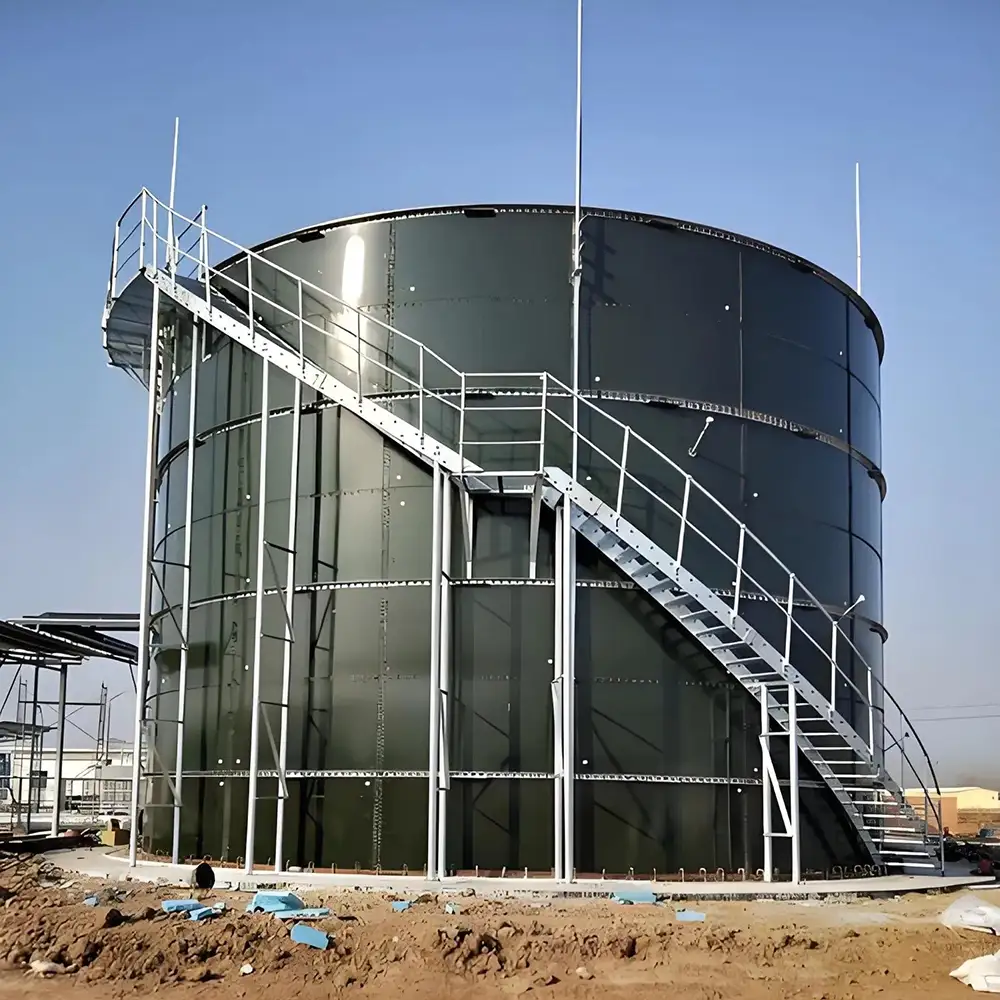
Glass Coated Steel Tanks technology is the premium coating technology in the storage tanks market. Glass Fused to Steel tanks are widely used in bio-energy, municipal sewage, industrial wastewater treatment and etc.. The glass fused to steel tanks have at least two layers of coating and more than two-time fired in furnace, which combines the strength, flexibility and outstanding corrosion resistance.
Main parameters of Glass Coated Steel Tank |
|
Item |
Specs |
|
Coating Color |
Standard color: dark blue and dark green,or customized |
|
Coating Thickness |
0.25~0.40mm |
|
Acid and alkali resistance |
Standard coating:PH3~11,special coating:PH1~14 |
|
Elasticity |
About 500KN/mm |
|
Life |
≥30years |
|
Holiday test |
1500v |
|
Adhesive force |
3450N/cm |
|
Hardness |
6.0(Mohs) |
|
Life |
More than 30 years |
|
Cleaning |
Easy to cleaning, anti-stick, glossy |
|
Permeability |
Gas and liquids impermeable |
|
Corrosion resistance |
Excellent for wastewater, concentrated salt water, seawater, high sulfur crude oil, salt spray ,organic and inorganic compounds |
Enamel-Coated Steel Construction
The reactor uses a steel structure with a protective enamel coating designed to provide a durable internal surface for suitable wastewater and organic waste applications. The coating forms a barrier between the process medium and the steel substrate.
This construction can be useful in agricultural and industrial environments where wastewater may contain moisture, organic acids, salts, suspended solids, and other substances that can contribute to corrosion.
The actual coating specification should be selected according to the wastewater composition, temperature, chemical conditions, cleaning requirements, and operating environment.
Grease Trap And Pretreatment
Grease, fats, and oils can be present in wastewater from food processing, restaurants, agricultural operations, livestock facilities, and certain industrial processes. If excessive grease enters a biological reactor, it may affect mixing, biological activity, piping, and downstream treatment equipment.
A grease trap or grease separation stage can therefore be used as pretreatment to reduce free-floating and separable grease before the wastewater reaches the anaerobic treatment process.
The appropriate grease removal method depends on the type and concentration of fats, oils, and grease, as well as wastewater flow and temperature. The complete system should be designed based on actual wastewater characteristics.
Anaerobic Wastewater Treatment
Anaerobic treatment uses microorganisms to break down biodegradable organic matter under oxygen-limited conditions. It can be considered for wastewater streams with suitable organic loading and biodegradability.
The enamel-coated reactor provides a controlled vessel for the biological treatment process. Depending on the reactor design, wastewater can be introduced through an inlet distribution system and processed before discharge to subsequent treatment stages.
Anaerobic treatment is often used as part of a larger wastewater treatment train rather than as a universal standalone solution. Final treatment requirements depend on local discharge standards and the characteristics of the treated wastewater.
Agricultural Wastewater Applications
Agricultural operations can generate wastewater containing organic matter, suspended solids, nutrients, grease, and other contaminants. Sources may include livestock farms, agricultural processing facilities, food-related operations, and other farming activities.
The reactor can be incorporated into agricultural wastewater treatment systems according to the characteristics of the wastewater.
For livestock-related projects, pretreatment may include screening and solid-liquid separation before anaerobic treatment. Depending on the system, biogas recovery and digestate management can also be included.
Industrial Wastewater Applications
Industrial wastewater varies significantly between industries. Food processing, agricultural product processing, slaughtering, beverage production, and other organic-processing industries may generate wastewater with biodegradable organic compounds and grease.
An anaerobic reactor can provide a biological treatment stage for suitable industrial wastewater. The enamel-coated construction offers a practical tank solution for projects where corrosion protection and enclosed treatment are important.
Before selecting the reactor, customers should provide wastewater flow, COD or other available organic-load data, pH, temperature, grease concentration, suspended solids, and treatment objectives.
Suitable For High-Organic-Load Wastewater
Anaerobic treatment is often considered for wastewater with substantial biodegradable organic content. The biological process can convert part of the organic matter into biogas and treated liquid, depending on process conditions.
However, the suitability of anaerobic treatment depends on wastewater composition and biodegradability. High concentrations of toxic compounds, excessive grease, extreme pH, or other inhibitory substances may require pretreatment or process adjustment.
Wastewater testing and process evaluation are recommended before final reactor selection.
Biogas Recovery Potential
During anaerobic digestion of suitable biodegradable organic matter, microorganisms can generate biogas containing methane and carbon dioxide.
When biogas recovery is included in the project, the reactor can be equipped or integrated with gas collection components and connected to downstream gas treatment and utilization equipment.
Biogas may require desulfurization, dehydration, filtration, or other conditioning before utilization, depending on gas composition and the selected application.
The actual biogas production depends on feedstock composition, organic loading, biological conditions, temperature, retention time, and reactor operation.
Corrosion Protection For Wastewater Treatment
Wastewater treatment equipment can be exposed to corrosive environments. Moisture, organic acids, salts, sulfides, and other substances may affect conventional steel surfaces.
The enamel coating provides a protective layer for suitable operating conditions and can help protect the underlying steel structure.
Correct coating selection and routine inspection remain important. Actual service performance depends on the process medium, temperature, chemical exposure, mechanical impact, cleaning procedures, and maintenance practices.
Modular Enamel Reactor Design
Enamel-coated steel reactors can be constructed using modular panels that are manufactured, coated, inspected, transported, and assembled at the project site.
This modular approach can be advantageous for large agricultural and industrial projects where transportation and site access need to be considered.
Tank diameter, height, working volume, panel specifications, internal accessories, and installation structure can be evaluated according to the project requirements.
Flexible Internal Equipment
The reactor can be configured with different internal and external components depending on the selected treatment process. These may include wastewater inlet systems, outlet systems, mixing equipment, inspection openings, gas collection components, heating equipment, safety devices, and monitoring instruments.
Not every project requires the same configuration. Internal equipment should be selected according to wastewater characteristics and process requirements.
Integrated Wastewater Treatment System
The reactor can form part of a complete wastewater treatment system. A typical agricultural or industrial project may include coarse screening, grease separation, solid-liquid separation, equalization, anaerobic treatment, aerobic polishing, clarification, sludge treatment, and final discharge or reuse.
For projects with biogas recovery, additional equipment may include gas purification, dehydration, desulfurization, gas storage, and gas utilization systems.
The exact treatment sequence should be determined through process evaluation and wastewater analysis.
Food And Agricultural Processing
Food and agricultural processing facilities can produce wastewater containing organic matter, suspended solids, grease, and other biodegradable materials. Examples include meat processing, dairy-related operations, food processing, agricultural product processing, and other organic-processing facilities.
A grease trap and anaerobic reactor combination can be considered when grease and high organic loading are important characteristics of the wastewater.
Pretreatment requirements should be determined according to the actual process wastewater.
Livestock Wastewater Treatment
Livestock operations may generate manure wastewater containing organic solids, nutrients, suspended particles, and biodegradable matter. Solid-liquid separation and screening can help reduce the solids entering downstream treatment equipment.
After appropriate pretreatment, an anaerobic reactor can be incorporated into the wastewater treatment and resource recovery process.
Depending on the overall system, the process can support biogas recovery and subsequent digestate or wastewater management.
B2B Project-Based Configuration
Industrial wastewater equipment should be selected according to actual operating conditions rather than only tank volume. Wastewater flow, organic load, grease concentration, temperature, pH, solids content, treatment objective, and site conditions all influence the required reactor configuration.
Customers can provide laboratory analysis, wastewater samples, process descriptions, daily flow, peak flow, and desired treatment results for technical evaluation.
This information helps determine the appropriate reactor size, coating specification, pretreatment system, internal components, and downstream equipment.
Key Features
Enamel-Coated Steel Reactor Structure
Grease Trap And Pretreatment Compatibility
Anaerobic Wastewater Treatment
Agricultural Wastewater Applications
Industrial Organic Wastewater Treatment
Corrosion-Resistant Internal Surface
Modular Panel Tank Construction
Biogas Recovery System Integration
Flexible Internal Equipment
Suitable For Organic-Loaded Wastewater
Integrated Treatment System Compatibility
Factory-Direct B2B Project Support
Main Applications
The Grease Trap Enamel-Coated Anaerobic Reactor can be used for:
Agricultural Wastewater Treatment
Livestock Farm Wastewater Treatment
Food Processing Wastewater
Industrial Organic Wastewater
Grease Wastewater Treatment
Anaerobic Digestion
Biogas Recovery Systems
Agricultural Waste Treatment
Food Industry Wastewater Treatment
Organic Wastewater Treatment
Livestock Waste Management
Industrial Wastewater Treatment
FAQs
1. What Is A Grease Trap Enamel-Coated Anaerobic Reactor?
It is an enamel-coated steel reactor designed for suitable anaerobic wastewater or organic waste treatment, with grease separation or grease-trap pretreatment used to reduce fats, oils, and grease before biological treatment.
2. Can The Reactor Treat Grease-Containing Wastewater?
It can be used for suitable grease-containing wastewater when appropriate grease separation or pretreatment is provided. The required process depends on grease concentration, wastewater temperature, organic loading, and other characteristics.
3. What Is The Purpose Of A Grease Trap?
A grease trap or grease separation stage helps remove separable fats, oils, and grease before wastewater enters downstream treatment equipment. This can help reduce excessive grease loading on biological treatment systems.
4. Can It Be Used For Agricultural Wastewater?
Yes. Suitable applications include livestock wastewater, agricultural processing wastewater, food-related agricultural wastewater, and other biodegradable agricultural waste streams.
5. Can It Be Used For Industrial Wastewater?
Yes. It can be considered for suitable industrial wastewater, particularly wastewater containing biodegradable organic matter. The actual application should be evaluated according to wastewater composition.
6. Can It Be Used For Anaerobic Digestion?
Yes. The reactor can be configured for anaerobic biological treatment and digestion of suitable organic wastewater or waste streams.
7. Can The System Produce Biogas?
Anaerobic digestion of suitable biodegradable organic matter can generate biogas. Actual biogas production depends on feedstock characteristics and operating conditions.
8. Is The Enamel Coating Corrosion Resistant?
The enamel coating is designed to provide a protective barrier for the steel structure in suitable process environments. Actual corrosion resistance depends on wastewater chemistry, temperature, coating specification, and operating conditions.
9. Can The Reactor Be Customized?
Yes. Reactor capacity, dimensions, coating specification, inlet and outlet arrangements, mixing systems, gas collection components, and other accessories can be configured according to project requirements.
10. What Information Is Needed To Select The Reactor?
Customers should provide wastewater type, daily and peak flow, COD or other available organic-load data, grease concentration, pH, temperature, suspended solids, treatment objective, and site conditions. Laboratory analysis is helpful for technical evaluation.
Why Choose Us
Enamel-Coated Reactor Technology
We provide enamel-coated steel reactor solutions for agricultural, industrial, organic wastewater, anaerobic digestion, and environmental treatment applications.
Grease And Organic Waste Applications
The system can be configured around wastewater streams containing grease, fats, oils, suspended solids, and biodegradable organic matter, with suitable pretreatment selected according to the application.
Corrosion Protection
Enamel-coated surfaces provide a protective barrier for suitable wastewater environments and help protect the underlying steel structure from process exposure.
Modular Large-Volume Construction
Modular panel construction provides flexibility for large-volume agricultural and industrial wastewater projects while supporting transportation and on-site assembly.
Complete Treatment Integration
The reactor can be integrated with screening, grease separation, solid-liquid separation, anaerobic digestion, biogas purification, sludge treatment, and subsequent wastewater treatment processes.
International Project Support
We support overseas customers with application evaluation, reactor configuration, technical documentation, project coordination, export packaging, installation guidance, and after-sales technical assistance.
Prev:
Glass Lined Steel Organic Waste Treatment Reactor, Enamel Steel Agricultural Waste Treatment Reactor
Next:
Biological Treatment Dissolved Air Flotation Daf Reactor, Wastewater Treatment System Anaerobic Reactor
TAG:
Anaerobic Digestion Reactor,
Anaerobic Biogas Reactor,
Grease Trap Wastewater Treatment,
FOG Wastewater Treatment,
Livestock Wastewater Treatment,
Food Processing Wastewater Treatment,
Agricultural Wastewater Treatment,
Industrial Organic Wastewater Treatment,
Organic Wastewater Treatment Reactor,
Industrial Anaerobic Reactor,
Industrial Wastewater Treatment Reactor,
Agricultural Anaerobic Reactor,
Agricultural Wastewater Treatment Reactor,
Anaerobic Wastewater Treatment Reactor,
Organic Waste Treatment Equipment,
Agricultural Waste Treatment Equipment,
Industrial Wastewater Treatment,
Food Wastewater Treatment,
Organic Wastewater Treatment,
Anaerobic Wastewater Treatment,
Livestock Anaerobic Reactor,
Enamel Biogas Reactor,
Biogas Anaerobic Reactor,
Enamel Wastewater Treatment Tank,
Organic Waste Treatment Reactor,
Anaerobic Digestion Tank,
Grease Wastewater Treatment Reactor,
Grease Wastewater Treatment Equipment,
Fat Oil Grease Treatment,
Anaerobic Wastewater Treatment Tank,
Related Category:
Grease Trap Enamel-Coated Anaerobic Reactor, Enamel-Coated Anaerobic Reactor, Grease Trap Anaerobic Reactor, Agricultura China, suppliers, manufacturers, factory, customized, wholesale, quotation, made in China