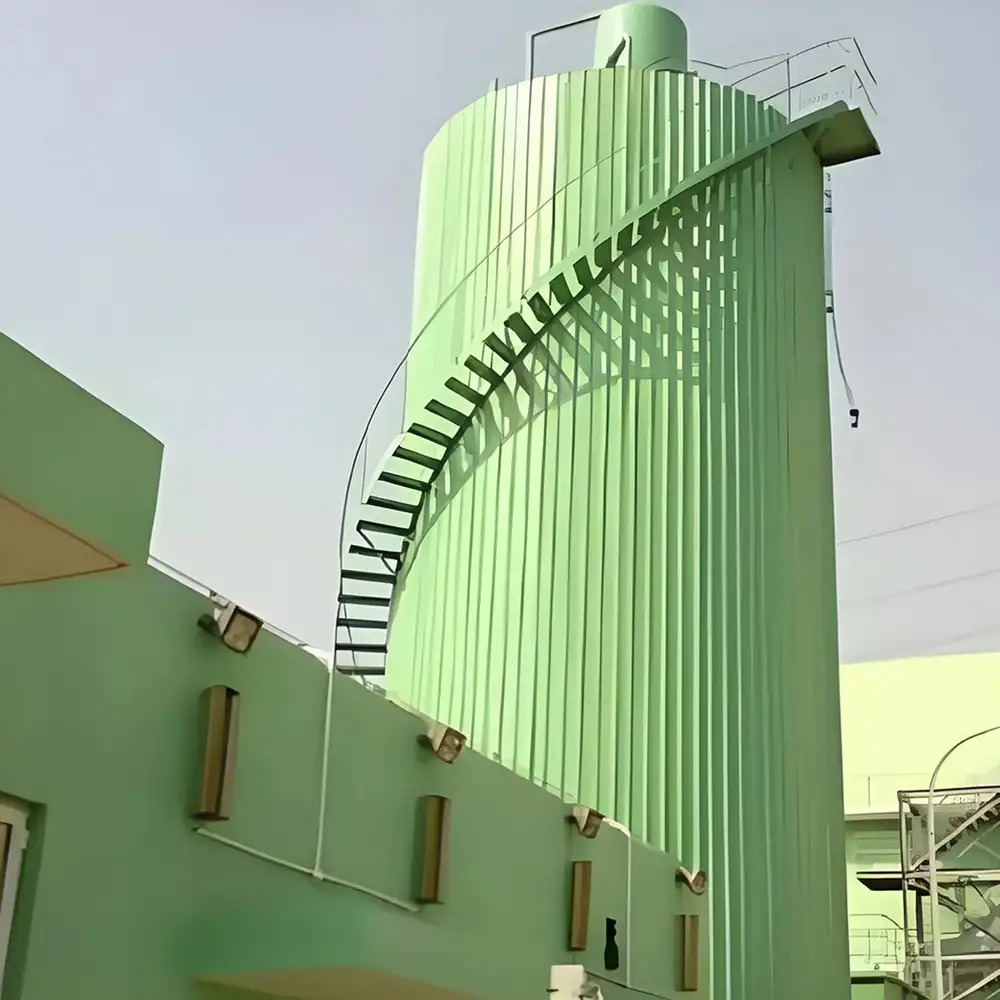
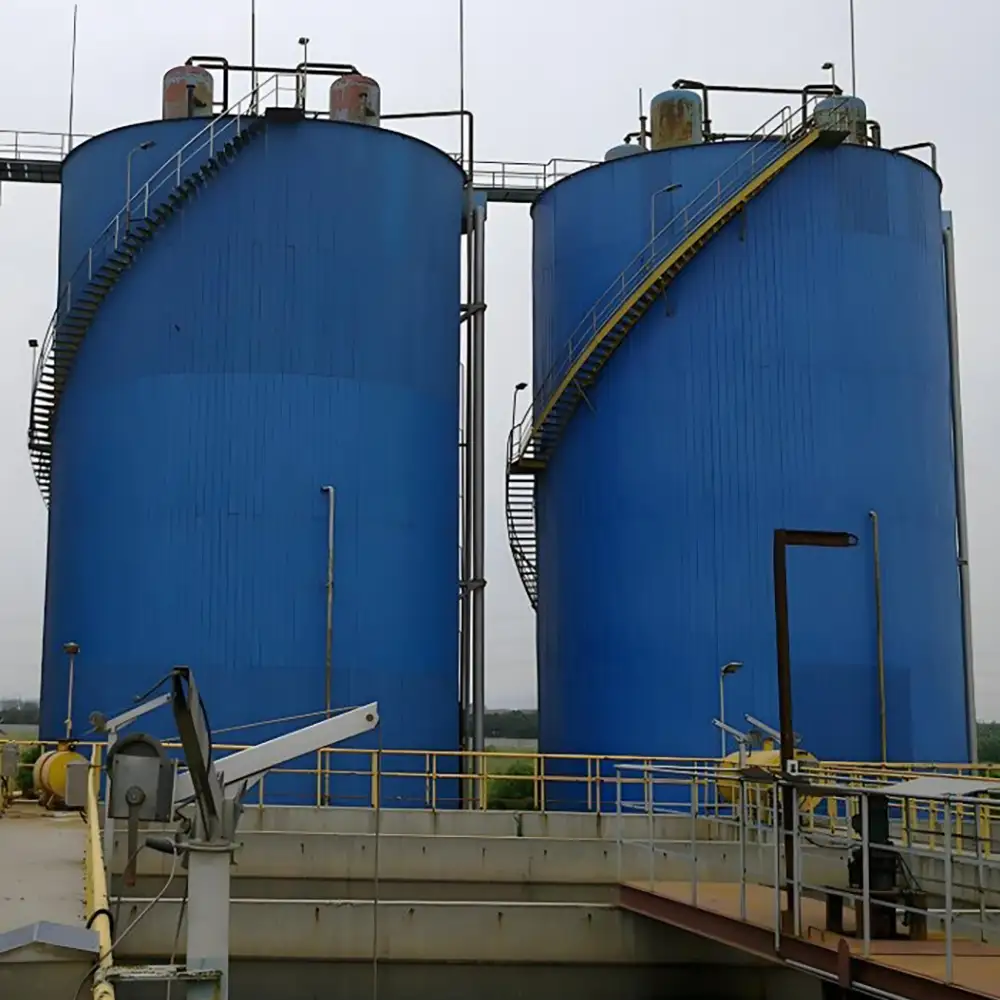
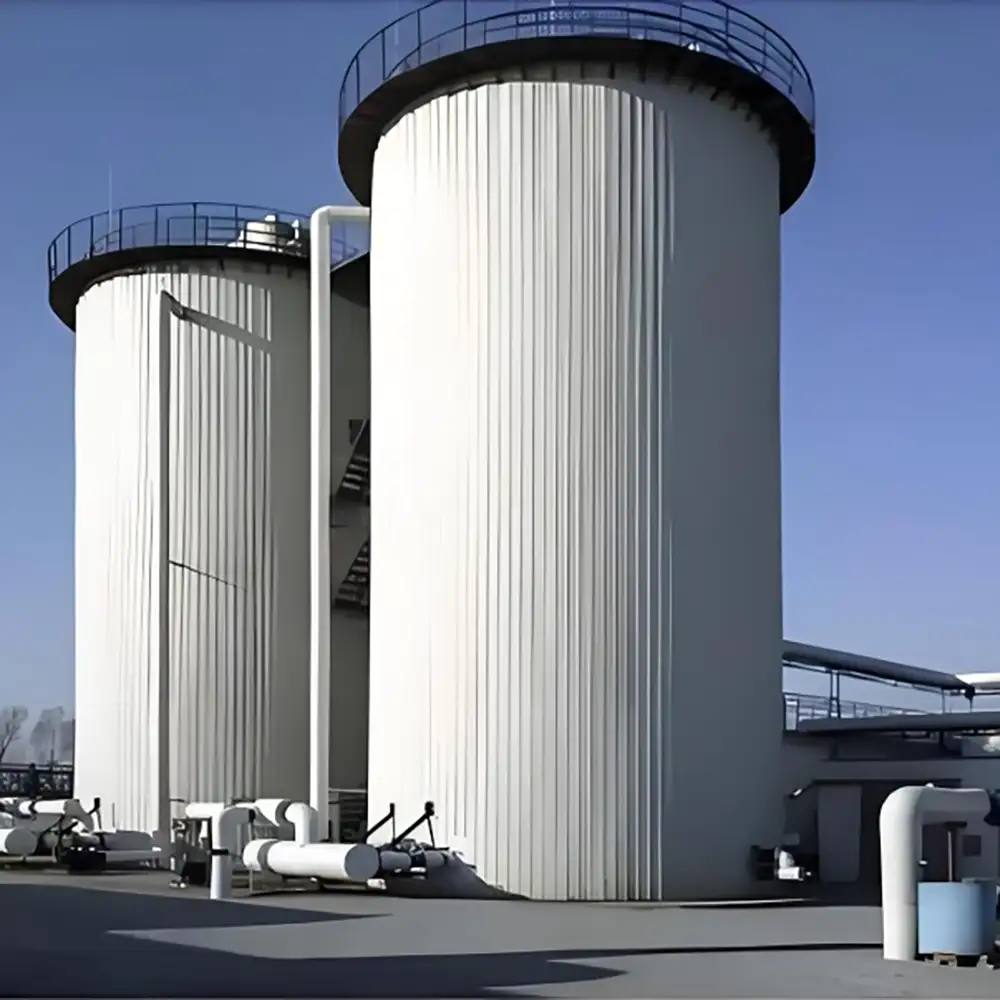
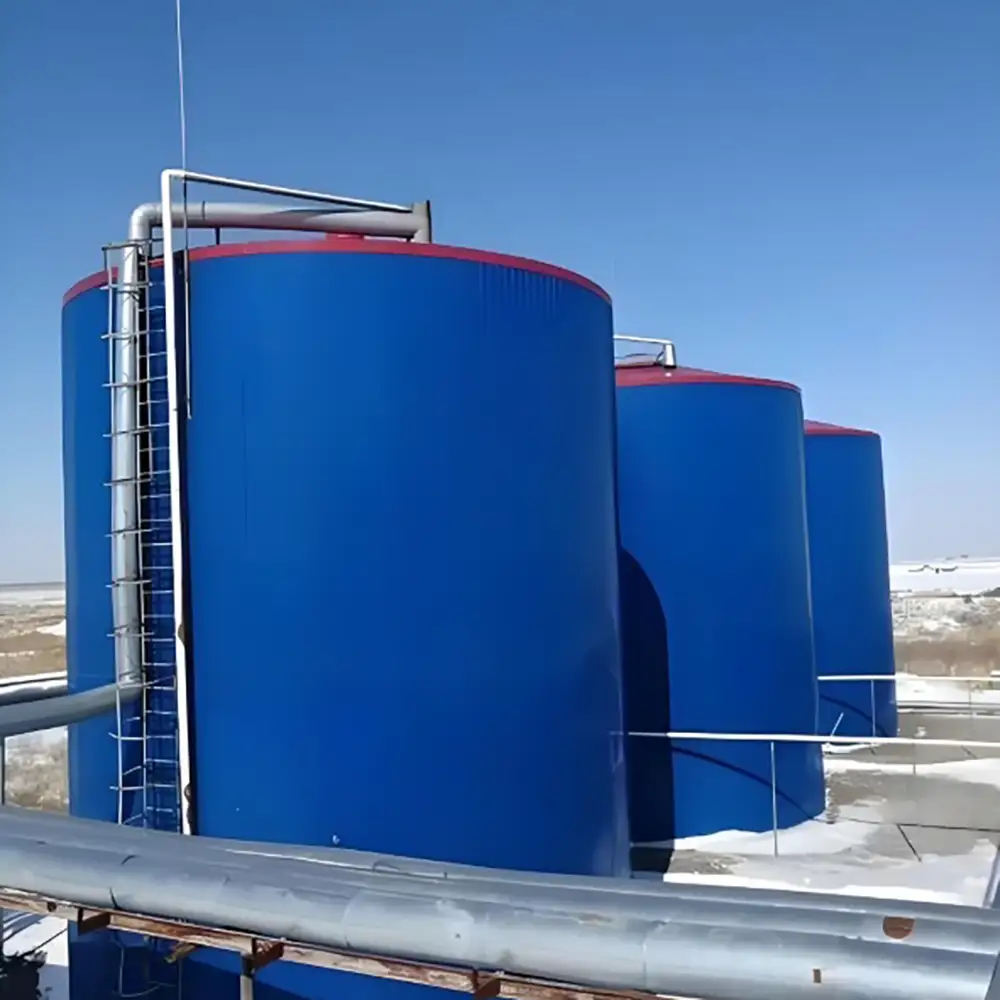
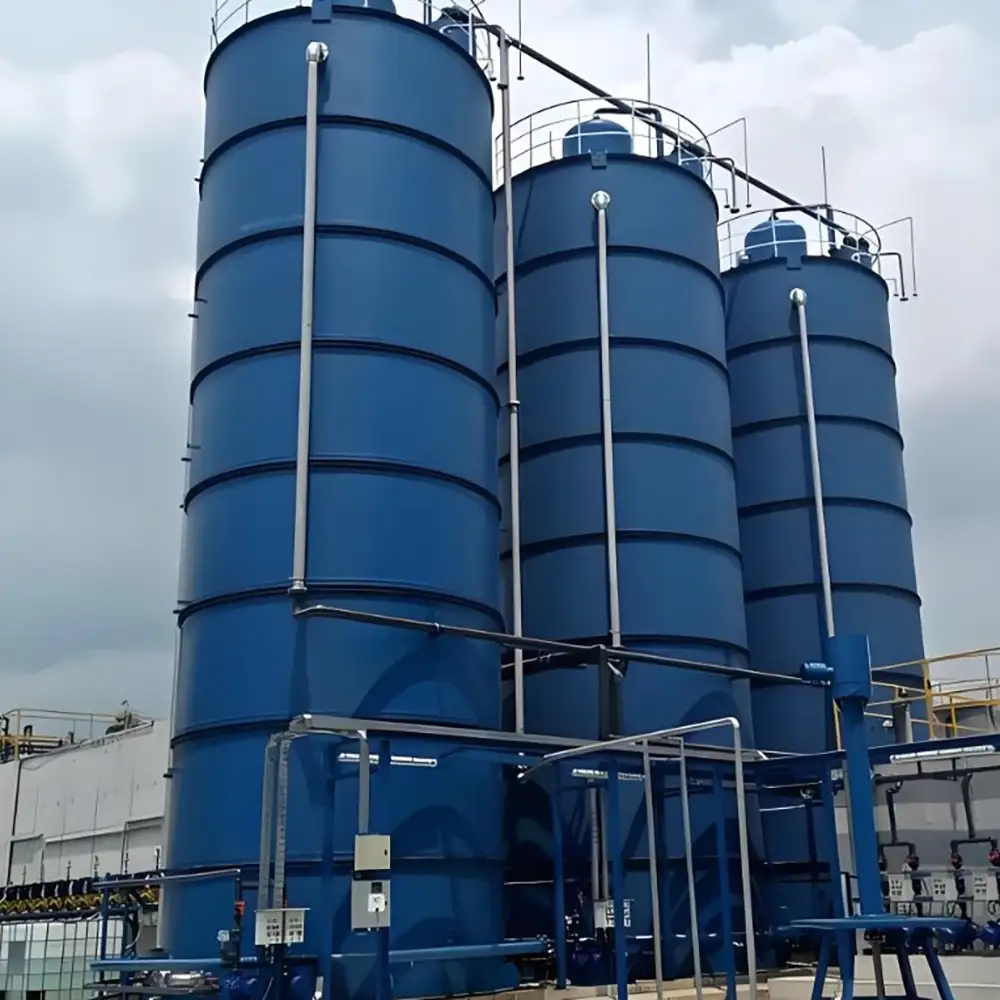
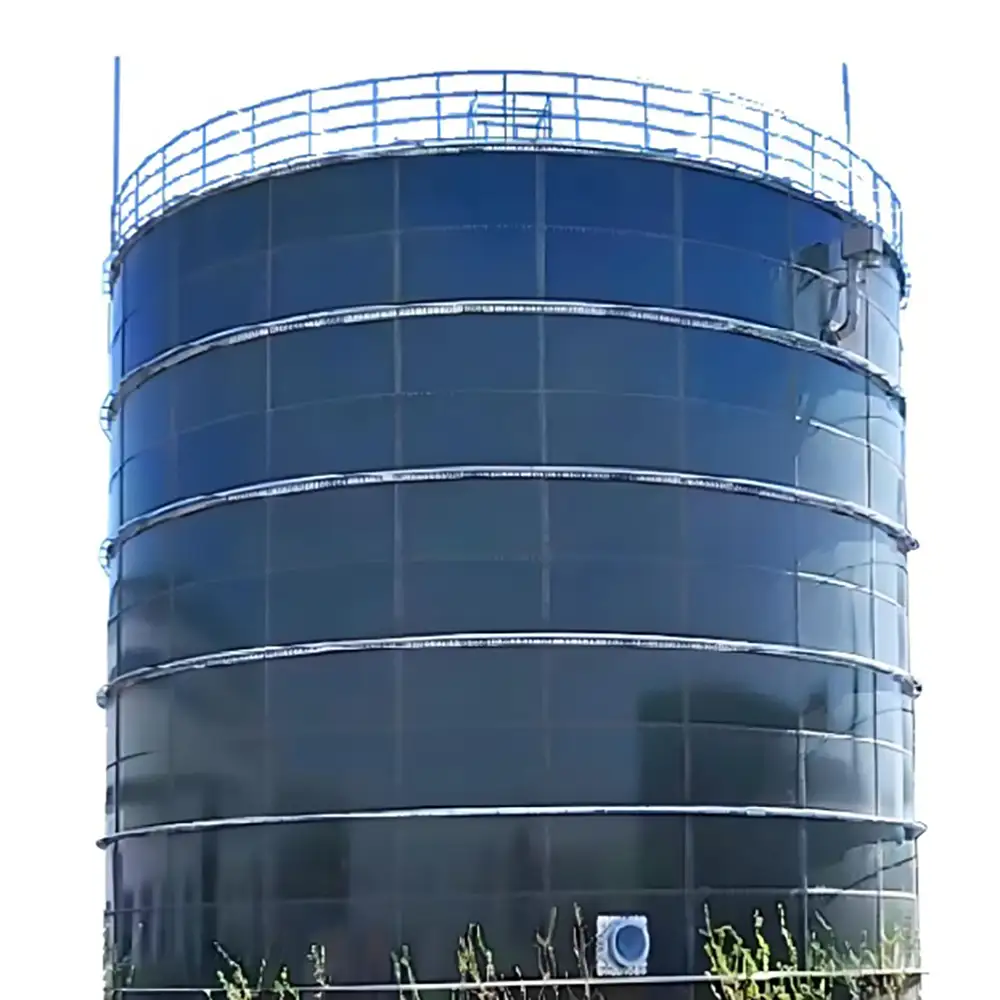
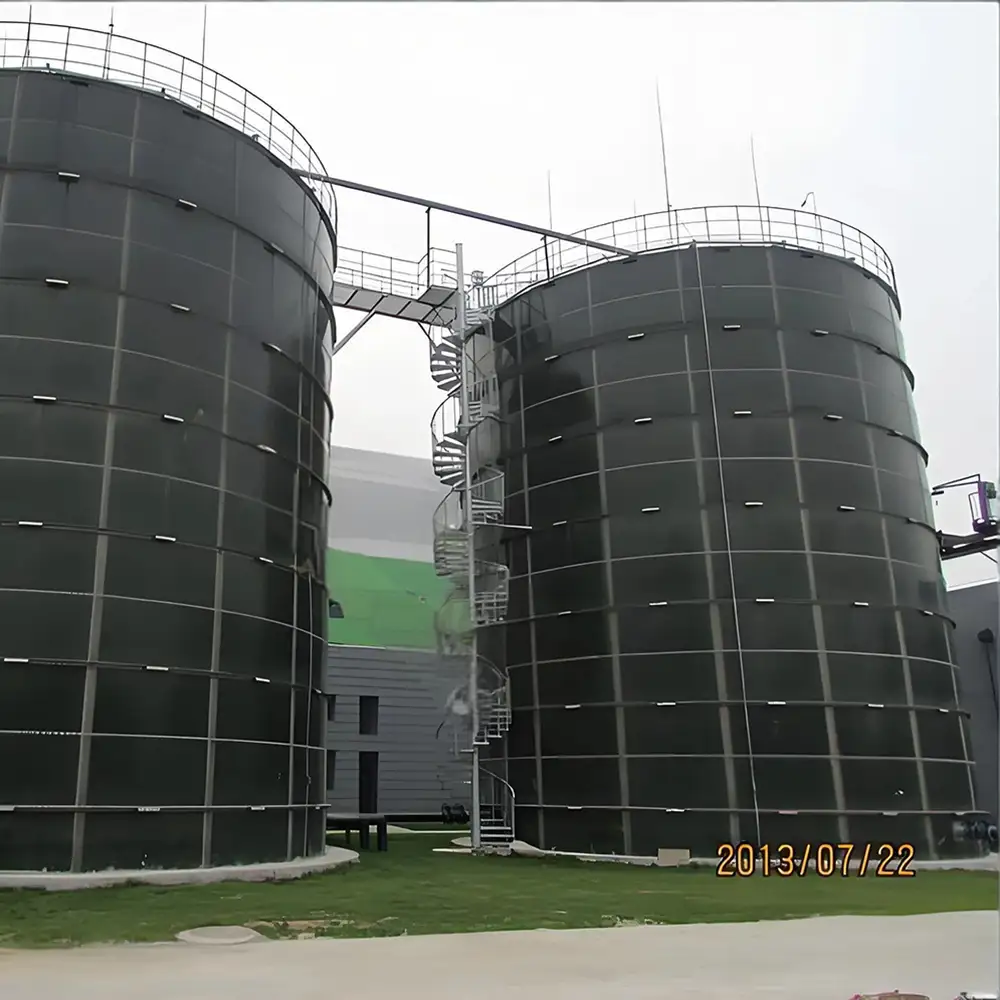
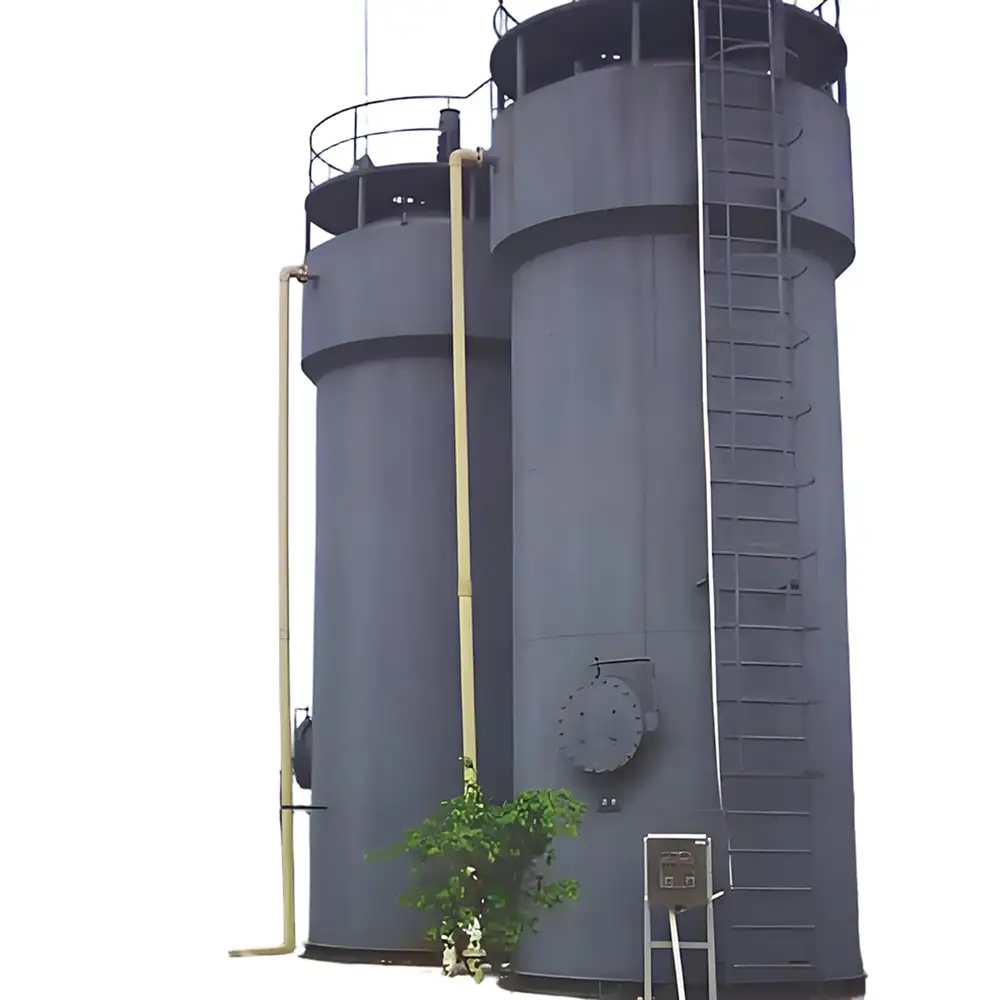
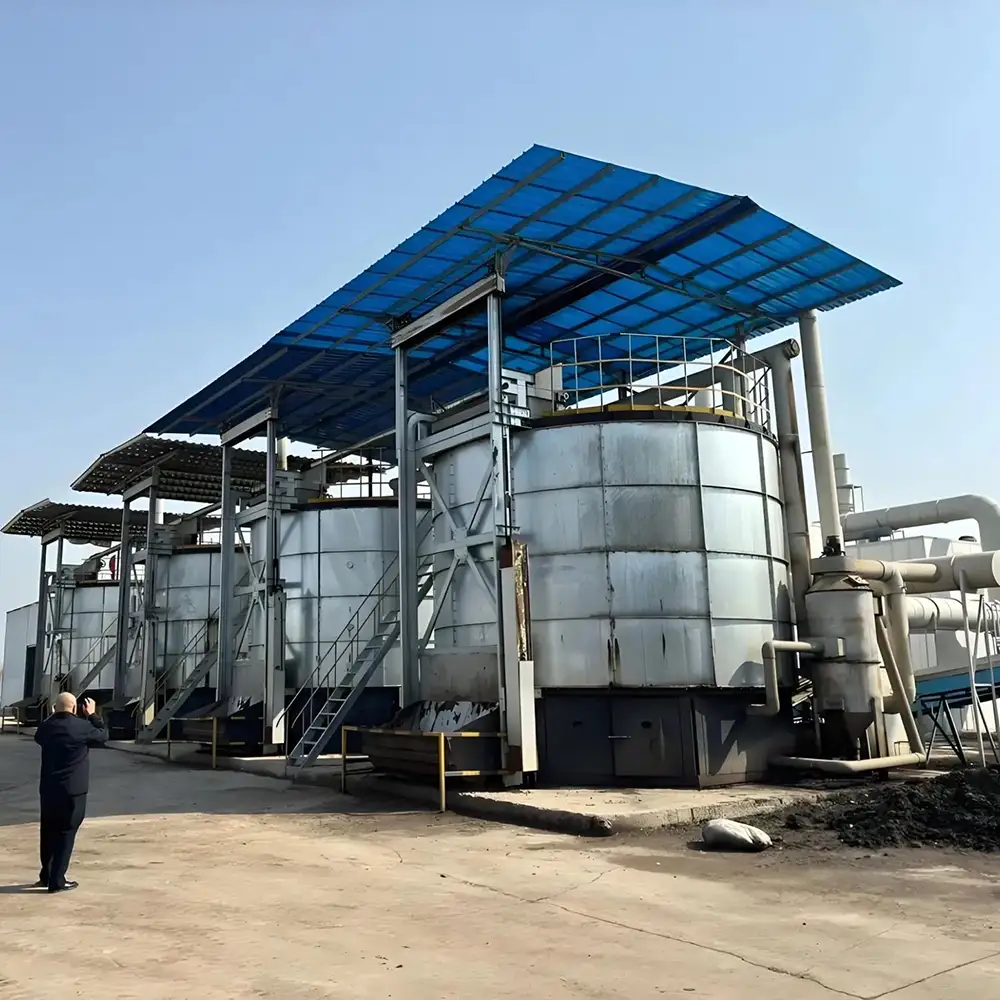
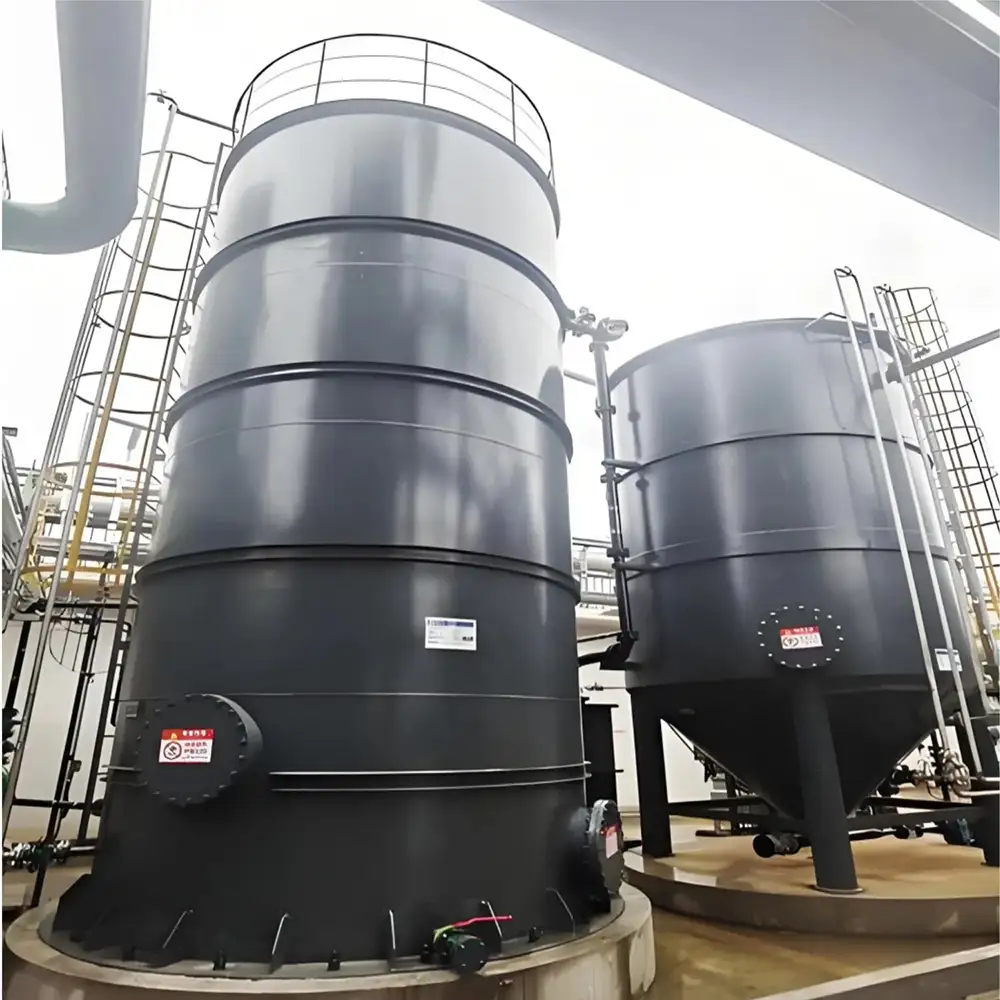
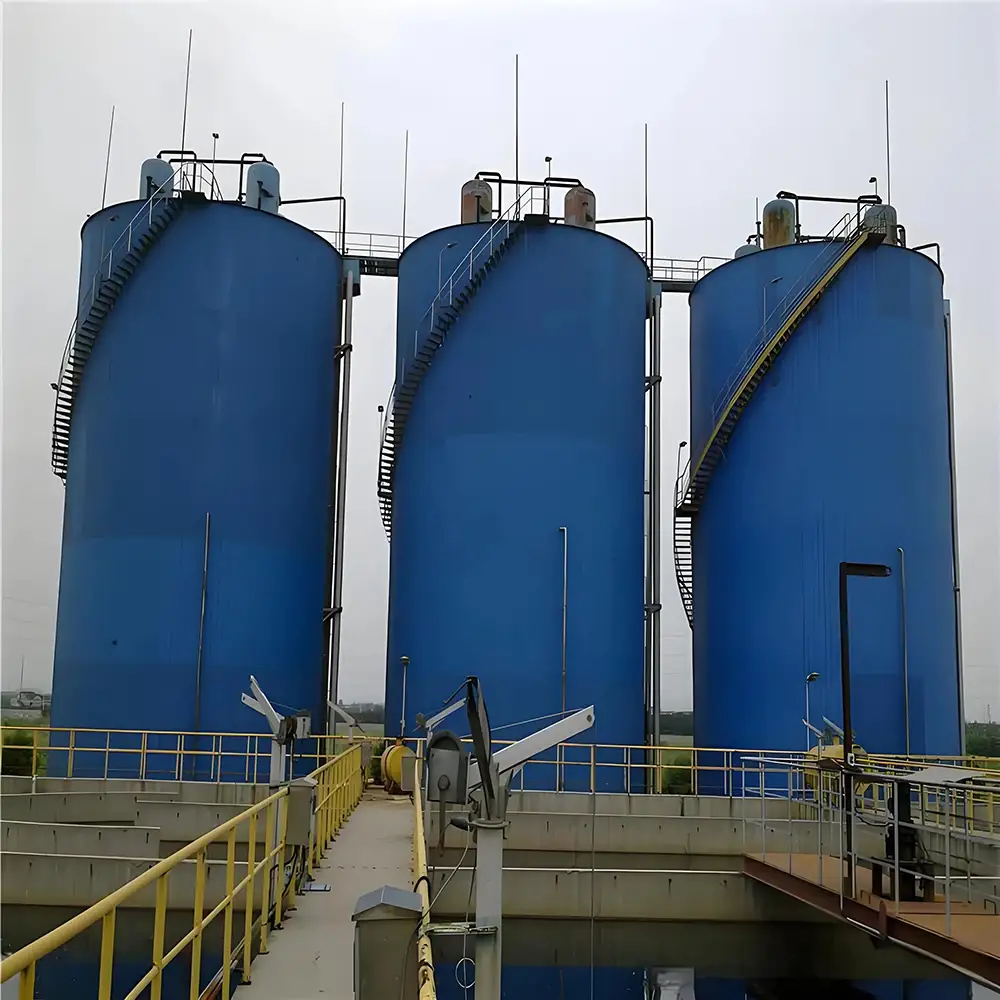
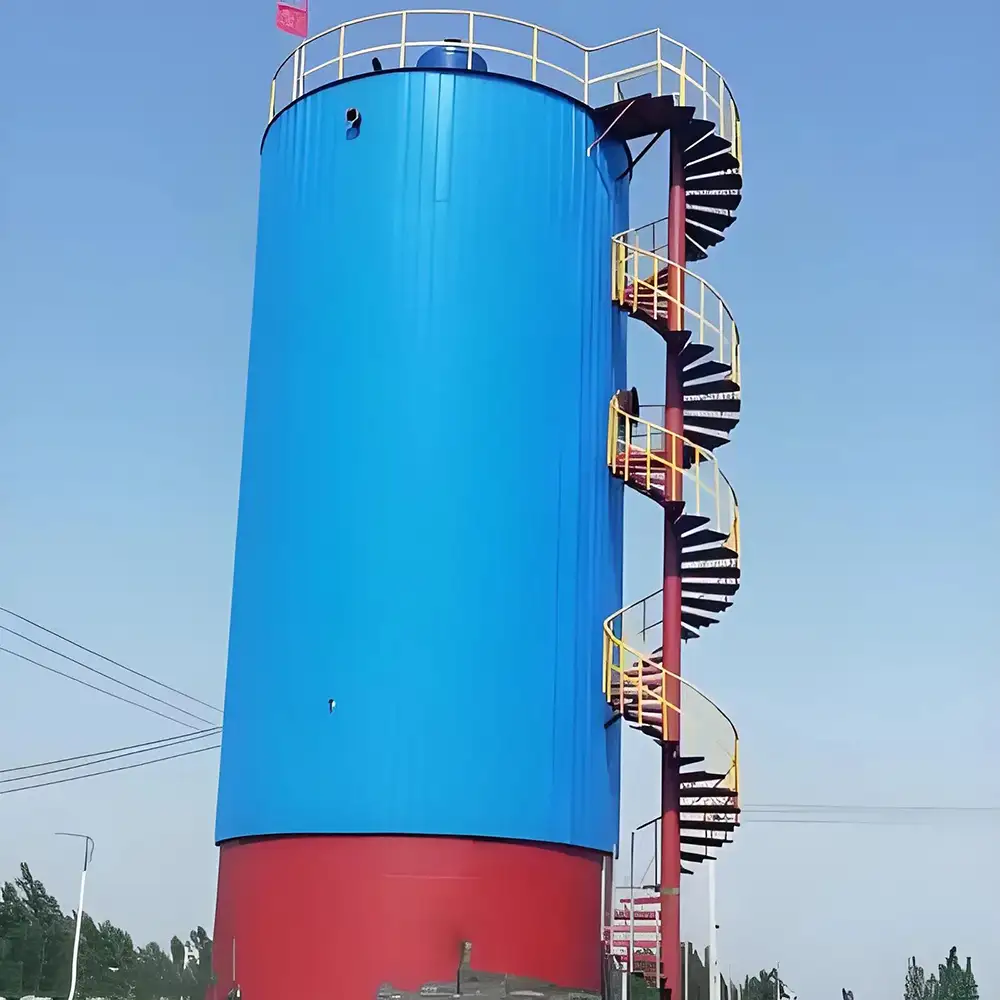
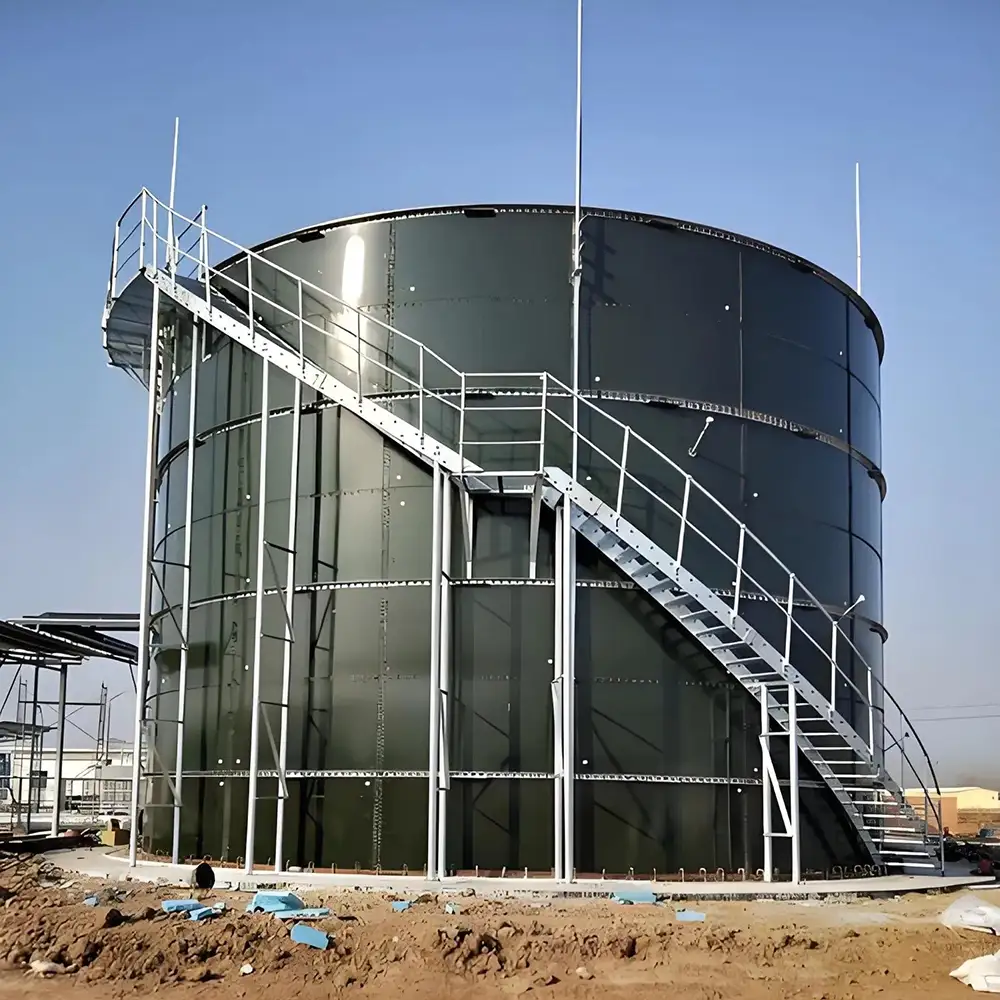
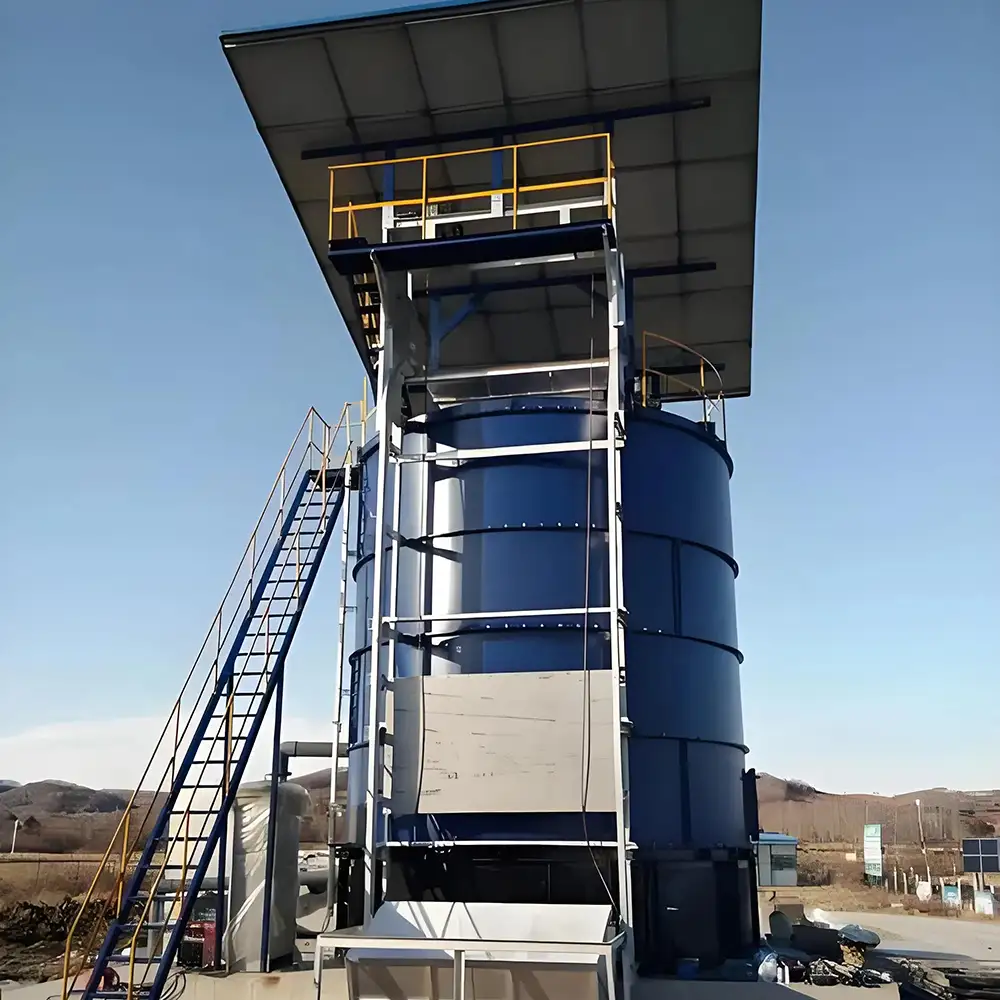
The Anaerobic Reactor for Wastewater Treatment in Livestock Farms is an industrial and agricultural wastewater treatment solution designed for suitable livestock manure wastewater, farm organic wastewater, and other biodegradable waste streams. By using anaerobic biological treatment, the reactor helps microorganisms break down biodegradable organic matter in an oxygen-free environment while potentially producing biogas as a useful byproduct.
Livestock farms generate wastewater from manure collection, animal housing, cleaning operations, feed residues, and other farm activities. The wastewater can contain organic matter, suspended solids, nutrients, and other components that require appropriate treatment before discharge, reuse, or further processing.
An anaerobic reactor can form an important part of an integrated farm wastewater treatment system. Depending on the farm scale and wastewater characteristics, it can be combined with solid-liquid separation, equalization, anaerobic digestion, aerobic treatment, sludge management, biogas purification, and water reuse systems.
|
PH |
6--8 |
B\C |
≥0.3 |
|
Inflow suspended solids |
≤1500mg\L |
Influent ammonia nitrogen concentration |
≤2000mg/L |
|
Effective water depth |
5-8m |
COD concentration of influent water |
≥1500mg/L |
|
Effective water depth |
<0.8m/h |
UASB sludge yield |
0.05-0.10kgVSS/kgCOD |
|
Total depth of sedimentation zone |
≥1.0m |
Sedimentation zone surface load |
≤0.8m |
|
The distance between the perforated water pipe and the pool bottom |
200mm |
Outlet weir load |
6.12m/(h·m) |
|
Use for |
Mineral, Printing, Chemical, Dyeing, Starch |
Certificate |
SGS, ISO |
Anaerobic Treatment For Livestock Farms
Anaerobic treatment uses microorganisms that operate without oxygen to decompose biodegradable organic compounds. Livestock wastewater can contain significant concentrations of organic matter, making anaerobic treatment a potential option when the wastewater characteristics are suitable.
Inside the reactor, microorganisms convert organic compounds through several biological stages. Under suitable operating conditions, methane-rich biogas can be generated during the digestion process.
The actual treatment performance depends on wastewater composition, organic loading, temperature, pH, hydraulic conditions, solids concentration, microbial activity, and other process parameters.
Livestock Wastewater Characteristics
Wastewater from cattle, pig, poultry, and other livestock operations can vary considerably.
It may contain manure particles, urine, suspended solids, dissolved organic matter, nutrients, bedding materials, feed residues, and cleaning water. These characteristics influence the design of the treatment system.
For this reason, pretreatment is often an important consideration. Screening, solid-liquid separation, manure collection, equalization, or other conditioning processes can help prepare the wastewater for biological treatment.
The appropriate process should be selected according to actual wastewater analysis and farm operating conditions.
Manure Wastewater Treatment
Manure management is a major part of wastewater control on livestock farms. Fresh manure may contain a high proportion of solids and may be more suitable for separate collection or solid-liquid separation before the liquid fraction enters an anaerobic treatment system.
The separated organic solids can potentially be processed through composting, aerobic fermentation, drying, or other suitable methods, while the liquid fraction can be directed toward anaerobic treatment.
This integrated approach can help farms manage both solid and liquid organic waste streams within one overall environmental management system.
Anaerobic Digestion And Biogas Production
Anaerobic digestion can provide both wastewater treatment and resource recovery.
During the biological process, microorganisms gradually break down biodegradable organic matter and produce biogas under suitable conditions. The biogas generally contains methane and carbon dioxide together with water vapor and trace components.
Collected biogas can be routed to a purification system before utilization. Depending on its composition and intended use, desulfurization, dehydration, filtration, pressure regulation, or other conditioning may be required.
Conditioned biogas can potentially be used for farm boilers, gas engines, combined heat and power systems, or other suitable applications.
Farm Biogas System Integration
The anaerobic reactor can serve as part of a complete Farm Biogas System.
A typical system may include manure collection, solid-liquid separation, wastewater equalization, anaerobic digestion, biogas collection, biogas purification, gas storage, and energy utilization.
For farms with significant organic waste generation, recovering biogas can provide an opportunity to convert part of the waste stream into a potentially useful energy resource.
The actual biogas production depends on manure characteristics, biodegradable organic loading, solids content, temperature, retention conditions, and biological activity.
Cattle Farm Wastewater Treatment
Cattle farms can generate wastewater from manure handling areas, milking operations, equipment cleaning, and animal housing.
The wastewater characteristics depend on farm management practices and water consumption. High solids content may require solid-liquid separation before biological treatment.
An anaerobic reactor can be considered for the suitable liquid organic fraction as part of a broader cattle farm wastewater treatment system.
Additional treatment may be required after anaerobic processing depending on the required discharge or reuse standard.
Pig Farm Wastewater Treatment
Pig farms can generate wastewater containing manure, urine, feed residues, suspended solids, and organic matter.
Anaerobic treatment can be considered for suitable pig farm wastewater with appropriate pretreatment.
A complete treatment process may include screening, solid-liquid separation, equalization, anaerobic treatment, aerobic polishing, clarification, filtration, disinfection, and sludge management.
The exact process depends on wastewater flow, organic loading, farm size, local environmental requirements, and the intended use of treated water.
Poultry Farm Wastewater Treatment
Poultry operations may produce wastewater associated with manure handling, cleaning, processing, and other farm activities.
The wastewater can contain suspended organic solids and biodegradable compounds. Depending on the characteristics, solid separation and equalization may be required before anaerobic treatment.
An anaerobic reactor can be integrated with other biological and physical treatment processes to create a complete agricultural wastewater management system.
Organic Wastewater Treatment
The reactor can also be evaluated for other agricultural organic wastewater streams when they have suitable biodegradability.
Potential sources include agricultural processing wastewater, food residues, organic washing wastewater, and other biodegradable liquid waste.
However, wastewater containing excessive chemicals, high salinity, toxic compounds, or difficult-to-degrade substances may require additional pretreatment or a different treatment technology.
Reduced Aeration Requirement
Anaerobic biological treatment operates without the continuous oxygen supply required by conventional aerobic treatment.
This means that the anaerobic stage itself does not rely on mechanical aeration to support the biological reaction. However, anaerobic treatment does not necessarily replace all downstream treatment.
If the treated wastewater must meet stringent discharge or reuse requirements, aerobic biological polishing, filtration, disinfection, or advanced treatment may still be required.
The energy requirements of the complete farm wastewater treatment system depend on the entire process configuration.
Farm Water Reuse
After anaerobic treatment and appropriate downstream polishing, treated wastewater may potentially be reused for suitable non-potable applications where local regulations permit.
Possible reuse applications may include equipment cleaning, irrigation of approved areas, or other farm uses subject to water quality requirements.
The anaerobic reactor alone should not be considered a complete water purification system. Additional treatment should be selected according to the intended reuse quality.
Odor And Environmental Management
Livestock manure and wastewater can generate odors due to organic decomposition and anaerobic conditions.
Proper collection, containment, process control, and ventilation can help manage odors within the treatment system. Covered tanks and enclosed equipment may also help control uncontrolled exposure.
Depending on the farm location and environmental requirements, additional odor treatment equipment may be required.
The appropriate odor control strategy depends on manure characteristics, farm scale, climate, and local regulations.
Sludge And Solid Waste Management
Wastewater treatment generates separated solids and biological sludge that require proper management.
Livestock farms may use solid-liquid separation before anaerobic treatment to recover manure solids. Separated solids can potentially be processed through composting, aerobic fermentation, drying, or other suitable treatment methods.
The appropriate final use or disposal route depends on material quality, regulatory requirements, and farm management practices.
Integrated Farm Waste Treatment Plant
The anaerobic reactor can be integrated into a complete livestock waste treatment plant.
A possible process sequence includes manure collection, coarse screening, solid-liquid separation, equalization, anaerobic treatment, biogas purification, gas storage, aerobic polishing, clarification, filtration, disinfection, and sludge or compost processing.
Not every farm requires every process stage. The actual system should be designed according to wastewater characteristics, farm size, treatment objectives, available land, and local requirements.
Customized B2B Agricultural Wastewater Solutions
Livestock farms vary in animal numbers, manure characteristics, water consumption, wastewater flow, available land, climate, and treatment requirements.
For equipment selection, customers can provide farm type, animal population, daily wastewater volume, manure characteristics, COD, BOD, suspended solids, pH, temperature, available installation space, and intended treated-water use.
For biogas projects, the desired gas utilization method can also be provided.
Based on these details, the anaerobic reactor, pretreatment equipment, downstream treatment system, and biogas handling equipment can be evaluated as a complete project solution.
Key Features
Anaerobic Treatment For Livestock Wastewater
Suitable For Biodegradable Farm Organic Wastewater
Manure Wastewater Treatment Integration
Anaerobic Digestion Process
Potential Biogas Recovery
Cattle, Pig And Poultry Farm Applications
Solid-Liquid Separation Integration
Flexible Aerobic Post-Treatment Integration
Biogas Purification And Storage Integration
Farm Water Reuse System Integration
Project-Based Agricultural Wastewater Configuration
Main Applications
The Anaerobic Reactor for Livestock Farm Wastewater Treatment can be considered for:
Cattle Farm Wastewater Treatment
Pig Farm Wastewater Treatment
Poultry Farm Wastewater Treatment
Livestock Manure Wastewater Treatment
Agricultural Wastewater Treatment
Farm Organic Wastewater Treatment
Livestock Waste Treatment
Farm Biogas Projects
Anaerobic Digestion Projects
Agricultural Waste Treatment
Farm Water Treatment
Integrated Livestock Waste Treatment Plants
FAQs
1. What Is An Anaerobic Reactor For Livestock Farms?
It is a biological wastewater treatment reactor designed to use anaerobic microorganisms to break down suitable biodegradable organic matter in livestock farm wastewater.
2. What Livestock Farms Can Use This Reactor?
It can be evaluated for cattle, pig, poultry, and other livestock operations where the wastewater has suitable characteristics for anaerobic treatment.
3. Can It Treat Manure Wastewater?
Yes. Suitable manure wastewater can be treated through an anaerobic process, although solid-liquid separation or other pretreatment may be required depending on the solids concentration.
4. Can The Reactor Produce Biogas?
Yes. Anaerobic digestion of suitable biodegradable organic matter can produce biogas. Actual gas production and composition depend on the feedstock and operating conditions.
5. Does Livestock Wastewater Need Pretreatment?
Many livestock wastewater streams benefit from screening, solid-liquid separation, equalization, or other pretreatment before entering the anaerobic reactor. Requirements depend on the wastewater characteristics.
6. Can It Be Used For Cattle Farms?
Yes. Cattle farm wastewater can be evaluated for anaerobic treatment based on its flow, organic loading, solids content, and other characteristics.
7. Can It Be Used For Pig And Poultry Farms?
Yes. Pig and poultry wastewater can be considered when the wastewater is biodegradable and the selected process is appropriate. Pretreatment requirements depend on the specific wastewater.
8. Can Treated Farm Wastewater Be Reused?
Potentially, after appropriate downstream treatment and subject to local water quality and reuse requirements. The anaerobic reactor is normally one stage of the complete treatment system.
9. Does The Biogas Need Purification?
Depending on its composition and intended use, biogas may require desulfurization, dehydration, filtration, and other conditioning before use in boilers or gas engines.
10. What Information Is Needed For A Farm Wastewater Treatment Project?
Please provide farm type, animal population, wastewater flow, manure characteristics, COD, BOD, suspended solids, pH, temperature, available space, treatment objectives, and intended treated-water or biogas utilization.
Why Choose Us
Agricultural Wastewater Treatment Experience
We provide anaerobic wastewater treatment solutions for suitable livestock, agricultural, and organic wastewater applications.
Livestock Waste Management Integration
The anaerobic reactor can be integrated with manure collection, solid-liquid separation, sludge handling, composting, and other farm waste management equipment.
Biogas Recovery Solutions
For suitable organic wastewater, anaerobic treatment can be combined with biogas purification, storage, and energy utilization systems to support resource recovery.
Flexible Farm Applications
Solutions can be evaluated for cattle, pig, poultry, and other livestock operations according to wastewater characteristics and farm conditions.
Factory-Direct Cooperation
We support farms, agricultural companies, environmental contractors, engineering companies, distributors, and international project customers.
Project-Based Technical Support
Customers can provide farm information and wastewater analysis for evaluation of the reactor, pretreatment, downstream treatment, and biogas system configuration.
Prev:
Bio Aerobic Organic Fertilizer Fermentation Chamber
Next:
Continuous Stirred Uasb Anaerobic Tower IC Cadt Anaerobic Fermentation Tank
TAG:
Anaerobic Digestion Reactor,
Anaerobic Biogas Reactor,
Livestock Wastewater Treatment,
Agricultural Wastewater Treatment,
Anaerobic Wastewater Treatment Reactor,
Organic Wastewater Treatment,
Agricultural Waste Treatment,
Livestock Manure Treatment,
Livestock Waste Treatment Equipment,
Biogas Wastewater Treatment,
Poultry Farm Anaerobic Reactor,
Farm Biogas System,
Livestock Biogas Plant,
Livestock Biogas System,
Farm Water Treatment,
Livestock Wastewater Treatment System,
Poultry Farm Wastewater Treatment,
Pig Farm Wastewater Treatment,
Cattle Farm Wastewater Treatment,
Livestock Manure Wastewater Treatment,
Cattle Farm Anaerobic Reactor,
Pig Farm Anaerobic Reactor,
Farm Wastewater Treatment,
Manure Wastewater Treatment,
Livestock Waste Treatment System,
Manure Waste Treatment,
Livestock Anaerobic Digestion,
Farm Anaerobic Digestion,
Anaerobic Reactor For Livestock Farms,
Livestock Farm Anaerobic Reactor,
Related Category:
Anaerobic Reactor for Wastewater Treatment in Livestock Farms, Livestock Farm Anaerobic Reactor, Anaerobic Wastewater Tr China, suppliers, manufacturers, factory, customized, wholesale, quotation, made in China