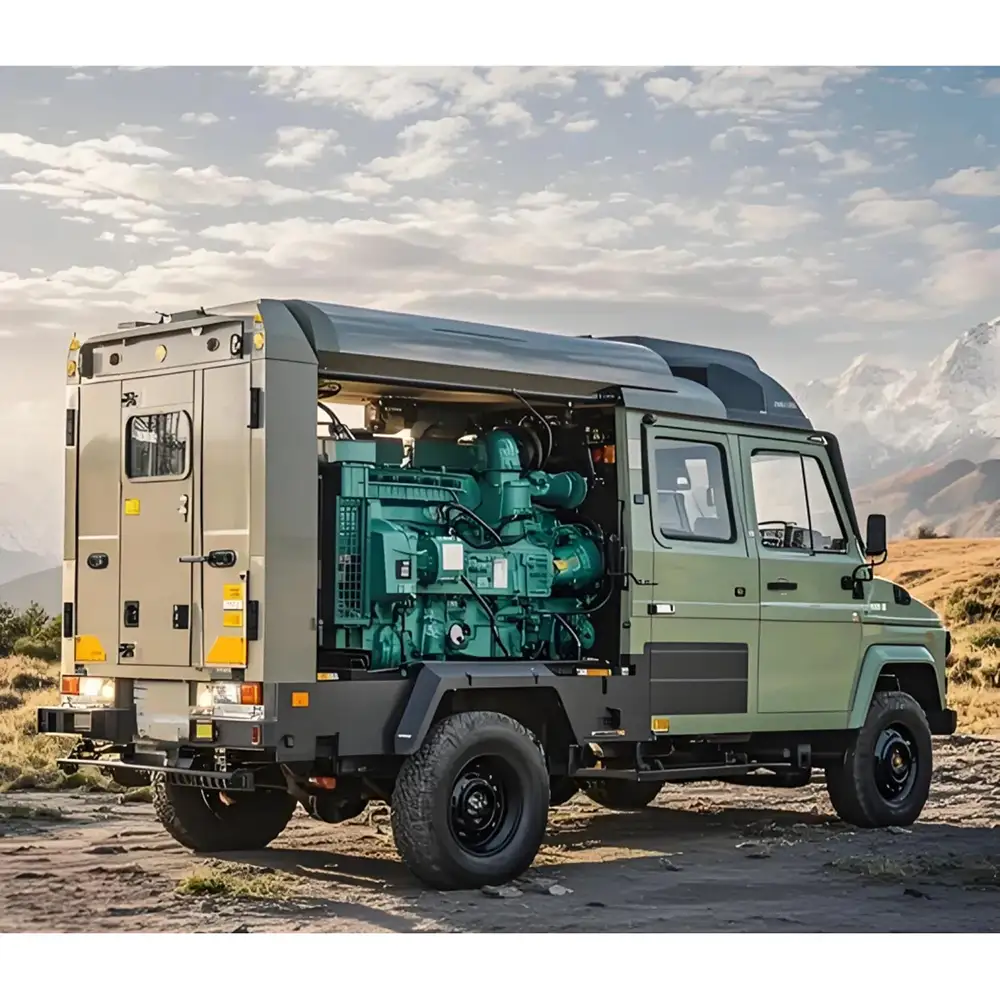
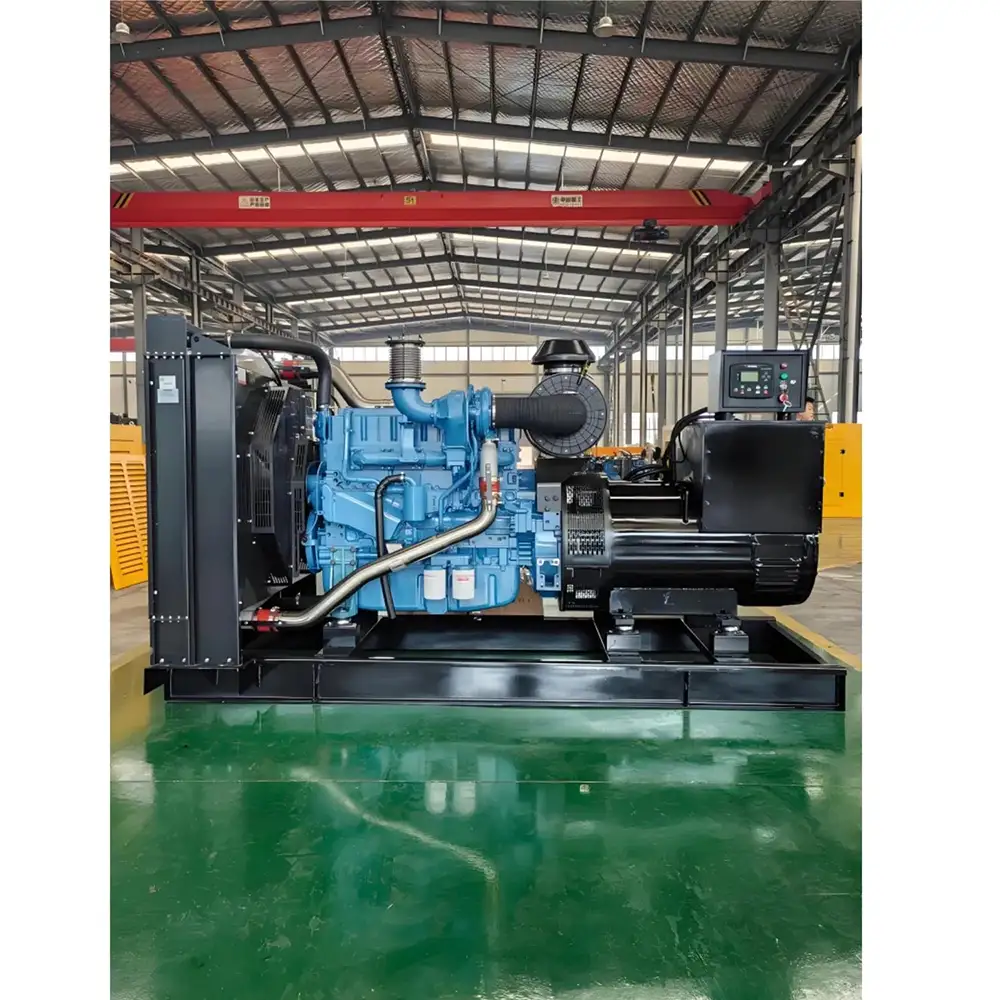
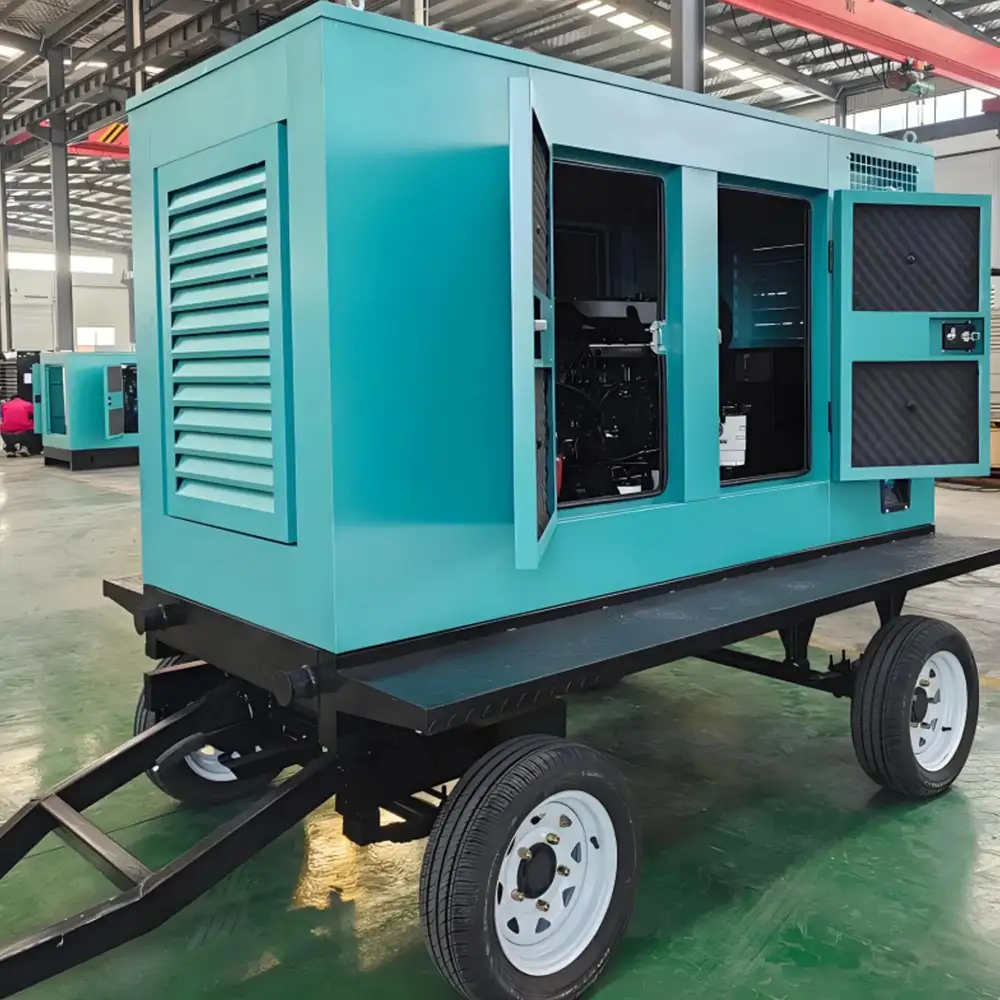
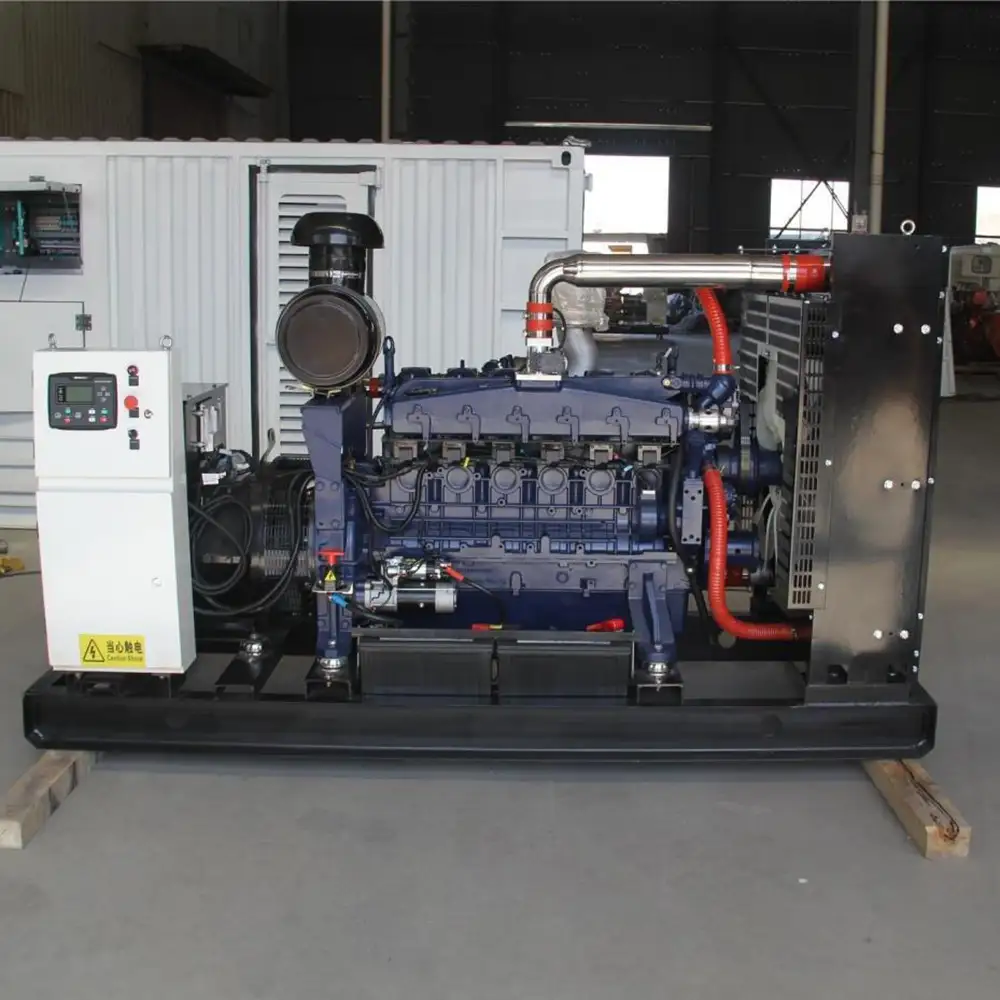
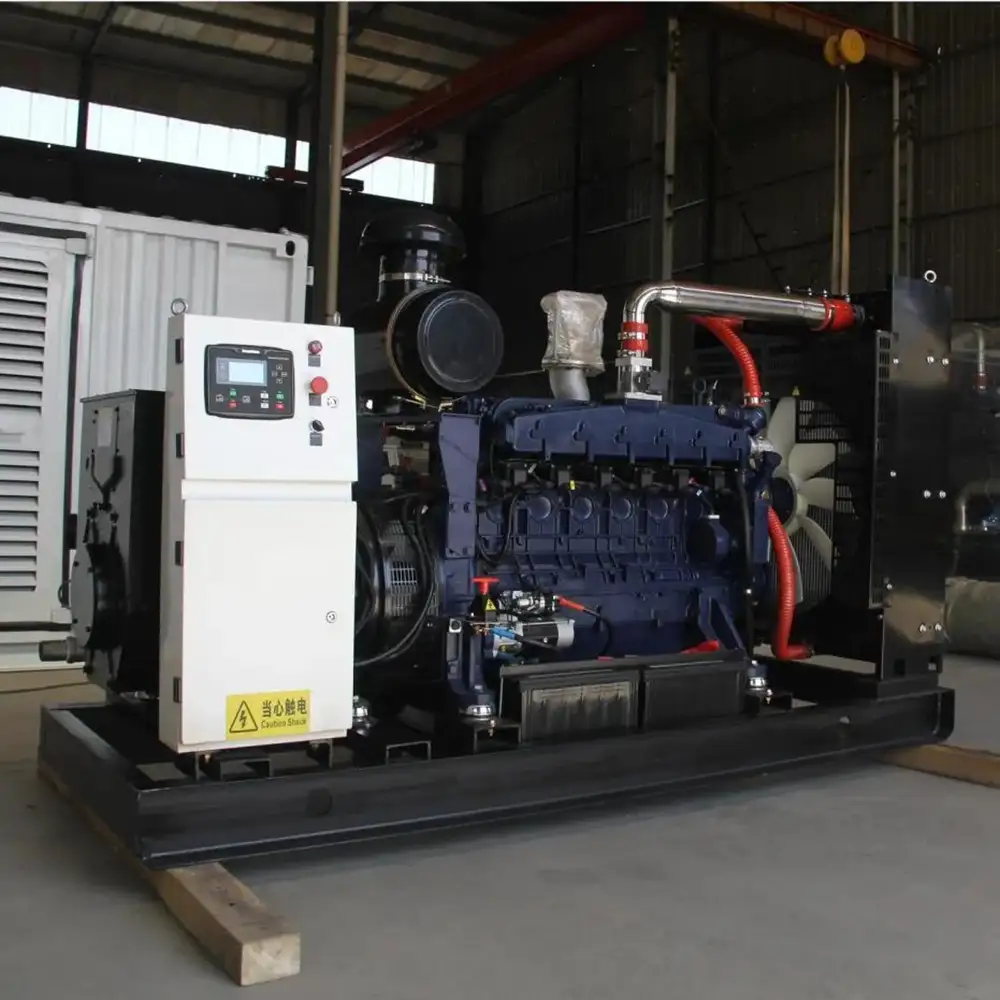
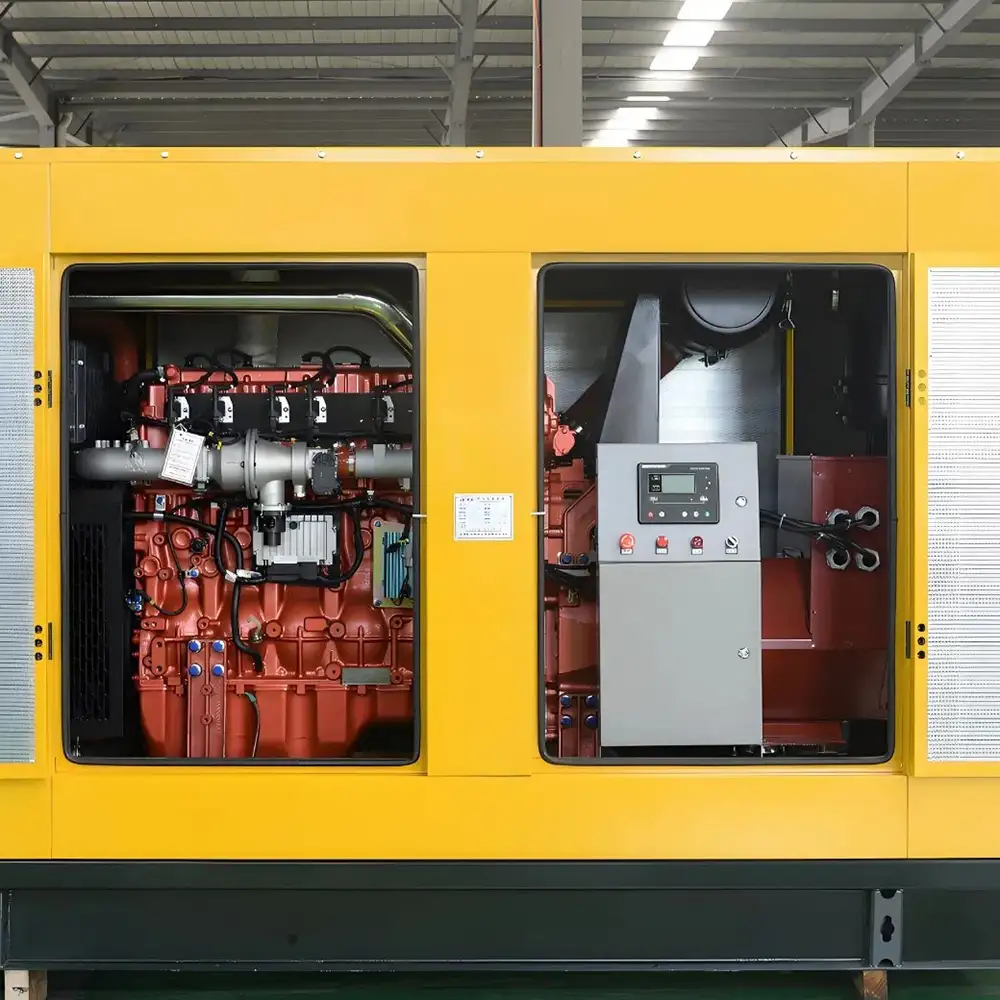
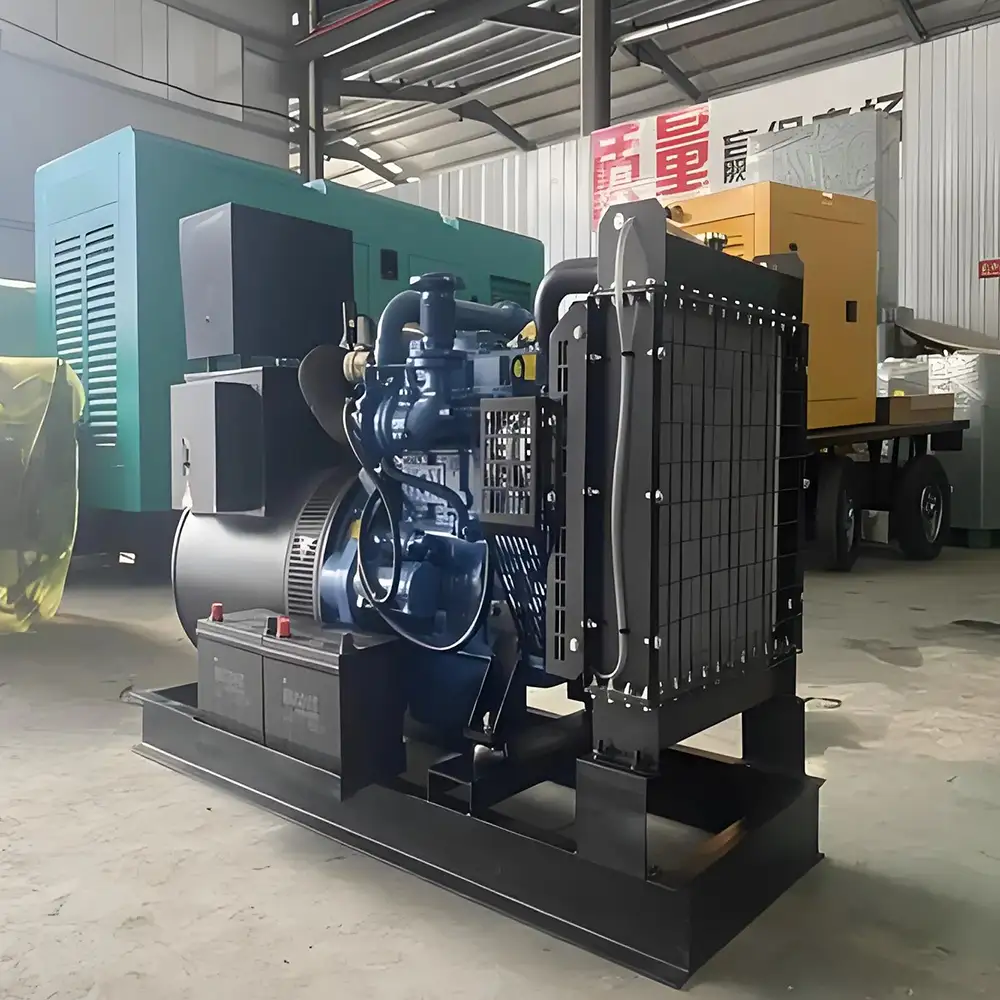
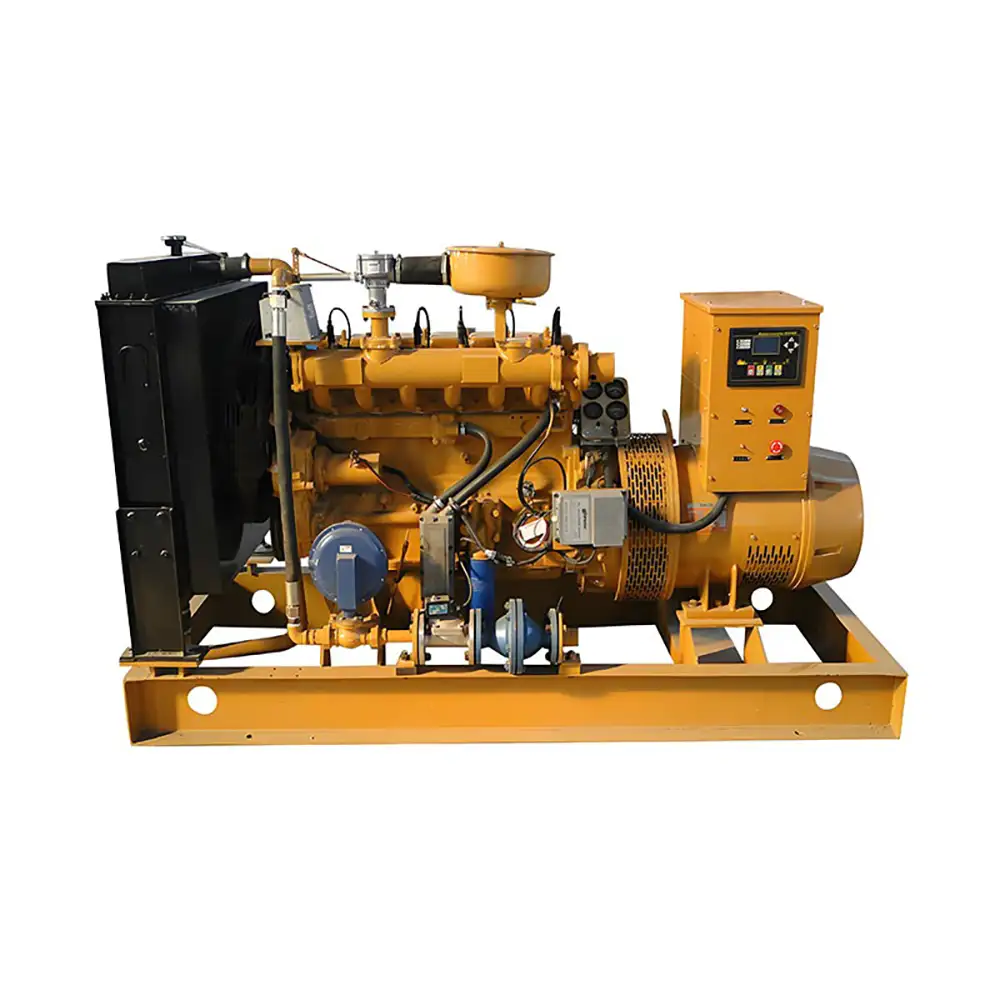
The biogas generator set can operate stably and reliably under environmental conditions of -40ºC~+40ºC, relative humidity <90% (at 25ºC), and altitude ≤1000m. Under standard environmental conditions (atmospheric pressure 100KPa, ambient temperature: 25ºC, relative humidity 30%), the gas quality meets the standard conditions and can output rated power. Unit requirements for biogas
Within 1m of the unit's gas inlet pressure regulating valve,
1. Biogas temperature ≤40ºC;
2. Biogas pressure 3~10kPa, pressure change rate ≤1kPa/min;
3. The volume content of methane in biogas is not less than 40%, and the change rate is ≤2%/min;
4. H2S ≤20mg/Nm3;
5. NH3 ≤20mg/Nm3;
6. Impurity particle size ≤5μm, impurity content ≤30mg/Nm3;
7. Moisture content in biogas ≤40g/Nm3.
Special instructions are required for biogas with a methane volume content of ≤50%.
If the sulfur and ammonia content in the combustible gas is high, it will not only seriously corrode the spark plug electrode
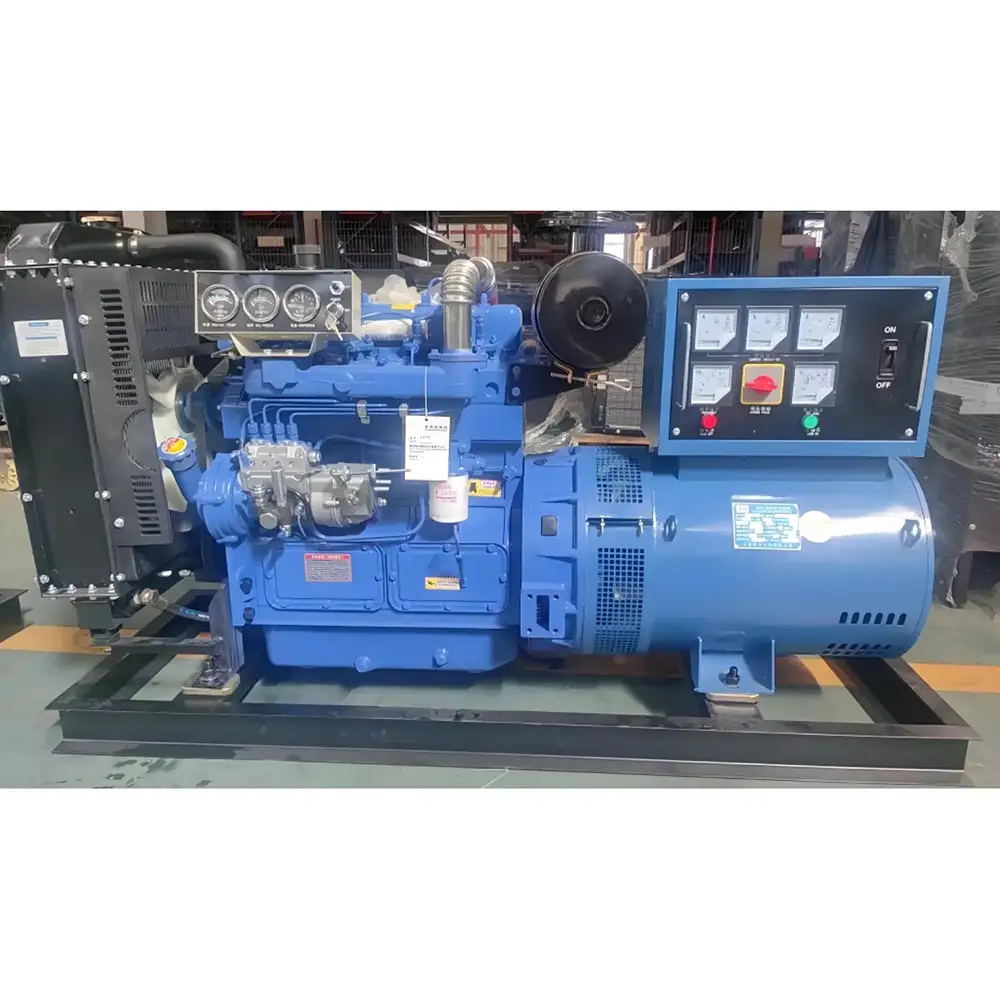
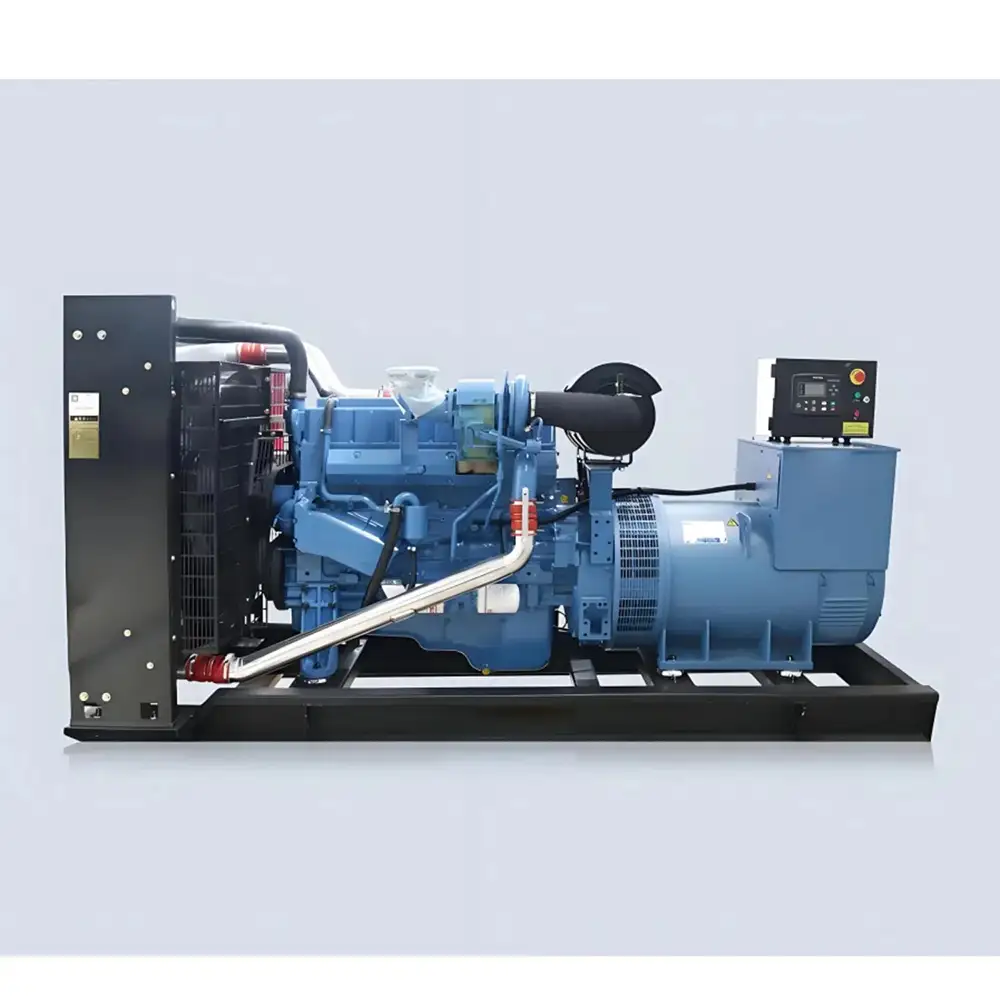
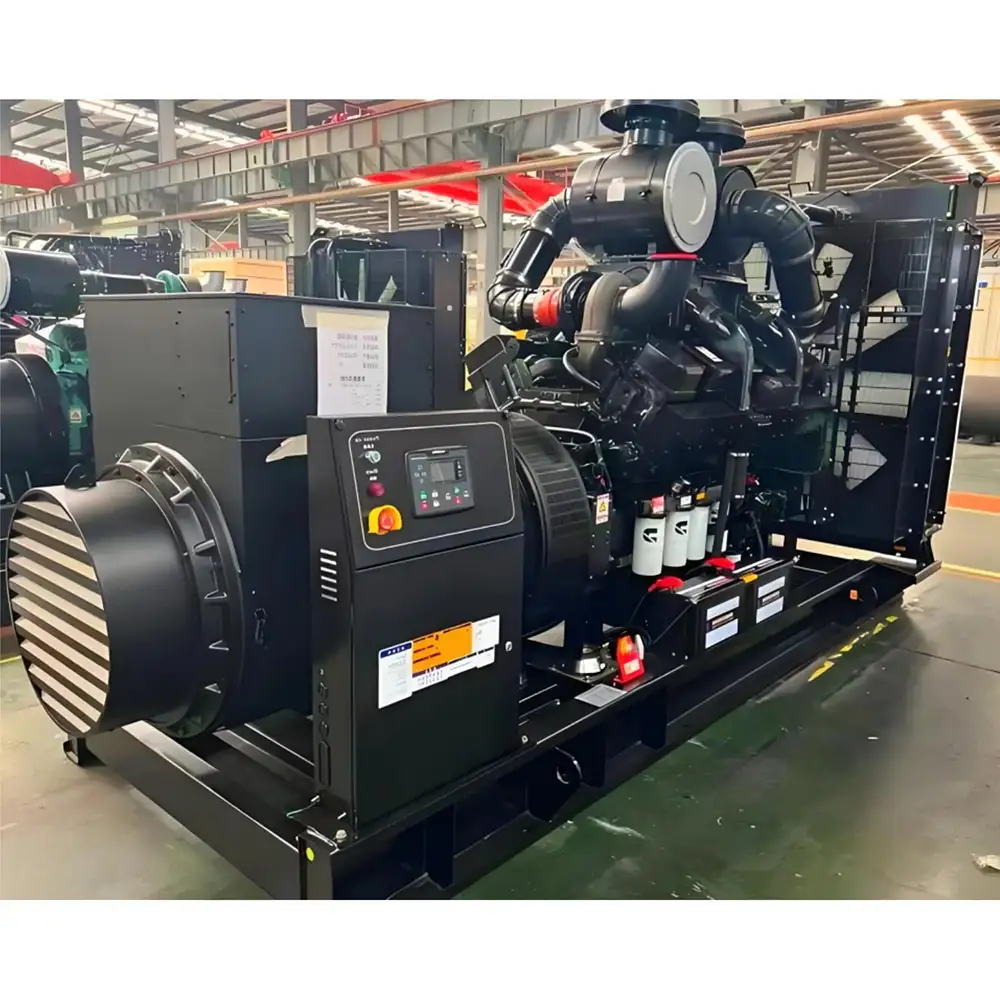
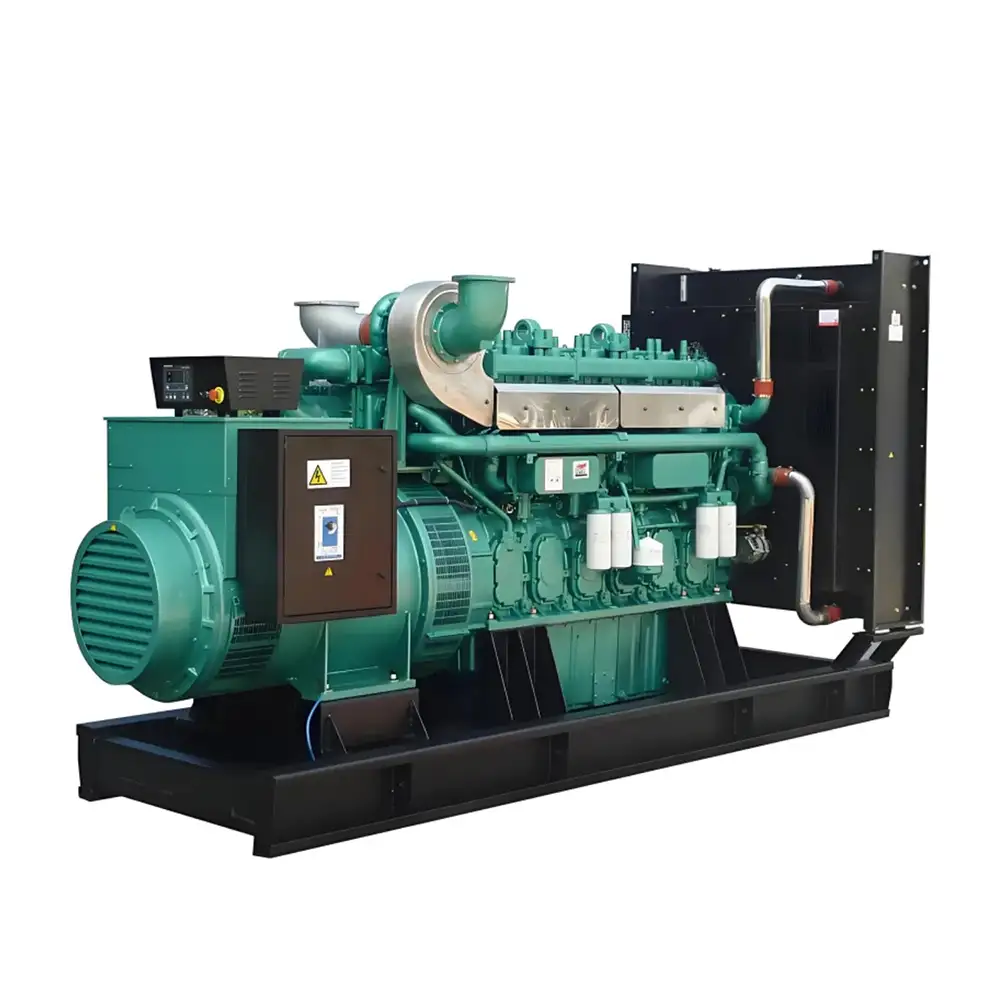
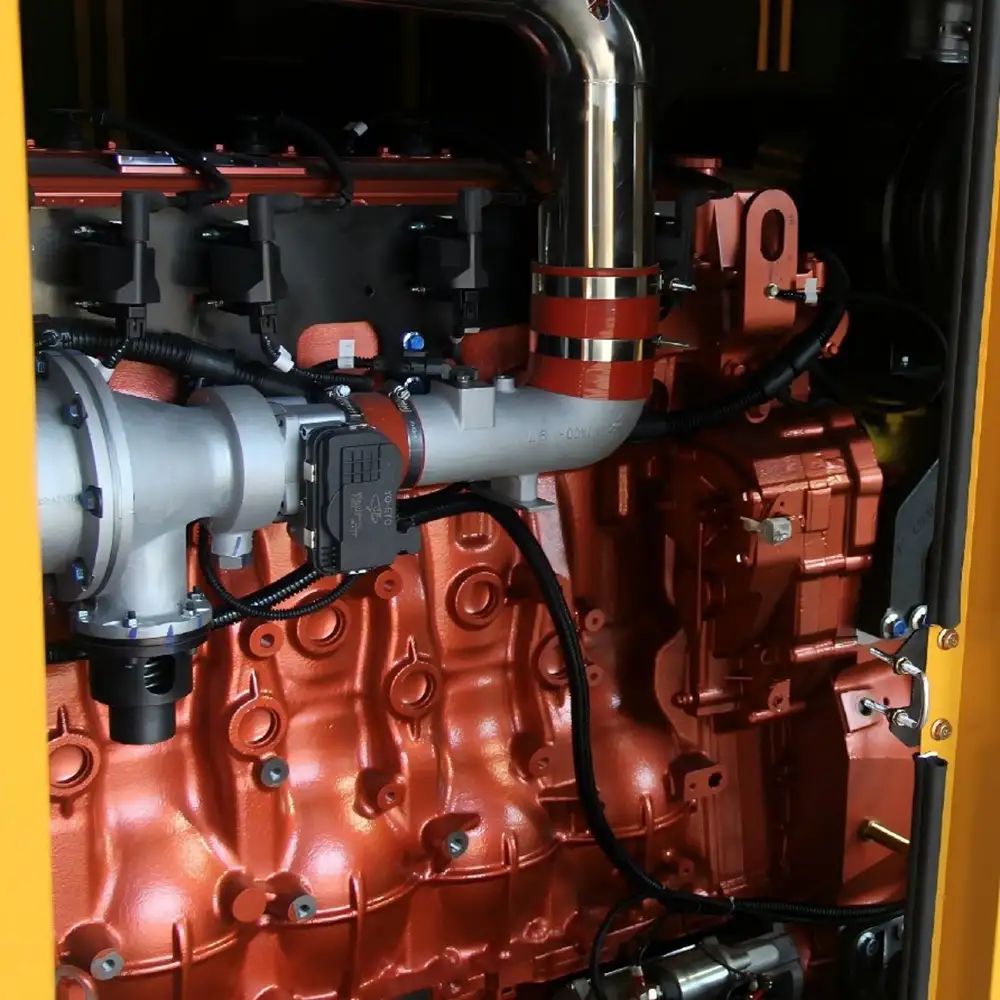
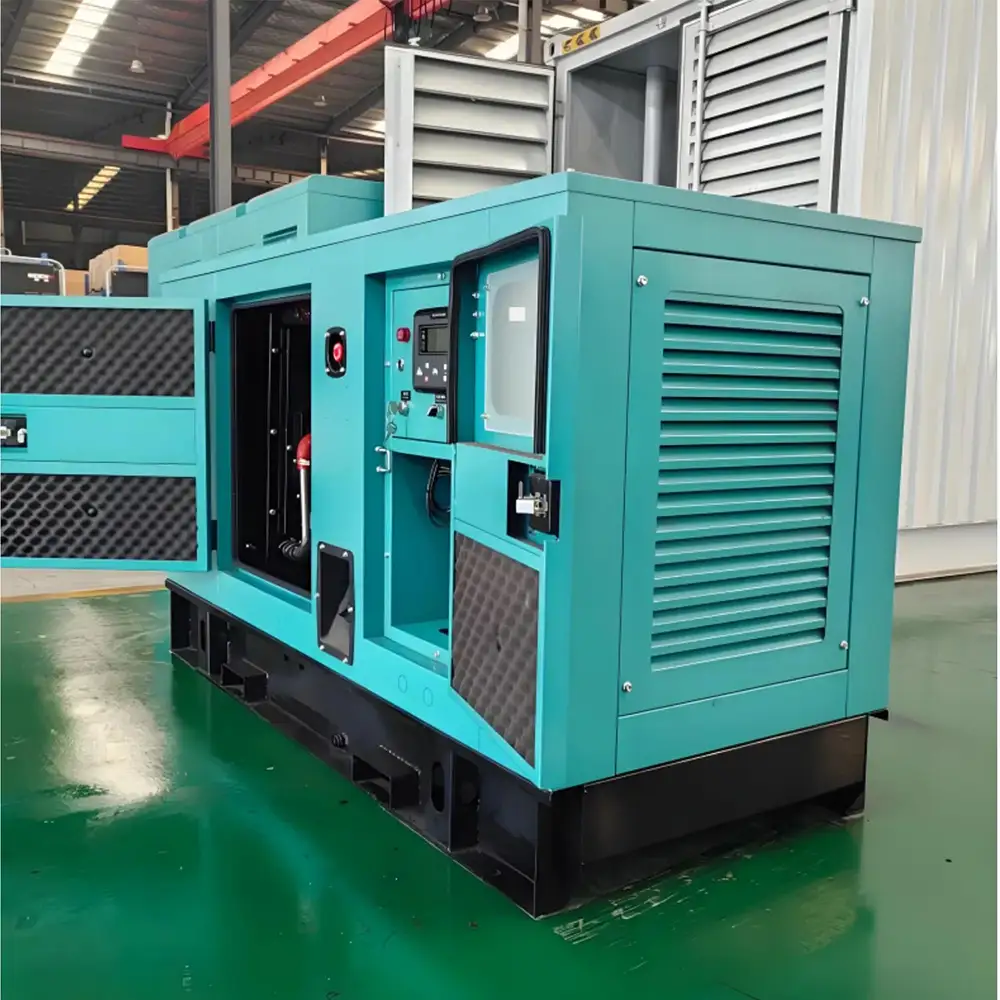
The Natural Gas Generator Organic Wastewater Biogas Generator Set is a gas engine power generation solution designed for facilities that require reliable electricity and have access to natural gas or methane-rich biogas generated from organic wastewater treatment. It provides a practical way to convert suitable gaseous fuel into electrical energy for wastewater plants, food-processing facilities, agricultural operations, industrial sites, and other organic waste treatment projects.
Organic wastewater can contain significant amounts of biodegradable organic matter. Through anaerobic digestion, microorganisms can break down organic materials and generate biogas containing methane and carbon dioxide. When the biogas is properly conditioned and meets the requirements of a compatible gas engine, it can be utilized as an energy resource for on-site power generation.
The generator can also be configured for suitable natural gas applications. Because natural gas and biogas have different fuel characteristics, the engine and gas supply system should always be selected according to the actual fuel composition and operating conditions.
Natural Gas And Biogas Power Generation
Gas generator sets convert fuel energy into mechanical power through a gas engine and then convert the mechanical power into electricity through an alternator.
Natural gas is commonly used for industrial, commercial, and distributed power generation. Biogas provides an additional energy option for facilities that produce methane-rich gas through anaerobic digestion.
For organic wastewater projects, using recovered biogas for electricity generation can form part of an integrated waste-to-energy system. Instead of treating biogas only as a byproduct of wastewater treatment, the gas can potentially be utilized as a local energy source when its quality and quantity are suitable.
Organic Wastewater Biogas Applications
Organic wastewater can come from food processing, beverage production, agricultural operations, livestock facilities, and other industries with biodegradable organic loads.
Anaerobic treatment can reduce organic matter while producing biogas. The actual quantity and composition of biogas depend on the wastewater characteristics, organic loading, digestion process, temperature, retention conditions, and other treatment parameters.
A compatible biogas generator can use the resulting methane-rich gas to produce electricity for equipment within the treatment facility.
The generator capacity should be matched to the expected biogas production and electrical demand. If biogas production varies significantly, the power generation system may require appropriate operating strategies or supplementary fuel arrangements.
Wastewater Treatment Plant Power Generation
Wastewater treatment facilities operate pumps, blowers, mixers, control systems, lighting, dewatering equipment, and other electrical machinery.
Where anaerobic digestion produces sufficient suitable biogas, a gas generator can provide part of the facility's electrical demand.
This can help create an integrated energy cycle in which organic wastewater is treated, biogas is recovered, and the recovered gas is converted into useful electricity.
The actual contribution to the plant's electrical demand depends on biogas production, methane concentration, generator efficiency, operating hours, and electrical load.
Biogas Quality And Gas Treatment
Raw biogas is not identical to natural gas. In addition to methane and carbon dioxide, biogas can contain hydrogen sulfide, moisture, siloxanes, particulates, and other trace contaminants.
These substances may affect engine components, lubrication systems, combustion performance, or exhaust equipment. Therefore, gas treatment may be required before the biogas enters the generator.
Depending on the gas source and analysis, the gas conditioning system may include desulfurization, moisture removal, filtration, cooling, pressure regulation, or other treatment stages.
The appropriate treatment process should be determined from actual gas analysis rather than assumed from the general term "biogas."
Methane-Rich Gas Generator
Methane is the combustible component of biogas that provides the primary energy for gas engine generation. A higher methane concentration can generally provide more usable fuel energy, while variations in gas composition can affect engine operation.
For wastewater projects, continuous monitoring of gas quality can help operators understand changes in fuel conditions.
A generator system designed for methane-rich biogas should be matched to the expected gas composition, pressure, flow, and contaminant levels. The engine and fuel system should not be operated outside their approved fuel specifications.
Gas Engine Generator System
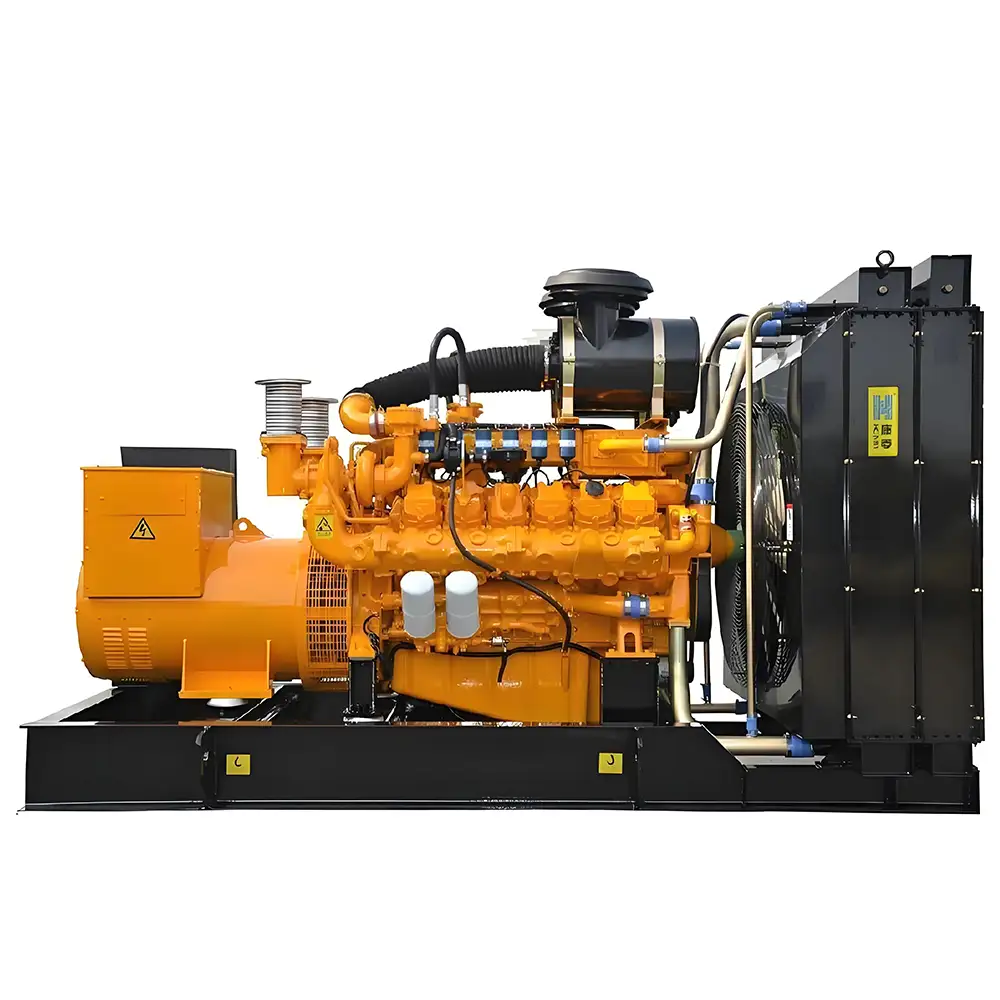
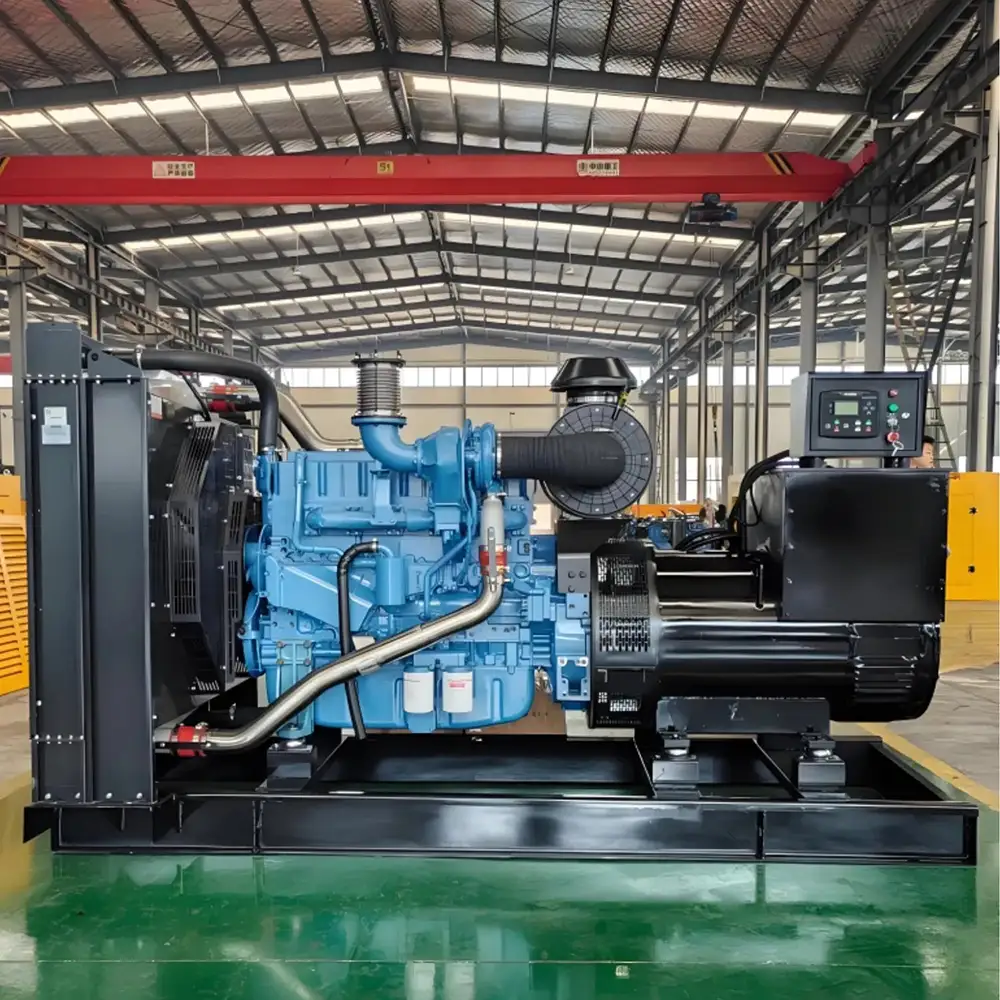
The generator set normally integrates a gas engine with an AC alternator and supporting systems.
The engine converts the energy in the gas into mechanical rotation. The alternator then converts that mechanical energy into electrical power.
Supporting equipment can include the cooling system, lubrication system, ignition system, starting system, exhaust system, gas train, control panel, and electrical protection equipment.
The exact configuration depends on the generator model and project requirements.
AC Electrical Output
The gas generator can be configured for electrical systems requiring AC power. Three-phase configurations are particularly common in industrial and wastewater treatment applications because many plant motors and electrical machines use three-phase power.
Voltage and frequency should be selected according to the local electrical grid and equipment requirements.
For projects operating in different countries, electrical standards and generator configurations may vary. Customers should provide their required voltage, frequency, phase, and electrical connection requirements during the selection process.
Agricultural And Organic Waste Applications
Agricultural facilities can generate biogas from livestock manure, crop residues, and other organic materials. Similar principles apply to food-processing wastewater and other biodegradable industrial waste streams.
A biogas generator can provide electricity for pumps, ventilation systems, water treatment equipment, lighting, refrigeration, feed processing, and other farm or processing loads.
This creates a potential connection between organic waste treatment and renewable energy generation.
Food And Beverage Wastewater
Food and beverage processing facilities can generate wastewater containing biodegradable organic matter. Depending on wastewater characteristics, anaerobic treatment may be considered as part of the treatment process.
The resulting biogas can potentially be recovered and used as fuel for a compatible gas generator.
Before selecting the generator, the facility should evaluate wastewater composition, expected biogas production, methane concentration, gas pressure, contaminants, and operating schedule.
Industrial Distributed Power Generation
The generator can also be considered for industrial sites where natural gas or suitable recovered biogas is available.
Distributed power generation can allow electricity to be produced close to the point of consumption. This may be useful for industrial plants that have continuous electrical loads and an available gas source.
The generator can be designed as a primary, supplementary, or backup power source depending on the overall project architecture.
Automatic Control And Monitoring
Depending on the selected configuration, the generator can include an automatic control system for monitoring engine and electrical operating conditions.
Typical parameters may include engine speed, coolant temperature, oil pressure, electrical voltage, current, frequency, operating hours, and alarm status.
Control functions can help operators monitor equipment conditions and manage generator operation. Additional communication or remote monitoring functions may be available depending on the selected system.
Cooling And Exhaust Systems
Gas engines require appropriate cooling and exhaust systems for stable operation.
The cooling system removes heat generated during engine operation, while the exhaust system directs combustion gases away from the engine and installation area.
The actual cooling method, exhaust arrangement, ventilation requirements, and auxiliary systems depend on the engine configuration and installation environment.
Adequate ventilation and exhaust routing are especially important for enclosed generator rooms and containerized installations.
B2B Waste-to-Energy Solution
For international B2B projects, the generator should be considered as part of the complete wastewater and energy system rather than as an isolated piece of equipment.
Customers can provide wastewater characteristics, expected biogas production, gas composition, gas pressure, required electrical output, voltage, frequency, operating hours, and site conditions.
These details allow the generator configuration and supporting gas treatment system to be evaluated according to the actual project.
The solution can be considered for wastewater treatment companies, food-processing plants, livestock farms, agricultural projects, industrial facilities, engineering contractors, and renewable-energy projects.
Key Features
Natural Gas And Biogas Fuel Options
Organic Wastewater Biogas Application
Methane-Rich Gas Power Generation
Gas Engine Generator System
AC Electrical Power Output
Suitable For Wastewater Treatment Plants
Compatible With Gas Conditioning Systems
Automatic Monitoring And Control Options
Suitable For Agricultural And Industrial Projects
Waste-To-Energy Power Generation Solution
Main Applications
Organic Wastewater Treatment
Anaerobic Digestion Projects
Wastewater Treatment Plants
Food Processing Facilities
Beverage Processing Plants
Livestock Farms
Agricultural Biogas Projects
Industrial Wastewater Treatment
Biogas Power Plants
Distributed Gas Power Generation
FAQs
1. What Is A Natural Gas And Biogas Generator Set?
It is a gas engine generator system designed to produce electricity from compatible gaseous fuels such as natural gas or methane-rich biogas, depending on the selected configuration.
2. Can It Generate Power From Organic Wastewater Biogas?
Yes. When organic wastewater is treated through anaerobic digestion, the resulting methane-rich biogas can potentially be used by a compatible gas generator.
3. Does Raw Biogas Need Treatment?
Often, yes. Depending on its composition, biogas may require desulfurization, drying, filtration, cooling, or other conditioning before entering the engine.
4. Can The Generator Run On Natural Gas?
A suitable natural gas configuration can be provided for compatible applications. Natural gas and biogas require different fuel-system considerations.
5. What Industries Produce Suitable Organic Wastewater?
Potential sources include food processing, beverage production, livestock operations, agricultural facilities, and other industries producing biodegradable organic wastewater.
6. What Is The Role Of Methane In Biogas Generation?
Methane is the primary combustible component of biogas. The methane concentration influences the usable energy content of the gas and therefore the suitability of the fuel for power generation.
7. Can The Generator Supply A Wastewater Treatment Plant?
Yes. A properly configured gas generator can supply electricity to suitable pumps, blowers, mixers, dewatering equipment, lighting, controls, and other plant loads.
8. Can It Be Used For Agricultural Biogas?
Yes. Agricultural and livestock facilities can use biogas generated from manure and other organic materials to produce electricity when the gas meets the engine requirements.
9. What Information Is Required For Generator Selection?
Important information includes required power output, voltage, frequency, gas type, methane concentration, gas pressure, gas flow, contaminant levels, operating hours, and installation conditions.
10. Can The Generator Be Integrated With A Complete Biogas System?
Yes. The generator can be considered as part of an integrated system including anaerobic digestion, biogas storage, gas cleaning, gas conditioning, power generation, and electrical distribution.
Why Choose Us
Biogas And Natural Gas Generation Solutions
We provide gas generator solutions for compatible natural gas, biogas, and methane-rich gas applications, with configuration based on actual fuel and electrical requirements.
Wastewater Energy Recovery Applications
Our solutions can be integrated into organic wastewater and anaerobic digestion projects where recovered biogas is available for potential on-site electricity generation.
Gas Conditioning Consideration
We recognize that biogas quality varies between projects. Gas composition, hydrogen sulfide, moisture, siloxanes, pressure, and flow can be evaluated when selecting the generator and gas treatment system.
Industrial And Agricultural Applications
The generator can be considered for wastewater plants, food-processing facilities, livestock farms, agricultural projects, industrial sites, and other suitable organic waste-to-energy applications.
Project-Based Technical Support
Customers can provide gas analysis, wastewater information, electrical load requirements, and site conditions for technical evaluation and generator configuration.
We support overseas customers with technical communication, equipment configuration, documentation, export packaging, shipping coordination, installation guidance, and after-sales assistance.
Prev:
AC Three Phase Standard Container Biogas/Gas Generator Set
Next:Sorry, no information
TAG:
Organic Wastewater Treatment,
Biogas Power Generation,
Biogas Generator,
Renewable Gas Generator,
Biogas Power Plant,
Agricultural Biogas Generator,
Organic Waste Gas Generator,
Food Waste Biogas Generator,
Food Processing Biogas Generator,
Industrial Wastewater Generator,
Gas Generator Set,
Industrial Gas Generator,
Biogas Electric Generator,
Industrial Biogas Generator,
Wastewater Treatment Biogas Generator,
Gas Engine Generator,
Methane Gas Generator,
Gas Engine Generator Set,
Anaerobic Digestion Generator,
Wastewater Biogas Generator,
Methane Generator,
Organic Wastewater Generator,
Organic Wastewater Biogas Generator,
Wastewater Treatment Generator,
Natural Gas Generator,
Natural Gas Power Generator,
Natural Gas Generator Set,
Biogas Generator Set,
Biogas Power Generator,
Biogas Gas Generator,
Related Category:
Natural Gas Generator, Organic Wastewater Biogas Generator, Biogas Generator Set, Natural Gas Generator Set, Wastewater China, suppliers, manufacturers, factory, customized, wholesale, quotation, made in China