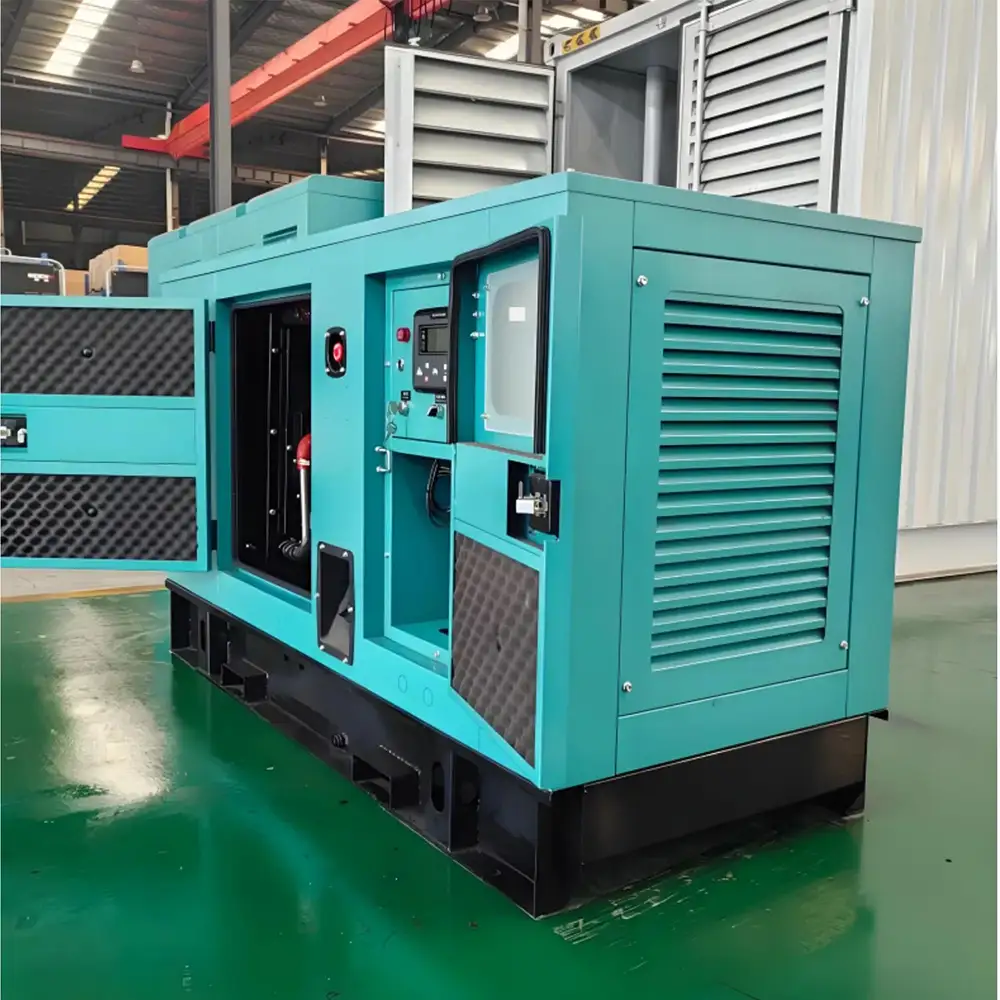
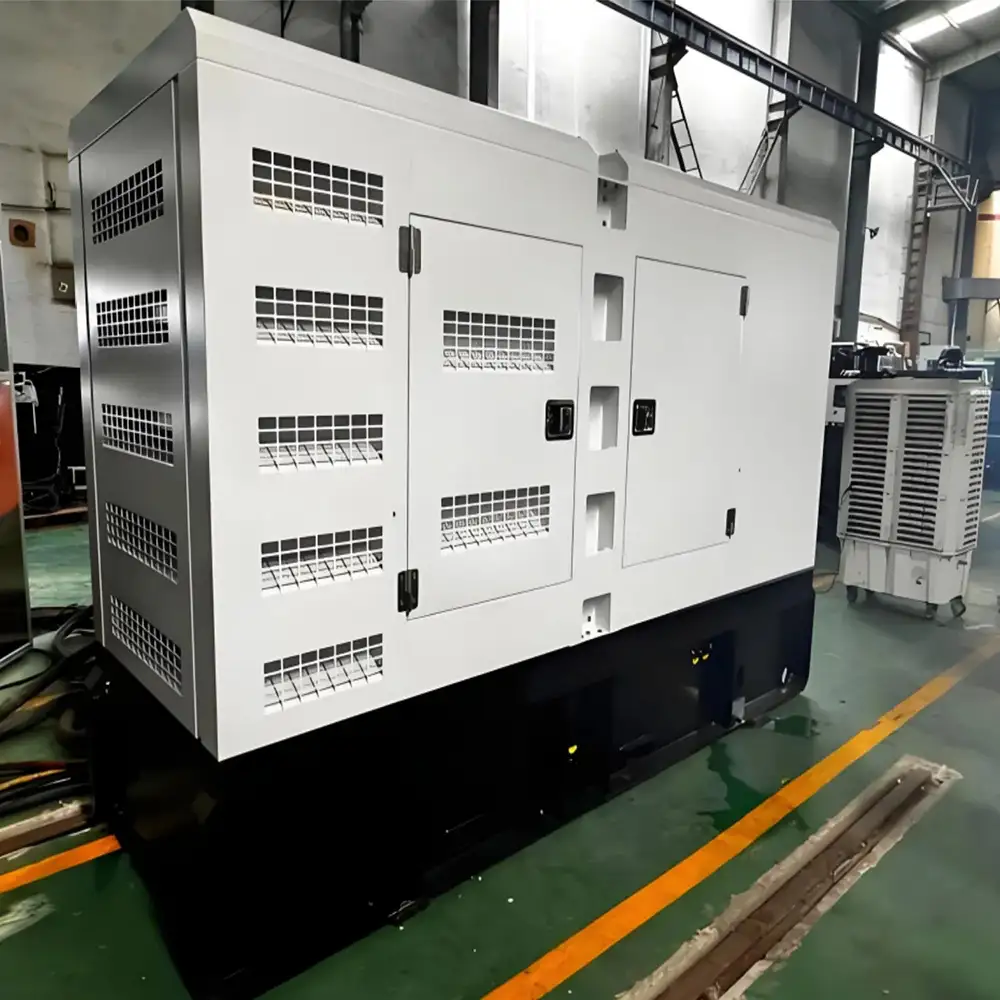
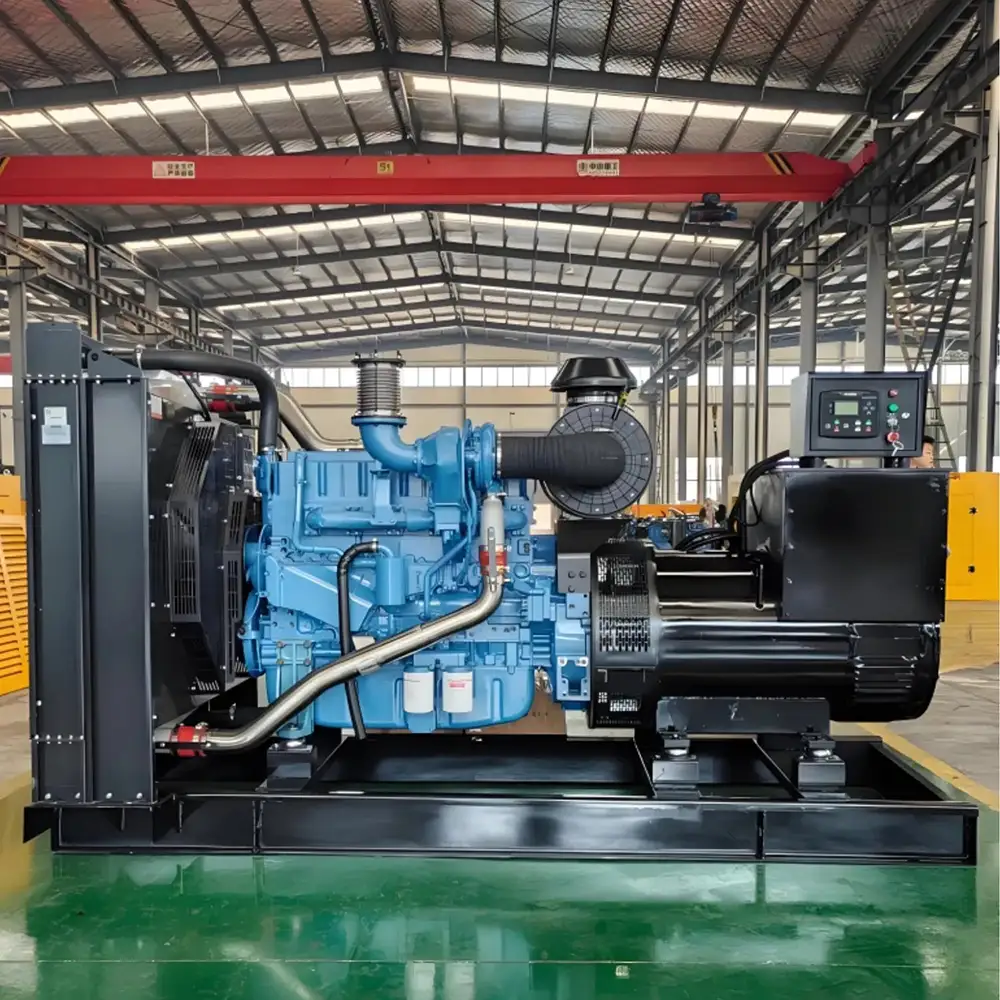
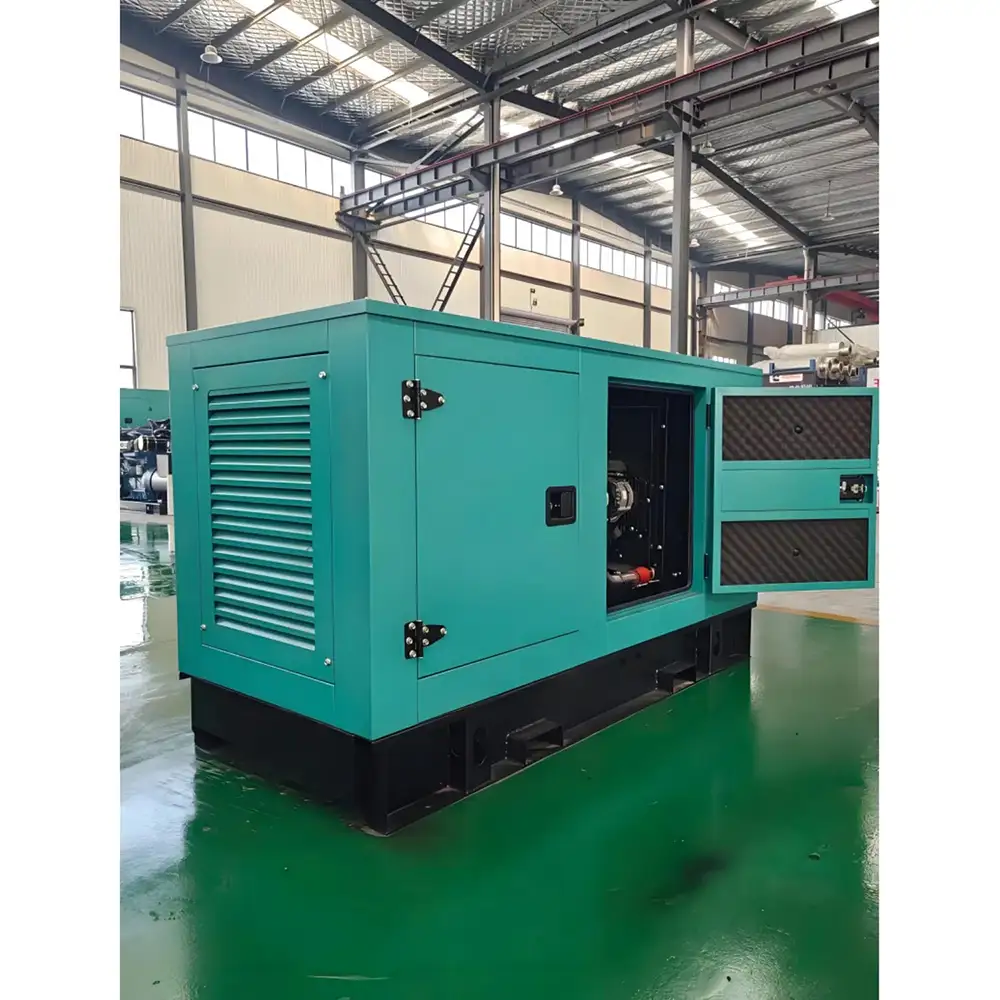
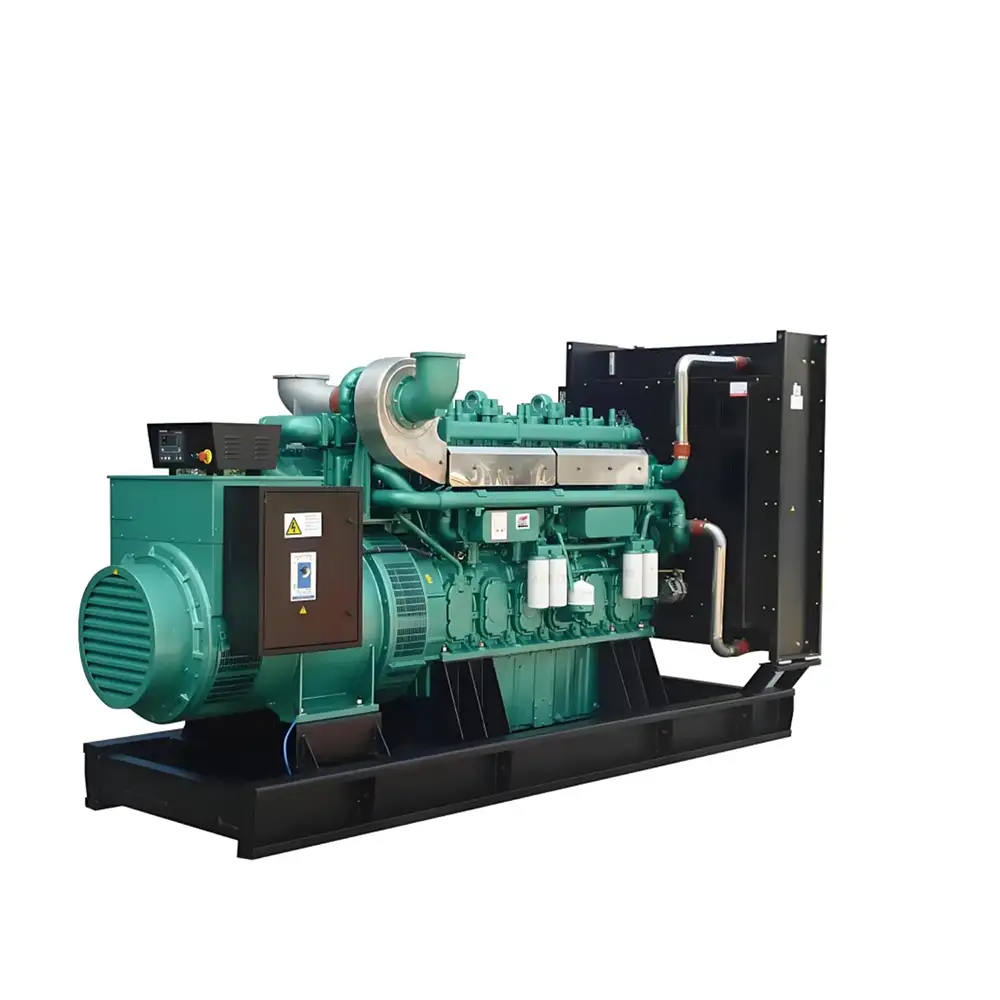
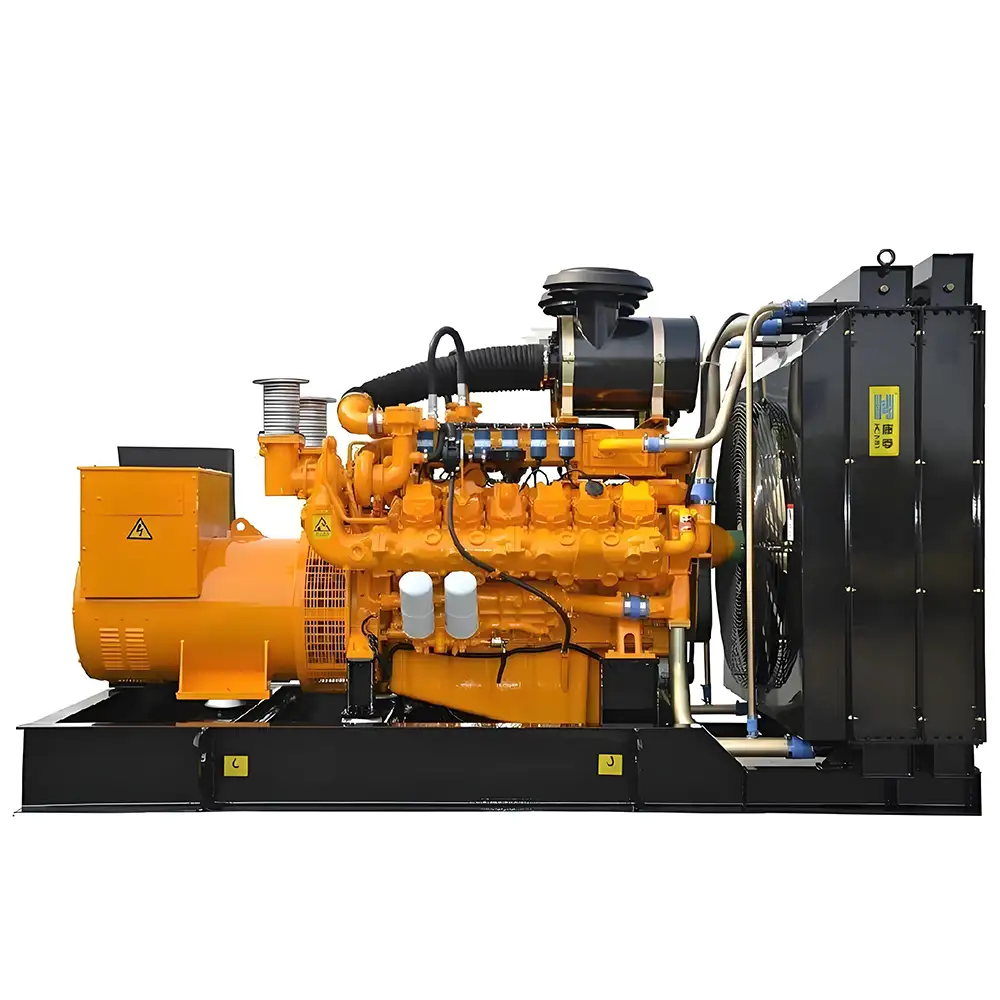
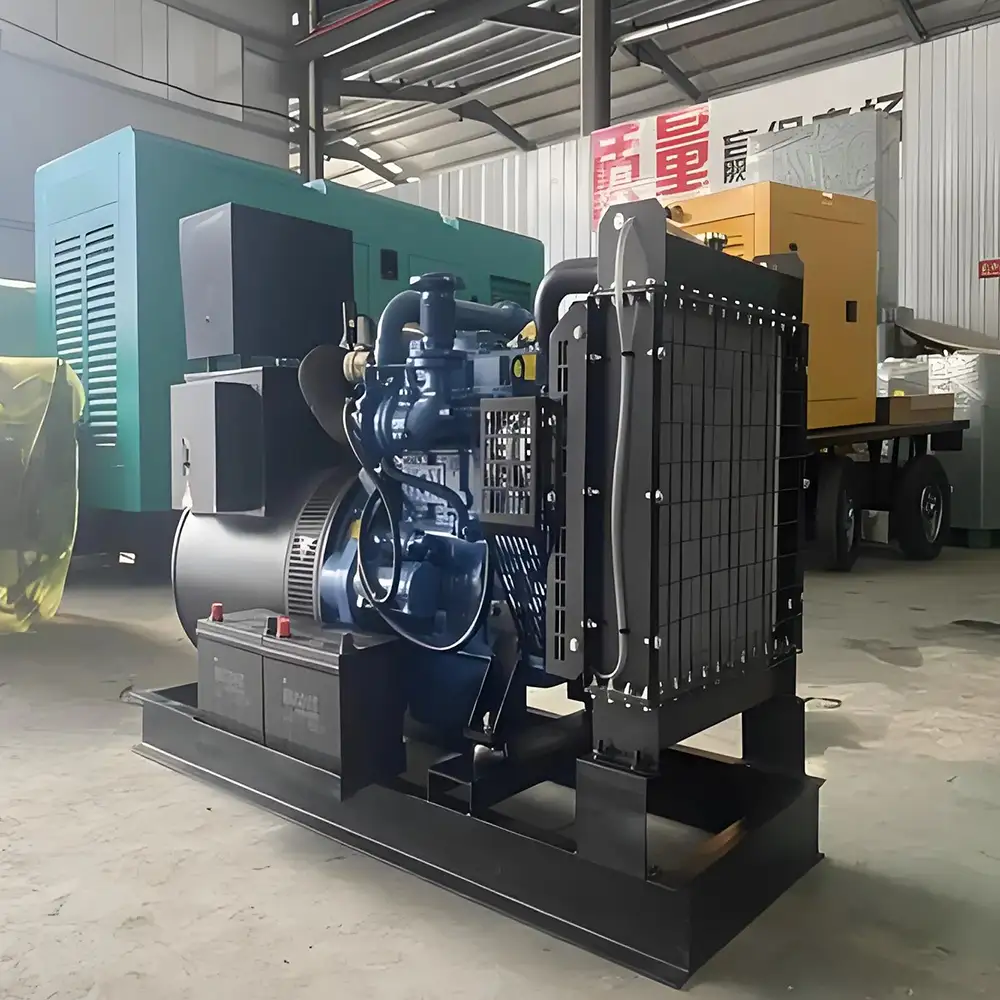
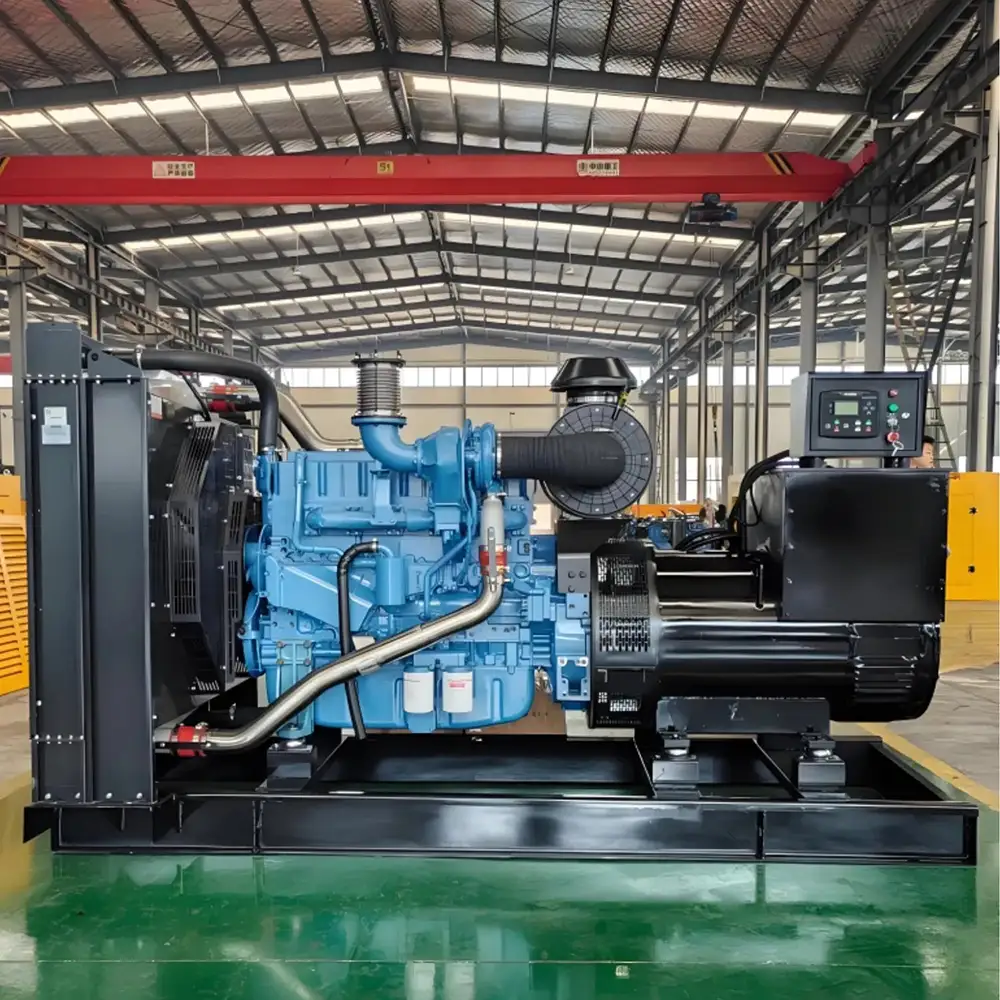
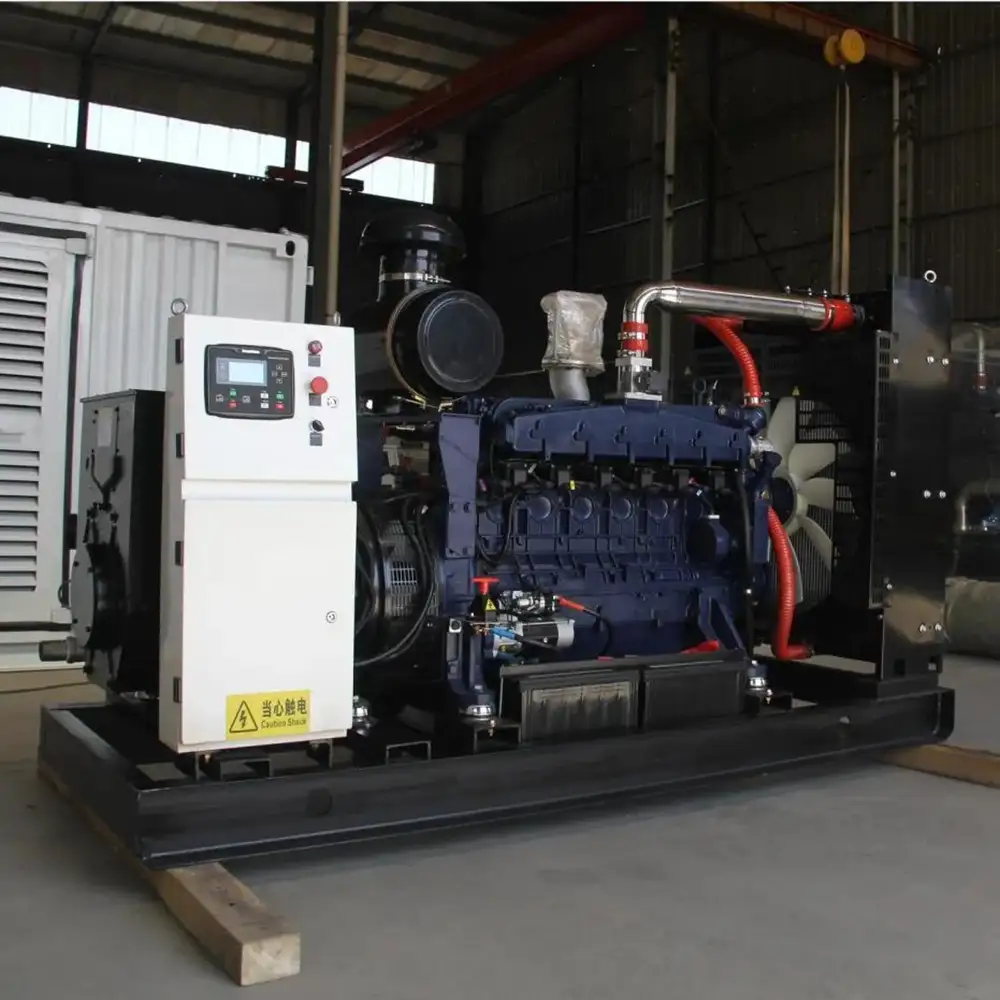
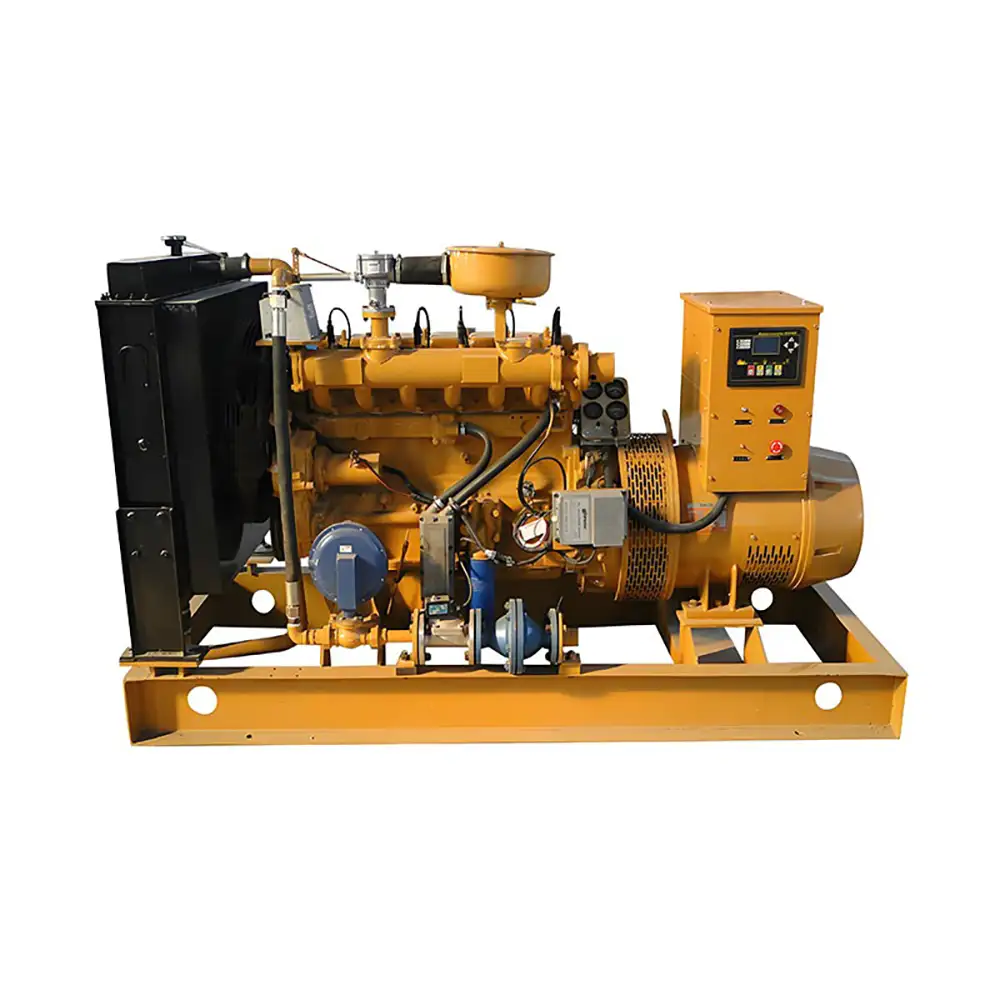
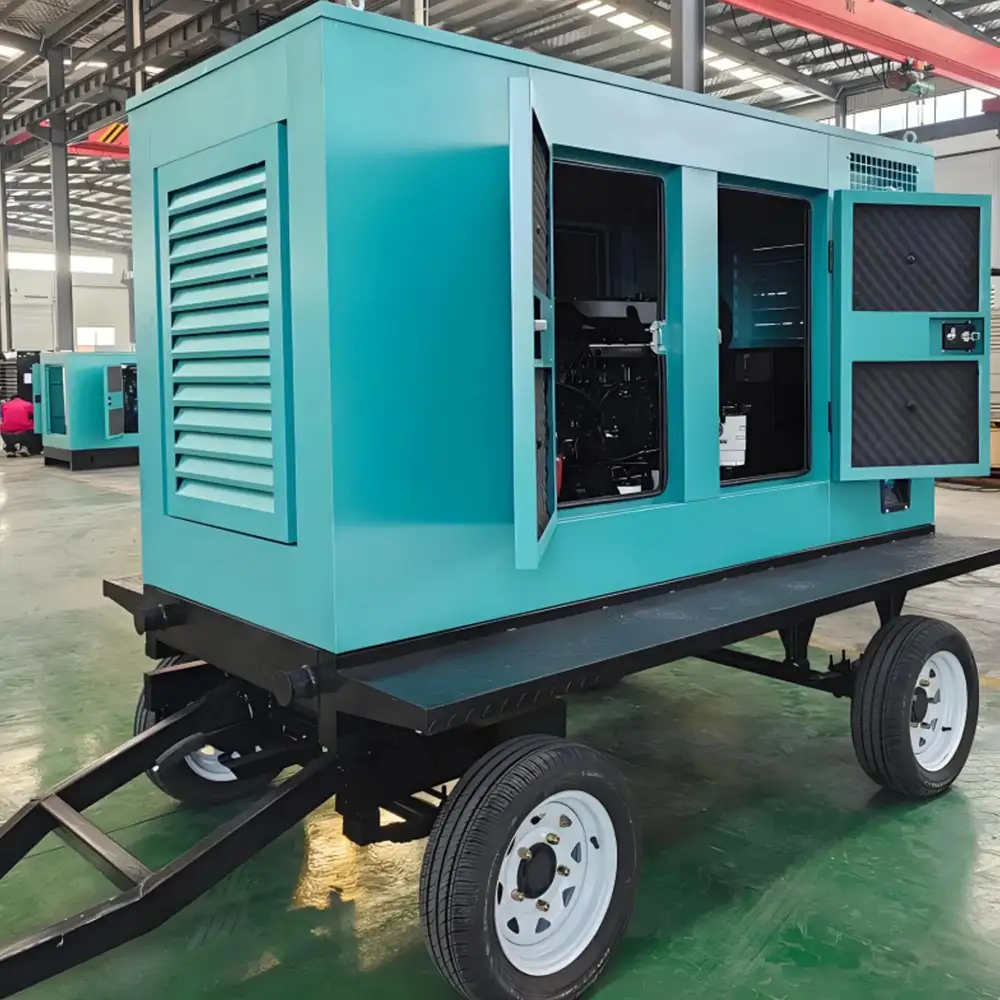
The AC Three Phase Standard Container Biogas/Gas Generator Set is a containerized power generation solution designed to produce reliable three-phase electricity from compatible gaseous fuels. It combines a gas engine, AC alternator, control system, cooling and exhaust components, and supporting equipment within a standard containerized structure, providing an integrated solution for industrial, agricultural, wastewater treatment, commercial, and distributed energy applications.
Gas generator sets are increasingly used where a reliable gas supply is available and on-site electricity generation is required. Biogas produced through anaerobic digestion can provide an energy source for suitable generator systems, while natural gas and other approved gaseous fuels can also be used with appropriately configured engines. The actual fuel compatibility depends on gas composition, pressure, methane content, impurities, and the selected engine and fuel system.
|
Main specifications of the generator set |
|
Generator model |
LX - 80GF |
|
Rated current |
144 A |
|
Rated Power |
80 kW |
|
Power Factor |
0.8 |
|
Reserve power |
100 kVA |
|
Controller |
Automatic PLC control |
|
Rated voltage |
400V/230V |
|
Speed regulation mode |
Electronic speed control |
|
Rated frequency |
50Hz |
|
Type |
Open |
|
Rated speed |
1500 rpm |
|
Biogas /gas consumption rate |
0.6 /0.3 m³/Kw·h |
* Altitude <1000 meters, ambient temperature <40 ºC , ambient humidity ≤60%.
* Rated power: The maximum power of the generator set when it is continuously operated with variable load and with unlimited operating hours per year under the agreed operating conditions and maintenance as specified by the manufacturer. The average power output during a 24-hour operating cycle should not exceed 70% of the rated power, in accordance with GB/T2820-97 (eqv ISO8528) .
|
AC Three Phase Power Generation
The generator set is designed for AC three-phase power generation, making it suitable for electrical systems commonly used in industrial and commercial facilities. Three-phase electricity can supply motors, pumps, compressors, fans, processing equipment, lighting, control systems, and other electrical loads.
A three-phase generator can be integrated into a facility's main electrical system or used as part of a distributed generation project. Voltage, frequency, output capacity, phase configuration, and control functions should be selected according to the customer's electrical requirements.
For projects with variable loads, the generator configuration can be evaluated according to the expected load profile, operating hours, and required power generation strategy.
|
Engine technical parameters |
|
Engine Model |
Huadong 6126D-NG |
|
Rated Power |
82KW |
|
Cylinder Type |
In-line, four-stroke |
|
Rated speed |
1500 rpm |
|
Number of cylinders |
6 cylinders |
|
Bore x stroke |
12 6 × 1 30 mm |
|
Displacement |
10L |
|
Startup Mode |
Electronic start |
|
Compression ratio |
11.5:1 |
|
Crankshaft rotation direction |
Counterclockwise (from the flywheel direction) |
|
Cooling method |
Water Cooling |
|
Air intake method |
Naturally Aspirated |
|
Gas mixing method |
Premix |
|
Speed regulation mode |
Electronic speed control |
|
Biogas /gas consumption |
0.6 /0.3 m³/Kw·h |
|
Lubricating oil pressure |
345-483 Kpa |
|
Exhaust temperature |
580ºC |
Standard Containerized Generator Design
The Standard Container Gas Generator uses a containerized structure to integrate the main power generation equipment into a practical package. This design can simplify transportation, equipment organization, site installation, and environmental protection.
Depending on the configuration, the container can accommodate the gas engine generator, control cabinet, cooling system, ventilation components, exhaust system, gas-related equipment, electrical components, and maintenance access areas.
The exact container size and internal arrangement depend on the generator configuration and project requirements. Additional acoustic treatment, ventilation, fire-safety equipment, and auxiliary systems can also be considered when required by the application.
|
Generator technical parameters |
|
Generator brand |
Brushless generator |
|
Insulation class |
Class H |
|
Rated Power |
80 kW |
|
Wiring method |
Three-phase four-wire |
|
Reserve power |
100KVA |
|
Cooling method |
Air Cooling |
|
Rated current |
144 A |
|
Protection level |
IP2 3 |
|
Power Factor |
0.8 |
|
Voltage adjustment method |
AVR Automatic Voltage Regulation |
|
Excitation type |
Brushless self-excitation |
|
Voltage adjustment range |
≥±5% |
|
Voltage regulation rate |
±1.0% |
|
Connection method |
Single bearing |
Biogas Power Generation
Biogas is commonly generated through anaerobic digestion of organic materials such as livestock manure, agricultural waste, food-processing residues, wastewater sludge, and other biodegradable feedstocks.
When the resulting gas has suitable characteristics and is properly conditioned, it can be used as fuel for a compatible gas engine generator. The generator converts the chemical energy contained in the methane-rich gas into mechanical energy and then electrical energy through the alternator.
This makes a biogas generator set particularly useful for facilities that already produce biogas as part of a waste-treatment or resource-recovery process.
However, raw biogas may contain hydrogen sulfide, moisture, siloxanes, particulates, and other contaminants. Depending on the gas source and engine requirements, desulfurization, drying, filtration, or other gas-cleaning equipment may be required before the gas enters the generator.
Natural Gas And Other Gaseous Fuels
The containerized generator can also be configured for compatible natural gas or other approved gaseous fuels. Natural gas generator sets are commonly used for industrial power generation, commercial facilities, distributed energy projects, and backup power applications.
Biogas and natural gas are not automatically interchangeable. Their composition, pressure, calorific value, contaminants, and combustion characteristics can differ significantly.
For this reason, the fuel system and engine configuration should be selected according to the actual gas source. Customers using biogas should provide available gas analysis where possible, while natural gas projects should provide gas pressure and supply information.
Gas Engine And Alternator Integration
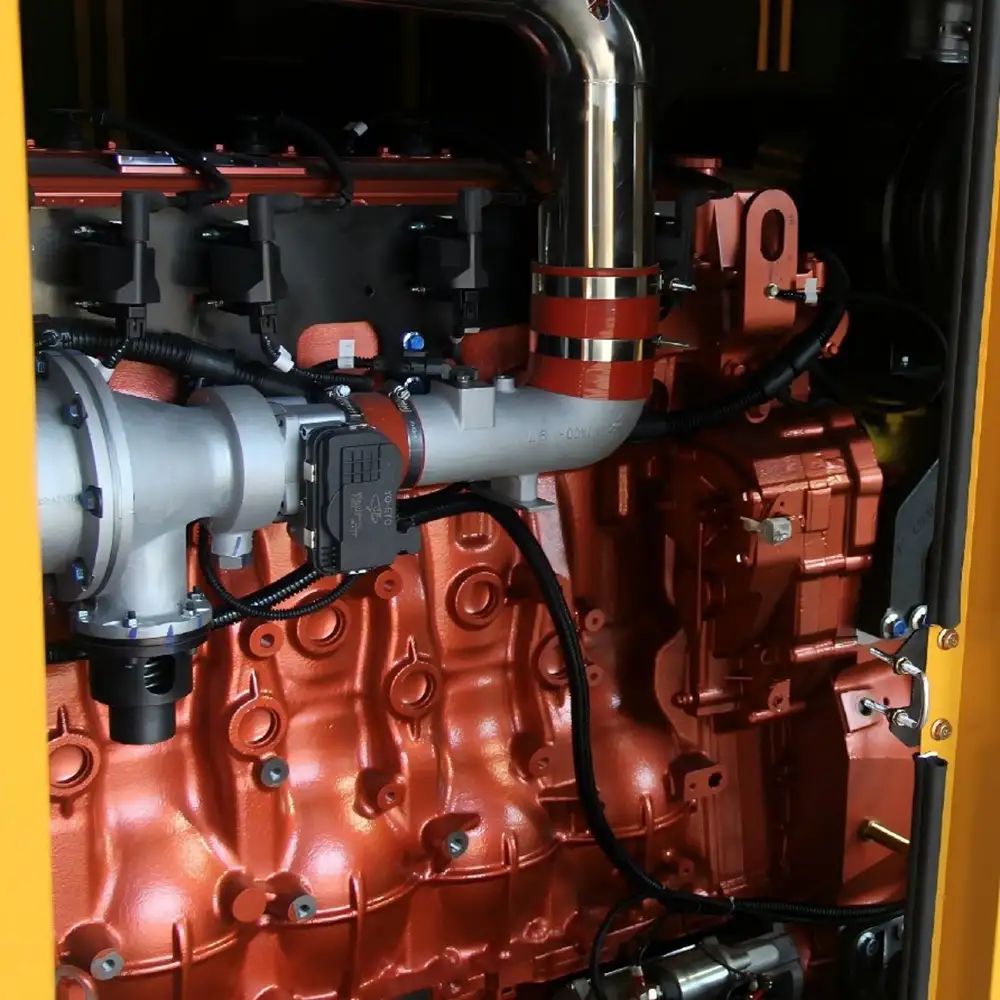
A gas generator set combines an internal combustion gas engine with an AC alternator. The engine converts fuel energy into mechanical power, while the alternator converts mechanical rotation into electrical power.
Supporting systems such as cooling, lubrication, exhaust, starting, gas supply, and electrical control are important to overall generator operation.
The system should be operated within the recommended fuel, temperature, load, and maintenance conditions. Regular inspection of engine oil, cooling components, filters, ignition components, gas connections, electrical terminals, and exhaust equipment can help maintain stable operation.
Containerized Installation
A containerized generator set provides a compact and organized installation solution. The equipment can be delivered as an integrated package and positioned at a suitable project site after the necessary foundation and utility connections have been prepared.
Installation planning should consider ventilation, exhaust discharge, gas supply, electrical connections, maintenance clearance, drainage, fire protection, noise control, and access for service personnel.
For outdoor projects, the container can provide an additional layer of protection for the generator equipment. Nevertheless, the installation environment and local regulations should be evaluated to determine whether additional weatherproofing, ventilation, or safety measures are necessary.
Agricultural And Livestock Applications
Livestock farms can produce significant quantities of organic waste that may be processed through anaerobic digestion. The resulting biogas can potentially be used for on-site power generation with a compatible generator system.
A three-phase biogas generator can support farm electrical loads such as water pumps, ventilation equipment, lighting, feeding systems, manure-processing equipment, refrigeration, and other agricultural machinery.
Using biogas for electricity generation can form part of an integrated waste-management and renewable-energy strategy. Actual power generation depends on biogas production, methane concentration, gas quality, generator capacity, and operating conditions.
Wastewater Treatment Applications
Wastewater treatment plants may produce biogas through anaerobic digestion of suitable organic sludge. A compatible gas generator can convert this recovered gas into electricity for use within the treatment facility.
Generated electricity can potentially support pumps, blowers, mixers, lighting, monitoring systems, and other plant equipment.
For wastewater applications, the gas-treatment system is particularly important because digester gas can contain corrosive or engine-sensitive contaminants. The generator and gas-cleaning system should therefore be selected according to actual gas analysis and treatment conditions.
Industrial And Commercial Applications
The standard containerized generator can be used in industrial facilities, commercial buildings, processing plants, agricultural operations, and other sites requiring three-phase electrical power.
It can serve as a primary generation system where a stable gas supply is available, or as a supplementary or backup power source depending on the project design.
For industrial users, containerized equipment can also provide flexibility when a permanent generator room is unavailable or when a packaged power generation system is preferred.
Automatic Monitoring And Control
Depending on the selected configuration, the generator set can include an automatic control system for monitoring engine and electrical operating parameters.
Typical monitored information may include voltage, current, frequency, engine speed, oil pressure, coolant temperature, operating hours, and alarm conditions. The exact functions depend on the controller and generator configuration.
Automatic monitoring can help operators understand generator operating status and respond to abnormal conditions. Remote monitoring or communication functions may also be considered for projects that require centralized equipment management.
Fuel Gas Quality And Conditioning
Fuel quality is an important factor for any gas engine generator. Natural gas generally has different requirements from biogas, while biogas quality can vary according to the feedstock and anaerobic digestion process.
For biogas applications, hydrogen sulfide and moisture are common considerations. Siloxanes and other contaminants may also need to be evaluated depending on the source.
A suitable gas-cleaning and conditioning system can help provide fuel within the engine manufacturer's acceptable operating range. Gas pressure regulation and filtration may also be required.
Flexible B2B Project Configuration
Each power generation project has different requirements. The appropriate generator configuration should therefore be selected according to electrical demand, fuel characteristics, operating environment, installation conditions, and expected operating hours.
Customers can provide the required power output, voltage, frequency, gas type, gas composition, gas pressure, installation location, ambient conditions, and load information for technical evaluation.
For international B2B customers, engineering contractors, agricultural projects, wastewater treatment facilities, industrial plants, and energy companies, a project-based approach helps ensure that the generator package is matched to the intended application.
Key Features
AC Three Phase Power Generation
Standard Containerized Generator Design
Compatible Biogas And Gas Fuel Options
Biogas And Methane-Rich Gas Applications
Natural Gas Generator Configuration
Integrated Gas Engine And Alternator
Containerized Outdoor Installation Solution
Automatic Monitoring And Control Options
Suitable For Industrial And Agricultural Projects
Flexible Project-Based Configuration
Main Applications
Biogas Power Generation
Livestock Farms
Agricultural Biogas Projects
Wastewater Treatment Plants
Food Processing Facilities
Industrial Manufacturing
Commercial Facilities
Distributed Energy Projects
Renewable Energy Systems
Backup Power Applications
FAQs
1. What Is An AC Three Phase Container Biogas/Gas Generator Set?
It is a containerized gas engine generator system designed to produce AC three-phase electricity from compatible biogas, natural gas, or other approved gaseous fuels.
2. Can The Generator Run On Biogas?
Yes. A suitable configuration can operate on compatible biogas. Gas composition, methane concentration, pressure, hydrogen sulfide, moisture, and other contaminants should be evaluated before selecting the generator.
3. Can It Use Natural Gas?
Yes, a suitable natural gas configuration can be selected. Natural gas and biogas have different characteristics, so the fuel system and engine should be matched to the actual gas supply.
4. What Is A Standard Container Generator?
It is a generator set installed inside a standardized containerized enclosure. The container integrates the main generator equipment and provides a practical package for transportation and site installation.
5. Why Use A Three Phase Generator?
Three-phase power is widely used for industrial and commercial electrical systems and is suitable for many motors, pumps, compressors, fans, and production machines.
6. Does Raw Biogas Need Gas Treatment?
In many applications, biogas may require treatment before entering the engine. Depending on gas composition, this may include desulfurization, drying, filtration, or other conditioning processes.
7. Can It Be Used On A Farm?
Yes. A compatible biogas generator can support electricity requirements on livestock farms and agricultural facilities where biogas is produced through anaerobic digestion.
8. Can It Be Used For Wastewater Treatment?
Yes. Biogas generated during anaerobic digestion at wastewater treatment facilities can potentially be used to generate electricity with a properly configured gas generator.
9. Can The Container Generator Be Used Outdoors?
A containerized generator is suitable for many outdoor installations when properly designed and installed. The foundation, ventilation, exhaust, gas connections, electrical system, fire protection, and local regulations should be considered.
10. What Information Is Needed For Generator Selection?
Useful information includes required electrical output, voltage, frequency, gas type, gas composition, gas pressure, operating hours, installation environment, and expected electrical load.
Why Choose Us
Integrated Containerized Gas Generator Solution
We provide integrated generator solutions combining the gas engine, alternator, control system, container enclosure, cooling, exhaust, and supporting components according to project requirements.
Biogas And Gas Fuel Expertise
Our gas generator solutions can be evaluated for compatible biogas, natural gas, methane-rich gas, and other approved gaseous fuels based on actual fuel characteristics.
Practical Containerized Design
The standard container configuration provides an organized equipment package that can simplify transportation, installation, and deployment for industrial and commercial projects.
Wide Application Range
The generator can be considered for agricultural biogas projects, wastewater treatment plants, industrial facilities, commercial applications, distributed energy systems, and suitable backup power projects.
Project-Based Technical Support
Customers can provide gas analysis, electrical requirements, operating conditions, and installation information so that the appropriate generator configuration and supporting equipment can be evaluated.
International Export Support
We support overseas customers with technical communication, equipment configuration, documentation, export packaging, shipping coordination, installation guidance, and after-sales technical assistance.
Prev:
Water Cooling Home Gas Biogas Generator Set
Next:
Natural Gas Generator Organic Wastewater Biogas Generator Set
TAG:
Biogas Power Generation,
Gas Generator Set,
Industrial Gas Generator,
Industrial Biogas Generator,
Methane Gas Generator,
Gas Engine Generator Set,
Natural Gas Generator,
Natural Gas Generator Set,
Biogas Generator Set,
Biogas Power Generator,
Gas Power Generator,
Distributed Gas Generator,
Three Phase Power Generator,
AC Gas Generator Set,
Container Power Generator,
Containerized Power Generator,
Methane Gas Generator Set,
Three Phase Gas Generator,
AC Three Phase Gas Generator Set,
AC Three Phase Biogas Generator,
Three Phase Biogas Generator,
Container Gas Generator,
Container Biogas Generator,
Standard Container Generator,
Standard Container Gas Generator,
Standard Container Biogas Generator,
Containerized Gas Generator,
Containerized Biogas Generator,
Container Gas Engine Generator,
Biogas Gas Generator Set,
Related Category:
AC Three Phase Gas Generator Set, AC Three Phase Biogas Generator, Standard Container Gas Generator, Container Biogas Ge China, suppliers, manufacturers, factory, customized, wholesale, quotation, made in China