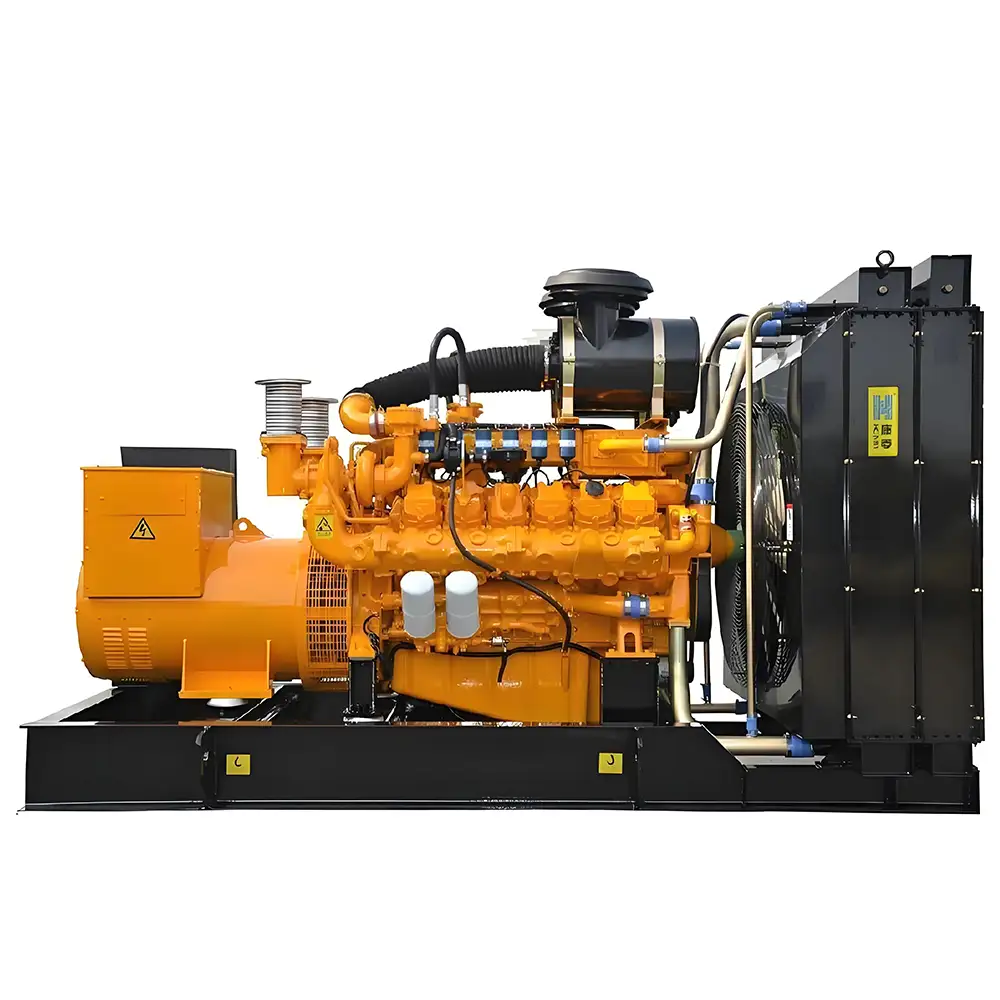
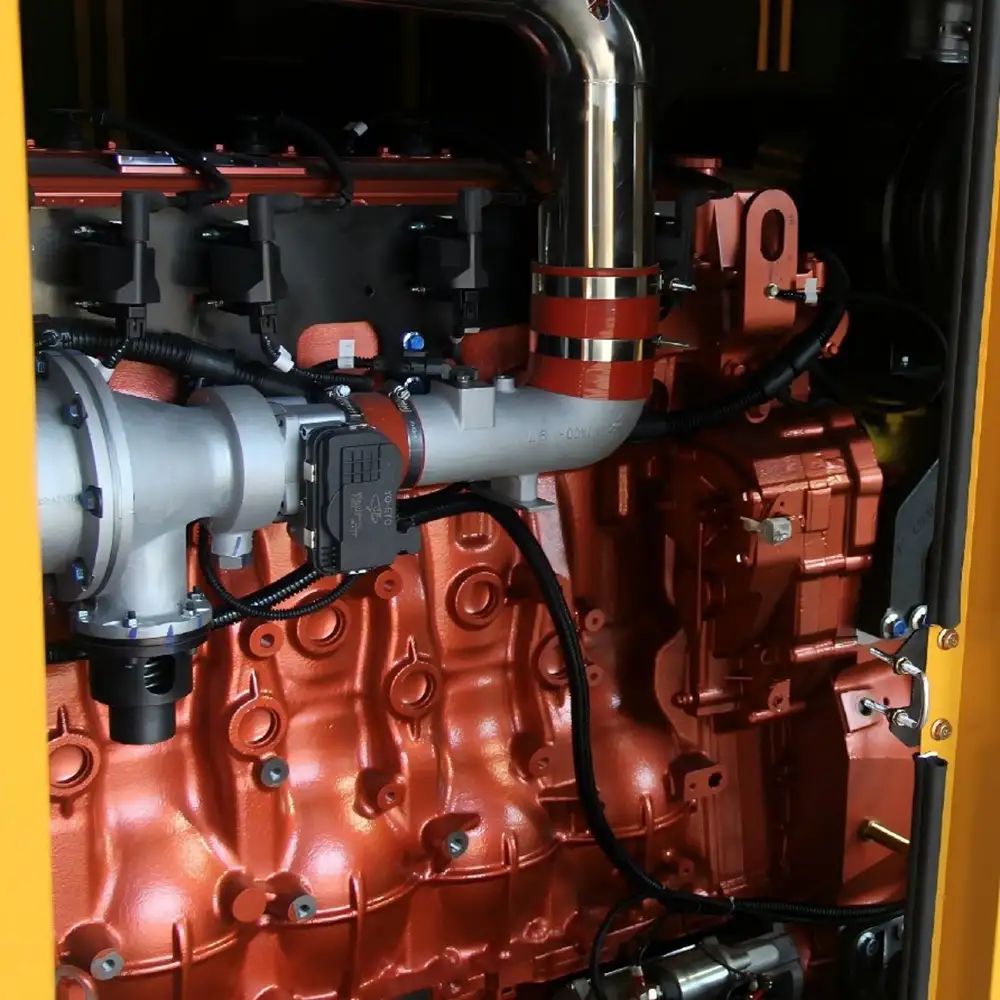
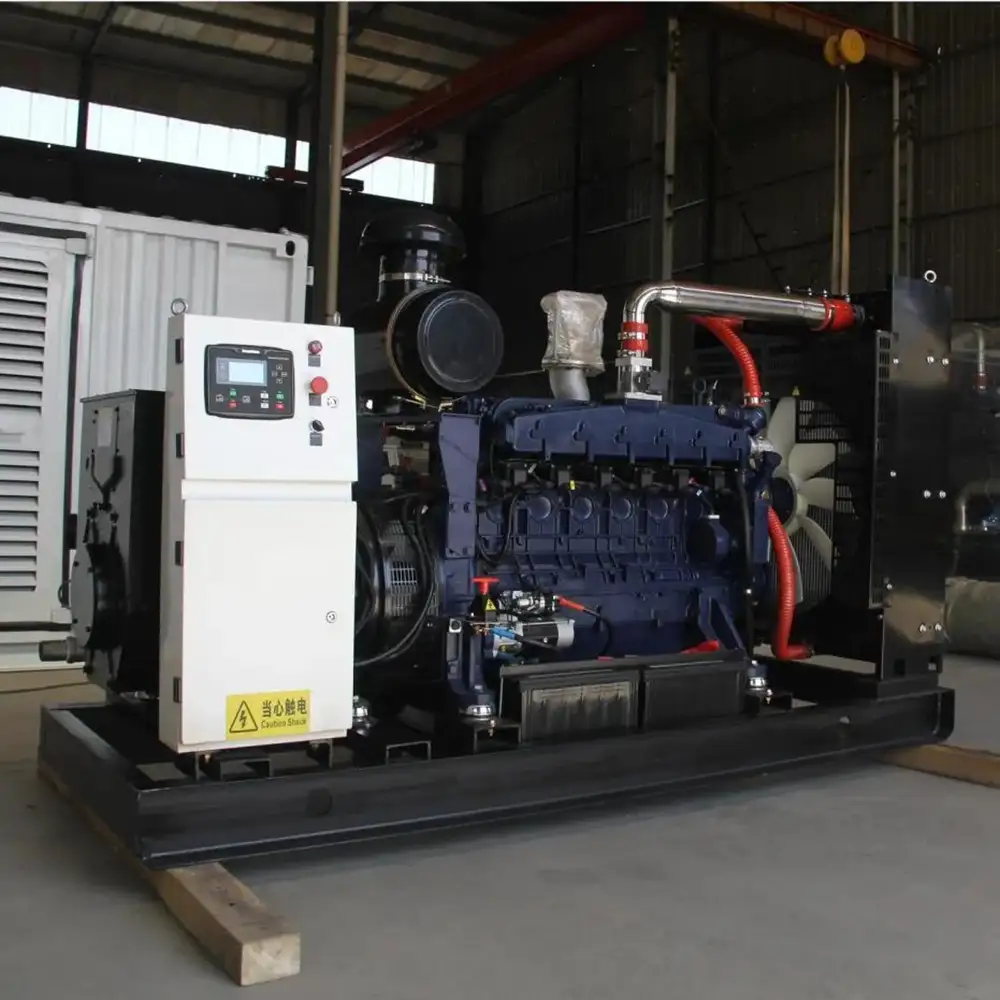
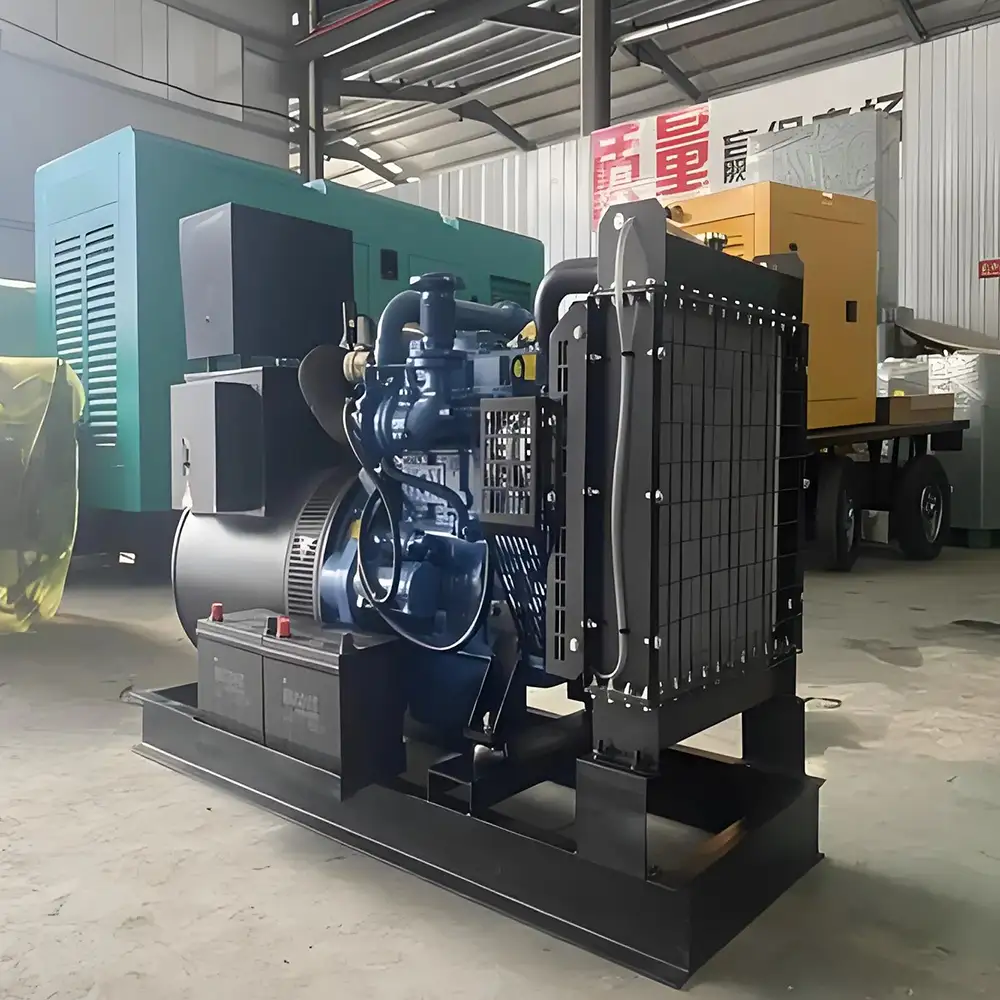
The biogas generator set can operate stably and reliably under environmental conditions of -40ºC~+40ºC, relative humidity <90% (at 25ºC), and altitude ≤1000m. Under standard environmental conditions (atmospheric pressure 100KPa, ambient temperature: 25ºC, relative humidity 30%), the gas quality meets the standard conditions and can output rated power. Unit requirements for biogas
Within 1m of the unit's gas inlet pressure regulating valve,
1. Biogas temperature ≤40ºC;
2. Biogas pressure 3~10kPa, pressure change rate ≤1kPa/min;
3. The volume content of methane in biogas is not less than 40%, and the change rate is ≤2%/min;
4. H2S ≤20mg/Nm3;
5. NH3 ≤20mg/Nm3;
6. Impurity particle size ≤5μm, impurity content ≤30mg/Nm3;
7. Moisture content in biogas ≤40g/Nm3.
Special instructions are required for biogas with a methane volume content of ≤50%.
If the sulfur and ammonia content in the combustible gas is high, it will not only seriously corrode the spark plug electrode, but also increase the acid value in the engine oil, corrode the internal parts of the unit, and easily generate sediment, increasing corrosion and wear to the engine.
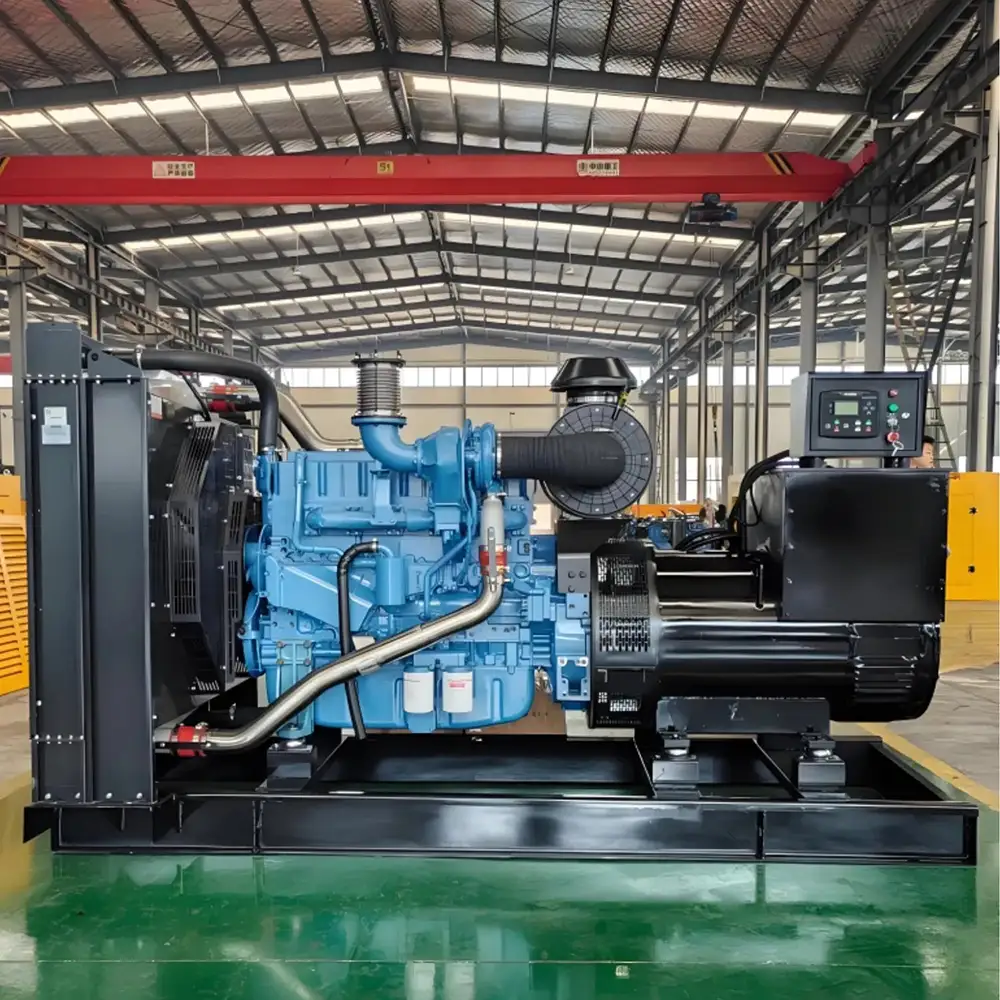
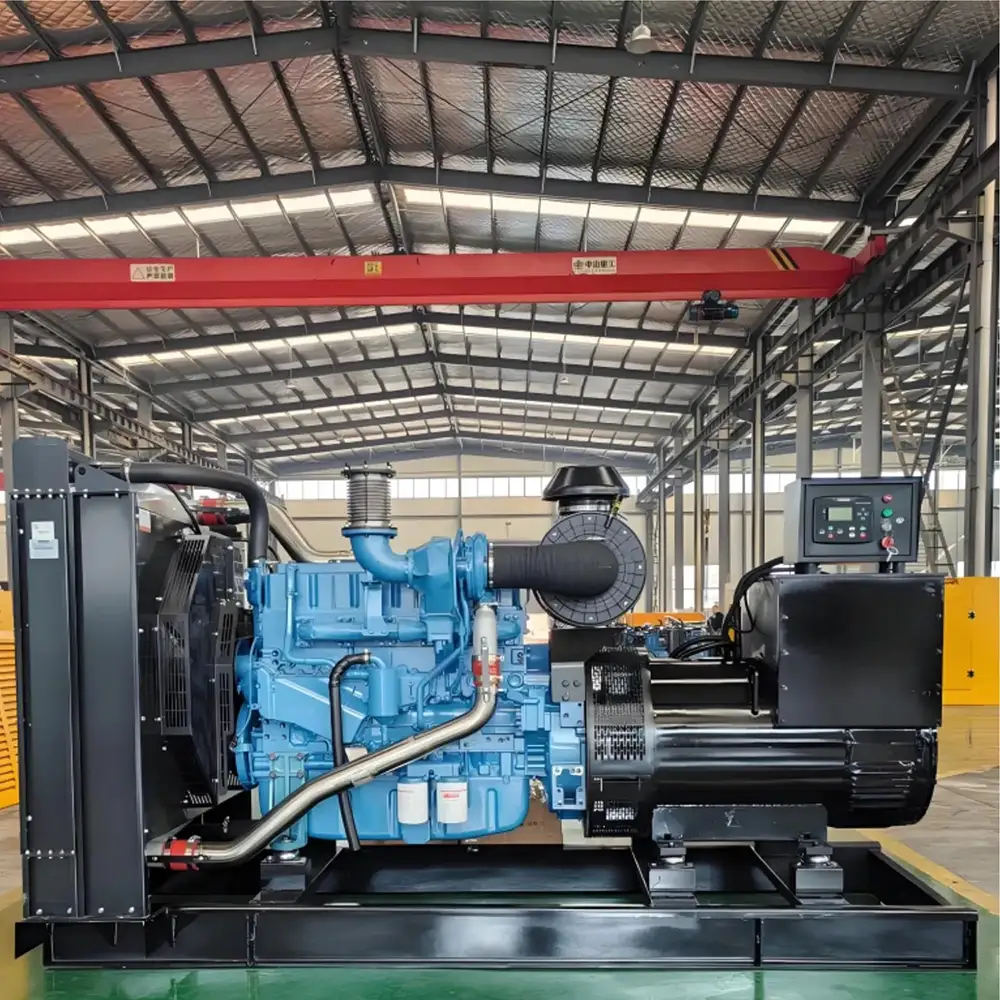
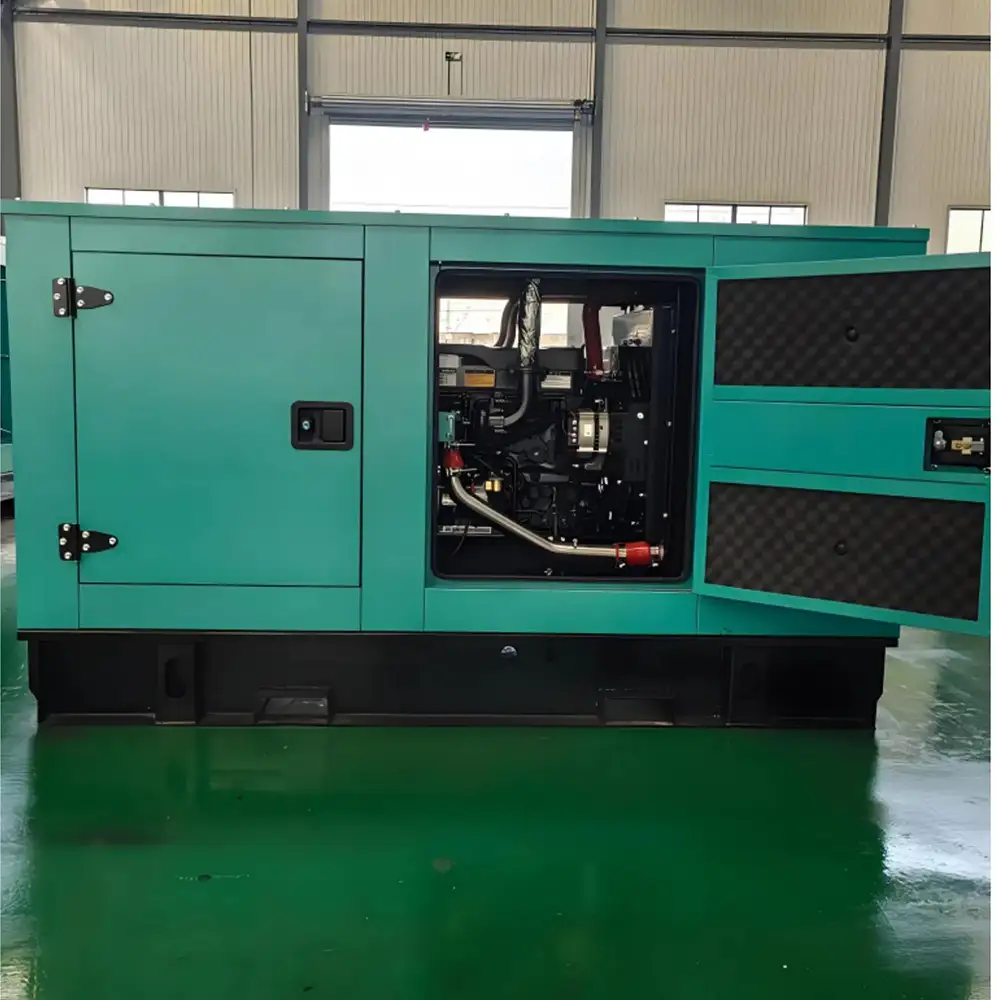
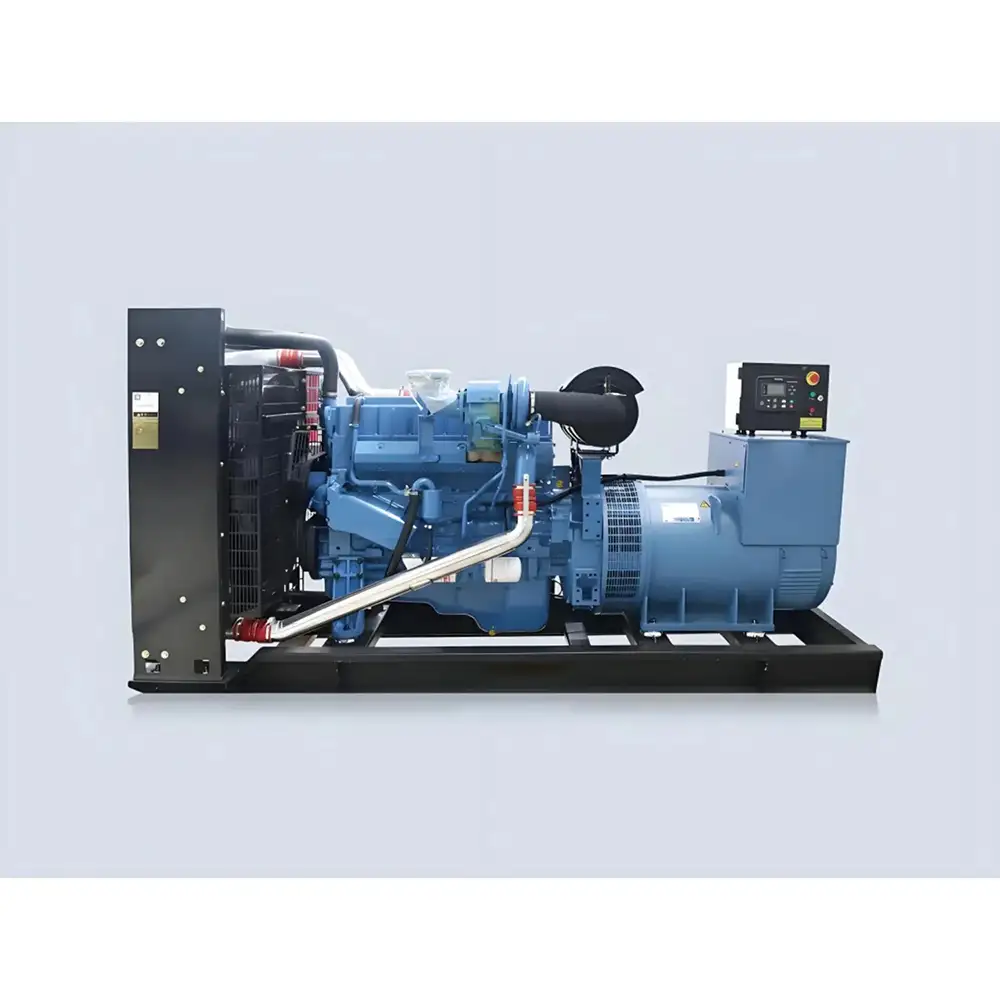
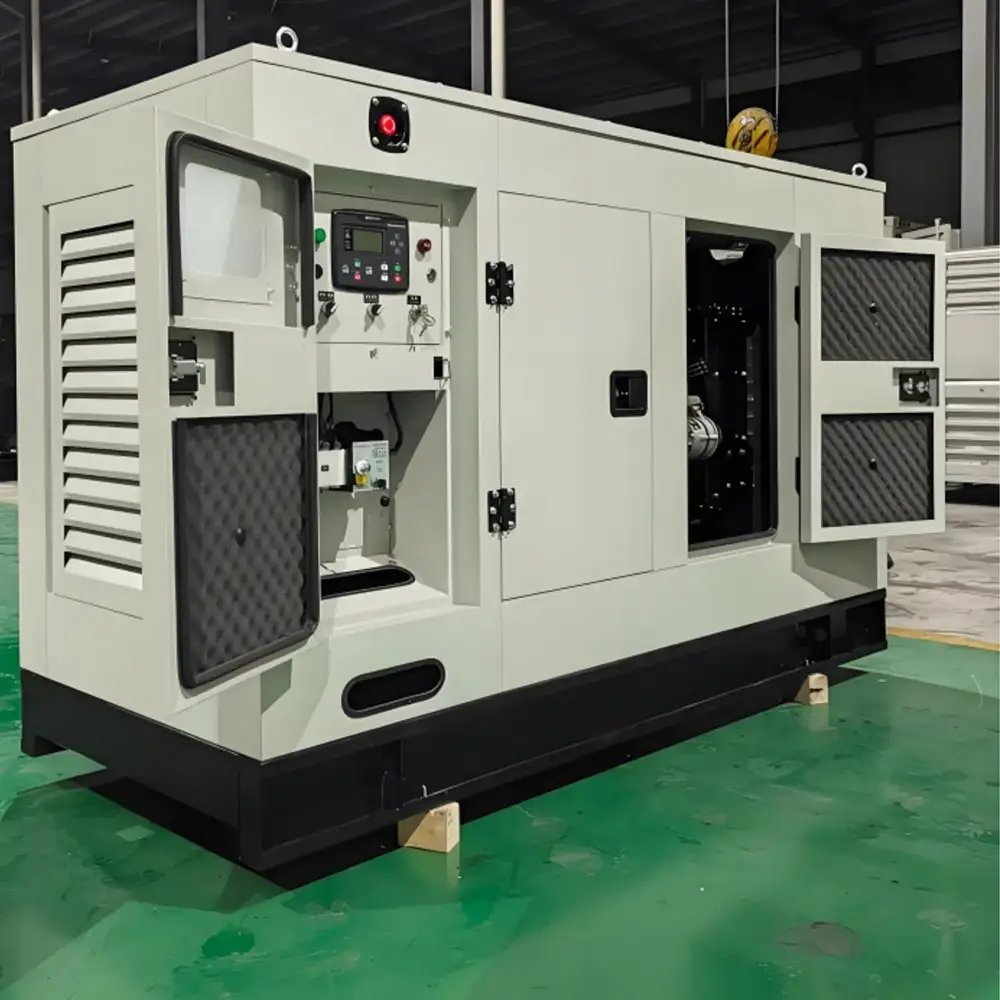
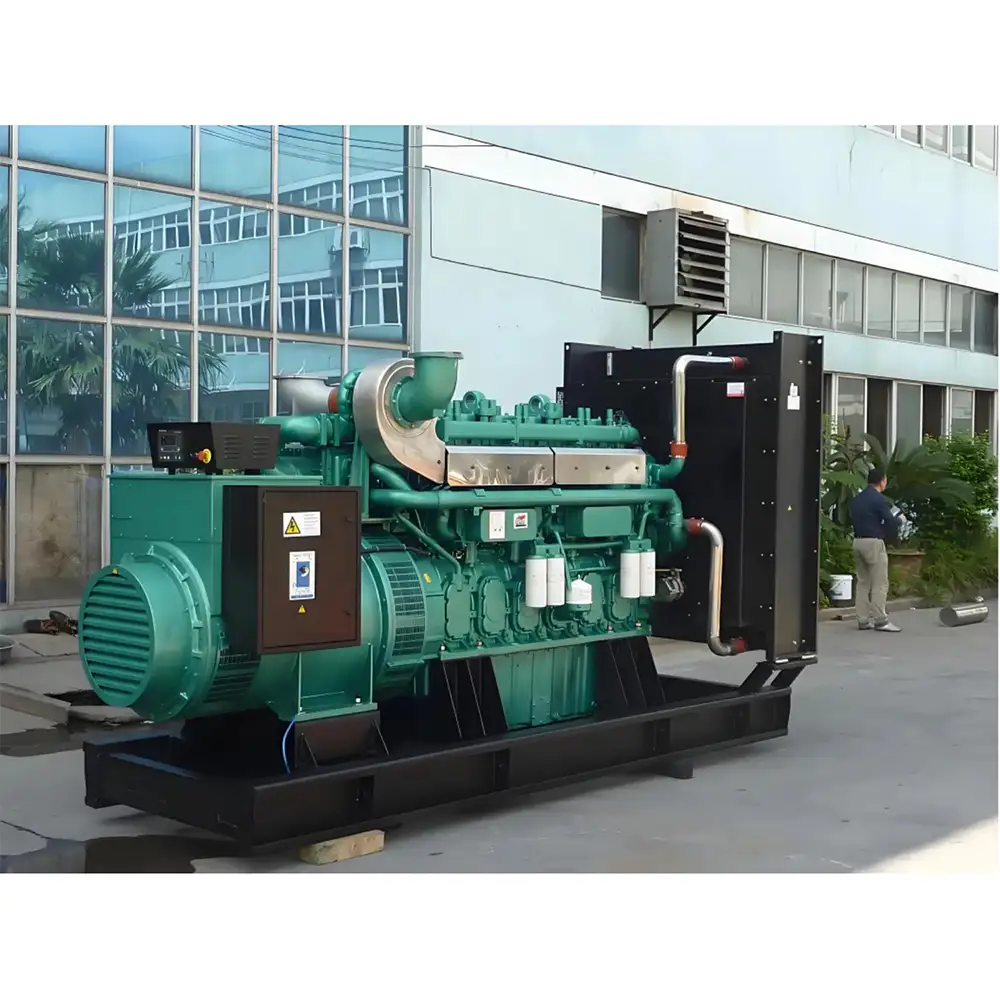
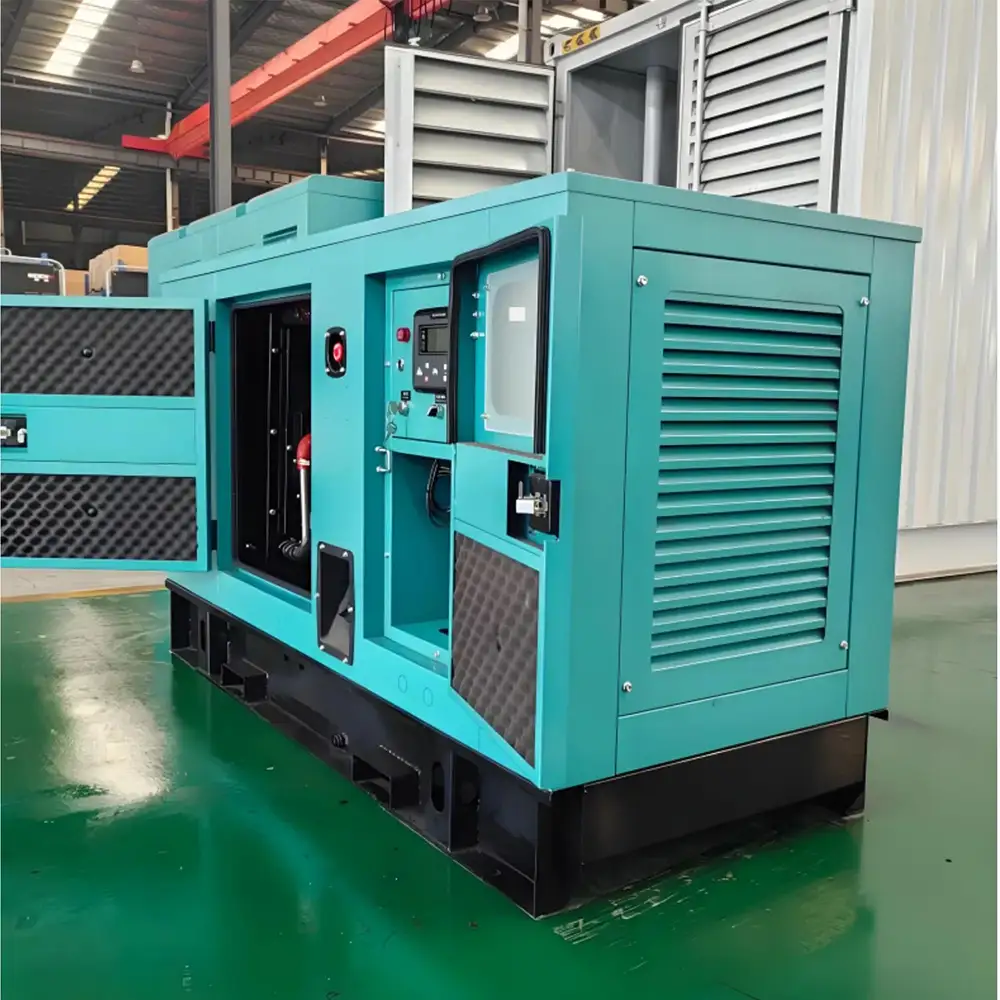
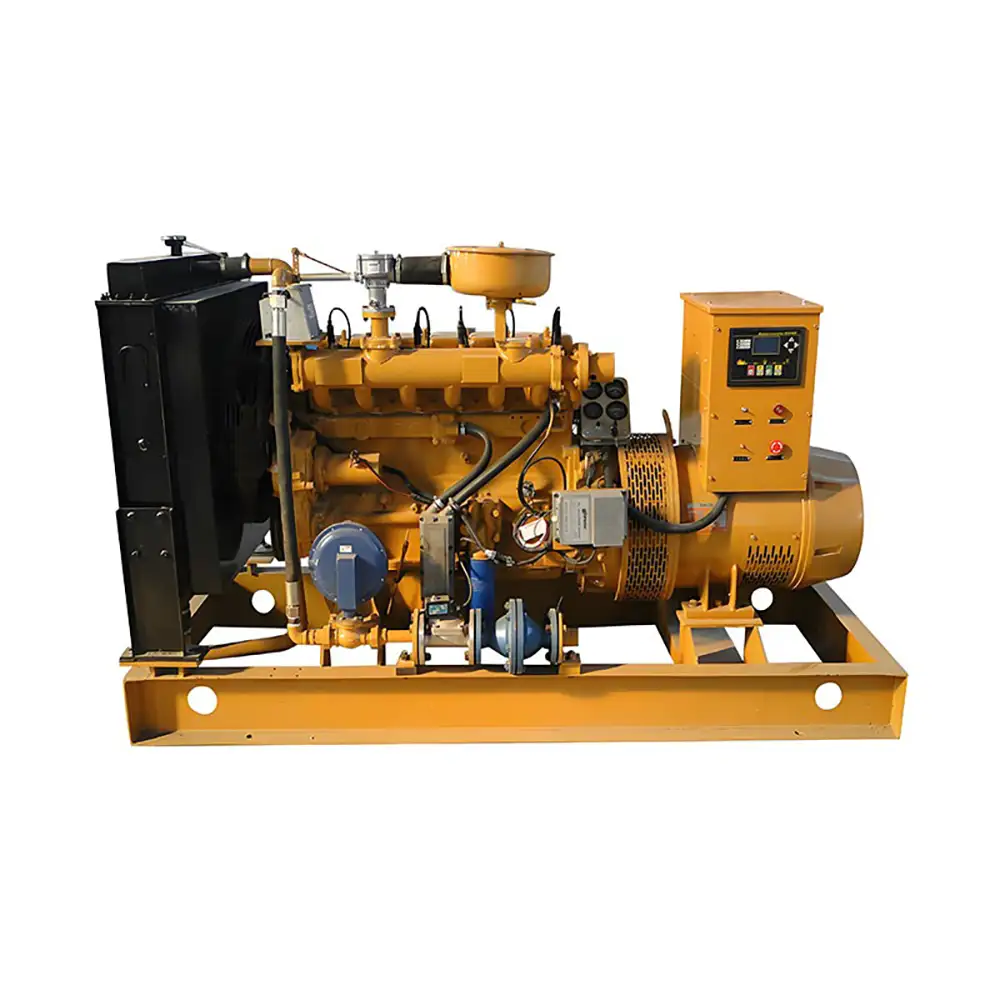
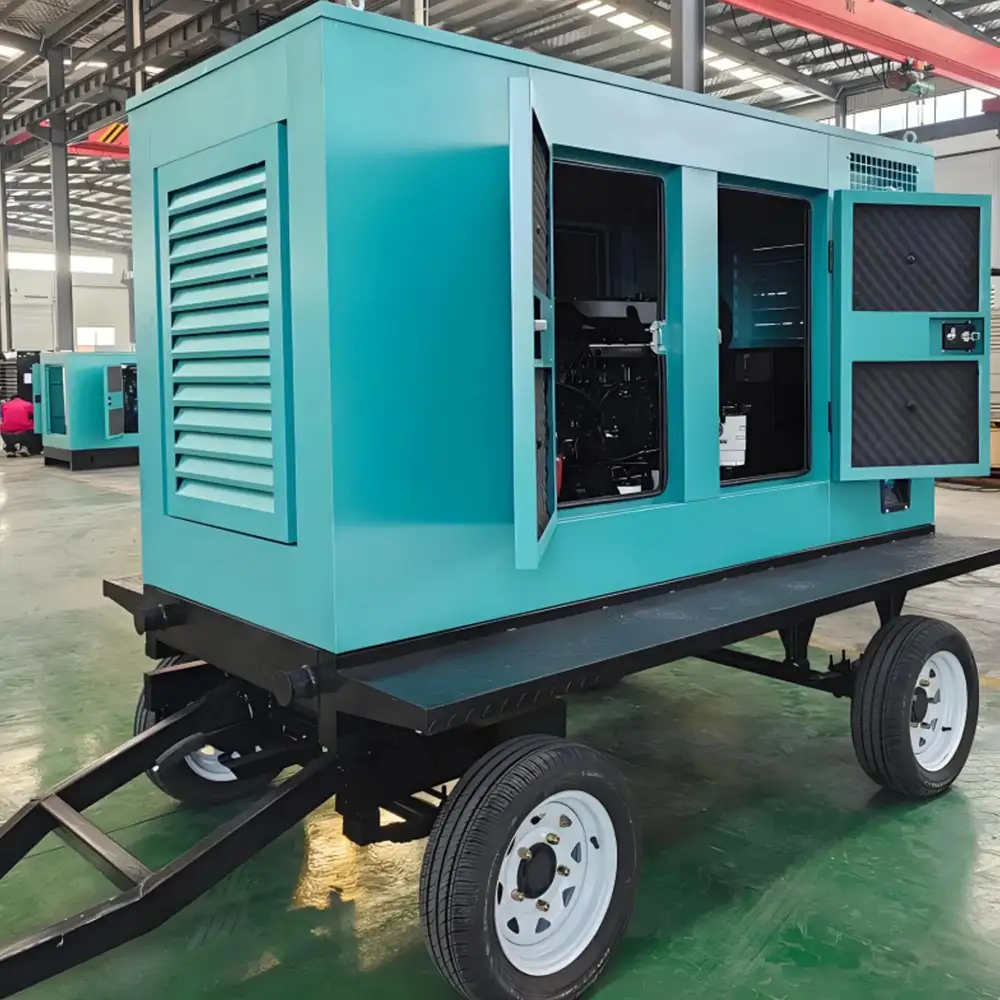
The Naturally Aspirated AC Three Phase Gas Engine Quiet Chassis Generator is a gas-fueled power generation solution designed for applications requiring stable three-phase AC electricity from a compatible gaseous fuel. Combining a naturally aspirated gas engine, AC alternator, three-phase electrical output, and quiet chassis design, the generator provides a practical configuration for industrial, agricultural, commercial, and distributed power applications.
Gas engine generators can use suitable fuels such as natural gas or methane-rich biogas, depending on the selected engine and fuel system. The actual fuel compatibility should always be confirmed according to gas composition, pressure, flow rate, and engine specifications.
The quiet chassis configuration is designed to help reduce operating noise while providing a practical structure for generator installation. It can be suitable for projects where equipment footprint, noise control, ventilation, and accessibility are important considerations.
Naturally Aspirated Gas Engine
A naturally aspirated gas engine draws intake air into the engine without relying on a turbocharger to force additional air into the combustion system. This provides a relatively straightforward engine configuration for suitable gas-powered generator applications.
The naturally aspirated design can be considered for applications where the selected engine's power output and operating characteristics meet the project's requirements.
Engine performance depends on fuel quality, ambient temperature, altitude, gas pressure, gas composition, engine condition, and other operating factors. Therefore, the engine configuration should be selected according to the actual application rather than relying on a generic performance assumption.
AC Three Phase Generator
The generator produces three-phase AC electrical power, making it suitable for many industrial and commercial electrical systems.
Three-phase power is widely used for motors, pumps, compressors, fans, manufacturing equipment, refrigeration systems, agricultural machinery, and other industrial loads.
The alternator and electrical configuration can be selected according to the required voltage, frequency, phase arrangement, and project requirements.
For export projects, the required electrical specifications should be confirmed before production to ensure compatibility with the destination country's power system.
Gas Engine Generator System
The gas engine drives an AC alternator to convert the energy contained in the fuel gas into electrical power.
Depending on the selected configuration, the generator may be suitable for natural gas, biogas, methane-rich gas, or other compatible gaseous fuels.
Gas quality is an important consideration. Natural gas and biogas have different characteristics, and a gas engine designed for one fuel should not automatically be assumed to be suitable for another.
For biogas projects, gas analysis should be provided before the engine and fuel system are selected.
Natural Gas Power Generation
Natural gas is commonly used as a fuel for gas engine generators where a suitable pipeline or gas supply is available.
Natural gas generator sets can provide electricity for factories, workshops, commercial facilities, agricultural operations, distributed power systems, and other suitable applications.
Important factors include gas pressure, gas composition, supply stability, installation environment, and electrical load characteristics.
A suitable gas train and pressure-regulation system can be configured according to the selected engine and available gas supply.
Biogas Generator Applications
The generator can potentially be configured for suitable biogas applications when the engine and fuel system are designed for methane-rich biogas.
Biogas is commonly produced through anaerobic digestion of livestock manure, wastewater sludge, food-processing waste, agricultural residues, and other organic materials.
Before biogas enters the gas engine, it may require treatment to remove or reduce moisture, hydrogen sulfide, particulates, and other impurities.
The actual gas-cleaning requirements depend on the biogas composition and the selected engine's fuel specifications.
Methane-Rich Gas Compatibility
Methane is the main combustible component of many biogas streams. A compatible gas engine can use methane-rich gas to produce mechanical power, which is then converted into electricity by the alternator.
However, methane concentration can vary between different biogas plants. Carbon dioxide, hydrogen sulfide, moisture, and other components can also affect gas quality.
For this reason, a current gas analysis report is useful when selecting a generator for a methane or biogas project.
Quiet Chassis Design
The quiet chassis configuration is intended for applications where reducing generator operating noise is important.
Depending on the design, noise-control measures can include acoustic materials, optimized exhaust components, vibration isolation, enclosure structures, and controlled ventilation paths.
The term “quiet” does not indicate one universal noise level. Actual acoustic performance depends on engine type, load, exhaust system, chassis construction, installation environment, and other factors.
Project-specific noise requirements should therefore be confirmed before selecting the final configuration.
Stable Industrial Power
The three-phase generator can provide electrical power for a wide range of industrial loads.
Potential applications include water pumps, irrigation systems, ventilation equipment, air compressors, refrigeration systems, workshop machinery, lighting, agricultural equipment, and other three-phase electrical loads.
The generator should be sized according to continuous power requirements, peak loads, motor starting current, operating hours, and future expansion plans.
Agricultural Applications
Gas generators can be integrated into agricultural energy systems where natural gas or biogas is available.
Livestock farms can potentially use biogas generated from animal manure through anaerobic digestion. The electricity produced can support pumps, mixers, ventilation systems, lighting, refrigeration, and other farm equipment.
The generator capacity should be matched to the available biogas production and the farm's actual electrical demand.
Wastewater Treatment Applications
Wastewater treatment plants can produce methane-rich digester gas during anaerobic sludge treatment.
A compatible gas generator can convert this gas into electricity for pumps, blowers, mixers, lighting, and other suitable plant loads.
Gas conditioning may be necessary because digester gas can contain hydrogen sulfide, moisture, and other impurities. The gas-treatment system should be selected based on actual gas analysis.
Commercial And Distributed Power
The generator can also be used for suitable commercial and distributed energy applications.
Three-phase AC output makes it suitable for facilities that use standard industrial electrical systems. Depending on the project design, the generator can provide regular on-site power or be incorporated into a backup or hybrid power system.
Electrical synchronization, automatic transfer, and other control functions can be considered according to project requirements.
Generator Control System
A generator control system can monitor important operating parameters and provide protection functions.
Depending on the configuration, monitoring may include generator voltage, frequency, current, engine temperature, oil pressure, operating hours, alarms, and other parameters.
Automatic start and stop, emergency shutdown, synchronization, load management, and remote monitoring may be available depending on the selected control system.
Cooling And Ventilation
Gas engines produce heat during operation, making effective cooling and ventilation essential.
The generator can be configured with an appropriate cooling system and ventilation arrangement according to the engine and installation conditions.
For indoor installations, sufficient fresh-air supply, hot-air discharge, exhaust routing, and engine-room ventilation must be considered during system design.
For outdoor installations, the chassis or enclosure should provide appropriate protection while maintaining adequate airflow.
Fuel Gas Conditioning
Fuel-gas quality directly influences engine operation and maintenance.
For natural gas applications, pressure regulation and filtration may be required depending on the gas supply.
For biogas applications, additional processes such as moisture separation, hydrogen sulfide reduction, filtration, and pressure control may be necessary.
The gas-conditioning system should be matched to the actual fuel analysis rather than applying a standard configuration to every installation.
B2B Project Configuration
Industrial buyers may have different electrical, fuel, environmental, and installation requirements.
Customers can provide information such as required generator output, voltage, frequency, fuel type, gas analysis, gas pressure, gas flow, operating hours, load profile, installation environment, and noise requirements.
Based on this information, the appropriate engine, alternator, control system, chassis, gas train, cooling system, and auxiliary equipment can be evaluated.
International Export Support
For overseas B2B projects, generator sets can be supplied with technical documentation, operating instructions, electrical information, installation guidance, export packaging, and other project documents.
Correct installation should consider local electrical standards, grounding, ventilation, exhaust systems, fuel-gas connections, fire safety, and other applicable regulations.
Key Features
Naturally Aspirated Gas Engine
AC Three Phase Electrical Output
Quiet Chassis Generator Design
Natural Gas Compatibility
Biogas And Methane-Rich Gas Applications
Gas Engine And Alternator Configuration
Industrial Three Phase Power Generation
Gas Conditioning System Compatibility
Automatic Control Options
Flexible Electrical Configuration
Agricultural And Wastewater Applications
B2B Export Project Support
Main Applications
Natural Gas Power Generation
Biogas Power Generation
Methane Gas Power Generation
Agricultural Biogas Plants
Livestock Farms
Wastewater Treatment Plants
Food Processing Facilities
Industrial Workshops
Manufacturing Facilities
Commercial Buildings
Water Pumping Systems
Distributed Energy Projects
FAQs
1. What Is A Naturally Aspirated Gas Engine Generator?
It is a gas engine generator using a naturally aspirated engine configuration, where intake air enters the engine without forced induction from a turbocharger.
2. What Does AC Three Phase Mean?
It means the generator produces three-phase alternating-current electrical power, which is widely used for industrial motors, pumps, machinery, and commercial electrical systems.
3. Can The Generator Run On Natural Gas?
Yes, when configured with a gas engine and fuel system suitable for the available natural gas. Gas pressure and composition should meet the engine requirements.
4. Can It Run On Biogas?
A suitable configuration can potentially run on methane-rich biogas. Actual compatibility depends on methane concentration, hydrogen sulfide, moisture, pressure, flow, and other fuel characteristics.
5. Does Biogas Need Gas Cleaning?
Often, yes. Depending on the gas analysis, biogas may require moisture removal, hydrogen sulfide reduction, filtration, cooling, and pressure regulation before entering the engine.
6. What Is A Quiet Chassis Generator?
It is a generator configured with a chassis and noise-control measures intended to reduce operating noise. Actual noise performance depends on the complete generator and installation environment.
7. What Loads Can A Three Phase Generator Supply?
It can supply suitable three-phase loads such as motors, pumps, compressors, fans, refrigeration systems, machinery, lighting, and other industrial equipment.
8. Can It Be Used For A Wastewater Treatment Plant?
Yes. A compatible generator can potentially use methane-rich digester gas from wastewater treatment to produce electricity for suitable plant equipment.
9. How Do I Choose The Correct Generator?
Consider the required electrical output, voltage, frequency, fuel type, gas quality, operating hours, peak load, motor starting requirements, installation conditions, and noise requirements.
10. What Information Is Needed For A Project Quotation?
Provide the required power, voltage, frequency, fuel type, gas analysis if applicable, gas pressure and flow, operating mode, installation environment, and any special acoustic or control requirements.
Why Choose Us
Practical Gas Engine Configuration
We provide gas generator solutions based on the actual fuel, electrical load, and installation requirements rather than applying the same configuration to every project.
Natural Gas And Biogas Applications
The generator can be evaluated for natural gas and suitable methane-rich biogas applications, with fuel-specific considerations for gas quality and conditioning.
Three Phase AC Power
The three-phase AC configuration is suitable for a wide range of industrial and commercial electrical loads, including motors, pumps, machinery, and other equipment.
Quiet Generator Solutions
The quiet chassis design can be configured for applications where reduced operating noise and practical equipment protection are important.
B2B Technical Support
We support industrial customers, agricultural projects, wastewater facilities, commercial users, EPC contractors, distributors, and international power-generation projects.
Export And After-Sales Service
We provide generator testing, technical documentation, export packaging, shipping coordination, installation guidance, commissioning support, and after-sales technical assistance.
Prev:
Yuchai Weichai Natural Gas / Biogas / Methane Generator
Next:
Water Cooling Home Gas Biogas Generator Set
TAG:
Biogas Generator,
Gas Generator Set,
Industrial Gas Generator,
Gas Engine Generator,
Methane Gas Generator,
Gas Engine Generator Set,
Natural Gas Generator,
Natural Gas Power Generator,
Gas Power Generator,
Three Phase Gas Generator,
Biogas Gas Engine Generator,
Industrial Generator Set,
Three Phase Generator Set,
Three Phase Gas Engine,
Methane Power Generator,
Silent Gas Generator,
Quiet Gas Generator,
Naturally Aspirated Gas Generator,
Naturally Aspirated Gas Engine,
AC Three Phase Generator,
Quiet Chassis Generator,
Related Category:
Naturally Aspirated Gas Engine Generator, Three Phase Gas Generator, AC Gas Generator, Quiet Chassis Generator, Gas Engi China, suppliers, manufacturers, factory, customized, wholesale, quotation, made in China