Environmental conditions and requirements for biogas
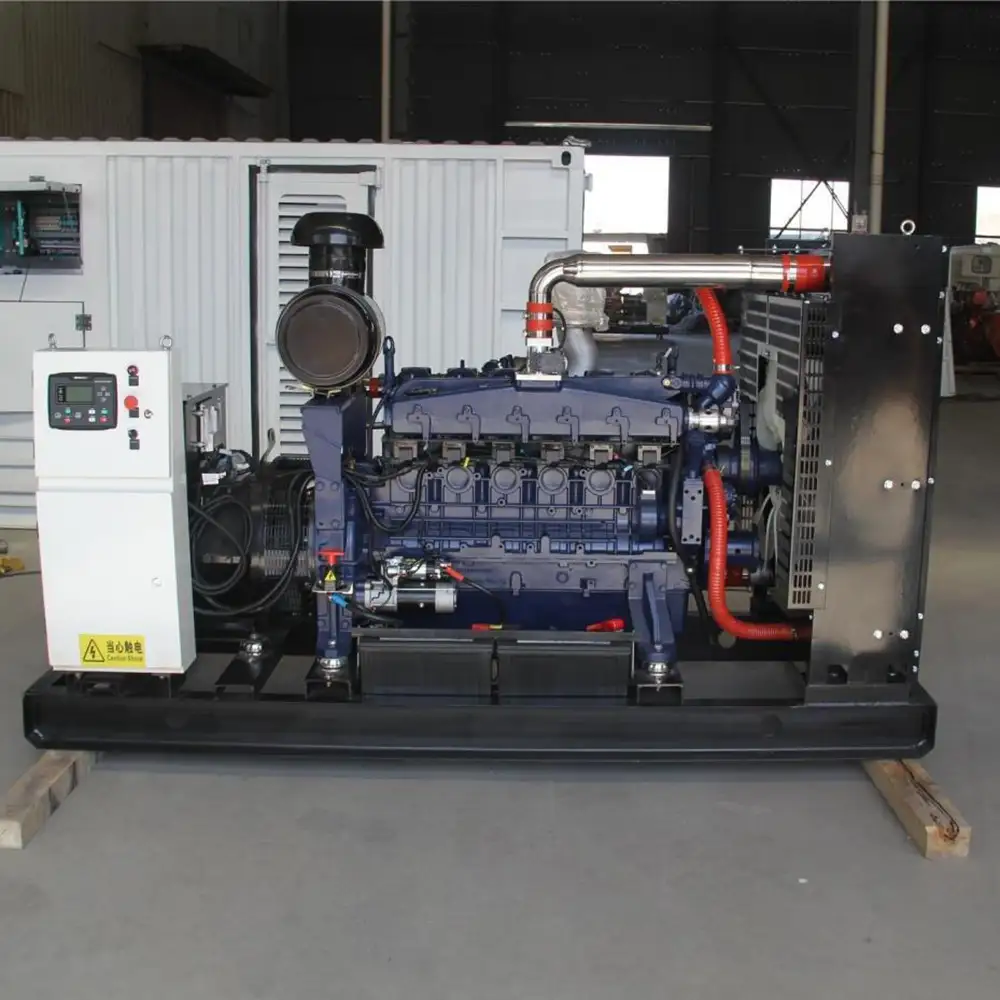
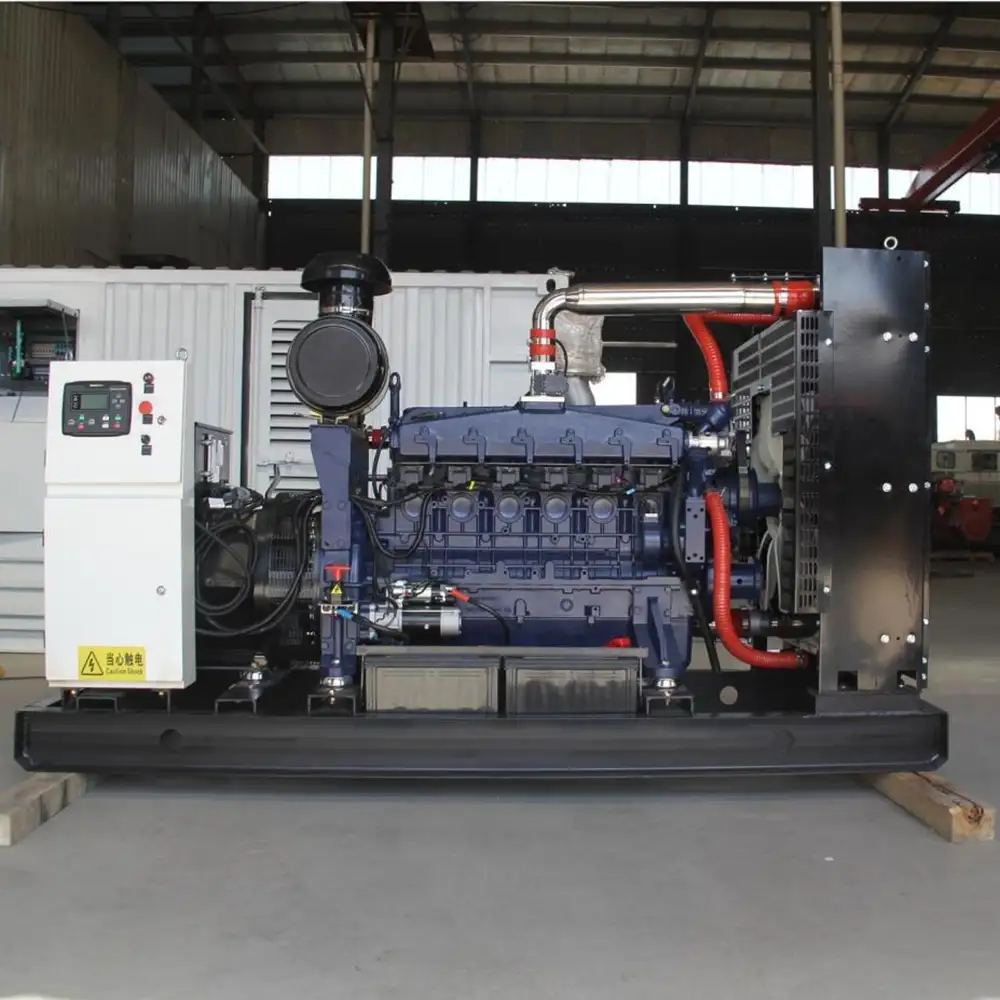
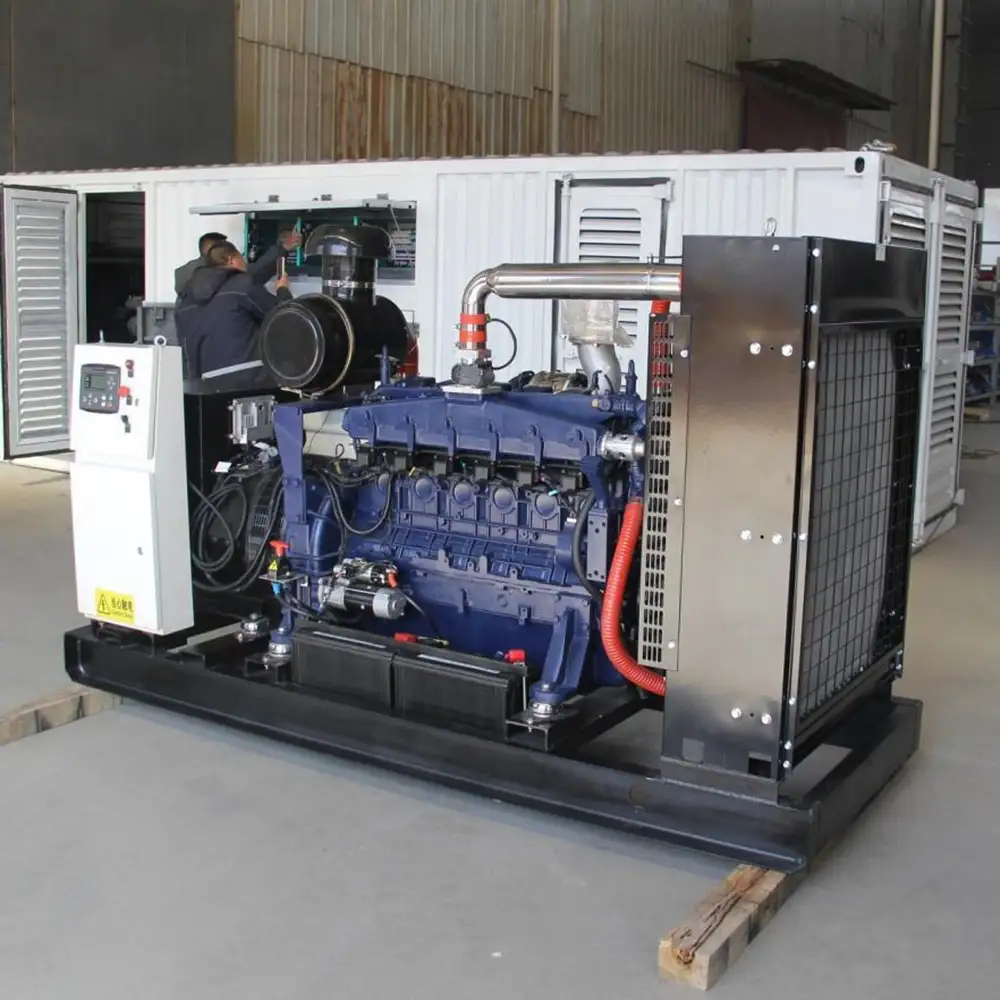
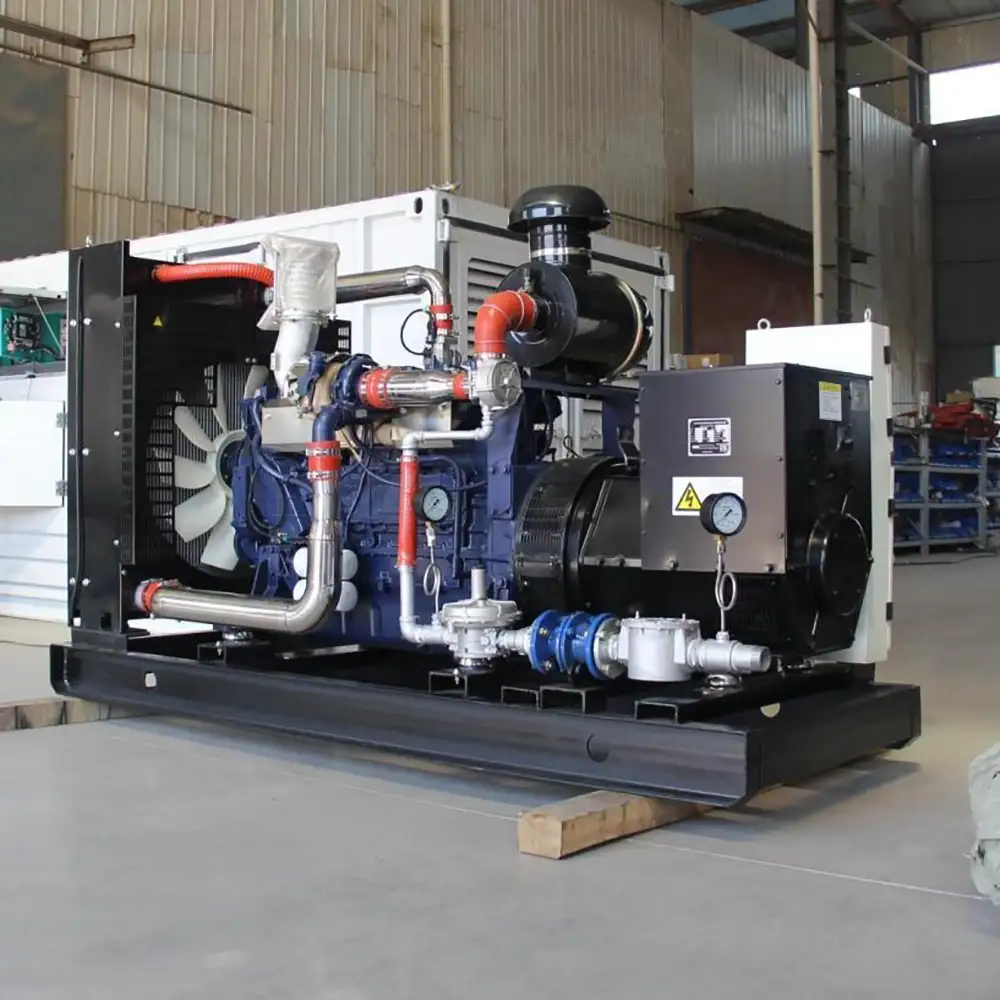
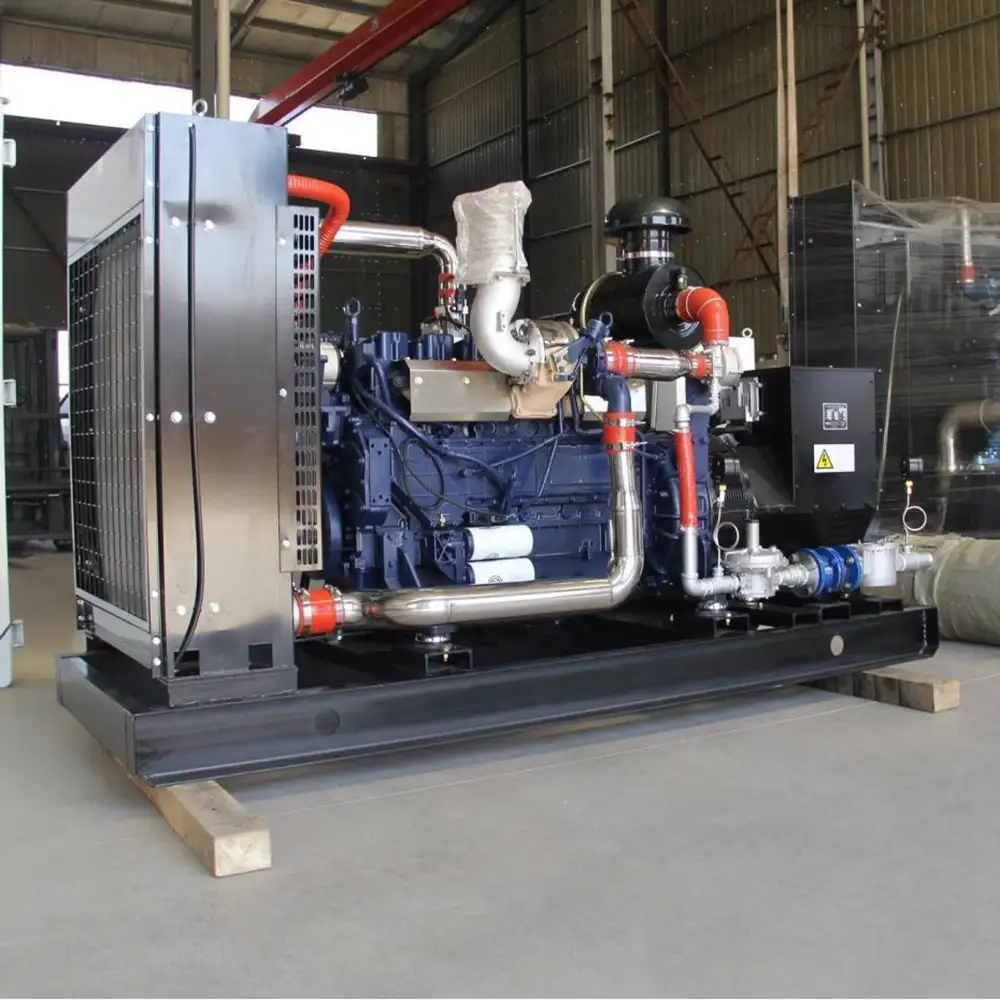
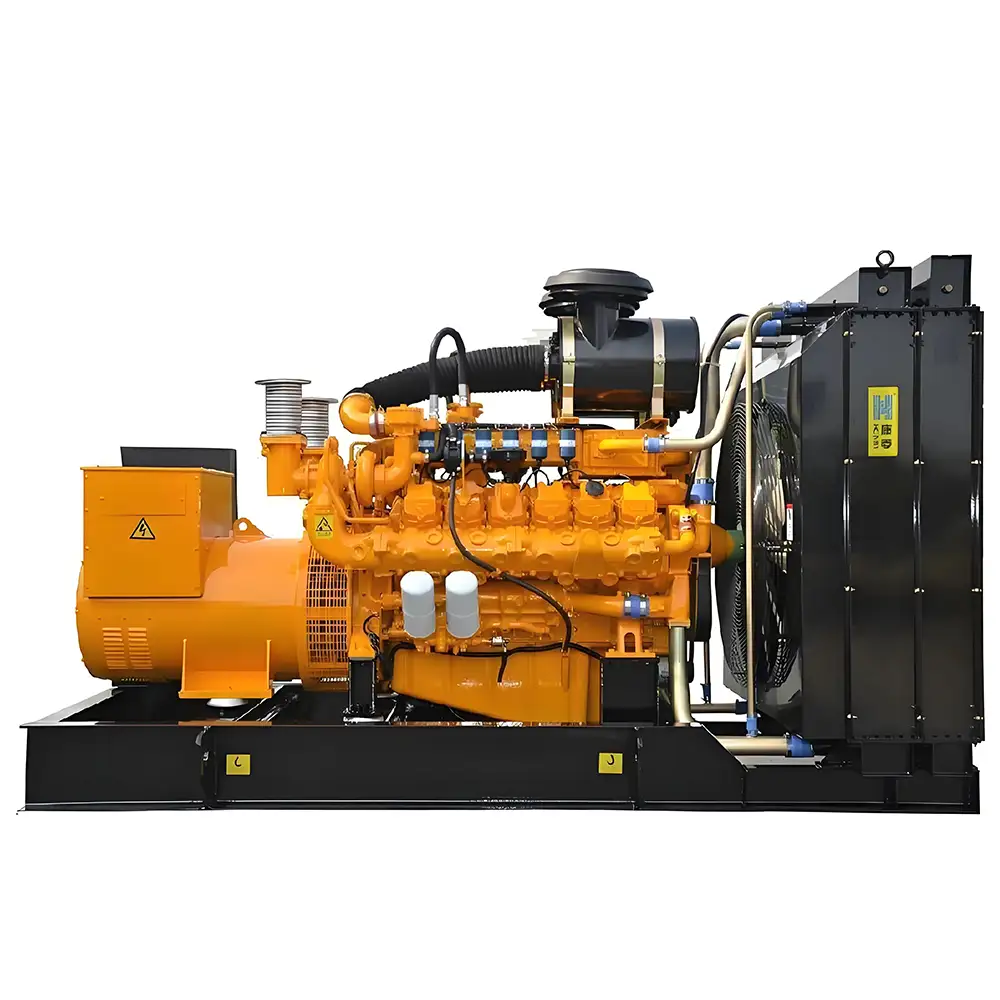
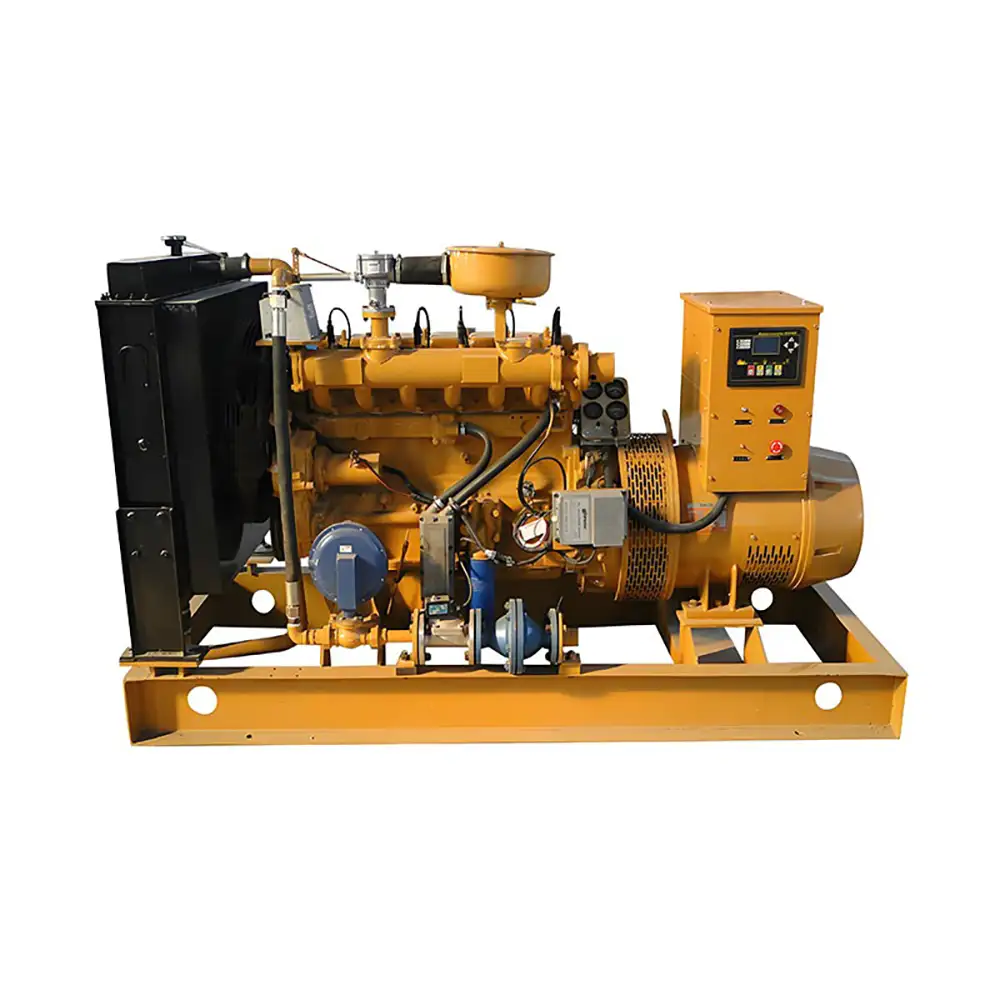
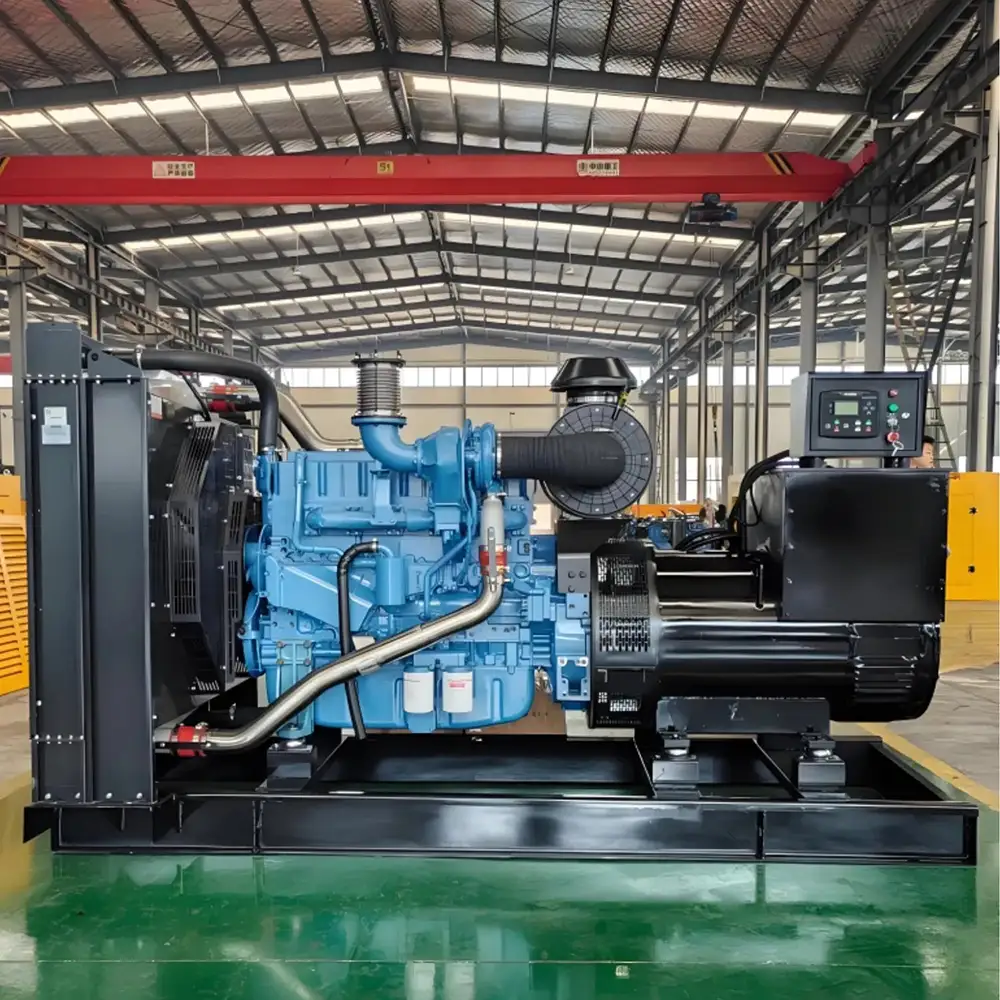
The Yuchai Weichai Natural Gas / Biogas / Methane Generator is a gas-fueled power generation solution designed for facilities that have access to natural gas, methane-rich biogas, or other compatible gaseous fuels. Using a suitable Yuchai or Weichai gas engine configuration combined with an alternator and control system, the generator set can provide electricity for industrial, agricultural, commercial, wastewater, and renewable energy applications.
Natural gas and biogas are increasingly used for distributed power generation because they can provide an alternative fuel source for facilities with suitable gas infrastructure or anaerobic digestion systems. Methane-rich biogas can also provide an opportunity to recover energy from organic waste streams.
Because natural gas and biogas have different fuel characteristics, the appropriate engine and fuel system must be selected according to the actual gas composition, pressure, flow rate, and operating requirements.
The biogas generator set can operate stably and reliably under environmental conditions of -40ºC~+40ºC, relative humidity <90% (at 25ºC), and altitude ≤1000m. Under standard environmental conditions (atmospheric pressure 100KPa, ambient temperature: 25ºC, relative humidity 30%), the gas quality meets the standard conditions and can output rated power. Unit requirements for biogas
Within 1m of the unit's gas inlet pressure regulating valve,
1. Biogas temperature ≤40ºC;
2. Biogas pressure 3~10kPa, pressure change rate ≤1kPa/min;
3. The volume content of methane in biogas is not less than 40%, and the change rate is ≤2%/min;
4. H2S ≤20mg/Nm3;
5. NH3 ≤20mg/Nm3;
6. Impurity particle size ≤5μm, impurity content ≤30mg/Nm3;
7. Moisture content in biogas ≤40g/Nm3.
Special instructions are required for biogas with a methane volume content of ≤50%.
If the sulfur and ammonia content in the combustible gas is high, it will not only seriously corrode the spark plug electrode, but also increase the acid value in the engine oil, corrode the internal parts of the unit, and easily generate sediment, increasing corrosion and wear to the engine.
Yuchai Gas Generator
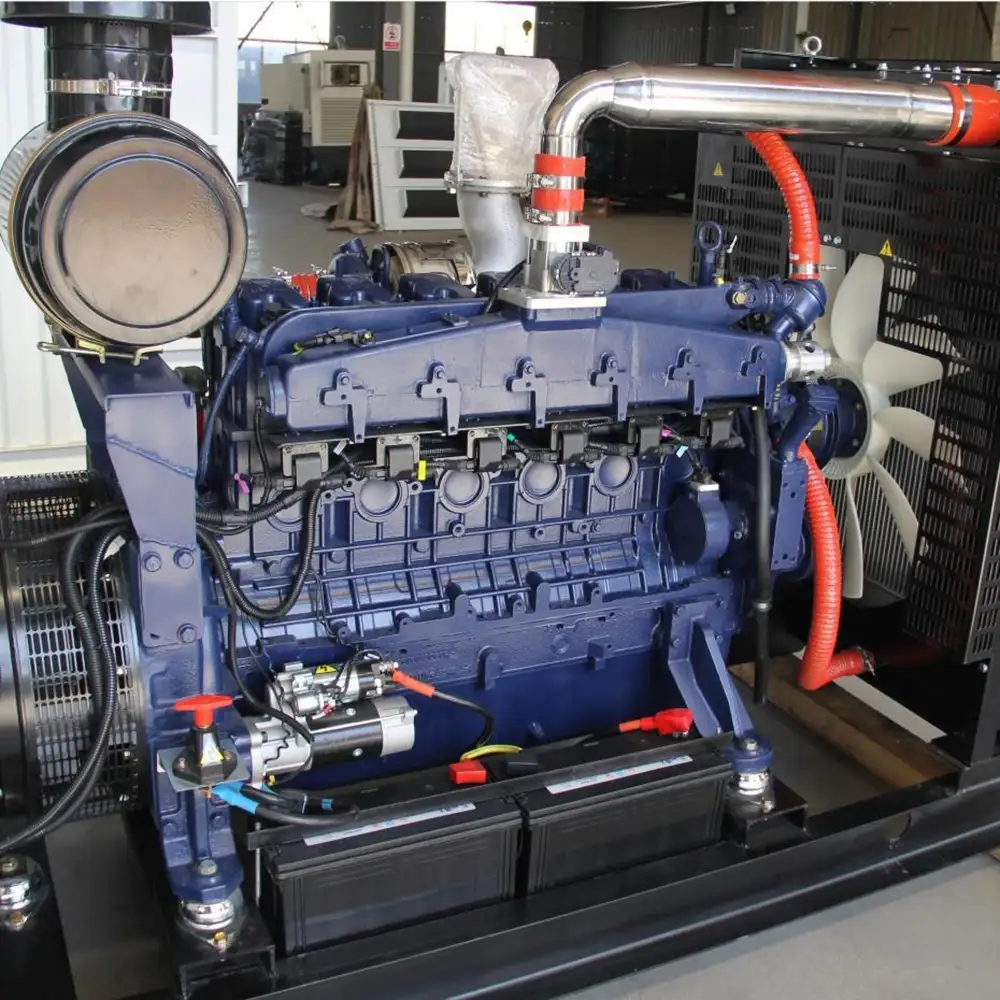
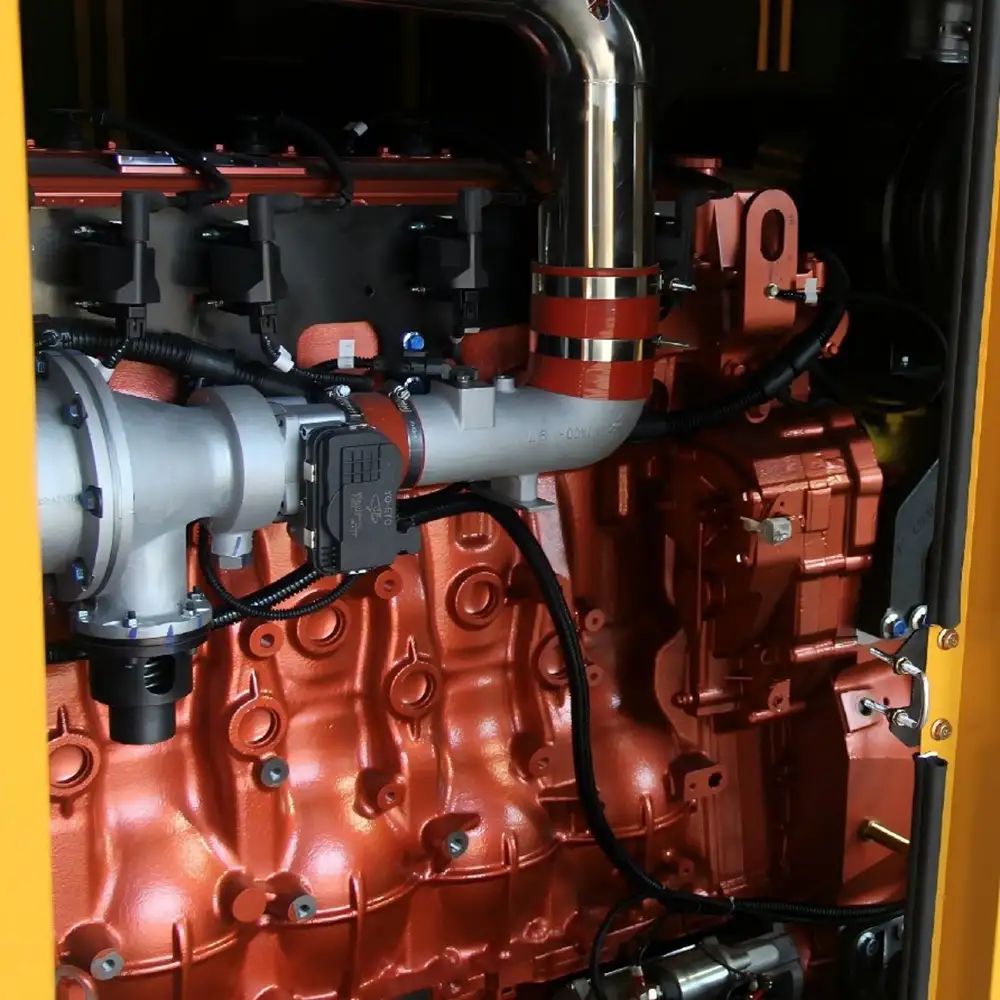
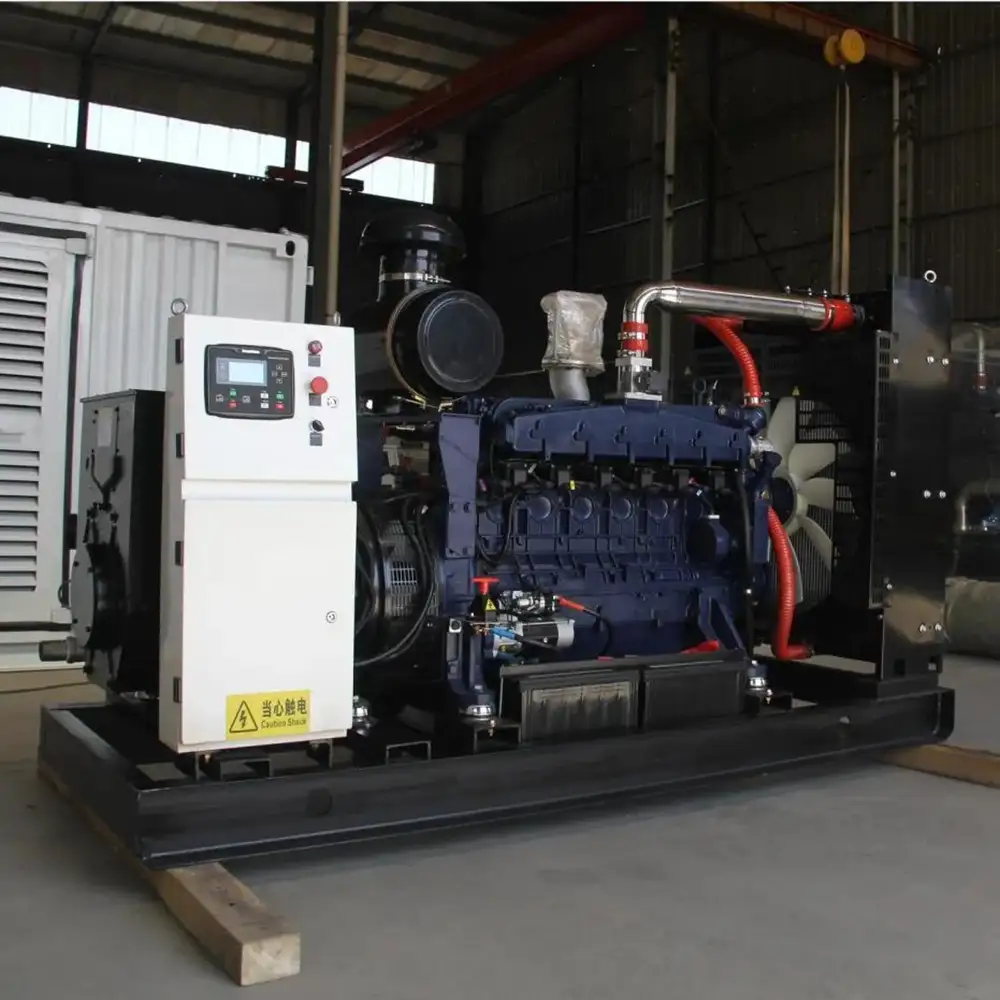
The Yuchai Gas Generator configuration provides a gas engine platform for suitable natural gas and biogas power-generation applications. The engine, alternator, control system, cooling system, and gas supply components can be configured according to the required electrical output and installation conditions.
Yuchai gas engine solutions can be considered for agricultural facilities, industrial applications, distributed power systems, and other projects where a compatible gaseous fuel is available.
For biogas applications, fuel quality should be evaluated before selecting the engine. Methane concentration, hydrogen sulfide, moisture, gas pressure, and gas flow can all affect generator configuration and operation.
Weichai Gas Generator
The Weichai Gas Generator configuration provides another gas-engine option for natural gas and suitable biogas applications.
A Weichai gas engine can be combined with an alternator, control system, cooling equipment, exhaust system, gas train, and other auxiliary components to create a complete generator set.
The appropriate Weichai engine model depends on the required electrical output, fuel characteristics, operating environment, and project requirements. Customers can provide fuel analysis and electrical load information for configuration evaluation.
Natural Gas Generator
Natural gas generators use compatible natural gas as the fuel for an internal combustion gas engine. The engine drives an alternator to produce electrical power.
Natural gas generators can be used in industrial facilities, commercial buildings, workshops, farms, distributed energy projects, and other locations where a stable natural gas supply is available.
Important fuel considerations include gas pressure, composition, supply stability, and connection requirements. The fuel system should be designed according to the selected engine and local installation conditions.
Biogas Generator
A Biogas Generator converts methane-rich biogas produced through anaerobic digestion into electrical energy.
Biogas can be generated from livestock manure, wastewater sludge, food-processing waste, agricultural residues, and other suitable organic materials. Using a gas generator can turn this renewable gas resource into useful electricity for on-site equipment and facility operations.
However, raw biogas can contain hydrogen sulfide, moisture, carbon dioxide, particulates, and other components. Gas cleaning and conditioning may therefore be required before the gas enters the engine.
Methane Generator For Power Generation
Methane is the primary combustible component of many biogas streams. A methane generator uses a compatible gas engine to convert the energy contained in methane-rich gas into electrical power.
The term methane generator may refer to a generator configured for methane-rich biogas or another suitable methane-containing fuel gas. Actual engine compatibility depends on methane concentration and other fuel characteristics.
For projects using digester gas, a gas analysis report is recommended before selecting the generator.
Biogas Gas Cleaning
Gas cleaning is an important consideration for reliable biogas generator operation. Depending on the actual gas composition, the system may require moisture separation, hydrogen sulfide removal, filtration, cooling, and pressure regulation.
Hydrogen sulfide is particularly important because elevated concentrations can affect engine components and maintenance requirements. Moisture and condensate can also create problems in gas pipelines and fuel systems.
The required gas-treatment process should be determined according to the actual biogas analysis rather than using the same configuration for every project.
Methane-Rich Biogas Applications
Methane-rich biogas is commonly produced in anaerobic digesters. The digestion process can convert organic matter into biogas while also treating the original waste material.
Potential applications include livestock farms, dairy farms, wastewater treatment plants, food-processing facilities, agricultural waste treatment projects, and organic waste-to-energy plants.
A gas generator can be integrated with the anaerobic digestion system to recover electrical energy from the resulting biogas.
Farm Biogas Power Generation
Livestock farms can produce large quantities of manure that may be processed through anaerobic digestion. The resulting biogas can be collected, conditioned, and supplied to a compatible gas generator.
Electricity generated from biogas can potentially be used for pumps, mixers, ventilation, lighting, refrigeration, feed systems, and other farm equipment.
The generator capacity should be matched to both the available biogas production and the farm's electrical load.
Wastewater Treatment Applications
Wastewater treatment plants may produce methane-rich digester gas during anaerobic sludge treatment. This gas can be used as an energy resource when its composition and supply are suitable.
A Yuchai or Weichai biogas generator can potentially convert the digester gas into electricity for wastewater treatment equipment and other plant loads.
The gas-treatment system should be selected according to hydrogen sulfide, moisture, methane concentration, gas flow, and other characteristics of the digester gas.
Industrial And Commercial Applications
Natural gas generators can provide electricity for factories, workshops, commercial buildings, warehouses, and other facilities with suitable gas infrastructure.
For industrial applications, generator selection should consider continuous load, peak load, motor starting requirements, operating hours, ambient conditions, and electrical system requirements.
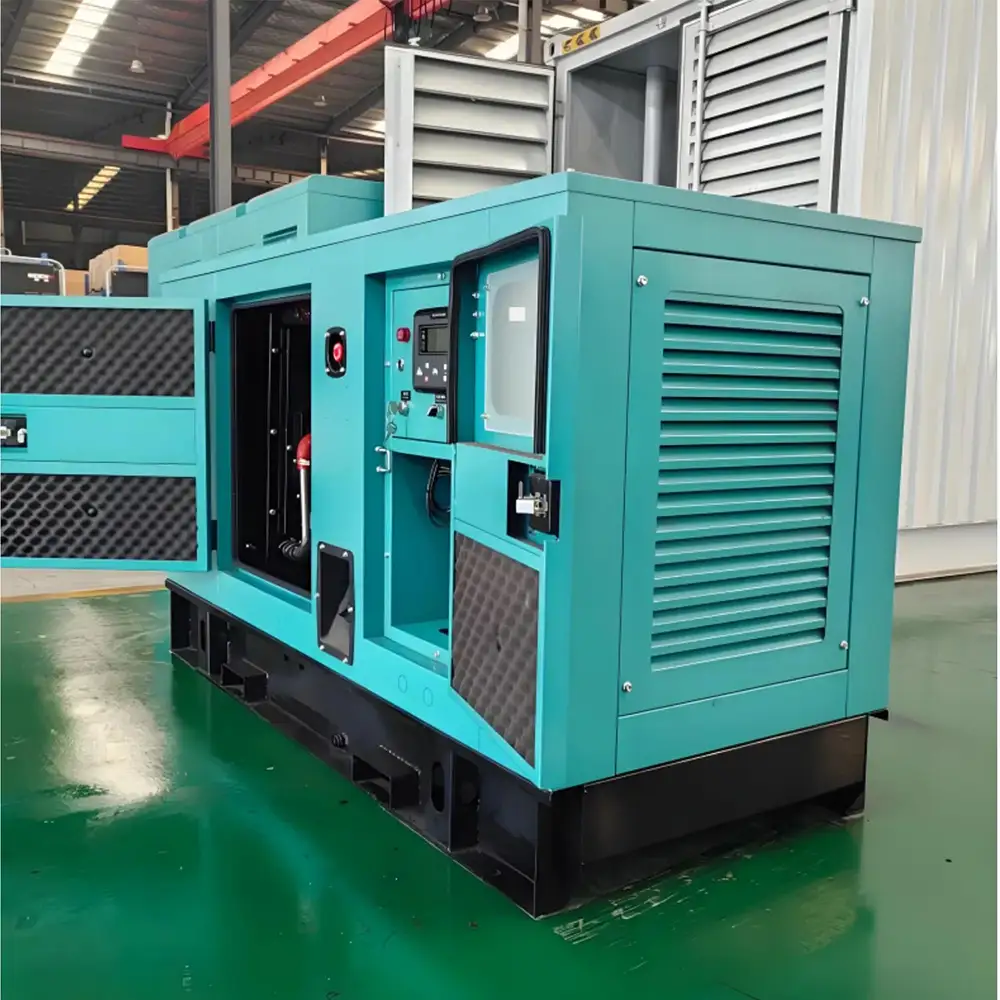
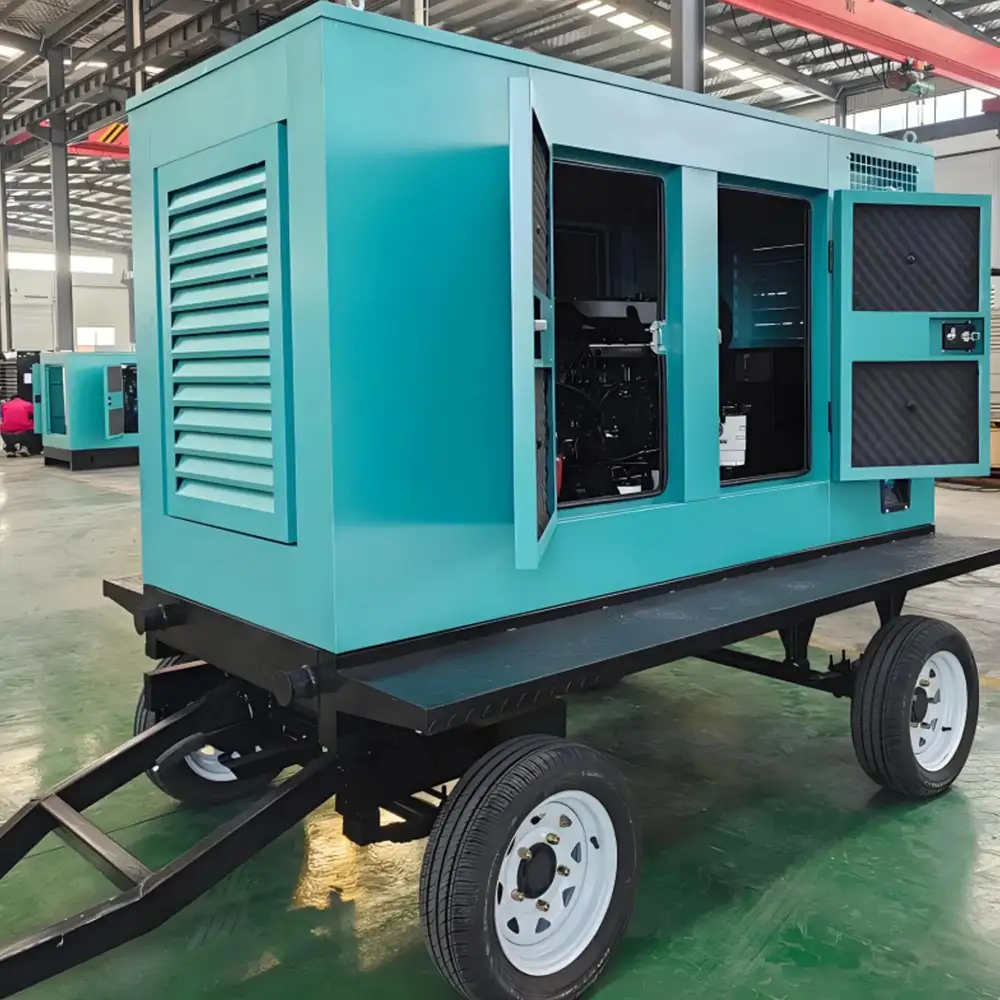
For commercial installations, factors such as noise, enclosure design, ventilation, exhaust routing, and installation space may also be important.
Automatic Generator Control
A complete gas generator set can be equipped with an automatic control system for monitoring and managing generator operation.
Depending on the selected configuration, the controller may monitor voltage, frequency, current, engine temperature, oil pressure, operating hours, alarms, and other important parameters.
Automatic start and stop, protection functions, synchronization, load management, and remote monitoring can be included where required by the project.
Prime And Standby Power
Natural gas and biogas generators can be used in different power-generation modes depending on the project.
For facilities with continuous gas availability, the generator may be used for regular on-site power generation. For other applications, a gas generator can be integrated into a broader power system as an additional or backup energy source.
The operating mode should be selected according to fuel availability, electrical demand, grid conditions, and the required generator operating schedule.
Flexible Generator Configuration
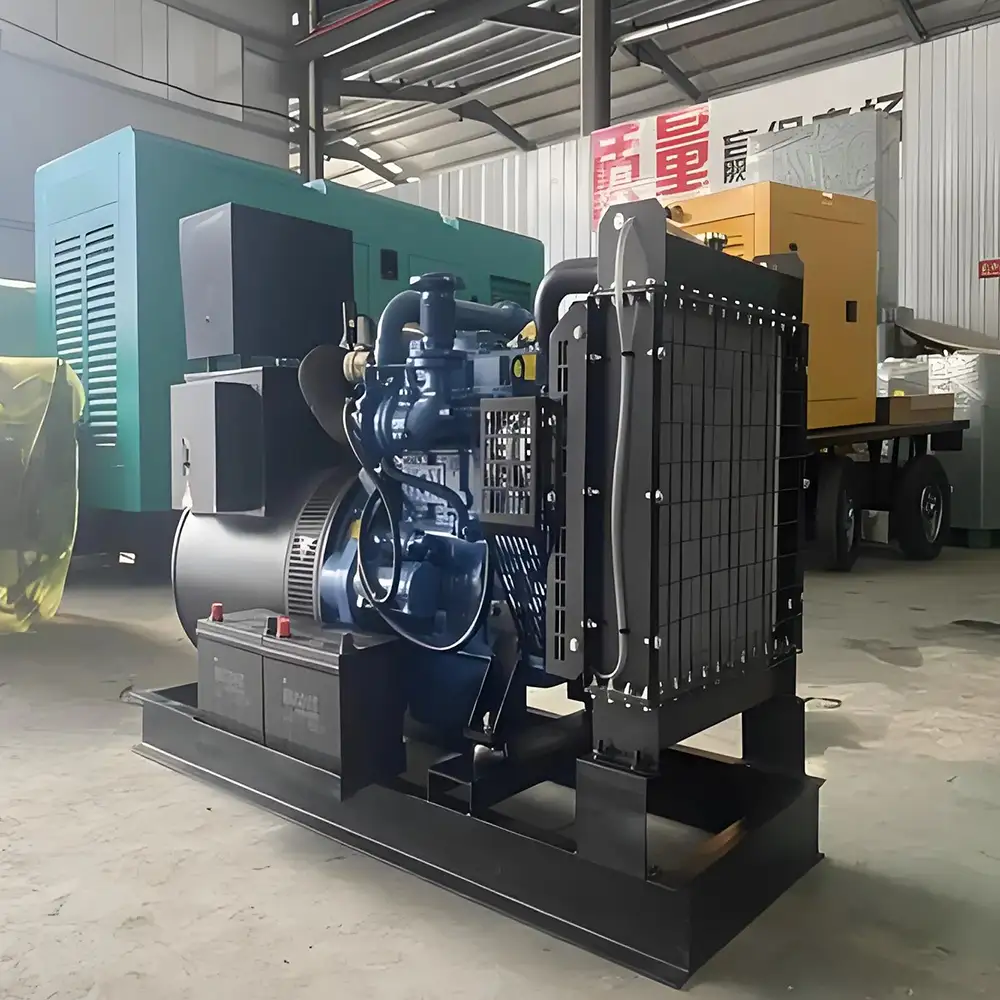
Generator sets can be configured with different engine models, alternators, control systems, gas trains, cooling systems, exhaust systems, enclosures, and auxiliary equipment.
For larger projects, multiple generator sets can potentially operate in parallel with suitable synchronization and load-sharing systems.
This provides flexibility for facilities whose power requirements may increase over time or vary during different production periods.
Fuel Quality And Engine Compatibility
Natural gas, biogas, and methane-rich gas should not automatically be treated as identical fuels. Their composition and operating characteristics can vary considerably.
For natural gas, gas pressure and composition should meet the engine requirements. For biogas, methane concentration, hydrogen sulfide, moisture, carbon dioxide, gas flow, and pressure should be evaluated.
Providing a current gas analysis report allows the generator configuration and gas-conditioning system to be selected more appropriately.
B2B Project-Based Solutions
Different customers require different generator configurations. An agricultural biogas project may need gas cleaning and energy recovery equipment, while an industrial natural gas project may require continuous power, synchronization, or multiple generator sets.
Customers can provide required power output, fuel type, gas analysis, gas flow rate, gas pressure, voltage, frequency, operating hours, installation environment, and electrical load information.
These details can be used to evaluate a suitable Yuchai or Weichai generator configuration.
Export And Technical Support
For international B2B projects, generator sets can be prepared with appropriate technical documentation, operating manuals, wiring information, export packaging, and installation guidance.
Proper installation requires suitable ventilation, exhaust routing, fuel-gas connections, grounding, electrical protection, and commissioning procedures.
The final installation should follow applicable local electrical, gas, fire-safety, and environmental requirements.
Key Features
Yuchai Gas Engine Generator Configuration
Weichai Gas Engine Generator Configuration
Natural Gas Power Generation
Biogas Power Generation
Methane-Rich Gas Applications
Gas Engine And Alternator System
Biogas Cleaning System Compatibility
Automatic Generator Control
Prime And Standby Power Options
Flexible Generator Configuration
Suitable For Agricultural And Industrial Projects
International B2B Project Support
Main Applications
Natural Gas Power Generation
Biogas Power Plants
Methane Power Generation
Livestock Farms
Dairy Farms
Wastewater Treatment Plants
Anaerobic Digestion Plants
Food Processing Facilities
Agricultural Waste Treatment
Organic Waste-To-Energy Projects
Industrial Facilities
Commercial Buildings
Distributed Energy Systems
FAQs
1. What Is A Yuchai Weichai Gas Generator?
It is a gas engine generator set configured with a suitable Yuchai or Weichai gas engine for compatible natural gas, biogas, or methane-rich fuel applications.
2. Can The Generator Run On Natural Gas?
Yes. A compatible gas generator configuration can use natural gas when the gas composition, pressure, flow, and supply conditions meet the engine requirements.
3. Can It Run On Biogas?
Yes. A suitable biogas generator configuration can use methane-rich biogas from anaerobic digestion systems. Gas cleaning and conditioning may be required.
4. What Is The Difference Between Biogas And Methane?
Biogas is a mixture of gases produced through anaerobic digestion, with methane as its primary combustible component. Methane-rich biogas can therefore be used as a fuel for compatible gas engines after appropriate conditioning.
5. Does Biogas Need To Be Cleaned?
In many applications, yes. Biogas may contain hydrogen sulfide, moisture, particulates, and other impurities. The required treatment depends on the actual gas analysis and engine requirements.
6. Can It Be Used On A Livestock Farm?
Yes. Biogas generated from livestock manure through anaerobic digestion can potentially be used for electricity generation when the gas production and quality are suitable.
7. Can It Be Used In A Wastewater Treatment Plant?
Yes. Methane-rich digester gas from wastewater sludge treatment can be used by a compatible generator to produce electricity for suitable plant loads.
8. Which Is Better, Yuchai Or Weichai?
Neither engine platform is universally better for every project. Selection should consider required output, fuel characteristics, operating conditions, service availability, project budget, and specific engine configuration.
9. Can Multiple Gas Generators Work In Parallel?
Yes. Multiple compatible generator sets can potentially operate in parallel using appropriate synchronization, load-sharing, control, and electrical protection equipment.
10. What Information Is Needed To Select The Generator?
Provide the required electrical output, fuel type, methane concentration if applicable, gas flow and pressure, hydrogen sulfide level, voltage, frequency, operating hours, load characteristics, and installation conditions.
Why Choose Us
Yuchai And Weichai Engine Options
We support suitable Yuchai and Weichai gas engine configurations, allowing customers to evaluate different engine platforms according to their fuel and power requirements.
Natural Gas And Biogas Applications
Our generator solutions can be evaluated for both natural gas and methane-rich biogas applications, with fuel-specific configuration rather than assuming one system fits every gas source.
Complete Gas Conditioning Consideration
For biogas projects, we consider moisture, hydrogen sulfide, filtration, gas pressure, and other fuel-quality factors when evaluating the complete generator system.
Application-Based Configuration
Generator output, engine, alternator, control system, gas train, cooling system, enclosure, and auxiliary equipment can be evaluated according to the actual project.
International B2B Support
We support industrial customers, agricultural projects, wastewater treatment plants, EPC contractors, energy developers, distributors, and other international buyers.
Export And After-Sales Service
We provide technical documentation, generator testing, export packaging, shipping coordination, installation guidance, commissioning assistance, and after-sales technical support.
Prev:
50-2000 Kw Silent Type Gas/Biogas/Diesel Generator
Next:
Naturally Aspirated AC Three Phase Gas Engine Quiet Chassis Generator
TAG:
Biogas Power Generation,
Biogas Generator,
Renewable Gas Generator,
Gas Generator Set,
Gas Engine Generator,
Methane Gas Generator,
Methane Generator,
Natural Gas Generator,
Natural Gas Power Generator,
Natural Gas Generator Set,
Biogas Generator Set,
Biogas Power Generator,
Gas Power Generator,
Methane Gas Generator Set,
Gas Engine Power Generator,
Biogas Gas Engine Generator,
Methane Power Generator,
Natural Gas Power Generation,
Weichai Gas Generator,
Yuchai Gas Generator,
Weichai Biogas Generator,
Yuchai Biogas Generator,
Yuchai Weichai Generator,
Yuchai Natural Gas Generator,
Weichai Natural Gas Generator,
Related Category:
Yuchai Gas Generator, Weichai Gas Generator, Yuchai Weichai Generator, Natural Gas Generator, Biogas Generator, Methane China, suppliers, manufacturers, factory, customized, wholesale, quotation, made in China